
Taronga Western Plains Zoo have announced the arrival of a new species - four Leopard Tortoises are now on-display in the new waterhole precinct.
Security Check
Security Check
It seems only fitting that we share some exciting news about the Regent Honeyeater conservation breeding program on National Threatened Species Day today.
We are delighted to announce we have welcomed 10 Regent Honeyeater chicks already and we are only a couple of months into the breeding season. This is such great news not only because this is our first breeding season but because this species is critically endangered with less than 400 remaining in the wild.
Hopefully there are more chicks to come, we'll keep you posted!


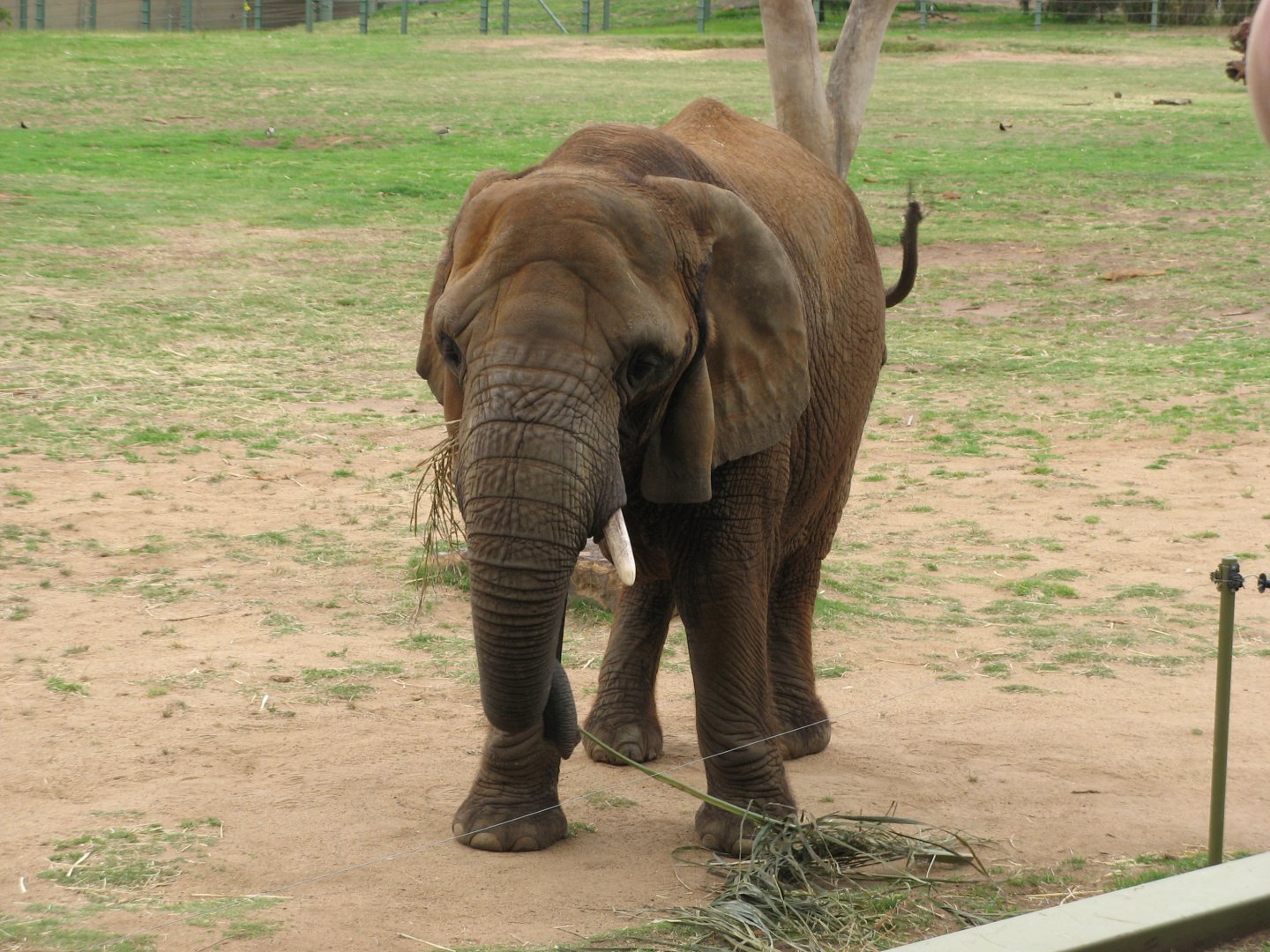
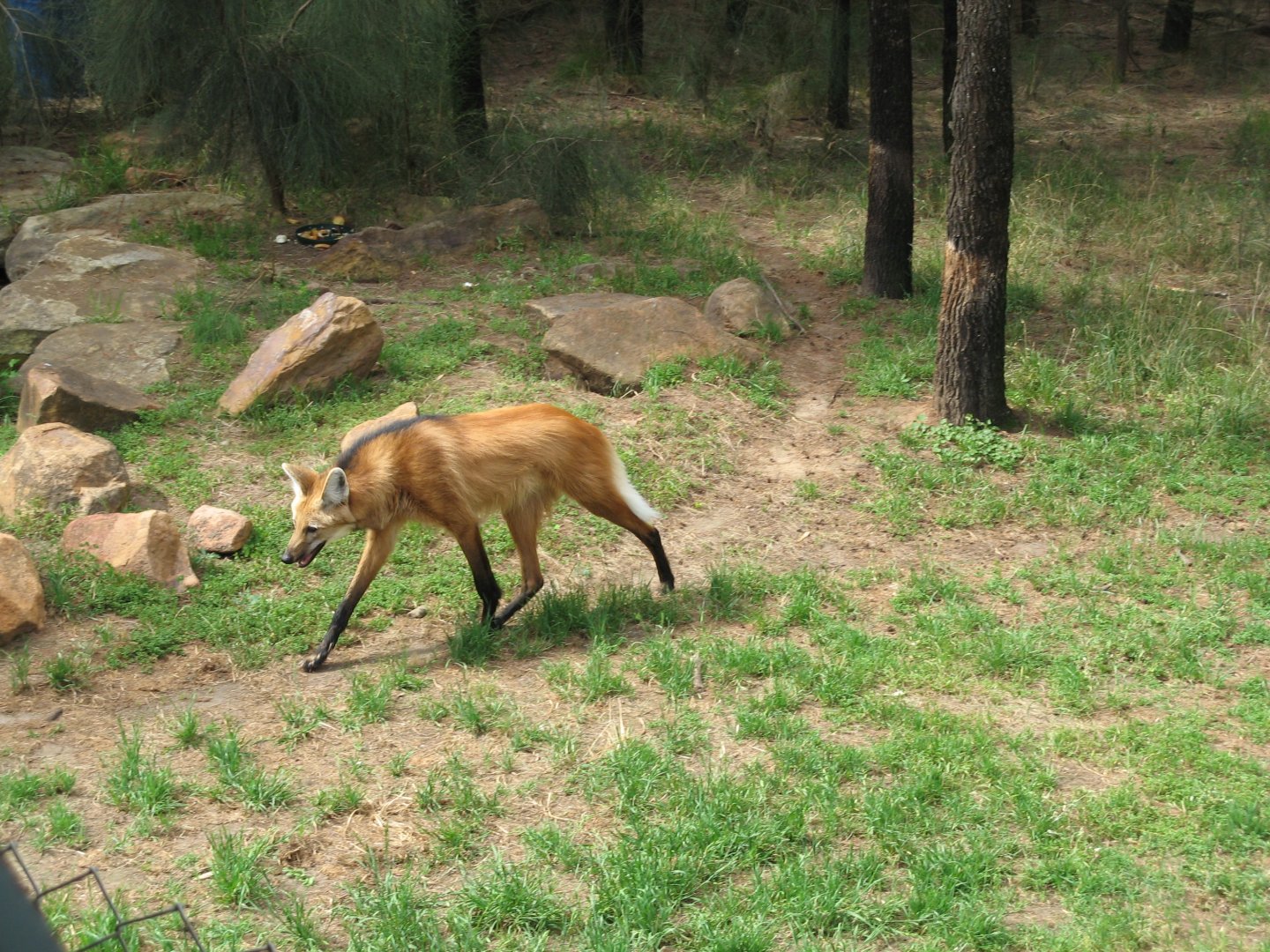
Those African elephants really looked the part out there when the zoo first opened its hard to believe they are long gone!I post a few old photos of TWPZ in the media gallery for anyone who is interested. They are from 2009 and there are a couple of species which they don't keep anymore
So sad. They were beautiful.Those African elephants really looked the part out there when the zoo first opened its hard to believe they are long gone!

Those African elephants really looked the part out there when the zoo first opened its hard to believe they are long gone!
It does seem somewhat odd that they never bred I am not sure what to put this down to, One would believe one or two young would of been produced at some stage. I am not sure how often the males were mixed with the females there were two paddocks in later years joined by a steel gate and not just the one exhibit area they had started out with!It always frustrates me that they were never able to establish a breeding herd at Dubbo, when they had a proven bull and three cows in their teens amongst the two imports of 1.3 and 1.1.
Had this herd experienced breeding success, it would have greatly strengthened Monarto’s ability to import this species - both literally (importing direct from Dubbo) and figuratively (joining an existing breeding programme within the region).
Taronga Western Plains Zoo's Eland herd have returned to their lush green paddock.
The herd spent some time behind-the-scenes to allow the pasture to grow on their exhibit while the zoo was closed earlier this year.
During the Zoo's temporary closure period the maintenance team took the opportunity to do some pasture improvement on the Eland exhibit along with a number of other paddocks at the zoo.
"The drought had really taken its toll on a number of these paddocks and particularly the pastures that the animals love to graze.
"So whilst we were closed it was a good opportunity to help re-establish the pasture," Taronga Western Plains Zoo's asset manager, Kathleen Oke said.
The drought had really taken its toll on a number of these paddocks and particularly the pastures that the animals love to graze so whilst we were closed it was a good opportunity to help re-establish the pasture.
Taronga Western Plains Zoo's Asset manager, Kathleen Oke
"The continued rainfall across the past few months has really helped the pastures grow and turn the paddocks that were looking very dry and dusty to lush green habitats for our animals," she said.
The Eland have been the last herd to return to the zoo's main circuit following the pasture improvement.
Last week the herd were transported from the paddock behind-the-scenes where they had been staying back to the main exhibit.
"We transported the Eland herd over the course of a few trips in the zoo's animal transport truck," Supervisor, Pascale Benoit said.
The Eland herd spent almost five months at their temporary location behind-the-scenes, which allowed the pasture to return to their exhibit, giving them something to graze on.
"Some of the Eland returned to the greener pastures with more being transferred back shortly and they were definitely happy to be back and be able to graze on the fresh grass," Pascale said.
"It is really great to see them back at their home and enjoying the lush green grass," Pascale said.
After being off-display for five months, the zoo's main herd of Eland are now back in their main exhibit after some maintenance.
Security CheckIt's a boy!
We've welcomed a baby Black handed Spider Monkey in late August. The yet to be named baby is doing well. This is the second baby for mum Jai with father Pedro.
He may be a little difficult to spot at present as he clings to mum's tummy but in the next couple of months he'll start riding on her back and be more visible from the viewing platform near the Zoo Cafe & Bar.
Today is World Rhino Day and it's extra special at the Dubbo Taronga Western Plains Zoo who have announced that black rhinoceros Bakhita is expecting a calf in early 2021.
This will be the fourth calf for experienced mother Bakhita, who according to Zoo Director Steve Hinks is progressing well through her pregnancy.
"In late 2020 Bakhita will be moved to our behind-the-scenes calving yard to be given time to settle in prior to her expected birthing period."
"This pregnancy is especially important as the offspring will carry the legacy of our black rhino breeding bull, Kwanzaa who sadly passed away earlier this year. This will be Kwanzaa's fourth calf," Mr Hinks said.
Earlier this month we released zoo-bred Greater Bilbies back into the wild at Sturt National Park as part of the UNSW
Wild Deserts
project.
This was truly a historic moment. Greater Bilbies have been considered locally extinct in this part of NSW for more than a century, and now 10 bilbies are roaming a large 2000ha feral-animal free area in the far north-west corner of the State.
We commenced breeding Greater Bilbies in our 110ha Sanctuary here in Dubbo back in late 2019, so to be releasing the offspring of some of these founder bilbies so soon is a testament to the hard work and dedication of our teams, as well as the optimum conditions that rainfall created in 2020.
The release moment was a career highlight for our team members who were on the ground with the traditional owners and our project partners to see the Bilbies released. A moment that will stay with them forever, because this is what drives our passion for wildlife and conservation, seeing animals return to the wild where they will hopefully not only survive, but once again thrive.
This great achievement is part of the Saving Our Species initiative and was made possible thanks to a collaboration between
UNSW Science
,
NSW Government
,
NSW National Parks and Wildlife Service
and Taronga, with the support of the traditional owners.
We want to share the story of how we prepared the Bilbies for release back into the wild. Please tune in over the coming six days as we share an episode a day.
Any new news regarding the Indian rhinos almost nothing is heard of them that I know of?
I believe under ideal conditions rhinos can breed every four years!They still have the 1.1 - Dora and Amala. I’d imagine they are planning to breed them again in the near future. Amala is 14 years old, so still young; though breeding them is comparatively difficult compared to Southern white rhinoceros etc.
There’s an interesting article here about what was involved with introducing them for breeding last time (it took two years from the start of introductions until pregnancy was achieved):
What does it take to make a baby Rhino?
I believe
I believe under ideal conditions rhinos can breed every four years!
Thats good going Whipsnade would have this species breeding down to a fine art by now!At Whipsnade, Behan’s calves five calves were born 2006, 2010, 2013, 2015 and 2019 (age gaps of two to four years). A cow named Roopa that bred there during the 1980’s produced six calves often with age gaps of just under two years. I suppose it comes down to a number of factors, including compatibility; though one would expect that even if a pair were separated after partition, that their familiarity with each other would shorten the length of the reintroduction compared to the initial introduction.
Thats good going Whipsnade would have this species breeding down to a fine art by now!
I believe they started out with the plan to hold two pairs!Having multiple females (they started their current breeding herd with 1.2) would help. One of the females is now unable to have more calves; so having the second means they can continue breeding. It’s impressive TWPZ can exhibit and breed three species of rhino; but if they were able to dedicate more resources to Indian rhino, they could surely achieve the same success.