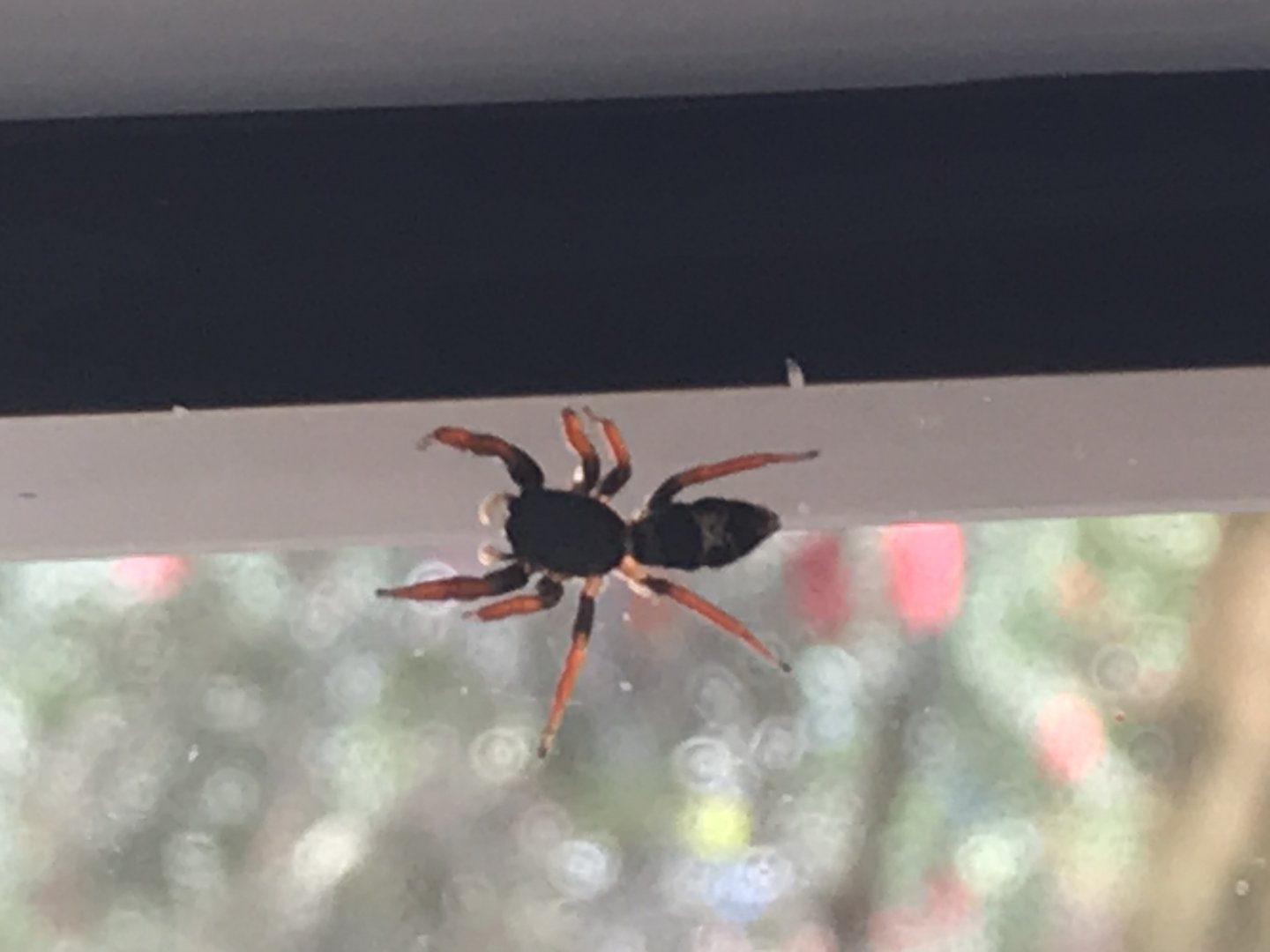
In this thread I'll be highlighting various jumping spiders of the family Salticidae. Jumping spiders are variable, have amazing adaptations, mating dances and more so sit back relax and enjoy the thread.
For this to work it needs member contribution, jumping spiders are a diverse family found all over the world and I'm sure everyone has their resident species or two in their backyard, photos would be appreciated.
For now I'll only be covering species in the Zoochat gallery, of which there aren't too many.
Entry number one
Bronze Jumping Spider (Helpis minitabunda)
I thought it would be a good idea to start with a species I am familiar with being the Bronze Jumping Spider. Unusually for jumping spiders, the male is larger than the female, in this case the Male grows to 10mm in length and the Female 8mm.
This species inhabits forests, woodlands and urban areas and is numerous throughout it's range of Eastern Australia and parts of Papua New Guinea. It has also been introduced into New Zealand.
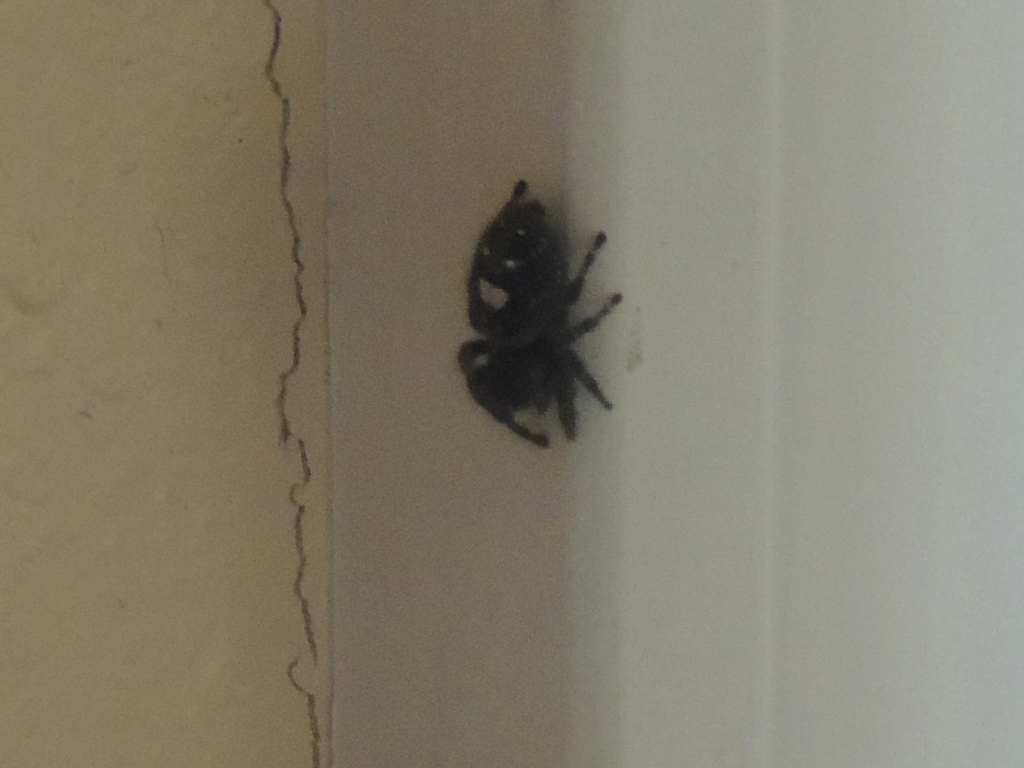
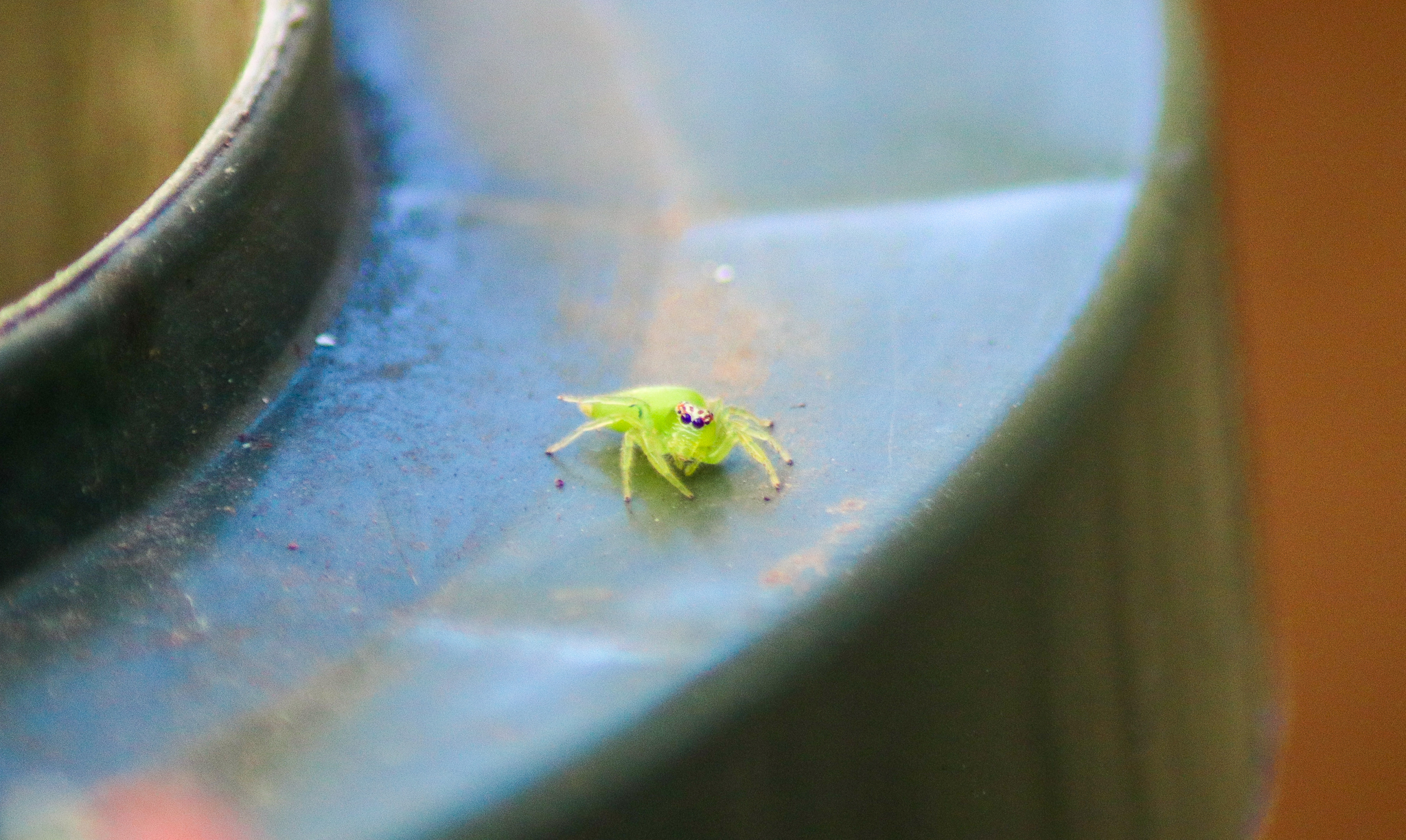
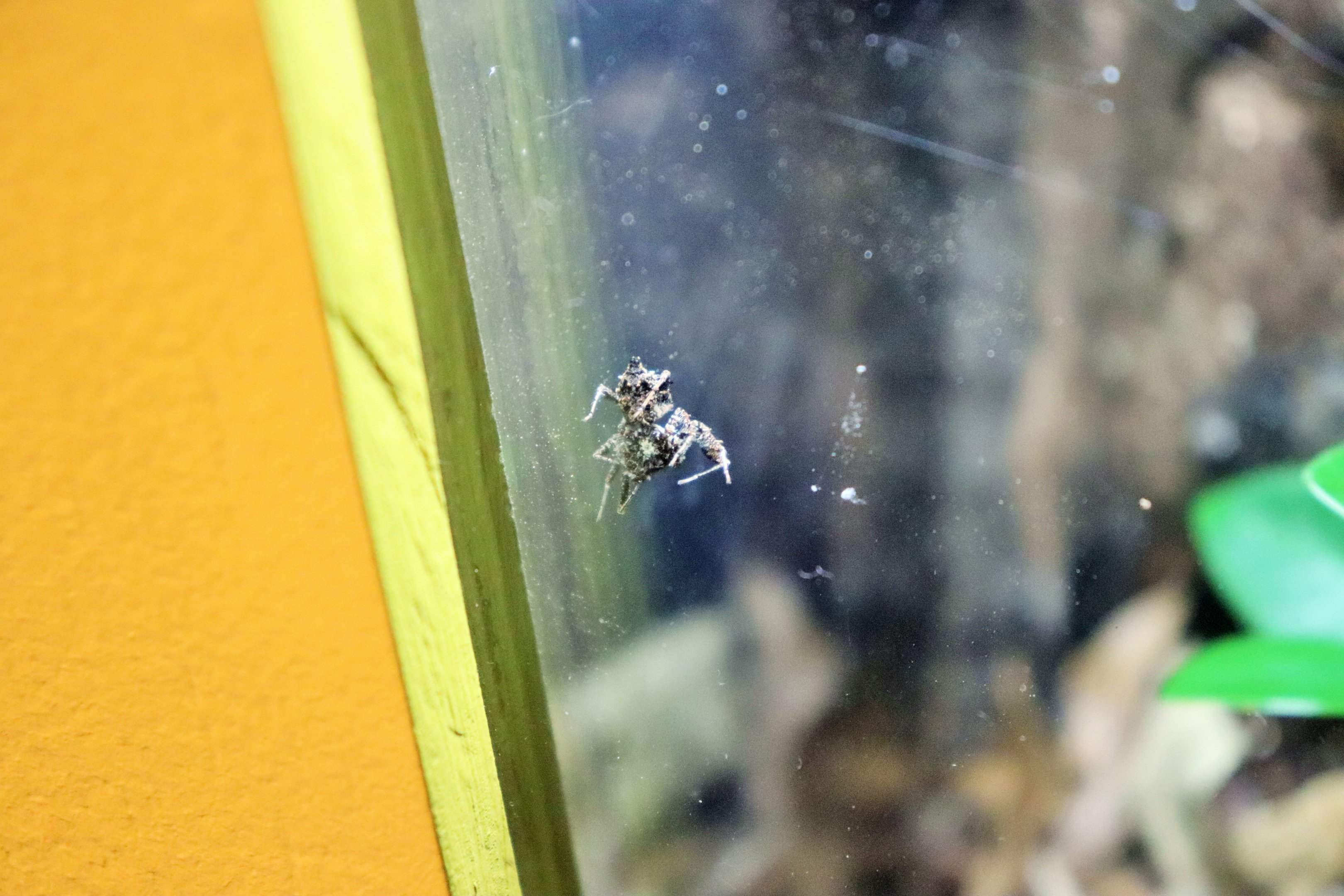
Like most species of Jumping Spiders, this species displays sexual dimorphism meaning that males and females vary in colouration. The species gets it's common name from bronze spots on the back as displayed in the photo below, photographed by yours truly in my own backyard.

For this to work it needs member contribution, jumping spiders are a diverse family found all over the world and I'm sure everyone has their resident species or two in their backyard, photos would be appreciated.
For now I'll only be covering species in the Zoochat gallery, of which there aren't too many.
Entry number one
Bronze Jumping Spider (Helpis minitabunda)
I thought it would be a good idea to start with a species I am familiar with being the Bronze Jumping Spider. Unusually for jumping spiders, the male is larger than the female, in this case the Male grows to 10mm in length and the Female 8mm.
This species inhabits forests, woodlands and urban areas and is numerous throughout it's range of Eastern Australia and parts of Papua New Guinea. It has also been introduced into New Zealand.
Like most species of Jumping Spiders, this species displays sexual dimorphism meaning that males and females vary in colouration. The species gets it's common name from bronze spots on the back as displayed in the photo below, photographed by yours truly in my own backyard.
 .
.