Mixed species enclosures and other changes for Burgers Zoo

In general I would start adding animal housing/care areas. Right now you only have the exhibits but in the ned those care areas will need to be there so it is best to add them now. I know I brought this up earlier but it is still very important
 
In general I would start adding animal housing/care areas. Right now you only have the exhibits but in the ned those care areas will need to be there so it is best to add them now. I know I brought this up earlier but it is still very important

It is important indeed, but I'm afraid I don't know enough about animal care to make a detailed enough behind-the-scenes housing
 
In general I would start adding animal housing/care areas. Right now you only have the exhibits but in the ned those care areas will need to be there so it is best to add them now. I know I brought this up earlier but it is still very important
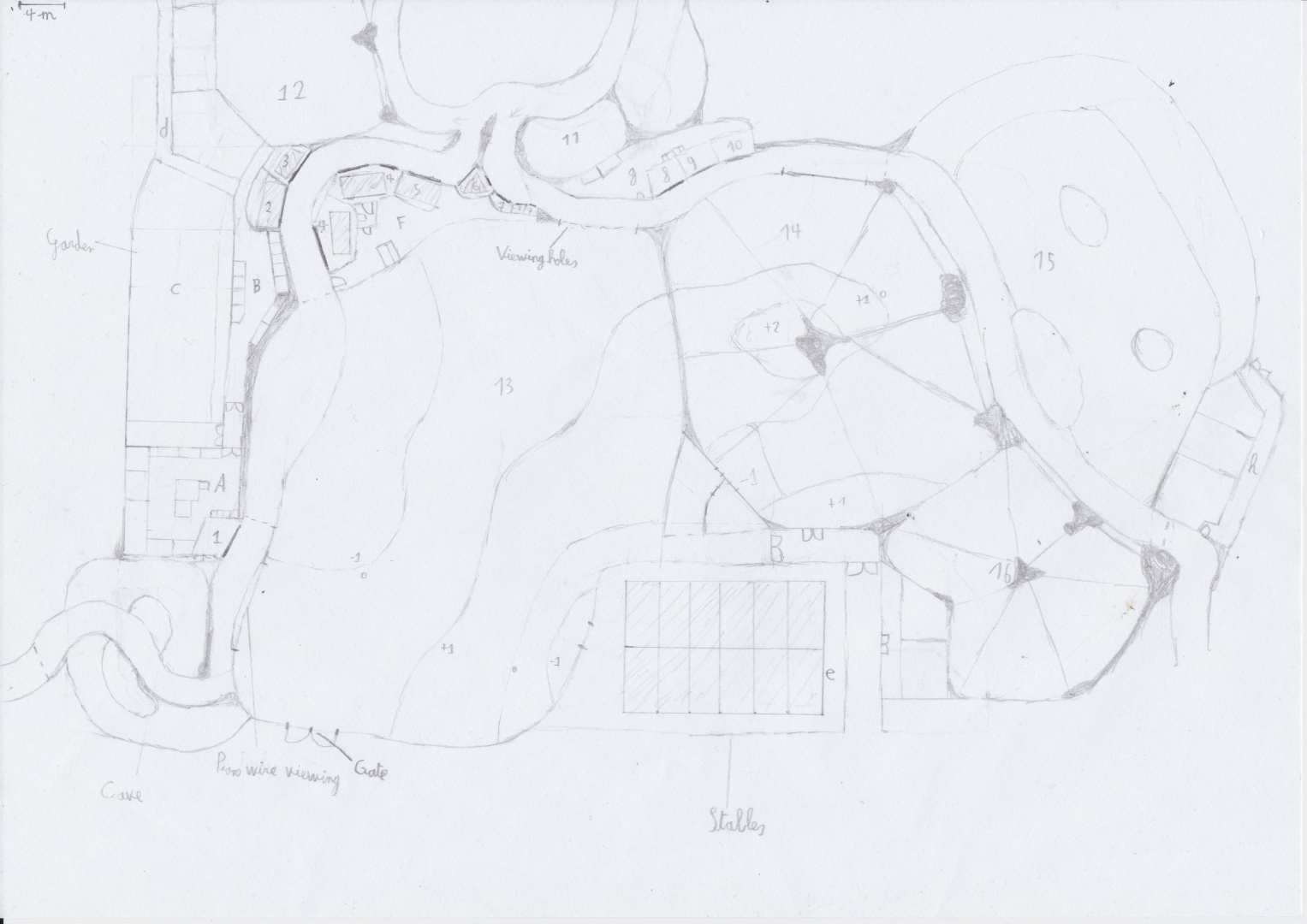
Same. Separation cages, keeper paths, keeper rooms... I'd advise you to have a look at this sketch of me for example: As you can see, there are several keeper pathways, rooms to breed/raise animals, place for an incubator, storage spaces, holding facilities, .... And it's not even that complete as I forgot to include sinks, central-heating control panels, garbage bins etc..
 
If you want to know what specific things are required behind the scenes for certain animals, feel free to ask. I'm no expert but I do have some degree of knowledge about what is needed or what can be used ideally behind the scenes.

For example:

Aardvark: a separation enclosure is extremely useful for breeding, and some facility is also needed to hand-raise young just in case. You can clean the enclosure without troubles with the animals in it so you don't need to be able to lock out the animals from the main enclosure during cleaning.

Genet and civet: if you want more then one individual, several separation enclosures are needed. In case of one animal, a separation enclosure is needed for cleaning (they could possibly be aggressive or too stressed with a keeper in there).

Nile-monitor: A small separation enclosure is needed for cleaning. They can be very aggressive and inflict bite wounds. In case of keeping more then one individual, you need more then one separation enclosure as they might not always get along.
 
Last edited:
Aardvark: a separation enclosure is extremely useful for breeding, and some facility is also needed to hand-raise young just in case. You can clean the enclosure without troubles with the animals in it so you don't need to be able to lock out the animals from the main enclosure during cleaning.

I was actually planning on deviding the enclosure in two, on seperate sides on the path. While keeping the illusion of it looking like one big enclosure. While the galagos can roam freely between the two enclosures
 
Also, I know I've already asked this a billion times before, but what other animals can go together with aardvarks while still in a semi-walkthrough

I've seen (read about) aardvarks being kept with galagos, pottos, springhares, dikdiks, rock hyraxes, and even brush-tailed porcupines
 
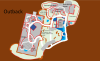
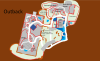
Alright, it took a while but here's the new outback design

Outback.png

I won't be describing the outer island houses, as we've already discussed those and they haven't changed much. I could discuss them if anyone is interested, though
The dark orange spots are red outback rocks, the dark blue ones are more temperate rocks. The light blue ones (next to the dark blue ones) represent ferny flora from new zealand and new caladonia. Other light blue spots are water.

There are two macropod enclosures in the Australian region. One with Grey kangaroos, black swans and swamp wallabies, which is based on south-east Australia, more foresty and swampy. And one with emus, common wallaroos, red kangaroos, agile wallabies and yellow-footed wallabies. Which is more based on the central Australian deserts and grasslands. Two of the walkthrough entrances are lined with Shack-like verandas (for lack of a better word).
The rest of the enclosure is lined with wooden fences, also in style of shabby Australian farmland, made (painted as) with old, discoloured scrap wood.

You enter the Australia hall through the path between the two macropod enclosures. The hall is devided into three regions; South-eastern humid forest in the upper region, Mid-northern outback grassland in the middle, and central West-central rocky desert at the bottom region.
A small rock archway between the quoll and the Eastern macropod enclosure devides a small region to keep the free-roaming birds out with aviary nets. Free-roaming birds include Wompoo fruit-doves, Blue-winged kookaburras, Galahs, Channel-billed cuckoos, Australian ibis', Blue-winged pittas and Collared Imperial-Pigeons

Opposite to the Spotted-tail quoll enclosure, there's a small cave of forest invertebrates and smaller animals, such as stick insects, frogs, arowanas, lungfish and Australian water dragons. After that, there's a walkthrough koala enclosure. And after that, an aviary similar to the roadrunner enclosure in the desert, with tawny frogmouths and brush turkeys. And a smaller mesh enclosure with sugar gliders

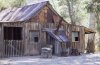
Alternatively, you can take the main path past australian water rats where you come out to "the outback shack" with toilets and a small bar serving Australian sweets such as lamingtons and fairy bread, and maybe some other small dishes as well (currently being discussed on r/Australia). The outback shack also has a walkaround terrace, from which you can view into the macropod enclosure more closely. The inside central macropod enclosure is dusty, featuring the typical grass tufts and low shrubs of the outback.

The dingo enclosure is slightly more foresty, with small trees and bushes, the enclosure goes into a den, and a higher region above the den.

After that, there is the perentie pit. A small cliff you can look down into to see the perentie.

There's two paths to go after the perentie pit, You can either go up over the rocky desert hill to see Western woylies and Rufous bettongs, along with desert flora such as century plants and ghost gum trees. There's also a water body with another group of arowana and lungfish, along with some other fish.

Alternativelly, you can also go into the caves. Which I haven't mapped in this version, as not to get it too confusing with the top path. In here, will be desert lizards, echidnas, snakes, scorpions, the dingo's den, an extra viewing window into the perentie pit, and also a glowworm cave (not with real glowworms of course) similar to the dripping caves in the desert tunnel. Also in the caves is the oasis of the rainbow serpent show. Which will be a monologue by the rainbow serpent about the Australian wildlife and the increased natural disasters because of global warming and such. There will also be Aboriginal murals depicting some of Australian history, such as the great emu war and the disastrous introduction of rabbits and later dogs.

You exit the hall into a small cliff before heading into another final walkthrough region
 

Attachments

  • Outback.png
    Outback.png
    444.3 KB · Views: 20
  • Outback shack.jpg
    Outback shack.jpg
    69 KB · Views: 3
It's a nice layout but the whole area feels cramped. Almost every piece of land has an exhibit on it so I would get rid of a few species to loosen up the entire area. When you pack exhibits like this you lose space for plants and rocks to bring the atmosphere into the area.
 
It's a nice layout but the whole area feels cramped. Almost every piece of land has an exhibit on it so I would get rid of a few species to loosen up the entire area. When you pack exhibits like this you lose space for plants and rocks to bring the atmosphere into the area.

Good point, I can shrink down some of the larger enclosures to add in some extra room for botanical gardening

Outback.png
 

Attachments

  • Outback.png
    Outback.png
    441.4 KB · Views: 21
Is it just me or do the two "large" macropod enclosures and the dingo enclosure seem rather small for so many species. Actually some of the other enclosure are also quite small, or the pathway is very very wide. Also what about separation enclosures (yes, I know have as said it before)? Wombats, quoll, koala, perentie and cassowary really need separation enclosures if you want to breed them (and in case of most of them, that's a requirement to get them). Indoors you will also need separate facilities to house the different macropods, emu and swan. One single large indoor enclosure for so many species will probably lead to problems.

Oh and a walkthrough koala enclosure is a horrible idea for several reasons. First is that they have very sharp claws, second they are very prone to stress from screaming people and third disease transfer is a huge liability with people so close to them (giving medicine to koalas is almost impossible, so illness often means death). I'd rather advise to do it the Pairi Daiza (no barrier but continuous security) or Planckendael (soundproof glass) way.
 
A walkthrough koala enclosure is a horrible idea for several reasons. First is that they have very sharp claws, second they are very prone to stress from screaming people and third disease transfer is a huge liability with people so close to them (giving medicine to koalas is almost impossible, so illness often means death). I'd rather advise to do it the Pairi Daiza (no barrier but continuous security) or Planckendael (soundproof glass) way.

Actually, I was planning to make it as a sort of walkover enclosure. With a low pathway so that the animals and the guests can't actually get on the same path.There will be a few points (maybe two or three) where the koalas can actually climb over the path, they can also just walk under of course. The path poles will be protected with mesh or metal poles

Koala walkway.png
 

Attachments

  • Koala walkway.png
    Koala walkway.png
    667.4 KB · Views: 21
Is it just me or do the two "large" macropod enclosures and the dingo enclosure seem rather small for so many species.

Well, if you compare it to other enclosures on the big map, the outback enclosure is as big as the Rimba bangteng / muntjac enclosure. The Eastern forest enclosure is at least three times as big as the current swamp wallaby / black swan enclosure, and only the grey kangaroos will be added, no new swamp wallabies will be added.

The dingo enclosure is only a little smaller than the peccary enclosure in the desert
 
Well, if you compare it to other enclosures on the big map, the outback enclosure is as big as the Rimba bangteng / muntjac enclosure. The Eastern forest enclosure is at least three times as big as the current swamp wallaby / black swan enclosure, and only the grey kangaroos will be added, no new swamp wallabies will be added.

The dingo enclosure is only a little smaller than the peccary enclosure in the desert
The first two are larger then I though, no problem there with that size. But a dingo enclosure smaller or even equal to the peccary enclosure is pretty small.
 
Actually, I was planning to make it as a sort of walkover enclosure. With a low pathway so that the animals and the guests can't actually get on the same path.There will be a few points (maybe two or three) where the koalas can actually climb over the path, they can also just walk under of course. The path poles will be protected with mesh or metal poles

View attachment 467627
I'd advise to have the trees and overhanging branches far enough away from the visitors in that case. At least 2,5 meters I'd estimate to be a decent distance based on Pairi Daiza's enclosure. Further a person would probably need to be stationed there continuously to keep people quiet.
 
I'd advise to have the trees and overhanging branches far enough away from the visitors in that case. At least 2,5 meters I'd estimate to be a decent distance based on Pairi Daiza's enclosure. Further a person would probably need to be stationed there continuously to keep people quiet.

I think a silence sign would be enough, there is a similar one in Burger's Ocean and people are pertty quiet in there
 
Back
Top