You are using an out of date browser. It may not display this or other websites correctly.
You should upgrade or use an alternative browser.
You should upgrade or use an alternative browser.
Your Favourite Individuals
- Thread starter Scottish Wildcat
- Start date


There’s too many to name (especially my favourite great apes within the region’s zoos); but The Zoo TV series that was filmed at Auckland Zoo from 1998-2011 helped their animals to become household names.
A few of my favourites include:
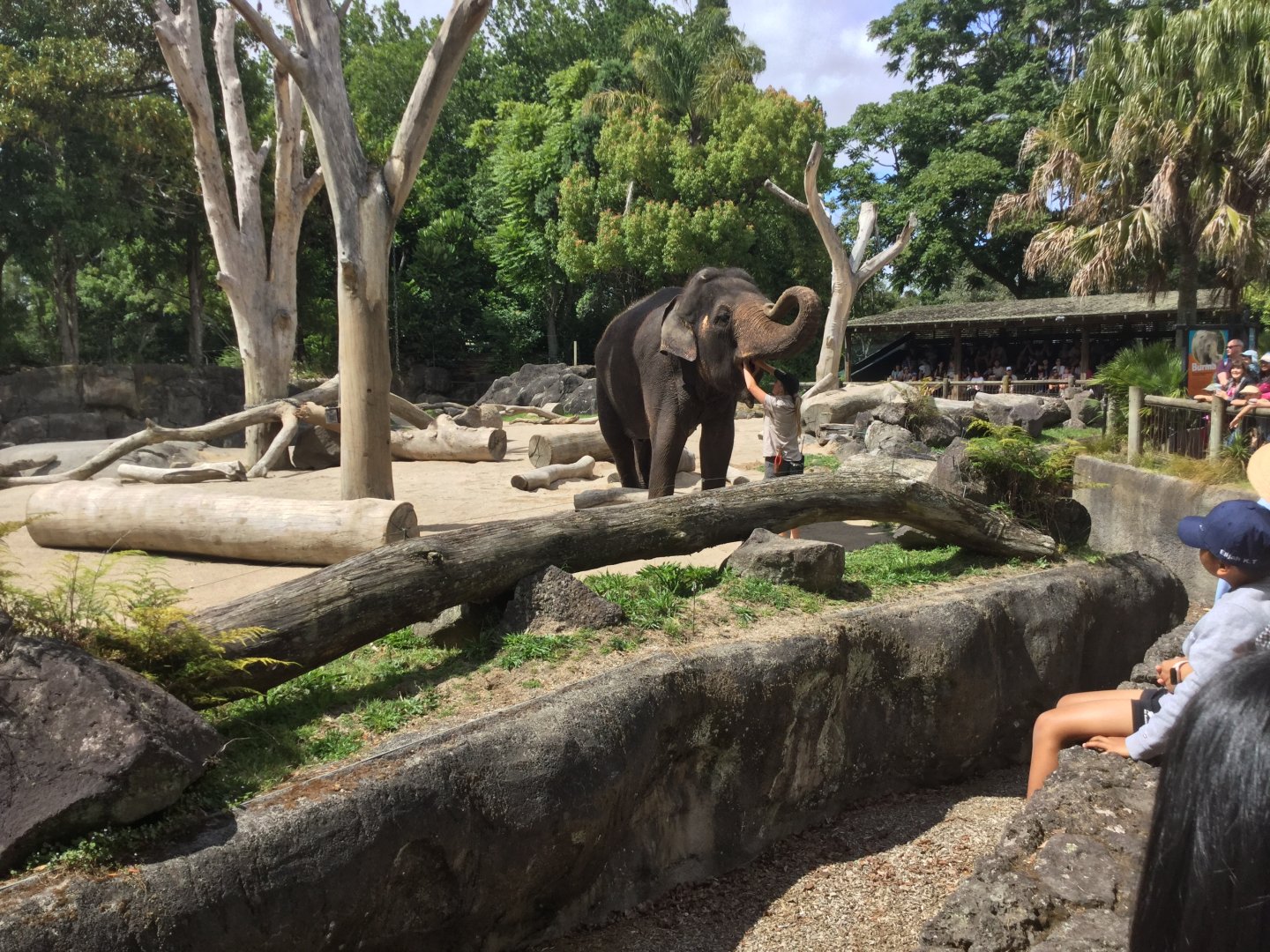
Burma (Indian elephant):
Burma was one of Auckland Zoo’s two elephants when I was growing up (along with a Kashin); and was my favourite as a child as she was the younger, more playful elephant. Kashin has since died and Burma has a new companion named Anjalee. Last year, Auckland Zoo announced their plans to phase out elephants after 98 years. They will likely be the last elephants held in New Zealand, so I’ve been making the most of them.
Kito (Southern white rhinoceros):
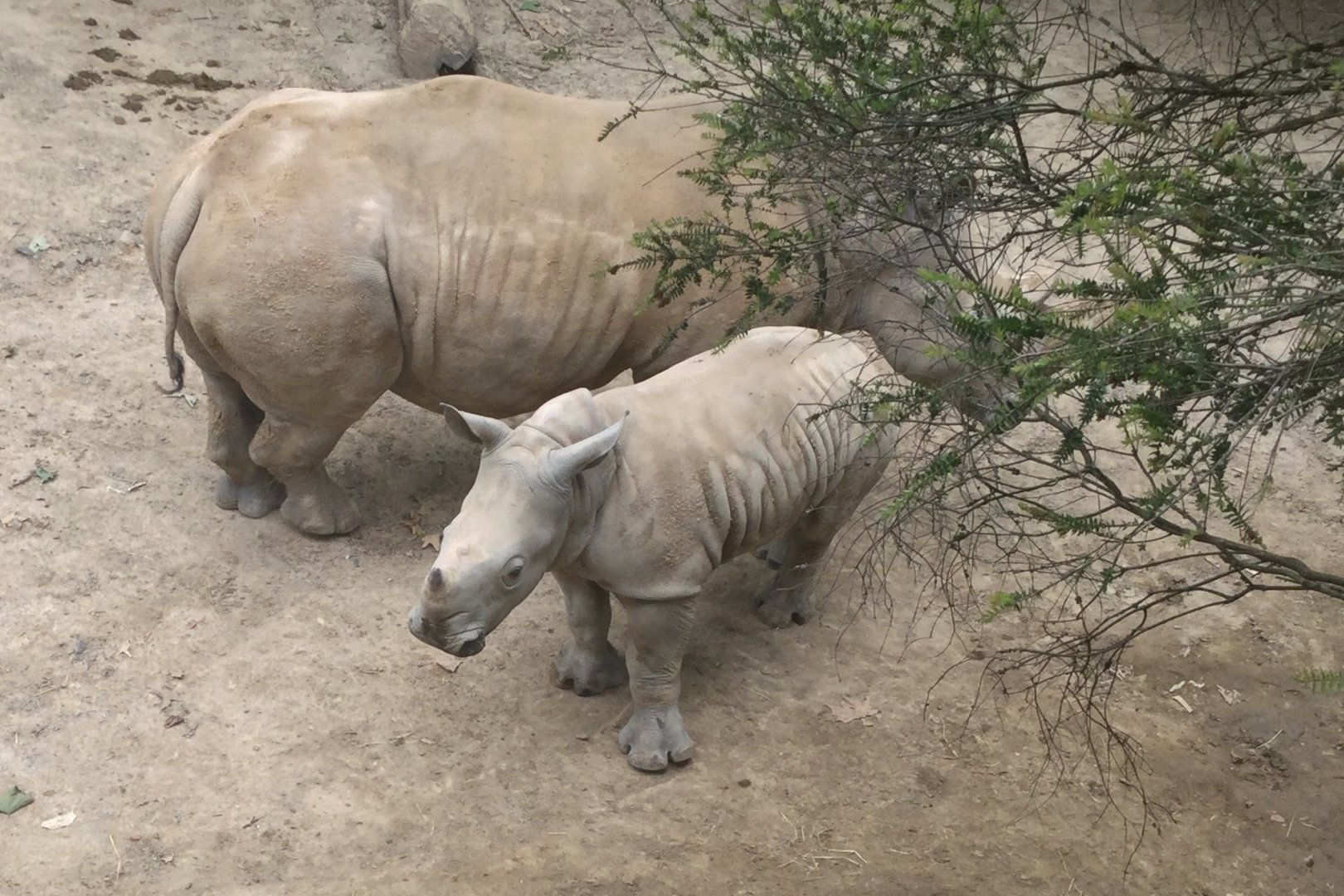
Kito was the first rhino calf born at Auckland Zoo in 2000 and featured on The Zoo series. She had a difficult adolescence, when her mother and sister died within days due to a bacterial infection; and was transferred to Hamilton Zoo in 2004. Kito has since given birth to four calves. This is her youngest (born March 2020):
Mencari (Sumatran tiger):
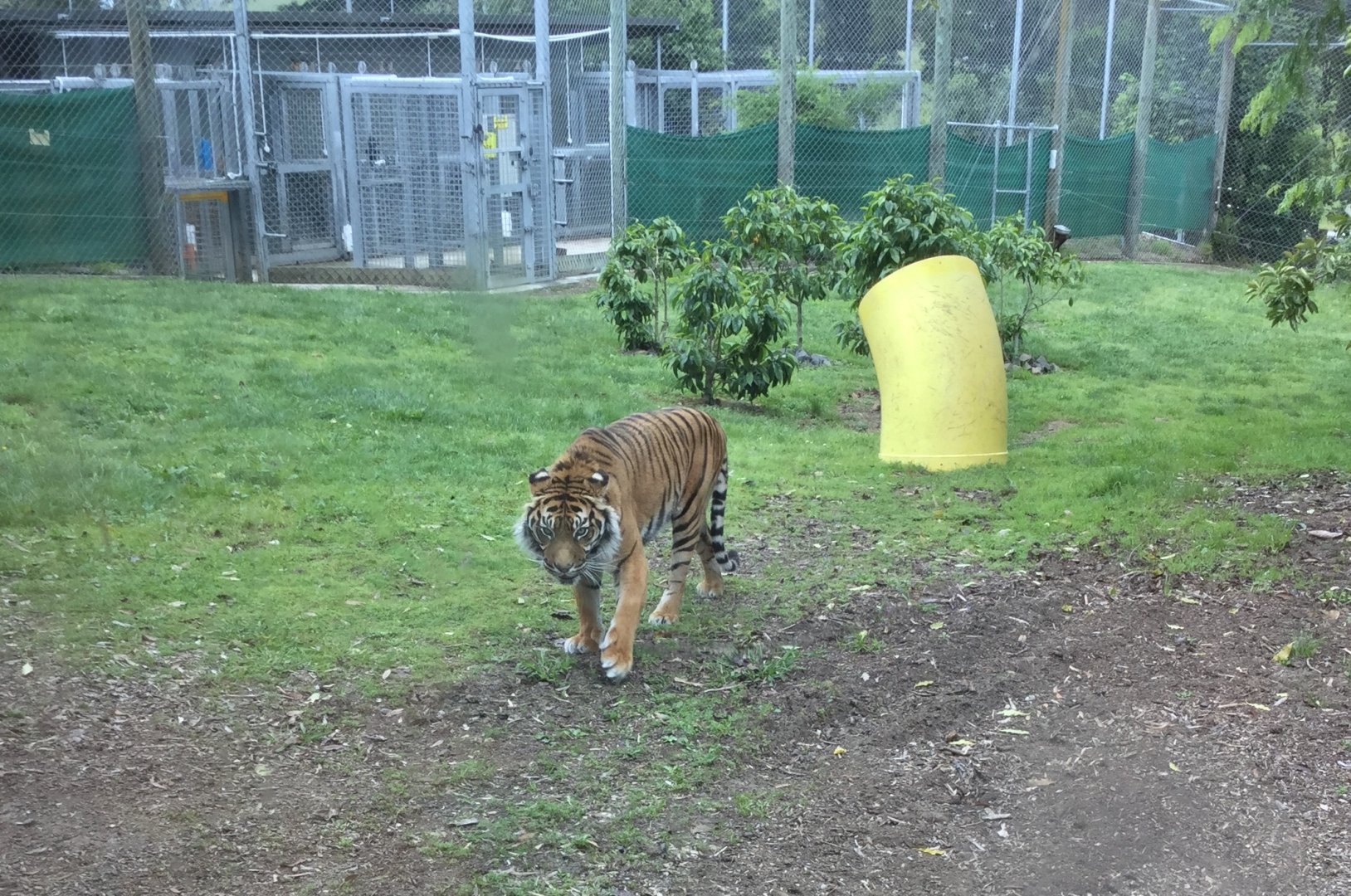
Mencari is the less famous sister of Nisha (1996-2006) and Molek (2000-2017), who were stars of The Zoo TV series. Mencari has survived all of her five siblings and is now the oldest Sumatran tiger in the world:
A few of my favourites include:
Burma (Indian elephant):
Burma was one of Auckland Zoo’s two elephants when I was growing up (along with a Kashin); and was my favourite as a child as she was the younger, more playful elephant. Kashin has since died and Burma has a new companion named Anjalee. Last year, Auckland Zoo announced their plans to phase out elephants after 98 years. They will likely be the last elephants held in New Zealand, so I’ve been making the most of them.
Kito (Southern white rhinoceros):
Kito was the first rhino calf born at Auckland Zoo in 2000 and featured on The Zoo series. She had a difficult adolescence, when her mother and sister died within days due to a bacterial infection; and was transferred to Hamilton Zoo in 2004. Kito has since given birth to four calves. This is her youngest (born March 2020):
Mencari (Sumatran tiger):
Mencari is the less famous sister of Nisha (1996-2006) and Molek (2000-2017), who were stars of The Zoo TV series. Mencari has survived all of her five siblings and is now the oldest Sumatran tiger in the world:
Surprised no Apes on your list...There’s too many to name (especially my favourite great apes within the region’s zoos); but The Zoo TV series that was filmed at Auckland Zoo from 1998-2011 helped their animals to become household names.
A few of my favourites include:
Burma (Indian elephant):
Burma was one of Auckland Zoo’s two elephants when I was growing up (along with a Kashin); and was my favourite as a child as she was the younger, more playful elephant. Kashin has since died and Burma has a new companion named Anjalee. Last year, Auckland Zoo announced their plans to phase out elephants after 98 years. They will likely be the last elephants held in New Zealand, so I’ve been making the most of them.
Kito (Southern white rhinoceros):
Kito was the first rhino calf born at Auckland Zoo in 2000 and featured on The Zoo series. She had a difficult adolescence, when her mother and sister died within days due to a bacterial infection; and was transferred to Hamilton Zoo in 2004. Kito has since given birth to four calves. This is her youngest (born March 2020):
Mencari (Sumatran tiger):
Mencari is the less famous sister of Nisha (1996-2006) and Molek (2000-2017), who were stars of The Zoo TV series. Mencari has survived all of her five siblings and is now the oldest Sumatran tiger in the world:

WMSP’s elephant trio of Five, Latabe and Sutton, and, although I never saw him in person, Sudan is an animal I hold in very high regard (RIP)

Onychorhynchus coronatus
Well-Known Member
It is, it is a gorilla at Paignton Zoo. Actually he's not a special favourite,@Pertinax isn't your username on this site the name of an individual zoo animal ?
 I just picked the name almost at random. I do see the real 'Pertie' occassionally though. I have had individual favourite animals in the past but don't visit many zoos these days so its more a thing of the past.
Gigit
Well-Known Member
It is, it is a gorilla at Paignton Zoo. Actually he's not a special favourite,
Ah, poor Pertie! I won't tell him!
Surprised no Apes on your list...
You don’t know what you’re starting here....
Common chimpanzee
Taronga Zoo:
Kuma (1991) and her sons, Furahi (2003) and Fumo (2013). I think it’s a great story of how Kuma has risen from the lowest ranking female to the highest ranking female in just over a decade. Fumo was the first infant I followed from birth and he sounds like such a character. He’s the same age as a couple of my sons.
Wellington Zoo:
Marty (1987), Cara (1981), Sally (1985) and Alexis (1998). Marty was the youngest of the adult males when I first saw the troop in the 2000’s and a cheeky character. He became the alpha male before been displaced by Alexis, who has been a great leader. Cara has a playful and youthful personality; while Sally is an incredible mother who has endured worse luck than London’s gorillas troop with her offspring over the years.
Auckland Zoo:
Luka (1993) is the alpha male and I’ve followed him since he was an adolescent at Auckland Zoo. It’s been great to see him become a father in recent years, with the birth of his two daughters.
Western lowland gorilla
Taronga Zoo:
Frala (1981) is a gorilla I’ve followed since the 2000’s. She’s had nine offspring - including six since she arrived in Australia. Frala had a difficult time in Kibabu’s troop, since the other two females were mother and daughter; but she enjoys a comfortable ranking in Kibale’s troop, where the three females are not directly related.
Orana Wildlife Park:
Fataki (2003) was the first gorilla infant I’ve followed from birth and is the alpha male of Orana’s bachelor troop. The three males are New Zealand’s only gorillas.
Bornean orangutan
Auckland Zoo:
Charlie (1981) and Melur (1988). They’re the region’s only pair of Bornean orangutan, although Auckland Zoo plan to import more. I have followed Auckland Zoo’s colony (which at one stage grew to nine orangutans) since the early days of The Zoo TV show. It was exciting to see Charlie and Melur become parents to Madju in 2005; and since follow his progress in becoming a father in Florida. Isim (1994) was always my favourite in Auckland Zoo’s colony as were going through similar life stages - adolescence etc. at around the same time. He’s since been exported to the USA, and I look forward to hearing he’s become a father like myself.
Onychorhynchus coronatus
Well-Known Member
It is, it is a gorilla at Paignton Zoo. Actually he's not a special favourite,
I see , well someone working at Paignton certainly likes their Classical / Roman history.

One of my favourites would be "Jessica", the Freshwater Whiptail Ray at Cairns Aquarium, I always enjoyed seeing her when I visit, as well as "Ziggy", the Largetooth Sawfish (no longer at the aquarium as he has been released) and "Percy" the Humphead Wrasse (but the same can be said of any Humphead Wrasse, I'm a sucker for them).
An animal that left a big impression on me was "Kai", one of the Whale Sharks at Osaka Aquarium. Osaka Aquarium has had several Whale Sharks named "Kai", so I'm not sure which one the one I saw was. The White-Barred Boxfish (no name that I know of) at Tokyo Sea Life Park was very interactive and inquisitive, seemingly enjoying looking at his reflection in my camera lens.
I'm a sucker for cephalopods of all types, but my favourite was a Gloomy Octopus at the Aquarium of Western Australia (AQWA) that was in the ocean tunnel. It was hiding behind a rock, but it came up to the tunnel and reached a tentacle towards me and touched the glass, and stayed there, seemingly checking me out. Unfortunately, the flash of another visitor's camera startled the octopus, and it jetted off. I still find it odd that it was in the tunnel, with large sharks and other predatory fish, it seems likely it made it's way in on rocks or something, without the keepers knowledge. It certainly wouldn't be the first time something like that happened. Unfortunately, that octopus would be long dead, I visited 2010ish and most octopus species don't live to be older than 2.
An animal that left a big impression on me was "Kai", one of the Whale Sharks at Osaka Aquarium. Osaka Aquarium has had several Whale Sharks named "Kai", so I'm not sure which one the one I saw was. The White-Barred Boxfish (no name that I know of) at Tokyo Sea Life Park was very interactive and inquisitive, seemingly enjoying looking at his reflection in my camera lens.
I'm a sucker for cephalopods of all types, but my favourite was a Gloomy Octopus at the Aquarium of Western Australia (AQWA) that was in the ocean tunnel. It was hiding behind a rock, but it came up to the tunnel and reached a tentacle towards me and touched the glass, and stayed there, seemingly checking me out. Unfortunately, the flash of another visitor's camera startled the octopus, and it jetted off. I still find it odd that it was in the tunnel, with large sharks and other predatory fish, it seems likely it made it's way in on rocks or something, without the keepers knowledge. It certainly wouldn't be the first time something like that happened. Unfortunately, that octopus would be long dead, I visited 2010ish and most octopus species don't live to be older than 2.
Pertinax was actually born in Stuttgart, Germany so I guess they named him. He then lived in a social group in Cologne for some years until adulthood, when he moved along with another male named Klaus to Paignton as the founders of their male group. Klaus moved on pretty soon as they fell out after moving, but Pertinax has stayed on.I see , well someone working at Paignton certainly likes their Classical / Roman history.
Charlie (1981) and Melur (1988). They’re the region’s only pair of Bornean orangutan, although Auckland Zoo plan to import more.
I always find it interesting how the Australasian region is predominately Sumatrans these days. In the UK we are starved of them, only Chester, and the channel island of Jersey (not an easy trip to make) have them, apart from three at the Monkeyworld rescue centre which will probably move elsewhere as they grow up. All other UK holders have Borneans. In the rest of Europe there is more of a balance with roughly a 50/50 split between Bornean and Sumatran I believe.
Onychorhynchus coronatus
Well-Known Member
Pertinax was actually born in Stuttgart, Germany so I guess they named him. He then lived in a social group in Cologne for some years until adulthood, when he moved along with another male named Klaus to Paignton as the founders of their male group. Klaus moved on pretty soon as they fell out after moving, but Pertinax has stayed on.
Do Paignton have a breeding group of gorillas ?
I was under the impression that they keep a "bachelor" group of gorillas.
Do Paignton have a breeding group of gorillas ?
I was under the impression that they keep a "bachelor" group of gorillas.
I did say 'founders of their male group' in my answer. Yes, only males...
Onychorhynchus coronatus
Well-Known Member
I did say 'founders of their male group' in my answer. Yes, only males...
Sorry missed that bit, interesting, I wonder whether they will ever form a breeding group there as they have with their orangutangs.
Doubt it. Places that will hold just males are very important these days. They could add a second (breeding) group only if they re-housed the adjacent Orangutans- or built more gorilla accomodation seperately. I don't think either are likely.Sorry missed that bit, interesting, I wonder whether they will ever form a breeding group there as they have with their orangutangs.
Onychorhynchus coronatus
Well-Known Member
Doubt it. Places that will hold just males are very important these days. They could add a second (breeding) group only if they re-housed the adjacent Orangutans- or built more gorilla accomodation seperately. I don't think either are likely.
I suppose its not too much of a loss though as in terms of primates they do have a quite an impressive array of species with a number of both Old World and New World monkeys , couple of lemurs and their pygmy lorises.
For most people, gorillas are gorillas- they don't mind too much what the group contains I don't think.I suppose its not too much of a loss though as in terms of primates they do have a quite an impressive array of species with a number of both Old World and New World monkeys , couple of lemurs and their pygmy lorises.
Onychorhynchus coronatus
Well-Known Member
For most people, gorillas are gorillas- they don't mind too much what the group contains I don't think.
Yes, I suppose your right, for me personally I am far more interested in monkeys and prosimians so I don't suppose it matters much either.
However, it has to be said that baby gorillas are usually huge draws for visitors to zoos and they bring in a lot of publicity.
I always find it interesting how the Australasian region is predominately Sumatrans these days. In the UK we are starved of them, only Chester, and the channel island of Jersey (not an easy trip to make) have them, apart from three at the Monkeyworld rescue centre which will probably move elsewhere as they grow up. All other UK holders have Borneans. In the rest of Europe there is more of a balance with roughly a 50/50 split between Bornean and Sumatran I believe.
That’s interesting! Historically the region has focussed on Sumatran orangutan. Perth Zoo’s colony was founded by a pair of Sumatrans and two Bornean females; so when it was acknowledged that they shouldn’t be hybridised, it was easy to streamline their colony via the Sumatran pair and their many offspring. Adelaide and Melbourne chose to import Sumatran orangutans, with Adelaide exchanging with Perth along the way.
Auckland Zoo stated it was a conscious decision to source Bornean orangutan for the founders of their colony in the 1980’s, as the rest of the region focussed on Sumatrans. This seemed illogical to me, but it was explained that Bornean orangutans were easier to source (for the reasons you’ve mentioned).