Matthew Syed (https://www.bbc.co.uk/programmes/m000t48x) said that all primates have a social hierarchy.
You are using an out of date browser. It may not display this or other websites correctly.
You should upgrade or use an alternative browser.
You should upgrade or use an alternative browser.
Zoological inaccuracies & mistakes
- Thread starter Elephas Maximus
- Start date

Elephas Maximus
Well-Known Member
In Dumbo there are herons instead of storks, with crane sounds.


When Brown Rats were still spreading through the United Kingdom, some people considered it to be a shame that the Brown Rat was outcompeting and displacing the "indigenous" Black Rat.
I think that the Kiore (Rattus exulans) was also considered by early European settlers to be native to New Zealand but I am not certain of that.
I think that the Kiore (Rattus exulans) was also considered by early European settlers to be native to New Zealand but I am not certain of that.

Onychorhynchus coronatus
Well-Known Member
When Brown Rats were still spreading through the United Kingdom, some people considered it to be a shame that the Brown Rat was outcompeting and displacing the "indigenous" Black Rat.
I think that the Kiore (Rattus exulans) was also considered by early European settlers to be native to New Zealand but I am not certain of that.
The kiore is an interesting one but I think it is most commonly believed to have arrived with the Maori.
I mean the term "indigenous species" is one that is often open to interpretation but certainly this rodent wasn't present in NZ until the arrival of the Polynesian peoples.
I personally don't think it could be classed as a "native species" but then I know that this might be a culturally significant animal to the Maori so it is a tricky one.
Onychorhynchus coronatus
Well-Known Member
This infographic about the drill from New England Primate conservancy uses the scientific name of the bald uakari:

Mmmmmm yeah....
 not a good look New England Primate conservancy

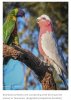
List of 25 Extinct Animals (Mammals, Birds and Insects) with Pictures includes the Caribbean monk seal among the 'top 5 extinct fishes and insects'.





Elephas Maximus
Well-Known Member
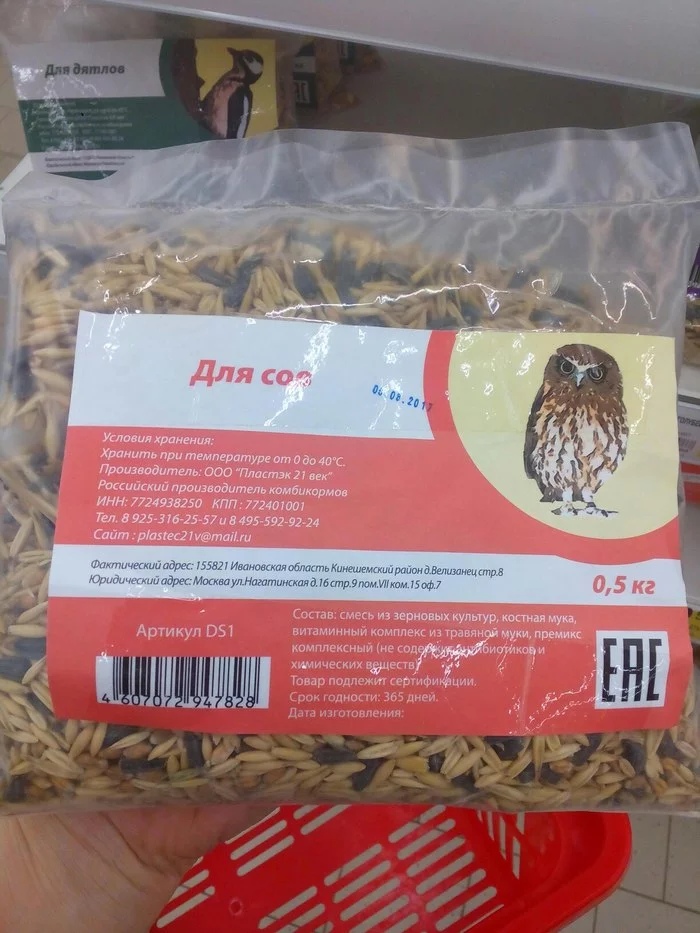
Russian owl food
On BBC Radio 4's 'Nature Table' (BBC Radio 4 - Nature Table, Series 2, Episode 5), centipedes were considered to be insects
Elephas Maximus
Well-Known Member
'Mowgli' sticker book published in 2008, same year as Kung Fu Panda was released.
So Baloo is a panda here, along with African buffaloes & elephant, and a strange spotted antelope.
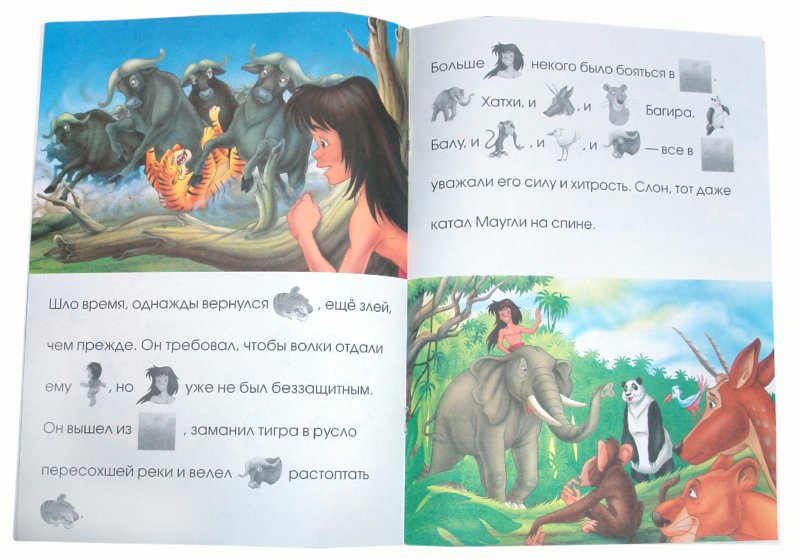
So Baloo is a panda here, along with African buffaloes & elephant, and a strange spotted antelope.

My fourth grade classroom had a “factual” book on animal fangs that was popular with the other kids. It claimed that “centipedes are the only insects that have fangs”.On BBC Radio 4's 'Nature Table' (BBC Radio 4 - Nature Table, Series 2, Episode 5), centipedes were considered to be insects



felis silvestris
Well-Known Member
I have an animal book that classes a red panda in the bear family.
felis silvestris
Well-Known Member
th
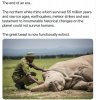
That's so inaccurate its quite funny lolWhat makes it worse is that it should be tragic, but the mistakes are just overwhelming…
View attachment 491538
Source
felis silvestris
Well-Known Member
How would anyone confuse ball with a panda?????'Mowgli' sticker book published in 2008, same year as Kung Fu Panda was released.
So Baloo is a panda here, along with African buffaloes & elephant, and a strange spotted antelope.
There was a lot of confusion until a few years ago. Some people placed both pandas in the bear family (Ursidae), the raccoon family (Procyonidae) or the panda family (Ailuridae). Unless the Chi-Chi display at London's Natural History Museum has changed in the last year, it still says the giant panda can be classified as a bear or a raccoon.I have an animal book that classes a red panda in the bear family.
This is so ironic a poem should be written about it:

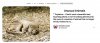
Is the photo still up on this site, or has it been taken down?
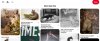
Edit: It even has fossa photos suggested below it

Is the photo still up on this site, or has it been taken down?
Edit: It even has fossa photos suggested below it
Attachments
Last edited:
felis silvestris
Well-Known Member
Idiots in a nutshellThis is so ironic a poem should be written about it:
View attachment 495466
Is the photo still up on this site, or has it been taken down?
Edit: It even has fossa photos suggested below it
View attachment 495467
