Top 20 favourite birds you’ve seen & top 15 birds you want to see.

The top fifteen birds I want to see in New Zealand is hard. The first few are easy - the only mainland endemics I haven't seen yet - but after that I'll be going mostly with birds from the islands.

So:

1) Great Spotted Kiwi Apteryx haastii
2) North Island Brown Kiwi Apteryx mantelli
3) Orange-fronted Kakariki Cyanoramphus malherbi
4) Kakapo Strigops habroptilus
5) Spotless Crake Zapornia tabuensis
6) Banded Rail Gallirallus philippensis (somehow I still don't have this on my NZ list, apart for untickable views)
7) Black Robin Petroica traversi
8) Chatham Island Pigeon Hemiphaga chathamensis
9) Chatham Island Gerygone Gerygone albofrontata
10) Chatham Island Parakeet Cyanoramphus forbesi
11) Antipodes Island Parakeet Cyanoramphus unicolor
12) Reischek's Parakeet Cyanoramphus hochstetteri
13) Pitt Island Shag Stictocarbo featherstoni
14) Chatham Island Shag Leucocarbo onslowi
15) Barn Owl Tyto (alba) javanica
I saw a Spotless Crake today! One down.
Two more taken off my list in the last few days, with North Island Brown Kiwi and Banded Rail both seen.
 
Well done; looking forward to visiting NZ one day to see 6 of the 28 families I have never seen in the wild.
Generally speaking, finding the birds in NZ isn't difficult - it's usually just a matter of having the time to go where they are found (e.g. I haven't really been anywhere to look for North Island Brown Kiwi before this week). Otherwise, for some species, it is a cost issue - getting to the Chathams or the subantarctic islands is expensive, likewise for the pelagic boat to try and see the NZ Storm Petrel (NZ$330 per person last time I checked, which was a few years ago now).

Only occasionally is the bird actually really difficult, like my true Nemesis Bird, the Great Spotted Kiwi.
 
Excellent idea for a thread!

For my top 20 seen UK species, in the order I happened to think of them rather than any kind of ranking:

1. Common Pochard: my favourite duck. More often seen in years gone by, sightings in recent years have been sadly more lacking. I most recently saw them in January 2020 at Martin Mere

2. White-tailed Eagle: seen as a wee bairn on the Isle of Mull. Reintroductions to England make it more likely I’ll be able to see the species more regularly in the future.

3. Pink-footed Geese: note the plural. Absolutely iconic winter sight and sound for me, is the huge flocks of these geese on the Dee Estuary.

4. Bohemian Waxwing. Waxwings are just inherently cool.

5. Hen Harrier: nothing beats seeing a ‘grey ghost’ male quartering over a reedbed.

6. Common Swift: as iconic to summer as the geese are to winter.

7. Golden Eagle: Seen once, again on Mull.

8. Atlantic Puffin: Seen on the Farne Islands and on Staffa, both quite some years ago.

9. Red-billed Chough: Seen in Cornwall and on Bardsey Island. Again, both quite some years ago.

10. Firecrest: I’d never seen these boldly-patterned little woodland sprites before moving to Kent, now I see them semi-regularly. Still a brilliant bird.

11. Slavonian Grebe: Angry demon bird stares into your soul with deep-red eyes, and yet is still extraordinarily cute about it. Always seems to pop up when I’m least expecting it.

12. Spoonbill: Getting more frequent in the parts of the UK I frequent, but still a spectacular bird.

13. Barn Owl: silent, deadly, cute. Most recently seen in Kent in 2018.

14. Great white egret: last seen yesterday, but still always an impressive sight.

15. Yellow-browed Warbler: scarce autumn vagrant that I was fortunate enough to catch up with in 2016.

16. Osprey: last seen in 2018.

17. Woodcock: incredibly cryptic bird species, generally in my experience stumbled upon rather than sought out. Last seen in 2017.

18. Snow bunting: last seen in the north coast of the Wirral this January.

19. Common Cuckoo: last seen in 2019 in Kent.

20. Cornncrake: last heard last summer on Tiree, but not seen in a number of years.

Now, the 15 I’d most like to see, which I had far less trouble coming up with:

1. Jack snipe: My nemesis. My bogey bird. I seek it and hate it in equal measure.

2. Northern Goshawk: I read ‘H is for Hawk’ when it first came out, and kinda fell in love with the species.

3. Wryneck: cool species with really nice etymological and folkloric connections.

4. Lesser-spotted woodpecker: here in Kent I live right by one of the national strongholds of this declining species, but am yet to see it.

5. Turtle Dove: Kent, once again, remains the English stronghold of this species, and I’m running out of excuses as to why I’ve not seen it yet.

6. Nightjar: Another species with cool folkloric connections. I have heard it, but never seen.

7. Long-eared Owl: The only UK owl species I’m yet to see.

8. Capercaillie: why would the angry goth turkey NOT be a target species?

9. White Stork: given the ongoing reintroduction project for this species after centuries of absence as a breeding bird, the day I see one in the UK will be a very emotional one.

10. Common Crane: another giant bird undergoing reintroduction. My parents went to Slimbridge without me one year for anniversary celebrations and I’ve not forgiven them yet.

11. Great Bustard: There’s a theme of giant reintroduced birds developing here.

12. Red-necked Phalarope: the coolest wader.

13. Hawfinch: Iconic nomad of beech woodland.

14. Willow tit: A lovely case study in resilience, with the strongholds for this species being in former industrial land in Northern England.

15. Dalmatian Pelican: It will happen.
 
Swampy, what’s the Wirral connection? The Snow Buntings were smart, weren’t they (and there are still at least 6 of them)? BTW, Woodcock are regularly seen at Burton Mere (but not yet by me!)
 
Swampy, what’s the Wirral connection? The Snow Buntings were smart, weren’t they (and there are still at least 6 of them)? BTW, Woodcock are regularly seen at Burton Mere (but not yet by me!)

My parents live in Bromborough, so I grew up birding all around the Wirral, and usually end up back there over holiday periods.

My first woodcock was actually in Eastham Woods!
 
Top 20 favourite birds that I have seen in New Zealand (in no particular order):

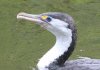
1) Pied Shag (Hypoleucos varius) - To me, this is the most interesting shag/cormorant species on the mainland, because of the colourful bare skin on its face and because of how some individuals of this species are quite approachable for a shag species. I like the record of how at the Waikanae Estuary, where there is a famous pied shag breeding colony, a man gently stroked a juvenile pied shag's chest, and then it pecked him. Sadly the pied shag is mostly a coastal species in New Zealand, so one usually should not expect to encounter the pied shag on inland water bodies here.
PS.jpg
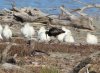
2) Glossy Ibis (Plegadis falcinellus) - I have only seen this species on one occasion in New Zealand, which was in the North Island. The glossy ibis has since become tentatively established in Blenheim in the South Island, so hopefully this species will become more common in New Zealand in the near future.
GI.jpg
3) Caspian Tern (Hydroprogne caspia) - A very charismatic seabird that unfortunately isn't very common in most places in New Zealand. I don't think that I have any close photos of this species and it has been years since I last had extended views of it.

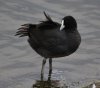
4) Eurasian Coot (Fulica atra) - To me, seeing a coot indicates that I am somewhere that is truly away from home, as coots are very seldom seen in the Wellington City area. Also, the place where I first saw coots was at Lake Taupo, which is where I was taken for family holidays multiple times when I was young, so seeing a coot is somewhat nostalgic for me as well.
EC.jpg
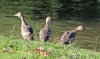
5) Plumed Whistling-Duck (Dendrocygna eytoni) - Many New Zealand birders have only been able to see this duck in New Zealand because of a trio of them that reached a wetland park in Hawke's Bay in the early 2010s. I was lucky enough to be able to see the ducks when there was still a trio. Eventually one disappeared for an apparently unknown reason, and more recently a second one disappeared, reportedly because it was hit by a car. The last member of this trio has been seen earlier this year, so it may still be alive. This is a species that I would love to see colonise New Zealand in the near future.
PWD.jpg
6) Black-billed Gull (Larus bulleri) - The combination of pale grey and pure white feathers goes together well with its pale iris and slender black bill, making it a very aesthetically appealing species overall. It is very sad that this species is endangered, and I have only seen it in the Wellington City area on one occasion several years ago.

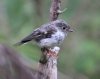
7) Tomtit (Petroica macrocephala) - A neat little bird that I wish I could see more often. Sadly, in the North Island the tomtit seems to seldom occur in gardens, apart from gardens that are adjacent to large forest tracts. I think that the attached photograph is from the only time I have ever got decent photos of a tomtit that I was able to get close to. I have found tomtits to be less approachable in my most recent encounters with the species.
TT.jpg
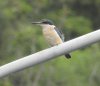
8) Sacred Kingfisher (Todiramphus sanctus) - Back when I first started birding, this was a species that I was especially desperate to find and photograph. On one of those early days, I spotted a sacred kingfisher that was overlooking a coast road that was just a short drive from my house and I was absolutely thrilled; I think that the attached photograph is from that sighting. On very rare occasions, I have also seen this species on my own property. I have yet to get any good shots of sacred kingfishers with prey in their bills, but I hope that I do one day.
SKF.jpg
9) New Zealand Dotterel (Charadrius obscurus) - I first saw this species on a beach that was right in front of the lodging that I was staying at during a holiday in Northland, and the sighting was very exciting for me at the time, because I knew that the dotterel is an endangered species. Then I learned that the New Zealand dotterel is actually not uncommon in many parts of the northern North Island, which admittedly lessened the impact of the first sighting for me, but the New Zealand dotterel remains one of my favourite New Zealand bird species. I am glad that the North Island subspecies is slowly expanding its range, and I would love to see the South Island subspecies one day; especially an individual in breeding plumage with its stunning sunset belly.

10) Pied Stilt (Himantopus leucocephalus) - The unique thing about this species in New Zealand is that hybridising with the black stilt has resulted in the appearance of the pied stilt being very variable in New Zealand compared to in Australia. To me, this species is a good indicator of worthwhile birding sites that are bound to harbour rarities sometimes. But the pied stilt is notoriously wary and I have yet to encounter one that will allow me to get some truly good photos of it.

11) Shining Bronze-Cuckoo (Chalcites lucidus) - This master of monotony has been my nemesis bird ever since I started birding. I still remember my first time actually seeing one, which was at Mt. Bruce. I heard it calling very close to the walking track and had my camera ready. It finally showed itself when it flew to the top of a small tree, but then it took off again almost instantly. My few subsequent sightings have not been much different, and there have been only two occasions where I have managed to take photos of the shining bronze-cuckoo that were almost-passable, but nothing better. Bad luck, I suppose.

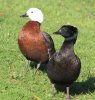
12) Paradise Shelduck (Casarca variegata) - Basically a form of the Australian shelduck with the sexual dimorphism settings turned up. I love photographing this species whenever I am able to get close to it, though I have never been able to get a photo that shows the male and female both in-focus and right next to each other. I am glad that the paradise shelduck has been able to adapt to New Zealand's changed landscapes, unlike so many other endemic species.
PSD.jpg
13) Black-fronted Dotterel (Elseyornis melanops) - A cute tiny shorebird that first colonised New Zealand in the 1950s but is still quite uncommon. I think that I have only seen it on two occasions, and on the latter occasion my views of the species were not good at all. In New Zealand, the black-fronted dotterel still has somewhat specific habitat requirements, but hopefully it will become a bit more widespread in the near future.
BFD.jpg
14) New Zealand Grebe (Poliocephalus rufopectus) - Always a pleasure to see, even if it is probably among the most drab-looking grebe species in existence. This species is most interesting to watch when it carries its small chicks on its back, but so far I have only seen this while I was a big distance away from them.
NZG.jpg
15) New Zealand Pipit (Anthus novaeseelandiae) - This endearing passerine is not particularly rare, but because it has an overwhelming preference for quieter habitats, I am hardly ever able to look for it. Also, the pipit isn't always approachable when I finally do get to visit places where it is found, which can be frustrating.

16) Weka (Gallirallus australis) - Anyone who has encountered wild weka can tell you that it is a species that is overflowing with personality, and it is tragic that the weka has a very restricted distribution in the North Island. I also find it to be interesting how the weka's predatory habits can make the presence of weka problematic for the conservation of other native bird species.

17) New Zealand Scaup (Aythya novaeseelandiae) - The males of this species are especially beautiful, and I am glad that this species is fully protected. I also like how the male New Zealand scaup looks very different from the Australian hardhead, which could indicate that the scaup and hardhead are not sister species. The New Zealand scaup can be found in Zealandia in Wellington City, but it does not breed well there thanks to eels and falcons.

18) Eastern Reef-Heron (Egretta sacra) - I have only seen this species in the Wellington City area, even though its numbers appear to be extremely small here. In my first year of birding, I saw this species on multiple occasions, and one of those times it was just a few minutes’ walk from my house. I don't think that I've had any definite sightings of this species since then, but I think that I had a possible sighting of an eastern reef-heron not far from my house just last year, and my heart sank when that unidentified heron disappeared right after I spotted it.

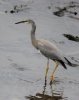
19) White-faced Heron (Egretta novaehollandiae) - Naturalists such as Tim Low think that it is a bad thing when a species naturally colonises a heavily-modified habitat, but at least in the case of this species, I don't care for that opinion. It is undeniable that the white-faced heron makes an important contribution to native bird presence in New Zealand's rural areas and suburban streams. Personally, I am glad that New Zealand now has a heron species that is so common that it is taken for granted.
WFH.jpg
20) Whitehead (Mohoua albicilla) - Though not a particularly beautiful species, especially compared to the yellowhead (which I have yet to see), I still think that the whitehead is an interesting bird that is worth a frantic effort to photograph whenever it is near enough. Hopefully it will become more common and widespread as a garden bird in the North Island in the near future if invasive predator control becomes more successful.

Top 15 birds that have been recorded in New Zealand that I want to see (in no particular order):

1) Australasian Bittern (Botaurus poiciloptilus)
2) Red-necked Avocet (Recurvirostra novaehollandiae)
3) Hoary-headed Grebe (Poliocephalus poliocephalus)
4) Pacific Heron (Ardea pacifica)
5) Nankeen Kestrel (Falco cenchroides)
6) Indian Ocean Yellow-nosed Mollymawk (Thalassarche carteri)
7) Australian Shelduck (Casarca tadornoides)
8) Fairy Martin (Petrochelidon ariel)
9) Red-tailed Tropicbird (Phaethon rubricauda)
10) Long-tailed Cuckoo (Urodynamis taitensis)
11) Pacific Gull (Larus pacificus)
12) Auckland Island Shag (Leucocarbo colensoi)
13) New Zealand Fernbird (Poodytes punctatus)
14) Australian Tern (Gelochelidon macrotarsa)
15) Great Crested Tern (Thalasseus bergii)
 

Attachments

  • PS.jpg
    PS.jpg
    122.9 KB · Views: 68
  • GI.jpg
    GI.jpg
    183.8 KB · Views: 64
  • EC.jpg
    EC.jpg
    79.8 KB · Views: 66
  • PWD.jpg
    PWD.jpg
    132.7 KB · Views: 69
  • TT.jpg
    TT.jpg
    104.1 KB · Views: 68
  • SKF.jpg
    SKF.jpg
    72.2 KB · Views: 67
  • PSD.jpg
    PSD.jpg
    148.8 KB · Views: 68
  • BFD.jpg
    BFD.jpg
    97.8 KB · Views: 68
  • NZG.jpg
    NZG.jpg
    103.6 KB · Views: 66
  • WFH.jpg
    WFH.jpg
    62.1 KB · Views: 66
Top 20 favourite birds that I have seen in New Zealand (in no particular order):

1) Pied Shag (Hypoleucos varius) - To me, this is the most interesting shag/cormorant species on the mainland, because of the colourful bare skin on its face and because of how some individuals of this species are quite approachable for a shag species. I like the record of how at the Waikanae Estuary, where there is a famous pied shag breeding colony, a man gently stroked a juvenile pied shag's chest, and then it pecked him. Sadly the pied shag is mostly a coastal species in New Zealand, so one usually should not expect to encounter the pied shag on inland water bodies here.
View attachment 476583
2) Glossy Ibis (Plegadis falcinellus) - I have only seen this species on one occasion in New Zealand, which was in the North Island. The glossy ibis has since become tentatively established in Blenheim in the South Island, so hopefully this species will become more common in New Zealand in the near future.
View attachment 476584
3) Caspian Tern (Hydroprogne caspia) - A very charismatic seabird that unfortunately isn't very common in most places in New Zealand. I don't think that I have any close photos of this species and it has been years since I last had extended views of it.

4) Eurasian Coot (Fulica atra) - To me, seeing a coot indicates that I am somewhere that is truly away from home, as coots are very seldom seen in the Wellington City area. Also, the place where I first saw coots was at Lake Taupo, which is where I was taken for family holidays multiple times when I was young, so seeing a coot is somewhat nostalgic for me as well.
View attachment 476585
5) Plumed Whistling-Duck (Dendrocygna eytoni) - Many New Zealand birders have only been able to see this duck in New Zealand because of a trio of them that reached a wetland park in Hawke's Bay in the early 2010s. I was lucky enough to be able to see the ducks when there was still a trio. Eventually one disappeared for an apparently unknown reason, and more recently a second one disappeared, reportedly because it was hit by a car. The last member of this trio has been seen earlier this year, so it may still be alive. This is a species that I would love to see colonise New Zealand in the near future.
View attachment 476586
6) Black-billed Gull (Larus bulleri) - The combination of pale grey and pure white feathers goes together well with its pale iris and slender black bill, making it a very aesthetically appealing species overall. It is very sad that this species is endangered, and I have only seen it in the Wellington City area on one occasion several years ago.

7) Tomtit (Petroica macrocephala) - A neat little bird that I wish I could see more often. Sadly, in the North Island the tomtit seems to seldom occur in gardens, apart from gardens that are adjacent to large forest tracts. I think that the attached photograph is from the only time I have ever got decent photos of a tomtit that I was able to get close to. I have found tomtits to be less approachable in my most recent encounters with the species.
View attachment 476587
8) Sacred Kingfisher (Todiramphus sanctus) - Back when I first started birding, this was a species that I was especially desperate to find and photograph. On one of those early days, I spotted a sacred kingfisher that was overlooking a coast road that was just a short drive from my house and I was absolutely thrilled; I think that the attached photograph is from that sighting. On very rare occasions, I have also seen this species on my own property. I have yet to get any good shots of sacred kingfishers with prey in their bills, but I hope that I do one day.
View attachment 476588
9) New Zealand Dotterel (Charadrius obscurus) - I first saw this species on a beach that was right in front of the lodging that I was staying at during a holiday in Northland, and the sighting was very exciting for me at the time, because I knew that the dotterel is an endangered species. Then I learned that the New Zealand dotterel is actually not uncommon in many parts of the northern North Island, which admittedly lessened the impact of the first sighting for me, but the New Zealand dotterel remains one of my favourite New Zealand bird species. I am glad that the North Island subspecies is slowly expanding its range, and I would love to see the South Island subspecies one day; especially an individual in breeding plumage with its stunning sunset belly.

10) Pied Stilt (Himantopus leucocephalus) - The unique thing about this species in New Zealand is that hybridising with the black stilt has resulted in the appearance of the pied stilt being very variable in New Zealand compared to in Australia. To me, this species is a good indicator of worthwhile birding sites that are bound to harbour rarities sometimes. But the pied stilt is notoriously wary and I have yet to encounter one that will allow me to get some truly good photos of it.

11) Shining Bronze-Cuckoo (Chalcites lucidus) - This master of monotony has been my nemesis bird ever since I started birding. I still remember my first time actually seeing one, which was at Mt. Bruce. I heard it calling very close to the walking track and had my camera ready. It finally showed itself when it flew to the top of a small tree, but then it took off again almost instantly. My few subsequent sightings have not been much different, and there have been only two occasions where I have managed to take photos of the shining bronze-cuckoo that were almost-passable, but nothing better. Bad luck, I suppose.

12) Paradise Shelduck (Casarca variegata) - Basically a form of the Australian shelduck with the sexual dimorphism settings turned up. I love photographing this species whenever I am able to get close to it, though I have never been able to get a photo that shows the male and female both in-focus and right next to each other. I am glad that the paradise shelduck has been able to adapt to New Zealand's changed landscapes, unlike so many other endemic species.
View attachment 476589
13) Black-fronted Dotterel (Elseyornis melanops) - A cute tiny shorebird that first colonised New Zealand in the 1950s but is still quite uncommon. I think that I have only seen it on two occasions, and on the latter occasion my views of the species were not good at all. In New Zealand, the black-fronted dotterel still has somewhat specific habitat requirements, but hopefully it will become a bit more widespread in the near future.
View attachment 476590
14) New Zealand Grebe (Poliocephalus rufopectus) - Always a pleasure to see, even if it is probably among the most drab-looking grebe species in existence. This species is most interesting to watch when it carries its small chicks on its back, but so far I have only seen this while I was a big distance away from them.
View attachment 476591
15) New Zealand Pipit (Anthus novaeseelandiae) - This endearing passerine is not particularly rare, but because it has an overwhelming preference for quieter habitats, I am hardly ever able to look for it. Also, the pipit isn't always approachable when I finally do get to visit places where it is found, which can be frustrating.

16) Weka (Gallirallus australis) - Anyone who has encountered wild weka can tell you that it is a species that is overflowing with personality, and it is tragic that the weka has a very restricted distribution in the North Island. I also find it to be interesting how the weka's predatory habits can make the presence of weka problematic for the conservation of other native bird species.

17) New Zealand Scaup (Aythya novaeseelandiae) - The males of this species are especially beautiful, and I am glad that this species is fully protected. I also like how the male New Zealand scaup looks very different from the Australian hardhead, which could indicate that the scaup and hardhead are not sister species. The New Zealand scaup can be found in Zealandia in Wellington City, but it does not breed well there thanks to eels and falcons.

18) Eastern Reef-Heron (Egretta sacra) - I have only seen this species in the Wellington City area, even though its numbers appear to be extremely small here. In my first year of birding, I saw this species on multiple occasions, and one of those times it was just a few minutes’ walk from my house. I don't think that I've had any definite sightings of this species since then, but I think that I had a possible sighting of an eastern reef-heron not far from my house just last year, and my heart sank when that unidentified heron disappeared right after I spotted it.

19) White-faced Heron (Egretta novaehollandiae) - Naturalists such as Tim Low think that it is a bad thing when a species naturally colonises a heavily-modified habitat, but at least in the case of this species, I don't care for that opinion. It is undeniable that the white-faced heron makes an important contribution to native bird presence in New Zealand's rural areas and suburban streams. Personally, I am glad that New Zealand now has a heron species that is so common that it is taken for granted.
View attachment 476594
20) Whitehead (Mohoua albicilla) - Though not a particularly beautiful species, especially compared to the yellowhead (which I have yet to see), I still think that the whitehead is an interesting bird that is worth a frantic effort to photograph whenever it is near enough. Hopefully it will become more common and widespread as a garden bird in the North Island in the near future if invasive predator control becomes more successful.

Top 15 birds that have been recorded in New Zealand that I want to see (in no particular order):

1) Australasian Bittern (Botaurus poiciloptilus)
2) Red-necked Avocet (Recurvirostra novaehollandiae)
3) Hoary-headed Grebe (Poliocephalus poliocephalus)
4) Pacific Heron (Ardea pacifica)
5) Nankeen Kestrel (Falco cenchroides)
6) Indian Ocean Yellow-nosed Mollymawk (Thalassarche carteri)
7) Australian Shelduck (Casarca tadornoides)
8) Fairy Martin (Petrochelidon ariel)
9) Red-tailed Tropicbird (Phaethon rubricauda)
10) Long-tailed Cuckoo (Urodynamis taitensis)
11) Pacific Gull (Larus pacificus)
12) Auckland Island Shag (Leucocarbo colensoi)
13) New Zealand Fernbird (Poodytes punctatus)
14) Australian Tern (Gelochelidon macrotarsa)
15) Great Crested Tern (Thalasseus bergii)
Great list Cassidy ! Thanks for sharing !
 
Home Country: Australia

1) Paradise Riflebird, Ptiloris paradiseus
2) Rose-crowned Fruit Dove, Ptilinopus regina
3) Black-necked Stork, Ephippiorhynchus asiaticus
4) Regent Bowerbird, Sericulus chrysocephalus
5) Topknot Pigeon, Lopholaimus antarcticus
6) Noisy Pitta, Pitta versicolor
7) Comb-crested Jacana, Irediparra gallinacea, this one is particularly frustrating because I have certainly been in the right habitat for them
8) Australian Owlet-nightjar Aegotheles cristatus
9) Mistletoebird Dicaeum hirundinaceum
10) Red-necked Avocet Recurvirostra novaehollandiae
I can now take two of the species off my top 10.

I saw the Black-necked Stork (Ephippiorhynchus asiaticus) a few months ago at Tinchi Tamba Wetlands Reserve here in Brisbane. I saw the stork from a distance but was absolutely thrilled.

Today I unexpectedly ticked off Mistletoebird (Dicaeum hirundinaceum) at Nudgee Waterhole Reserve. I even got a few ok shots of the male feeding. They are way smaller than I expected!
full

Mistletoebird (Dicaeum hirundinaceum) - ZooChat
 
This was pretty fun, as I got to explore which birds really were my favorites after a massive year of local birding in 2020. In no particular order these are my favorite species I have seen in the United States. Some like the catbird or bald eagle are rather common, although they are just personal favorites. Others like the RCW and storm petrel are rarities where I just happened to be right place at the right time.

1. Red-Cockaded Woodpecker
2. Black Skimmer
3. Wilson's Storm Petrel
4. American Three-Toed Woodpecker
5. Pine Grosbeak
6. Tundra Swan
7. Greater Roadrunner
8. Peregrine Falcon
10. American Woodcock
11. Anhinga
12. Bachman's Sparrow
13. Prothonotary Warbler
14. Burrowing Owl
15. Ringed Kingfisher
16. Gray Catbird
17. Bald Eagle
18. Piping Plover

Now for birds I want to see. Many of these species were goals for 2020, although that didn't work out. Living in Texas now some of these species will be easier, while others not so much :D

1. Lesser-Prairie Chicken
2. Whooping Crane
3. Green Jay
4. Roseate Spoonbill
5. Atlantic Puffin
6. Surf Scoter
7. White-Tailed Ptarmigan
8. California Condor
9. Merlin
10. Snowy Owl
11. Vermilion Flycatcher
12. Kentucky Warbler
13. Painted Bunting
14. Cerulean Warbler
15. American Dipper

Well the first few months of this year have been good to me. I have seen Roseate Spoonbill, Green Jay, Merlin, Painted Bunting, and Golden Cheeked Warbler. So those are now off the list. The rest of this list is gonna be hard to get this year though :oops:
 
Fun idea for a thread :) Here are my top 20 favourite birds I've seen in Australia:
1) Sacred Kingfisher. A beautiful bird that is relatively common in my area. My favourite bird photo I've taken was of this species. In 2006 a pair nested near my house on the farm where I lived and because it was so dry that year, the ground basically just dirt with no grass, the adults would take worms and bugs from my hand to feed their young. They'd perch on the clothesline and then swoop down and take the offering while on the wing. It was a tough year for people, livestock and wildlife, and it felt like we were all in it together, so that's probably my favourite experience with wild birds.

2) Superb Parrot. Another beautiful species that is fairly common in my area. One of the first bird calls I learned as a kid and I still get a thrill every time I hear them.

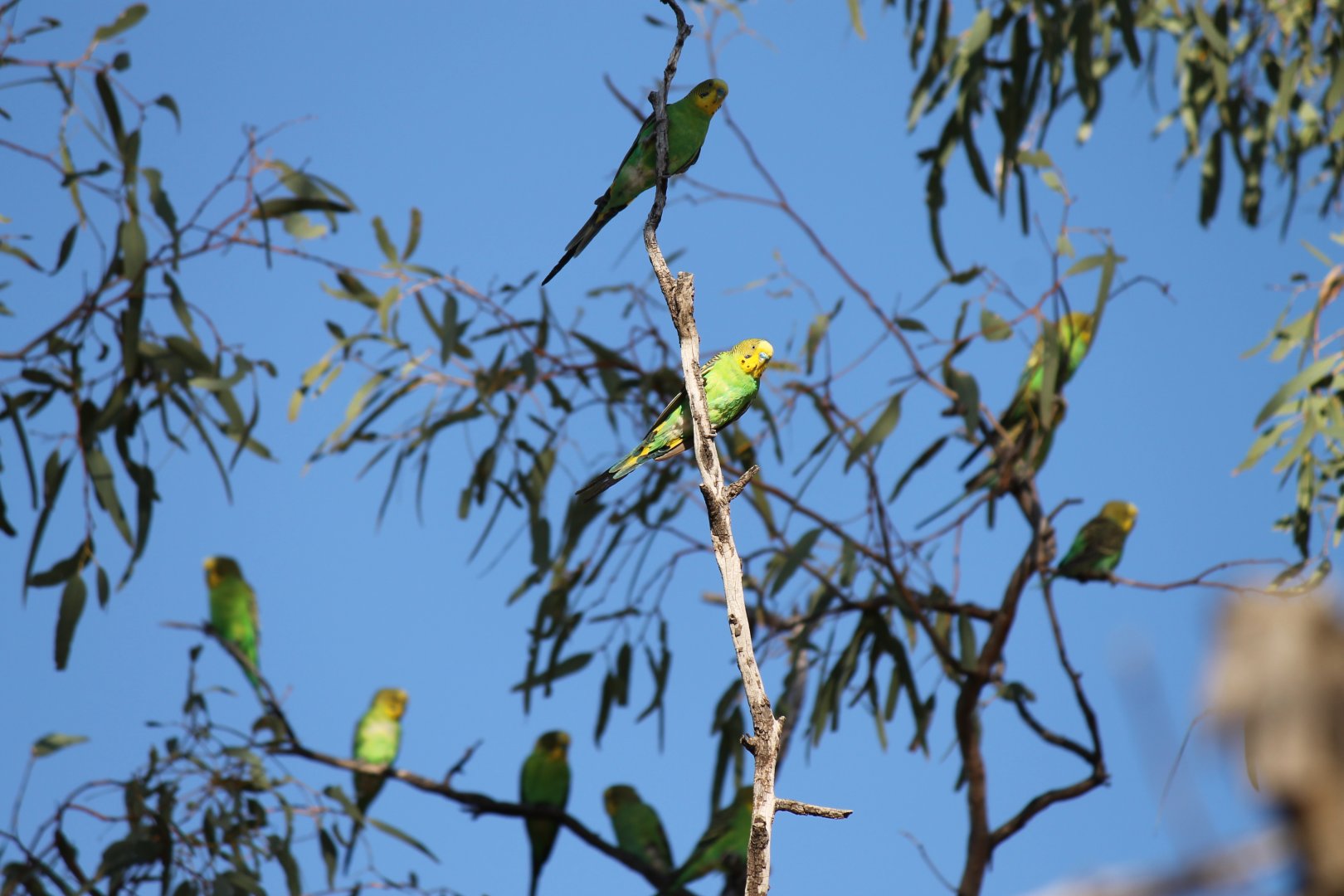
3) Budgerigar. I kept budgies when I was a kid and always wanted to see wild ones. I was an adult by the time that finally happened, and they didn't disappoint. Wonderful little birds.

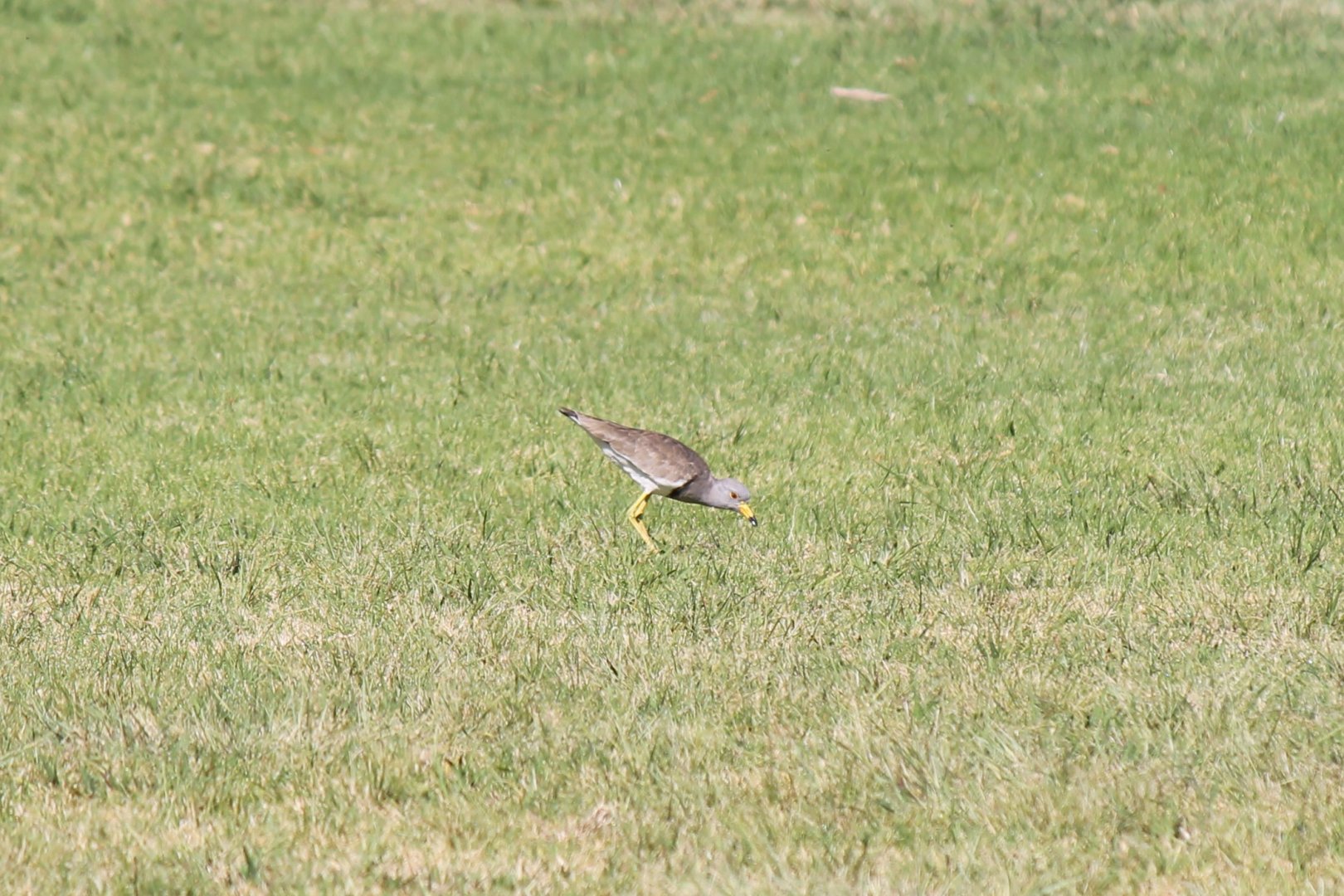
4) Grey-headed Lapwing. A vagrant showed up in Penrith in 2015. This is probably the only true 'twitch' I've done, travelling 3.5 hours to see it. The bird was pretty cool, but I loved the whole experience, convincing Dad it was worth tagging along, the exasperation of the lady on the gate at the regatta centre because another crazy birder had showed up, and the crowd of lenses all pointing at this unassuming bird that just really couldn't have cared less. I still wonder what exactly happed to make it overshoot its migration that far.

5) Nankeen Kestrel. A common bird, but a cool one that's it's always great to see. My best memory of them is seeing them flock at the farm, 60+ birds all hunting locusts in the same place.

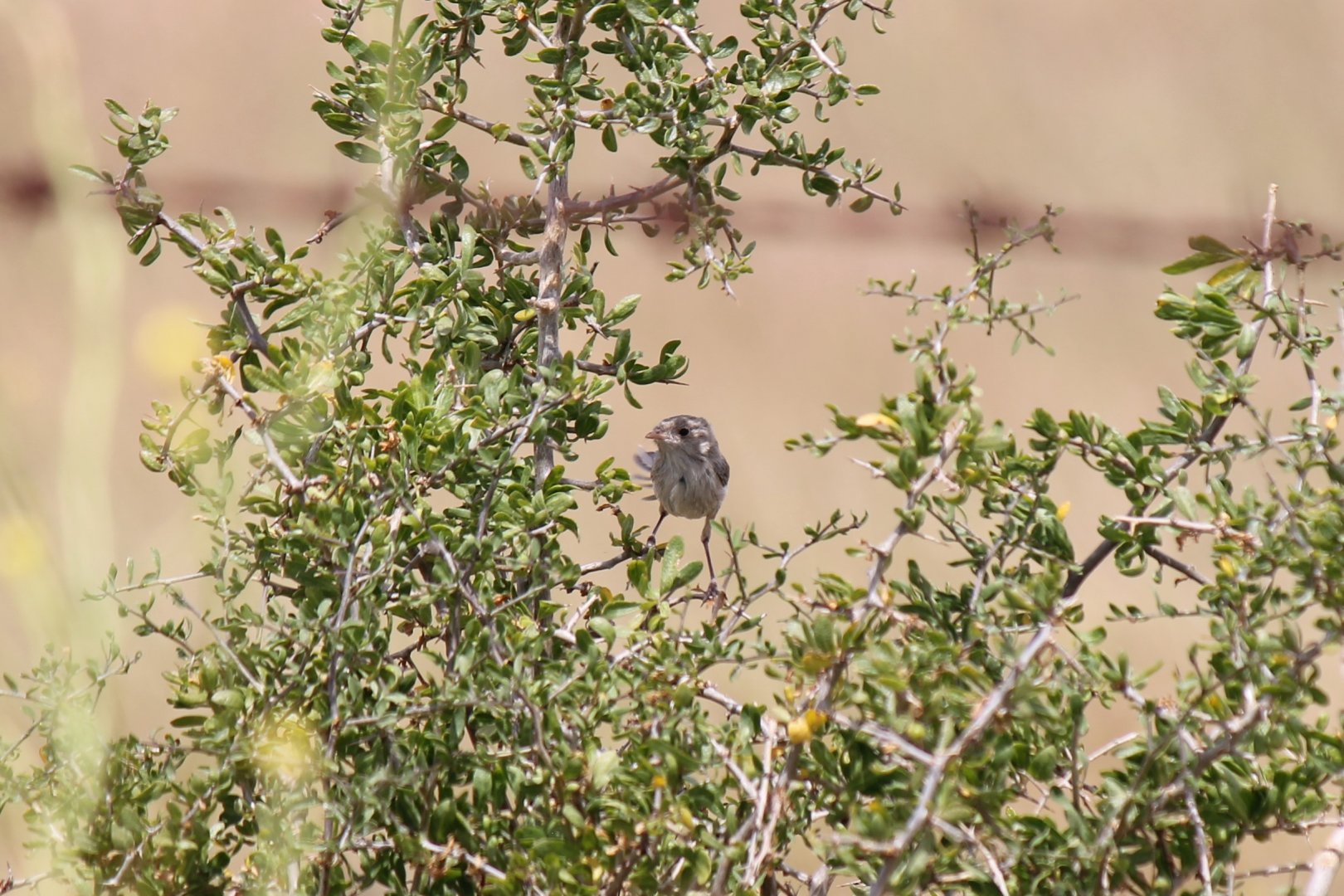
6) Yellow Thornbill. I love all thornbills, so tiny and energetic, but I've picked Yellow Thornbill as the best, because they look like sweet, little cartoon characters with those cute cheek patches and because they have been the most accommodating to photograph (not that I'm into photography much).

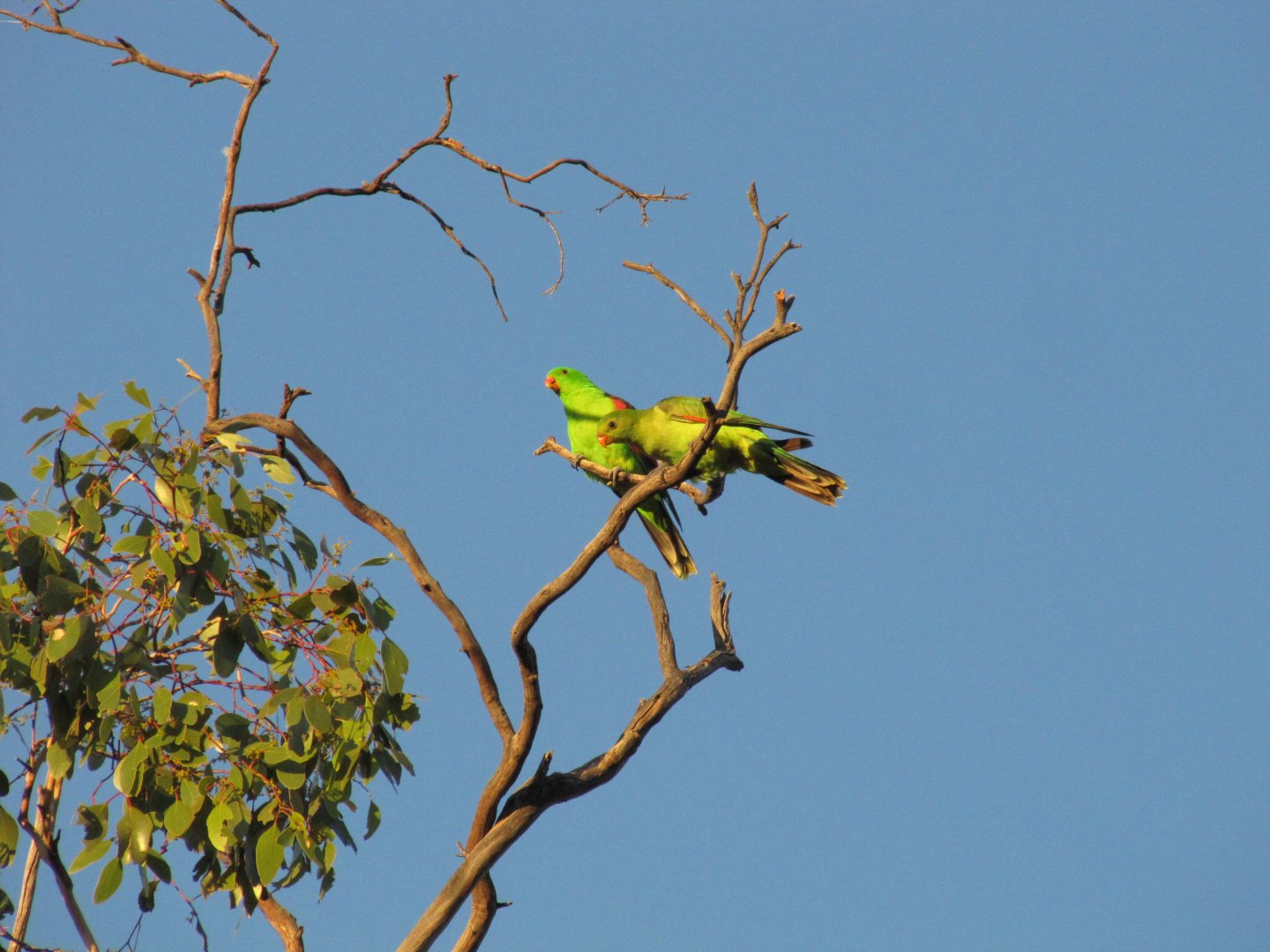
7) Red-winged Parrot. We are very blessed with parrots in Australia, but these ones have made my list because they are the greenest green, and the reddest red, and because they are my dad's favourite. I first saw them out NW of Bourke with my dad. He wanted to find them for me and could remember a place he'd seen them decades before. Sure enough, we found the birds right on sunset. That was a pretty special moment, and I always love seeing them now.

8) Blue-winged Parrot. Another species I first encountered with my dad. We were driving around on private property NW of Bourke when we passed a cane grass flat. I said to him 'I bet there’s something special in there' with no clue what it could be. He stopped the ute and we explored on foot, until he waved me over because 'there's some weird birds on the ground here'. It was two pairs of Blue-winged Parrot, close towards the edge of thier range, so I’d say that qualifies as special.

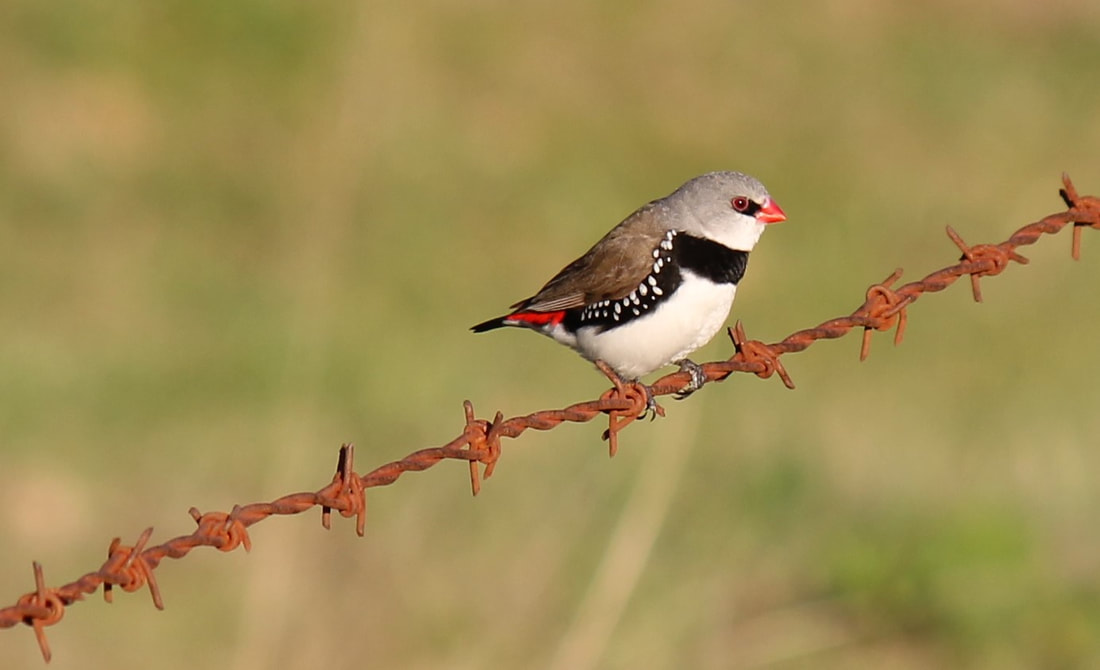
9) Diamond Firetail. Took me much longer than it should have to track one down, and when I did it posed perfectly. Beautiful little birds.The most perfect red.

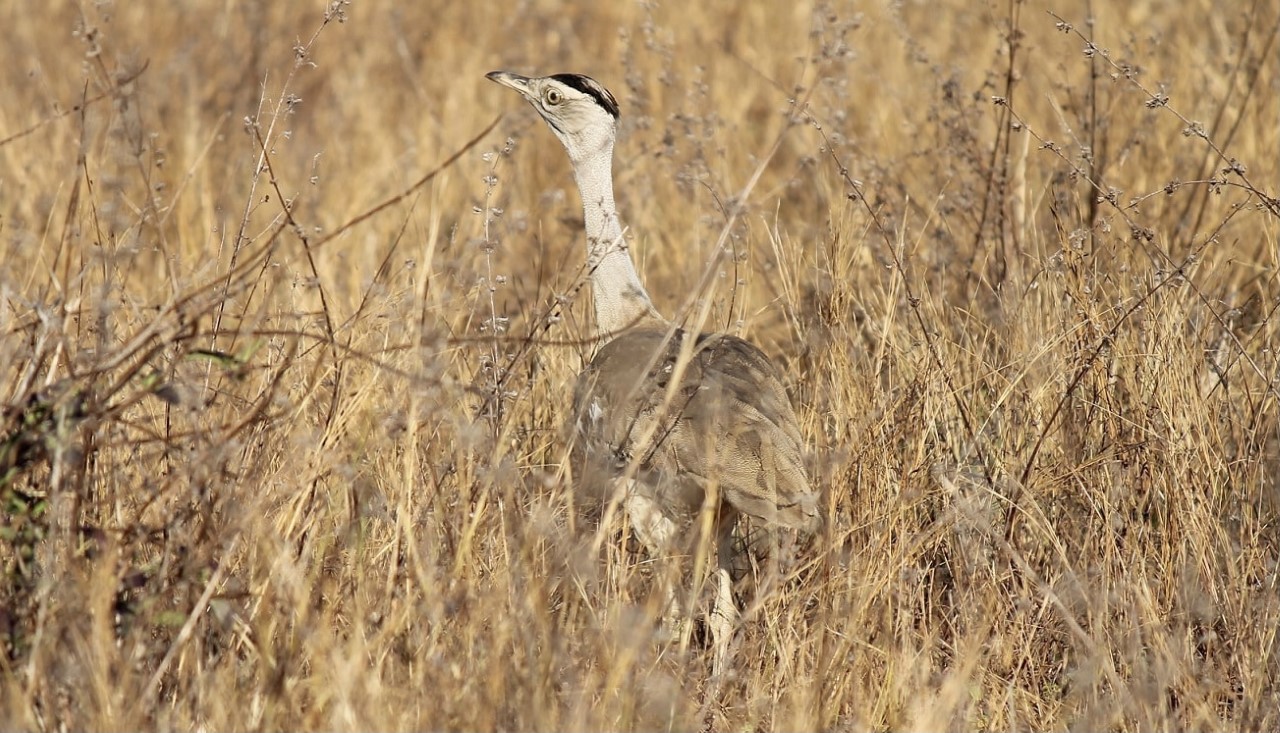
10) Australian Bustard. Dragged my mum along on this trip, and she was actually the one who spotted them first. A really cool species that walk super slow, but still somehow seems to get away very quickly.

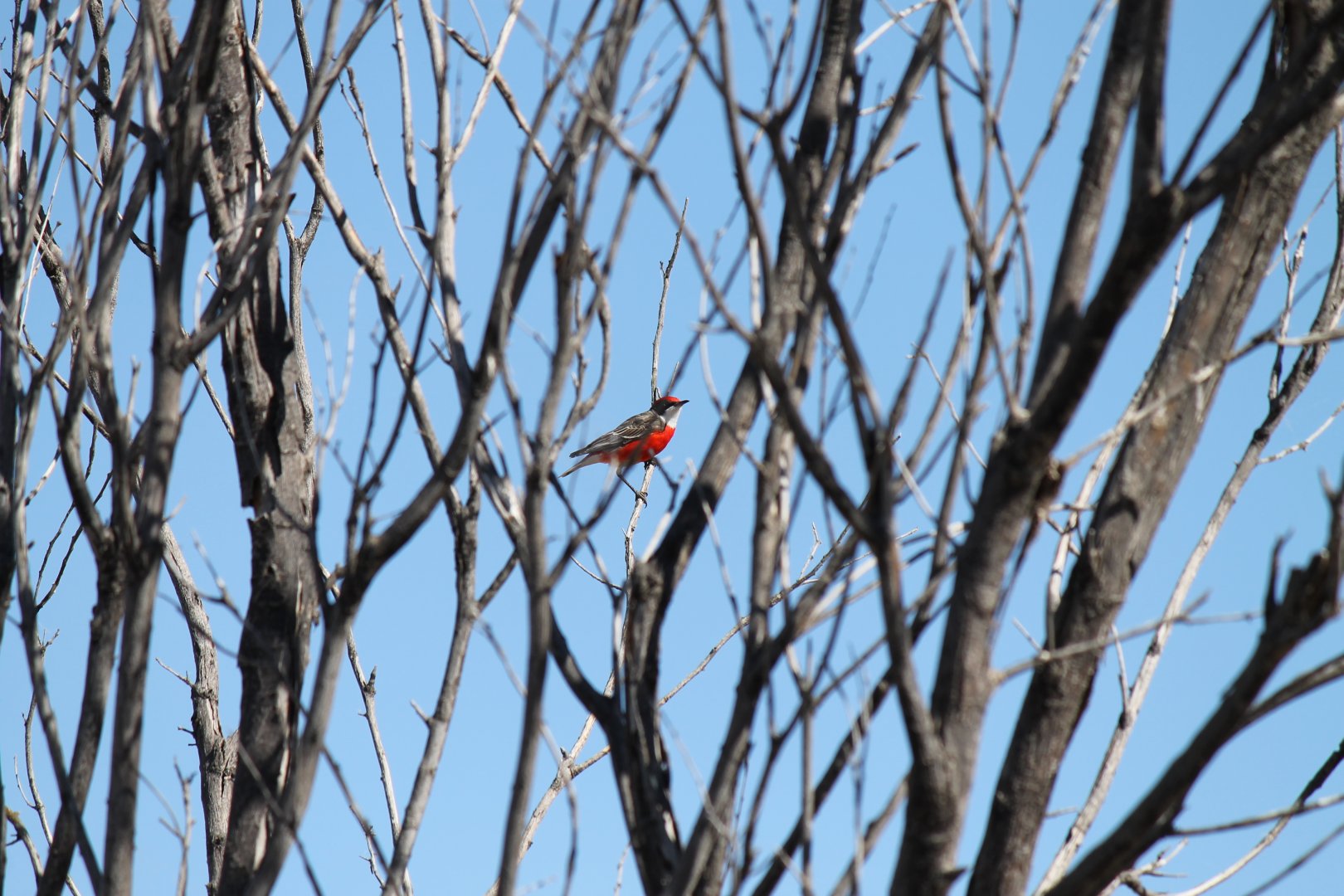
11) Crimson Chat. My first chat. A splash of vivid red at Currawinya National Park when whole landscape was muted tones of brown, grey and blue.

12) Orange Chat. I was a serious birder by the time I finally tracked this species down, after having been alluded by them on a few attempts. Stunning birds, so vividly bright, and one of those species that reminds you you're really out west.

13) White-Winged Fairywren. Obviously the males are very beautiful birds with all that cobalt blue, but the females are beautiful too, and different to other female fairywrens. They have a softer, more whimsical appearance which I think makes them the cutest fairywrens of all.

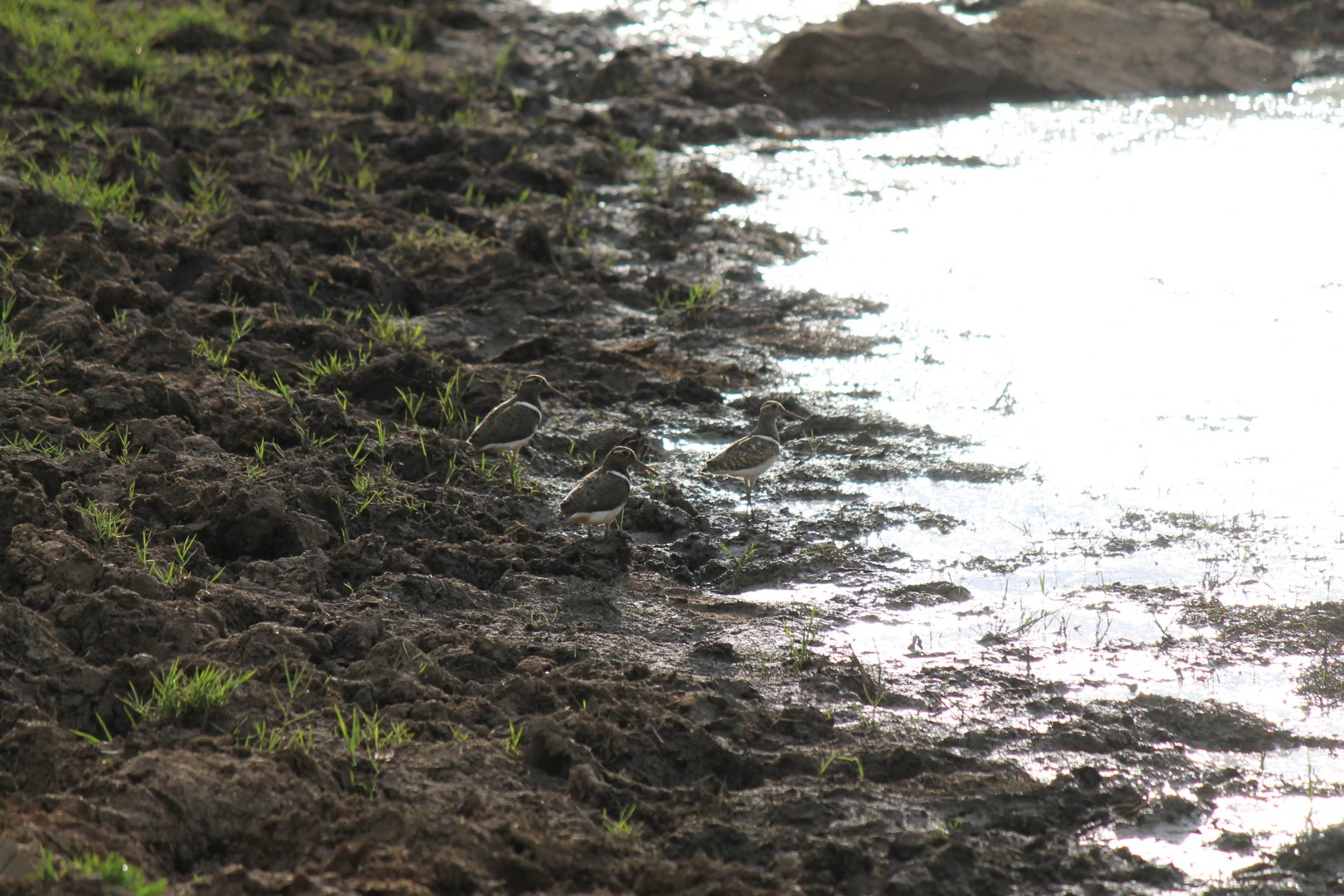
14) Australian Painted-snipe. Another one of my dad's 'I saw a weird bird, what is it?' moments. I guess because he works on the farm has more opportunity than most to stumble upon these things. He showed me a photo, but by the time I got there, the bird was gone. Luckily for me, he found three more the following day on another property he works on, so I managed to see those ones. Very special birds.

15) Scaly-breasted Lorikeet. I don't really know why, but I have loved this species since I was a kid, so finally seeing them at Julatten was awesome.

16) Brolga. I remember these ones from when I was a kid travelling out west. Seeing a pair with a chick made me feel like I was in a nature documentary.

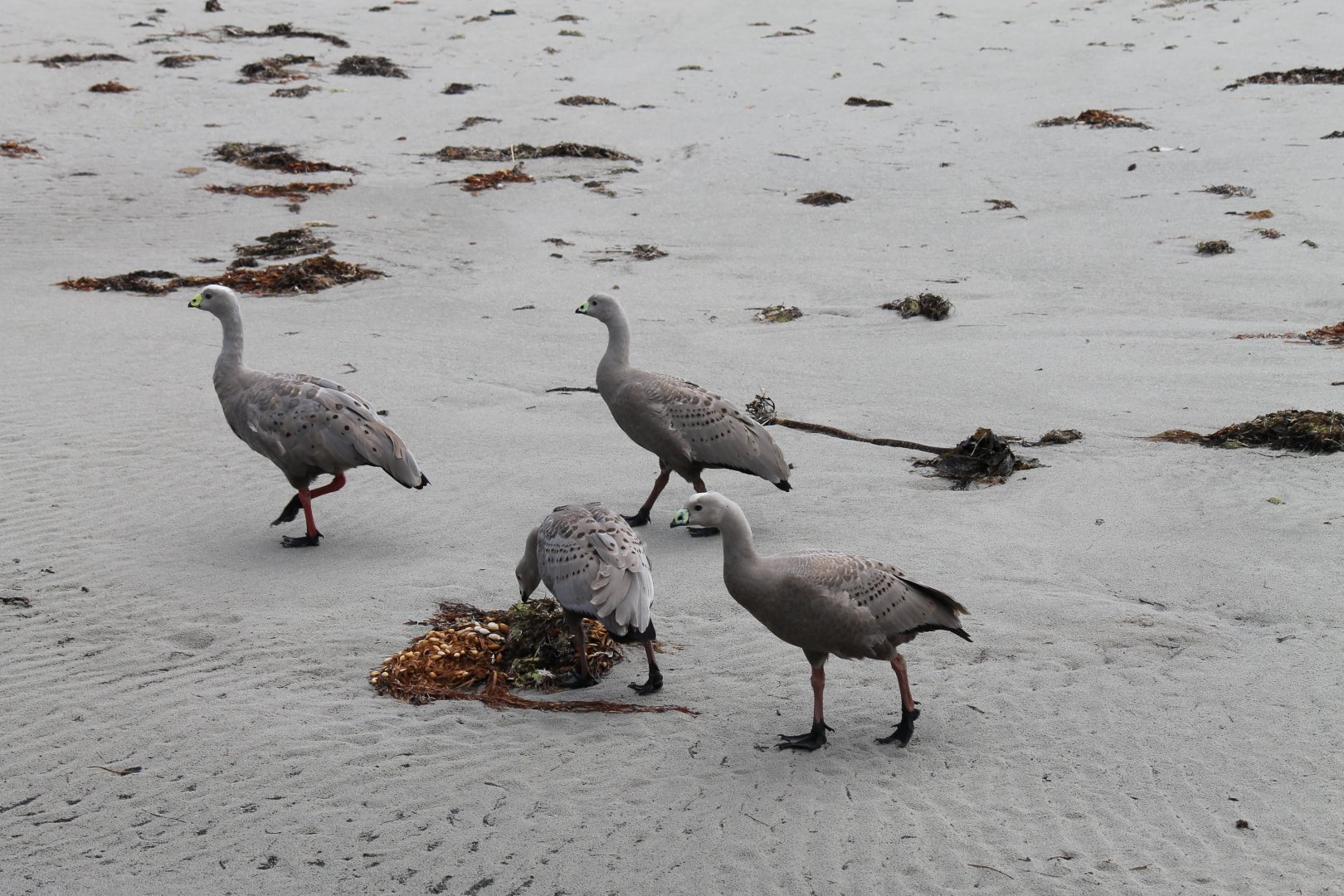
17) Cape Barren Goose. Another one I wanted to see since I was a kid. I finally caught up with them on Maria Island in Tasmania. I love the colour of their plumage, and that fluro beak.

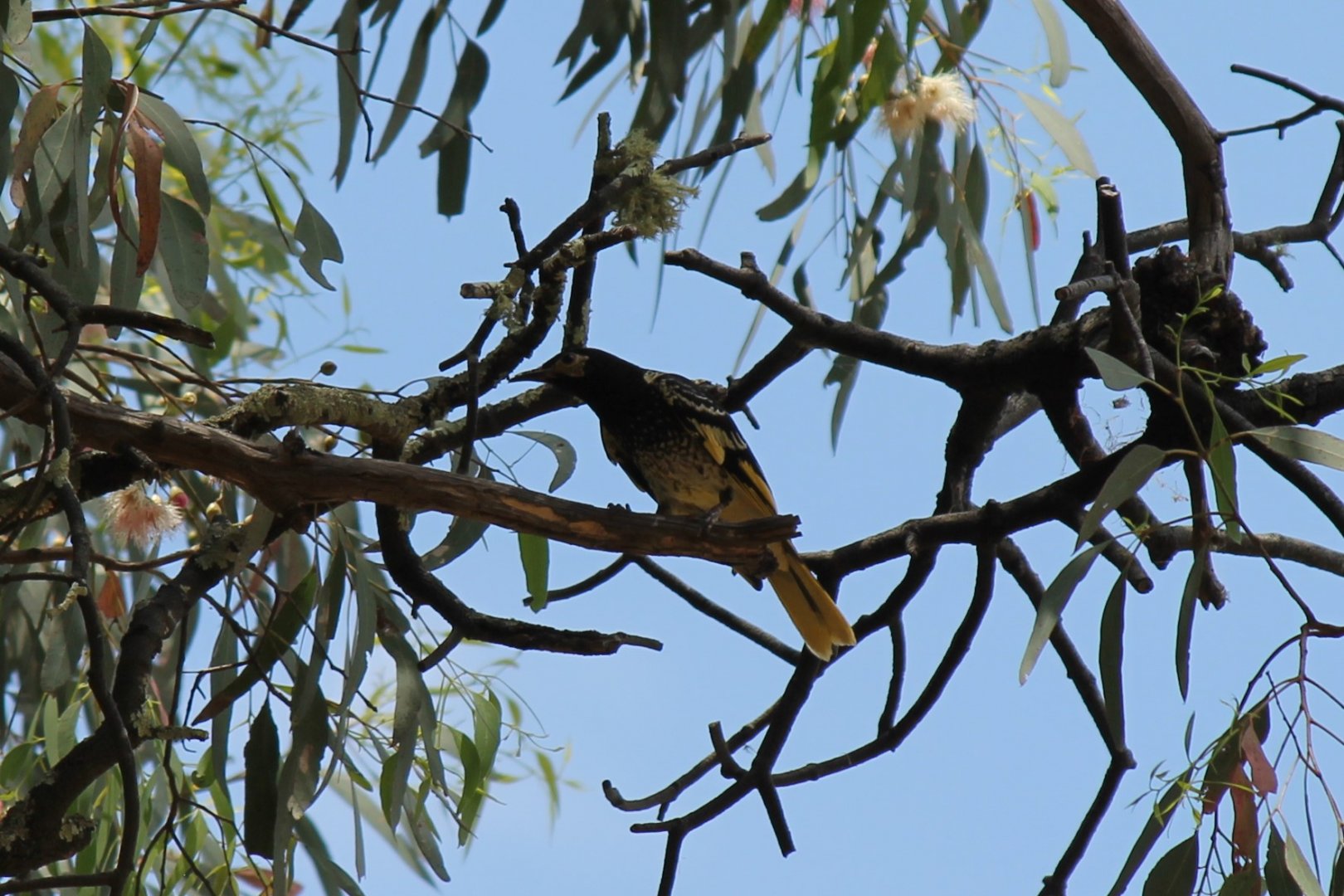
18) Regent Honeyeater. Seeing rare birds is always a treat. I went to Capertee National Park to add them to the life list, but I don't think I really understood how beautiful and charismatic they are until I saw them.

19) Ground Parrot. A species I wanted to see since I was a kid, and one that I didn't have high hopes of seeing, so finding three at Barren Grounds felt like an achievement. Incredible coloured plumage to match their surroundings.

20) Wompoo Fruit-Dove. Probably the species I most wanted to see since I was a kid, I mean it was on the cover of my Third Edition Pizzey! Finally tracked one down on a drizzly day in Yarriabinni National Park. A very impressive bird, such fun colours.

Wow, keeping this to 20 was much harder than I expected it to be.

The top 15 birds I want to see are ones that I've been dreaming about seeing since I was a kid, and also some that really bug me because I should have been able to find them by now.

Southern Cassowary
Cotton Pygmy-Goose
Spinifex Pigeon
Spotted Nightjar
Australasian Bittern
Grey Falcon
Banded Stilt
Plains-wanderer
Australian Pratincole
Princess Parrot
Night Parrot
White-browed Treecreeper
Forty-spotted Pardalote
Common Cicadabird
Yellow-breasted Boatbill
 
1) Paradise Riflebird, Ptiloris paradiseus
2) Rose-crowned Fruit Dove, Ptilinopus regina
3) Black-necked Stork, Ephippiorhynchus asiaticus
4) Regent Bowerbird, Sericulus chrysocephalus

5) Topknot Pigeon, Lopholaimus antarcticus
6) Noisy Pitta, Pitta versicolor
7) Comb-crested Jacana, Irediparra gallinacea, this one is particularly frustrating because I have certainly been in the right habitat for them
8) Australian Owlet-nightjar Aegotheles cristatus
9) Mistletoebird Dicaeum hirundinaceum
10) Red-necked Avocet Recurvirostra novaehollandiae
I can now tick off another two species off the list. Four down, six to go. I have seen several Comb-crested Jacanas (Irediparra gallinacea) at the Enogerra Reservoir over the past two months.
full


Today, I saw my first Regent Bowerbird (Sericulus chrysocephalus) at Maiala. More details can be seen here: Exploring What’s on my Doorstep: WhistlingKite24 does South-east Queensland
full
 
Top 15 to see in the wild:

Bare throated bell bird

SP marsh ant wren

Hyacinth macaw

Cherry throated tanager

Speckled chachalaca

Red fronted macaw

Brazilian merganser

Araripe manakin

Queen of Bavaria conure

Alagoas currasow

Helmeted woodpecker

Blue eyed ground dove

Patagonian conure

Humboldt penguin

Andean condor
 
Back
Top