Is there a plan to get more saddlebill storks or a new species for the exhibit?Unfortunately, Will the saddle-billed stork passed away about two weeks ago. The keepers said they couldn’t remember the exact date, but no wonder why I did not see him in his typical ‘’spot’’ the last two visits. He liked being near the fence by the bottom right corner by the gazelle/hog holding area.
Will was at least around 35-40 years old. He arrived in 1986 as an adult with his longtime partner Grace who passed away last year. He was still quite healthy in his old age, and never really showed it. It was a sudden death when the keepers found him deceased one morning in his holding. I’m not sure if his last days he just got sick or he was just fine the day before. Of the large herds in the 90’s, Will was the last surviving individual. That leaves The Phase with one less species, which has been a weird setup for a long time. I will miss him every time I visit the zoo. He’s now reunited with Grace.
View attachment 517285 My last picture of Will, 10/10/2021. He was a great bird. Forever in our hearts.
You are using an out of date browser. It may not display this or other websites correctly.
You should upgrade or use an alternative browser.
You should upgrade or use an alternative browser.
Philadelphia Zoo Philadelphia Zoo 2021 News
- Thread starter CarLover
- Start date
Im
I’m not sure if the zoo will get any more saddle-billed storks, I will ask next time I am there. However a bird keeper once told me when Will was still alive that they are constantly looking for new animals to occupy that space. I don’t know what it could be, maybe bring back addax, secretary bird and crowned crane…Is there a plan to get more saddlebill storks or a new species for the exhibit?

I wonder if the Academy of Natural Sciences obtained both Will and Grace for their collections. They currently have 2 in their collection according to their ornithology database.
I had a parakeet that lived for 13 years (summer 2000 - August 2013) and was totally fine until one morning he had symptoms of a stroke. I had to leave for a half day of summer college classes. When I got home he was gone. Birds can be sudden that way. Hope he didn't suffer. I'll have to upload some extra b-roll of Will that I have from my visit in August to my channel. He will surely be missed! I had no idea he and his mate Grace were so old! He sure lived through a lot of zoo history. I remember him and Grace in the 90's and early 2000's when I used to visit the zoo often when I lived in PA.It was a sudden death when the keepers found him deceased one morning in his holding. I’m not sure if his last days he just got sick or he was just fine the day before.
Last edited:
Will was pretty healthy in his old age, but it’s possible that just before he died he got a brief illness. Three keepers and one education staff confirmed the death, and some said he wasn’t sick at all and some were not sure, but even if he was it was only just before he died. People never really recognized that him and Grace were so old. When Grace was still alive they were not in view as often as recently. Once Grace passed away, most of the time Will was in the back right corner by the black fence and often times was quite active for an animal his age and spread his wings. He can’t fly because his wings are clipped.I wonder if the Academy of Natural Sciences obtained both Will and Grace for their collections. They currently have 2 in their collection according to their ornithology database.
I had a parakeet that lived for 13 years (summer 2000 - August 2013) and was totally fine until one morning he had symptoms of a stroke. I had to leave for a half day of summer college classes. When I got home he was gone. Birds can be sudden that way. Hope he didn't suffer. I'll have to upload some extra b-roll of Will that I have from my visit in August to my channel. He will surely be missed! I had no idea he and his mate Grace were so old! He sure lived through a lot of zoo history. I remember him and Grace in the 90's and early 2000's when I used to visit the zoo often when I lived in PA.
The oldest saddle-billed stork in the world is another male named Will from the Baton Rouge Zoo(short for William.) However, Will from Philadelphia Zoo was probably not that old because saddle-billed storks tend to live much shorter in the wild, only about 10 years versus 30 in captivity. Will had already exceeded his life expectancy since he was around 40. I’m doing that calculation because since they live about 10 in the wild, I’m taking the median of 35 and 45 since Will has been here for 35 years.
Some more updates from my visit on Sunday:
-In PECO primate reserve, the nocturnal wing no longer has lights on early in the morning. I went first thing when the zoo opened and the lights were already off. For some reason the aye-ayes keep getting swapped but the other animals have remained in the same sides. I saw no aye-ayes on the left, but there was only one aye-aye this time on the right that was probably Tolkien. Later in the day, I saw a bush baby on the left. Didn’t see the lorises or jumping rat.
-I heard about the budgies in kidZooU. There are only four elderly individuals left, and they are kept behind-the-scenes. They only live a few years old and there were about 30 at one point, and the number kept getting lower and lower. The four remaining ducks are also very old and often times just rest there while being tucked in like I saw. People can purchase food but often times they do not eat from public but sometimes they do. The ducks are about 13-14 years old. For a while until a few months ago there were 6 ducks and the zoo euthanized 2 due to cancer. When KidZoou opened, there were about 16-17 ducks at one point with even more in the old children’s zoo. Soon there will probably be no more budgies and ducks.
-The new red river hogs have arrived, I only saw one but an educator told me he saw three on Saturday so they must have came already. Once both Ruby and Hamilton died, Charlotte was showing signs of depression since red river hogs are very social animals.
-Forgot to mention, but the zoo lost three goats during covid. At the beginning of covid was the big brown Toggenburg goat named Patrick. He was 12 and had bad arthritis and can’t walk anymore and was euthanized. Patrick was the zoo’s only Toggenburg goat. Males get a darker brown and are much larger than females who are also tan. Later on in the pandemic was a Golden Guernesy goat named Noah who had the same issues as Patrick but he was 9 years old. The zoo still has a 7-year-old Golden Guernesy named Nebble, who is larger than Noah. There was also an Arapawa goat that was 11 years old(idk his name) and shortly before covid was another Arapawa named Polly(who was very old at around 15-16 years old, forget her exact age) but was still spry and active unlike Milan. I saw her in December of 2019. The zoo still has a lot of goats, and I honestly don’t know all their names but whoever named the goats some of the names are very good. Some of them include Mason, Parker, Comet, Barkley, Breezy, Stumpy, and Nebble and in the side yard are Milan, Sheldon, and Dale and two other Angoras idk their names.
- Mason, one of the Nigerian Dwarf goats is still inside for a skin allergy and each day the zoo brings one goat for a companion but I heard he’s a lot better and the zoo is hoping to get him back out soon. He’s been in there awhile. He’s 9 years old which is getting up there but not super super old. There are some young goats but many are 9 years old and some older.
-In PECO primate reserve, the nocturnal wing no longer has lights on early in the morning. I went first thing when the zoo opened and the lights were already off. For some reason the aye-ayes keep getting swapped but the other animals have remained in the same sides. I saw no aye-ayes on the left, but there was only one aye-aye this time on the right that was probably Tolkien. Later in the day, I saw a bush baby on the left. Didn’t see the lorises or jumping rat.
-I heard about the budgies in kidZooU. There are only four elderly individuals left, and they are kept behind-the-scenes. They only live a few years old and there were about 30 at one point, and the number kept getting lower and lower. The four remaining ducks are also very old and often times just rest there while being tucked in like I saw. People can purchase food but often times they do not eat from public but sometimes they do. The ducks are about 13-14 years old. For a while until a few months ago there were 6 ducks and the zoo euthanized 2 due to cancer. When KidZoou opened, there were about 16-17 ducks at one point with even more in the old children’s zoo. Soon there will probably be no more budgies and ducks.
-The new red river hogs have arrived, I only saw one but an educator told me he saw three on Saturday so they must have came already. Once both Ruby and Hamilton died, Charlotte was showing signs of depression since red river hogs are very social animals.
-Forgot to mention, but the zoo lost three goats during covid. At the beginning of covid was the big brown Toggenburg goat named Patrick. He was 12 and had bad arthritis and can’t walk anymore and was euthanized. Patrick was the zoo’s only Toggenburg goat. Males get a darker brown and are much larger than females who are also tan. Later on in the pandemic was a Golden Guernesy goat named Noah who had the same issues as Patrick but he was 9 years old. The zoo still has a 7-year-old Golden Guernesy named Nebble, who is larger than Noah. There was also an Arapawa goat that was 11 years old(idk his name) and shortly before covid was another Arapawa named Polly(who was very old at around 15-16 years old, forget her exact age) but was still spry and active unlike Milan. I saw her in December of 2019. The zoo still has a lot of goats, and I honestly don’t know all their names but whoever named the goats some of the names are very good. Some of them include Mason, Parker, Comet, Barkley, Breezy, Stumpy, and Nebble and in the side yard are Milan, Sheldon, and Dale and two other Angoras idk their names.
- Mason, one of the Nigerian Dwarf goats is still inside for a skin allergy and each day the zoo brings one goat for a companion but I heard he’s a lot better and the zoo is hoping to get him back out soon. He’s been in there awhile. He’s 9 years old which is getting up there but not super super old. There are some young goats but many are 9 years old and some older.
I’ve seen many pictures of a male saddle-billed stork in Baton Rouge Zoo in 2021 so William should be alive. He actually went by William, unlike Will from the Philadelphia Zoo but they still technically have the same name. William is estimated to be 51 years old.Will was pretty healthy in his old age, but it’s possible that just before he died he got a brief illness. Three keepers and one education staff confirmed the death, and some said he wasn’t sick at all and some were not sure, but even if he was it was only just before he died. People never really recognized that him and Grace were so old. When Grace was still alive they were not in view as often as recently. Once Grace passed away, most of the time Will was in the back right corner by the black fence and often times was quite active for an animal his age and spread his wings. He can’t fly because his wings are clipped.
The oldest saddle-billed stork in the world is another male named Will from the Baton Rouge Zoo(short for William.) However, Will from Philadelphia Zoo was probably not that old because saddle-billed storks tend to live much shorter in the wild, only about 10 years versus 30 in captivity. Will had already exceeded his life expectancy since he was around 40. I’m doing that calculation because since they live about 10 in the wild, I’m taking the median of 35 and 45 since Will has been here for 35 years.
It seems like the black timber rattlesnake has passed away. Once again last week I only saw the tan one(yellow phase), and under the log where ‘’Black’’ liked to hang out I actually found his tiny little rattle but the rest of his body was not there. ‘’Black’’ was about 24 years old which is very old for a rattlesnake.
Image 1: Black’s tiny little rattle under his favorite log, while ‘’Yellow’’ was outside of it.
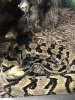
Image 2: ‘Yellow’ close to glass on Nov. 7, 2021. He was moving and tongue flicking a little for camera.
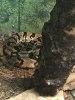
Image 3: “Yellow’ in the back corner away from guests on Oct. 24, 2021 shortly after Black passed. He seemed depressed isolated from everyone. I have never seen him in that back corner.
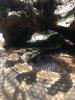
Image 4-5: My last memory of Black and Yellow together, on Oct. 10, 2021 shortly before Black died. Black was still in his favorite log while Yellow was moving around and in it. They were the best of friends and always liked hanging out together in and around the log.
Rest In Peace, ‘’Black’’. You lived a good life at 24. Yellow is waiting for you on the other side. I will miss you every time I visit the Reptile House.


 little rattle.T and
Image 1: Black’s tiny little rattle under his favorite log, while ‘’Yellow’’ was outside of it.
Image 2: ‘Yellow’ close to glass on Nov. 7, 2021. He was moving and tongue flicking a little for camera.
Image 3: “Yellow’ in the back corner away from guests on Oct. 24, 2021 shortly after Black passed. He seemed depressed isolated from everyone. I have never seen him in that back corner.
Image 4-5: My last memory of Black and Yellow together, on Oct. 10, 2021 shortly before Black died. Black was still in his favorite log while Yellow was moving around and in it. They were the best of friends and always liked hanging out together in and around the log.
Rest In Peace, ‘’Black’’. You lived a good life at 24. Yellow is waiting for you on the other side. I will miss you every time I visit the Reptile House.
little rattle.T andAttachments
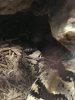
The zoo has been tough lately losing two animals in such a short span, all between the 3 weeks I was gone. During covid there has certainly been a large number of animal deaths, most very old, including 1 timber rattlesnake, 1 saddle-billed stork, 2 red river hogs, 1 mini horse, 2 ducks, 1 Canada Lynx, 3 goats, several birds in McNeil Avian Center, and more. I asked someone that didn’t know about the snakes passing but by finding his tiny little rattle in his exhibit he definitely passed under his favorite spot. Since his tiny rattle was in his exhibit, he most likely passed away inside his exhibit of natural causes when the zoo was closed. When his body turned into ash, his rattle fell off and remained. It’s like a memory I will never forget and I will look for it every time like a special treasure to remember “Black’’. Idk his real name or if he even has one.It seems like the black timber rattlesnake has passed away. Once again last week I only saw the tan one(yellow phase), and under the log where ‘’Black’’ liked to hang out I actually found his tiny little rattle but the rest of his body was not there. ‘’Black’’ was about 24 years old which is very old for a rattlesnake.
Image 1: Black’s tiny little rattle under his favorite log, while ‘’Yellow’’ was outside of it.
Image 2: ‘Yellow’ close to glass on Nov. 7, 2021. He was moving and tongue flicking a little for camera.
Image 3: “Yellow’ in the back corner away from guests on Oct. 24, 2021 shortly after Black passed. He seemed depressed isolated from everyone. I have never seen him in that back corner.
Image 4-5: My last memory of Black and Yellow together, on Oct. 10, 2021 shortly before Black died. Black was still in his favorite log while Yellow was moving around and in it. They were the best of friends and always liked hanging out together in and around the log.
Rest In Peace, ‘’Black’’. You lived a good life at 24. Yellow is waiting for you on the other side. I will miss you every time I visit the Reptile House.
View attachment 517888 View attachment 517889 View attachment 517890 View attachment 517891 View attachment 517891 little rattle.T and
Timber rattlesnakes have two phases(black and yellow.) You cannot tell the snakes gender by it’s color. Black was smaller than Yellow and had a smaller head, and he was a male. Males are smaller than females as in most snakes. We do not know much about Yellow, this snake arrived about 10 years ago as someone’s pet. We do not know his/her age. His/her gender is also unknown, but considering that this snake was larger with a bigger head, Yellow is most likely a female to my understanding. Yellow might also be old but we do not know. Since timber rattlesnakes live around 15 in the wild, Yellow should be around 17 or 18 years old which is also getting up there but we cannot be sure his/her age. Unlike Black who liked to sleep often in his old age, Yellow still likes to explore and move from time to time.
There are certain snakes I rarely or have never seen move. Others include the green tree python, who is also a senior snake and I have never seen her move. I have rarely seen the Madagascar tree boas move, and when I did it was always very little. The new Solomon Island Tree Boa I have only seen him move once and he’s a senior as well in his 20s. Also the Reticulated Python and Sidewinder Rattlesnake I never seen move. They all must move at sometime, because they are never in the exact same spots. It’s slow and easy with snakes, but at certain times they move quite a bit.
Last edited:

Rattlesnakes do shed their rattles - they are just scales. Irrespective of whether the snake actually has died or not, here you are just making up a scenario where the snake is no longer on display and so you are claiming that it died in the enclosure and remained so long unnoticed by staff that the body literally rotted away completely. That is ridiculous.I asked someone that didn’t know about the snakes passing but by finding his tiny little rattle in his exhibit he definitely passed under his favorite spot. Since his tiny rattle was in his exhibit, he most likely passed away inside his exhibit of natural causes when the zoo was closed. When his body turned into ash, his rattle fell off and remained.
Ahh correct. That situation should not happen where it gets so long unnoticed by staff. Sorry for the misunderstanding. Probably when the snake died his rattle fell off, and he was noticed by staff in the morning, and his body was removed before the zoo opened. I have never seen that little rattle when the snake was still there.Rattlesnakes do shed their rattles - they are just scales. Irrespective of whether the snake actually has died or not, here you are just making up a scenario where the snake is no longer on display and so you are claiming that it died in the enclosure and remained so long unnoticed by staff that the body literally rotted away completely. That is ridiculous.
Last edited:

Ahh correct. That situation should not happen where it gets so long unnoticed by staff. Sorry for the misunderstanding. Probably when the snake died his rattle fell off, and he was noticed by staff in the morning, and his body was removed before the zoo opened. I have never seen that little rattle when the snake was still there.
Snakes shed their rattles, like they shed their skins. That's how they get more notches on their rattle.

Ahh correct. That situation should not happen where it gets so long unnoticed by staff. Sorry for the misunderstanding. Probably when the snake died his rattle fell off, and he was noticed by staff in the morning, and his body was removed before the zoo opened.
You *do* realise that you have constructed a perfect feedback loop, whereby you have concluded the snake has died because you only saw the "tiny rattle" and not the snake itself, and furthermore have concluded that you only saw the "tiny rattle" and not the snake itself because the snake has died?
Ok. As @TinoPup said, you can not be sure if the snake has died, as it can just be a shedded rattle. However he most likely did given his age, but it’s possible he’s off exhibit for age-related medical issues.You *do* realise that you have constructed a perfect feedback loop, whereby you have concluded the snake has died because you only saw the "tiny rattle" and not the snake itself, and furthermore have concluded that you only saw the "tiny rattle" and not the snake itself because the snake has died?
Last edited:

It seems like the black timber rattlesnake has passed away.
During covid there has certainly been a large number of animal deaths, most very old, including 1 timber rattlesnake
However he most likely did given his age, but it’s possible he’s off exhibit for age-related medical issues.
This is a news thread, not a speculation thread. Please do not post claims that an animal has died when you do not have evidence or a verified source that an animal has actually died.
According to a news article
-8 new Rodrigues fruit bats have arrived, bringing the number to 64
-A bird-of-paradise was born
-A 3-year-old female false water cobra has arrived from Zoo Miami, and she is currently off-exhibit. It did not say if she was going to go on-exhibit, but if so, it would probably be with the green anacondas.
-8 new Rodrigues fruit bats have arrived, bringing the number to 64
-A bird-of-paradise was born
-A 3-year-old female false water cobra has arrived from Zoo Miami, and she is currently off-exhibit. It did not say if she was going to go on-exhibit, but if so, it would probably be with the green anacondas.

Do you have a link to the article?According to a news article
-8 new Rodrigues fruit bats have arrived, bringing the number to 64
-A bird-of-paradise was born
-A 3-year-old female false water cobra has arrived from Zoo Miami, and she is currently off-exhibit. It did not say if she was going to go on-exhibit, but if so, it would probably be with the green anacondas.
No, it’s a written newsletter that the zoo sends to members.Do you have a link to the article?
According to a news article
-8 new Rodrigues fruit bats have arrived, bringing the number to 64
-A bird-of-paradise was born
-A 3-year-old female false water cobra has arrived from Zoo Miami, and she is currently off-exhibit. It did not say if she was going to go on-exhibit, but if so, it would probably be with the green anacondas.
Why with the anacondas?
I wouldn't put them there. They would probably eat the water cobras. I would put them in a separate exhibit.Why with the anacondas?
Since both species are from South America, it’s an appropriate mixed-species exhibit. Plus false water cobras are water-loving snakes as well and there is a large pool in the exhibit. The anaconda exhibit has purple light and a large tree mimicking an Amazon setting.Why with the anacondas?
One thing is that the anacondas might eat the water cobra, so I would think the best other option if it goes on exhibit would be once again renovating the sailfin lizard exhibit and add a larger pool and the sailfin lizards would go back with black tree monitors.