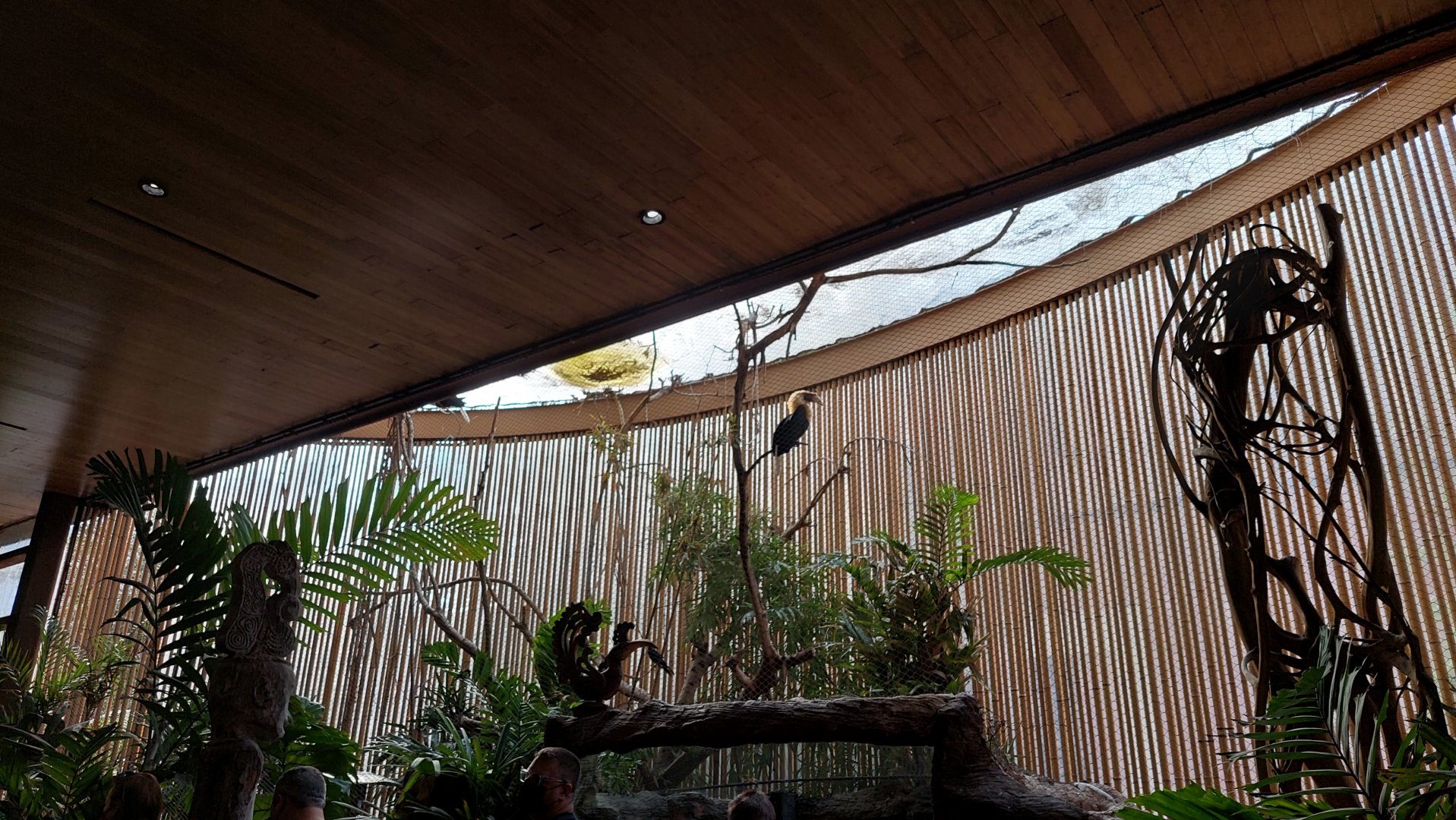
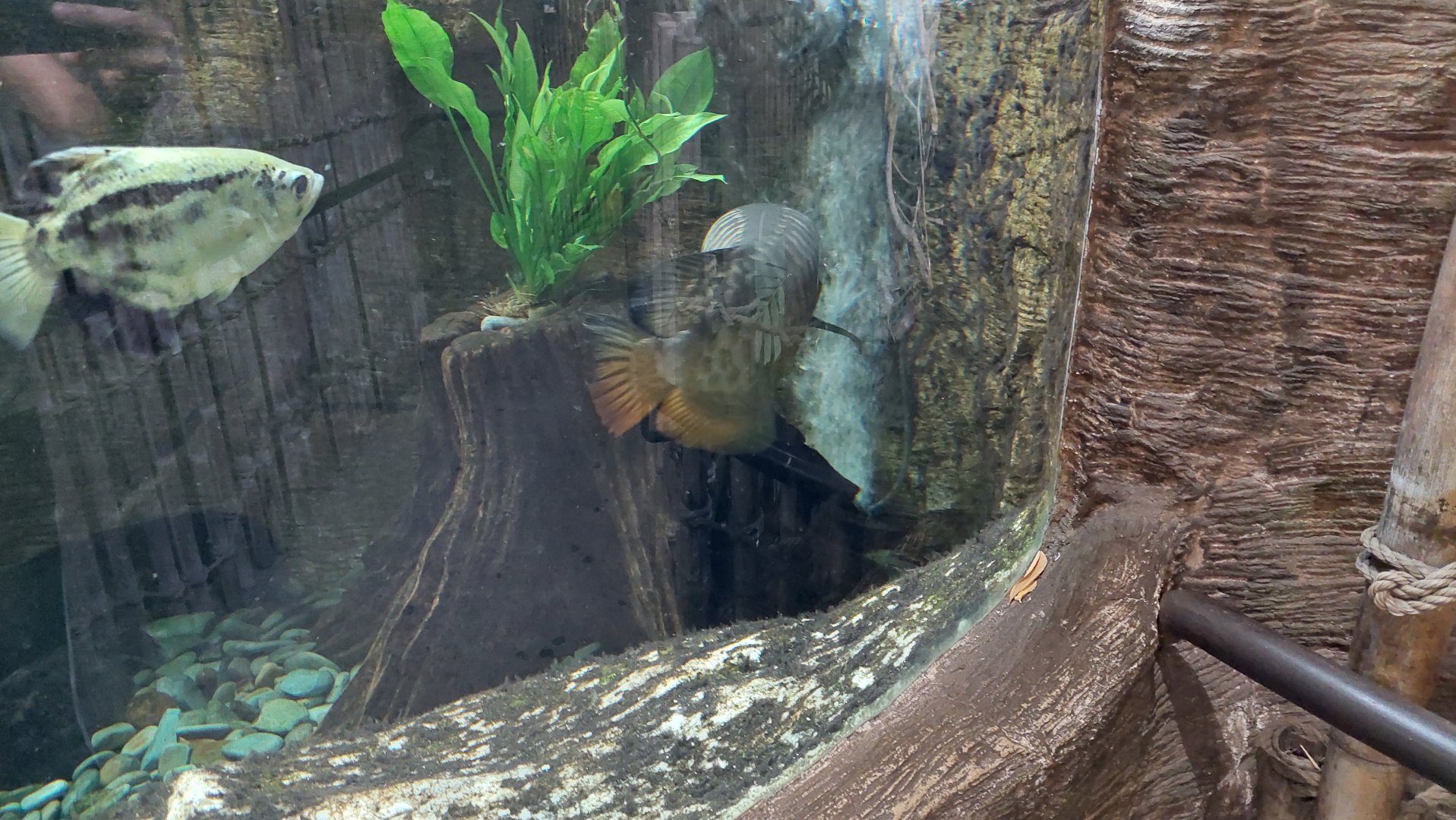
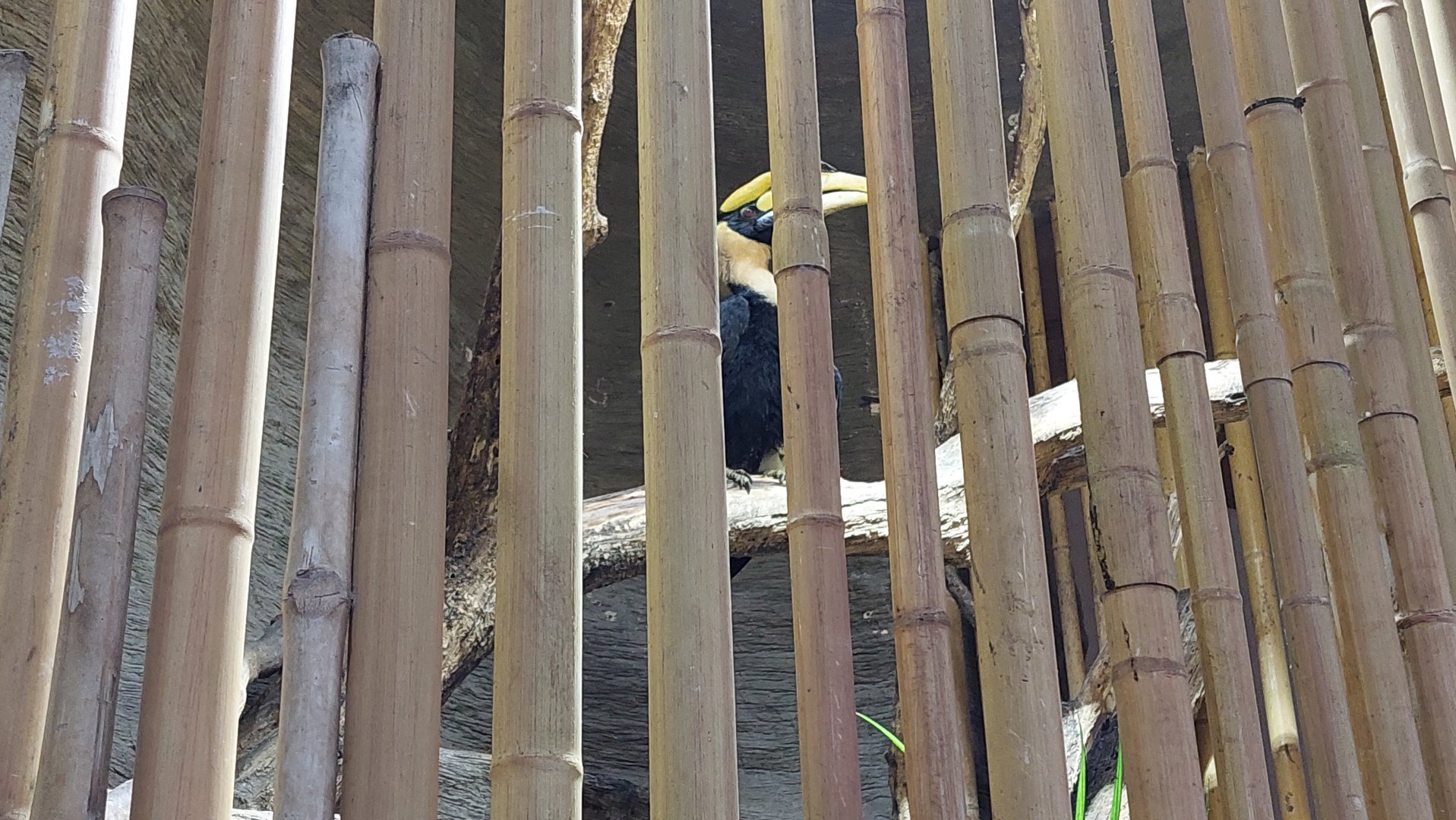
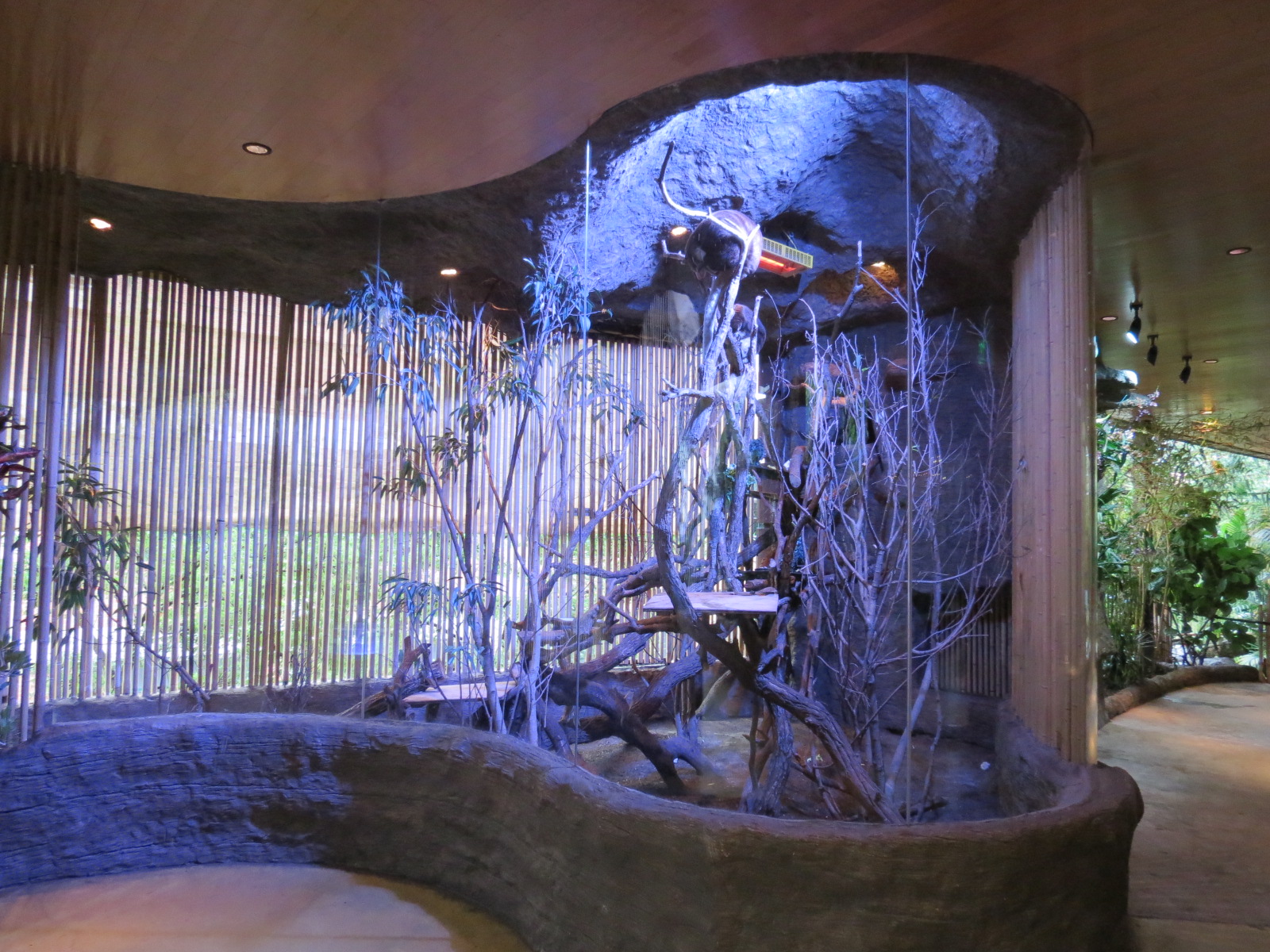
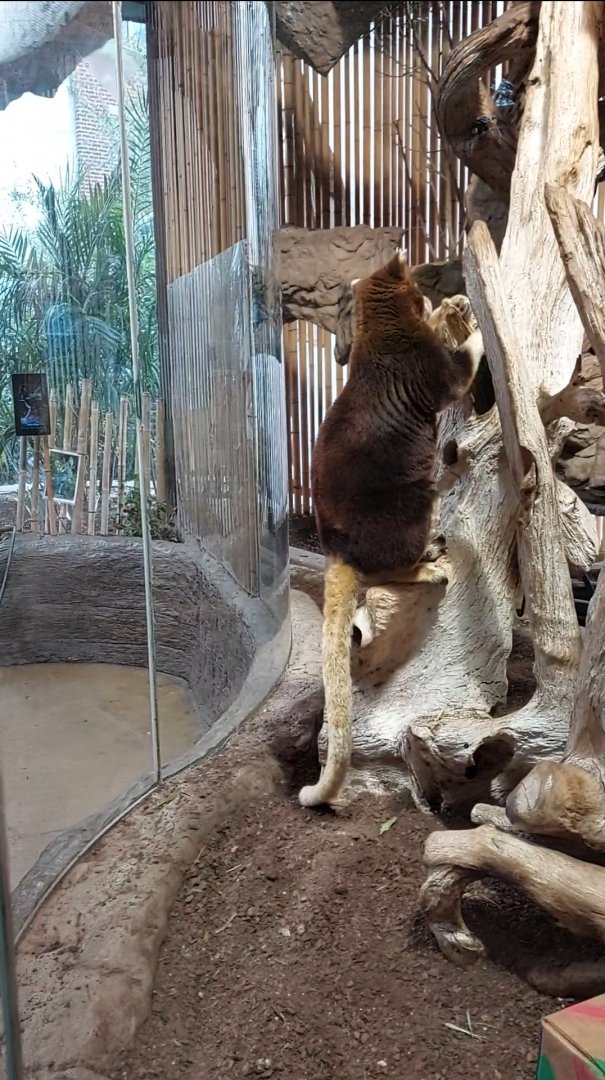
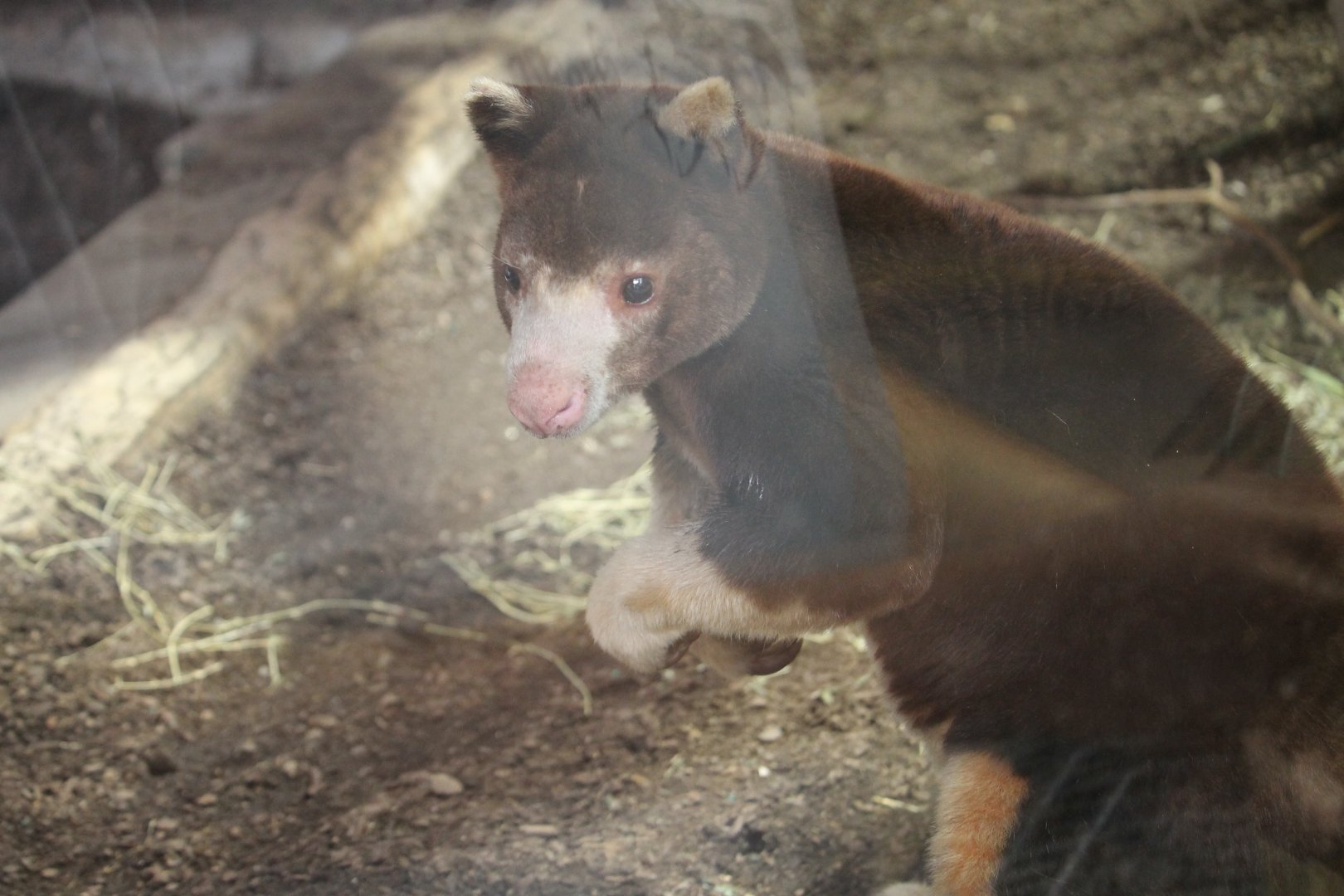
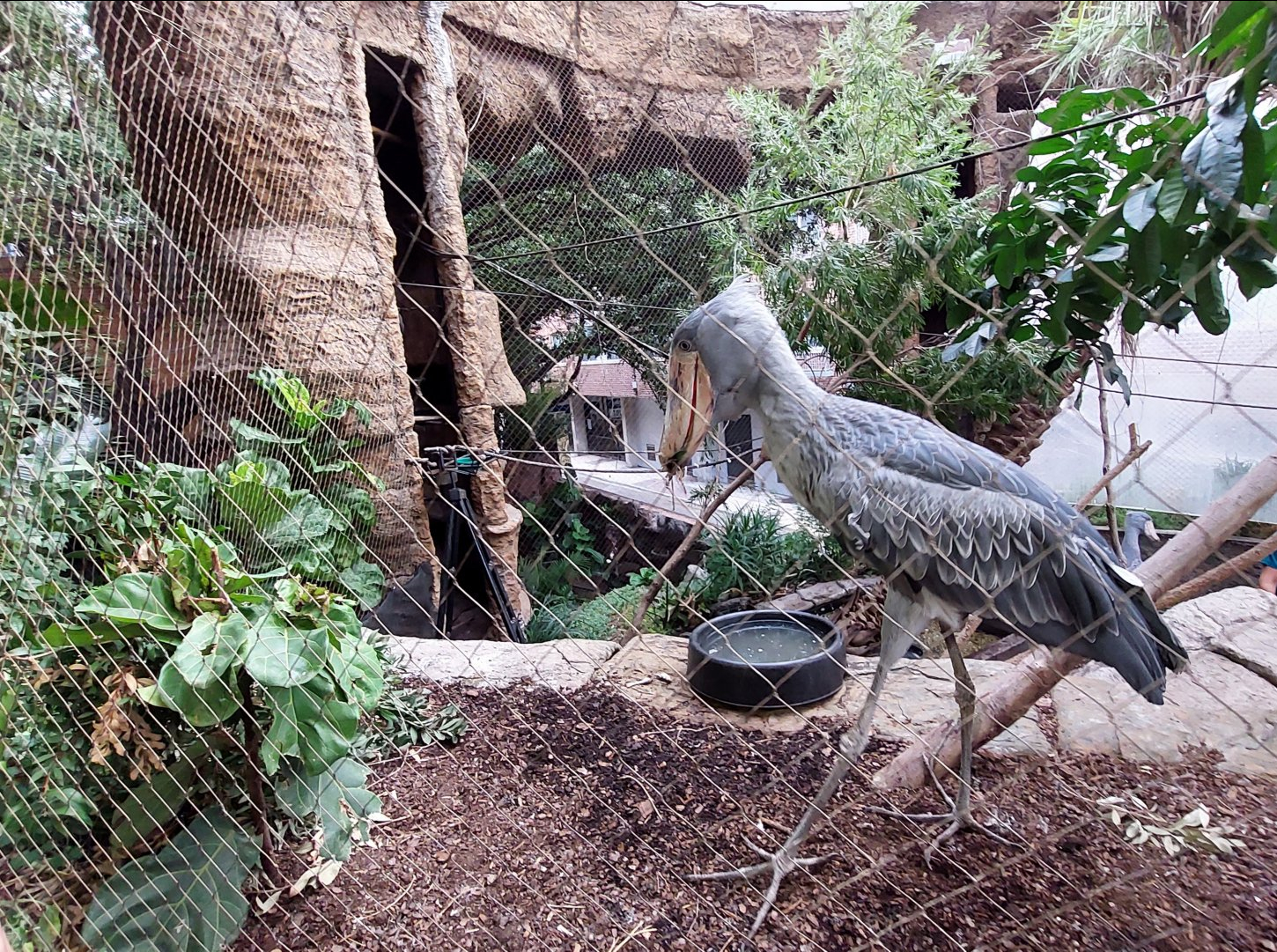
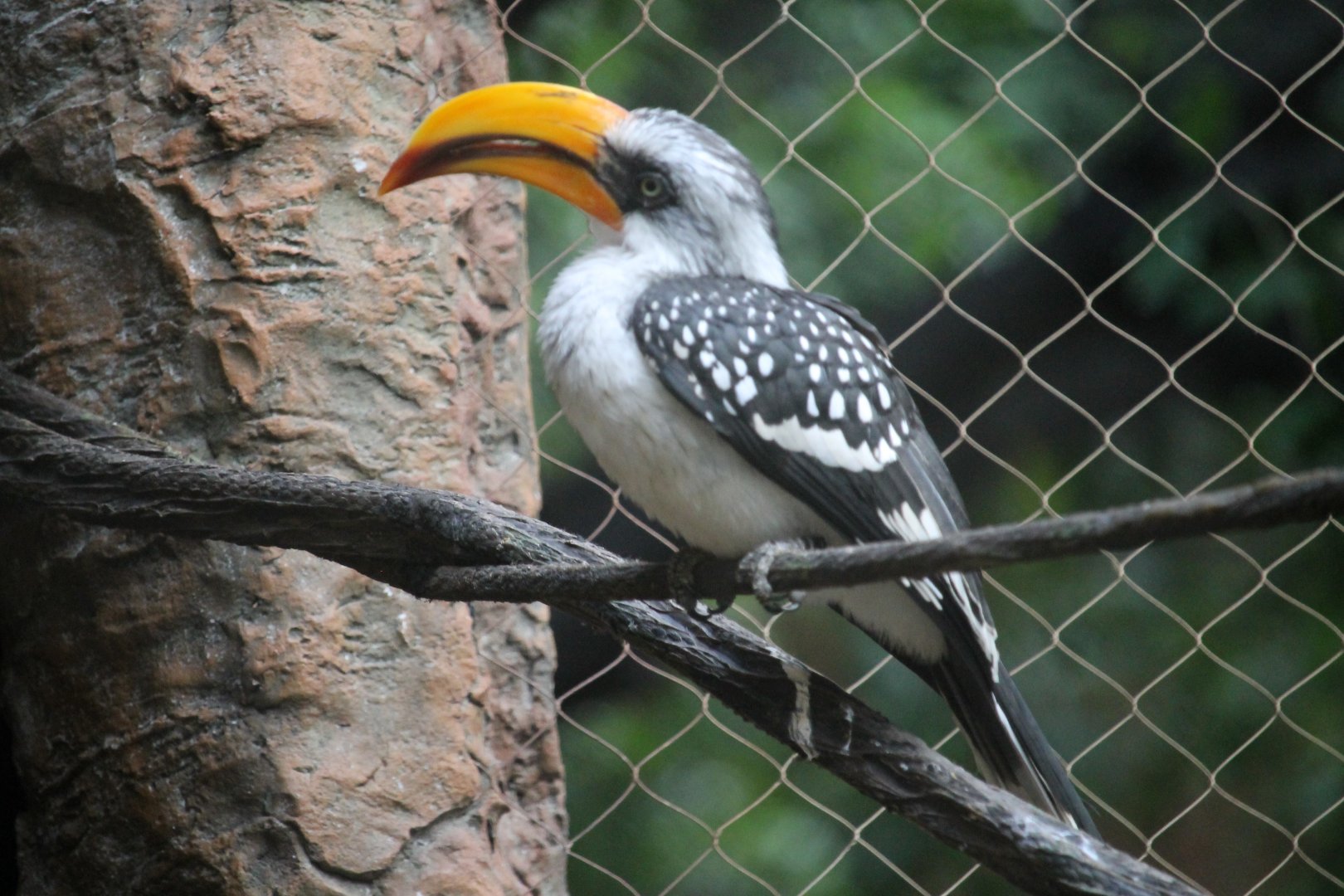
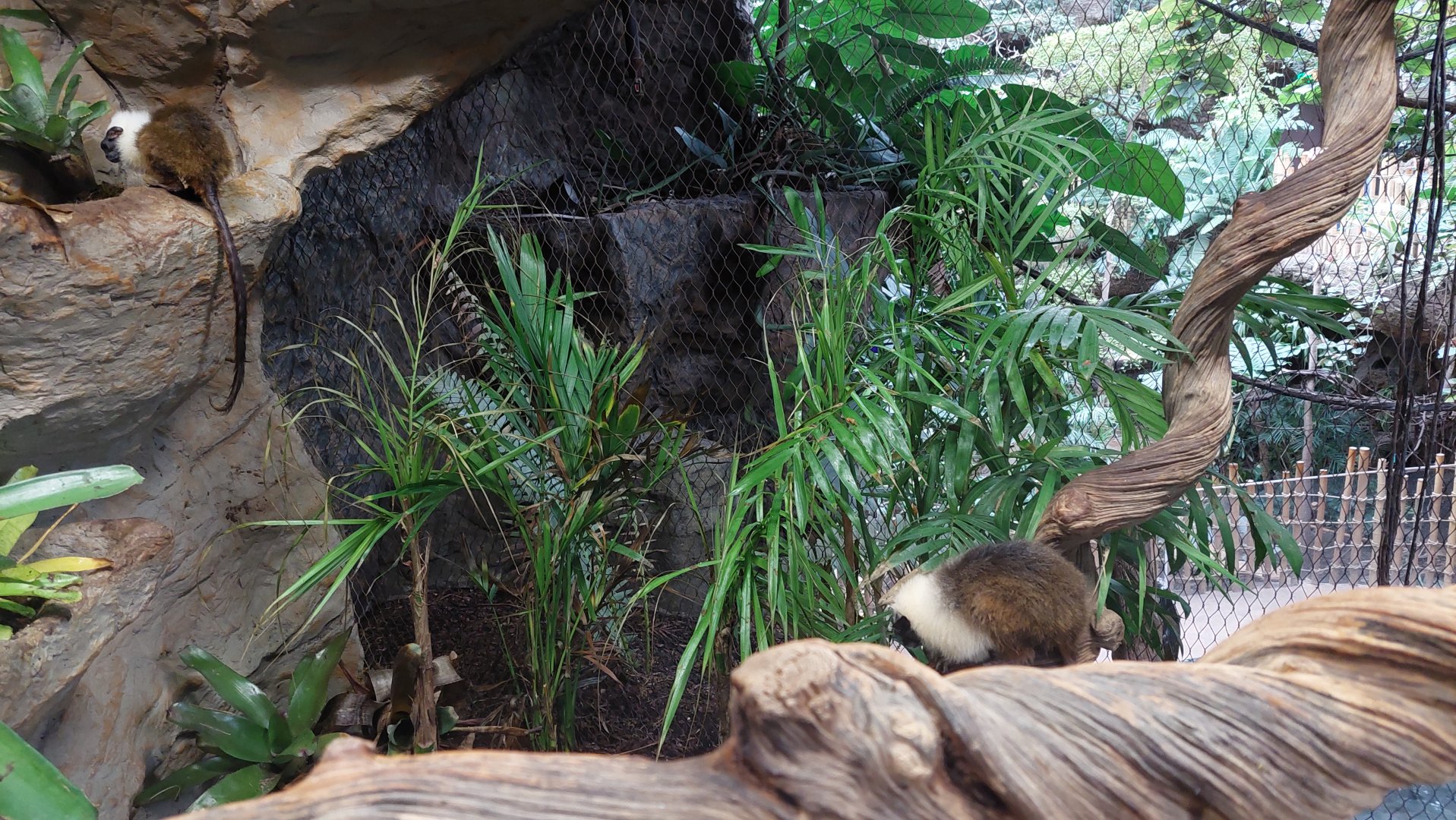
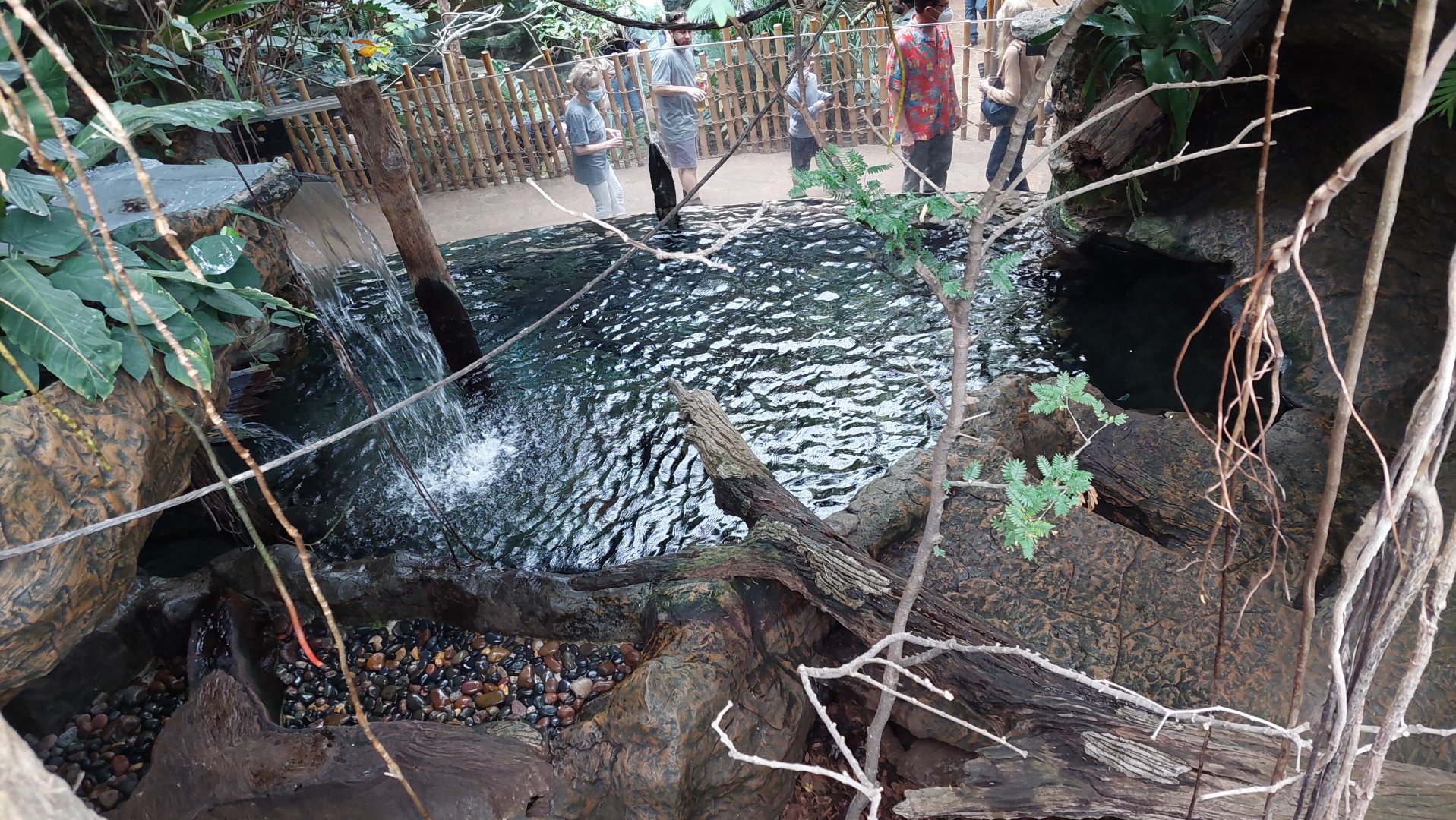
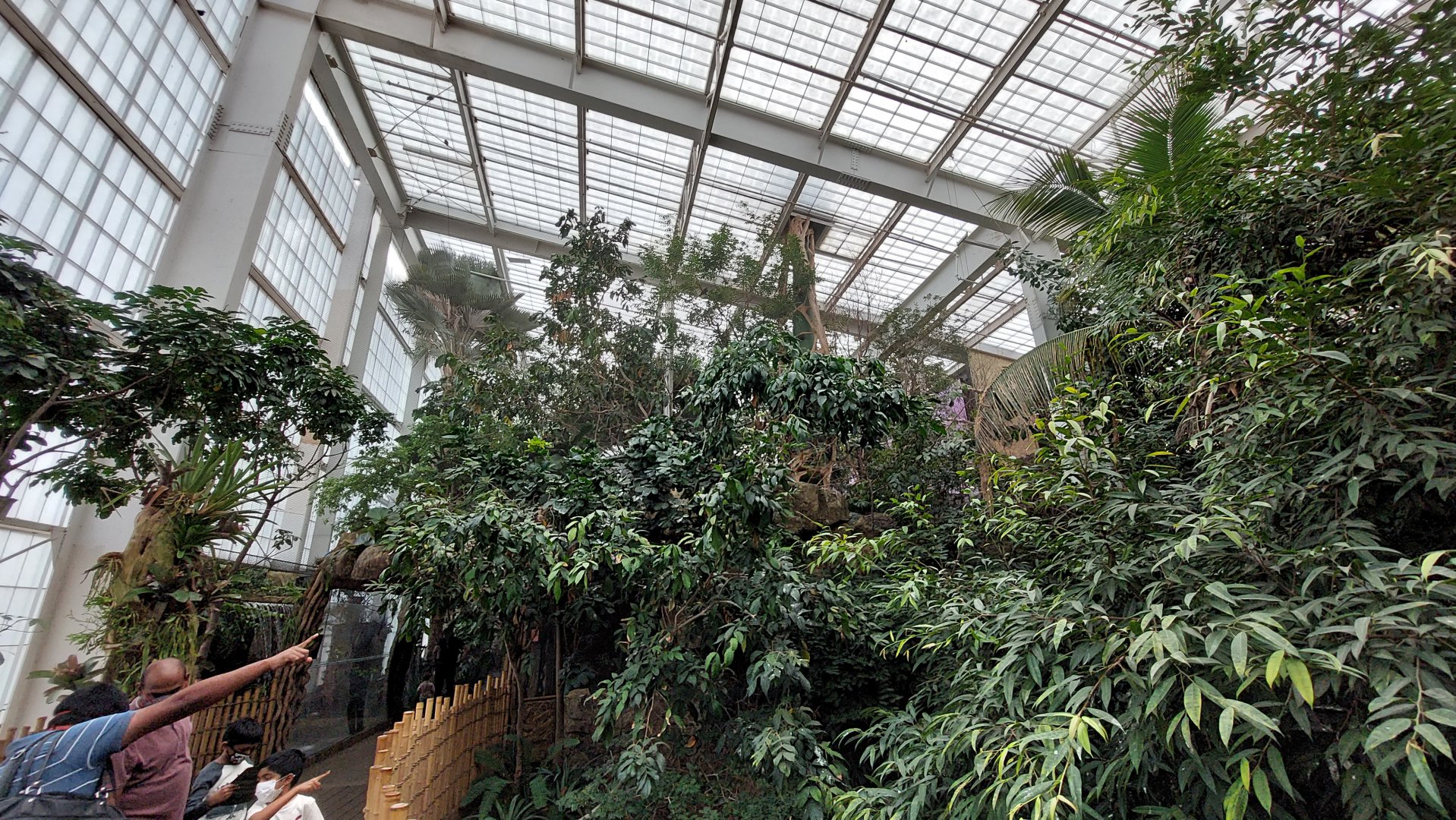
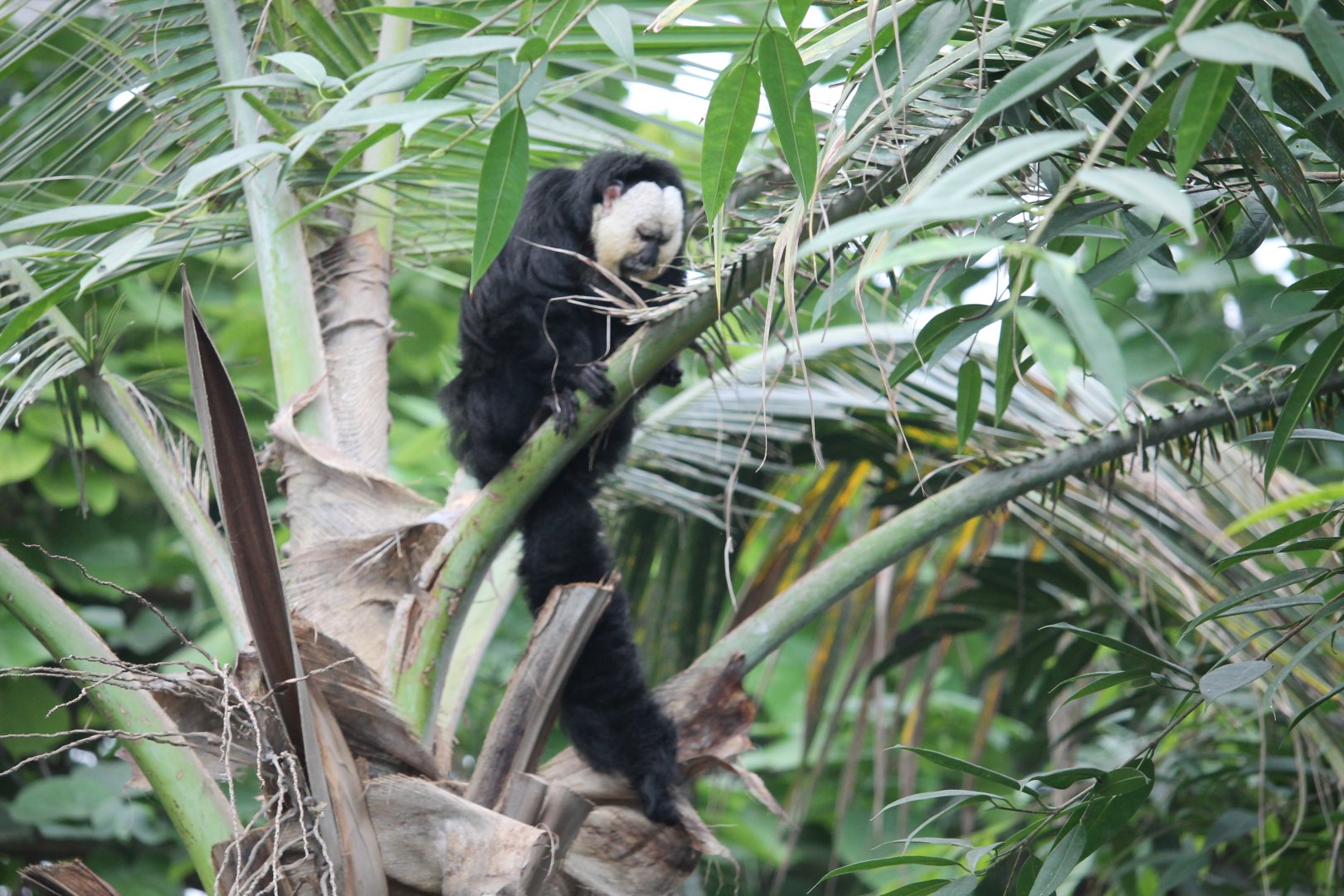
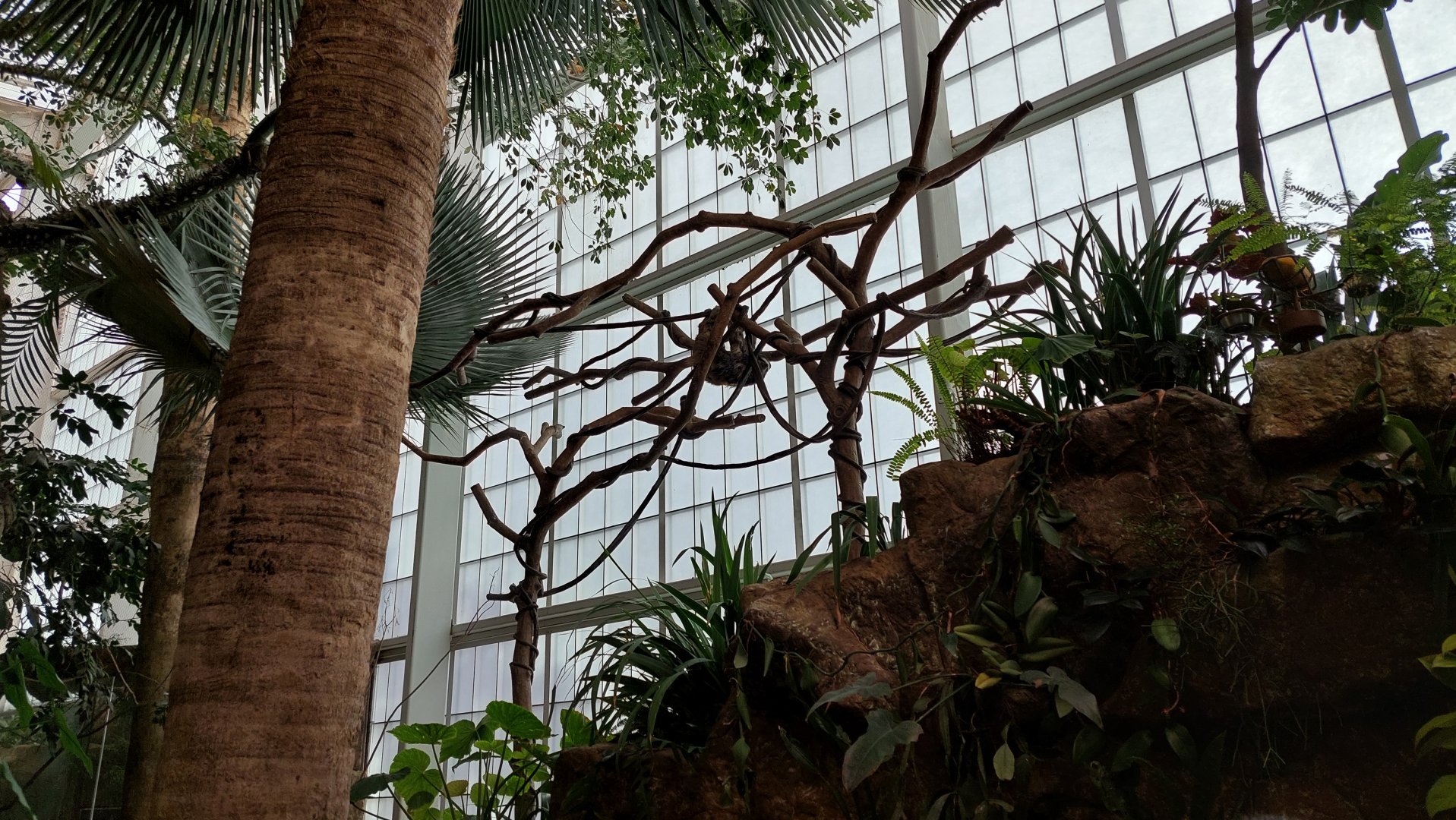
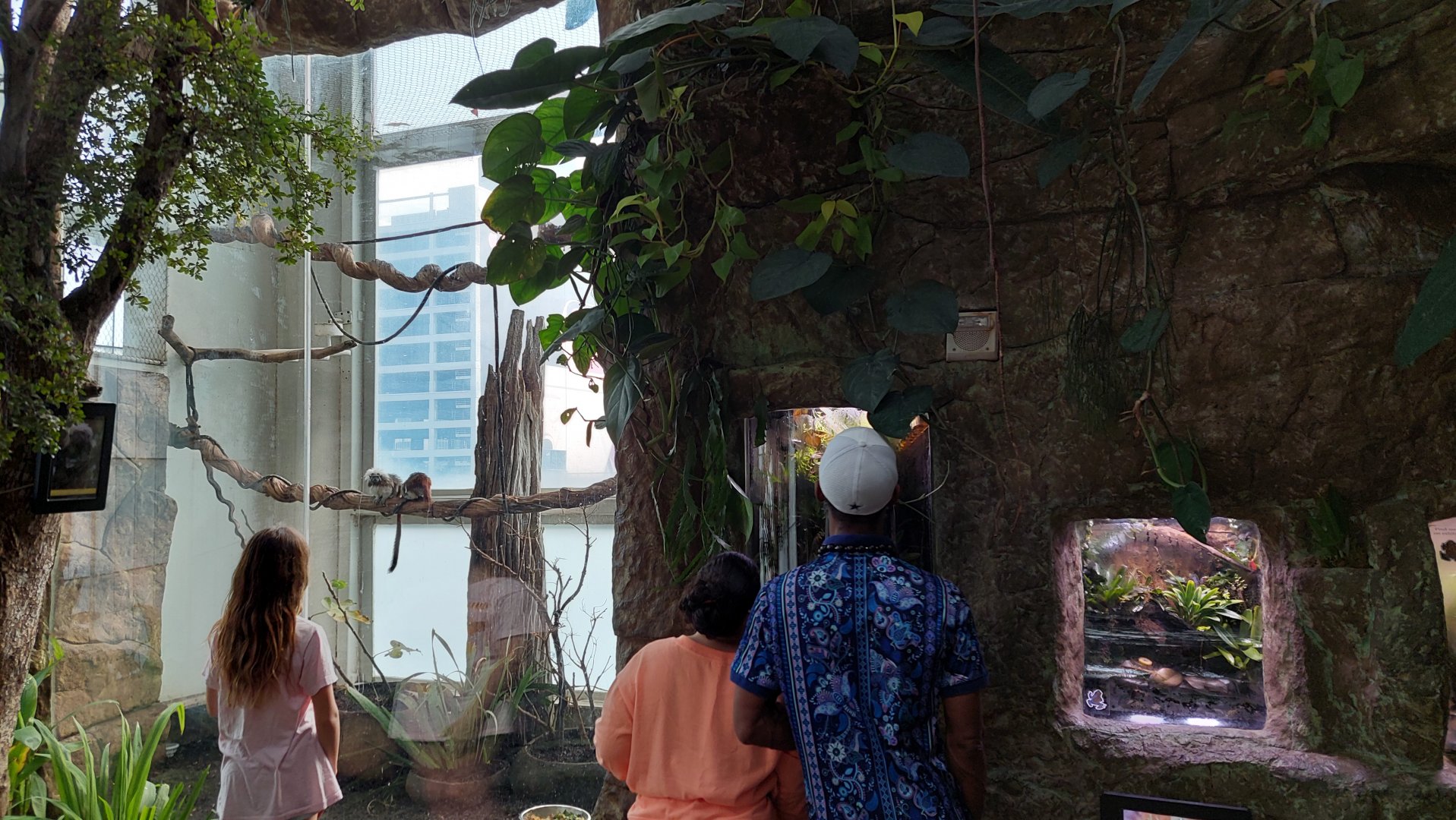
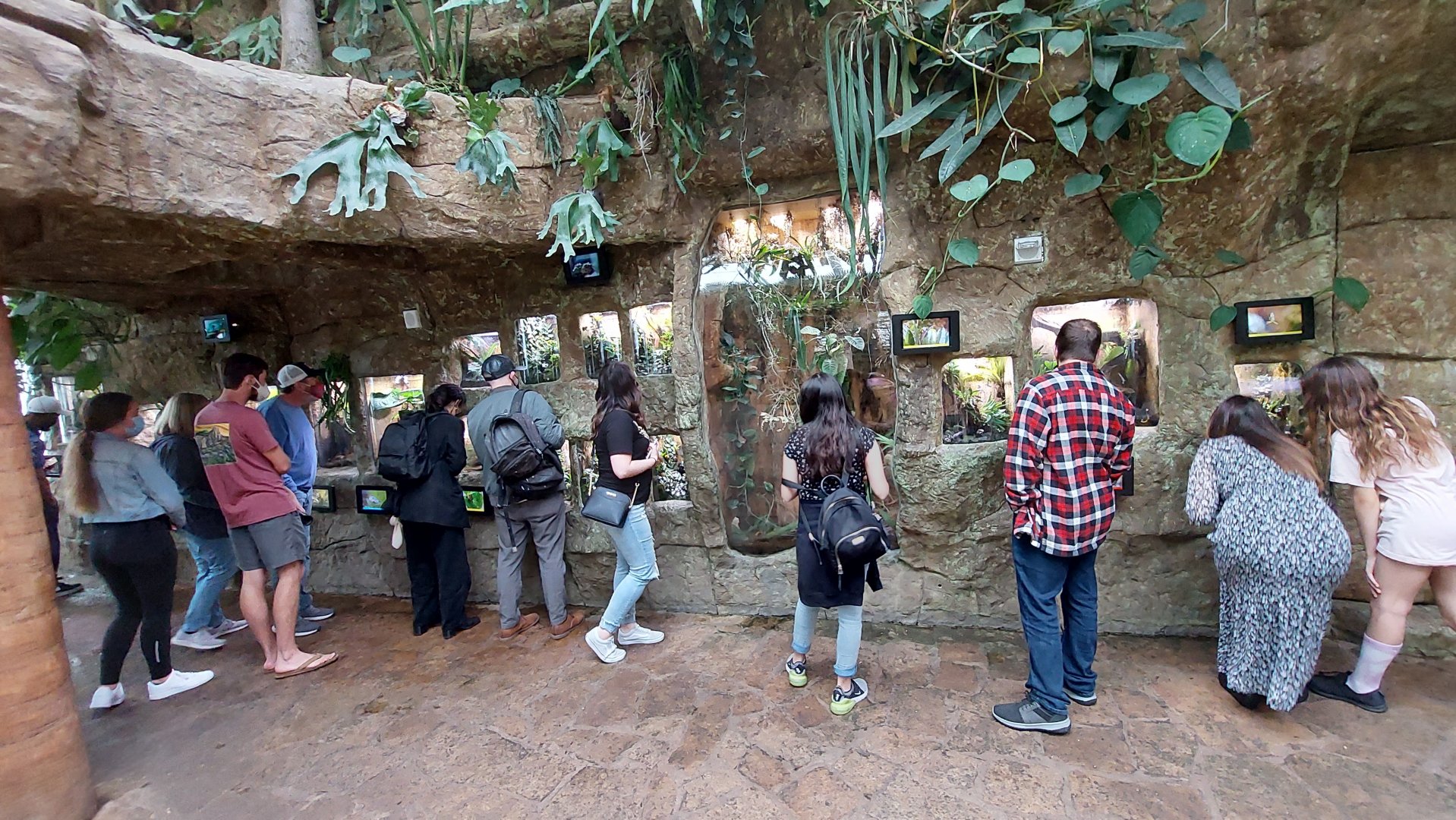
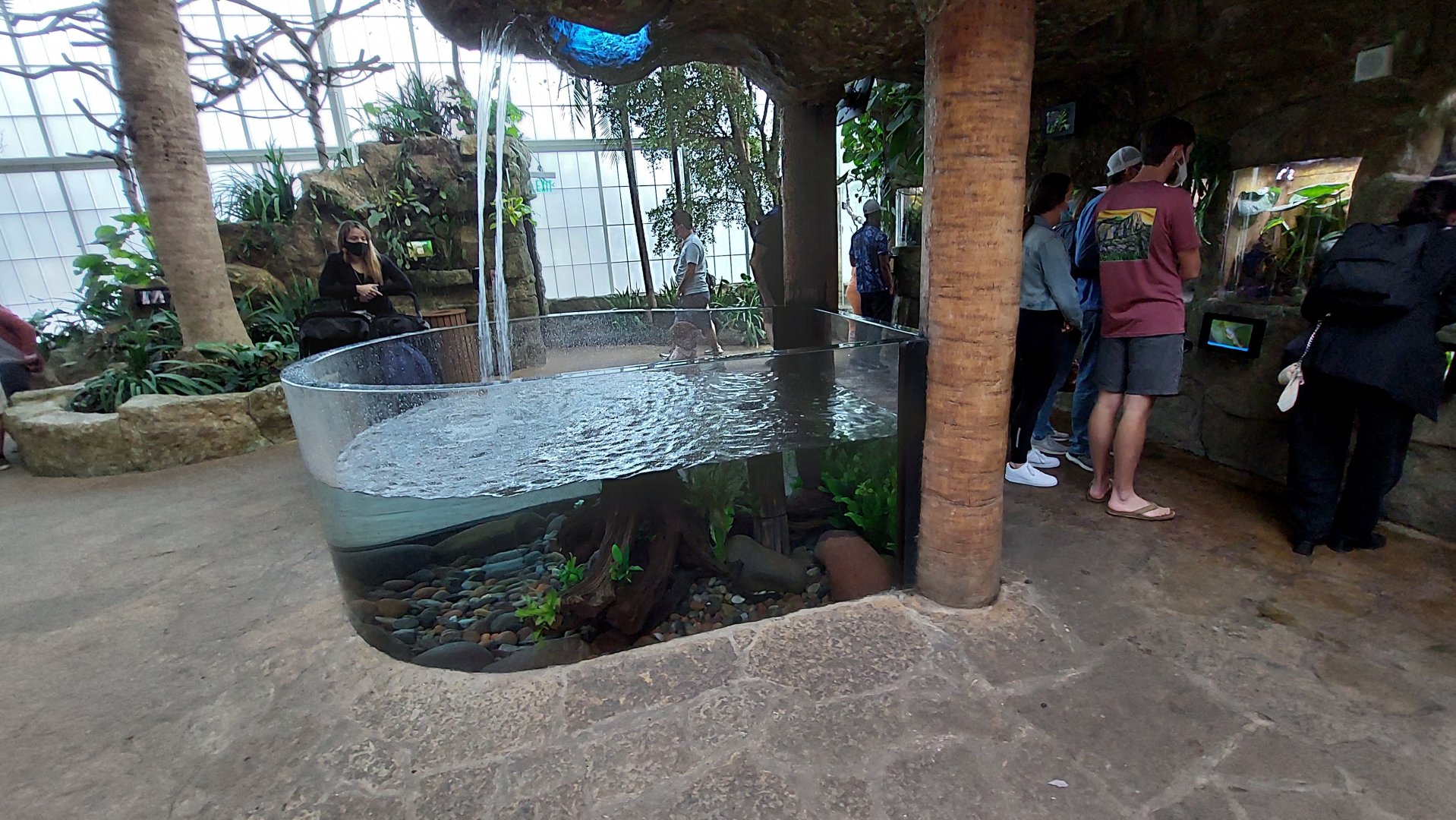
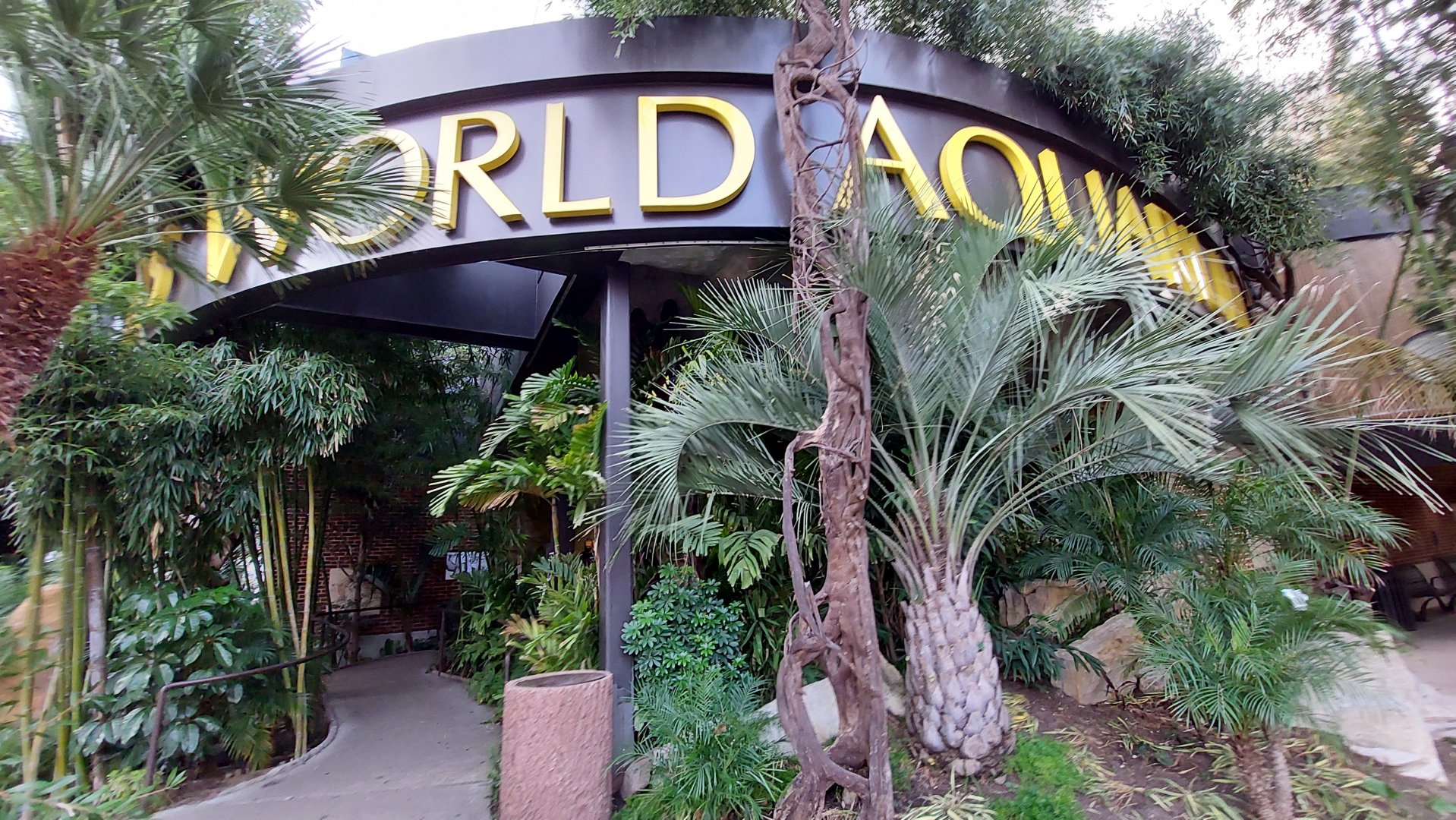
A month ago, on December 27, 2021, I visited the renowned Dallas World Aquarium, privately owned and AZA accredited, in downtown Dallas, Texas. I will attempt to detail as in-depth a description and species list as I can.
While most reading this will already be aware of the facility, I will preface this by saying the name itself is a bit of a misnomer. As has been said before, it isn't particularly representative of the world, heavily focusing on neotropical birds, with a fine selection of many rare mammals, amphibians, reptiles, and fish present. Most of DWA isn't really an aquarium in the traditional sense either, with the gallery being relegated to the basement of the large tropical rainforest halls.
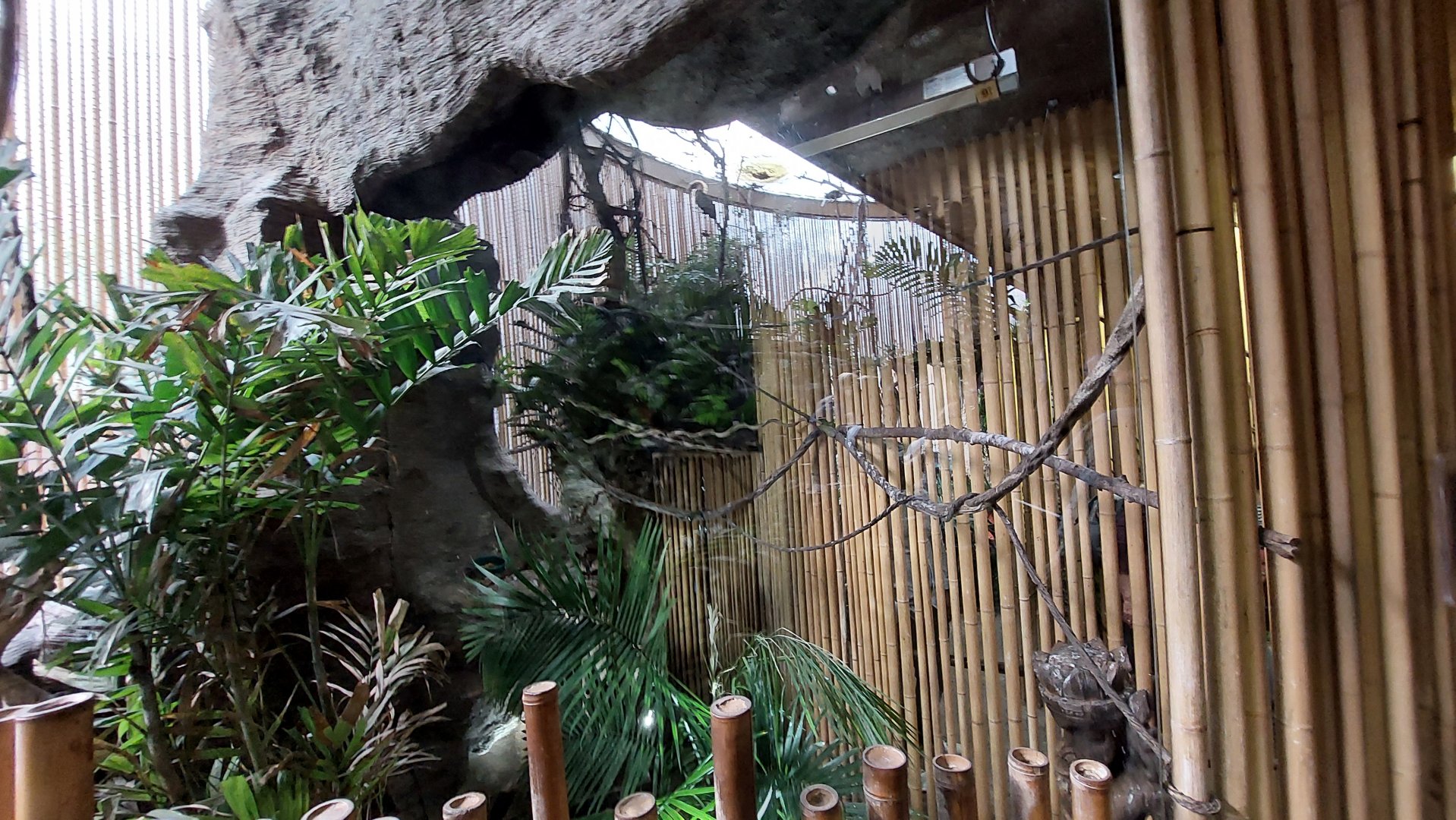
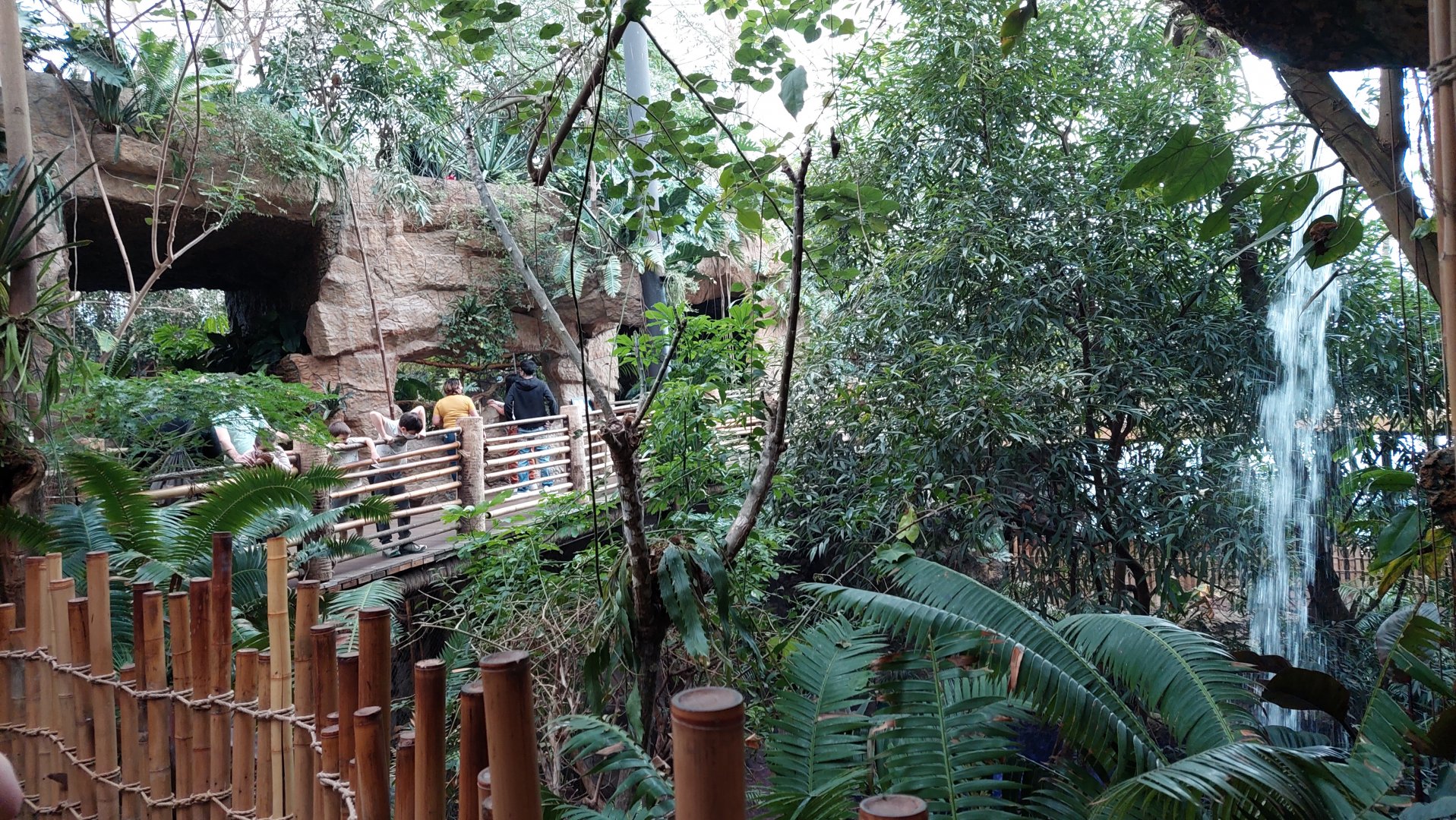
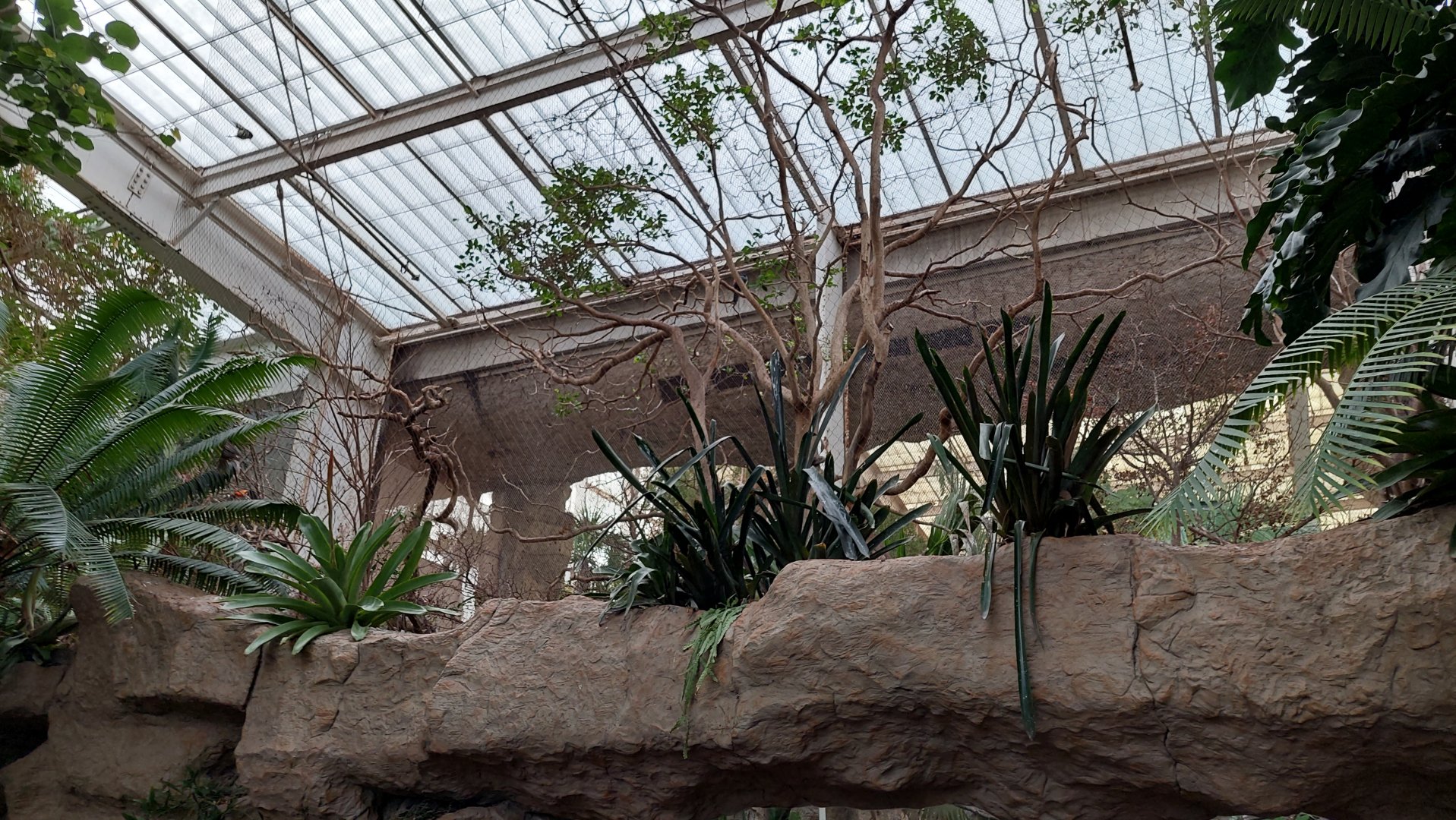
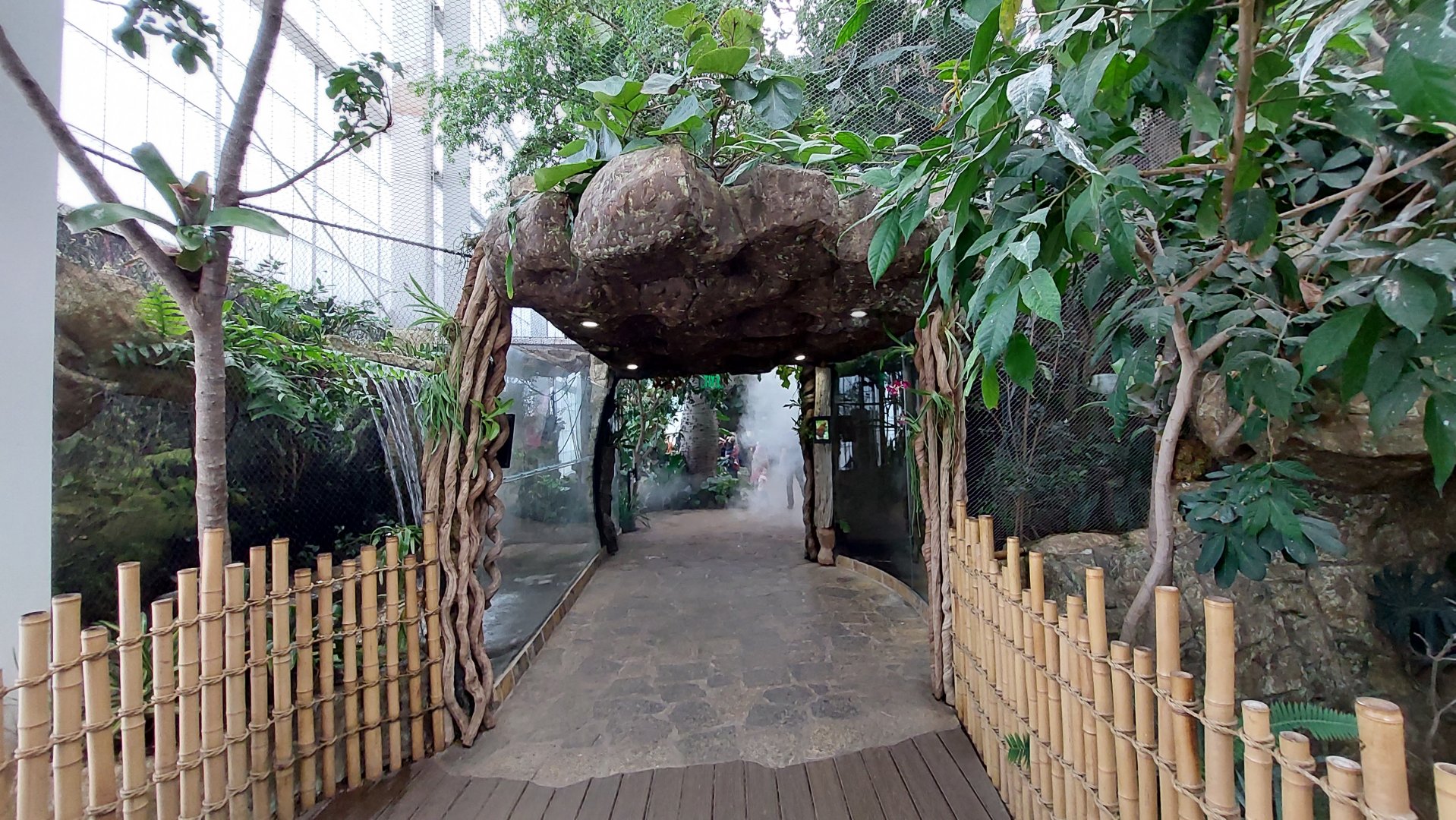
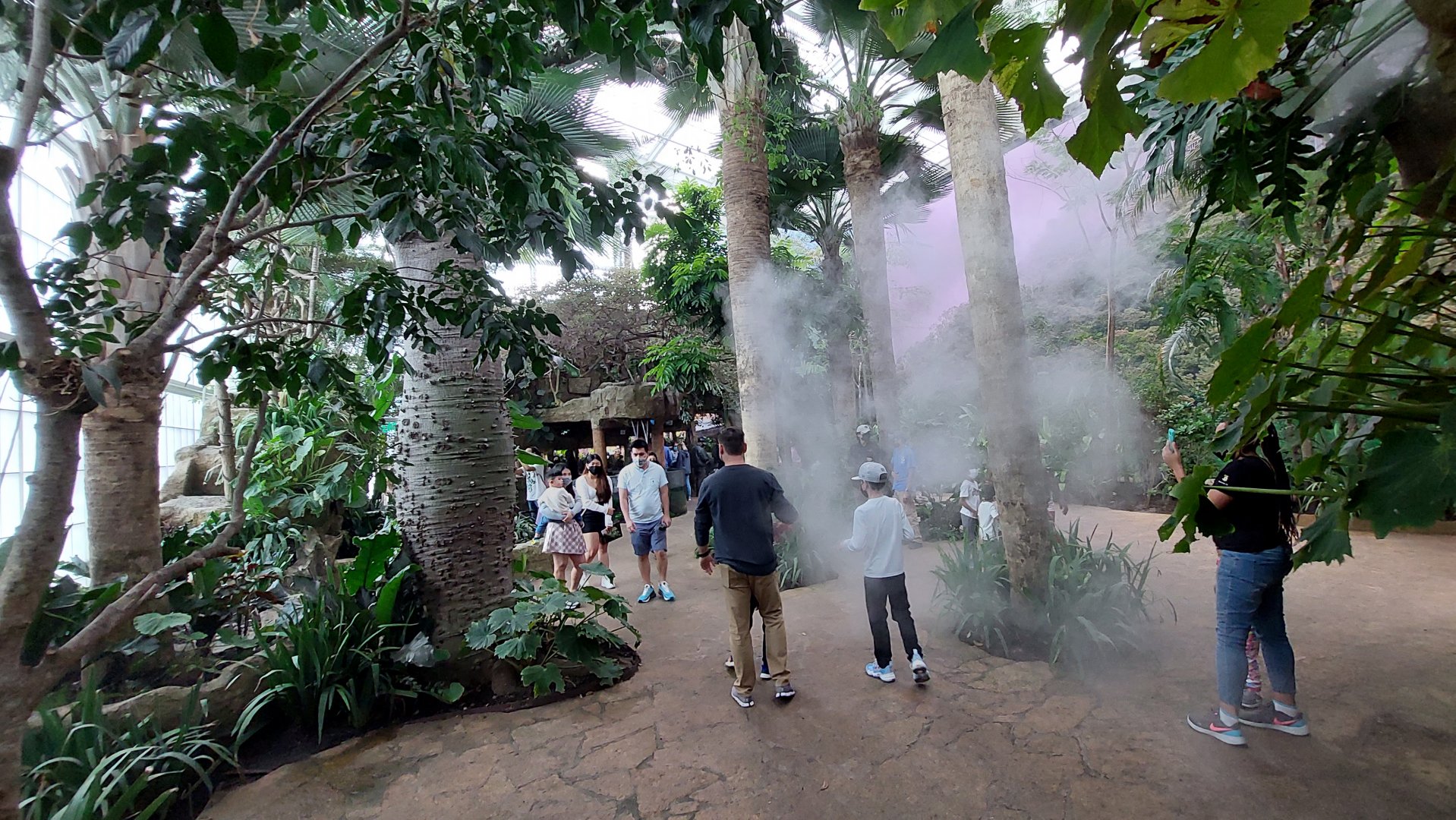
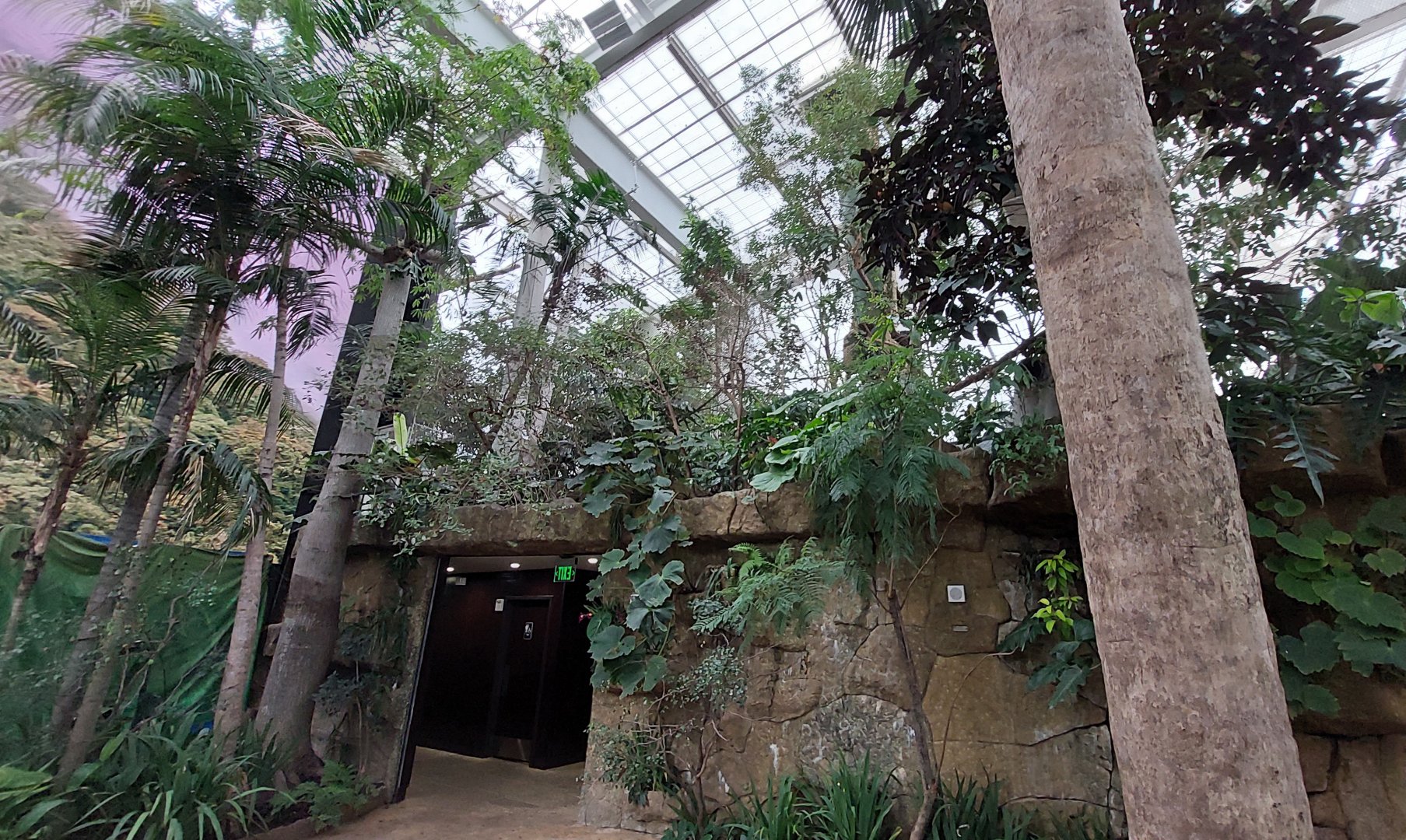
This is made clearer by looking at the 6 main sections of the facility: Borneo, The Orinoco Rainforest, Cloud Forest Trek, The Aquarium, Africa, and Mundo Maya. The Orinoco Rainforest and Mundo Maya are the largest and perhaps the most impressive, but the entire building maintains a high level of emersion and well thought-out design. The level of rare species and the engaging exhibits all within a city block is most impressive.
A major criticism of DWA is that in cramming a single building chock-full of animal species and exhibits, some of the enclosures end up as the bare minimum size or smaller. It is the payoff for the high level of diversity, but there are also improvements seeming to be made.
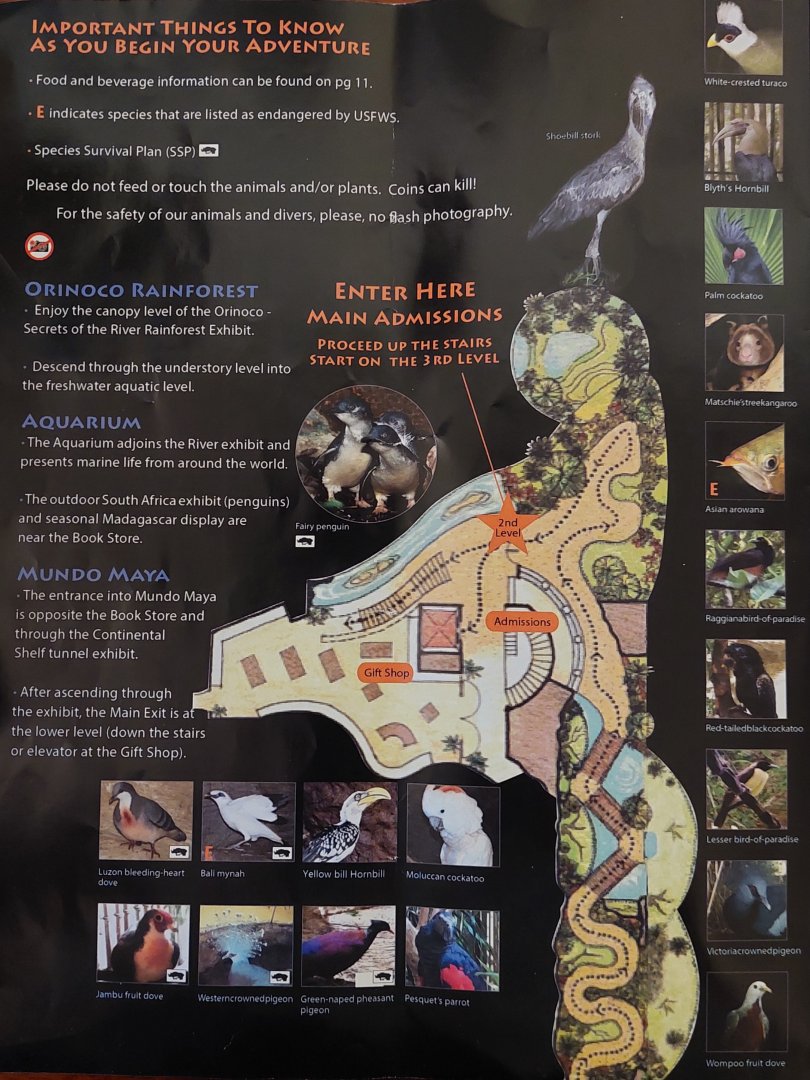
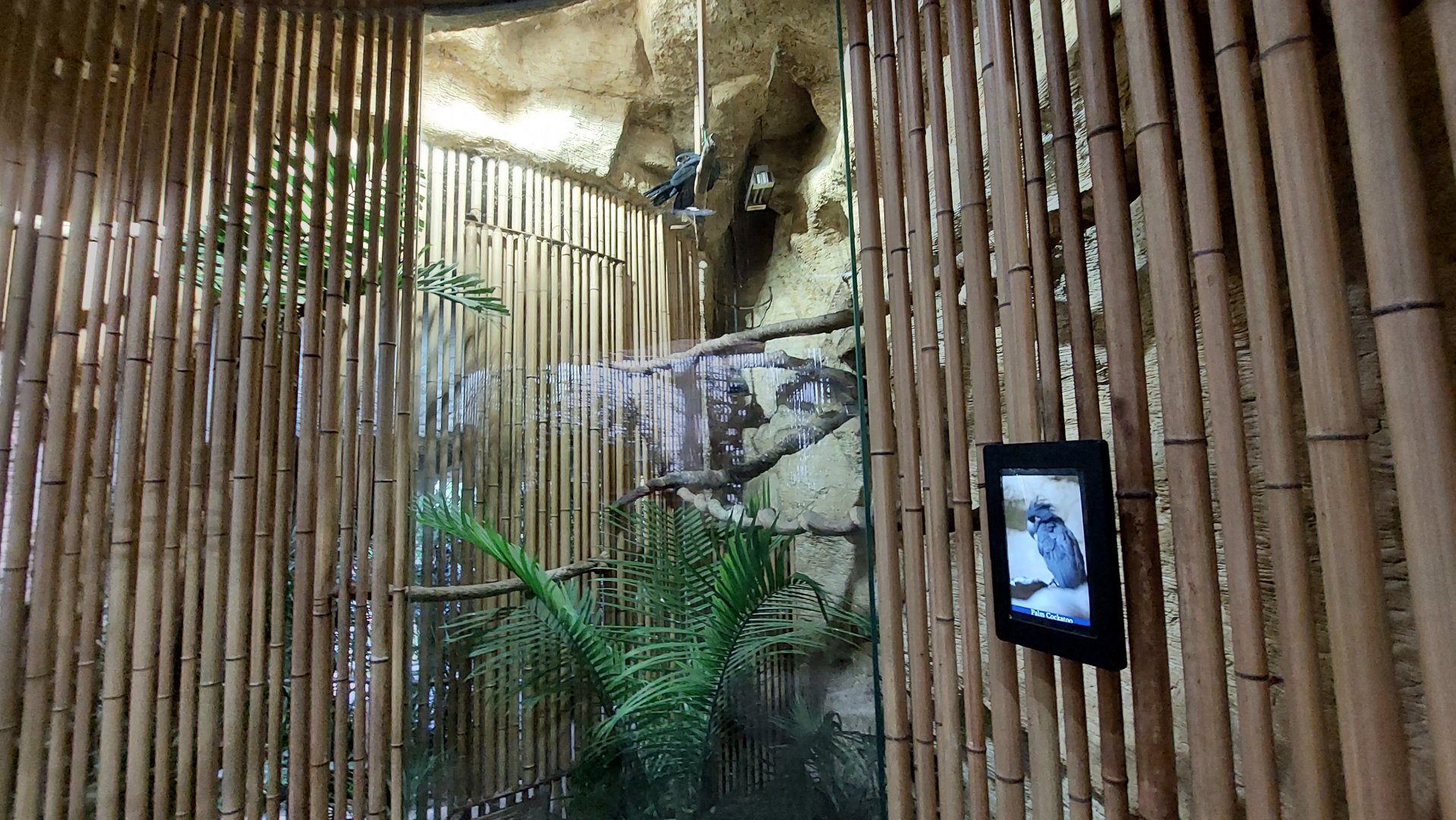
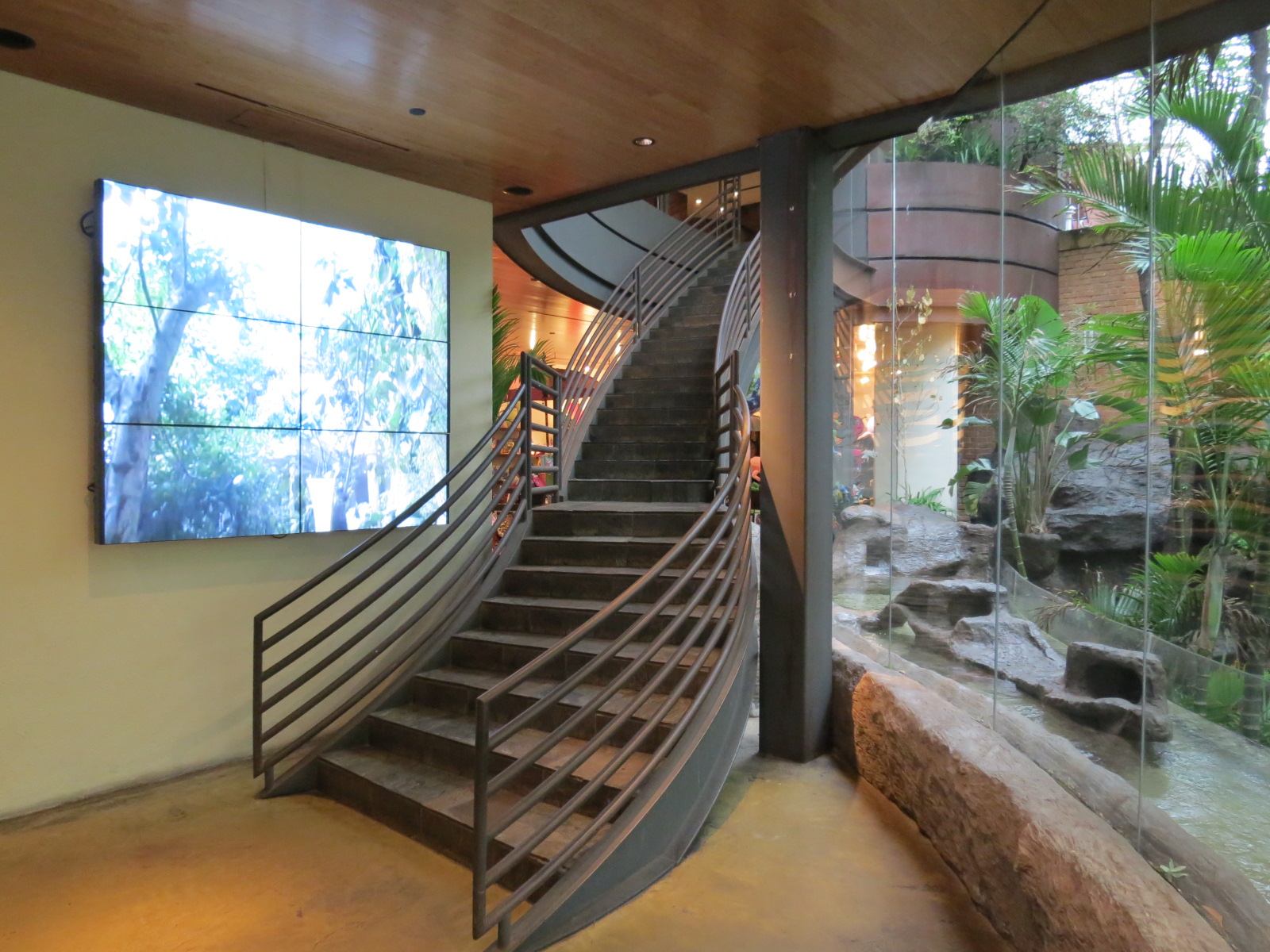
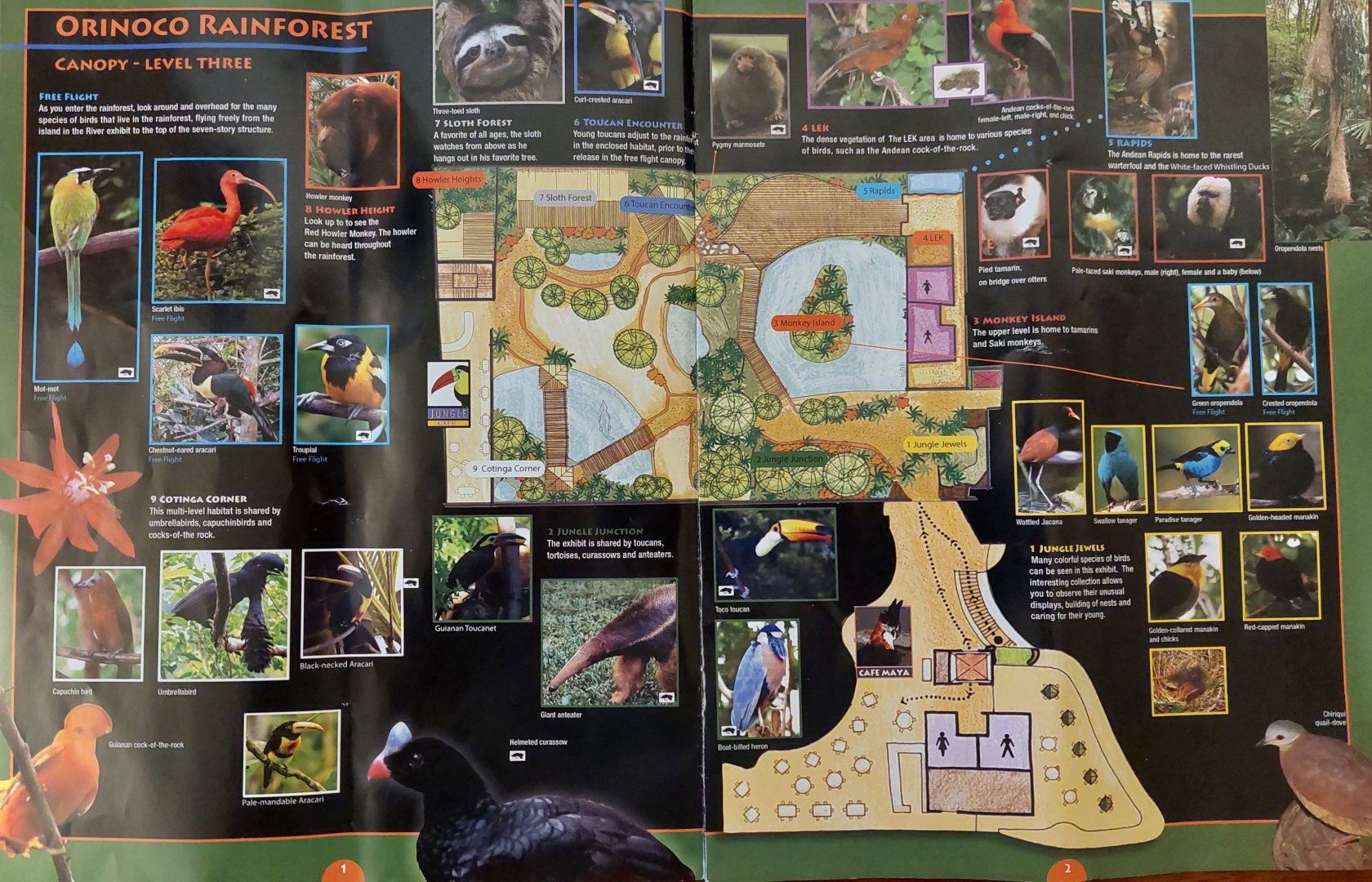
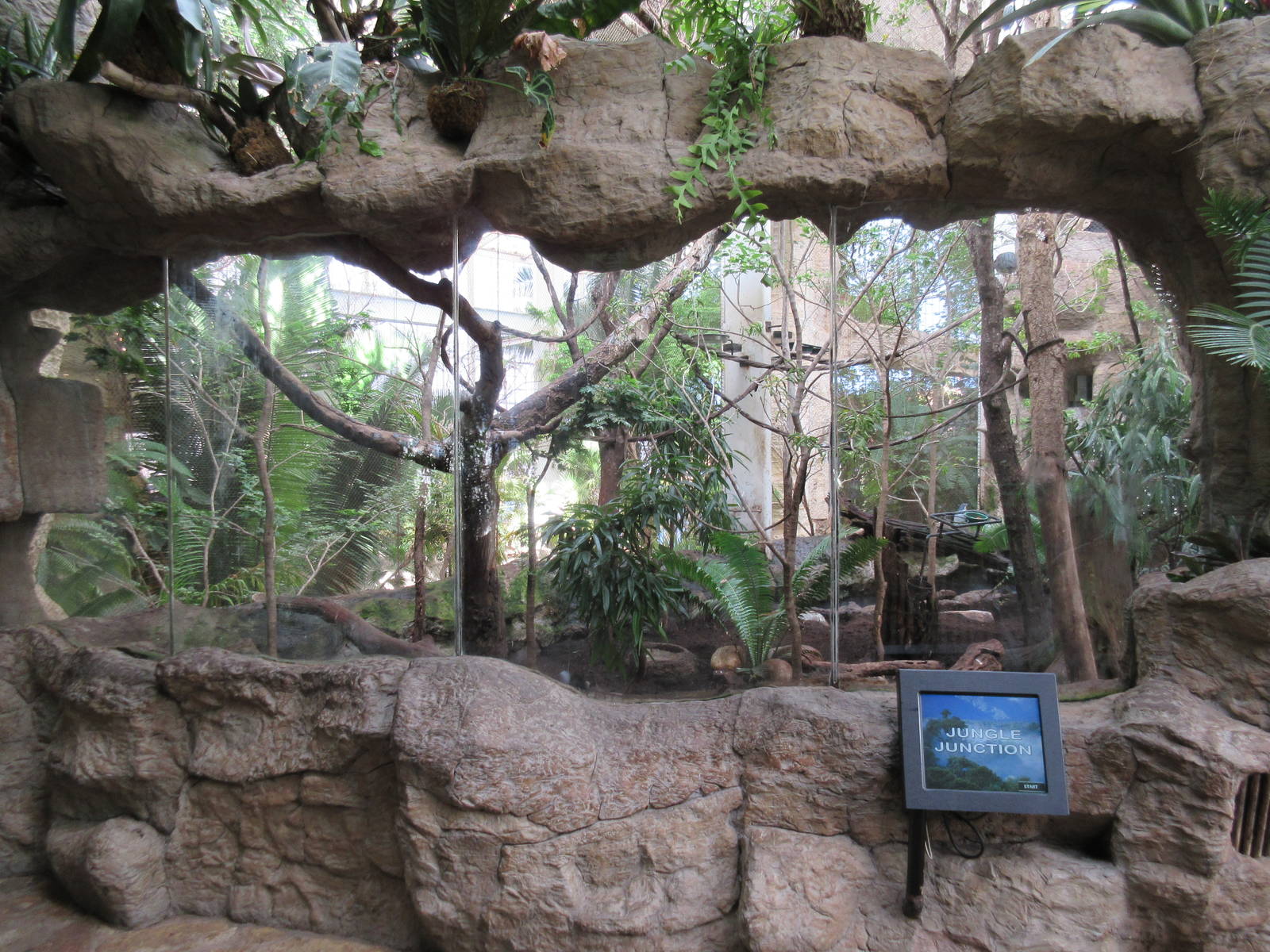
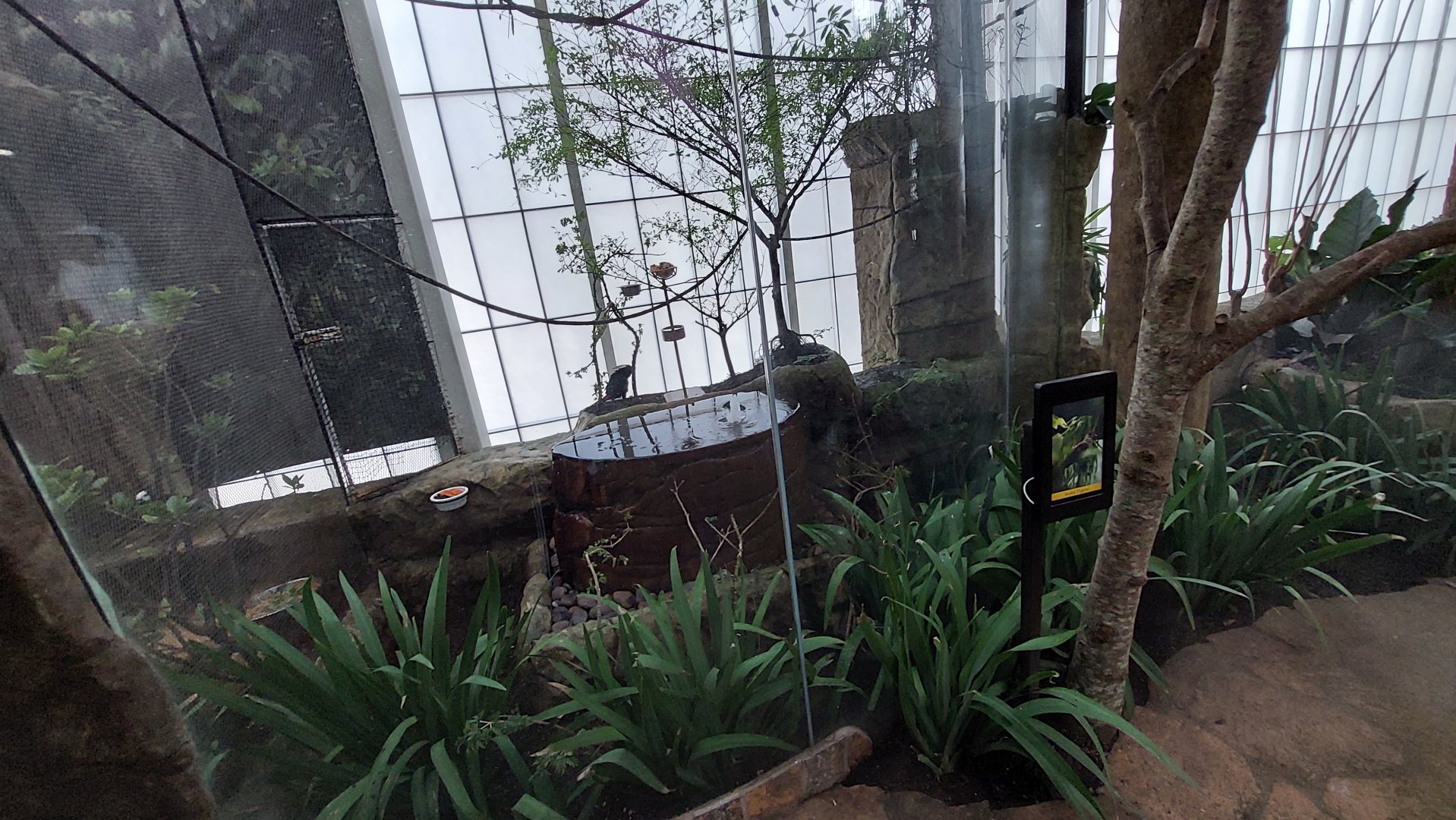
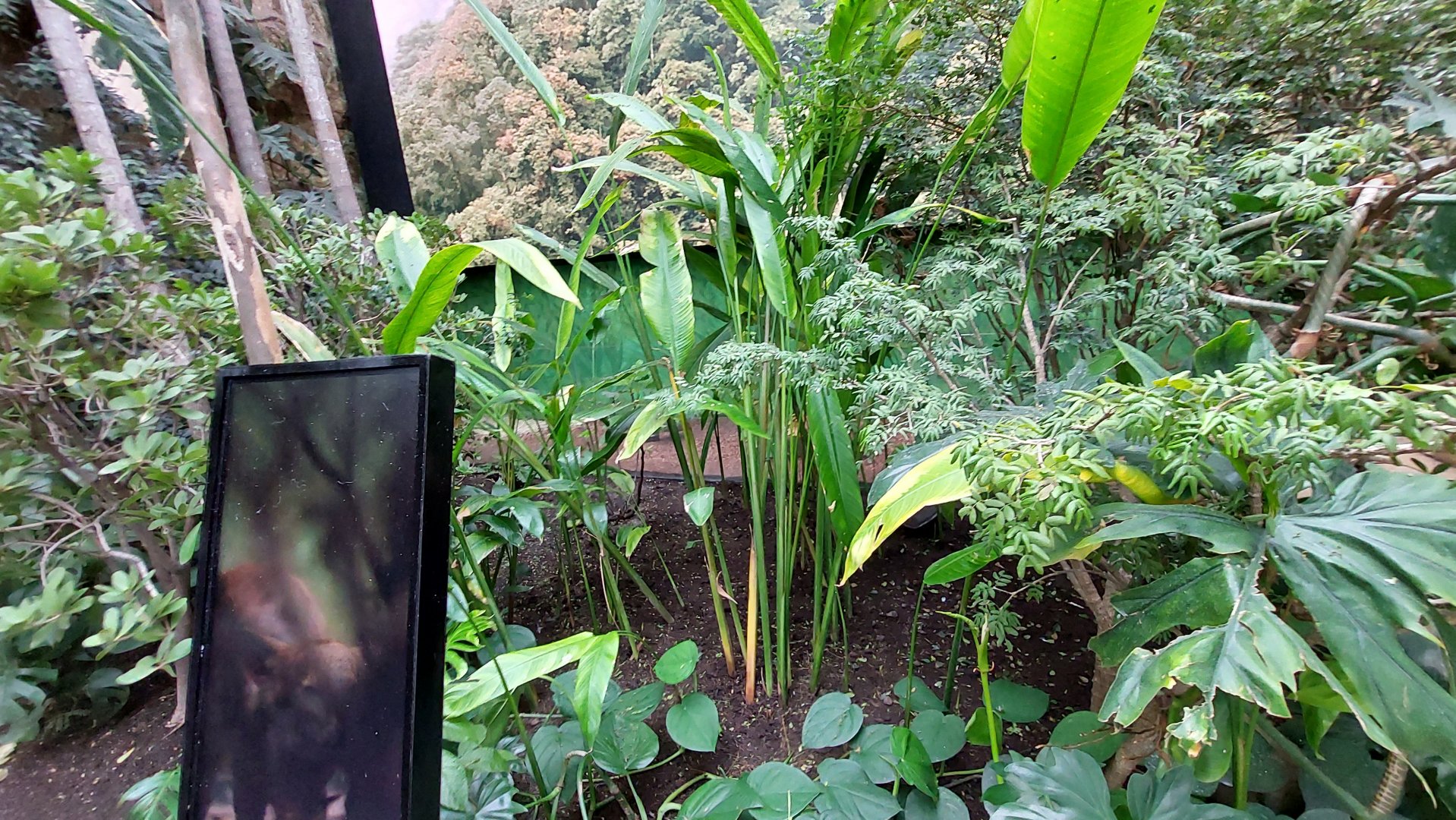
Another criticism is that the signage is very incomplete. That is certainly the case after changes were made for covid. The 'touch-screens' are no longer touchable, rather they rotate through unnecessary footage of the exhibit directly in front of you, and then proceed to show a QR code or perhaps a single animal name. Luckily, the QRs are simply linked to the website, so there is no need to wait around for the 10-second windows the QR codes are shown for. Unfortunately, this means that all of the signage is woefully incomplete, as most of the signage at DWA will just be what is listed on the website. There is also a very well-made, albeit outdated, guidebook that every guest receives with the purchase of a ticket. There are some additional species listed here, not present on the online signage. To make matters more confusing, there are many more species readily seen within the various enclosures that are listed in neither!
As such, I will record all the species I saw, as well as all the species signed online and in the guidebook for the exhibit, although both of these will likely be outdated.
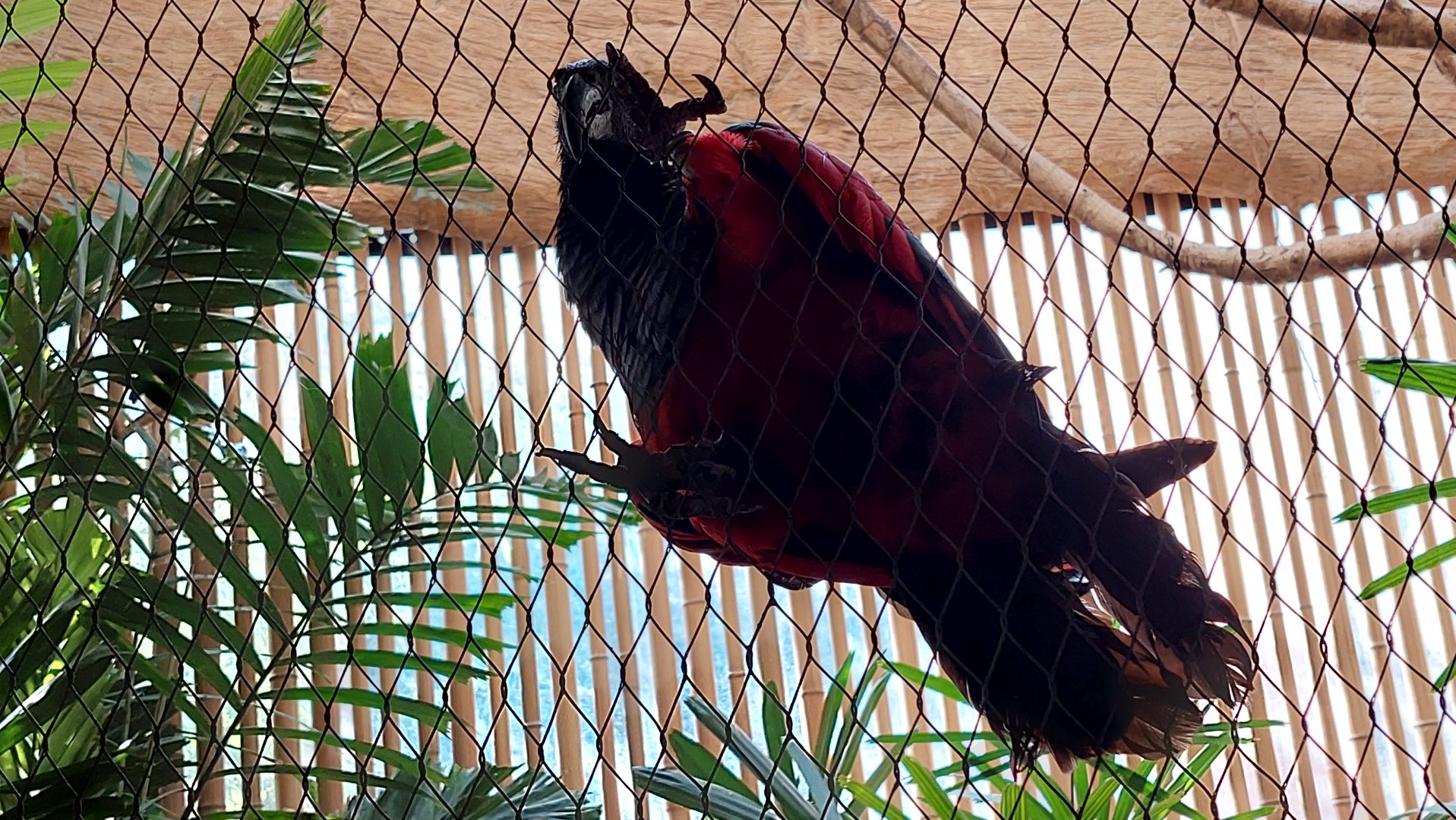
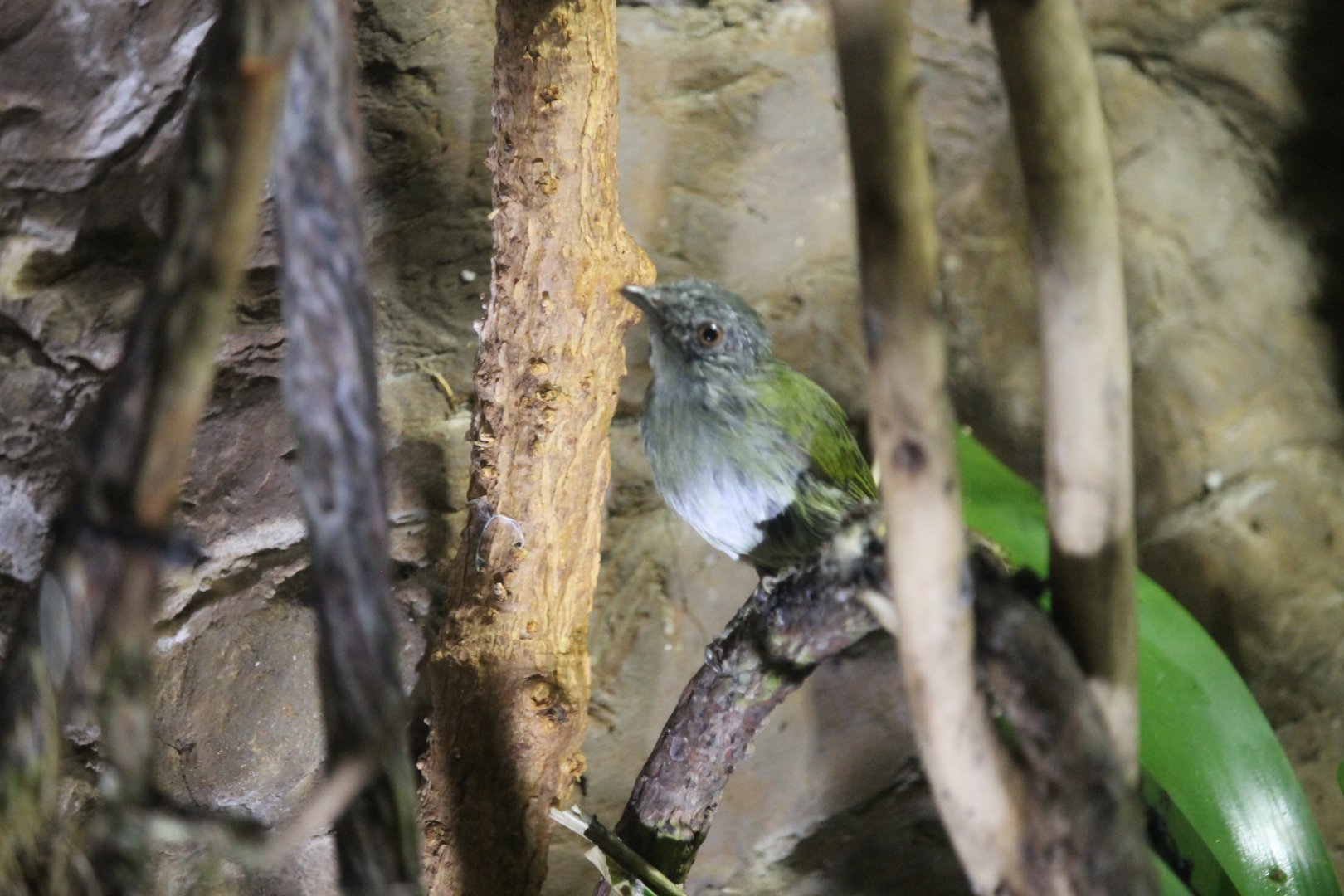
Overall, the signage issue was frustrating in that it meant it was hard to tell if you were missing anything from particular exhibits. However, it also made it more rewarding when you saw an unexpected plate-billed mountain toucan or great tinamou. Along with the exhibit design and immersion, DWA provided the closest experience to looking for animals in a tropical rainforest of any zoological institution I have been to.
Needless to say, despite some of the criticisms, Dallas World Aquarium is well worth a visit. I certainly enjoyed mine, and would certainly love to return, especially to see if I could find any of the species I missed.
I will now go over each main section of the aquarium. I took pictures of every exhibit (at least that I was aware of), so I hope to make this thread a very visual experience as well. The first section I will go over, another odd name choice, is 'Borneo'.
While most reading this will already be aware of the facility, I will preface this by saying the name itself is a bit of a misnomer. As has been said before, it isn't particularly representative of the world, heavily focusing on neotropical birds, with a fine selection of many rare mammals, amphibians, reptiles, and fish present. Most of DWA isn't really an aquarium in the traditional sense either, with the gallery being relegated to the basement of the large tropical rainforest halls.
This is made clearer by looking at the 6 main sections of the facility: Borneo, The Orinoco Rainforest, Cloud Forest Trek, The Aquarium, Africa, and Mundo Maya. The Orinoco Rainforest and Mundo Maya are the largest and perhaps the most impressive, but the entire building maintains a high level of emersion and well thought-out design. The level of rare species and the engaging exhibits all within a city block is most impressive.
A major criticism of DWA is that in cramming a single building chock-full of animal species and exhibits, some of the enclosures end up as the bare minimum size or smaller. It is the payoff for the high level of diversity, but there are also improvements seeming to be made.
Another criticism is that the signage is very incomplete. That is certainly the case after changes were made for covid. The 'touch-screens' are no longer touchable, rather they rotate through unnecessary footage of the exhibit directly in front of you, and then proceed to show a QR code or perhaps a single animal name. Luckily, the QRs are simply linked to the website, so there is no need to wait around for the 10-second windows the QR codes are shown for. Unfortunately, this means that all of the signage is woefully incomplete, as most of the signage at DWA will just be what is listed on the website. There is also a very well-made, albeit outdated, guidebook that every guest receives with the purchase of a ticket. There are some additional species listed here, not present on the online signage. To make matters more confusing, there are many more species readily seen within the various enclosures that are listed in neither!
As such, I will record all the species I saw, as well as all the species signed online and in the guidebook for the exhibit, although both of these will likely be outdated.
Overall, the signage issue was frustrating in that it meant it was hard to tell if you were missing anything from particular exhibits. However, it also made it more rewarding when you saw an unexpected plate-billed mountain toucan or great tinamou. Along with the exhibit design and immersion, DWA provided the closest experience to looking for animals in a tropical rainforest of any zoological institution I have been to.
Needless to say, despite some of the criticisms, Dallas World Aquarium is well worth a visit. I certainly enjoyed mine, and would certainly love to return, especially to see if I could find any of the species I missed.
I will now go over each main section of the aquarium. I took pictures of every exhibit (at least that I was aware of), so I hope to make this thread a very visual experience as well. The first section I will go over, another odd name choice, is 'Borneo'.
Last edited: