
Today and last Thursday I visited the Pafos Zoo for the first time in a few years, so I thought I'd do an illustrated review given how little attention this collection receives on the site. The zoo itself is on a medium-sized site and has a fairly simplistic layout, with a map available here. It has a massive bird collection, particularly when it comes to fowls and parrots. However due to its location, the zoo receives hardly any visits from those on this site so I will be posting a complete species list very soon below.
The zoo begins with a large pond crammed with koi. Oddly enough the koi share the exhibit with a pair of Greater flamingos, one of many odd mixes around the park. However it does seem to be working fine. To the right, visitors move along a path devoted to birds of prey of all shapes and sizes. The path starts off with a few smaller aviaries for Common ravens, Long-eared owls and Rock eagle owls before the exhibits gets larger for Great grey owls and European eagle owls. Finally a series of large aviaries hold Bald, Golden and Steller's sea eagles. In general these aviaries are fine but I would suggest that the Rock eagle owl aviary was too small for its inhabitants and that the eagle exhibits were too barren. There is also a walkthrough area with lemurs where visitors can feed them.
Then visitors move onto the main avenue along which are long rows of aviaries on either side. The first few hold predominantly francolins and partridges, moving on to lovebirds, finches and eventually larger parrots. The fowl exhibits are typically too barren and the birds need more privacy. Along this row are Philby's, Arabian and Cypriot chukar partridges as well as Cream-breasted fruit doves and Gambel's quails. On the left is also the Nile crocodile exhibit which is one of the better exhibits I have seen for the species. To the right another loop takes visitors past a row of hoofstock exhibits and a row of aviaries. The hoofstock area is largely empty with only a few Axis deer in the end paddock. These enclosures used to be home to a variety of species, including Gemsbok, Eland, Scimitar oryx, Cypriot mouflon, Thomson's gazelle so the emptiness comes as somewhat of a disappointment. The row of aviaries on the left however holds various toucan and hornbill species, with the obvious highlight being the Mindanao wrinkled hornbills as well as Red-billed toucans.
The path then loops around, passing a large flamingo/ibis/swamphen aviary, a small house from Egyptian fruit bats, a lovely large aviary for Great Indian hornbills and some quaint tortoise exhibits. On this path is also the future Sun bear enclosure, empty awaiting their arrival.
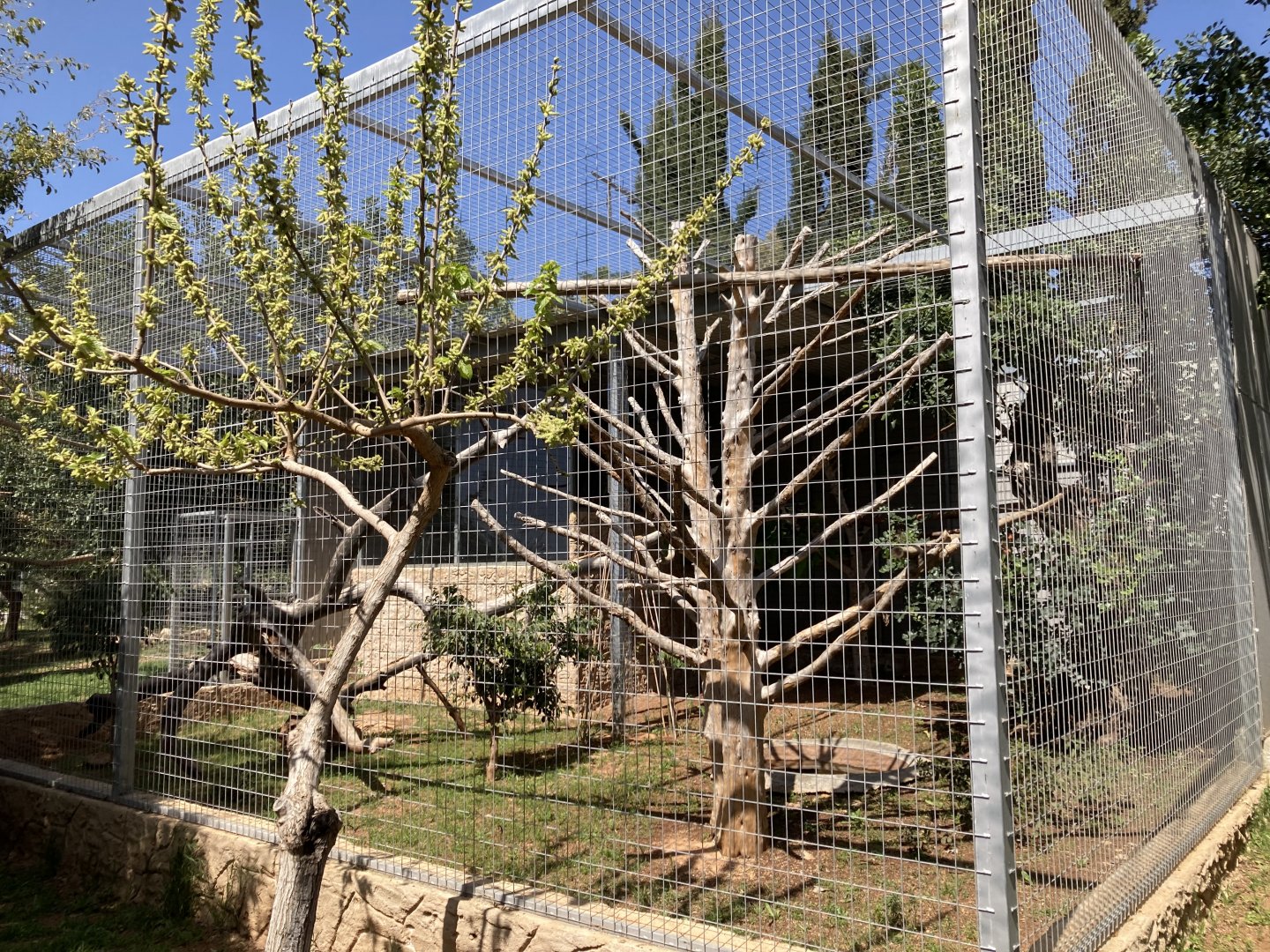
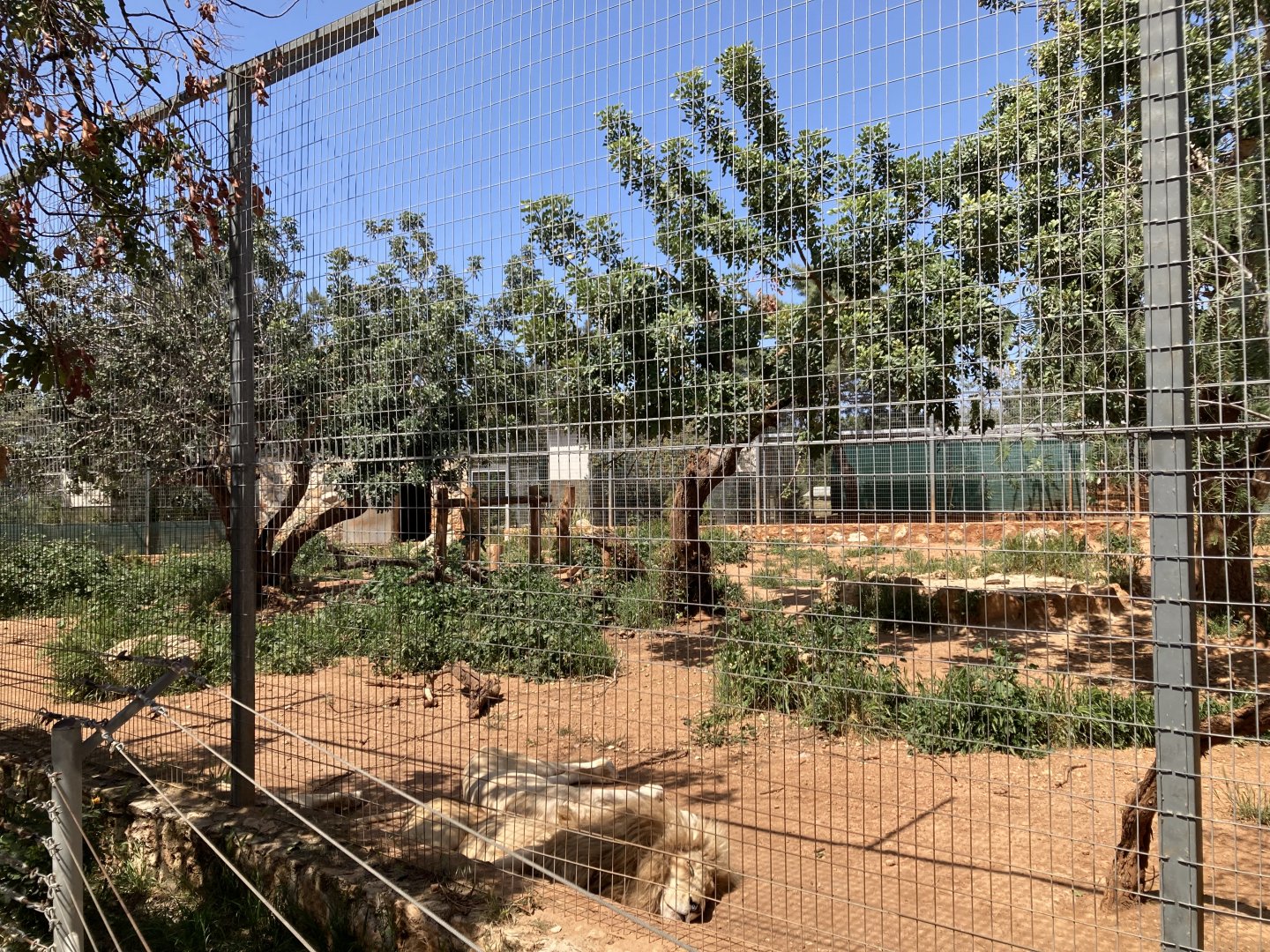
Rows of aviaries continuously line the path as visitors pass exhibits for White lions and Siberian tigers. The big cat enclosures are good for a small zoo and have shaded areas for the cats to escape the heat. There are now five lions (a massive male, a younger male, a female and two young cubs) and at least four tigers.
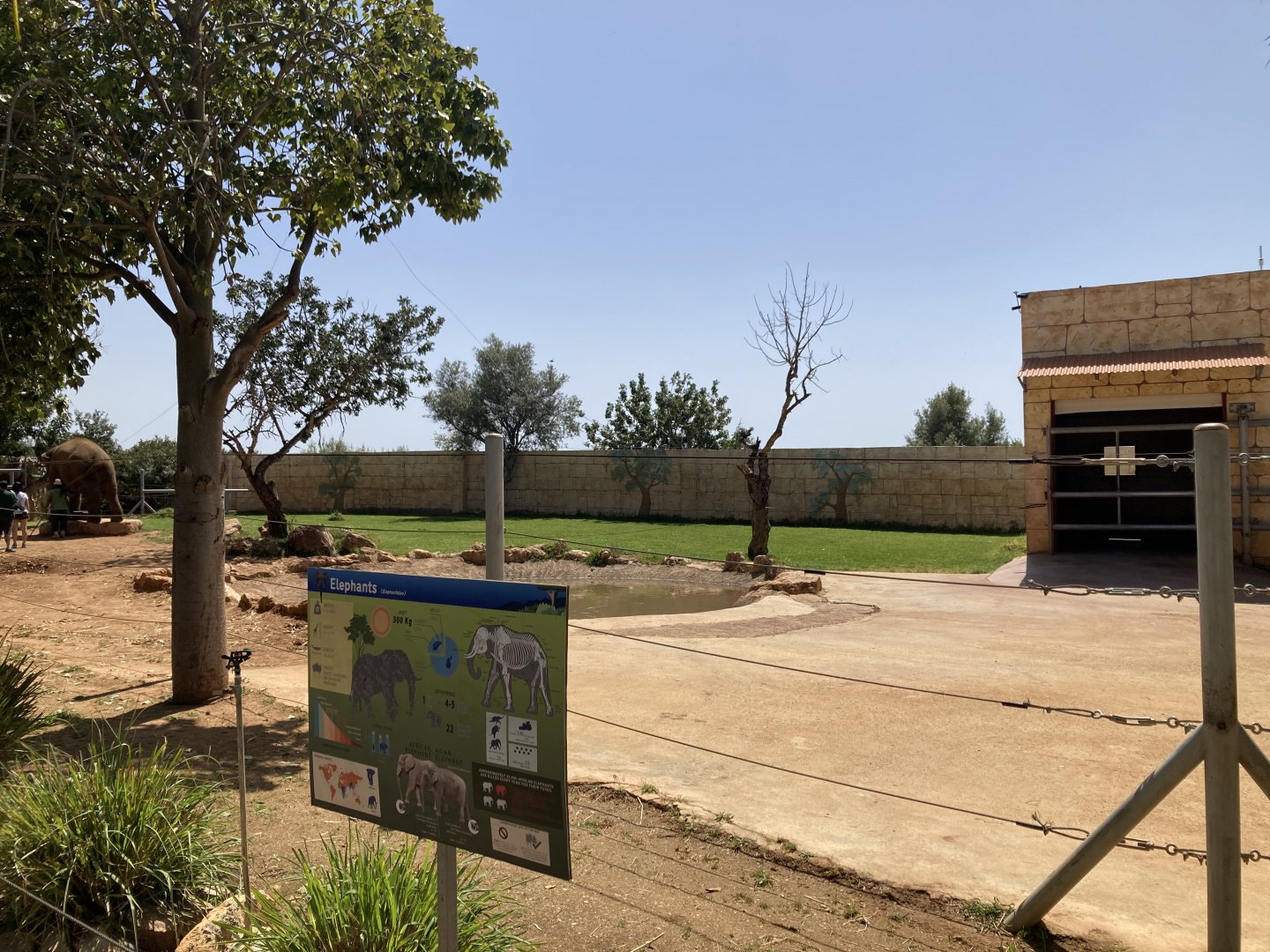
To the right is also the elephant exhibit, quite a controversial enclosure. While I will say that the exhibit is too small for an elephant and that the lone female should be reunited with others of her species at another zoo, the female is essentially treated like royalty by the zoo, with a keeper in her exhibit at all times, treating her feet, hosing her down or playing with her. The zoo allows people to take photos right next to the elephant while in her exhibit, something that I don't really like but it provides the zoo with lots of income so I do recognise that many of the developments that I've liked have been made possible in part by this.
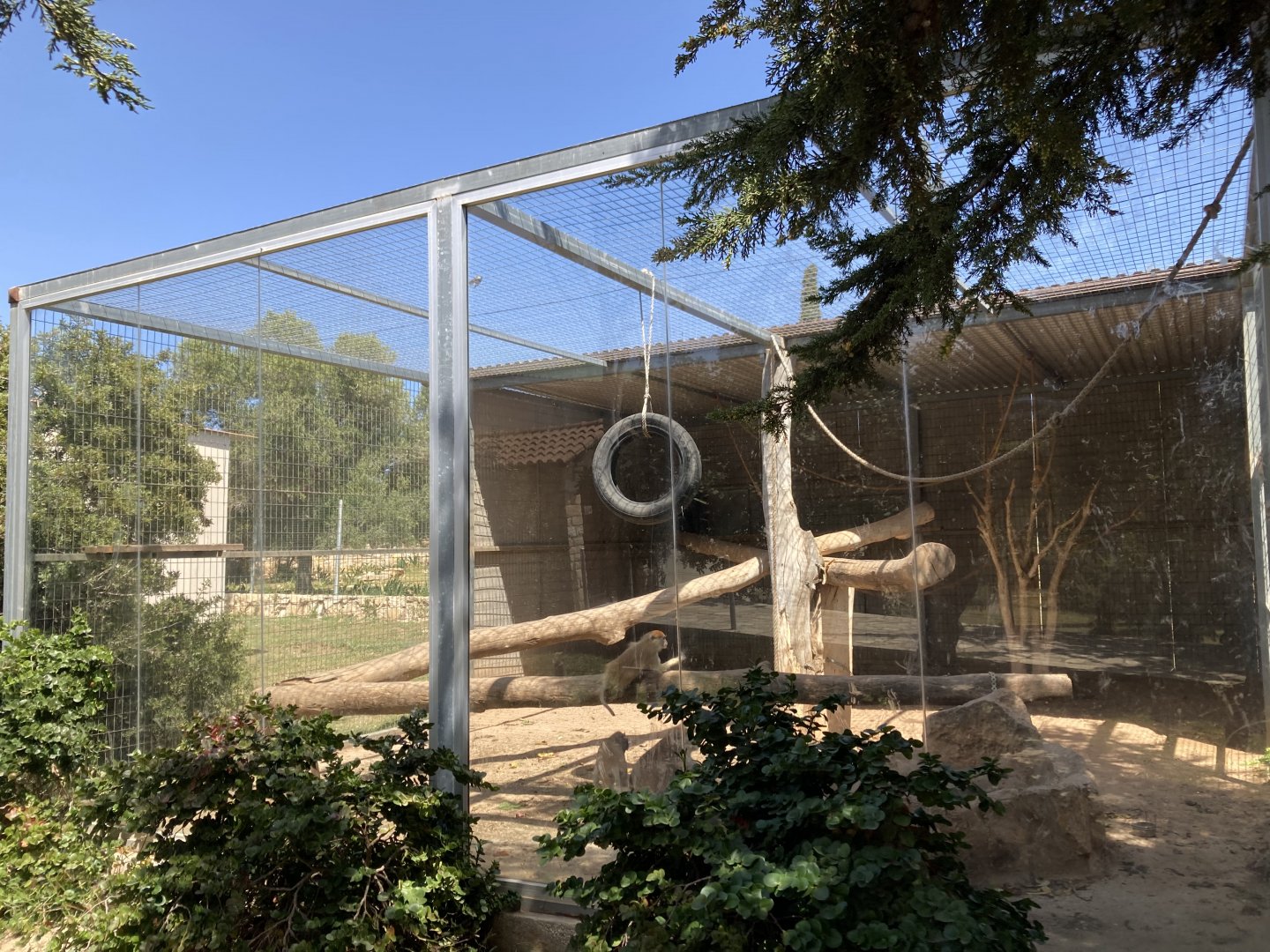
The path continues past a series of crane exhibits (Manchurian, Sarus, White-naped) as well as an exhibit for Red muntjac. Then there is a small cafe and the giraffe and zebra exhibits - both likely too small and barren for their inhabitants, and the giraffe (Achilles) has been alone for several years now (although the zoo will be getting three more giraffes soon). Beyond this is a row of pretty small macaw aviaries, with caging so dense you can hardly see the back of the exhibit. To the right is a separate path with Cassowaries, Ostriches, Rheas and Emus. Then is the Monkey Row, with about six sterile-looking exhibits for mandrills, vervets, patas, lemurs etc. The exhibits are an improvement on what came before them but they still aren't ideal and some of the monkeys appear bored or lonely.
To the left is the show building, where a bird show takes place three times a day. It is certainly unlike anything I've seen, featuring a whole host of macaws and cockatoos performing tricks with toy cars, slides, basketball hoops, bicycles, baby toys, you name it... Very impressive from the macaws in particular and I recommend seeing it.
Then to the right is the future rhino exhibit, with appears to have a dangerously low wall as well as a large exhibit for Thomson's gazelles and a couple of small paddocks for Axis deer and Kafue lechwe. There is also a large restaurant to the left which serves good food (recommend this option for lunch). Working one's way around, a few passerine exhibits including an exhibit with crowned pigeons signed as Scheepmaker's (?), some lovely cockatoos and Cyprian jays. There is also an exhibit whose signage only says Red and yellow barbets but also present is an Ashy starling and a Song thrush, so watch out for them.
As well as this, there is a Reptile House. While the collection formerly held lots of venomous snakes (particularly cobras) these have left gradually. Furthermore while there are at least 40 terraria in the whole thing, at least ten are empty and a further six or seven hold Reticulated pythons, including a juvenile Reticulated python in a terrarium signed as a Black whip snake exhibit. There are however a few nice rarities (Coin snakes, Apachicola kingsnakes and a Peach-throated monitor) but a good percentage of the species are held in exhibit that is either too small or lacks the necessary privacy.
Finally there is an inner loop around the central area of the zoo around a massive waterfowl area which blows its potential on odd Mallard breeds (with the only other inhabitants being Black-necked swans, Bar-headed geese, Muscovy ducks and Australian pelicans). Definitely an area with massive potential and a very nice area to explore.
Along the sides of the path around this area are also a massive number of aviaries holding parakeets, parrots, turacos, pheasants, curassows and so on. There are also exhibits for peccaries, maras and Red river hogs.
In terms of wildlife, White storks can often be seen flying over the zoo. Large numbers of Collared doves inhabit the grounds and the bushes and trees around the raptor, waterfowl and hoofstock areas are dense with Sardinian and Spectacled warblers in spring. As ever, a massive number of sparrows inhabit the zoo, particularly near the restaurant but the occasional greenfinch can be seen among them.
So that's it! The species list will be posted below very soon, and would be very helpful if someone with the necessary credentials could update ZTL accordingly.
AL
The zoo begins with a large pond crammed with koi. Oddly enough the koi share the exhibit with a pair of Greater flamingos, one of many odd mixes around the park. However it does seem to be working fine. To the right, visitors move along a path devoted to birds of prey of all shapes and sizes. The path starts off with a few smaller aviaries for Common ravens, Long-eared owls and Rock eagle owls before the exhibits gets larger for Great grey owls and European eagle owls. Finally a series of large aviaries hold Bald, Golden and Steller's sea eagles. In general these aviaries are fine but I would suggest that the Rock eagle owl aviary was too small for its inhabitants and that the eagle exhibits were too barren. There is also a walkthrough area with lemurs where visitors can feed them.
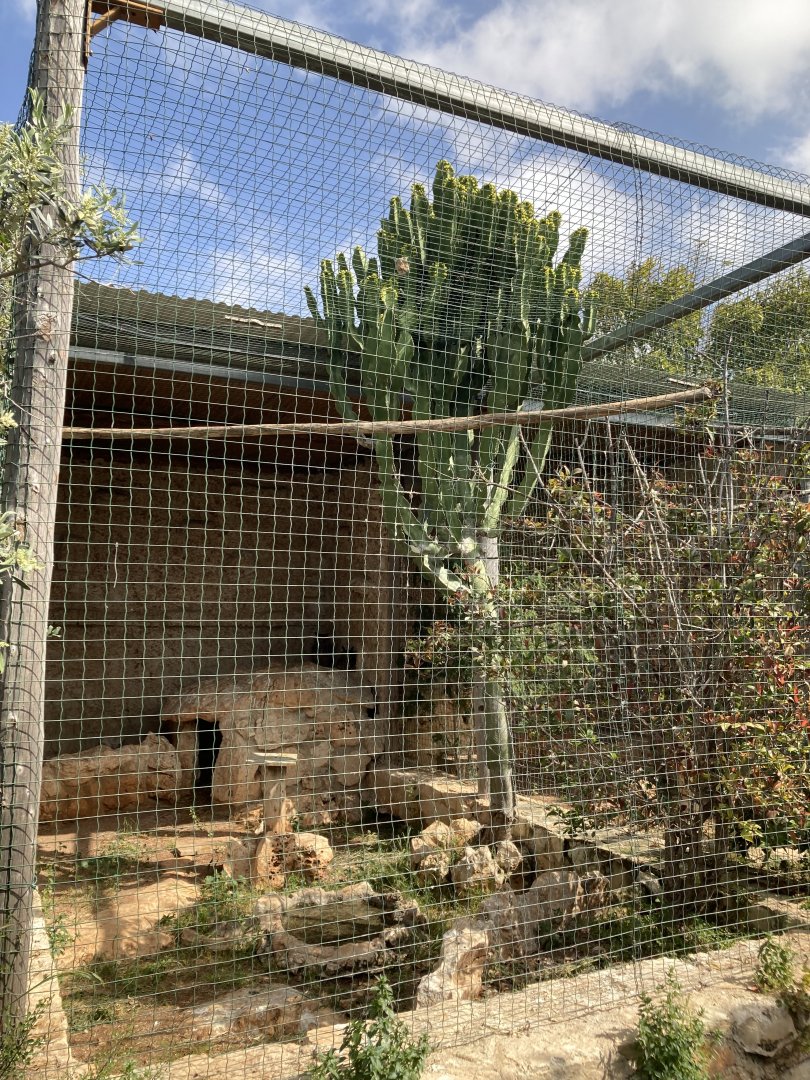
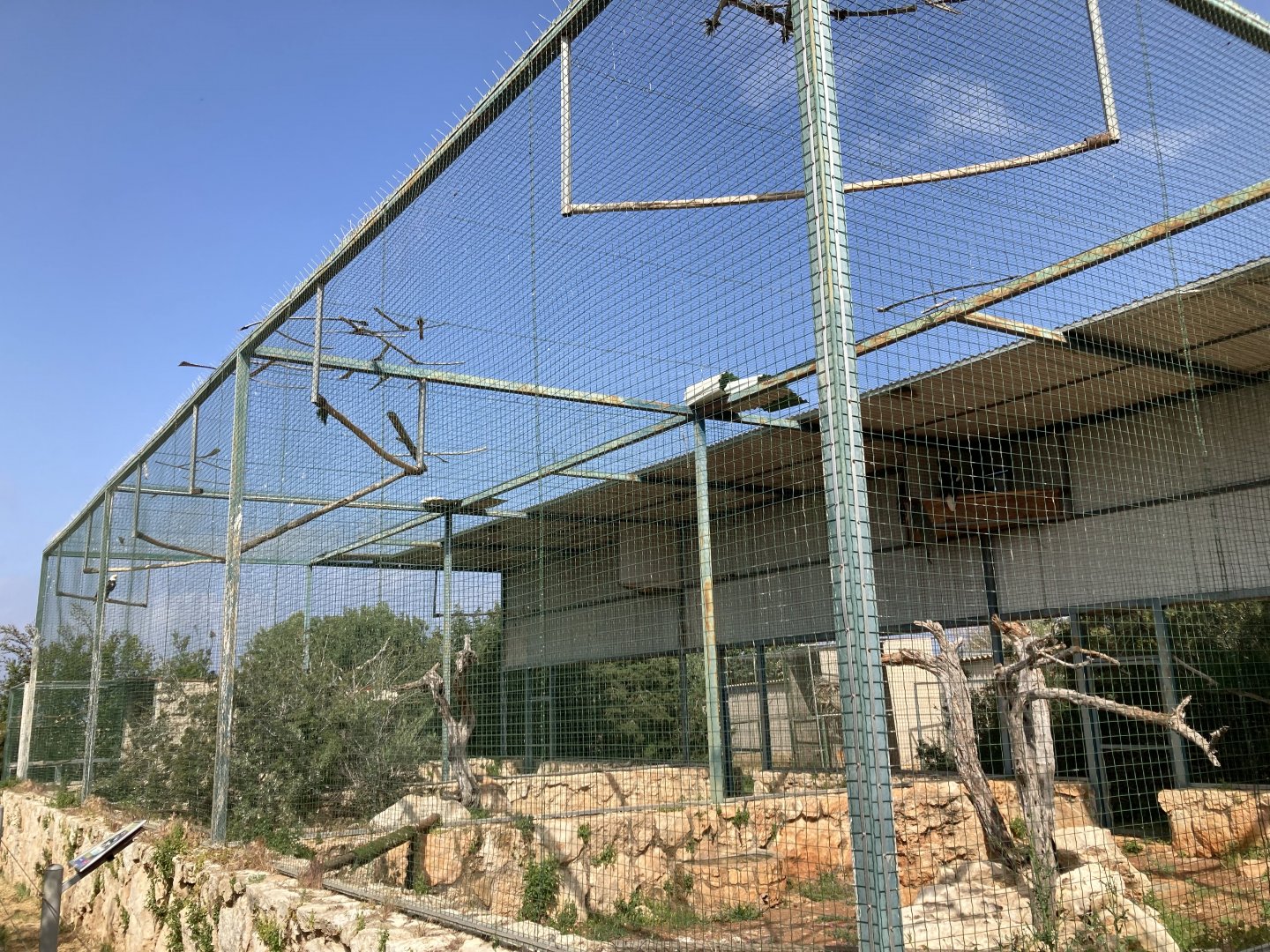
Then visitors move onto the main avenue along which are long rows of aviaries on either side. The first few hold predominantly francolins and partridges, moving on to lovebirds, finches and eventually larger parrots. The fowl exhibits are typically too barren and the birds need more privacy. Along this row are Philby's, Arabian and Cypriot chukar partridges as well as Cream-breasted fruit doves and Gambel's quails. On the left is also the Nile crocodile exhibit which is one of the better exhibits I have seen for the species. To the right another loop takes visitors past a row of hoofstock exhibits and a row of aviaries. The hoofstock area is largely empty with only a few Axis deer in the end paddock. These enclosures used to be home to a variety of species, including Gemsbok, Eland, Scimitar oryx, Cypriot mouflon, Thomson's gazelle so the emptiness comes as somewhat of a disappointment. The row of aviaries on the left however holds various toucan and hornbill species, with the obvious highlight being the Mindanao wrinkled hornbills as well as Red-billed toucans.
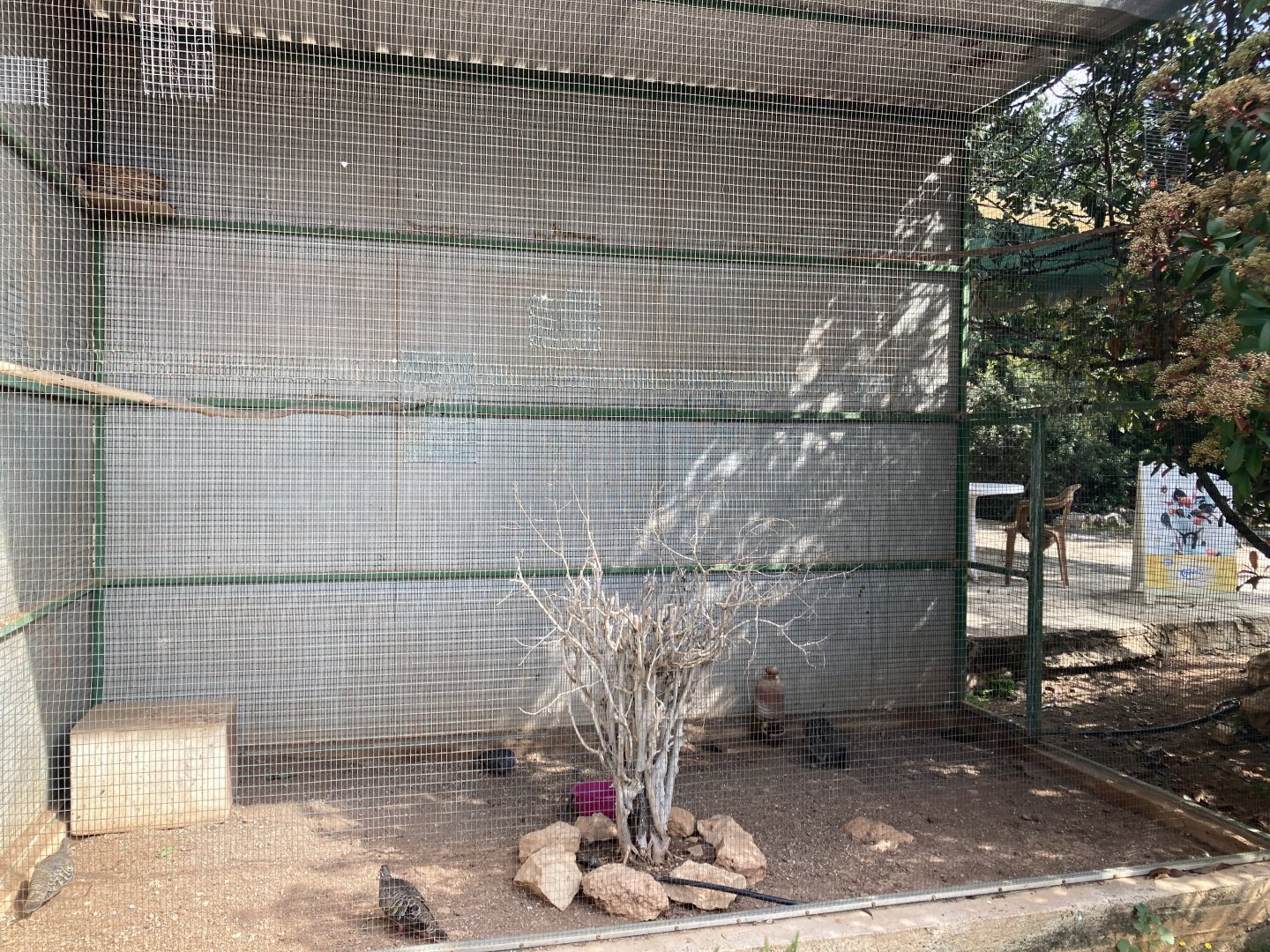
The path then loops around, passing a large flamingo/ibis/swamphen aviary, a small house from Egyptian fruit bats, a lovely large aviary for Great Indian hornbills and some quaint tortoise exhibits. On this path is also the future Sun bear enclosure, empty awaiting their arrival.
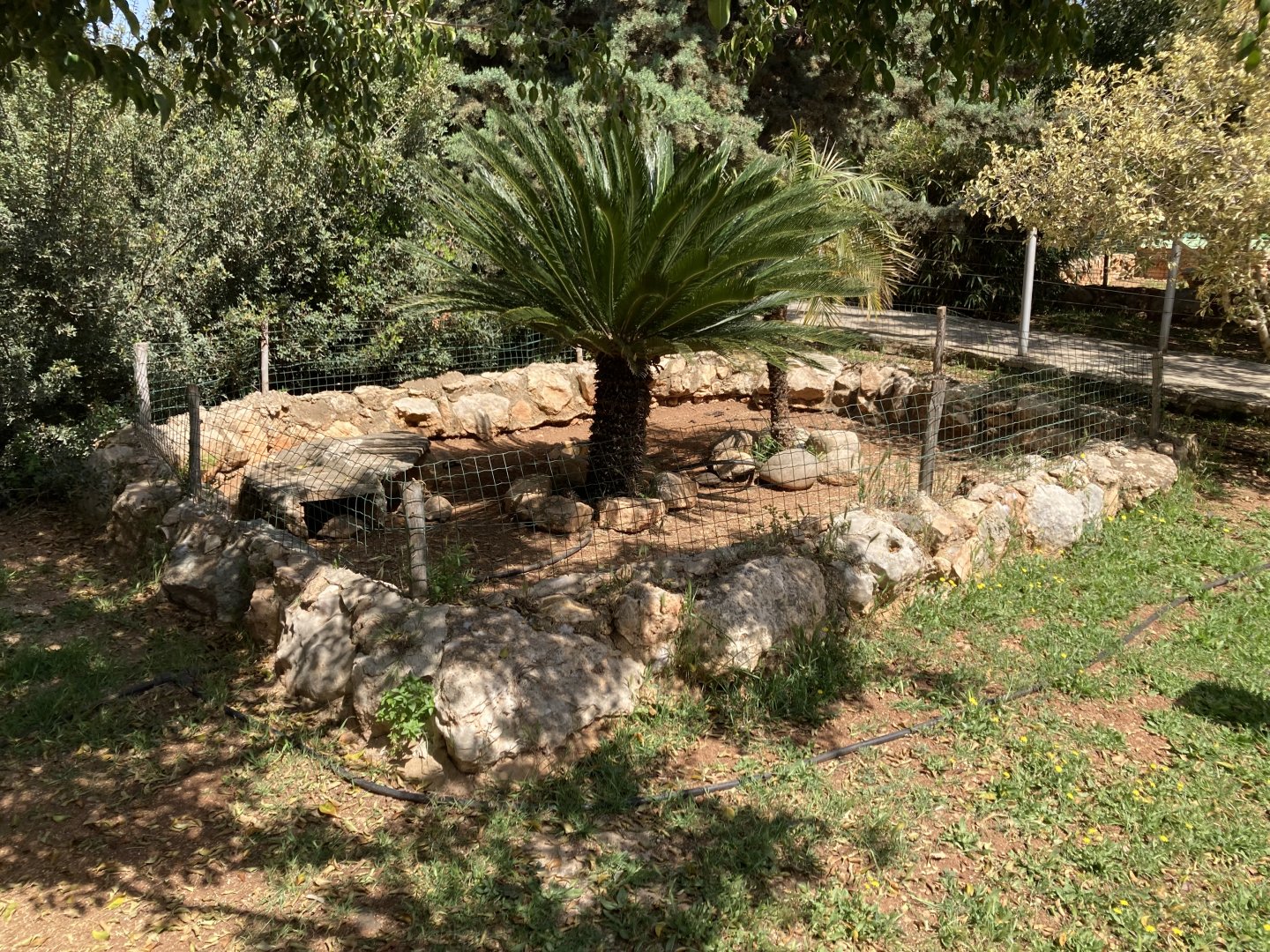
Rows of aviaries continuously line the path as visitors pass exhibits for White lions and Siberian tigers. The big cat enclosures are good for a small zoo and have shaded areas for the cats to escape the heat. There are now five lions (a massive male, a younger male, a female and two young cubs) and at least four tigers.
To the right is also the elephant exhibit, quite a controversial enclosure. While I will say that the exhibit is too small for an elephant and that the lone female should be reunited with others of her species at another zoo, the female is essentially treated like royalty by the zoo, with a keeper in her exhibit at all times, treating her feet, hosing her down or playing with her. The zoo allows people to take photos right next to the elephant while in her exhibit, something that I don't really like but it provides the zoo with lots of income so I do recognise that many of the developments that I've liked have been made possible in part by this.
The path continues past a series of crane exhibits (Manchurian, Sarus, White-naped) as well as an exhibit for Red muntjac. Then there is a small cafe and the giraffe and zebra exhibits - both likely too small and barren for their inhabitants, and the giraffe (Achilles) has been alone for several years now (although the zoo will be getting three more giraffes soon). Beyond this is a row of pretty small macaw aviaries, with caging so dense you can hardly see the back of the exhibit. To the right is a separate path with Cassowaries, Ostriches, Rheas and Emus. Then is the Monkey Row, with about six sterile-looking exhibits for mandrills, vervets, patas, lemurs etc. The exhibits are an improvement on what came before them but they still aren't ideal and some of the monkeys appear bored or lonely.
To the left is the show building, where a bird show takes place three times a day. It is certainly unlike anything I've seen, featuring a whole host of macaws and cockatoos performing tricks with toy cars, slides, basketball hoops, bicycles, baby toys, you name it... Very impressive from the macaws in particular and I recommend seeing it.
Then to the right is the future rhino exhibit, with appears to have a dangerously low wall as well as a large exhibit for Thomson's gazelles and a couple of small paddocks for Axis deer and Kafue lechwe. There is also a large restaurant to the left which serves good food (recommend this option for lunch). Working one's way around, a few passerine exhibits including an exhibit with crowned pigeons signed as Scheepmaker's (?), some lovely cockatoos and Cyprian jays. There is also an exhibit whose signage only says Red and yellow barbets but also present is an Ashy starling and a Song thrush, so watch out for them.
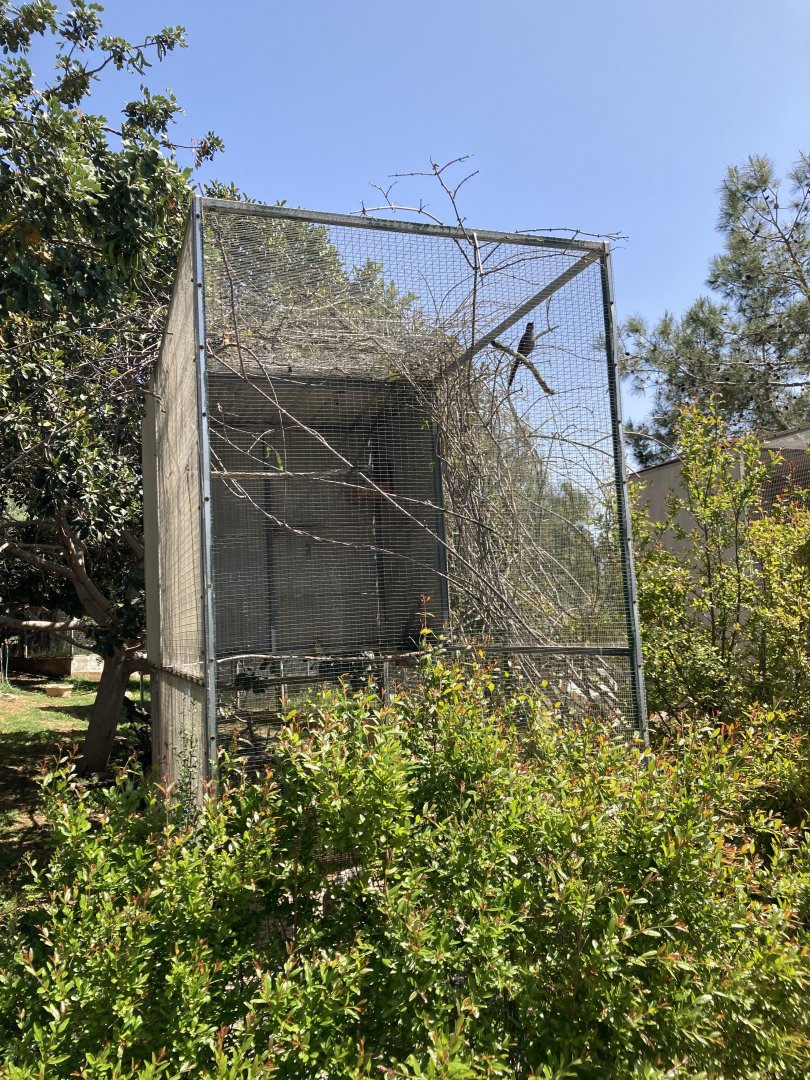
As well as this, there is a Reptile House. While the collection formerly held lots of venomous snakes (particularly cobras) these have left gradually. Furthermore while there are at least 40 terraria in the whole thing, at least ten are empty and a further six or seven hold Reticulated pythons, including a juvenile Reticulated python in a terrarium signed as a Black whip snake exhibit. There are however a few nice rarities (Coin snakes, Apachicola kingsnakes and a Peach-throated monitor) but a good percentage of the species are held in exhibit that is either too small or lacks the necessary privacy.
Finally there is an inner loop around the central area of the zoo around a massive waterfowl area which blows its potential on odd Mallard breeds (with the only other inhabitants being Black-necked swans, Bar-headed geese, Muscovy ducks and Australian pelicans). Definitely an area with massive potential and a very nice area to explore.
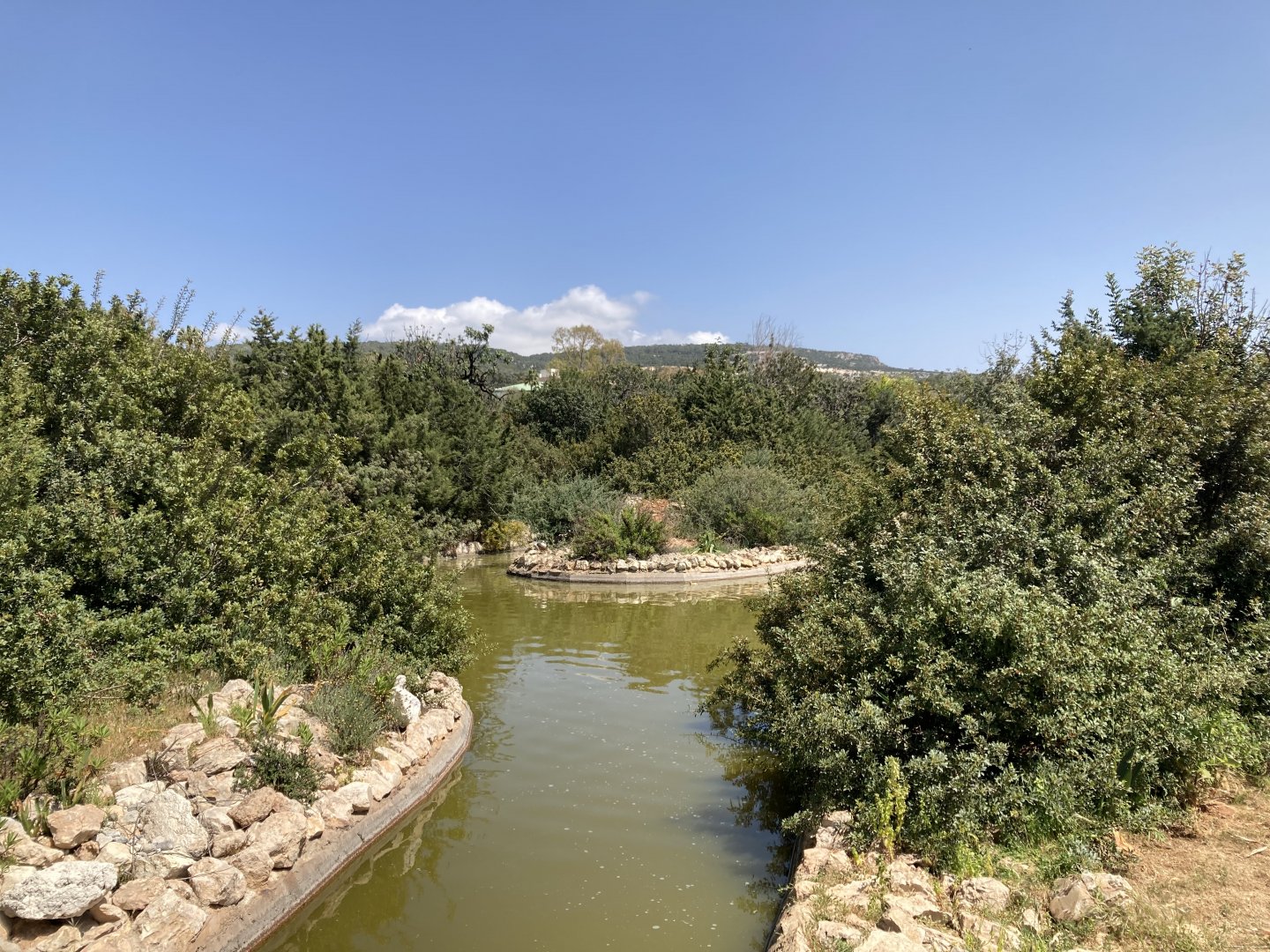
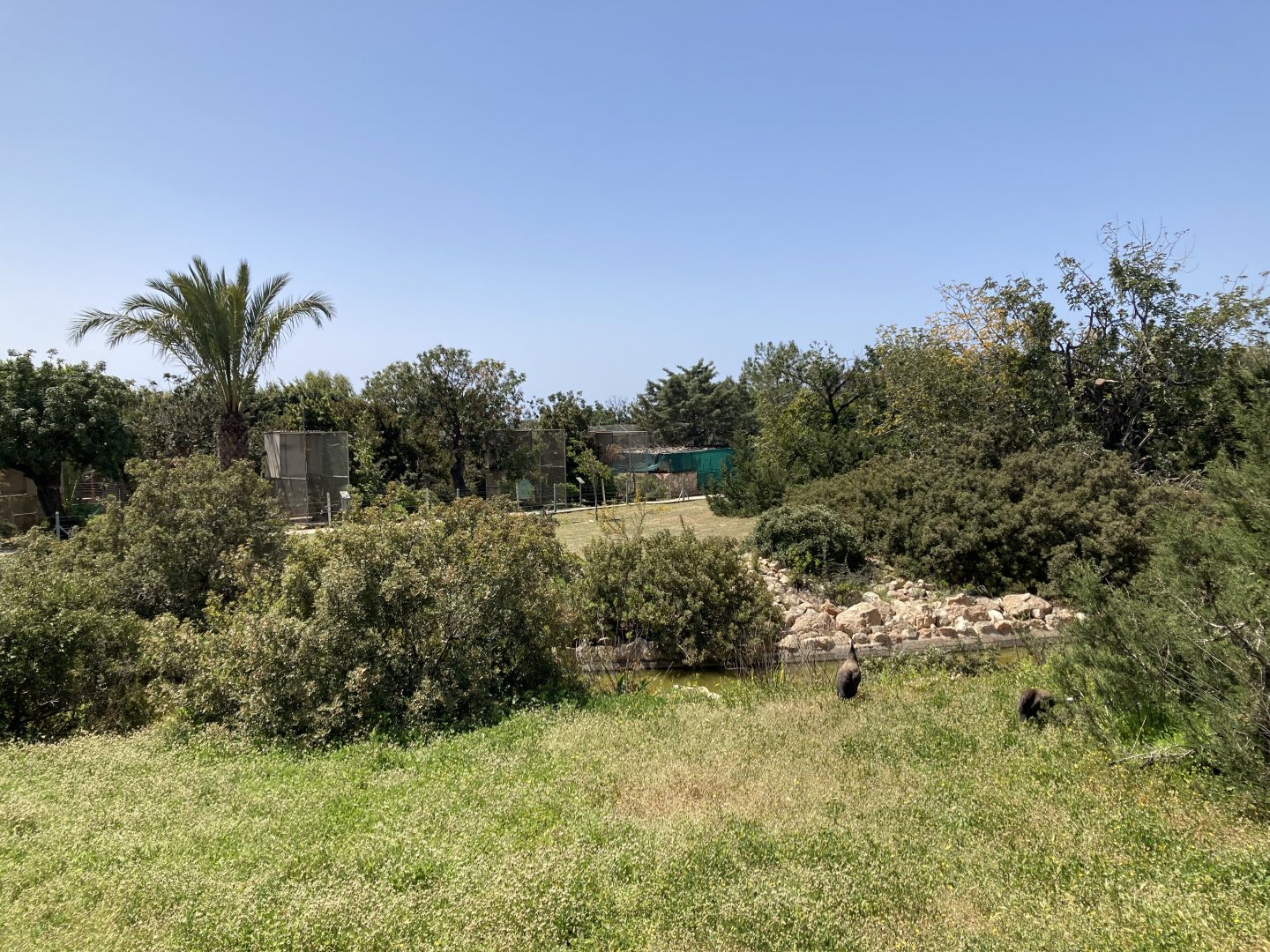
Along the sides of the path around this area are also a massive number of aviaries holding parakeets, parrots, turacos, pheasants, curassows and so on. There are also exhibits for peccaries, maras and Red river hogs.
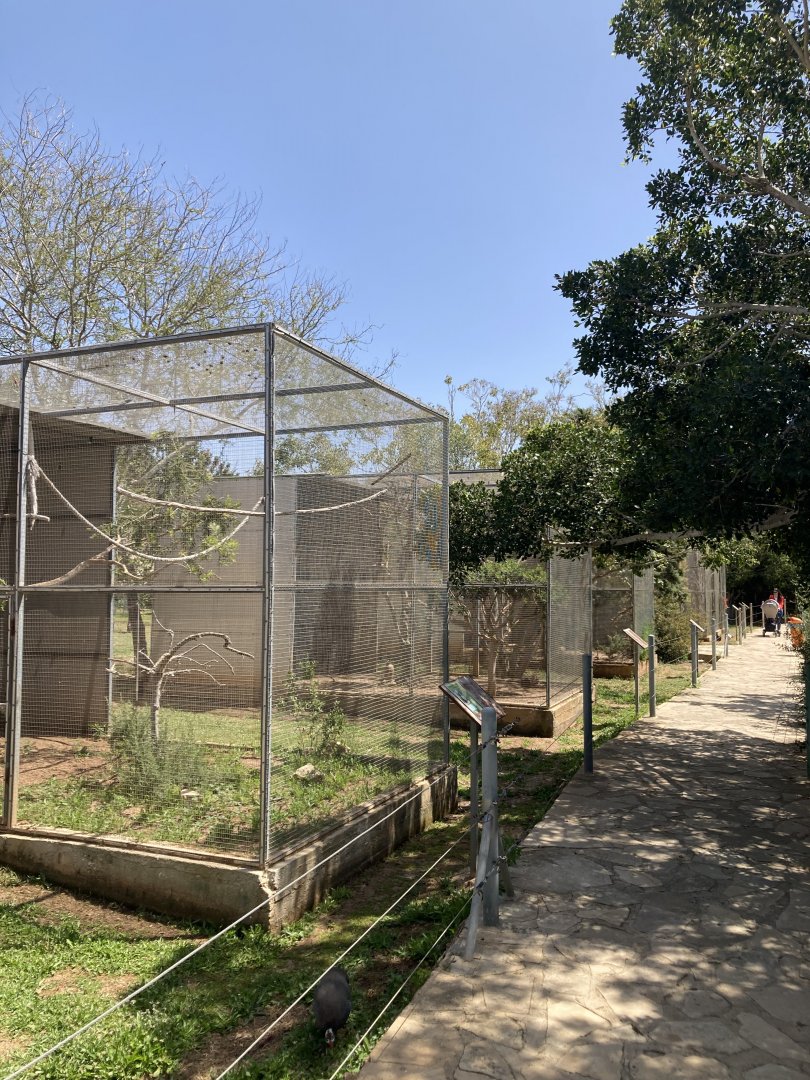
In terms of wildlife, White storks can often be seen flying over the zoo. Large numbers of Collared doves inhabit the grounds and the bushes and trees around the raptor, waterfowl and hoofstock areas are dense with Sardinian and Spectacled warblers in spring. As ever, a massive number of sparrows inhabit the zoo, particularly near the restaurant but the occasional greenfinch can be seen among them.
So that's it! The species list will be posted below very soon, and would be very helpful if someone with the necessary credentials could update ZTL accordingly.
AL


 .
.