David Fleay Wildlife Park David Fleay Wildlife Park News

WhistlingKite24

Well-Known Member
10+ year member
David Fleay Wildlife Park has welcomed a litter of six Fat-tailed Dunnarts. From Queensland National Parks’s Facebook page:
We recently welcomed six baby dunnarts to David Fleay Wildlife Park in @destinationgoldcoast. These adorable nocturnal marsupials are very active and keep their mum very busy!

Within 150 days of being born, they will reach full adult size and have razor sharp teeth—all the better for eating insects with!

For now, they are under the watchful eyes of our Park Rangers, and of course Mumma dunnart!

PS: Imagine home schooling six kids right now! We take our hat off to you Mumma dunnart!
Queensland National Parks
 
David Fleay Wildlife Park have been busy renovating their koala exhibit. The keepers have added more trees, new ground covering and a feed hut. From their Facebook page:
The staff at David Fleay Wildlife Park have been busy giving the koala enclosures a new look.

The renovation includes new ground covering, trees and a brand new koala feed hut to enhance visitor viewing.

We're sure Griff and Dusky are looking forward to moving into their new and improved home!

A big shout out to our Rangers—great work team!
Queensland National Parks
 
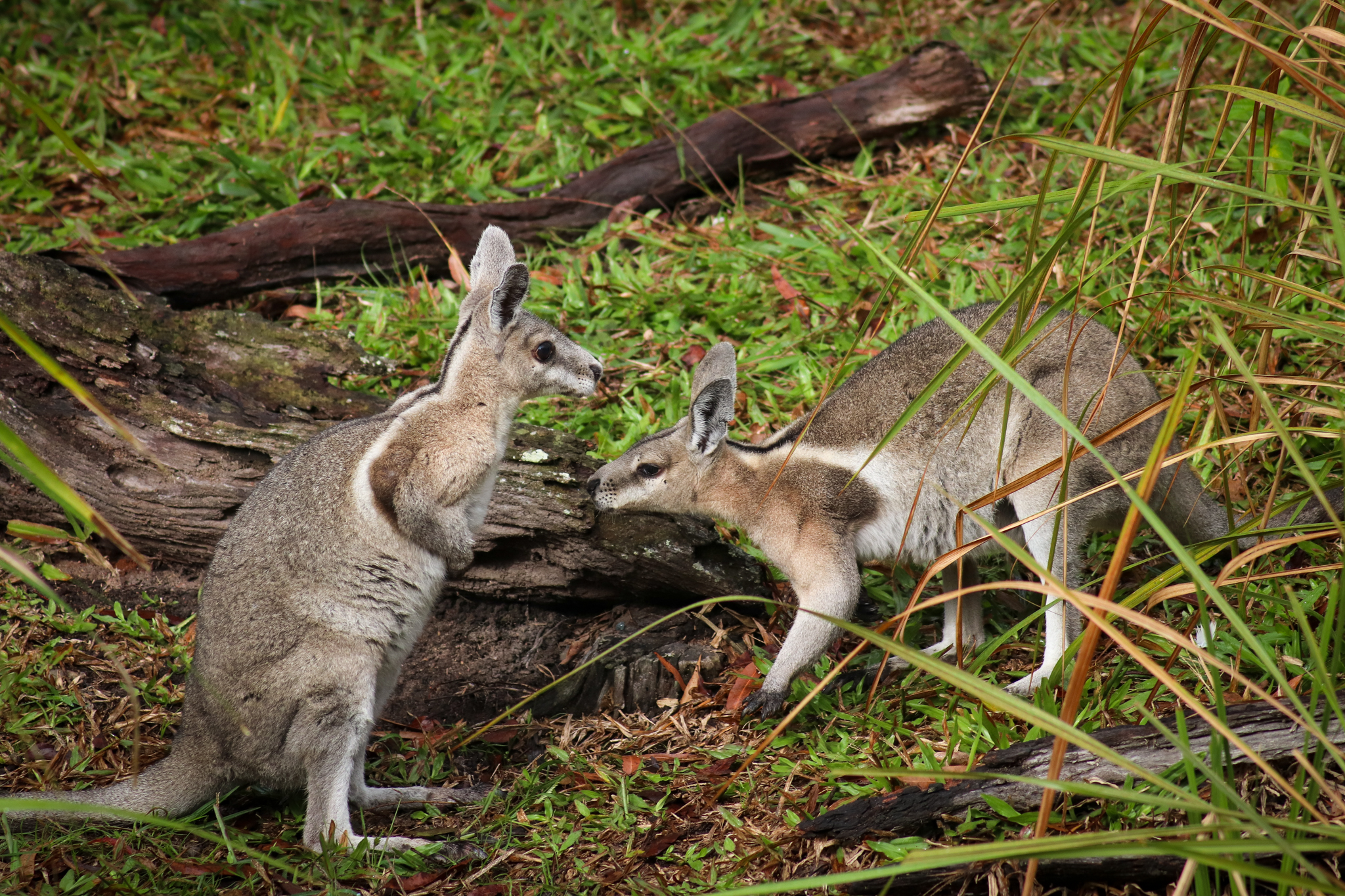
Some fantastic news. David Fleay Wildlife Park has announced the birth of a Bridled Nailtail Wallaby! The male joey is currently six months old. From their Facebook page:
Flash doesn’t know he’s too tiny to pick a fight, and it will be another year before he is large and strong enough to stand up for himself and find a mate

He’s a 6-month-old bridled nailtail wallaby and one of the residents of David Fleay Wildlife Park in Destination Gold Coast

Make sure to meet him at the park!

: Emily Wanray © Queensland Government

#davidfleaywildlifepark Destination Gold Coast #PlayGoldCoast Visit Queensland, Australia #qldparks #queensland #australia #threatenedspecies Australia.com
Queensland National Parks
 
I had a very enjoyable visit to David Fleay Wildlife Park today. The last time I visited the park (January 2019) it was a very humid day approaching 40 degrees so the cool winter’s day was a welcome change! I saw even more wild waterbirds than my last visit including Buff-banded Rails and Royal Spoonbills which really added to the overall wetland feel. Some notes from my visit:

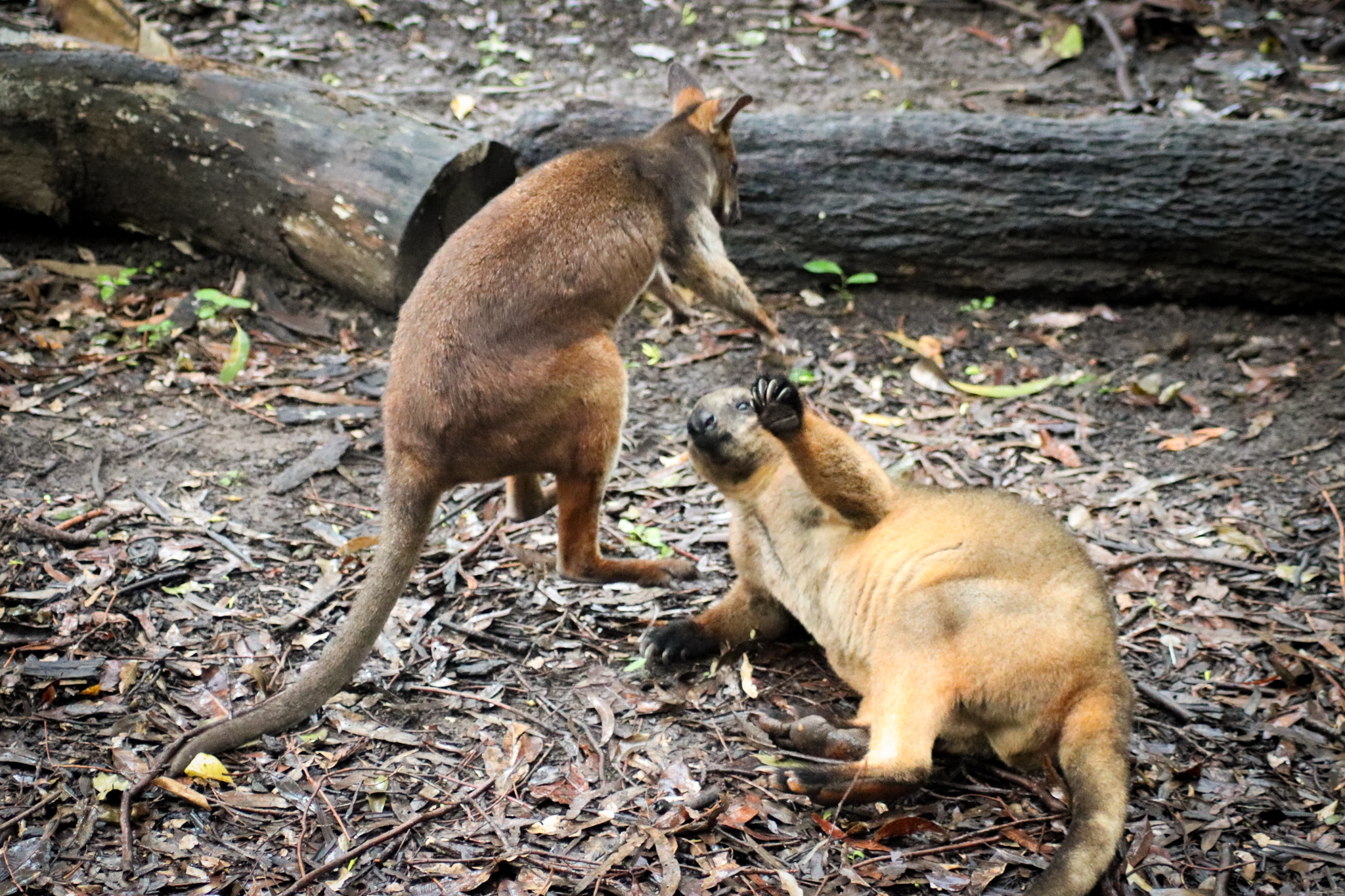
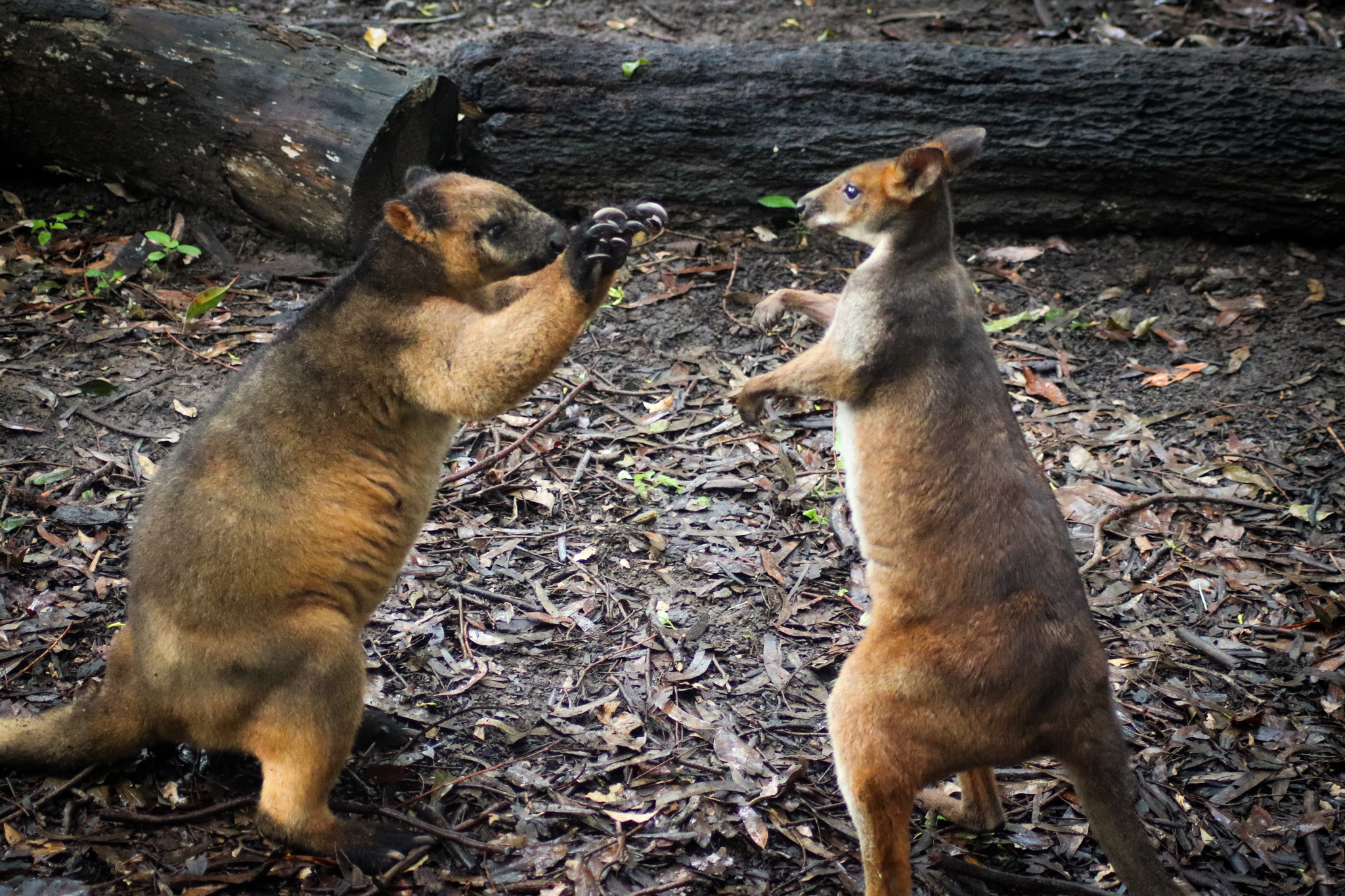
- I was amazed to see a scuffle between their Lumholtz’s Tree Kangaroo (Glen) and their Red-legged Pademelon (Patrick). A keeper was cleaning out the pademelon enclosure and she let the pademelon into the tree kangaroo enclosure. The pademelon immediately hopped towards the tree kangaroo and began to claw at its tail. The tree kangaroo then climbed down and they began boxing, clawing and kicking at each other. After five minutes or so, the keeper finally managed to separate the pair. Pademelons are nasty little critters – he managed to kick the tree kangaroo right in the stomach. I just couldn’t believe what I was seeing – something you certainly don’t see everyday!


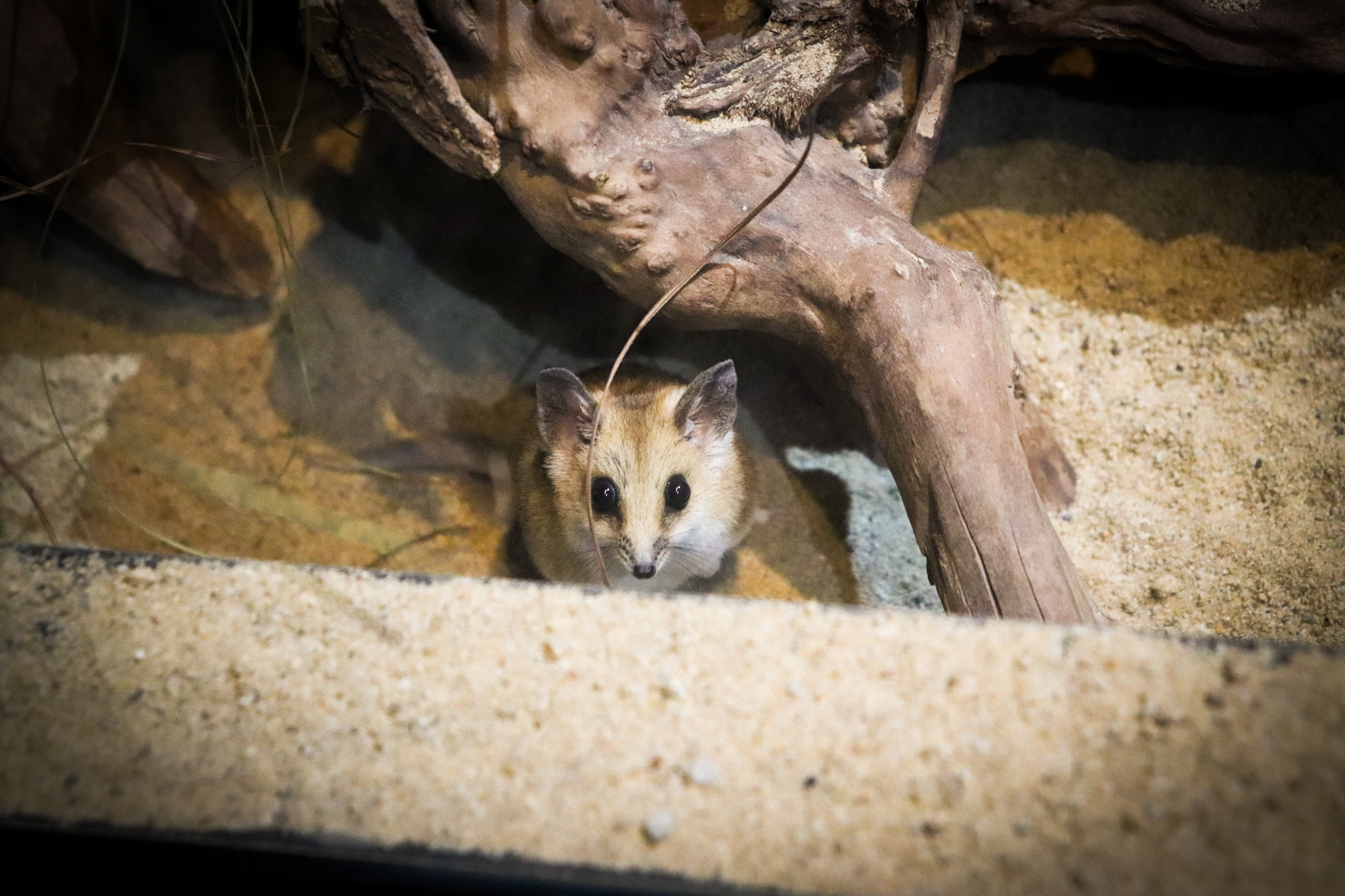
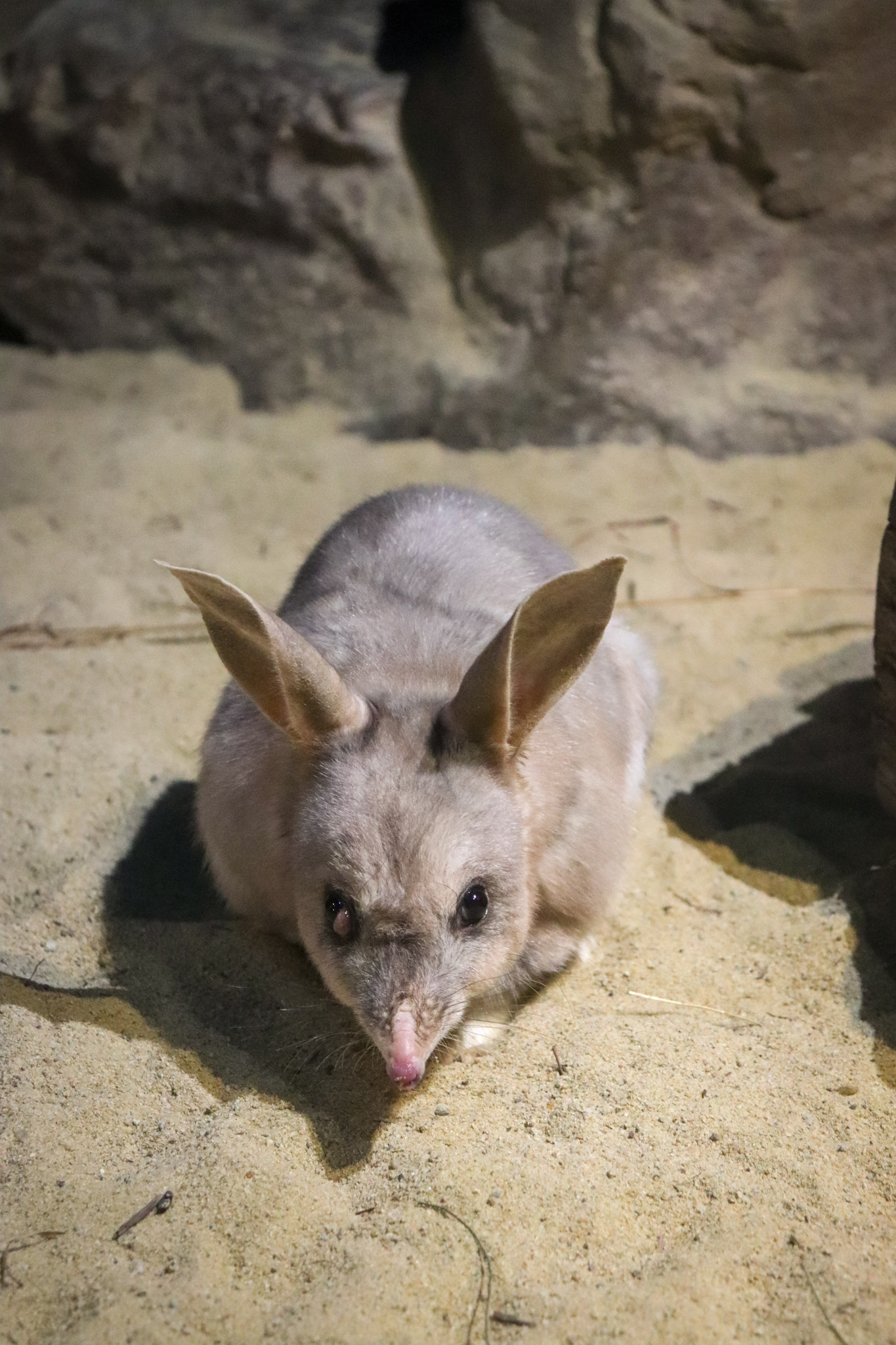
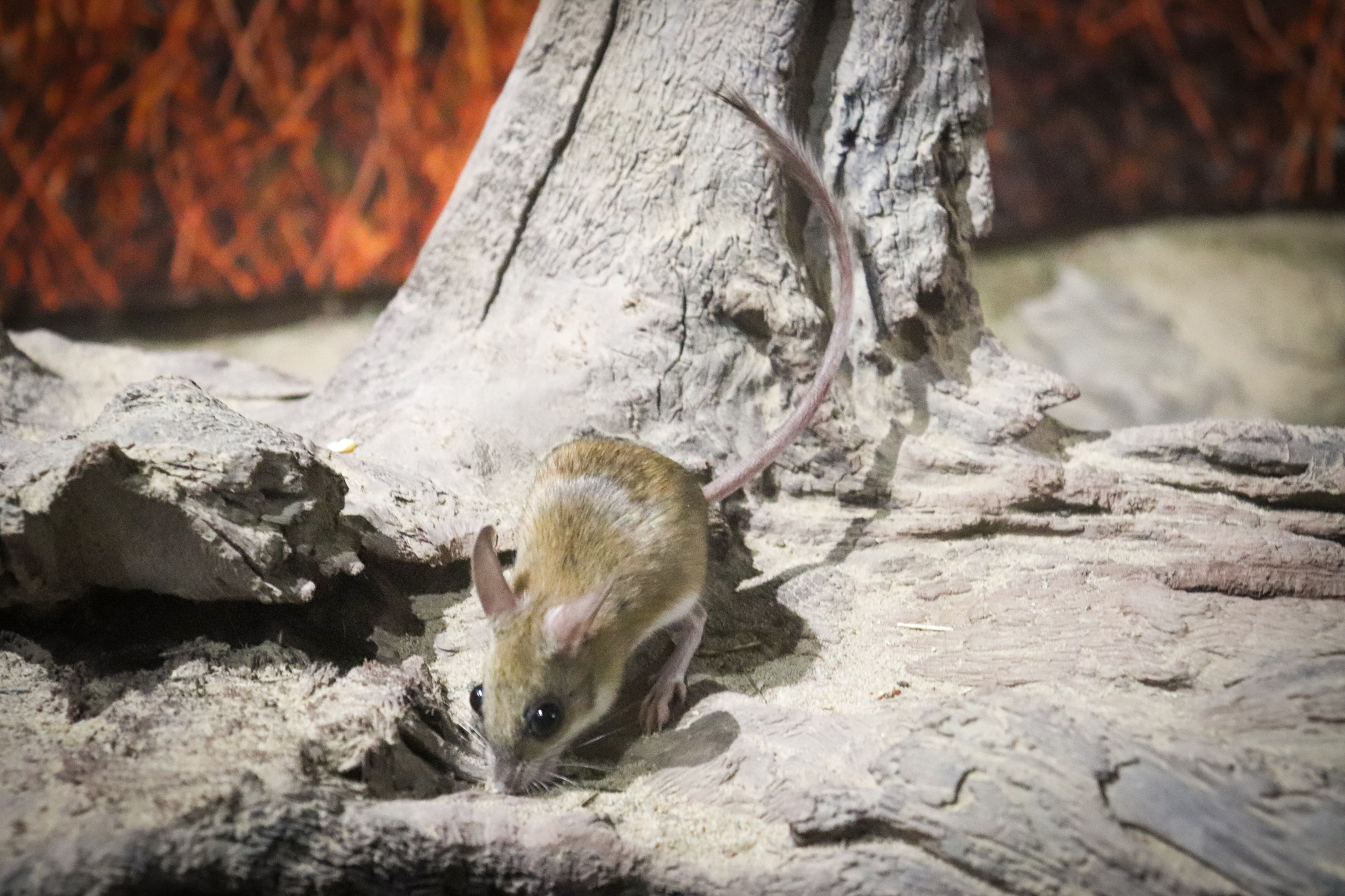
-The keepers opened the nocturnal house early [it usually opens at 10:30] and I was lucky enough to see all the animals with the lights on. I spent a good 30 minutes trying to photograph the dunnarts, hopping mice and bilby in particular, before they turned off the lights. The species line-up hasn’t changed much except that the Black-footed Tree Rat wasn’t there and in its place was a Water Python. Up to today, Water Pythons had always been one of those species I had never managed to see. It was great to finally see one - a really nice python with lovely iridescence. There was also a small terrarium for Green Tree Frog placed near the exit.


-A few of the enclosures were being renovated for new occupants – an exhibit near the Lumholtz’s Tree Kangaroo and one next to the Koalas. The macropod walkthrough was also closed for an upgrade. All the wallabies, kangaroos and the wallaroo were still living in the enclosure.

-I saw five Bridled Nailtail Wallabies at the park today – one in the first enclosure and four in the second. I counted only two Proserpine Rock Wallabies today.


-In the small reptile area, the Southern Angle-headed Dragon was nowhere to be seen; in its place was an Eastern Water Dragon.

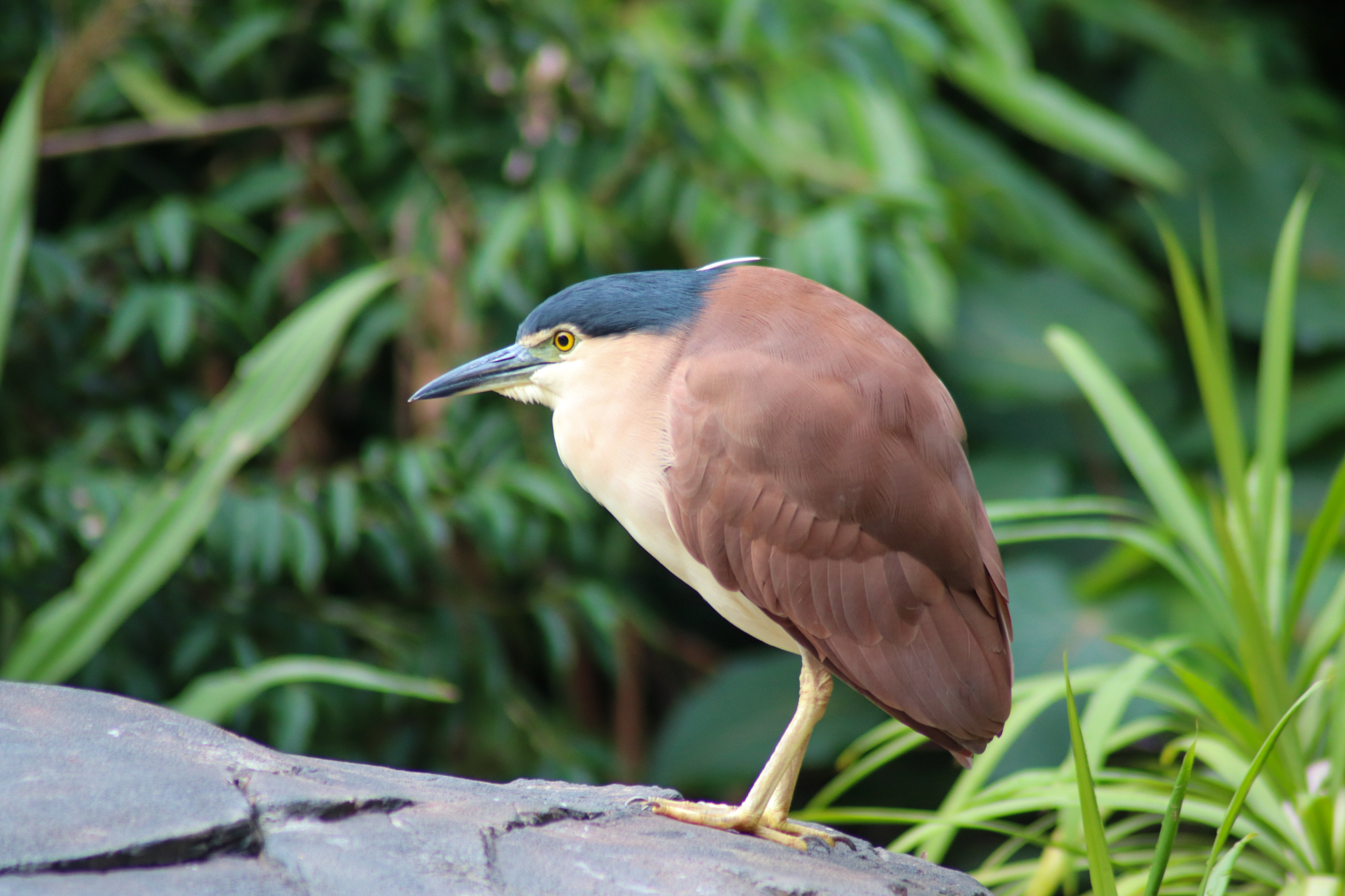
-The wild Nankeen Night Herons were everywhere today! I saw no less than five at the bird show.


I will eventually upload more photos (especially of the enclosures) here: David Fleay Wildlife Park - ZooChat
 
Last edited:
I had a very enjoyable visit to David Fleay Wildlife Park today. The last time I visited the park (January 2019) it was a very humid day approaching 40 degrees so the cool winter’s day was a welcome change! I saw even more wild waterbirds than my last visit including Buff-banded Rails and Royal Spoonbills which really added to the overall wetland feel. Some notes from my visit:

- I was amazed to see a scuffle between their Lumholtz’s Tree Kangaroo (Glen) and their Red-legged Pademelon (Patrick). A keeper was cleaning out the pademelon enclosure and she let the pademelon into the tree kangaroo enclosure. The pademelon immediately hopped towards the tree kangaroo and began to claw at its tail. The tree kangaroo then climbed down and they began boxing, clawing and kicking at each other. After five minutes or so, the keeper finally managed to separate the pair. Pademelons are nasty little critters – he managed to kick the tree kangaroo right in the stomach. I just couldn’t believe what I was seeing – something you certainly don’t see everyday!


-The keepers opened the nocturnal house early [it usually opens at 10:30] and I was lucky enough to see all the animals with the lights on. I spent a good 30 minutes trying to photograph the dunnarts, hopping mice and bilby in particular, before they turned off the lights. The species line-up hasn’t changed much except that the Black-footed Tree Rat wasn’t there and in its place was a Water Python. Up to today, Water Pythons had always been one of those species I had never managed to see. It was great to finally see one - a really nice python with lovely iridescence. There was also a small terrarium for Green Tree Frog placed near the exit.


-A few of the enclosures were being renovated for new occupants – an exhibit near the Lumholtz’s Tree Kangaroo and one next to the Koalas. The macropod walkthrough was also closed for an upgrade. All the wallabies, kangaroos and the wallaroo were still living in the enclosure.

-I saw five Bridled Nailtail Wallabies at the park today – one in the first enclosure and four in the second. I counted only two Proserpine Rock Wallabies today.


-In the small reptile area, the Southern Angle-headed Dragon was nowhere to be see; in its place was an Eastern Water Dragon.

-The wild Nankeen Night Herons were everywhere today! I saw no less than five at the bird show.


I will eventually upload more photos (especially of the enclosures) here: David Fleay Wildlife Park - ZooChat
Real nice pics, so they still only have the one Tree roo?
 
I only saw the one male on-display. I think they used to have another one in a neighbouring enclosure but that exhibit was being renovated as of today's visit.
I have only ever seen the one there which is a little surprising since I feel they have one of the best TR exhibits that I have seen!
 
Excellent news. David Fleay Wildlife Park received four Bridled Nailtail Wallabies (pouch young) last week as a part of the Department of Environment's program for the species. From their Facebook page:
September is National Biodiversity Month and today is International Threatened Species Day: a day that turns the spotlight on native plants, animals and ecosystems that are under threat, while also celebrating species success stories and ongoing threatened species recovery work.
The day also celebrates the amazing work of passionate Park Rangers, conservationists, researchers, volunteers and wildlife warriors.
1f44f.png

Here’s one of the Wildlife Ambassadors you can meet at David Fleay Wildlife Park: a bridled nailtail wallaby. Bridled nailtail wallabies are threatened macropods that were thought to be extinct for over 30 years, before being re-discovered in central Queensland in 1973!
Today, their populations are closely monitored in designated scientific nature reserves. Due to intense conservation efforts including habitat protection, biosecurity measures, captive breeding and educational awareness, their numbers are steadily increasing.
David Fleay Wildilfe Park in @destinationgoldcoast is the only wildlife park in the world where visitors can see this wallaby and just last week, we received four pouch-young bridled nailtail wallabies as part of the Department of Environment’s program to save the endangered macropods… so make sure you drop in for a visit very soon to meet Flash and the new arrivals!
Security Check
 
I had a very enjoyable visit to David Fleay Wildlife Park today. The last time I visited the park (January 2019) it was a very humid day approaching 40 degrees so the cool winter’s day was a welcome change! I saw even more wild waterbirds than my last visit including Buff-banded Rails and Royal Spoonbills which really added to the overall wetland feel. Some notes from my visit:

- I was amazed to see a scuffle between their Lumholtz’s Tree Kangaroo (Glen) and their Red-legged Pademelon (Patrick). A keeper was cleaning out the pademelon enclosure and she let the pademelon into the tree kangaroo enclosure. The pademelon immediately hopped towards the tree kangaroo and began to claw at its tail. The tree kangaroo then climbed down and they began boxing, clawing and kicking at each other. After five minutes or so, the keeper finally managed to separate the pair. Pademelons are nasty little critters – he managed to kick the tree kangaroo right in the stomach. I just couldn’t believe what I was seeing – something you certainly don’t see everyday!


-The keepers opened the nocturnal house early [it usually opens at 10:30] and I was lucky enough to see all the animals with the lights on. I spent a good 30 minutes trying to photograph the dunnarts, hopping mice and bilby in particular, before they turned off the lights. The species line-up hasn’t changed much except that the Black-footed Tree Rat wasn’t there and in its place was a Water Python. Up to today, Water Pythons had always been one of those species I had never managed to see. It was great to finally see one - a really nice python with lovely iridescence. There was also a small terrarium for Green Tree Frog placed near the exit.


-A few of the enclosures were being renovated for new occupants – an exhibit near the Lumholtz’s Tree Kangaroo and one next to the Koalas. The macropod walkthrough was also closed for an upgrade. All the wallabies, kangaroos and the wallaroo were still living in the enclosure.

-I saw five Bridled Nailtail Wallabies at the park today – one in the first enclosure and four in the second. I counted only two Proserpine Rock Wallabies today.


-In the small reptile area, the Southern Angle-headed Dragon was nowhere to be seen; in its place was an Eastern Water Dragon.

-The wild Nankeen Night Herons were everywhere today! I saw no less than five at the bird show.


I will eventually upload more photos (especially of the enclosures) here: David Fleay Wildlife Park - ZooChat

I was admiring some of the pictures you took at this place which came up on the zoochat photo feed earlier.

Just wanted to say that they are excellent photos and particularly the action shots of the tree kangaroo vs pademelon "boxing match" which really made me laugh.
 
I was admiring some of the pictures you took at this place which came up on the zoochat photo feed earlier.

Just wanted to say that they are excellent photos and particularly the action shots of the tree kangaroo vs pademelon "boxing match" which really made me laugh.
Glad you liked them and thanks for the compliment. :D
 
David Fleay Wildlife Park are currently renovating their crocodile enclosures. Due to this portion of the park being closed and undergoing potential disruptions, the park is waiving their admission till the 5th December so visitors can visit for free! Mainly news for the local ZooChatters but it would be a great opportunity to visit especially for the nocturnal house etc.

Website with updates: About | David Fleay Wildlife Park
 
It had been about 18 months since I last visited David Fleay Wildlife Park and today I noted the following news and observations from my visit. It was very busy today as the locals made the most of the free admission:
  • the three main reptile exhibits near the entrance currently have two Coastal Carpet Pythons and a Jungle Carpet Python. There was no sign of the Eastern Water Dragon nor the Southern Angle-headed Dragon I have seen on previous visits. The Water Python has now moved into a tank positioned near the admission desk. Its former home in the nocturnal house is now occupied by an Olive Python.
  • every species was seen in the nocturnal house today. The platypus was very active and the three Squirrel Gliders were great see. I’ve had mixed success with them here. The bilby, potoroo, dunnarts and hopping mice were all nice to watch as well. I was also interested to learn that their platypus was hand raised being a wild-born animal that was rescued.
  • keepers were bagging up their Red-necked Wallaby and Common Wallaroo today early in the morning. They went in with bags, one keeper quickly grabbed the wallaroo’s tail with relative ease and placed it into a hessian bag swiftly but the wallaby really put up a fight. I later saw the wallaroo behind the nailtail wallabies in an off-display enclosure.
  • the croc exhibit renovations look quite extensive and there was a lot of construction work today with the main pool. The enclosure next to the tree-kangaroo was still empty like it was 18 months ago and I noticed a second area along the boardwalk has been boarded up with a back fence creating another enclosure. So the row of exhibits is now: rock wallaby – nailtail wallaby – nailtail wallaby – pademelon – tree-kangaroo – empty (new animals coming soon sign) – empty (former area where they used to feed the wild pademelons).
  • the lace monitor enclosure doesn’t have any live animals currently but rather models of extinct native animals. Not a fan personally considering they are now no on-show lizards at the park but I didn’t mind the thylacine model; the others were questionable.
  • two new koala enclosures have been opened next to the original one. There is also a glass-fronted viewing area overlooking the macropod walkthrough enclosure from the nocturnal house now.
Highlights from today:
full


full


full


full


full


For more photos see here: David Fleay Wildlife Park - ZooChat
 
A few updates on David Fleay Wildlife Park from their social media:
  • the park recently received a young Barking Owl.
  • the Saltwater Crocodiles have returned from Australia Zoo and been introduced to their revamped exhibit. New perimeter fencing was added and a pond reconfiguration occurred. They also installed new heating, mud wallow, and basking areas.
 
David Fleay Wildlife Park officially turns 70 this year and fittingly the park will be unveiling a statue of Dr. David Fleay cradling a platypus in the middle of the zoo next weekend. There seem to be a few plans floating around for the park including an expansion of the nocturnal house with a $1.5 million budget [Tenders - David Fleay Wildlife Park Nocturnal House Redevelopment - Design - Australian Tenders]. Interesting times ahead.

Source: 7News Gold Coast
 
this is the current species lineup as off 17/9/22
* = unseen

Entrance
1. Woma Python*
2. Spiny Stick-Insect
3. Water Python
4. Spiny Stick-Insect
Reptile House
1. Eastern Bearded-Dragon
2. Jungle Carpet-Python
3. Coastal Carpet-Python
4. Coastal Carpet-Python
Other
1. Koala (3x exhibits)
Nocturnal House

1. Squirrel Glider*, Long-Nosed Potoroo*
2. Eastern Shingleback
3. Green Python
4. Platypus, Banded Rainbowfish
5. Olive Python
6. Greater Glider
7. Spinifex Hopping-Mouse
Wallaby Way
1. Emu (only 1 emu, they're currently reintroducing species into this exhibit)
Moon Dam

1. Australian Pelican, Mary River-Turtle, Brolga
Wetlands
1. Brolga
2. Saltwater Crocodile*
3. Freshwater Crocodile
Dingo's Den
1. Dingo
Cassowary House
1. Southern Cassowary
2. Red-Legged Pademelon
3. Lumholtz's Tree-Kangaroo
4. Agile Wallaby, Common Wallaroo, Bush Stone-Curlew
5. Bridled Nailtail-Wallaby
6. Proserpine Rock-Wallaby
7. Lace Monitor*
Unknown Location/seen Off-Show
  • Eastern Grey-Kangaroo, Wallabies (Swamp, Red-Necked)
  • Australasian Darter, Black-Necked Stork, Electus Parrot, Red-Tailed Black-Cockatoo
there were quite a few empty exhibits & the nocturnal house didn't open till 12pm even though it's normally open by 9:30am.
 
Nocturnal House
1. Squirrel Glider*, Long-Nosed Potoroo*
2. Eastern Shingleback
3. Green Python
4. Platypus, Banded Rainbowfish
5. Olive Python
6. Greater Glider
7. Spinifex Hopping-Mouse
It's been several years now since a Greater Glider has been on-display at David Fleay Wildlife Park so this is particularly excellent news. Did you manage to get a good view of it?
 
Back
Top