Making room on the ark – can rare zoo animals replace common ones in Europe?

Otters

Zoos replacing two otter species extremely common in zoos could make room to keep self-sustaining populations of at least 2-3 other otter species. Unfortunately, most of these are not found outside their countries of origin.

Vulnerable Smooth-coated or Smooth Otter Lutrogale perspicillata shows how a big role play accident and fashions in zoo collections. It is most sociable of all otters, was commonly imported in the 20. century and can breed in zoos – but later completely died out and was replaced by lots of Eurasian and Asian Small-clawed Otters. Currently the Smooth Otter breeds again in few zoos in Europe. Photo by 4ways NAP.

full

Smooth-Coated Otter Cub - ZooChat


Near-threatened Spotted-necked or Spot-necked Otter Hydrictis maculicollis is kept in few zoos, but somehow never became popular. Photo by Maguari.

full

Spot-necked Otters at Bioparc Valencia, 28/05/11 - ZooChat
 
Last edited:
Other carnivores – species from temperate climate

Unfortunately, there is more threatened carnivores than spaces in zoos to breed them. So just some examples. Critically endangered European Mink Mustela lutreola. At least no shortage of educational stories to tell about this animal: disappearing European wetland habitats, fur trade, introduced species, need of reintroduction... Photo by Giant Eland.

full

European mink (Mustela lutreola) - ZooChat


Vulnerable Marbled Polecat Vormela peregusna is another Europan species overlooked by zoos. Photo by ThylacineAlive.

full

Marbled Polecat - ZooChat

Endangered Dhole Cuon alpinus likes to climb, swim, is incredibly agile jumper and of course, sociable. In French ZooParc de Trégomeur it was mixed with Sun Bears. Seasonal change of fur is nicely visible on these photos by Himimomi and Meaghan Edwards.

full

Dholes - ZooChat

full

Asiatic Dholes - ZooChat
 
Last edited:
Smaller tropical carnivores

Vulnerable Palawan Binturong Arctictis (binturong) whitei is endemic to one island, and rarer than the main Binturong. Photo by Tomek.

full

Palawan Binturong (Arctictis binturong whitei) - ZooChat


Endangered Bokiboky or Narrow-striped Mongoose Mungotictis decemlineata. It was mixed with lemurs in Plzen and Newquay. Most Madagascar carnivores Eupleridae are threatened. Photo by gentle lemur.

full

Narrow-striped mongoose (3) - ZooChat


There is more smaller cats than zoo spaces to accommodate them. Vulnerable Fishing Cat Prionailurus viverrinus by Arizona Docent.

full

fishing cats in water - ZooChat
 
Lemurs

Importance of human interaction

Visitors like to feed lemurs. Several other animal groups which need more interest by zoos also easily interact and can be fed. For example monkeys, sheep and goats and bears. Zoos during most of their history allowed animal feeding. Then zoos of the second half of the 20. century shunned all visitor interaction as danger to animal health. Now zoos rediscover controlled feeding and interaction with animals. If the alternative is that species slowly disappears from zoos, perhaps the animal interaction can be designed to be safe. Vulnerable White-fronted Lemurs Eulemur albifrons by Maguari.

full

White-fronted Lemurs at Monkey Park, 09/11/10 - ZooChat

Public feeding and visitor interactions are so attractive to the public, that it would be interesting that zoos investigate how to make a successful feeding experience with rare animals for animals and visitors. It seems a better way to attract interest than multi-million mega-exhibits.

Critically Endangered Mongoose Lemur Eulemur mongoz shows the first lesson – limit high calorie food. ;)

full

Mongoose Lemur at Monkey Park, 09/11/10 - ZooChat

Second-best choice to interest visitors are feeding presentation by a keeper. Visitors imagine themselves in the place of the keeper. Critically Endangered White-belted Ruffed Lemurs Varecia variegata subcincta. Photo by vogelcommando.

full

Feeding-time Belted ruffed lemurs - ZooChat

Encouraging activity

Many animals disappearing from zoos share another trail: they move wonderfully. Leaping lemurs, balancing goats, climbing leopards. Lemurs leap between vertical branches, with legs like springboards, unlike monkeys. Modern zoos seem to often design their experience as looking at inactive animals. They should challenge animals to fully show their movements – otherwise they misses a big asset.

Endangered Crowned Lemur Eulemur coronatus kept on standard horizontal branches. Photo by Jogy.

full

Crowned lemur (August 2019) - ZooChat

Critically endangered Blue-eyed Black Lemur Eulemur flavifrons in a typical vertical posture. Photo by JaxElephant.

full

Blue-Eyed Black Lemur - ZooChat


Leaping Crowned Sifaka Propithecus coronatus. Sifakas are the best vertical jumpers, but other lemurs can do it too. Photo by devilfish.

full

Jump! - ZooChat


Interesting exhibits

Lemurs, of course, can be kept in walkthrough exhibits and on live trees. Vulnerable Red-bellied Lemur Eulemur rubriventer. Photo by Mr Gharial.

full

Red-bellied lemur - ZooChat


Critically Endangered Lac Alaotra bamboo lemur Hapalemur alaotrensis in a mixed exhibit. Note, that the natural habitat of this unique lemur are reedbeds, its common food are reeds of the same species as in Europe, and it could thrive in a completely different exhibit type than zoos usually present it. Photo by MagpieGoose.

full

Radiated tortoise and Lac Alaotra bamboo lemur - ZooChat


Photoillusion


Zoos sometimes choose to keep animals which look good at photos, but are less interesting for visitors in real life. It may be called photo-illusion. For example egrets look beautiful on photos, but not so fascinating in a zoo. Ring-tailed Lemurs with their contrasting colors look good on photos, but are often inactive. Zoo visitors are drawn to Eulemur lemurs at least as much. Vulnerable Red-fronted Lemurs Eulemur rufifronsis. Photo by Glutton.

full

Red-fronted Lemur - ZooChat

Other lemurs in need of more holders


Critically Endangered Greater Bamboo Lemur Prolemur simus. I saw this species in the wild, in a Ranomafana National Park where just 2 last individuals remain – father and daughter. This is a sad reminder how important is conservation breeding. Photo by eggshelluk.

full

Greater Bamboo Lemur - ZooChat


Critically Endangered Grey-headed Lemur or White-Collared Brown Lemur Eulemur cinereiceps / Eulemur albicollaris. Photo by peckyboi.

full

white collared lemur male - ZooChat


Endangered Sanford's Brown Lemur Eulemur sanfordi. Photo by Giant Eland.

full

Sanford's brown lemur (Eulemur sanfordi) - ZooChat


Vulnerable Northern Bamboo Lemur, Western Gentle Lemur or Sambirano Lesser Bamboo Lemur Hapalemur occidentalis. Photo by ro6ca66.

full

Sambirano bamboo lemur : RSCC : 17 Oct 2014 - ZooChat
 
Monkeys part 1.

Replacing baboons and common macaques

Several formerly common macaques became threatened. Ground-living and forming big multi-male troops, they can replace non-threatened baboons. Critically endangered Sulawesi Crested Macaques Macaca nigra. Photo by MagpieGoose.

full

Sulawesi crested macaque troop - ZooChat

Vulnerable Stump-tailed or Bear Macaques Macaca arctoides living on former baboon rocks. Photo by Maguari. One of many monkeys which were considered not very interesting in zoos – but became very rare in the wild.

full

Stump-tailed Macaques at Berlin Zoo, 31/08/11 - ZooChat

Vulnerable Northern pig-tailed macaque Macaca leonina by Himimomi.

full

Northern pig-tailed macaque - ZooChat

Most macaques, drills, mandrills and brown / white-eyelid mangabeys Cercocebus move mostly on the ground and live in large multi-male troops in the wild. They could potentially replace common baboons and macaques.

Endangered Moor Macaque Macaca maura by Giant Eland.

full

moor macaque (Macaca maura) - ZooChat

Vulnerable Bonnet Macaque Macaca radiata by Therabu.

full

Bonnet macaque (Macaca sinica) - ZooChat

Vulnerable Heck's Macaque Macaca hecki by gentle lemur.

full

Hecks Macaque - ZooChat

Endangered Drill Mandrillus leucophaeus. In zoos it is kept in much smaller groups than in the wild, where up to 100 gather. Photo by Andrew_NZP.

full

The Great Apes Of Harambee - Drill - ZooChat

Endangered Golden-bellied Mangabey Cercocebus chrysogaster by vogelcommando.

full

Golden-bellied mangabey - ZooChat


Redesigning public interactions

People and monkeys like to interact, especially feeding. Endangered Toque Macaque Macaca sinica in the wild with sweets given to them by a tourist. Photo by zooboyabroad.

full

Macaque eating sugar - ZooChat


Visitors and monkeys would try to interact anyway. Knuthenborg Safari Park in Denmark, made it in a organized and safe way with non-threatened baboons. Photo by Anton.

full

Baboon on Abebussen in Knuthenborg - ZooChat

This zoo tries to organize public feeding of monkeys in a different way. Photo by TinoPup.

full

Hovatter's - DeBrazza's monkey - ZooChat

Second-best choice is keeper feeding. Here Moustached Guenon Cercopithecus cephus and Sykes' Monkey Cercopithecus albogularis.

full

Feeding time for the monkeys 27th May 2000 - ZooChat


Electric fences

I like this exhibit design at Howletts with relatively low electric fence. The trick is that monkeys cannot jump very high vertically from a flat surface. Electric fencing is cheap, allows fencing large area, and gives good views for the public. Water moats don't always work well for the monkeys, because they need to be very broad, and animals can be poorly visible. It is used for endangered Lion-tailed Macaques Macaca silenus, also endangered Javan Langurs or Javan Lutungs Trachypithecus auratus, Drills and Geladas. Photos by Maguari, zootiger and ro6ca66.

full

Macaque Exhibit at Howletts, 30/08/14 - ZooChat

full

Eastern Javan Langur - ZooChat

full

Lion-tailed macaque : Howletts : 14 Oct 2014 - ZooChat
 
Last edited:
I know that you brought it up with regards to other taxa and probably will bring it up later but what is your take on mixing rare old world monkeys with other taxa? Would it be an interesting way to engage visitors with the species in question or would it be a great risk?
 
Monkeys part 2.

Following the theme of electric fence, interestingly, monkeys after learning the electric fence typically no longer test it. If the electricity is switched off, they don't notice for days. Some other animals, like elephants and lions, know it immediately. However, during severe fighting, the escaping animal sometimes chooses electricity over the rival, gets zapped but usually gets through. Similar barrier for vulnerable Kilimanjaro or Eastern black and white Colobus Colobus guereza caudatus. Photos by Orycteropus and DesertRhino150.

full

Eastern Black-and-White Colobus enclosure - ZooChat

full

Brand new baby colobus monkey - ZooChat


Social enrichment


The best enrichment for monkeys (and visitors!) is probably others of their species. Large social groups of monkeys often appear to behave and breed normally even in rather bare cages. That is why policies of 'rescues' which keep single individuals or ones randomly thrown together, and prevent breeding are questionable, even when monkeys receive object enrichment and keeper affection.

Zoos, too, should aim for larger groups than usual. Near-threatened Northern Talapoin Miopithecus ogouensis lives in multi-male groups of on average 60 and sometimes over 100 animals in the wild. An African alternative to squirrel monkeys? Photo by Maguari.

full

Northern Talapoin at Barcelona, 30/05/11 - ZooChat

Wild mangabeys also live in multi-male groups, like vulnerable Grey-cheeked Mangabey Lophocebus albigena. Its group size in the wild is 6-30 individuals, with up to 11 males. Photo by Ned.

full

Grey-cheeked mangabey - ZooChat

Near-threatened Mona Monkey Cercopithecus mona in the wild also lives in multi-male troops, unusually for a guenon species. Its troops number 3-35, on average ca 13 animals. Photo by zootiger.

full

Common Mona Monkey - ZooChat

In contrast, other guenons generally live in single-male groups so are perhaps suitable for zoos which want to keep a smaller group of monkeys. Vulnerable Eastern Putty-nosed Monkey or Greater White-nosed Guenon Cercopithecus nictitans nictitans. Photo by Tomek.

full

Greater white-nosed guenon (Cercopithecus nictitans nictitans). - ZooChat
 
Last edited:
Monkeys part 3. - Environmental enrichment

Second-best enrichment for monkeys is environment. Vulnerable Tonkean Macaque Macaca tonkeana. Another of 7 macaque species living on geologically complex Sulawesi island in Indonesia. Photo by amur leopard.

full

Tonkean macaque playing - ZooChat


Large exhibits challenge monkeys to really show their climbing skills. Vulnerable Angolan Colobus Colobus angolensis. Photo by alexkant.

full

Angolan colobus/ Colobus angolensis angolensis - ZooChat

Vulnerable Black-crested Mangabey Lophocebus aterrimus. Photo by vogelcommando.

full

Black mangabey and young - ZooChat

Enrichment by mixed exhibits – with ungulates

Monkeys are often highly strung and aggressive. Mixed exhibits are often a challenge. Personally, I especially like mixed exhibits with ungulates, because large space needed by ungulates benefits monkeys. Space appears often most important for the success of a mixed exhibit. Ideally, tall trees or climbing structures mean that primates live mostly on a different level than ungulates.

African monkeys were kept with African elephants (Beekse Bergen), forest buffalo (Augsburg, Osnabruck, San Diego), black rhino (Leipzig, Magdeburg), pygmy hippos (San Diego, Leipzig, Sydney), duikers (Miller Park, Tampa), dikdiks (Leipzig), sitatunga (Valencia), bongo (USA, Woburn), okapi (Doue), dwarf zebu (Overloon), red river hogs (Bronx, Minnesota, Peoria), maned sheep (Stuttgart), Moufflon (Wroclaw), Nubian ibex (Bronx, Poznan), Siberian ibex (Brno) and probably others I don't know.

Endangered Diana Guenon Cercopithecus diana with pygmy hippo. Photo by LaughingDove.

full

Pygmy Hippo Feeding with Diana Monkeys - ZooChat


Endangered Drills Mandrillus leucophaeus and near-threatened Patas Monkeys Erythrocebus patas, Barbary macaques and Bongo got especially much space in Woburn Safari Park. Photos by Maguari.

full

African Jungle Reserve at Woburn, 20/06/10 - ZooChat

full

African Jungle Reserve at Woburn, 20/06/10 - ZooChat

If a mixed exhibit allows keeping threatened species, I would relax with compatibility of continents and habitats. Zoos mix scimitar oryx from deserts of North Africa with lechwe form marshes of South Africa. So mixing king colobus from rainforest of West Africa with Nubian ibex from mountains of North-East Africa is not that different.

Asian monkeys are mixed with Asian elephants and deer (Dierenrijk Europe), banteng and deer (Arnhem) and Malayan tapirs (Adelaide, Minnesota). Vulnerable Southern or Sunda Pig-tailed Macaque Macaca nemestrina. Note that macaques fought with siamangs and had to be separated by an electric wire. Photo by EmperorTamarin.

full

Burgers Rimba - ZooChat
 
Last edited:
Monkeys part 4. Mixed exhibits – with other monkeys

Monkeys are also kept in mixed-species groups, especially as several African monkeys form mixed groups in the wild. At other times it appears more like providing company to lone individuals. Vulnerable Lowe's Monkey Cercopithecus lowei often associate with Diana Monkeys and other species in the wild. Photo by twilighter.

full

Lowe's Monkey - ZooChat

Near threatened Eastern Lesser Spot-nosed Guenon or Lesser White-nosed Monkey Cercopithecus petaurista petaurista and not threatened Crowned Guenon Cercopithecus pogonias. Photo by Nisha.

full

Lesser Spot Nosed and Crowned Guenon - ZooChat


Mixed exhibits – with apes

Orangutans are kept with Lion-tailed macaques (Koln, Munster), other macaques and Javan Langurs (Kolmarden) among others. Gorillas have been kept with several guenon and mangabey species.

Endangered Cherry-crowned, Red-capped or Collared Mangabey Cercocebus torquatus and gorilla. Cercocebus mangabeys travel mostly on the gruond and live in groups of 20-60 with several adult males in the wild. Photo by Gigit.

full

Gorilla and red-capped mangabey, September 2018 - ZooChat

Vulnerable L'Hoest's Guenon or Monkey Cercopithecus lhoesti with gorilla. Photo by Goura.

full

Lowland gorilla and L'Hoest's guenon - ZooChat

Mixed exhibits – with other animals

Monkeys were also mixed with Asian black bears (Ostrava), sloth bears (Beekse Bergen, Leipzig), hyrax (Munich), mongoose (Heidelberg), otters (San Diego), porcupines, giant tortoises (Tampa) and many others.

Not threatened Allen's Swamp Monkey Allenopithecus nigroviridis with Spotted-necked Otter. Photo by geomorph.

full

Lost Forest - Ituri Forest - African Spot-necked Otter and Others Exhibit - - ZooChat

Endangered King or Western black-and-white Colobus Colobus polykomos being threatened by a porcupine. Photos by Zambar and cassian.

full

Stay Back - ZooChat

full

Western Black and White Colobus Monkey - ZooChat
 
Last edited:
Monkeys part 5. Exhibit design

In exhibit design, several zoos use overhead wire tunnels to navigate around existing buildings and structures in a zoo. Endangered François' Langur Trachypithecus francoisi is actually partially rock-living, and would be equally at home on some smaller 'monkey rocks' exhibit. Photo by SaritaWolf.

full

François' langur In the Zoo 360 - ZooChat

This complex is used for endangered Dusky or Spectacled Langurs Trachypithecus obscurus, Francois' Langurs, Allen's Swamp Monkeys and several other primates in rotational design. It would be interesting to know how rotation exhibits really work for monkeys. They are not as neophobic and routine-loving as some other animals. Photo by Moebelle.

full

Aug. 2021 - New! Primate Canopy Trails - Fourth Exhibit Transfer Tunnel - ZooChat

Dusky or Spectacled Langurs. Strikingly different baby color is typical for langurs and colobuses. Photo by Javan Rhino.

full

Dusky leaf monkey and baby - ZooChat

Vulnerable Silvery Langurs or Silvered Leaf Monkeys Trachypithecus cristatus on artificial trees and lianas in the classical rainforest hall Jungle World at Bronx Zoo. The species currently died out in Europe. It will be interesting to see whether this type of multi-million mega-exhibit survives the current economic crisis. Photo by fkalltheway.

full

Jungle World - Silvered Langurs - ZooChat
 
Last edited:
Monkeys part 6. monkeys versus trees

Multiple zoos recently keep monkeys on live trees in large enclosures, despite the general opinion that monkeys will kill trees by stripping leaves and bark. It would be interesting to investigate success factors, e.g. species of the monkey, the tree species, size of trees and area. Critically endangered Roloway Monkey or Roloway Guenon Cercopithecus roloway. Photo by Therabu.

full

Roloway monkey (Cercopithecus roloway) - ZooChat

Endangered White-naped Mangabey Cercopithecus lunulatus. Photo by MagpieGoose.

full

White-naped mangabey - ZooChat


Monkeys versus walk-throughs


Barbary Macaques are kept at walk-through exhibits in Krefeld, Apeldoorn and a number of smaller monkey parks. Wild langurs live on trees in few Asian zoos, like Singapore and Taiping.

Otherwise, Old World monkeys are considered highly strung and prone to biting. I found only few walkthroughs with Old World monkeys and they they don't seem to proliferate. Angolan Colobus are at Magdeburg, Black and white Colobus at Munster and Japanese macaques at Olomouc. Combining free-roaming monkeys and unsupervised feeding seems especially bad idea, if one experienced being surrounded by urban macaques in Asia.

Vulnerable Owl-faced Guenon or Hamlyn's Monkey Cercopithecus hamlyni is another calmer species which can be kept in a walkthrough exhibit, like Doué. Photo by Therabu.

full

Owl-faced monkey (Cercopithecus hamlyni) - ZooChat


Unfortunately, there are too many threatened monkeys than spaces for them in zoos. Endangered Benin Red-bellied Guenon or White-throated Guenon Cercopithecus erythrogaster erythrogaster is only found in one zoo in Europe, from a pair of confiscated animals. Photo by MagpieGoose.

full

Benin red-bellied guenons - ZooChat

Literature: Wilson, Don E., Mittermeier, Russell A. Handbook Of The Mammals Of The World; Vol. 3 - Primates, 2013.
 
Last edited:
I started wondering about my local zoo, what are common species which can be exchanged for rare ones.

I wonder if anybody thinks the same about his local zoo. What rare species would you want to see replacing the common animals?
 
I started wondering about my local zoo, what are common species which can be exchanged for rare ones.

I wonder if anybody thinks the same about his local zoo. What rare species would you want to see replacing the common animals?
I've certainly wondered this many times, Most notably in the Joburg Zoo's ungulate collection.

The zoo has quite an expansive farmyard, in which your basic chickens, cows, horses, and ponies (Although I will admit, the bapedi sheep are welcome).
The paddocks for the cattle and horses are large, grassy enclosures perfect for any mid to large-sized ungulate.
I've imagined some of the following replacements though these fit into a more unlikely category as the farmyard is quite a draw for visitors:

Jersey Cattle - Forest Buffalo (Currently kept at the National Zoo and the Natal Zoo)
Shire Horse - Somali Wild Ass (Quite a stretch, due to the fact that an international import would be necessary)
Potbelly Pig - Yellow-backed duiker (A lush, forested yard, with an artificial stream, perfect for a small antelope)

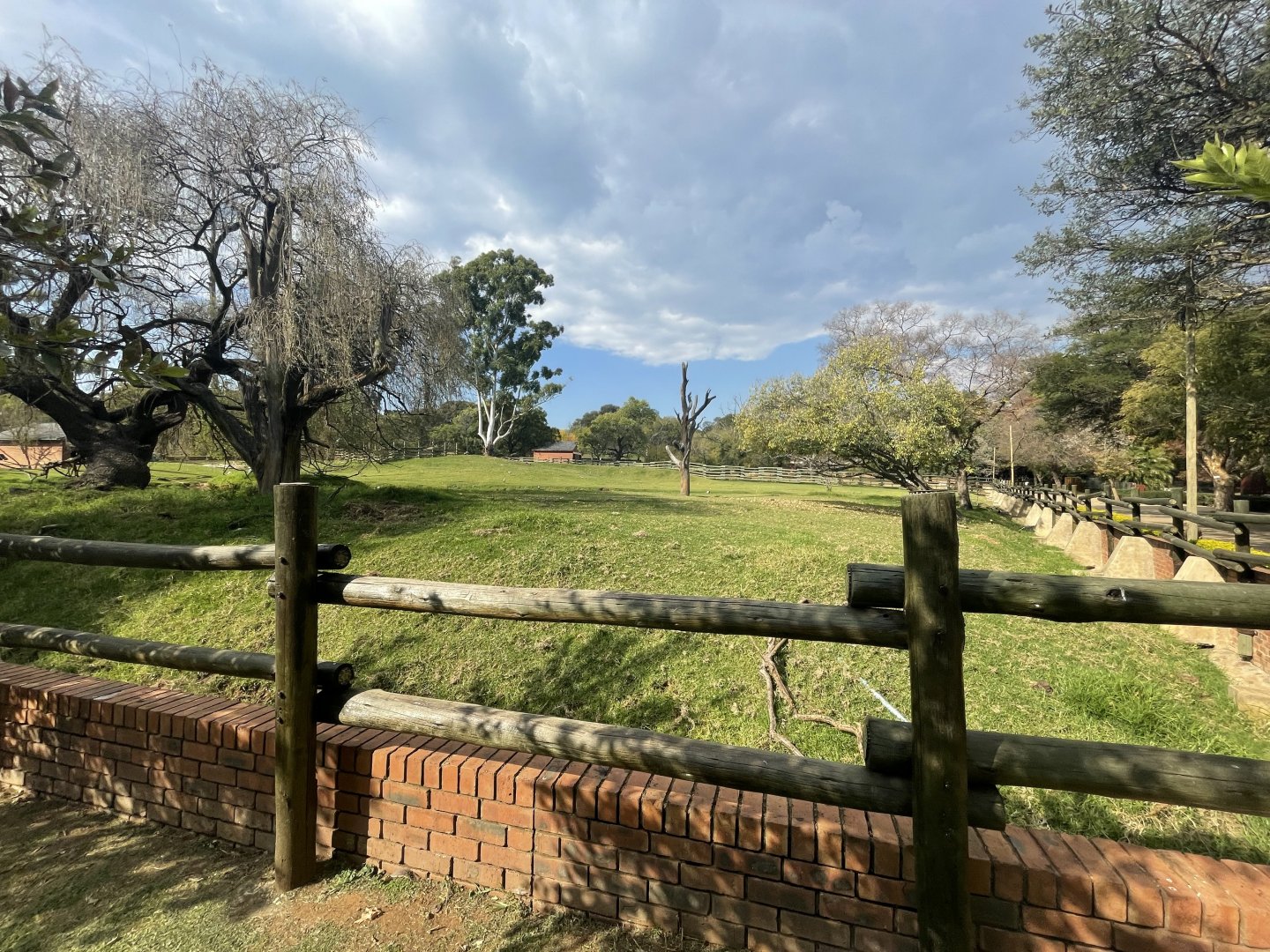
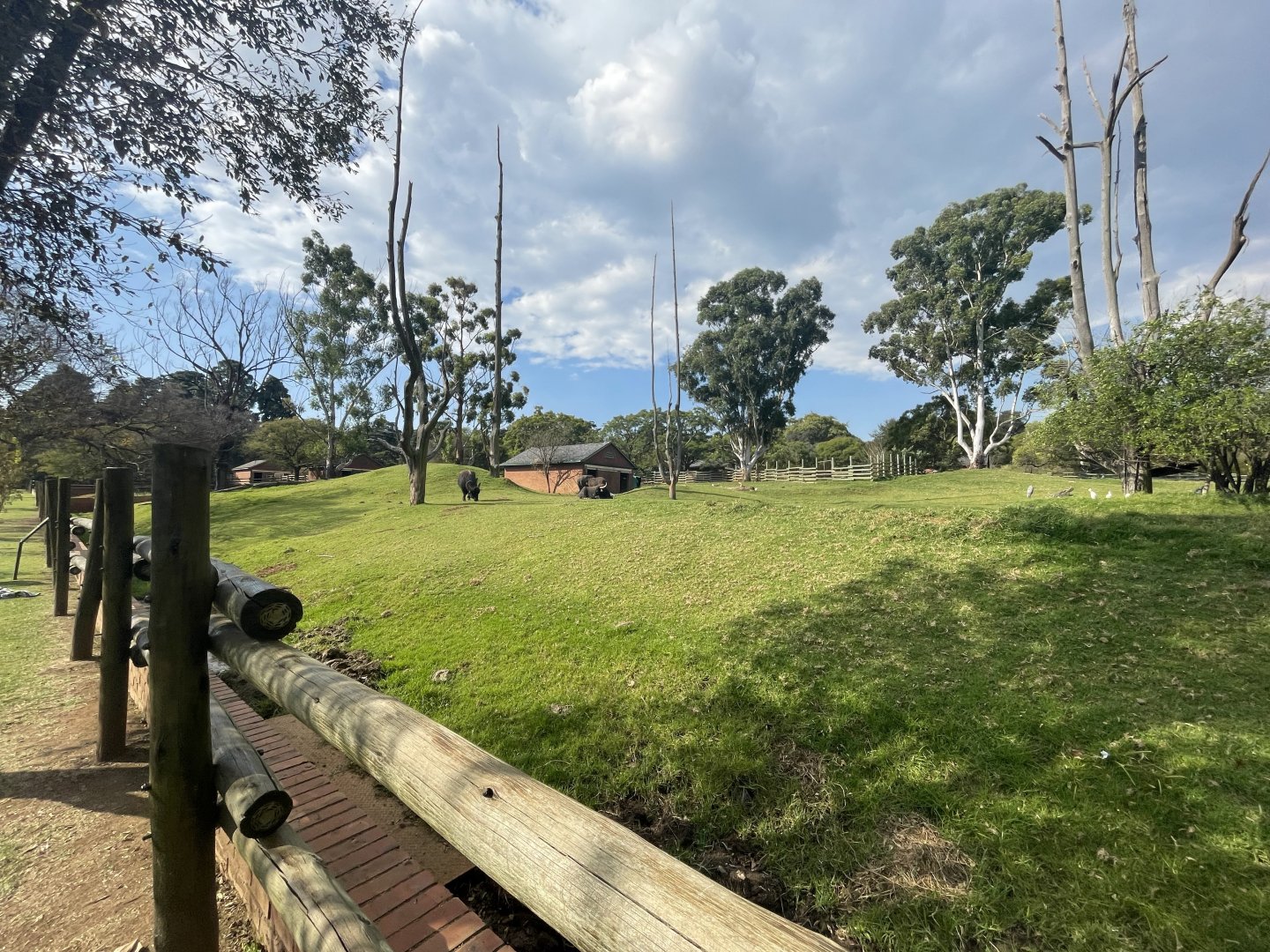
Near the former entrance of the zoo is an incredibly attractive paddock with a large pond, home to a family of Asiatic Water Buffalos and three female blackbuck.
Once the female blackbuck die out, this could make a perfect home for a small herd of Pére David's deer. This species is currently being bred in South Africa at the Wildschutsberg Game Reserve which could be a possible source.

[


Pére David's Deer have proven to breed quite successfully in the South African highland climate (The now-closed, Lichtenburg Breeding Centre maintained a very large herd with multiple births each year).
Johannesburg Zoo could play a large part in establishing an even larger captive population (This could act as a reservoir population to those present in Europe and the US), but could perhaps even serve as a future source of animals for reintroduction into China.


A third idea, one that is slightly farther-fetched than the prior. Two extensive rocky yards exist right at the entrance of the zoo, one home to Barbary Sheep and the other home to 3 marabou storks (an incredibly large home for the storks!), if alternative housing for the storks could be provided, a small herd of Himalayan tahr would certainly adapt well to this enclosure.
My idea is, instead of culling the remaining tahr population in Table Mountain National Park, sedate them and transport them to the Johannesburg Zoo, not only would this be acceptable in the public eye (There was quite an outcry when the culling was first suggested), but it would also be an alternative to killing an endangered species.
 
I've certainly wondered this many times, Most notably in the Joburg Zoo's ungulate collection.

The zoo has quite an expansive farmyard, in which your basic chickens, cows, horses, and ponies (Although I will admit, the bapedi sheep are welcome).
The paddocks for the cattle and horses are large, grassy enclosures perfect for any mid to large-sized ungulate.
I've imagined some of the following replacements though these fit into a more unlikely category as the farmyard is quite a draw for visitors:

Jersey Cattle - Forest Buffalo (Currently kept at the National Zoo and the Natal Zoo)
Shire Horse - Somali Wild Ass (Quite a stretch, due to the fact that an international import would be necessary)
Potbelly Pig - Yellow-backed duiker (A lush, forested yard, with an artificial stream, perfect for a small antelope)

Near the former entrance of the zoo is an incredibly attractive paddock with a large pond, home to a family of Asiatic Water Buffalos and three female blackbuck.
Once the female blackbuck die out, this could make a perfect home for a small herd of Pére David's deer. This species is currently being bred in South Africa at the Wildschutsberg Game Reserve which could be a possible source.

[


Pére David's Deer have proven to breed quite successfully in the South African highland climate (The now-closed, Lichtenburg Breeding Centre maintained a very large herd with multiple births each year).
Johannesburg Zoo could play a large part in establishing an even larger captive population (This could act as a reservoir population to those present in Europe and the US), but could perhaps even serve as a future source of animals for reintroduction into China.


A third idea, one that is slightly farther-fetched than the prior. Two extensive rocky yards exist right at the entrance of the zoo, one home to Barbary Sheep and the other home to 3 marabou storks (an incredibly large home for the storks!), if alternative housing for the storks could be provided, a small herd of Himalayan tahr would certainly adapt well to this enclosure.
My idea is, instead of culling the remaining tahr population in Table Mountain National Park, sedate them and transport them to the Johannesburg Zoo, not only would this be acceptable in the public eye (There was quite an outcry when the culling was first suggested), but it would also be an alternative to killing an endangered species.
Pere David Deer would almost certainly coexist with Blackbuck anyway
 
Thank you Jurek for this interesting thread. While I fully agree with the global idea, if we speak about an ark, the specie kept must have value as a captive population for the in-situ animals. This means genetical diversity which is probably the most limiting factor for expansion of already existing species. Beisa oryx for example was only imported initially by few zoos and the number of founders very limited. Even though the specie is endangered (and beautiful), it might make more sense to house one more groupe of scimtar-horned oryx, allowing the population to reach the critical size for maintaining genetic diversity.

Importing new species not currently held in captivity or in other regions of the world also need to consider this constraint. Therefore, importing 2 couples of Javan leopards will lead nowhere else than wasting genetic material of those individuals. If concertation is not wide enough among zoos to commit to a specie, the initiative of one or 2 institutions will not be enough.

One final thought on threats level. UICN retain diverse criteria for defining threat category. Some of them are very relevant for defining if zoos should keep a ex-situ safety population (total population size, biggest sub-population size, area of extent) but others are less relevant such as rate of decrease. Literally, one specie could still be represented by billions of individuals and be classified as "Critically endangered". Zoos are probably less relevant in this case than adressing the threat in-situ.
 
genetical diversity which is probably the most limiting factor for expansion of already existing species. Beisa oryx for example was only imported initially by few zoos and the number of founders very limited.

Thanks for the reply!

Large genetic diversity is ideal, however, many zoo (and even wild) populations live despite extremely low number of founders. So Lowland European Bison come from 7, Pere David's Deer come from 3 animals, Eastern Wapiti possibly from 2, less than 10, etc. Zoo populations of surprisingly many species in Europe descend from less than 10 individuals originally imported. I remember gaur (3), malayan tiger, visayan warty pig (8), Chacoan peccary (7), mishmi takin (3), Sichuan takin, Bawean deer (8) among others. For scimitar oryx, apparently only 2 herds were ever captured. So inbreeding is not always deadly for the species. There are several more technical papers discussing it.

And of course, it is usually easier to import few animals, and later additional founders, than to organize import of a large group at once.

If concertation is not wide enough among zoos to commit to a specie, the initiative of one or 2 institutions will not be enough.

Yes, I discovered for several groups, like antelope, Old World monkeys or small cats, that there will be not enough space for all the species. However, which species finds space depends from enthusiasm and interest, often of a single person.

I will compare two endangered wild pigs from Asia: babirusa and Visayan warty pig. Babirusas have been kept in zoos since many decades. The number of zoos interested have always been low. Visayan warty pigs were a species virtually unknown to anybody. In 2004, 8 were imported to Europe, thanks mostly to the enthusiasm of Radoslaw Ratajszczak from then Poznan zoo, later the famous director of Wroclaw zoo. Fast forward: 18 years later, Visayan warty pigs are kept in 46 institutions in Europe and more in Asia and America. And babirusas remain rare - 13 institutions only on Zootierliste.

So much depends from the enthusiastic people, accident, perhaps a kind of fashion in zoo world, that I am not trying to decide upfront that some species is doomed.

One final thought on threats level. UICN retain diverse criteria for defining threat category. Some of them are very relevant for defining if zoos should keep a ex-situ safety population (total population size, biggest sub-population size, area of extent) but others are less relevant such as rate of decrease. Literally, one specie could still be represented by billions of individuals and be classified as "Critically endangered". Zoos are probably less relevant in this case than adressing the threat in-situ.

I fully agree. I tried to mention it, not to complicate the matters. I pointed e.g. that the large introduced populations of Rusa / Timor deer, Chinese muntjac and Chinese water deer mean they are of less need of keeping in zoos. But political instability means that East Caucasian Ibex is more threatened than IUCN gives credit.
 
Last edited:
Visayan warty pigs are kept in 46 institutions in Europe and more in Asia and America. And babirusas remain rare - 13 institutions only on Zootierliste.

That's hardly surprising given the warty pig seems to be: 1. easier to care for 2. more endangered 3. more attractive 4. breeding faster and in bigger rate.
 
ZTL lists the following Old World monkeys in ZTL collections:

Critically Endangered: Crested black macaque: 31; Roloway monkey: 15; red-shanked douc langur: 3; Benin red-bellied guenon and western purple-faced langur: 1

Endangered: Barbary macaque: 153; crab-eating macaque: 68; Sunda pig-tailed macaque: 48; lion-tailed macaque: 46; Diana monkey: 23; collared mangabey: 22; drill and white-naped mangabey: 16; golden-bellied mangabey: 12; Francois' langur: 10; king colobus: 8; dusky langur: 7; moor macaque: 5; toque macaque: 3; proboscis monkey: 1

Vulnerable: mandrill: 61; Javan lutung: 24; black-crested mangabey: 21; L'Hoest's monkey: 19; bonnet macaque: 13; Tanzanian black-and-white colobus: 11; Hamlyn's monkey and Tonkean macaque: 8; stump-tailed macaque: 7; eastern putty-nosed monkey and northern gelada: 6; Lowe's monkey and northern pig-tailed macaque: 5; sooty mangabey: 4; grey-cheeked mangabey: 3; red-rumped putty-nosed guenon, Mount Kilimanjaro colobus and Heck's macaque: 1

Near Threatened: Patas monkey: 48; northern talapoin: 18; common mona monkey and western baboon: 13; red-tailed moustached monkey: 3 eastern lesser white-nosed and spot-nosed monkeys, yellow-nosed red-tailed guenon and Assam macaque: 2; western lesser white-nosed monkey: 1

Least Concern: Hamadryas baboon: 133; grivet: 101; Rhesus macaque: 83; Japanese macaque: 80; De Brazza's monkey: 64; mantled colobus: 49; Kikuyu colobus: 35; olive baboon: 28; gelada and grey langur: 20; green monkey: 15; Sykes' monkey and vervet: 7; western guereza: 6; black-cheeked red-tailed monkey: 4; Southern African vervet and Congo Basin Wolf's and Allen's swamp monkeys: 3; Schmidt's red-tailed and Tantalus monkeys and yellow baboon: 2; agile mangabey, Taiwan rock macaque, Angolan vervet, Bioko crowned, moustached and red-tailed monkeys and chacma: 1
 
Back
Top