Burgers' Zoo Burgers' Zoo News 2022

A question about the Bush and to a lesser extent the Desert and Mangrove - how are the free-ranging animals managed? For instance, finding and removing dead specimens and keeping track of numbers?
Keepers do daily walks around the Bush&Desert sometimes multiple times a day to observe the animals. But they also notice these things during observations of feeding platforms, and counting moments for certain species.
 
What about kit foxes in the old peccary enclosure? They're even smaller than skunks, i'm just unsure about their availability in europe.

Do you think it's a possibility they'll remove the exhibit entirely?
 
What about kit foxes in the old peccary enclosure? They're even smaller than skunks, i'm just unsure about their availability in europe.

Do you think it's a possibility they'll remove the exhibit entirely?
Kitfoxes are a rarity to come by and not great to hold on the longterm. Which is clearly the direction they seem to be going in with the desert, as North American species are quite a challenge to find and keep a fresh bloodline of.

The peccary enclosure is the welcoming enclosure when you enter the desert through the mines. Meaning having that empty, is not really wow-ing the guests and keeping them intrueged in the ecodisplay. It will likely get some animals.
 
wouldn't the coaties pretate on the birds, liek the Socorro doves ?

The skunks will do so too...

Both coati and skunks (and yes skunks are also nocturnal, but most zoos keep them fine in diurnal exhibits and the ones in Burgers' were kept with the ringtails and were hardly active) only very rarely feed on birds. So if they could keep the area as unattractive for birds as it is now, I don't think that would be a huge issue.

Kitfoxes are a rarity to come by and not great to hold on the longterm. Which is clearly the direction they seem to be going in with the desert, as North American species are quite a challenge to find and keep a fresh bloodline of.

That has never been a reason for Burgers' Zoo not to keep a species if they think it fits really well in their ecodisplay. See screaming piha and ringtail as examples or even the Merriam's kangaroo rats. It is an issue, but not the only issue. For foxes a bigger problem is that you would need major new barriers as they can jump high, so getting the area suitable would need the construction of a cage structure or really high rocks, both of which I don't see happening.

In the end the easiest species to put in there would be Prairie dogs, just hope that that doesn't happen :p
 
Both coati and skunks (and yes skunks are also nocturnal, but most zoos keep them fine in diurnal exhibits and the ones in Burgers' were kept with the ringtails and were hardly active) only very rarely feed on birds. So if they could keep the area as unattractive for birds as it is now, I don't think that would be a huge issue.


That has never been a reason for Burgers' Zoo not to keep a species if they think it fits really well in their ecodisplay. See screaming piha and ringtail as examples or even the Merriam's kangaroo rats. It is an issue, but not the only issue. For foxes a bigger problem is that you would need major new barriers as they can jump high, so getting the area suitable would need the construction of a cage structure or really high rocks, both of which I don't see happening.

In the end the easiest species to put in there would be Prairie dogs, just hope that that doesn't happen :p
You are giving examples of animals that were imported back in the day. The more recent changes have all been 'sustainable' animals as the problem with importing is just the amounts available. With the piha recently they were lucky, but you can't rely on importing a single group of animals that doesn't have another bloodline somewhere in the EAZA around, or atleast a future with the EAZA.. There is a reason they got rid of the bighorn sheep.

Expect something simple and cute that is North American and already somewhat available in the EAZA and if they really were to risk it with a unique species, it will only be a nice bonus.
 
You are giving examples of animals that were imported back in the day. The more recent changes have all been 'sustainable' animals as the problem with importing is just the amounts available. With the piha recently they were lucky, but you can't rely on importing a single group of animals that doesn't have another bloodline somewhere in the EAZA around, or atleast a future with the EAZA.. There is a reason they got rid of the bighorn sheep.

Expect something simple and cute that is North American and already somewhat available in the EAZA and if they really were to risk it with a unique species, it will only be a nice bonus.

Back in the day is 2015 in the case of the ringtails, which was when the current 4 individuals arrived. I know there has been a change in curators since then, but let's not pretend it is ages ago.

If as you state they only want to maintain species that have a future in EAZA that is clearly incorrect. Many bird species currently kept are of seemingly low interest to most other eaza members and the only way to maintain them is to breed them yourself in sufficient numbers (e.g. roadrunners and pinon imperial pigeons) or work together closely with private keepers (e.g. the quails). Burgers' does it as they are species that fit the ecodisplays very well, regardless whether other eaza zoos are interested or not.

I mentioned the kangaroo rats as an example of a species they put a lot of effort in and are once again breeding prolifically. But all European animals come from the original Burgers Zoo import and the current breeding in Burgers' was only achieved by bringing back animals from Poznan whose ancestors came from Arnhem. That is not a case of fantastic genetic diversity and carries a risk for future sustainability of such a species in zoos. But they are still maintained anyway

I agree that importing kit foxes is out of the question and doesn't make much sense. But you are oversimplifying that how hard it is to acquire an animal (and whether other EAZA zoos are interested) is the only reason not to do it.
 
Back in the day is 2015 in the case of the ringtails, which was when the current 4 individuals arrived. I know there has been a change in curators since then, but let's not pretend it is ages ago.

If as you state they only want to maintain species that have a future in EAZA that is clearly incorrect. Many bird species currently kept are of seemingly low interest to most other eaza members and the only way to maintain them is to breed them yourself in sufficient numbers (e.g. roadrunners and pinon imperial pigeons) or work together closely with private keepers (e.g. the quails). Burgers' does it as they are species that fit the ecodisplays very well, regardless whether other eaza zoos are interested or not.

I mentioned the kangaroo rats as an example of a species they put a lot of effort in and are once again breeding prolifically. But all European animals come from the original Burgers Zoo import and the current breeding in Burgers' was only achieved by bringing back animals from Poznan whose ancestors came from Arnhem. That is not a case of fantastic genetic diversity and carries a risk for future sustainability of such a species in zoos. But they are still maintained anyway

I agree that importing kit foxes is out of the question and doesn't make much sense. But you are oversimplifying that how hard it is to acquire an animal (and whether other EAZA zoos are interested) is the only reason not to do it.
Perhaps a good read for you regarding the collections choice is the article the zoo posted last week I believe on their collectionplan. It might explain the perspective I am trying to draw here.
 
Perhaps a good read for you regarding the collections choice is the article the zoo posted last week I believe on their collectionplan. It might explain the perspective I am trying to draw here.

I had already read it (twice) before posting my reply and the article clearly writes that "clarifying an ecodisplay" can be a good reason to keep investing in a species, mentioning screaming piha as an example. In the (recent) past Burgers' has clearly shown that it is willing to invest in species EAZA is uninterested in. So I am not sure where the difference in viewpoint comes from.
 
Isn't it also true that the EAZA specifically sends rarer bird species to BZ because of their breeding success?

(I could be absolutely wrong on this)
 
Isn't it also true that the EAZA specifically sends rarer bird species to BZ because of their breeding success?

(I could be absolutely wrong on this)

Hardly, but as any zoo Burgers' is approached from time to time whether they want to take up a specific species. How often it happens I don't know as the public only gets to know when such a species is accepted and not when it is refused. There are two easy examples currently kept where this has been the case and Burgers' was selected because of certain strengths:
- Socorro pigeons: Burgers' was approached (multiple times before accepting) by the studbook keeper whether they wanted to keep this species in the Desert, given their success with white-winged dove (breeding like rabbits for close to 30 years now). Initially they turned it down because the species doesn't precisely fit into the Sonoran theme, but in the end they changed their mind and have now been successful with them for 25 years.
- Vietnam pheasants: multiple zoos with greenhouses were contacted in recent years (Wildlands and Zoom Gelsenkirchen are 2 others) whether they wanted to keep this species as a research project to gather data in a semi-naturalistic setting that might come in handy for a re-introduction project that is being set up. That clearly fits several roles that are listed in their new method.
 
News from my visit this week:

Bush:
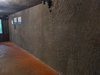
One of the Tapir heads has been removed from the Bush entrance
20221108_141151.jpg

The Bush restaurant is fully open now (has been for a little bit, but I wasn't able to visit it yet).
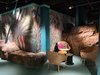
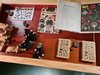
Its quite nice, with a lot of rockwork along the walls. No terrariums, sad but expected. The water feature I thought I saw was not there, but most of the walls had wonderful murals filled with animals, including quite a few Bush birds, as well as non-Bush animals (it would've been nice it it was only Bush animals but oh well). It also included some plants and flowers you can find in the Bush
20221108_141304.jpg 20221108_141324.jpg 20221108_141417.jpg

The new menu is quite nice, including a new burger buildup (I'll admit that I always go for the Burgers, I'll try some other things for my next visit). It now includes some surprisingly sweet onions and a piece of cauliflower instead of the pickle and tomato slice it had before. Meaning there's now different burgers in every restaurant.

Desert:
The old Scorpion enclosure now has another Red-knee tarantula as inhabitant, the enclosure has been changed slightly to house it. A shame, as BZ had the most visible scorpion in a Dutch zoo and the new Tarantula is difficult to spot
20221108_144056.jpg

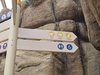
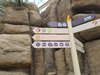
The bighorn sheep has finally been removed from the directional signage and replaced with prairie dog
20221108_144156.jpg 20221108_144206.jpg

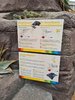
The Collared peccary signage was added to the prairie dog enclosure
20221108_144918.jpg

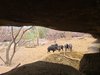
Speaking of Peccaries, their area has been slightly expanded to now include the whole top ledge
20221108_145019.jpg
 

Attachments

  • 20221108_141151.jpg
    20221108_141151.jpg
    131.5 KB · Views: 12
  • 20221108_141304.jpg
    20221108_141304.jpg
    224.2 KB · Views: 11
  • 20221108_141324.jpg
    20221108_141324.jpg
    152.2 KB · Views: 11
  • 20221108_141417.jpg
    20221108_141417.jpg
    132.5 KB · Views: 11
  • 20221108_144056.jpg
    20221108_144056.jpg
    145.6 KB · Views: 28
  • 20221108_144156.jpg
    20221108_144156.jpg
    238.2 KB · Views: 10
  • 20221108_144206.jpg
    20221108_144206.jpg
    224.3 KB · Views: 11
  • 20221108_144918.jpg
    20221108_144918.jpg
    163.2 KB · Views: 7
  • 20221108_145019.jpg
    20221108_145019.jpg
    194.1 KB · Views: 11
Last edited:
Mangrove:

A on my previous visit a guide mentioned that the basilisks had laid eggs, which were put into an incubater and would be released later. It seems that has now happened, as I believe I've spotted one of the juveniles
20221108_150442.jpg

Ocean:
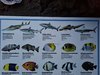
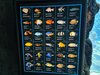
It appears most of the signage has had an update. I'll admit that I don't know exactly what species used to be on there, but I definitely see changes, like:

Grey reef shark on the shark tank sign:
20221108_160235.jpg

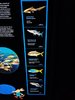
Leopard shark on the open ocean tank sign (as well as the removal of one of the schooling Fish that hadn't been present in a while:
20221108_160349.jpg

All three rays in the tunnel tank sign (eagle Ray not included in the list, but is signed bigger in the middle):
20221108_160406.jpg

A new species of ray in the giant coral reef tank (which was also added to the signage)
20221108_160116.jpg 20221108_160120.jpg

And I forgot to take a picture of it, but there are now three species of shark signed in the first area of the lagoon tank (Nurse shark, Wobbegong and Epaulette shark)

Bush and Desert (again because ZC limits the amounts of photos you can upload):

The restaurant now also has a small Bush-themed gift shop where you can buy more bird cards, as well as stuffed fruit bats, Aardvark, and Plant books
20221108_153210.jpg

Also a picture of the new Buffet area (noticed how the kitchen counters are made to look like market stalls with the hangers in front)
20221108_153227.jpg

Finally, they were weighing one of the porcupines, who didn't seem to like that:
20221108_162143.jpg
 

Attachments

  • 20221108_150442.jpg
    20221108_150442.jpg
    218.7 KB · Views: 26
  • 20221108_153210.jpg
    20221108_153210.jpg
    188.5 KB · Views: 12
  • 20221108_153227.jpg
    20221108_153227.jpg
    156.4 KB · Views: 11
  • 20221108_160116.jpg
    20221108_160116.jpg
    286.7 KB · Views: 12
  • 20221108_160235.jpg
    20221108_160235.jpg
    135.2 KB · Views: 10
  • 20221108_160349.jpg
    20221108_160349.jpg
    66.8 KB · Views: 11
  • 20221108_160120.jpg
    20221108_160120.jpg
    168.3 KB · Views: 12
  • 20221108_162143.jpg
    20221108_162143.jpg
    256.2 KB · Views: 13
  • 20221108_160406.jpg
    20221108_160406.jpg
    84.1 KB · Views: 12
Last edited:
Mangrove:

A on my previous visit a guide mentioned that the basilisks had laid eggs, which were put into an incubater and would be released later. It seems that has now happened, as I believe I've spotted one of the juveniles
View attachment 586929

Ocean:
It appears most of the signage has had an update. I'll admit that I don't know exactly what species used to be on there, but I definitely see changes, like:

Grey reef shark on the shark tank sign:
View attachment 586933

Leopard shark on the open ocean tank sign (as well as the removal of one of the schooling Fish that hadn't been present in a while:
View attachment 586934

All three rays in the tunnel tank sign (eagle Ray not included in the list, but is signed bigger in the middle):
View attachment 586942

A new species of ray in the giant coral reef tank (which was also added to the signage)
View attachment 586932 View attachment 586937

And I forgot to take a picture of it, but there are now three species of shark signed in the first area of the lagoon tank (Nurse shark, Wobbegong and Epaulette shark)

Bush and Desert (again because ZC limits the amounts of photos you can upload):

The restaurant now also has a small Bush-themed gift shop where you can buy more bird cards, as well as stuffed fruit bats, Aardvark, and Plant books
View attachment 586930

Also a picture of the new Buffet area (noticed how the kitchen counters are made to look like market stalls with the hangers in front)
View attachment 586931

Finally, they were weighing one of the porcupines, who didn't seem to like that:
View attachment 586938

While the Ocean signage was updated, it still contains some errors. Both the wobbegong and nurse shark continue to be kept only in the deeper part of the lagune. The ray species in the large coral tank is also a blue-spotted ribbonyail ray (Taeniura lymna) not a Neotrygon as is signed...
 
While the Ocean signage was updated, it still contains some errors. Both the wobbegong and nurse shark continue to be kept only in the deeper part of the lagune. The ray species in the large coral tank is also a blue-spotted ribbonyail ray (Taeniura lymna) not a Neotrygon as is signed...
In the past the fish could swim between both sides of the lagune. Maybe the water level is too low for the big fishes
 
Back
Top