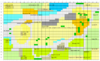
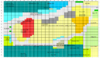
After several threads about zoos with limited space, I imagined a zoo only 5 hectares (12,3 acres) of area, but not missing big animals, not cramped nor impoverished.
I limited large animals to relatively few species, but with spacious enclosures similar in size to newly built exhibits in other zoos. They include most ABC favorites, except elephants. The moves are: focus on smaller animals, mixed-species exhibits and building on two levels.
Two levels
Small mammal house is located under lion rocks. A large building containing administration, freshwater aquarium and terrarium is hidden under enclosures of sloth bears, tigers and leopards. Large aquarium similar in size to Burgers Ocean is hidden under the enclosures for polar bears, rocks of penguins and sealions, a restaurant and playground. Bottom of the animals pools is at the ground level, and there are underwater views from inside the aquarium.
The luxury restaurant has two glass walls on two sides – one looking at the rocky polar bear exhibit, another underwater into a tropical reef. The effect is like a magical luggage.
A roof of an animal house with an exhibit is unusual, but roofs of city buildings can have live grass, cafes, even swimming pools. So why not an animal exhibit? Skylights on the roof are protected by mesh and hidden behind tufts of tall grass or artificial rocks. The main limitation is installing heavy boulders and tree trunks as furnishings.
If this concept does not work, just redevelop the zoo into a 5.8 ha zoo on one level.
Layout
The zoo is generally divided into three sections. The first is this aquarium with polar animals: polar bears, penguins and sealions, a luxury restauranr and playground..
The centre of the zoo is occupied by the African savanna paddock with giraffe, zebra, kudu, springbok, ostriches and unusually, dromedaries, warthogs, rock hyrax and zebra mongoose. This one paddock takes about 20% of the zoo. Warthogs have two artificial termite mounds with holes to hide in and several burrows. Unusually, thorny buses grow in the dry moat, giving a feeling there is no separation.
Adjacent is the pair of paddocks of black rhinos, mixed with roloway and owl-faced guenons, bat-eared foxes, white-naped mangbeys and king colobus. Primates live on tree islands and climbing structures meters over the heads of the rhinos.
This area is overlooked by rocky exhibits for lions and a sandy meerkat area. The main viewing path is designed so, that it gives a 200 m view along the full length of the zoo – at the lions in one direction, and all across the savanna and rhino paddock in another direction.
The remaining larger complex is South Asian jungle, with spacious indoor exhibits and outdoor ones viewed through glass and dry moats. Sloth bears live with javan langurs, orangutans with buff-cheeked gibbons and small-clawed otters, sulawesi crested macaques with babirusas, gharials with turtles and tropical butterflies. There are also sumatran tigers, javan leopards, a very tall hornbill aviary, walkthru area for Balabac chevrotains and birds, and smaller exhibits for pythons and other reptiles. The second restaurant has a look through the glass at the tigers, and opens in outdoor tables at the African savanna.
I limited large animals to relatively few species, but with spacious enclosures similar in size to newly built exhibits in other zoos. They include most ABC favorites, except elephants. The moves are: focus on smaller animals, mixed-species exhibits and building on two levels.
Two levels
Small mammal house is located under lion rocks. A large building containing administration, freshwater aquarium and terrarium is hidden under enclosures of sloth bears, tigers and leopards. Large aquarium similar in size to Burgers Ocean is hidden under the enclosures for polar bears, rocks of penguins and sealions, a restaurant and playground. Bottom of the animals pools is at the ground level, and there are underwater views from inside the aquarium.
The luxury restaurant has two glass walls on two sides – one looking at the rocky polar bear exhibit, another underwater into a tropical reef. The effect is like a magical luggage.
A roof of an animal house with an exhibit is unusual, but roofs of city buildings can have live grass, cafes, even swimming pools. So why not an animal exhibit? Skylights on the roof are protected by mesh and hidden behind tufts of tall grass or artificial rocks. The main limitation is installing heavy boulders and tree trunks as furnishings.
If this concept does not work, just redevelop the zoo into a 5.8 ha zoo on one level.
Layout
The zoo is generally divided into three sections. The first is this aquarium with polar animals: polar bears, penguins and sealions, a luxury restauranr and playground..
The centre of the zoo is occupied by the African savanna paddock with giraffe, zebra, kudu, springbok, ostriches and unusually, dromedaries, warthogs, rock hyrax and zebra mongoose. This one paddock takes about 20% of the zoo. Warthogs have two artificial termite mounds with holes to hide in and several burrows. Unusually, thorny buses grow in the dry moat, giving a feeling there is no separation.
Adjacent is the pair of paddocks of black rhinos, mixed with roloway and owl-faced guenons, bat-eared foxes, white-naped mangbeys and king colobus. Primates live on tree islands and climbing structures meters over the heads of the rhinos.
This area is overlooked by rocky exhibits for lions and a sandy meerkat area. The main viewing path is designed so, that it gives a 200 m view along the full length of the zoo – at the lions in one direction, and all across the savanna and rhino paddock in another direction.
The remaining larger complex is South Asian jungle, with spacious indoor exhibits and outdoor ones viewed through glass and dry moats. Sloth bears live with javan langurs, orangutans with buff-cheeked gibbons and small-clawed otters, sulawesi crested macaques with babirusas, gharials with turtles and tropical butterflies. There are also sumatran tigers, javan leopards, a very tall hornbill aviary, walkthru area for Balabac chevrotains and birds, and smaller exhibits for pythons and other reptiles. The second restaurant has a look through the glass at the tigers, and opens in outdoor tables at the African savanna.