A pub, a garden, a shop, a park, and a second chance...

TNT

Well-Known Member
5+ year member
This past weekend @migdog and I were able to visit five collections in the south of England; all five were new for me, with only two new additions for my traveling companion. You may guess a couple of the collections from the title, but in order of our visits and the subsequent overviews that will be posted, we have: (1) Fenn Bell Conservation Project, (2) Hemsley Conservation Centre, (3) Get To Know Animals, (4) Cedars Nature Centre, and (5) Ventura Wildlife Foundation, at Cassiobury Farm and Fishery.

Over the next week or so I hope to provide a fair and honest overview of each zoo, highlighting species of note, future developments, and general comments of our experience etc... I will include photos where possible, but will upload a more comprehensive overview to the gallery when time permits.

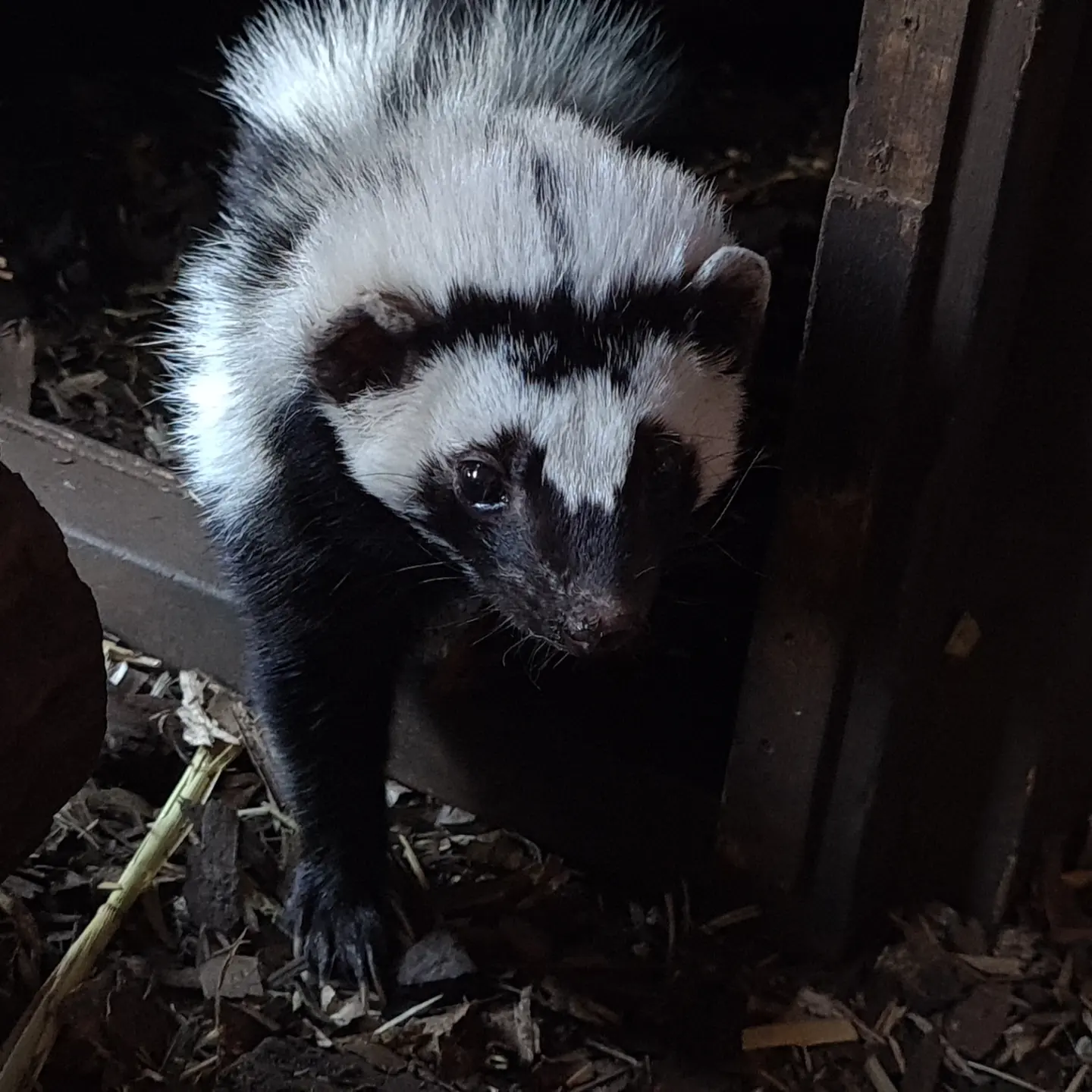
Until then, I'll leave you all with a photo of a personal highlight of the weekend. Ziggy the Zorilla at Cedars Nature Centre!
 

Attachments

(1) Fenn Bell Conservation Project

I’ll start my first post with a quote from a good friend of mine…“It’s a zoo attached to a pub, it sounds like the best place in the world”. Whilst Fenn Bell may not be the best place in the world, or even the best zoo, I came away with a positive outlook of the place. At the zoo you’ll see many examples of classic British “wood and wire” exhibits (a reoccurring theme over the weekend), but most were good quality and provided adequate space and furnishings for their inhabitants, many of which are rescues.

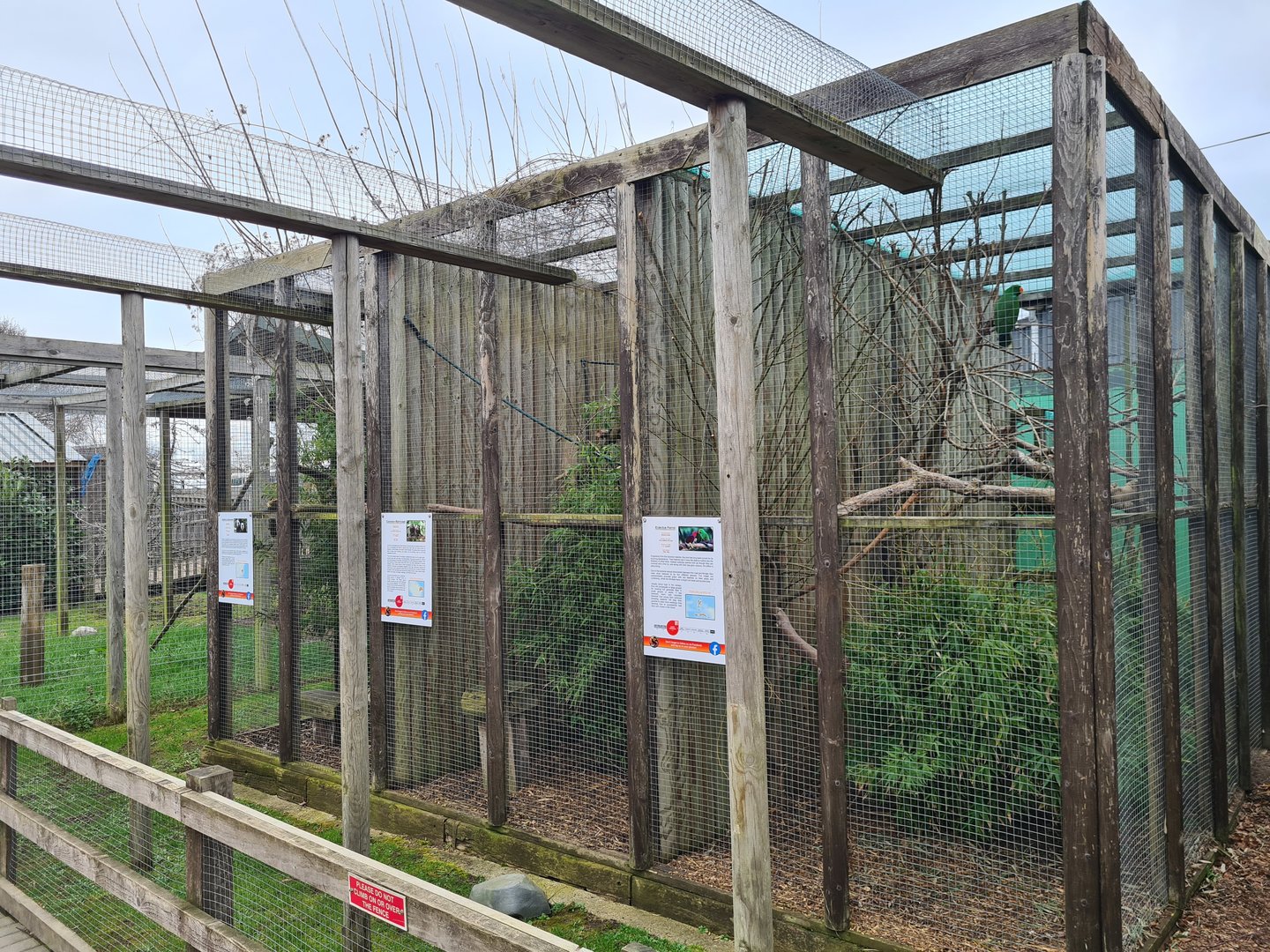
The first enclosures you’ll see as you enter the zoo through the new entrance are what I’d assume to be some of the first to be constructed, and are home to smaller birds and primates (Toco toucan, eclectus parrots, common and Geoffroy’s marmoset). The old capuchin exhibit is now empty and stripped of all furnishings.


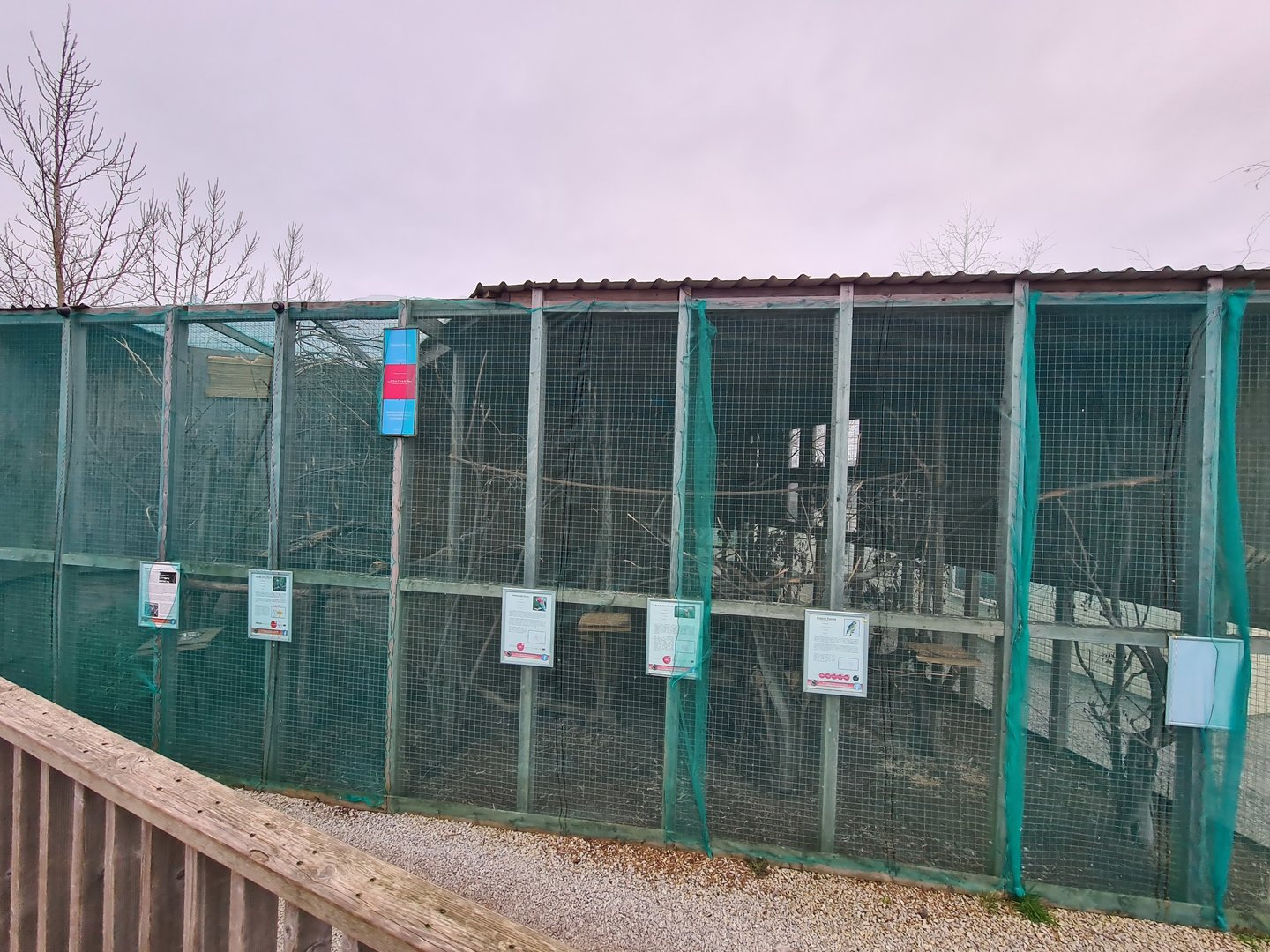
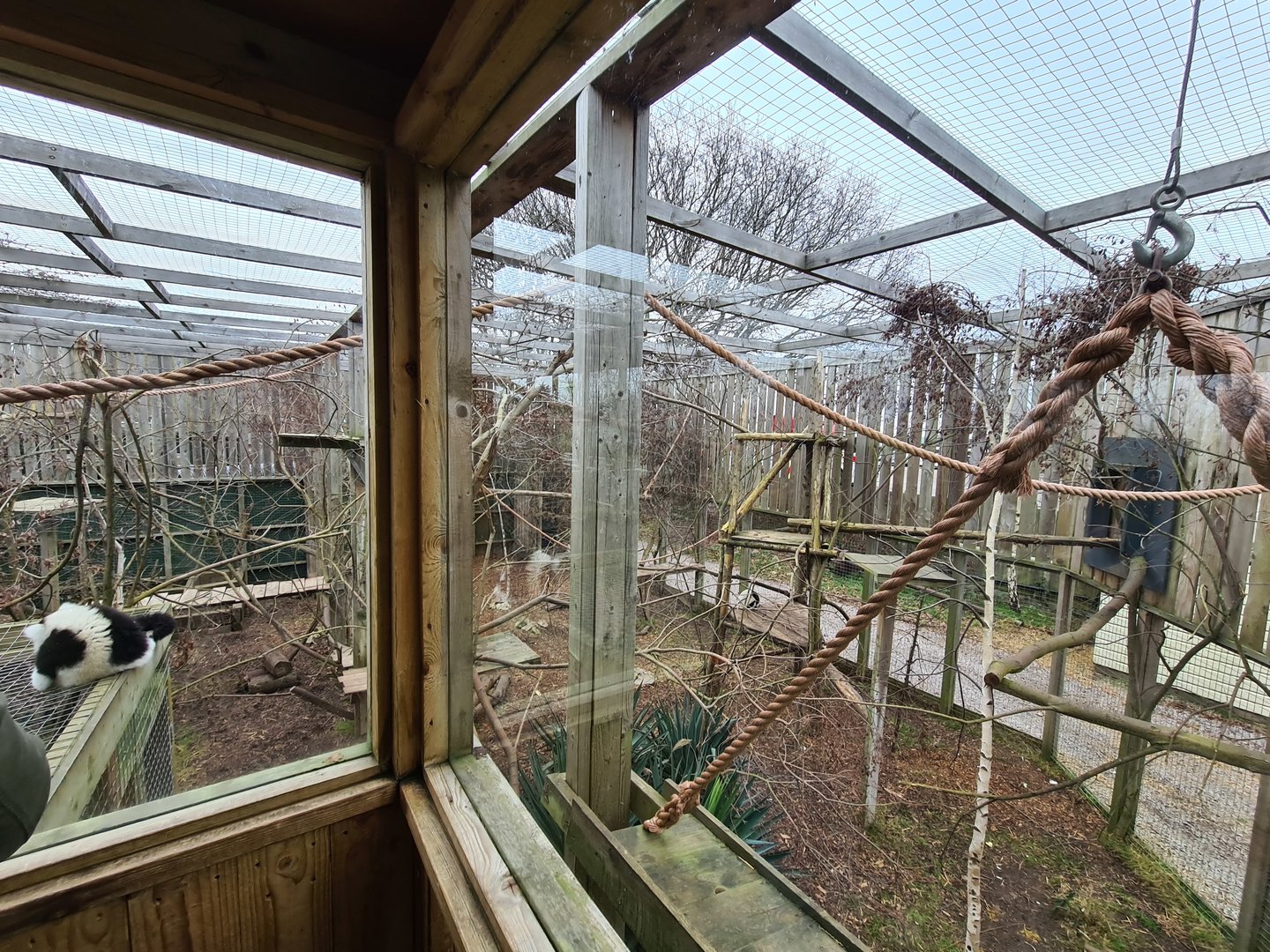
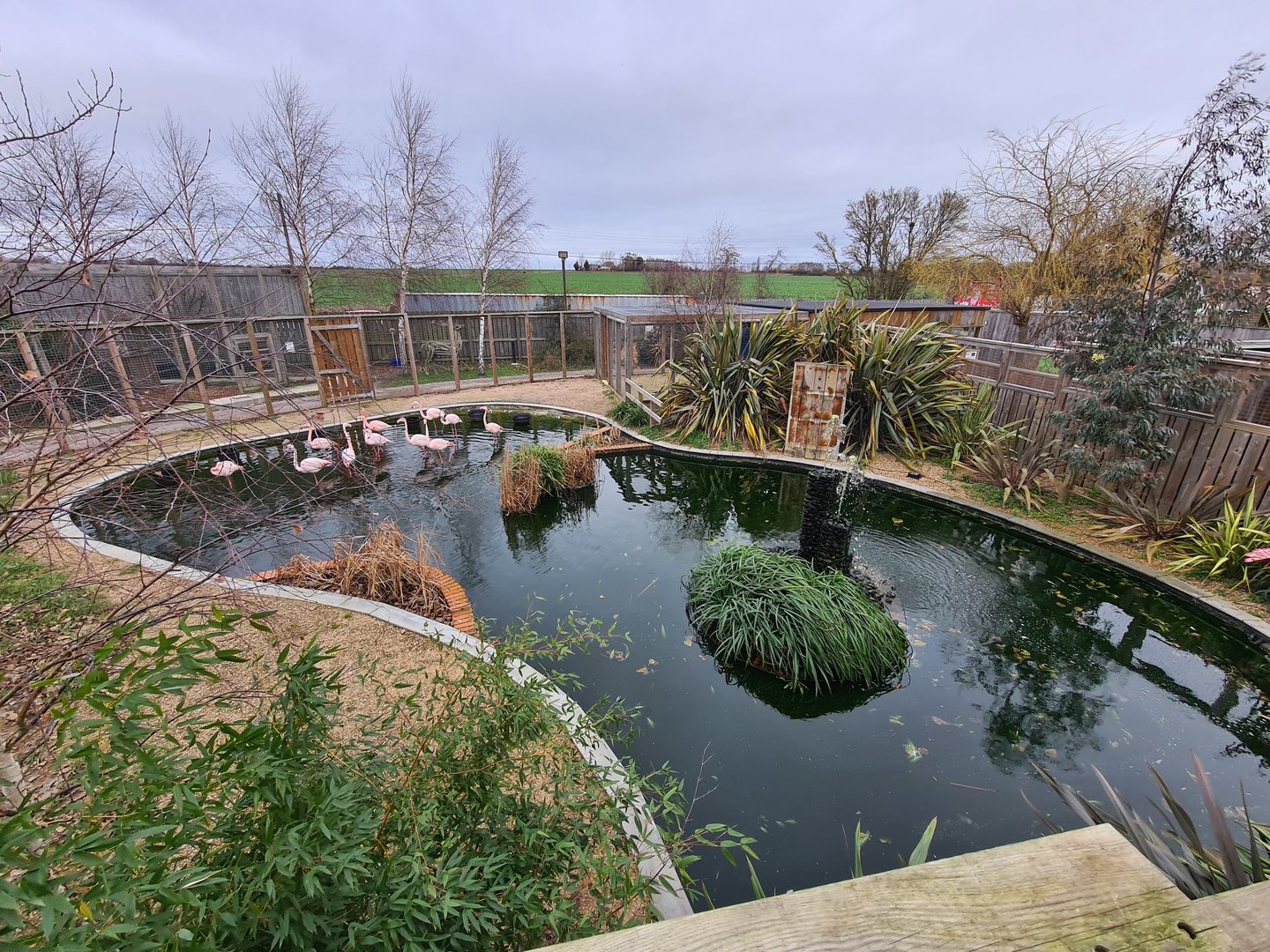
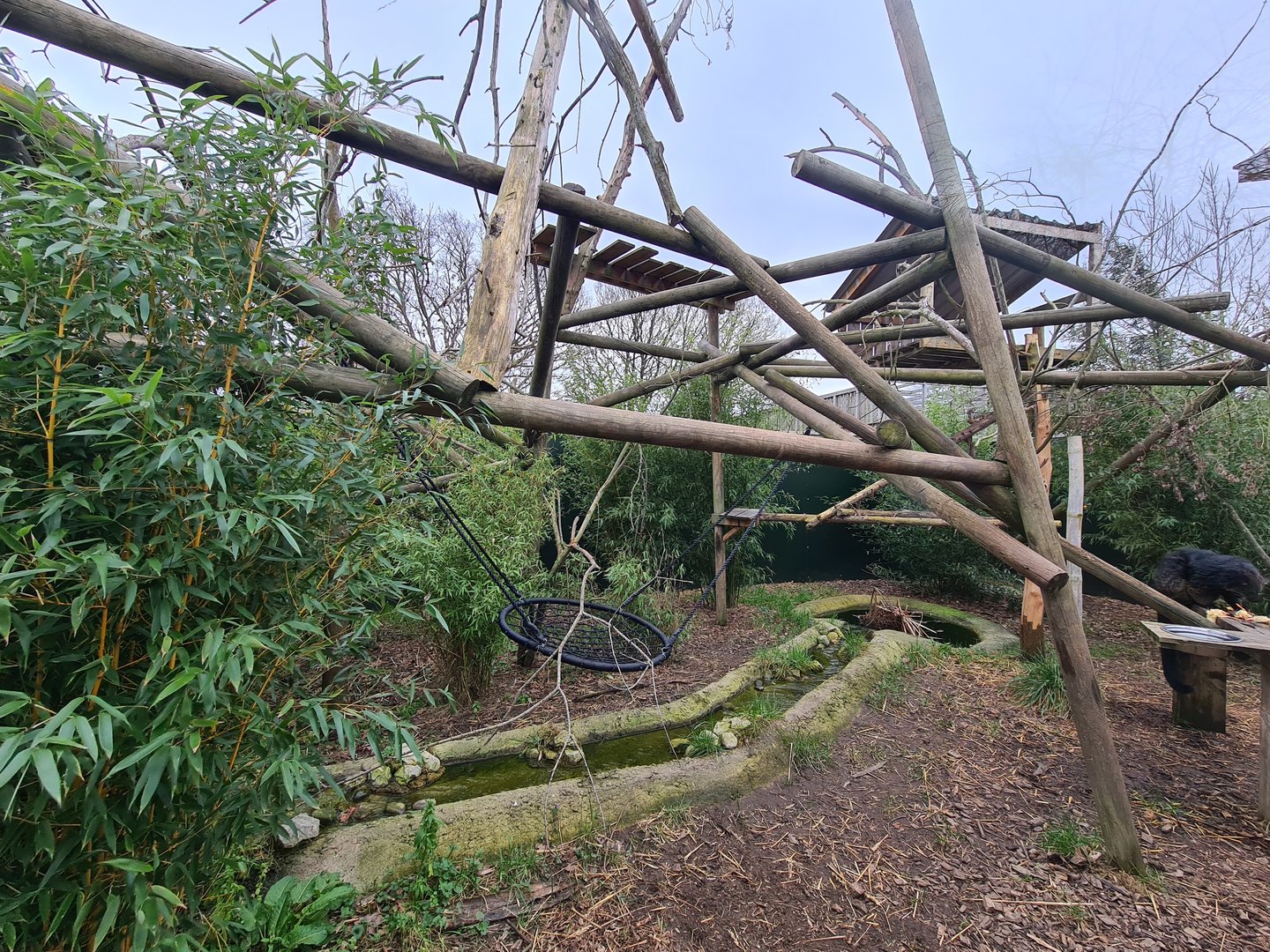
The zoo makes good use of it’s limited space with a raised walkway, offering good views of the collection. Some of the larger enclosed exhibits you’ll see along the walkway include a tall aviary for various parrot species (Currently covered by netting which I would assume has been added in response to the HPAI related housing order for captive birds in the UK), and an unusual but seemingly successful mix of black and white ruffed lemurs and Kirk’s dik-dik. I was very impressed with this exhibit, and it provided good viewing opportunities of both species. Open topped exhibits along the walkway include a pen for pigs, an attractive pool for a small greater flamingo flock (I was surprised to see them outside due to the housing order, but I would assume this decision has been made on welfare grounds), and another exhibit for red foxes. The fox exhibit is quite large and has lots of platforms, some of which were built as part of the Team Building with BITE monthly patreon builds. For a zoo of its size, it’s quite carnivore heavy, and towards the end of the walkway you are offered both aerial and ground level views of the binturong enclosure. They’ve made good use of the space and have developed quite an attractive display, though I thought the housing was too small and lacked privacy. The coati were housed in a similar open topped exhibit.


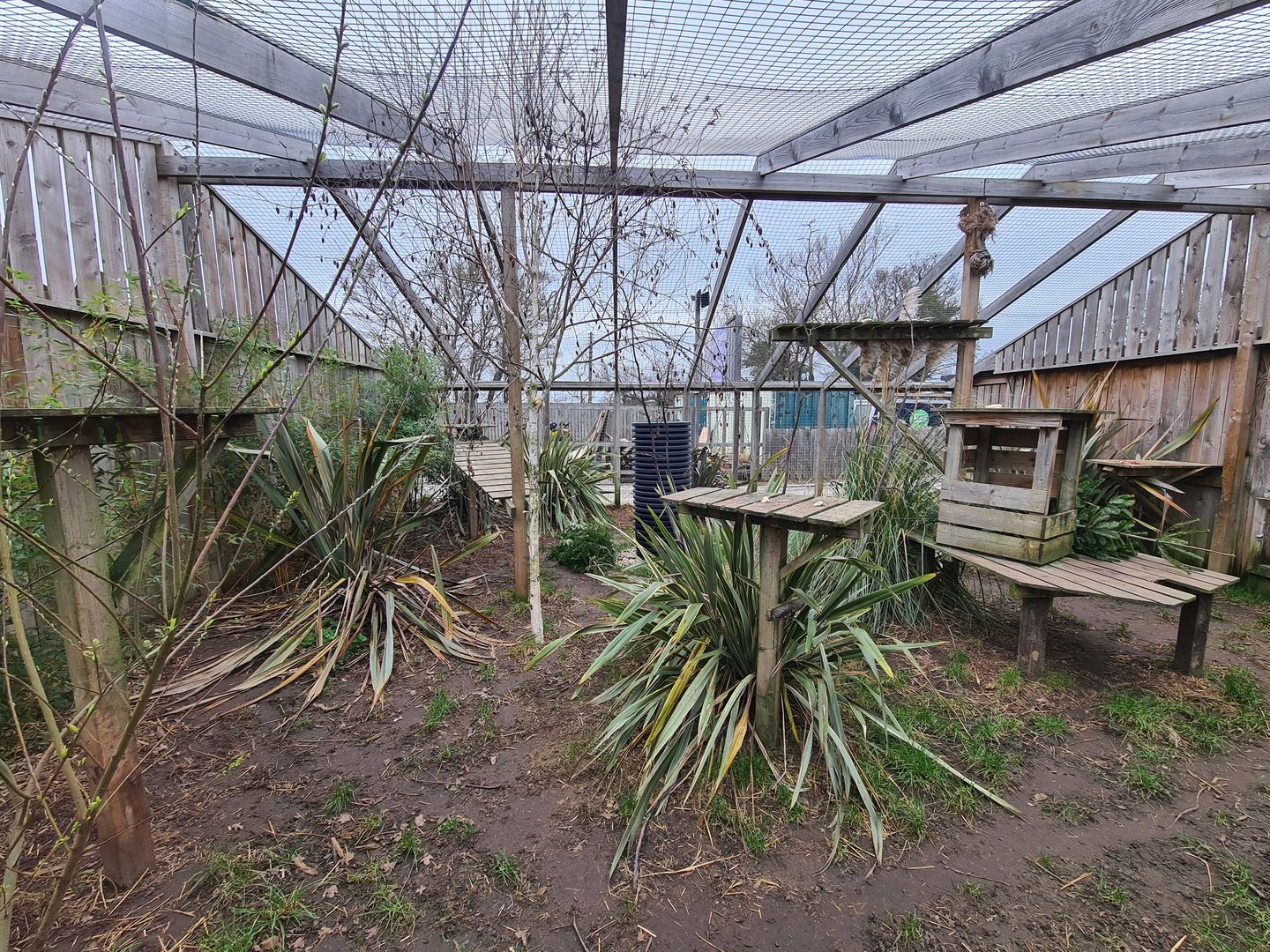
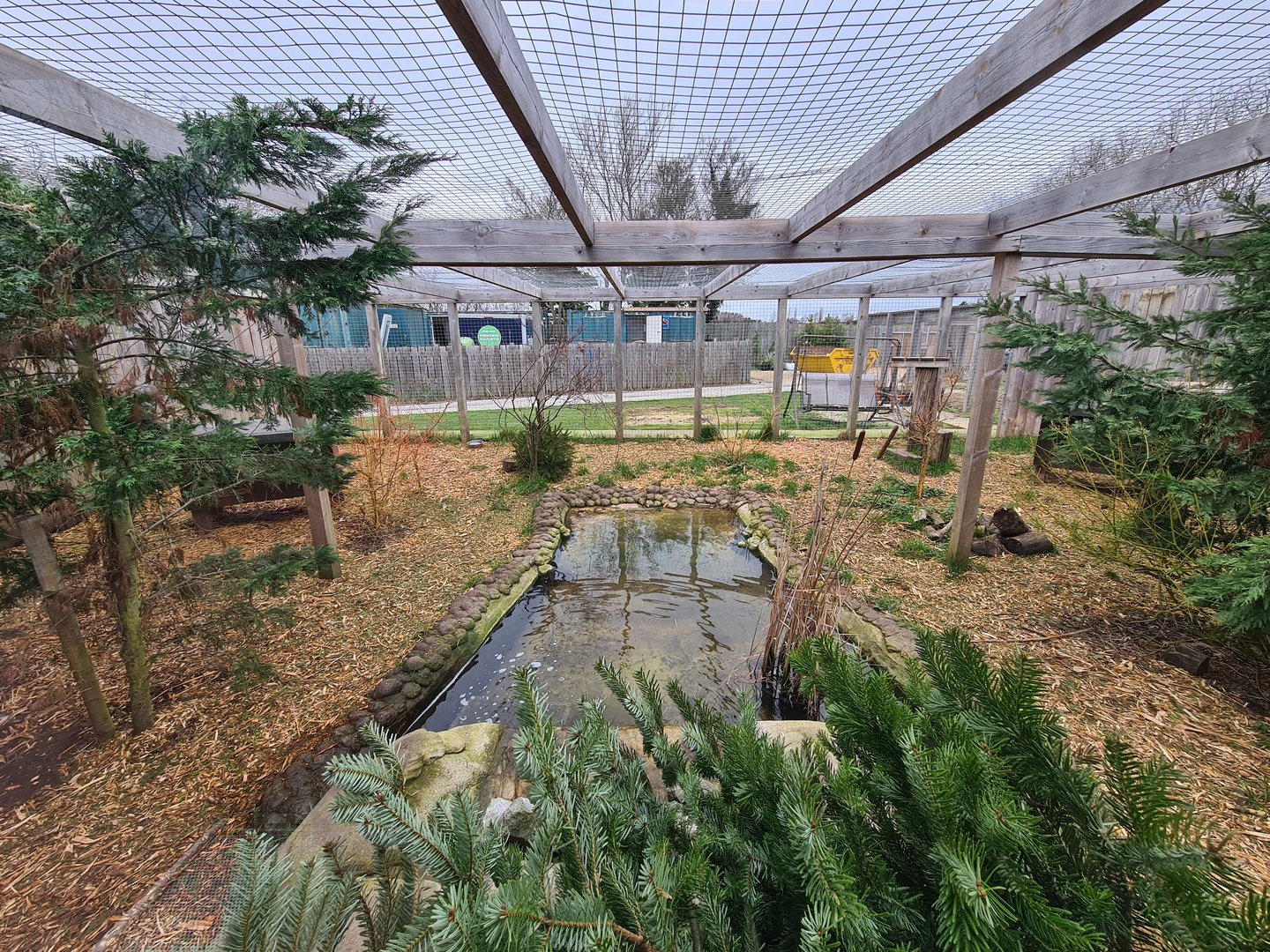
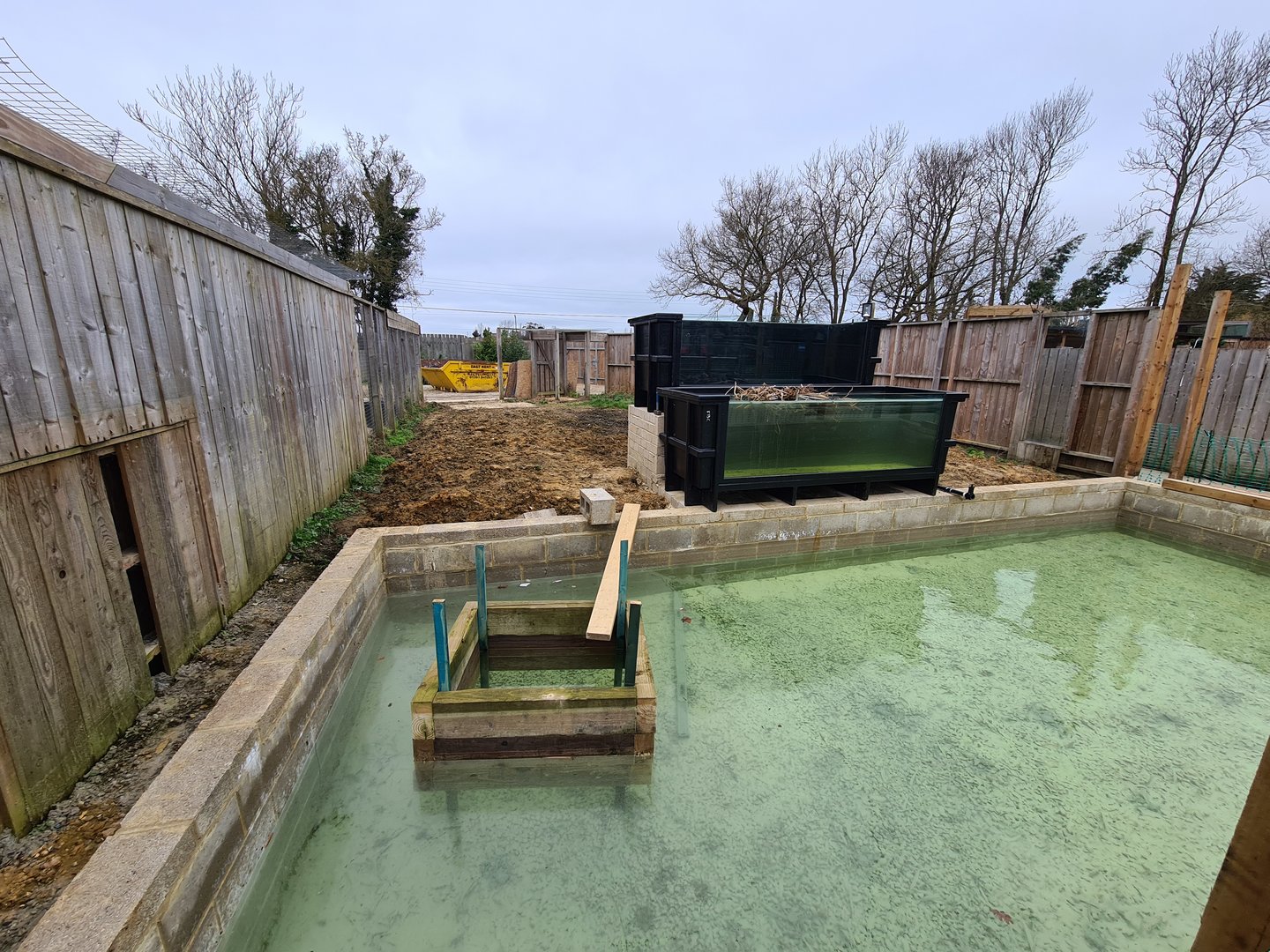
Pairs of serval and fishing cat are kept in enclosed exhibits with improved indoor housing. Some might say that the serval exhibit is on the small side, but I’d say it seems adequate for the rescue animals it houses. Both species were very active during our visit and made good use of the platforms in their enclosures; I don’t think I’ve ever has such good views fishing cats before. Next to the fishing cat enclosure was an area under construction. This included a multi-level water feature, which I assume will allow underwater viewing of its future inhabitants. Two of the nicest exhibits at the zoo were for another set of carnivores, Asian small clawed otters and meerkats. The otters have a lovely semi-natural pond and were very active on our visit. Unlike other zoo-housed otters I’ve seen, they weren’t overly visitor reactive, which made a nice change. Nearby is a raccoon dog exhibit, and an aviary for a barn owl. From this area you can take a “train” ride around the whole zoo where you’re given a different viewing perspective of all the animals. We were lucky to have the first ride of the day, with the owner letting us know that we had likely managed to avoid a long queue.


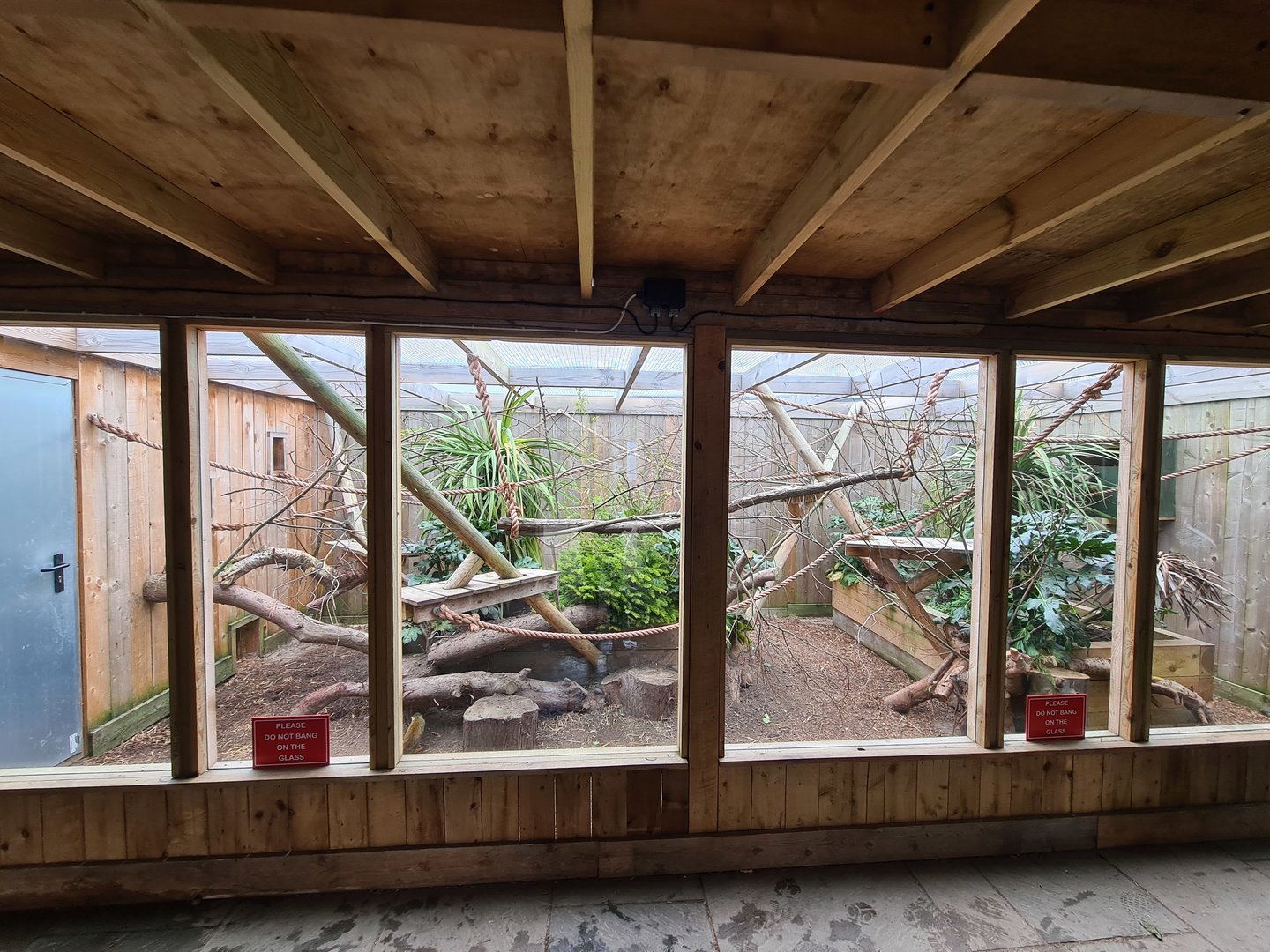
After a couple of loops around the zoo on the train, we walked past a row of separate enclosed exhibits that were home to a racoon, a raven, and a bobcat. It was a real treat to see the raven, as I can’t quite remember the last time I’d seen one. Unfortunately, the bobcat was a no show, meaning I did miss out on ticking off a new species. Thankfully, this bad luck did not continue over the weekend. The final carnivore at the zoo was a caracal, though we did not get a proper view of the animal as it was asleep. I might have liked to see the bobcat and caracal do an enclosure swap, but that’s just my preference. Towards the way out of the zoo was what seemed to be a new and nicely furnished exhibit for squirrel monkeys. It adjoined an undercover viewing area, with the primates putting on a good show for a family eating their lunch.


As mentioned in the introduction, I walked away with positive feelings about Fenn Bell. It’s target audience is clearly families with children, so if you take it for what it is, you’ll have a great time. It’s no full day zoo like Whipsnade or Colchester, but can easily be paired with Hemsley CC (which is what we did), or one of Kents larger zoos. We made the most of our time and did more circuits around the zoo than we probably needed, but it meant that we saw almost everything (Damn bobcat). It’s a unique collection that’s certainly worth a visit for any real zoo nerd, and I look forward to seeing how it develops in the future.

Next up… Hemsley Conservation Centre
 
Thanks for taking the time to write a review. It's nice to hear about small, obscure zoos and it sounds as if this place would appeal to young families. My impression is that the facility is tiny, inexpensive to visit, a labour of love for its owners, and of course full of the classic British "wood and wire" enclosures. It would be interesting to know the annual visitor count and acreage.

I'm looking forward to the next review. :)
 
(1) Fenn Bell Conservation Project

I’ll start my first post with a quote from a good friend of mine…“It’s a zoo attached to a pub, it sounds like the best place in the world”. Whilst Fenn Bell may not be the best place in the world, or even the best zoo, I came away with a positive outlook of the place. At the zoo you’ll see many examples of classic British “wood and wire” exhibits (a reoccurring theme over the weekend), but most were good quality and provided adequate space and furnishings for their inhabitants, many of which are rescues.

The first enclosures you’ll see as you enter the zoo through the new entrance are what I’d assume to be some of the first to be constructed, and are home to smaller birds and primates (Toco toucan, eclectus parrots, common and Geoffroy’s marmoset). The old capuchin exhibit is now empty and stripped of all furnishings.


The zoo makes good use of it’s limited space with a raised walkway, offering good views of the collection. Some of the larger enclosed exhibits you’ll see along the walkway include a tall aviary for various parrot species (Currently covered by netting which I would assume has been added in response to the HPAI related housing order for captive birds in the UK), and an unusual but seemingly successful mix of black and white ruffed lemurs and Kirk’s dik-dik. I was very impressed with this exhibit, and it provided good viewing opportunities of both species. Open topped exhibits along the walkway include a pen for pigs, an attractive pool for a small greater flamingo flock (I was surprised to see them outside due to the housing order, but I would assume this decision has been made on welfare grounds), and another exhibit for red foxes. The fox exhibit is quite large and has lots of platforms, some of which were built as part of the Team Building with BITE monthly patreon builds. For a zoo of its size, it’s quite carnivore heavy, and towards the end of the walkway you are offered both aerial and ground level views of the binturong enclosure. They’ve made good use of the space and have developed quite an attractive display, though I thought the housing was too small and lacked privacy. The coati were housed in a similar open topped exhibit.


Pairs of serval and fishing cat are kept in enclosed exhibits with improved indoor housing. Some might say that the serval exhibit is on the small side, but I’d say it seems adequate for the rescue animals it houses. Both species were very active during our visit and made good use of the platforms in their enclosures; I don’t think I’ve ever has such good views fishing cats before. Next to the fishing cat enclosure was an area under construction. This included a multi-level water feature, which I assume will allow underwater viewing of its future inhabitants. Two of the nicest exhibits at the zoo were for another set of carnivores, Asian small clawed otters and meerkats. The otters have a lovely semi-natural pond and were very active on our visit. Unlike other zoo-housed otters I’ve seen, they weren’t overly visitor reactive, which made a nice change. Nearby is a raccoon dog exhibit, and an aviary for a barn owl. From this area you can take a “train” ride around the whole zoo where you’re given a different viewing perspective of all the animals. We were lucky to have the first ride of the day, with the owner letting us know that we had likely managed to avoid a long queue.


After a couple of loops around the zoo on the train, we walked past a row of separate enclosed exhibits that were home to a racoon, a raven, and a bobcat. It was a real treat to see the raven, as I can’t quite remember the last time I’d seen one. Unfortunately, the bobcat was a no show, meaning I did miss out on ticking off a new species. Thankfully, this bad luck did not continue over the weekend. The final carnivore at the zoo was a caracal, though we did not get a proper view of the animal as it was asleep. I might have liked to see the bobcat and caracal do an enclosure swap, but that’s just my preference. Towards the way out of the zoo was what seemed to be a new and nicely furnished exhibit for squirrel monkeys. It adjoined an undercover viewing area, with the primates putting on a good show for a family eating their lunch.


As mentioned in the introduction, I walked away with positive feelings about Fenn Bell. It’s target audience is clearly families with children, so if you take it for what it is, you’ll have a great time. It’s no full day zoo like Whipsnade or Colchester, but can easily be paired with Hemsley CC (which is what we did), or one of Kents larger zoos. We made the most of our time and did more circuits around the zoo than we probably needed, but it meant that we saw almost everything (Damn bobcat). It’s a unique collection that’s certainly worth a visit for any real zoo nerd, and I look forward to seeing how it develops in the future.

Next up… Hemsley Conservation Centre
Nice review, very positive and sounds like somewhere I'd quite enjoy if it wasn't so damn far away! Notice you used the term rescues quite a lot, are we talking proper rescues ala Gentleshaw, or "rescues" like certain other places claim? And I'm guessing the next review is not going to be quite as optimistic...? :rolleyes::p

Incidentally this friend of yours you quoted at the start, he sounds like a right good guy and I'd definitely go for a beer with him! ;):D
 
My impression is that the facility is tiny
As we were walking round I commented "snowleopard would have this place done in 15 minutes". So yes, it is tiny... But it is in a pub garden after all!

I'm looking forward to the next review.
Thank you, I'm glad you're enjoying the thread so far.

Notice you used the term rescues quite a lot, are we talking proper rescues ala Gentleshaw, or "rescues" like certain other places claim?
Proper rescues :p Not all animals, but the species I identified as such were.

And I'm guessing the next review is not going to be quite as optimistic...?
I said I'd be fair and honest, so that's what I shall be :D
 
(2) Hemsley Conservation Centre

Hemsley Conservation Centre (Hereafter HCC) is a zoo like no other, and it would be a lie to say that I didn’t have a preconceived notion about the place. HCC is a zoo nerds paradise, but of course that depends on your definition of “zoo nerd”. I for one sit in two categories; the zoo nerd that likes to see rare and unusual species, but also the zoo nerd that works in the industry and spent years in university developing an understanding of animal husbandry, conservation, and research. It’s infamy on ZooChat and in the wider zoo community can’t be denied, but I hope that I’ve been able to offer and fair and honest overview in the text below.

Small zoos were a reoccurring theme of the weekend, and HCC certainly fits that category. This is by no means a criticism, per se, as some of the best zoos in the country are some of its smallest, including the likes of Shaldon. I was glad to see that the site has expanded in recent years and taken on land to the rear or the original zoo, with the entrance having moved into the café next door. We were welcomed by a friendly member of staff who asked if we’d visited before (I hadn’t), and made note of the talk times throughout the day; Staff continued to be friendly and seemed happy chatting to guests both during and out of talk times.

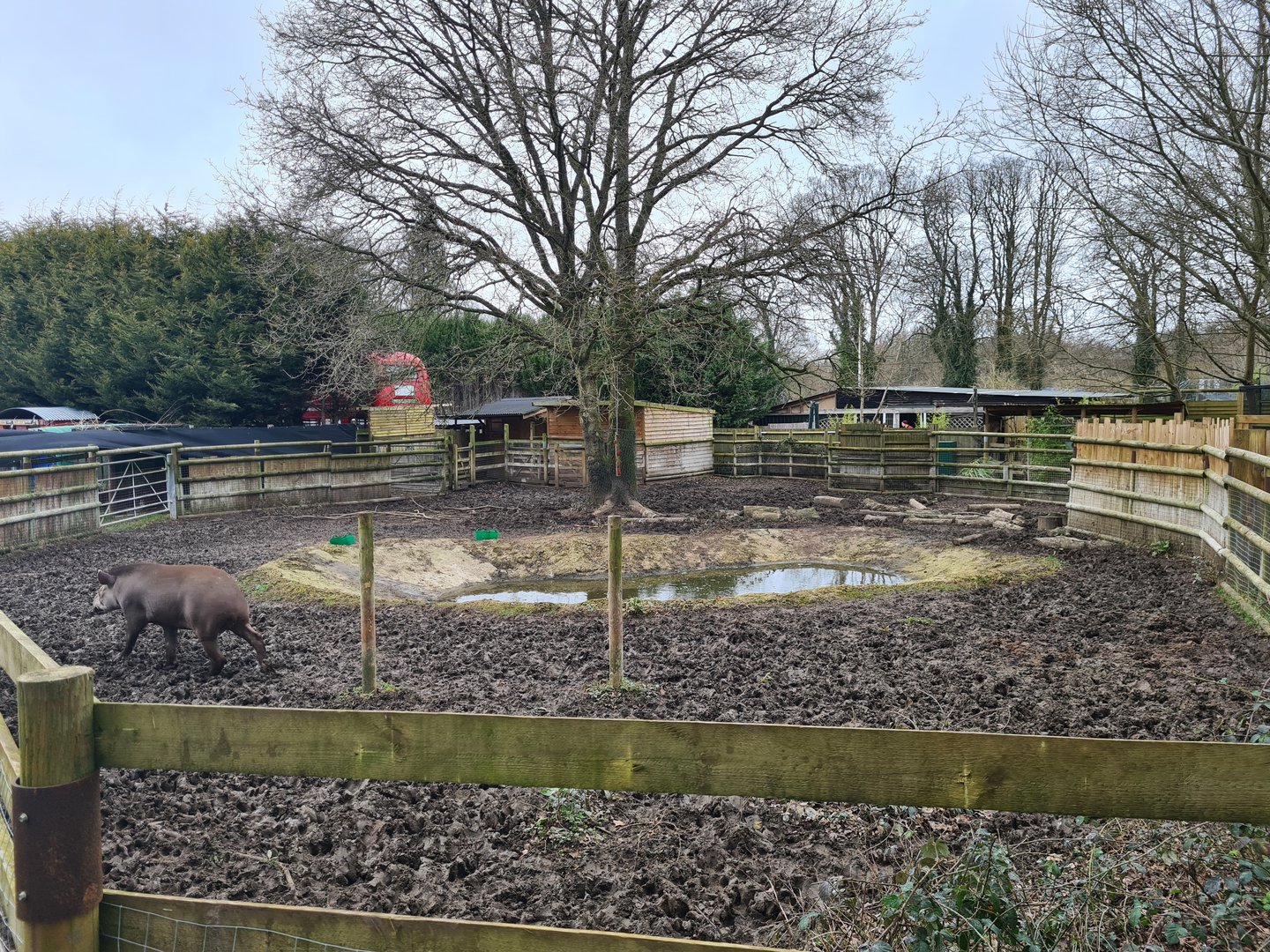
Animal wise, you are first greeted by a capybara and lowland tapir pair, the latter being one of Linton Zoos many tapir offspring. There’s no hiding the fact that the paddock is small and has not held up to the winter months. It was very muddy, with only the house and small hardstanding offering the animals some respite from it. I’m happy to be corrected, but it doesn’t look as though there is an additional paddock or yard which would allow the paddock to recover. A visit during the warmer months might have given me a different perspective, but what I can say is that the tapir himself didn’t seem to mind (I know, not very scientific of me), and was very inquisitive with visitors.


The southern aardwolf enclosure seemed empty, as smaller signage at viewing areas had been removed. We did not see the animal and assumed it might have left the collection or passed away, but I have since been informed that it’s still there. I understand from photos online that there is a smaller secondary exhibit, but I struggle to understand how four maned wolves were adequately housed there for a time. The exhibit is a good size for an aardwolf, but certainly not a maned wolf, let alone four. I’m very glad that a new exhibit has been constructed for the wolves, which I will mention later in this overview.


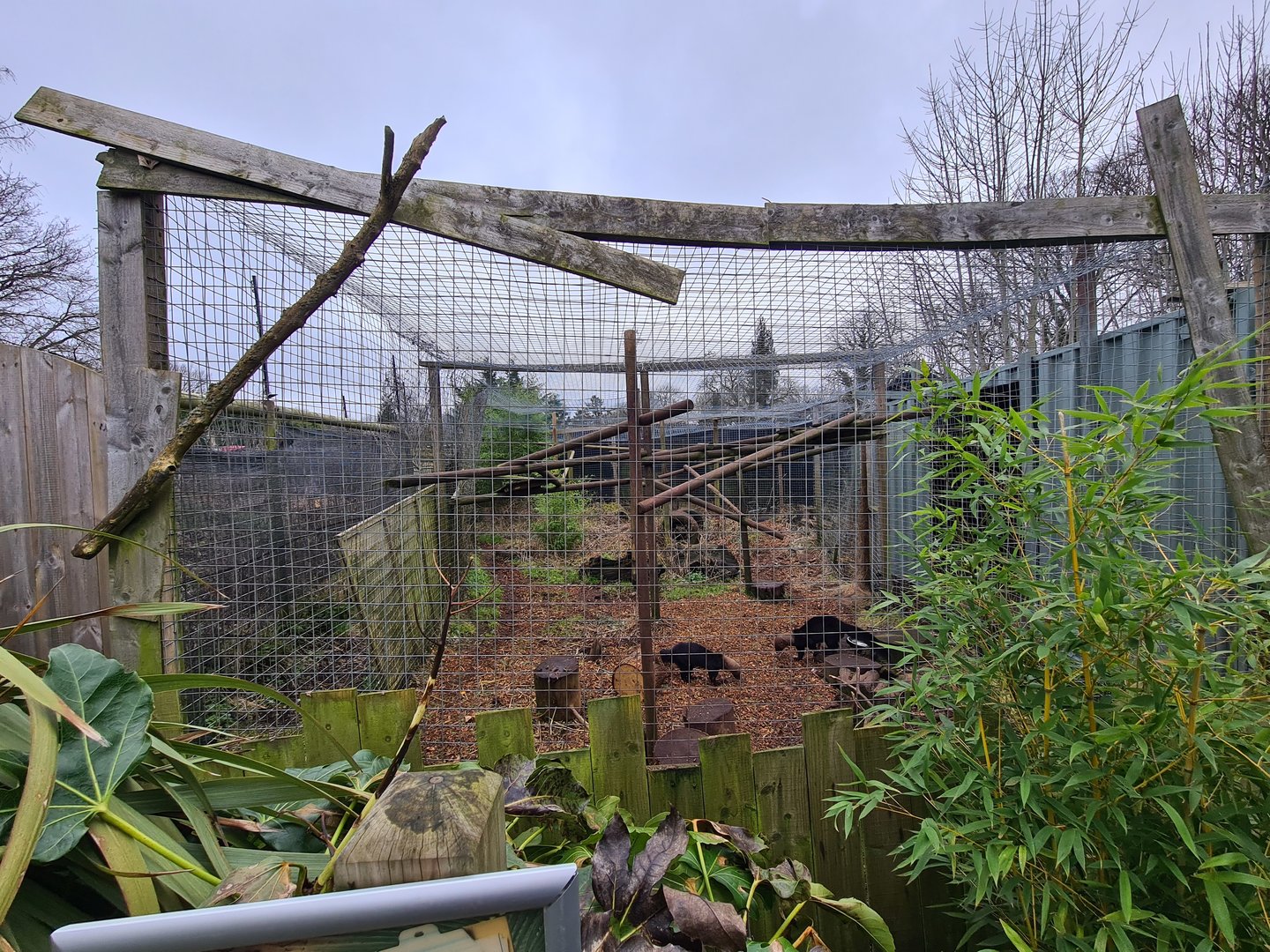
Next up were a pair of tayra, housed in an exhibit of a similar size to what you’d see at Axe Valley Wildlife Park, or All Thing Wild. Having seen it in person, it is larger than how it may appear in photos, though the rustic mish-mash vibe wasn’t quite doing it for me (Not that the Tayra will care). The Geoffroy’s cat has a very well planted exhibit to the right of the tayra, but unfortunately this individual was unseen; thankfully I’ve seen the species at Woodside Wildlife Park before, so I wasn’t missing out as I did with the Bobcat at Fenn Bell. Similarly, the straw-coloured fruit bats were unseen and are housed in a seemingly new pre-fab shed (I didn’t get a photo, but it is similar to the shed housing the rusty spotted cats, vontsira and echidna which can be seen later in the overview).


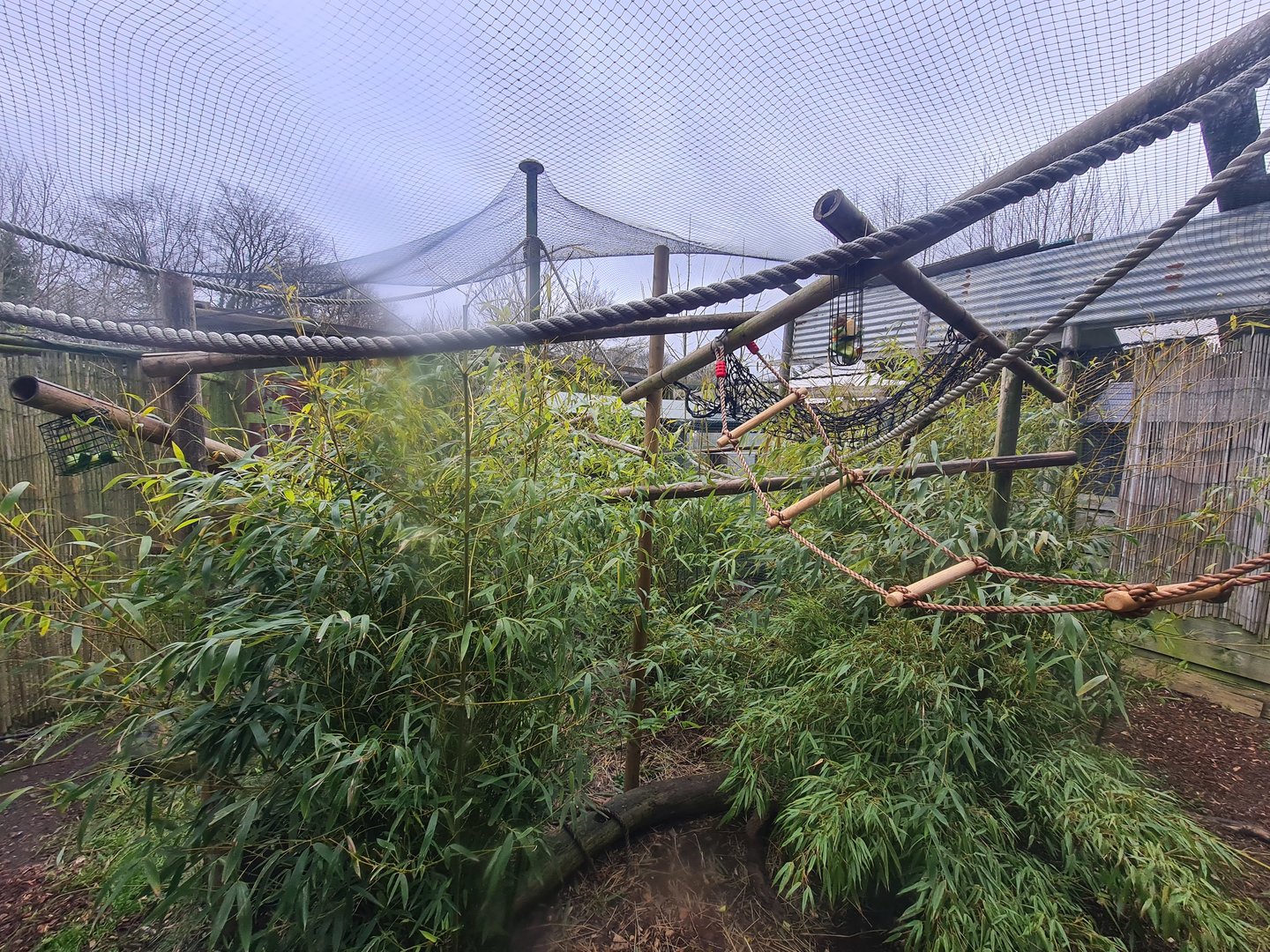
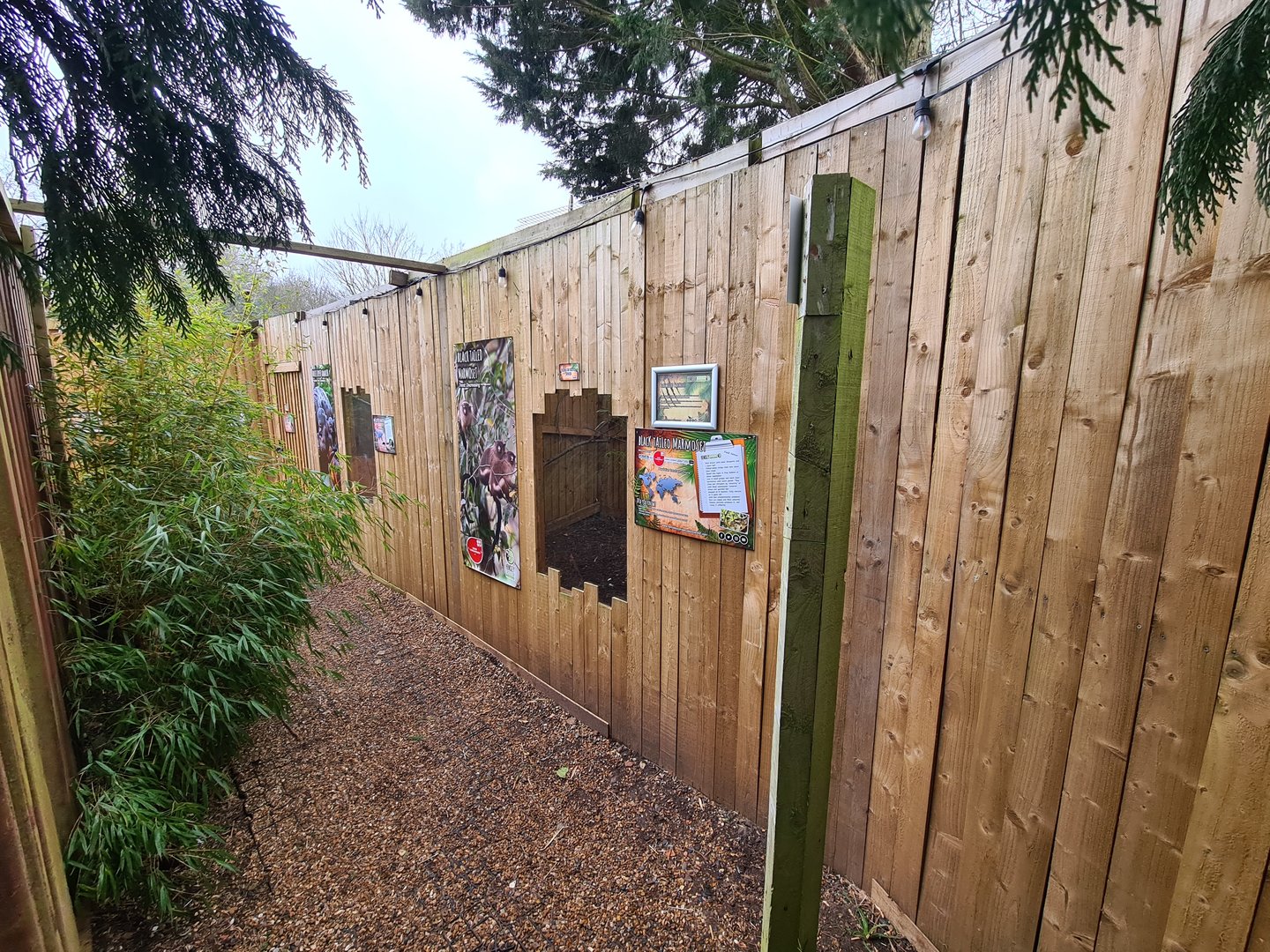
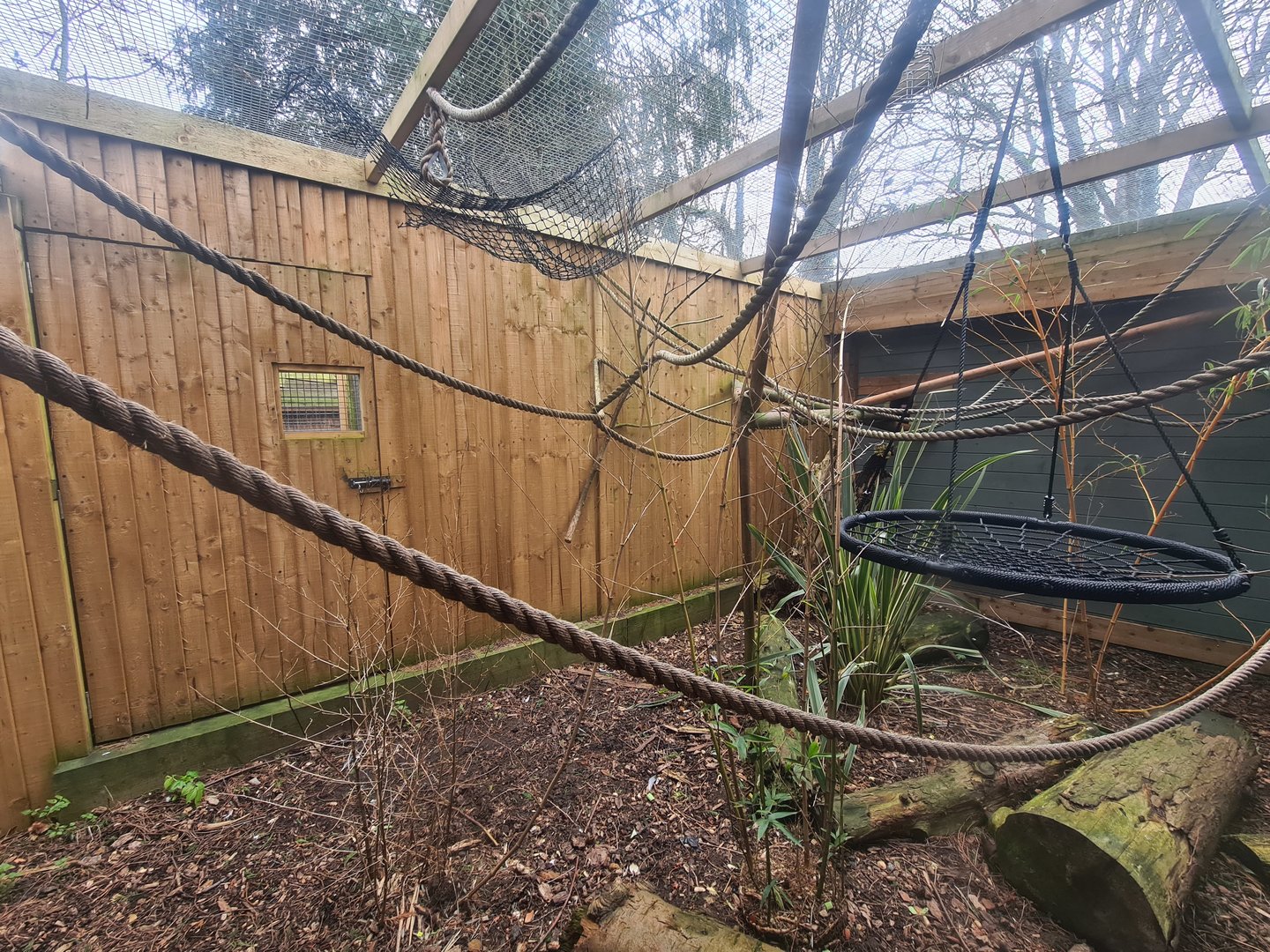
Some of their nicer exhibits at the zoo are for primates. This includes a nicely planted and furnished netted enclosure for squirrel monkeys, and some smaller yet appropriate mesh exhibits for white lipped tamarins and black tailed marmosets. The capuchins are housed in a similar, though slightly larger (but on the small side for the species), mesh exhibit. Opposite is a tall and older looking enclosure for ring tailed lemurs and rufous brown lemur, which wouldn’t look out of place in any small British zoo.


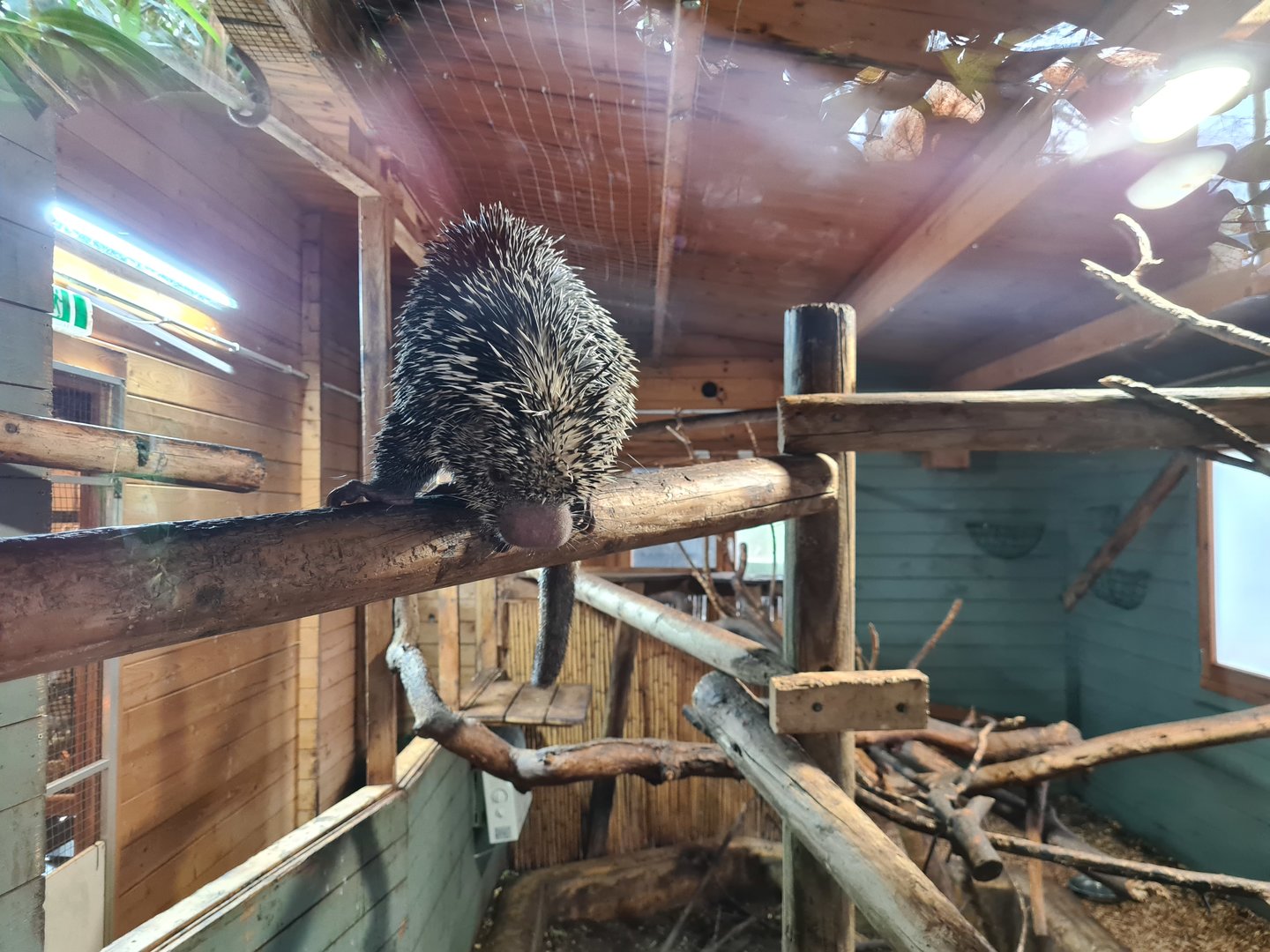
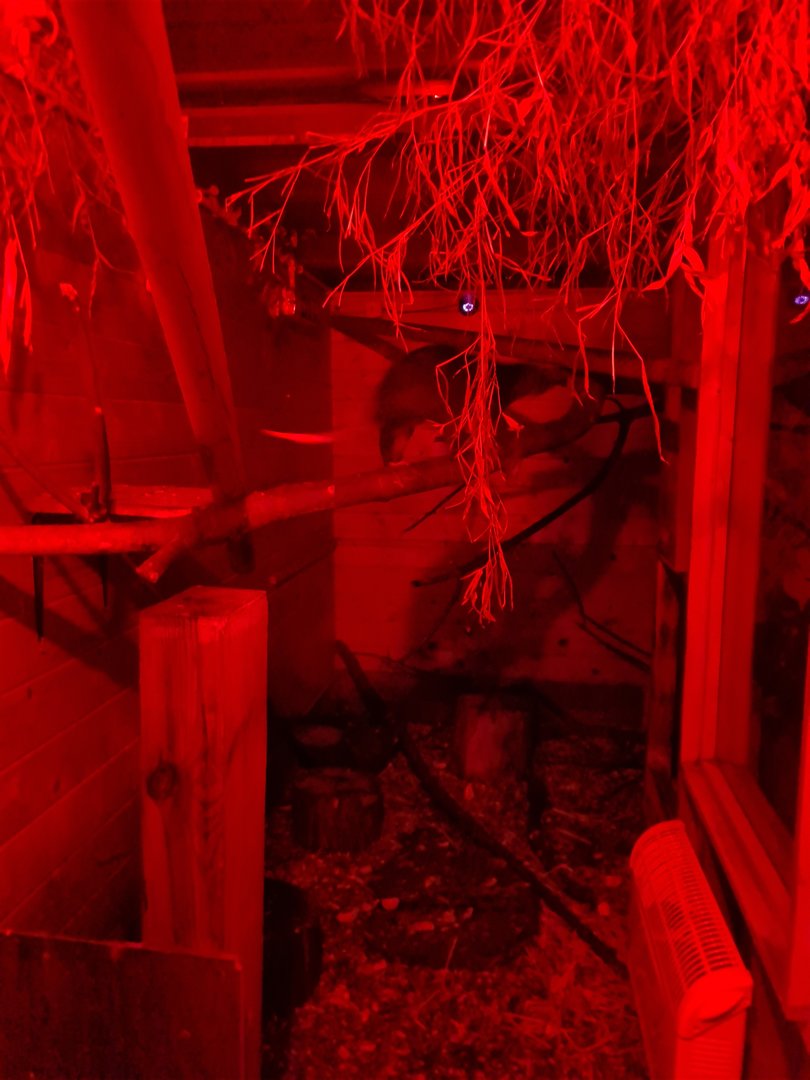
Another zoological rarity at HCC are the Brazilian porcupines. They are held in two separate indoor mixed species exhibits; one including goeldi’s mokney and either three or six-banded armadillo (forgive my poor memory), and the other with black-tailed marmoset and grey-handed night monkeys. The porcupines in the latter of the exhibits were more active than the former, putting on a good display for us, whilst the night monkeys were unseen.


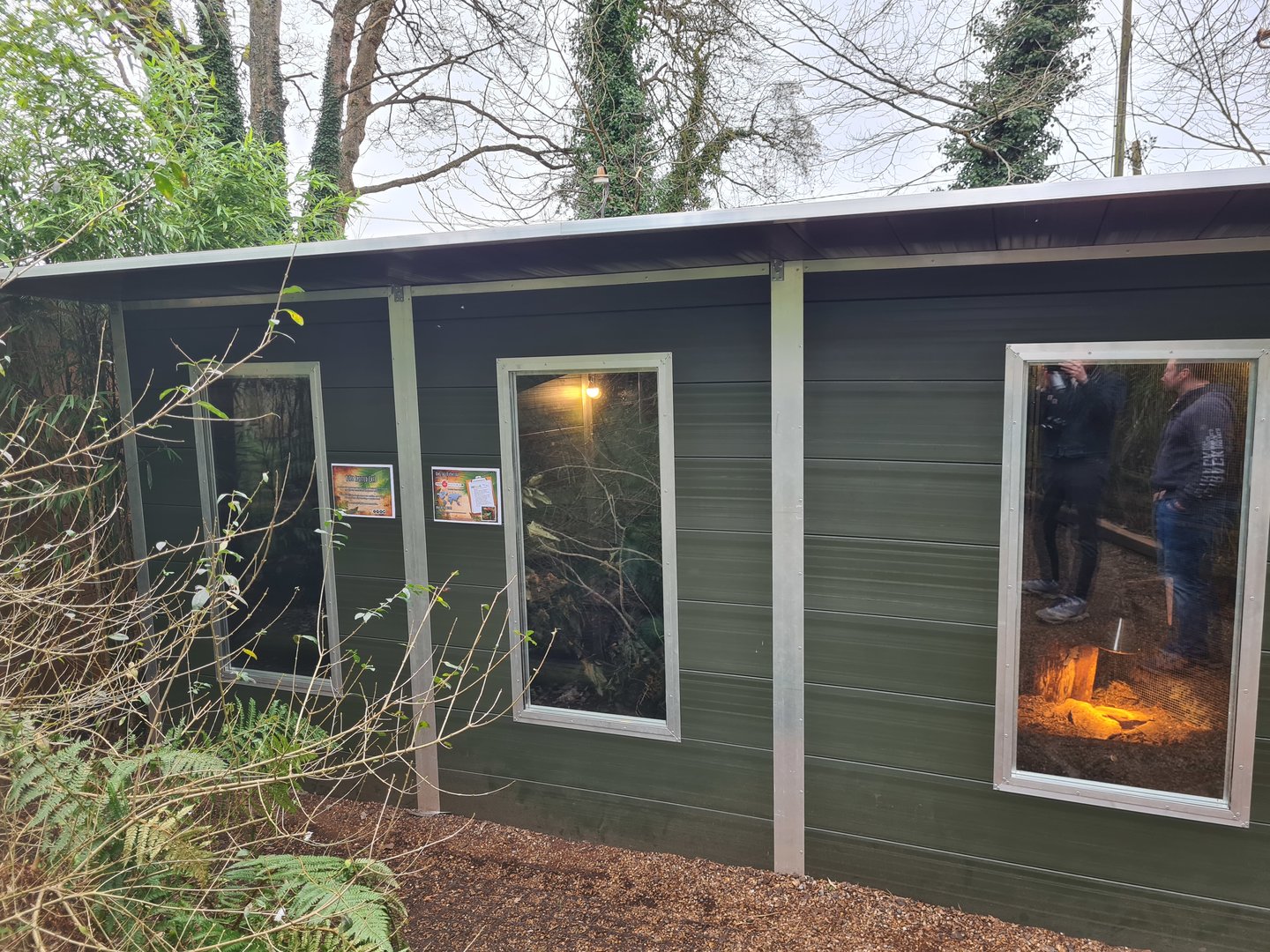
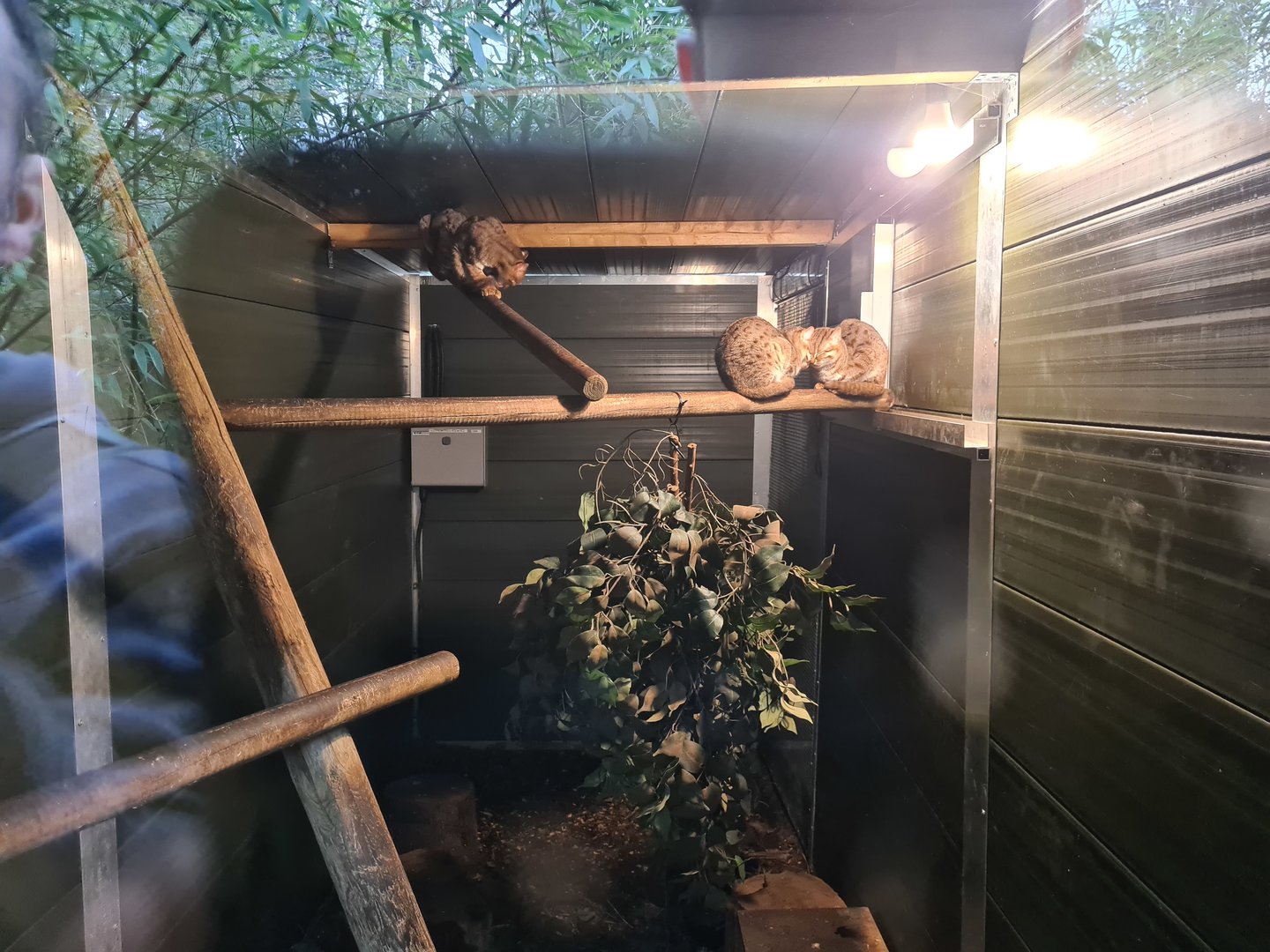
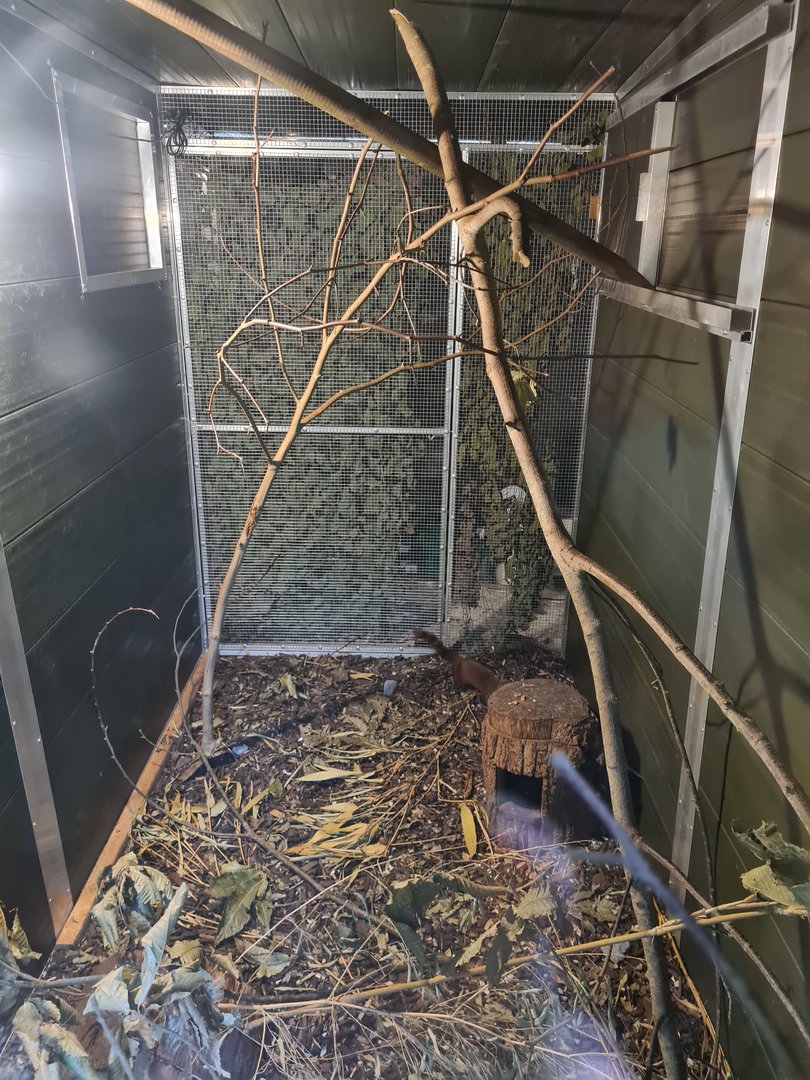
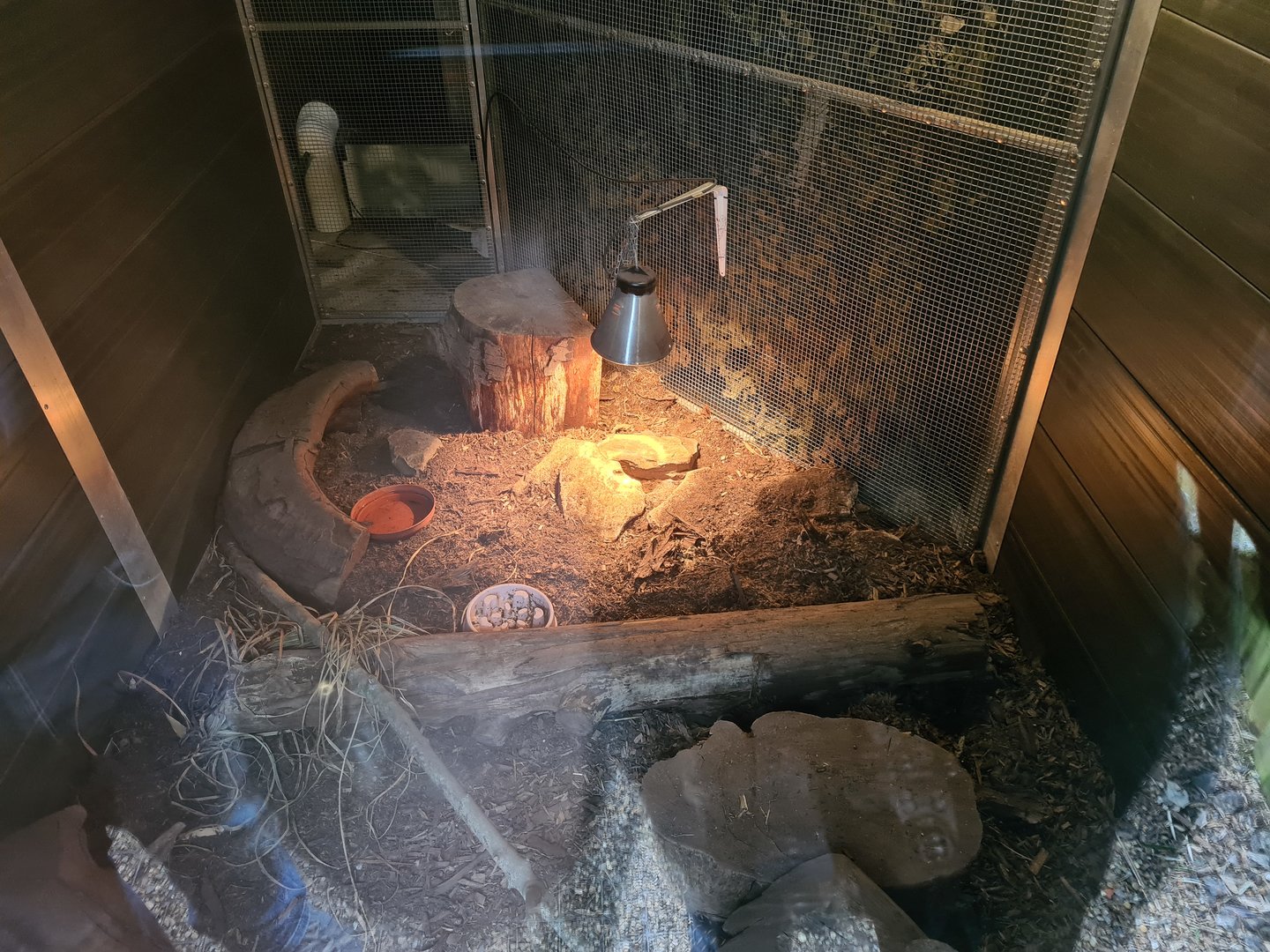
HCC’s nocturnal house is home three ground cuscus and pygmy slow loris, of which one loris was seen. Generally speaking, ground cuscus aren’t offered a whole lot of space in zoos, and HCC is no exception. It would have been nice to see them offered the whole house rather than sharing with the loris. I was surprised to see a small monitor in the house playing a repeating video on Species360 (ZIMS), which I thought was a nice touch. Just outside was the aforementioned pre-fab shed, which is divided into three sections to house rusty spotted cats, a ring-tailed vontsira, and a short-beaked echidna. I was disappointed to see the cats still housed in here, as it was reported on ZooChat last summer that the situation would only be temporary. Hopefully a more appropriate enclosure that provides outdoor access will be constructed soon (which some signage suggested), as the zoo has a good history of breeding the species.


The star of the show was the young female ring-tailed vontsira. She was incredibly active and made good use of her small section of the shed. I managed to capture one in focus photo of her on my phone; I believe @migdog had better luck getting some footage with his video camera. Last up was the short-beaked echidna which as expected was asleep, and did not move for the duration of our visit. Again, I do feel as though a poor amount of space has been offered for the echidna. The vontsira and cats are able to use the vertical space in the exhibit, leaving the echidna with only a small amount of floor space. When compared to brilliant housing at Paignton or even Hamerton, which is an exhibit I also consider too small, it really puts things into perspective. I would hope that in the future once that cats move out, the echidna will be offered more space.


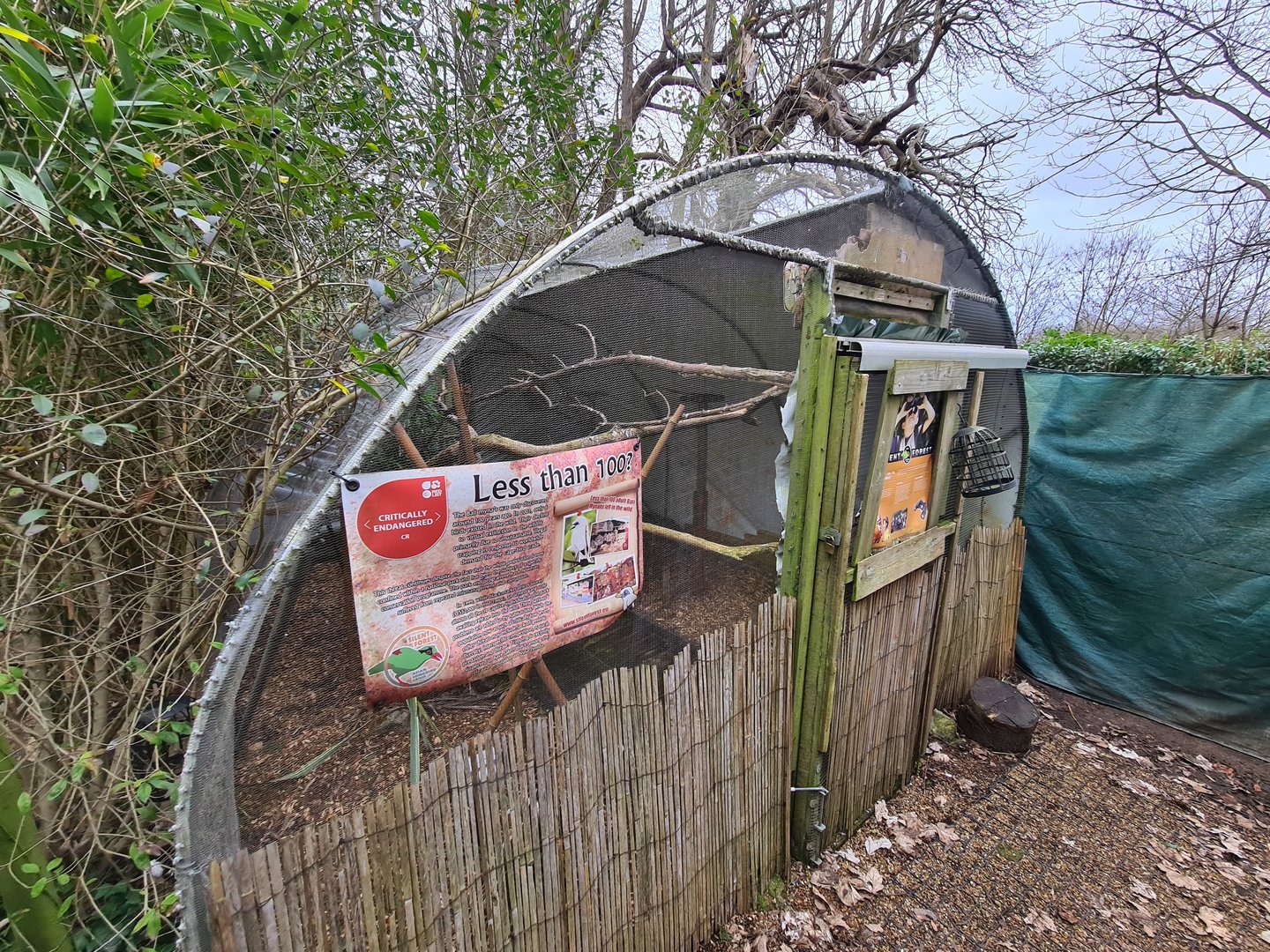
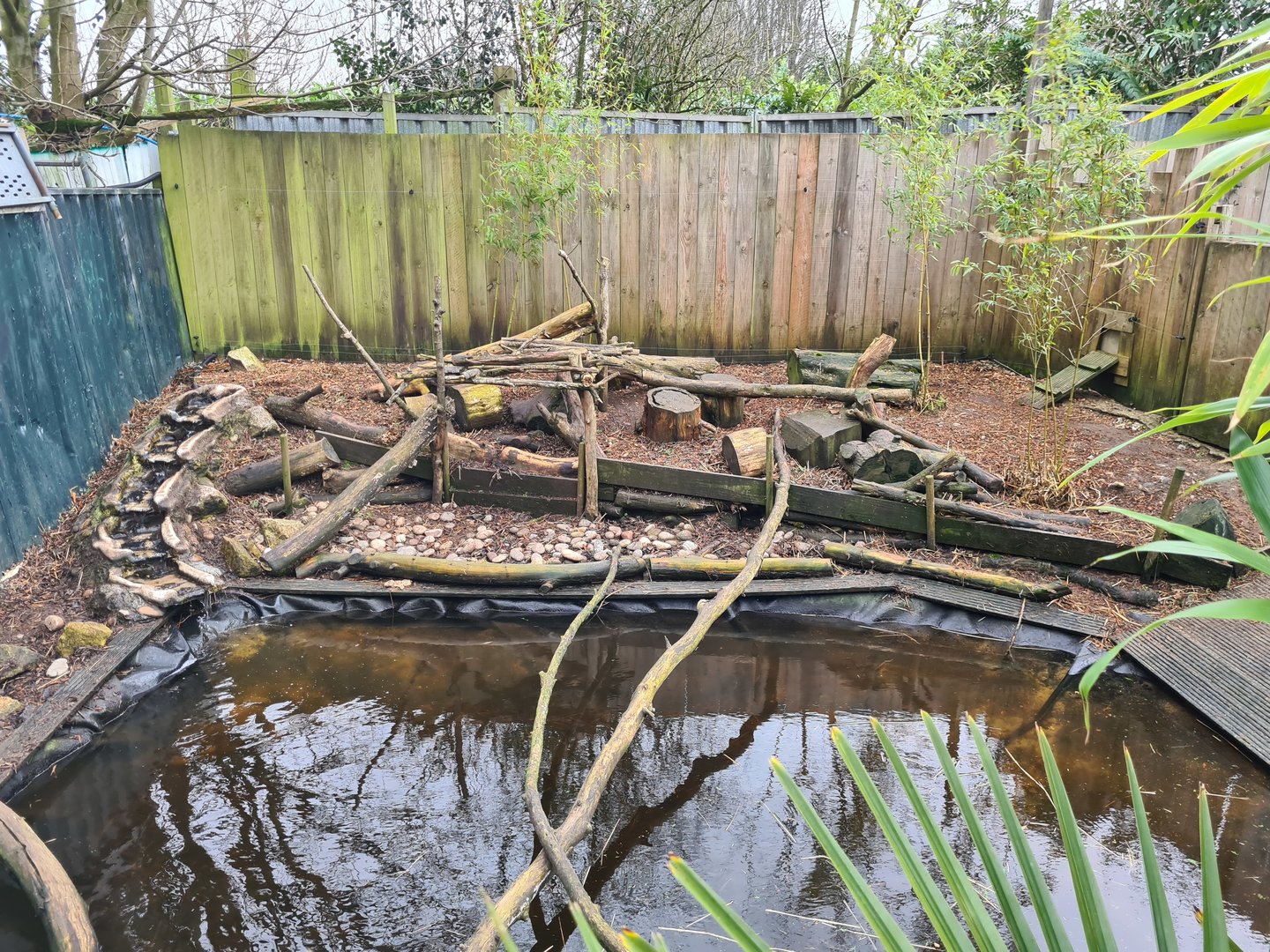
Bali starlings are housed in a netted polytunnel which wouldn’t be out of place at Ark Wildlife and Dinosaur Park, and whilst uninspiring, provides a good amount of space for the critically endangered birds. Nearby are a trio of Asian small clawed otters. Having visited Fenn Bell that morning, and being quite impressed by their exhibit, I can’t say I was blown away by HCC’s (I think the photo speaks for itself).


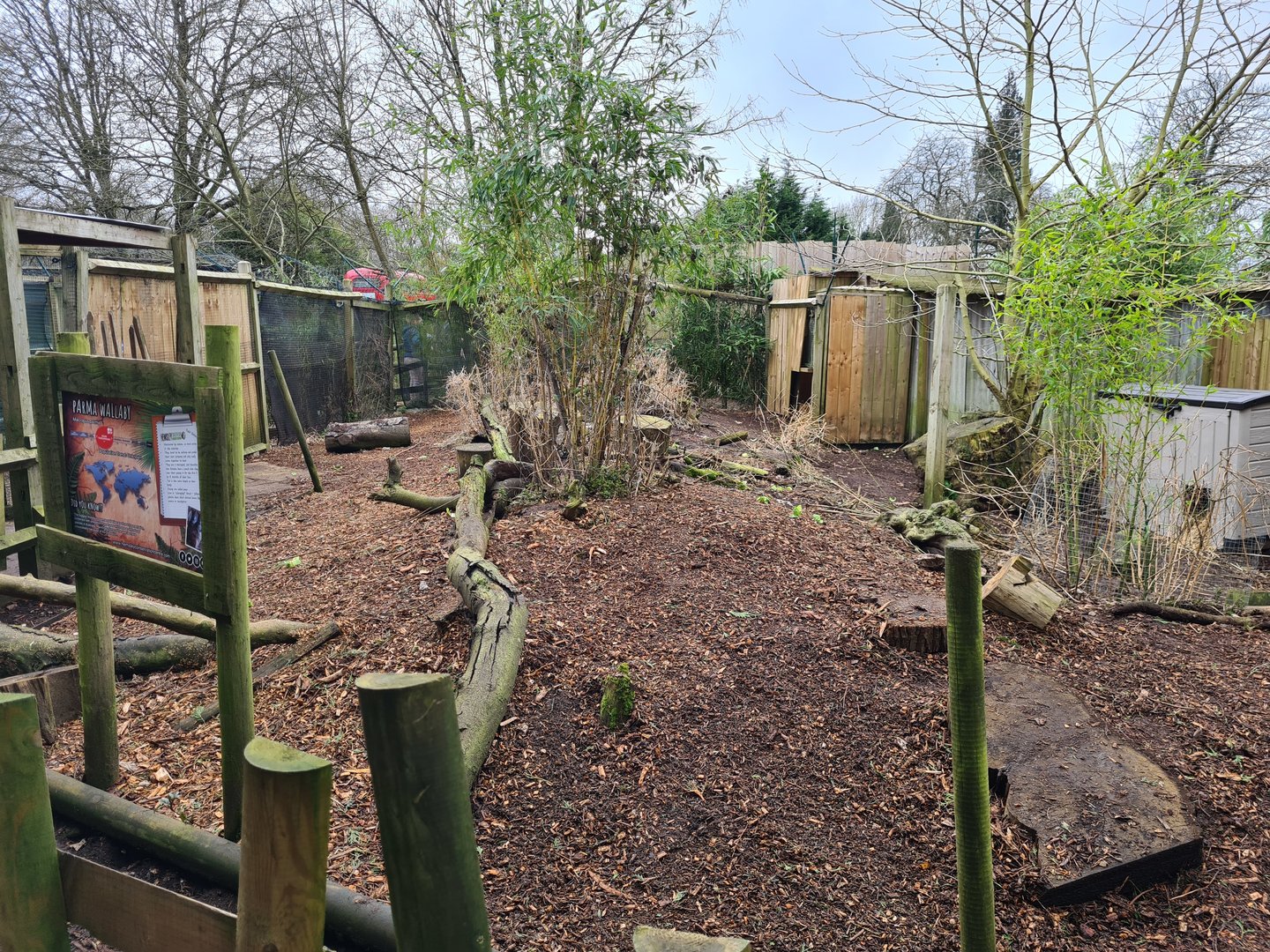
The meerkat exhibit is now much larger that its original iteration at the zoo, and we saw multiple visitor experiences taking place throughout the day. The lemur walkthrough was open, though void of inhabitants, but we were in better luck for the parma wallaby walkthrough which I found quite pleasant. The zoo is also home to a pair of currently separate ocelots in a small exhibit. It follows a similar vibe with its wood panelling and planting to the new primate exhibits, and reminded me of the original Ventra Wildlife Park. We saw the male ocelot who was active on and off throughout our visit, seeming unbothered by our presence.


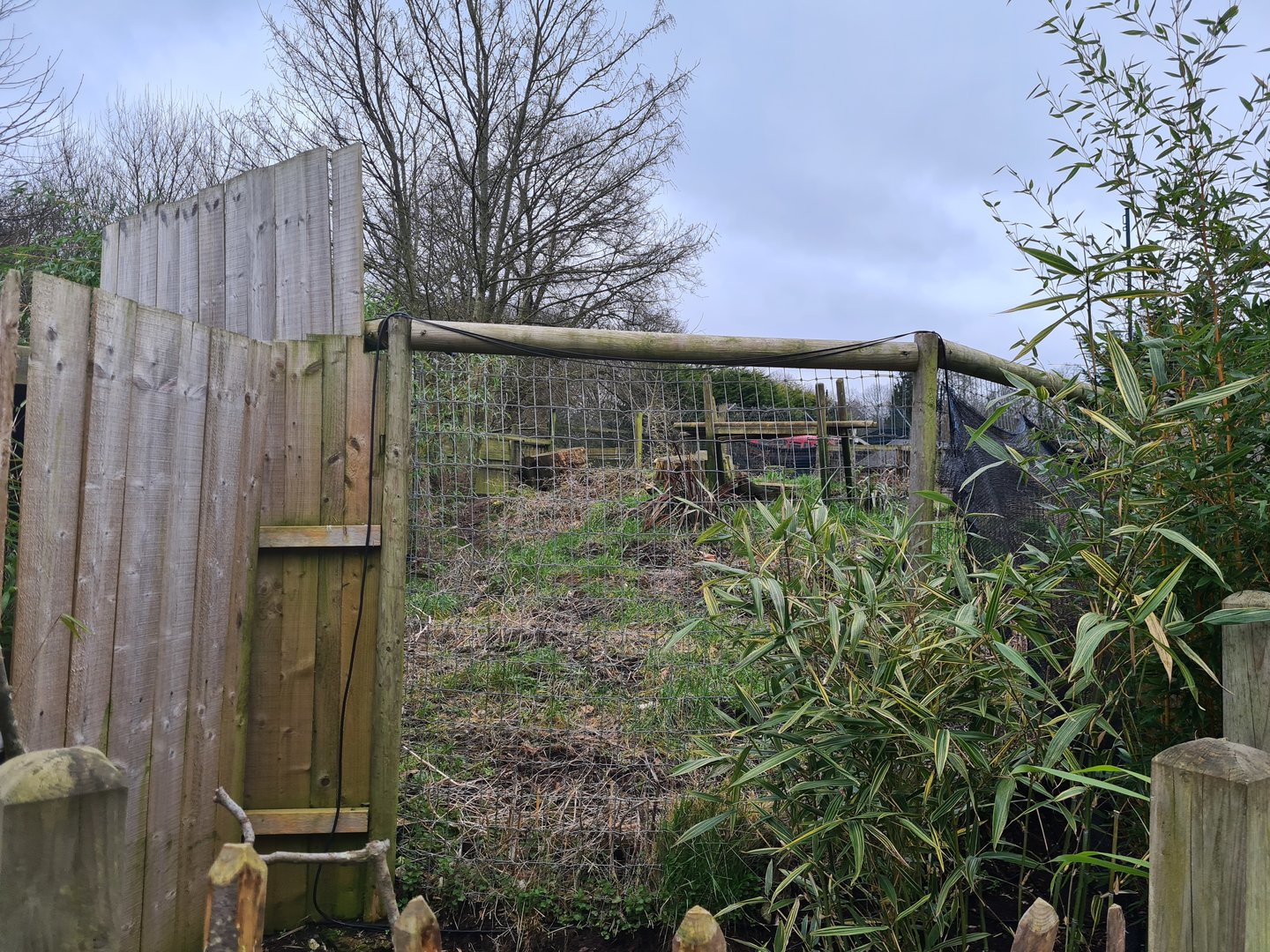
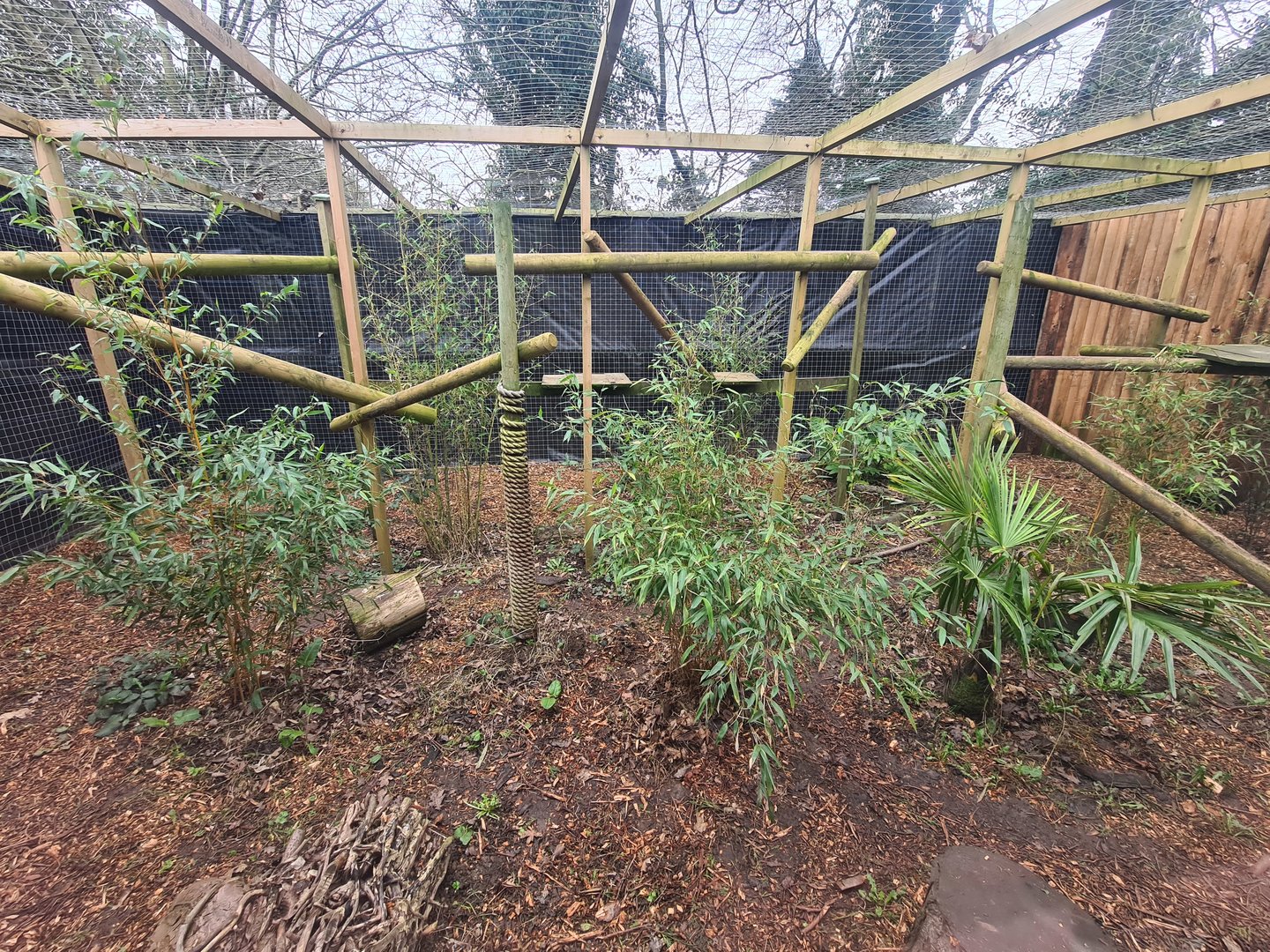
The most unforgettable of the exhibits was for the kinkajou/s. I’m not sure if it’s still under construction or not, but they have built what appears to be an open topped exhibit which adjoins an enclosed mesh exhibit and house (for the second time in this thread, the photo speaks for itself). That said, its commendable that they’re offering the species not only outdoor but open topped access. I can think of very few examples of UK zoos that offer outdoor access, let alone open topped.


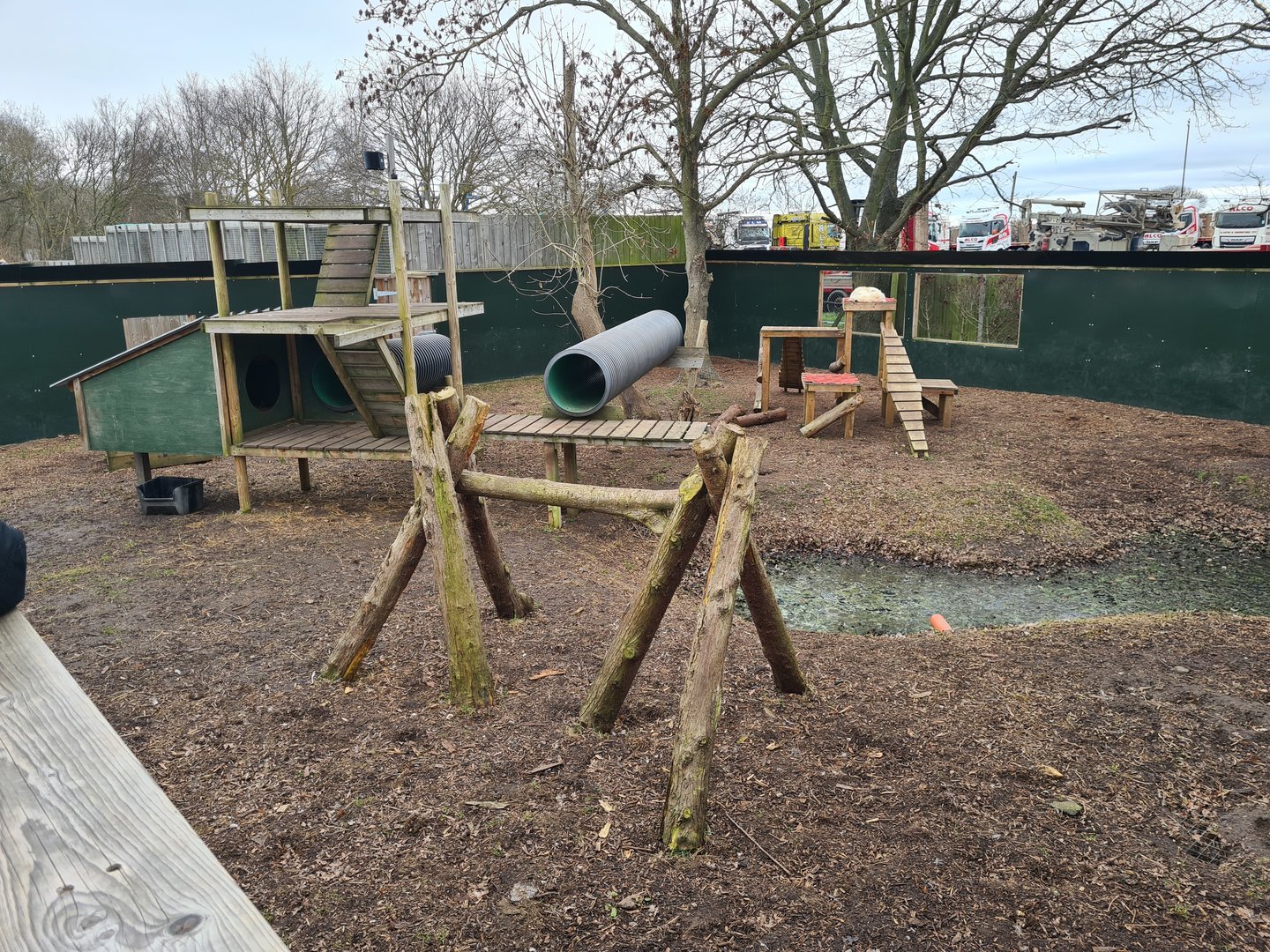
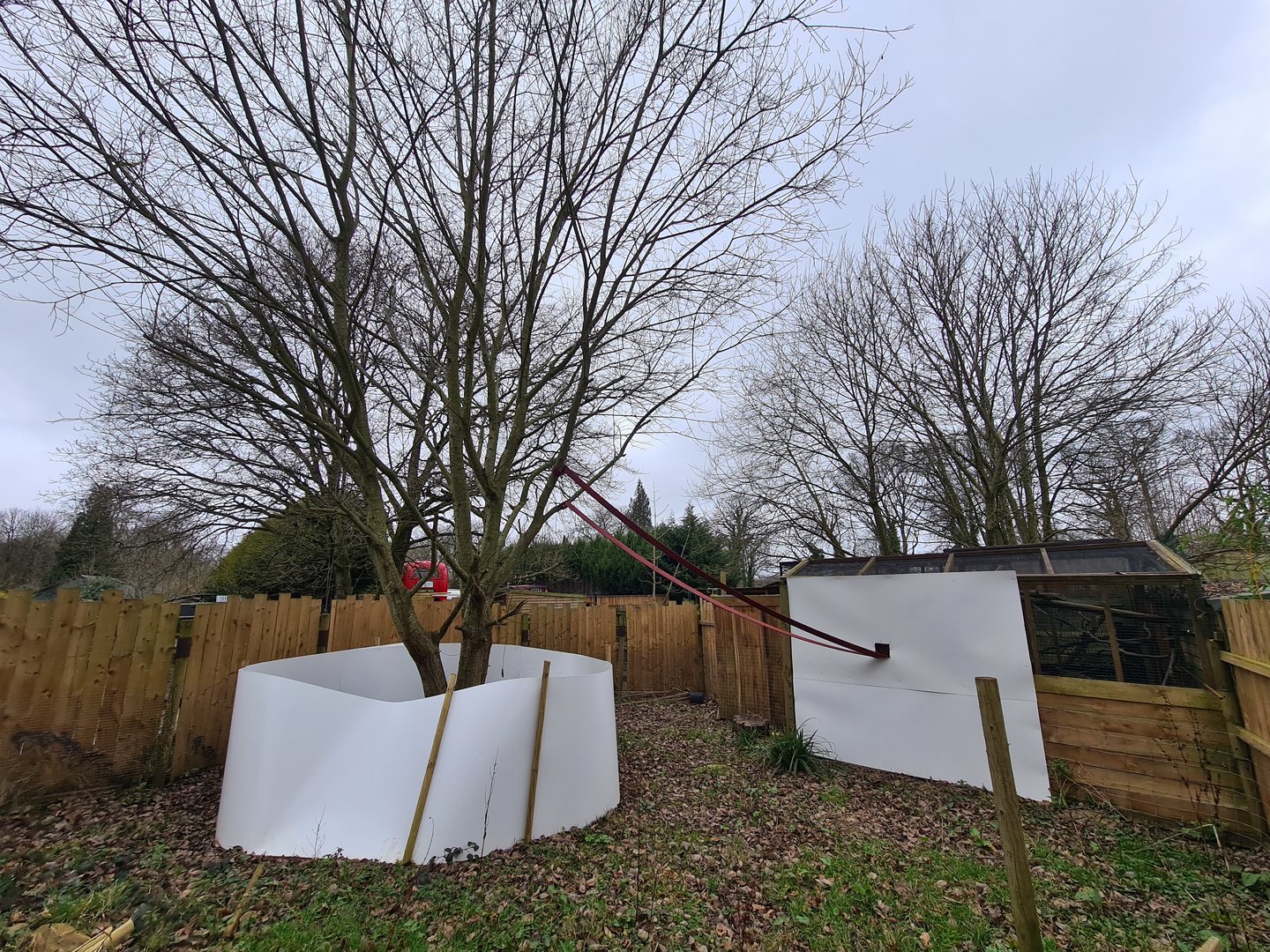
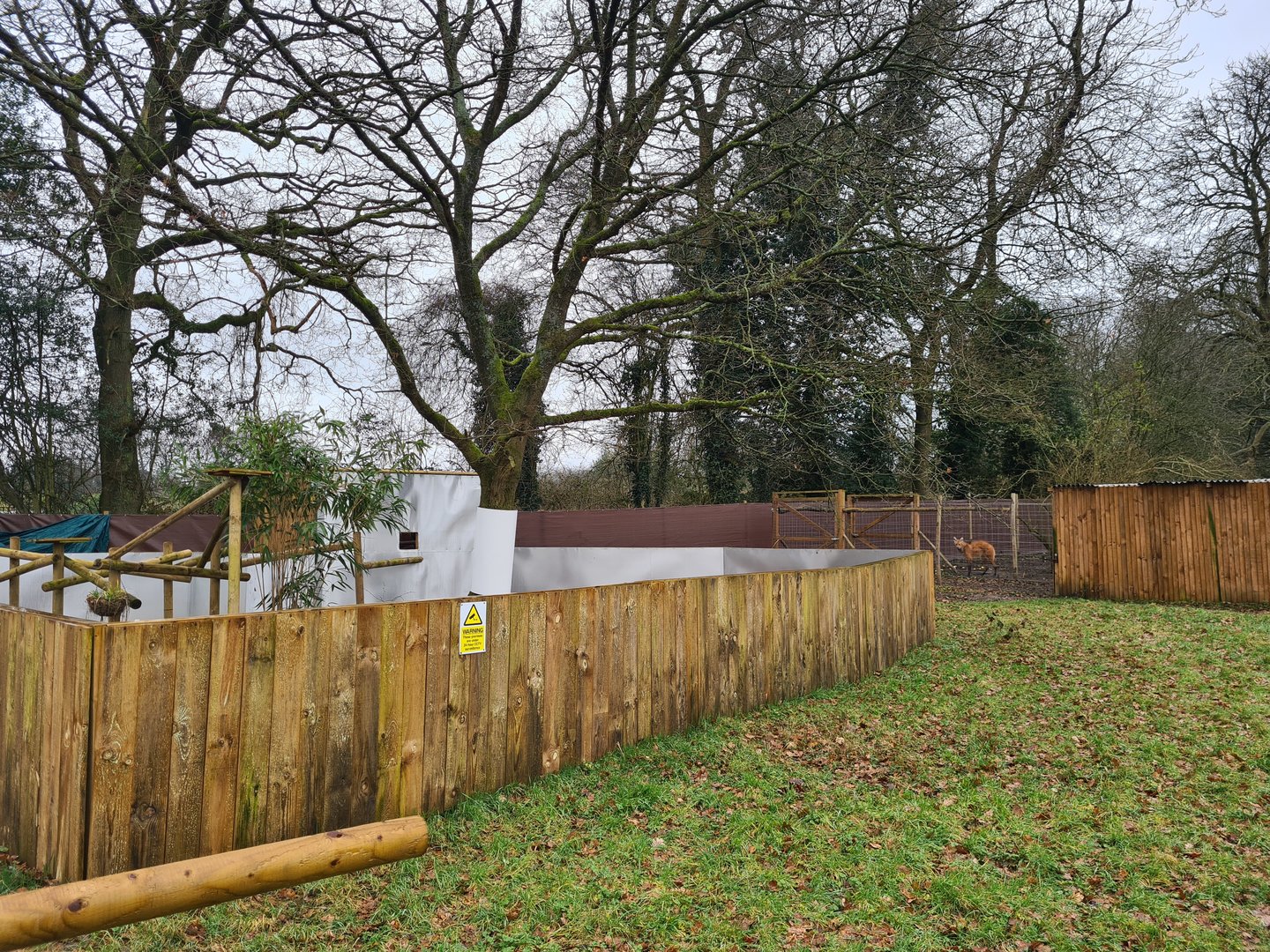
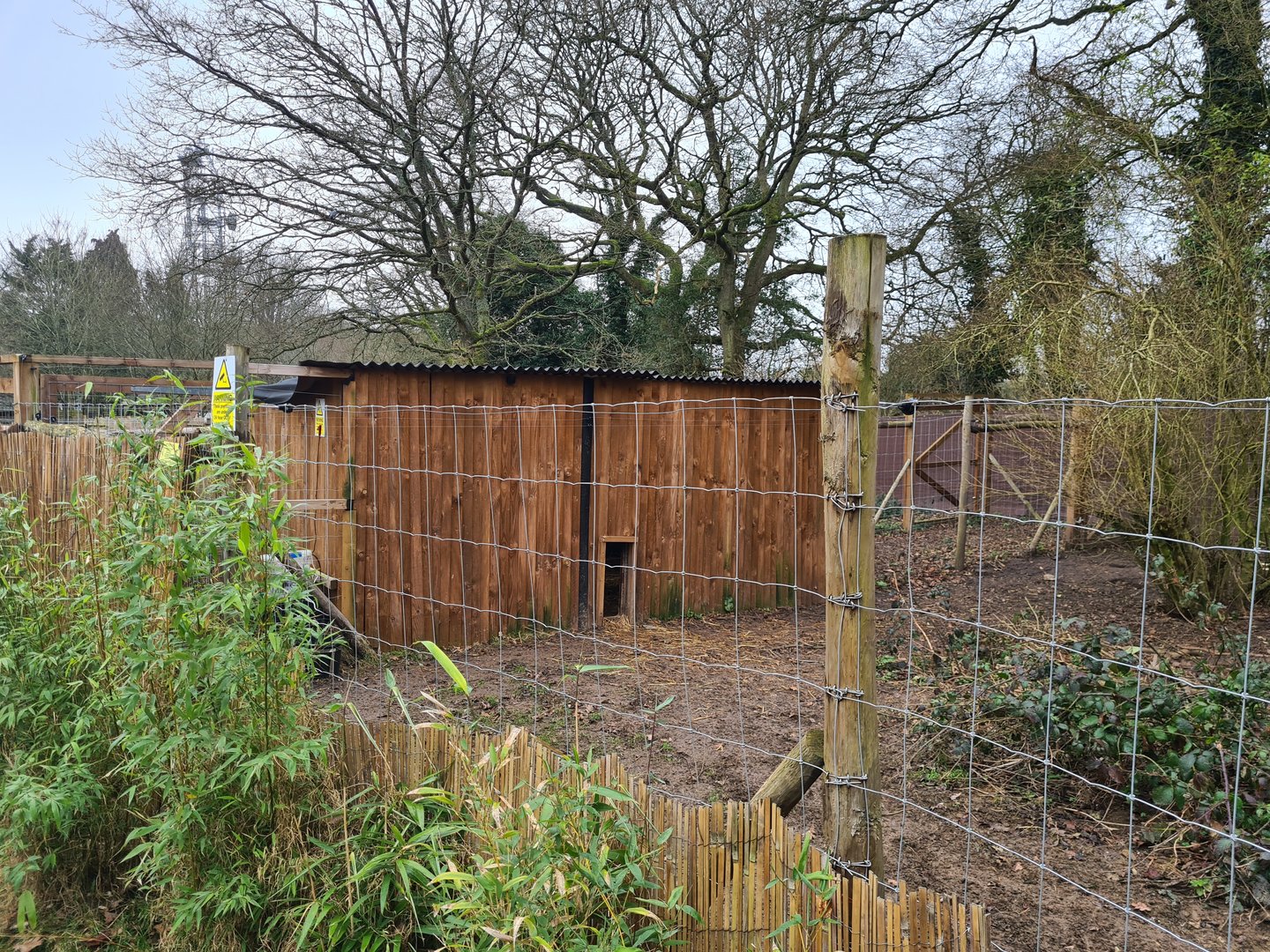
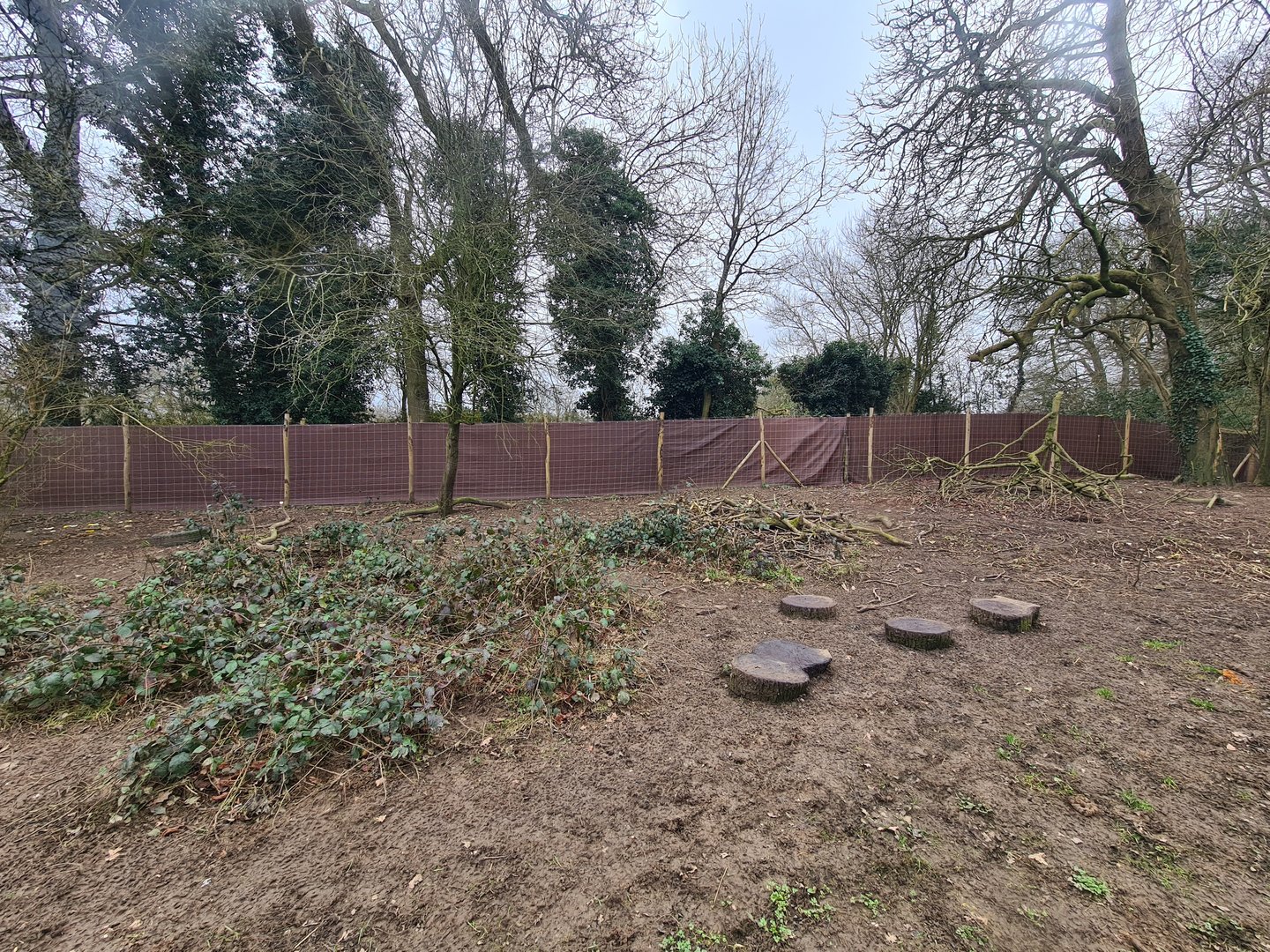
At this point the zoo had started to open-up, no longer feeling as tightly packed. There was a small amount of construction taking place, with plenty of space for additional exhibits, and a rear end view of the tapir and capybara paddock (See the first photo in this chapter). One of the UK’s only true Javan binturong is on show here, though we were only able to see it curled up inside. For the amount of space the exhibit covers, very little has been utilised, with only a small climbing platform. It would have been nice to see the binturong offered access to the tree in the exhibit, but I understand this is often easier said than done. The maned wolves have had an upgrade, with an exhibit that looks larger in person than previously posted photos would suggest. I imagine it would look much nicer in the summer months, like the tapir and capybara paddock, and the set up is similar to that of Axe Valleys recent construction.


I’ve certainly missed a few species here and there, but I hope that I’ve provided a comprehensive, but also fair and honest overview of the collection. HCC isn’t a zoo to miss, but it isn’t one to rave about either. There’s no denying that you’ll see several incredible species, even if some of the exhibits may not meet standards that I’d consider appropriate. A recurring criticism was a lack of space, which might be resolved by reducing the number of species kept at the zoo or by improving facilities as seen with the maned wolves or meerkats. I wouldn’t even say that I came away having the bad experience that I might have expected, but I wasn’t enthralled either. It’s hard to put into words how I feel about the place, but I don’t see myself returning any time soon (another running theme of the weekend… overview incoming). I would welcome any feedback if users think I’ve been unfair with my commentary, and look forward to any dialogue that might ensue.

Next up... Get To Know Animals.

*I was unable to include all of the photos that I wanted in this review (there is a 20 photo limit), so please see the gallery for a few more!*
 
Last edited:
Would just like to point out that the female Ocelot is offshow and her exhibit has not been constructed yet, it will be on the right of the Ocelot male and around the same size, which I think would be deemed adequate. It’s not a case that two have access to the male area.

Ground Cuscus are moving exhibits soon, and the nocturnal house will house two species of loris.

The Galadia is soon moving to Germany and when she does, the Echidna will have access to that exhibit.

Both the Rusty Spotted Cats and Otters are having an upgrade with more space, in the larger more open area of the zoo.

There is still some space for the zoo to expand further.

Geoffroy’s cat likes to patrol its fence, can often be seen in the afternoon.

Aardwolf is still there, he’s called Lupin, and he is very shy. He does come out in the afternoons most days, but is timid.

Collection houses a Chanel-Billed Toucan as well, which has an adequate exhibit.

I personally like Hemsley and have always found Adam and his partner Henry always open to talk to about the animals and what’s going on.

They have a good success with breeding, and I don’t personally think the exhibits are as bad as people make out. Yes some are small, but they are rectifying that and I like that they display unusual animals. I also like the variety of keeper talks and I personally feel it is a collection which is improving and seems to be on the right trajectory.
 
The front of that Tayra enclosure looks like it would struggle to stay up in a strong wind...! :eek: And I agree that some of those enclosures definitely look a little on the snug side to say the least, nice enough species line-up though.

Keep the reviews coming, I'm particularly interested in the next one as I've got tentative plans to visit over the summer! :)
 
(2) Hemsley Conservation Centre

Hemsley Conservation Centre (Hereafter HCC) is a zoo like no other, and it would be a lie to say that I didn’t have a preconceived notion about the place. HCC is a zoo nerds paradise, but of course that depends on your definition of “zoo nerd”. I for one sit in two categories; the zoo nerd that likes to see rare and unusual species, but also the zoo nerd that works in the industry and spent years in university developing an understanding of animal husbandry, conservation, and research. It’s infamy on ZooChat and in the wider zoo community can’t be denied, but I hope that I’ve been able to offer and fair and honest overview in the text below.

Small zoos were a reoccurring theme of the weekend, and HCC certainly fits that category. This is by no means a criticism, per se, as some of the best zoos in the country are some of its smallest, including the likes of Shaldon. I was glad to see that the site has expanded in recent years and taken on land to the rear or the original zoo, with the entrance having moved into the café next door. We were welcomed by a friendly member of staff who asked if we’d visited before (I hadn’t), and made note of the talk times throughout the day; Staff continued to be friendly and seemed happy chatting to guests both during and out of talk times.

Animal wise, you are first greeted by a capybara and lowland tapir pair, the latter being one of Linton Zoos many tapir offspring. There’s no hiding the fact that the paddock is small and has not held up to the winter months. It was very muddy, with only the house and small hardstanding offering the animals some respite from it. I’m happy to be corrected, but it doesn’t look as though there is an additional paddock or yard which would allow the paddock to recover. A visit during the warmer months might have given me a different perspective, but what I can say is that the tapir himself didn’t seem to mind (I know, not very scientific of me), and was very inquisitive with visitors.


The southern aardwolf enclosure seemed empty, as smaller signage at viewing areas had been removed. We did not see the animal and assumed it might have left the collection or passed away, but I have since been informed that it’s still there. I understand from photos online that there is a smaller secondary exhibit, but I struggle to understand how four maned wolves were adequately housed there for a time. The exhibit is a good size for an aardwolf, but certainly not a maned wolf, let alone four. I’m very glad that a new exhibit has been constructed for the wolves, which I will mention later in this overview.


Next up were a pair of tayra, housed in an exhibit of a similar size to what you’d see at Axe Valley Wildlife Park, or All Thing Wild. Having seen it in person, it is larger than how it may appear in photos, though the rustic mish-mash vibe wasn’t quite doing it for me (Not that the Tayra will care). The Geoffroy’s cat has a very well planted exhibit to the right of the tayra, but unfortunately this individual was unseen; thankfully I’ve seen the species at Woodside Wildlife Park before, so I wasn’t missing out as I did with the Bobcat at Fenn Bell. Similarly, the straw-coloured fruit bats were unseen and are housed in a seemingly new pre-fab shed (I didn’t get a photo, but it is similar to the shed housing the rusty spotted cats, vontsira and echidna which can be seen later in the overview).


Some of their nicer exhibits at the zoo are for primates. This includes a nicely planted and furnished netted enclosure for squirrel monkeys, and some smaller yet appropriate mesh exhibits for white lipped tamarins and black tailed marmosets. The capuchins are housed in a similar, though slightly larger (but on the small side for the species), mesh exhibit. Opposite is a tall and older looking enclosure for ring tailed lemurs and rufous brown lemur, which wouldn’t look out of place in any small British zoo.


Another zoological rarity at HCC are the Brazilian porcupines. They are held in two separate indoor mixed species exhibits; one including goeldi’s mokney and either three or six-banded armadillo (forgive my poor memory), and the other with black-tailed marmoset and grey-handed night monkeys. The porcupines in the latter of the exhibits were more active than the former, putting on a good display for us, whilst the night monkeys were unseen.


HCC’s nocturnal house is home three ground cuscus and pygmy slow loris, of which one loris was seen. Generally speaking, ground cuscus aren’t offered a whole lot of space in zoos, and HCC is no exception. It would have been nice to see them offered the whole house rather than sharing with the loris. I was surprised to see a small monitor in the house playing a repeating video on Species360 (ZIMS), which I thought was a nice touch. Just outside was the aforementioned pre-fab shed, which is divided into three sections to house rusty spotted cats, a ring-tailed vontsira, and a short-beaked echidna. I was disappointed to see the cats still housed in here, as it was reported on ZooChat last summer that the situation would only be temporary. Hopefully a more appropriate enclosure that provides outdoor access will be constructed soon (which some signage suggested), as the zoo has a good history of breeding the species.


The star of the show was the young female ring-tailed vontsira. She was incredibly active and made good use of her small section of the shed. I managed to capture one in focus photo of her on my phone; I believe @migdog had better luck getting some footage with his video camera. Last up was the short-beaked echidna which as expected was asleep, and did not move for the duration of our visit. Again, I do feel as though a poor amount of space has been offered for the echidna. The vontsira and cats are able to use the vertical space in the exhibit, leaving the echidna with only a small amount of floor space. When compared to brilliant housing at Paignton or even Hamerton, which is an exhibit I also consider too small, it really puts things into perspective. I would hope that in the future once that cats move out, the echidna will be offered more space.


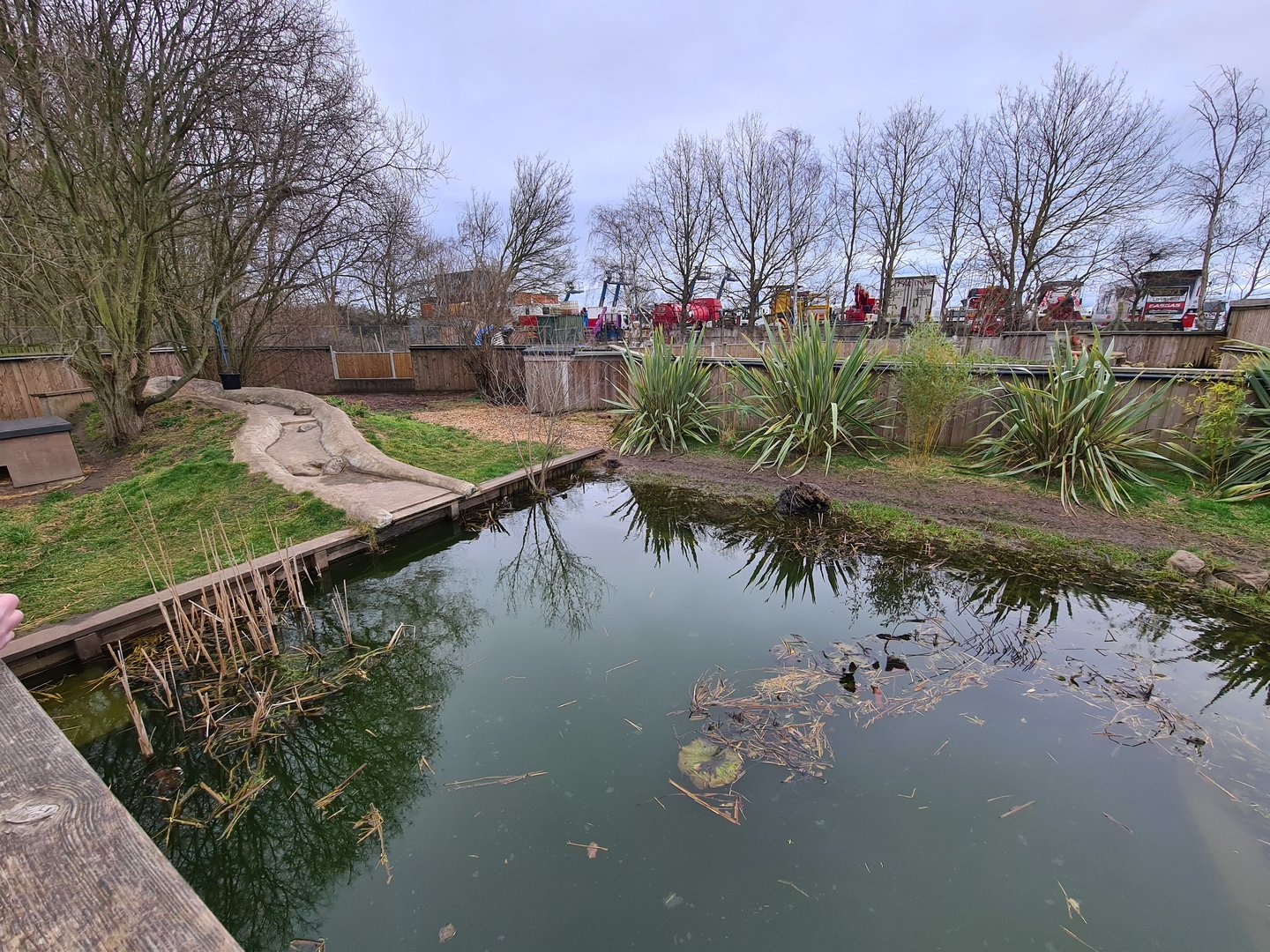
Bali starlings are housed in a netted polytunnel which wouldn’t be out of place at Ark Wildlife and Dinosaur Park, and whilst uninspiring, provides a good amount of space for the critically endangered birds. Nearby are a trio of Asian small clawed otters. Having visited Fenn Bell that morning, and being quite impressed by their exhibit, I can’t say I was blown away by HCC’s (I think the photo speaks for itself).


The meerkat exhibit is now much larger that its original iteration at the zoo, and we saw multiple visitor experiences taking place throughout the day. The lemur walkthrough was open, though void of inhabitants, but we were in better luck for the parma wallaby walkthrough which I found quite pleasant. The zoo is also home to a pair of currently separate ocelots in a small exhibit. It follows a similar vibe with its wood panelling and planting to the new primate exhibits, and reminded me of the original Ventra Wildlife Park. We saw the male ocelot who was active on and off throughout our visit, seeming unbothered by our presence.


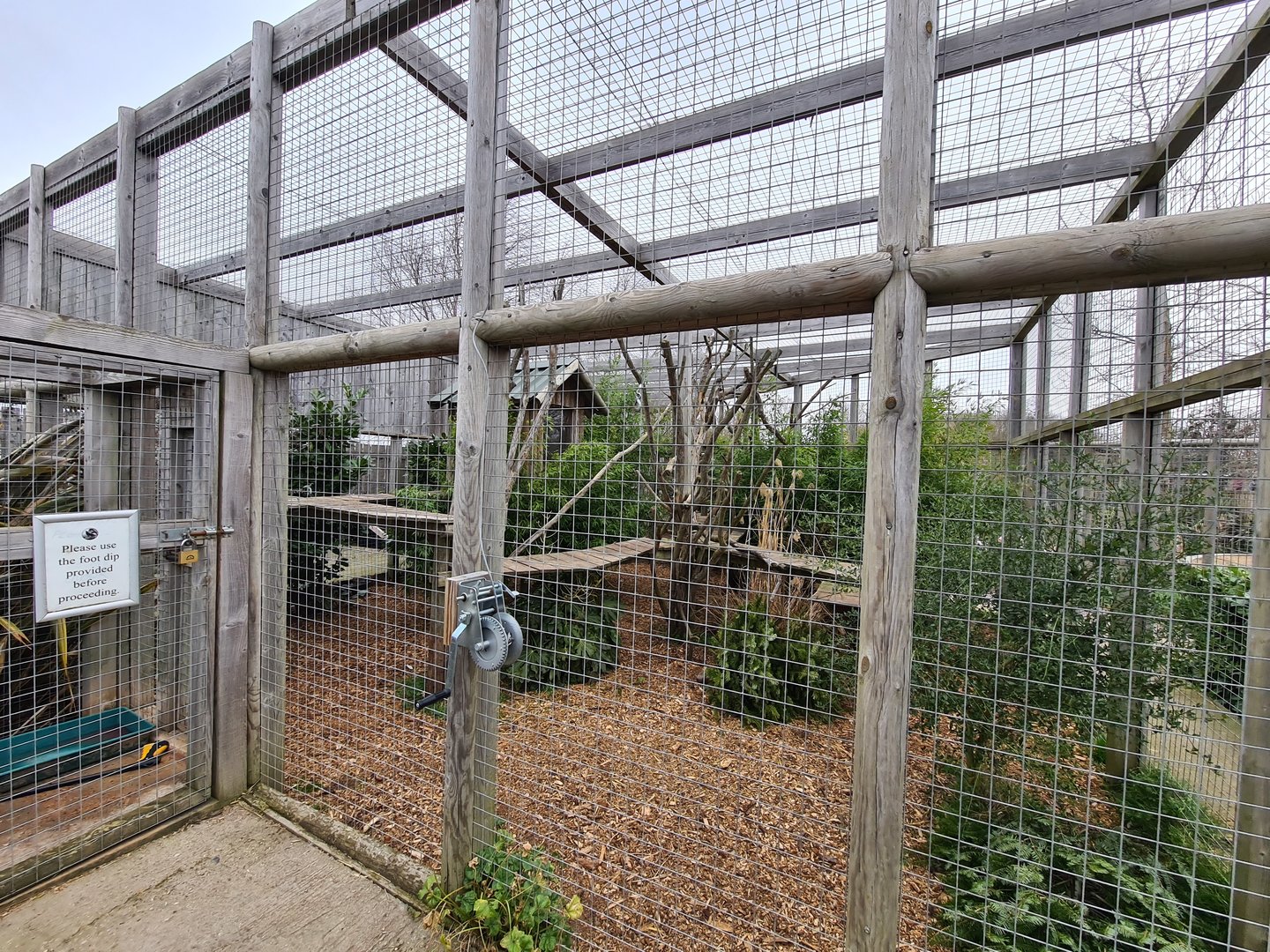
The most unforgettable of the exhibits was for the kinkajou/s. I’m not sure if it’s still under construction or not, but they have built what appears to be an open topped exhibit which adjoins an enclosed mesh exhibit and house (for the second time in this thread, the photo speaks for itself). That said, its commendable that they’re offering the species not only outdoor but open topped access. I can think of very few examples of UK zoos that offer outdoor access, let alone open topped.


At this point the zoo had started to open-up, no longer feeling as tightly packed. There was a small amount of construction taking place, with plenty of space for additional exhibits, and a rear end view of the tapir and capybara paddock (See the first photo in this chapter). One of the UK’s only true Javan binturong is on show here, though we were only able to see it curled up inside. For the amount of space the exhibit covers, very little has been utilised, with only a small climbing platform. It would have been nice to see the binturong offered access to the tree in the exhibit, but I understand this is often easier said than done. The maned wolves have had an upgrade, with an exhibit that looks larger in person than previously posted photos would suggest. I imagine it would look much nicer in the summer months, like the tapir and capybara paddock, and the set up is similar to that of Axe Valleys recent construction.


I’ve certainly missed a few species here and there, but I hope that I’ve provided a comprehensive, but also fair and honest overview of the collection. HCC isn’t a zoo to miss, but it isn’t one to rave about either. There’s no denying that you’ll see several incredible species, even if some of the exhibits may not meet standards that I’d consider appropriate. A recurring criticism was a lack of space, which might be resolved by reducing the number of species kept at the zoo or by improving facilities as seen with the maned wolves or meerkats. I wouldn’t even say that I came away having the bad experience that I might have expected, but I wasn’t enthralled either. It’s hard to put into words how I feel about the place, but I don’t see myself returning any time soon (another running theme of the weekend… overview incoming). I would welcome any feedback if users think I’ve been unfair with my commentary, and look forward to any dialogue that might ensue.

Next up... Get To Know Animals.

*I was unable to include all of the photos that I wanted in this review (there is a 20 photo limit), so please see the gallery for a few more!*

Very interesting review. I’ve not been there and I do worry about inadequate housing - it looks like there is quite a mix of enclosure styles and good / not so good spaces.

While they might intend to do lots of things you’ve given a great perspective on what is there now. Thanks!
 
They have a good success with breeding, and I don’t personally think the exhibits are as bad as people make out. Yes some are small, but they are rectifying that and I like that they display unusual animals. I also like the variety of keeper talks and I personally feel it is a collection which is improving and seems to be on the right trajectory.

Thank you for your comments and insight. Glad to hear there are plans to make some upgrades to exhibits :)

Keep the reviews coming

Will do! :p

While they might intend to do lots of things you’ve given a great perspective on what is there now.

Thank you, that was certainly my intent. As I said in the post, I've tried to be fair when I can and give praise where it's due.
 
Hi everyone. I know folks will be keen for the next post, but I need a night off as I've been traveling today for work. Hope to have another posted tomorrow evening!

To make up for it, here's something that should please the Europeans :p

20230219_105015.jpg
 

Attachments

  • 20230219_105015.jpg
    20230219_105015.jpg
    85.8 KB · Views: 76
Hi everyone. I know folks will be keen for the next post, but I need a night off as I've been traveling today for work. Hope to have another posted tomorrow evening!

To make up for it, here's something that should please the Europeans :p

View attachment 607742
Saw this on the website and thought it must be a mistake!
 
  • Like
Reactions: TNT
Hi everyone. I know folks will be keen for the next post, but I need a night off as I've been traveling today for work. Hope to have another posted tomorrow evening!

To make up for it, here's something that should please the Europeans :p

View attachment 607742
:eek::eek: Can't say I was expecting THAT on this thread!
 
  • Like
Reactions: TNT
Fair thanks! They're probably from the recent imports that came in. A few on exotic mammal supplier lists over the last few months.
 
Back
Top