(2) Hemsley Conservation Centre
Hemsley Conservation Centre (Hereafter HCC) is a zoo like no other, and it would be a lie to say that I didn’t have a preconceived notion about the place. HCC is a zoo nerds paradise, but of course that depends on your definition of “zoo nerd”. I for one sit in two categories; the zoo nerd that likes to see rare and unusual species, but also the zoo nerd that works in the industry and spent years in university developing an understanding of animal husbandry, conservation, and research. It’s infamy on ZooChat and in the wider zoo community can’t be denied, but I hope that I’ve been able to offer and fair and honest overview in the text below.
Small zoos were a reoccurring theme of the weekend, and HCC certainly fits that category. This is by no means a criticism, per se, as some of the best zoos in the country are some of its smallest, including the likes of Shaldon. I was glad to see that the site has expanded in recent years and taken on land to the rear or the original zoo, with the entrance having moved into the café next door. We were welcomed by a friendly member of staff who asked if we’d visited before (I hadn’t), and made note of the talk times throughout the day; Staff continued to be friendly and seemed happy chatting to guests both during and out of talk times.
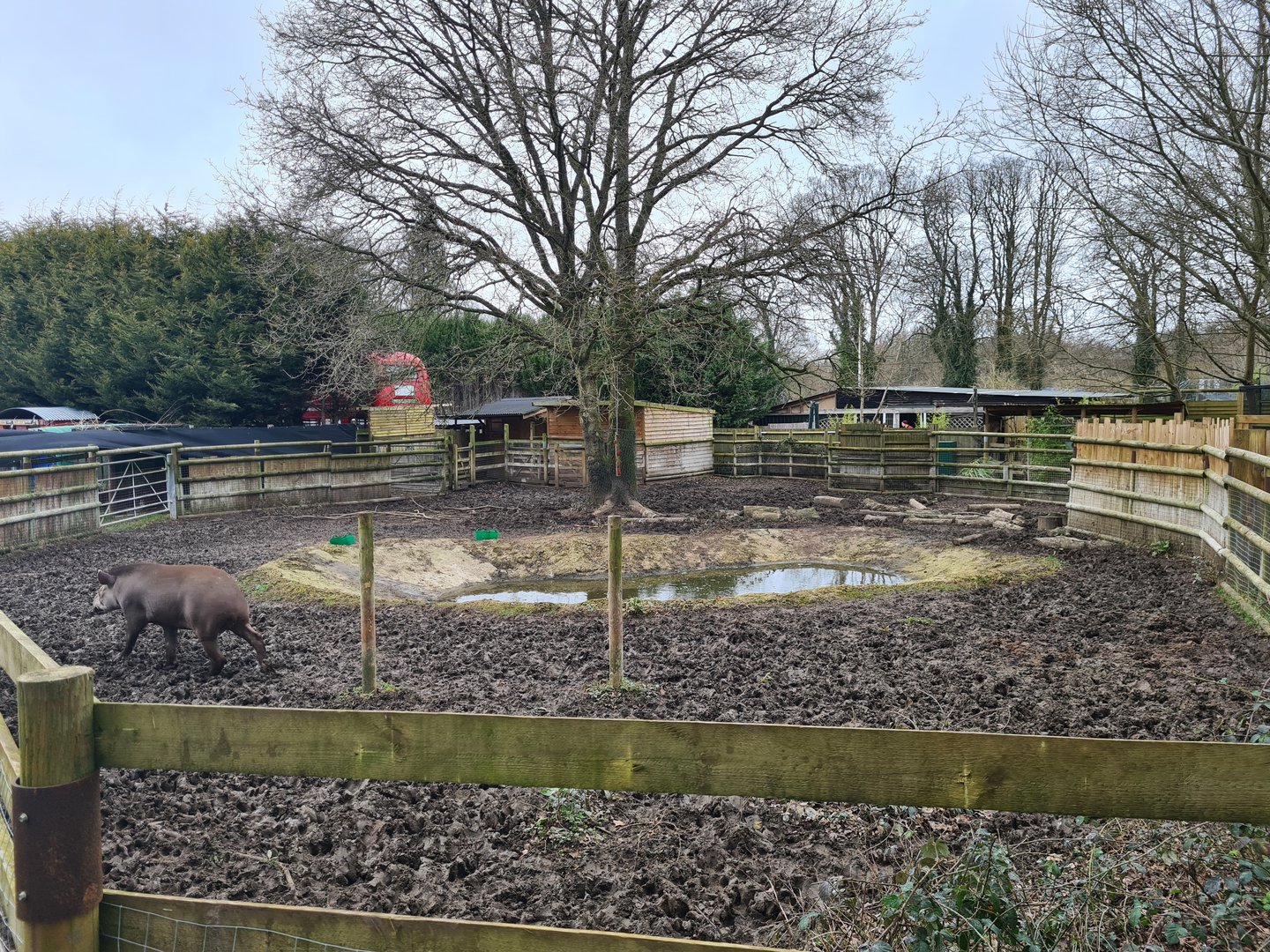
Animal wise, you are first greeted by a capybara and lowland tapir pair, the latter being one of Linton Zoos many tapir offspring. There’s no hiding the fact that the paddock is small and has not held up to the winter months. It was very muddy, with only the house and small hardstanding offering the animals some respite from it. I’m happy to be corrected, but it doesn’t look as though there is an additional paddock or yard which would allow the paddock to recover. A visit during the warmer months might have given me a different perspective, but what I can say is that the tapir himself didn’t seem to mind (I know, not very scientific of me), and was very inquisitive with visitors.
The southern aardwolf enclosure seemed empty, as smaller signage at viewing areas had been removed. We did not see the animal and assumed it might have left the collection or passed away, but I have since been informed that it’s still there. I understand from photos online that there is a smaller secondary exhibit, but I struggle to understand how four maned wolves were adequately housed there for a time. The exhibit is a good size for an aardwolf, but certainly not a maned wolf, let alone four. I’m very glad that a new exhibit has been constructed for the wolves, which I will mention later in this overview.
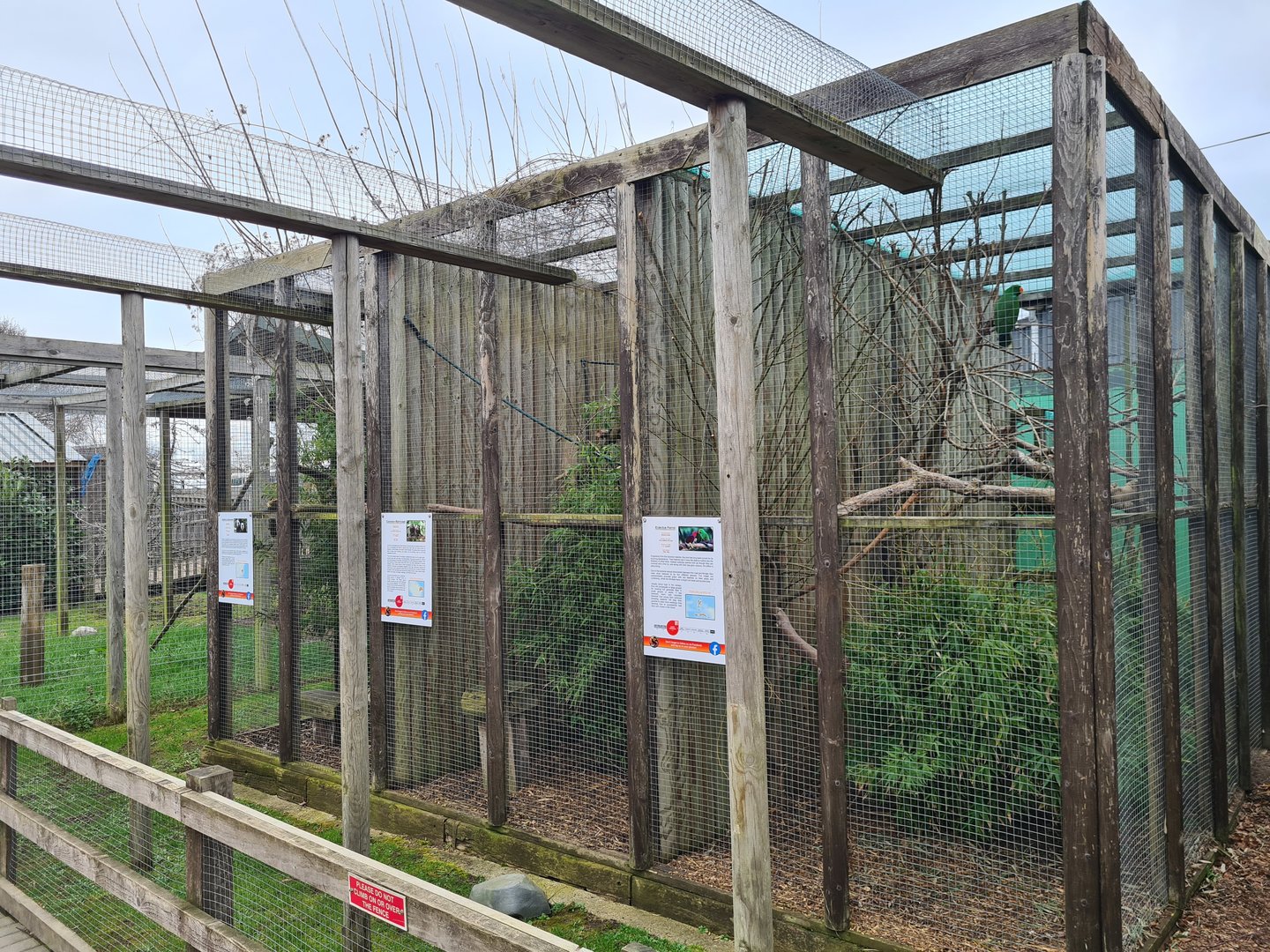
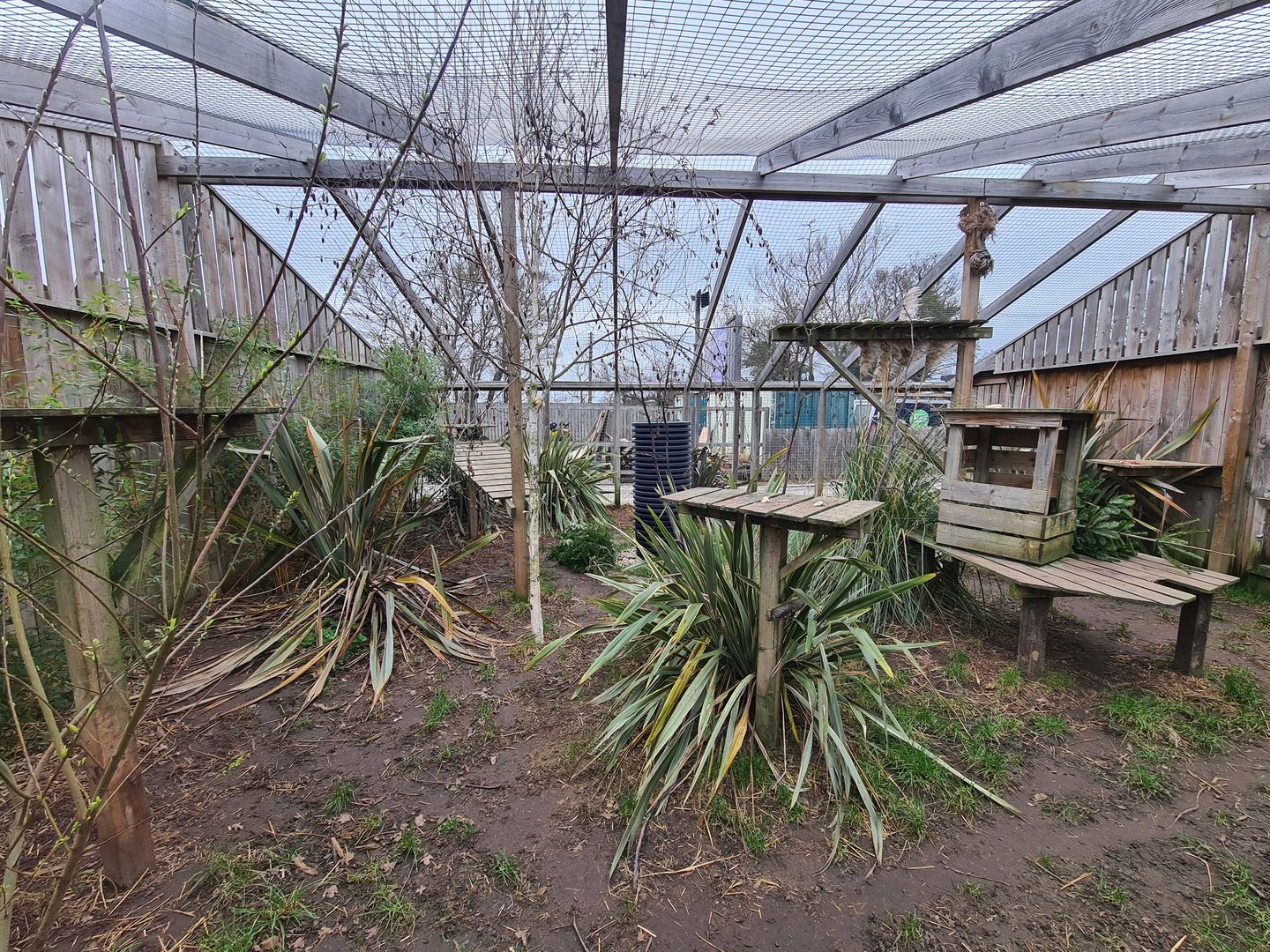
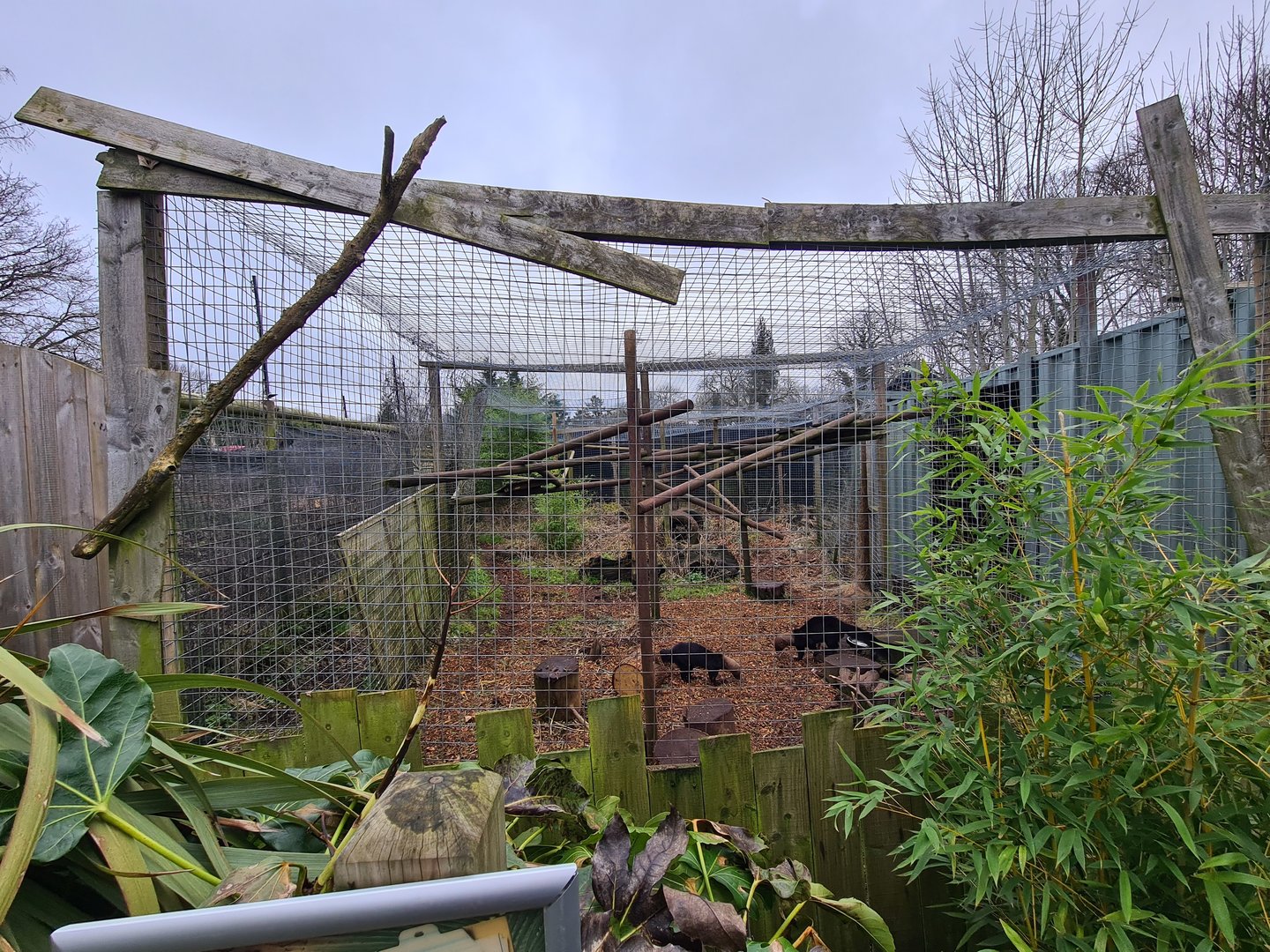
Next up were a pair of tayra, housed in an exhibit of a similar size to what you’d see at Axe Valley Wildlife Park, or All Thing Wild. Having seen it in person, it is larger than how it may appear in photos, though the rustic mish-mash vibe wasn’t quite doing it for me (Not that the Tayra will care). The Geoffroy’s cat has a very well planted exhibit to the right of the tayra, but unfortunately this individual was unseen; thankfully I’ve seen the species at Woodside Wildlife Park before, so I wasn’t missing out as I did with the Bobcat at Fenn Bell. Similarly, the straw-coloured fruit bats were unseen and are housed in a seemingly new pre-fab shed (I didn’t get a photo, but it is similar to the shed housing the rusty spotted cats, vontsira and echidna which can be seen later in the overview).
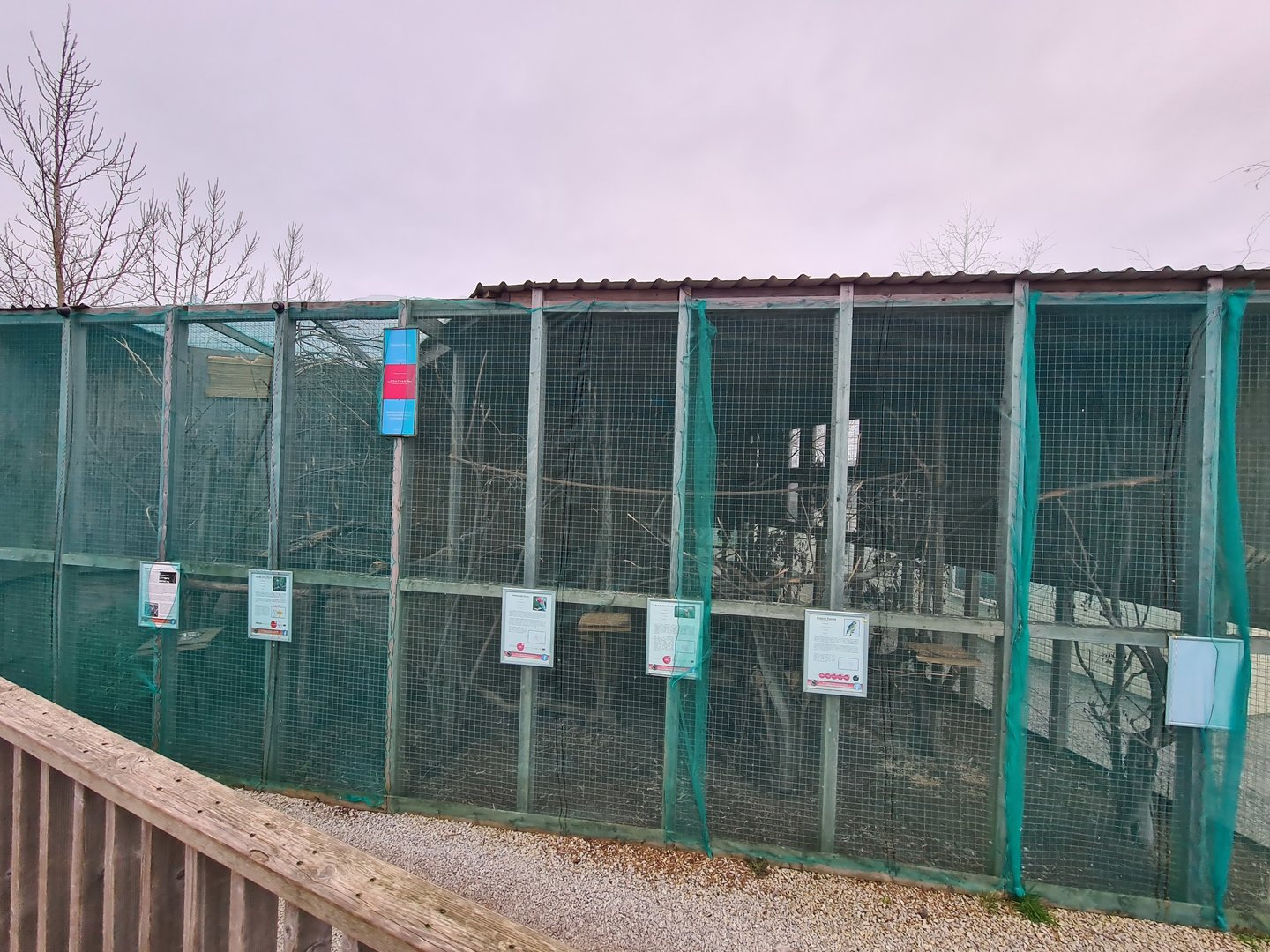
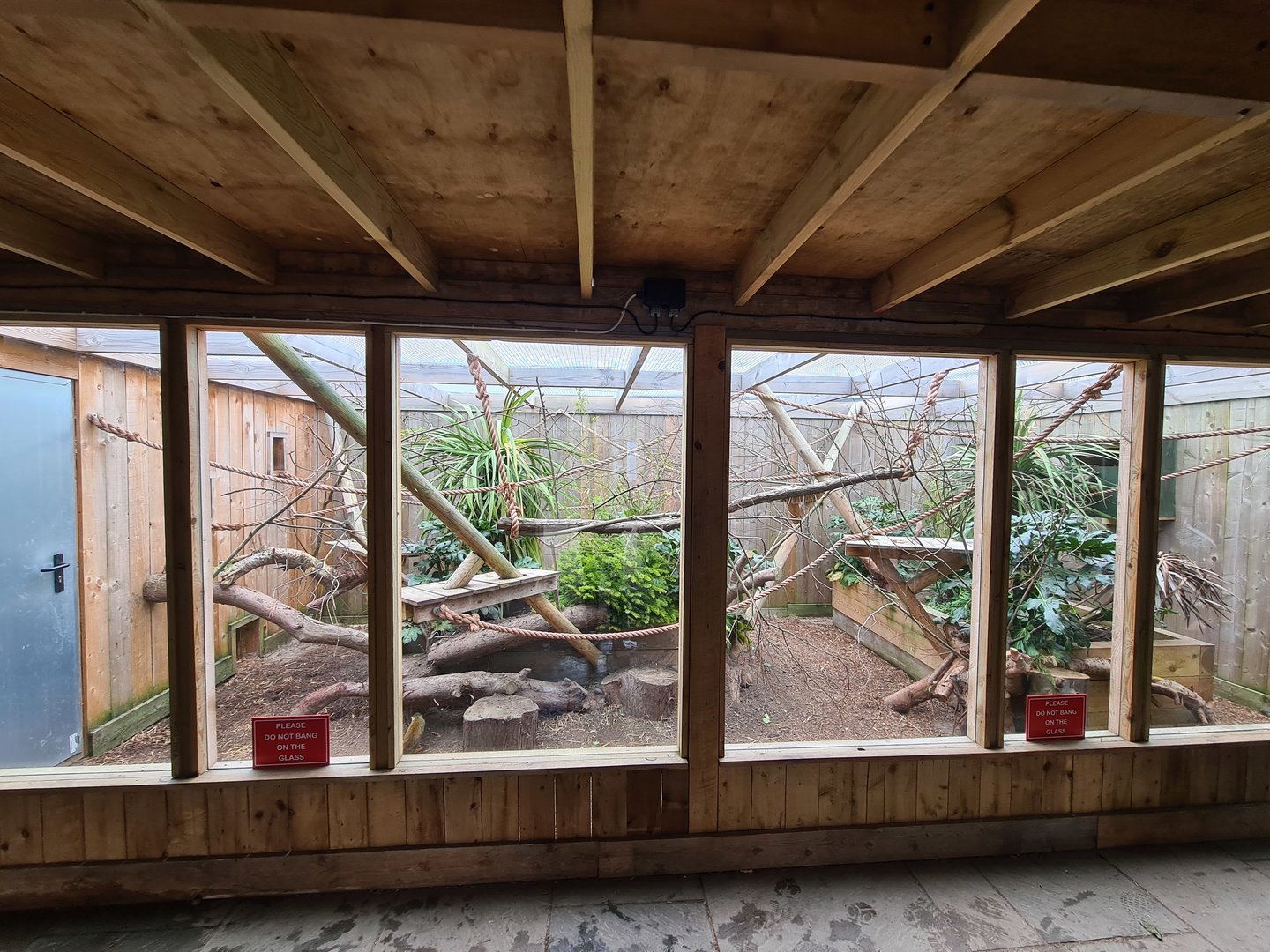
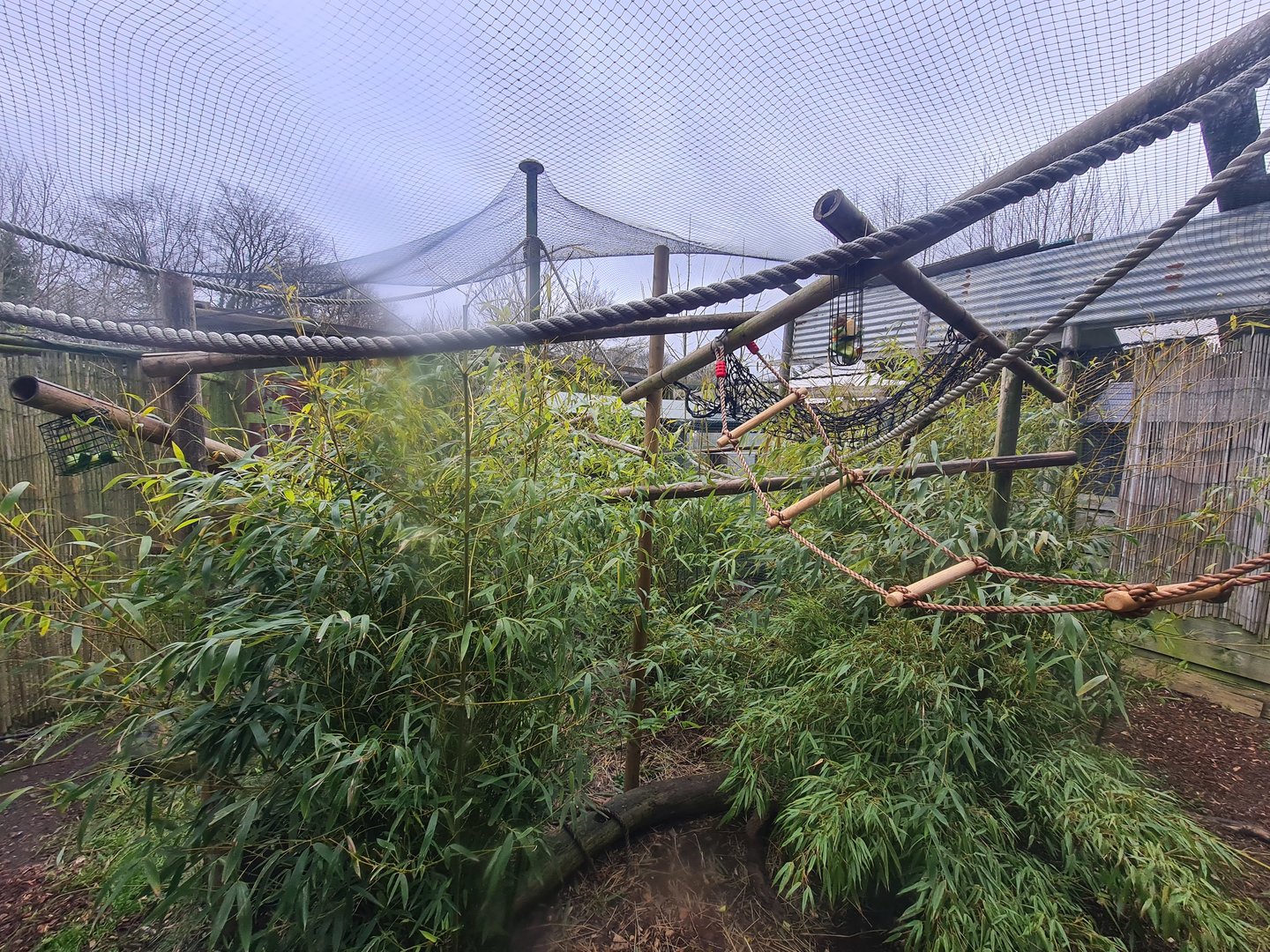
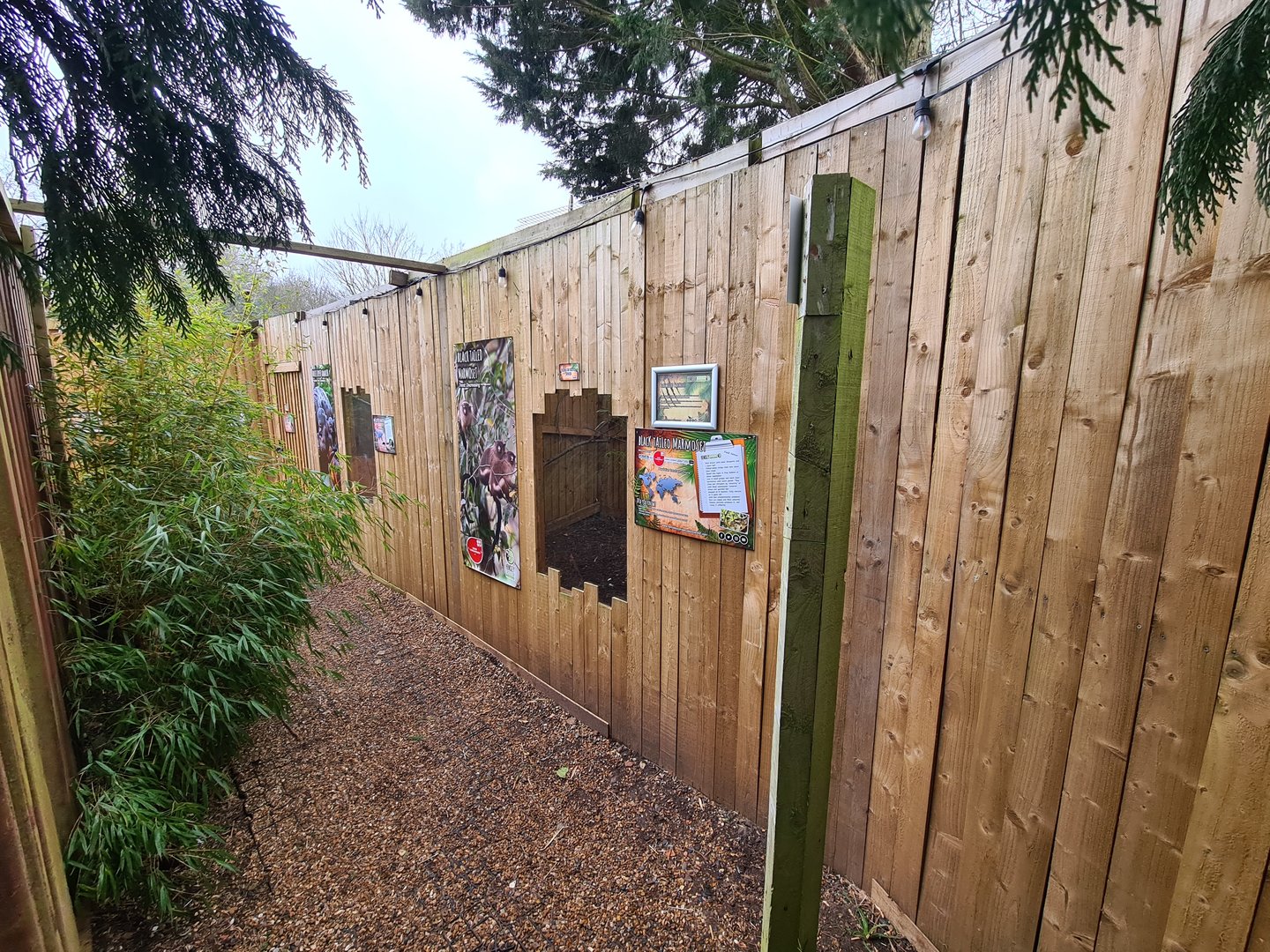
Some of their nicer exhibits at the zoo are for primates. This includes a nicely planted and furnished netted enclosure for squirrel monkeys, and some smaller yet appropriate mesh exhibits for white lipped tamarins and black tailed marmosets. The capuchins are housed in a similar, though slightly larger (but on the small side for the species), mesh exhibit. Opposite is a tall and older looking enclosure for ring tailed lemurs and rufous brown lemur, which wouldn’t look out of place in any small British zoo.
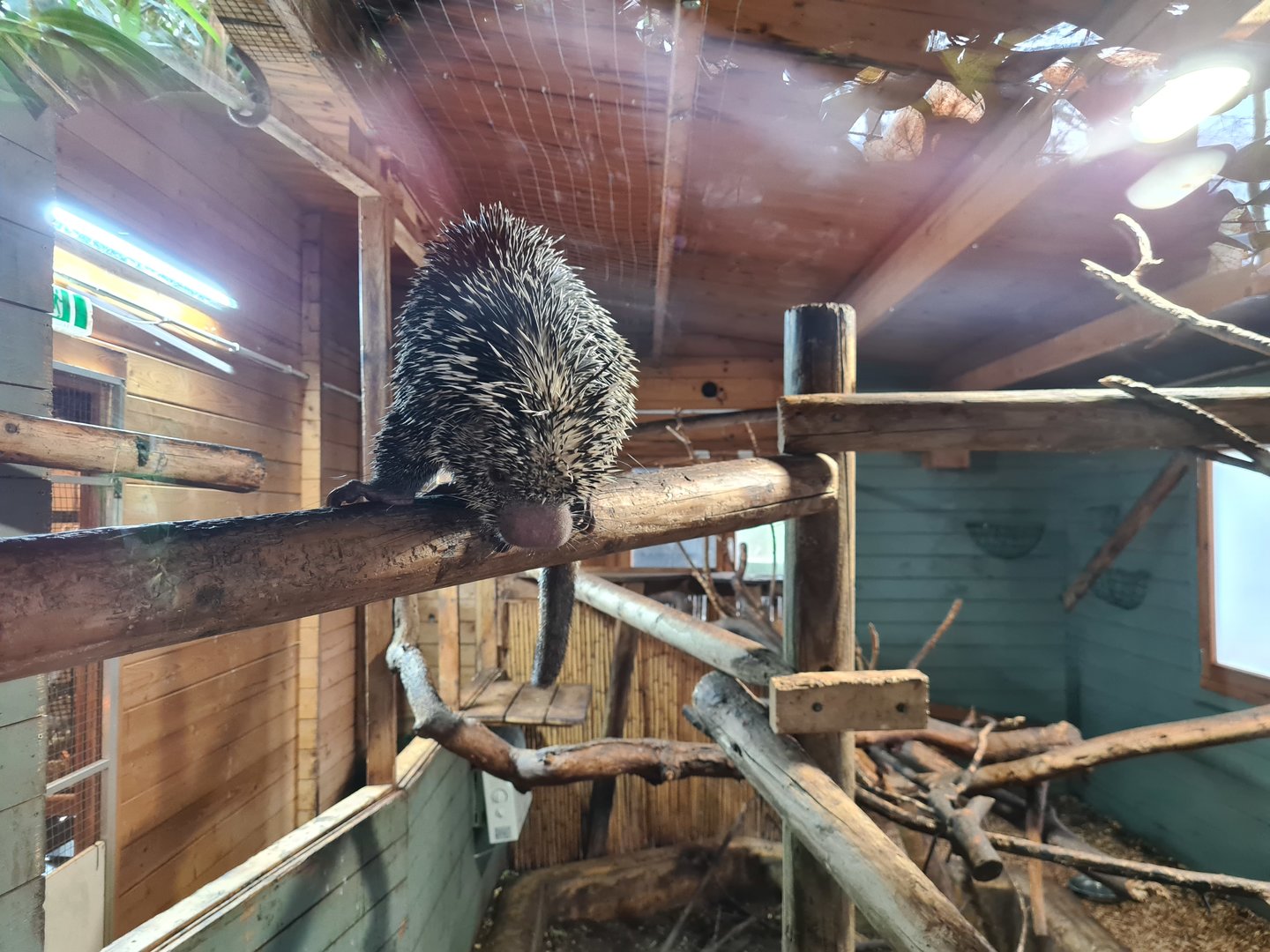
Another zoological rarity at HCC are the Brazilian porcupines. They are held in two separate indoor mixed species exhibits; one including goeldi’s mokney and either three or six-banded armadillo (forgive my poor memory), and the other with black-tailed marmoset and grey-handed night monkeys. The porcupines in the latter of the exhibits were more active than the former, putting on a good display for us, whilst the night monkeys were unseen.
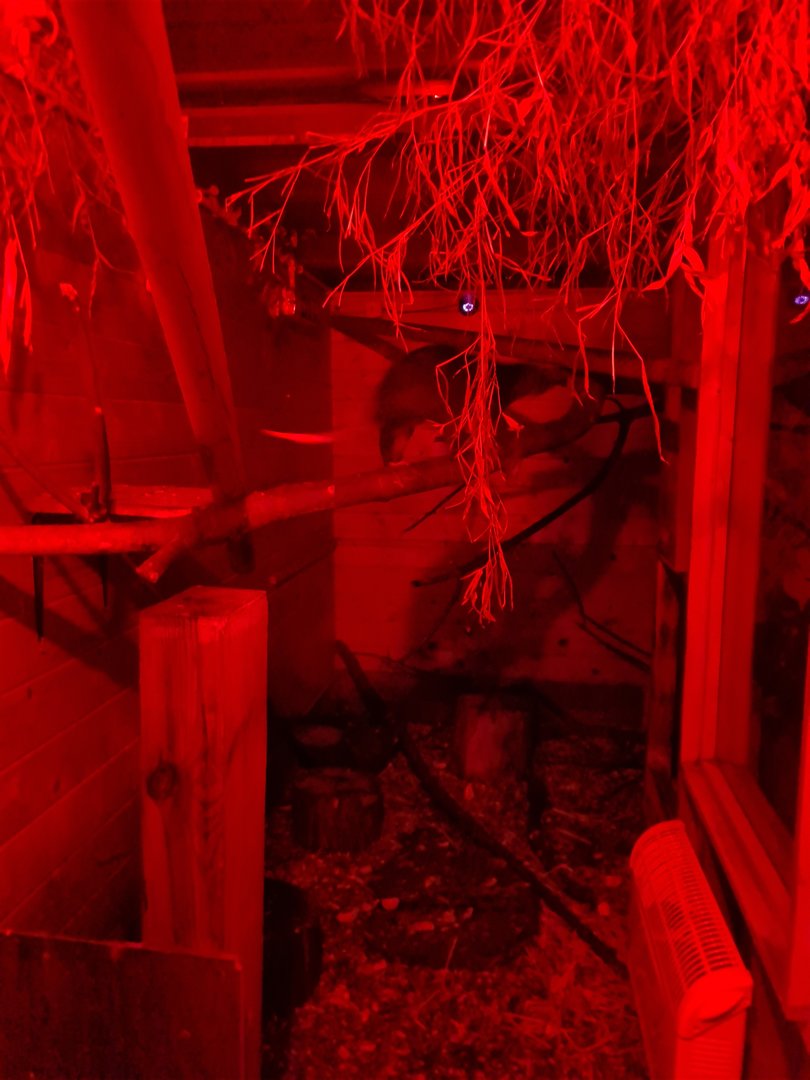
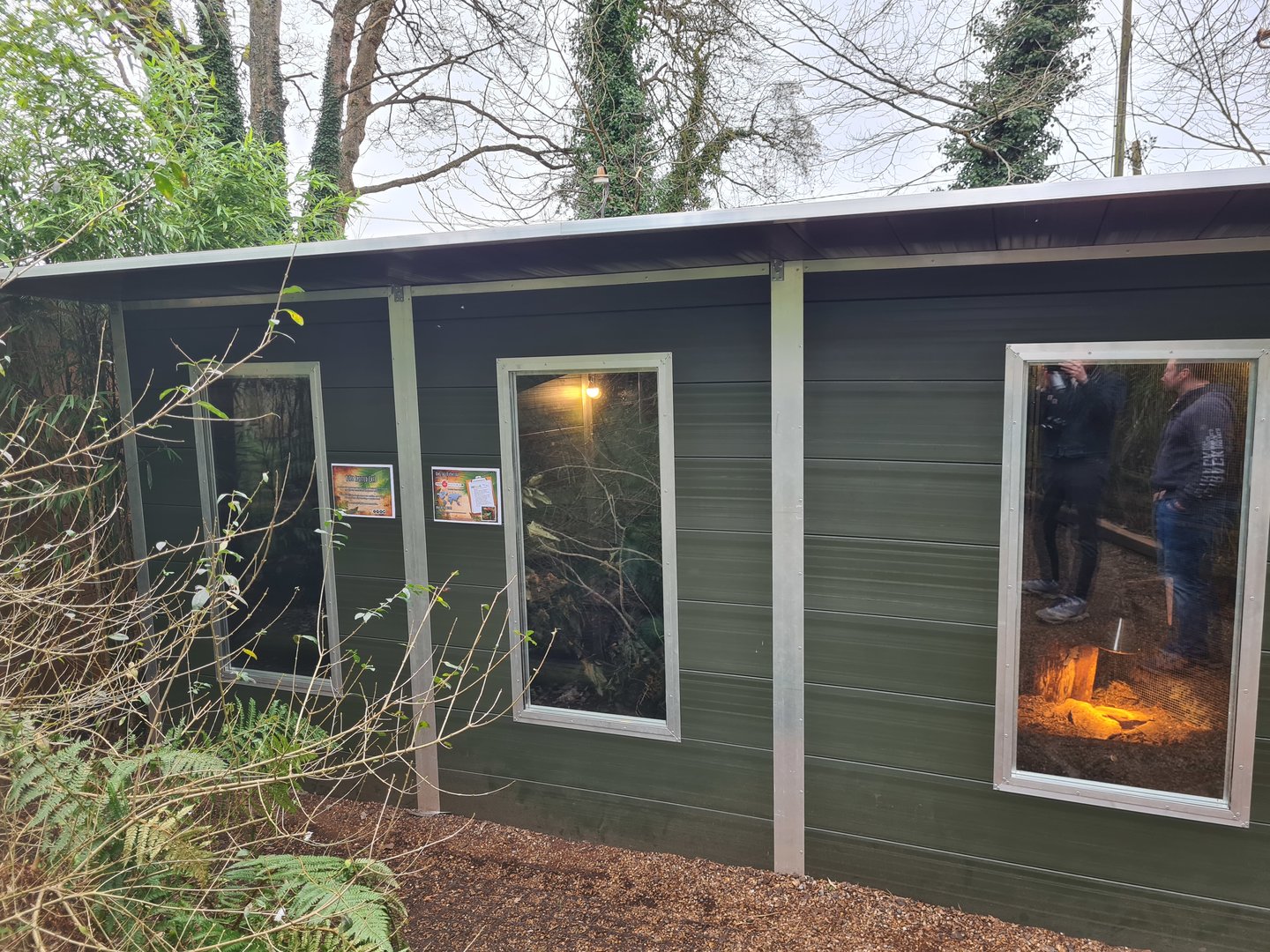
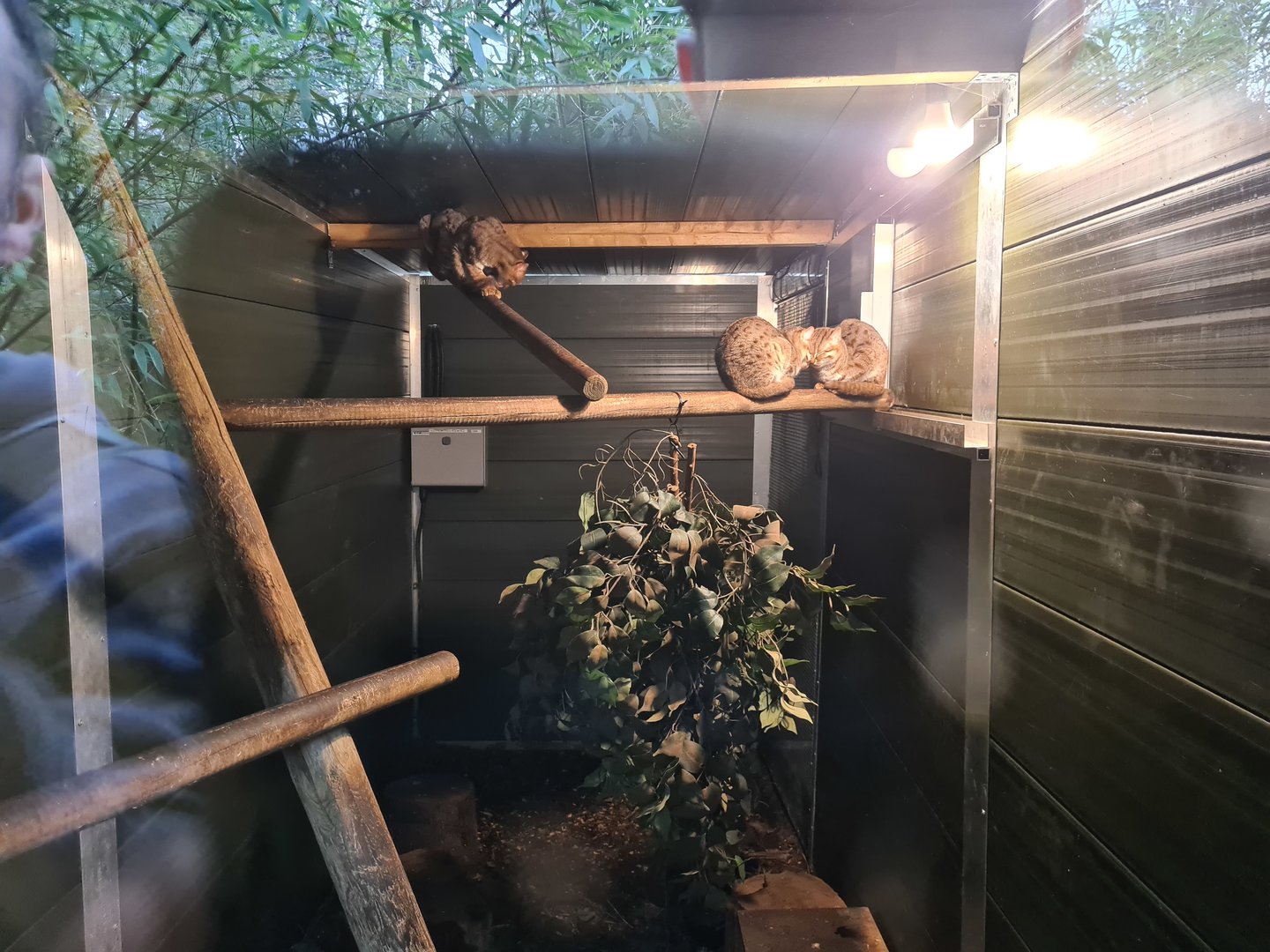
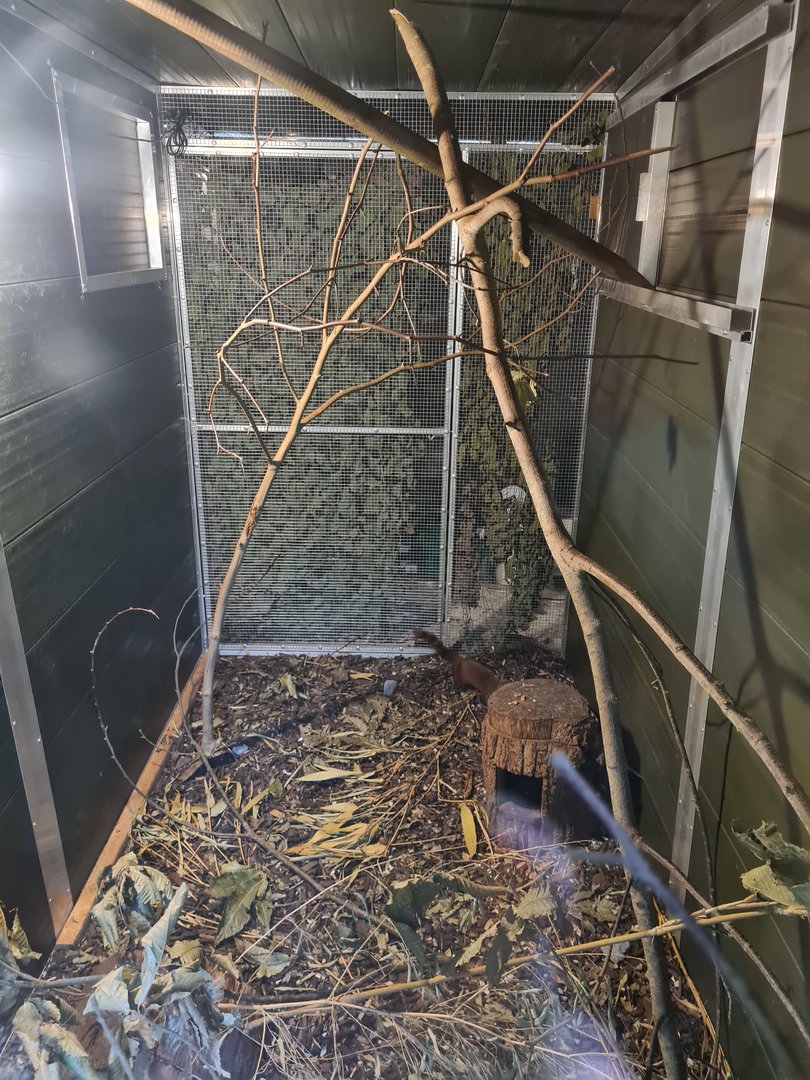
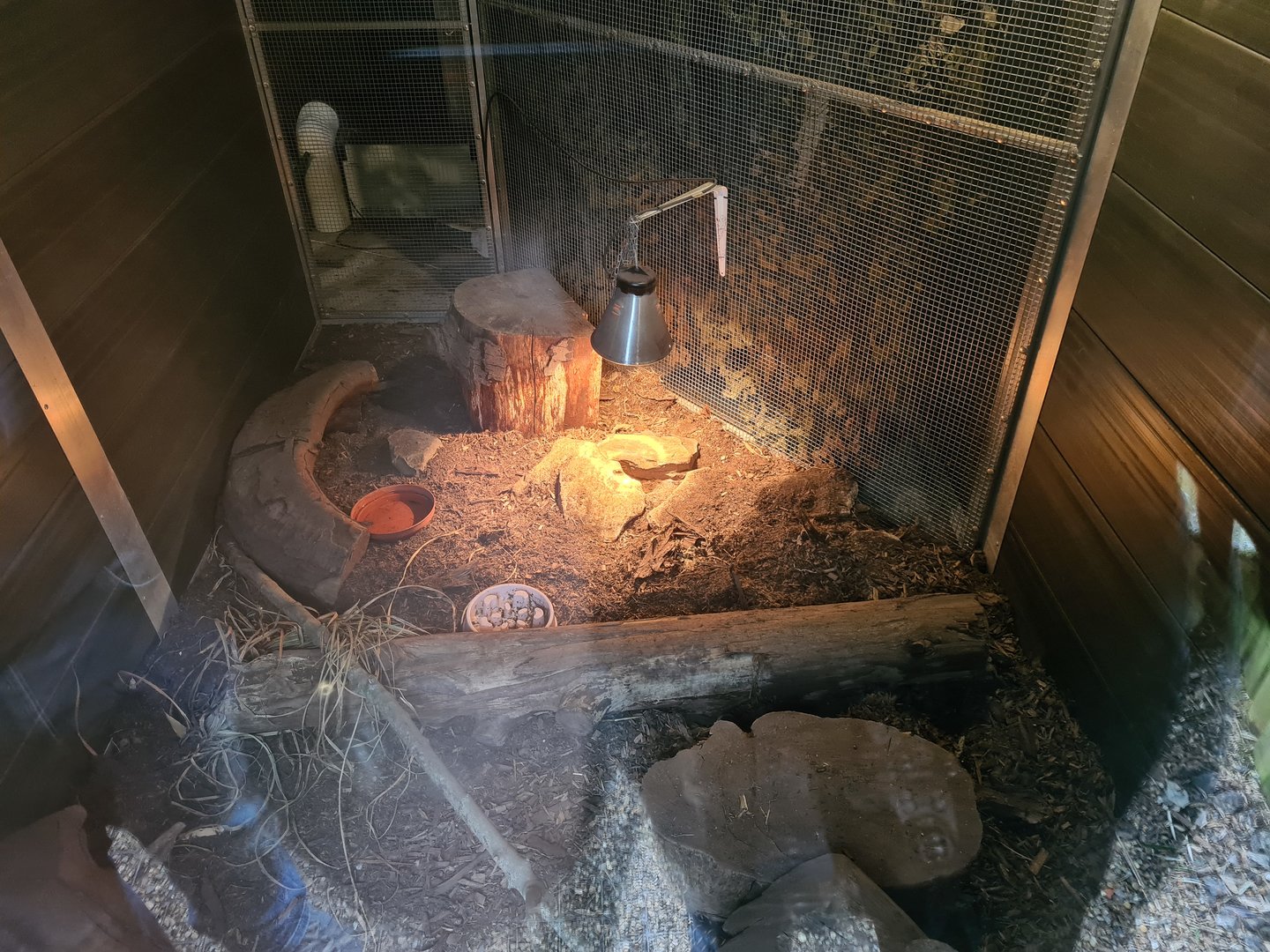
HCC’s nocturnal house is home three ground cuscus and pygmy slow loris, of which one loris was seen. Generally speaking, ground cuscus aren’t offered a whole lot of space in zoos, and HCC is no exception. It would have been nice to see them offered the whole house rather than sharing with the loris. I was surprised to see a small monitor in the house playing a repeating video on Species360 (ZIMS), which I thought was a nice touch. Just outside was the aforementioned pre-fab shed, which is divided into three sections to house rusty spotted cats, a ring-tailed vontsira, and a short-beaked echidna. I was disappointed to see the cats still housed in here, as it was reported on ZooChat last summer that the situation would only be temporary. Hopefully a more appropriate enclosure that provides outdoor access will be constructed soon (which some signage suggested), as the zoo has a good history of breeding the species.
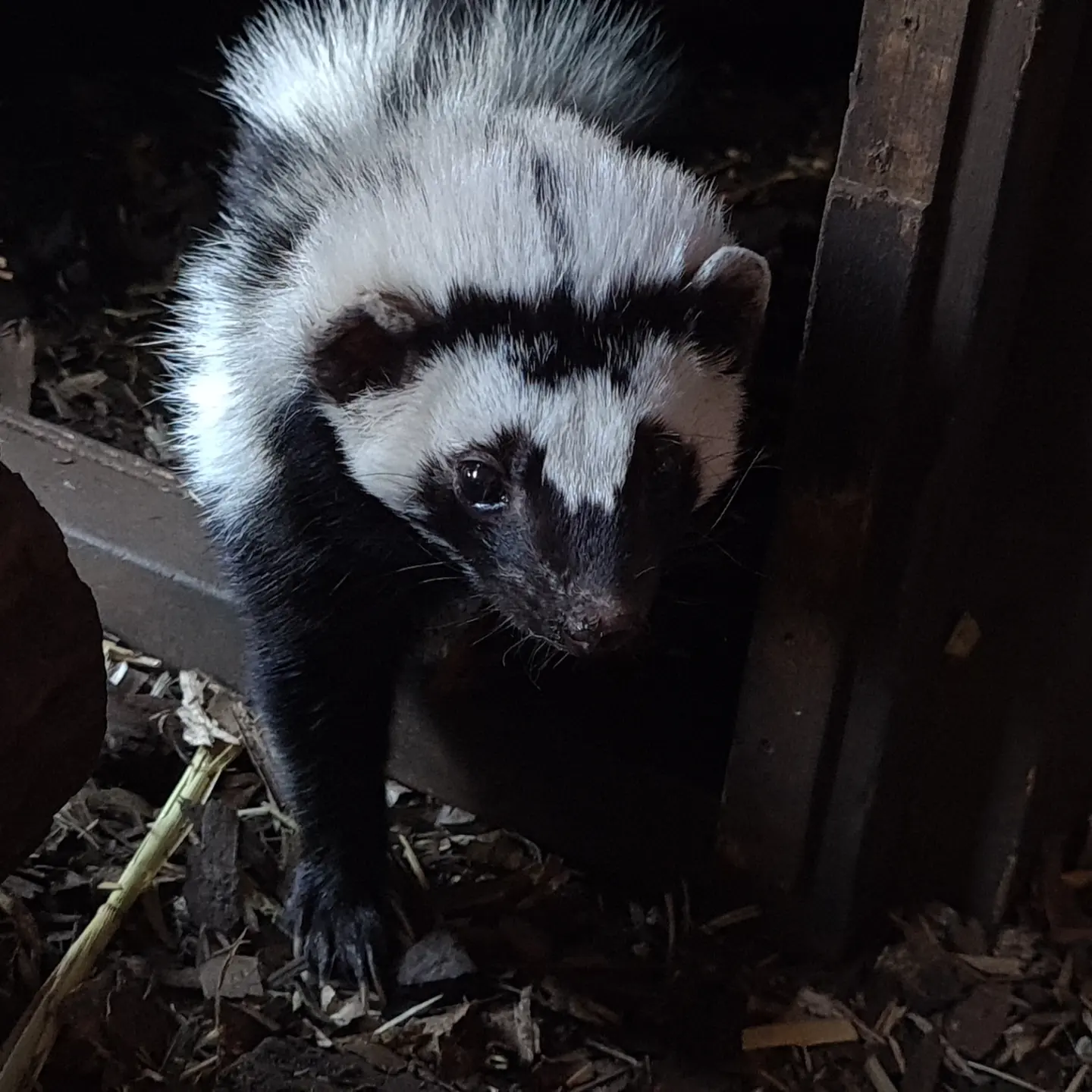
The star of the show was the young female ring-tailed vontsira. She was incredibly active and made good use of her small section of the shed. I managed to capture one in focus photo of her on my phone; I believe
@migdog had better luck getting some footage with his video camera. Last up was the short-beaked echidna which as expected was asleep, and did not move for the duration of our visit. Again, I do feel as though a poor amount of space has been offered for the echidna. The vontsira and cats are able to use the vertical space in the exhibit, leaving the echidna with only a small amount of floor space. When compared to brilliant housing at Paignton or even Hamerton, which is an exhibit I also consider too small, it really puts things into perspective. I would hope that in the future once that cats move out, the echidna will be offered more space.
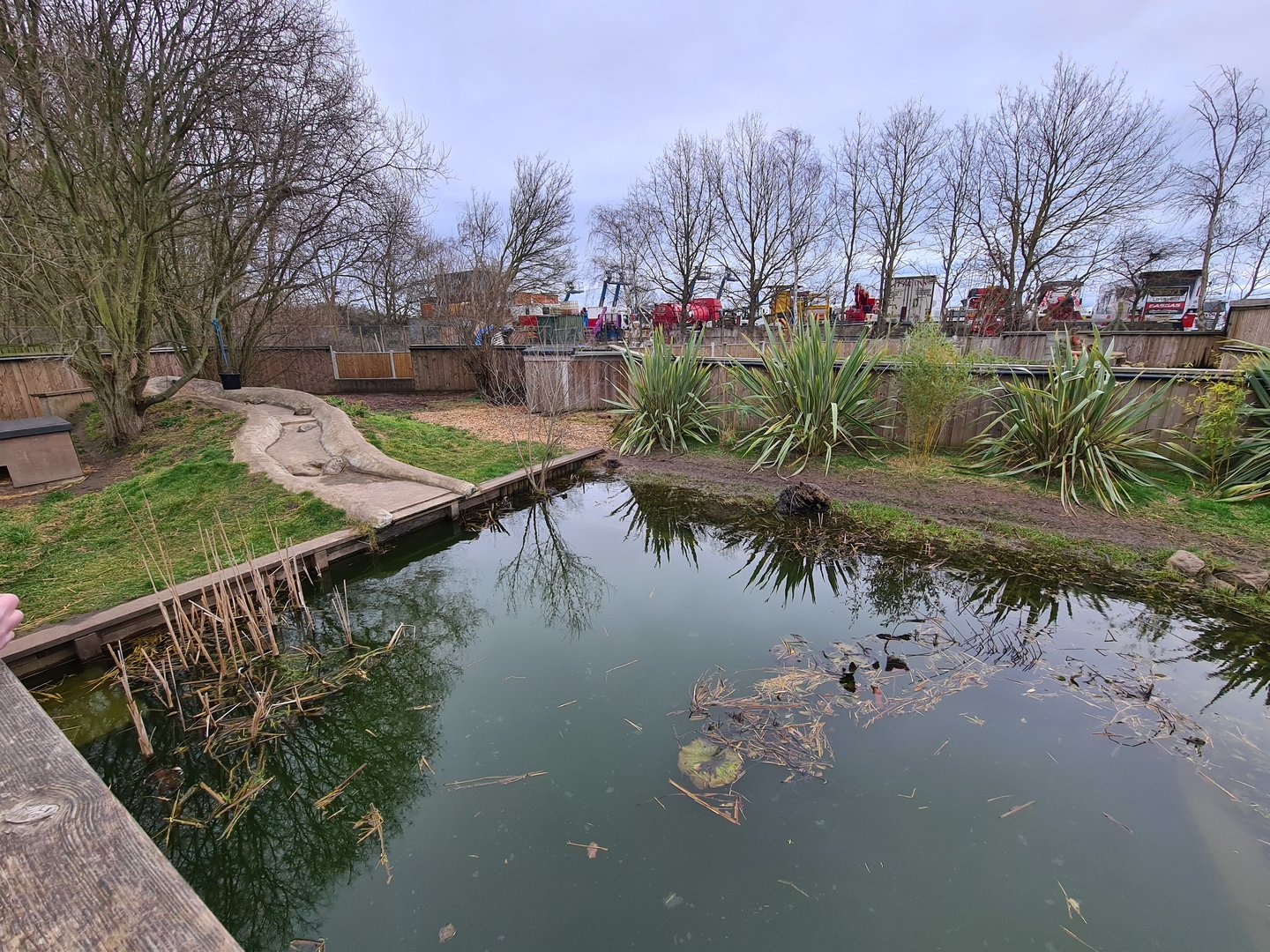
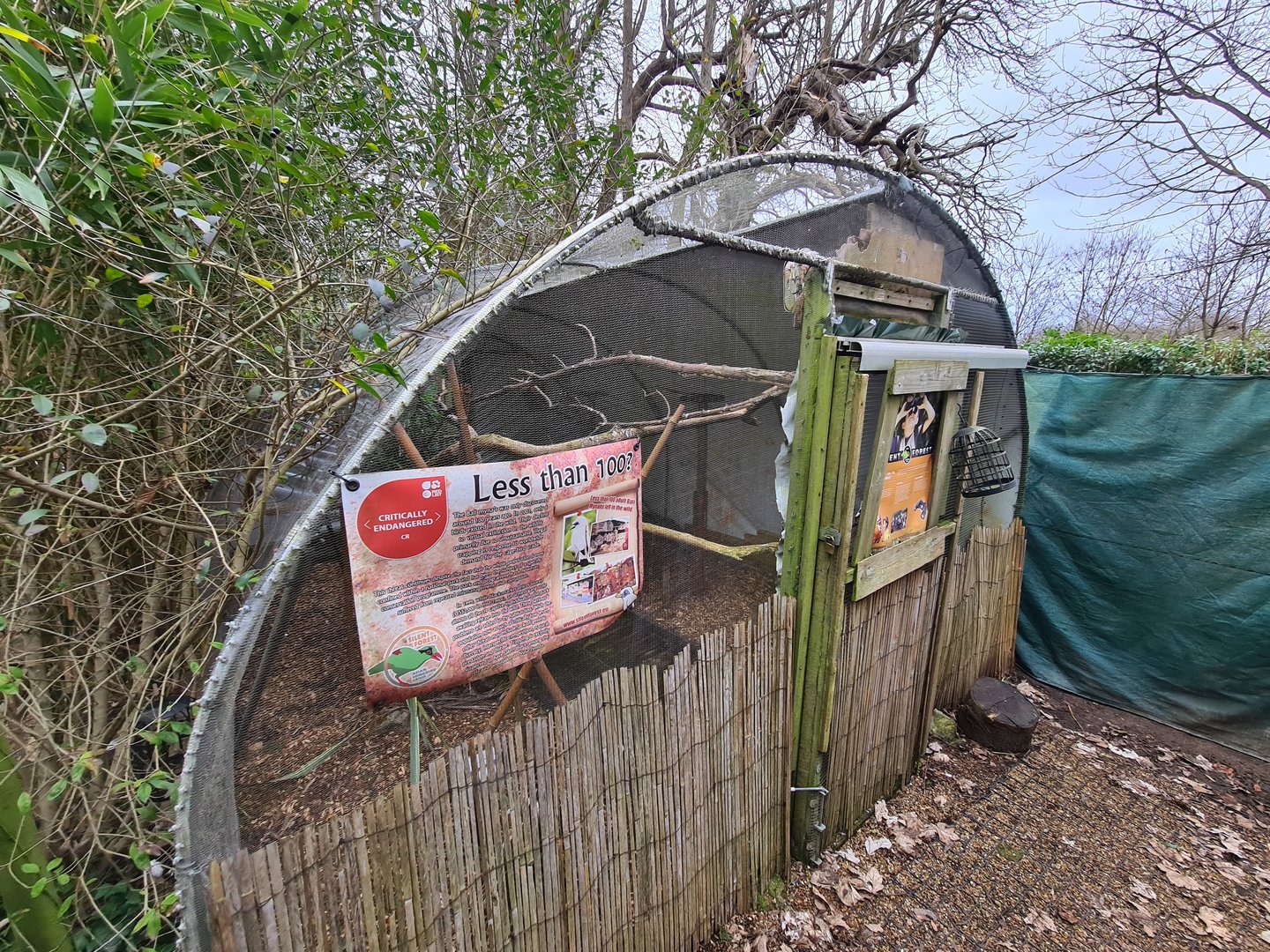
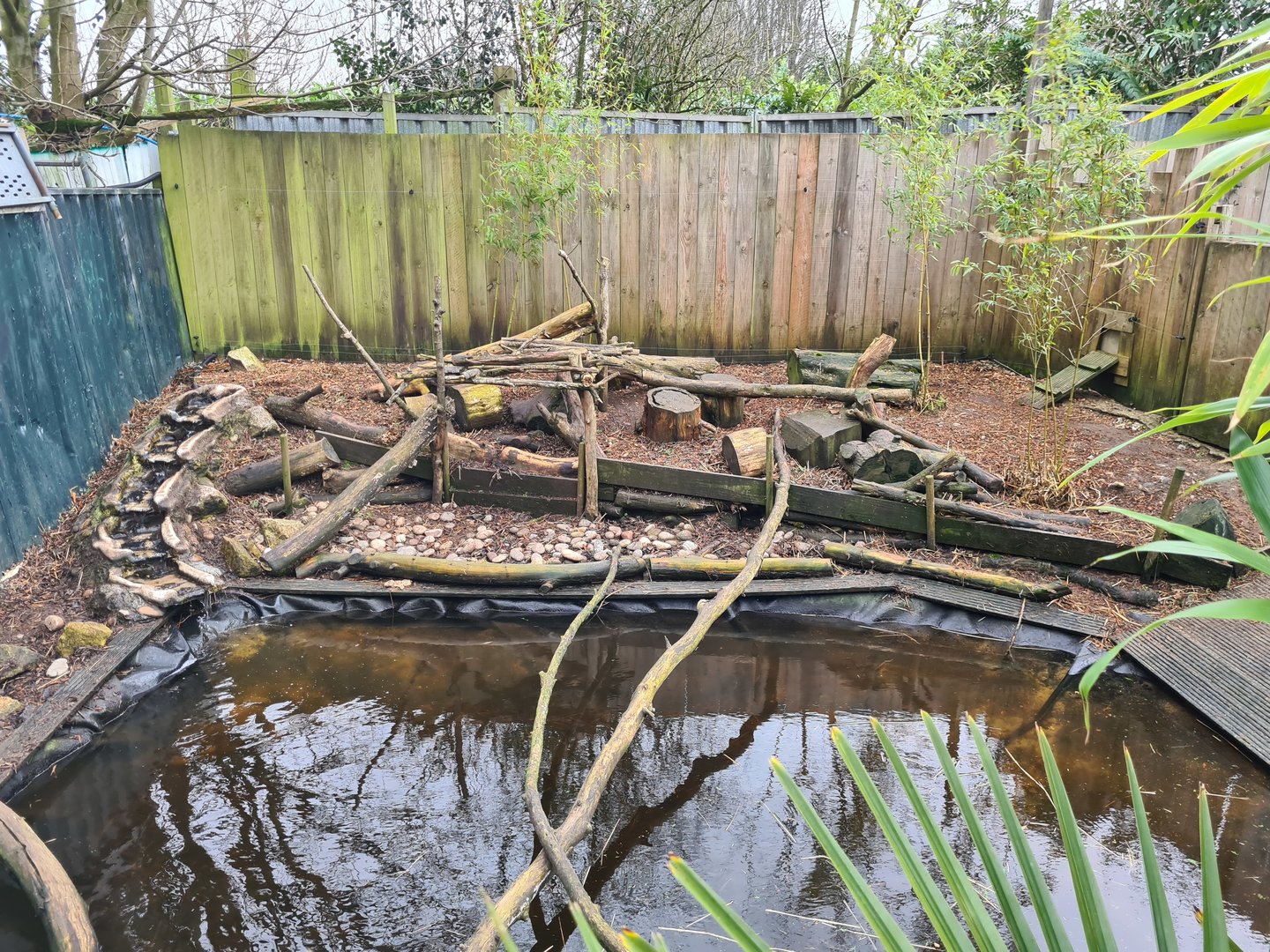
Bali starlings are housed in a netted polytunnel which wouldn’t be out of place at Ark Wildlife and Dinosaur Park, and whilst uninspiring, provides a good amount of space for the critically endangered birds. Nearby are a trio of Asian small clawed otters. Having visited Fenn Bell that morning, and being quite impressed by their exhibit, I can’t say I was blown away by HCC’s (I think the photo speaks for itself).
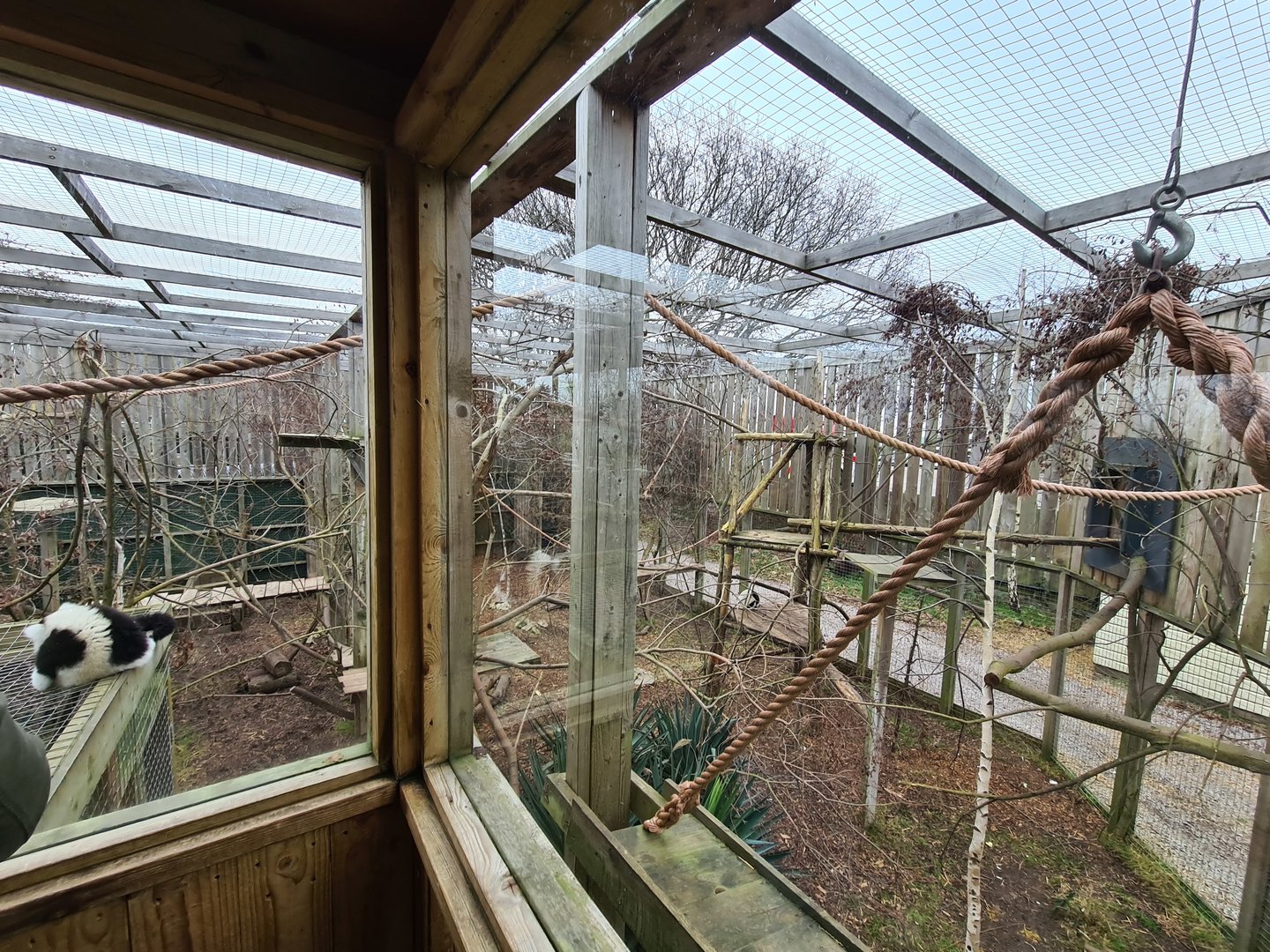
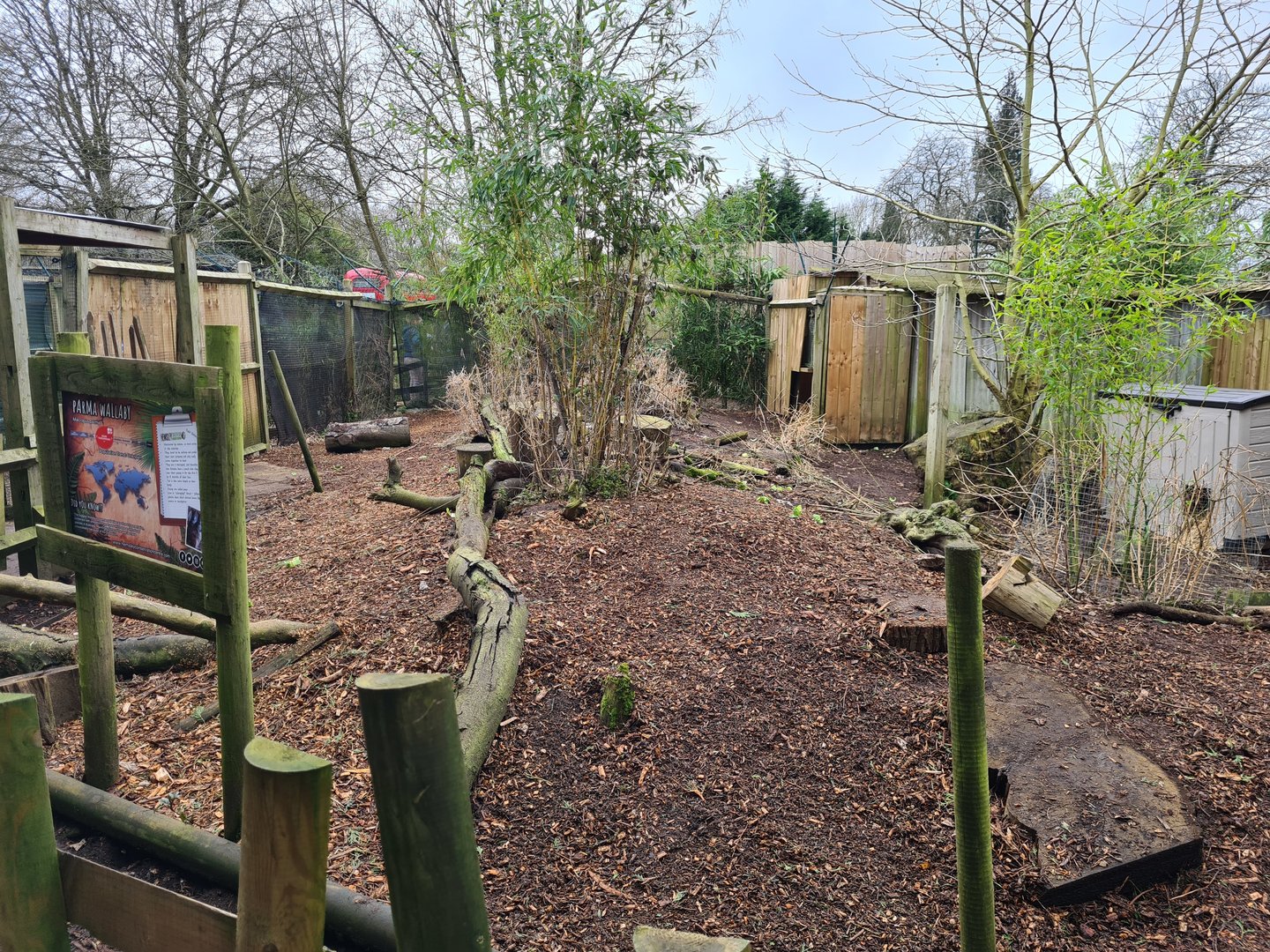
The meerkat exhibit is now much larger that its original iteration at the zoo, and we saw multiple visitor experiences taking place throughout the day. The lemur walkthrough was open, though void of inhabitants, but we were in better luck for the parma wallaby walkthrough which I found quite pleasant. The zoo is also home to a pair of currently separate ocelots in a small exhibit. It follows a similar vibe with its wood panelling and planting to the new primate exhibits, and reminded me of the original Ventra Wildlife Park. We saw the male ocelot who was active on and off throughout our visit, seeming unbothered by our presence.
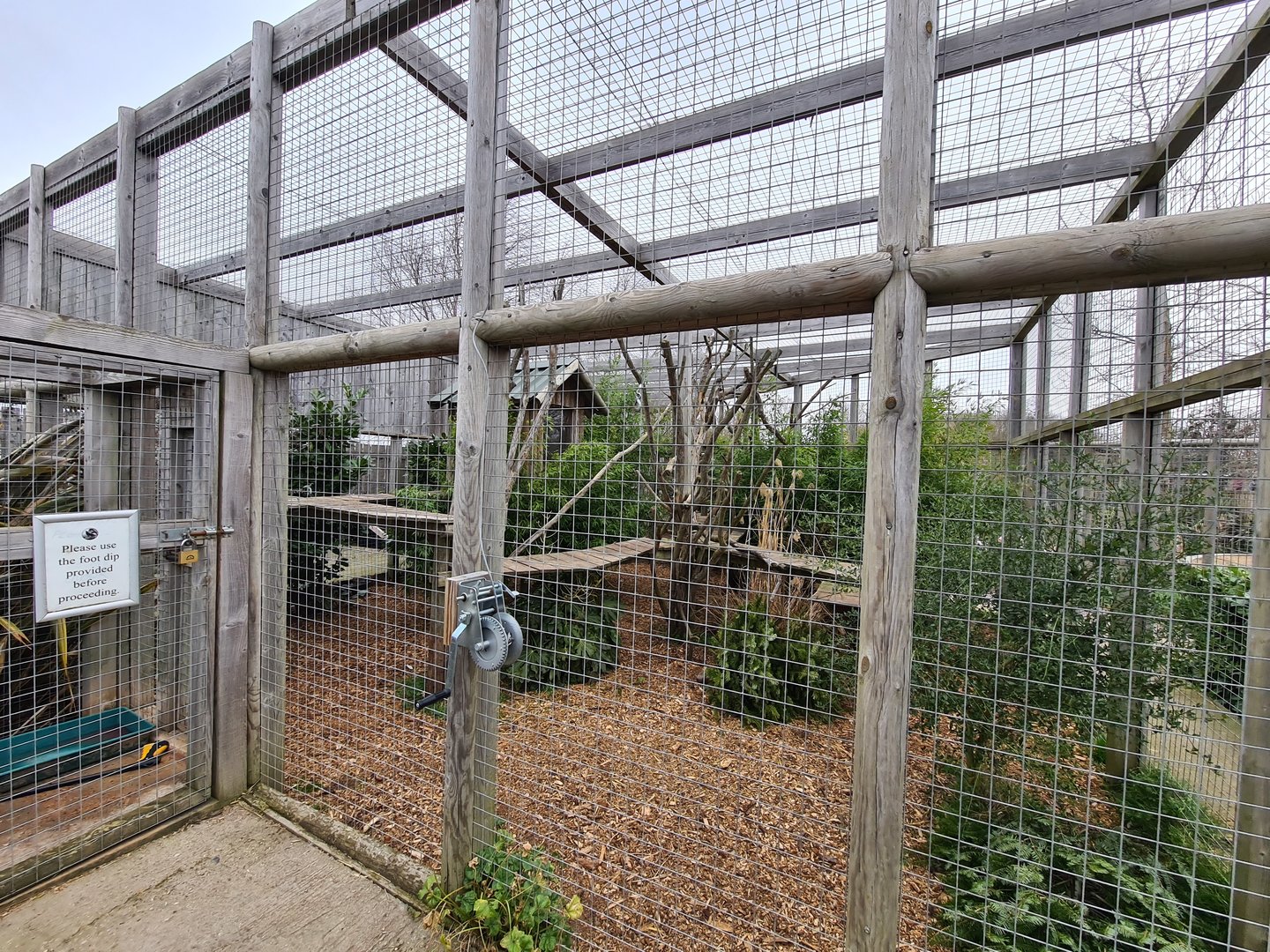
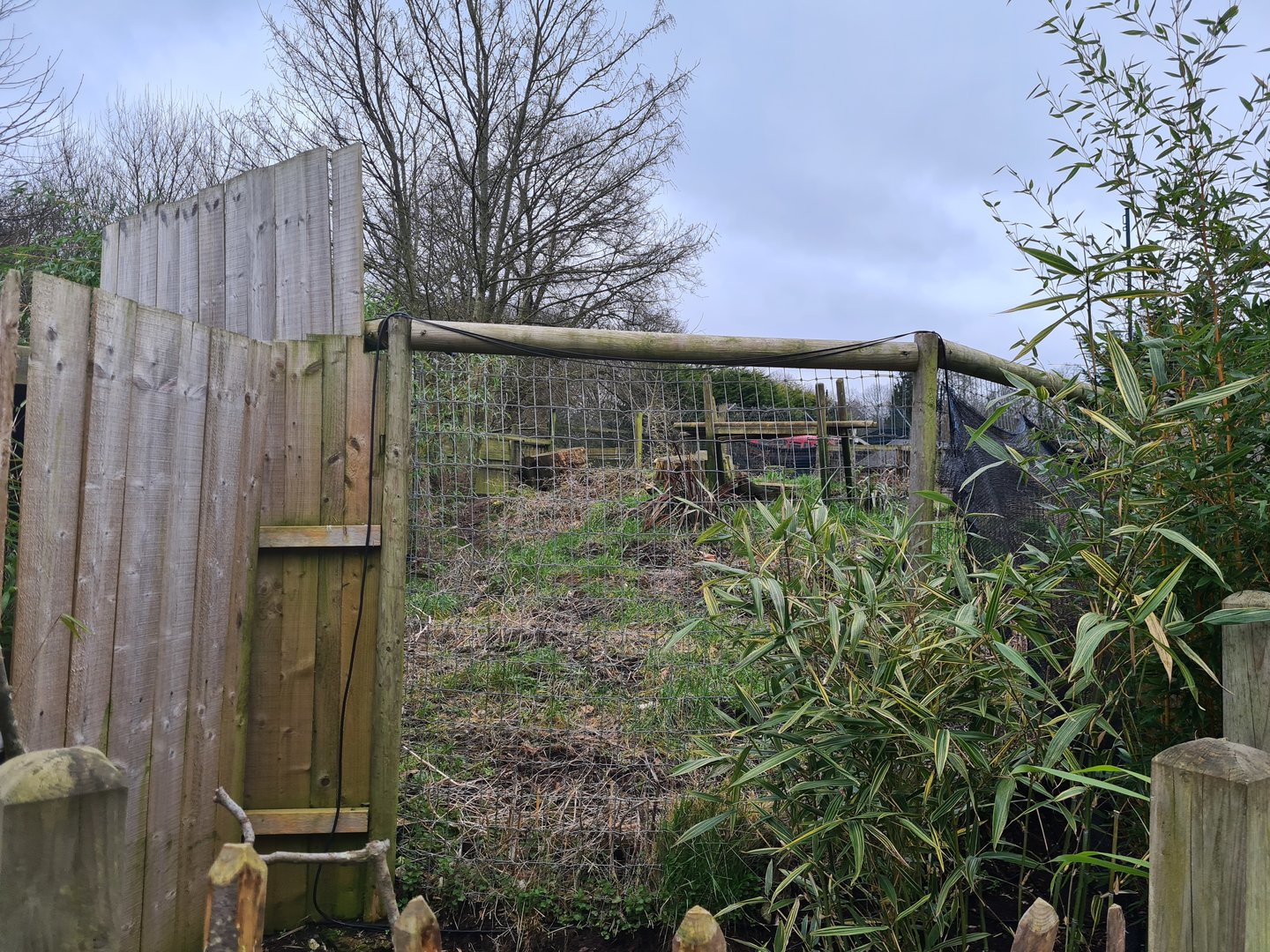
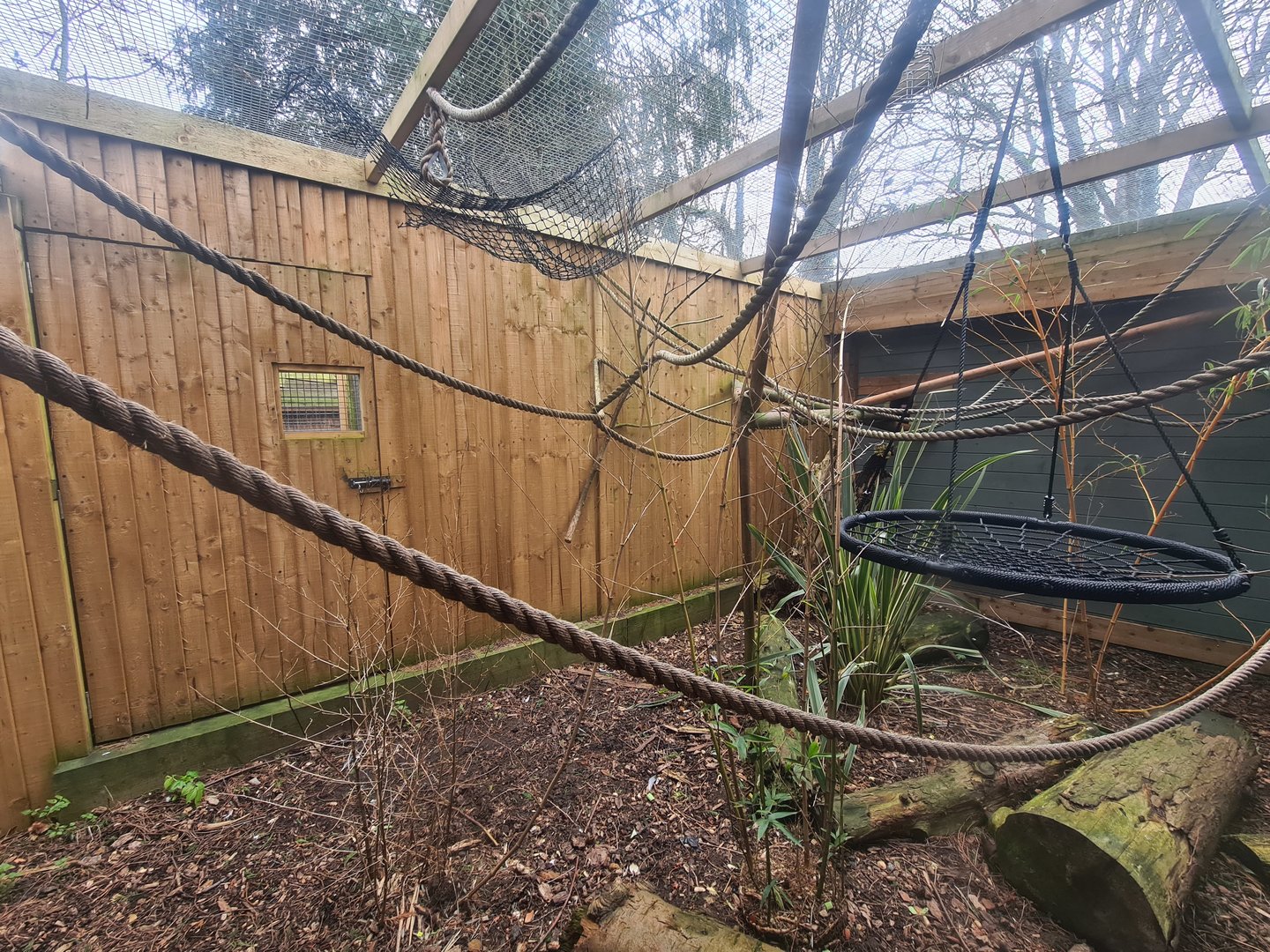
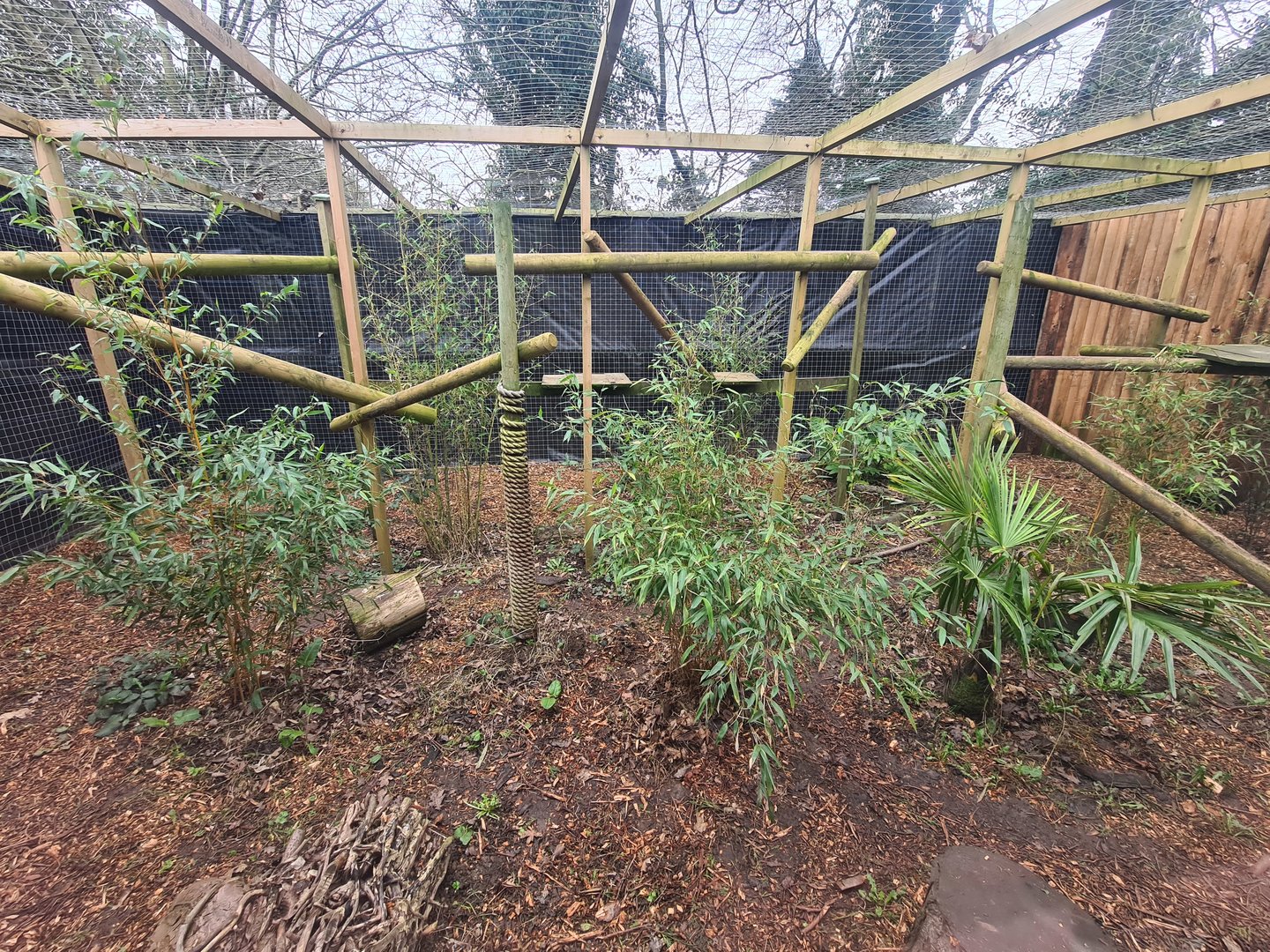
The most unforgettable of the exhibits was for the kinkajou/s. I’m not sure if it’s still under construction or not, but they have built what appears to be an open topped exhibit which adjoins an enclosed mesh exhibit and house (for the second time in this thread, the photo speaks for itself). That said, its commendable that they’re offering the species not only outdoor but open topped access. I can think of very few examples of UK zoos that offer outdoor access, let alone open topped.
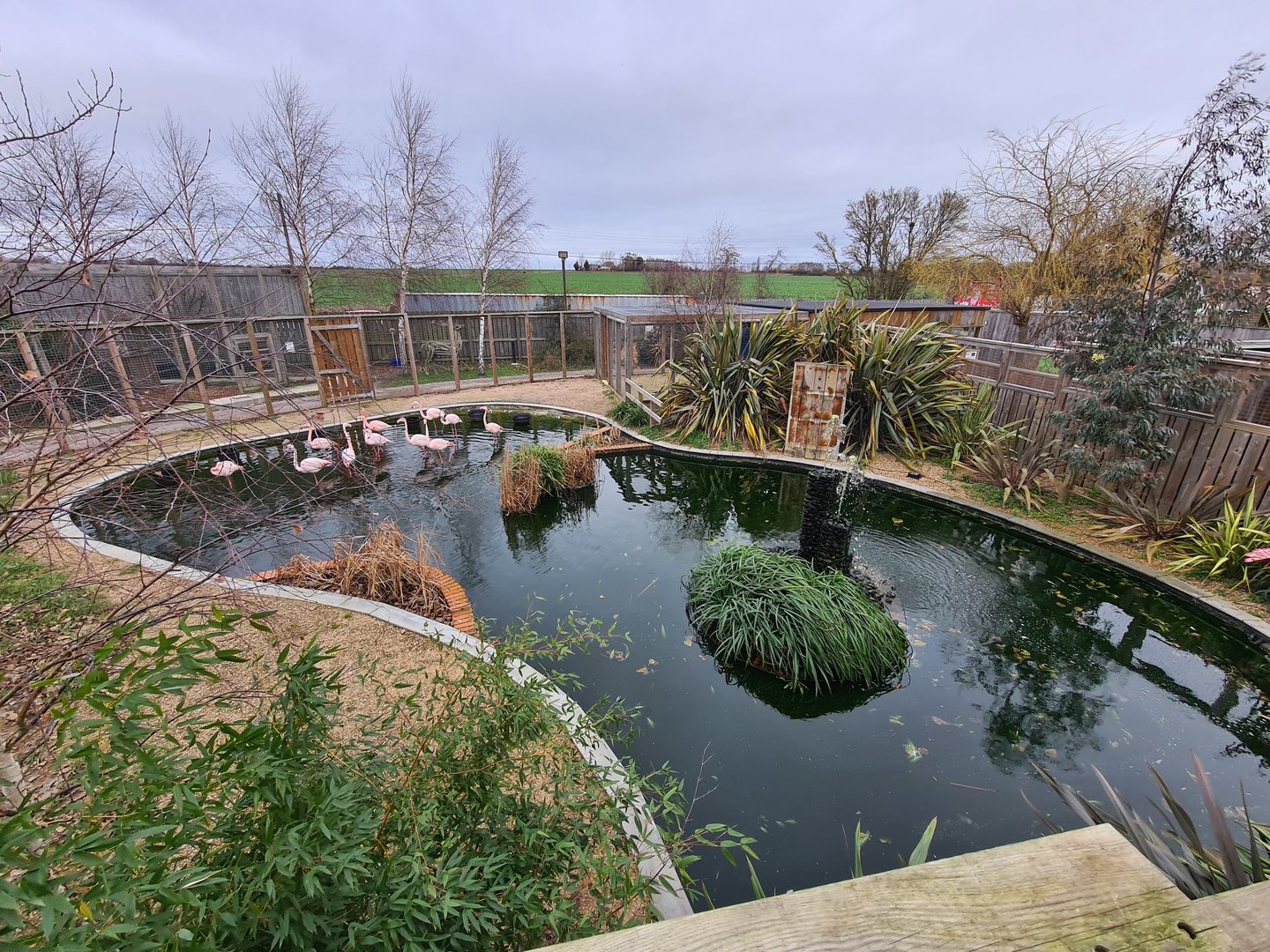
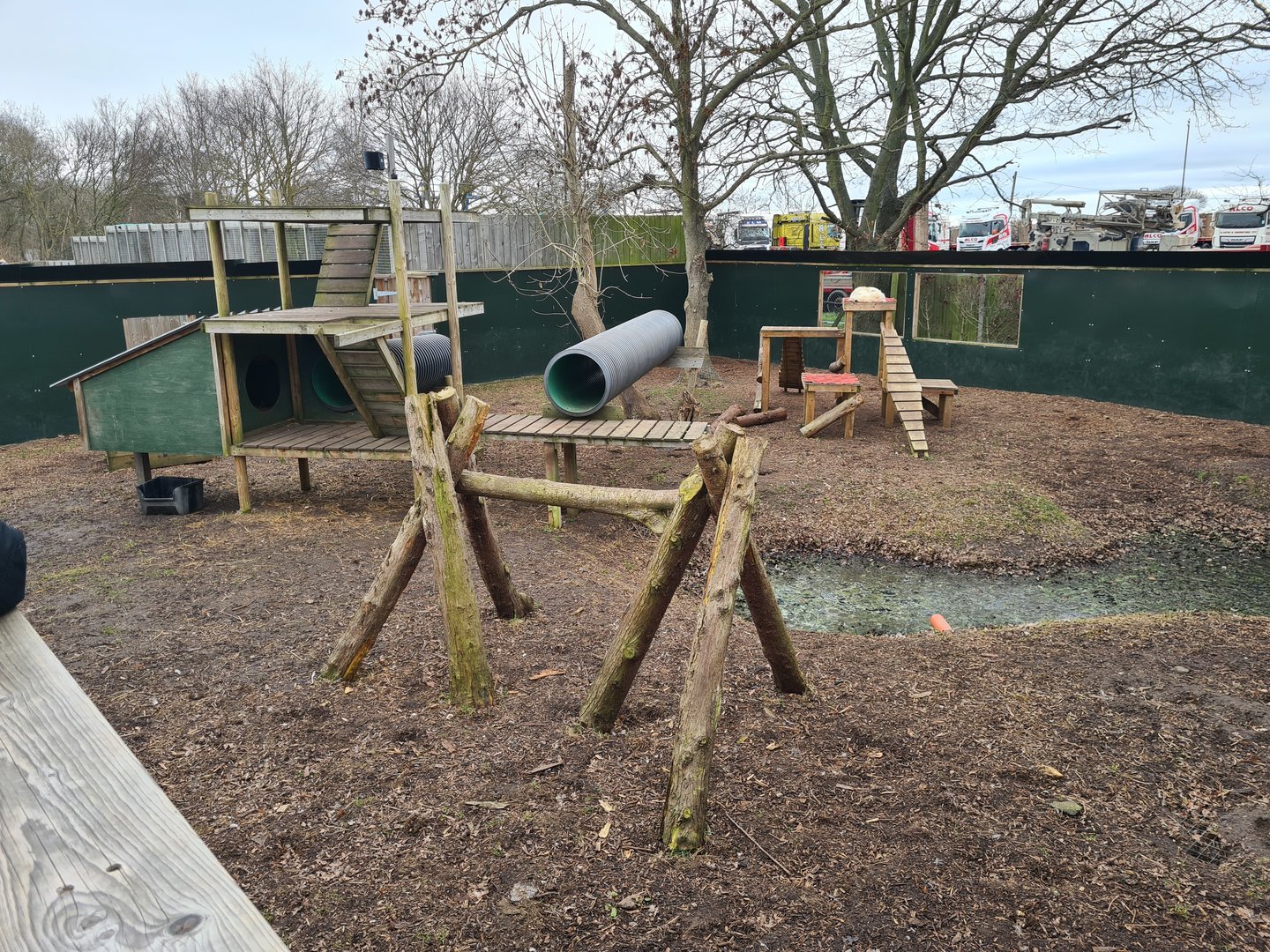
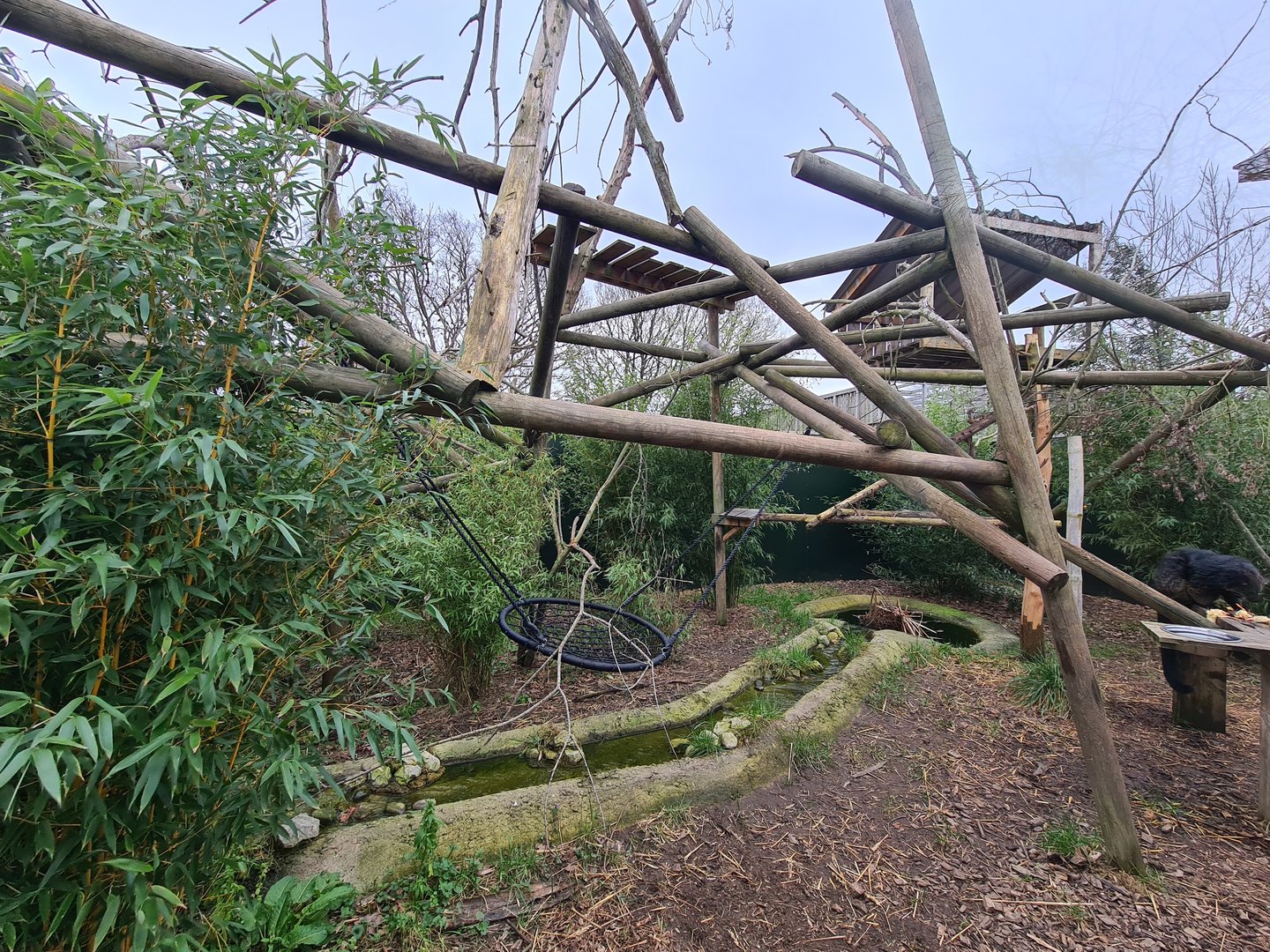
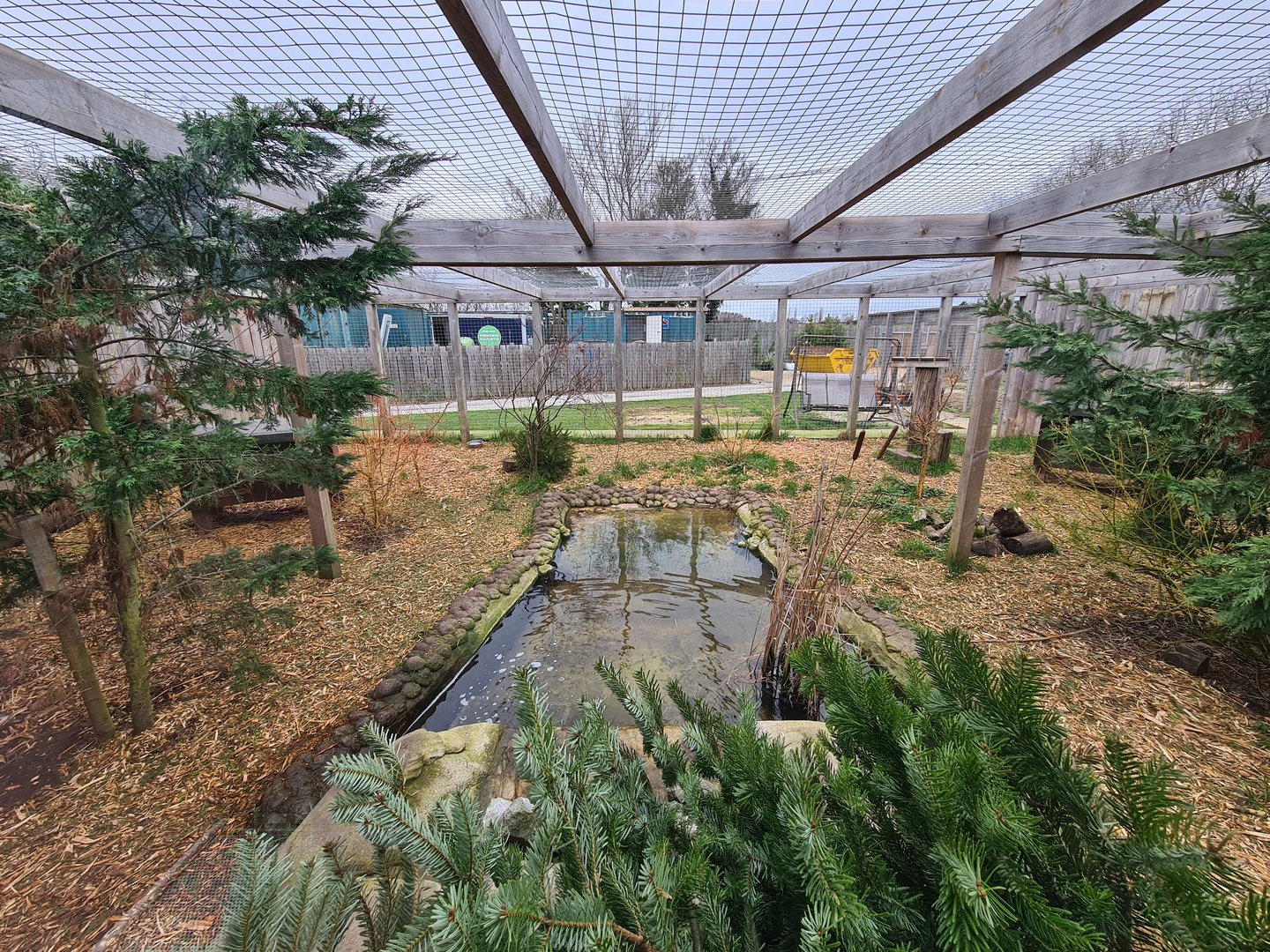
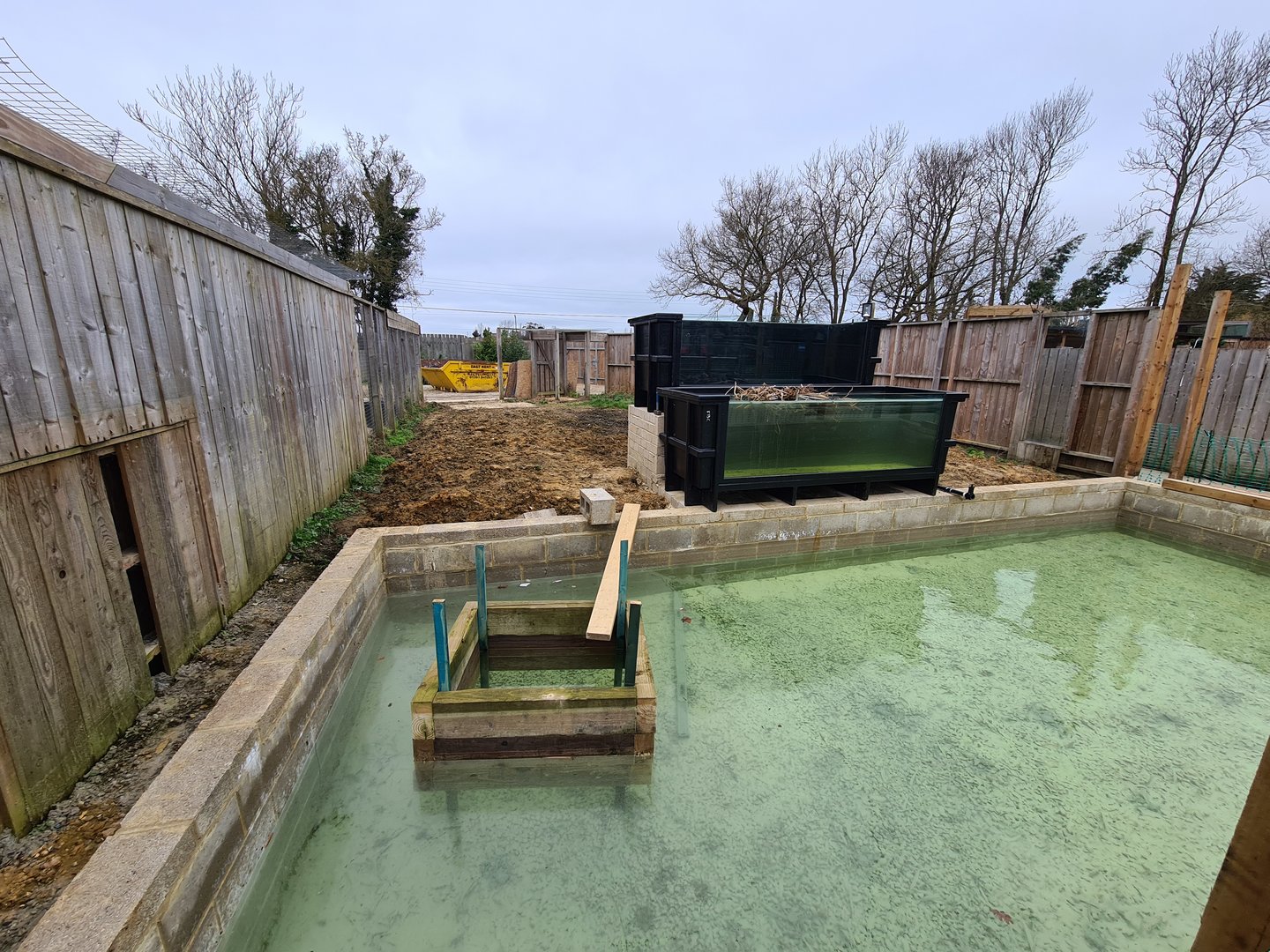
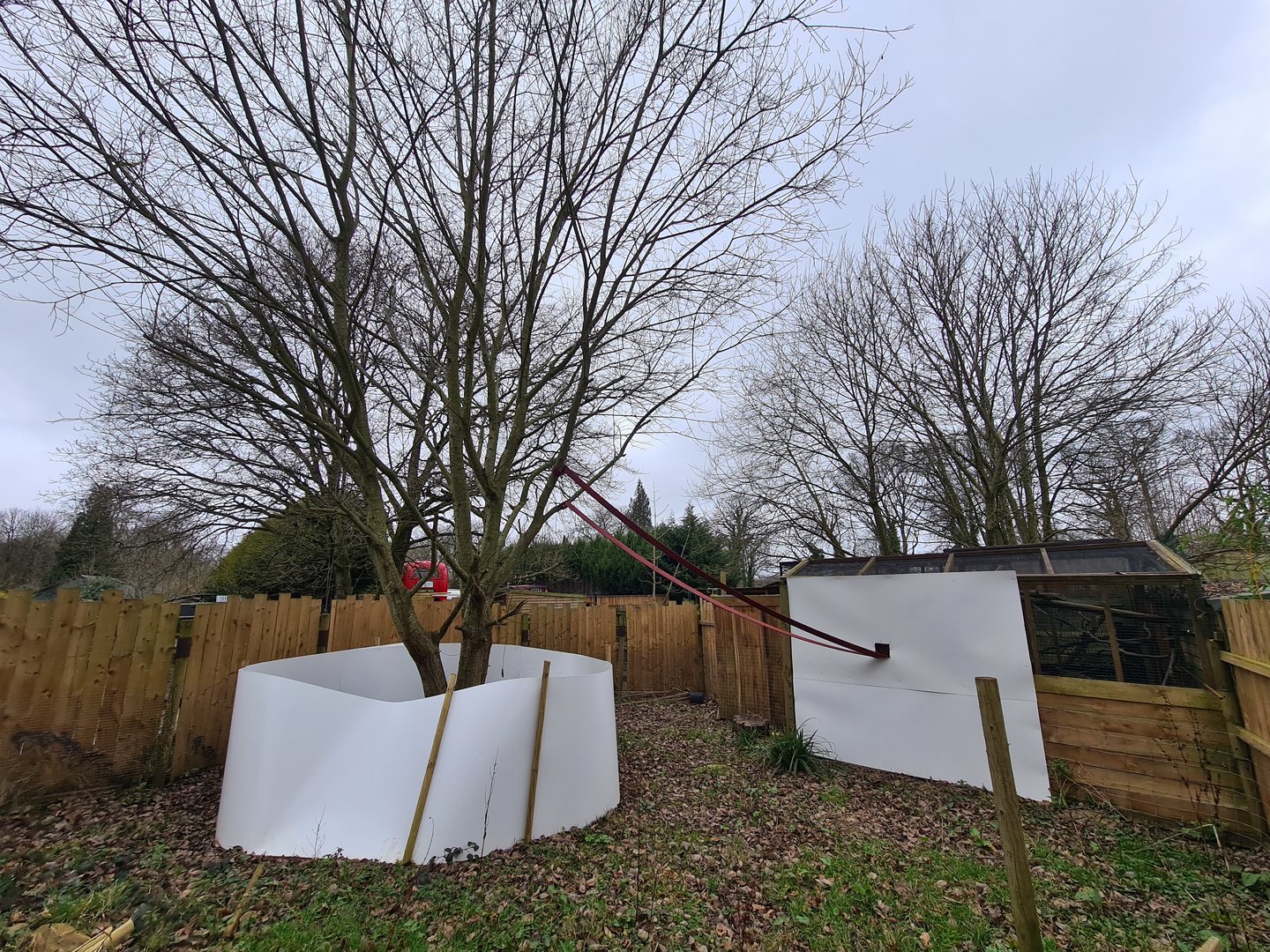
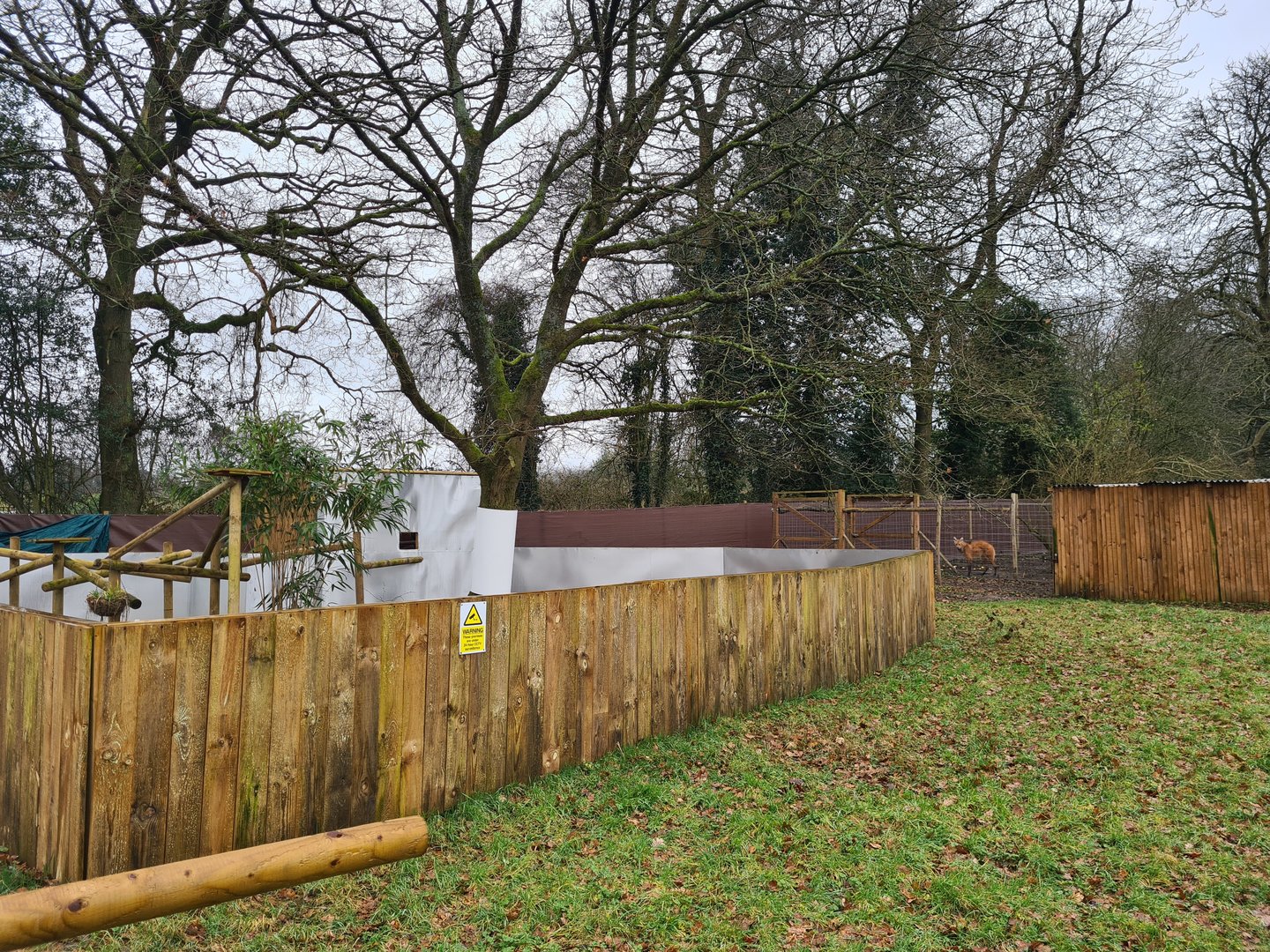
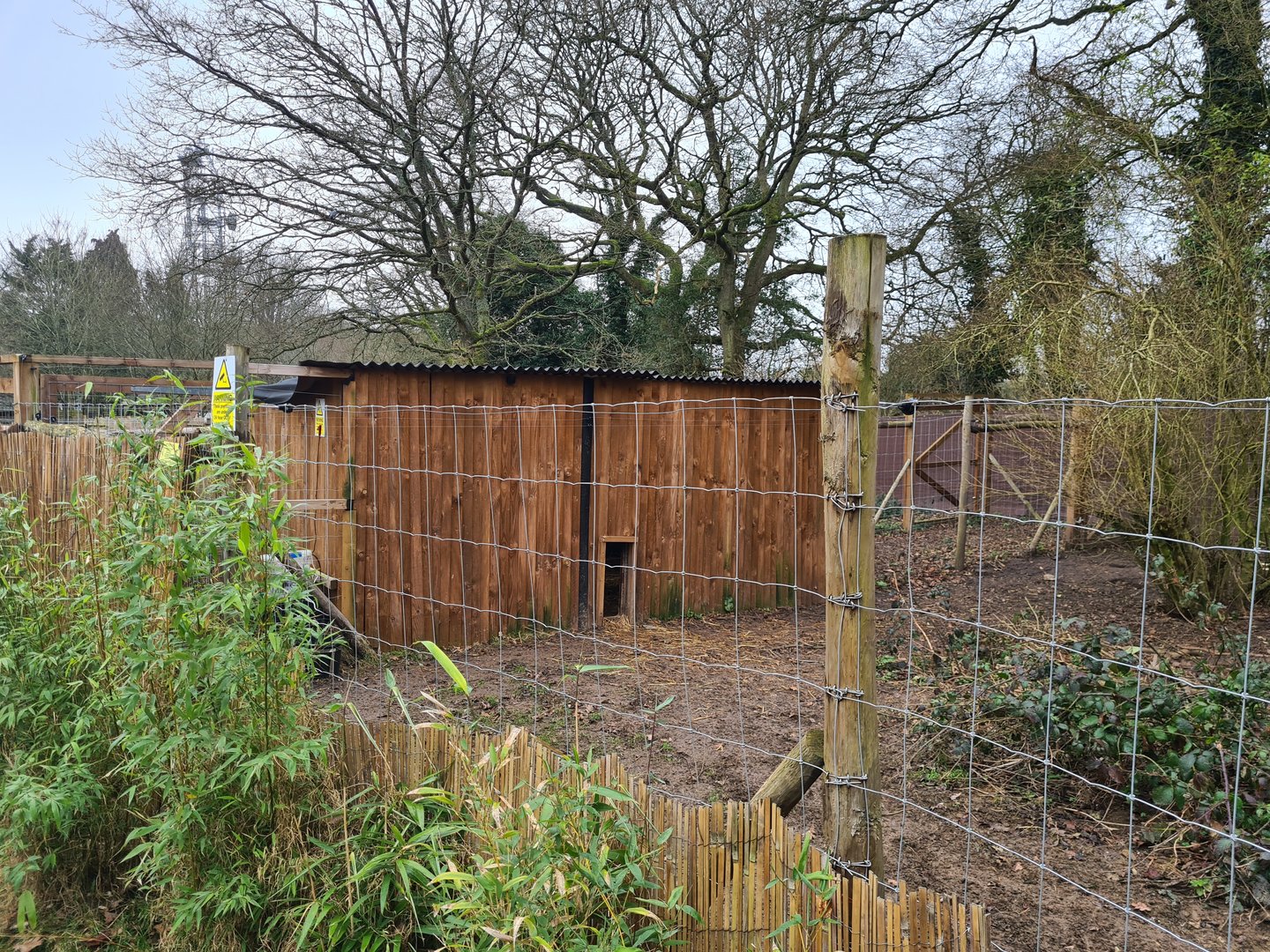
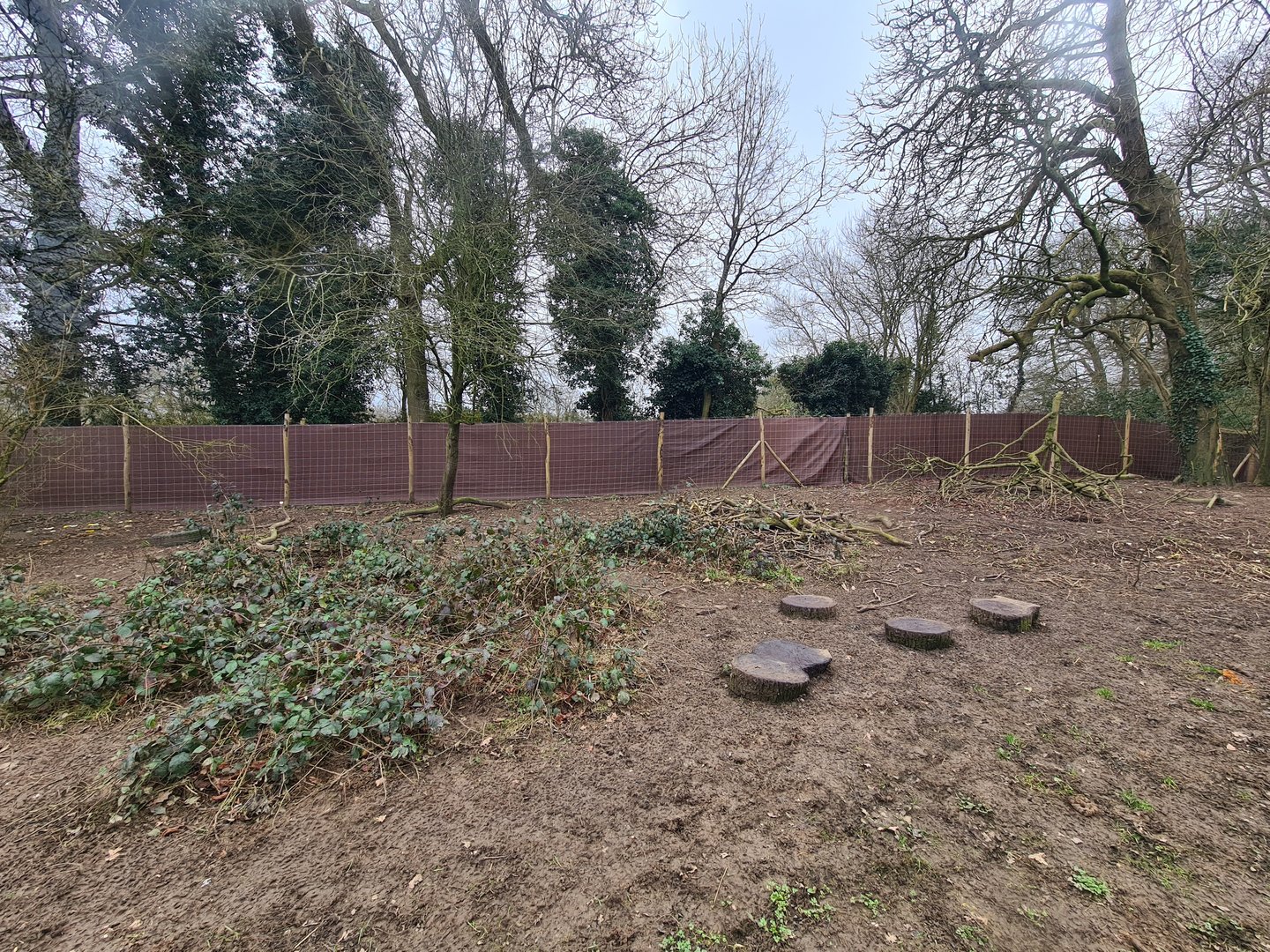
At this point the zoo had started to open-up, no longer feeling as tightly packed. There was a small amount of construction taking place, with plenty of space for additional exhibits, and a rear end view of the tapir and capybara paddock (See the first photo in this chapter). One of the UK’s only true Javan binturong is on show here, though we were only able to see it curled up inside. For the amount of space the exhibit covers, very little has been utilised, with only a small climbing platform. It would have been nice to see the binturong offered access to the tree in the exhibit, but I understand this is often easier said than done. The maned wolves have had an upgrade, with an exhibit that looks larger in person than previously posted photos would suggest. I imagine it would look much nicer in the summer months, like the tapir and capybara paddock, and the set up is similar to that of Axe Valleys recent construction.
I’ve certainly missed a few species here and there, but I hope that I’ve provided a comprehensive, but also
fair and
honest overview of the collection. HCC isn’t a zoo to miss, but it isn’t one to rave about either. There’s no denying that you’ll see several incredible species, even if some of the exhibits may not meet standards that I’d consider appropriate. A recurring criticism was a lack of space, which might be resolved by reducing the number of species kept at the zoo or by improving facilities as seen with the maned wolves or meerkats. I wouldn’t even say that I came away having the bad experience that I might have expected, but I wasn’t enthralled either. It’s hard to put into words how I feel about the place, but I don’t see myself returning any time soon (another running theme of the weekend… overview incoming). I would welcome any feedback if users think I’ve been unfair with my commentary, and look forward to any dialogue that might ensue.
Next up... Get To Know Animals.
*I was unable to include all of the photos that I wanted in this review (there is a 20 photo limit), so please see the gallery for a few more!*





 And I agree that some of those enclosures definitely look a little on the snug side to say the least, nice enough species line-up though.