0.0.1 black rhino calf was born on December 31st to first time parents, “Zuri” and “Ruka”.


As reported on socials - it’s a female and she’s been named Zumi!0.0.1 black rhino calf was born on December 31st to first time parents, “Zuri” and “Ruka”.


Excuse me if I’m being dumb but - was it not already?


On March 24th, the zoo announced that a (1.0) cheetah named Rhaegal passed away at age 7 due to chronic renal failure.
Kansas City Zoo
That leaves just Viserion.

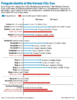
Do these statistics seem odd? This data could very well be presented in a way that is skewed in favor of ARE (Animal Rights Extremists) but I find it concerning.
article: https://www.kansascity.com/news/local/article272223823.html

19 birds in ten years, out of 136 birds total. Five of those 19 are chicks - chicks dying is not unusual - so 14 adult birds, but with no causes of death given or any other information.Do these statistics seem odd? This data could very well be presented in a way that is skewed in favor of ARE (Animal Rights Extremists) but I find it concerning.
article: https://www.kansascity.com/news/local/article272223823.html
I wouldn't think too deep into it. A few of those seventeen came extremely close to the median age, at which point they are older animals that happen to die shortly before hitting the median, which in and of itself is an arbitrary number. Furthermore, seventeen is a fairly small sample size. Without seeing specific data for mortality, I wouldn't speculate it's anything the zoo could control. It would only be a concern if there was a clear trend amongst the seventeen (e.g. a specific virus causing multiple deaths, etc.). All zoos, however, no matter how incredible a facility they are, sometimes have young animals pass away. Cancer exists, other serious health problems can sometimes affect young animals, sometimes non-preventable injuries occur, and sometimes a particular animal may just fail to thrive (especially common in infants). It's always sad to see an animal pass, especially a young one, but unfortunately that's just a part of life.Thank you, though I had already done some of the math. There were seventeen penguins that died before reaching the median life expectancy, and I fail to see why there that many deaths among younger animals, although I now understand some of the cases (chicks apparently not having that great of a mortality rate). I am not asking about the other penguins, Many of the penguins originally in the exhibit were old, according to the article, and they appear to be doing fine, so I'm not worried about them.
In that example about people, the twelve people who died before the age of 31 years could have been drunk drivers (a little more than half of which are between 21 and 34 years old) or something else that most affects young people. Is there something that's affecting younger penguins in zoos from survival to an older age where there seems to be less issues?
I apologize for not being very clear.