A pub, a garden, a shop, a park, and a second chance...

A similar species mix as seen at the Wildlife Park is found here, with squirrel monkeys, hutias and red-rumped agouti; the rodents were a real treat to see again!

I've always thought it interesting that we don't really have hutias around in zoos here in the States, despite having a few other Caribbean species (mostly herps). What are they like to see? Are they active and fun to watch, or just a less common species to check off the list?
 
(4) Ventura Wildlife Foundation

Ventura Wildlife Foundation, formerly known as Ventura Wildlife Park at its previous garden centre site, is a unique collection. Having visited both sites, I feel as though I can offer a perspective of Ventura as a “brand”, if you can call it that. The first site was very small, with a scattering of mesh exhibits and aviaries for birds, fossa, lemurs, small primates, Cuban hutias, and red-rumped agouti. Four main paddocks housed grants zebra, lama, reindeer, and some classic Aussie walkthrough species. A small extension of the initial site included exhibits for raccoon dogs and corsac foxes and at one point an “Asia” expansion was planned, though I’m unsure if this ever materialised. Fortunately, most of the species held at the wildlife park have moved to the new site, with the addition of some more exciting species.

site-view-vwp.439490

full


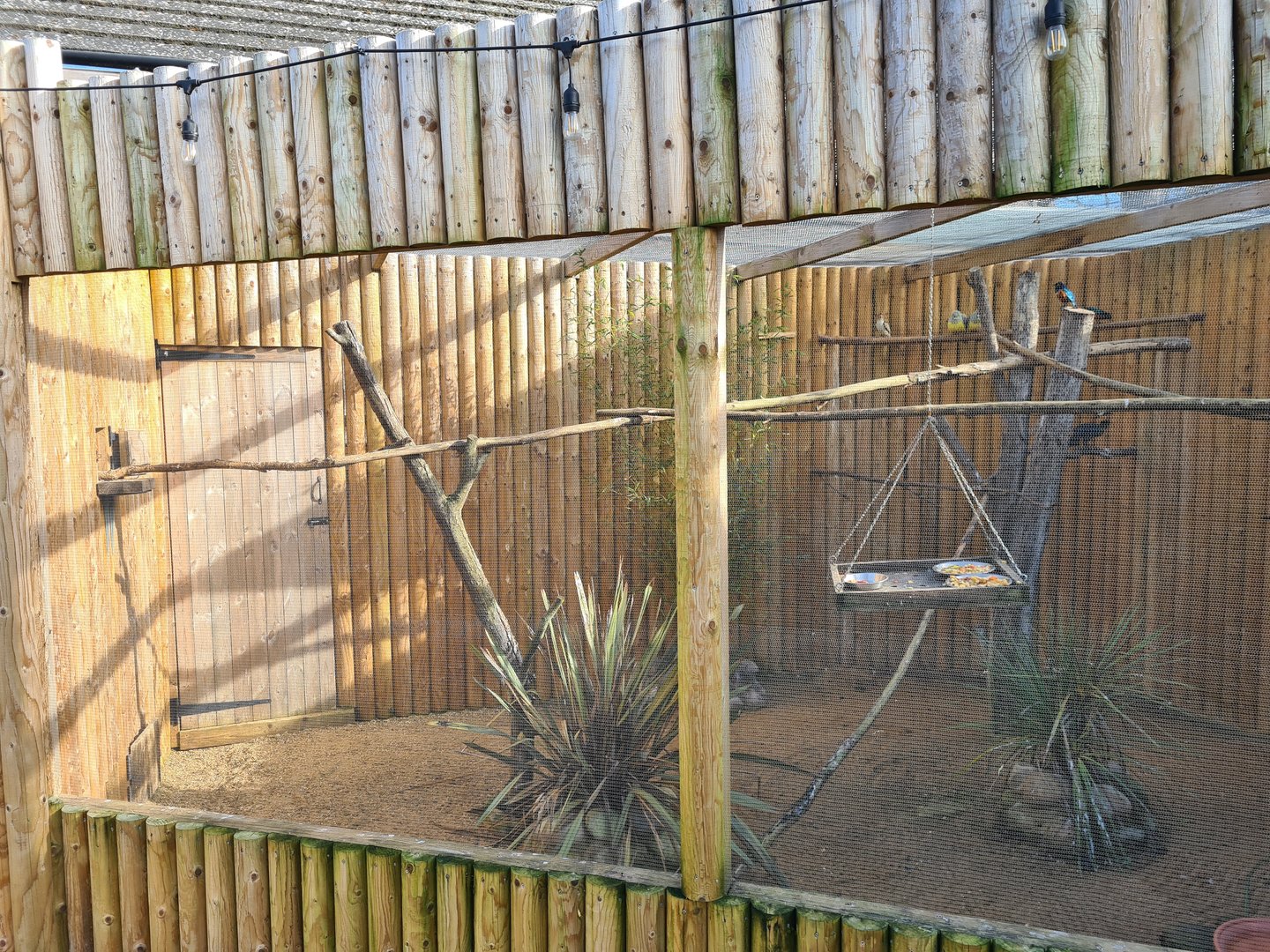
The collection is now based at the Cassiobury Farm and Fishery, and it seems the business have merged? We did struggle finding the entrance to the site as there was no signage or real guidance for the open day. Resultingly, we lost about half an hour trying to find a way in… the gate we were meant to enter through appeared to be a private entrance. What didn’t help was how quiet the site was, with us noticing no more than ten other visitors during our time there (meaning there was no-one to ask how we could get in!). Once we were in however, we virtually had the site to ourselves. The first animals we saw were in an attractive small courtyard with similar vibes to old wildlife park. A lovely aviary held Bruce’s pigeon, Von der Decken’s hornbill, superb starling, white-cheeked turaco and leopard tortoise. Another enclosure held a large spotted genet, and for the second time of the day we saw a zorilla! The zorilla (we only saw one) was held in a small exhibit which could definitely have been larger, and to the left was a pair of banded mongoose.


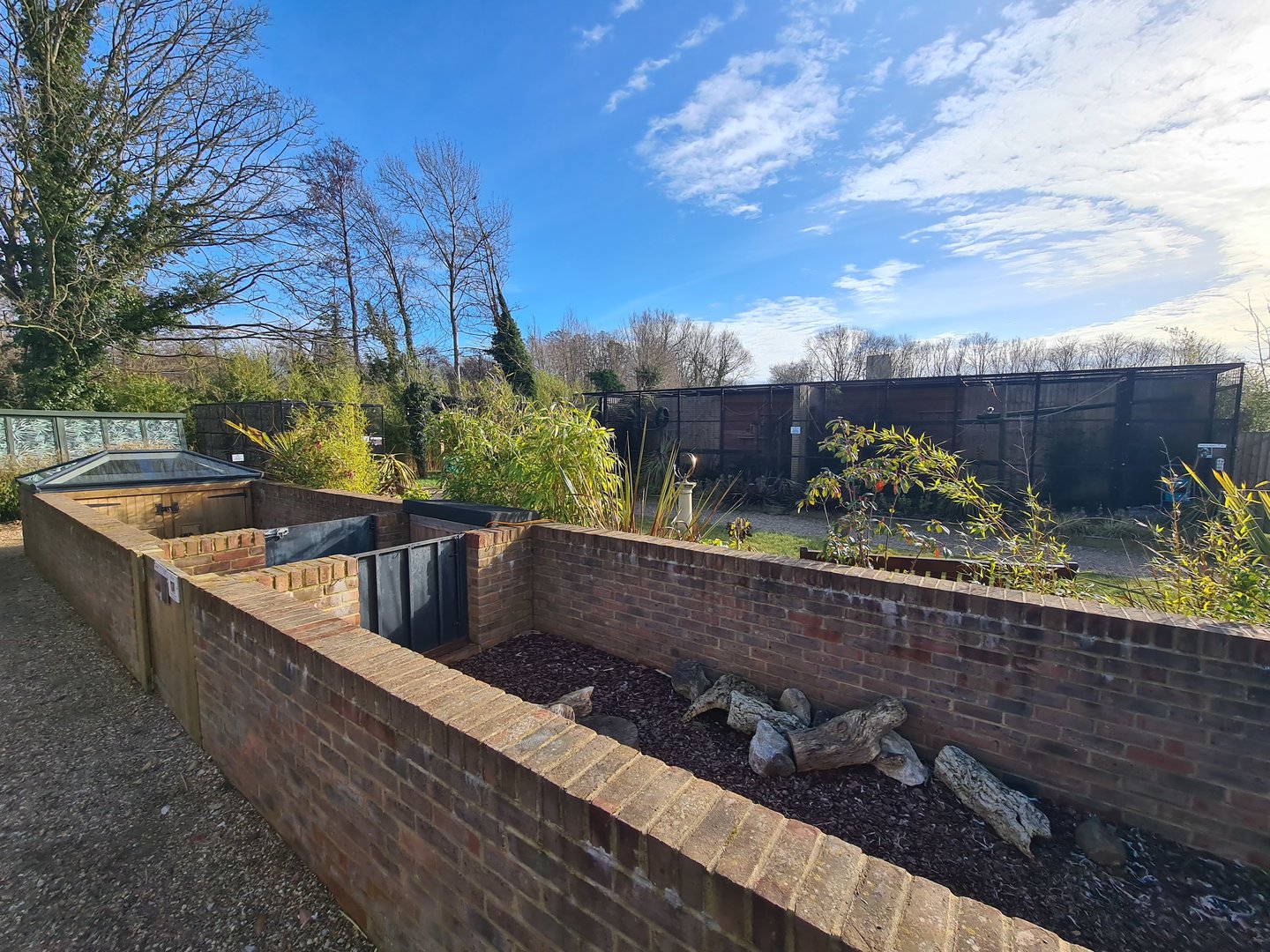
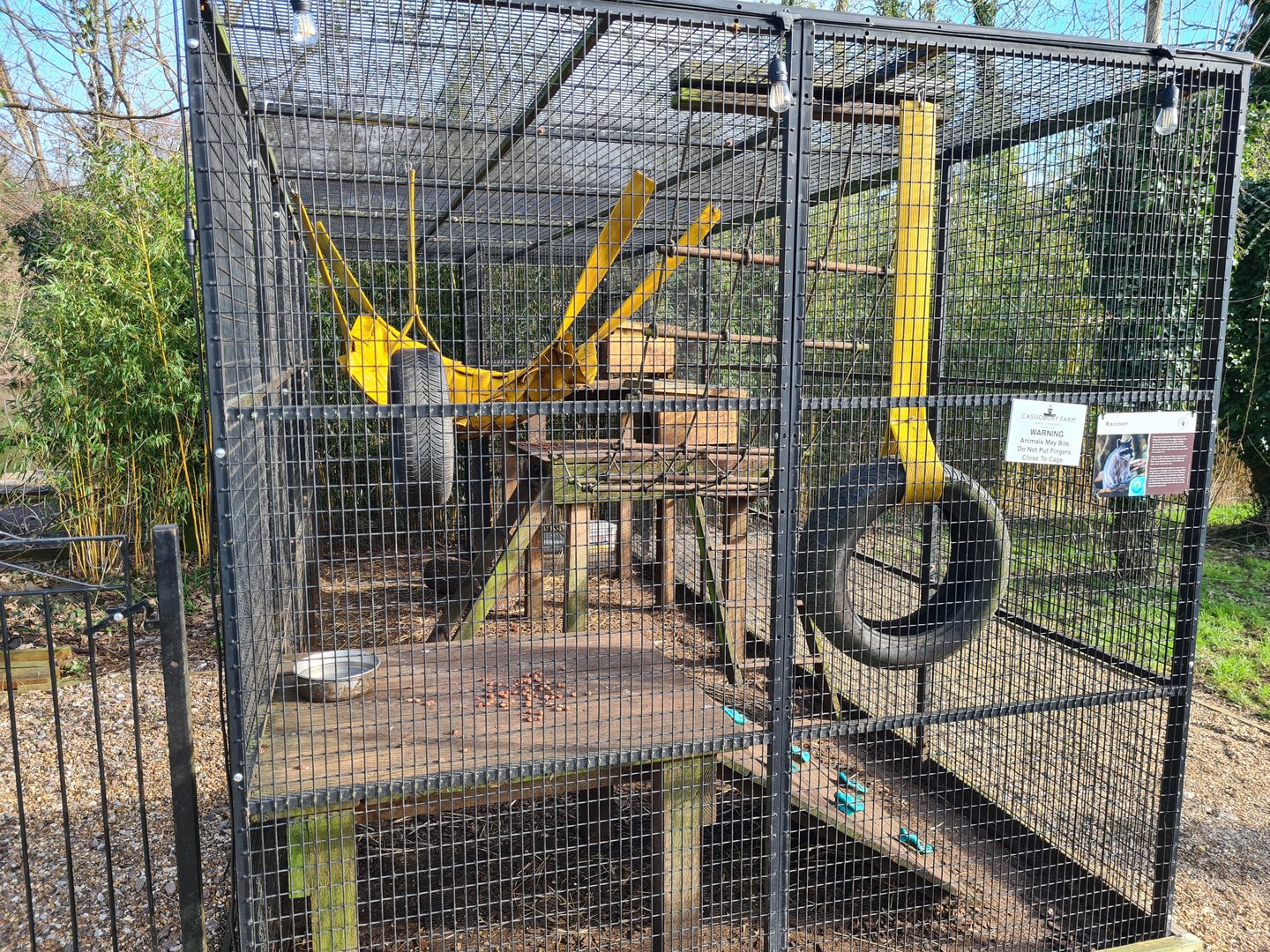
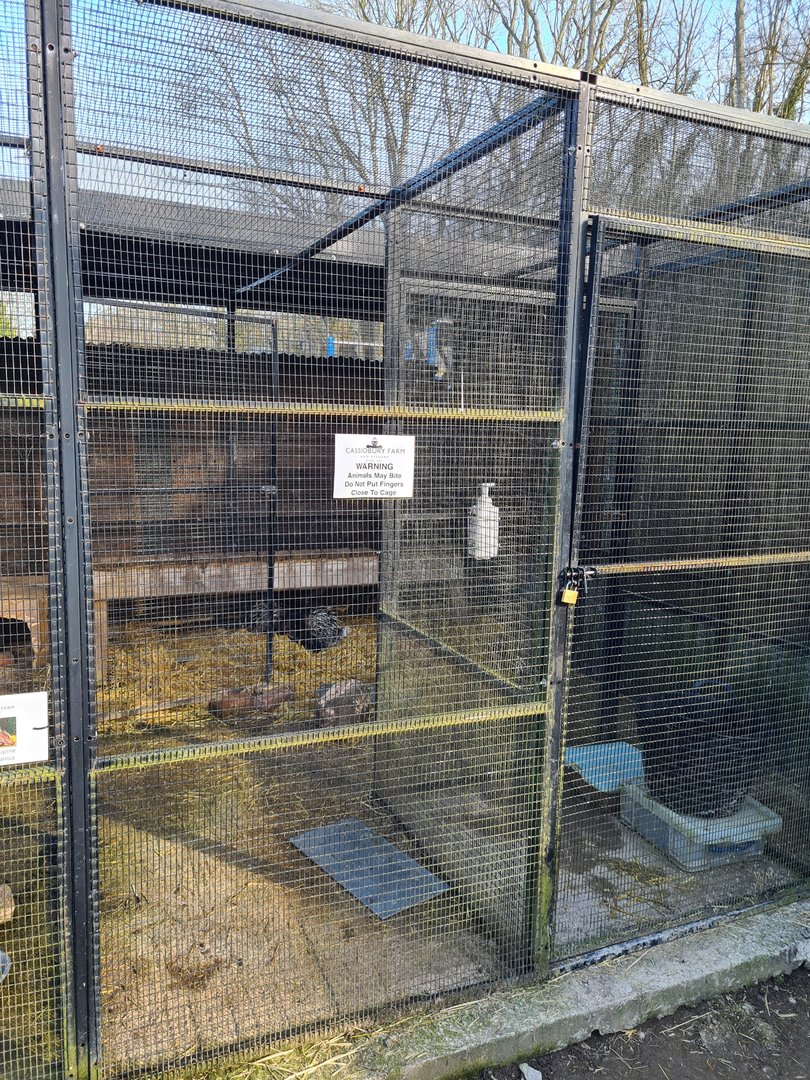
Nearby were enclosures for several tortoise species, including at least one Galapagos (only one individual seen). A couple of small pens held armadillo (unsure on the species) and they were unseen. A raccoon was held in a very small and inadequate caged exhibit, looking quite out of place compared to the rest of the collection. Two similar exhibits held red handed and cotton top tamarins respectively and whilst a little bare in comparison to those seen at HCC, they were much larger.


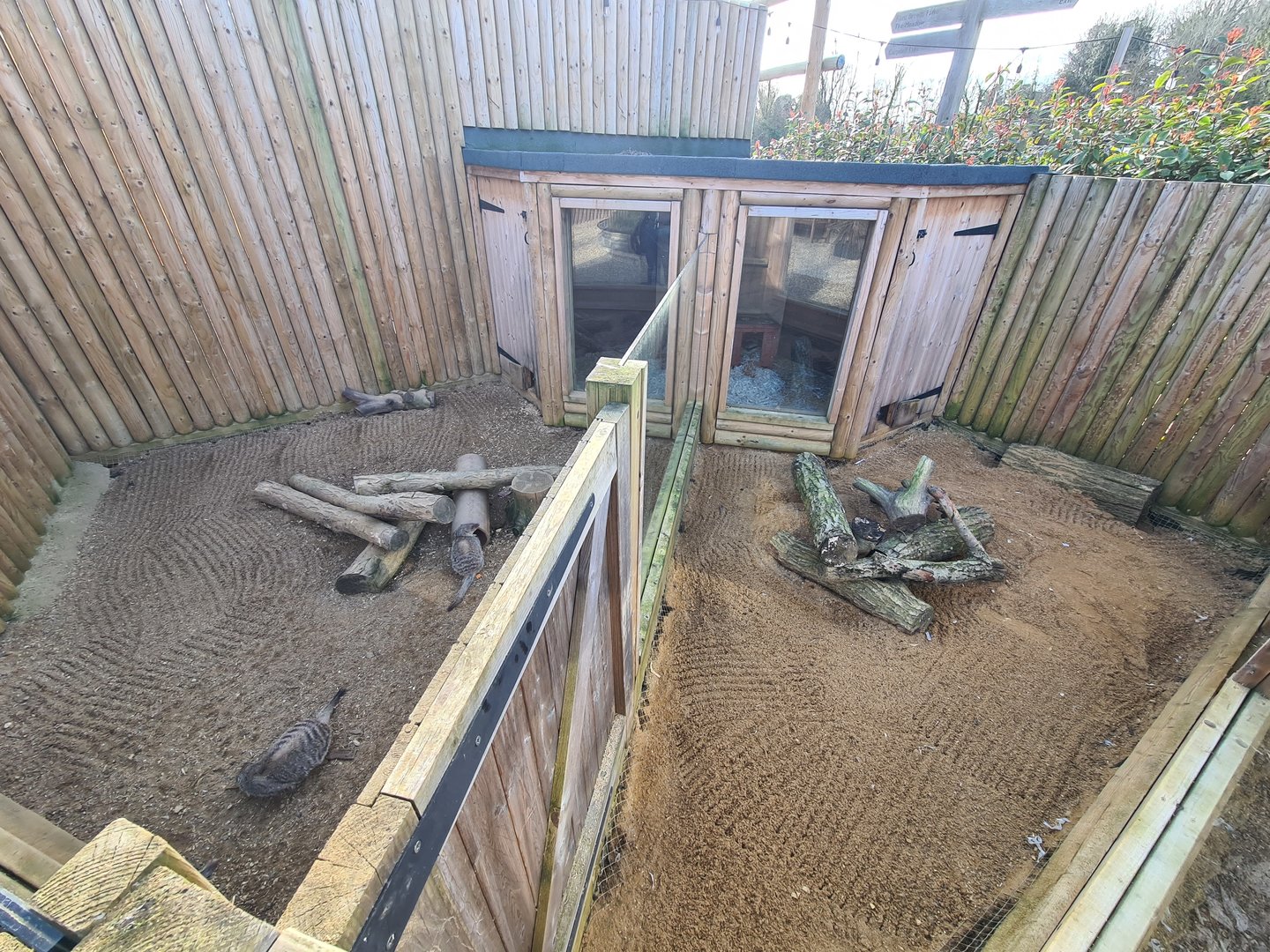
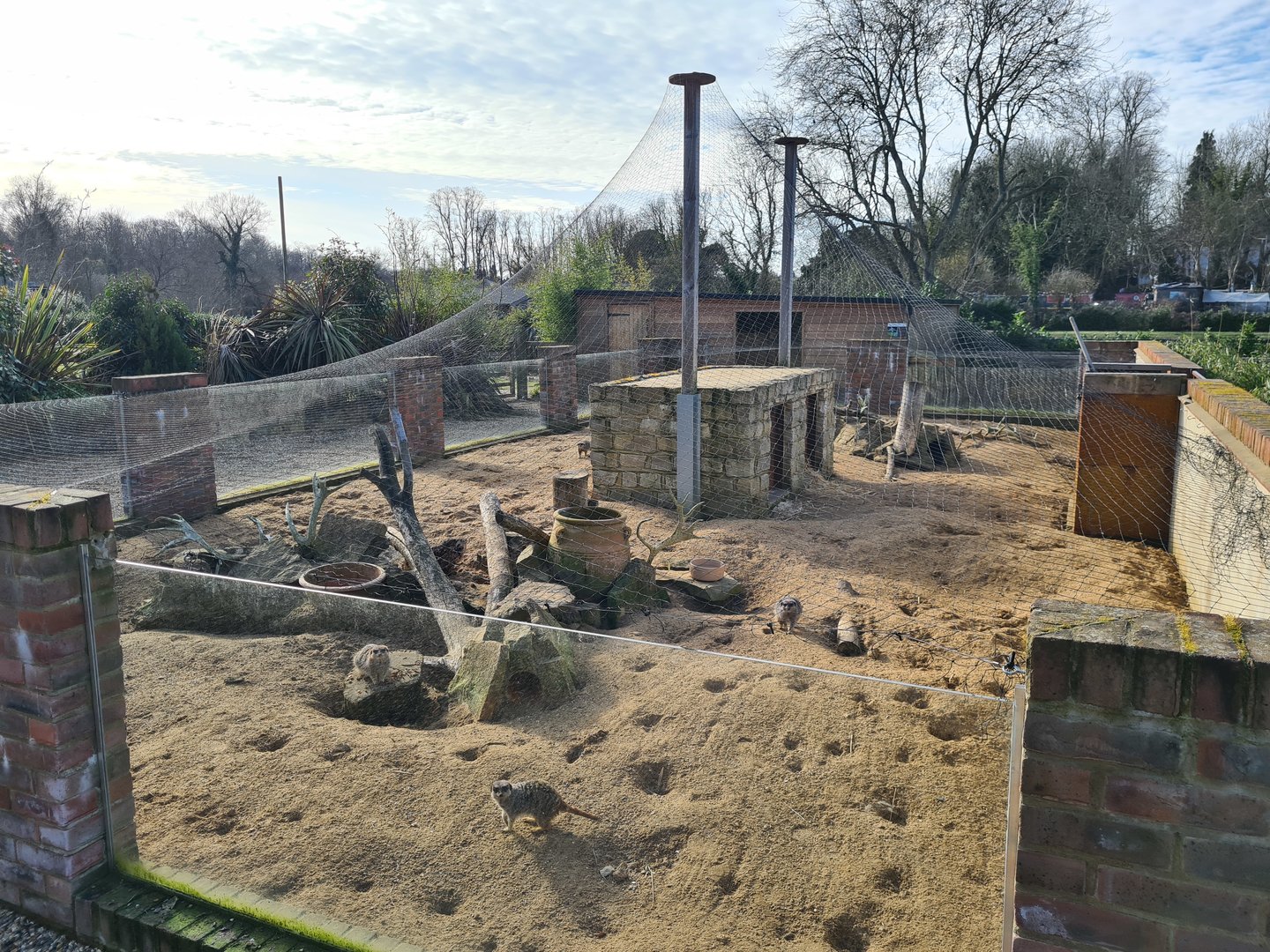
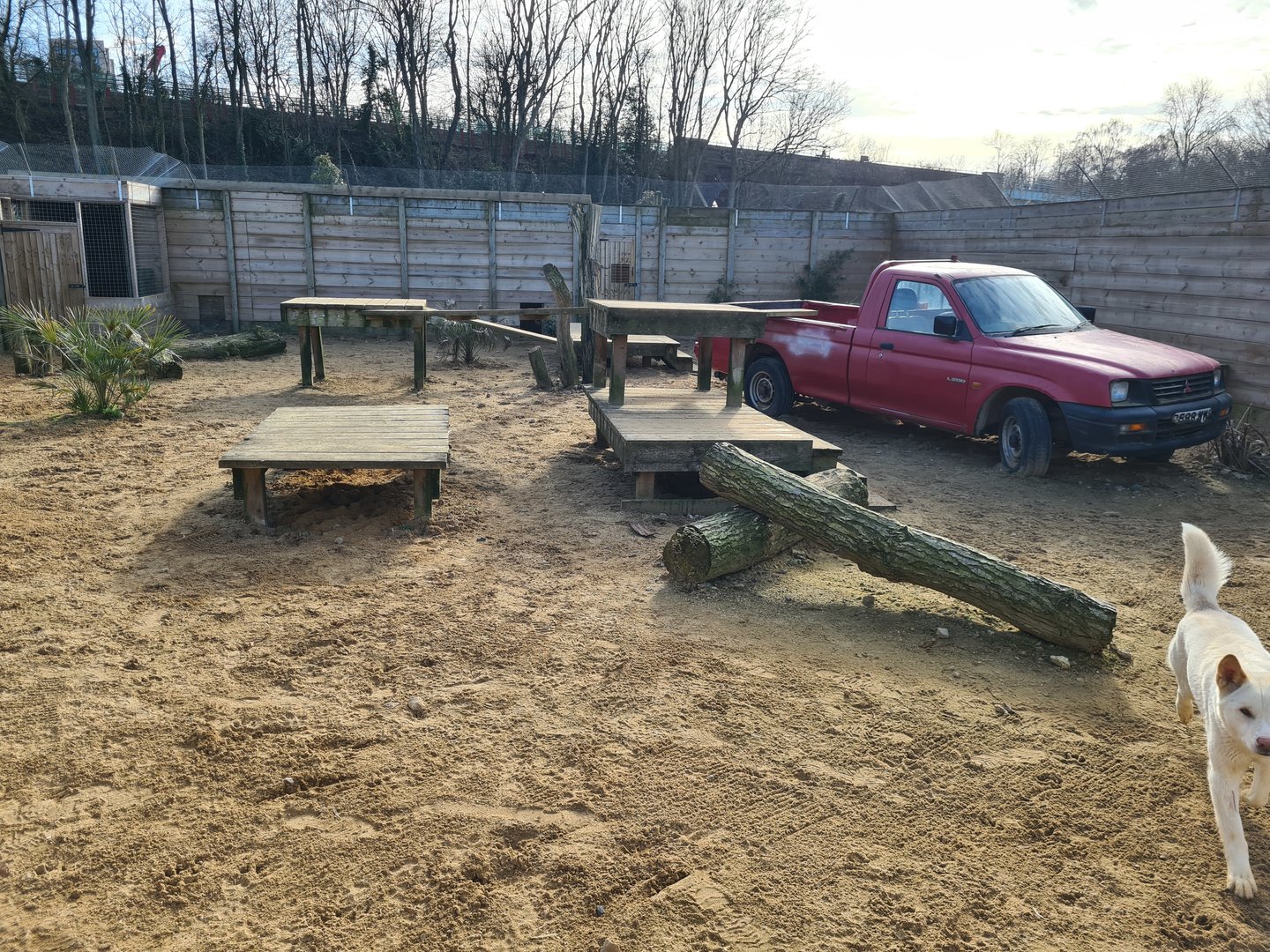
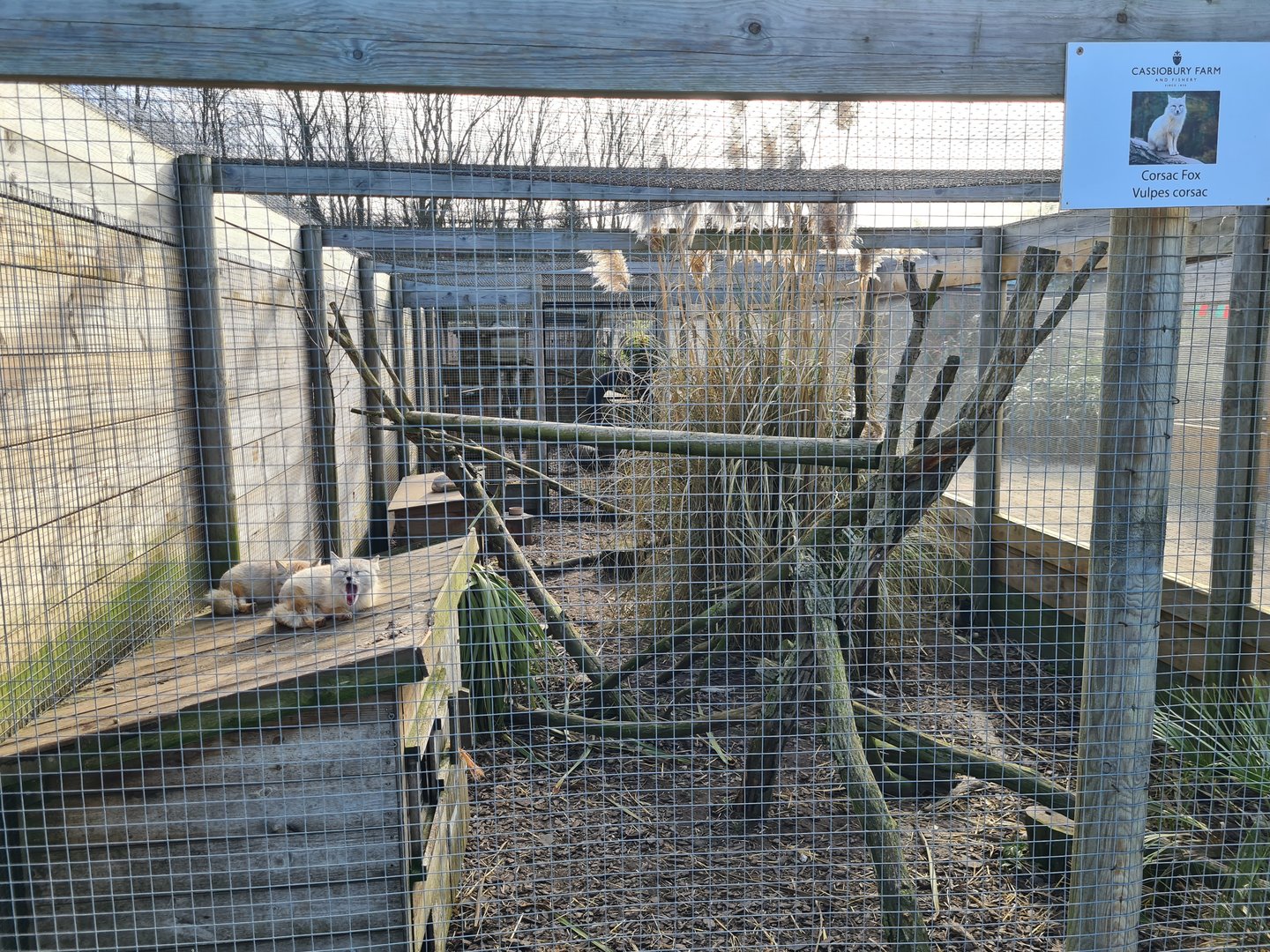
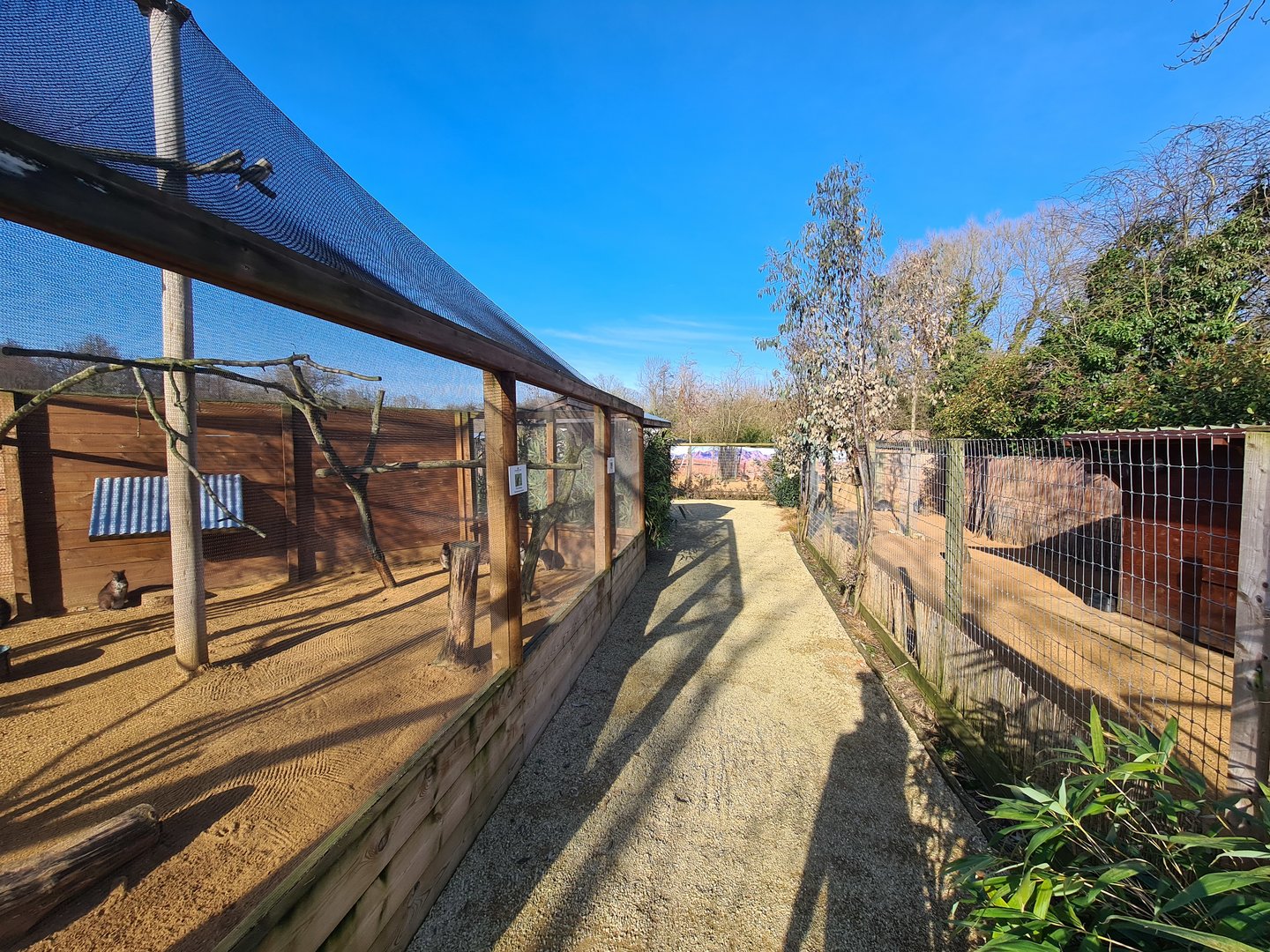
A decent aviary held an eagle owl, and nearby was a large and unusually netted meerkat enclosure. A sibling pair of dingos from Hamerton are held in a smaller but attractive enclosure. This area is carnivore heavy, with a further two small exhibits holding corsac foxes, and a mix of skunk and what we were assuming was a raccoon. Like at the former wildlife park, the corsac fox exhibit is too small; Hamerton have shown us zoo nerds how it should be done with their fantastic exhibit.


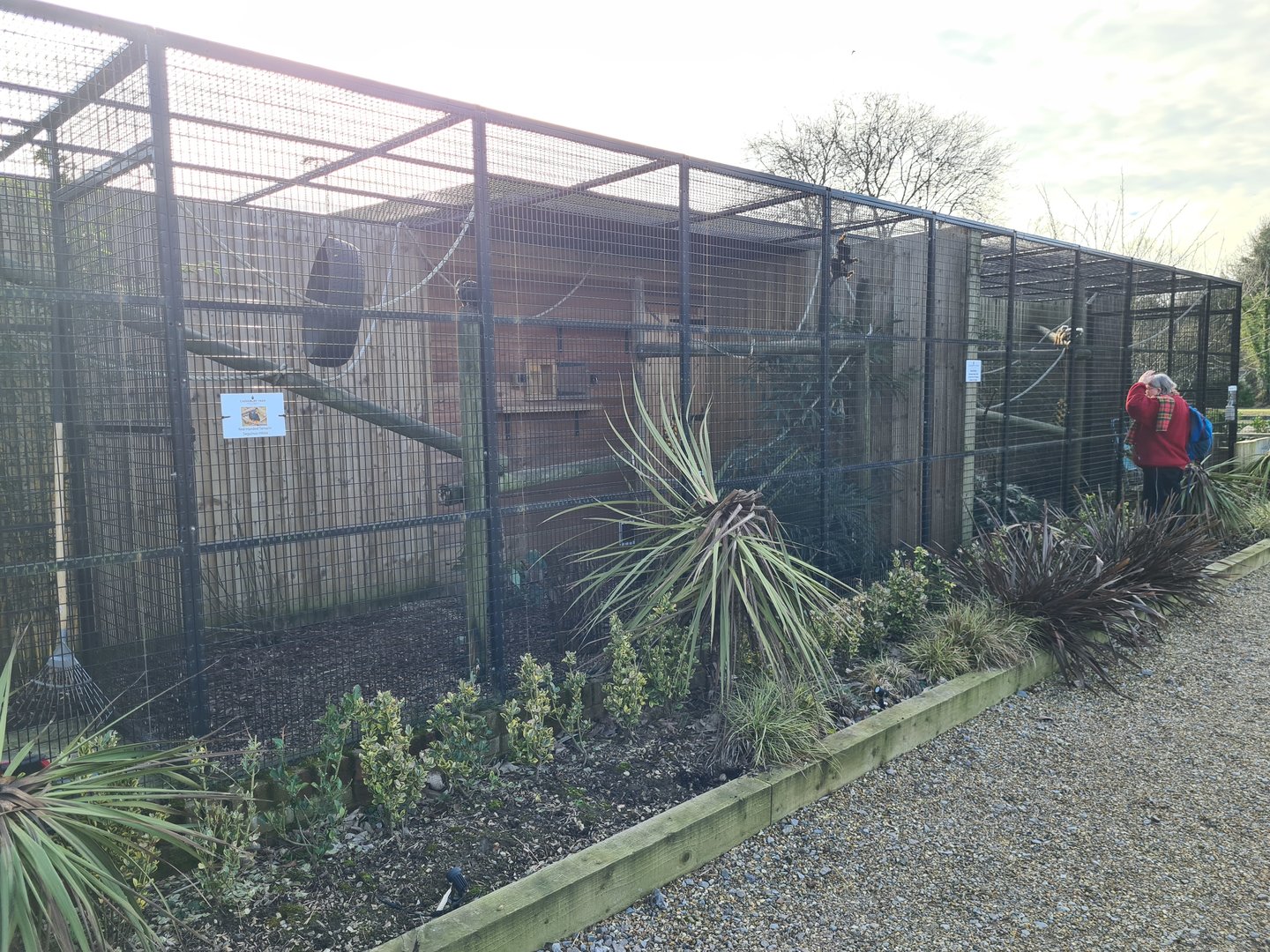
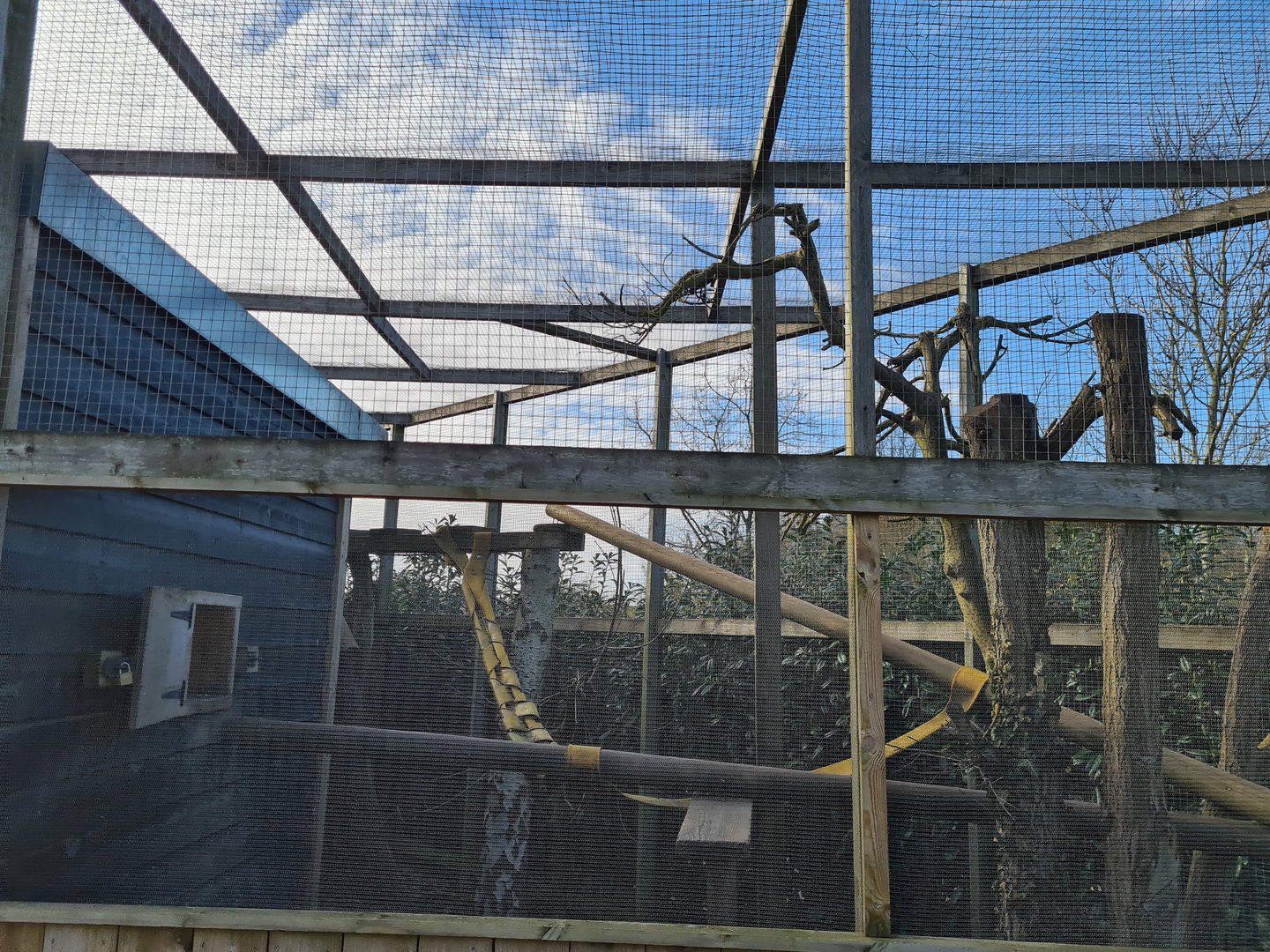
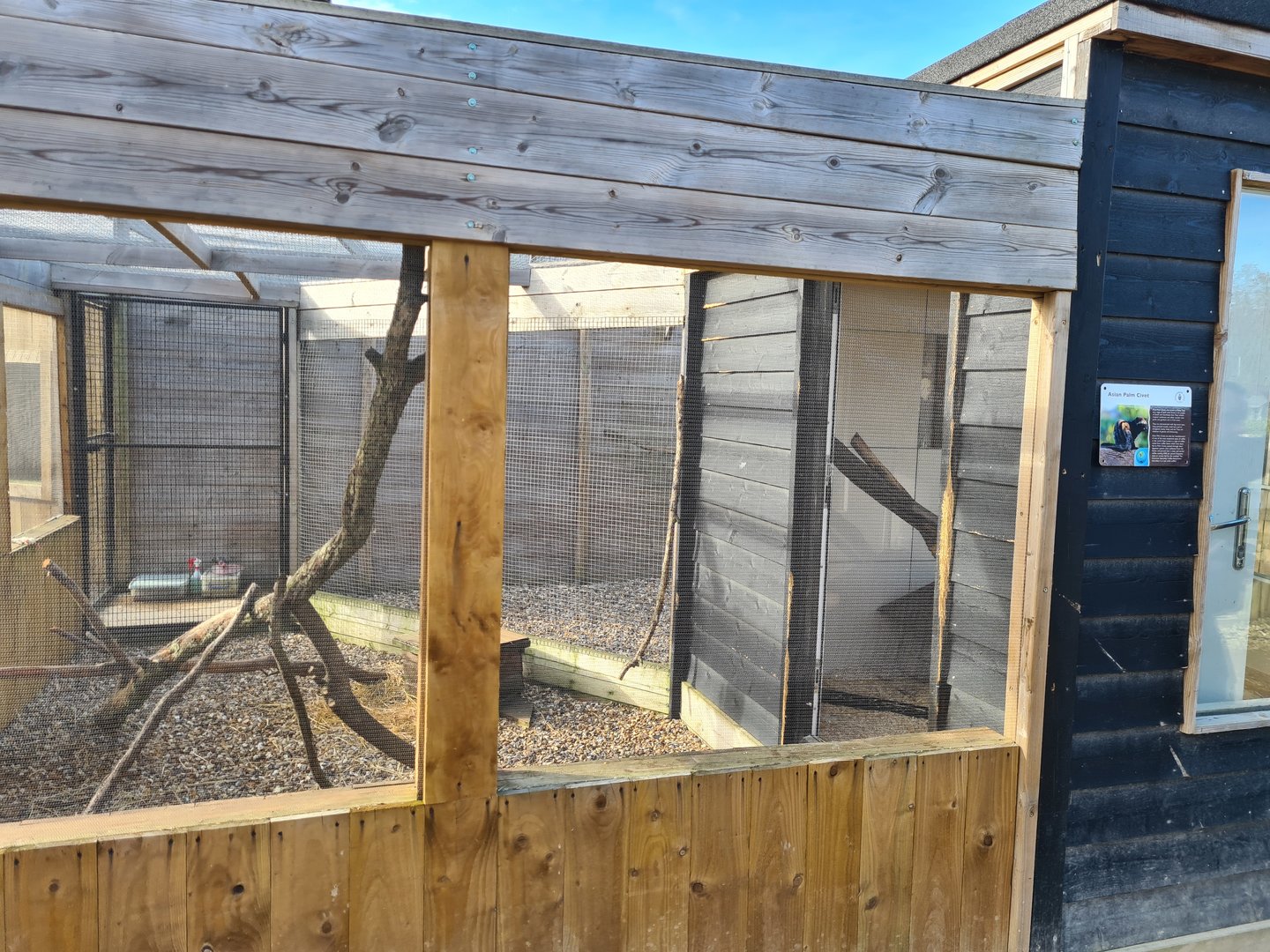
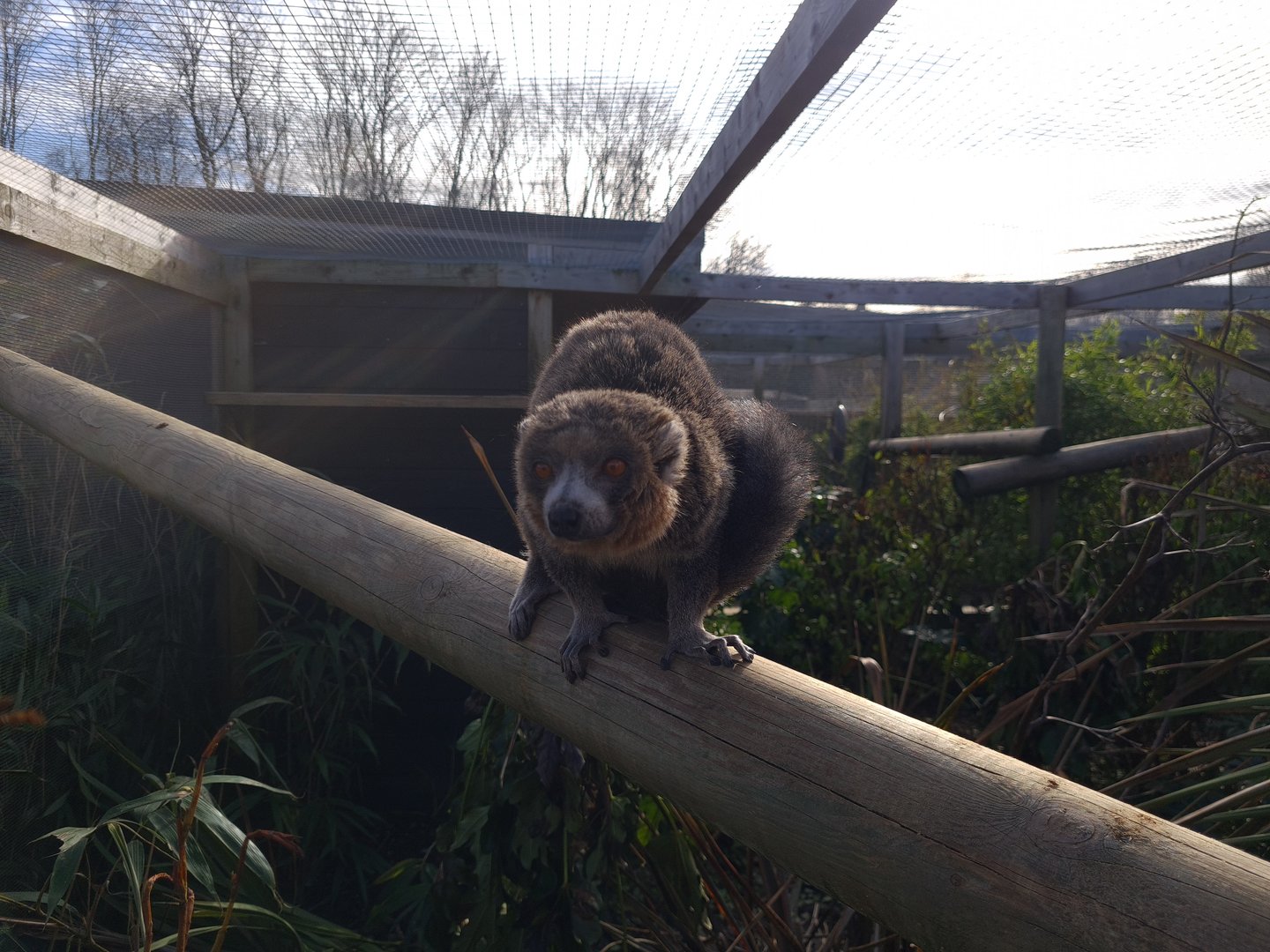
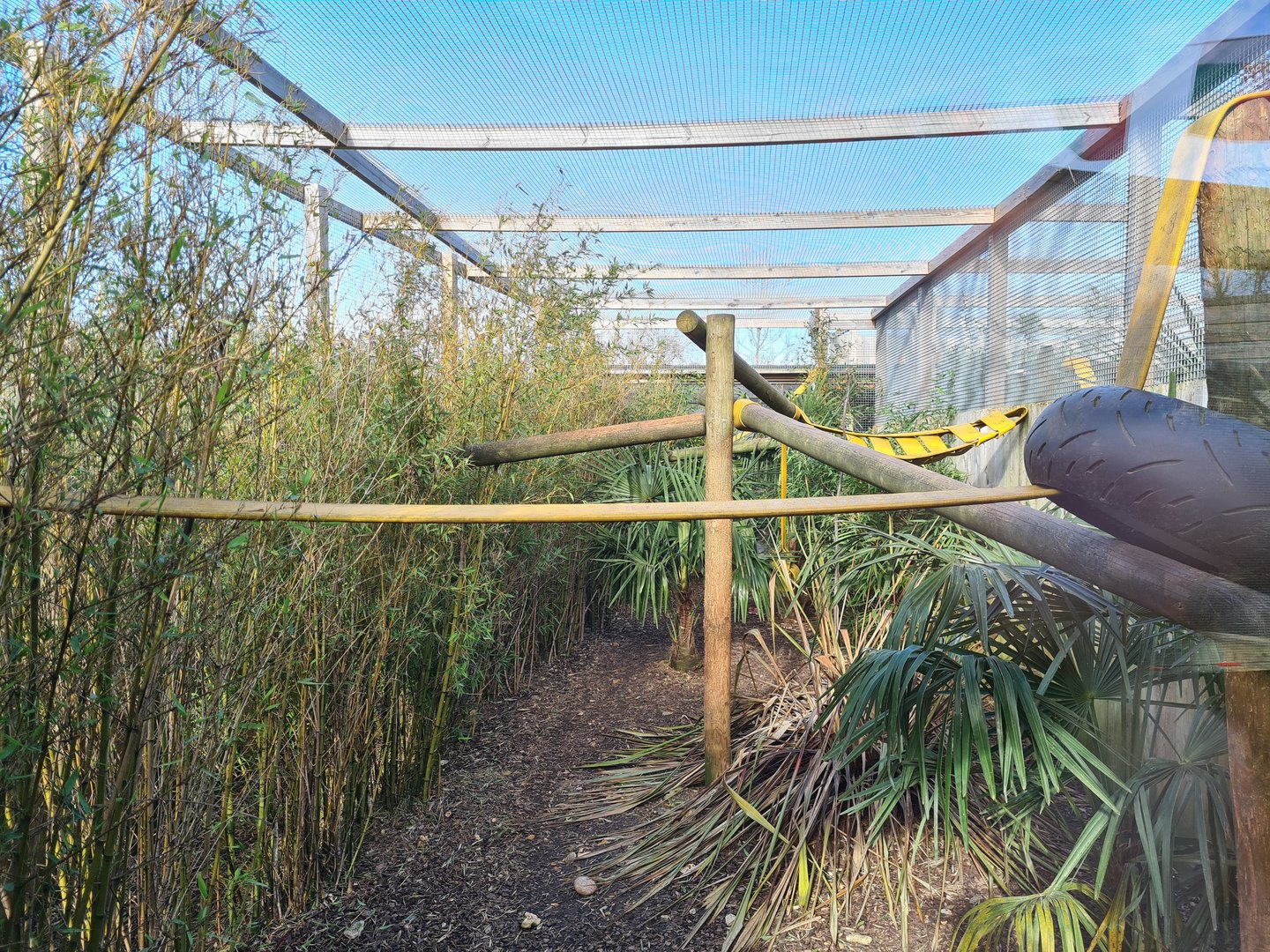
A pair of basic binturong exhibits are nearby, with one being much better than the other. A similarly basic exhibit holds a pair of Asian palm civets. Both individuals were very active later in the lay which offered great photographic opportunities. A small yet well planted Malagasy complex was home to a pair of inquisitive mongoose lemurs, followed by a walkthrough for ring tailed lemurs. A pair of fossa are maintained in separate exhibits. Whilst on the smaller side for my preference, I’d say they’re still larger than the exhibits at the wildlife park. Leading away from this area you’ll pass some basic aviaries for domestic birds and arrive in the farmyard area.


Based on the progress I’ve made so far it looks like I may need to split this overview into three parts. Part two will cover the rest of the animals and exhibits in the collection, with the final part covering the masses of construction and final thoughts. I hope to get these posted in the next week as towards the weekend I have a delayed Christmas party and the ABWAK symposium at YWP. I would like to continue to post in this thread with some final thoughts, a summary of the species of note, and possibly a comparison of exhibits for species shared across the collections. Again, thanks for all the comments and likes so far, I’m really enjoying producing this content for you all.
Nice to see that a second collection is hosting Dingoes
 
Hello all, I'm back! Incredibly sorry for the delay in getting the second part of the Ventura review posted. As I'm sure you all understand, life can be busy and I may have accidentally purchased Hogwarts Legacy (fantastic game)...

(4) Ventura Wildlife Foundation (Part II)

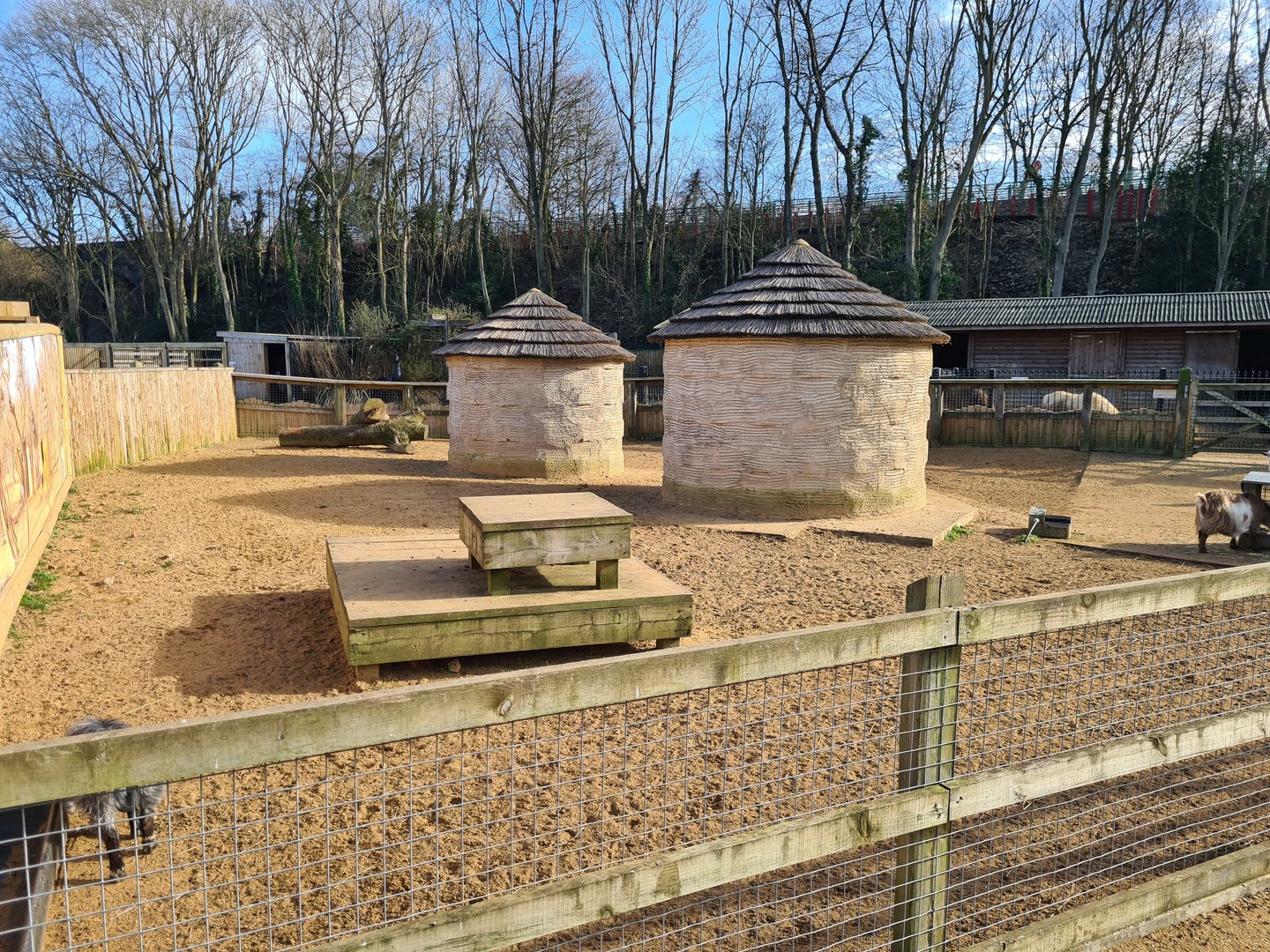
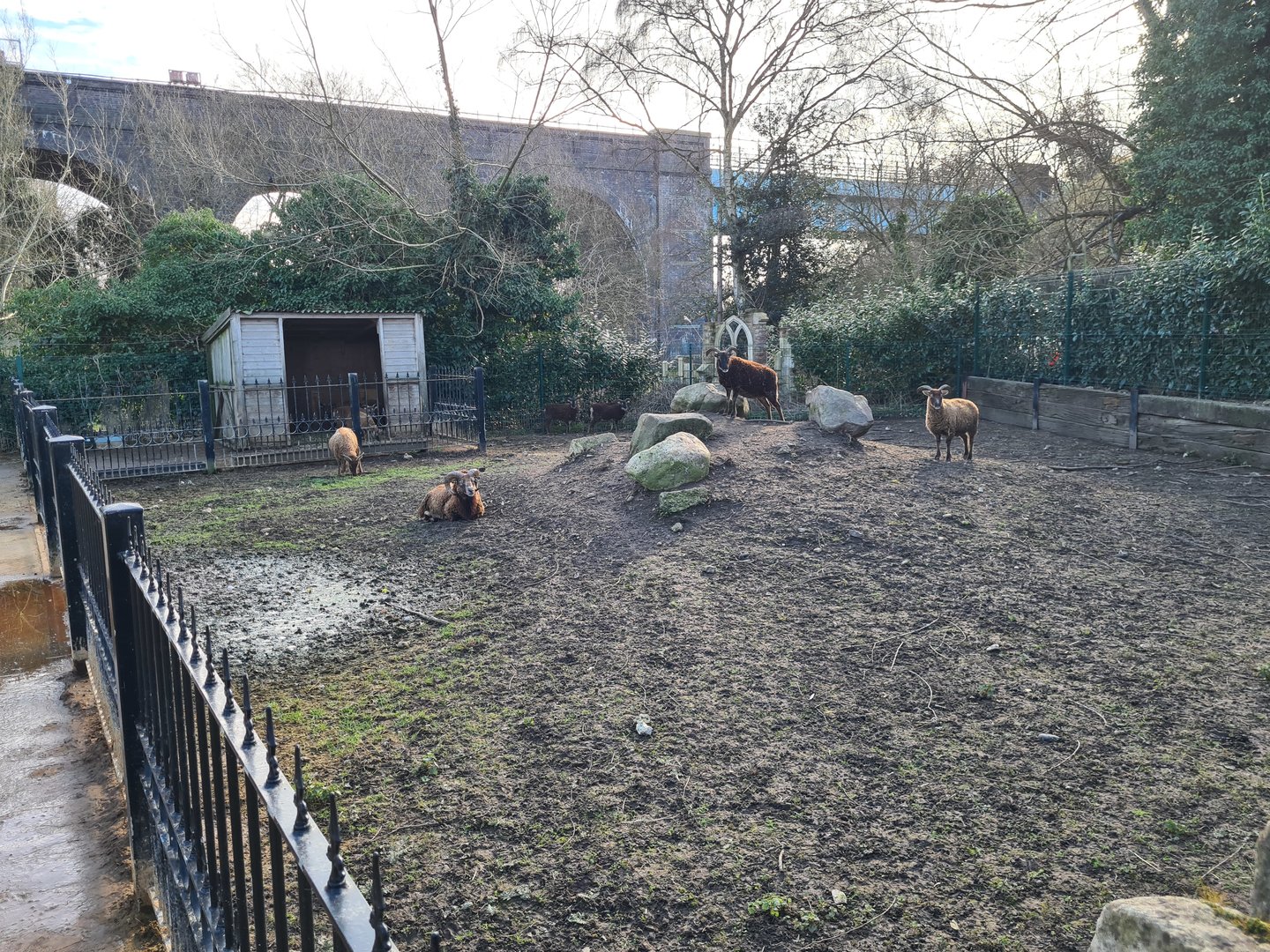
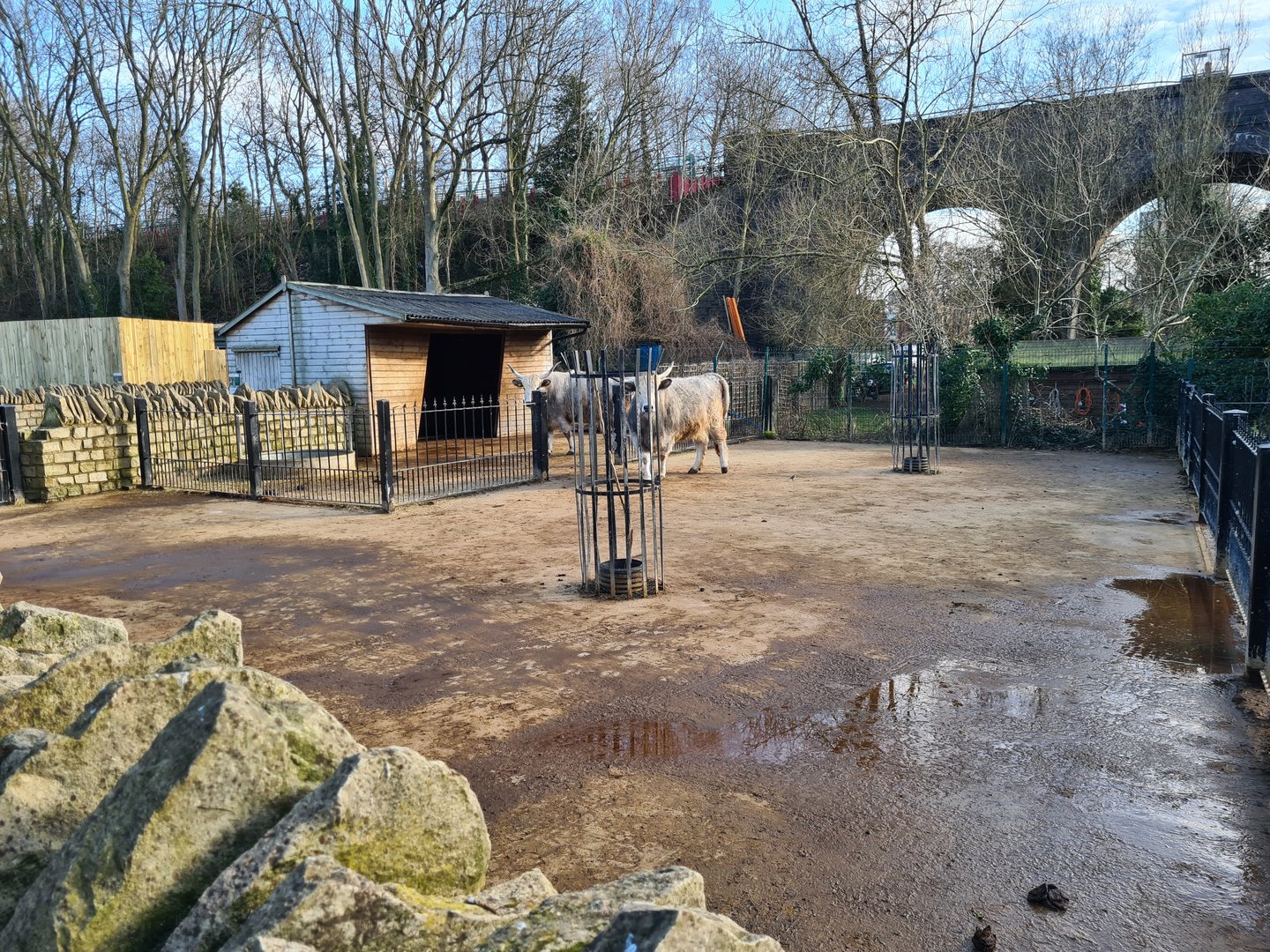
One of the oldest areas of the zoo is the farmyard section. Accommodations are fairly basic and on the smaller side, though as I'll cover in part III, based on signage it seems that most animals are having new enclosures built. Goats are held in a classic "African village" themed exhibit, whilst most others are without a theme. Animals include Soay sheep, cattle, pigs, poultry, reindeer, llamas and alpacas etc...


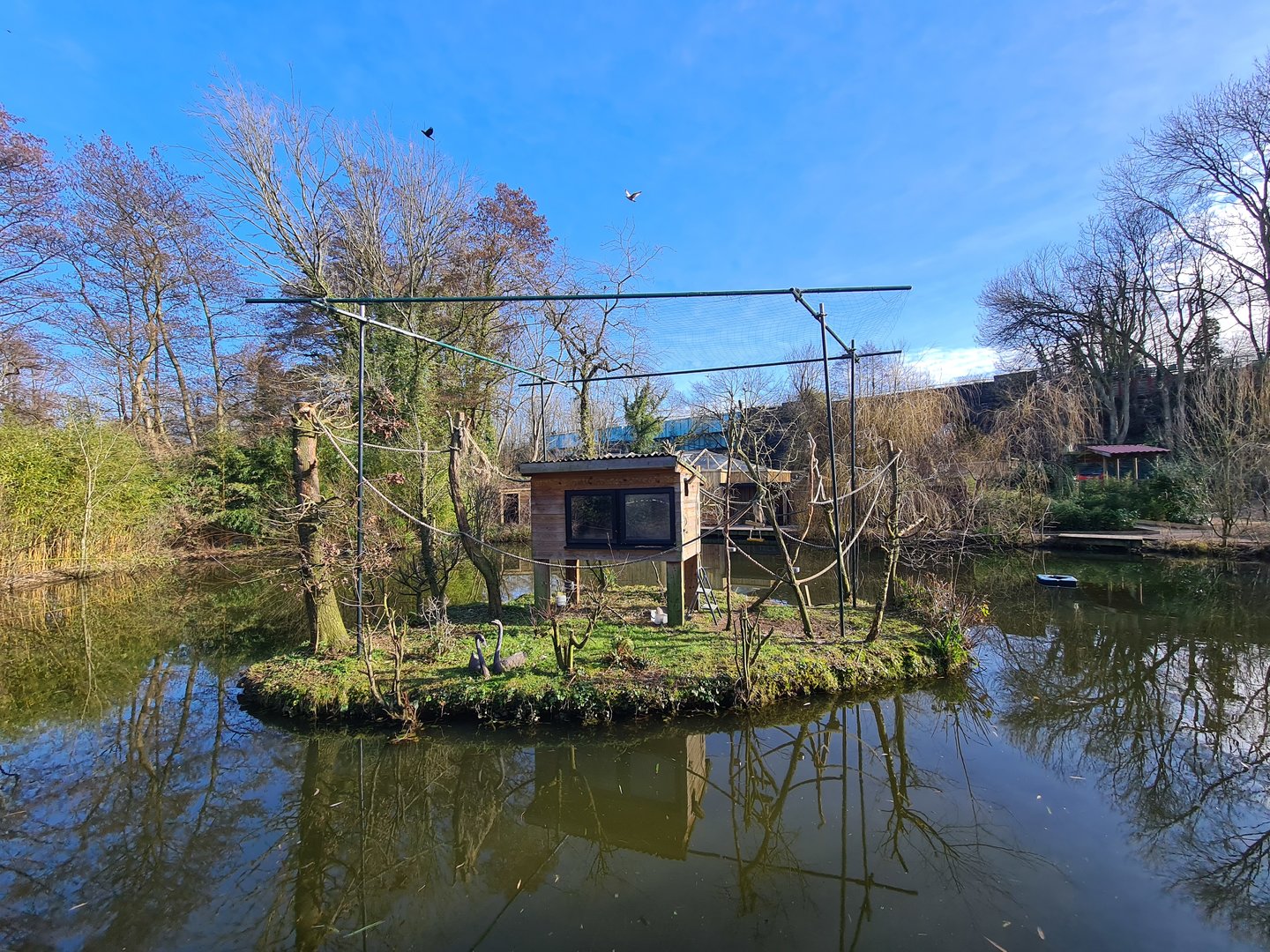
A highlight for all of the zoo nerds was the pair of Javan porcupines! Unfortunately their enclosure was less than impressive, so I hope they'll be housed in the new section when finished. Cotton top tamarin and common marmoset are held in a nice mixed species island, with an unusual yet functional stilt house. It would have been nice to see them offered more inside space, especially for when the weather is cooler.


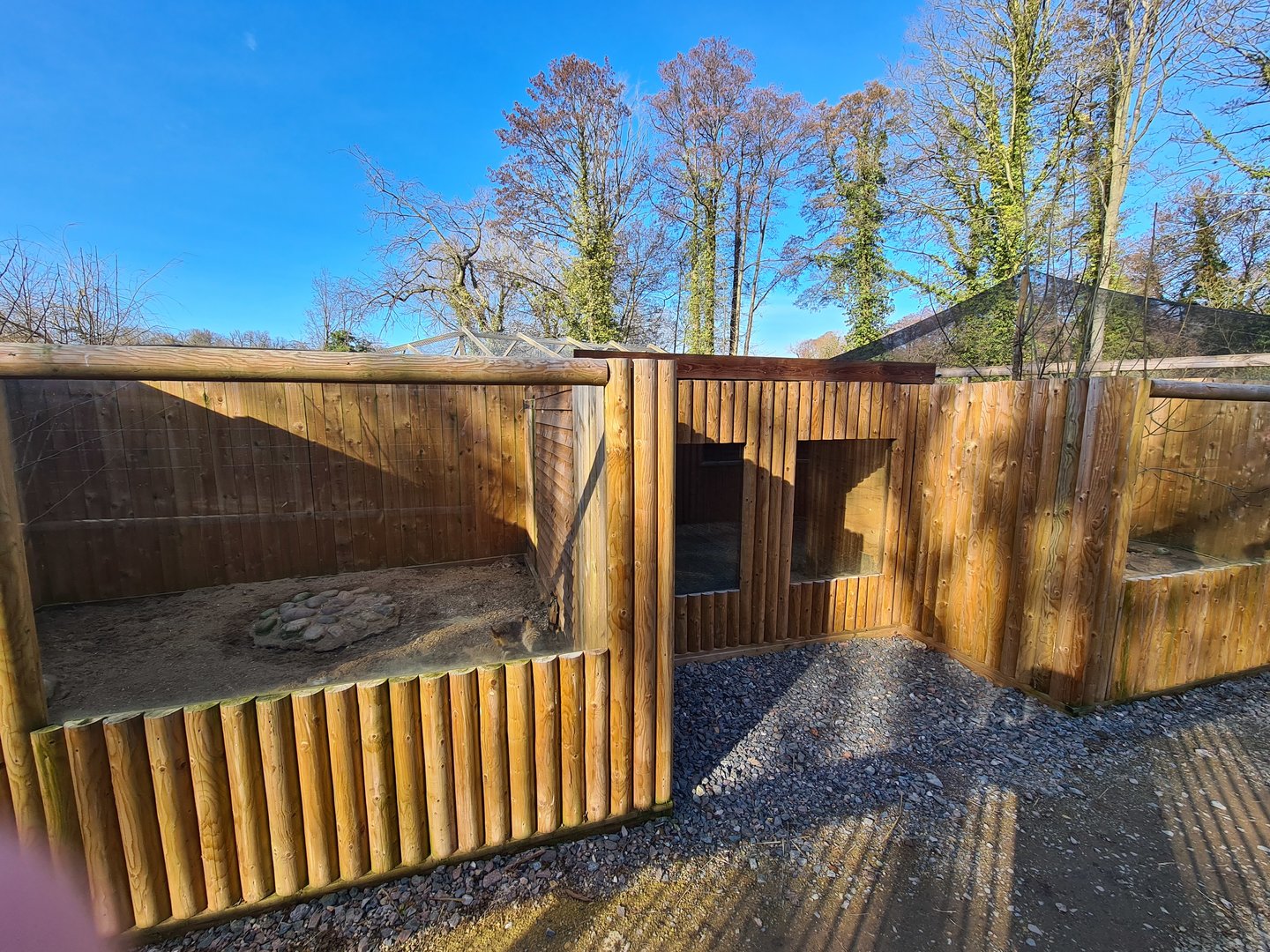
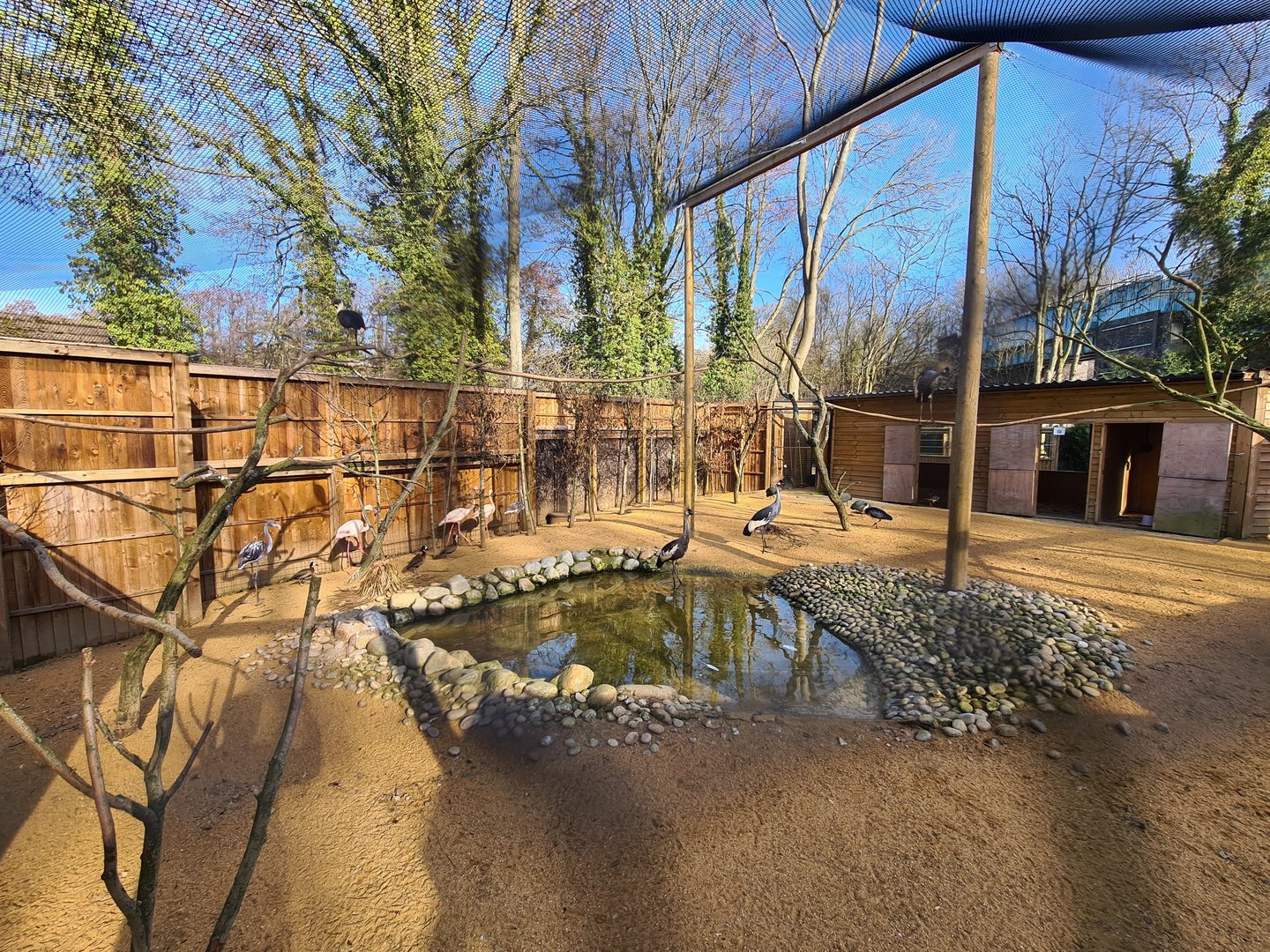
Some of the new section under construction did house animals, offering some of the nicest enclosures in the zoo (as mentioned, those without animals will be covered in part III). Whilst on the smaller side, in the typical Ventra style, most enclosures seemed well built. Racoon dogs, banded mongoose, meerkats and some small birds were all held in basic exhibits, with the highlight being a larger aviary. The large aviary held flamingo, crowned cranes, and a UK rarity, straw ibis.


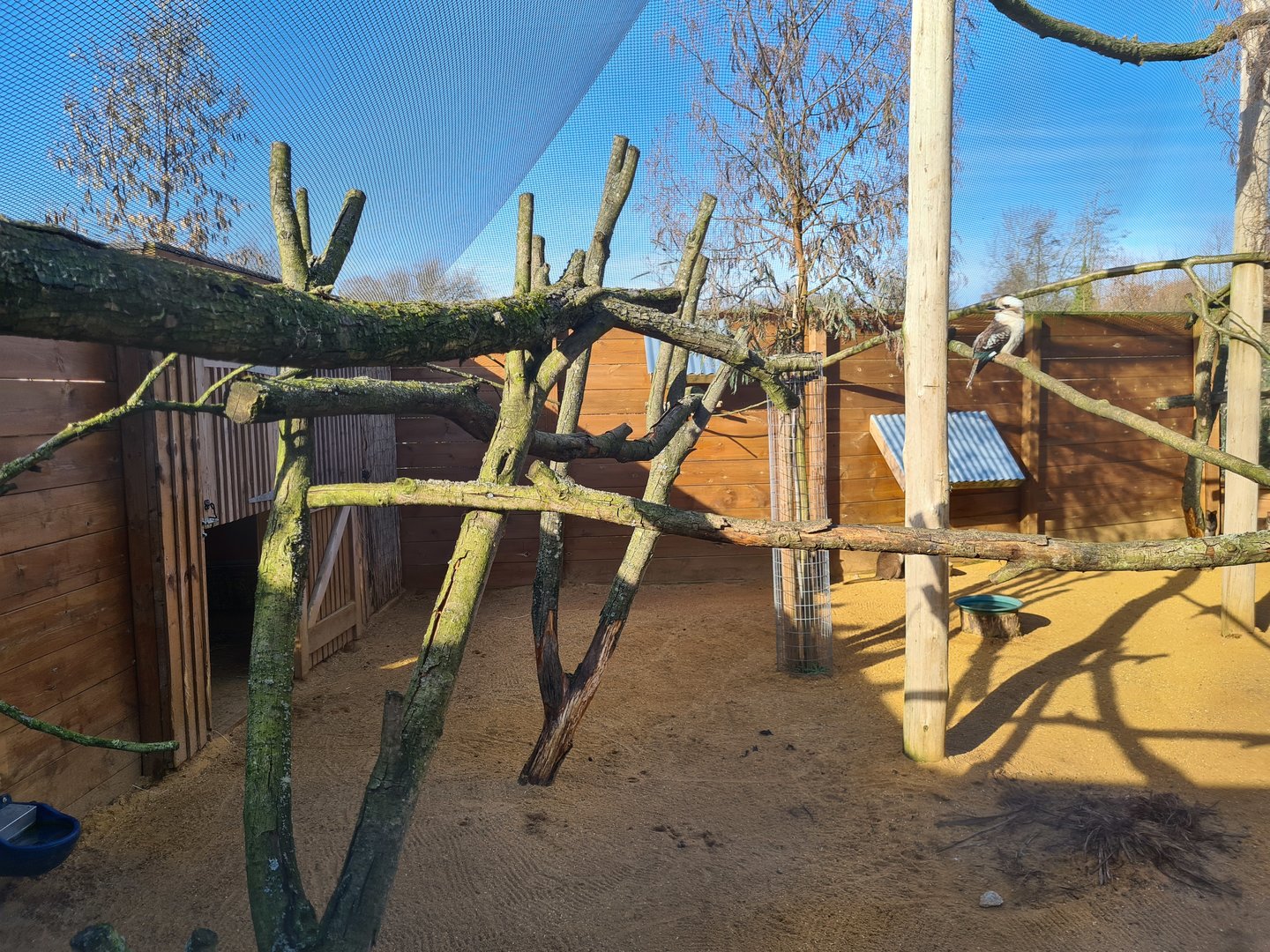
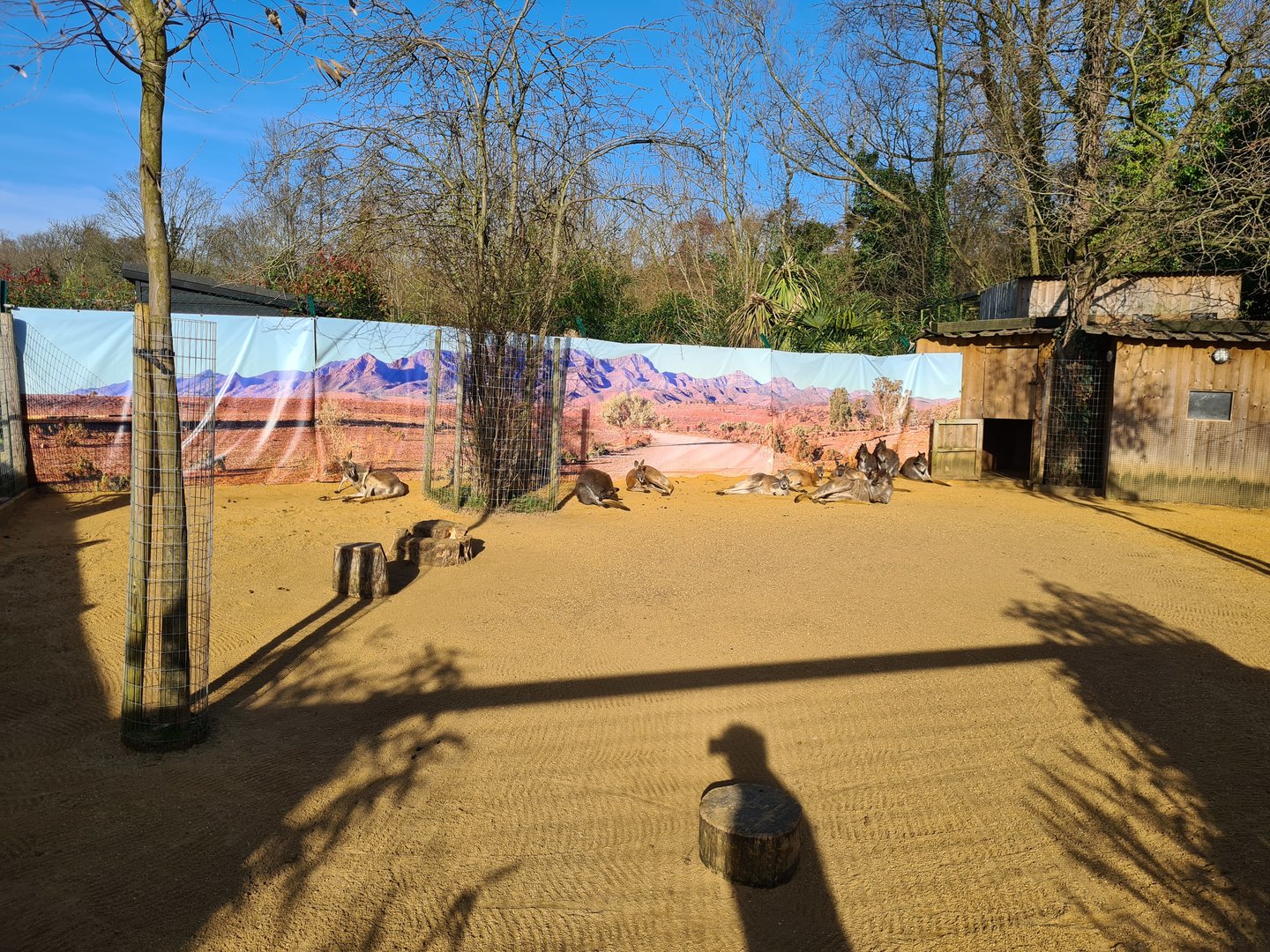
Nearby Grant's zebra and ostrich were held in separate exhibits which were again reminiscent of the previous site. Similarly, an almost identical aviary to one found at the wildlife park held parma wallaby and kookaburra in the Australia Zone, offering a nice amount of space for the latter. Additional parma wallaby are held in an exhibit with Patagonian mara; an interesting addition to the Australian area. Red kangaroo and Bennetts wallaby are kept in a basic paddock, with a very small enclosure for emus to the left. For the space available on site, they could have offered much more land to many of the larger mammals and birds mentioned in this paragraph. If it were an older zoo this could be excused, but not for somewhere so new. Looking at the map, this whole Australian section has been built in an area previously dedicated to only mara and wallaby.


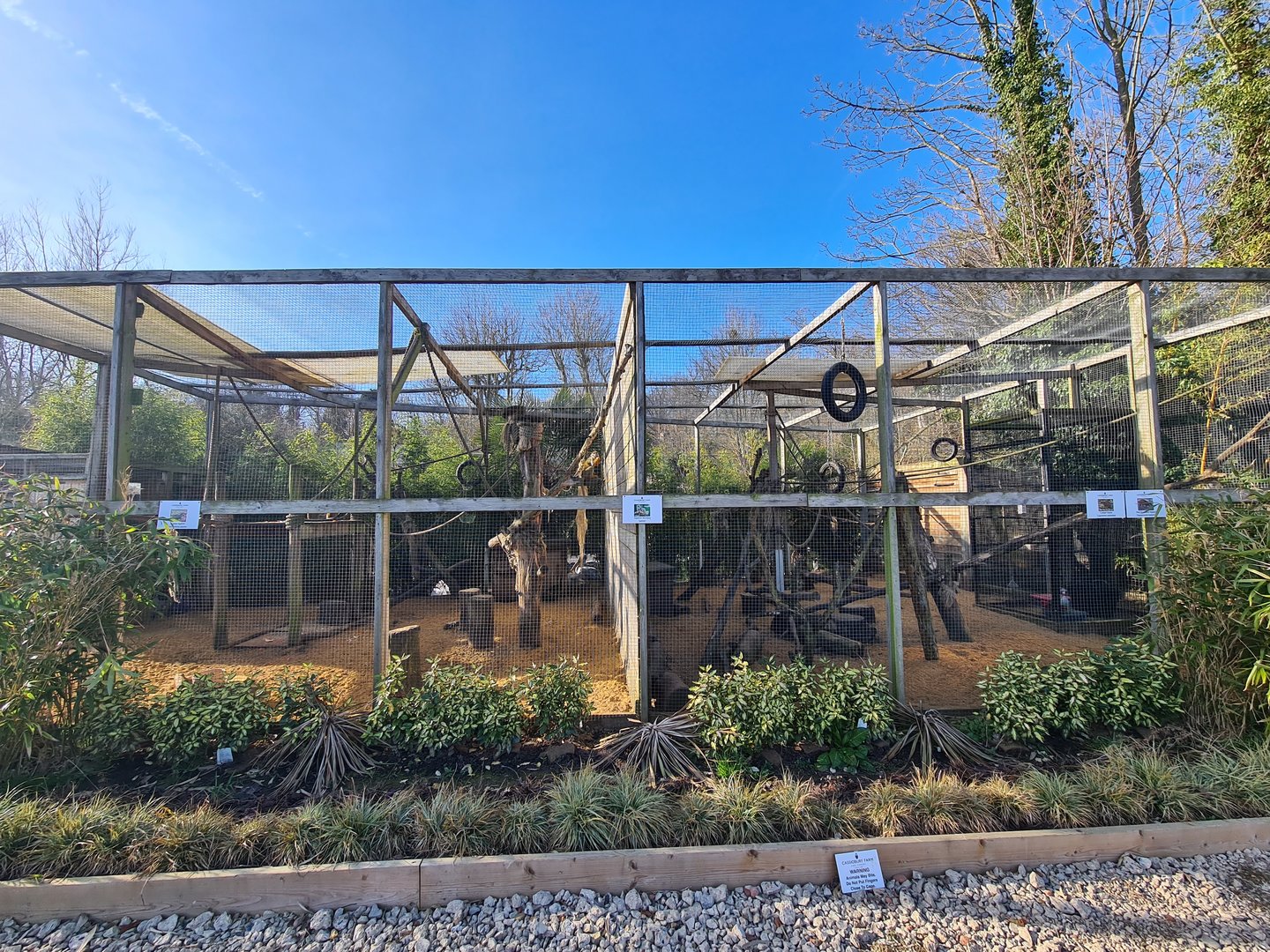
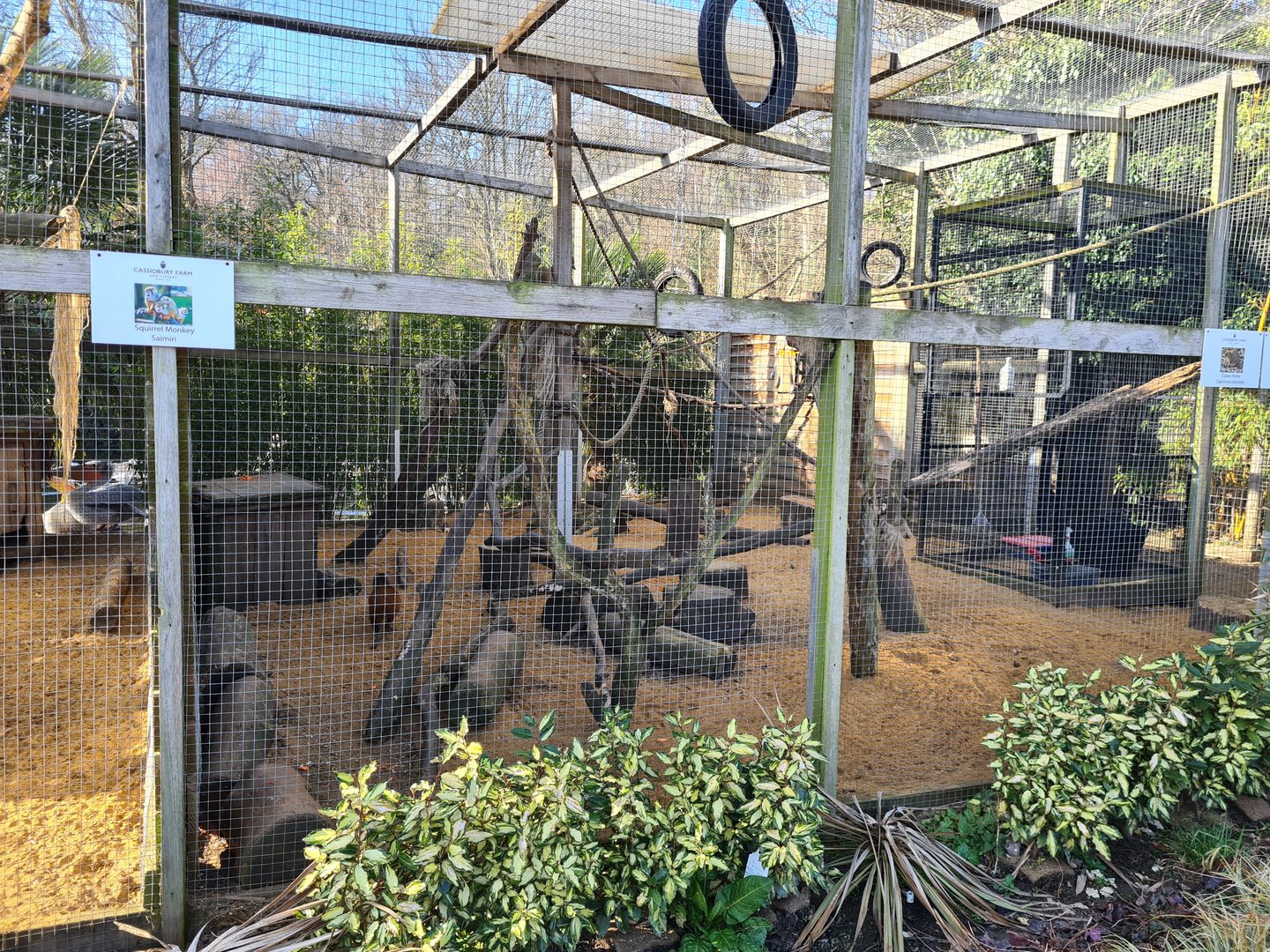
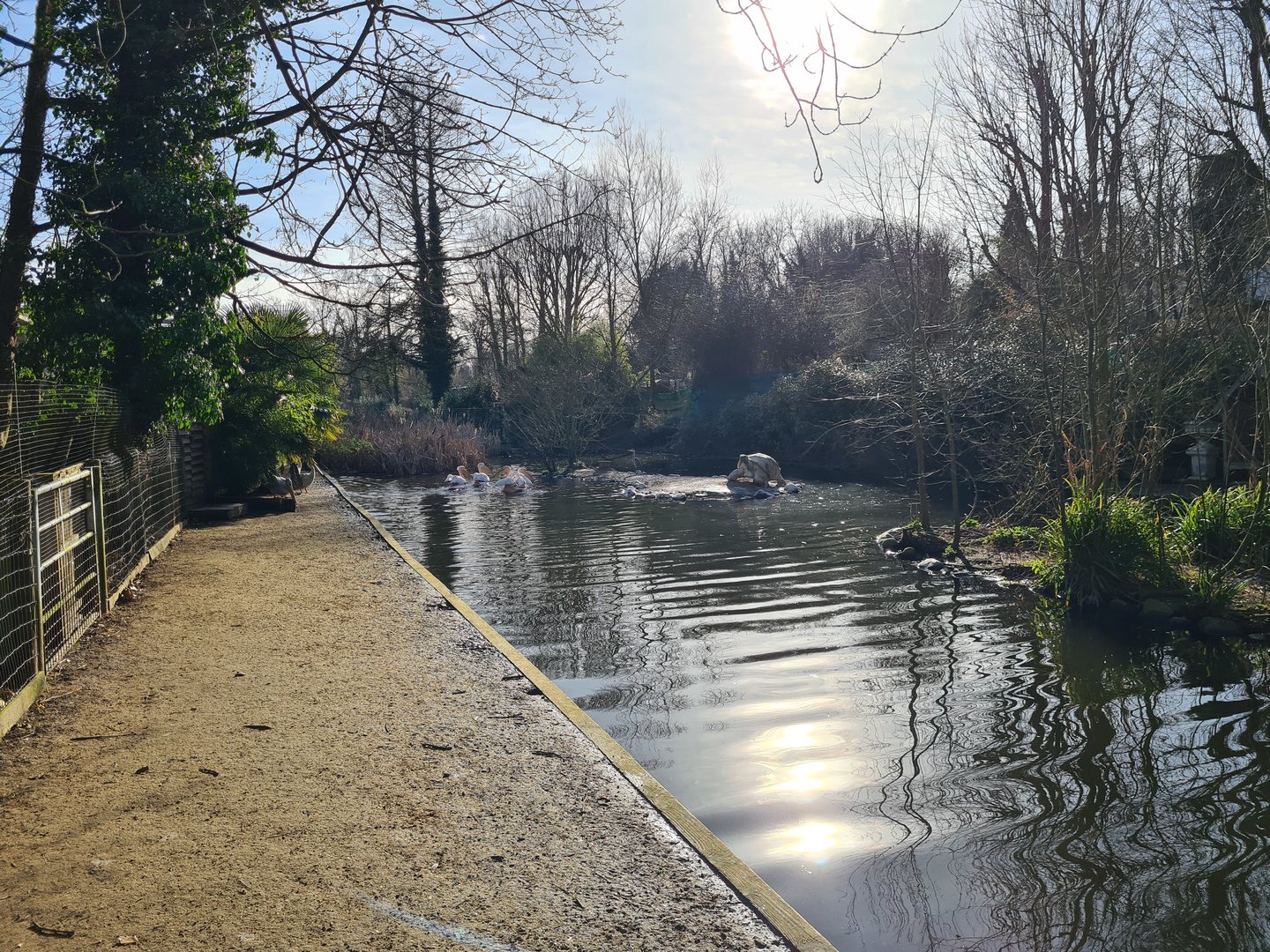
A similar species mix as seen at the Wildlife Park is found here, with squirrel monkeys, hutias and red-rumped agouti; the rodents were a real treat to see again! An additional group of squirrel monkeys are held in a neighbouring exhibit but are not mixed with anything else. Whilst basic, both enclosures are decently sized and furnished. Behind, pelicans are held in an open topped lake exhibit and were causing quite a racket!


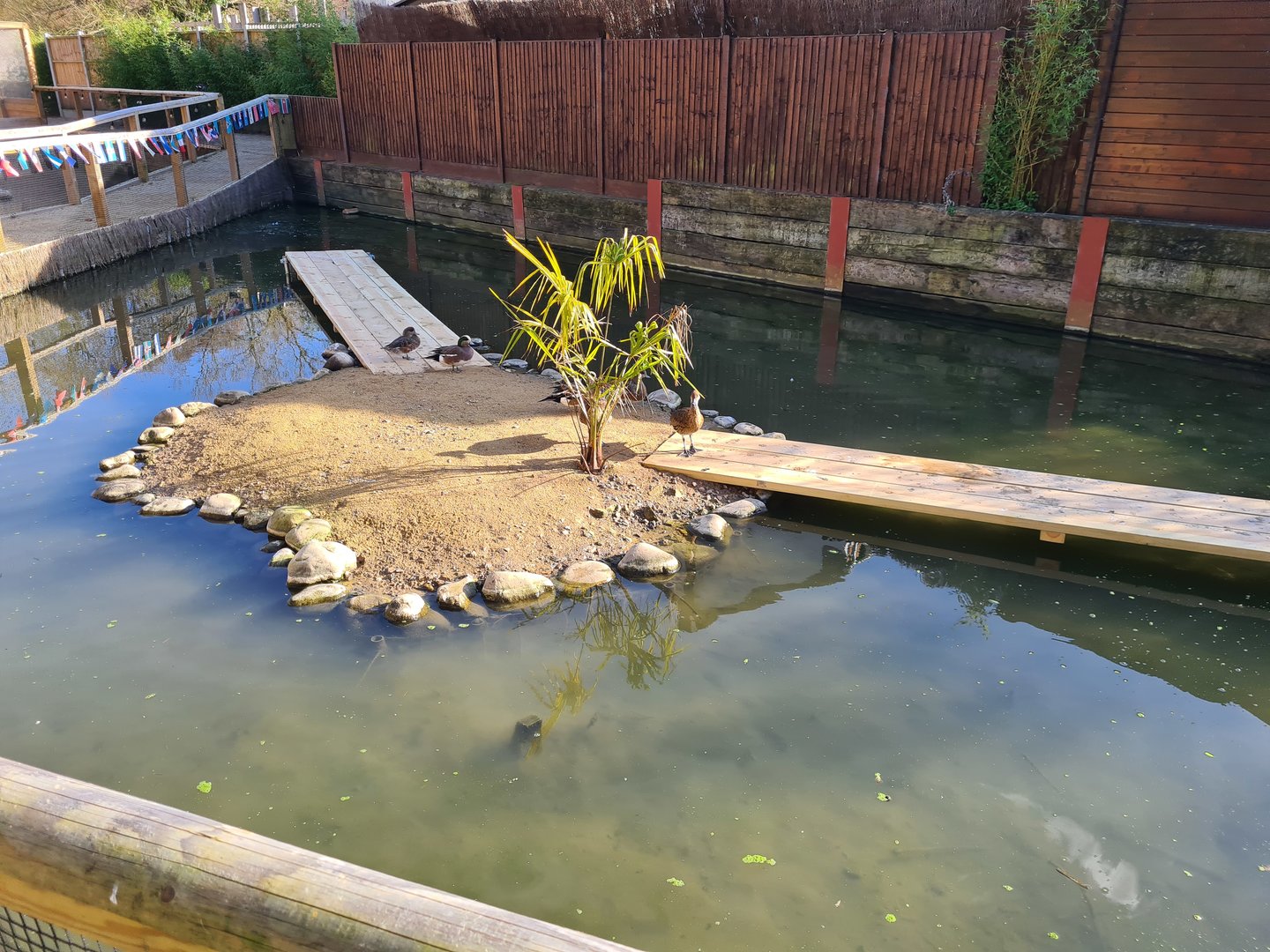
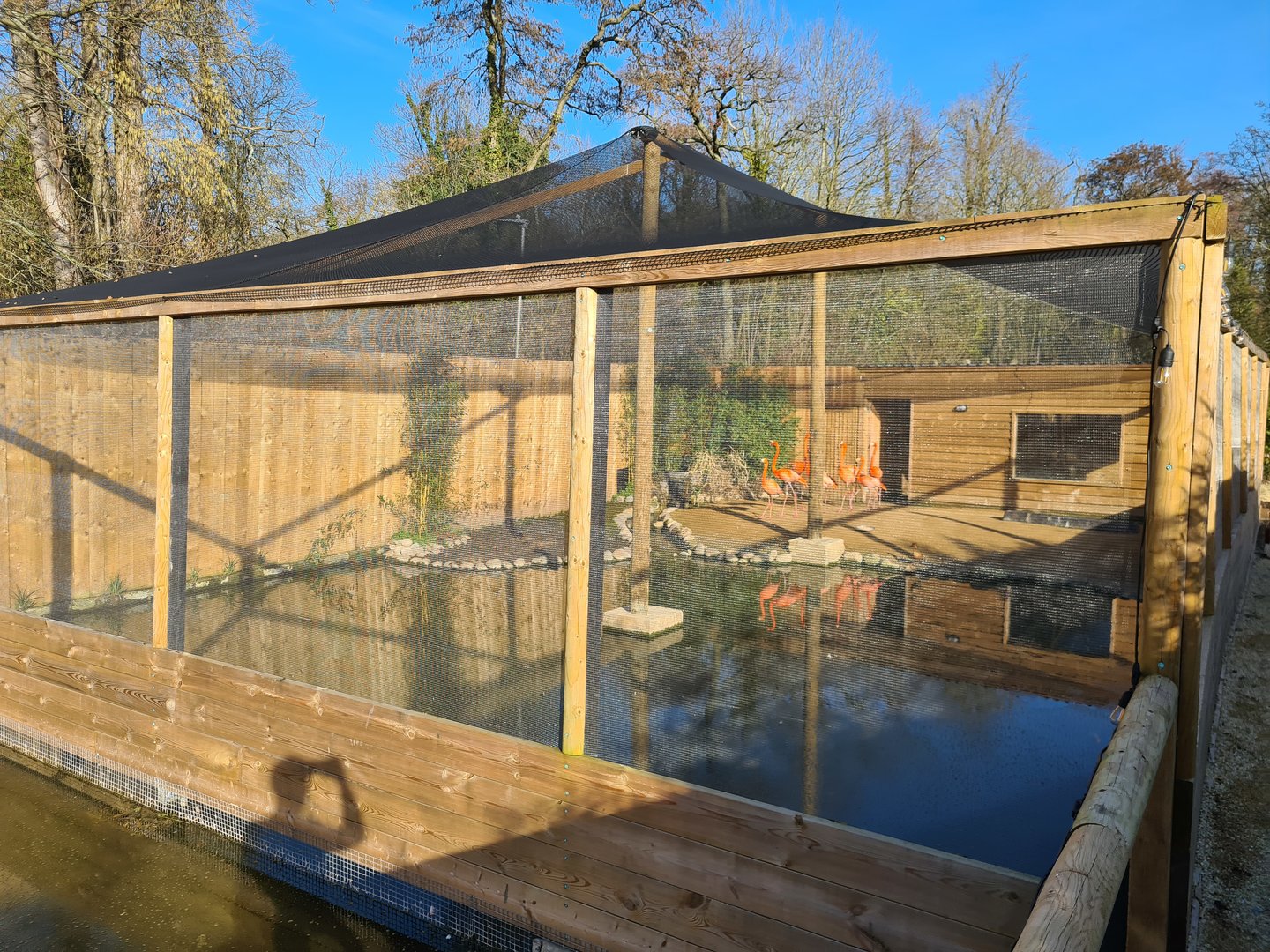
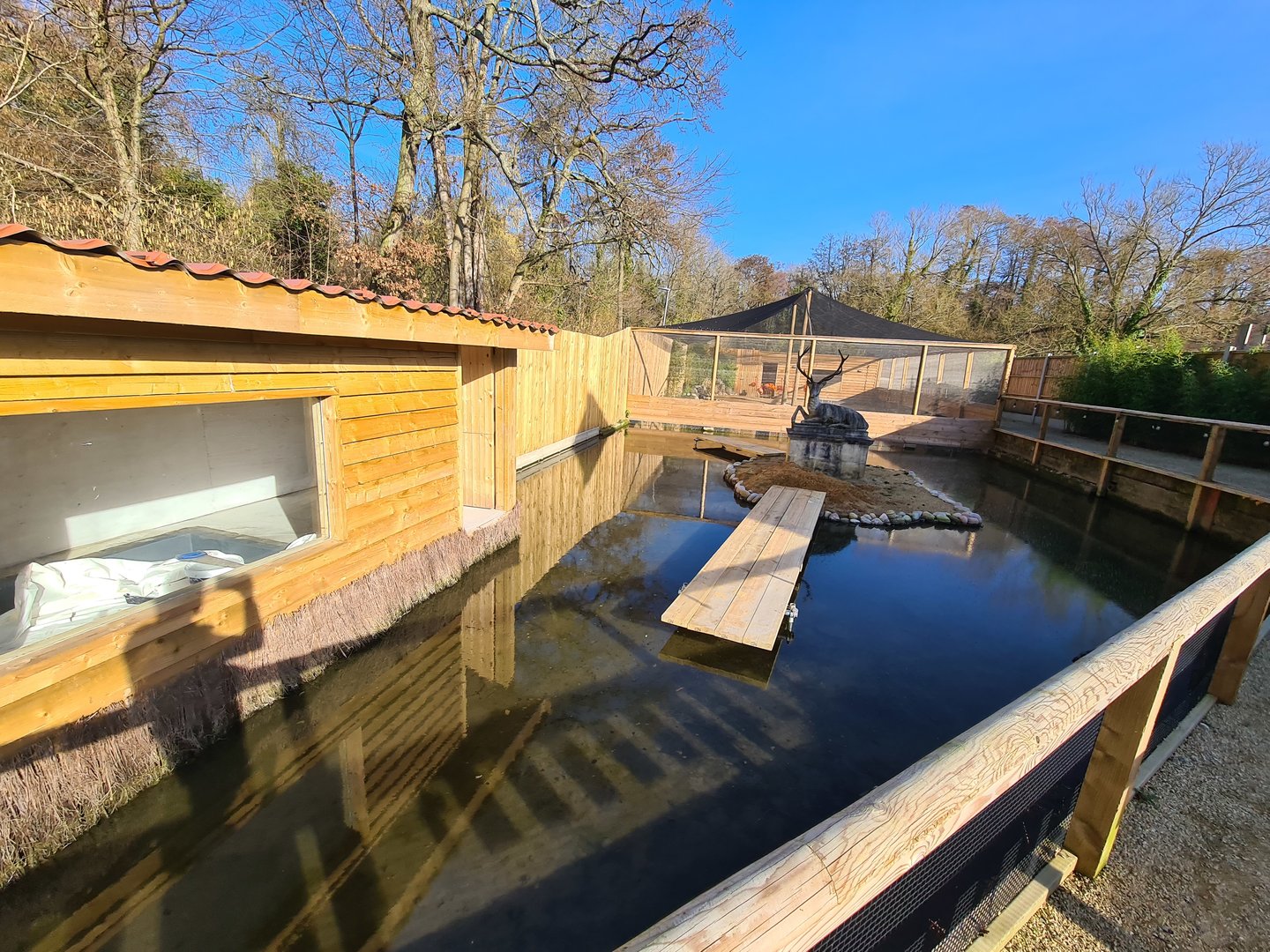
The final stretch of the zoo with exhibits that contained animals included two open topped ponds for waterfowl (one under construction), a nice Caribbean flamingo aviary, and a paddock for wolfdogs. I don't believe I've seen a wolflog in person before, so they were interesting to see.


As repeated a few times now, I'll cover the construction/future developments and final thoughts in part III. Please see the gallery for more photos!
I can see American Wigeon and what looks like a Cuban Whistling Duck in that waterfowl enclosure, both distinctly unusual in U.K. zoos
 
  • Like
Reactions: TNT
I've always thought it interesting that we don't really have hutias around in zoos here in the States, despite having a few other Caribbean species (mostly herps). What are they like to see? Are they active and fun to watch, or just a less common species to check off the list?

They seem fairly active! I've never failed to see them at All Things Wild when they previously held the species. Quite unusual, so always a pleasure to see.
 
Wildway Wildlife, which opens in May has stated that they have Cuban Hutia and they said in their press statement they had the only ones in the UK, so it would appear that they are not alone in having the species, with Ventura also holding them.
 
Wildway Wildlife, which opens in May has stated that they have Cuban Hutia and they said in their press statement they had the only ones in the UK, so it would appear that they are not alone in having the species, with Ventura also holding them.
They likely sourced their individuals from Ventura. The only other holder in recent years was All Things Wild (also from Ventura), but their last individuals were apparently sent back.
 
Sure! It was more of a response to the claim 'they said in their press statement they had the only ones in the UK'. :D
 
  • Like
Reactions: TNT
Ventura Wildlife Foundation (Part III)

Even including Hamerton, which is known for constant building work, I don't think I've ever been to a zoo with so much construction taking place. As indicated previously, it seems as though some of the work is to provide current species in some of the poorer exhibits new enclosures. Far too often you'll see zoos bringing in new species, which I do understand is important, whilst other exhibits fall into disrepair or are hugely outdated.

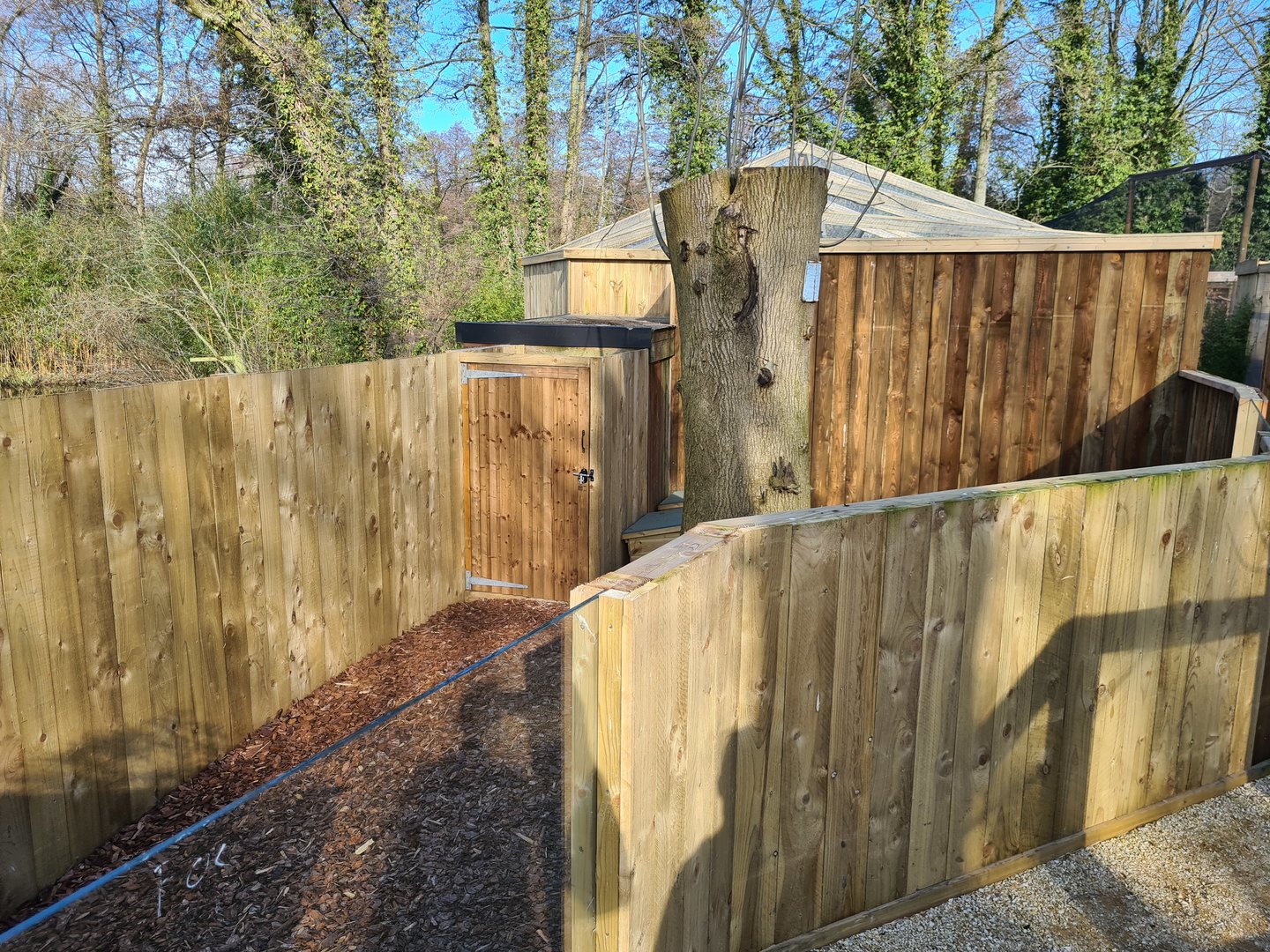
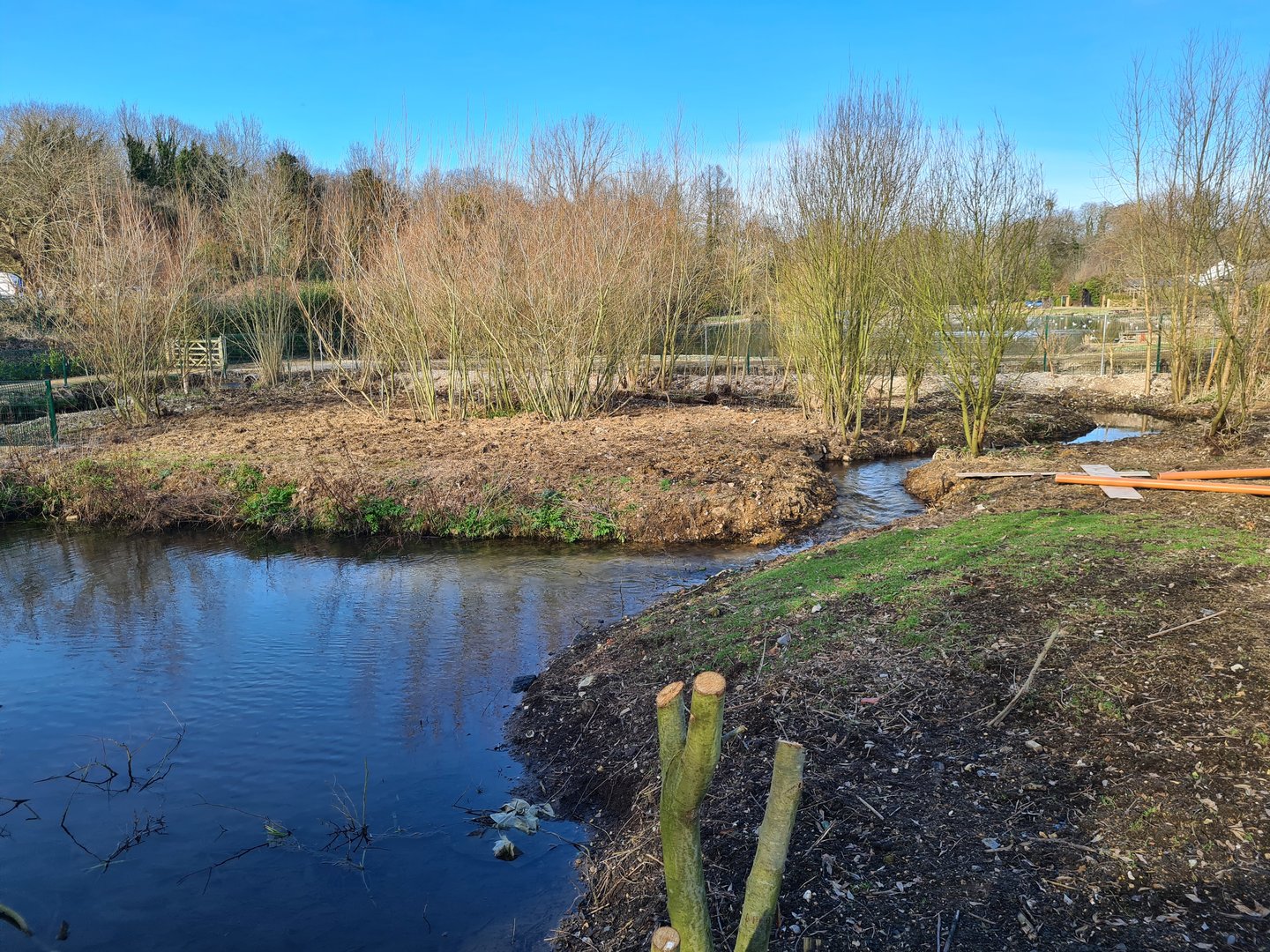
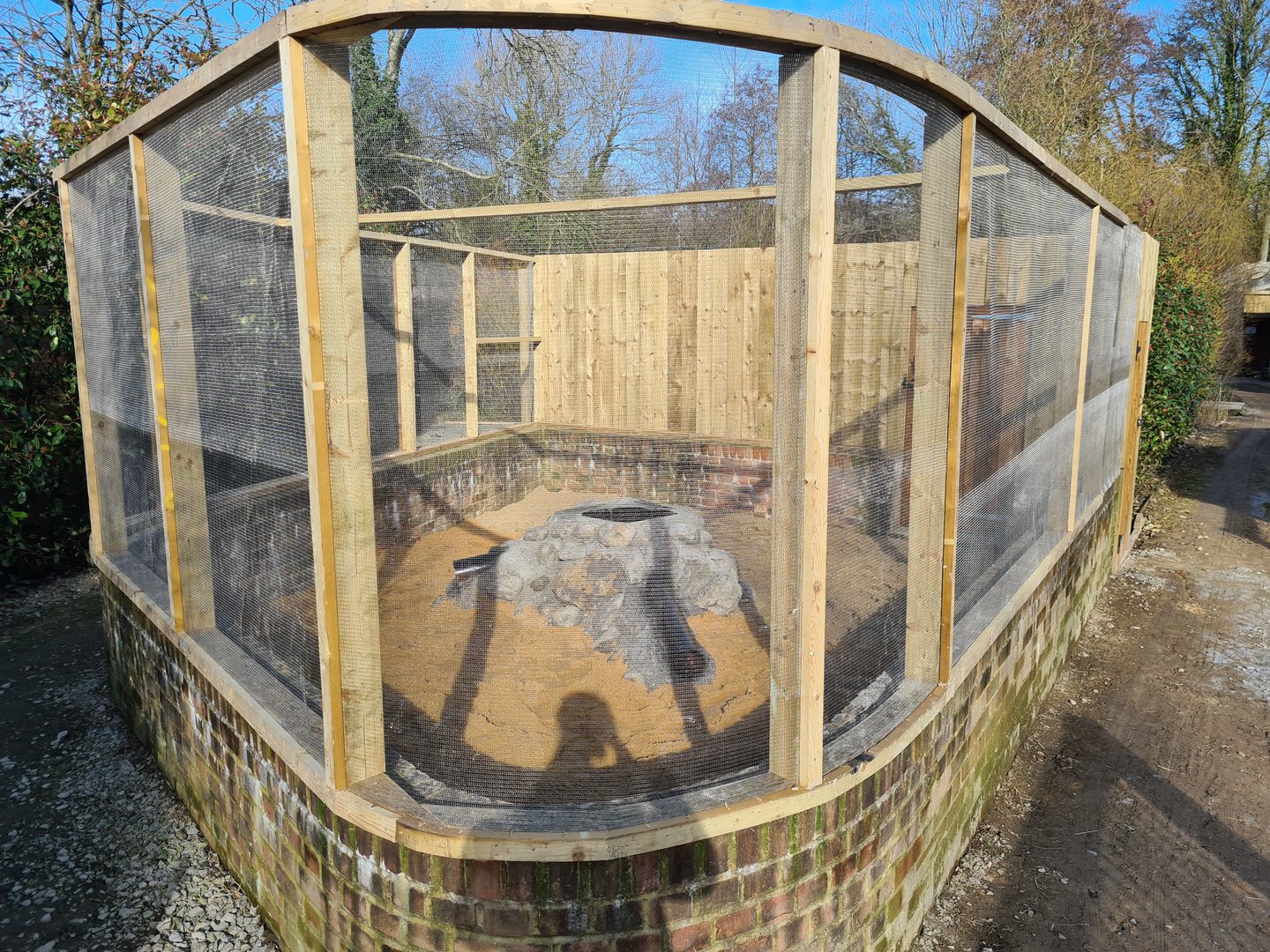
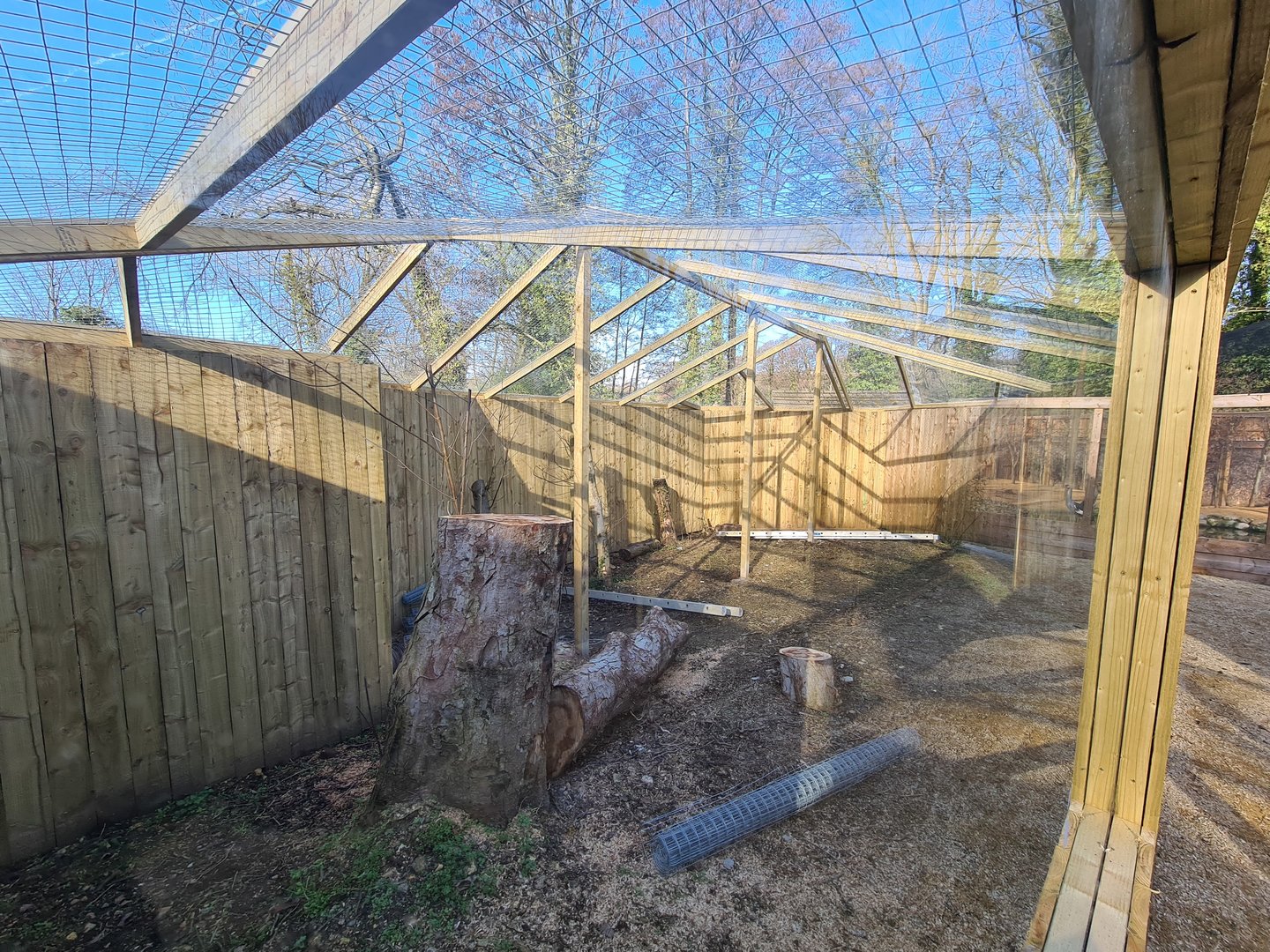
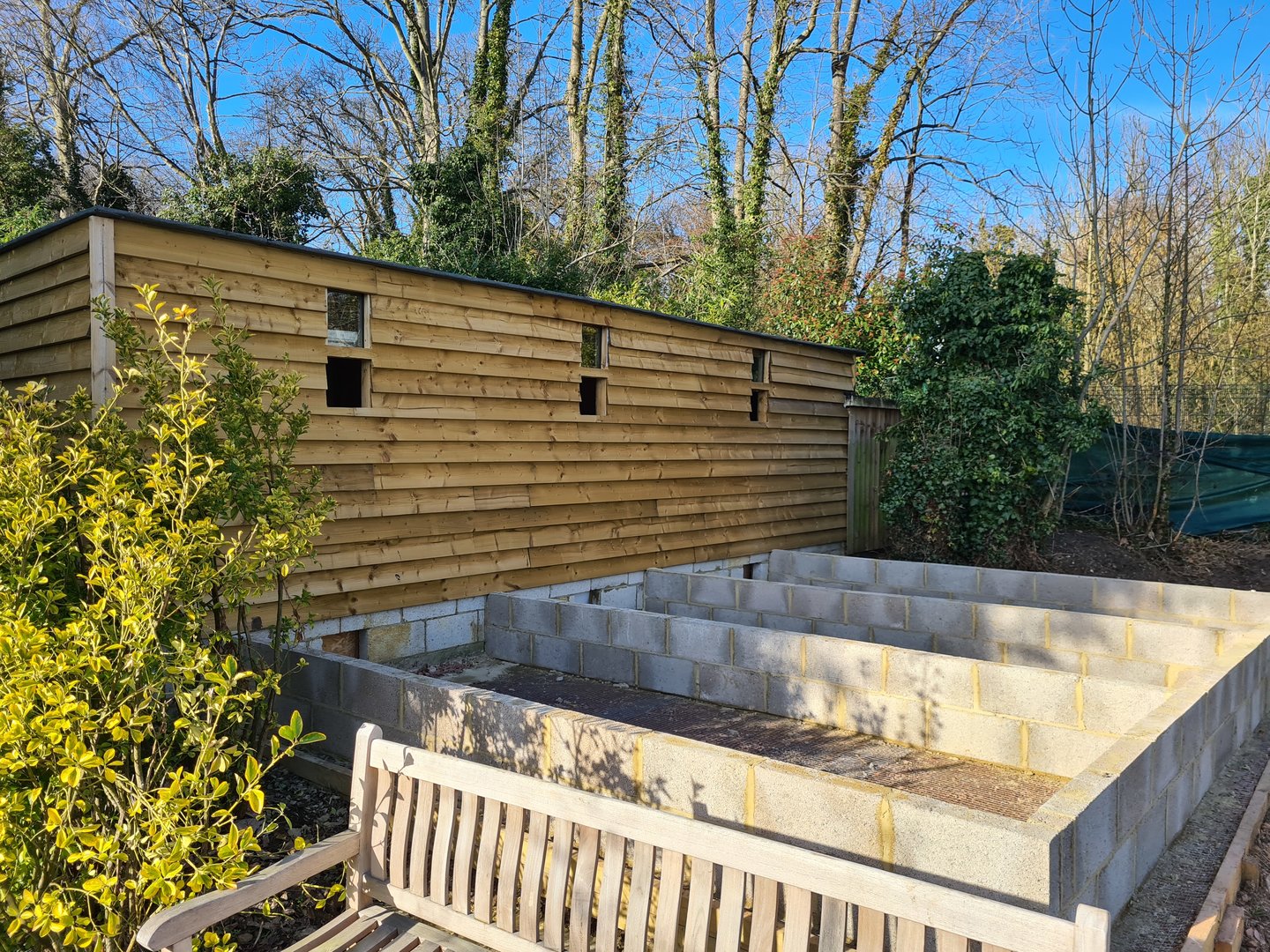
Most construction was confined to the rear section of the zoo, but there was a small amount dotted around. The first area that we came to with obvious construction work was quite pretty with a stream running through it and a number of small trees; it will be lovely to see animals in there. A small shed was nearing the end of construction, and after conversations with one of the bosses, a selection of South American species will make the enclosure their home when completed. Going by the pictures, you might be able to guess!


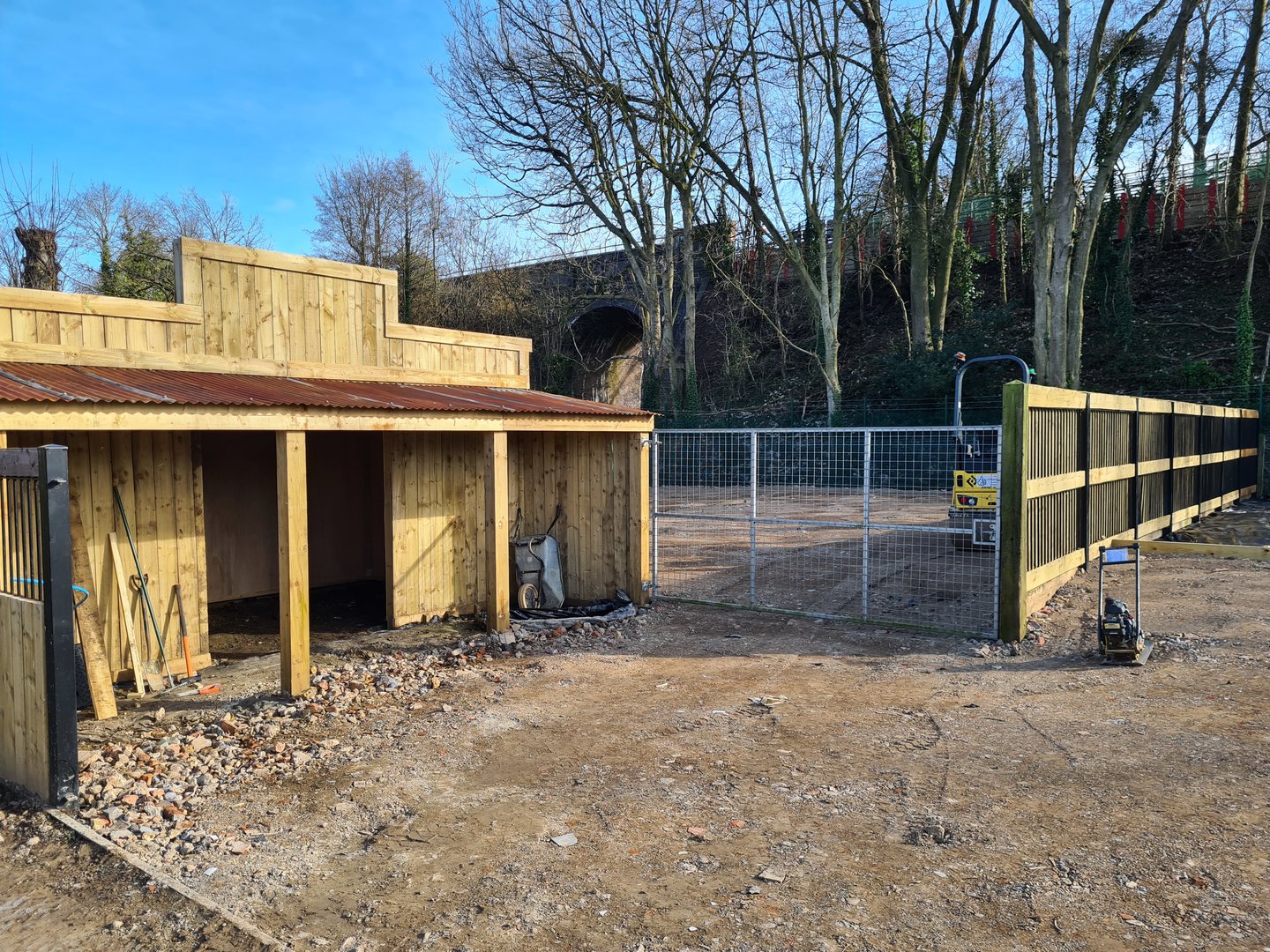
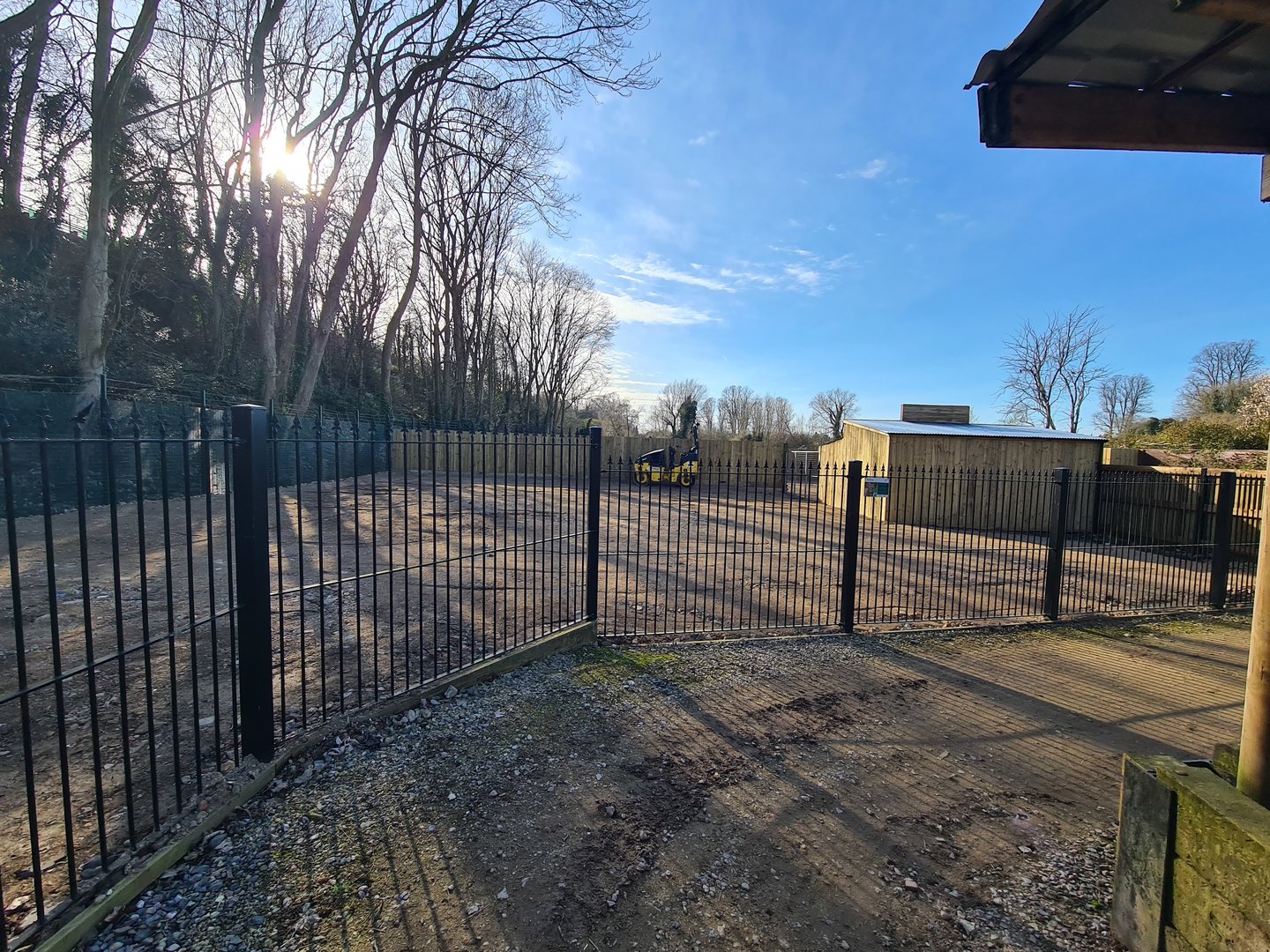
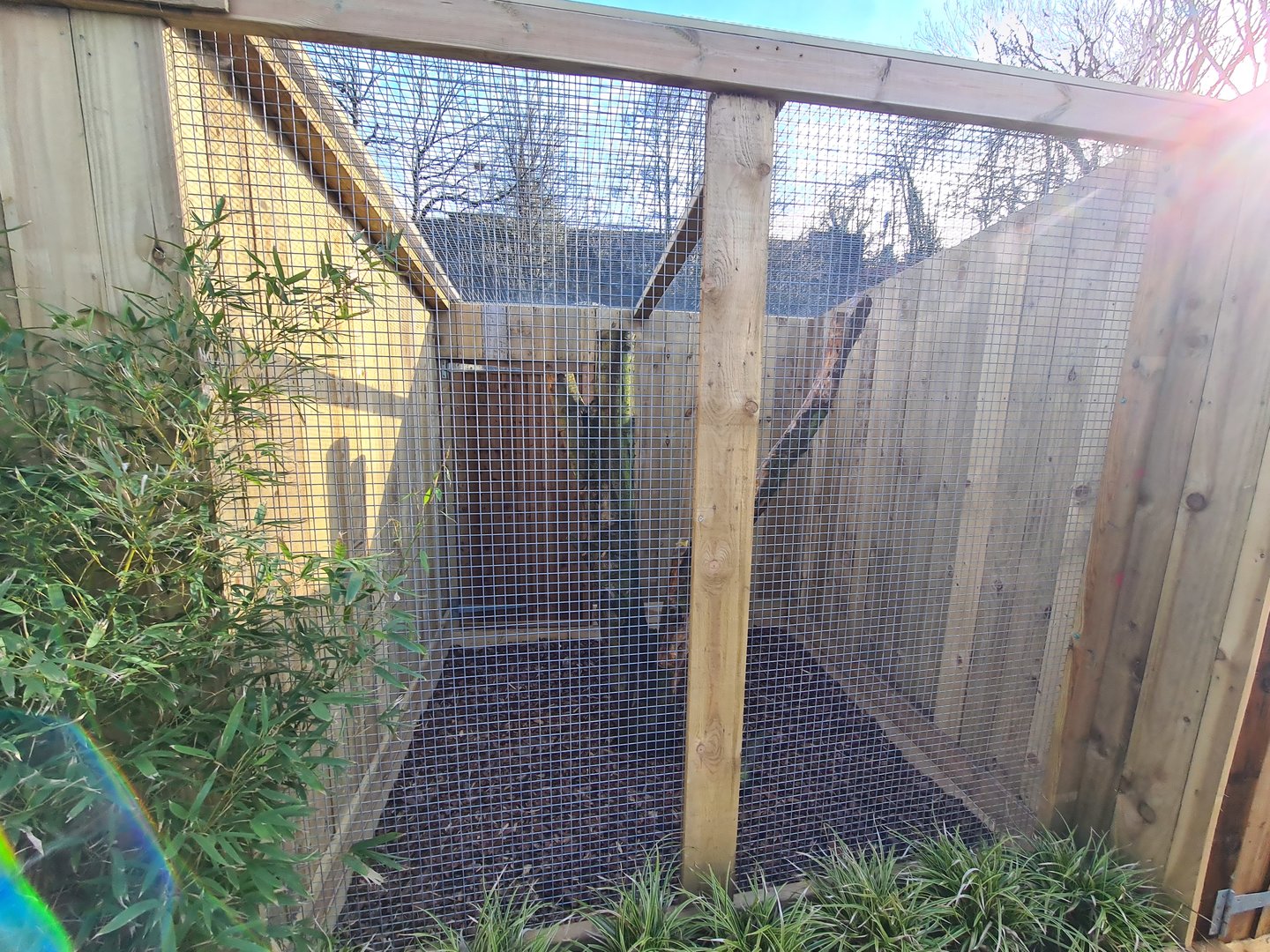
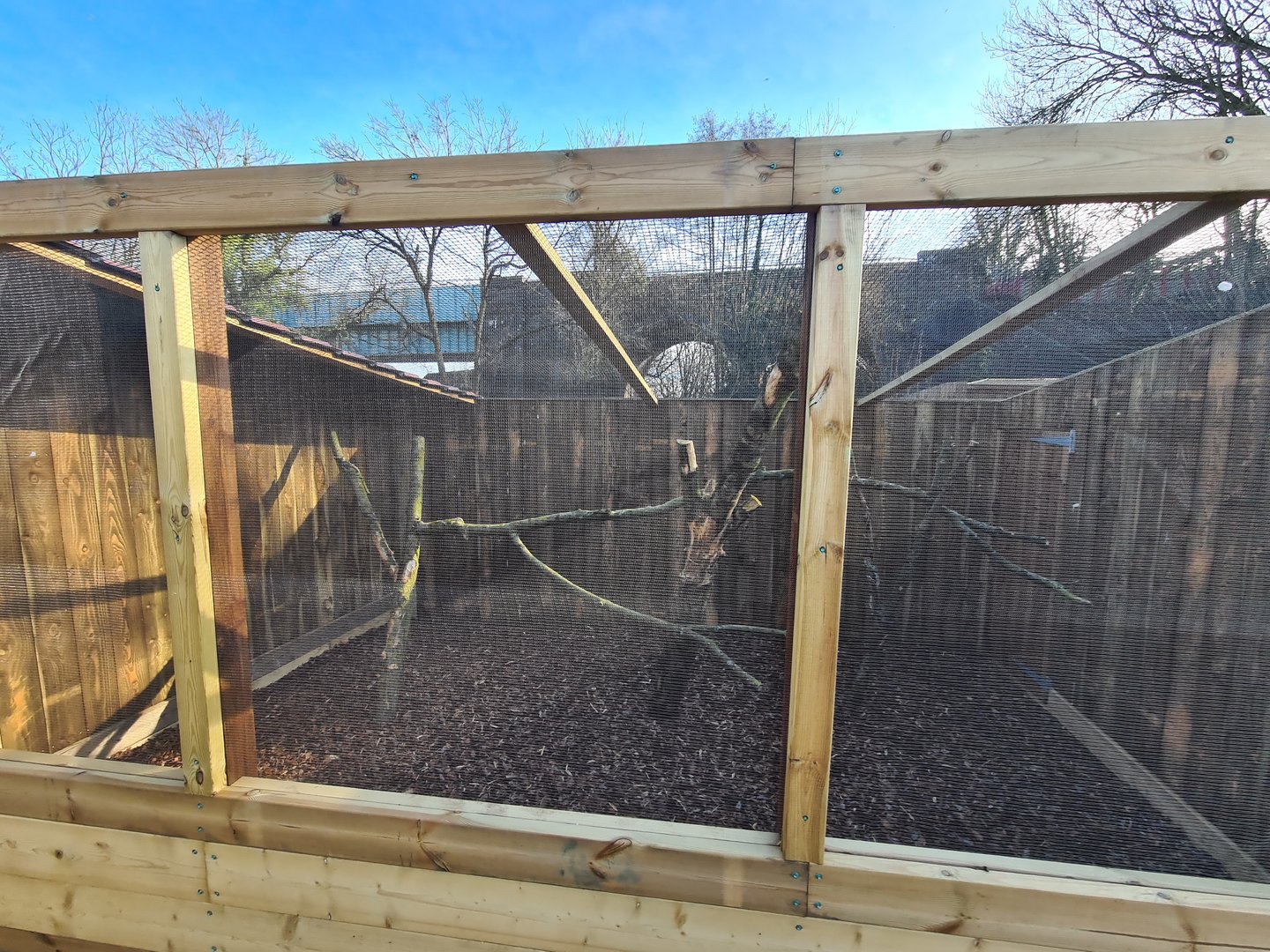
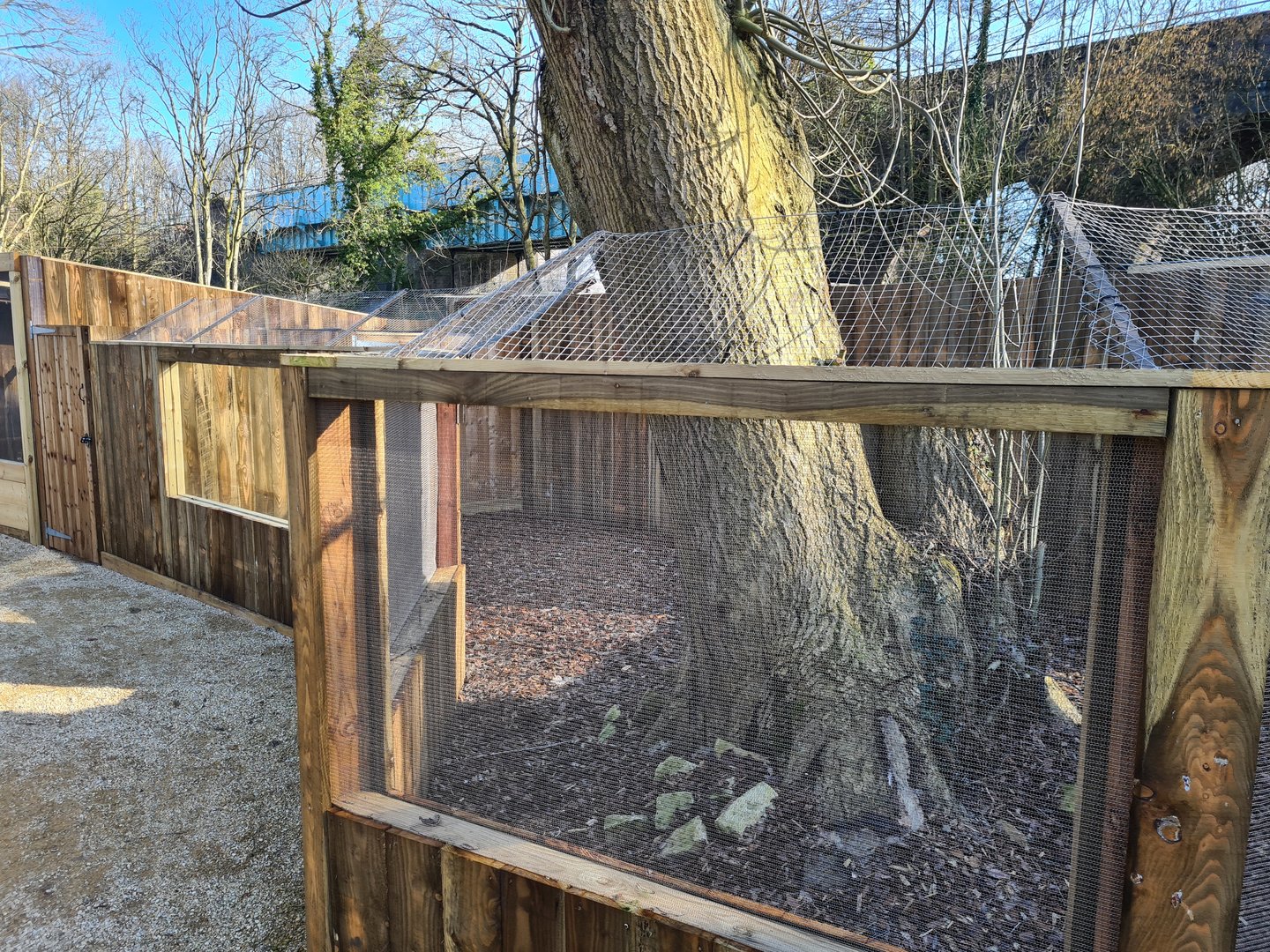
Further along a barn was being built with a new paddock for the Soay sheep to the rear (according to a sign). Most of the construction work was focused here, with many caged/aviary style exhibits, including a few open topped enclosures. I couldn't say what will be going in them, but it looks like there will be plenty of smaller mammals and birds calling these new exhibits home. I wouldn't be surprised if the corsac foxes and Javan porcupines were moved over here as their current exhibits have seen better days.


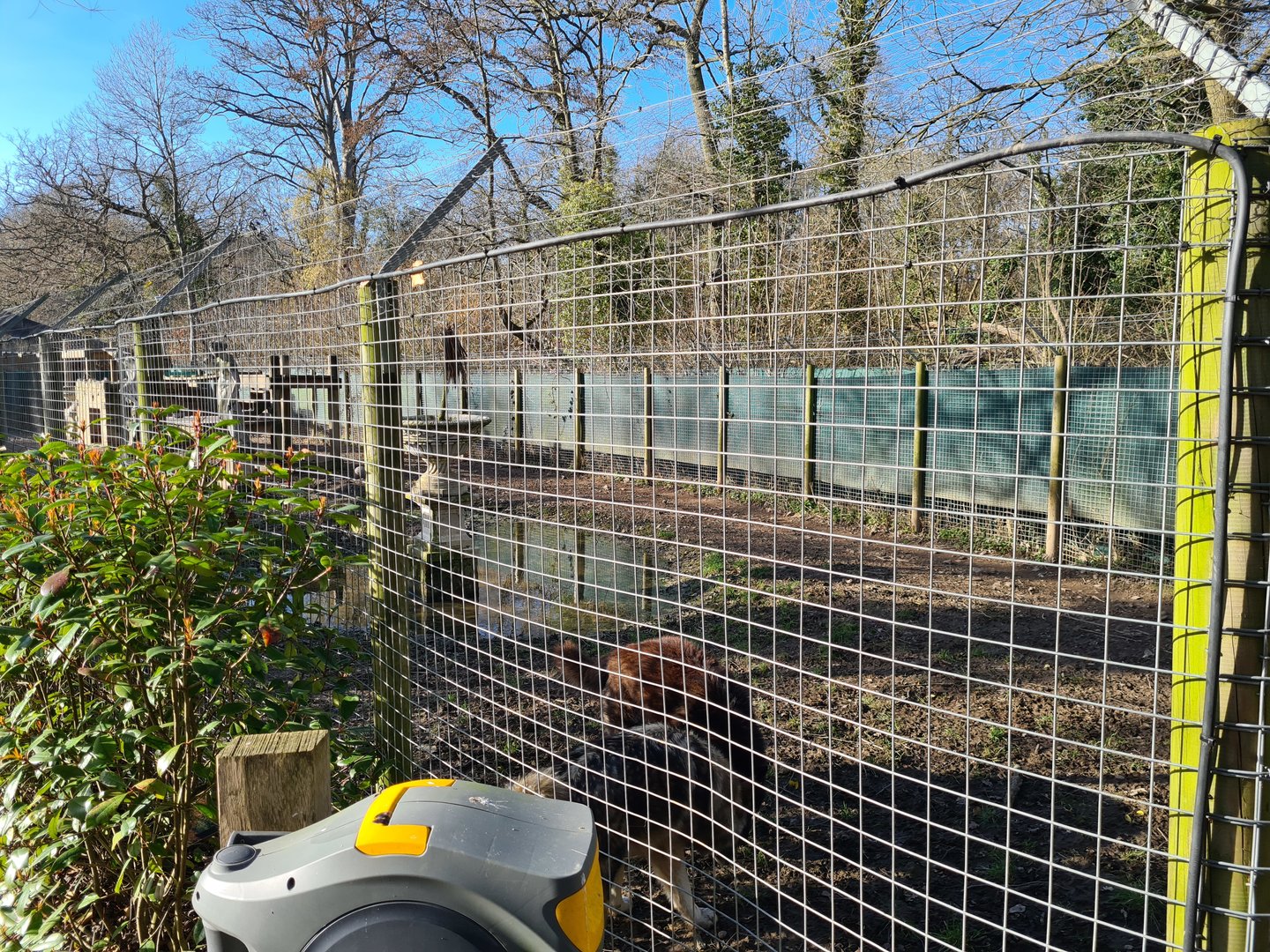
Near the pelicans and squirrel monkey/hutia/agouti enclosures was a small run of what look like future aviaries/mesh exhibits; possibly to accommodate the growing squirrel monkey and agouti numbers... though they'd be a little small in my opinion. The final area with construction was near the nicer of the flamingo enclosures, with a house being finished off for some waterfowl.


Now, to my final thoughts. Throughout the day staff, especially one of the bosses, were very friendly. Exhibits were generally of a good quality, and although sometimes lacking in size and furnishing (especially planting when you compare it to HCC), were often better or on a par with those seen elsewhere on the trip. The place is by no means perfect, but the developments and clearly identified improvements being made are commendable. I’ll continue to follow this collections progression and look forward to visiting again in the future once current species have moved into new homes and more are added.

Thanks to those of you that have continued to follow this thread (very patiently I might add!). This last weekend I was able to visit Birdland, Crocodiles of the World, and Cotswold Wildlife Park. I hope to post photos from my trips over the next week, so keep an eye out for them!
 
Great write-up, have enjoyed it. Do we know if Ventura plans to become open to the general public at any point in the near future? As I believe it is only open on special open days at present?
 
  • Like
Reactions: TNT
Great write-up, have enjoyed it. Do we know if Ventura plans to become open to the general public at any point in the near future? As I believe it is only open on special open days at present?
Thank you! Seems like they'll be sticking with the normal member open days for now. I'd keep an eye out for member taster days which is how we were able to visit.
 
"I wouldn't be surprised if the corsac foxes and Javan porcupines were moved over here as their current exhibits have seen better days"


I was right on the Corsac fox front - a friend of mine visited recently and posted pictures of them in this exhibit. No updates on the porcupines unfortunately.
 
Back
Top