Brookfield Zoo Master Plan Discussion and Speculation

With the recent news of the zebra and addax hoofstock yards being demolished, you think it’s all going to tie in to the future Habitat Africa expansion?
The zoo is only removing this structure from one of the hoofstock yards. Everything else will still be the same.
 

Attachments

  • IMG_2189.jpeg
    IMG_2189.jpeg
    304.6 KB · Views: 18
  • Like
Reactions: JVM
We've seemed to have entered the calm before the storm period of development at Brookfield. Construction on the new aviaries is slated to begin within the next month and I'm even hearing rumblings of the zoo breaking ground on the Tropic World extension earlier than expected. Suffice to say, there's a lot to be excited for in the coming months, which will all lead up to the full release of the master plan by this fall.

Until then, I had an idea that I wanted to share. I have to preference that this is purely speculative and definitely not something that's actually happening to my knowledge. However, the idea seems plausible enough that it's worth sharing and perhaps there's the ever so slim chance a Brookfield Zoo official stumbles upon this thread and is inspired to construct something similar (let me have hope :p).

I've been highly anticipating the upcoming additions to the Hamill Family Nature Plaza. The prairie aviary will definitely be what will get the most attention from many zoo-goers, but I'm personally most looking forward to the habitats being added for native turtles. It'll be a showcase of two species the zoo has done great conservation work with and displaying them in raised ponds will make for a really neat pair of exhibits. The turtle exhibits in particular got me thinking about what else could be done with the area, and then it hit me. Recently I've become fascinated by a facility in Germany known as Frielandterrium Stein, a small specialist collection solely dedicated to European reptiles, amphibians and fish. While most of the fish are found inside two small aquarium buildings, a bulk of the herp collection is housed in spacious outdoor terrariums. They are very simple, essentially just glass boxes situated around one another, but have proven to be brilliant both for the animals and visitor engagement. Here are a few photos that have been uploaded to the gallery.

full

full

full

full


In my opinion, the Hamill Family Nature Plaza would be the perfect place to include displays like these for Illinois native reptiles and amphibians. I'm specifically thinking of the west side of the area where the turtles will be, as right now it is extremely underutilized and unappealing to visitors. I can picture about eight outdoor terrariums in the space allotted and I think if designed well, they can be engaging in the extreme. In reptile houses kids will often pass right by a terrarium when they don't see something within the first five seconds. With these outdoor terrariums, they will be more eager to search for the inhabitants and become genuinely excited about native species they can find in their own backyard. Exploration was one of the core themes of the nature plaza after all. Potential species could include ones already at the zoo like Chicago garter snake, rough green snake and Cope's gray tree frog, as well as new species such as slender glass lizard, Eastern fence lizard, Eastern fox snake, common five-lined skink, green frog, northern leopard frog, eastern tiger salamander and others.

I've created a rough mockup below that shows what I'm visualizing. Since this will be the very first area redevelopment under the master plan, I'd be curious to hear of any other hypothetical ideas for the Hamill Family Nature Plaza that anybody may have.

Screen Shot 2023-03-10 at 7.21.14 PM.jpg
 

Attachments

  • Screen Shot 2023-03-10 at 7.21.14 PM.jpg
    Screen Shot 2023-03-10 at 7.21.14 PM.jpg
    218.5 KB · Views: 117
I think that's a great idea!

With herps on the left, birds on the right, it feels like including a mammal on the right would make some kind of sense, but I'm not sure what fits the space. I feel tempted to suggest an otter exhibit that connects to the Swamp, where they are displayed indoors, but I realize that isn't very practical given the back of the Swamp has a greenhouse that I thought I'd understood did a lot of important bts work?
 
We've seemed to have entered the calm before the storm period of development at Brookfield. Construction on the new aviaries is slated to begin within the next month and I'm even hearing rumblings of the zoo breaking ground on the Tropic World extension earlier than expected. Suffice to say, there's a lot to be excited for in the coming months, which will all lead up to the full release of the master plan by this fall.

Until then, I had an idea that I wanted to share. I have to preference that this is purely speculative and definitely not something that's actually happening to my knowledge. However, the idea seems plausible enough that it's worth sharing and perhaps there's the ever so slim chance a Brookfield Zoo official stumbles upon this thread and is inspired to construct something similar (let me have hope :p).

I've been highly anticipating the upcoming additions to the Hamill Family Nature Plaza. The prairie aviary will definitely be what will get the most attention from many zoo-goers, but I'm personally most looking forward to the habitats being added for native turtles. It'll be a showcase of two species the zoo has done great conservation work with and displaying them in raised ponds will make for a really neat pair of exhibits. The turtle exhibits in particular got me thinking about what else could be done with the area, and then it hit me. Recently I've become fascinated by a facility in Germany known as Frielandterrium Stein, a small specialist collection solely dedicated to European reptiles, amphibians and fish. While most of the fish are found inside two small aquarium buildings, a bulk of the herp collection is housed in spacious outdoor terrariums. They are very simple, essentially just glass boxes situated around one another, but have proven to be brilliant both for the animals and visitor engagement. Here are a few photos that have been uploaded to the gallery.

full

full

full

full


In my opinion, the Hamill Family Nature Plaza would be the perfect place to include displays like these for Illinois native reptiles and amphibians. I'm specifically thinking of the west side of the area where the turtles will be, as right now it is extremely underutilized and unappealing to visitors. I can picture about eight outdoor terrariums in the space allotted and I think if designed well, they can be engaging in the extreme. In reptile houses kids will often pass right by a terrarium when they don't see something within the first five seconds. With these outdoor terrariums, they will be more eager to search for the inhabitants and become genuinely excited about native species they can find in their own backyard. Exploration was one of the core themes of the nature plaza after all. Potential species could include ones already at the zoo like Chicago garter snake, rough green snake and Cope's gray tree frog, as well as new species such as slender glass lizard, Eastern fence lizard, Eastern fox snake, common five-lined skink, green frog, northern leopard frog, eastern tiger salamander and others.

I've created a rough mockup below that shows what I'm visualizing. Since this will be the very first area redevelopment under the master plan, I'd be curious to hear of any other hypothetical ideas for the Hamill Family Nature Plaza that anybody may have.

View attachment 610380
Thank you for sharing this. You brought to my attention an exhibit I was not aware of, and as of late I've been thinking a lot about herp exhibit design, and trying to figure out what the best possible outdoor exhibits for small herps would be, and I think this small zoo in Germany may have found the best solution! Temperature in the winter would obviously be a concern for a Northern zoo building outdoor herp exhibits, but these certainly seem like a doable style of exhibits to provide an excellent outdoor summer home for these species, and a unique style of exhibitry that could possibly then be replicated in other areas of the zoo.
 
With herps on the left, birds on the right, it feels like including a mammal on the right would make some kind of sense, but I'm not sure what fits the space. I feel tempted to suggest an otter exhibit that connects to the Swamp, where they are displayed indoors, but I realize that isn't very practical given the back of the Swamp has a greenhouse that I thought I'd understood did a lot of important bts work?
This idea crossed my mind as well, but it's definitely not practical. Not only Is the greenhouse connected to the back of the building as you mentioned, but the current indoor otter exhibit is located on the other side of the building. Plus, that entire side of the plaza would have to be completely relandscaped for an exhibit of that size to fit. You'll notice the upcoming prairie aviary and turtle exhibits (as well as my hypothetical herpetofauna proposal) won't require any modifications to the existing landscape, it's just filling in spaces that were previously empty.

I struggle to think of a native mammal that would be appropriate for that space. There's currently a lot of interactive play areas for kids on that side of the plaza so I think it's fine leaving it mostly as is.
Thank you for sharing this. You brought to my attention an exhibit I was not aware of, and as of late I've been thinking a lot about herp exhibit design, and trying to figure out what the best possible outdoor exhibits for small herps would be, and I think this small zoo in Germany may have found the best solution! Temperature in the winter would obviously be a concern for a Northern zoo building outdoor herp exhibits, but these certainly seem like a doable style of exhibits to provide an excellent outdoor summer home for these species, and a unique style of exhibitry that could possibly then be replicated in other areas of the zoo.
I'm no herpetologist, but if the zoo will be exhibiting native turtles in outdoor exhibits they definitely have a method of keeping the animals alive; it could just be as simple as moving them indoors during the winter. The climate in Germany isn't very different from Chicago and if Frielandterrium Stein has been successfully keeping native herps in outdoor vivaria for decades, there's no reason why Brookfield wouldn't be able to the same.

If your interested in learning more about this style of exhibitry, I'd recommend reading the following profiles from 'Europe's 100 Must-see Exhibits' which further backs my point about exhibits like these being very engaging for visitors.
Europe's 100 must see exhibits
 
I'm no herpetologist, but if the zoo will be exhibiting native turtles in outdoor exhibits they definitely have a method of keeping the animals alive; it could just be as simple as moving them indoors during the winter. The climate in Germany isn't very different from Chicago and if Frielandterrium Stein has been successfully keeping native herps in outdoor vivaria for decades, there's no reason why Brookfield wouldn't be able to the same.
Agreed. It certainly can be done, and there are some northern zoos with some turtles outside (e.g. Franklin Park Zoo in Boston has some outdoor turtle exhibits), I was just pointing out that this is an added level of consideration for exhibiting herps outside in northern climates, and that if a zoo was to exhibit herps in this fashion they'd need adequate housing for the animals in the winter, something I have no doubt Brookfield has the space to accommodate.
 
I struggle to think of a native mammal that would be appropriate for that space. There's currently a lot of interactive play areas for kids on that side of the plaza so I think it's fine leaving it mostly as is.
I have to admit that the layout of the Nature Plaza, even when looking at a photograph, is hard for me to recall and visualize quickly. It's an area of the zoo I've sped through in visits since it opened and my mind is usually filling in the blanks with memories of Baboon Island.

I didn't mean to strictly imply a connection to the current internal so much as to indicate that it could tie to both exhibits, but that's still useful to know the current indoor otter exhibit is located on the other side of the building. I had a feeling something like that would also be the case.
 
In my opinion, the Hamill Family Nature Plaza would be the perfect place to include displays like these for Illinois native reptiles and amphibians. I'm specifically thinking of the west side of the area where the turtles will be, as right now it is extremely underutilized and unappealing to visitors. I can picture about eight outdoor terrariums in the space allotted and I think if designed well, they can be engaging in the extreme. In reptile houses kids will often pass right by a terrarium when they don't see something within the first five seconds. With these outdoor terrariums, they will be more eager to search for the inhabitants and become genuinely excited about native species they can find in their own backyard. Exploration was one of the core themes of the nature plaza after all. Potential species could include ones already at the zoo like Chicago garter snake, rough green snake and Cope's gray tree frog, as well as new species such as slender glass lizard, Eastern fence lizard, Eastern fox snake, common five-lined skink, green frog, northern leopard frog, eastern tiger salamander and others.

This would be a good location to display and talk about the BZ's involvement in breeding the endangered eastern massasauga rattlesnake. Garnering public support for the possible reintroduction of a venomous snake to a highly urbanized region will be challenging but BZ could help lay the groundwork through public outreach and education.
 
I'm very excited about the master plan upcoming release this fall. It really seems like BZ under the leadership of Dr. Mike Adkesson is moving in the right direction. Like many I have long thought BZ had too much "empty" non-animal space. I understand keeping the area along Salt Creek as undeveloped forest preserve, much of it is floodplain not ideal for development and it would detract from the mission and image of the zoo to destroy natural areas. However, too much of the developed areas are taken up by the four cardinal direction malls and BZ has a lot of "back of the yard" areas that are very important but could be better consolidated. This was exasperated when the old reptile house was converted into a non-animal building, the baboon island was removed and replaced with the nature plaza sans animals, and the old bear grottos and Dall sheep area has remained empty since the opening of Great Bear Wilderness.

My dream is for the old bear grottos/Dall sheep area to be demolished and that area turned into a Himalayan foothills exhibit with snow leopards and possibly bring back Siberian Ibex and Pallas's cats. I would also move the lions to a new Habitat Africa! exhibit with rhinos, hippos, zebra, antelope, etc.. This would free up the outdoor area of the Fragile Kingdom and the area directly south of it to be developed into a new Amur exhibit featuring Amur tigers and leopards and maybe prey species like red deer and wild boar, etc.

I love naturalistic immersion exhibits that make the guest feel like they have been transported into the natural community of the animals on display. I like it when I feel small compared to the "ecosystem" I am immersed in. I like exhibits that stimulate natural behavior in the animals and provide varied and unique enrichment opportunities. I also love when exhibits try to create the impression of an entire ecosystem with predator and prey species near each other and the barriers between them and the public hidden as much as possible. Hopefully stuff like this is in the new master plan. I am hopeful given what I have seen so far with the renderings and description of the new outdoor primate exhibit and the utilization of the nature plaza space.
 
This is a smaller thought than most, but is there any reason not to consider keeping the gibbon and orangutan together? It's already acknowledged by the zoo that the gibbons have the option to meet the orangutan if they feel like it, but in regards to the upcoming outdoor exhibit, could both species be given access there perhaps?
 
September is right around the corner, meaning we are fast approaching the reveal of the Next Century Campaign. It’s been a year and a half since I created this thread and while bits of info regarding what this master plan will entail have steadily been revealed over that time, the big blowout we’ve all been waiting for is finally coming. While my excitement is at an all time high, it’s important to keep in mind that not everything will come to fruition as intended. Master plans can and will change overtime so I recommend paying the most attention to the immediate developments, many which the zoo just outlined this week. For those out of the loop, here is an updated timeline of projects for the next three years.

Summer 2023: Toco Toucan and Red-legged Seriema Aviary (Now Complete), Native Turtle Exhibits, Outdoor Macaw Perches

Fall 2023: Completion of Dolphinarium Renovation and Roosevelt Fountain Gardenscape.

2024: Australia House Renovation/Expansion, Sandhill Crane and Greater Prairie Chicken Aviary, Eurasian Eagle Owl Aviary, Prairie Dog Exhibit

2025: Tropical Forests and Gorilla Conservation Center

A lot to look forward to, but this seems like a good time to discuss the next major enhancement that was just confirmed; the Australia House expansion. Assuming there are no delays, this will be the first big project completed under this master plan even before Tropical Forests. Let me begin by saying that I am so happy about the addition of koalas. Dr. Mike expressed interest in them previously, but the pessimist in me was worried this would amount to a temporary exhibition similar to what many US zoos have done. Thrilled that they’re fully committed to the species and I’m really hoping for a nice exhibit. It doesn’t have to be anything groundbreaking, it’s koalas after all, but something that goes further than just a few indoor boxes with branches would be appreciated. Tree kangaroos are also terrific of course. I would love to see them displayed in a Papua New Guinea sub-area perhaps alongside a few other indigenous species. In general it would be neat if this revamped Australia house zoned in on several nearby Oceanic regions as well.

When it comes to unknown quantities, my biggest hope is Tasmanian devils which sort of feel like the last realistically obtainable mammal that could be added (platypus doesn’t count; SDZSP is an exception, not a standard ;)). I’d love to see some additional birds as well: cassowary, kiwi, kea, little blue penguin, etc. Regardless, I have it on good faith that at least one rare and exciting bird species is being brought in for this project. Expanding the herp collection would be welcome, maybe adding freshwater or saltwater crocs which would make for awesome additions.

Overall, I couldn’t be more happy about what’s to come with the Australia expansion, especially considering how worried many of us were that it would be phased out to make way for the savanna development. Assuming most of not all of the existing collection is maintained on top of the new additions, this could be the most holistic Australian exhibit anywhere in the western world. It remains to be seen how much of the existing building will be renovated or how the current enclosures will fit into the new habitats, but I’m confident it will be a worthwhile upgrade.
 
September is right around the corner, meaning we are fast approaching the reveal of the Next Century Campaign. It’s been a year and a half since I created this thread and while bits of info regarding what this master plan will entail have steadily been revealed over that time, the big blowout we’ve all been waiting for is finally coming. While my excitement is at an all time high, it’s important to keep in mind that not everything will come to fruition as intended. Master plans can and will change overtime so I recommend paying the most attention to the immediate developments, many which the zoo just outlined this week. For those out of the loop, here is an updated timeline of projects for the next three years.

Summer 2023: Toco Toucan and Red-legged Seriema Aviary (Now Complete), Native Turtle Exhibits, Outdoor Macaw Perches

Fall 2023: Completion of Dolphinarium Renovation and Roosevelt Fountain Gardenscape.

2024: Australia House Renovation/Expansion, Sandhill Crane and Greater Prairie Chicken Aviary, Eurasian Eagle Owl Aviary, Prairie Dog Exhibit

2025: Tropical Forests and Gorilla Conservation Center

A lot to look forward to, but this seems like a good time to discuss the next major enhancement that was just confirmed; the Australia House expansion. Assuming there are no delays, this will be the first big project completed under this master plan even before Tropical Forests. Let me begin by saying that I am so happy about the addition of koalas. Dr. Mike expressed interest in them previously, but the pessimist in me was worried this would amount to a temporary exhibition similar to what many US zoos have done. Thrilled that they’re fully committed to the species and I’m really hoping for a nice exhibit. It doesn’t have to be anything groundbreaking, it’s koalas after all, but something that goes further than just a few indoor boxes with branches would be appreciated. Tree kangaroos are also terrific of course. I would love to see them displayed in a Papua New Guinea sub-area perhaps alongside a few other indigenous species. In general it would be neat if this revamped Australia house zoned in on several nearby Oceanic regions as well.

When it comes to unknown quantities, my biggest hope is Tasmanian devils which sort of feel like the last realistically obtainable mammal that could be added (platypus doesn’t count; SDZSP is an exception, not a standard ;)). I’d love to see some additional birds as well: cassowary, kiwi, kea, little blue penguin, etc. Regardless, I have it on good faith that at least one rare and exciting bird species is being brought in for this project. Expanding the herp collection would be welcome, maybe adding freshwater or saltwater crocs which would make for awesome additions.

Overall, I couldn’t be more happy about what’s to come with the Australia expansion, especially considering how worried many of us were that it would be phased out to make way for the savanna development. Assuming most of not all of the existing collection is maintained on top of the new additions, this could be the most holistic Australian exhibit anywhere in the western world. It remains to be seen how much of the existing building will be renovated or how the current enclosures will fit into the new habitats, but I’m confident it will be a worthwhile upgrade.

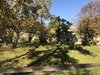
I am very curious how the Australia expansion is going to influence the rest of the master plan. If they do build through the path to where the camels are now, that creates a border to group the current savannah with the remaining hoofstock yards pretty well.

With how far north Tropical Forests and the Gorilla Conservation Center are expanding, this does leave me a little puzzled on how the land the Pachyderm House sits on could be utilized. Would they try to integrate it into any savannah development to the west? Would it be used for a separate set of exhibits? Not going to be a plethora of additional clues before the master plan reveal, but interesting to think about as things take shape here.
 
When it comes to unknown quantities, my biggest hope is Tasmanian devils which sort of feel like the last realistically obtainable mammal that could be added (platypus doesn’t count; SDZSP is an exception, not a standard ;)).

I want to ask, on what basis are the devils the least realistically obtainable mammals? The fact that US zoos still were able to import them in the last decade seems to beg to differ. That and I argue that the common brush-tail possum, the one Australian mammal listed on the Lacey Act’s list of injurious species, is probably more difficult to obtain than the Devils.

As someone who really wants to see Brookfield Zoo and enjoys Australia exhibits, I find the changes to the Australia house very exciting. I hope I can come there soon after the koalas arrive.
 
Last edited:
I want to ask, on what basis are the devils the least realistically obtainable mammals? The fact that US zoos still were able to import them in the last decade seems to beg to differ. That and I argue that the common brush-tail poss , the one Australian mammal listed on the Lacey act list of injurious species, is probably more difficult to obtain than the Devils.

As someone who really wants to see Brookfield Zoo and enjoys Australia exhibits, I find the changes to the Australia house very exciting. I hope I can come there soon after the koalas arrive.
I believe you misunderstood my post; I said that devils were the last obtainable mammal, not least obtainable. They can absolutely be acquired and feel like the last possible mammal species not currently in the collection (kangaroo, wallaby, wombat, echidna, flying fox) or already planned for the expansion (koala, tree kangaroo). There’s smaller stuff like gliders or bettongs of course, but when it comes to sought-after ABCs they seem like the only real possibility.
 
I believe you misunderstood my post; I said that devils were the last obtainable mammal, not least obtainable. They can absolutely be acquired and feel like the last possible mammal species not currently in the collection (kangaroo, wallaby, wombat, echidna, flying fox) or already planned for the expansion (koala, tree kangaroo). There’s smaller stuff like gliders or bettongs of course, but when it comes to sought-after ABCs they seem like the only real possibility.
Additional macropod species would also be popular. For instance, a second Wallaby species, wallaroos, having both Grey and red kangaroos, etc. Feathertail Gliders are also awesome and a species I'd love more zoos to acquire.
 
I feel like the Australia House is one of the more under appreciated exhibits in the country. It was empty-ish on my visit last summer, but there's a ton of potential there. Like much of the zoo, I really like the inclusion of various reptiles along with the better known Australian fauna. The large surrounding yards are also quite nice.

My not-so-off the wall idea for the expansion would be acquiring saltwater crocs. I thought they had freshies at some point, but can't be sure. If they wanted to expand into New Guinea, they could have a taller croc monitor enclosure.
 
I know they can be a somewhat contentious species, but what about dingos? That doesn’t sound entirely outside of the realm of possibility, at least off the top of my head, but maybe I’m underestimating the logistics behind procuring them.

That said, all of my fingers are crossed for devils.
 
I know they can be a somewhat contentious species, but what about dingos? That doesn’t sound entirely outside of the realm of possibility, at least off the top of my head, but maybe I’m underestimating the logistics behind procuring them.

That said, all of my fingers are crossed for devils.
Dingoes are extremely easy to obtain. Dingoes probably aren't quite as recognizable to the public as Tassies but they're are definitely an obvious choice for potential new species for the complex. New Guinea Singing Dogs, too.
 
Back
Top