Paradise Park Paradise Park News

In April a pair of Hoopoes were recieved and already shortly later they started to nest. Eggs were laid and young have hatched. One of the young didn't however recieved enough care from the parents and therefor this one was taken out of the nest and is now being hand-raised.
 
I have only just noticed this news from last year, about the arrival of 27 illegally traded birds at Paradise Park. The birds are:

- 2 toco toucans (mentioned in one of Gentle Lemur's earlier posts)
- 6 white-cheeked turacos
- 4 red-crested turacos
- 4 white-crested turacos
- 2 Livingstone's turacos
- 1 purple-crested turaco
- 5 pine grosbeak
- 2 Moussier's redstarts
- 1 azure tit

Information about these birds is included here:
Paradise Park takes in 27 birds from illegal trade - Paradise Park
 
Do they still have Kea and are any actually on show? Going in a few weeks and would love to see them.
I think you will see them in one of the mixed aviaries in the walled garden near the penguins or on the other side of the wall in the woodland parrot aviaries. PP posted 2 short videos of keas on their Facebook page last month.
 
I think you will see them in one of the mixed aviaries in the walled garden near the penguins or on the other side of the wall in the woodland parrot aviaries. PP posted 2 short videos of keas on their Facebook page last month.
Thanks, I will look forward to that.
 
I have only just noticed this news from last year, about the arrival of 27 illegally traded birds at Paradise Park. The birds are:

- 2 toco toucans (mentioned in one of Gentle Lemur's earlier posts)
- 6 white-cheeked turacos
- 4 red-crested turacos
- 4 white-crested turacos
- 2 Livingstone's turacos
- 1 purple-crested turaco
- 5 pine grosbeak
- 2 Moussier's redstarts
- 1 azure tit

Information about these birds is included here:
Paradise Park takes in 27 birds from illegal trade - Paradise Park

I wonder if they were not legally exported European captive bred birds?
 
I wonder if they were not legally exported European captive bred birds?
I really would like to know what really has gone down. I can hardly phantom that an exporter would illegally try to import into the UK (even more so after Brexit). Just to ascertain that it is illegal imports rather than bureacracy not being able to deal with CITES and importing from the European continent.
 
If you check PP's announcement (the link is in the post above from @DesertRhino150 ) you will see that at least some of the birds had been held captive for some time, perhaps in the UK, the EU or elsewhere, and it is also possible that they did not all come from the same source.
 
Both pairs of Red-vented Cockatoos currently have chicks at Paradise Park. Reported on social media:

“This is one of our two pairs of Red-vented Cockatoos. We are delighted to report that both pairs currently have chicks. This is an Endngered Species and we are the only collection in Europe breeding them. We are also working with a project in the wild.”
 
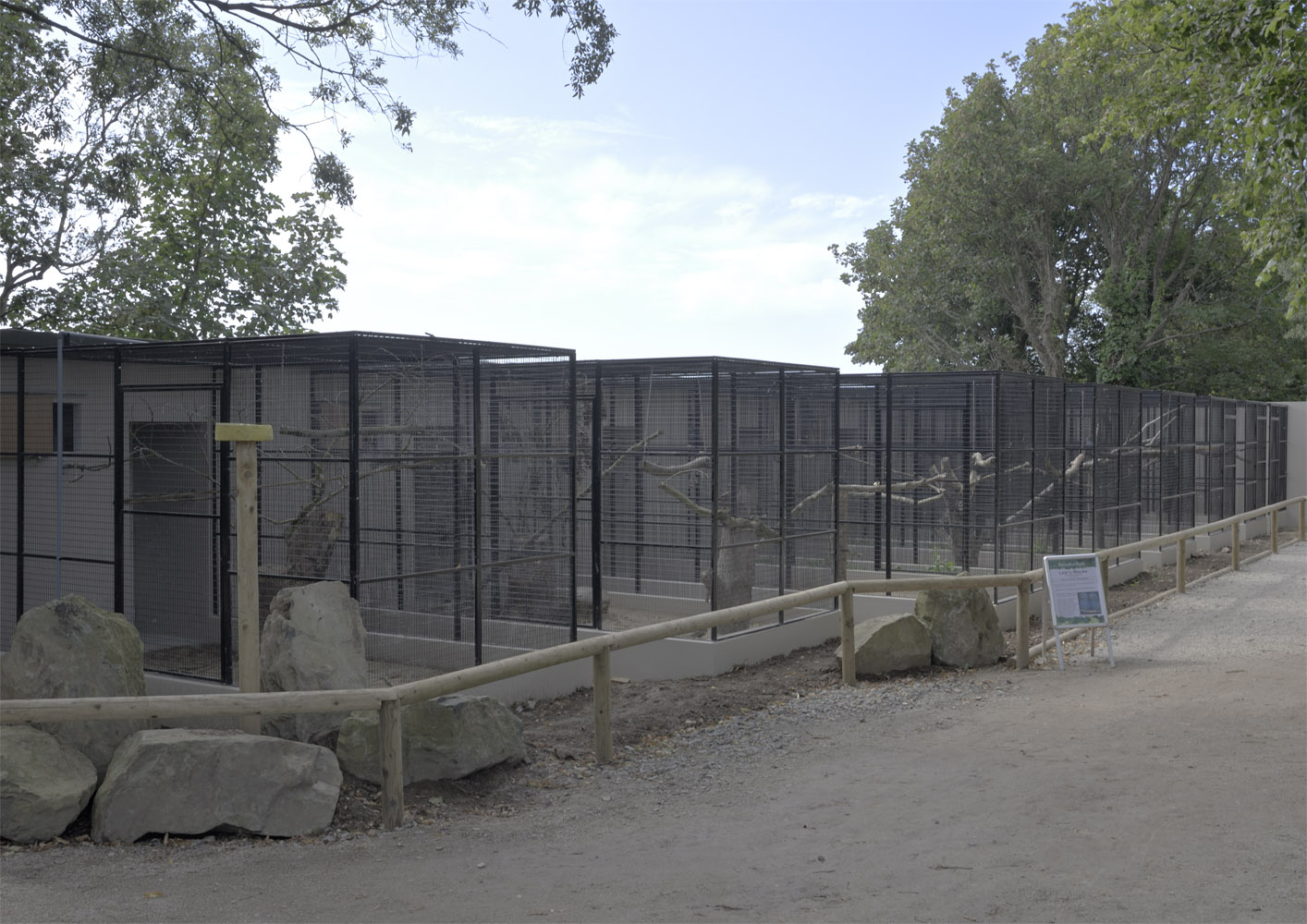
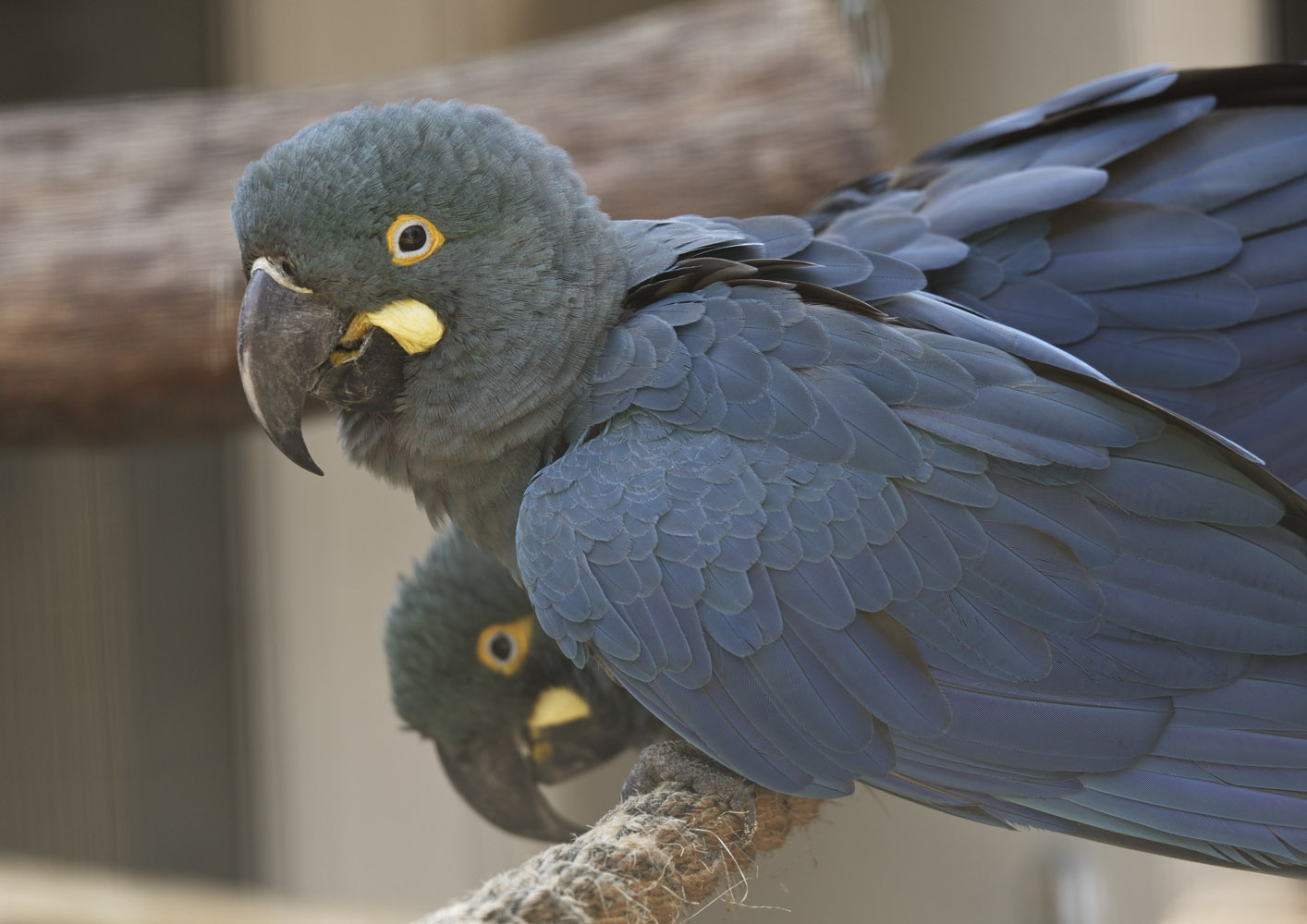
Lear's Macaws have arrived at Paradise Park - the only ones in the UK apparently. The twelve macaws stem from an illegal smuggling into the country from the 1980s and have bred over time. Arriving in May, the macaws are already on-show in a new set of aviaries with more work to be completed with pathways and visitor seating: Endangered-lear's-macaws-find-refuge
I could be mistaken, but I believe these are the individuals from Harewood Bird Garden in Leeds, which closed earlier this year, where they were held off-show. Wonderful to know their new location, and another reason to hopefully visit Paradise Park at some point soon.
 
I could be mistaken, but I believe these are the individuals from Harewood Bird Garden in Leeds, which closed earlier this year, where they were held off-show. Wonderful to know their new location, and another reason to hopefully visit Paradise Park at some point soon.
I don't think you are mistaken...though I hadn't realised Harewood had bred them to reach this large total, I thought there were only two or three there. I also thought they were held offshow longterm there due to some health issue, though they look fine in these new photos. Paradise Park is certainly the best home for them in the UK. My only reservation is that these new aviaries look a bit small and basic, in comparison to some of their older Macaw flights which are taller and roomier. They may also need to try and effect some exchanges due to the close -relatedness of most of these birds perhaps.
 
Last edited:
Exciting additions, hopefully see them in a few weeks! Nice looking aviaries! They resemble smaller versions of the Hyacinth Macaw!
 
I could be mistaken, but I believe these are the individuals from Harewood Bird Garden in Leeds, which closed earlier this year, where they were held off-show. Wonderful to know their new location, and another reason to hopefully visit Paradise Park at some point soon.

They are indeed the Harewood group. They were held off show, but were already in fantastic health thanks to the care of the team at Harewood. Quite a number of chicks bred there over the past few years. Saw them just before the gardens closed in February. They will be well looked after at Paradise Park, looking forward to making a trip down to see them in their new home.
 
On their Facebook page, Paradise Park have announced that they have received two female Pesquet's parrots to join the two males already there. The females have completed their quarantine period and the birds will be gradually introduced to each other over the next few weeks.

The park are now asking for around half a dozen palm tree trunks from members of the public to provide nesting sites - the Pesquet's parrot only nests in self-excavated holes in palm tree trunks.
 
I don't think you are mistaken...though I hadn't realised Harewood had bred them to reach this large total, I thought there were only two or three there. I also thought they were held offshow longterm there due to some health issue, though they look fine in these new photos. Paradise Park is certainly the best home for them in the UK. My only reservation is that these new aviaries look a bit small and basic, in comparison to some of their older Macaw flights which are taller and roomier. They may also need to try and effect some exchanges due to the close -relatedness of most of these birds perhaps.
There is some interesting information in an article by Rosemary Low, written in October last year, available at https://www.bluemacaws.org/contentpdfs/Rosemarys article October 2023.pdf. She visited the macaws at Harewood and she provides details of their breeding results, as well as describing the situation of the species around the world. Reading between the lines, it seems that there was fear that the birds might be stolen, and I wonder if the rumour that they carried the virus for psittacine beak and feather disease was intended to deter theft: the birds looked wonderful when I saw them this week. The new range of aviaries at PP seem to be fine, although I agree that they could be a little longer and a little taller. I certainly agree they need to arrange some exchanges to bring some unrelated birds and to widen the gene pool in other collections. indeed it would be nice if a couple of the young birds could be repatriated to Brazil.
 
There is some interesting information in an article by Rosemary Low, written in October last year, available at https://www.bluemacaws.org/contentpdfs/Rosemarys article October 2023.pdf. She visited the macaws at Harewood and she provides details of their breeding results, as well as describing the situation of the species around the world. Reading between the lines, it seems that there was fear that the birds might be stolen, and I wonder if the rumour that they carried the virus for psittacine beak and feather disease was intended to deter theft: the birds looked wonderful when I saw them this week. The new range of aviaries at PP seem to be fine, although I agree that they could be a little longer and a little taller. I certainly agree they need to arrange some exchanges to bring some unrelated birds and to widen the gene pool in other collections. indeed it would be nice if a couple of the young birds could be repatriated to Brazil.
Interesting article by Rosemary Low. Reading it I get a total of 10 Lears ar Harewood in 2020, when she visited there- the three adults, five naturally raised chicks( 2 & 3) + later 2 more handraised. Presumably if PP have 12 now, then two more were reared after 2020. But most of them are closely related I think.

I remember the newspaper articles sometime in the 90's about one of the original three being a supposed 'Glaucous' Macaw. The press carried a photo too though it was rather meaningless to general readers I think. The identity of said individual wasn't resolved.

Harry Sissens was a Yorkshire parrot breeder- I think he may have been a vet too? He was involved with Spix also- his single bird was eventually sent (I believe) to Walsrode Bird Park to make up a pair. From memory it may have been one of the last ones collected from a wild nest in 1978. The background surrounding the rarer 'Blue Macaws' has always seemed rather murky- illegal imports, hidden ownerships, thefts, clandestine movements etc. I certainly heard that the original three Lears that went to Harewood BG were suppoed to have PBFD.
 
Last edited:
Interesting article by Rosemary Low. Reading it I get a total of 10 Lears ar Harewood in 2020, when she visited there- the three adults, five naturally raised chicks( 2 & 3) + later 2 more handraised. Presumably if PP have 12 now, then two more were reared after 2020. But most of them are closely related I think.

Harewood also sent a single individual to Prague a year or so ago, incidentally - which raises further questions about precisely how many times they successfully bred the species.
 
Back
Top