Popular Zoo Mammals and Their Best Exhibits

The fennec exhibit looked larger in the photo I saw than the one you included. That was the most recent fennec photo in the LA Zoo Gallery, and I knew from AZA/USDA documents that LA still kept fennec, so didn't realize the exhibit changed. I will be retracting this choice later in the post.

As for the others you mentioned, Santa Barbara wasn't on my radar, and Living Desert wasn't included mainly because it's a rotational exhibit rather than a permanent exhibit for fennecs (for instance recent photos by @snowleopard showed a sand cat in the exhibit. I do like @Bactrian Deer's idea though of Mesker Park, it wasn't an exhibit on my radar but seems like one of the better indoor exhibits from the looks of it. That being said, fennecs are one of those kinds of animals (I forgot to mention this in the original post) that nocturnal exhibits are not ideal for. Natural light and the associated vitamins has been shown to be really important for fennecs and limiting skin issues, so much so that I know of at least one zoo who at times would remove their fennecs from exhibit so they could go to a behind-the-scenes off exhibit spot. Ideally, this wouldn't be necessary and the fennecs would have outdoor access (or an indoor exhibit with natural light) as much as possible, rather than only as an attempt to remedy skin issues.

As such, I think I will end up replacing Los Angeles with the Santa Barbara Zoo, at the recommendation of @Coelacanth18, who took this photo of the impressive space:
full

Yes! Another Santa Barbara win!
 
Could the Beardsley Zoo’s new Andean bear complex also have been a contender for this list? It looked pretty impressive from work-in-progress behind the scenes videos, but perhaps it is too new and not well covered enough on zoochat to be considered.
I didn't see any photos during my research, so it wasn't really considered. It probably could've been a contender had someone photographed it, though.
 
Nashville's exhibit really is terrific. The photos don't do it justice; it's much bigger in person and the landscaping is just phenomenal. One more exhibit that I personally think should've gotten a nod is the Andean bear habitat at Saint Louis. It isn't huge, but still very good for a species that often gets the short end of the stick in the US.

I'm not sure I'd count the St. Louis one simply because if Benny escaped it twice, it might not be the best-designed Andean bear enclosure!
 
It's interesting how experiences vary. I've been going to the zoo since Kindergarten (I'm in my 30's now), and they've always been one of my favorite exhibits because I feel like they're usually more active than the other bears (pandas and sloth bears). There have been 4 litters of cubs born since 2010, making them one of the most prolific breeders among the large mammals at the zoo, so the baby bears are usually pretty rambunctious and are always fun to watch. But I tend to visit when weather is cooler and earlier in the day. I think most people tend to hit them near the end of the day because they're down near the bottom of the hill.

I haven't been going there quite as long (similar age but initially didn't live in the USA; my first visit was 1995ish), and sometimes I barely glance at the yards because I never see them! I always start up top to catch the cheetahs (and maned wolves :() being active and have the best chance of seeing the Asia species, then work my way down. I do a loop. In contrast, at least half of my visits have had pandas out doing stuff. No rolling around, sadly, but at least walking and such.
 
Too bad it is currently not being used.
This is the big reason Saint Louis didn't make the list, along with the escapes. The list disqualifies any exhibit currently not in use, which is also why Greensboro's giant anteater and Philadelphia's meerkat exhibits weren't on the list. Even though all three of these are likely only temporarily empty, they still don't qualify for the list. Had the escapes not happen and Ben still be at Saint Louis, then it almost certainly would've been included.
 
Today's post will be dedicated to two species of primates: the Colobus Monkeys! Both Guereza (aka "Black-and-White") and Angolan Colobuses are present in US Zoos, and are especially common within the AZA. These are an arboreal primate, and one of the few monkeys to lack opposable thumbs. Their diet is also fairly unique, as they primarily eat leaves.

The criteria for this post are:
  • Climbing Opportunities: Colobus are almost completely arboreal primates, meaning that vertical space and opportunities to climb are much more important than the floor space available. As such, taller exhibits with more opportunities to climb will be prioritized over exhibits with more floor space.
  • Social Structure: Colobus monkeys live in large groups in the wild, and this should be best replicated in captivity as well, with zoos ideally having groups of at least four colobus, if not more.
The exhibits selected for colobus monkeys are:
  • The first exhibit visitors see on Disney's Animal Kingdom's Gorilla Falls Exploration Trail is home to a group of five Angolan Colobus Monkeys. This is a tall exhibit with a plethora of climbing opportunities for the colobus residents. While most of the climbing opportunities are artificial rather than live trees, the exhibit is notable for the sheer quantity of climbing structures and the fact a large social group is held:
full
Photo by: @AndyJ08
full
Photo by: @GraysonDP
full
Photo by: @geomorph
full
Photo by: @geomorph
  • A large group of twelve Angolan Colobus can be found at the San Diego Zoo, in a large exhibit with viewing from multiple stories. This is one of the largest troops of colobus in the United States, and is also an exhibit filled with plenty of climbing opportunities for all the animals:
full
Photo by: @snowleopard
full
Photo by: @Coelacanth18
full
Photo by: @snowleopard
full
Photo by: @IndianRhino
  • A large group of nine Guereza Colobus can be found at the Saint Louis Zoo, where they rotate through the innovative Primate Canopy Trails. These exhibits provide a number of climbing opportunities, and also have great enrichment opportunities due to the rotational aspect of the exhibit. While the indoor accommodations are less than stellar, that is more than made up for by the impressive outdoor complex:
full
Photo by: @pachyderm pro
full
Photo by: @pachyderm pro
full
Photo by: @Grizzly Hound
full
Photo by: @Moebelle
  • Six Guereza Colobus can be found in an impressive exhibit at Michigan's Binder Park Zoo. This is a large, naturalistic exhibit that incorporates live trees into its design, allowing for excellent climbing opportunities for the primate residents. This is also a mixed-species exhibit, also housing black mangabeys:
full
Photo by: @Rhino0118
full
Photo by: @Rhino0118
full
Photo by: @snowleopard
full
Photo by: @snowleopard
  • A large group of ten Angolan Colobus share a large exhibit with Schmidt's Guenons at Zoo Atlanta. This is another tall exhibit with impressive climbing opportunities, and it's another one with a notably large troop:
full
Photo by: @Bisonblake
full
Photo by: @AndyJ08
 
Another great selection of exhibits. Keep them coming @Neil chace!

I had a memorable time watching a troop of 10 Colobus Monkeys at Niabi Zoo in 2014, with a very large set of viewing windows into the upper canopy and then a side view via mesh. Here are two photos I took:

full


full
 
I'm guessing that African lions, polar bears, sea lions, gorillas, and chimpanzees will eventually have their exhibits spotlighted? I have my fingers crossed that Amur leopards, snow leopards, Indian Gaur, rock hyraxes, Asian Short Clawed Otters, honey badgers, clouded leopards, fishing cats, ocelots, Indian Rhinos, Malayan Tapir, Baird's Tapir, Giant River Otters, Jaguars, Bighorn Sheep, Pronghorns, Gerenuks, Bongos, Wildebeest (any), Zebras (any), elk, black bears, lemurs (any), koalas, wombats, aye-ayes, African civets, opossums, raccoons, and minks (any) get a chance to have their exhibits spotlighted too!
 
I'm guessing that African lions, polar bears, sea lions, gorillas, and chimpanzees will eventually have their exhibits spotlighted? I have my fingers crossed that Amur leopards, snow leopards, Indian Gaur, rock hyraxes, Asian Short Clawed Otters, honey badgers, clouded leopards, fishing cats, ocelots, Indian Rhinos, Malayan Tapir, Baird's Tapir, Giant River Otters, Jaguars, Bighorn Sheep, Pronghorns, Gerenuks, Bongos, Wildebeest (any), Zebras (any), elk, black bears, lemurs (any), koalas, wombats, aye-ayes, African civets, opossums, raccoons, and minks (any) get a chance to have their exhibits spotlighted too!
Yes to your first five. As for the rest of your list, some will be featured, some will be featured in posts alongside other species, and some will not be featured. Especially something like civets is simply too rare in zoos to warrant an entry, and some of those native mammals there aren't exactly enough notable exhibits for to be worthwhile.
 
Today's post will be dedicated to the American Beaver, an impressive, large rodent native to North America.

The criteria for this post are:
  • Space: Small mammals typically get the short end of the stick as far as exhibits are concerned. As such, adequate space is one major criteria in this post. Since beavers are semi-aquatic, this criteria applies both in terms of land space and water space.
  • Building Opportunities: Beavers are famous for their role as ecosystem engineers, and allowing them the opportunity to exhibit this behavior in captivity should be key to any successful beaver exhibit. Ideally, this should mean various sticks and branches placed in the exhibit on a regular basis.
The exhibits selected for beavers are:
  • Now the first zoo to receive eight mentions on this list, Minnesota Zoo has an impressive beaver exhibit on their Minnesota Trail. This is a large exhibit featuring a very large pool, including large underwater viewing. Plenty of logs in this exhibit also allow the beavers the ability to manipulate their habitat:
full
Photo by: @Pleistohorse
full
Photo by: @Pleistohorse
full
Photo by: @Dhole dude
full
Photo by: @pachyderm pro
  • Another large beaver exhibit can be found at the Smithsonian's National Zoo. This exhibit is located on the zoo's America Trail, and contains both plenty of land and water areas. Large piles of branches in the exhibit also allow the beavers to exhibit natural behaviors:
full
Photo by: @red river hog
full
Photo by: @carlos55
full
Photo by: @TinoPup
  • While not the place I'd expect an impressive beaver exhibit, one of the country's best beaver exhibits is located at the Arizona-Sonora Desert Museum. This exhibit contains a very large pool, and also plenty of land area for the beavers:
full
Photo by: @Milwaukee Man
full
Photo by: @TheoV
full
Photo by: @snowleopard
full
Photo by: @snowleopard
  • The Cleveland Metroparks Zoo has a very unique exhibit for beavers. This exhibit blends right into the grey wolf exhibit behind it to create a unique look, and also contains viewing into the den for visitors to get a good look. This is another large exhibit, and especially contains a large water component:
full
Photo by: @TinoPup
full
Photo by: @Moebelle
full
Photo by: @snowleopard
full
Photo by: @geomorph
  • The Northwest Trek Wildlife Park contains another great beaver exhibit, including both a large water area and some land areas behind it. This is also a well-forested exhibit, including numerous shady areas:
full
Photo by: @snowleopard
full
Photo by: @snowleopard
full
Photo by: @Pleistohorse
full
Photo by: @Ituri
 
I'll add that the exhibits at Northwest Trek and ASDM both have den viewing for their beavers as well.

Having seen those two and Smithsonian, I really like all of them. ASDM's in particular is fantastic; not only is the water very clear, but they have several local fish (some of which are endangered) swimming around in the pool too. The one at Smithsonian doesn't have underwater or den viewing, but it's a good habitat and I've generally had success seeing them there.

The most interesting beaver exhibit I've seen is in the children's zoo at Knoxville, where they live in the budgie aviary alongside Hooded Mergansers! I didn't get the most thorough look at it due to the aviary being closed at the time, but it has a good amount of water area at least:

full

(my photo)
 
Today's post will be dedicated to the American Beaver, an impressive, large rodent native to North America.

The criteria for this post are:
  • Space: Small mammals typically get the short end of the stick as far as exhibits are concerned. As such, adequate space is one major criteria in this post. Since beavers are semi-aquatic, this criteria applies both in terms of land space and water space.
  • Building Opportunities: Beavers are famous for their role as ecosystem engineers, and allowing them the opportunity to exhibit this behavior in captivity should be key to any successful beaver exhibit. Ideally, this should mean various sticks and branches placed in the exhibit on a regular basis.
The exhibits selected for beavers are:
  • Now the first zoo to receive eight mentions on this list, Minnesota Zoo has an impressive beaver exhibit on their Minnesota Trail. This is a large exhibit featuring a very large pool, including large underwater viewing. Plenty of logs in this exhibit also allow the beavers the ability to manipulate their habitat:
full
Photo by: @Pleistohorse
full
Photo by: @Pleistohorse
full
Photo by: @Dhole dude
full
Photo by: @pachyderm pro
  • Another large beaver exhibit can be found at the Smithsonian's National Zoo. This exhibit is located on the zoo's America Trail, and contains both plenty of land and water areas. Large piles of branches in the exhibit also allow the beavers to exhibit natural behaviors:
full
Photo by: @red river hog
full
Photo by: @carlos55
full
Photo by: @TinoPup
  • While not the place I'd expect an impressive beaver exhibit, one of the country's best beaver exhibits is located at the Arizona-Sonora Desert Museum. This exhibit contains a very large pool, and also plenty of land area for the beavers:
full
Photo by: @Milwaukee Man
full
Photo by: @TheoV
full
Photo by: @snowleopard
full
Photo by: @snowleopard
  • The Cleveland Metroparks Zoo has a very unique exhibit for beavers. This exhibit blends right into the grey wolf exhibit behind it to create a unique look, and also contains viewing into the den for visitors to get a good look. This is another large exhibit, and especially contains a large water component:
full
Photo by: @TinoPup
full
Photo by: @Moebelle
full
Photo by: @snowleopard
full
Photo by: @geomorph
  • The Northwest Trek Wildlife Park contains another great beaver exhibit, including both a large water area and some land areas behind it. This is also a well-forested exhibit, including numerous shady areas:
full
Photo by: @snowleopard
full
Photo by: @snowleopard
full
Photo by: @Pleistohorse
full
Photo by: @Ituri
Beavers are another animal where few exhibits actually allow the animals to be seen well by visitors. The few where beavers are visible is when there is den viewing, and that is often only of low quality (ASDM is guilty of this).

For example, I've visited Minnesota Zoo many times (7 or 8? something like that) and I've NEVER seen the beavers there.

The only successful (IMO) beaver exhibit I've seen is Omaha's, and I agree with @AnActualFan that that exhibit should have been included on this list.
 
Beavers are another animal where few exhibits actually allow the animals to be seen well by visitors. The few where beavers are visible is when there is den viewing, and that is often only of low quality (ASDM is guilty of this).

For example, I've visited Minnesota Zoo many times (7 or 8? something like that) and I've NEVER seen the beavers there.
If you were to visit today, I would almost 100% guarantee you would see the Beavers. A large litter of kits were born recently, and the young beavers are extremely active and playful. Its a real treat considering they were almost never on exhibit before this.
 
Beavers are another animal where few exhibits actually allow the animals to be seen well by visitors. The few where beavers are visible is when there is den viewing, and that is often only of low quality (ASDM is guilty of this).

Hmm, maybe it's dependent on the individuals? I've been to at least 6 zoos with beavers and I don't think I've failed to see them at any so far. 4 of those they were in the water.
 
Hmm, maybe it's dependent on the individuals? I've been to at least 6 zoos with beavers and I don't think I've failed to see them at any so far. 4 of those they were in the water.
Going through the list of my experience with beavers at every zoo I've been to with them:

-Ochsner Park Zoo: saw beavers on 1/3 visits since they got them
-ASDM*: saw a beaver in the lodge, terrible view (one visit)
-Minnesota*: mentioned above
-Lincoln Park*: never seen in the exhibit (saw them in some temporary off-exhibit housing one time). I've visited Lincoln Park around the same number of times as Minnesota.
-Wildwood Wildlife Park: seen only in the lodge, awful and and awful exhibit. (one visit)
-Omaha: the only place I've ever seen active beavers, they swim around in front of visitors and even tail slap (or at least did so both of the times I've visited).
-Columbus*: did not see beavers (one visit)
-Detroit*: did not see beavers (one visit)

Am I the only one who has gotten insanely unlucky with the species then? I've legit gotten better views in the wild than I have at any zoo. I've still never seen a beaver swimming in an enclosure with underwater viewing (the ones marked with an * above).
 
Going through the list of my experience with beavers at every zoo I've been to with them:

-Ochsner Park Zoo: saw beavers on 1/3 visits since they got them
-ASDM*: saw a beaver in the lodge, terrible view (one visit)
-Minnesota*: mentioned above
-Lincoln Park*: never seen in the exhibit (saw them in some temporary off-exhibit housing one time). I've visited Lincoln Park around the same number of times as Minnesota.
-Wildwood Wildlife Park: seen only in the lodge, awful and and awful exhibit. (one visit)
-Omaha: the only place I've ever seen active beavers, they swim around in front of visitors and even tail slap (or at least did so both of the times I've visited).
-Columbus*: did not see beavers (one visit)
-Detroit*: did not see beavers (one visit)

Am I the only one who has gotten insanely unlucky with the species then? I've legit gotten better views in the wild than I have at any zoo. I've still never seen a beaver swimming in an enclosure with underwater viewing (the ones marked with an * above).

I think I've only been to 3 zoos that have beavers, but I have been unlucky with them and I was also under the impression they have a big reputation for being hard to spot.
 
Going through the list of my experience with beavers at every zoo I've been to with them:

-Ochsner Park Zoo: saw beavers on 1/3 visits since they got them
-ASDM*: saw a beaver in the lodge, terrible view (one visit)
-Minnesota*: mentioned above
-Lincoln Park*: never seen in the exhibit (saw them in some temporary off-exhibit housing one time). I've visited Lincoln Park around the same number of times as Minnesota.
-Wildwood Wildlife Park: seen only in the lodge, awful and and awful exhibit. (one visit)
-Omaha: the only place I've ever seen active beavers, they swim around in front of visitors and even tail slap (or at least did so both of the times I've visited).
-Columbus*: did not see beavers (one visit)
-Detroit*: did not see beavers (one visit)

Am I the only one who has gotten insanely unlucky with the species then? I've legit gotten better views in the wild than I have at any zoo. I've still never seen a beaver swimming in an enclosure with underwater viewing (the ones marked with an * above).

The only time I can think of that I haven't seen them is Zoo at Forest Park in MA, and the pool was empty there.
 
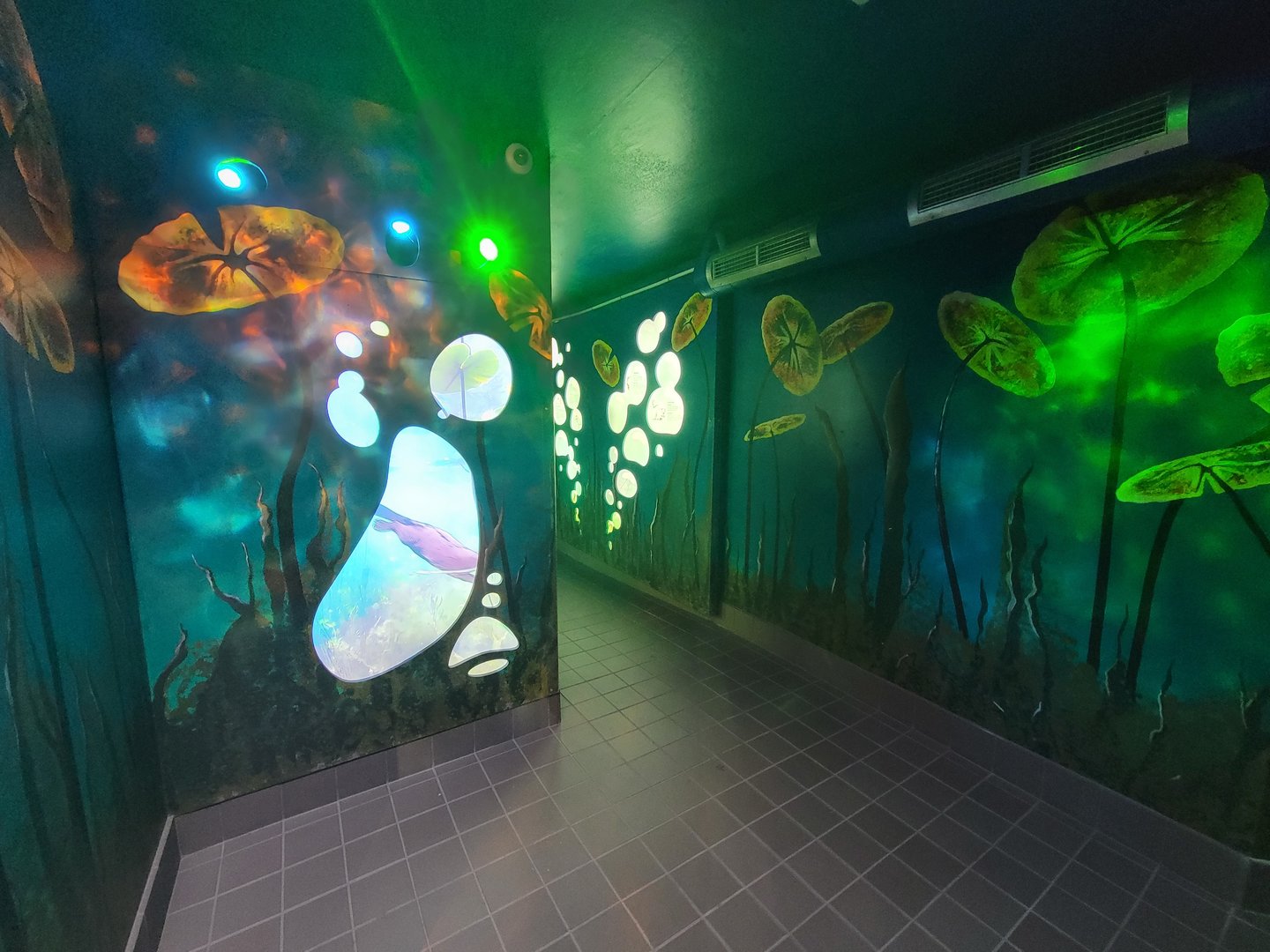
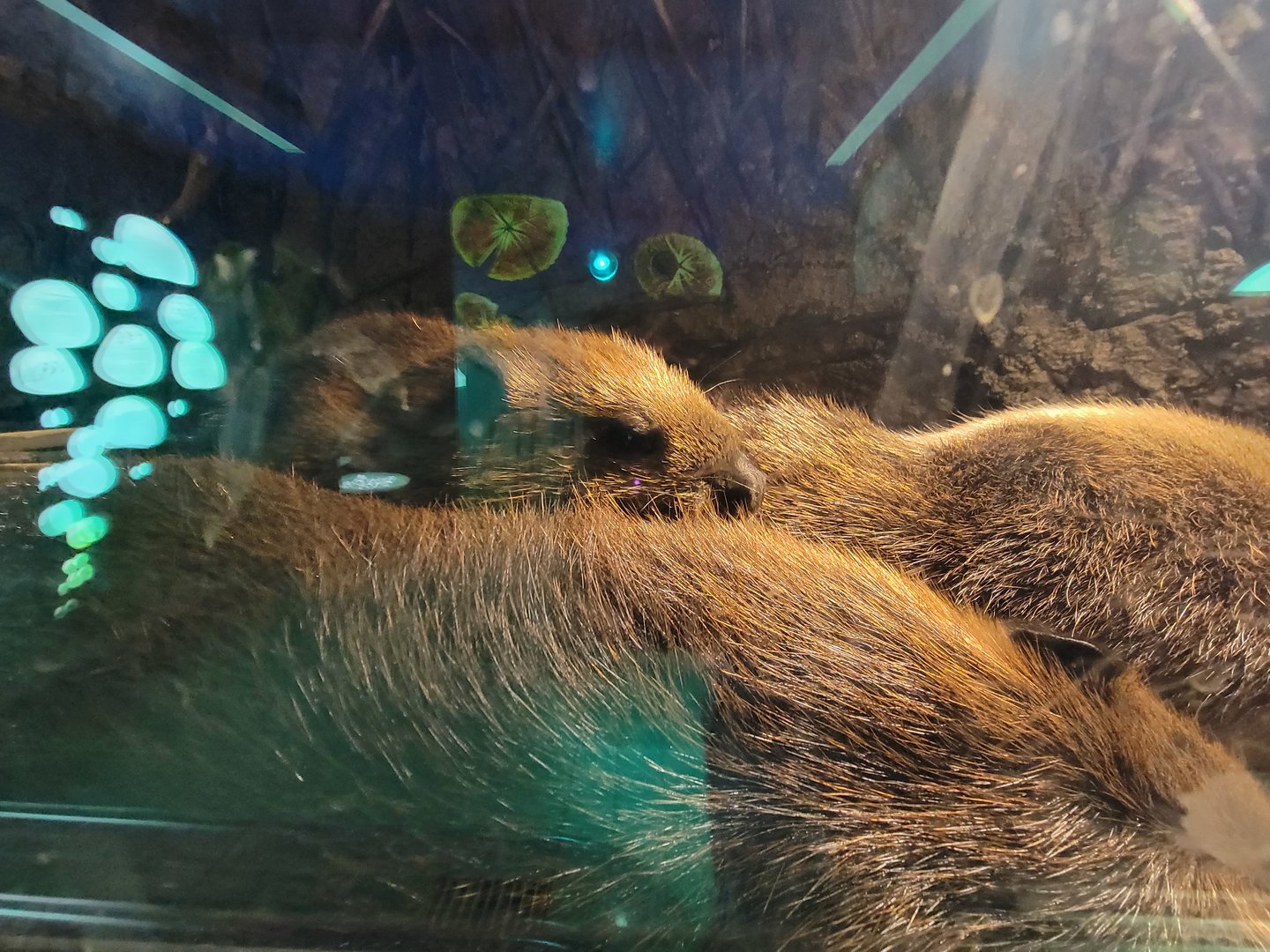
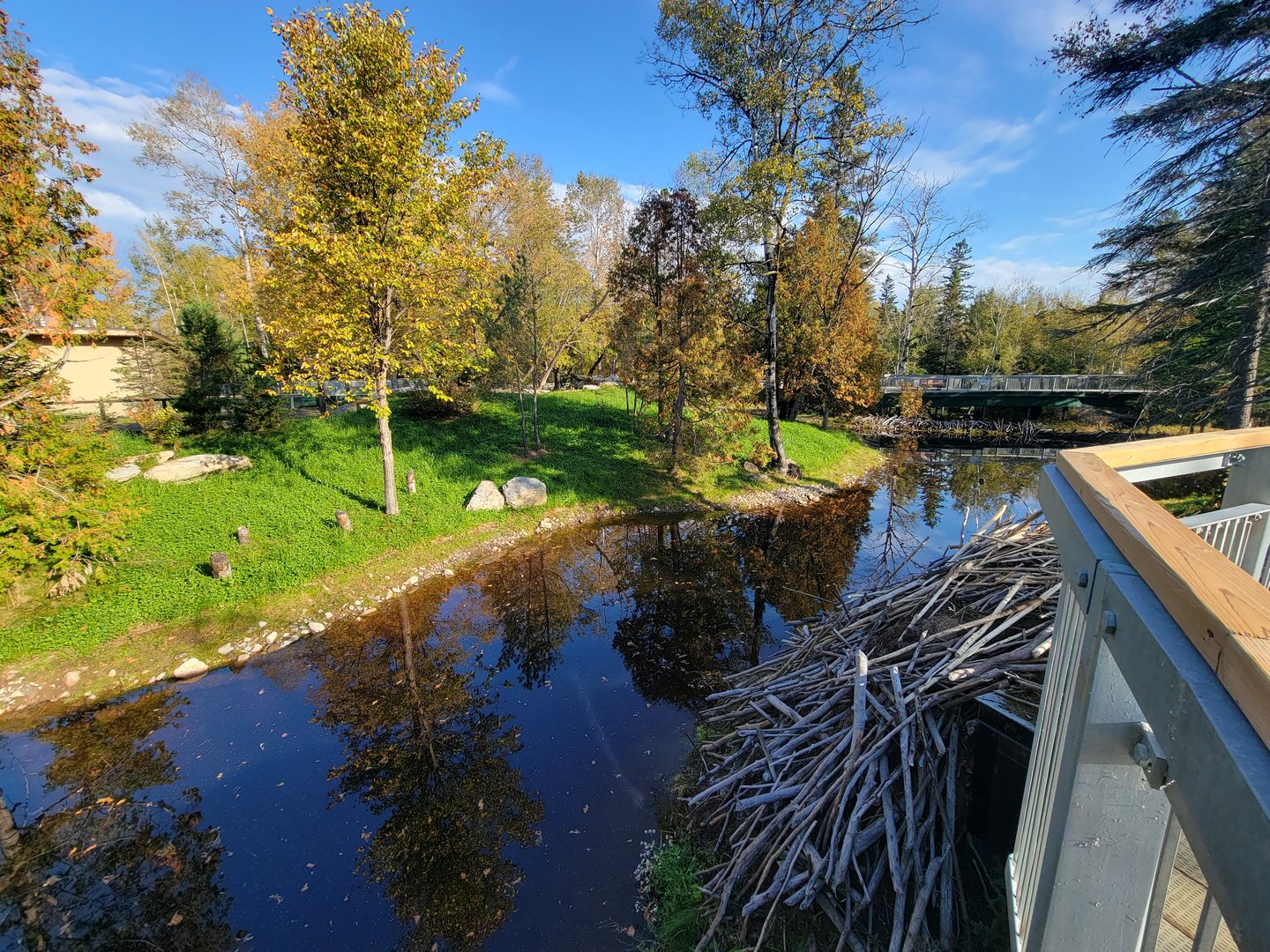
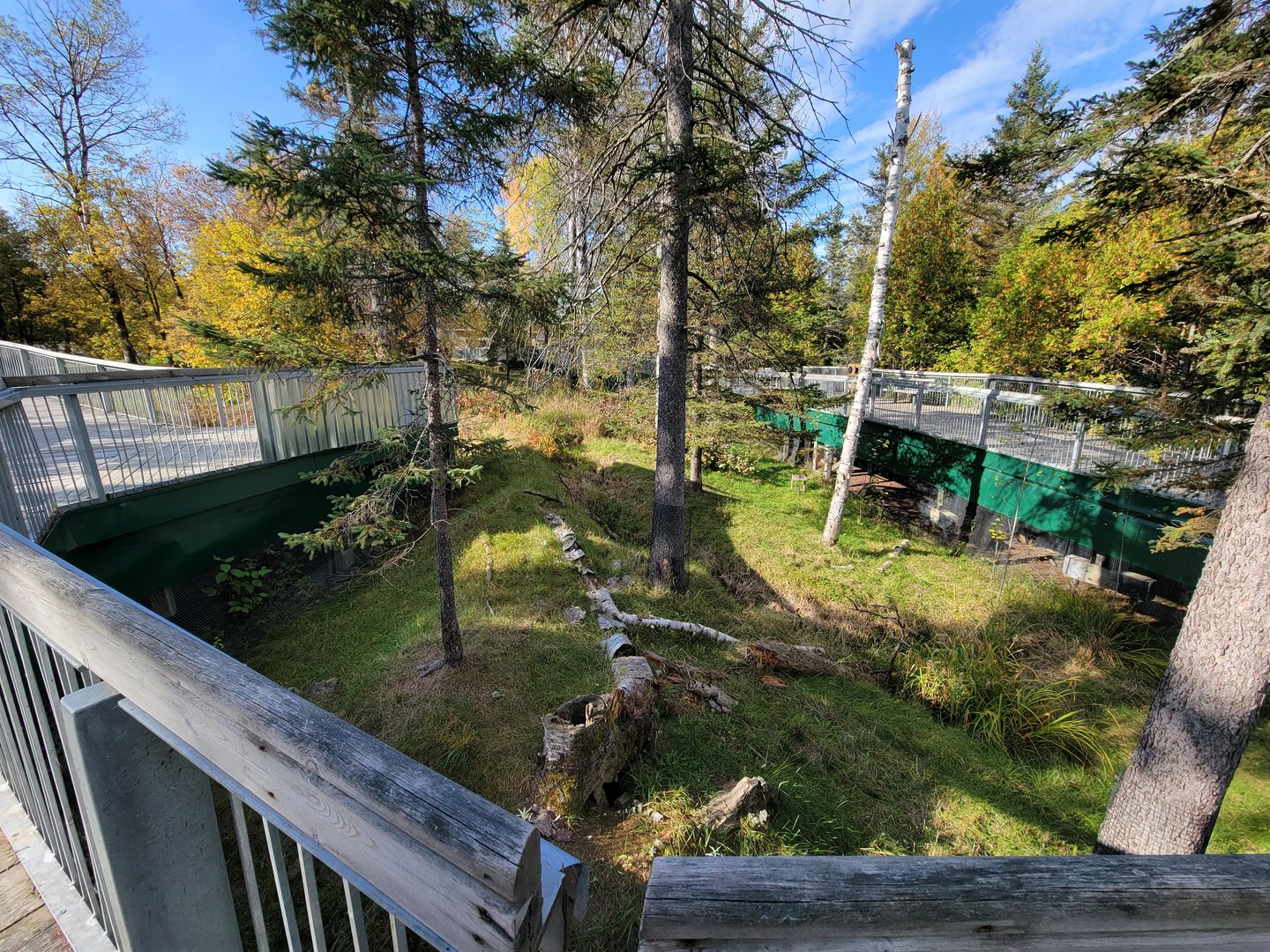
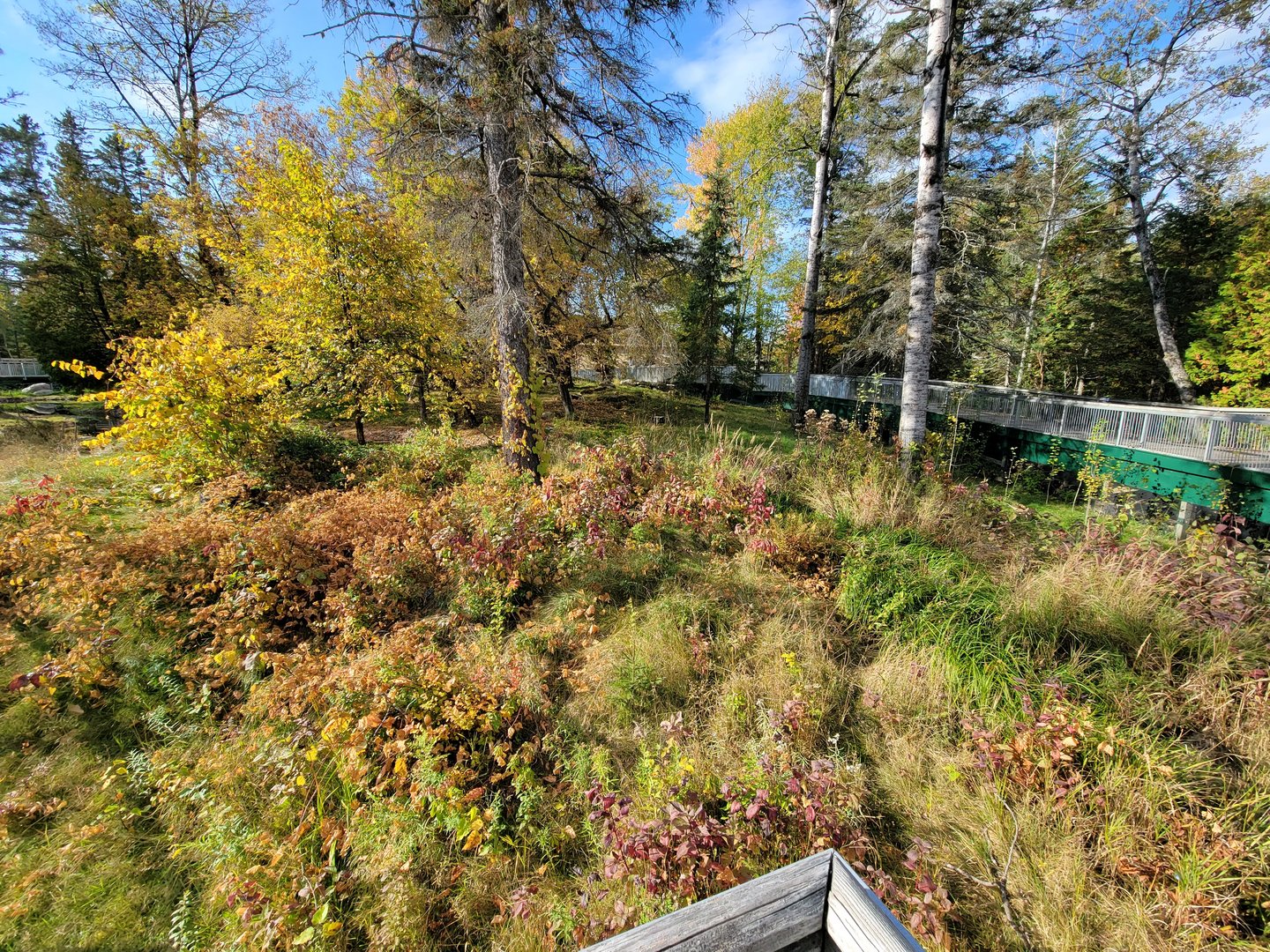
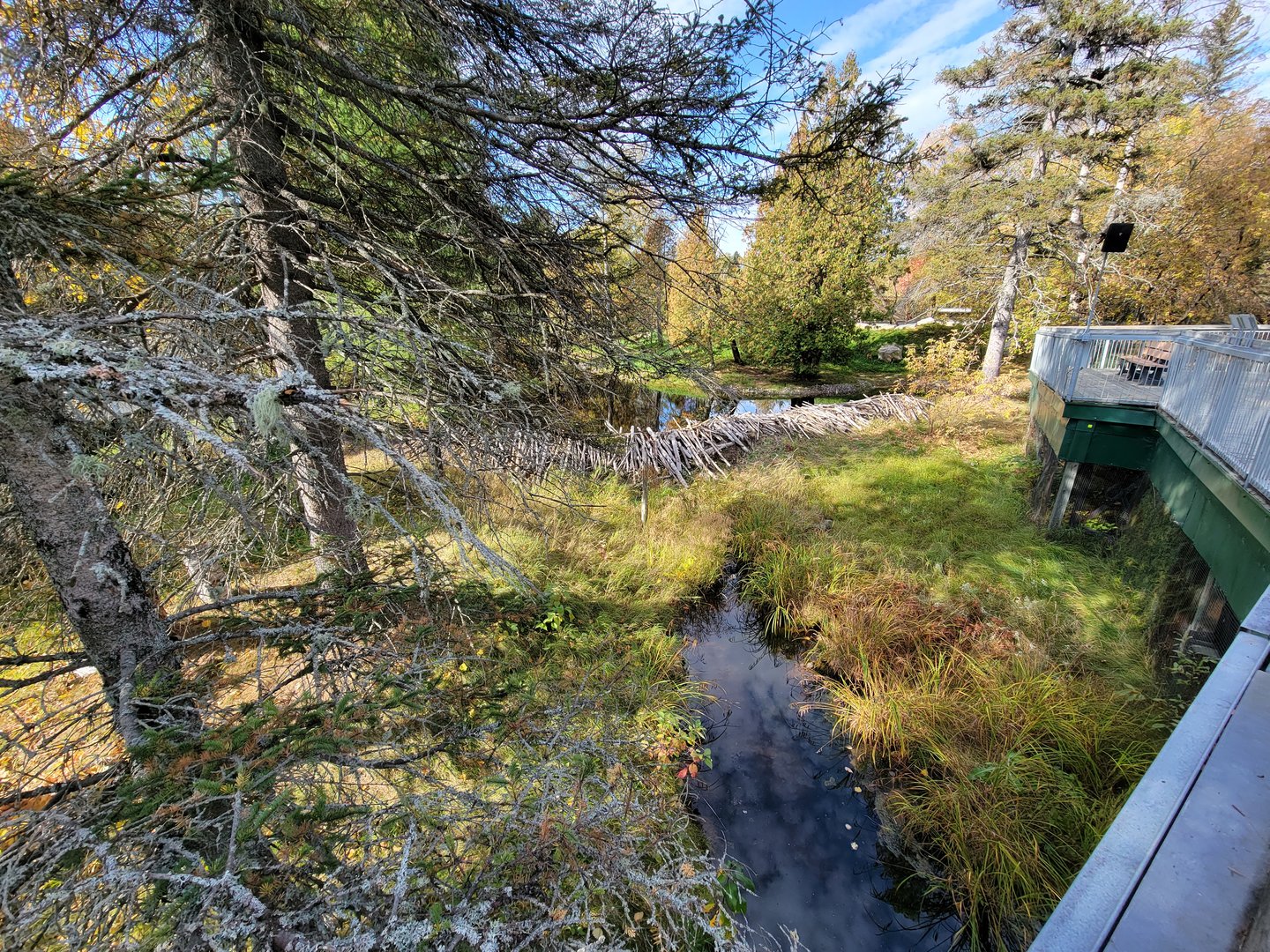
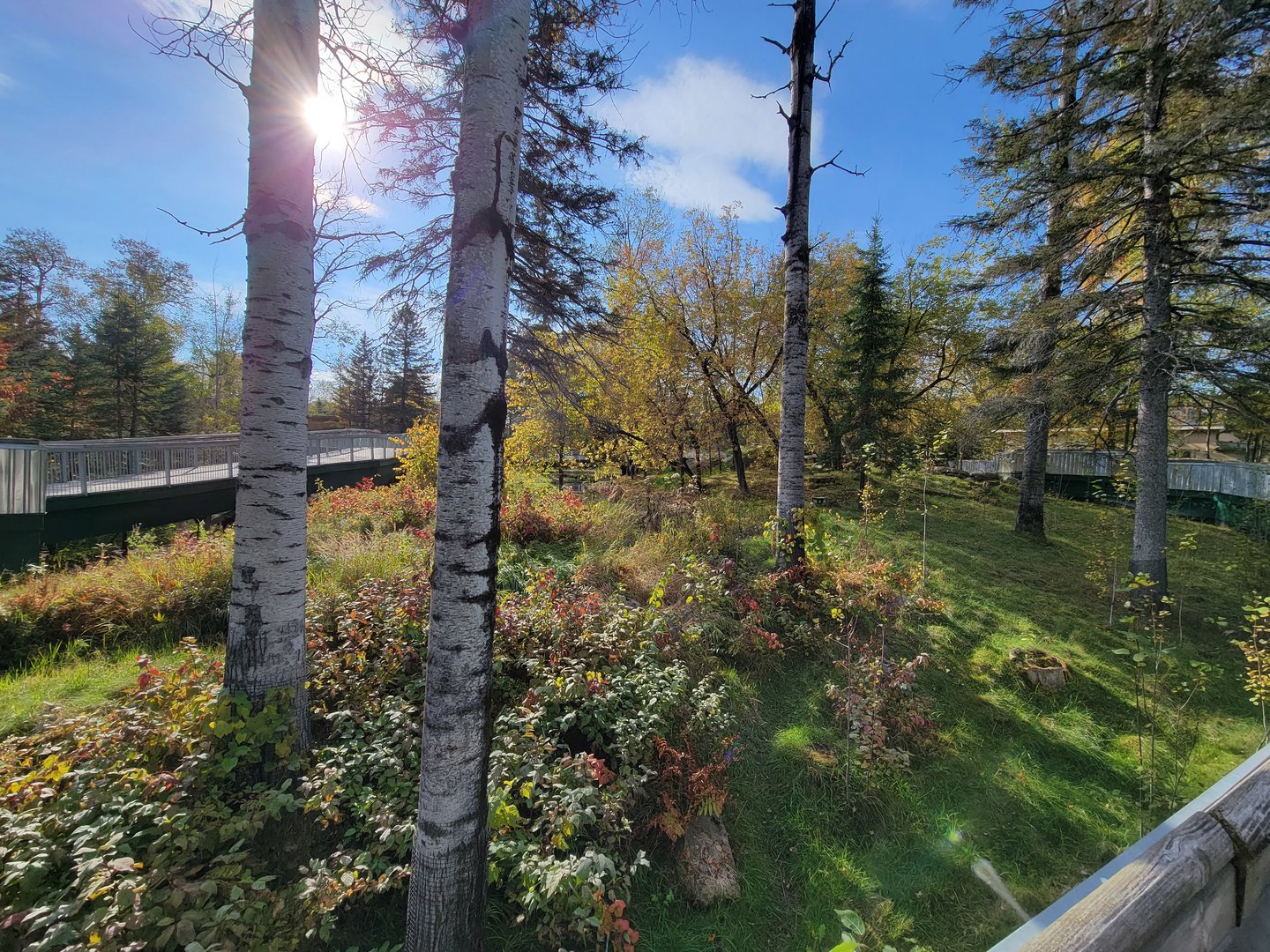
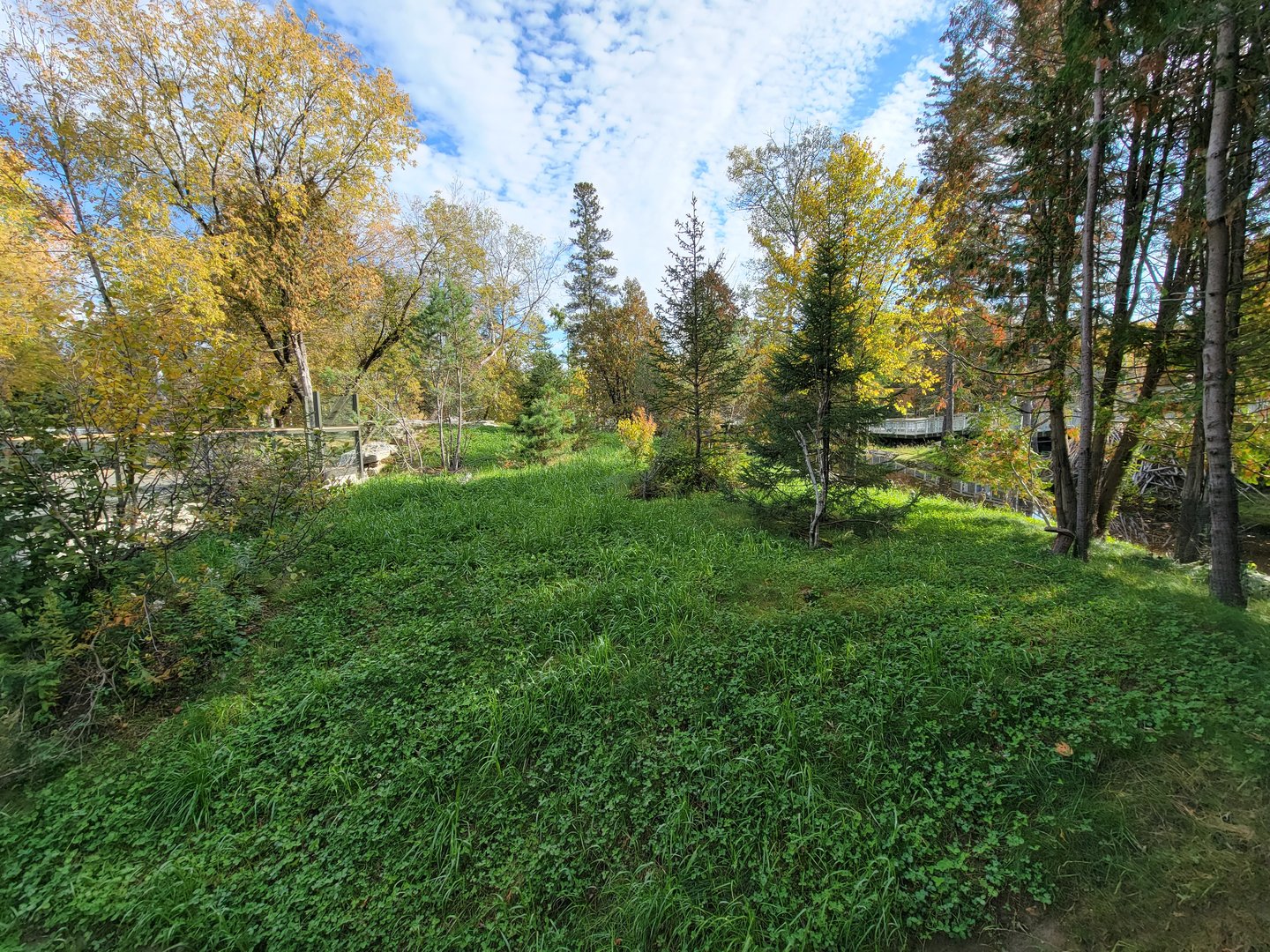
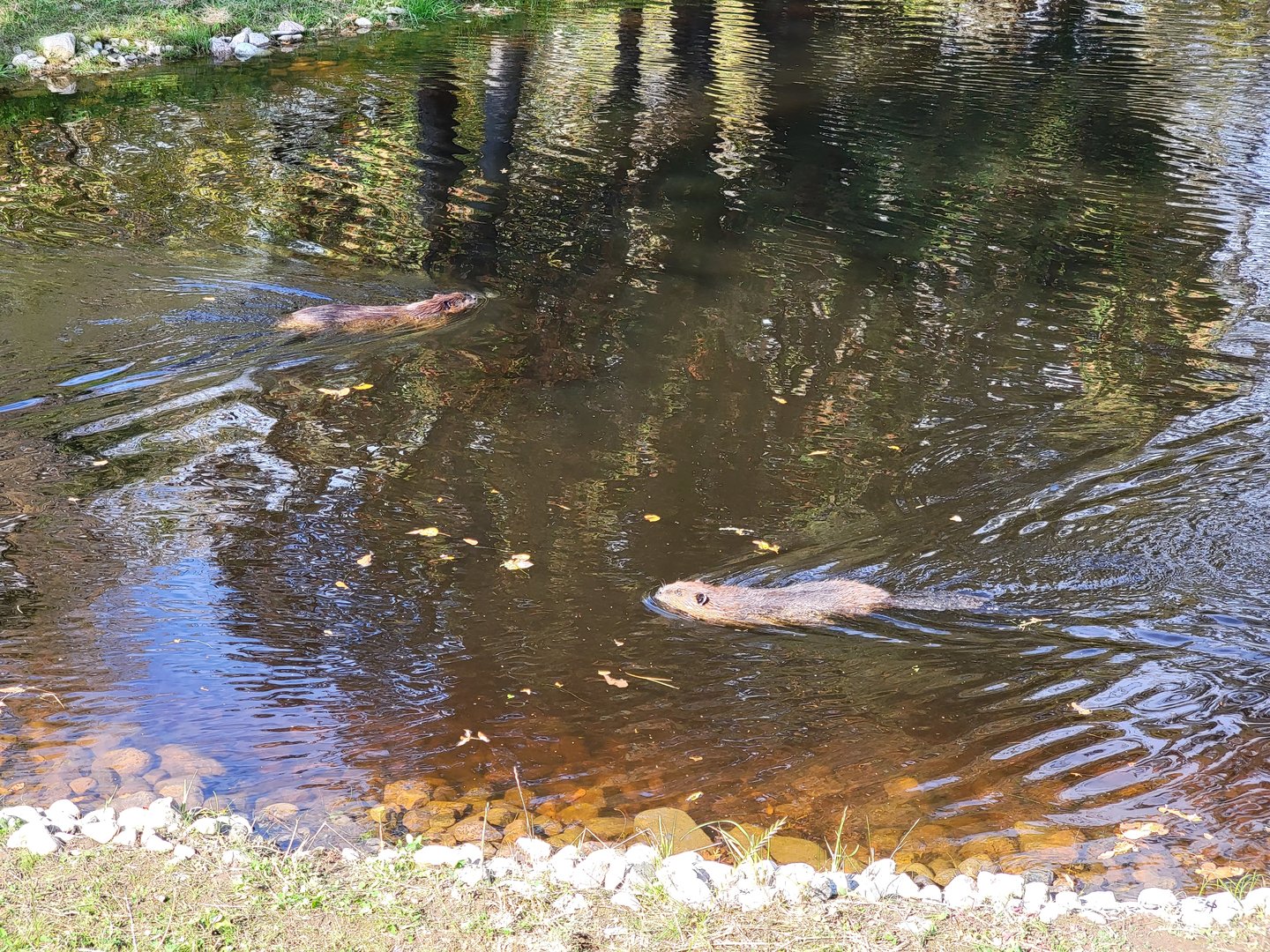
I have to give another shout out to our neighbor to the north for beavers, too, with Zoo Sauvage. First, they have an entire little building for den viewing. The viewing window itself is small, but there's interactive graphics that follow you as you move through the building and lots of engaging information.


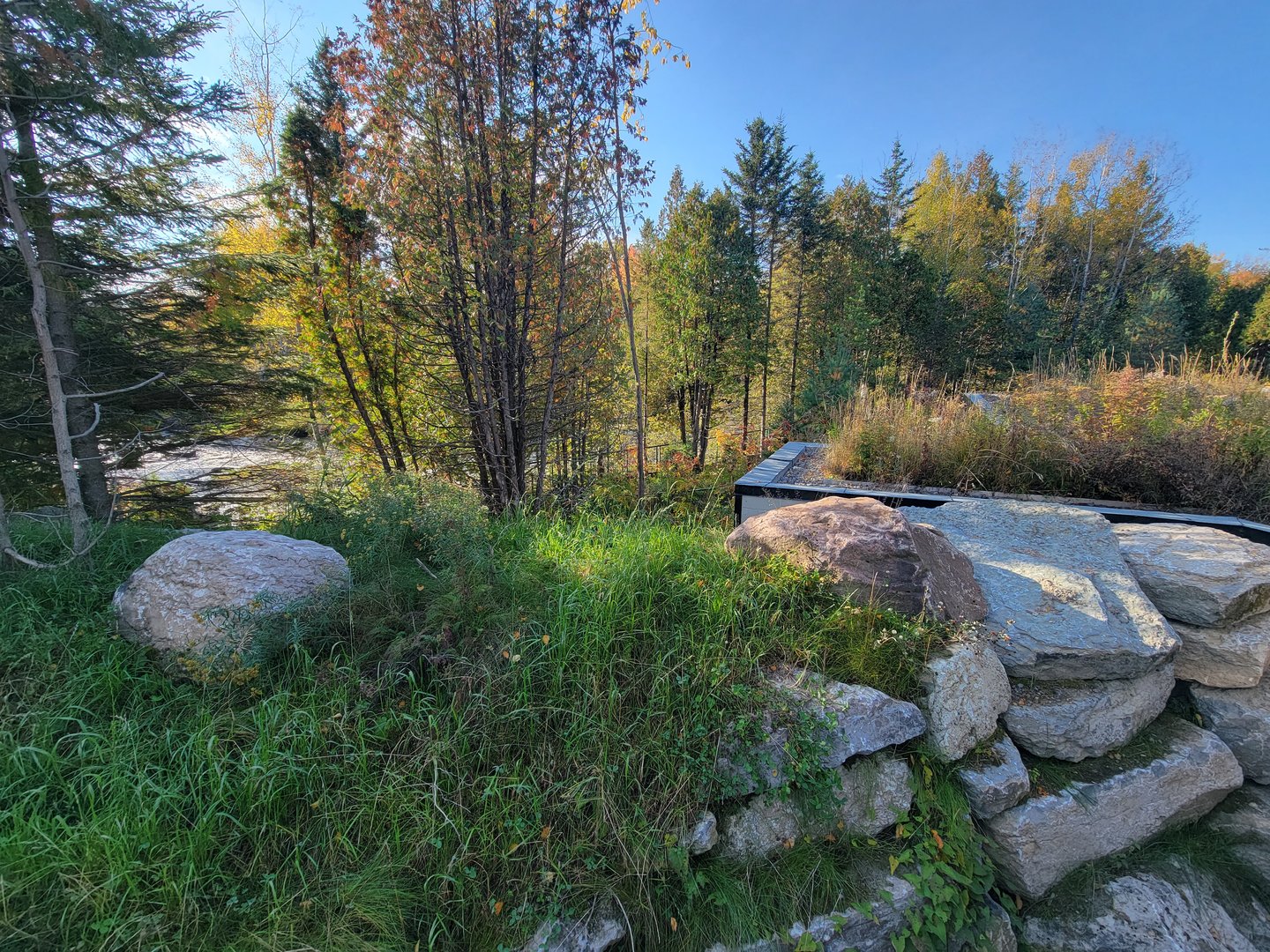
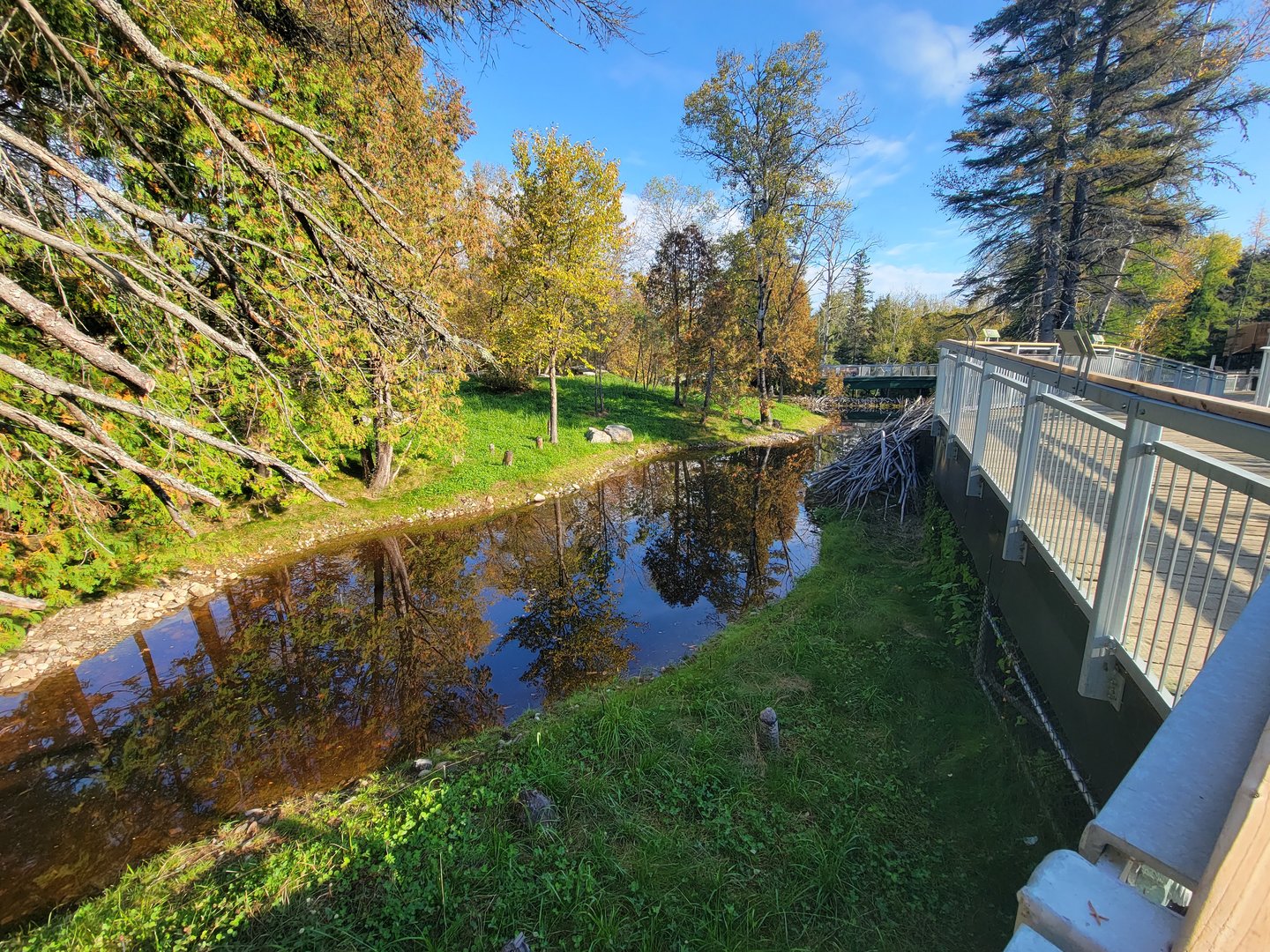
The outside exhibit is MASSIVE. It is larger than most places give their ungulates. Everything you're seeing is natural, there are no fake trees or mock rock or anything else. It is shared with snowshoe hare, striped skunk, and woodchuck (and waterfowl when avian flu isn't an issue). I walked back by this exhibit before leaving so saw the animals both in the den and out swimming.


Back
Top