Popular Zoo Mammals and Their Best Exhibits

Since we are halfway through the thread, I figured I'd post an updated tally of how many times different zoos have been featured.

Zoos Mentioned Eight Times (3):
  • Minnesota Zoo
  • Nashville Zoo
  • Northwest Trek Wildlife Park
Zoos Mentioned Seven Times (1):
  • North Carolina Zoo
Zoos Mentioned Five Times (4):
  • Houston Zoo
  • Omaha's Henry-Doorly Zoo
  • San Diego Zoo
  • San Diego Zoo Safari Park
Zoos Mentioned Four Times (7):
  • Cleveland Metroparks Zoo
  • Disney's Animal Kingdom
  • Saint Louis Zoo
  • Smithsonian's National Zoo
  • The Living Desert
  • The Wilds
  • Woodland Park Zoo
Zoos Mentioned Three Times (8):
  • Alaska Wildlife Conservation Center (Brown Bear, Black Bear, American Bison)
  • Akron Zoo (Gibbons, Red Wolf, African Lion)
  • Cheyenne Mountain Zoo (North American Porcupine, Wallabies, Canada Lynx)
  • Cincinnati Zoo (Red Panda, Gibbons, Kangaroos)
  • Jacksonville Zoo (Mandrill, Callitrichids, Giant Anteater)
  • Lee Simmons Conservation Park (Gray Wolf, Prairie Dogs, Black Bear)
  • Oakland Zoo (Gray Wolf, Meerkats, Cougar)
  • Zoo Atlanta (Meerkats, Orangutans, Colobus)
Zoos Mentioned Two Times (25):
  • Arizona-Sonora Desert Museum (Prairie Dogs, Beaver)
  • Bay Beach Wildlife Sanctuary (Gray Wolf, White-tailed Deer)
  • Bronx Zoo (Mandrill, Tigers)
  • Buttonwood Park Zoo (White-tailed Deer, Callitrichids)
  • Cleveland Museum of Natural History (North American Porcupine, Red Fox)
  • Columbus Zoo (African Lion, Kangaroos)
  • Dallas Zoo (African Elephant, Tigers)
  • Denver Zoo (African Lion, Asian Elephant)
  • Detroit Zoo (Red Panda, Camels)
  • Fort Wayne Children's Zoo (Kangaroos, African Lion)
  • Fossil Rim Wildlife Center (Giraffe, Cheetah)
  • Jackson Zoo (Pygmy Hippo, Red River Hog)
  • Memphis Zoo (Red Panda, Brown Bear)
  • Northeastern Wisconsin Zoo (White-tailed Deer, Canada Lynx)
  • Oatland Island Wildlife Center (Bobcat, Red Fox)
  • Oregon Zoo (Cougar, Asian Elephant)
  • Phoenix Zoo (Fennec Fox, Andean Bear)
  • Roger Williams Park Zoo (Callitrichids, Giant Anteater)
  • Rosamond Gifford Zoo (Asian Elephant, Andean Bear)
  • Santa Barbara Zoo (Wallabies, Fennec Fox)
  • Sedgwick County Zoo (African Elephant, Meerkats)
  • Squam Lakes Natural Science Center (White-tailed Deer, North American Black Bear)
  • Turtle Back Zoo (Wallabies, Prairie Dogs)
  • Western North Carolina Nature Center (Red Fox, Red Wolf)
  • Wildlife Prairie Park (Bobcat, Cougar)
Zoos Mentioned One Time (46):
  • Binder Park Zoo (Colobus)
  • Birmingham Zoo (African Elephant)
  • Blank Park Zoo (Camels)
  • Brevard Zoo (Spider Monkeys)
  • Brookfield Zoo (Spider Monkeys)
  • Bruemmer Park Zoo (White-Tailed Deer)
  • Buffalo Zoo (Giant Anteater)
  • Cape May County Zoo (Callitrichids)
  • Connecticut's Beardsley Zoo (Spider Monkeys)
  • Disney's Animal Kingdom Lodge (Giraffes)
  • Fort Worth Zoo (African Lion)
  • Fresno Chaffee Zoo (African Elephant)
  • Greensboro Science Center (Pygmy Hippo)
  • Honolulu Zoo (Fennec Fox)
  • Indianapolis Zoo (Orangutans)
  • Kansas City Zoo (African Lion)
  • Lake Superior Zoo (North American Porcupine)
  • Lee Richardson Zoo (Camels)
  • Lehigh Valley Zoo (American Bison)
  • Lincoln Park Zoo (African Lion)
  • Louisville Zoo (Pygmy Hippo)
  • Maine Wildlife Park (Red Fox)
  • Miller Park Zoo (Wallabies)
  • Montgomery Zoo (Pygmy Hippo)
  • Moody Gardens (Callitrichids)
  • North American Bear Center (North American Black Bear)
  • Oklahoma City Zoo (Asian Elephant)
  • Point Defiance Zoo and Aquarium (Red Wolf)
  • Potawatomi Zoo (Red River Hog)
  • Queens Zoo (Andean Bear)
  • Red River Zoo (Takin)
  • Rolling Hills Zoo (Capybara)
  • Ross Park Zoo (Red Wolf)
  • Safari North Wildlife Park (Capybara)
  • San Fransisco Zoo (Mandrill)
  • Santa Ana Zoo (Giant Anteater)
  • Stone Zoo (Grey Wolf)
  • Sunset Zoo (Cheetah)
  • Tallahassee Museum (Cougar)
  • Utica Zoo (African Lion)
  • Virginia Living Museum (Red Fox)
  • Virginia Zoo (Red Panda)
  • Wildlife World Zoo (Capybara)
  • Wildwood Wildlife Park (Capybara)
  • ZooMiami (Spider Monkeys)
  • ZooMontana (North American Porcupine)
 
Staying in the realm of native mammals, today's post will be dedicated to a smaller relative to the wolves already mentioned: the Coyote! While not necessarily as common in zoos, and without the breeding programs of their more endangered relatives, coyotes remain a popular canid species for zoos to keep, many of the individuals being non-releasable native wildlife.

The criteria for this post will be very similar to the criteria used for wolves, however obviously the exhibits won't need to be quite as large:
  • Size: Coyotes are fairly large animals that in the wild will live across large territories. This can best be replicated in captivity through giving large enclosures, even more so than felids or other carnivores of similar size.
  • Social Structure: Canids are not as social as wolves, and aren't specialized in hunting large prey in packs either. Paired with the fact many of the coyotes in zoos are rescues, social structure was not as major a criteria as it was in wolves, however keeping more then a single coyote is still ideal.
  • Plants: Coyotes are habitat generalists, and as such the specifics of a habitat's foliage (e.g. trees vs. bushes vs. cactuses, etc.) is less important as the presence of foliage, which is important both to allow hiding opportunities and enrichment opportunities.
  • Hiding Opportunities: While size and plants partially accounts for this, it warrants additional mention that large canids are shy, timid creatures. The best exhibits for them account for this by giving the coyotes plenty of spaces to hide. One way this is achieved is by ensuring exhibits are properly deep (allowing areas far from the visitor path) rather than building long, yet narrow, exhibits.
The exhibits chosen for coyotes are:
  • Perhaps the best coyote exhibit in the country is the famous, massive, invisinet exhibit at Arizona-Sonora Desert Museum. This exhibit contains a wide range of desert plants, and the invisible barrier gives the appearance as though one is seeing a coyote in the wild, rather than in captivity. Two coyotes share this spacious home, one of the largest and most naturalistic canid exhibits in the country:
full
Photo By: @Milwaukee Man
full
Photo By: @Coelacanth18
full
Photo By: @Arizona Docent
full
Photo By: @Arizona Docent
  • A common feature on this thread when native species are concerned is Illinois' Wildlife Prairie Park, which has a group of four coyotes in an impressive exhibit. It isn't common to see zoos exhibit coyotes in larger social groups, making it great to see a facility keeping four coyotes in a spacious, forested exhibit. This exhibit features plenty of trees and other plants, and is another overall excellent home for its canid residents:
full
Photo By: @snowleopard
full
Photo By: @snowleopard
  • Seeing as coyotes are an iconic desert species, it's no surprise that multiple of the best coyote exhibits are located in desert zoos. In addition to the ASDM exhibit, The Living Desert in California also has an incredible exhibit for coyotes. Three coyotes share this exhibit, which while not quite as naturalistic as ASDM's exhibit, still contains many impressive, naturalistic elements. This exhibit includes a number of desert plants and other hiding opportunities designed to create an all-around great home for the coyotes that call it home:
full
Photo By: @Coelacanth18
full
Photo By: @Maguari
full
Photo By: @Blackduiker
full
Photo By: @snowleopard
  • Heading further east, four coyotes share an excellent exhibit at the Cleveland Museum of Natural History, in a habitat visible from an elevated boardwalk. This exhibit takes advantage of the height of the boardwalk to provide their coyotes with plenty of privacy, in a heavily planted exhibit that provides an incredible home for their coyotes, even if not quite as large as some of the others on this list:
full
Photo By: @geomorph
full
Photo By: @geomorph
full
Photo By: @geomorph
  • Three coyotes reside at the Minnesota Zoo, now the first zoo to be mentioned nine times on this thread. This is a spacious exhibit for coyotes, and in many ways reminiscent to the way many zoos exhibit wolves. A multitude of trees can be found around this large exhibit, providing many great enrichment and hiding opportunities for the coyotes:
full
Photo By: @Pleistohorse
full
Photo By: @Dhole dude
full
Photo By: @pachyderm pro
full
Photo By: @Dhole dude
 
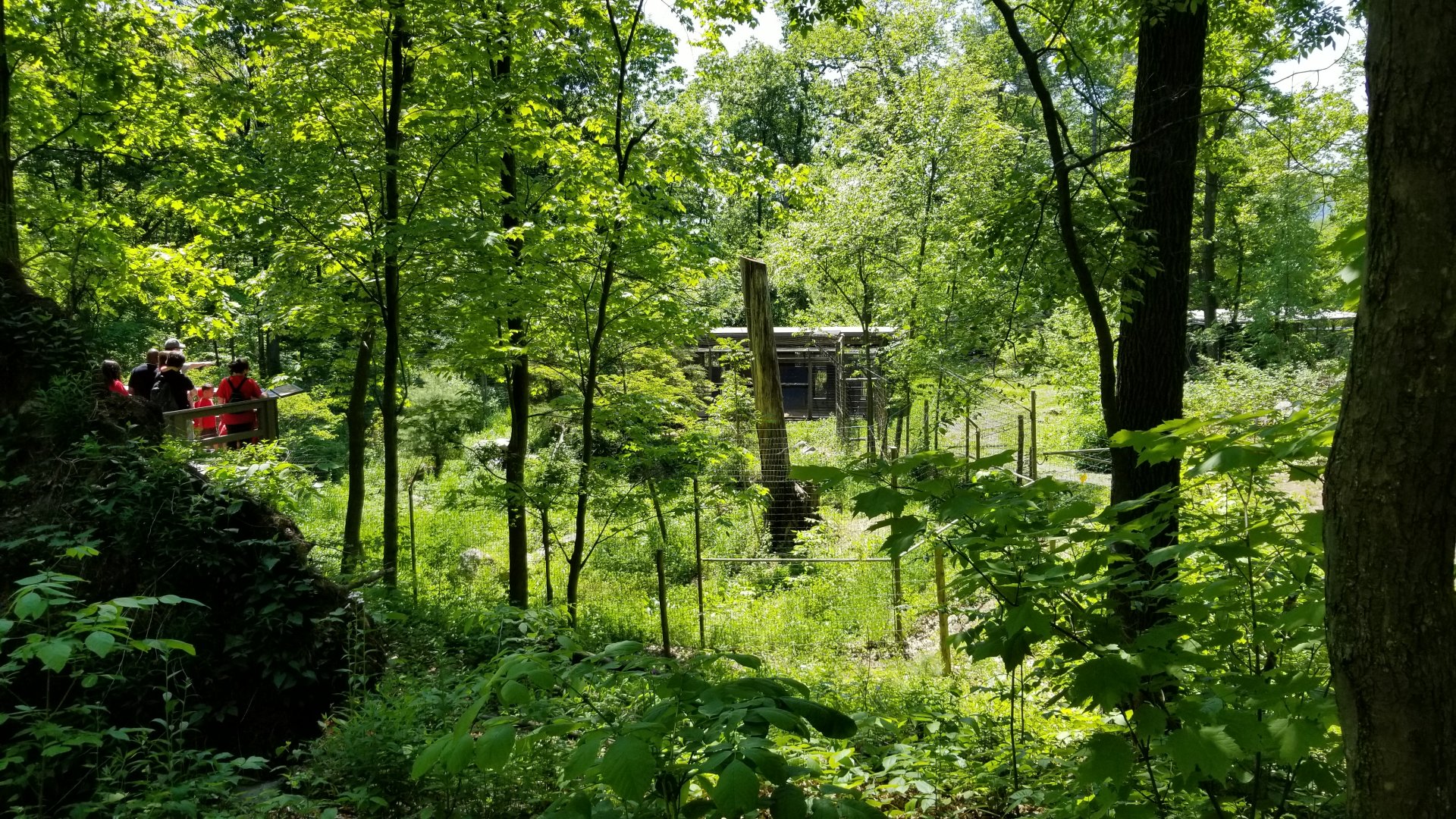
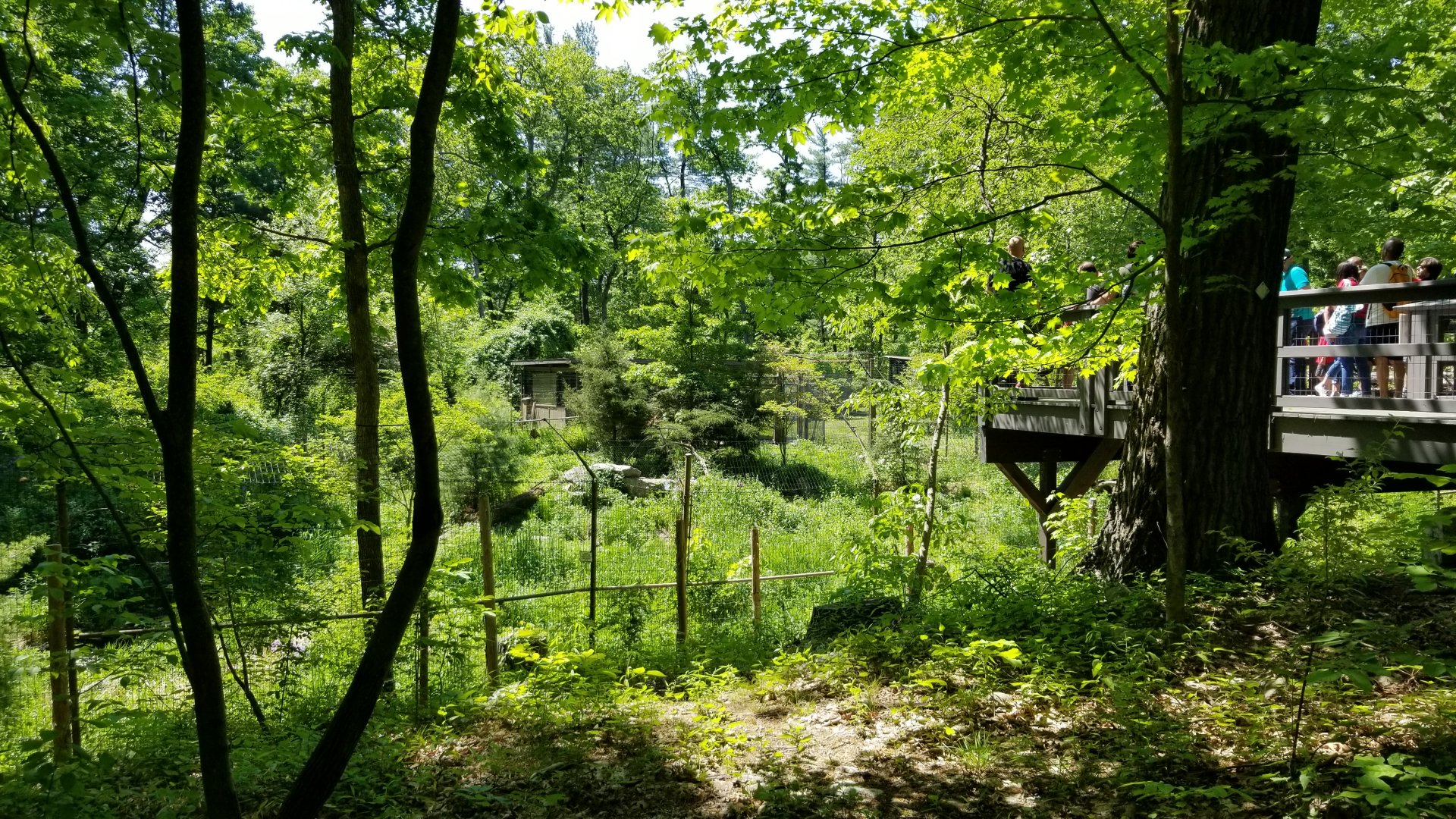
Bear Mountain/Trailside Museums and Zoo in NY has another great outdoor enclosure. It's essentially a large fenced area of the forest. I didn't get great photos of it, there was a big educational group on the one viewing platform, but you can get the idea from these two photos taken from the path.


The coyotes at Minnesota were either recently moved to another exhibit or are now split between the two. Either way the new coyote exhibit, former dhole exhibit, is better than the old one.
 
Which areas would you say are the nicest and which the most outdated SwampDonkey?
The nicest, by far, are the African Forest and Wilderness Mississippi areas. The worst is the Bird Walk, which is decidedly dilapidated, complete with signage on the ground caution tape around falling apart wooden walkway, and dreary dark interiors.
 
Last edited:
My life has been pretty busy right now, as you could probably guess from the lack of posting in this thread, and my posting schedule may continue to be a little sporadic for a bit before getting back to normal in the beginning of September. While I normally don't like two back-to-back posts dedicated to the same type of animal, it has come to my attention that today is International Dog Day, so I figured I'd celebrate this with a post dedicated to the African Wild Dog! This species goes by multiple other names, including African Painted Dog or African Hunting Dog, but African Wild Dog is the one I've seen most often and will be using in this post. While not necessarily as common in zoos as the native canids, and almost exclusively found in AZA facilities, African Wild Dogs remain an impressive, pack-dwelling species that can make for an excellent inclusion in an African area.

Being a large canid, the needs of African Wild Dogs are rather similar to the needs of wolves and other large canids, and as such the criteria used will be very similar to those seen in the wolf/coyote posts:
  • Social Structure: African Wild Dogs are pack species, and as such benefit from being kept in larger social groupings. The exhibits in this list ideally have groups of at least three or four wild dogs, preferably more.
  • Hiding Opportunities: While size partially accounts for this, it warrants additional mention that large canids are shy, timid creatures. The best exhibits for them account for this by giving the wild dogs plenty of spaces to hide. One way this is achieved is by ensuring exhibits are properly deep (allowing areas far from the visitor path) rather than building long, yet narrow, exhibits.
  • Rocks and Other Habitat Features: While African Savanna species are often given rather barren exhibits, that doesn't make for an ideal habitat for large carnivores. Instead, the best exhibits for wild dogs contain plenty of rock work, trees, and other natural elements to make a more complex, enriching environment for them.
The five exhibits I selected for African Wild Dogs are:
  • A large, naturalistic exhibit for African Wild Dogs can be found in the iconic African Plains exhibit at the Bronx Zoo. This exhibit contains plenty of trees and rocks to create an enriching, spacious home for a group of four African Wild Dogs. This habitat contains viewing opportunities from multiple different perspectives, allowing both for plenty of hiding opportunities and plenty of chances to see these beautiful canids:
full
Photo By: @TinoPup
full
Photo By: @TinoPup
full
Photo By: @twilighter
full
Photo By: @Baldur
  • Another spacious, complex habitat for African Wild Dogs can be found at the Oregon Zoo, which is home to an impressive ten African Wild Dogs! This habitat contains impressive rock work, along with a number of trees and other natural elements as well. It can be viewed both from across a moat and in glass viewing windows, providing the dogs with privacy and the humans maximal viewing opportunities at the same time:
full
Photo By: @snowleopard
full
Photo By: @animalman0341
full
Photo By: @Arizona Docent
full
Photo By: @snowleopard
  • Texas' Gladys Porter Zoo doesn't get much attention on this site due its remote location, however it does boast an incredibly naturalistic enclosure for two African Wild Dogs. While the social structure here is disappointing, it remains an excellent, spacious habitat with plenty of trees, rocks, and other natural elements in a design that resembles Africa much more closely than either the Bronx or Oregon exhibit:
full
Photo By: @snowleopard
full
Photo By: @snowleopard
  • A mainstay on this list for African and North American carnivorans is The Living Desert, which exhibits ten African Wild Dogs in an impressive habitat. This exhibit contains both trees and rock features across a large, spacious savanna habitat. Social structure alone would've been enough to secure this exhibit's place on the list, but that is not to downplay how impressiveness of the exhibit itself:
full
Photo By: @snowleopard
full
Photo By: @snowleopard
full
Photo By: @Coelacanth18
full
Photo By: @Arizona Docent
  • A large and naturalistic exhibit for three African Wild Dogs can be found at the Phoenix Zoo, which exhibits the species in a spacious yard containing numerous plants, rocks, and other natural elements. This large exhibit also contains varying terrain and substrate, which is always great to see:
full
Photo By: @Arizona Docent
full
Photo By: @Arizona Docent
full
Photo By: @snowleopard
full
Photo By: @geomorph
 
One of my favorite carnivore species :) I love seeing them in that Living Desert exhibit, their large pack has been very active and running around on my visits.

Something maybe worth mentioning is that - while social structure is definitely important for Painted Dogs - it can also be difficult to balance numbers for this species because of their large litter sizes. A pack of two or three can become a pack of 12 overnight, so if a zoo plans on breeding they may have to start with a small pack. Then eventually some of the offspring will be split off to form new packs, but it takes time for them to mature (physically and socially with their pack) and for another zoo to have the space to receive them.
 
Gladys Porters exhibit is pretty poor. It is tiny and has not the best viewing. It may be slightly overgrown with South Texas vegetation, but even the zoo sees the issues with the display. For the past few years the zoo has been planning to move the species to the former sea lion area. This would allow for an expansion of the also puny lion exhibit.
 
The Wilds has a fantastic exhibit in their midsize carnivore complex. At least one dog has been active on each of my visits and it’s cool to see them running around in a big enclosure.
 
Gladys Porters exhibit is pretty poor. It is tiny and has not the best viewing. It may be slightly overgrown with South Texas vegetation, but even the zoo sees the issues with the display. For the past few years the zoo has been planning to move the species to the former sea lion area. This would allow for an expansion of the also puny lion exhibit.
Thanks for the feedback. I think this is a case of an exhibit looking better in photos than it is in real life, and as someone who hasn't visited every zoo in the country oftentimes this thread has relied on the impression I could get from photographs and other research.

Anyways, I will be replacing Gladys Porter Zoo with one of the zoos I was strongly considering using in the post: Oklahoma City Zoo. Oklahoma City's Predator Pass has a large pack of seven African wild dogs in a large, spacious exhibit featuring trees and other naturalistic elements in a large exhibit that only opened two years ago:
full
Photo By: @Coelacanth18
full
Photo By: @Coelacanth18
 
Today's post will be dedicated to one of my favorite small carnivores, the Ocelot! These small, spotted cats are native to both South and Central America, and also the Southwestern United States.

The criteria in this post are very similar to the other small cats featured:
  • Climbing Opportunities: Like most felid species, ocelots benefit from the ability to choose between various heights of their exhibit. Even more so than other small felids covered, they are adept climbers that will often live primarily arboreal lives. While the type of climbing structure may vary based on the type of habitat (i.e. I'd expect different climbing structures in one representing a tropical rainforest than one representing the Sonoran desert), it is still important to ensure the ocelots have adequate climbing opportunities in any style of exhibit, whether that be live trees, rockwork, artificial climbing structures, or a combination of all three.
  • Exhibit Size: Small carnivores have historically been kept in small exhibits, oftentimes of an inadequate size. While size of an exhibit is not everything, I did prioritize exhibits that are larger when other design factors are equivalent. Given their arboreality, the size component for ocelots factors in both ground space and exhibit height.
  • Hiding Opportunities: Ocelots can be shy animals, like many felids. Exhibits that provide opportunities for the ocelots to hide, while not necessarily ideal for the public, were prioritized since hiding opportunities do improve the welfare of animals involved.
The exhibits chosen for this post are:
  • The North Carolina Zoo has an excellent ocelot exhibit located outside of its Desert building. This excellent, spacious exhibit contains both plenty of rock work and multiple trees to create a very naturalistic, impressive home for this small cat:
full
Photo By: @Pleistohorse
full
Photo By: @Pleistohorse
full
Photo By: @Moebelle
full
Photo By: @Moebelle
  • Another excellent, desert-themed ocelot exhibit can be found at the Arizona-Sonora Desert Museum, which exhibits their ocelots in a impressive exhibit filled with rock ledges, fallen logs, and other climbing opportunities. This exhibit does have an unusual layout due to the "Cat Canyon" theme, but this doesn't detract from the fact it is an excellent home for ocelots:
full
Photo By: @Coelacanth18
full
Photo By: @Arizona Docent
full
Photo By: @snowleopard
full
Photo By: @snowleopard
  • Moving to the Rainforests, Connecticut's Beardsley Zoo has an excellent ocelot exhibit inside their Rainforest Building. This exhibit is filled with climbing opportunities, and is a good example of how zoos can build indoor mammal exhibits correctly, as this exhibit still has numerous plants and natural substrate:
full
Photo By: @Pleistohorse
full
Photo By: @TinoPup
full
Photo By: @Pleistohorse
full
Photo By: @BeardsleyZooFan
  • For a zoo receiving its first mention in this thread, Pennsylvania's Elmwood Park Zoo exhibits ocelots in their excellent Trail of the Jaguar complex. This is a large exhibit, complete with plenty of climbing opportunities and other space for the ocelots to explore. One unique feature of this exhibit is that it is actually an indoor-outdoor exhibit, where the ocelots can move between the two through a transfer chute over visitor's heads:
full
Photo By: @TinoPup
full
Photo By: @TinoPup
full
Photo By: @TinoPup
full
Photo By: @TinoPup
  • A Rainforest-themed ocelot exhibit can be found at Florida's Palm Beach Zoo. While the very visually striking building makes this the least naturalistic habitat on the list, it nonetheless is a large habitat with numerous climbing structures for the ocelots:
full
Photo By: @BeardsleyZooFan
 
Today's post will be dedicated to one of my favorite small carnivores, the Ocelot! These small, spotted cats are native to both South and Central America, and also the Southwestern United States.

The criteria in this post are very similar to the other small cats featured:
  • Climbing Opportunities: Like most felid species, ocelots benefit from the ability to choose between various heights of their exhibit. Even more so than other small felids covered, they are adept climbers that will often live primarily arboreal lives. While the type of climbing structure may vary based on the type of habitat (i.e. I'd expect different climbing structures in one representing a tropical rainforest than one representing the Sonoran desert), it is still important to ensure the ocelots have adequate climbing opportunities in any style of exhibit, whether that be live trees, rockwork, artificial climbing structures, or a combination of all three.
  • Exhibit Size: Small carnivores have historically been kept in small exhibits, oftentimes of an inadequate size. While size of an exhibit is not everything, I did prioritize exhibits that are larger when other design factors are equivalent. Given their arboreality, the size component for ocelots factors in both ground space and exhibit height.
  • Hiding Opportunities: Ocelots can be shy animals, like many felids. Exhibits that provide opportunities for the ocelots to hide, while not necessarily ideal for the public, were prioritized since hiding opportunities do improve the welfare of animals involved.
The exhibits chosen for this post are:
  • The North Carolina Zoo has an excellent ocelot exhibit located outside of its Desert building. This excellent, spacious exhibit contains both plenty of rock work and multiple trees to create a very naturalistic, impressive home for this small cat:
full
Photo By: @Pleistohorse
full
Photo By: @Pleistohorse
full
Photo By: @Moebelle
full
Photo By: @Moebelle
  • Another excellent, desert-themed ocelot exhibit can be found at the Arizona-Sonora Desert Museum, which exhibits their ocelots in a impressive exhibit filled with rock ledges, fallen logs, and other climbing opportunities. This exhibit does have an unusual layout due to the "Cat Canyon" theme, but this doesn't detract from the fact it is an excellent home for ocelots:
full
Photo By: @Coelacanth18
full
Photo By: @Arizona Docent
full
Photo By: @snowleopard
full
Photo By: @snowleopard
  • Moving to the Rainforests, Connecticut's Beardsley Zoo has an excellent ocelot exhibit inside their Rainforest Building. This exhibit is filled with climbing opportunities, and is a good example of how zoos can build indoor mammal exhibits correctly, as this exhibit still has numerous plants and natural substrate:
full
Photo By: @Pleistohorse
full
Photo By: @TinoPup
full
Photo By: @Pleistohorse
full
Photo By: @BeardsleyZooFan
  • For a zoo receiving its first mention in this thread, Pennsylvania's Elmwood Park Zoo exhibits ocelots in their excellent Trail of the Jaguar complex. This is a large exhibit, complete with plenty of climbing opportunities and other space for the ocelots to explore. One unique feature of this exhibit is that it is actually an indoor-outdoor exhibit, where the ocelots can move between the two through a transfer chute over visitor's heads:
full
Photo By: @TinoPup
full
Photo By: @TinoPup
full
Photo By: @TinoPup
full
Photo By: @TinoPup
  • A Rainforest-themed ocelot exhibit can be found at Florida's Palm Beach Zoo. While the very visually striking building makes this the least naturalistic habitat on the list, it nonetheless is a large habitat with numerous climbing structures for the ocelots:
full
Photo By: @BeardsleyZooFan
Palm Beach Zoo no longer has Ocelot. This habitat is now used for a 2nd group of Black Howler Monkeys. I would suggest Oklahoma City Zoos' Ocelot habitat as a possible replacement.
 
Palm Beach Zoo no longer has Ocelot. This habitat is now used for a 2nd group of Black Howler Monkeys. I would suggest Oklahoma City Zoos' Ocelot habitat as a possible replacement.
I'll replace it with one of the other exhibits I was considering including: the exhibit for ocelots in Pittsburgh Zoo's Jungle Odyssey. This exhibit is another spacious exhibit with plenty of climbing opportunities available, albeit in typical Pittsburgh fashion it's a tad bit less naturalistic than some of the others on this list:
full
Photo By: @Pleistohorse
full
Photo By: @TinoPup
full
Photo By: @TinoPup
full
Photo By: @jusko88
 
Back
Top