Popular Zoo Mammals and Their Best Exhibits

I remember hearing it passed away back in 2021, though the harp seal I heard about was in the Arctic habitat with the Harbour seals and not Pacific Point so maybe they had two
hmm, probably the same animal, unfortunately. I will post in the NA thread on them, maybe someone has more info.
 
Today's post will be dedicated to a species that ranks amongst the ten mammal species I've seen in more zoos than any other (all of whom either have or will made an appearance). This species is one that seems to always get excellent exhibits, the North American River Otter! These iconic native species are a very common, and very popular animal for zoos to exhibit, and truthfully this is one of those species, like lions, that due to its popularity I could probably list twenty exhibits all deserving inclusion in this thread. However, unlike lions, I am going to limit myself to five this time. Given how many excellent otter exhibits there are, I'd imagine someone else could write up a list and come up with a completely different list of choices for the top five exhibits. I'll be interested to see what other people's favorite North American River Otter exhibits are if you'd like to share.

The criteria for this post are:
  • Size: While most otter exhibits are very spacious for such a small animal, this remains one way to differentiate between a good otter exhibit and an excellent otter exhibit. Specifically, size accounts both for the size of the water and land features, as an ideal otter exhibit should include large quantities of both.
  • Habitat Furnishings: Otters are curious, exploratory animals, who benefit from a complex environment. Trees, plants, logs, rocks, and other naturalistic elements are a must for a good otter exhibit, and are all prevalent in the five otter exhibits featured today.
The five exhibits I selected for this post are:
  • One of the country's largest North American River Otter exhibits can be found at the Maryland Zoo. This large habitat features an underwater tunnel for visitors, as well as plenty of land and water areas for the otter residents. Excellent rockwork and log features along the shorelines make this a very enriching habitat as well:
full
Photo By: @TinoPup
full
Photo By: @TinoPup
full
Photo By: @TinoPup
full
Photo By: @mweb08
  • Given their small size and popularity with visitors, North American River Otters can be a great choice for small zoos to feature. Perhaps no small zoo does it better than California's Sequoia Park Zoo, which features North American River Otters in their Watershed Heroes exhibit, which won an AZA exhibit award. This exhibit differs from other otter exhibits due to the vast areas of land available to the otters, instead of the typical exhibits that tend to be overwhelmingly water. However, a large pool is also included in this exhibit, truly making this one of the country's greatest otter exhibits:
full
Photo By: @snowleopard
full
Photo By: @snowleopard
full
Photo By: @snowleopard
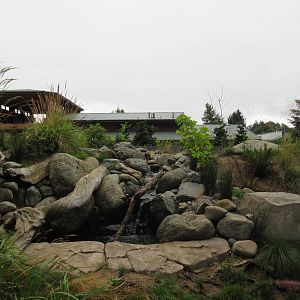
  • A facility which calls themselves a "desert museum" may not be where you'd expect to find an excellent river otter exhibit, however the High Desert Museum in Oregon ranks amongst the country's best otter habitats. This large habitat features many naturalistic elements, including live plants, and a large water feature is also present in what might be the zoo that surprised me the most in making this thread, as I hadn't even heard of it before I started researching:
full
Photo By: @snowleopard
full
Photo By: @snowleopard
full
Photo By: @snowleopard
full
Photo By: @Ituri
  • In New England, North American River Otters are a staple at almost every zoo, but the best exhibit for them in the region belongs to the Buttonwood Park Zoo. This spacious exhibit includes live plants, plenty of land area, as well as a large pool featuring the obligatory underwater viewing. Multiple litters of pups have been born here in recent years, which is always great to see:
full
Photo By: @CuseZoofan
full
Photo By: @hudson111
  • Otter Creek at the Buffalo Zoo could be argued to be the greatest habitat at the zoo, and features a lot of excellent plants, rocks, and other natural elements in a spacious, enriching home for river otters. This habitat also features a large pool and underwater viewing, making it an all-around great home for river otters. It appears as though the gallery doesn't have any recent photos of this exhibit, but I might try to change that on one of my weekly visits to this zoo:
full
Photo By: @snowleopard
full
Photo By: @snowleopard
full
Photo By: @snowleopard
full
Photo By: @snowleopard
 
Today's post will be dedicated to a species that ranks amongst the ten mammal species I've seen in more zoos than any other (all of whom either have or will made an appearance). This species is one that seems to always get excellent exhibits, the North American River Otter! These iconic native species are a very common, and very popular animal for zoos to exhibit, and truthfully this is one of those species, like lions, that due to its popularity I could probably list twenty exhibits all deserving inclusion in this thread. However, unlike lions, I am going to limit myself to five this time. Given how many excellent otter exhibits there are, I'd imagine someone else could write up a list and come up with a completely different list of choices for the top five exhibits. I'll be interested to see what other people's favorite North American River Otter exhibits are if you'd like to share.

The criteria for this post are:
  • Size: While most otter exhibits are very spacious for such a small animal, this remains one way to differentiate between a good otter exhibit and an excellent otter exhibit. Specifically, size accounts both for the size of the water and land features, as an ideal otter exhibit should include large quantities of both.
  • Habitat Furnishings: Otters are curious, exploratory animals, who benefit from a complex environment. Trees, plants, logs, rocks, and other naturalistic elements are a must for a good otter exhibit, and are all prevalent in the five otter exhibits featured today.
The five exhibits I selected for this post are:
  • One of the country's largest North American River Otter exhibits can be found at the Maryland Zoo. This large habitat features an underwater tunnel for visitors, as well as plenty of land and water areas for the otter residents. Excellent rockwork and log features along the shorelines make this a very enriching habitat as well:
full
Photo By: @TinoPup
full
Photo By: @TinoPup
full
Photo By: @TinoPup
full
Photo By: @mweb08
  • Given their small size and popularity with visitors, North American River Otters can be a great choice for small zoos to feature. Perhaps no small zoo does it better than California's Sequoia Park Zoo, which features North American River Otters in their Watershed Heroes exhibit, which won an AZA exhibit award. This exhibit differs from other otter exhibits due to the vast areas of land available to the otters, instead of the typical exhibits that tend to be overwhelmingly water. However, a large pool is also included in this exhibit, truly making this one of the country's greatest otter exhibits:
full
Photo By: @snowleopard
full
Photo By: @snowleopard
full
Photo By: @snowleopard
  • A facility which calls themselves a "desert museum" may not be where you'd expect to find an excellent river otter exhibit, however the High Desert Museum in Oregon ranks amongst the country's best otter habitats. This large habitat features many naturalistic elements, including live plants, and a large water feature is also present in what might be the zoo that surprised me the most in making this thread, as I hadn't even heard of it before I started researching:
full
Photo By: @snowleopard
full
Photo By: @snowleopard
full
Photo By: @snowleopard
full
Photo By: @Ituri
  • In New England, North American River Otters are a staple at almost every zoo, but the best exhibit for them in the region belongs to the Buttonwood Park Zoo. This spacious exhibit includes live plants, plenty of land area, as well as a large pool featuring the obligatory underwater viewing. Multiple litters of pups have been born here in recent years, which is always great to see:
full
Photo By: @CuseZoofan
full
Photo By: @hudson111
  • Otter Creek at the Buffalo Zoo could be argued to be the greatest habitat at the zoo, and features a lot of excellent plants, rocks, and other natural elements in a spacious, enriching home for river otters. This habitat also features a large pool and underwater viewing, making it an all-around great home for river otters. It appears as though the gallery doesn't have any recent photos of this exhibit, but I might try to change that on one of my weekly visits to this zoo:
full
Photo By: @snowleopard
full
Photo By: @snowleopard
full
Photo By: @snowleopard
full
Photo By: @snowleopard

Wonderful choices! It makes one sad at the concrete monstrosity that is the ZooTampa otter habitat.
 
Today's post will be dedicated to a species that ranks amongst the ten mammal species I've seen in more zoos than any other (all of whom either have or will made an appearance). This species is one that seems to always get excellent exhibits, the North American River Otter! These iconic native species are a very common, and very popular animal for zoos to exhibit, and truthfully this is one of those species, like lions, that due to its popularity I could probably list twenty exhibits all deserving inclusion in this thread. However, unlike lions, I am going to limit myself to five this time. Given how many excellent otter exhibits there are, I'd imagine someone else could write up a list and come up with a completely different list of choices for the top five exhibits. I'll be interested to see what other people's favorite North American River Otter exhibits are if you'd like to share.

The criteria for this post are:
  • Size: While most otter exhibits are very spacious for such a small animal, this remains one way to differentiate between a good otter exhibit and an excellent otter exhibit. Specifically, size accounts both for the size of the water and land features, as an ideal otter exhibit should include large quantities of both.
  • Habitat Furnishings: Otters are curious, exploratory animals, who benefit from a complex environment. Trees, plants, logs, rocks, and other naturalistic elements are a must for a good otter exhibit, and are all prevalent in the five otter exhibits featured today.
The five exhibits I selected for this post are:
  • One of the country's largest North American River Otter exhibits can be found at the Maryland Zoo. This large habitat features an underwater tunnel for visitors, as well as plenty of land and water areas for the otter residents. Excellent rockwork and log features along the shorelines make this a very enriching habitat as well:
full
Photo By: @TinoPup
full
Photo By: @TinoPup
full
Photo By: @TinoPup
full
Photo By: @mweb08
  • Given their small size and popularity with visitors, North American River Otters can be a great choice for small zoos to feature. Perhaps no small zoo does it better than California's Sequoia Park Zoo, which features North American River Otters in their Watershed Heroes exhibit, which won an AZA exhibit award. This exhibit differs from other otter exhibits due to the vast areas of land available to the otters, instead of the typical exhibits that tend to be overwhelmingly water. However, a large pool is also included in this exhibit, truly making this one of the country's greatest otter exhibits:
full
Photo By: @snowleopard
full
Photo By: @snowleopard
full
Photo By: @snowleopard
  • A facility which calls themselves a "desert museum" may not be where you'd expect to find an excellent river otter exhibit, however the High Desert Museum in Oregon ranks amongst the country's best otter habitats. This large habitat features many naturalistic elements, including live plants, and a large water feature is also present in what might be the zoo that surprised me the most in making this thread, as I hadn't even heard of it before I started researching:
full
Photo By: @snowleopard
full
Photo By: @snowleopard
full
Photo By: @snowleopard
full
Photo By: @Ituri
  • In New England, North American River Otters are a staple at almost every zoo, but the best exhibit for them in the region belongs to the Buttonwood Park Zoo. This spacious exhibit includes live plants, plenty of land area, as well as a large pool featuring the obligatory underwater viewing. Multiple litters of pups have been born here in recent years, which is always great to see:
full
Photo By: @CuseZoofan
full
Photo By: @hudson111
  • Otter Creek at the Buffalo Zoo could be argued to be the greatest habitat at the zoo, and features a lot of excellent plants, rocks, and other natural elements in a spacious, enriching home for river otters. This habitat also features a large pool and underwater viewing, making it an all-around great home for river otters. It appears as though the gallery doesn't have any recent photos of this exhibit, but I might try to change that on one of my weekly visits to this zoo:
full
Photo By: @snowleopard
full
Photo By: @snowleopard
full
Photo By: @snowleopard
full
Photo By: @snowleopard

So so happy to see Buttonwood getting the love! I've been fortunate enough to see multiple pup litters there as I've grown up going, and every visit without fail, the otters look happy and healthy.
 
Today's post will be dedicated to a personal favorite of mine, and one of my favorites to see at the Capron Park Zoo growing up. Unfortunately, Capron Park no longer has this species, but that doesn't mean there aren't excellent exhibits for it: Japanese Macaques!

The criteria for this post is similar to that of other primate species featured:
  • Enclosure Complexity: While size was not a major factor used in this post, complexity was a much bigger consideration. Macaques, being primates, are intelligent creatures, making it of utmost important to design an enriching and complex home for them.
  • Social Structure: Zoos with larger troops of macaques, more closely replicating their wild social structure, were prioritized for inclusion on this list than zoos that only hold two or three macaques. These are very social animals, and as such social well-being is as important to a proper exhibit than the physical space itself.
  • Habitat Choice: In many cases, the best thing for animal welfare is to give the animals choice and control over their environment. In the case of macaques, this criteria means giving a choice of both ample opportunities to climb and also ample space on the ground. While many exhibits succeed at one of these two things, this post primarily looked for exhibits that provide both climbing opportunities and space on the ground. Japanese macaques in the wild do spend a lot of time on the ground, but are also very adept climbers and can make great use of rockwork or climbing structures in exhibits.
  • Water Feature: This may be a surprising one for a primate post, but Japanese macaques in the wild are known for soaking in hot springs to stay warm. Allowing macaques access to a water feature to replicate this behavior is an excellent inclusion in any macaque exhibit.
The five zoos selected for Japanese macaques are:
  • A large troop of fourteen macaques share an excellent exhibit at the Lincoln Park Zoo in Chicago. This large habitat features plenty of rockwork and multiple tall, fake trees to provide plenty of climbing opportunities for the macaques, and also has large areas on the ground for the macaques to choose as well. A large replica of a hot spring in this exhibit allows the macaques to exhibit this natural behavior as well. All in all, this is a large, complex habitat for a large troop of these incredible primates:
full
Photo By: @pachyderm pro
full
Photo By: @Milwaukee Man
full
Photo By: @pachyderm pro
full
Photo By: @pachyderm pro
  • An older, but still excellent, habitat for four Japanese macaques can be found at the Central Park Zoo. This exhibit allows the macaques to fully show their aquatic abilities, through the large water moat accessible to them. Not only is there a large water feature in this exhibit, but the large, rocky island in the center provides plenty of opportunities for the macaques to climb and explore. The only downside to this exhibit is the relatively small social grouping, with only four macaques, but its overall quality otherwise still gives it a place in this thread:
full
Photo By: @StoppableSan
full
Photo By: @StoppableSan
full
Photo By: @TheoV
full
Photo By: @uszoo
  • South Dakota's Great Plains Zoo won an AZA exhibit award for their excellent Japanese macaque habitat, home to a large group of fifteen macaques. Large climbing structures and a replica hot spring add excellent complexity to this large exhibit, which is certainly one of the most impressive habitats for a small zoo. This habitat proves that small zoos can still have primates as a star attraction, even without dedicating the space necessary for great apes:
full
Photo By: @Skipper6302
full
Photo By: @Dhole dude
full
Photo By: @Dhole dude
full
Photo By: @snowleopard
  • Iowa's Blank Park Zoo is home to another excellent macaque exhibit, showing this to be a species that smaller zoos seem to really shine with (alongside Central Park and Great Plains). This large habitat is more traditional in appearance than others mentioned, but that doesn't stop it from providing an excellent home for its ten macaque residents. Plenty of climbing opportunities and a water feature are both present in this exhibit:
full
Photo By: @snowleopard
full
Photo By: @Wurm
  • The Detroit Zoo has another excellent macaque exhibit, home to a large troop of twelve macaques. This large habitat both has plenty of grassy areas for the macaques and also plenty of rockwork to allow the macaques choice and control over their surroundings, and similar to others mentioned on this list contains a water feature for the macaques as well:
full
Photo By: @pachyderm pro
full
Photo By: @pachyderm pro
full
Photo By: @Bisonblake
full
Photo By: @snowleopard
 
You highlighted both zoos that I was going to bring up if you didn't include them, Great Plains Zoo and Blank Park Zoo. Well done.
 
Japanese macaques are terrific exhibit animals for Northern zoos. They're naturally found in large social groupings, can be outdoors year-round, are almost always doing something interesting and are just generally endearing animals. I do wonder why larger places haven't invested in them recently, as it seems that smaller collections have taken a particular interest in the species.
 
Japanese macaques are terrific exhibit animals for Northern zoos. They're naturally found in large social groupings, can be outdoors year-round, are almost always doing something interesting and are just generally endearing animals. I do wonder why larger places haven't invested in them recently, as it seems that smaller collections have taken a particular interest in the species.
Agreed, and even amongst smaller zoos it's only a handful that have taken an interest. For AZA facilities, Japanese macaques are only found in nine US zoos and two Canadian ones. For US zoos, it's only two zoos in New York (Central Park and Buffalo), one in Iowa (Blank Park), two in Wisconsin (Milwaukee and NEW), one in South Dakota (Great Plains), Minnesota, Detroit, and Lincoln Park. It's a shame there are no longer any holders in New England, where they'd be a perfect primate species to display, and I'd imagine they'd also be an excellent choice for zoos in the pacific Northwest as well. Whether by zoos big or small, it's a species I think deserves much more attention than it currently gets.
 
Agreed, and even amongst smaller zoos it's only a handful that have taken an interest. For AZA facilities, Japanese macaques are only found in nine US zoos and two Canadian ones. For US zoos, it's only two zoos in New York (Central Park and Buffalo), one in Iowa (Blank Park), two in Wisconsin (Milwaukee and NEW), one in South Dakota (Great Plains), Minnesota, Detroit, and Lincoln Park. It's a shame there are no longer any holders in New England, where they'd be a perfect primate species to display, and I'd imagine they'd also be an excellent choice for zoos in the pacific Northwest as well. Whether by zoos big or small, it's a species I think deserves much more attention than it currently gets.

It's definitely a species I associate more with outside AZA and/or roadsides.
 
So happy to see the Maryland Zoo otter exhibit featured! It's definitely my favorite-- and I think the Maryland Zoo is underrated in general because of its proximity to the larger National Zoo and the National Aquarium.
 
The omission of both Omaha and SDZSP is bold to say the least. I've seen both and have no problem saying those are probably the #1 and #2 candidates for best lion enclosure in the country so to see them both snubbed is absolutely shocking and I am very curious to know why. I'm glad Lincoln Park received some recognition though; the most creatively designed cat enclosure I've ever seen and the utilization of the historic lion house is the cherry on top.
I know that it’s not in the US, but Wuppertal is simply excellent.
 
Given that today is World Rhino Day, it's only appropriate to celebrate it with a post dedicated to the chubby unicorns themselves: Greater One-horned Rhinos! These incredible animals, also known as Indian rhinos, are the only rhino species native to Asia that's present in US Zoos. While nowhere near as common as white rhinos, there is an SSP program for the greater one-horned rhino that nearly twenty zoos participate in.

The criteria for greater one-horned rhinos are almost the same as those for white rhinos, albeit with the removal of social structure and addition of soft ground and water features as criteria:
  • Space: Rhinos are big animals that will roam across large areas of land in the wild. As such, having exhibits of at least an acre large is ideal for having an impressive rhino display.
  • Plants: This can be difficult to achieve with large and destructive animals, but since rhinos are grazers in the wild, an ideal exhibit for them does include having a plant cover to graze.
  • Presence of Mud Wallows: Rhinos use mud in the wild as a form of natural sunscreen, and an ideal exhibit for them will allow the rhinos to replicate this behavior.
  • Soft Ground: Greater one-horned rhinos tend to live in very muddy, marshy areas, and for their hoof health benefit significantly from a habitat consisting of a soft substrate.
  • Water Features: Greater one-horned rhinos are adept swimmers, and benefit from habitats that include a water feature for them to express this natural behavior.
The five zoos featured for Greater One-horned Rhinos are:
  • Perhaps the best zoo in the country for rhino enthusiasts, The Wilds in Ohio has a large crash of five greater one-horned rhinos in its 350-acre first pasture. This large exhibit also contains a number of other Asian species, including the Takin it already made the thread for. This large, grassy pasture also contains a massive lake that the animals, including the rhinos, have access to, allowing them to fully exhibit their swimming behavior:
full
Photo By: @Moebelle
full
Photo By: @Moebelle
full
Photo By: @Buckeye092 (you can see the ears of a rhino popping out of the water in this one)
full
Photo By: @okapikpr
  • For a more traditional zoo with an excellent rhino exhibit, a pair of greater one-horned rhinos can be found in the Asian Highlands section of Omaha's Henry-Doorly Zoo. This is another mixed-species exhibit, shared with the rhinos and Pere David's deer, with plenty of space for both of these impressive species. While most of this exhibit is dirt, there are still a number of plants located around the exhibit, including mature trees to provide a shade cover:
full
Photo By: @Pleistohorse
full
Photo By: @snowleopard
full
Photo By: @Brayden Delashmutt
full
Photo By: @pachyderm pro
  • Along with The Wilds, the other best zoo in the country for rhino enthusiasts, similarly with two rhino species in massive mixed-species savannas, is the San Diego Zoo Safari Park. A crash of five greater one-horned rhinos can be found in the park's massive Asian Savanna, alongside a number of other Asian ungulate species. Dispersed grassy and sandy patches throughout the habitat allow the rhinos and other animals the freedom of choice and control over their environment, and a pool large enough for multiple rhinos is also present to allow them to swim:
full
Photo By: @Kudu21
full
Photo By: @Kudu21
full
Photo By: @MGolka
full
Photo By: @Dhole dude

  • Sanctuary Asia at the Oklahoma City Zoo features three greater one-horned rhinos in an impressive large habitat. This is one of the largest exhibits for the species in a traditional zoo, and includes a large pool for the rhinos to soak and swim. More uniquely, this complex is a rotational exhibit, rotating the rhinos and Asian elephants through multiple different exhibits allowing a more enriching environment for them:
full
Photo By: @cubsmaster
full
Photo By: @Coelacanth18
full
Photo By: @Coelacanth18
full
Photo By: @Ggarl
  • While unfortunately the viewing for the exhibit is limited, another excellent rhino habitat can be found on the Wild Asia Monorail at the Bronx Zoo. Five greater one-horned rhinos rotate access to this spacious exhibit, which contains plenty of diverse vegetation and a large mud wallow. Arguably the most naturalistic greater one-horned rhino exhibit in a US zoo, it's one of the few to have such a diverse, large quantity of vegetation including a number of mature trees:
full
Photo By: @Milwaukee Man
full
Photo By: @Milwaukee Man
full
Photo By: @savethelephant
full
Photo By: @uszoo
 
Given that today is World Rhino Day, it's only appropriate to celebrate it with a post dedicated to the chubby unicorns themselves: Greater One-horned Rhinos! These incredible animals, also known as Indian rhinos, are the only rhino species native to Asia that's present in US Zoos. While nowhere near as common as white rhinos, there is an SSP program for the greater one-horned rhino that nearly twenty zoos participate in.

The criteria for greater one-horned rhinos are almost the same as those for white rhinos, albeit with the removal of social structure and addition of soft ground and water features as criteria:
  • Space: Rhinos are big animals that will roam across large areas of land in the wild. As such, having exhibits of at least an acre large is ideal for having an impressive rhino display.
  • Plants: This can be difficult to achieve with large and destructive animals, but since rhinos are grazers in the wild, an ideal exhibit for them does include having a plant cover to graze.
  • Presence of Mud Wallows: Rhinos use mud in the wild as a form of natural sunscreen, and an ideal exhibit for them will allow the rhinos to replicate this behavior.
  • Soft Ground: Greater one-horned rhinos tend to live in very muddy, marshy areas, and for their hoof health benefit significantly from a habitat consisting of a soft substrate.
  • Water Features: Greater one-horned rhinos are adept swimmers, and benefit from habitats that include a water feature for them to express this natural behavior.
The five zoos featured for Greater One-horned Rhinos are:
  • Perhaps the best zoo in the country for rhino enthusiasts, The Wilds in Ohio has a large crash of five greater one-horned rhinos in its 350-acre first pasture. This large exhibit also contains a number of other Asian species, including the Takin it already made the thread for. This large, grassy pasture also contains a massive lake that the animals, including the rhinos, have access to, allowing them to fully exhibit their swimming behavior:
full
Photo By: @Moebelle
full
Photo By: @Moebelle
full
Photo By: @Buckeye092 (you can see the ears of a rhino popping out of the water in this one)
full
Photo By: @okapikpr
  • For a more traditional zoo with an excellent rhino exhibit, a pair of greater one-horned rhinos can be found in the Asian Highlands section of Omaha's Henry-Doorly Zoo. This is another mixed-species exhibit, shared with the rhinos and Pere David's deer, with plenty of space for both of these impressive species. While most of this exhibit is dirt, there are still a number of plants located around the exhibit, including mature trees to provide a shade cover:
full
Photo By: @Pleistohorse
full
Photo By: @snowleopard
full
Photo By: @Brayden Delashmutt
full
Photo By: @pachyderm pro
  • Along with The Wilds, the other best zoo in the country for rhino enthusiasts, similarly with two rhino species in massive mixed-species savannas, is the San Diego Zoo Safari Park. A crash of five greater one-horned rhinos can be found in the park's massive Asian Savanna, alongside a number of other Asian ungulate species. Dispersed grassy and sandy patches throughout the habitat allow the rhinos and other animals the freedom of choice and control over their environment, and a pool large enough for multiple rhinos is also present to allow them to swim:
full
Photo By: @Kudu21
full
Photo By: @Kudu21
full
Photo By: @MGolka
full
Photo By: @Dhole dude

  • Sanctuary Asia at the Oklahoma City Zoo features three greater one-horned rhinos in an impressive large habitat. This is one of the largest exhibits for the species in a traditional zoo, and includes a large pool for the rhinos to soak and swim. More uniquely, this complex is a rotational exhibit, rotating the rhinos and Asian elephants through multiple different exhibits allowing a more enriching environment for them:
full
Photo By: @cubsmaster
full
Photo By: @Coelacanth18
full
Photo By: @Coelacanth18
full
Photo By: @Ggarl
  • While unfortunately the viewing for the exhibit is limited, another excellent rhino habitat can be found on the Wild Asia Monorail at the Bronx Zoo. Five greater one-horned rhinos rotate access to this spacious exhibit, which contains plenty of diverse vegetation and a large mud wallow. Arguably the most naturalistic greater one-horned rhino exhibit in a US zoo, it's one of the few to have such a diverse, large quantity of vegetation including a number of mature trees:
full
Photo By: @Milwaukee Man
full
Photo By: @Milwaukee Man
full
Photo By: @savethelephant
full
Photo By: @uszoo
What about Woodland Park? They have a very nice exhibit and a big barn that's only five years old (for rhinos, it was previously housed for elephants).
 
Back
Top