Shaldon Wildlife Trust Shaldon Wildlife Trust News

Earlier this month male Red-bellied lemur (Eulemur rubriventer) Conker and a
Golden lion tamarin (Leontopithecus rosalia) were send to Marwell Zoo!
A new male red-bellied lemur named Teddy arrived from Howletts Wild Animal Park.

Source:
Instagram of Shaldon Zoo (15/08/2022)
 
On January 28th, 2023, the zoo announced that a (1.0) golden-headed lion tamarin named Squish was transferred to the London Zoo in London.

Shaldon Wildlife Trust

On April 29th, the zoo announced that they transferred (0.0.3) yellow-breasted capuchins named Kizzy, Lily, and Stewie to an unspecified zoo in the United Kingdom.

Shaldon Wildlife Trust

On May 8th, the zoo announced they reopened the pygmy slow loris exhibit to the public after it was closed for renovations.

A few months ago we received a new male pygmy slow loris, Nokky, as part of the EAZA - the European Association of Zoos and Aquaria breeding programme... | By Shaldon Wildlife Trust | Facebook

On June 5th, the zoo announced they built a new house for their yellow-footed tortoises which is now open to the public.

Shaldon Wildlife Trust
 
I visited today for the first time and thoroughly enjoyed the place.

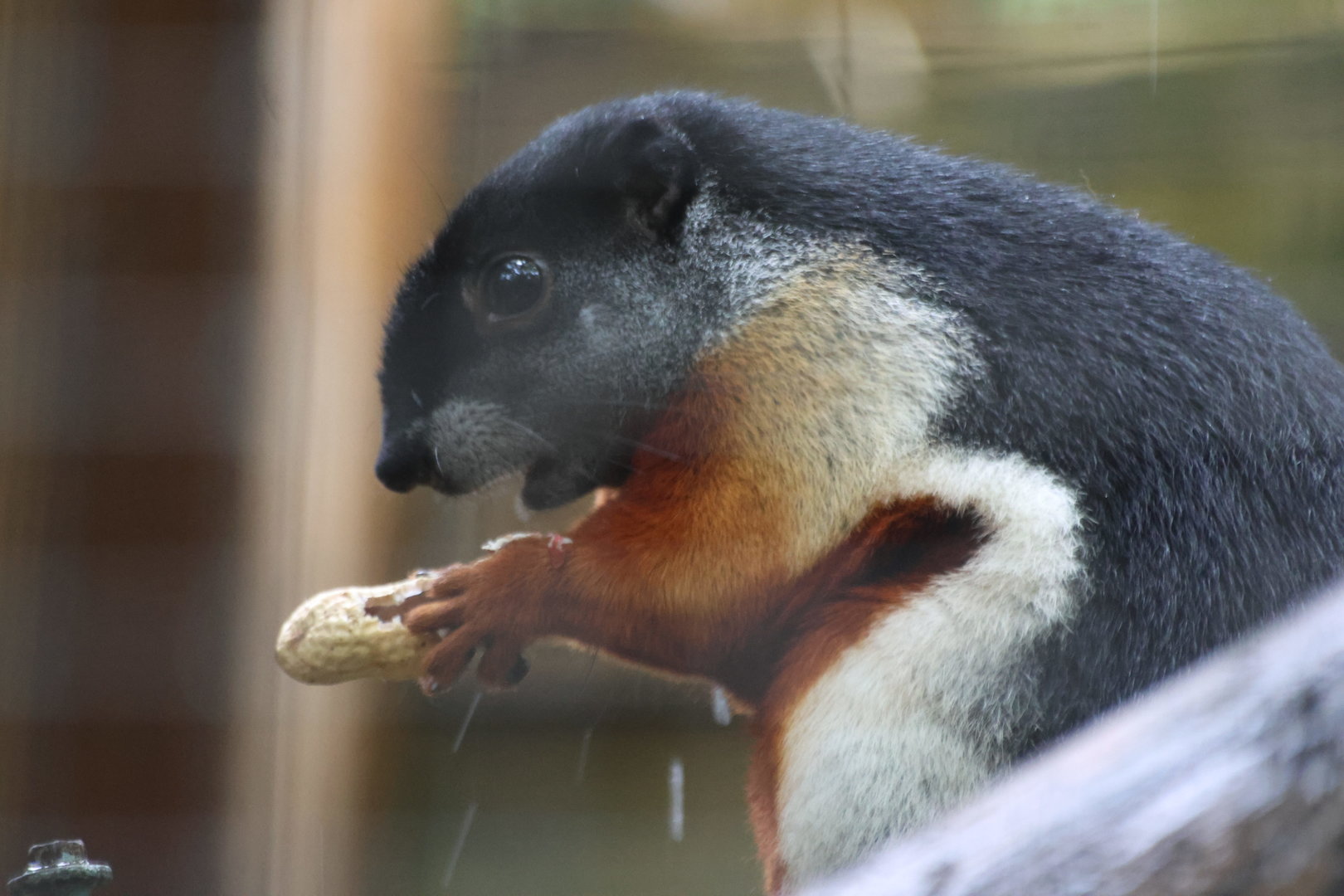
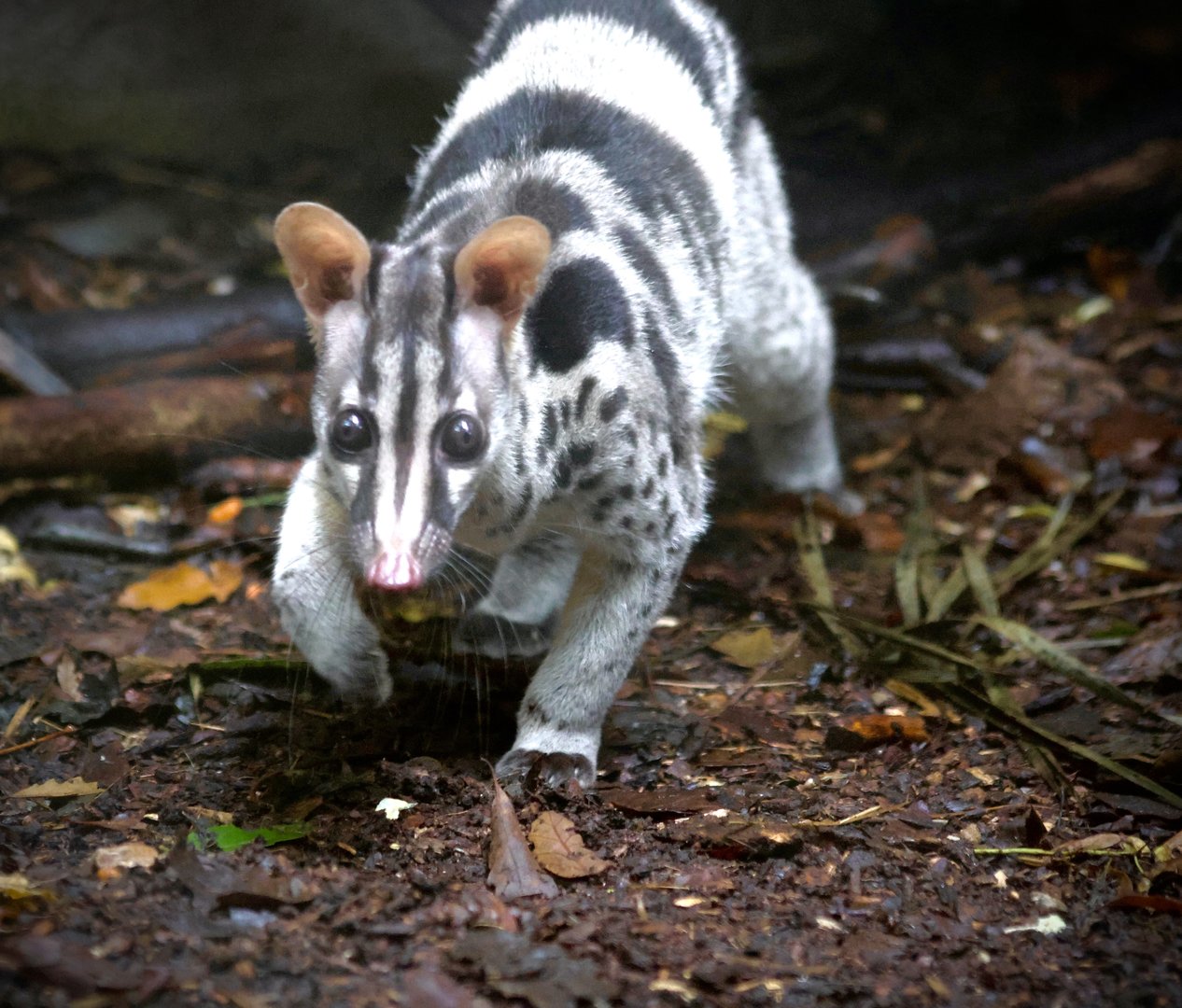
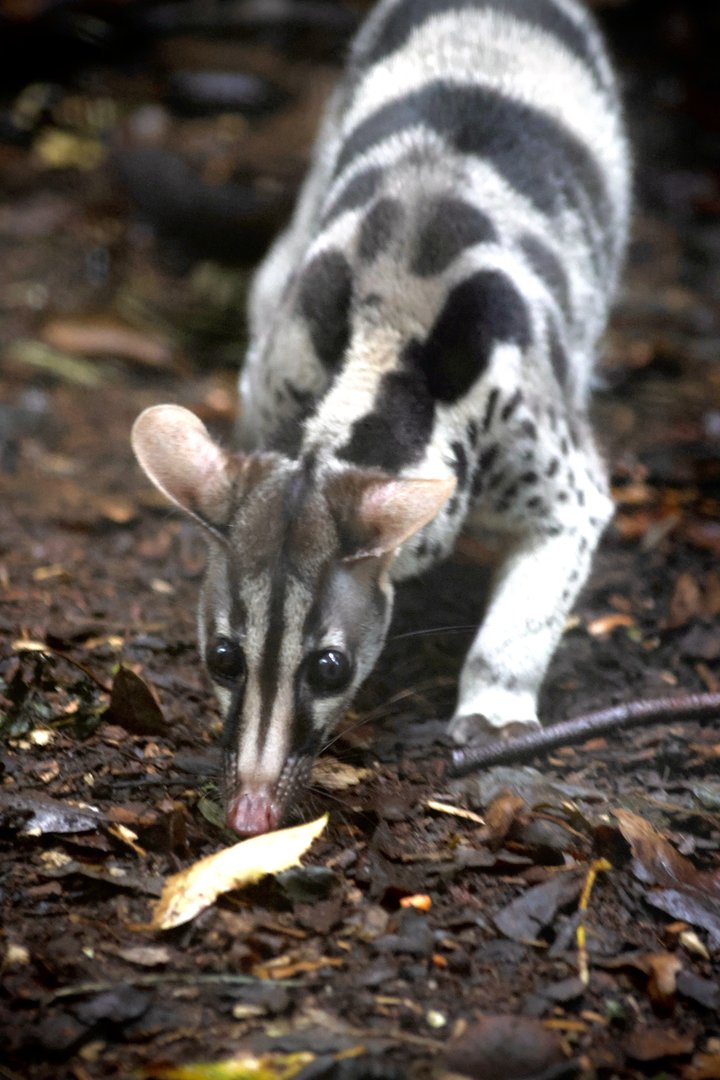
The Owston's Civet was the clear highlight. There was no sign of activity until feeding at 4 PM, when the male ventured outdoors to feed for around five minutes, before vanishing inside shortly afterwards. Wonderful, and very bizarre creatures, and it was great to hear of the in situ conservation work for them that Shaldon is contributing to. I gather that, as it is not currently breeding season, the male and female are being housed separately, with the female sharing with the Prevost's Squirrels next door. We were informed that the male has been extremely active recently, regularly seeking food immediately after it is put outdoors, instead of waiting for visitors to leave as they often do.

Another lifetick was the Bengal Slow Loris, who was also extremely active in the Nocturnal House. It was wonderful to be in a room surrounded by three different species of loris, and the size comparison between the Bengal and Pygmy Slow Lorises was quite a bit more noticeable than I had expected. I also saw my first ever Lemur Leaf Frog, a very bizarre amphibian, with three of them visible hanging on the underside of leaves, a very strange behaviour which I don't recall ever seeing in an amphibian before. The Frog House was a lovely room in general, although it was rather saddening to see how many of the species displayed were endangered in the wild.

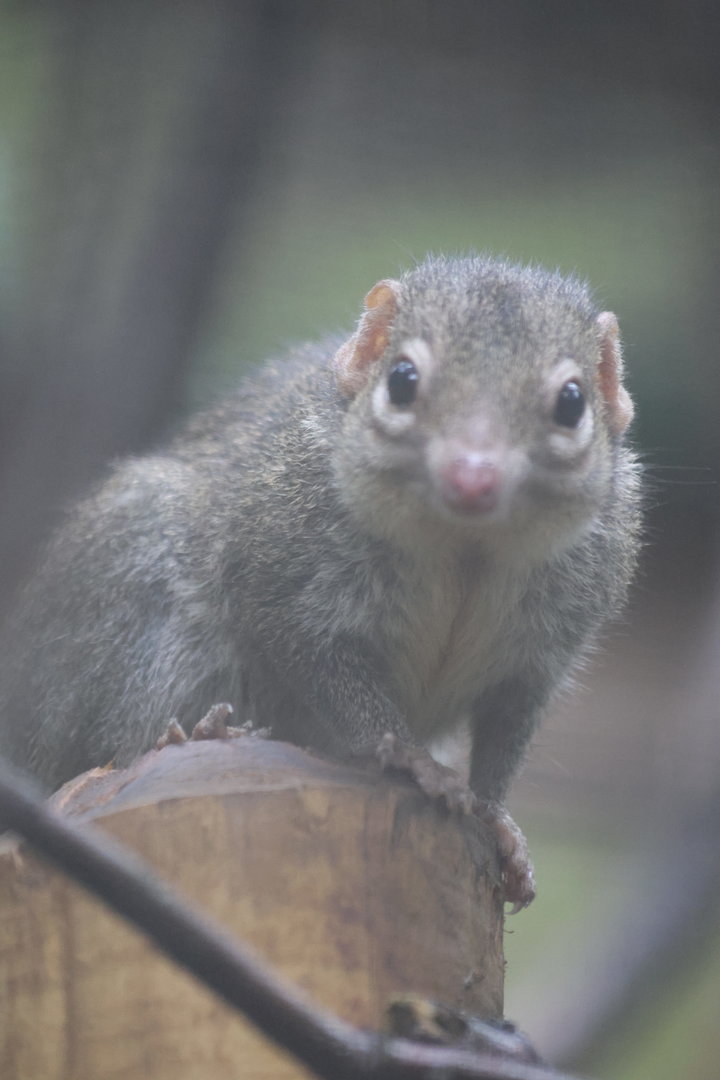
I also saw my first Brush-tailed Bettong, a rather long-overdue lifetick. They shared an enclosure with Grey Mouse Lemurs (the only species in the collection which I did not see), in a rather strange, and certainly inaccurate, nocturnal mix. Other highlights included my first prolonged views of Northern Treeshrew and Margay, both species that I had observed before, but always rather briefly. But at Shaldon, the treeshrew was very active throughout the afternoon, and one of the Margay ventured outdoors to be fed at around 3:45 PM.

Something interesting that I noticed at Shaldon were timed food dispensers in the Margay and Civet enclosures. The keepers placed any leftovers of their meals into those dispensers, and it was released at certain intervals throughout the night, which apparently reflects the feeding habits of these species in the wild. Perhaps this practice is regularly done at other zoos, but simply isn't drawn attention to, but I certainly haven't noticed it before, and thought it to be a rather nice idea.

For the most part, all of Shaldon's exhibits were very impressive. I particularly liked the primate enclosures, which took advantage of the zoo's steep setting on the forested top of a cliff to create varied heights throughout, and had wire fencing, allowing the primates to scale their enclosures on all sides. This, along with the fact that most enclosures were viewed from a boardwalk, allowed for close encounters with an excellent selection of primates. Callitrichids, in particular, were numerous, and the zoo does wonderful in situ conservation work with several species of them, such as Pied Tamarin, in Brazil.

I had a wonderful day at Shaldon. The fact that the zoo allows you to re-enter as many times as you please within a single day allowed me to spend an hour-and-a-half or so in the morning, seeing just about the entire zoo, then to leave the collection, checking civet feeding times as I did so, spend the early afternoon exploring the charming village and the nearby beach, and then return in the late afternoon, to spend a couple more hours at the collection, and to admire some wonderful species. I adored the place, and would possibly consider it to be one of my favourite British collections. I certainly plan on returning in the near future!
 
On July 7th, the zoo announced that (0.0.2+) stick insects (species not specified) hatched which are now on exhibit.

Our eagle eyed keepers have... - Shaldon Wildlife Trust

On August 4th, the zoo announced that (0.0.2) cotton-top tamarins were born 2 weeks prior which are now on exhibit.

Our cotton top family has grown by 2! At nearly 2 weeks old our baby cotton top tamarins have already started looking around and paying attention to... | By Shaldon Wildlife Trust | Facebook

On August 6th, the zoo announced that their (0.1) Bengal slow loris named Tina passed away.

We are absolutely devastated to... - Shaldon Wildlife Trust
 
Thoroughly enjoyed my visit this week, visited many times before as is one of my local zoos but my first visit in over a year. Sad to see Tina gone and the empty enclosure in the nocturnal house.
Sign saying it will be undergoing refurbishment so guessing one of the other species could be moving in or perhaps a new bengal slow loris in the near future.

Finally got to see the brush tailed bettong, came out later in the afternoon and was very active however didn't see any mouse lemurs. Loved the new squirrel enclosure, a lot bigger than the previous one and more room for the civets.

Does anyone know if Nokky and Nessie the pygmy loris have been introduced? I went back twice and one managed to spot one on my second visit.
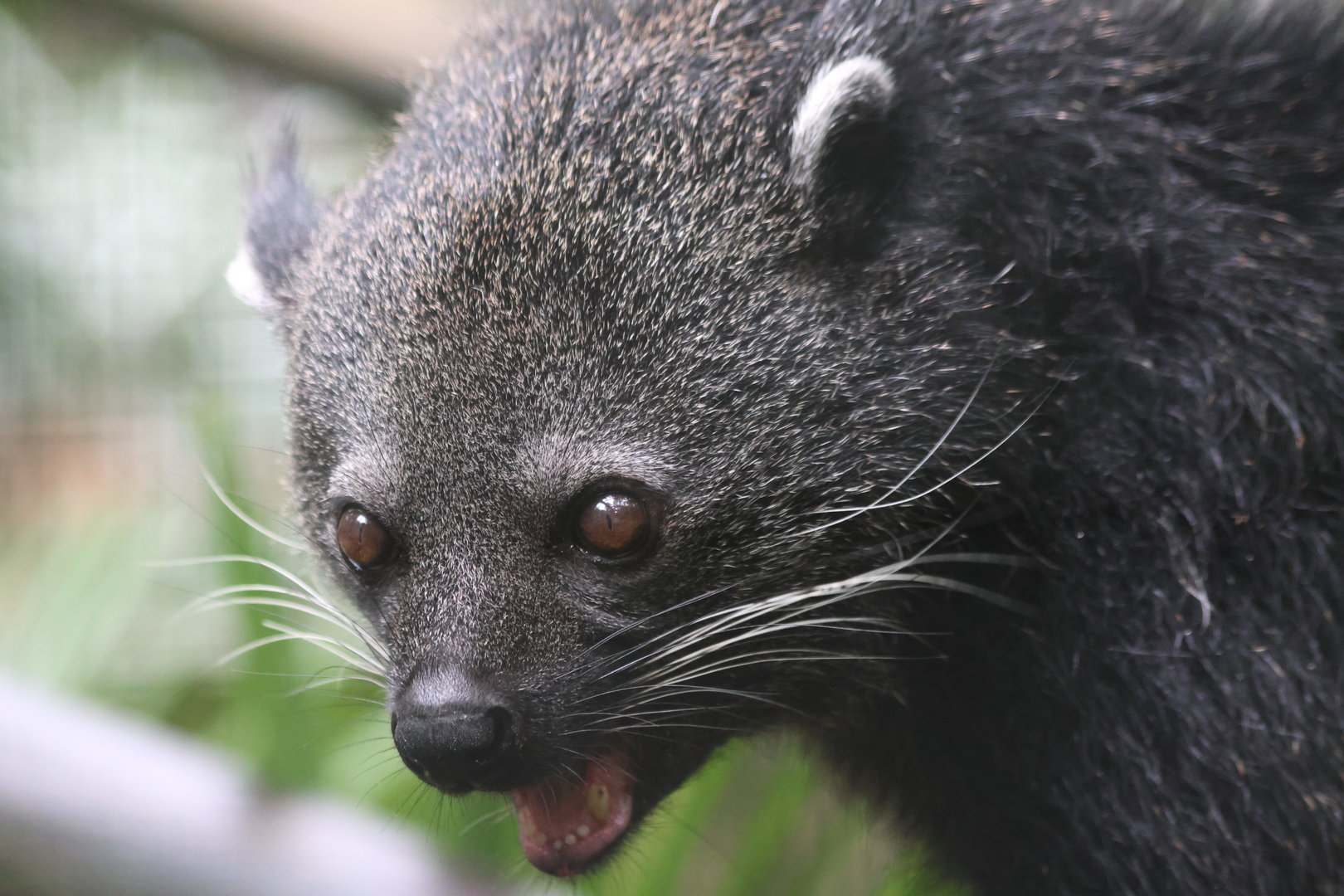
Binturong was a highlight, managed to get a lot closer than other zoos. Surprised to still see him by himself as i was told on my last visit that he was expected to be joined by a female.
Does anyone know what happened to the Douroucouli, last time i visited i believe there was one that shared with the titi monkeys.
 
Other 2023 News:

On May 21st, it was announced that the zoo transferred a (1.0) Goeldi's monkey to the Marwell Zoo in Hampshire.

https://www.marwell.org.uk/wp-content/uploads/2023/05/2023_000-Arrivals-Births-MAY-2023.pdf

On August 26th, the zoo announced that a (0.0.1) margay was born in July.

We've been sitting on a secret and now can announce to you all our newest resident at the zoo! Potentially the best #CaturdaySaturday ever! Say hello to... | By Shaldon Wildlife Trust | Facebook

On September 4th, the zoo announced that a (0.0.1) grey mouse lemur was born.

And yet another birth at Shaldon Wildlife Trust! The team noticed our female mouse lemur Manantena spending alot of time in one of the nesting sack and... | By Shaldon Wildlife Trust | Facebook

On September 16th, the zoo announced that a (0.0.1) blue poison dart frog hatched which is now on exhibit.

Another baby?! The team have... - Shaldon Wildlife Trust
 
On Wednesday 20th September, I had a thoroughly enjoyable afternoon at Shaldon, and was lucky enough to have a chat with the director of the zoo.

Work is currently going on for a new exhibit for a group of Lemurs, who when they move into the new exhibit (I want to say Red Ruffed, but not 100% sure), their current exhibit will make way for another group of Lemurs within the park, which will free up an exhibit for something new.

Work is also going to be done on the current empty exhibit in the Nocturnal house, so the two groups of Pygmy Loris can be moved in to one larger exhibit and make way for a new species to go in the old one.


There is now a female Binturong, who has joined the male Orson, but they have not yet been integrated.


The final remaining Northern Treeshrew, has moved up to an exhibit by the Binturong and Meerkats, but this animal will be leaving the collection in early October and the zoo will be going out of the species.


I love how Shaldon packs so much into a small space, and it's nice that there are improvements to exhibits being made. Anyone who does the keeper experience there (thoroughly recommend), would be delighted that the Tortoises have a new house as well, as before you had to play the role of Alice In Wonderland to get in and clean the house. The new inside also makes for good viewing now.

The female Owlston's Civet is sharing with the Prevost Squirrel which is a cool mix, and currently male and female Civet are kept separate, as the male tends to be very food hungry and they are not currently together to breed.


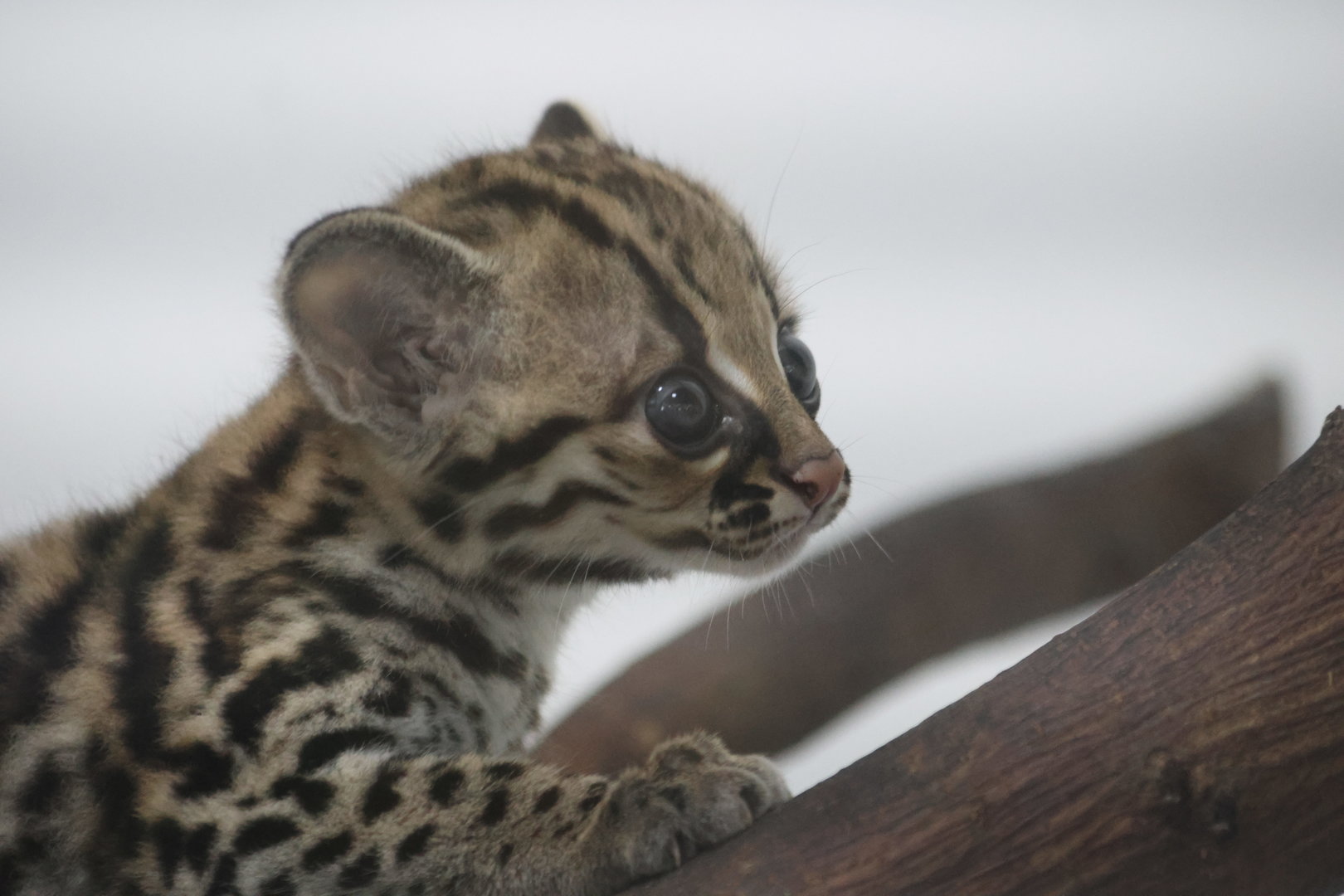
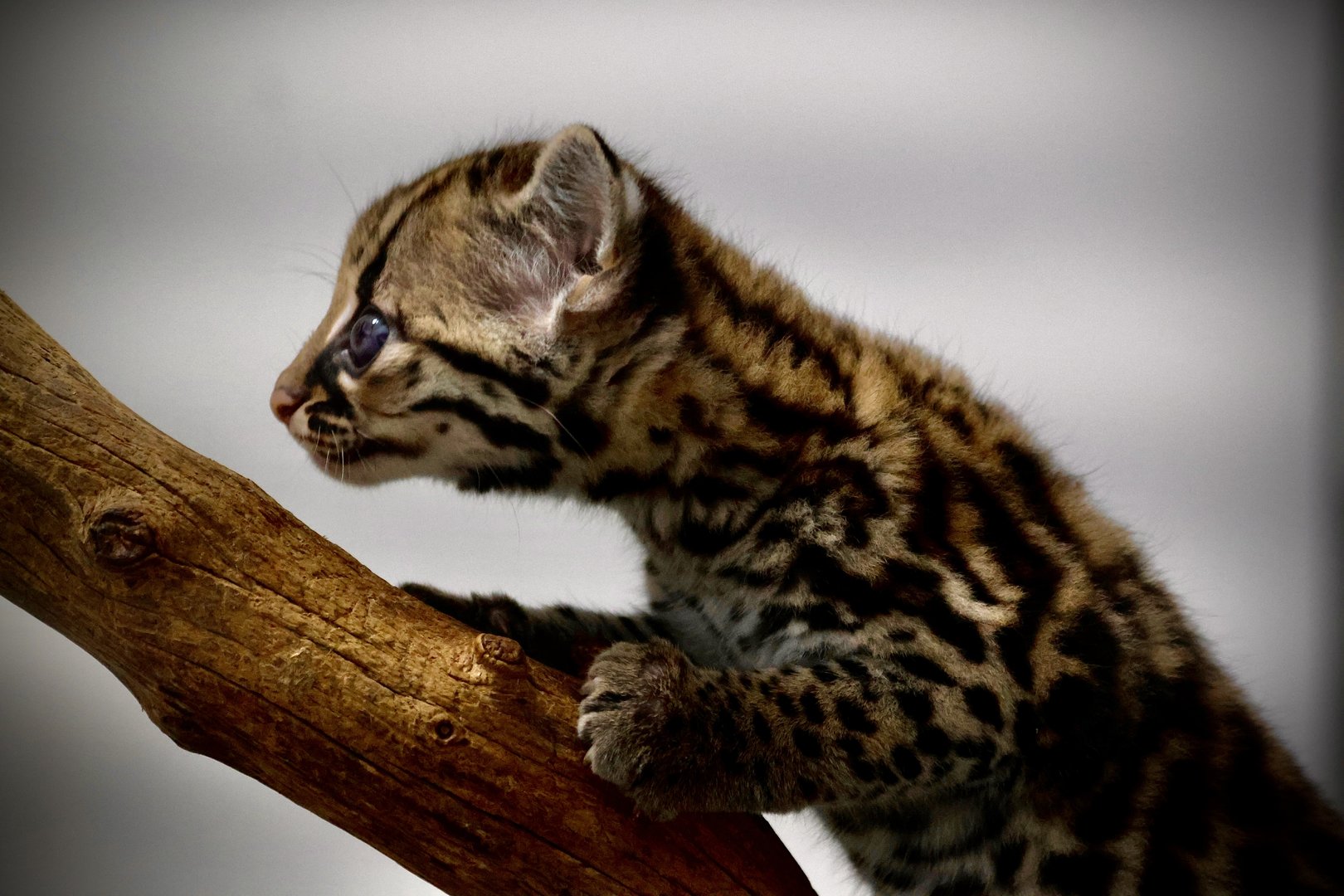
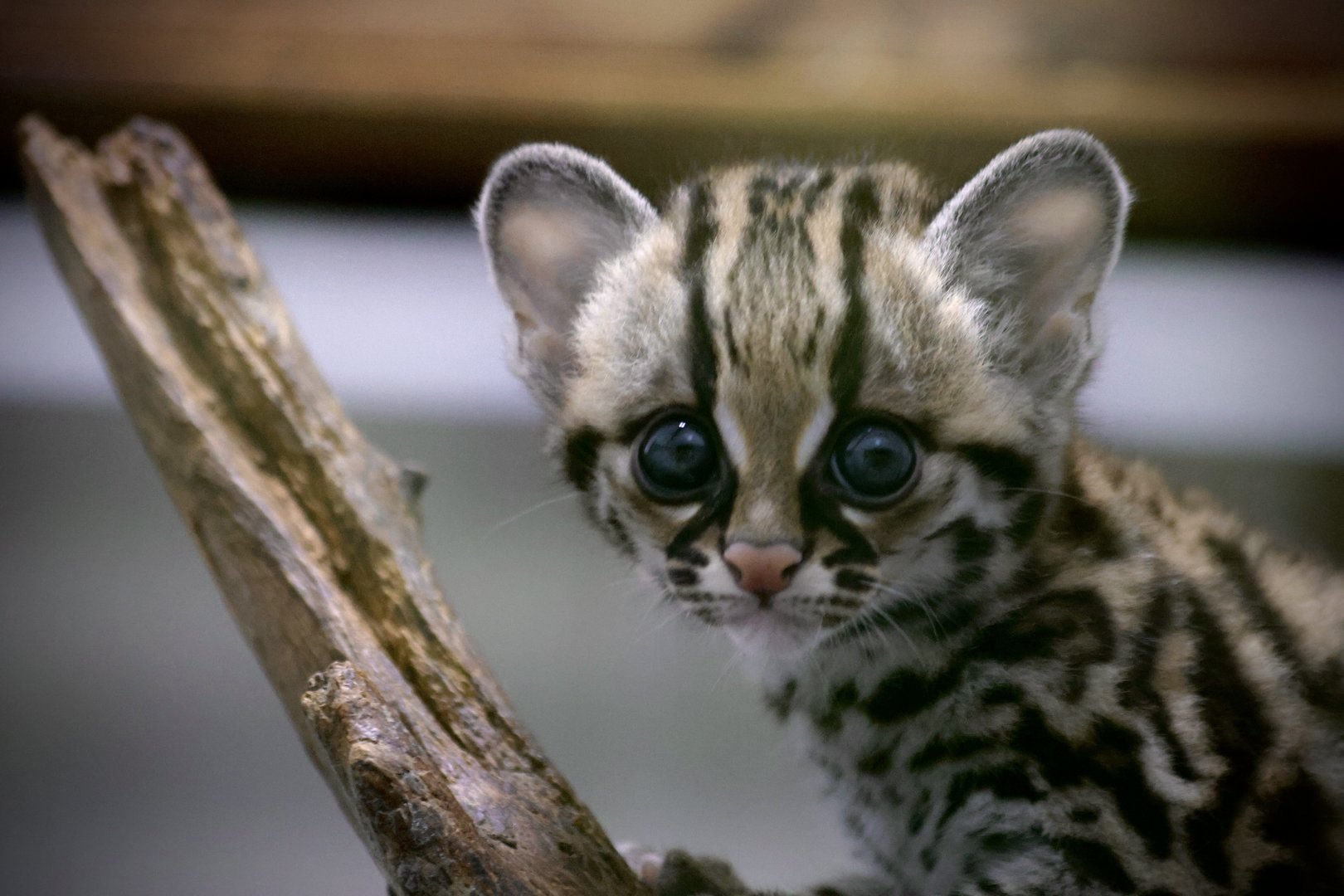
Perhaps the best bit of news, is the birth of another Margay kitten. The 4th to this pair. The last three have been boys, so the zoo are fingers crossed that this one, may well be female. It is due to be sexed on Tuesday and I was told, that once it has been sexed, that mum and offspring will be going off show for a few weeks, so if you want to see the kitten, you either need to visit before Tuesday, or give it a few weeks before they are back on show.

Here are a few pictures I got of the kitten later in the afternoon though.


All in all, an enjoyable afternoon, and it's nice to see, such a small collection hold such interesting animals and constantly looking to progress and improve. I do enjoy a visit to Shaldon, even if, it is a collection that you can't really spend all day at.
 
Excellent news regarding the Margay kitten. The female Owston’s Civet has been living in that enclosure for a while when they aren’t breeding, but I was informed that, while the squirrels are outside, she almost never ventures out, so can be next to impossible to see, so it is nice to know that you managed to see her. Nice to know that there are new species and developments vaguely planned, although it is a shame that their Belanger’s Treeshrew will be leaving, as he was among the most active treeshrews which I had ever seen. Assuming that you are referring to the enclosure next to the lovebirds, I assumed that they had always lived here, but you say that this is a somewhat recent move. Where were they kept before?
 
Excellent news regarding the Margay kitten. The female Owston’s Civet has been living in that enclosure for a while when they aren’t breeding, but I was informed that, while the squirrels are outside, she almost never ventures out, so can be next to impossible to see, so it is nice to know that you managed to see her. Nice to know that there are new species and developments vaguely planned, although it is a shame that their Belanger’s Treeshrew will be leaving, as he was among the most active treeshrews which I had ever seen. Assuming that you are referring to the enclosure next to the lovebirds, I assumed that they had always lived here, but you say that this is a somewhat recent move. Where were they kept before?

They used to be down the bottom of the hill on the way to the nocturnal house, opposite the Civets in what now houses Cotton Top Tamarin's. This was when the Treeshrew's were a breeding group. But since it has been a single male, he moved up by the Lovebirds, and is now off to another collection, as the zoo feels they have done their part for Treeshrews.
 
Perhaps the best bit of news, is the birth of another Margay kitten. The 4th to this pair. The last three have been boys, so the zoo are fingers crossed that this one, may well be female. It is due to be sexed on Tuesday and I was told, that once it has been sexed, that mum and offspring will be going off show for a few weeks.

On September 30th, the zoo announced that the margay was sexed as (0.1).

It's a girl!!!! During our... - Shaldon Wildlife Trust
 
I know it was two months ago but was Tina the last bengal slow loris held (in the UK) outside Monkey World?
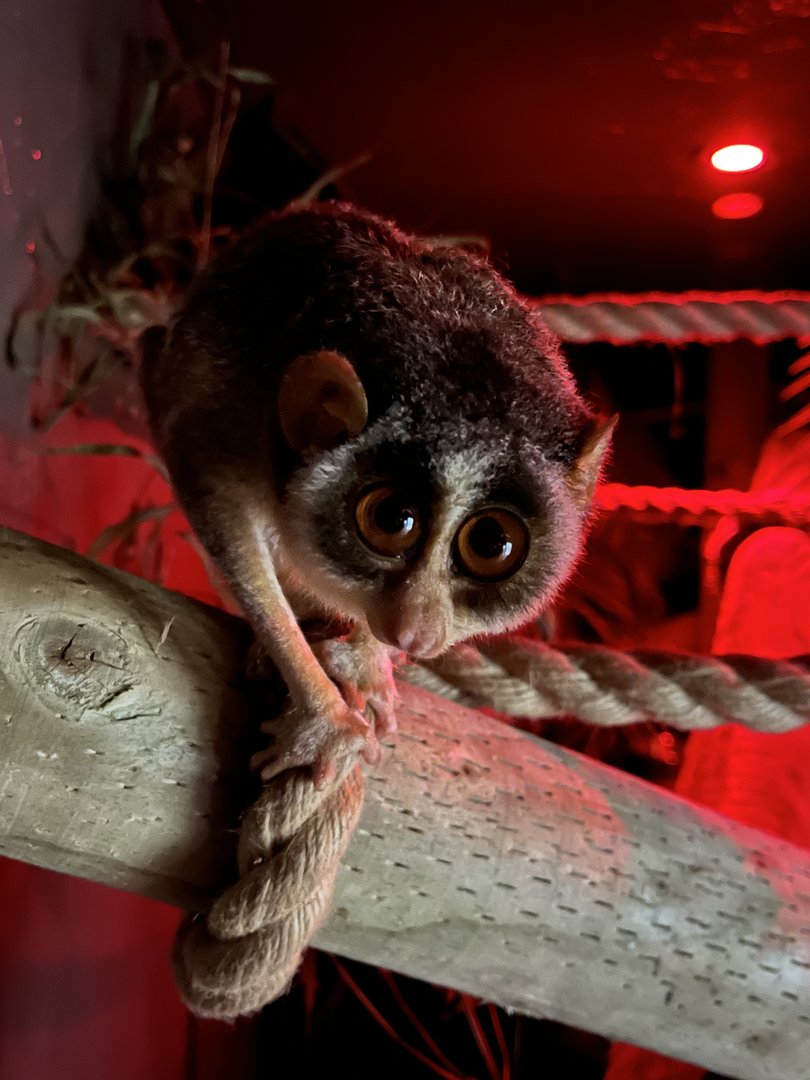
 
I know it was two months ago but was Tina the last bengal slow loris held (in the UK) outside Monkey World?
Yes, at least onshow. Although given how common lorises are in the exotic pet trade, I would hardly be surprised if there are a few others in private hands.
 
  • Like
Reactions: JVM
Thank you. I had been considering visiting Shaldon during my trip to see the species and only just found out she passed on.
 
Back
Top