Taronga Zoo Recent history of Taronga and developments etc

Re: The Ele' 1988 Wickham family footage

There's actually a lot longer footage with the Ele' on the actual video (link to in the first vid, didnt link here in entirety as lots of family footage that follows majority of vid, family members themselves in footage talking at the zoo very witty and charming bunch, if you wanna see Koala walkabout, Roos, Pelicans, Seal Show and footage of Elephants its on there, I ran out of data space for the day getting shorts fron it so couldn't upload Eles', Seal Show specitics etc). I think from memory of watching that Ele' is actually Heman you just cant see his remaining tusk in that nanosecond shot.

@Zoofan15 Great find man the 1990 one

Yes, you’re right. That is Heman (his remaining right tusk is just visible). Good spotting.

These are the dates of the Asian elephants that were held at Taronga Zoo at the same time as Heman:

———————

Arrived before:

1.0 Gandhi (00/00/1912) Arrived 1950; Died 1968
0.1 Ranee (00/00/1909) Arrived 1938; Died 1971
0.1 Jill (00/00/1913) Arrived 1935; Died 1977
0.1 Sarina (00/00/1933) Arrived 1938; Died 1971
0.1 Gilda (00/00/1948) Arrived 1962; Transferred out 1968
0.1 Ranee II (00/00/1955) Arrived 1962; Died 1998
0.1 Joan (00/00/1958) Arrived 1962; Died 1976
0.1 Helene (00/00/1958) Arrived 1962; Transferred out 1968
0.1 Gigi (00/00/1958) Arrived 1962; Transferred out 1968

———————

1.0 Heman (00/00/1956) Arrived 1963; Transferred out 2005

———————

Arrived after:

0.1 Burma (00/00/1959) Arrived 1982; Transferred 2005

———————

So when Heman arrived as 7 year old bull in 1963, they had one bull: Gandhi (51 years); and eight cows: Ranee (54 years), Jill (50 years), Sarina (30 years), Gilda (15 years), Ranee II (8 years), Joan (5 years), Helene (5 years) and Gigi (5 years). A total of 10 elephants!!!

This deceased to six elephants in 1968, when Gandhi died and three of the younger cows were sold to circuses. Three years later, another two cows died; and then another two in 1976 and 1977. Burma arrived in 1982, taking them to 1.2 elephants - which was was to be their population for 16 years until the death of Ranee II in 1998.
 
@Hix

Hey Hix when was the round exhibit built that housed the Binturongs (& Red Pandas sometimes) that got scrapped in 2003/2004 but is essentially the same site of the Binturong habitat now?

I remember you said Binturongs were there from c.1979 and before that was Red Pandas, would it be correct to assume the former Red Panda exhibits directly to the east were built around 1979?
 
@Hix

Hey Hix when was the round exhibit built that housed the Binturongs (& Red Pandas sometimes) that got scrapped in 2003/2004 but is essentially the same site of the Binturong habitat now?

I remember you said Binturongs were there from c.1979 and before that was Red Pandas, would it be correct to assume the former Red Panda exhibits directly to the east were built around 1979?
@steveroberts Yes, I have a photograph of one of the Red Pandas in the exhibit to the east (behind Friendship Farm) taken in May 1979. So probably built in '78 or very early '79.

:p

Hix
 
@Hix While Taronga is the topic would you know if there are any good pics of He-man in his prime? Thanks!

It’d be great to see photos of Heman in his prime (1970’s and 1980’s).

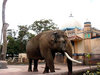
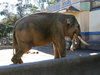
These photos, which you may have seen before, are from later (early 2000’s and 2004 respectively) and he was clearly a magnificent bull.

His genes are a great loss to the Australasian breeding programme. In 2006, we had three other unrepresented wild founder bulls (Bong Su, Putra Mas and Gung) and had never bred an elephant calf. On hindsight and considering the success of the regional breeding programme, Heman was a MASSIVE loss. I’d love to be following the development of his sons and what traits of his they inherited.


upload_2023-10-17_10-53-24.jpeg
Photo source: The Circus "NO SPIN ZONE": 01/23/09

upload_2023-10-17_10-54-15.jpeg
Photo source: @Simon Hampel
 

Attachments

  • upload_2023-10-17_10-53-24.jpeg
    upload_2023-10-17_10-53-24.jpeg
    31.9 KB · Views: 16
  • upload_2023-10-17_10-54-15.jpeg
    upload_2023-10-17_10-54-15.jpeg
    234.2 KB · Views: 15

Attachments

  • upload_2023-10-17_11-3-29.jpeg
    upload_2023-10-17_11-3-29.jpeg
    212.9 KB · Views: 15
  • upload_2023-10-17_11-12-28.jpeg
    upload_2023-10-17_11-12-28.jpeg
    37.5 KB · Views: 16
It’d be great to see photos of Heman in his prime (1970’s and 1980’s).

These photos, which you may have seen before, are from later (early 2000’s and 2004 respectively) and he was clearly a magnificent bull.

His genes are a great loss to the Australasian breeding programme. In 2006, we had three other unrepresented wild founder bulls (Bong Su, Putra Mas and Gung) and had never bred an elephant calf. On hindsight and considering the success of the regional breeding programme, Heman was a MASSIVE loss. I’d love to be following the development of his sons and what traits of his they inherited.


View attachment 663148
Photo source: The Circus "NO SPIN ZONE": 01/23/09

View attachment 663149
Photo source: @Simon Hampel
Thanks for putting up the two pics, Yes your correct I also believe he was a massive loss breeding wise, He actually looked better in the flesh than photos
 
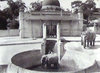
Indian elephant bull, Gandhi (1912-1968) - circa 1950’s:

View attachment 663150
Source: How to Move a Zoo: new Sydney Living Museums’ exhibition reimagines parade of animals through city in 1916

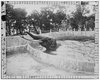
There’s a better photo of the elephant bath here:

The bath was accessed by the large gate you see and connected to both sides of the exhibit. It was demolished in 1985.

View attachment 663152
Source: The Wild Reed: A Visit to Sydney's Taronga Zoo
Gandhi was certainly an impressive bull. It’s also surprising to see he lived into his mid 50’s; making him the regions oldest bull on record!
 
Gandhi was certainly an impressive bull. It’s also surprising to see he lived into his mid 50’s; making him the regions oldest bull on record!

I reckon animals were built to last back then. Jill, a female Indian elephant at Taronga, died in 1977 aged 64 years; while Jan Smuts the giraffe died a few months before he turned 25 years in 1968. When you consider how basic accomodation and husbandry (including diet) was throughout the 20th century compared to what it is today, it’s a stark contrast to the lifespans of elephants, hippopotami and giraffes in today’s zoos.

The transfer of elephants to open range zoos is deemed the optimum progression in welfare, so it’ll be interesting to compare the lifespans of these elephants (especially those who live out their entire lives in these complexes) in the decades to come.
 
I reckon animals were built to last back then. Jill, a female Indian elephant at Taronga, died in 1977 aged 64 years; while Jan Smuts the giraffe died a few months before he turned 25 years in 1968. When you consider how basic accomodation and husbandry (including diet) was throughout the 20th century compared to what it is today, it’s a stark contrast to the lifespans of elephants, hippopotami and giraffes in today’s zoos.

The transfer of elephants to open range zoos is deemed the optimum progression in welfare, so it’ll be interesting to compare the lifespans of these elephants (especially those who live out their entire lives in these complexes) in the decades to come.
The elephants should have been destined to the open range zoos to start with (after they were opened). Seeing Taronga's small enclosures and concrete wall to wall was far from ideal.

But it was very pleasing to see Taronga's hippos go from several concrete bath tubs to the much larger and much more natural open range zoo the Western Plains zoo at Dubbo. I understand that Adelaides hippo enclosures were not much better if not the same!
 
The elephants should have been destined to the open range zoos to start with (after they were opened). Seeing Taronga's small enclosures and concrete wall to wall was far from ideal.

But it was very pleasing to see Taronga's hippos go from several concrete bath tubs to the much larger and much more natural open range zoo the Western Plains zoo at Dubbo. I understand that Adelaides hippo enclosures were not much better if not the same!

I agree. It appears Taronga wasn’t ready to relinquish elephants in the 1970’s and so the decision was made to house African elephants at Dubbo and retain Indian elephants at the Taronga site.

Adelaide’s hippopotamus exhibit was very small and cramped and the Common hippopotamus and Pygmy hippopotamus exhibit at Taronga were no better. Many zoos encountered high mortality rates of calves due to having no other option but integrating them with other adults from the moment they were born. Auckland had two exhibits and two bulls, so the mortality rate was high. When the new exhibit was built in 1982, all hippos were merged into one group, which did nothing to reduce infanticide.
 
I agree. It appears Taronga wasn’t ready to relinquish elephants in the 1970’s and so the decision was made to house African elephants at Dubbo and retain Indian elephants at the Taronga site.

Adelaide’s hippopotamus exhibit was very small and cramped and the Common hippopotamus and Pygmy hippopotamus exhibit at Taronga were no better. Many zoos encountered high mortality rates of calves due to having no other option but integrating them with other adults from the moment they were born. Auckland had two exhibits and two bulls, so the mortality rate was high. When the new exhibit was built in 1982, all hippos were merged into one group, which did nothing to reduce infanticide.
I believe that the bigger zoos and/or open range zoos will be the saving of a lot of the largest mammal species within our region, With the resent exhibit expansions happening at Werribee and Monarto zoos leading the way, also the new planned African expansion at the Western Plains Zoo. I expect a new era for Asian elephants, rhinos and Hippos also Giraffe, Zebra and antelopes.

Adding to this are a number of regional zoos that have now expanded their footprint to accommodate large range type species, Australia Zoo, Darling Downs Zoo with the latter going from 50 acres and adding an extra 122 acres more where they can have Zebra/ostrich in their own 20 acres something not possible in a city zoo.I had hoped that the Perth zoos dream of an open range zoo would of eventuated that would of gave Perth much more options for their collection and also moving species from one site to the other if required, Who knows perhaps one day some rich billionaire might donate the funds!
 
I believe that the bigger zoos and/or open range zoos will be the saving of a lot of the largest mammal species within our region, With the resent exhibit expansions happening at Werribee and Monarto zoos leading the way, also the new planned African expansion at the Western Plains Zoo. I expect a new era for Asian elephants, rhinos and Hippos also Giraffe, Zebra and antelopes.

Adding to this are a number of regional zoos that have now expanded their footprint to accommodate large range type species, Australia Zoo, Darling Downs Zoo with the latter going from 50 acres and adding an extra 122 acres more where they can have Zebra/ostrich in their own 20 acres something not possible in a city zoo.I had hoped that the Perth zoos dream of an open range zoo would of eventuated that would of gave Perth much more options for their collection and also moving species from one site to the other if required, Who knows perhaps one day some rich billionaire might donate the funds!

Yes, without the open range zoos, we’d have likely seen the end of elephants and Common hippopotamus in the region. Giraffes are a strange one as despite requiring a lot of space that could be better utilised by smaller species, all the city zoos are keen to cling on to them (even those with an open range sister zoo within an hour).

The biggest casualty has been bears. No bears have ever been housed in our open range zoos; yet they’ve lost favour with city zoos and with the exception of a handful of ageing sun bears, disappeared from the region. All the main zoos held multiple species of bear throughout the 20th century.
 
@Zoofan15 @Zorro

So many great posts by you guys that read on breaks on my phone today. Agree with you guys. Actually one specific point you mentioned Zoofan about Bears never having been kept at open range zoos in Australia is really true.

Remember noticing their absence after visiting Dubbo as a kid (though at the time of visit was spellbound by the number of amazing species they had), and then reading the species inventories of Werribee and Monarto (at the time noted the absence of Great Apes too but obviously Monarto then got Chimps and Werribee Gorillas).

I wonder if we'd still have Brown Bears in Australia and New Zealand if the aforementioned 3 and Orana had showed interest 20-30 years ago.

Very true too Zoofan about city zoos clinging on to Giraffes (I wonder if it's because they know Elephants are going so they are adamant about maintaining the tallest megafauna species if they have to part with the biggest).

Really true Zorro that open range zoos (and private zoos who import more independently) will be our region's saving grace for so many species (and hopeful further return of some).
 
@Zoofan15 @Zorro

So many great posts by you guys that read on breaks on my phone today. Agree with you guys. Actually one specific point you mentioned Zoofan about Bears never having been kept at open range zoos in Australia is really true.

Remember noticing their absence after visiting Dubbo as a kid (though at the time of visit was spellbound by the number of amazing species they had), and then reading the species inventories of Werribee and Monarto (at the time noted the absence of Great Apes too but obviously Monarto then got Chimps and Werribee Gorillas).

I wonder if we'd still have Brown Bears in Australia and New Zealand if the aforementioned 3 and Orana had showed interest 20-30 years ago.

Very true too Zoofan about city zoos clinging on to Giraffes (I wonder if it's because they know Elephants are going so they are adamant about maintaining the tallest megafauna species if they have to part with the biggest).

Really true Zorro that open range zoos (and private zoos who import more independently) will be our region's saving grace for so many species (and hopeful further return of some).

It’s entirely possible we’d still have Syrian brown bears in the region if the open range zoos had had the foresight to acquire them. Similar to how they city zoos phased out Common hippopotamus, but retained Pygmy hippopotamus; the larger bear species went and the smaller sun bears were retained. Though I really like sun bears, they’ll undeniably unviable going forward.

Phase outs are nothing new, but globally, so many species once common in the region are becoming scarce in zoos. Syrian bears, Persian leopards, Chacma baboons and Temminck’s golden cat being four examples.

I agree with you re. giraffes. The average zoo visitor imagines a zoo as having elephants, giraffes, lions, bears and tigers. With bears gone and elephants going, they’re afraid of conceding too many species of megafauna. Great apes, hippos, rhinos and zebras are the in the next bracket down with regards to visitor expectations.
 
@Zoofan15

Well said. Four very missed examples too (and the sad thing is with the rise of number of zoos in our region in last twenty years there could be space for them all still).

Very true about Syrian Brown Bears being the subspecies of Ursus arctos that would of been the remaining (Brown) Bears in the region had this been what occurred.

Dont worry we all know you love Sun Bears very very much, just like we know you love Pygmy Hippos, youre just elaborating on the pattern of city zoos literally 'downsizing' with a similar species (or holding both species for several decades but inevitably the larger one is the phase out).

 
To be fair, Cairns wildlife safari park did have the last 3 syrian brown bears in a huge natural enclosure, possibly as large as 1 acre. I remember the keeper telling me the female had dug her own lair in the side of the hill, even though they weren't able to breed.
 
Remember noticing their absence after visiting Dubbo as a kid (though at the time of visit was spellbound by the number of amazing species they had), and then reading the species inventories of Werribee and Monarto (at the time noted the absence of Great Apes too but obviously Monarto then got Chimps and Werribee Gorillas).

I’d like to see Dubbo revert to their original plans to acquire chimpanzees. The were planning to exhibit an initial bachelor troop of six males in 1994 and doing so now, would allow Taronga to give their well represented and inbred troop an overhaul.

I’d begin by sending these seven males to Dubbo ASAP:

1.0 Samaki (27/11/2001) Lubutu x Shiba
1.0 Furahi (28/02/2003) Lubutu x Kuma
1.0 Shikamoo (25/07/2003) Lubutu x Sacha
1.0 Sule (04/04/2008) Lubutu x Sacha
1.0 Fumo (16/10/2013) Shikamoo x Kuma
1.0 Sudi (09/08/2014) Shikamoo x Kuma
1.0 Liwali (22/09/2014) Samaki x Lisa

This would leave Taronga with the following:

1.0 Shabani (14/09/1994) Monte x Shiba
1.0 Niambi (07/10/2020) Sule x Naomi

0.1 Lisa (23/08/1979) Jojo x Lulu
0.1 Sacha (11/06/1980) Jojo x Spitter
0.1 Shiba (22/05/1981) Jojo x Susie
0.1 Shona (09/10/1987) Danny x Sutu
0.1 Ceres (19/09/1990) Imported 2015
0.1 Kuma (06/12/1991) Snowy x Ficha
0.1 Kamili (02/09/1995) Snowy x Koko
0.1 Naomi (25/01/2001) Imported 2015
0.1 Sembe (27/02/2008) Lubutu x Shiba
0.1 Safiri (16/05/2019) Sule x Shiba
0.1 Lemba (23/05/2023) Unknown x Lisa
0.1 Cekiri (29/07/2023) Unknown x Ceres

Kamili is due late 2023/early 2024; and the plan is to breed with Kuma and Naomi in 2024. I’d proceed with this plan, with Shabani siring infants to both those females. He’s a genetically valuable male, who is unlikely to sire infants in the current state due to his low ranking.

I would then place all females on contraception and wait seven years; as well as transferring Shona and Sembe to Rockhampton.

By 2031, Shabani well be deceased, leaving Taronga with the following:

0.1 Lisa (23/08/1979) Jojo x Lulu
0.1 Sacha (11/06/1980) Jojo x Spitter
0.1 Shiba (22/05/1981) Jojo x Susie
0.1 Ceres (19/09/1990) Imported 2015
0.1 Kuma (06/12/1991) Snowy x Ficha
0.1 Kamili (02/09/1995) Snowy x Koko
0.1 Naomi (25/01/2001) Imported 2015
0.1 Safiri (16/05/2019) Sule x Shiba
1.0 Niambi (07/10/2020) Sule x Naomi
0.1 Lemba (23/05/2023) Unknown x Lisa
0.1 Cekiri (29/07/2023) Unknown x Ceres
0.0.1 Adolescent (00/00/2024) Shabani x Kuma
0.0.1 Adolescent (00/00/2024) Shabani x Naomi

If the infants born to Kuma and Naomi in 2024 are female, I’d consider integrating Niambi with the Dubbo troop. If the infants born to Kuma and Naomi are male, I’d retain them (and Niambi) and castrate the three of them.

From here, I’d import 3.2 young chimpanzees from Europe, with the three new females breeding; along with Naomi, Safiri, Lemba and Cekiri.
 
@Zoofan15

Well said. Four very missed examples too (and the sad thing is with the rise of number of zoos in our region in last twenty years there could be space for them all still).

Very true about Syrian Brown Bears being the subspecies of Ursus arctos that would of been the remaining (Brown) Bears in the region had this been what occurred.

Dont worry we all know you love Sun Bears very very much, just like we know you love Pygmy Hippos, youre just elaborating on the pattern of city zoos literally 'downsizing' with a similar species (or holding both species for several decades but inevitably the larger one is the phase out).

100%. Though the trend has been to downsize the number of species, zoos are accomodating larger numbers of the few species they do hold. For example, Taronga and Auckland used to accomodate a pair of Sumatran tigers; they now have complexes capable of holding up to seven or eight tigers. Auckland Zoo are planning to build a rhinoceros complex that could hold double figures.

I anticipate the trend of zoos holding the same species/subspecies will remain unchanged. The above could see species held at the optimum 40 individuals for a sustainable breeding programme to operate; though for interest’s sake, I note they could function at 50% of targeted numbers for the sake of accomodating an additional species or subspecies.
 
@Astrobird

True. To be honest (Cairns/Mareeba/Shambala was great species wise, actually learnt about the zoo when emailed Perth in late 2003 to ask where Barney & Missy the Syrian Bears had gone.) though that zoo was very much open range in terms of its generous exhibit sizes and site size (3 acre exhibit for the Syrian Bears was amazing) had always catalogued Cairns in my mind with the rural country zoos as a separate category from the 'big 4 open range zoos' (Dubbo, Werribee, Monarto, Orana) even though so many of them (Altina etc) are open range zoos too actually. I'd made an assumption too without stating it so my bad, that it was moreso species planning in the 1990s or '80s with acquiring species and enough holders for an ongoing population in the region (but again wasnt specified, and irrelevant as if enough other country zoos with acres and acres, open range style had come on board the same time as Cairns did in 2003 and further Brown Bear imports had occured respectively then '90s, early '00s it wouldnt matter when there would likely still be Syrian Brown Bearns in the region).
 
Back
Top