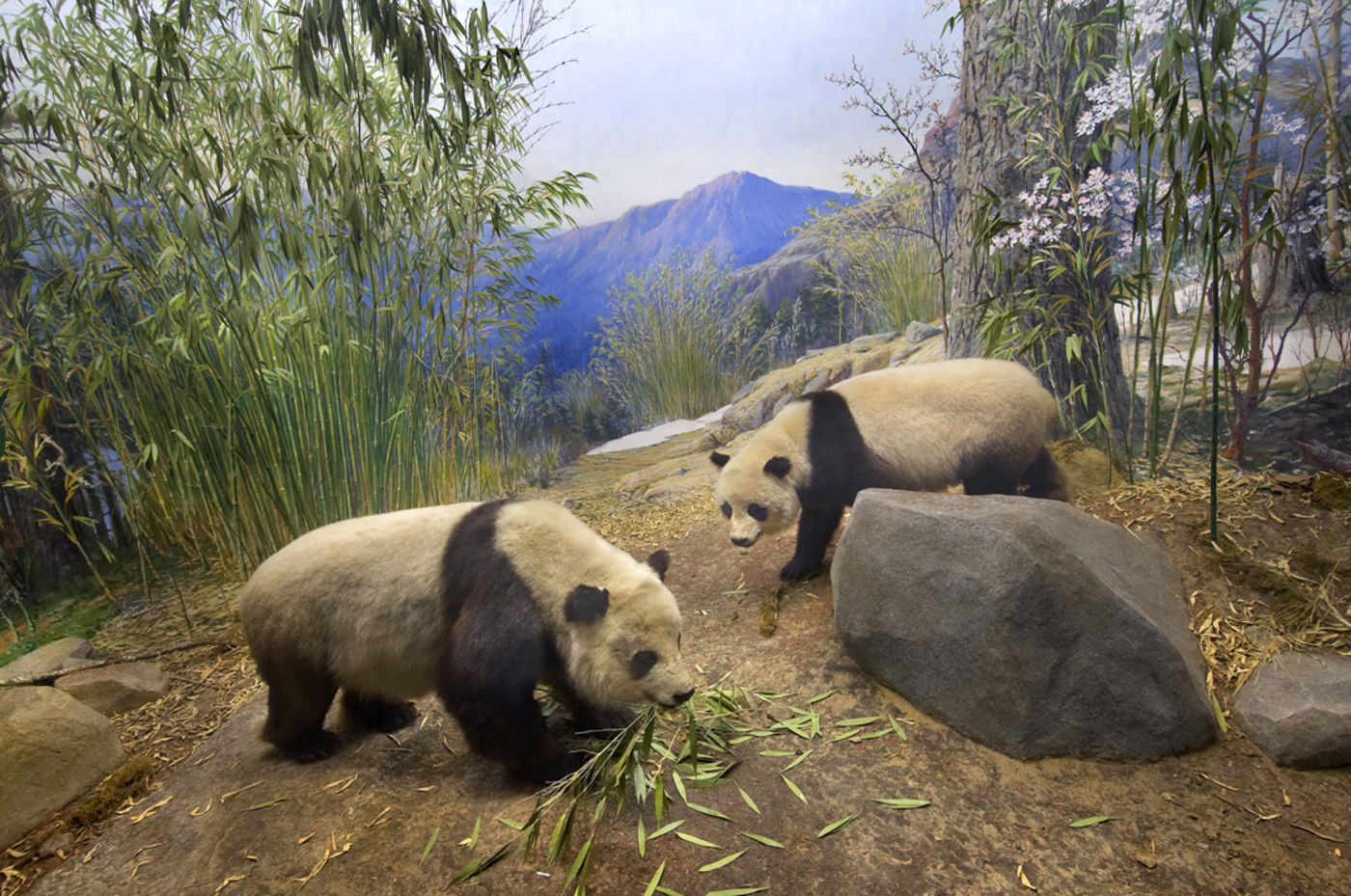
I have the most sympathy for the argument that dollars could have more of a conservation impact if spent elsewhere. I think that's undeniably true. But was pure conservation really ever the main reason that these zoos thought about pandas to begin with?
Never was about conservation at all - they've always been used as diplomatic gifts by China. The rarity status has found the Giant Panda as a flagship for conservation through charisma, but that same charisma is why they can be used as they are. I don't see China charging for Pere David's Deer or Blue-crowned Laughingthrush - but the more charismatic snub-nosed monkeys have seen similar exploits. I certaintly acknowledge deer and laughingthrush situations are a bit different than the Panda and monkeys, but just putting that out there.
Wasn't it always a combination of prestige and symbolism and diplomacy and guest appeal, more than thinking that the species "needed" an American holding/breeding program?
Indeed - holding pandas has long been a token of zoo fame in the USA.
And if we're talking about dollars, we have to consider some of the other things that zoos spend their money on. From mega-budget exhibits to overpriced playgrounds to animatronic dinosaurs. Every one of us could probably name our favorite (or least favorite) examples. So if we start comparing the panda costs to whichever new monstrosity we like the least, rather than falsely assuming that it's all disappearing from the zoo's conservation funds, then maybe exhibiting a panda isn't quite the huge investment that it sounds like out of context.
If playgrounds and animatronic dinosaurs cost more to upkeep than Giant Pandas, I'd be quite surprised. You don't have to feed them, provide air conditioning, etc. The mega zoos certainly spend plenty on their new exhibit complexes, but at least it's usually for multiple species. Equally, it is well documented that pandas are generally rough on a zoo's finances - several zoos have used sponsorships from major companies to support the pandas, and I've heard some zoos have given them up because they could no longer take the strain. With impending shutdown from Covid, Calgary quickly got their pandas enroute to China to avoid going broke. I've also heard that there's decent evidence pandas often don't manage to pay for themselves, per the financial statistics. By the time you factor in the loans, transport, either growing or shipping in massive quantities of bamboo, air-conditioned holding, the required 24 hour video monitoring, etc, etc, that starts adding up quick. To say nothing of the amount of work involved in successfully timing breeding and then raising young. All for animals you don't own and that can be taken away at any point the owner deems necessary.
I'm also not sure that the downgrading to IUCN Vulnerable is a great reason to stop keeping the species in American zoos.
It's never been about conservation though - they could be re upgraded to critically endangered, but if China doesn't want to give them to us, we're not getting any. The Chinese facilities have been massively successful in breeding them as well as wild introductions I believe - to the point I've heard Chinese centers are overrun with pandas. It's certainly not a case of not enough animals to spare.
That may work for keeping small and medium sized zoos in line, but not the types of institutions at play here.
Yes and no - having AZA accreditation shows you hold the gold standard, the seal of approval. The big zoos all have it, and it's embarrassing to lose it for a prestigious facility (eg. Columbus' recent scandal.) In some cases cities
require the zoo to maintain AZA accreditation - something a few zoos found out the hard way. Any of the facilities prestigious enough for pandas certainly could deliberately balk the AZA on a major policy if they wanted to - but it would be a bad look and likely backfire in ways they'd prefer not to deal with.