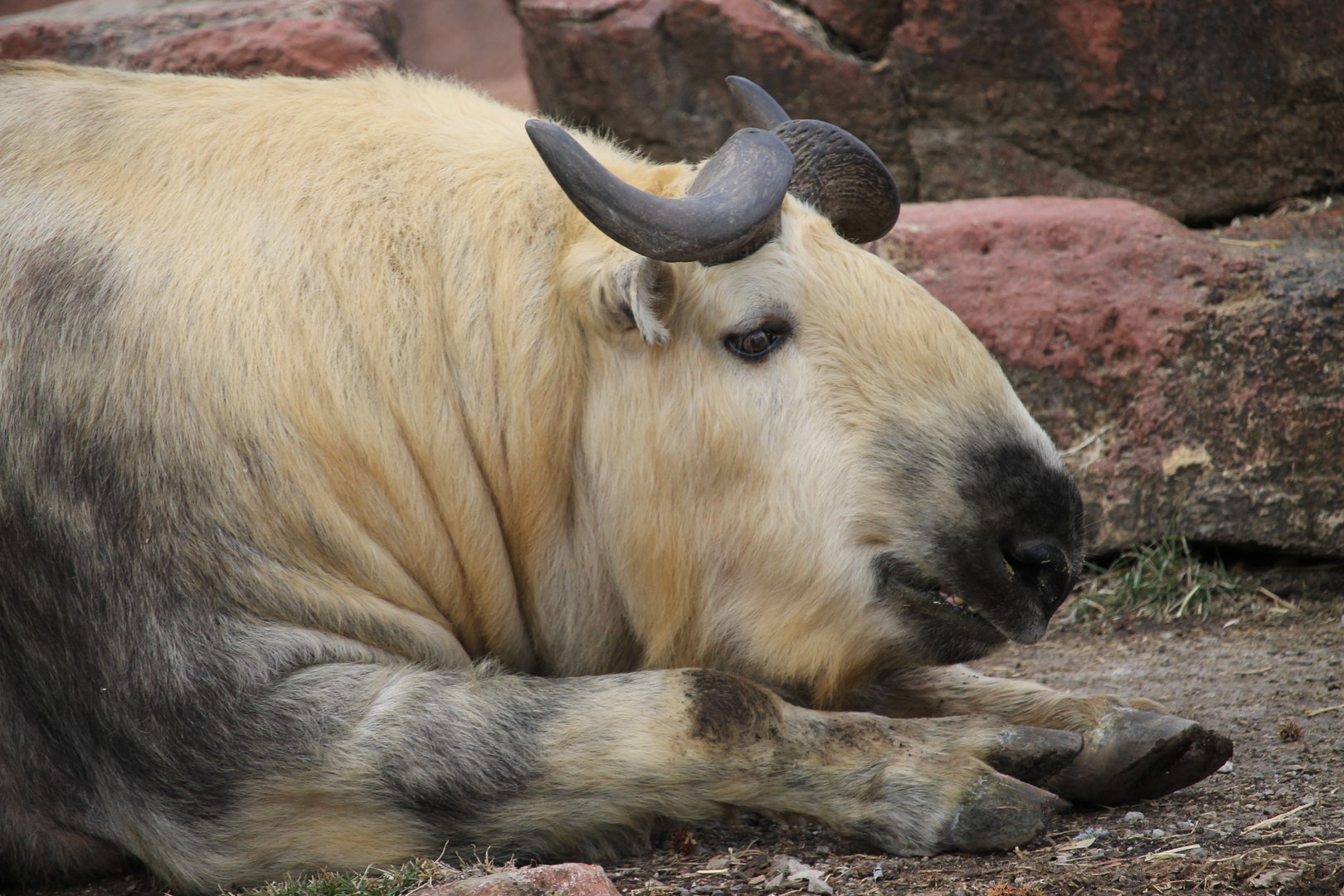
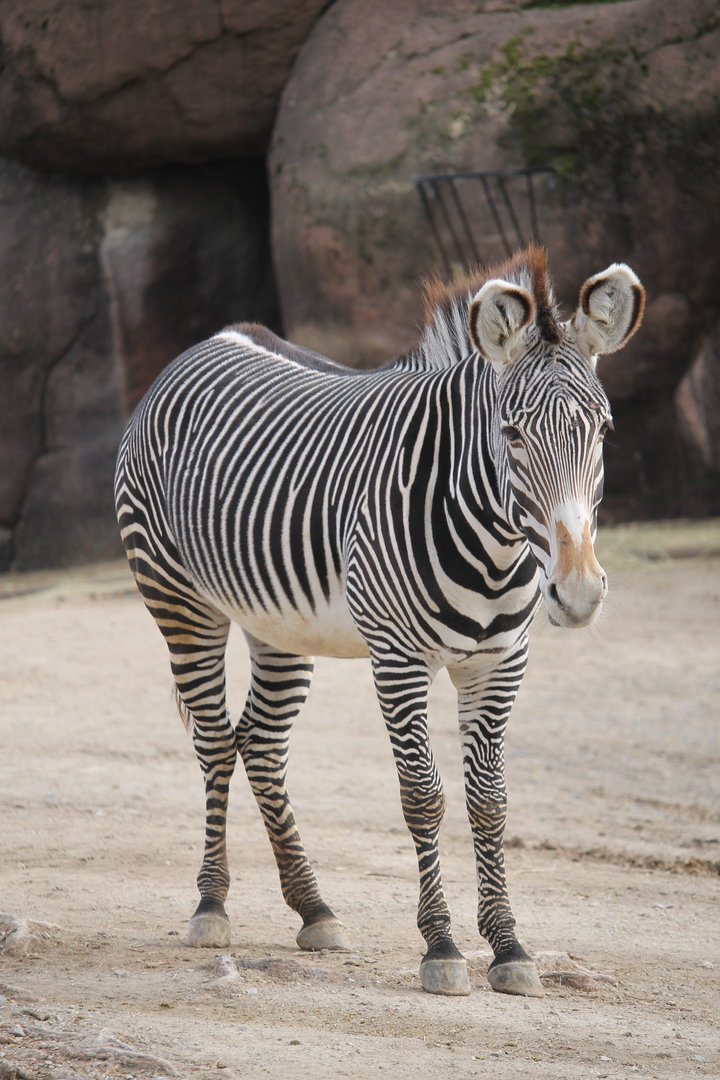
To the casual guest, at least in my experience, there is a tendency to stereotype zoos as summer affairs. There are a few factors playing into this, chiefly that winters can be harsh for guests and animals like, and many of the most popular charismatic megafauna are from tropical regions. That said, I don't doubt a lot of us are among those who venture out in the cold, where it can also be much easier to avoid crowds.
It seems well-known on zoochat that many tropical animals are kept indoors below fifty degrees, such as great apes, with some more resilient animals like giraffe being under forty degrees instead. I am sure there is more variety to this and if anyone has more info on this I'd love to hear it.
Below are some info on my local zoos, and I tried to specify which animals are moved to off-display areas, which have access on warmer days. I'd love to find out more about other zoos' practices during the winter, could be useful for trip planning. I know Minnesota is often mentioned for holding almost only cold-hardy animals.
Lincoln Park
I made multiple visits during last winter and am happy to say the majority of the zoo is still perfectly appreciable since so much of the facility is indoors. Though some animals may not be out on colder days, all of these species may be allowed outdoor access on warmer winter days; there are no separate winter quarters.
There are no indoor exhibits for the rhinoceros, red river hogs, plains zebra, or painted dogs at African Journey, nor the lions at Pepper Family Wildlife Center, or any of the species at the Camel-Zebra area, though the latter exhibits both include a number of cold-hardy species and are therefore still worth checking in the winter.
Brookfield
It is a rather famous fact that many of the zoo's buildings are towards the southern end of the zoo to enable easy winter visits - the Living Coast, Feathers and Scales, Formal Pool, Reptiles and Birds and the Swamp are all nicely lined up, with Tropic World slightly north and Hamill Family Play Zoo slightly east. Though many of these buildings have changed purpose, you can still see penguins, birds, reptiles, amphibians, primates, and at least one small mammal through these exhibits.
There are six more exhibit buildings in the northern part of the zoo, all but one of which include dedicated indoor residents. There are indoor habitats for giraffe, okapi, duiker, rhinoceros, pygmy hippopotamus, and tapir. There are no indoor exhibits for red river hog, painted dogs, dik-dik, nyala, crowned crane, kangaroo, wallaby, emu, or any of the animals at Hoofstock Yards or Big Cat Walkway, though the latter exhibit leans towards cold-hardy species such as amur tiger, snow leopard, and amur leopard.
As I have mostly visited in the summer and fall, I am slightly less sure what can be completely missed in the winter here.
Milwaukee County
One of my favorite memories of this zoo was a birthday visit in the cold of winter. The entire facility was nearly empty of people; we probably saw less than ten humans, guest and staff included, all day.
The majority of the animals are visible in the winter, between cold-hardy North American species, he core buildings (primates, small mammals, reptiles, birds) and indoor viewing at the Big Cat Country building, the elephant barn, the giraffe house, and former pachyderm stalls. The African hoofstock collection, however, and accompanying outdoor birds are off display during the winter months, though I believe currently oryx have access to the stalls. I believe cheetah and ostrich are also kept off-display in the winter. I am uncertain about the animals in the South America exhibit.
Racine
The stork are moved to an off-display area during winter months and remain off on warmer days; the giraffe, rhinoceros, zebra and meerkat are not visible on cold days but may be out on warmer days. Most of the other animals are cold-hardy or have indoor viewing available.
It seems well-known on zoochat that many tropical animals are kept indoors below fifty degrees, such as great apes, with some more resilient animals like giraffe being under forty degrees instead. I am sure there is more variety to this and if anyone has more info on this I'd love to hear it.
Below are some info on my local zoos, and I tried to specify which animals are moved to off-display areas, which have access on warmer days. I'd love to find out more about other zoos' practices during the winter, could be useful for trip planning. I know Minnesota is often mentioned for holding almost only cold-hardy animals.
Lincoln Park
I made multiple visits during last winter and am happy to say the majority of the zoo is still perfectly appreciable since so much of the facility is indoors. Though some animals may not be out on colder days, all of these species may be allowed outdoor access on warmer winter days; there are no separate winter quarters.
There are no indoor exhibits for the rhinoceros, red river hogs, plains zebra, or painted dogs at African Journey, nor the lions at Pepper Family Wildlife Center, or any of the species at the Camel-Zebra area, though the latter exhibits both include a number of cold-hardy species and are therefore still worth checking in the winter.
Brookfield
It is a rather famous fact that many of the zoo's buildings are towards the southern end of the zoo to enable easy winter visits - the Living Coast, Feathers and Scales, Formal Pool, Reptiles and Birds and the Swamp are all nicely lined up, with Tropic World slightly north and Hamill Family Play Zoo slightly east. Though many of these buildings have changed purpose, you can still see penguins, birds, reptiles, amphibians, primates, and at least one small mammal through these exhibits.
There are six more exhibit buildings in the northern part of the zoo, all but one of which include dedicated indoor residents. There are indoor habitats for giraffe, okapi, duiker, rhinoceros, pygmy hippopotamus, and tapir. There are no indoor exhibits for red river hog, painted dogs, dik-dik, nyala, crowned crane, kangaroo, wallaby, emu, or any of the animals at Hoofstock Yards or Big Cat Walkway, though the latter exhibit leans towards cold-hardy species such as amur tiger, snow leopard, and amur leopard.
As I have mostly visited in the summer and fall, I am slightly less sure what can be completely missed in the winter here.
Milwaukee County
One of my favorite memories of this zoo was a birthday visit in the cold of winter. The entire facility was nearly empty of people; we probably saw less than ten humans, guest and staff included, all day.
The majority of the animals are visible in the winter, between cold-hardy North American species, he core buildings (primates, small mammals, reptiles, birds) and indoor viewing at the Big Cat Country building, the elephant barn, the giraffe house, and former pachyderm stalls. The African hoofstock collection, however, and accompanying outdoor birds are off display during the winter months, though I believe currently oryx have access to the stalls. I believe cheetah and ostrich are also kept off-display in the winter. I am uncertain about the animals in the South America exhibit.
Racine
The stork are moved to an off-display area during winter months and remain off on warmer days; the giraffe, rhinoceros, zebra and meerkat are not visible on cold days but may be out on warmer days. Most of the other animals are cold-hardy or have indoor viewing available.


 You guys don't really have winter, at least not of the same caliber.