Should zoos have a. Museum.

I absolutely think they should.

I feel many zoos aren’t in touch with their history, I can see they are trying to attract a broad church and maybe the history etc might not be for everyone but I think it’s beneficial as it adds a further layer of immersion.

It depends on the zoo of course, maybe some zoos it would suit better than others. I think Edinburgh would be a good contender. I remember at Bristol Zoo they had a permanent area which dealt with a lot of the history and had a corridor of old photos etc, just something like that - it doesn’t have to be a full blown exhibition building. By the entrance along the walkway there was also temporary photos and things too which were there for quite a while, such as the zoo being used for wounded in WWI etc.
 
I absolutely think they should.

I feel many zoos aren’t in touch with their history, I can see they are trying to attract a broad church and maybe the history etc might not be for everyone but I think it’s beneficial as it adds a further layer of immersion.

It depends on the zoo of course, maybe some zoos it would suit better than others. I think Edinburgh would be a good contender. I remember at Bristol Zoo they had a permanent area which dealt with a lot of the history and had a corridor of old photos etc, just something like that - it doesn’t have to be a full blown exhibition building. By the entrance along the walkway there was also temporary photos and things too which were there for quite a while, such as the zoo being used for wounded in WWI etc.
I totally agree with you, as I said in my first post, the area doesn’t have to be filled with taxidermy
 
I heard the idea that Jinyangho Zoo, my hometown zoo, will build a visitor center building at the entrance after moving, and I'm hoping to make it a natural history museum, even if it's small.

If the museum is placed in the direction of the entrance, I think it can attract more attention from visitors, and at the same time, I think it can remind us that the zoo is not just a playful place where they can make a fuss but a research facility that they must to be quiet. Of course, in order to do that, the museum-in-zoo would have to be more than just a place to display the bodies of dead animals.


DSC_0027.JPG
Stuffed snow leopard, made by taxidermist Yoon Ji-na.
Indoor exhibit of Seoul Zoo's Large Herbivores Pavilion, 2023. Aug. 22.

Seoul Zoo has both taxidermist Yoon Ji-na, who has specialized skills, and a specimen storage facility, but I still think the way they use animal specimens is nothing more than "decorating" the indoor facilities. Even though its value is endless if it is placed in the right place. Although Seoul Zoo has a 100th anniversary square with copper prints of several animals, it seems to be too shabby for its status.


Several Korean zoos, especially Uchi Park and Dalseong Park, have numerous animal specimens that have been stuffed without countermeasures, and the placenta is dusty and faded and left in storage. The museums are not accepting them, saying they has no more space.

DSC_0776.JPG
Taxidermy of Bengari, the male amur tiger(? - 1974. Nov. 29.).
Korean Zoo's First amur tiger Since Japanese colonial era.
National Science Museum in Daejeon, 2023. Aug. 17.

I was confirm the presence of this taxidermy by visit on July 28, 2017, and I found out that it was Bengari by checking the stripe pattern. he was been here for decades, but no one knew because there was no record.

I'm the only one in Korea who studies the history of zoos, and I've "excavated" specimens of animals that were in old literature and old newspaper articles while they were alive in the past, among exhibits that were on display in museums for decades. It was forgotten because no one was interested. The same is true of the zoo's past appearances in various literature and old news videos I have found.

I hope to gather them in one place with many records, and organize them systematically so that we can organize and publicize the history of the Korean zoo. It would be even better if the place became my hometown. I think that would be the most ideal way to make use of the bodies of animals that have been left as disastrous qualities and ridiculous stuffed animals. Maybe in Korea, where there is no National Museum of Natural History, the best place to tell the story of a dead captive animal in a zoo would be the zoo.


In short, Zoos should have a good memorial place. For their animals, for their staff, for their histories. And for their future.
 

Attachments

  • DSC_0776.JPG
    DSC_0776.JPG
    98.3 KB · Views: 130
  • DSC_0027.JPG
    DSC_0027.JPG
    88 KB · Views: 119
I think most zoos shouldn't have a museum. A good museum is a completely different beast than something most zoos would be able to manage.
On the contrary: I think that scientifically led zoos should be MORE like museums - and incorperate educational elements, concepts and ideas of such, at best in collaboration with museums, botanical gardens, scientific collections etc. for the sake of interdisciplinary synergy and elevated public recognition.
As for zoo history museums' right to exist: especially if the zoo has a rich history like Berlin, Moscow etc. - most certainly! And I appreciate the work of zoo historians like @dt644 to conserve the testimonials of this kind of history.
 
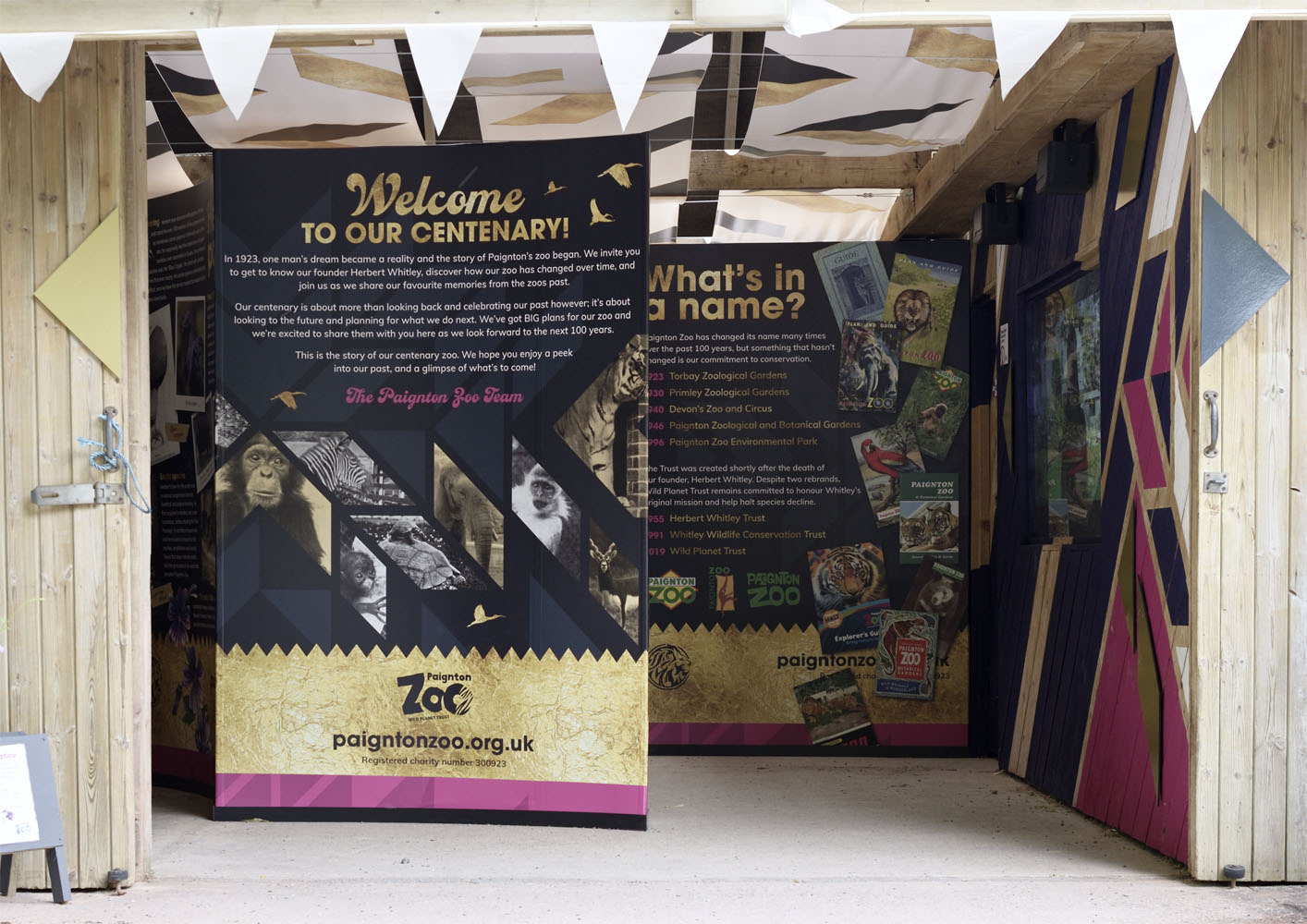
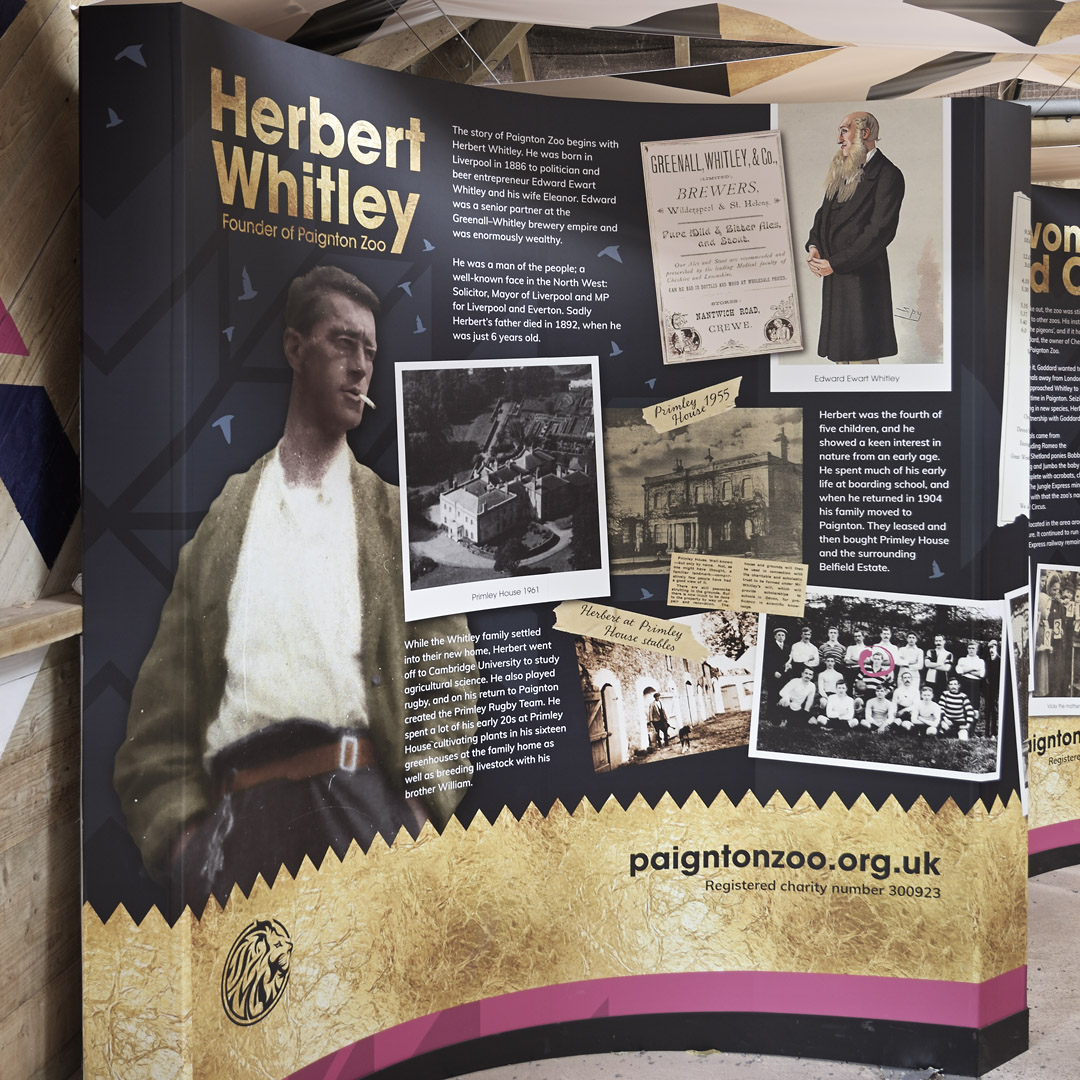
Paignton Zoo has been celebrating its centenary this year and the former children's farm has been converted into a centenary display. There are graphic panels with a small room filled with stuffed specimens and mementos and two projection panels showing old images. There are also a few panels on the outside wall with pictures and biographies of some of the zoo's most famous animals.
I posted these images a while ago and this week I went back and photographed the rest, partly because I wanted to test a new wide angle lens. When I have sorted them out, should I post these new images in our Gallery? I don't know whether this centenary pavilion will be repurposed next year.
 
Last edited:
By no means necessary, but a very nice feature indeed. Zoos have changed so much over the years, from status symbols, to entertainment, to living museums for scientific research, to the bastions of conservation and pioneers in the exhibitry of animals that (with a few unfortunate exceptions) they strive to be today. Any zoo that has witnessed that change should be obliged, in my opinion, to make sure that its visitors are aware of it, and its importance. Antwerp, London, Jardins des Plantes, Vincennes and Hagenbeck, in my opinion, all need, at the very least, signage highlighting historical features, which thankfully they all have. A museum would be of little interests to some guests, but of great interest to others.

It isn't just the historical giants which have enough of an interesting backstory to merit such an exhibit - Colchester Zoo opened as recently as the sixties, and for much of its history was a very unremarkable and average institution, by no means a pioneer of zoo design in the same sense as some of the other zoos that I have named, and yet it still does everything it can, through wonderful signage, to show what exhibits once were. The sea lion pool was once an elephant enclosure, the otter pool once a seal enclosure, and the gelada enclosure once a rhino enclosure, to name just a few.

full


Another example of a different kind of zoo museum was the now-closed Beaver Water World. I gather that many on this site weren't the biggest fans of this zoo, a rather bleak rescue centre for unwanted exotic pets, such as pythons, caimans, piranahs, racoons, and, of course, beavers, that closed in 2017. However, I vaguely recall from my 2014 visit that an all-indoor area had several stuffed (as in once alive) animals and skulls from notable indivduals throughout the zoo's history, such as the very large American Alligator that they once held, with a sign about where he was rescued from and how he came to the collection, if I remember correctly.
 
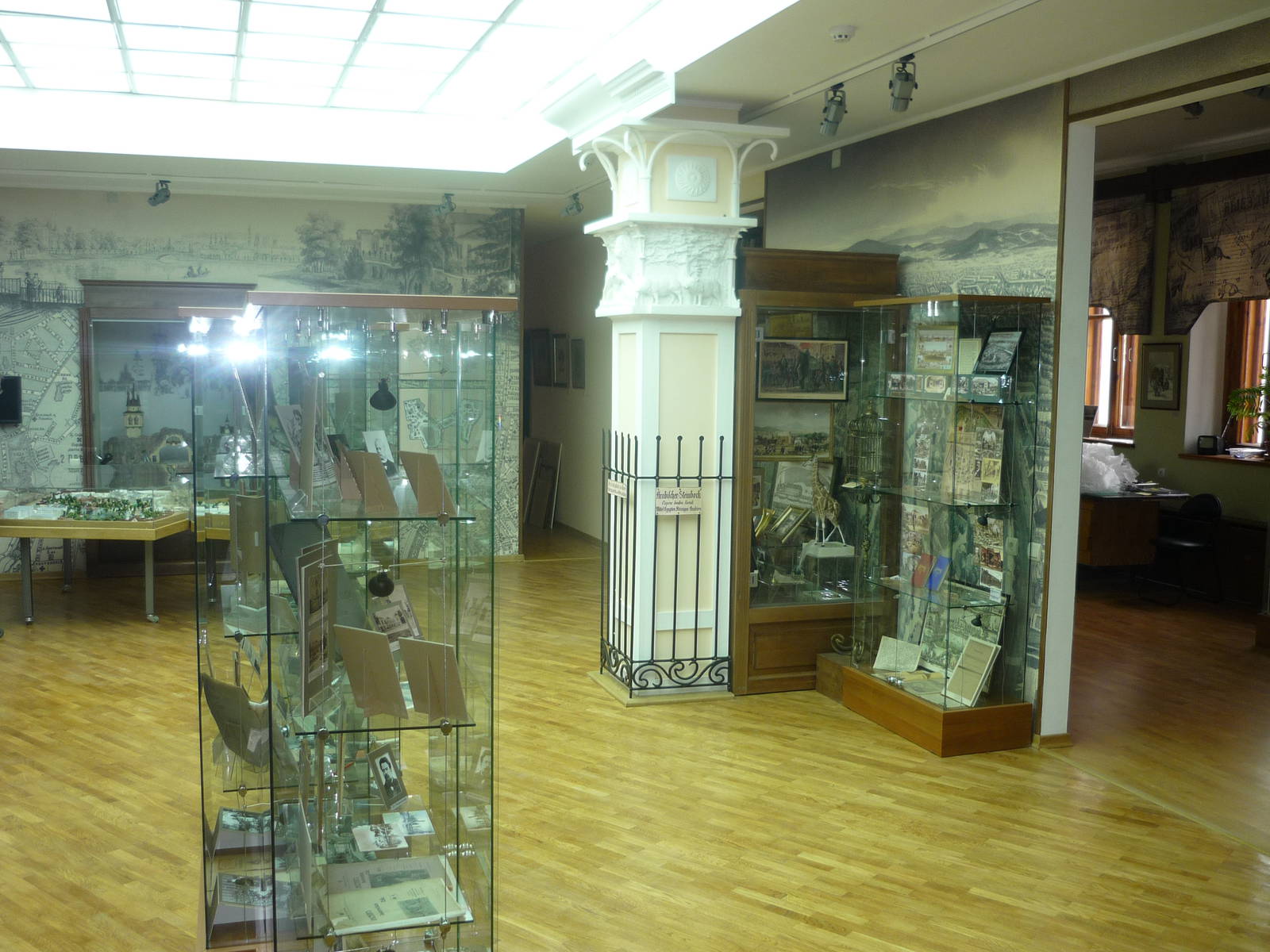
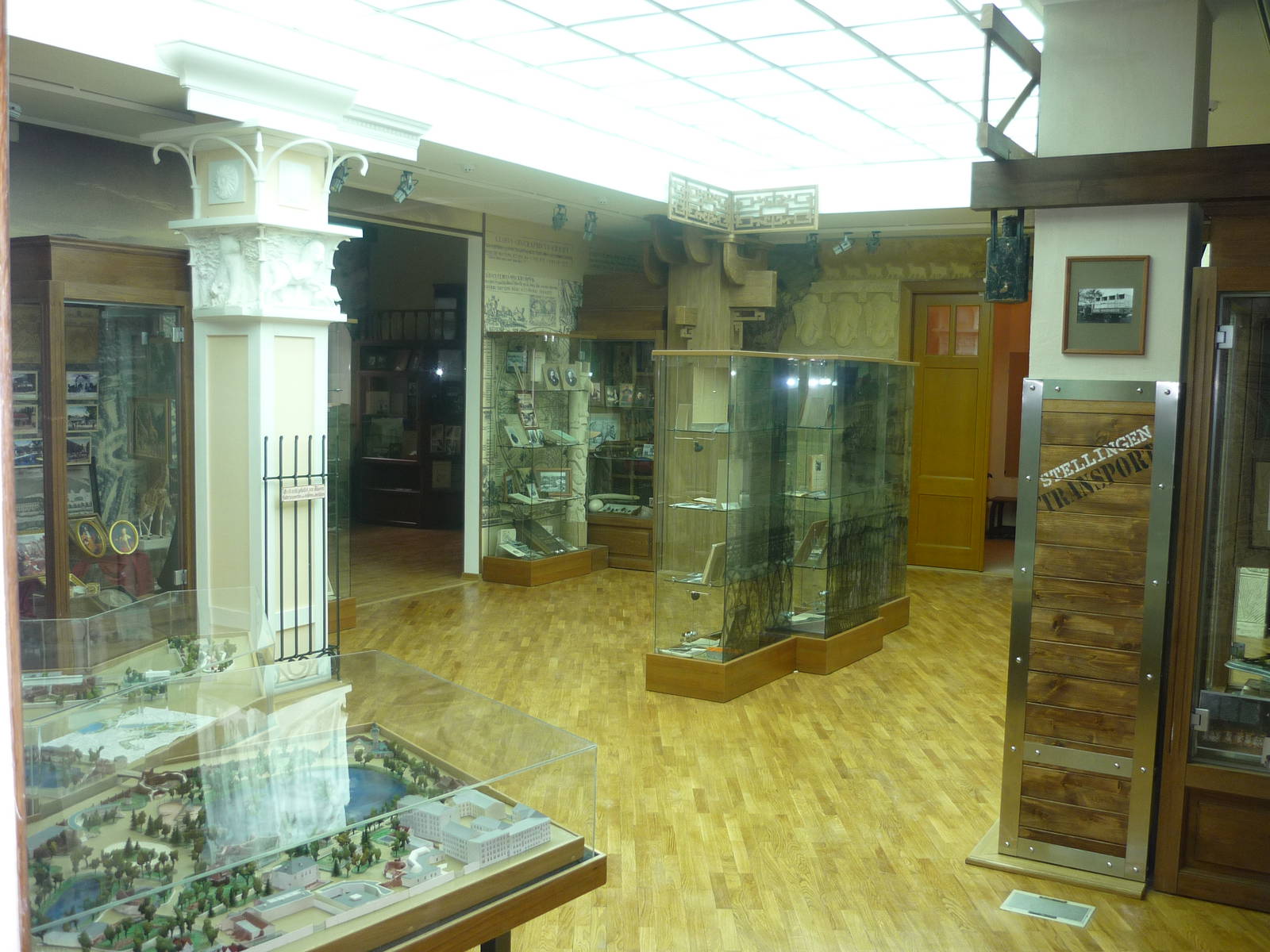
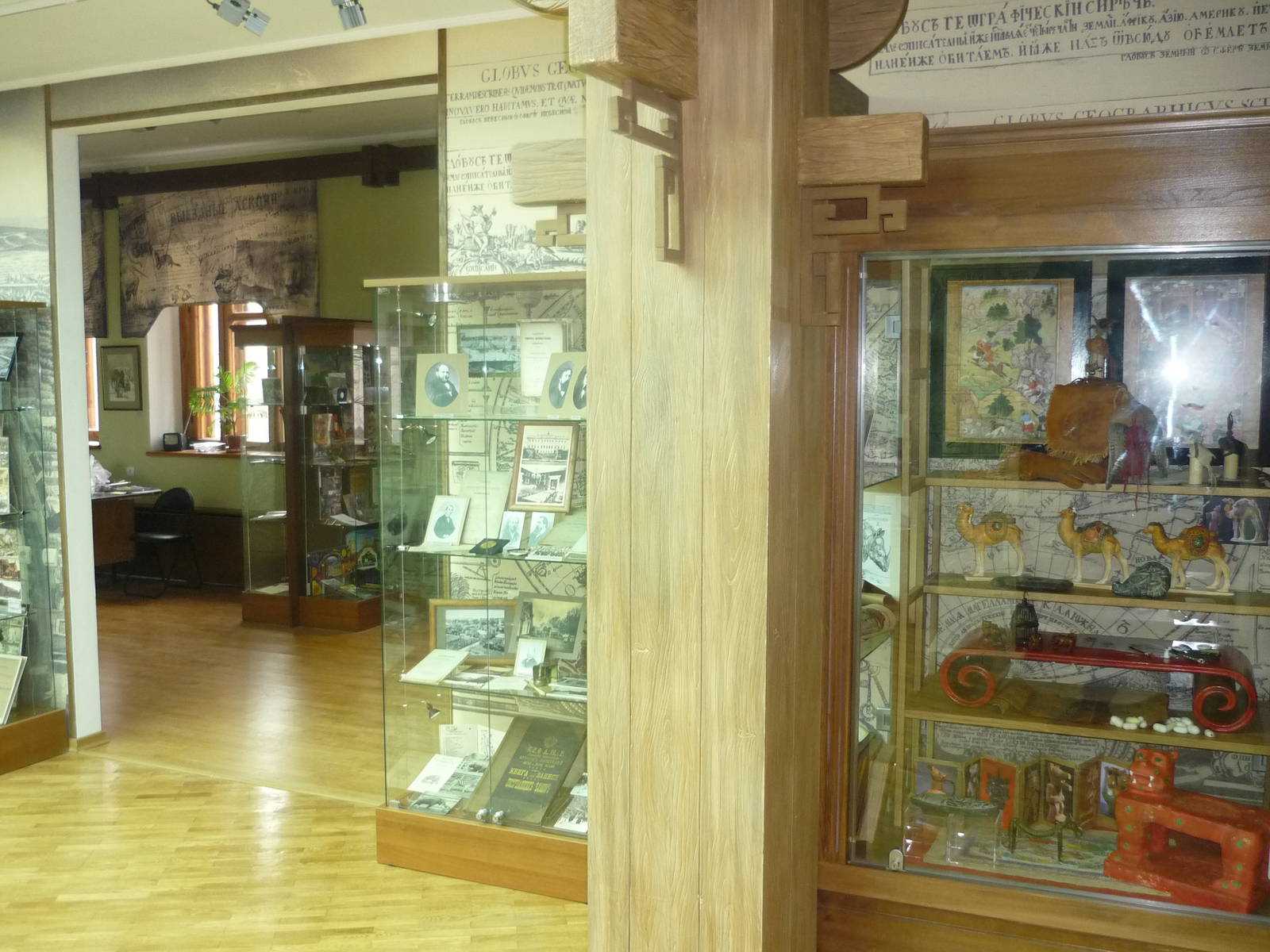
Moscow Zoo has a Zoo History Museum in one of it's historic registered builings. All the dreams you mentioned in this thread came true in Moscow.

You will find there not "only" the rich history of Moscow Zoo but also an overview on zoo history itself. This museum is absoluty amazing: the place to be for every zoo historian!

Apart from this museum Moscow Zoo published a book on it´s history and even a film.

Titel of the book:
Moscow Zoological Park - Pages of History (2009)
(Vodoley Publishers) 300 pages English version

Title of the film:
Zoo with a Human Face
(English subtitels + original English of a British zoo man ;) visiting Moscow Zoo)
might be still on the website of Moscow Zoo; can also be bought in the zoo shops.

Guidebook:
There is even a small guide book (dedicated exclusively to the Zoo Museum) available (in Russian)

 
Sorry people don’t pay north of £30 to walk around a crappy museum.

I dont think many zoos cost that much and they arent paying for the musuem, the musuem would simply be an additional layer of immersion. Even people who arent really into history can still be curious (as people we naturally are) and may like to see how their local zoo has changed over the years.
 
I dont think many zoos cost that much and they arent paying for the musuem, the musuem would simply be an additional layer of immersion. Even people who arent really into history can still be curious (as people we naturally are) and may like to see how their local zoo has changed over the years.
Absolutely agree as my dad used to say to understand the future, remember the past
 
I do think zoos should do more to discuss and prioritize their history, absolutely. A museum is not the only way to go about this goal, there are many ways to accomplish it.

I think a nice example is how the Discovery Center at Brookfield, a building largely used for events and bathrooms, has a few items from the zoo's history on display. This isn't a designated museum space but it gives an otherwise bland building an additional function for those who wander in. It's a nice compromise - not a dedicated museum building, but it occupies the niche.

I've often discussed the idea, especially in this era of podcasting, doing zoo audio tours, and how a history tour could be a great alternative option to describing the animals, while costing very little to guest or the zoo.

I don't think plaques honestly do a great job on their own. They are a bit too easy to ignore and often can only convey a paragraph of information. What does a guest really learn in finding out The Swamp used to be Primate House? I'm not sure enough.

I think zoo history is a really rich subject that zoos should take a more active role in promoting -- letting guests see how much they have evolved as institutions will enhance appreciation, I think, seeing how old exhibits with bars become immersive habitats. It would also allow some positive contrast in how husbandry and care continues to improve. A program that specializes in covering exhibit history and renovations would be really cool and educational for the public. The Zoo occasionally covers this.
 
Moscow Zoo has a Zoo History Museum in one of it's historic registered builings. All the dreams you mentioned in this thread came true in Moscow.

You will find there not "only" the rich history of Moscow Zoo but also an overview on zoo history itself. This museum is absoluty amazing: the place to be for every zoo historian!

I'm really glad someone brought this museum up! It's the only genuinely good example of a museum in a zoo that I'm aware of (I'd be very interested to know of others) but I only found it by fluke the last time I was at the zoo, I'd walked past the building a few times assuming it to be an admin building, but after I saw a visitor come out of a door I paid it a bit more attention and finally found a sign saying "Zoo Museum".

One of my favourite bits of the museum was the gallery of photographs that Moscow's keepers had taken of zoo exhibits that they'd enjoyed around the world from knowledge exchange visits and conferences. There was a short sentence on what made the exhibit stand out to the keeper (translated into English as well fortunately) which really highlighted how passionate and excited they were about seeing good exhibitry in other zoos.

It really is an amazing little place, Sun Wukong's images in the Moscow Zoo gallery do a good job of showing the museum off.

 
I dont think many zoos cost that much and they arent paying for the musuem, the musuem would simply be an additional layer of immersion. Even people who arent really into history can still be curious (as people we naturally are) and may like to see how their local zoo has changed over the years.
To be fair , London Zoo costs in excess of £30 so this point was valid since the conversion of London's reptile house to a museum is what provoked this thread!!
 
Back
Top