Subspecies held in the USA, for ZTL

TinoPup

Well-Known Member
5+ year member
With the zootierliste expanding to worldwide the other day, everyone is rushing to input data for American (and other!) zoos. The problem we're running into is ztl uses subspecies, and a lot of the information being put in is incorrect on that level. I wanted to make this thread so that people can post information they're aware of and hopefully keep others from trying to "correct" it or further inputting incorrect data.

I've put this in general discussion, rather than North America/USA, because I know a lot of Europeans are working on it as well, and some of the issues are arising from that. An example being harbor seals were input as European, but almost all (or entirely all?) of our harbor seals are rescues and are either Western Atlantic or are Pacific, depending on location (and location of the facility doesn't always indicate which subspecies it is!).

Unlike Europe, most zoos do not sign animals to subspecies level, even if they are a known subspecies.

Note that this all applies to current holdings and may not apply to former, especially ones that are many decades ago!

Here's a few examples:

Cheetahs - According to the studbook, even if a subspecies is not listed for an individual in the USA, they are all to be treated as Southeast African, A. j. jubatus. They should not be listed as no subspecies or anything else unless it's a historical listing and you can confirm.

Tigers - There are no pure Bengals in the USA, they are all hybrids. Anything labelled as a subspecies outside of AZA/managed populations is questionable. Fluffier doesn't always mean it's a pure Amur.

Leopards - Same as tigers, but replace Bengal with African. Anything labelled as a subspecies outside of AZA/managed populations is questionable. Fluffier doesn't always mean it's a pure Amur.

Lions - The AZA program is pure ssp, but those outside of it likely aren't.

Coati - There's no mountain coati in the USA. Ones signed/USDA'd as such are often South American, but not always! I have personally seen/confirmed some as being white-nosed!

Plains Zebra - these are a mess and most are hybrids, if not all. Plenty of zoos, especially outside of AZA, will sign theirs as a subspecies, but there is little truth to those.

Giraffes - Other than Masai, giraffes in the USA are all hybrids; there currently are no pure reticulated. There's possibly one or two Rothschild's left at SDZSP, but that is likely it.

Bison - All in the USA are Plains, except for a possible couple of holders of Woods in Alaska. Even if they have some cattle blood, they are treated as Plains.

Night Monkeys - also a mess, and also often signed incorrectly (if signed at a species level at all). USDA can't be trusted on this, either, as the species all look extremely similar; they're likely picking something at random. I've spoken to a few owners outside of AZA and they didn't know there are multiple species, even.
 
With the zootierliste expanding to worldwide the other day, everyone is rushing to input data for American (and other!) zoos. The problem we're running into is ztl uses subspecies, and a lot of the information being put in is incorrect on that level. I wanted to make this thread so that people can post information they're aware of and hopefully keep others from trying to "correct" it or further inputting incorrect data.

I've put this in general discussion, rather than North America/USA, because I know a lot of Europeans are working on it as well, and some of the issues are arising from that. An example being harbor seals were input as European, but almost all (or entirely all?) of our harbor seals are rescues and are either Western Atlantic or are Pacific, depending on location (and location of the facility doesn't always indicate which subspecies it is!).

Unlike Europe, most zoos do not sign animals to subspecies level, even if they are a known subspecies.

Note that this all applies to current holdings and may not apply to former, especially ones that are many decades ago!

Here's a few examples:

Cheetahs - According to the studbook, even if a subspecies is not listed for an individual in the USA, they are all to be treated as Southeast African, A. j. jubatus. They should not be listed as no subspecies or anything else unless it's a historical listing and you can confirm.

Tigers - There are no pure Bengals in the USA, they are all hybrids. Anything labelled as a subspecies outside of AZA/managed populations is questionable. Fluffier doesn't always mean it's a pure Amur.

Leopards - Same as tigers, but replace Bengal with African. Anything labelled as a subspecies outside of AZA/managed populations is questionable. Fluffier doesn't always mean it's a pure Amur.

Lions - The AZA program is pure ssp, but those outside of it likely aren't.

Coati - There's no mountain coati in the USA. Ones signed/USDA'd as such are often South American, but not always! I have personally seen/confirmed some as being white-nosed!

Plains Zebra - these are a mess and most are hybrids, if not all. Plenty of zoos, especially outside of AZA, will sign theirs as a subspecies, but there is little truth to those.

Giraffes - Other than Masai, giraffes in the USA are all hybrids; there currently are no pure reticulated. There's possibly one or two Rothschild's left at SDZSP, but that is likely it.

Bison - All in the USA are Plains, except for a possible couple of holders of Woods in Alaska. Even if they have some cattle blood, they are treated as Plains.

Night Monkeys - also a mess, and also often signed incorrectly (if signed at a species level at all). USDA can't be trusted on this, either, as the species all look extremely similar; they're likely picking something at random. I've spoken to a few owners outside of AZA and they didn't know there are multiple species, even.

Thank you for this useful guide. I’d like to add that for many mammals with subspecies like coyotes and black bears, zoos and rescue centers often end up with rescued animals from other parts of the country, so don’t assume they’re automatically the subspecies local to the holder. I’ve had to do a bunch of phone calls to zoos to get info as to the origin of coyotes and black bears before.
 
Thank you for this useful guide. I’d like to add that for many mammals with subspecies like coyotes and black bears, zoos and rescue centers often end up with rescued animals from other parts of the country, so don’t assume they’re automatically the subspecies local to the holder. I’ve had to do a bunch of phone calls to zoos to get info as to the origin of coyotes and black bears before.

Yes 100%, what I said about harbor seals applies to any native species. Long-term rescues are often moved throughout the country, whether small (and easier to move) or big (and harder to find a place with available space of the size needed). Some may not even be native - wolverines being of European origin, for example.
 
I know they're not at anywhere, but still. Derby's woolly opossums always mislabeled as bare-tailed woolly opossum. Plus, there was some cases of captive gray four-eyed opossum that aren't one of these labeled as "Philander opossum". One time Smithsonian National Zoological Park mislabeled Southern Virginia opossum subspecies as Common opossum until they changed later, which I'm glad it did!
 
Last edited:
I’d like to add that for many mammals with subspecies like coyotes and black bears, zoos and rescue centers often end up with rescued animals from other parts of the country, so don’t assume they’re automatically the subspecies local to the holder.

Not just mammals but birds too - rescues may go anywhere. Assessing Red-tailed Hawks in particular needs to be done cautiously. There are a number of raptors that are not particularly easy to separate subspecies just by looking at them - Bald Eagle, Great Horned Owl, Turkey Vulture, etc.

Crested Caracara should all be cheriway.

Barn Owl should be almost if not entirely American, however there have been European kept here.

Common Raven is another species that is getting confusion - most of our birds are rescues.

At least two Green Jay subspecies are present.

Blue-crowned Motmots are unclear what species they belong to after the recent splits - it is suspected Amazonian, but for now they are best put as non-specific.

Check your Rainbow Lorikeet ssp carefully - many are present and what zoos hold varies quite a lot!

This has been mentioned elsewhere, but will mention here again, all NA Bottlenose are either T. erebennus or mixed.

Also would like to point out some zoos have multiple subspecies/species - there are a few zoos keeping both Red Pandas for example. Two zoos with both are already listed for one but not the other.
Similarly, Sea Otter subspecies is an either/or - all facilities hold one subspecies or the other currently.
 
Chinese red pandas species should labeled because any of the zoos might take these around with himalayan red panda to create hybrid accidently, which I'm worrying about

I know there was one time that a zoo tried to hybridize olingo with olinguito. Again, There's still couple zoos labeling these as olinguito, which both has northern olingo
 
Plus, there was some cases of captive gray four-eyed opossum that aren't one of these labeled as "Philander opossum".

Philander Opossum is a valid synonym for the species in question.

One time Smithsonian National Zoological Park mislabeled Southern Virginia opossum subspecies as Common opossum until they changed later

Given the fact the subspecies in question probably doesn't belong within Virginia Opossum and looks rather like Common Opossum, it wasn't exactly the worst misidentification to make :p I actually strongly suspect that the former holding at Zoo Halle in Germany belonged to this subspecies too.

Blue-crowned Motmots are unclear what species they belong to after the recent splits - it is suspected Amazonian, but for now they are best put as non-specific.

Going through the gallery for my recent photographic guide covering motmots, there actually *are* multiple species in North American zoological collections - but it's definitely best for people to play it safe unless they are very familiar with the group.

I know there was one time that a zoo tried to hybridize olingo with olinguito.

No, there wasn't :p
 
Philander Opossum is a valid synonym for the species in question.
It's scientist name and there are lots of gray four-eyed opossum species, so it should be just say "Philander genus"


Given the fact the subspecies in question probably doesn't belong within Virginia Opossum and looks rather like Common Opossum, it wasn't exactly the worst misidentification to make :p I actually strongly suspect that the former holding at Zoo Halle in Germany belonged to this subspecies too.
There's difference between common opossum and Southern Virginia opossum subspecies.
 
The "original" Olinguito in the American zoo I can't remember the name of was kept with multiple Olingos in attempts to breed, because of course it was at the time thought to be an Olingo itself.
The Smithsonian National Zoo was the zoo. In the original description of the Olinguito in ZooKeys they say the animal was moved around several zoos to be paired with different Olingos without any breeding success.
 
Chinese red pandas species should labeled because any of the zoos might take these around with himalayan red panda to create hybrid accidently, which I'm worrying about

The two have been managed separately for years - there are no living hybrids listed in the studbook at least. Zoos are very aware they are distinct and have been treating them accordingly.

Going through the gallery for my recent photographic guide covering motmots, there actually *are* multiple species in North American zoological collections - but it's definitely best for people to play it safe unless they are very familiar with the group.

Not surprised - but it's definitely best left as unsubspecific rather than guessing.
 
There's difference between common opossum and Southern Virginia opossum subspecies.

I know that :p my point is that they are more similarities in appearance between the two taxa than there are between the Yucatan subspecies of Virginia (the one held at Smithsonian and, I suspect, Halle) and the nominate subspecies found in the USA, and that the confusion/misidentification was therefore understandable.

The "original" Olinguito in the American zoo I can't remember the name of was kept with multiple Olingos in attempts to breed, because of course it was at the time thought to be an Olingo itself.

Interesting - I thought it had been a singleton :) if memory serves me correctly the individual in question was initially held at Smithsonian but later moved to Bronx, where it died.
 
I know that :p my point is that they are more similarities in appearance between the two taxa than there are between the Yucatan subspecies of Virginia (the one held at Smithsonian and, I suspect, Halle) and the nominate subspecies found in the USA, and that the confusion/misidentification was therefore understandable.
It can be even more sense if it was common opossum vs black-eared opossum however...
 
There's difference between common opossum and Southern Virginia opossum subspecies.

They had every reason to believe it was a common opossum. She looked like a common and was a confiscation from someone trying to bring her to the USA from Mexico. It took a DNA test to discover she was a Virginia opossum.

Anyway - I'd like to keep much discussion out of this thread if we can, please? That way it's easier for people to find actual info relevant to ZTL.
 
Last edited by a moderator:
They had every reason to believe it was a common opossum. She looked like a common and was a confiscation from someone trying to bring her to the USA from Mexico. It took a DNA test to discover she was a Virginia opossum.
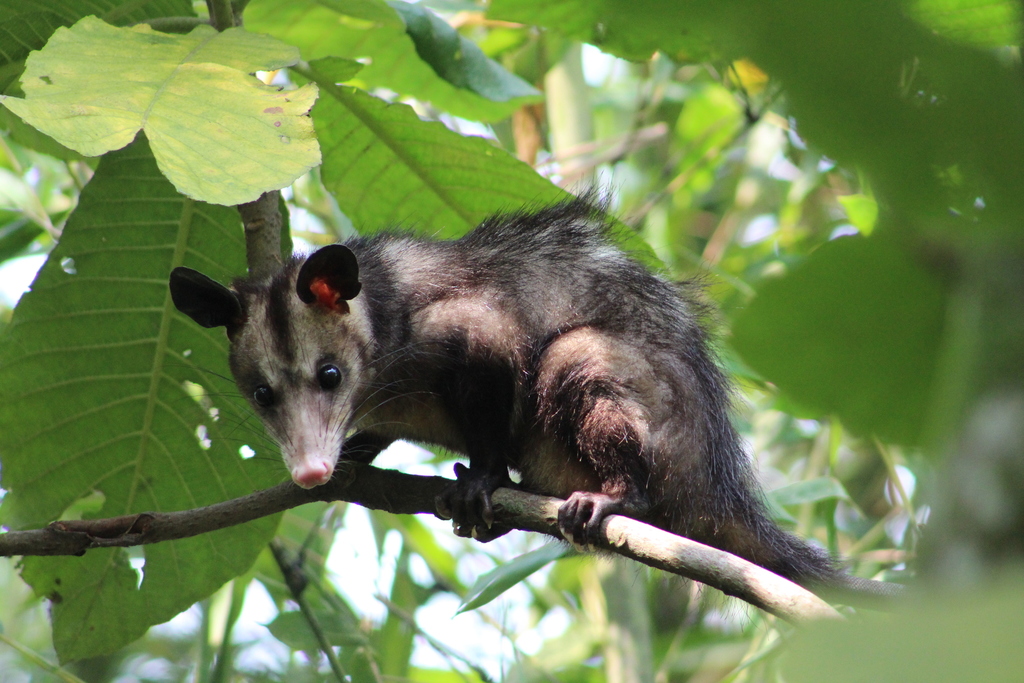
Common opossum in appearance would more of messy yellowish, I don't think there's any single common opossum that has black mask with white around the mouth. Mexican common opossum looks like this:
large.jpeg

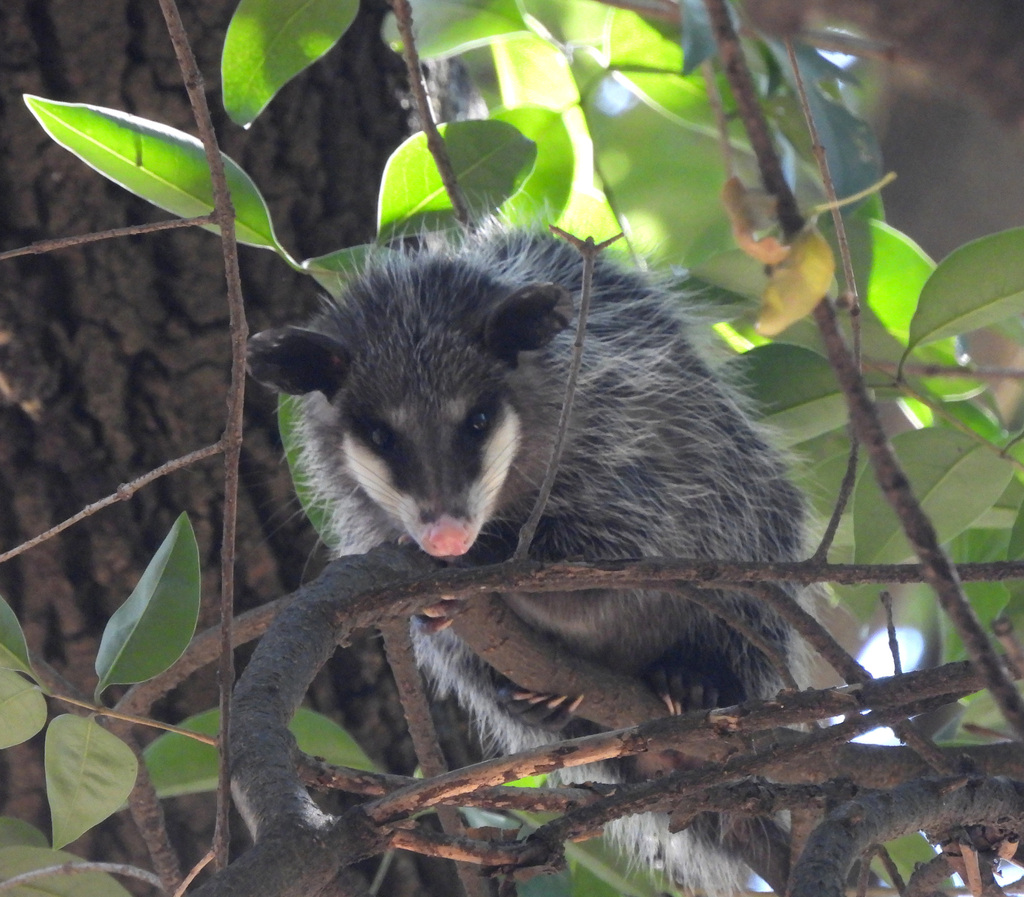
Southern virginia opossum subspecies is this:
large.jpeg
 
Iirc, all lions in the AZA are Panthera leo melanochaita, with the founders coming from breeding compounds in South Africa
 
This is a very important thread to have!
Lions - The AZA program is pure ssp, but those outside of it likely aren't.

Iirc, all lions in the AZA are Panthera leo melanochaita, with the founders coming from breeding compounds in South Africa
While there are subspecific lions in the SSP, there are also a lot of generics as well, particularly older individuals. So you can't assume something is melanochaita just because it is in an AZA zoo.


Another one I noticed some incorrect entries in is sloth bears. Some zoos (Miami and Philadelphia included) incorrectly label their sloth bears as Sri Lankan subspecies, which is incorrect. Almost the entire US sloth bear population is not subspecific, although I think the ones imported from Europe are an exception, being pure mainland.
 
Also, some of the subspecies (especially for the bush elephants) are hilariously invalid. I sincerely think that they should be changed.

As for elephants...

Most Asians are of the Asian mainland except for Sabu and Sadhi from Cincinatti (Sumatran), Chendra of Portland (Bornean), and a few Sri-Lankans

Btw, I don't think there's such a subspecies as a Malaysian elephant

All African elephants are bush elephants which has no subspecies
 
Back
Top