You are using an out of date browser. It may not display this or other websites correctly.
You should upgrade or use an alternative browser.
You should upgrade or use an alternative browser.
Philippine eagle spotted above the Alpes
- Thread starter Philipine eagle
- Start date


At least it doesn't look like that, judging from what ZTL has on data. No more than 28 such aviaries are listed for Germany (4 closed included).That's more than I initially thought, but few in comparison to (the size of) Switserland.
Day 12 #29 Toni’s Zoo - Rothenburg
In Rothenburg, near Luzern, there’s a place called Toni's zoo. It was founded by a man called…Toni. Isn’t that amazing? I hope Toni didn't pay a marketing agency for this.
It’s a small private zoo but it caught my attention with 3 tropical greenhouses, usually a sign indicating some species richness.
So, tropical greenhouses, check. Turaco’s, check. No hornbill, but glossy starlings will do.
It's not a bad place and all the animals looked healthy, but the ravages of time strike inexorably in these kinds of zoos that have grown out of one man's personal interest: either you make a fortune from speculation, convert a dilapidated bird park into a European mega-garden and then attract a fortunate businessman to get into the hotel business. Or you disappear quietly. I fear, but hope not, that the latter is the future picture for this place.
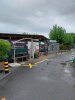
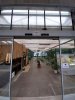
The entrance area does not look very attractive with its mix of herras fencing, sheds and kitsch.

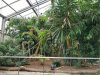
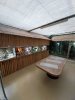
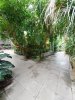
The first conservatory is certainly the best, tucked away in a corner between a dirty pool for some African penguins and the inevitable barbary macaques. It hides a small but attractive tropical rainforest with Europe’s only water thick-knee (Burhinus vermiculatus), lilac-breasted roller, victoria crowned pigeon, indian myna, purple glossy-starling, nicobar pigeon, violet turaco and bearded barbet.

Tropenhaus 1 - Rainforest general view
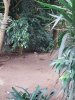
The only downside here were the several dead mouse in the exhibit, but that may just be due to the time of my visit. The hall is well planted and spacious enough to give the birds plenty of shelter. I was not bothered by other visitors and all the birds showed very well.

Tropenhaus 1 - Water Thick-knee (Burhinus vermiculatus)
Two large aviaries for African grey parrots and toco tucan complete this building.
This exhibit alone was worth the entrance fee, and I enjoyed it very much.
The other 2 are in the main building complex which consist of a row of industrial conservatory’s, connected to each other.
The first, aka Tropenhaus 2, has larger exhibits for squirrel monkeys, village weavers, military macaws, yellow-fronted parakeets, common marmosets and an aquarium for malawi ciclids. This area could use an upgrade, although nothing is dramatic.

Tropenhaus 2 - Birds & mammals
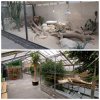
Tropenhaus 3 is a reptile house for large reptiles like tiger python, gould’s monitor and African dwarf crocodile. There’re two mixed enclosure: Australian outback (a pleiade of some of Europe’s most common exotic herps) and South America (green iguana, pygmy marmoset and tortoises). The crocodile enclosure perhaps was a little bit contrived , but all others were very decent and attractive terrariums.

Gould's monitor enclosure (above) and African dwarf crocodile
In between those two is another Reptiliënhaus with good designed terraria for small reptiles, like Antillian anolis, Madagascar day and leopard gecko, Rankin’s dragon, desert iguana and common collared lizard. There were also centipede, boa constrictor and a water tank for southern painted turtle. This room had no mistakes and looked pretty well.

Reptiliënhaus for small reptiles
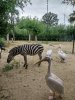
The rest of the zoo is much less interesting although it starts pretty good with a spacious enclosure for Grant zebra, ringtailed lemur, rosy pelican, common ostrich and grey-crowned crane. As it is netted, the birds can fly, which is always nice. The enclosure can be viewed from the ground floor or from an elevated platform, just like the predators.

Savanna themed aviary - Grey-crowned crane

Great aviary - Grant's zebra, Rosy pelican and Indian peafowl
The Carnivore House is not adequate enough. The leopards seems to have only 1 outdoor enclosure, while those for the southern cheetahs and servals are overgrown with bamboo vegetation. A quick solution could be moving the servals to the former colobus enclosure.

Carnivore House - Leopard
The rest of the zoo consists of pastures for camels and reeve's muntjaks and a rather unattractive middle section, with seemingly empty and unkempt enclosures. There is a lot of unattractive heras fencing and a mishmash of small buildings and construction, the photos on the zoo website are quite flattering. It was one of the few zoos on this trip that I thought could use an overhaul and a bit of imagination.

Typical basic cage & aviary - Brown wood owl
I do not regret my visit, there are some interesting species to see, and yes, there is a little gem for those who secretly enjoy a little rainforest. But on a zoo road trip, my appetite for these kinds of zoos slowly wanes after a few days.
In Rothenburg, near Luzern, there’s a place called Toni's zoo. It was founded by a man called…Toni. Isn’t that amazing? I hope Toni didn't pay a marketing agency for this.
It’s a small private zoo but it caught my attention with 3 tropical greenhouses, usually a sign indicating some species richness.
So, tropical greenhouses, check. Turaco’s, check. No hornbill, but glossy starlings will do.
It's not a bad place and all the animals looked healthy, but the ravages of time strike inexorably in these kinds of zoos that have grown out of one man's personal interest: either you make a fortune from speculation, convert a dilapidated bird park into a European mega-garden and then attract a fortunate businessman to get into the hotel business. Or you disappear quietly. I fear, but hope not, that the latter is the future picture for this place.
The entrance area does not look very attractive with its mix of herras fencing, sheds and kitsch.
The first conservatory is certainly the best, tucked away in a corner between a dirty pool for some African penguins and the inevitable barbary macaques. It hides a small but attractive tropical rainforest with Europe’s only water thick-knee (Burhinus vermiculatus), lilac-breasted roller, victoria crowned pigeon, indian myna, purple glossy-starling, nicobar pigeon, violet turaco and bearded barbet.
Tropenhaus 1 - Rainforest general view
The only downside here were the several dead mouse in the exhibit, but that may just be due to the time of my visit. The hall is well planted and spacious enough to give the birds plenty of shelter. I was not bothered by other visitors and all the birds showed very well.
Tropenhaus 1 - Water Thick-knee (Burhinus vermiculatus)
Two large aviaries for African grey parrots and toco tucan complete this building.
This exhibit alone was worth the entrance fee, and I enjoyed it very much.
The other 2 are in the main building complex which consist of a row of industrial conservatory’s, connected to each other.
The first, aka Tropenhaus 2, has larger exhibits for squirrel monkeys, village weavers, military macaws, yellow-fronted parakeets, common marmosets and an aquarium for malawi ciclids. This area could use an upgrade, although nothing is dramatic.
Tropenhaus 2 - Birds & mammals
Tropenhaus 3 is a reptile house for large reptiles like tiger python, gould’s monitor and African dwarf crocodile. There’re two mixed enclosure: Australian outback (a pleiade of some of Europe’s most common exotic herps) and South America (green iguana, pygmy marmoset and tortoises). The crocodile enclosure perhaps was a little bit contrived , but all others were very decent and attractive terrariums.
Gould's monitor enclosure (above) and African dwarf crocodile
In between those two is another Reptiliënhaus with good designed terraria for small reptiles, like Antillian anolis, Madagascar day and leopard gecko, Rankin’s dragon, desert iguana and common collared lizard. There were also centipede, boa constrictor and a water tank for southern painted turtle. This room had no mistakes and looked pretty well.
Reptiliënhaus for small reptiles
The rest of the zoo is much less interesting although it starts pretty good with a spacious enclosure for Grant zebra, ringtailed lemur, rosy pelican, common ostrich and grey-crowned crane. As it is netted, the birds can fly, which is always nice. The enclosure can be viewed from the ground floor or from an elevated platform, just like the predators.
Savanna themed aviary - Grey-crowned crane
Great aviary - Grant's zebra, Rosy pelican and Indian peafowl
The Carnivore House is not adequate enough. The leopards seems to have only 1 outdoor enclosure, while those for the southern cheetahs and servals are overgrown with bamboo vegetation. A quick solution could be moving the servals to the former colobus enclosure.
Carnivore House - Leopard
The rest of the zoo consists of pastures for camels and reeve's muntjaks and a rather unattractive middle section, with seemingly empty and unkempt enclosures. There is a lot of unattractive heras fencing and a mishmash of small buildings and construction, the photos on the zoo website are quite flattering. It was one of the few zoos on this trip that I thought could use an overhaul and a bit of imagination.
Typical basic cage & aviary - Brown wood owl
I do not regret my visit, there are some interesting species to see, and yes, there is a little gem for those who secretly enjoy a little rainforest. But on a zoo road trip, my appetite for these kinds of zoos slowly wanes after a few days.
Attachments
-
 upload_2024-1-26_12-39-46.jpeg105.7 KB · Views: 182
 -
 upload_2024-1-26_12-40-20.jpeg285.6 KB · Views: 189
 -
 upload_2024-1-26_12-40-50.jpeg160.1 KB · Views: 188
 -
 upload_2024-1-26_12-42-24.jpeg85.5 KB · Views: 189
 -
 upload_2024-1-26_12-43-28.jpeg112.5 KB · Views: 185
 -
 upload_2024-1-26_12-44-9.jpeg168.9 KB · Views: 203
 -
 upload_2024-1-26_12-45-20.jpeg230 KB · Views: 198
 -
 upload_2024-1-26_12-45-57.jpeg172.1 KB · Views: 186
 -
 upload_2024-1-26_12-48-54.jpeg142.7 KB · Views: 194
 -
 upload_2024-1-26_12-53-6.jpeg136.7 KB · Views: 197
You are absolutely right, and as I wrote in #20, I have the same question. Couldn't immediately find a clear answer.
In no other country is this expressed so well as in Switzerland, where more than 15 such urban public city aviaries can be found.
All are concerned with the care of tropical birds and run by an ornithological society (with or without financial intervention from the city), but it is a mystery to me why they are so numerous just in this country (there are more than 15), while these are completely absent in f.e. Austria.
Maybe one answer is, that keeping exotic animals was a thing for nobility in former times. Therefore many austrian zoos are also quite young compared to other countries. Another difference is, that in Austria falconry is very popular. Whilst Austria is missing smaller bird parks, there are many public falconry institutions to visit, often next to old castles.
Day #29 Bärengraben Bern
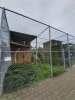
Do you know that (not so good) song by Sabrina, 'boys boys boys' Bing Video’s that conquered the world by the end of the eighties? Well, it's called 'bears bears bears' here on the Bärengraben.
The (brown) bear has been the city's heraldic animal since its foundation in 1191. According to legend, the killing of a bear on that spot led to the city's name. But it took another 100 years for the first bears to arrive in the city. They were kept at a location deeper in the city centre, now aptly called Bärenplatz. The animals then moved 2 more times before being given a permanent home in their current lcoation near the Nydegg bridge, in the bear pit or Bärengraben. The old bear pit has been preserved and is still in use, which is great. A second, smaller pit is currently used as an information centre and shop.

Bärengraben
But the animals desperately needed more space. So in 2009, the 5000 m² Bärenpark was opened on the steep slope between the bear pit and the banks of the river Aare.

Bärenpark
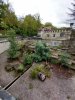
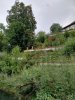
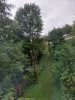
The enclosure has seen an explosion of plant life since its opening. Even to the extent that the animals are hard to find, although they can be viewed from all sides.
Take a look at this picture right after the opening: Baerenpark Bern 01 09 - Bärengraben - Wikipedia
And what it looks like now:

Bärenpark
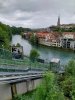
Because improvements are always possible, an inclined lift, the Bärenbähnli, came in 2015 specially to take lazy zoo nerds from the top to the bottom.

Bärenbähnli

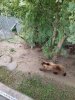
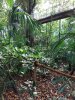
Patrolling
It was a great start for all the good the day would bring. One without elephants, tigers, lions, apes, rhinos, giraffes, zebras, etc, can you imagine?
Do you know that (not so good) song by Sabrina, 'boys boys boys' Bing Video’s that conquered the world by the end of the eighties? Well, it's called 'bears bears bears' here on the Bärengraben.
The (brown) bear has been the city's heraldic animal since its foundation in 1191. According to legend, the killing of a bear on that spot led to the city's name. But it took another 100 years for the first bears to arrive in the city. They were kept at a location deeper in the city centre, now aptly called Bärenplatz. The animals then moved 2 more times before being given a permanent home in their current lcoation near the Nydegg bridge, in the bear pit or Bärengraben. The old bear pit has been preserved and is still in use, which is great. A second, smaller pit is currently used as an information centre and shop.
Bärengraben
But the animals desperately needed more space. So in 2009, the 5000 m² Bärenpark was opened on the steep slope between the bear pit and the banks of the river Aare.
Bärenpark
The enclosure has seen an explosion of plant life since its opening. Even to the extent that the animals are hard to find, although they can be viewed from all sides.
Take a look at this picture right after the opening: Baerenpark Bern 01 09 - Bärengraben - Wikipedia
And what it looks like now:
Bärenpark
Because improvements are always possible, an inclined lift, the Bärenbähnli, came in 2015 specially to take lazy zoo nerds from the top to the bottom.
Bärenbähnli
Patrolling
It was a great start for all the good the day would bring. One without elephants, tigers, lions, apes, rhinos, giraffes, zebras, etc, can you imagine?
Attachments
Day 13 #30 Dählhölzli Tierpark - Bern
The Tierpark is a beautifully maintained zoo with some exceptional enclosures, focusing on animals of the northern hemispère. In addition, the Vivarium displays an excellent collection of tropical species. The lower parts close to the bank of the Aare and the petting zoo are accessible free of charge. It is located in a wooded park, the Dählhölzliwald and is surrounded by quiet residential areas.
Shortly after the zoo opened its doors in 1937, a now-famous biologist, Heini Hediger, came to head it. He is best known for his biological social distance theories in which he describes standard interaction distances between animals. After Bern, he also became the director of the Basel and Zurich zoos, and in that respect he occupies a unique position among Swiss zoos.
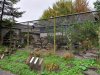
The paying section starts with a row of aviaries for grouse, with black-bellied western capercaillie, European Tengmalm’s owl, black grouse, Alpine rock partridge and red-billed chough, followed by a wading bird aviary (pied avocet and corncrake).

Alpine rock partridge and red-billed chough aviary
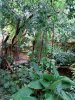
The Vivarium is all about high quality exhibits. It has a small but beautifull hidden rainforest with Javan mouse deer – a species that I feel has become rarer in zoos these days -, bali myna and red-crested turaco. Real quality time on the bench here, and it’s not even noon yet.

Tropical rainforest exhibit
The African savannah aviary has a mixed community of Namaqua doves, village weaver, Harlequin quail, black-cheeked lovebirds and tropical girdled lizard, while there’s a large Caraibbean beach exhibit for Exuma island iguana and northern curly-tailed lizard.
There’s a circular walk passing spacious beautifully designed terraria, large freshwater aquaria dedicated to the Amazon, a mangrove aquarium and exhibits for goeldi’s and Bolivian squirrel monkey.

Bolivian squirrel monkey (above) and African savannah aviary (below)
Opposite of the dwarf crocodiles, pygmy marmosets live in a very spacious enclosure while Australian snake-necked turtles lurk in the water.
At the seal underwater view there’s a cave with a superb 40.000l coral reef. Apart from fish, it has living corals and a lot of invertebrate species like snails, giant mussels, anemones and sea stars.

Coral reef aquarium
A small desert area with red diamond rattlesnakes and Kimberly rock monitor gives access to the garden.
The Viviarium hold the critically endangered Madagascar flat-tailed tortoise and a couple of extremely rare presented lizards: Exuma island iguana, Reisinger’s tree monitor, Mauritius day gecko, giant ameiva, Alison’s and Saban anoles, long-tailed rock monitor. The amphibian section is small but equally interesting with pleasing poison frog, Riggenbach’s reed frog, Natterjack toad and greenhouse frog.

General view
The building has a lot of free roamers, birds (turquoise tanager, blue-naped mousebird, red-legged honeycreeper and red-throated parrotfinch) but also Anthony’s poison arrow frog, Riggenbach’s reed frogs, geckos, Alison’s anolis, and apparantly also Heteropoda venatoria, a species of huntsman spider (I never come back here!). This is no surprise as the hall also contains a lot of greenery outside the terrariums.
Perhaps the most iconic building in this zoo is the Persian leopard enclosure. Architecturally, the building is very worthwhile with its bold concrete structure above which is stretched a net that appears to have been thrown over it, draped over some bare trees. It is attached to a concrete frame that runs around the enclosure. It is 800m² in size, but I am not convinced that this area is sufficiently used for this kind of animal. It is an elongated enclosure that rises to rocks towards the back, which certainly allows the animals to sit at height. Unfortunately, the enclosure is nowhere really deep, and therefore perhaps not so ideal for cats, although there are some hiding places. Under the rocks, a narrow working corridor for staff runs the entire length. Right in the middle there are wider rocks, under which the night and separation enclosures are located. The whole area is beautifully planted with vegetation reminiscent of Caucasian and Iranian mountain areas. Visitors can view the animals through large windows in a concrete frame. On 1 side is another open-air terrarium for Ottoman vipers; despite the warm weather, these were apparently already hibernating.

Persian leopard enclosure
But the absolute stars are the Ussuri brown bears who lives together with a pair of Eurasian wolves and their offspring in the Wolf-Bärenwald. These enclosures are densely planted but the view on the bear enclosure from the bear cabin is one of the best in Europe. It shows this zoo understands very well how to present animals to the public.

Bear viewing point - Ussuri brown bear
The vast 5-hectare wooded Wisentenwald is the largest enclosure in Bern and home to a herd of European bison living together with red deer. It can be visited via a 250m long walkway (it is actually located outside the zoo). You walk there 3-4 m above the ground having great views of the surrounding forest.
Even more interesting are the only arctic ferns in captivity, along with Atlantic puffins and Atlantic harlequin ducks that all share a spectacular cliff-shaped aviary with diving opportunities, the Papageitaucherhalle or Puffin Hall. Eel and barbel share the wave-driven water with 2 endangered Siberian sturgeons. It’s the most spectacular building in the zoo and is surrounded by a large enclosure for Greenland musk ox, and others for forest reindeer and Artic fox.

Papageitaucherhalle
Other exhibits include a large complex with outdoor terrariurms for 10 native reptiles and amphibians, and a 750m² owl aviary with a forested section for European eagle owls and an open tundra area for snowy owls. There’s a seal pool, enclosures for black storks, European ground squirrels, greater flamingos and a very appealing exhibit for European wild cats.

European wild cat enclosure
Outside the paying area is the Aareufer-Anlagen or AareAlps complex, with steep rocky enclosures for ibex, chamois and alpine marmots. High up on the rocks live Carpathian lynx.

Alpine ibex enclosure
Walking along the riverbank, back to the petting zoo, you pass the Aare Bank Facilities, which have made good use of a tributary created after the 1999 floods. Dalmatian pelicans, European otters and beavers can be found here. These are certainly not spectacular enclosures, I would even say a bit boring, but the location and use as a floodplain reserve makes them special.
I think the tierpark is a very good and charming facility that does justice to Bern's status as the Swiss capital, and fully deserves its place between the two giants in Zurich and Basel.
The Tierpark is a beautifully maintained zoo with some exceptional enclosures, focusing on animals of the northern hemispère. In addition, the Vivarium displays an excellent collection of tropical species. The lower parts close to the bank of the Aare and the petting zoo are accessible free of charge. It is located in a wooded park, the Dählhölzliwald and is surrounded by quiet residential areas.
Shortly after the zoo opened its doors in 1937, a now-famous biologist, Heini Hediger, came to head it. He is best known for his biological social distance theories in which he describes standard interaction distances between animals. After Bern, he also became the director of the Basel and Zurich zoos, and in that respect he occupies a unique position among Swiss zoos.
The paying section starts with a row of aviaries for grouse, with black-bellied western capercaillie, European Tengmalm’s owl, black grouse, Alpine rock partridge and red-billed chough, followed by a wading bird aviary (pied avocet and corncrake).
Alpine rock partridge and red-billed chough aviary
The Vivarium is all about high quality exhibits. It has a small but beautifull hidden rainforest with Javan mouse deer – a species that I feel has become rarer in zoos these days -, bali myna and red-crested turaco. Real quality time on the bench here, and it’s not even noon yet.
Tropical rainforest exhibit
The African savannah aviary has a mixed community of Namaqua doves, village weaver, Harlequin quail, black-cheeked lovebirds and tropical girdled lizard, while there’s a large Caraibbean beach exhibit for Exuma island iguana and northern curly-tailed lizard.
There’s a circular walk passing spacious beautifully designed terraria, large freshwater aquaria dedicated to the Amazon, a mangrove aquarium and exhibits for goeldi’s and Bolivian squirrel monkey.
Bolivian squirrel monkey (above) and African savannah aviary (below)
Opposite of the dwarf crocodiles, pygmy marmosets live in a very spacious enclosure while Australian snake-necked turtles lurk in the water.
At the seal underwater view there’s a cave with a superb 40.000l coral reef. Apart from fish, it has living corals and a lot of invertebrate species like snails, giant mussels, anemones and sea stars.
Coral reef aquarium
A small desert area with red diamond rattlesnakes and Kimberly rock monitor gives access to the garden.
The Viviarium hold the critically endangered Madagascar flat-tailed tortoise and a couple of extremely rare presented lizards: Exuma island iguana, Reisinger’s tree monitor, Mauritius day gecko, giant ameiva, Alison’s and Saban anoles, long-tailed rock monitor. The amphibian section is small but equally interesting with pleasing poison frog, Riggenbach’s reed frog, Natterjack toad and greenhouse frog.
General view
The building has a lot of free roamers, birds (turquoise tanager, blue-naped mousebird, red-legged honeycreeper and red-throated parrotfinch) but also Anthony’s poison arrow frog, Riggenbach’s reed frogs, geckos, Alison’s anolis, and apparantly also Heteropoda venatoria, a species of huntsman spider (I never come back here!). This is no surprise as the hall also contains a lot of greenery outside the terrariums.
Perhaps the most iconic building in this zoo is the Persian leopard enclosure. Architecturally, the building is very worthwhile with its bold concrete structure above which is stretched a net that appears to have been thrown over it, draped over some bare trees. It is attached to a concrete frame that runs around the enclosure. It is 800m² in size, but I am not convinced that this area is sufficiently used for this kind of animal. It is an elongated enclosure that rises to rocks towards the back, which certainly allows the animals to sit at height. Unfortunately, the enclosure is nowhere really deep, and therefore perhaps not so ideal for cats, although there are some hiding places. Under the rocks, a narrow working corridor for staff runs the entire length. Right in the middle there are wider rocks, under which the night and separation enclosures are located. The whole area is beautifully planted with vegetation reminiscent of Caucasian and Iranian mountain areas. Visitors can view the animals through large windows in a concrete frame. On 1 side is another open-air terrarium for Ottoman vipers; despite the warm weather, these were apparently already hibernating.
Persian leopard enclosure
But the absolute stars are the Ussuri brown bears who lives together with a pair of Eurasian wolves and their offspring in the Wolf-Bärenwald. These enclosures are densely planted but the view on the bear enclosure from the bear cabin is one of the best in Europe. It shows this zoo understands very well how to present animals to the public.
Bear viewing point - Ussuri brown bear
The vast 5-hectare wooded Wisentenwald is the largest enclosure in Bern and home to a herd of European bison living together with red deer. It can be visited via a 250m long walkway (it is actually located outside the zoo). You walk there 3-4 m above the ground having great views of the surrounding forest.
Even more interesting are the only arctic ferns in captivity, along with Atlantic puffins and Atlantic harlequin ducks that all share a spectacular cliff-shaped aviary with diving opportunities, the Papageitaucherhalle or Puffin Hall. Eel and barbel share the wave-driven water with 2 endangered Siberian sturgeons. It’s the most spectacular building in the zoo and is surrounded by a large enclosure for Greenland musk ox, and others for forest reindeer and Artic fox.
Papageitaucherhalle
Other exhibits include a large complex with outdoor terrariurms for 10 native reptiles and amphibians, and a 750m² owl aviary with a forested section for European eagle owls and an open tundra area for snowy owls. There’s a seal pool, enclosures for black storks, European ground squirrels, greater flamingos and a very appealing exhibit for European wild cats.
European wild cat enclosure
Outside the paying area is the Aareufer-Anlagen or AareAlps complex, with steep rocky enclosures for ibex, chamois and alpine marmots. High up on the rocks live Carpathian lynx.
Alpine ibex enclosure
Walking along the riverbank, back to the petting zoo, you pass the Aare Bank Facilities, which have made good use of a tributary created after the 1999 floods. Dalmatian pelicans, European otters and beavers can be found here. These are certainly not spectacular enclosures, I would even say a bit boring, but the location and use as a floodplain reserve makes them special.
I think the tierpark is a very good and charming facility that does justice to Bern's status as the Swiss capital, and fully deserves its place between the two giants in Zurich and Basel.
Attachments
-
 upload_2024-1-29_17-18-10.jpeg306.2 KB · Views: 155
 -
 upload_2024-1-29_17-19-8.jpeg166.5 KB · Views: 163
 -
 upload_2024-1-29_17-20-54.jpeg207.1 KB · Views: 166
 -
 upload_2024-1-29_17-21-29.jpeg201.1 KB · Views: 159
 -
 upload_2024-1-29_17-22-13.jpeg138.2 KB · Views: 166
 -
 upload_2024-1-29_17-22-40.jpeg296.1 KB · Views: 159
 -
 upload_2024-1-29_17-23-19.jpeg108.3 KB · Views: 156
 -
 upload_2024-1-29_17-23-45.jpeg143.2 KB · Views: 158
 -
 upload_2024-1-29_17-24-33.jpeg155.5 KB · Views: 163
 -
 upload_2024-1-29_17-24-49.jpeg151 KB · Views: 158

Day 13 #30 Dählhölzli Tierpark - Bern
It may or may not surprise you to hear that I actually want to reach this collection *more* than I do Zurich - although purely on the grounds of relative ease-of-access from Germany (the route I would most likely take) I suspect I will reach the latter long before I manage to visit Dählhölzli.
Out of interest. Is it possible to switch like you want between the "entrance fee free area" and the "paying are" of the zoo?
I have not seen any indication on that. The entrance is in the Vivarium building, but this is not the exit. Maybe if you show your ticket, who knows.
Since you have to pay for parking in advance (and estimate the time you need), I was in a bit of a hurry and could not come back for a second tour.
It may or may not surprise you to hear that I actually want to reach this collection *more* than I do Zurich - although purely on the grounds of relative ease-of-access from Germany (the route I would most likely take) I suspect I will reach the latter long before I manage to visit Dählhölzli.
It's easy to reach from southern Germany, at least if you travel via Basel (1 hr. drive from the border). Given the rather expensive road vignette you should do both.

It may or may not surprise you to hear that I actually want to reach this collection *more* than I do Zurich - although purely on the grounds of relative ease-of-access from Germany (the route I would most likely take) I suspect I will reach the latter long before I manage to visit Dählhölzli.
Both from Basel and Zurich, Bern can be reached within an hour by train. Basel is an excellent entry point (and you can probably sleep cheaper just across the border in France/Germany) with Mulhouse 30 minutes away and 1.5 hours from Karlsruhe, which has 3 zoos that make for a perfect long day.
It's easy to reach from southern Germany, at least if you travel via Basel (1 hr. drive from the border). Given the rather expensive road vignette you should do both.
Basel is an excellent entry point (and you can probably sleep cheaper just across the border in France/Germany)
Unfortunately I cannot drive and rely on public transport
 so barring a more dedicated Swiss trip wherein I'd be staying within the country itself (which I'd rather avoid if at all possible given how expensive Switzerland is) I'd be restricted to places which can be easily and rapidly reached from a German starting point, and within a timespan which permits a day trip; it's encouraging to hear that you think Karlsruhe is a viable option as a base of operations, @lintworm , as I had previously been looking at Stuttgart... which was only viable for Basel and Zurich, but (due to connection timings) not Bern.
Unfortunately I cannot drive and rely on public transport
I would rather suggest Loerrach/St. Louis/Weil am Rhein as a base of operations if you think of visiting multiple Swiss zoos. If you are only dipping into the country Freiburg is a better option, which is 1 hour closer to Basel than Karlsruhe. Both are part of the Basel metropolitan region and have a direct tram connection to Basel main station. They are probably considerably cheaper than staying in Switzerland. Zurich, Bern & Goldau are all reached with direct trains from Basel and it is better to book tickets online in advance (Sparbillete), that saves considerable money. Alternatively there are sometimes Railaway tickets that give a 30% discount for public transport+zoo in Switzerland.
The Vivarium is all about high quality exhibits. It has a small but beautifull hidden rainforest with Javan mouse deer – a species that I feel has become rarer in zoos these days -, bali myna and red-crested turaco. Real quality time on the bench here, and it’s not even noon yet.
Unfortunately for you this rainforest is gone now. It is currently being refurbished into a savanna walkthrough. It is to be the indoor enclosure for European bee-eater and will be mixed with African species there. The pied avocet aviary is being remodelled as their outdoor aviary and there the bee-eaters will be mixed with native species. In that sense the zoo wants to highlight the migrational behaviour of this rare Swiss bird.
Unfortunately for you this rainforest is gone now. It is currently being refurbished into a savanna walkthrough. It is to be the indoor enclosure for European bee-eater and will be mixed with African species there. The pied avocet aviary is being remodelled as their outdoor aviary and there the bee-eaters will be mixed with native species. In that sense the zoo wants to highlight the migrational behaviour of this rare Swiss bird.
Yes, I read this recently too. Very unfortunate for the javan mousedeer.
I would rather suggest Loerrach/St. Louis/Weil am Rhein as a base of operations if you think of visiting multiple Swiss zoos. If you are only dipping into the country Freiburg is a better option, which is 1 hour closer to Basel than Karlsruhe. Both are part of the Basel metropolitan region and have a direct tram connection to Basel main station. They are probably considerably cheaper than staying in Switzerland. Zurich, Bern & Goldau are all reached with direct trains from Basel and it is better to book tickets online in advance (Sparbillete), that saves considerable money. Alternatively there are sometimes Railaway tickets that give a 30% discount for public transport+zoo in Switzerland.
Ups, while rewriting the post, I forgot to change another part. Freiburg (im Breisgau) is of course not part of the Basel metropolitan area, that part was about St. Louis/Weil am Rhein/Loerrach.
Day 13 #31 The Papiliorama - Kerzers
There are places that have a kind of iconic status without being big, either in area or collection.
I think the Papiliorama is one of those. Located in the countryside, it looks like a farm from a distance. But it has really good enclosures, with a focus on American rainforest species, packed into three tropical domes. It is even better known for protecting 11000 ha of tropical rainforest in Belize, the Shipstern project. It has one of the few nocturnal houses in Europe, a tropical dome 'Jungle Trek' and a butterfly dome with butterflies and birds. And all this with no animals bigger than a peccary.
There is a long rectangular building that serves as a connecting element between the domes. It includes ticket counters, a shop and a restaurant. In addition, it also contains 3 very large mixed exhibits, with grey-winged trumpeter and goeldi's monkey, respectively, pygmy marmoset, six-banded armadillo and grey-handed night monkey, and finally red-crested turaco, black iguana, Yucatan squirrel and red-shouldered teal.

Mixed species enclosure (grey-winged trumpeter and Goeldi's monkey)

Mixed species enclosure (red-crested turaco, black iguana, Yucatan squirrel, red-shouldered teal)
Dome 1 or the butterfly dome, the real Papiliorama, has the most species, although the 120 labelled butterfly species are probably not all there at the same time. I am not particularly fond of butterfly exhibitions, but this huge dome certainly impressed me.

Butterfly dome

Butterfly dome - Red-shouldered teal
It is a fairly open tropical rainforest with lots of flowering plants; flying jewels are literally everywhere: in the forest, by the pond, on the bridge, in the caves, really everywhere.The dome also contain about 10 bird species. Some are very common, like crested partridge, Nicobar pigeon, red-crested turaco and ringed teal, but others include some spectacular red-legged honeycreeper, variable and collared sunbirds. Besides fish, the pond also contains ocellate river stingray.
Dome 2 or the Night Dome is one of the few remaining nocturnal houses in Europe. And it is a very good one. On its website, the zoo states "The translucent roof filters natural daylight and creates a full-moon night atmosphere inside” and that’s absolutely true. It is very special, almost spooky, full of rather large enclosures, surrounding a pond with an island.

Nocturnal dome
In the water swim big fish like pacu, tricoloured sharkminnow and arowana. In the dome live southern tamandua, aardvark, lowland paca, two-toed sloth, northern luzon cloud rat, Seba’s short-tailed bat, Brazilian porcupine and boa constrictor.

Nocturnal dome - Mixed species enclosure (lowland paca, two-toed sloth)
Halfway the visitors path in dome 2, another connected building contains the zoo’s breeding center. Here, I saw a lot of grey-handed night monkeys and Brazilian porcupine (I saw at least 7 of each in 6 enclosures. A spectacular hallway contains giant insects of the tropics: giant African millipede, giant stick insect, Malaysian katydid, jungle nymph, giant spiny leaf insect, sunny stick insect, cat-eye mantis, wandering violin mantis, cockroaches, sun beetle, East African cave cricket, but also terrestrial hermit crabs, giant African land snail, Brazilian salmon pink bird-eating tarantula and Mission gold-eyed tree frog

Breeding center - 1 out of 3 enclosures for grey-handed night monkey
Dome 3 or the Jungle Trek focuses on Belize's rainforest and the Shipstern project, where the zoo along with other zoos has now acquired and protected more than 110 sq km of rainforest. The 1,200 m² dome is a faithful replica of the protected area, including the species shown.

Jungle Trek dome with canopy walk
A path winds through the mature forest, past 2 ponds with fish, a canopy walk and a covered visitor gallery where separate enclosures for mammals can be found: tyara, southern tamandua, crabeating raccoon and collared peccary. The latter are accompanied by Europe's only Yucatan jays. This rainforest is one of the many beautiful rainforest exhibits I have seen on this trip. I just can't get enough of this mysterious and rich ecosystem. All you need is a greenhouse, mature plantings and the will add enough interesting species. They have certainly done that here.

Jungle Trek dome - Covered walkway - Roseate spoonbill
Life in the dome include roseate spoonbill, white-fronted amazon, white-winged dove, great curassow, blue-backed grassquit, while the curator let me know the dome also has common ground-dove, tropical mockingbird, Inca jay, northern cardinal, green-backed heron, keel-billed toucan, indigo bunting, and also Pallas long-tongued bat, white-lipped mud turtle and Belize slider. Ocelot is no longer here and I would say the absence of a tropical American cat species is the only thing I really miss here. And unlike Zurich’s Masoala, it’s more easy to obtain area related species.

Jungle Trek dome - Southern tamandua
The 500m² Chlitierlizäut or Big Bug Top exhibit focuses at local invertebrates with 10 indigenous butterflies and spiders, wild bumblebees and others. A wild bee calendar explains the diversity of wild bees throughout the seasons.
Wild Seeland is a man-made new alluvial zone with regulated water levels to mimic the natural conditions of flood plains. The zoo carefully monitors the increase of natural species in the area.
There’s also a breeding pond for European pond turtle, the country’s only native turtle species.
The Papiliorama is an amazing place. Like so many other places, many interesting species have been lost, but what remains is more than worthwhile. I had a very enjoyable visit and would recommend this place to any zoo chatter.
That night, I stayed in an old monastery with comfortable rooms without any connectivity (wifi, TV). It is inland from Lake Leman, with beautiful views of the Alps, and close to my next stop.
There are places that have a kind of iconic status without being big, either in area or collection.
I think the Papiliorama is one of those. Located in the countryside, it looks like a farm from a distance. But it has really good enclosures, with a focus on American rainforest species, packed into three tropical domes. It is even better known for protecting 11000 ha of tropical rainforest in Belize, the Shipstern project. It has one of the few nocturnal houses in Europe, a tropical dome 'Jungle Trek' and a butterfly dome with butterflies and birds. And all this with no animals bigger than a peccary.
There is a long rectangular building that serves as a connecting element between the domes. It includes ticket counters, a shop and a restaurant. In addition, it also contains 3 very large mixed exhibits, with grey-winged trumpeter and goeldi's monkey, respectively, pygmy marmoset, six-banded armadillo and grey-handed night monkey, and finally red-crested turaco, black iguana, Yucatan squirrel and red-shouldered teal.
Mixed species enclosure (grey-winged trumpeter and Goeldi's monkey)
Mixed species enclosure (red-crested turaco, black iguana, Yucatan squirrel, red-shouldered teal)
Dome 1 or the butterfly dome, the real Papiliorama, has the most species, although the 120 labelled butterfly species are probably not all there at the same time. I am not particularly fond of butterfly exhibitions, but this huge dome certainly impressed me.
Butterfly dome
Butterfly dome - Red-shouldered teal
It is a fairly open tropical rainforest with lots of flowering plants; flying jewels are literally everywhere: in the forest, by the pond, on the bridge, in the caves, really everywhere.The dome also contain about 10 bird species. Some are very common, like crested partridge, Nicobar pigeon, red-crested turaco and ringed teal, but others include some spectacular red-legged honeycreeper, variable and collared sunbirds. Besides fish, the pond also contains ocellate river stingray.
Dome 2 or the Night Dome is one of the few remaining nocturnal houses in Europe. And it is a very good one. On its website, the zoo states "The translucent roof filters natural daylight and creates a full-moon night atmosphere inside” and that’s absolutely true. It is very special, almost spooky, full of rather large enclosures, surrounding a pond with an island.
Nocturnal dome
In the water swim big fish like pacu, tricoloured sharkminnow and arowana. In the dome live southern tamandua, aardvark, lowland paca, two-toed sloth, northern luzon cloud rat, Seba’s short-tailed bat, Brazilian porcupine and boa constrictor.
Nocturnal dome - Mixed species enclosure (lowland paca, two-toed sloth)
Halfway the visitors path in dome 2, another connected building contains the zoo’s breeding center. Here, I saw a lot of grey-handed night monkeys and Brazilian porcupine (I saw at least 7 of each in 6 enclosures. A spectacular hallway contains giant insects of the tropics: giant African millipede, giant stick insect, Malaysian katydid, jungle nymph, giant spiny leaf insect, sunny stick insect, cat-eye mantis, wandering violin mantis, cockroaches, sun beetle, East African cave cricket, but also terrestrial hermit crabs, giant African land snail, Brazilian salmon pink bird-eating tarantula and Mission gold-eyed tree frog
Breeding center - 1 out of 3 enclosures for grey-handed night monkey
Dome 3 or the Jungle Trek focuses on Belize's rainforest and the Shipstern project, where the zoo along with other zoos has now acquired and protected more than 110 sq km of rainforest. The 1,200 m² dome is a faithful replica of the protected area, including the species shown.
Jungle Trek dome with canopy walk
A path winds through the mature forest, past 2 ponds with fish, a canopy walk and a covered visitor gallery where separate enclosures for mammals can be found: tyara, southern tamandua, crabeating raccoon and collared peccary. The latter are accompanied by Europe's only Yucatan jays. This rainforest is one of the many beautiful rainforest exhibits I have seen on this trip. I just can't get enough of this mysterious and rich ecosystem. All you need is a greenhouse, mature plantings and the will add enough interesting species. They have certainly done that here.
Jungle Trek dome - Covered walkway - Roseate spoonbill
Life in the dome include roseate spoonbill, white-fronted amazon, white-winged dove, great curassow, blue-backed grassquit, while the curator let me know the dome also has common ground-dove, tropical mockingbird, Inca jay, northern cardinal, green-backed heron, keel-billed toucan, indigo bunting, and also Pallas long-tongued bat, white-lipped mud turtle and Belize slider. Ocelot is no longer here and I would say the absence of a tropical American cat species is the only thing I really miss here. And unlike Zurich’s Masoala, it’s more easy to obtain area related species.
Jungle Trek dome - Southern tamandua
The 500m² Chlitierlizäut or Big Bug Top exhibit focuses at local invertebrates with 10 indigenous butterflies and spiders, wild bumblebees and others. A wild bee calendar explains the diversity of wild bees throughout the seasons.
Wild Seeland is a man-made new alluvial zone with regulated water levels to mimic the natural conditions of flood plains. The zoo carefully monitors the increase of natural species in the area.
There’s also a breeding pond for European pond turtle, the country’s only native turtle species.
The Papiliorama is an amazing place. Like so many other places, many interesting species have been lost, but what remains is more than worthwhile. I had a very enjoyable visit and would recommend this place to any zoo chatter.
That night, I stayed in an old monastery with comfortable rooms without any connectivity (wifi, TV). It is inland from Lake Leman, with beautiful views of the Alps, and close to my next stop.
Attachments
-
 upload_2024-1-31_12-8-57.jpeg224.9 KB · Views: 136
 -
 upload_2024-1-31_12-9-44.jpeg165.3 KB · Views: 140
 -
 upload_2024-1-31_12-10-44.jpeg165.9 KB · Views: 135
 -
 upload_2024-1-31_12-11-12.jpeg199.4 KB · Views: 134
 -
 upload_2024-1-31_12-14-37.jpeg121.9 KB · Views: 137
 -
 upload_2024-1-31_12-17-41.jpeg86.5 KB · Views: 140
 -
 upload_2024-1-31_12-18-58.jpeg103.8 KB · Views: 139
 -
 upload_2024-1-31_12-21-47.jpeg153.9 KB · Views: 138
 -
 upload_2024-1-31_12-22-50.jpeg132.7 KB · Views: 139
 -
 upload_2024-1-31_12-24-21.jpeg217.8 KB · Views: 143

I mainly remember the music video. Probably due to the bikini.Do you know that (not so good) song by Sabrina, 'boys boys boys' Bing Video’s that conquered the world by the end of the eighties?
I mainly remember the music video. Probably due to the bikini.
Those were the days.
Day 14 #32 Zoo de Servion
After an incredibly quiet night, I was all set for a day that announced itself as not so special. A couple of small zoos in the morning, and then quietly descending to Lake Geneva for some fishing and birding. As the crow flies, no more than 20 km for all locations, so no reason to hurry.
However, things turned out completely differently, and it was a great day.
I started the day in the tiny village of Servion, which has not 1 but 2 zoological institutions. I was one of the first visitors in the zoo. It is located in the middle of the rolling countryside on the edge of a forest.
As inconspicuous as the entrance is, so overwhelming is the zoo's first visitable building. Sometimes the unexpected lurks just around the corner. You would never expect to come across a monkey house of absolute European class in such a small country zoo.Frankly, it would not be out of place in a lot of larger zoos, in my opinion.
In doing so, the species list is not overwhelming: only 8 species and none of them are rare. Still, with blue-eyed black lemur, black-capped capuchin monkey, golden-headed lion tamarin, goeldi's monkey (with Palawan peacock pheasants), cotton-topped tamarin with bearded emperor tamarin, Bolivian squirrel monkey, and pygmy marmoset also not a bad line-up for a small place.
The 3 cages at the front of the building also seem nothing special. Good in height, and equipped with the necessary climbing attributes, but certainly not large.
But inside, this building really comes to shine. It’s where this building rivals similar structures in the big zoos.

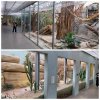
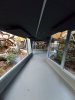
Visitor walkway
Without a doubt, this was one of the best monkey houses on this trip.
Keep it exciting for both the animals and the visitor. It has an attractive layout as the visitor route inside has no straight lines but a zigzag pattern throughout the building, interrupted in the middle by a dead-end side section.

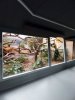
Lemur enclosure
There are 7 beautifully decorated enclosures, with large photo prints of the species' habitat in the background, and all equipped with natural climbing posibilities (rocks, branches, trees) and natural floor. Each one is adapted to the needs of the species kept. These photo prints are always adapted to the region where the species lives, and are fitted in such a way that optimum depth is achieved. Clearly a lot of thought and resources have gone into this.

Goeldi's monkeys exhibit
At the back of the building, there are four additional outdoor enclosures, complete with greenery, for the callithrids and squirrel monkeys. In the visitors’ dead-end, sewage pipes hang on the ceiling through which the animals can pass from their indoor enclosure to outside. A good idea and very efficient. None of the enclosures are large, but they are certainly sized for the species kept. I was particularly pleased with this building.

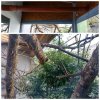
Sewage pipe passage for callithrids - Bolivian squirrel monkey enclosure
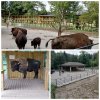
The zoo does not achieve the same quality in any other exhibit. But there are still some good things here: f.e. that for American bison, completely surrounded by a raised wooden walkway; the very well structured enclosure for Arctic wolves, and the rather atypical taiga for snow leopards.

Plains buffalo enclosure
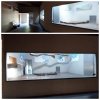
The latter can also be viewed in the Snow Leopard House. The building looks a bit 1970s, but I could quite appreciate it. The almost cold sober night quarters looked as barren as the species natural environment.

Inside the Snow leopard house
A plus for the zoo certainly is the absence of excessive Thibetan theming we’re all so familiar with. On the contrary, a separated part of the building contains a sober information room about these beautifull creatures.

Snow leopard taiga
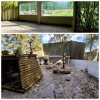
From the best to the worst, it is only a few steps from the monkey house to the serval holding which is absolutely substandard: cats are kept in a dark shed, with rest boxes in front of windows, close to visitors; and with a small densely wooded cage as the only outdoor space.
The old pheasantry is rather neglected and is in desparate need of renovation. Fortunately, the zoo envisages a brand new building for pheasants in its master plan. Hopefully they will then show some more interesting species, although with between 10 species including tragopans and ear pheasants, it was not entirely disappointing.

Pheasantry
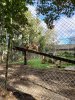
The zoo's predators all need more space. I never saw so many striped skunk in 1 enclosure. For the Eurasian lynxes and brown bears, some of this has already been achieved. But actually, their enclosures really do need thorough upgrade. There is a nice old-fashioned cat house for the African lions and Siberian tigers. Both species have two indoor pens each and the building is typical of the era in which it was built, with a long visitor corridor and the animals close by. Their outdoor enclosure is not particularly attractively designed, but there are some higher vantage points.

African lion outside the Cat House

Syrian brown bear - Old bear pit and extension area
Enjoying a cup of coffee on the zoo terrace, I still thought this was a more than successful opening to the day.
Servion Zoo may not be a well-known zoo and it is also off the tourist trails, but it is nevertheless a particularly pleasant place. It is a zoo in full transformation, according to its own financial pace, but that it is (can be) heading in the right direction is evidenced by the monkey house which. No reptiles or otherwise herps here, but that has its specific reasons, as we can immediately see 100 metres further.
After an incredibly quiet night, I was all set for a day that announced itself as not so special. A couple of small zoos in the morning, and then quietly descending to Lake Geneva for some fishing and birding. As the crow flies, no more than 20 km for all locations, so no reason to hurry.
However, things turned out completely differently, and it was a great day.
I started the day in the tiny village of Servion, which has not 1 but 2 zoological institutions. I was one of the first visitors in the zoo. It is located in the middle of the rolling countryside on the edge of a forest.
As inconspicuous as the entrance is, so overwhelming is the zoo's first visitable building. Sometimes the unexpected lurks just around the corner. You would never expect to come across a monkey house of absolute European class in such a small country zoo.Frankly, it would not be out of place in a lot of larger zoos, in my opinion.
In doing so, the species list is not overwhelming: only 8 species and none of them are rare. Still, with blue-eyed black lemur, black-capped capuchin monkey, golden-headed lion tamarin, goeldi's monkey (with Palawan peacock pheasants), cotton-topped tamarin with bearded emperor tamarin, Bolivian squirrel monkey, and pygmy marmoset also not a bad line-up for a small place.
The 3 cages at the front of the building also seem nothing special. Good in height, and equipped with the necessary climbing attributes, but certainly not large.
But inside, this building really comes to shine. It’s where this building rivals similar structures in the big zoos.
Visitor walkway
Without a doubt, this was one of the best monkey houses on this trip.
Keep it exciting for both the animals and the visitor. It has an attractive layout as the visitor route inside has no straight lines but a zigzag pattern throughout the building, interrupted in the middle by a dead-end side section.
Lemur enclosure
There are 7 beautifully decorated enclosures, with large photo prints of the species' habitat in the background, and all equipped with natural climbing posibilities (rocks, branches, trees) and natural floor. Each one is adapted to the needs of the species kept. These photo prints are always adapted to the region where the species lives, and are fitted in such a way that optimum depth is achieved. Clearly a lot of thought and resources have gone into this.
Goeldi's monkeys exhibit
At the back of the building, there are four additional outdoor enclosures, complete with greenery, for the callithrids and squirrel monkeys. In the visitors’ dead-end, sewage pipes hang on the ceiling through which the animals can pass from their indoor enclosure to outside. A good idea and very efficient. None of the enclosures are large, but they are certainly sized for the species kept. I was particularly pleased with this building.
Sewage pipe passage for callithrids - Bolivian squirrel monkey enclosure
The zoo does not achieve the same quality in any other exhibit. But there are still some good things here: f.e. that for American bison, completely surrounded by a raised wooden walkway; the very well structured enclosure for Arctic wolves, and the rather atypical taiga for snow leopards.
Plains buffalo enclosure
The latter can also be viewed in the Snow Leopard House. The building looks a bit 1970s, but I could quite appreciate it. The almost cold sober night quarters looked as barren as the species natural environment.
Inside the Snow leopard house
A plus for the zoo certainly is the absence of excessive Thibetan theming we’re all so familiar with. On the contrary, a separated part of the building contains a sober information room about these beautifull creatures.
Snow leopard taiga
From the best to the worst, it is only a few steps from the monkey house to the serval holding which is absolutely substandard: cats are kept in a dark shed, with rest boxes in front of windows, close to visitors; and with a small densely wooded cage as the only outdoor space.
The old pheasantry is rather neglected and is in desparate need of renovation. Fortunately, the zoo envisages a brand new building for pheasants in its master plan. Hopefully they will then show some more interesting species, although with between 10 species including tragopans and ear pheasants, it was not entirely disappointing.
Pheasantry
The zoo's predators all need more space. I never saw so many striped skunk in 1 enclosure. For the Eurasian lynxes and brown bears, some of this has already been achieved. But actually, their enclosures really do need thorough upgrade. There is a nice old-fashioned cat house for the African lions and Siberian tigers. Both species have two indoor pens each and the building is typical of the era in which it was built, with a long visitor corridor and the animals close by. Their outdoor enclosure is not particularly attractively designed, but there are some higher vantage points.
African lion outside the Cat House
Syrian brown bear - Old bear pit and extension area
Enjoying a cup of coffee on the zoo terrace, I still thought this was a more than successful opening to the day.
Servion Zoo may not be a well-known zoo and it is also off the tourist trails, but it is nevertheless a particularly pleasant place. It is a zoo in full transformation, according to its own financial pace, but that it is (can be) heading in the right direction is evidenced by the monkey house which. No reptiles or otherwise herps here, but that has its specific reasons, as we can immediately see 100 metres further.
Attachments
-
 upload_2024-2-2_18-58-23.jpeg74.4 KB · Views: 106
 -
 upload_2024-2-2_18-58-44.jpeg83.6 KB · Views: 111
 -
 upload_2024-2-2_18-59-59.jpeg181.9 KB · Views: 113
 -
 upload_2024-2-2_19-1-2.jpeg210.7 KB · Views: 110
 -
 upload_2024-2-2_19-2-11.jpeg71.5 KB · Views: 110
 -
 upload_2024-2-2_19-3-35.jpeg149.2 KB · Views: 112
 -
 upload_2024-2-2_19-4-10.jpeg223.3 KB · Views: 114
 -
 upload_2024-2-2_19-4-45.jpeg192.3 KB · Views: 110
 -
 upload_2024-2-2_19-5-52.jpeg171.5 KB · Views: 110
 -
 upload_2024-2-2_19-9-30.jpeg132.9 KB · Views: 108