Colchester Zoo Colchester Zoo - past, present and future

Do you have any photos of Parrot Rock? I am aware it is near the entrance but don't remember seeing it in action so would be nice to what it it/was like and might help me recognise at least the rock itself.

This is a photograph from 2011 showing Parrot Rock when it was still occupied.

Macaw Walk - ZooChat

The enclosure itself is still there and completely unchanged, but now doesn't house any animals.
 
This is a photograph from 2011 showing Parrot Rock when it was still occupied.

Macaw Walk - ZooChat

The enclosure itself is still there and completely unchanged, but now doesn't house any animals.
Thanks, I was thinking I may have seen it fairly recently by looking for it without really knowing what I was looking for, but I will keep an eye out next visit, possibly the trees in the background will be helpful for me.
Edit: By looking on google maps I think I can work out where it is, if I have missed it all these times that would be quite the shock, though I assume only down to me focusing on the pretty much off show enclosures on the other side of the path on the odd occasion I do walk that way on my visits.
 
Last edited:
I really don't know why Colchester didn't take on more of the birds from Raymond Sawyer's collection when he passed away - I believe all his animals had their ownership passed to the zoo, but they only kept the koi, the giant tortoises and a small number of cranes and flamingos. Just looking through a small handful of pictures taken at the private collection in 2011 (the year before Raymond Sawyer died) shows some really choice birds - scarlet-headed blackbird, purple honeycreeper, spangled cotinga and European bee-eater just for starters. I definitely feel that a walkthrough bird house would have made a much finer memorial to an aviculturist than the koi house.

It's also a shame that several of the bird enclosures have stood empty for quite a time or just been left - the old Parrot Rock, if netted over, could be a fine aviary for a medium-small bird. And the scarlet ibis aviary was basically abandoned until the hyraxes moved in; again, that could have been excellent for a couple of larger birds, or several species of smaller ones.
You're right ,I would have thought that any zoo would have jumped at the chance of such an offer. Out of interest do you know where his collection went to?
 
You're right ,I would have thought that any zoo would have jumped at the chance of such an offer. Out of interest do you know where his collection went to?
It was dispersed far and wide. A Purple-throated Fruit Crow initially was placed at an agricultural college, then moved to the more appropriate setting of Wuppertal Zoo, the only European zoo with a breeding group of this aviculturally very rare species.
Tank, the breeding male giant tortoise, was on loan from ZSL, and I believe is now in a breeding setting somewhere in Europe. It’s always seemed inappropriate (and a missed opportunity!), that Colchester Zoo seems to have built the Koi Niwa as a memorial to Raymond, rather than a bird exhibit. Admittedly he kept Koi, but birds are what he was known for and excelled at over the years
 
The birds are now complete, with the next four posts going to be dedicated to different groups of reptiles.

CROCODILIANS

As the biggest and most impressive of the reptiles, crocodilians are the sort of reptile that Colchester Zoo has shown a real willingness to display. While in the past these animals were housed more simply, there have been both realised and unrealised plans to create more impressive facilities for crocodiles at the zoo. A planned tropical house on the site of the current capuchin monkey enclosure would have had the Cuban crocodiles as its main attraction, but the updated enclosure for the slender-snouted crocodile is almost as grand and even includes an outdoor enclosure for use when the weather is good.

Past holdings:

Cuban crocodile, Crocodylus rhombifer

Two female Cuban crocodiles arrived at Colchester Zoo from the Czech Republic in June 2008. They spent some time living in what is now the Worlds Apart building, before moving to one of the displays in Dragons of Komodo as they grew larger. When plans for a South American exhibit that would have incorporated them fell through, the species was moved from the collection in 2019.

Nile crocodile, Crocodylus niloticus (?)

This one is based on my own identification – an undated postcard from Colchester Zoo shows what appears to be this species of crocodile. Obviously, I am not aware of when the species arrived at or left the collection, and am also uncertain where it was kept. However, unidentified crocodiles are mentioned in both the 1967 to 1968 and 1972 guidebooks.

American alligator, Alligator mississippiensis

It is not certain when American alligators started to be kept in the zoo, but for many years a pair lived in the crocodilian enclosure in Chimp World. They left the zoo sometime between 1999 and 2003, when their enclosure became home to the current slender-snouted crocodile.

Spectacled caiman, Caiman crocodilus

It is not known when this species arrived at or departed from Colchester Zoo, but a 1978 guidebook mentions the species and International Zoo News records that, sometime from May to August 1986, an enclosure for caiman was remodelled. It is not clear where the caiman lived.

Present holdings:

Slender-snouted crocodile, Mecistops sp.

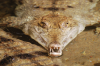
It is difficult to find out exactly when the slender-snouted crocodiles arrived at Colchester, although the earliest reference I can find is a map from 2003. The two animals, both female, remained at the zoo until 2016 when they temporarily went to Crocodiles of the World while their enclosure was renovated. On returning, the previous amicable crocodiles started to fight, so one of the two returned to Crocodiles of the World and left the single female, Caroline, that remains at the zoo today.

upload_2024-3-7_11-58-49.png
While only a single animal remains, Colchester have shown they are willing to invest in creating large and interesting enclosures for crocodilians.

For those interested, the postcard with the possible Nile crocodile can be seen here. Any confirmation on species identity would be much appreciated:
Crocodile at Colchester Zoo Postcard Essex on eBid United Kingdom | 177961780
 

Attachments

  • upload_2024-3-7_11-58-49.png
    upload_2024-3-7_11-58-49.png
    1.1 MB · Views: 112
LIZARDS

The biggest group of reptiles, the lizards are understandably the most commonly-kept group at Colchester both in the past and the modern-day. Without a large specialist reptile house, lizards have often been tucked away in other display areas, and there has never been a huge amount of diversity, with the majority of lizards kept being one of four groups – the skinks, agamids, iguanas and particularly the monitor lizards. One group of lizards that has been kept in the past, which I have not yet found further information on, are the chameleons. They are mentioned in the 1967 to 1968 guidebook. More recently, there was some talk of a chameleon arriving in around 2020, but that never panned out. In more recent times, a number of the lizards that have arrived have not always worked out – of the seven species that have arrived since 2018, just over half of them still remain at the zoo.

Past holdings:

Yellow-headed day gecko, Phelsuma klemmeri

A yellow-headed day gecko arrived at Colchester Zoo in 2020, moving into a renovated terrarium in Kingdom of the Wild. It was later joined by a second individual. By 2022, the species had left the collection.

Fire skink, Lepidothyris fernandi

A pair of fire skinks arrived at Colchester Zoo in 2020, moving into a new terrarium in Kingdom of the Wild, mixed with the false tomato frogs. By 2023, the species had left the collection.

Algerian skink, Eumeces algeriensis

While I do not know when this species arrived at or left Colchester Zoo, or where it was kept, the Algerian skink was definitely present in 1994.

Tropical girdled lizard, Cordylus tropidosternum

This species is listed as a former holding on Zootierliste, with no further information when it was present at Colchester.

Central bearded dragon, Pogona vitticeps

The 2003 map lists bearded dragons as being present in the Desert Life building. The species left sometime after that, before returning in 2014 to live in the Sensation Station. They remained here until 2018.

Chinese water dragon, Physignathus cocincinus

The Story of Colchester Zoo records the arrival of a pair of Chinese water dragons at the zoo in 1972. I do not know where in the zoo they lived, or when they left the collection.

Philippine sailfin lizard, Hydrosaurus pustulatus

The first record I can find for this species is from the 1998 zoo guidebook, where they are shown living in the current Rivers Edge building. They lived here until around 2014 or 2015, when the single animal was moved out to provide a home for a young Komodo dragon. Over the next few years, it moved between the reptile enclosure in Heart of the Amazon and then Iguana Forest. While I am not certain as to what year this animal left, it was sometime around 2022.

North African mastigure, Uromastyx acanthinura

This species is listed as a former holding at Colchester Zoo, but without any information regarding the time it was present.

Saharan spiny-tailed lizard, Uromastyx geyri

Spiny-tailed lizards, not identified to species level, are mentioned on the 2003 map living in the Desert Life building. Pictures from around 2006, also from the Desert Life building, seem to show this species. They subsequently moved into the Kingdom of the Wild, living in a mixed display with the plated lizards and tortoises. A new group of four arrived in 2015, with the last individuals leaving in 2023.

Cuvier’s Madagascar swift, Oplurus cuvieri

This species first arrived at Colchester Zoo in 2019. It went on-show in 2020, living in one of the larger terraria in Kingdom of the Wild. The single individual left the zoo in 2022.

Desert iguana, Dipsosaurus dorsalis

While I do not know when it arrived at or left the collection, the desert iguana was definitely present at Colchester Zoo in 1994.

Green anole, Anolis carolinensis

Several individuals of this species arrived in the Discovery Centre in 2013 and remained there until the building was closed in 2021.

Golden tegu, Tupinambis teguixin

Although I do not know when they arrived at or left the collection, this species is listed as a former holding on Zootierliste. The 1998 zoo map shows tegus as one of the inhabitants of the Rain Forest Life building, where the current Rainforest Walkthrough now stands.

Ibiza wall lizard, Podarcis pityusensis

The 1986 International Zoo News issue reports the arrival of a single Ibiza wall lizard sometime between September and December. The lizard came to the zoo as a result of a customs seizure. I do not know where in the zoo it lived, or when it left the collection.

Biak tree monitor, Varanus kordensis (?)

Zootierliste reports that this species was kept until 2016, without mentioning when it arrived. I personally do not remember seeing it, and do not know where in the zoo it lived.

Timor monitor, Varanus timorensis

Zootierliste records this species being present at Colchester Zoo for a short time, with the species arriving in 1998 before it departed in 2000 for Chester Zoo.

Asian water monitor, Varanus salvator

Water monitors are recorded on the 2003 zoo map, living in the Aquatics House. The last water monitor remained until just after the house was renovated as Worlds Apart in 2008, when it left so that its enclosure could be used to house the newly-arrived Cuban crocodiles.

Nile monitor, Varanus niloticus

While I do not know exactly when they arrived, the Nile monitor is shown on the 2003 map, living in Kingdom of the Wild. A pair of these lizards had the central of the three larger terraria, now home to the mud turtles and cichlids. They remained here until the last individual left the zoo in 2016.

Savannah monitor, Varanus exanthematicus

This species of lizard is mentioned in the 1998 guidebook, but I do not know where in the zoo it was kept during that time. In 2003, the zoo map shows them living in Kingdom of the Wild – they lived with the African spurred tortoises in what is now the weaverbird and leopard tortoise exhibit. An online photograph from 2005 shows that the species was still present, but by this time it had moved into one of the terrariums in Elephant Kingdom. I believe the species left soon after this.

White-throated monitor, Varanus albigularis

Although I do not know where they lived within the zoo, Zootierliste records this species of lizard being present at Colchester Zoo between 1989 to 2001.

Present holdings:

Solomon Island skink, Corucia zebrata

These large skinks first arrived at Colchester Zoo in 2018, and lived in the Worlds Apart building opposite the rhinoceros iguana. Later that year, they moved into a new enclosure in Heart of the Amazon, where they remain to this day. There were originally three animals, but they first bred in April 2020 and as of August 2023 there is a group of ten. In 2024, they moved back into their original enclosure in Worlds Apart.

Common blue-tongued skink, Tiliqua scincoides

A single blue-tongued skink arrived at Colchester Zoo in 2017, where it lived in one of the tanks in the Sensation Station. In 2022, the skink replaced the day geckos and mantellas in their tank in Kingdom of the Wild, where it remains to this day.

Rhinoceros iguana, Cyclura cornuta

While they may have been present earlier, the first record I can find is from 1994, where a zoo map shows them as part of the Patas Plains exhibit (roughly where the squirrel and saki monkeys live today). In 2008, a pair moved into a new enclosure in Worlds Apart, formerly the aquatics room. Today only a single male, named Rico, remains at the zoo.

Green iguana, Iguana iguana

Iguanas are mentioned in the 1972 guidebook, without specifying the species, but a stamp included in a 1970s junior guide with photographs of Colchester Zoo animals does show this species. They are also mentioned in the 1998 guidebook. The 2003 map shows they lived in two enclosures, one in the Aquatics House (now Worlds Apart) and one in Heart of the Amazon, in the current Solomon Island skink enclosure. Some remained in this enclosure even after the creation of the Iguana Forest walkthrough in around 2007, although by at least 2015 they were only kept in Iguana Forest. A new pair arrived at the zoo in 2022, again in the Iguana Forest walkthrough.

Fiji banded iguana, Brachylophus fasciatus

A pair of these iguanas arrived at Colchester Zoo in 2019, moving into their current enclosure opposite the rhinoceros iguana in Worlds Apart. They have bred at least twice, with the male now moved into reptile display in Heart of the Amazon while the females have moved into the old anaconda enclosure in Worlds Apart.

Gariau forest dragon, Hypsilurus magnus

The Gariau forest dragon, referred to by the zoo simply as agamid lizards, first arrived at Colchester Zoo in 2018. They live in the small standalone reptile house on Billie-Joe’s Walk, just up from the chimpanzee enclosure. There are currently three individuals in this display.

Giant plated lizard, Matobosaurus validus

The earliest record I can find for the plated lizard is from 2003, where they are recorded living in Kingdom of the Wild – a singleton lives in the same enclosure to this day. They may have been present earlier, living in the former Snakes and Lizards exhibit between the mangabeys and macaques.

Sudan plated lizard, Broadleysaurus major

A single individual of this lizard arrived in 2024, and is mixed in with the giant plated lizard and pancake tortoises in the Kingdom of the Wild house.

Green tree monitor, Varanus prasinus

A male green tree monitor arrived at Colchester Zoo in 2017, living in the tall indoor terrarium in the Rivers Edge house. A female arrived in 2020.

Komodo dragon, Varanus komodoensis

The first Komodo dragons arrived at Colchester Zoo in 2006, and moved into the newly-built Dragons of Komodo building. The male Telu and female Mutu became the first Komodo dragons in the UK to breed by natural mating rather than parthenogenesis, with at least twenty-four offspring born in two clutches in 2013 and 2014. Today, the zoo has two males that were both born at Colchester.

upload_2024-3-8_13-0-47.png
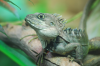
The Gariau forest dragons show that Colchester is willing to bring in unusual lizards, with these being one of the new arrivals to have persisted at the zoo.
 

Attachments

  • upload_2024-3-8_13-0-47.png
    upload_2024-3-8_13-0-47.png
    973.8 KB · Views: 97
SNAKES

As with the lizards, snakes at Colchester Zoo have been hampered by the lack of a large reptile house and there has never been a particularly strong snake collection. Many historical records are marred by incorrect or incomplete species names – for example, the 1972 guidebook mentions Malaysian boa constrictors, while generic anacondas arrived sometime between 1966 to 1968. Most of the species kept in the past, and all four still kept at the zoo today, are large constricting snakes from the families Boidae and Pythonidae.

Past holdings:

Puerto Rican boa, Chilabothrus inornatus

A record from Zoochat reports that this species was present in 1994, while volume 35 of the International Zoo Yearbook, dating to 1997, also records the Puerto Rican boa at Colchester Zoo. I do not know when the species left the collection, or where it was housed.

Cuban boa, Chilabothrus angulifer

The Cuban boa has been mentioned on Zoochat as a species that formerly lived in Colchester Zoo, but I do not know when they were present or where they were housed.

Red-tailed boa, Boa constrictor

The first record I can find for this species is from the 1967 to 1968 guidebook. A boa constrictor was definitely present at Colchester Zoo in 1974, as The Story of Colchester Zoo recounts an incident where a member of the public who had donated their pet boa constrictor to the zoo broke in overnight to pay it a visit. They were also present later, as I have a photograph of one from the Wild Theatre taken in 2013. The species probably left sometime around 2014, when the theatre was closed.

Yellow anaconda, Eunectes notaeus

This species first arrived at the zoo 2008, moving into the enclosure opposite the rhinoceros iguana in Worlds Apart. At times there were four individuals together in this display. The last of the yellow anacondas left the zoo in 2014.

East African sand boa, Eryx colubrinus

Zootierliste records this species of snake being present at Colchester Zoo between 1997 and 2000. Where it lived is something of a mystery, but I would assume they were either in the Desert Life or Snakes and Lizards buildings.

Corn snake, Pantherophis guttatus

I cannot determine exactly when this commonly-kept snake species arrived at Colchester, only that in 2013 they moved out of the zoo’s Discovery Centre before going on-show in the Sensation Station in 2014. They remained there until around 2022.

Pine snake, Pituophis melanoleucus

The earliest record I can find of the Northern pine snake is from the 2003 map, where it is shown living in the Desert Life building, although it may well have been present earlier than that. The last one moved off-show when Desert Life was closed in 2008, but left later that same year.

Mangrove cat snake, Boiga dendrophila

A junior guidebook for the zoo, dating back from the early 1970s, came with a collection of twenty-eight stamps showing photographs of animals taken in the collection. One of these stamps is of a mangrove snake.

Chilean ‘garter snake’, Colubridae sp.

An Essex Police newsletter from 1983 reports a nonvenomous snake being taken to Colchester Zoo after having stowed away in an import of Chilean melons to a greengrocer in Harlow. It is not known if this snake remained at the zoo, whether it went on-display or even what species it was.

Carpet python, Morelia spilota

Zootierliste records the Northwestern carpet python as having been present at Colchester Zoo in the past, but gives no details as to when they lived at the collection.

Indian rock python, Python molurus

The Story of Colchester Zoo reports that an Indian python was present at Colchester Zoo when it opened in 1963. They are also mentioned in the 1967 to 1968 guidebook and as an encounter species in the 1998 guidebook. I do not know how long the species remained at the zoo for, or where exactly they lived during their time there.

Burmese rock python, Python bivittatus

These snakes have been kept at Colchester Zoo since at least 2003, with the zoo map showing them living in what is now the Rivers Edge building. At first there were several of these snakes, including a female albino, in a much smaller space. In 2021 to 2022, the enclosure was massively expanded but unfortunately just over a year later in February 2023 the last Burmese python, a female named Sasha, was put to sleep after she was found to have kidney failure. The zoo decided against continuing with the species, and the green anacondas moved into their former enclosure.

Reticulated python, Malayopython reticulatus

The Story of Colchester Zoo reports the arrival of a 7.5-metre-long sacred python from Malaysia in 1965 – the only Malaysian python of that size is the reticulated python. Later on, in 1970, the zoo became home to an 8.2-metre-long reticulated python by the name of Cassius, who came to the zoo with Nick Nyoka. Even though the official 2023 souvenir book describes it as a Burmese python, a video available online showing the animal makes it clear that Cassius was a reticulated python. I am not certain exactly when this species left the collection, nor where they lived within the zoo.

Puff adder, Bitis arietans

The 1986 International Zoo News edition says that, sometime between September and December of that year, three puff adders arrived at Colchester Zoo as part of a customs seizure. It is not certain how long they remained at the zoo or whether they ever went on-display. They are the only vipers, and indeed the only dangerously venomous snakes, I can find any evidence for being kept at Colchester Zoo.

Present holdings:

Green anaconda, Eunectes murinus

Green anacondas arrived at Colchester Zoo in 2009, moving into the first enclosure in the Worlds Apart building. They remained here until 2023, when the two males moved into the former Burmese python enclosure in Rivers Edge.

Madagascar tree boa, Sanzinia madagascariensis

This species of snake has been kept at Colchester since at least 2003, when they lived in the Snakes and Lizards building between the mangabeys and Barbary macaques. The tree boas bred while in this display. In around 2010 they moved into Kingdom of the Wild, but over the years have moved between several enclosures. These include the terrarium inside Elephant Kingdom and, in the case of young boas, in the Discovery Centre. Currently, only four females remain in the Kingdom of the Wild display.

Central African rock python, Python sebae

African rock pythons have been present at least since the opening of Elephant Kingdom in 2003. By 2013 they had moved to Kingdom of the Wild, occupying what was formerly the meerkat enclosure. There is now a single individual on-display, the only one of its species in a British zoo.

Royal python, Python regius

The first record I can find of this species from Colchester Zoo is from the 1967 to 1968 guidebook. An online video from 1970 that shows a royal python being handled by Nick Nyoka. The 1972 guidebook also has a picture of one on the front cover. One python of this species at the zoo celebrated its fortieth birthday in 2020, so may have been at the zoo since these early times. The species definitely lived in the Discovery Centre until they moved to the Sensation Station in 2014. In 2022, they moved in with the radiated tortoises in the terrarium in the Elephant Kingdom house, where they remain to this day.

upload_2024-3-9_11-37-3.png
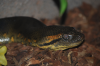
Colchester has had a long history of keeping snakes, but has had an almost laser-like focus on the largest and most impressive of the constrictors.
 

Attachments

  • upload_2024-3-9_11-37-3.png
    upload_2024-3-9_11-37-3.png
    873.1 KB · Views: 88
Last edited:
I have incredibly fond memories of my visits to Colchester, it’s definitely in my top 3.

I’m not sure this is the right place but could I ask for some help in working out if a few of my memories are correct?

It's fine to ask questions here - even if I can't answer them, hopefully someone else will be able to.
 
Mangrove cat snake, Boiga dendrophila

A junior guidebook for the zoo, dating back from the early 1970s, came with a collection of twenty-eight stamps showing photographs of animals taken in the collection. One of these stamps is of a mangrove snake.

There is some additional animal information that I have been able to determine from the collection of early 1970s animal stamps, referring to animal groups mentioned earlier in the thread:
  • Confirmation that there were South American squirrel monkeys (the same species as present today) at this time.
  • The armadillo present at this time was the large hairy armadillo, the same species as is present today.
  • The pelicans pictured on one stamp are white pelicans, pushing their time present at the zoo back around ten years - the only other record so far noted was from 1983.
The little guide that comes with the stamps specifically says that all the photographs were taken at Colchester Zoo, so the photographs are sufficient evidence for the presence of each species.
 
CHELONIANS

The chelonians are almost unique among the Colchester Zoo reptiles in still having a rather impressive collection, albeit comprised mostly of tortoises rather than turtles. Some former holdings, not identified to species and so not mentioned on the official list, include a snapping turtle species included in the 1967 to 1968 guidebook and a snake-necked turtle that arrived in 1970. There were even plans in 1972 for the zoo to receive sea turtles, likely of the loggerhead species, for their aquarium. Perhaps fortunately, international disputes with the source country of Malta meant that the little Colchester Zoo aquarium was not ‘blessed’ by the presence of these large aquatic reptiles.

Past holdings:
Home’s hingeback tortoise, Kinixys homeana

The first record I can find for this Critically Endangered small tortoise is from the 2003 zoo map, where they are shown living in one of the former terraria inside Elephant Kingdom. Sometime later, they moved into a terrarium by the entrance to Penguin Shores. The last individual left in 2013.

Indian star tortoise, Geochelone elegans

The first reference I can find for star tortoises is from online photographs taken in 2006, when they presumably lived in the Desert Life building. When that closed in 2008, they moved into the Snakes and Lizards building, where they lived until 2010. When this closed, they moved into the former hingeback tortoise enclosure in Elephant Kingdom, where they remained until their departure in around 2013.

Red-footed tortoise, Chelonoidis carbonarius

The one reference I can find for the red-footed tortoise is the 2003 zoo map, which shows them living roughly in the area now occupied by the rufous hornbill aviary. I do not know exactly when this species arrived at or left the collection.

Elongated tortoise, Indotestudo elongata

This species is mentioned as a former holding for Colchester Zoo on Zootierliste, but there is no further information about arrivals or departures. I also do not know where they were kept in the zoo.

Asian forest tortoise, Manouria emys

A trio of this species arrived in 2012 alongside the Aldabra giant tortoises, and shared an enclosure with them in the Walking Giants display. They remained here until 2016, when the species left the collection.

Yellow-margined box turtle, Cuora amboinensis

The earliest record of this species that I have are sightings from 2010. They were kept in several different enclosures throughout their time at the zoo, including in the Rivers Edge building, in both the turtle enclosure and the terrarium in Rajang’s Forest, in the current skink enclosure in Heart of the Amazon and in the Iguana Forest walkthrough. At times there were four adults, and the species may have bred in their time at the zoo. The last record I can find of this species is from 2021 – a male named Hector that lived in Iguana Forest, but is definitely not present there now.

Eastern box turtle, Terrapene carolina

While I do not know when they arrived or where they were kept, Zootierliste records that in 1994 and 1995 there were ten individuals of this species. They later moved into the Iguana Forest walkthrough where their numbers gradually dwindled. The last individual had gone by 2022.

Uncertain holdings:
Red-eared slider, Trachemys scripta (?)

This is a very difficult species to date the potential arrival at the zoo, as I am not convinced the zoo still regards them as their own animals. For as long as I can recall, sliders have lived freely on the zoo’s lakes but I can find no details suggesting if or when the zoo released them. The prevalence of these invasive turtles could be quite concerning, as I have definitely seen at least one on the zoo’s adjoining nature reserve before, but the new bush dog enclosure separates the lakes from the reserve and should prevent further spread. The numbers of sliders on the lake does seem to have declined quite markedly in recent years.

Present holdings:
Aldabra giant tortoise, Aldabrachelys gigantea

According to the zoo’s 2023 souvenir guidebook, an Aldabra giant tortoise that had been born in 1860 arrived at Colchester in 1964, where it was allowed to freely roam through the zoo’s grounds. The 1972 guidebook shows a pair in a low walled enclosure, with the map showing them living on land roughly where the entrance to the Playa Patagonia sea lion tunnel now stands. Giant tortoises remained in this enclosure until at least 1994, after which they stop appearing on the zoo maps. Later, the species returned to the zoo in 2012, with a pair owned by the late Raymond Sawyer arriving at Colchester to move into the custom-built Walking Giants enclosure.

African spurred tortoise, Centrochelys sulcata

I do not know when this species first arrived at Colchester Zoo, but the first record I can find is from 2003. At this time, they lived in the Kingdom of the Wild enclosure now occupied by leopard tortoises and weaverbirds. Soon after, they moved into what is now the Feathers of the Forest indoor aviary, before moving again in 2012 to the Walking Giants exhibit where three animals remain to this day.

Leopard tortoise, Stigmochelys pardalis

This species has been kept since at least 2003, with the map for that year showing them living in the area now occupied by the Feathers of the Forest indoor aviary. They swapped enclosures with the spurred tortoises, moving into Kingdom of the Wild where a group continues to live to this day.

Radiated tortoise, Astrochelys radiata

The first animals of this species, a trio from Rotterdam, arrived in 2012. Being quite young, they were kept in a mixed display with the plated and spiny-tailed lizards and pancake tortoises in Kingdom of the Wild. Over the years, they later moved into the left-most of the larger Kingdom of the Wild terraria, mixed with the Madagascar tree boas before moving into Elephant Kingdom in around 2019. As of 2024, there is seemingly just a single individual remaining.

Yellow-footed tortoise, Chelonoidis denticulatus

This species has been kept since at least 2003, and has almost always been associated with the green iguanas. The 2003 map shows them being kept in both the current Worlds Apart building and in Heart of the Amazon, in both places mixed with iguanas. There is currently just a single individual remaining, a male named Boris.

African pancake tortoise, Malacochersus tornieri

While I do not know exactly when this species arrived, the 2003 zoo map shows them living in the Desert Life building. Between 2012 and around 2019, one lived in Penguin Shores. However, the only place they can be seen today is Kingdom of the Wild, in a mixed display with the plated lizards.

Spur-thighed tortoise, Testudo graeca

The earliest confirmed record I can find for this common pet tortoise is from the 1998 guidebook. In 2003, they were kept in the Snakes and Lizards building between the current mangabey and Barbary macaque enclosures. The next record I have is from 2012, when a small group appeared in an outdoor enclosure between the current pig and rat house and the spurred tortoise enclosure in Familiar Friends. They later moved into the Sensation Station, where two individuals are still present as of 2024.

Giant Asian pond turtle, Heosemys grandis

The first individual of this species to arrive at Colchester Zoo, a male, first appeared in 2007. This species has, ever since its arrival, lived in the open-topped tank in Rajang’s Forest.

Spiny hill turtle, Heosemys spinosa

This species arrived in 2018, when they moved into the new reptile display along Billy-Joe’s Path. They have remained there to this day, with at least a pair currently present.

West African mud turtle, Pelusios castaneus

A pair of these turtles arrived at Colchester Zoo in 2018, first living in the leftmost of the three larger terraria that now house Madagascar tree boas. They later moved into the middle terrarium, where they live to this day alongside a variety of Lake Malawi cichlids.

upload_2024-3-10_11-50-38.png
The long-lived nature of turtles and tortoises means that we can hopefully enjoy the presence of many species in the collection for a long time to come.
 

Attachments

  • upload_2024-3-10_11-50-38.png
    upload_2024-3-10_11-50-38.png
    1.1 MB · Views: 89
AMPHIBIANS

These little creatures have a lot going for them, and Colchester Zoo has regularly displayed some kind of amphibian at various times in its history – although the species involved are not made clear, Anthony Smith mentions in his 1977 book Animals on View that Colchester had around 150 individual amphibians. In more recent times, amphibian keeping at Colchester has been beset by several short-term keepings and off-show species, with at least two species never going on-display and another three leaving within two years of arriving at the zoo.

Past holdings:

Oriental fire-bellied toad, Bombina orientalis

The earliest mention I can find for this species is from Zootierliste, which records two individuals being kept in 1994 and 1995. In 2012, at least one brown-morph individual of this species was kept in Orangutan Forest before it moved to the Discovery Centre in 2013. I do not know when this species left the collection.

Cane toad, Rhinella marina

Zootierliste again records two individuals of this species being kept between 1994 and 1995. The latest record I can find is from the 2003 zoo map, which shows the species being kept in what is now Worlds Apart.

Banded bullfrog, Kaloula pulchra

Two individuals were kept in 1994 and 1995, according to Zootierliste. I do not know when this species arrived at or left the collection, nor where they were kept.

Ornate horned frog, Ceratophrys ornata

An albino specimen of this species arrived at the zoo in 2009 and left the collection in around 2021. Throughout this time, it lived in a tank in the Discovery Centre.

Golden poison-dart frog, Phyllobates terribilis

I am not certain when this species arrived at the zoo, but it first bred in 2014 and the last animal died in 2016. Throughout this time, they never went on-display.

Black-legged poison-dart frog, Phyllobates bicolor

I do not know when they arrived at or left the collection, but I have a photograph of one of these frogs dating back to 2012. It lived in the poison-dart frog tank that still exists in Worlds Apart.

Blue poison-dart frog, Dendrobates tinctorius

A pair of blue poison-dart frogs arrived in the Worlds Apart dart frog exhibit in 2008 and moved to the Discovery Centre in 2010. They were the last species to leave there when it closed in 2021.

Golden mantella, Mantella aurantiaca

This species was signed as arriving in 2012, but it wasn’t until May 2013 that it actually went on-display. By February 2014, the mantellas had left the collection. They lived in one of the former terraria in Kingdom of the Wild.

Blue-legged mantella, Mantella expectata

A group of this species arrived in 2020 to live alongside the yellow-headed day gecko in one of the renovated terrariums in Kingdom of the Wild. The species left the collection in May 2022. These individuals were extremely shy, and I certainly never saw one on any of my visits.

Golden-spotted sedge frog, Hyperolius substriatus

This species arrived at the zoo in 2010 and left in 2012. They lived in a terrarium in Kingdom of the Wild.

Australian green tree frog, Ranoidea caerulea

I do not know when this species either arrived at or left the zoo, but a map from 2003 records them being present in the Aquatics House.

Red-eyed tree frog, Agalychnis callidryas

This species arrived at Colchester Zoo in around November 2010, with plans for them originally to be mixed with the poison-dart frogs in Worlds Apart. Signage for the species was even painted onto the nearby wall. However, they never went on-display and are now no longer kept.

Fire salamander, Salamandra salamandra

The fire salamander is listed as a species formerly held at Colchester on Zootierliste, but no information is given about when they arrived at or departed from the collection. It is also not certain where they were kept.

Present holdings:

Bony-headed toad, Ingerophrynus galeatus

A pair of this species have been at Colchester Zoo since 2013 and through this time have mainly lived in a tank in Orangutan Forest, although they also briefly inhabited the Discovery Centre in 2019. A single individual is present as of 2024.

False tomato frog, Dyscophus guineti

A singleton of this species arrived in 2014, being joined by a second in around 2017. They moved from their former terrarium to an updated one, but remained within the Kingdom of the Wild house.

Green-and-black poison-dart frog, Dendrobates auratus

I do not know when this species arrived at the zoo, but they have been present since at least 2010. This frog first bred in the collection in 2011. They later bred again in 2023. Throughout this time, they have lived in the current poison-dart frog display in Worlds Apart.

Yellow-banded poison-dart frog, Dendrobates leucomelas

The first record I have for these frogs is from 2010. Yellow-banded poison-darts first bred at Colchester in 2012. They remain, albeit in small numbers, in the Worlds Apart poison-dart frog display.

Strawberry poison-dart frog, Oophaga pumilio

A group of five of these frogs arrived at Colchester from Chester Zoo on 18th August 2023. They now live in the Sensation Station.

Trinidadian stream frog, Mannophryne trinitatis

I am not certain when these frogs arrived at the collection, but they are mentioned on zoo maps dating at least as far back as 2003. They have been kept continuously since then, moving from a tank near the current rhinoceros iguana enclosure to their current tank when the Aquatics Building was renovated as Worlds Apart in around 2008. This species has bred at the zoo.

upload_2024-3-11_11-52-53.png
Half of Colchester Zoo’s current amphibian collection can be found living in a single enclosure in the Worlds Apart building.
 

Attachments

  • upload_2024-3-11_11-52-53.png
    upload_2024-3-11_11-52-53.png
    971 KB · Views: 76
Fire salamanders used to be held in an enclosure in the steep Wilds of Asia corridor, adjacent to the chevrotains.

That's interesting. I remember the chevrotain enclosure having two sections - the larger more planted space and, to the right (next to the entrance of the undercover area), a smaller more sheltered space akin to a standard indoor enclosure (although if I recall correctly, the entire chevrotain enclosure was indoors). Do you remember if the salamanders were formerly in this right-hand section?
 
That's interesting. I remember the chevrotain enclosure having two sections - the larger more planted space and, to the right (next to the entrance of the undercover area), a smaller more sheltered space akin to a standard indoor enclosure (although if I recall correctly, the entire chevrotain enclosure was indoors). Do you remember if the salamanders were formerly in this right-hand section?
The tank was next to the 'indoor' area. I'm fairly sure that if you were to look straight ahead at the chevrotain 'indoors', the salamander tank was directly to your left.
 
FISHES

This is the one group of animals where I will definitely be missing quite a lot of species, because I only recently started to collect information on what fish were kept, with most inhabitants of the Aquatics House fish room likely missing – the 2003 map mentions several fish simply by broad groupings, such as arowanas, barbs, glassfish, halfbeaks, catfish and cichlids. Originally, fish were mainly kept in the Aquatics House, now called Worlds Apart; the tanks here housed a mixture of marine and freshwater species. Nowadays, only freshwater fish live in Worlds Apart, but there are aquaria scattered throughout the zoo – most of the animal houses have at least one species of fish. Behind the mammals, the fish are the second most diverse group of animals displayed at Colchester Zoo, something I fully expect will continue into the future. As for interesting fish that never materialised, both seahorses and ‘sea bats’, presumably some kind of ray, were planned for the aquarium in 1972, but the international dispute with the supplier country of Malta prevented this. There were also apparently plans in around 1983, when the Tropeano family took over Colchester Zoo from the Farrars, for sharks to be brought into the collection – however, the new owners ultimately decided to make improvements to what was already there over bringing in lots of new species.

Past holdings:

Freshwater butterflyfish, Pantodon buchholzi

A large group of these fish, fifteen altogether, arrived at the zoo in 2014. Their numbers dwindled, but a smaller number were brought into the zoo in 2018. The last one went to a private keeper in 2020. Throughout this time, they lived in the water surrounding the leaf-cutting ant colony in their main nest tank.

Rainbow sharkminnow, Epalzeorhynchos frenatum

A single individual of this species arrived in the Rivers Edge aquarium in 2019, and lived there until 2023.

African banded barb, Enteromius fasciolatus

This species of fish was signed at the Lake Victoria tank in Kingdom of the Wild from 2019 to 2022, but was only on-display for a short period within that timeframe.

Red-lined torpedo barb, Dawkinsia denisonii

This endangered Indian species arrived in 2019, living in the open-topped tank in Rivers Edge. The species left sometime in 2023.

Clown barb, Barbodes everetti

A shoal of these fish arrived in the open-topped freshwater aquarium in Rajang’s Forest in 2013. The species remained in the collection until 2021.

Spanner barb, Striuntius lateristriga

This was another fish species that lived in the Rajang’s Forest freshwater aquarium from 2013 to 2021.

Red-bellied piranha, Pygocentrus nattereri

While they were almost certainly around earlier, the first confirmed record I can find is from 2003, when they lived in one of the tanks in Heart of the Amazon. They later moved to Worlds Apart, where they remained until 2020 when their tank was removed as part of the upcoming Penguin Shores redevelopment.

False blochi corydoras, Corydoras delphax

I do not know when this species arrived at Colchester Zoo, but they lived in the South American cichlid aquarium in Worlds Apart until 2022.

Peppered corydoras, Corydoras paleatus

This species of fish arrived at the zoo in 2018, and lived in the South American cichlid aquarium in Worlds Apart. I do not know when they left the collection

Cuckoo catfish, Synodontis multipunctatus

Photographs online show that this species lived in what is now the Lake Victoria aquarium in Kingdom of the Wild at least in 2006. When this aquarium was renovated from 2018, the catfish moved to Koi Niwa. They left sometime before 2023.

Tete sea catfish, Ariopsis seemanni

This large catfish species is shown in several photographs online, dating at least from 2004 to 2007. It lived alongside the pacu, in a tank that was later the final home of the red-bellied piranhas. This tank is now off-display as part of the Penguin Shores redevelopment.

Lattice soldierfish, Myripristis violacea

This species arrived in 2013, with a single individual living in the Kingdom of the Wild marine tank. It no longer seems to be present, and although the signage still labels the species, the picture shows the still-present tailspot squirrelfish.

Dwarf seahorse, Hippocampus zosterae

A group of 102 of these seahorses arrived at the zoo in January 2006 following a customs seizure. They lived off-show and, at the time of the reporting of the news, just ten of the fish had succumbed due to their poor condition on arrival. Although the zoo said they would remain at the zoo permanently, they never went on-display.

Unidentified seahorse, Hippocampus sp.

There were seahorses already on-display at Colchester Zoo in 2005 and 2006, within the fish room in the Aquatics House – several photographs on Flickr show these fish. These seahorses may have arrived after 2003, as they are not labelled on the otherwise very detailed map from that year. I am not confident in identifying the exact species, but one notable feature of the photographed animal is that it is black in colouration. This does make me think it could be the dark morph of the slender seahorse, Hippocampus reidi.

Neon goby, Elacatinus oceanops

I have a single photograph of one of these small Caribbean fishes dating from 2012, when they lived in what is now the tetra tank in Worlds Apart. I don’t recall seeing it before or after that one time, and I cannot recall if it was even signed.

Yellow-headed sleeper goby, Valenciennea strigata

A pair of these fish arrived in the marine aquarium in Rajang’s Forest in 2015, disappearing from the collection in 2018.

Giant gourami, Osphronemus goramy

I have unfortunately lost track of the picture, so cannot find the date it was taken, but a photograph on Flickr shows one of these large fish being kept in a big tank in what is now the Worlds Apart building.

Kissing gourami, Helostoma temminckii

A tank of these fish are the only species shown in the 1972 guidebook, representing the Aquarium where the Worlds Apart building now stands.

Pindu, Stomatepia pindu

This critically endangered Barombi Mbo cichlid is recorded from the 2003 zoo map, living in the Aquatics Room in what is now Worlds Apart. I do not know when the species arrived at or left the collection.

Keppi, Sarotherodon lohbergeri

Another critically endangered Barombi Mbo cichlid, this species is also shown on the 2003 map in the former Aquatics Room. Again, I do not know when this species arrived at or left the collection.

Alkali cichlid, Stomatepia mariae

I suspect that these cichlids were around for a prolonged period – possibly at least from the opening of Kingdom of the Wild in around 2002. In 2017, the species moved into the smaller tank in Koi Niwa before they left in 2023.

Demon eartheater, Satanoperca jurupari

This species moved into the South American cichlid tank in Worlds Apart in 2011, and remained there until 2018.

Banded rainbowfish, Melanotaenia trifasciata

This species of rainbowfish lived in the pool of the Australian Rainbows lorikeet walkthrough from 2018 until around 2022.

Lake Kutubu rainbowfish, Melanotaenia lacustris

Zootierliste records this species having left the zoo by 2013. Again, I do not know when they arrived, but they lived in the open-air aquarium in the Rivers Edge building.

Common molly, Poecilia sphenops

A shoal of melanistic mollies lived in the moat of the leaf-cutting ant island in Kingdom of the Wild from 2014 until 2016.

Ocellaris clownfish, Amphiprion ocellaris

An online photograph from 2006 shows both standard and black-and-white forms of this clownfish living in what is now the Worlds Apart tetra tank. They later moved into one of the small tanks opposite the penguin underwater viewing in Penguin Shores, and left when the tank was removed in 2017.

Tomato clownfish, Amphiprion frenatus

An online photograph of the former reef tank in Worlds Apart shows that there was a single individual of this species kept at Colchester Zoo in around 2006.

Maroon clownfish, Amphiprion biaculeatus

The 2003 zoo map shows this species being kept in the marine aquarium in Kingdom of the Wild. They later moved to the tank in Rajang’s Forest, where the last individual was recorded in 2021.

Bluegreen chromis, Chromis viridis

The zoo map from 2003 shows this species living in Kingdom of the Wild, with photos from 2004 indicating they lived in the touch tank. In 2006, they lived in what is now the Worlds Apart tetra tank. Sometime after this, they moved to the marine tank in Rajang’s Forest, where the last individual lived until 2023.

Humbug damselfish, Dascyllus aruanus

These damselfish are mentioned on the 2003 map as living in one of the marine displays in Kingdom of the Wild. A photograph from 2006 on Flickr shows them living in what is now the tetra tank in Worlds Apart. I do not know exactly when they arrived at or left the collection.

Electric blue damselfish, Chrysiptera cyanea

This fish appears on both a 2003 zoo map and a photograph on Flickr from 2007, on both occasions it is shown living in a touch tank in Kingdom of the Wild.

Yellowtail blue damselfish, Chrysiptera parasema

An individual is visible in the reef aquarium, now the tetra tank, in Worlds Apart from a 2006 online photograph. I do not know when they arrived at or left the collection.

Royal dottyback, Pictichromis paccagnellae

This species, very similar in appearance to the royal gramma, is first recorded from a 2006 online photograph showing one in what is now the Worlds Apart tetra tank. A pair later lived in the Rajang’s Forest marine tank from at least 2010 until they left in 2019.

Royal gramma, Gramma loreto

Zootierliste records this species leaving the collection in 2019. I certainly have a photograph of one dating back to 2012 – it lived in what is now the tetra tank in Worlds Apart.

Six-lined wrasse, Pseudocheilinus hexataenia

While I do not know when this species appeared or disappeared from the collection, it was present in the Rajang’s Forest marine tank in 2015.

Twinspot coris wrasse, Coris aygula

This species of fish is listed on the 2003 map, and I also recall seeing an online photograph of it. It lived in the marine aquarium in Kingdom of the Wild.

Yellowtail coris wrasse, Coris gaimard

Zootierliste does not record when this species arrived at Colchester Zoo, but notes that it had left by 2013. I also do not know where in the zoo it lived.

Bicolor goatfish, Parupeneus barberinoides

This species is listed as a former holding on Zootierliste, although it does not give any years of arrival or departure. I also do not know where it was kept.

Common lionfish, Pterois volitans

The first common lionfish that I know of arrived at the zoo in 2013, living in the marine aquarium in Kingdom of the Wild. The last individual was kept in around 2022.

Chalk bass, Serranus tortugarum

I do not know exactly when this species arrived, but it lived at the zoo from at least 2013 until 2021. They were the last former inhabitants of what is now the tetra tank in Worlds Apart.

Sea goldie, Pseudanthias squamipinnis

The earliest record I can find for this species is from 2010, when they lived in the marine tank in Rajang’s Forest. The last individual was kept until around 2022 to 2023.

Yellow tang, Zebrasoma flavescens

The zoo map for 2003 mentions this species living in the marine tank in Kingdom of the Wild. An online photograph indicates the species lived here until at least 2009.

Yellowtail purple tang, Zebrasoma xanthurum

Zootierliste records this species being present at Colchester Zoo between 2006 to 2017. For much of this time, it lived in the marine aquarium in Rajang’s Forest.

Atlantic blue tang, Acanthurus coeruleus

I do not know exactly when this species arrived at or left the collection, but it was definitely present in what is now the Worlds Apart tetra tank in 2014 and 2015.

Silver moony fish, Monodactylus argenteu

The first record I can find for this fish species is from 2009. They lived in one of the former tanks opposite the underwater viewing of Penguin Shores, until they left in 2017.

French angelfish, Pomacanthus paru

I do not know when they arrived in the collection, but this angelfish lived in what is now the tetra tank in Worlds Apart until 2018

Rock beauty angelfish, Holacanthus tricolor

This is another angelfish that lived in what is now the Worlds Apart tetra tank until 2018.

Cherub angelfish, Centropyge argi

The 2003 zoo map lists this species as living in one of the marine displays in Kingdom of the Wild. Zootierliste reports that this species left the collection in 2014.

Spotted scat, Scatophagus argus

The last spotted scat disappeared from the collection in 2019. I do not know when they arrived, but the species lived in the open-air aquarium in the Rivers Edge building.

Bristle-tail filefish, Acreichthys tomentosus

The first of these fish arrived in Worlds Apart, in what is now the tetra tank, in 2012. Several individuals were kept both here and in Rajang’s Forest, with the last individual recorded in 2023.

Spotted porcupinefish, Diodon hystrix

An individual of this fish lived in the Kingdom of the Wild marine tank from 2013 to 2016.

Guineafowl pufferfish, Arothron meleagris

In 2016, a yellow individual of this variable species moved into the Kingdom of the Wild marine tank. It remained there until 2021.

Uncertain holdings:

Fairy cichlid, Aulonocara jacobfreibergi

This species has much the same history as the alkali cichlid, moving from the current Lake Victoria tank in Kingdom of the Wild to Koi Niwa in 2017 before the tank was emptied in 2023. General ‘Lake Malawi cichlids’ now live in the mud turtle display, which may contain this species.

Slender tapir cichlid, Labeotropheus trewavasae

This is another cichlid that moved from Kingdom of the Wild to Koi Niwa in 2017, into a tank that was later emptied in 2023. Again, this may be a species in the general ‘Lake Malawi cichlids’ kept in Kingdom of the Wild again.

Cobalt blue zebra cichlid, Maylandia callainos

This is the third species of cichlid moved from Kingdom of the Wild to Koi Niwa, and again may be part of the general ‘Lake Malawi cichlid’ shoal that has moved back into Kingdom of the Wild.

Present holdings:

Ocellate river stingray, Potamotrygon motoro

This species first arrived at Colchester Zoo in 2011 with four young moving into the pacu pool in Worlds Apart. They were joined in 2012 by two adult males. Today there are two individuals remaining – an adult in the pacu pool plus a smaller individual mixed with the silver dollars in Heart of the Amazon.

Snowflake moray eel, Echidna nebulosa

Since 2013, multiple individuals of these small and relatively docile moray eels have been living in the Kingdom of the Wild marine aquarium.

Taiwan bitterling, Paratanakia himantegus

A large shoal of these fish arrived in 2019 and moved into the larger tank in Koi Niwa. They were at first misidentified as rosy bitterling. Their numbers have gradually declined in that time, and their small size and reduced numbers can make them challenging to spot, but they were still present in January 2024. They are, according to Zootierliste, the only members of their species kept in a European zoo.

Rosy barb, Pethia conchonius

A large number of these fish arrived in 2019 and now can be found in both the Rajang’s Forest and Rivers Edge open-topped tanks.

Sumatra barb, Puntigrus tetrazona

The first record I can find for this species is from 2017, when a small group were added to the crocodile pool in Chimpanzee Lookout. By September 2023, these barbs had gone, but in that same month a new shoal arrived and moved into the open-air tank in the Rivers Edge house.

Tinfoil barb, Barbonymus schwanefeldii

Tinfoil barbs are shown on the 2003 map living in the former Aquatics Room. The next confirmed record I can find is from 2008, when they lived in the open-topped tank in Rivers Edge. Later they moved to the freshwater display in Rajang’s Forest, where they still live today.

Koi carp, Cyprinus rubrofuscus

While I think it is more than likely they were kept earlier, the first record I can find is from the 1999-2000 map. Between this time and possibly as late as 2010 they lived in the open-topped pond in Worlds Apart, before moving to what is now the South American cichlid tank until 2011. In 2013, the zoo opened Koi Niwa, an entire indoor house dedicated to koi carp, following the posthumous donation of a number of fish to the zoo by Raymond Sawyer. In 2023, additional younger koi carp arrived at the zoo.

Common goldfish, Carassius auratus

The earliest record I can find for these common domesticated fish at Colchester Zoo is an online photograph from 1974. In the 1990s, goldfish were an ornamental addition to all kinds of water bodies – there was a goldfish pond in the Beginning Zone, roughly where the pool in Iguana Forest now stands, and they were also kept in pools in some animal enclosures such as the jaguars. Today, there is a group in a pond just down the hill from the grey wolves.

European minnow, Phoxinus phoxinus

This species was also added to the sun bear pool in 2015. The species seemed to do well at first, and even attempted to spawn on several occasions. As of 2024 however, there is only a single individual remaining.

Common roach, Rutilus rutilus

This species was added to the lower pool in the sun bear’s outdoor enclosure in 2015. Possibly due to extra stocking, there is currently a large shoal of probably over fifty fish as of 2024.

Clown loach, Chromobotia macracanthus

This species originally lived in the Rivers Edge tank, although I do not know when they arrived. In 2013, some individuals arrived in the Rajang’s Forest display where at least one can still be seen as of 2024.

Black pacu, Colossoma macropomum

While I am sure they were around earlier, the first record I can find for this species is from 2007 – at the time, they lived in the large aquarium in Worlds Apart later used for piranhas, and now removed as part of the Penguin Shores redevelopment. The species remains in Worlds Apart, now living in the indoor pond.

Silver dollar, Metynnis argenteus

This species has been present since at least 2003, with the zoo map showing them in one of the tanks in Heart of the Amazon. A sizeable shoal still remains in the same tank to this day.

Glowlight tetra, Hemigrammus erythrozonus

The first record I have for this species of fish is from February 2023, when they moved into the newly created tetra tank in Worlds Apart.

Penguin tetra, Thayeria boehlkei

There was a South American aquarium opposite the penguin underwater viewing area until 2017, which may have contained this and the other current tetra species. However, a new group definitely arrived in February 2023, moving into the Worlds Apart tetra tank.

Lemon tetra, Hyphessobrycon pulchripinnis

This is the third species of tetra that definitely arrived in February 2023, again living in the tetra tank in Worlds Apart.

Cardinal tetra, Paracheirodon axelrodi

These brightly-coloured and popular aquarium fish arrived at Colchester Zoo in July 2023, with a shoal of fifty moving into the tetra tank in Worlds Apart in the October of that year.

Bronze corydoras, Corydoras aeneus

Some fish of this species arrived 2018, moving into the South American cichlid tank in Worlds Apart. More individuals arrived in 2023, with some more going into the cichlid tank while others moved into the tetra tank in the same building.

Red gibbiceps catfish, Pterygoplichthys gibbiceps

In 2011, this species of catfish moved into the South American cichlid aquarium in Worlds Apart, where they remain to this day.

Amazon sailfin catfish, Pterygoplichthys pardalis

This species arrived in 2010, at first being mixed with both the angelfish and silver dollars in Heart of the Amazon. Today, they only remain in the angelfish tank. Although signed as common plecostomus, Hypostomus plecostomus, they do not seem to resemble this species.

Ripsaw catfish, Oxydoras niger

The earliest record I can find for this South American catfish is from Zootierliste, which records it being present in 2018. However, contrary to Zootierliste, this species does still remain in the collection and lives with the pacu and a stingray in the indoor pond in Worlds Apart.

Tailspot squirrelfish, Sargocentron caudimaculatum

A single individual of this rarely-kept fish arrived in 2017, moving into the marine aquarium in Kingdom of the Wild.

Banded archerfish, Toxotes jaculatrix

Unidentified archerfish are included on the 2003 map, living in the former Aquatics Room in Worlds Apart. Some individuals of this species moved into the open-topped tank in Rajang’s Forest in 2013, where they remain to this day, while others lived in the open-topped tank in Rivers Edge until 2019.

Freshwater angelfish, Pterophyllum scalare

Ornamental angelfish have been kept in one of the aquariums in Heart of the Amazon since at least 2010.

Pearl cichlid, Geophagus brasiliensis

This species of fish arrived in 2011, moving into the South American cichlid aquarium in Worlds Apart. These cichlids appear to have bred multiple times in this display, as young fish are often in evidence.

Lake Victoria cichlid, Pundamilia nyererei

This species arrived in 2019, and moved into the renovated cichlid tank in Kingdom of the Wild.

Lake Victoria cichlid, Haplochromis xenognathus

Another species of cichlid that arrived in 2019 and is the other resident of the Kingdom of the Wild cichlid tank.

Lombardo’s African cichlid, Maylandia lombardoi

This species of cichlid was undoubtedly present for a long time in the zoo – unspecified cichlids are shown being kept in Kingdom of the Wild as far back as 2003, on the map from that year. In 2017, they moved from what is now the Lake Victoria tank into one of the displays in Koi Niwa, with these fish leaving the collection in 2023. However, several fish of this species moved back into Kingdom of the Wild in 2019, mixed with the mud turtles. They remain there to this day.

Dwarf neon rainbowfish, Melanotaenia praecox

This was one of three species of rainbowfish that arrived in 2014, living in the pool in the Australian Rainbows lorikeet walkthrough. In December 2023, a new large shoal was added to the open-topped tank in the Rivers Edge building.

Boeseman’s rainbowfish, Melanotaenia boesemani

This was the third rainbowfish species that moved into the Australian Rainbows pool in 2014. In 2022 some of these moved into the Rivers Edge open-topped tank, and were joined by a new group of thirty-five individuals in July 2023. As of 2024, they are still present in Australian Rainbows, although they are now signed simple as ‘rainbowfish’.

Butterfly splitfin, Ameca splendens

This rare goodeid has been kept from at least 2010, when they lived in a single-species tank opposite the underwater viewing area at Penguin Shores. This tank was removed in 2017, but by 2018 a group had been added to the crocodile pool in Chimpanzee Lookout. Their numbers have now grown considerably, with probably well over a hundred individuals living in the pool.

Azure damselfish, Chrysiptera hemicyanea

The earliest record I can find for this small threatened marine species is from online images from 2010, where they are shown living in the marine tank in Rajang’s Forest. As of 2024, there is a pair of this species still being kept.

Pennant coralfish, Heniochus acuminatus

This is another species with a photograph on Flickr dating back to 2005, again seemingly in the Worlds Apart building. This species has also moved to the reef tank in Rajang’s Forest, where a single individual remains to this day.

Regal tang, Paracanthurus hepatus

There are photographs online of this species dating back to 2006, when they seem to have lived in a tank in the Worlds Apart building. They have since moved to the marine aquarium in Rajang’s Forest, where they are now the only fish in the tank that still lives in a group of more than two individuals.

African moony fish, Monodactylus sebae

A shoal of these fish arrived in 2012 and moved into the Kingdom of the Wild marine aquarium. Several individuals still live in the tank to this day.

Emperor angelfish, Pomacanthus imperator

A single individual of this fish has lived in the marine aquarium in Kingdom of the Wild from at least 2015, and is still present there.

Clown triggerfish, Balistoides conspicillum

A single individual of this species arrived in 2013 and still lives in the Kingdom of the Wild marine tank.

White-spotted pufferfish, Arothron hispidus

A single individual of this pufferfish arrived at Colchester Zoo in 2021, replacing the guineafowl pufferfish in the Kingdom of the Wild marine aquarium.

Blackspotted pufferfish, Arothron nigropunctatus

This species is shown on the 2003 zoo map, living in the Kingdom of the Wild marine aquarium. I do not know when this individual left, but the species returned in 2013 to live in the marine tank in Rajang’s Forest. This fish, a female named Patricia, remains at the zoo to this day.

West African lungfish, Protopterus annectens

The 2003 zoo map shows this species living in the Aquatics Room in what is now Worlds Apart. Not long afterwards the species moved into Kingdom of the Wild, where it lived with the Nile monitor until 2017; at this time, it moved in with the cichlids in Koi Niwa, although it did not remain for long. In 2019, a new individual arrived in Kingdom of the Wild in the Lake Victoria tank.

upload_2024-3-12_12-6-8.png
Although many fish, such as these yellow-headed sleeper gobies, have vanished from the collection, Colchester Zoo still has a rich variety of mostly common fish in aquaria dotted around the park.

If anyone wants to have a go at identifying the seahorses that were on-display, there is one of the photographs in this link: Sea Horse at Colchester Zoo
 

Attachments

  • upload_2024-3-12_12-6-8.png
    upload_2024-3-12_12-6-8.png
    805.3 KB · Views: 80
It's fine to ask questions here - even if I can't answer them, hopefully someone else will be able to.

Thanks! I wish I had been more into photography as a kid!

Just I’ve been thinking about my first visit to Colchester zoo (just after elephant kingdom had opened and work was happening on kingdom of the wild), and some of the things I’m sure I saw or remember. If anyone could help or confirm that would be great.

I remember monkey mountain (I think where the spider monkeys are) but I can’t remember which species were on show apart from B&W Lemurs but that’s all.

I also remember a sort of snake house next to the old lion enclosure (now cherry-crowned mangabeys) is that right? Or have I dreamt that?

The most prominent things I’ve always thought about was I definitely remember a temporary binturong enclosure near to a temporary path that led through the car park. I’m also pretty sure near by the jaguars was a leopard enclosure where we had to look right up to see it sitting. I also think I remember a sort of desert house that you walked down into but I’m pretty sure I’ve probably made that up.

Sorry if this all seems a bit random, I probably should have put more thought into my response
 
Thanks! I wish I had been more into photography as a kid!

Just I’ve been thinking about my first visit to Colchester zoo (just after elephant kingdom had opened and work was happening on kingdom of the wild), and some of the things I’m sure I saw or remember. If anyone could help or confirm that would be great.

I remember monkey mountain (I think where the spider monkeys are) but I can’t remember which species were on show apart from B&W Lemurs but that’s all.

I also remember a sort of snake house next to the old lion enclosure (now cherry-crowned mangabeys) is that right? Or have I dreamt that?

The most prominent things I’ve always thought about was I definitely remember a temporary binturong enclosure near to a temporary path that led through the car park. I’m also pretty sure near by the jaguars was a leopard enclosure where we had to look right up to see it sitting. I also think I remember a sort of desert house that you walked down into but I’m pretty sure I’ve probably made that up.

Sorry if this all seems a bit random, I probably should have put more thought into my response
I hope someone can help, I always purchase a zoo guide to help my memories
 
Back
Top