Melbourne Zoo Melbourne Zoo News 2024

Status
Not open for further replies.
I suppose these additions are there to make up breeding groups or pairs?

Melbourne is already a participant in the orange-bellied parrot native species program, I believe!? So, this must be to pair up birds for future breeding (as they kept single sex before ...)?

Zoos Victoria has been a participant in the Orange-bellied parrot programme for many years. They have an excellent set up at Werribee, including a walk through aviary.

upload_2024-3-16_21-51-6.jpeg
 

Attachments

  • upload_2024-3-16_21-51-6.jpeg
    upload_2024-3-16_21-51-6.jpeg
    302.3 KB · Views: 92
I suppose these additions are there to make up breeding groups or pairs?

Melbourne is already a participant in the orange-bellied parrot native species program, I believe!? So, this must be to pair up birds for future breeding (as they kept single sex before ...)?
To answer your questions:

The rescued male Koala is living by himself, Melbourne's other pair are a mother/son.

The female echidnas aren't breeding (they're Melbourne's only echindas), and the same goes for the female emus. Melbourne previously had neither.

The four Orange Bellied Parrots are presumably non breeding too. They are breed at both Werribee and Healesville though.
 
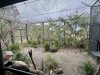
Where are the Orange-bellied Parrots being displayed at MZ?

The only information provided is an aviary in the Australian precinct.

It raises an interesting point as the majority of ZooChatters are more interested in seeing exhibit photos/footage on socials than close ups of animals. We’re interested in how they’ve put the exhibit together; or in the case of zoos we’ve never visited, what the exhibit looks like full stop. Content on socials of course caters to the general public and to be fair, some of the people watching probably won’t even know what an Orange-bellied parrot is.
 
Hey everyone, sorry for the delay. I had something come up so my visit had to be postponed for a week.

The giraffe calf was a stillborn. Unfortunately it was not able to be saved by the care team. @Zoofan15 None of the keepers I spoke with had information on the plans for Pygmy Hippo breeding.

General updates: Couldn't see Zillie or the echidnas, however the emus and quokka have settled in quite well. The Rose Crowned Fruit Dove was chilling near the entrance to the butterfly aviary. The new Orange Bellied Parrots are currently being housed ina quarantine aviary near the second koala exhibit. Photos will be posted to the gallery soon.

Kang Ju was also extremely active this morning, as were the three calves, who were playing in the pool at the Forest Paddock.
 
Last edited:
Hey everyone, sorry for the delay. I had something come up so my visit had to be postponed for a week.

The giraffe calf was a stillborn. Unfortunately it was not able to be saved by the care team. @Zoofan15 None of the keepers I spoke with had information on the plans for Pygmy Hippo breeding.

General updates: Couldn't see Zillie or the echidnas, however the emus and quokka have settled in quite well. The Rose Crowned Fruit Dove was chilling near the entrance to the butterfly aviary. Photos will be posted to the gallery soon.

Kang Ju was also extremely active this morning, as were the three calves, who were playing in the pool at the Forest Paddock.

Thanks for that update.

It’s unfortunate to hear Nakuru’s calf was stillborn, though stillbirths and neonatal deaths of giraffe calves are by no means uncommon. Nakuru is only 12 years old, so I’m sure she’ll easily conceive again. Melbourne could potentially welcome a new calf around the middle of next year; and with Iris now of reproductive age, they could even have two calves born around the same time (if both cows receive breeding recommendations this year).
 
Kyoda the Black and white colobus has died:

Melbourne Zoo’s male Black and white colobus has died. Kyoda was born in July 2009 at Monarto Safari Park and his survived by his mate, Kipenzi (born 2012 at Melbourne Zoo).

Very sad news considering there were hopes Melbourne were going to be breeding this species. I’ve elaborated more in the colobine thread, but the only adult male in the region unrelated to Kipenzi is Adelaide’s breeding male. It will be some time before Melbourne would be able to arrange an import, so whether Kipenzi will be transferred out (e.g. to Adelaide’s troop) remains to be seen. Melbourne could use this opportunity to renovate/redevelop the treetops exhibits.

News reported in the Zoos Victoria member magazine via @kelvin
 
Kyoda the Black and white colobus has died:

Melbourne Zoo’s male Black and white colobus has died. Kyoda was born in July 2009 at Monarto Safari Park and his survived by his mate, Kipenzi (born 2012 at Melbourne Zoo).

Very sad news considering there were hopes Melbourne were going to be breeding this species. I’ve elaborated more in the colobine thread, but the only adult male in the region unrelated to Kipenzi is Adelaide’s breeding male. It will be some time before Melbourne would be able to arrange an import, so whether Kipenzi will be transferred out (e.g. to Adelaide’s troop) remains to be seen. Melbourne could use this opportunity to renovate/redevelop the treetops exhibits.

News reported in the Zoos Victoria member magazine via @kelvin

Very sad news. When I visited on Sunday the Colobus exhibits were empty so I guess this explains the reason.
 
Very sad news considering there were hopes Melbourne were going to be breeding this species. I’ve elaborated more in the colobine thread, but the only adult male in the region unrelated to Kipenzi is Adelaide’s breeding male. It will be some time before Melbourne would be able to arrange an import, so whether Kipenzi will be transferred out (e.g. to Adelaide’s troop) remains to be seen. Melbourne could use this opportunity to renovate/redevelop the treetops exhibits.
I'd love Melbourne to import from overseas, although acknowledging how long such imports take to organise it probably won't be in the best interests of Kipenzi in the meantime. A temporary phase out will perhaps be on the cards like you say.

I'd certainly like to see the Treetops renovated too. Expansion of the current enclosures is off the table but perhaps combining some of the exhibits and providing better viewing will be the way to go.
 
I'd love Melbourne to import from overseas, although acknowledging how long such imports take to organise it probably won't be in the best interests of Kipenzi in the meantime. A temporary phase out will perhaps be on the cards like you say.

I'd certainly like to see the Treetops renovated too. Expansion of the current enclosures is off the table but perhaps combining some of the exhibits and providing better viewing will be the way to go.

100%. The timeframe of importing a male colobus from Europe would be at least a year; and you could easily double that for the US.

Although I thought Melbourne Zoo as a whole was outstanding, the Treetops exhibits were very outdated compared to other precincts. The spider monkey, colobus and gibbon exhibits were tiny compared to what I’ve seen housing these species at other zoos.

Ultimately, the redevelopment of TOTE following the elephants departure will take priority; but the Treetops is one of many secondary projects Melbourne need to look at.
 
I'd love Melbourne to import from overseas, although acknowledging how long such imports take to organise it probably won't be in the best interests of Kipenzi in the meantime. A temporary phase out will perhaps be on the cards like you say.

I'd certainly like to see the Treetops renovated too. Expansion of the current enclosures is off the table but perhaps combining some of the exhibits and providing better viewing will be the way to go.

Definitely agree on the better viewing. The dark glass reflections as well as the lack of light make it a nightmare to photograph most of the animals. The only way to get proper photos of the gibbons now are through the wiring fence, and even then you need to duck down so the wooden posts don't get in the way.
 
Definitely agree on the better viewing. The dark glass reflections as well as the lack of light make it a nightmare to photograph most of the animals. The only way to get proper photos of the gibbons now are through the wiring fence, and even then you need to duck down so the wooden posts don't get in the way.

Visability of the gibbons and colobus exhibits is particularly poor. Clearly the intention is to afford them privacy; but a larger, naturalistic exhibit would achieve the same outcome. Colobus can live in multi male - multi female troops of 10-15, so a pair was always going to be underwhelming compared to the larger troops seen at Adelaide and Canberra.

A decent sized colobus troop would have made a better replacement for Mandrill than a cassowary (or now, nothing).
 
Visability of the gibbons and colobus exhibits is particularly poor. Clearly the intention is to afford them privacy; but a larger, naturalistic exhibit would achieve the same outcome. Colobus can live in multi male - multi female troops of 10-15, so a pair was always going to be underwhelming compared to the larger troops seen at Adelaide and Canberra.

A decent sized colobus troop would have made a better replacement for Mandrill than a cassowary (or now, nothing).
I think that the Mandrill enclosure (if not filled up with Mandrill) should be made suitable for Colobus, and give them an aerial path to another enclosure along a revamped treetop walk.
I love the aesthetic of the treetop walk, but feel it could be enlarged, potentially with the walk being enclosed, with the enclosures encompassing it.
 
I think that the Mandrill enclosure (if not filled up with Mandrill) should be made suitable for Colobus, and give them an aerial path to another enclosure along a revamped treetop walk.
I love the aesthetic of the treetop walk, but feel it could be enlarged, potentially with the walk being enclosed, with the enclosures encompassing it.

All in all, the Mandrill phase out has been rather pointless when the exhibit is just sitting empty now. If they’d redeveloped it for a new species (as they have the coati exhibit) or needed the space to build a new exhibit, then fair enough; but the best we got was cassowary acting as a filler-species for a brief period of time.

The exhibit remains suitable for a small troop of Mandrill. Adelaide had Mandrill in their masterplan when Melbourne euthanised their last Mandrill, indicating there was still regional support at that point in time (which if lacking, would be a acceptable reason to phase out).
 
The exhibit remains suitable for a small troop of Mandrill. Adelaide had Mandrill in their masterplan when Melbourne euthanised their last Mandrill, indicating there was still regional support at that point in time (which if lacking, would be a acceptable reason to phase out)
I have wondered whether the size of the exhibit has contributed to Melbourne's decision in not re-acquiring them. Obviously they could theoretically re-acquire them, but in that exhibit I'd imagine they'd only have a small non-breeding troop at most.

Melbourne could easily construct a new exhibit elsewhere if they wished but if they deemed Adelaide were the only other regional facility interested, it may not have been seen as worth it.

The Pygmy Hippos will also probably need an expansion sooner rather than later, and the former Mandrill enclosure is in a nice location for this. Obviously I'd hope Colobus could be displayed there too; potentially in a mixed species exhibit.
 
I have wondered whether the size of the exhibit has contributed to Melbourne's decision in not re-acquiring them. Obviously they could theoretically re-acquire them, but in that exhibit I'd imagine they'd only have a small non-breeding troop at most.

Melbourne could easily construct a new exhibit elsewhere if they wished but if they deemed Adelaide were the only other regional facility interested, it may not have been seen as worth it.

The Pygmy Hippos will also probably need an expansion sooner rather than later, and the former Mandrill enclosure is in a nice location for this. Obviously I'd hope Colobus could be displayed there too; potentially in a mixed species exhibit.

I agree the Mandrill exhibit isn’t huge. When it opened in 1992, it was deemed large enough for five adults (a male, multiple females and their offspring) with a size of 620 m2 (400 m2 of which was accessible to the animals). These days, I’d say a trio (such as the troop they had in the final years) would be a better fit for the exhibit.

There is a growing emphasis on holding larger group numbers in zoos. Mandrill troops can number up to 250, though several zoos hold a pair of Mandrill and their offspring without apparent detriment to their welfare.
 
On my most recent trip to the zoo, I tried to consciously take note of what was in each exhibit of the Arboreal Tree Top Walk. We decided to go on a Sunday to save on the kid's admission; without considering a lot of other parents would probably do the same and the whole Gorilla Rainforest part of the zoo was more congested than I'm used to. As a result, looking back through my photos, my explicit attempt to note each inhabitant in order maybe did not go as well as I thought.

Here's what I've been able to piece together from the photos I took. The listed species is from taking photos of the signage; in theory taken in order, though I only have 7 photos of signs and I believe there are 9 exhibits, so I'm not sure this is 100% accurate. The fact that we only saw animals in 2 of them (spider monkeys and emperor tamarins) doesn't help piecing the list together.

ATTW1 Cotton Top Tamarins (no photos, not seen)
ATTW2 Black Handed Spider Monkeys (DSLR & iPhone photos)
ATTW3 Eastern Black-And-White Colobus (no photos, not seen)
ATTW4 Cotton Top Tamarins (connected to ATTW1 - no photos, not seen)
ATTW5 No photo of sign or animal
ATTW6 No photo of sign or animal - extension 1
ATTW7 Northern White-Checked Gibbon (not seen) extension 2, with fence in front of window (long window)
ATTW8 Emperor Tamarin (DSLR photos)
ATTW9 Empty / Blank Signage

Any corrections or additions to this list would be appreciated. I have old notes that 5 & 6 have previously connected (so probably still are) - and maybe there was/is nothing in them currently. But it might have been just too congested to get a photo of the signage; although it was only 2 weeks ago I already do not recall.

Thanks!
 
On my most recent trip to the zoo, I tried to consciously take note of what was in each exhibit of the Arboreal Tree Top Walk. We decided to go on a Sunday to save on the kid's admission; without considering a lot of other parents would probably do the same and the whole Gorilla Rainforest part of the zoo was more congested than I'm used to. As a result, looking back through my photos, my explicit attempt to note each inhabitant in order maybe did not go as well as I thought.

Here's what I've been able to piece together from the photos I took. The listed species is from taking photos of the signage; in theory taken in order, though I only have 7 photos of signs and I believe there are 9 exhibits, so I'm not sure this is 100% accurate. The fact that we only saw animals in 2 of them (spider monkeys and emperor tamarins) doesn't help piecing the list together.

ATTW1 Cotton Top Tamarins (no photos, not seen)
ATTW2 Black Handed Spider Monkeys (DSLR & iPhone photos)
ATTW3 Eastern Black-And-White Colobus (no photos, not seen)
ATTW4 Cotton Top Tamarins (connected to ATTW1 - no photos, not seen)
ATTW5 No photo of sign or animal
ATTW6 No photo of sign or animal - extension 1
ATTW7 Northern White-Checked Gibbon (not seen) extension 2, with fence in front of window (long window)
ATTW8 Emperor Tamarin (DSLR photos)
ATTW9 Empty / Blank Signage

Any corrections or additions to this list would be appreciated. I have old notes that 5 & 6 have previously connected (so probably still are) - and maybe there was/is nothing in them currently. But it might have been just too congested to get a photo of the signage; although it was only 2 weeks ago I already do not recall.

Thanks!
Thanks for putting this up! Most of it is correct although I would provide some corrections;

The Black Handed Spider Monkeys have access to both enclosures two and three. The Black and White Colobus are housed in enclosure six. That said enclosure is connected to enclosure five (the capuchins used to be housed here), but the Colobus only have access to enclosure six nowadays. Following the recent death of the male, they are now down to a single female again.

There's also only a single pair of Cotton Top Tamarins, so that wouldn't of helped with the viewing of them in that enclosure. Some of their offspring are in the former Squirrel Monkey enclosure behind Keeper Kids.
 
Thanks Jambo, much appreciated! I'm sure I moved forwards and backwards a little given the congestion, hence messing up the order I took the sign photos somewhat.

And yep, I did see at least one of the Cotton Top Tamarins behind Keeper Kid, having breakfast.

This visit I believe is the first and only time I've ever been into Keeper Kids / the Educational Resource Center. Having walked past it every time I've visited the zoo in the last 40 years, it was interesting to finally see inside it. It was nice to see the blue macaws from inside there also. I've become quite accustomed to seeing macaws in American zoos, it's a shame they're not viewable from the outside at Melbourne also and could be easily missed if you don't go into Keeper Kids.
 
Status
Not open for further replies.
Back
Top