
Thank you for the info @ajmcwhipsnade 

Had my first visit to Whipsnade on Thursday for the first time in many years, honestly can't remember when my last visit was, but probably sometime around 2017.
The weather was predicted to be pretty bad, but in the end it was dry, cool but not cold, and just very windy on the outer edge near the top of the Downs, which is expected. It did rain very, very hard at the end of the day, which was fine with the new entrance building to shelter in. (I still remember the old entrance plaza!)
I used the new CentreBus service from Luton rail/bus interchange. The bus departs from Stand 13, which is the furthest stop on the right and across the bus-lanes as you exit Luton rail station towards the town centre, and is part of the capped £2 bus fare per journey. On presenting your bus ticket at the zoo desk you can get your zoo entry ticket half price. This might be a bit of a risk on busy days, as the zoo has been active on social media saying that they have been reaching capacity recently, and are only offering so many walk-up tickets per day on busy days, but if you get there early you should be OK if you are planning on getting in half-price.
Lots of nice changes since my last visit, was very impressed with the Aquarium (though it was very full due to the rain at the time). The tanks were of a very high standard, and definitely make you stop and really look at what is in there.
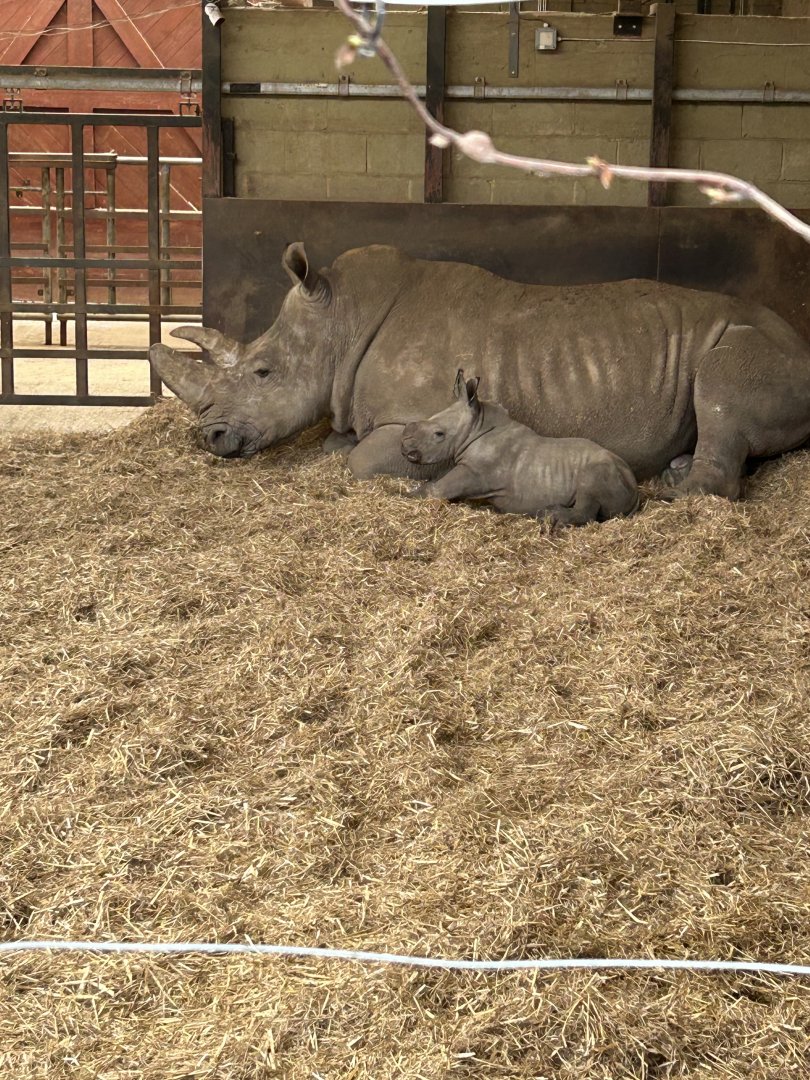
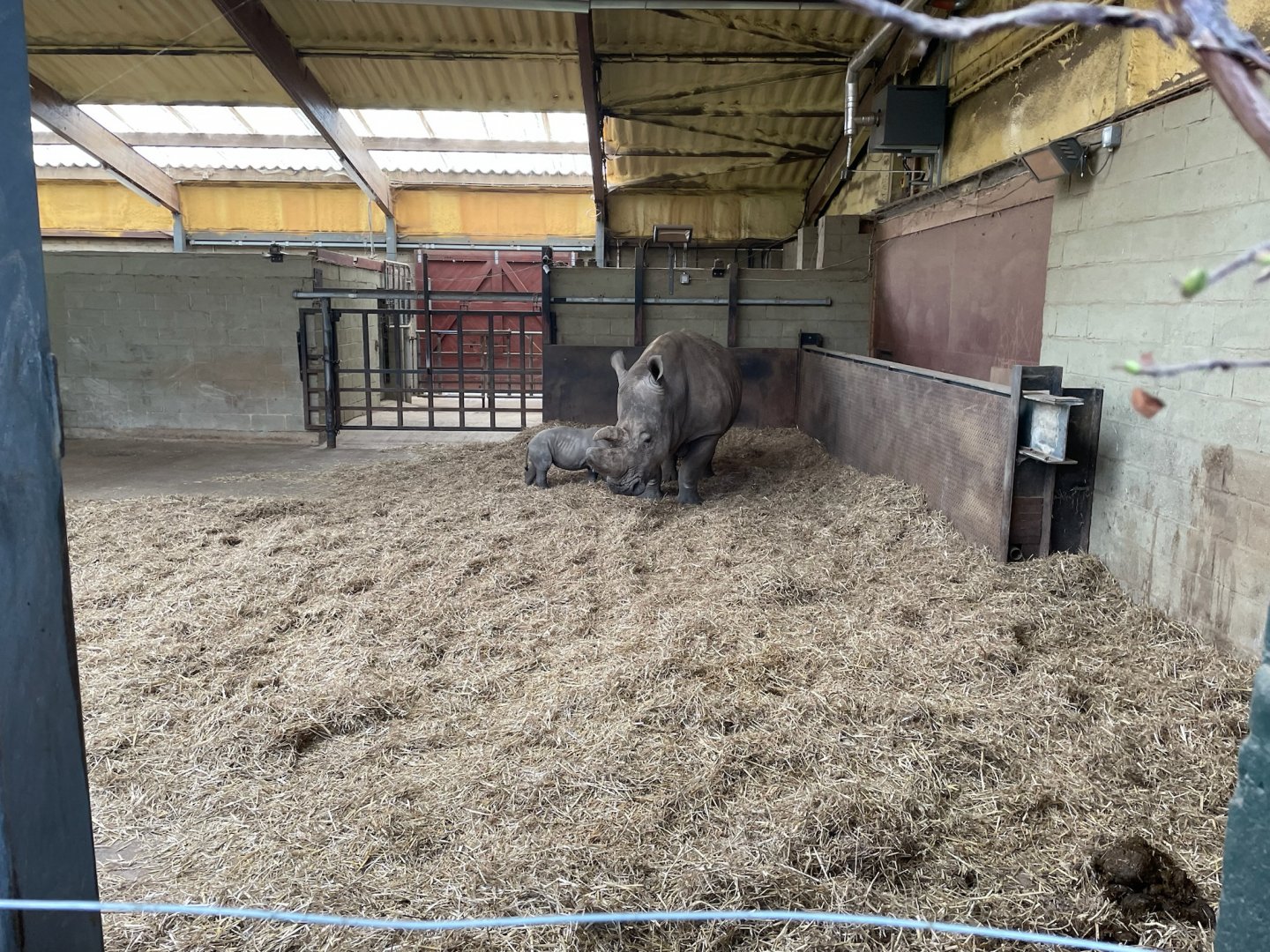
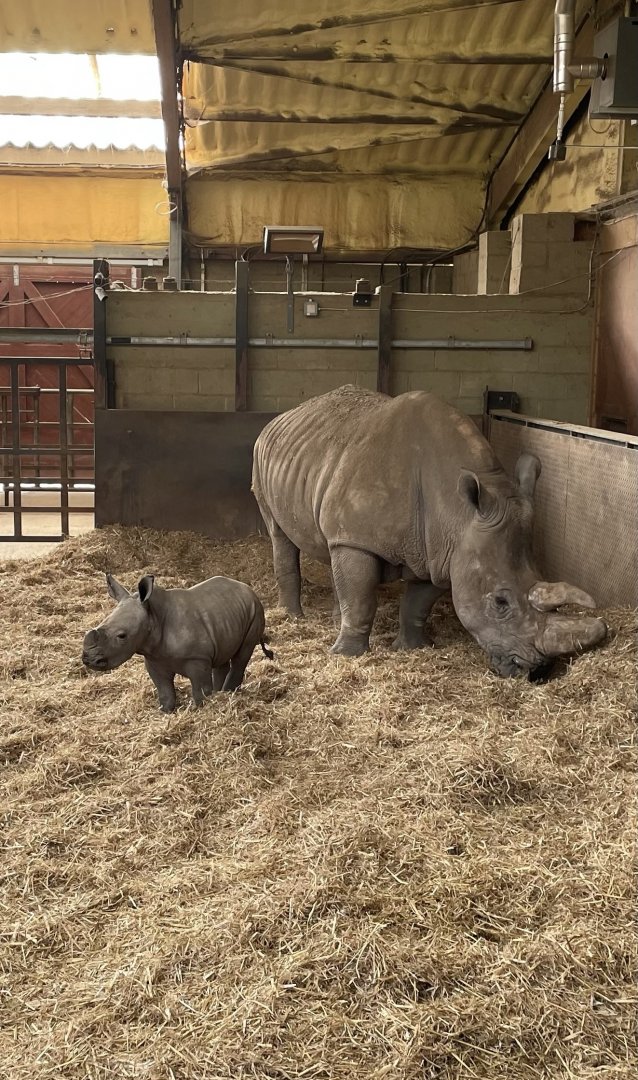
Managed to see the baby White Rhino, the volunteer informed it was a male, and only around 3 weeks old; it hasn't been named yet, but they thought it might go to a public or ZSL Member vote.
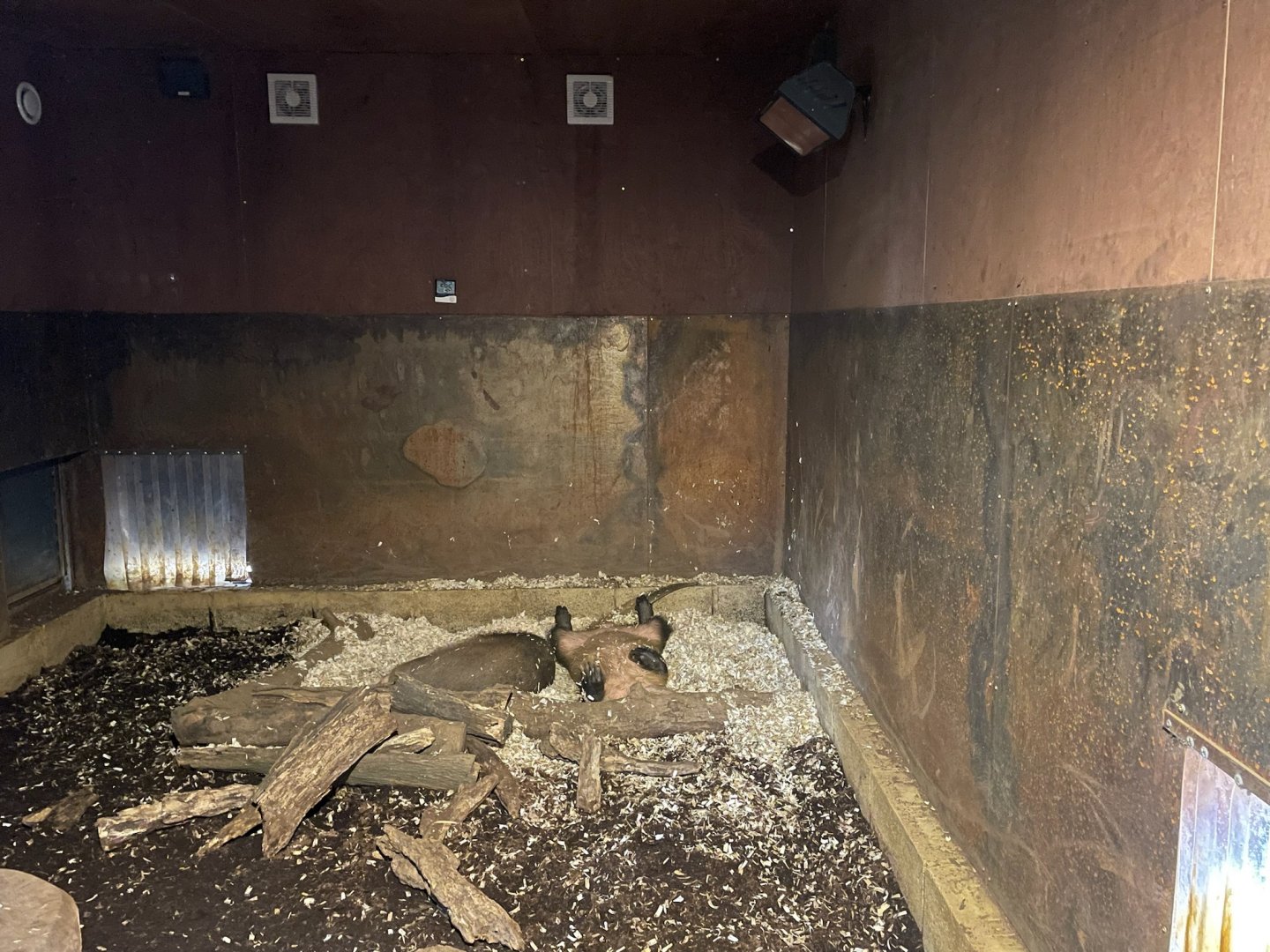
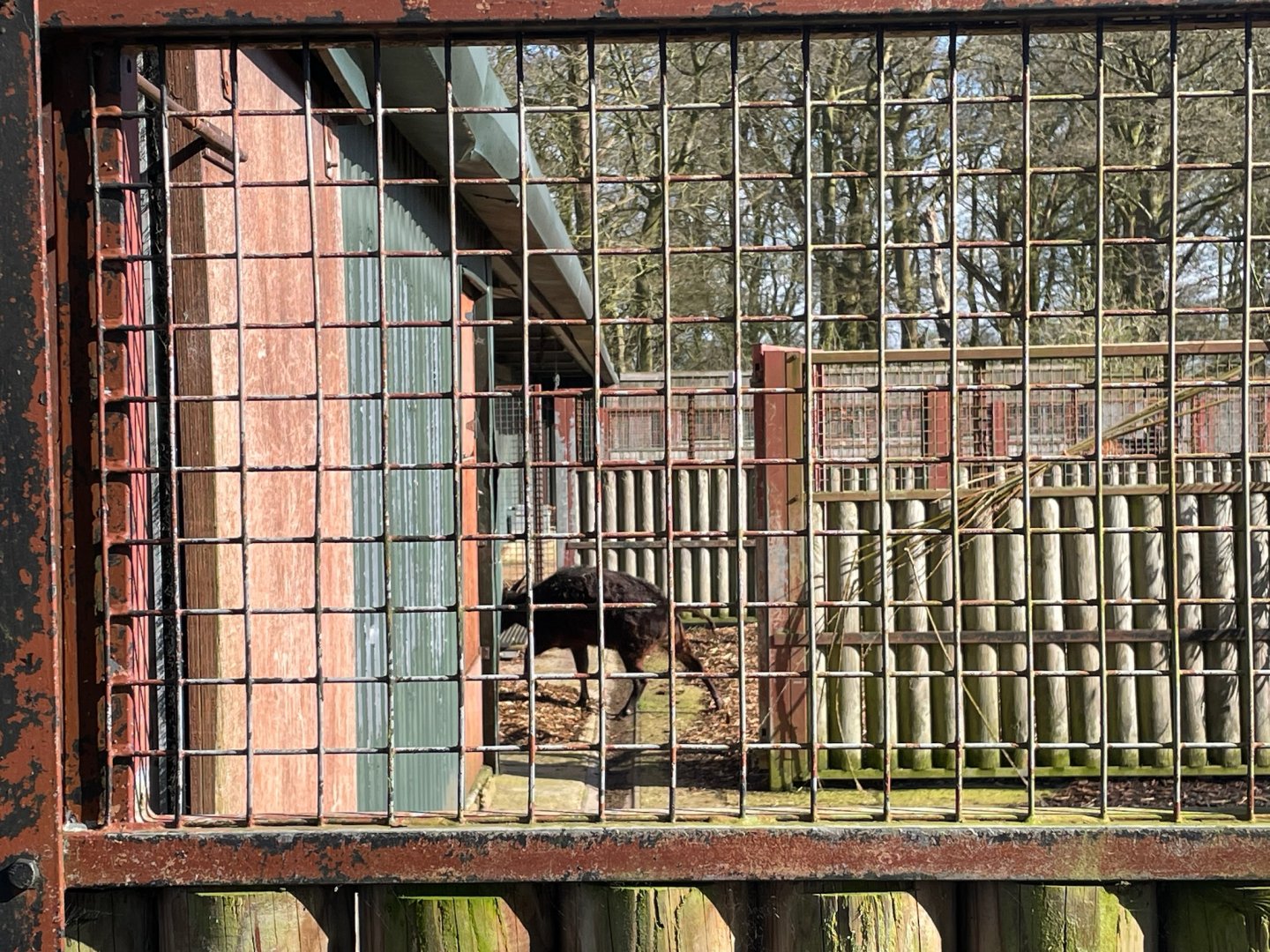
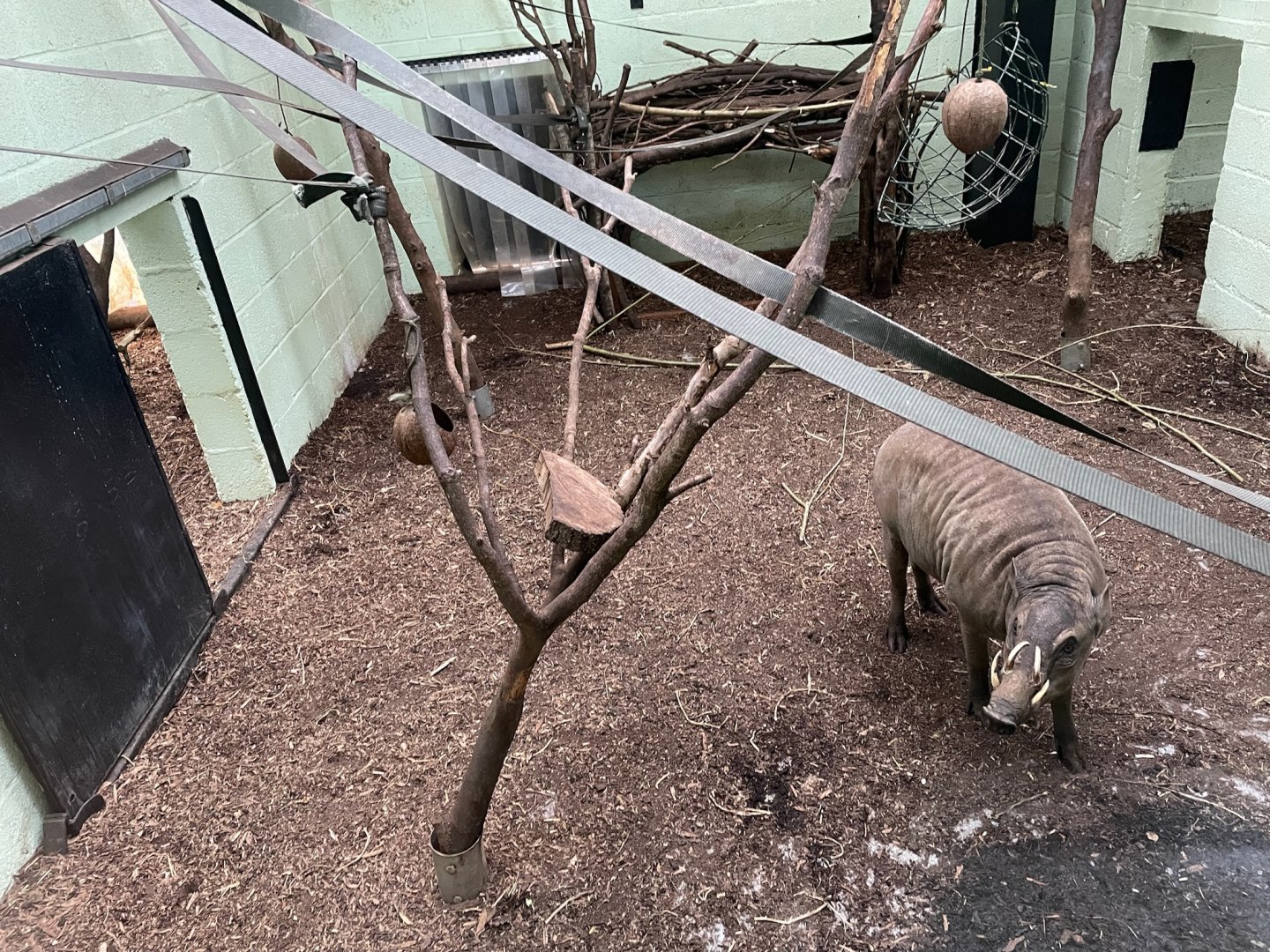
Caught sight of the off-show Anoa currently housed in the Bongo house, is this individual due to move into Monkey Forest? Interesting to see the fenced off area at the other end of the house is still there, where I saw the short-lived Thomson's gazelles when they were there a few years back.
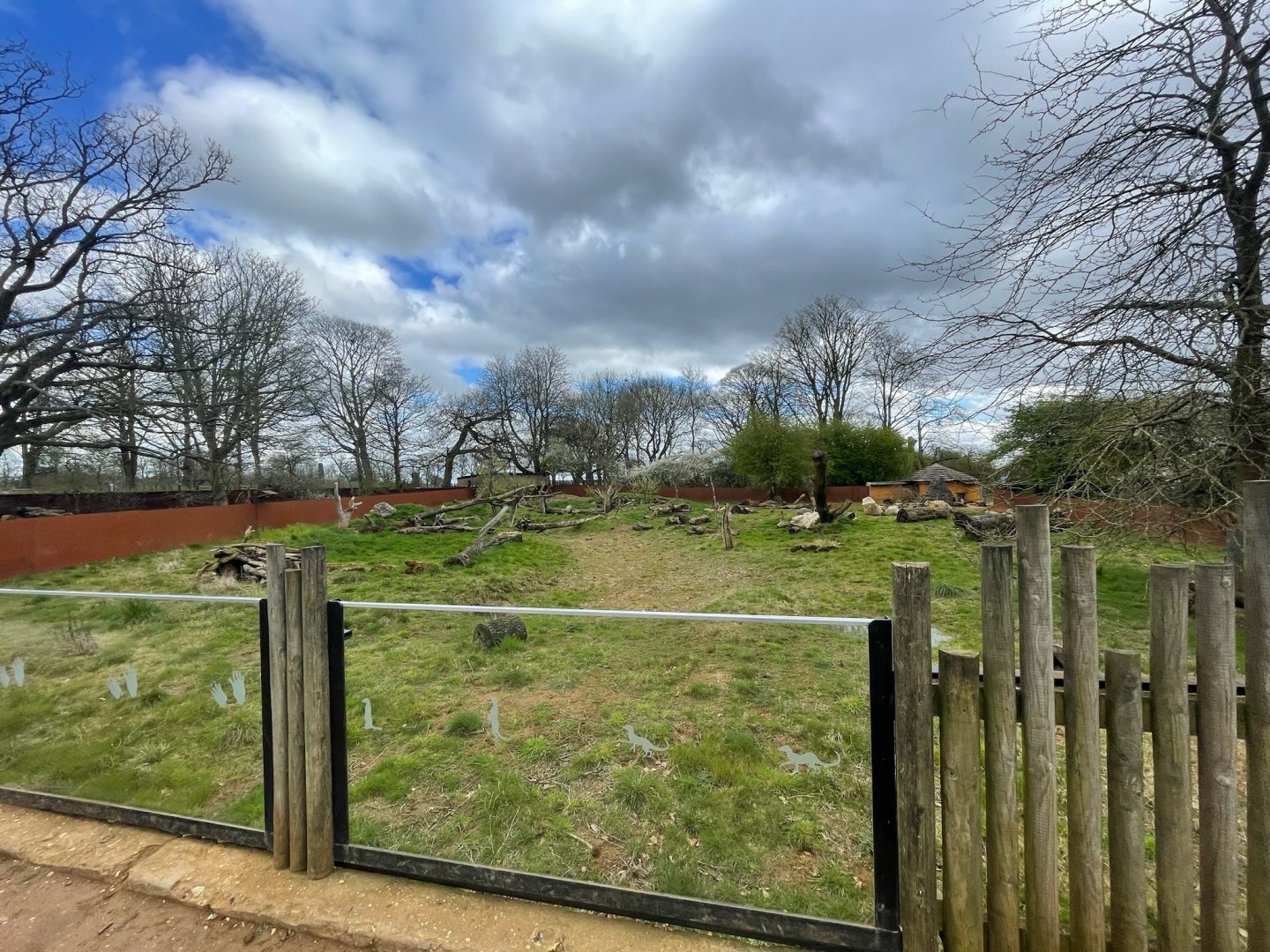
Don't think I've seen the Meerkat/Aardvark development before, that has to be the largest Meerkat enclosure I've ever seen! There were three very young Meerkat kits which were very entertaining.
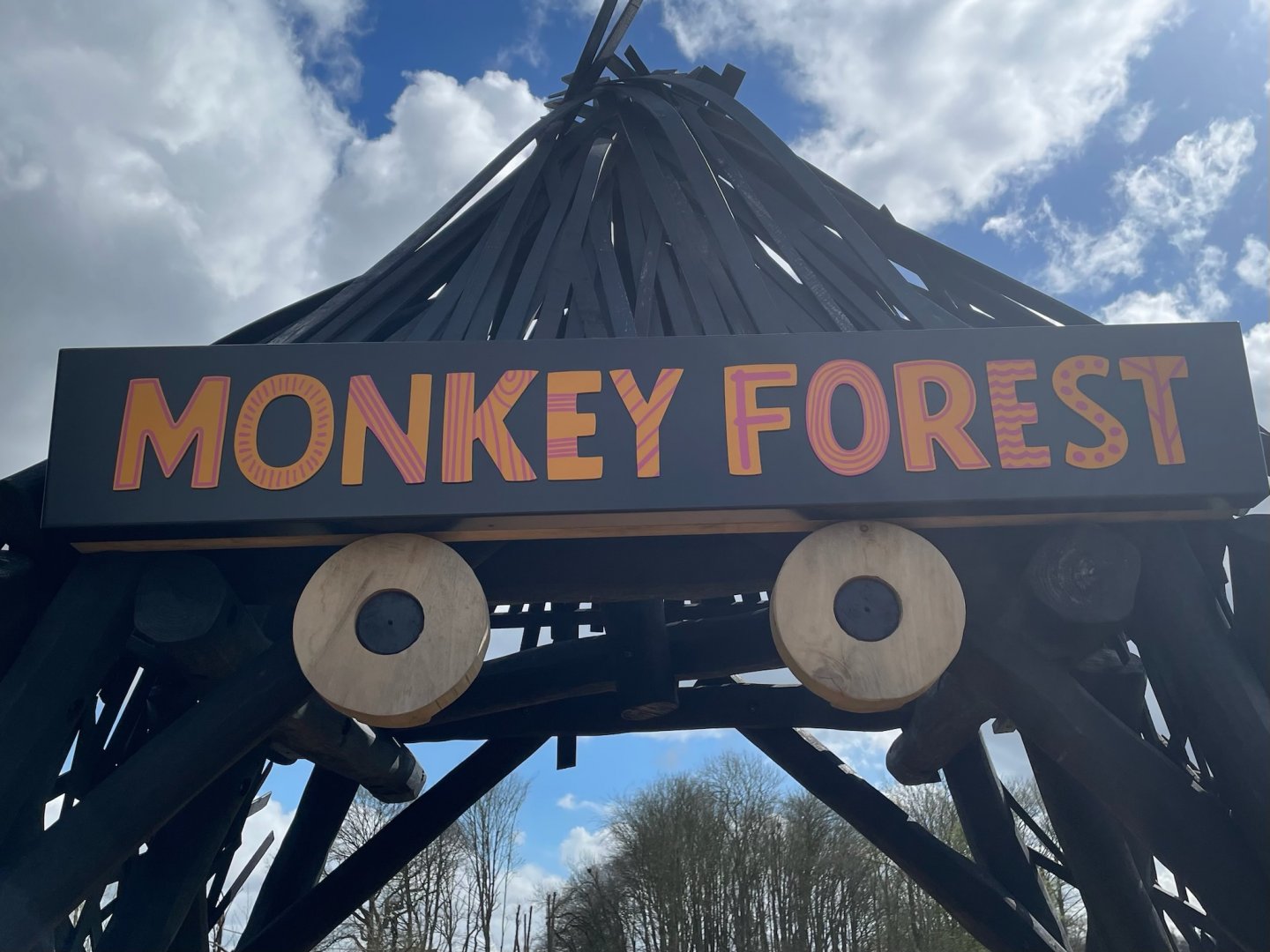
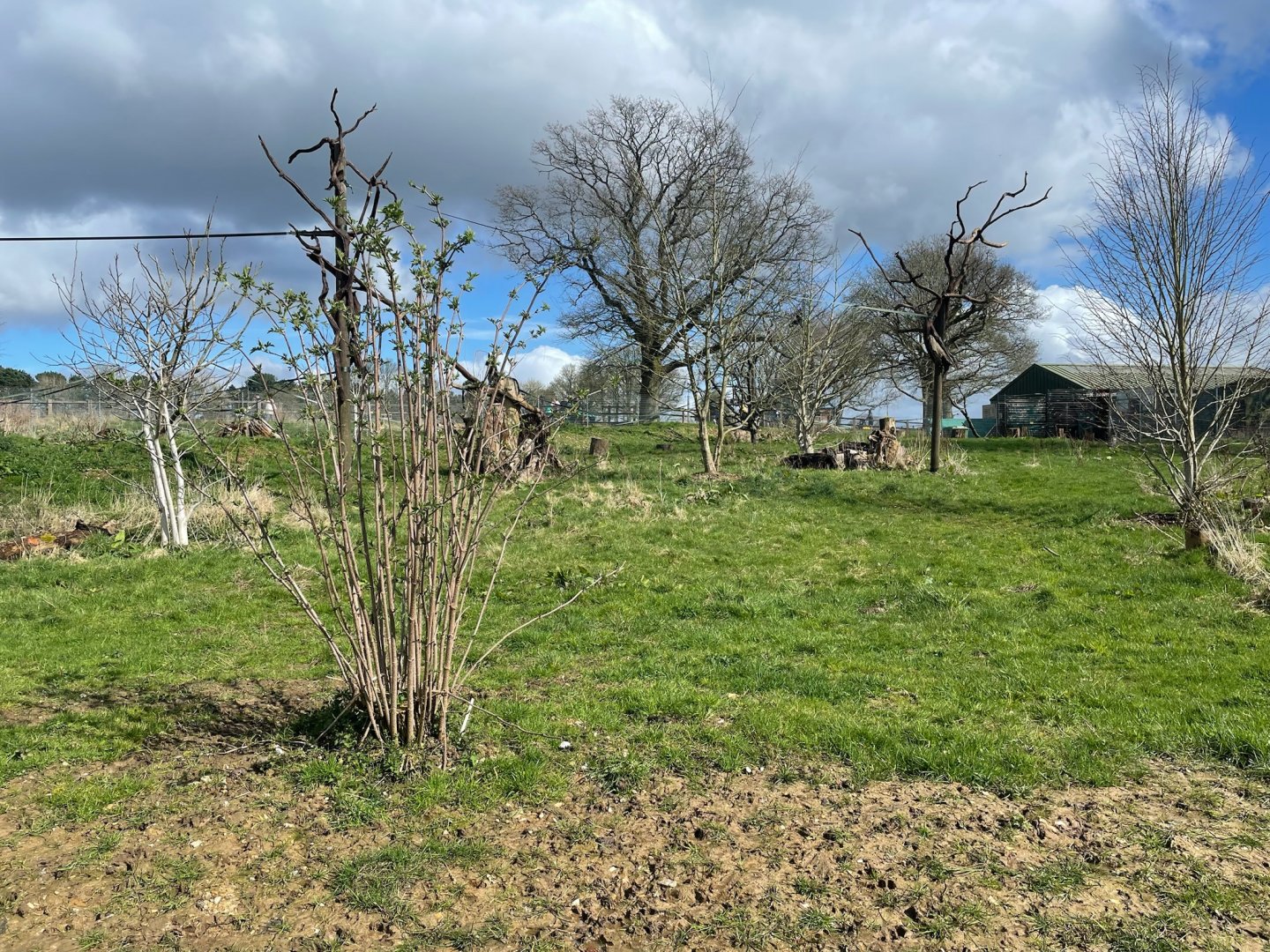
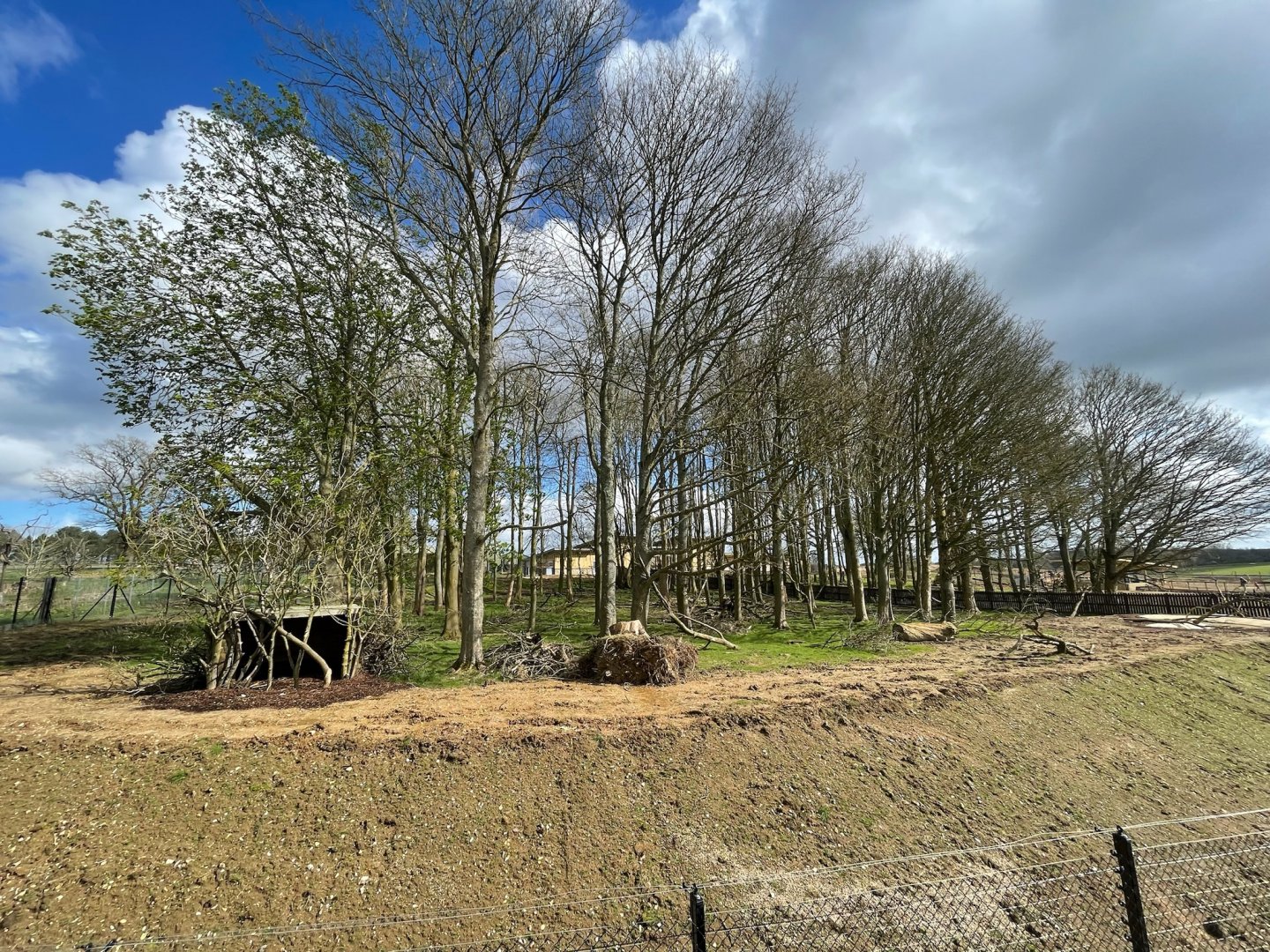
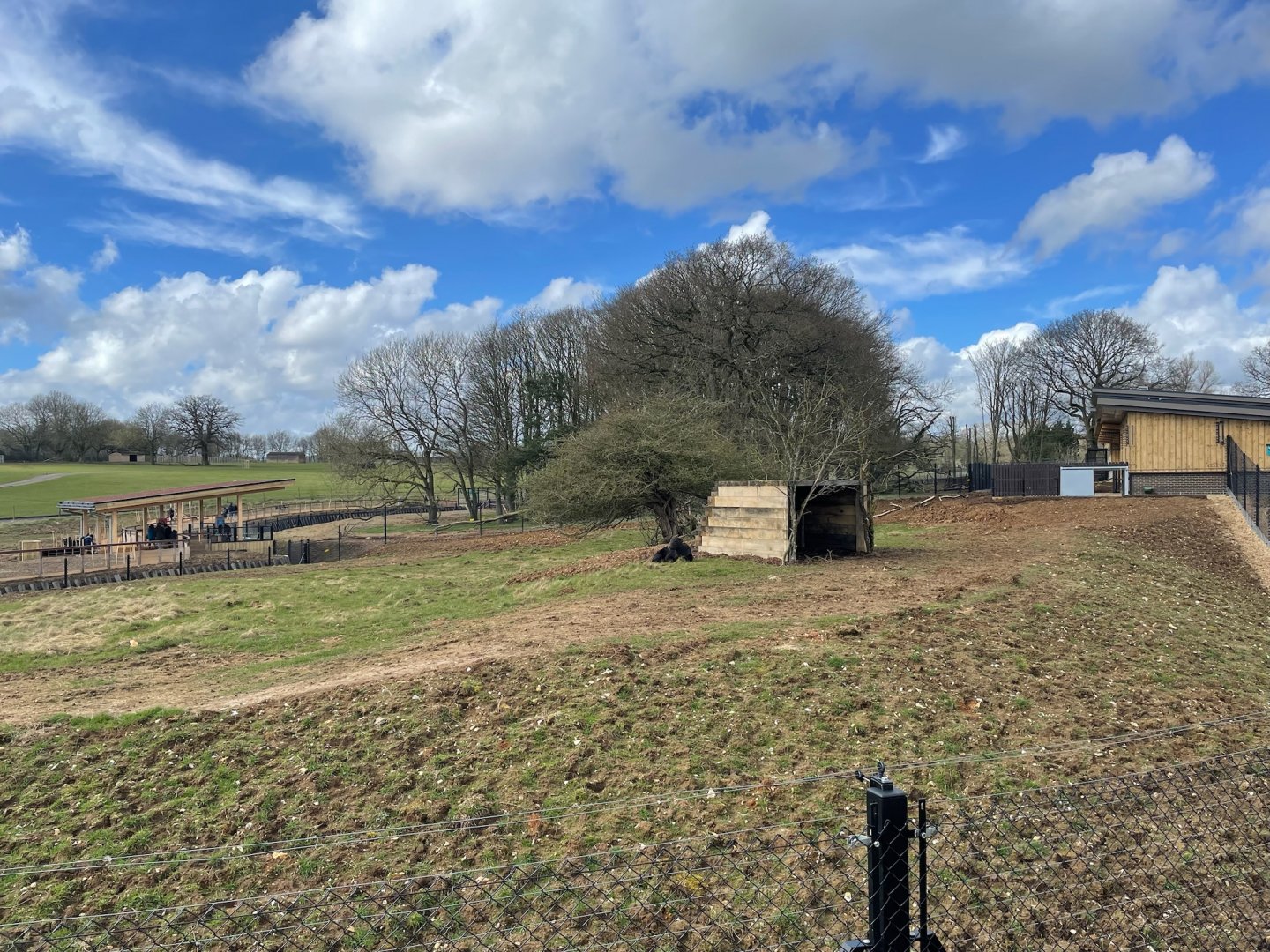
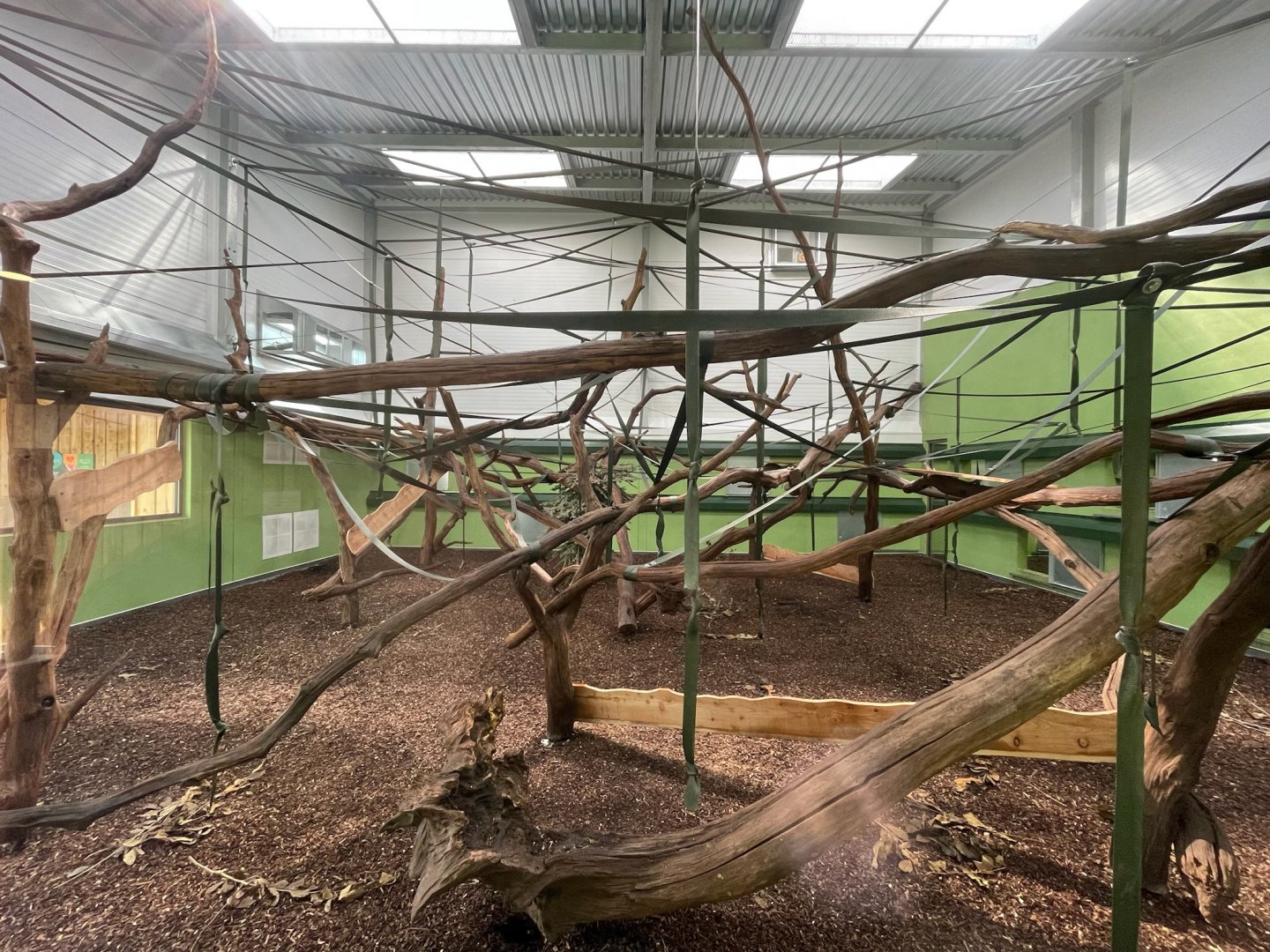
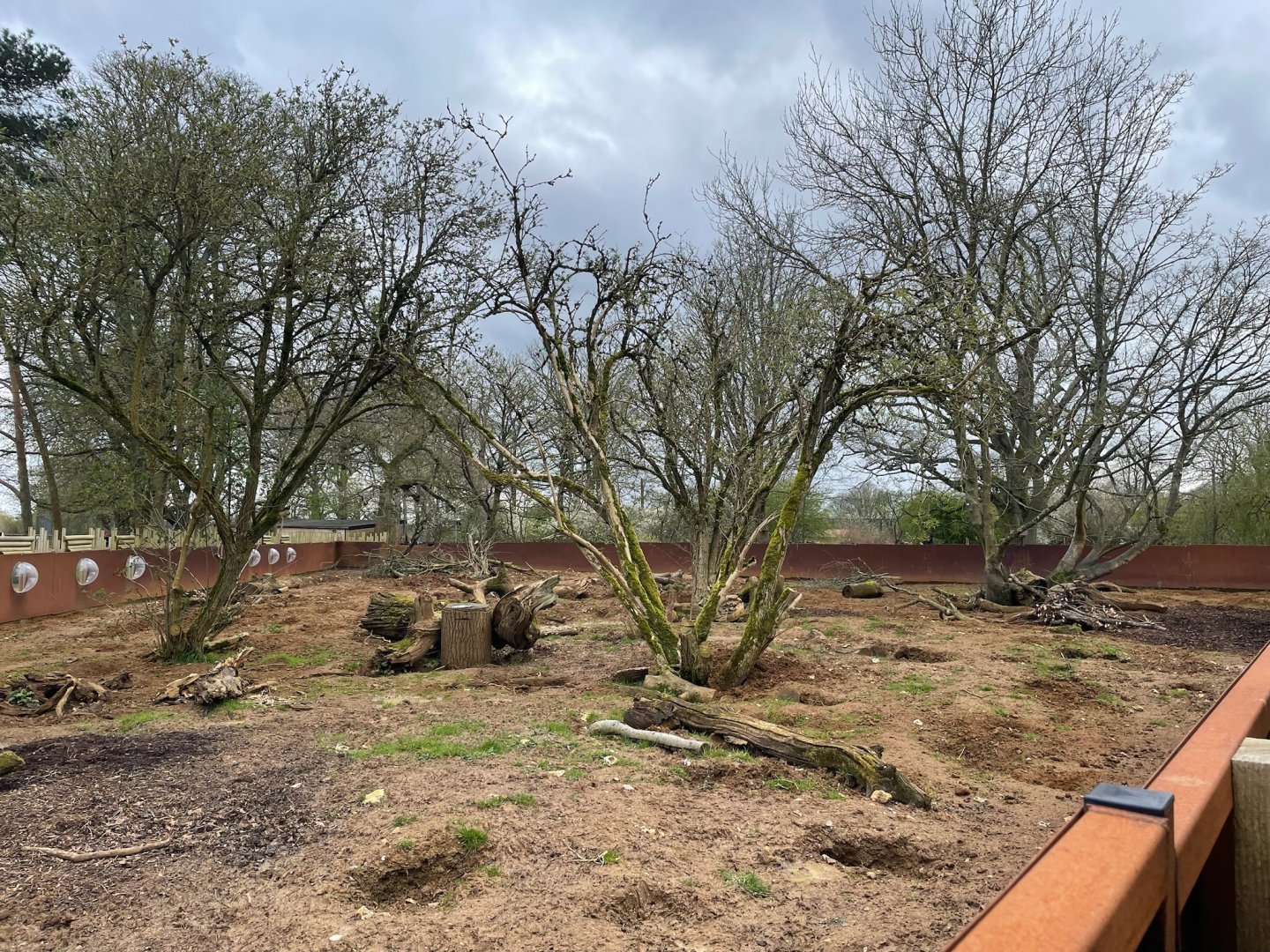
Of course, Monkey Forest is brand new, and I thought it was a great new development. It needs some time to grow-in for sure, but the enclosures are amazingly big which hopefully will allow for large monkey troops to develop. A volunteer at the shelter opposite the Anoa says that the slopes the other side of the path have been seeded with native wildflowers, am sure it won't take long for the rough areas to be colonised by other plants too. The pathways still seemed to need more work on the wicker fencing, but this feels like a minor quibble.
Does anyone know what the development between Monkey Forest and the Indian Rhino area is? Is it a new hardstanding for Passage Through Asia?
They've probably been there for a while, but it was nice to see the little bird-pond enclosure at the back of the White Rhinos had a pair of Blue crane which were wading through the water, don't think I've ever seen this species exhibited with an extensive pond before.
Very strange to see absolutely no sign left of the old Sealion House, like it never existed!
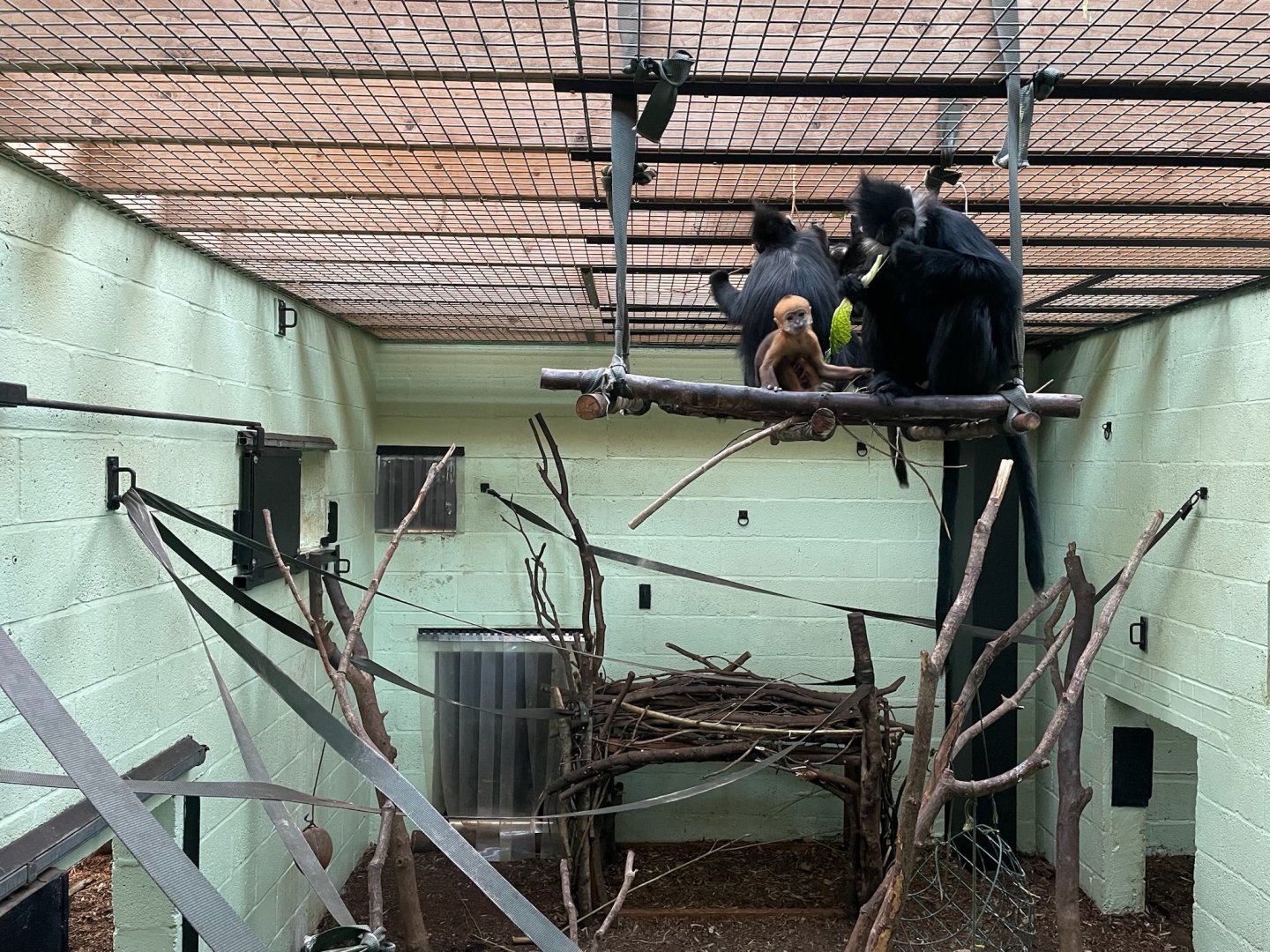
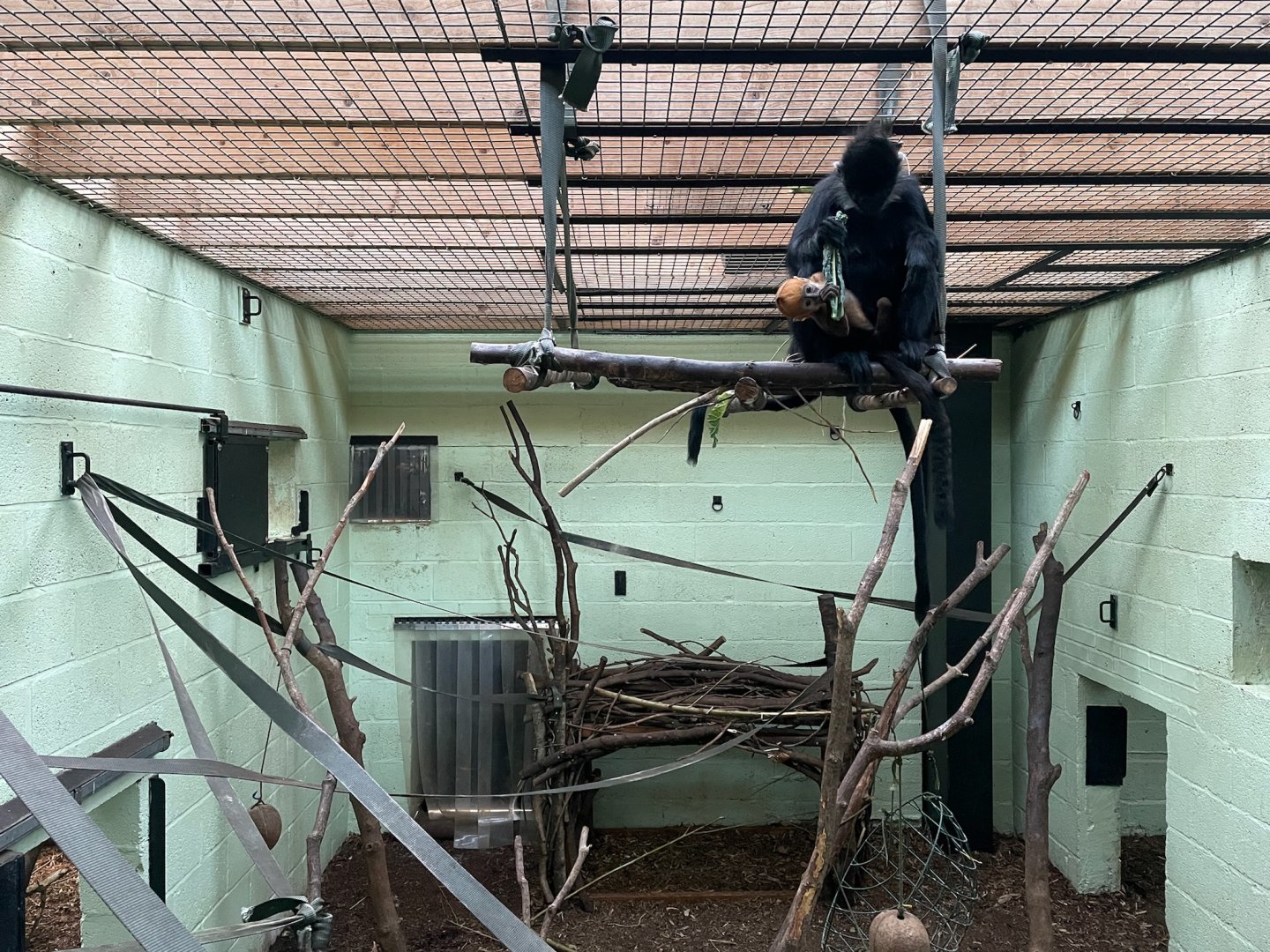
Pygmy Hippos were no-shows, as were the birds in the butterfly house, and the Cheetahs. Didn't manage to see the baby Langur, but did see the rest of the troop. Otherwise it was a lovely day despite the rain at the end of it. As with London lately, it was encouraging to see so many new developments that have come to fruition, and really hope that this positive trend can continue at both ZSL sites.
Sounds a great day out! It will be interesting whether the hard standing is for the horses or turns into a car park, though the new fence posts in heaps suggest maybe it is for the enclosure.
Good to know the blue cranes are out in the enclosure again, though I had hoped to see the young red crowned crane back out on show again. The young crane was in there in between the blue cranes (and white stork) and the enclosure being empty for a few weeks. Hopefully that bird will pop back out somewhere else too and hasn't left or gone permanently off show. That space had Sitatunga in it before they moved down to the area on the opposite side of the rhino paddock, they used to be in the pond a lot too.

I must have missed the Red Crowned Cranes, don't think I saw them anywhere (though with somewhere the size of Whipsnade, it's easy to miss something!).
I must have missed the Red Crowned Cranes, don't think I saw them anywhere (though with somewhere the size of Whipsnade, it's easy to miss something!).
Am kind of used to that area feeling a bit more 'empty' (am thinking the vicinity of the enclosure that was signed for Hog Deer for years, but never saw a thing in there), and yes, taking the new path for Monkey Forest from opposite the tigers, must have just missed them nearer the road
Thanks both

This female is still in Quarantine, she will be moved in with the male soon. I should have finished my report by the end of the weekThe female anoa will move to monkey forest, as it has two separate inside areas for anoa.

This female is still in Quarantine, she will be moved in with the male soon. I should have finished my report by the end of the week
I agree with @Zorro ... that really it is a - literally - dying shame that zoos in the region do not invest in other endangered langur species. Some senior managements and PR/communication and education departments seem to view them as "unsexy" where they are both highly attractive colobine primates as well as have a serious conservation story to tell (Thailand-Malaysia) beyond just the token langur species Francois' that is making high inroads into parts of Europe now. We have little to show for langurs or mangabeys and colobus primates in Europe anyway .... EAZA/EEP's wake up now to the Asian and African bush meat crisis that is affecting these primates in droves.
The UK and US are definitely neglected their Old World monkeys with a few key exceptions, compared to lemurs and New World monkeys. London's hanuman langurs and white-naped mangabeys were both attractive and active monkey species that crowds seemed to love and were highlights of my visit - could easily see that success duplicated at other facilities if these species became more commonplace. Asian species seem to be doing especially poorly compared to the handful of African monkeys.I agree with @Zorro ... that really it is a - literally - dying shame that zoos in the region do not invest in other endangered langur species. Some senior managements and PR/communication and education departments seem to view them as "unsexy" where they are both highly attractive colobine primates as well as have a serious conservation story to tell (Thailand-Malaysia) beyond just the token langur species Francois' that is making high inroads into parts of Europe now. We have little to show for langurs or mangabeys and colobus primates in Europe anyway .... EAZA/EEP's wake up now to the Asian and African bush meat crisis that is affecting these primates in droves.
Glad you had a good time, although sorry to hear about some of the no-shows as I had luck with some of them... but it does sound like you saw more anoa! Sounds like an excellent visit.Lots of nice changes since my last visit, was very impressed with the Aquarium (though it was very full due to the rain at the time). The tanks were of a very high standard, and definitely make you stop and really look at what is in there.
Managed to see the baby White Rhino, the volunteer informed it was a male, and only around 3 weeks old; it hasn't been named yet, but they thought it might go to a public or ZSL Member vote.
Caught sight of the off-show Anoa currently housed in the Bongo house, is this individual due to move into Monkey Forest? Interesting to see the fenced off area at the other end of the house is still there, where I saw the short-lived Thomson's gazelles when they were there a few years back.
Don't think I've seen the Meerkat/Aardvark development before, that has to be the largest Meerkat enclosure I've ever seen! There were three very young Meerkat kits which were very entertaining.
Of course, Monkey Forest is brand new, and I thought it was a great new development. It needs some time to grow-in for sure, but the enclosures are amazingly big which hopefully will allow for large monkey troops to develop. A volunteer at the shelter opposite the Anoa says that the slopes the other side of the path have been seeded with native wildflowers, am sure it won't take long for the rough areas to be colonised by other plants too. The pathways still seemed to need more work on the wicker fencing, but this feels like a minor quibble.
Does anyone know what the development between Monkey Forest and the Indian Rhino area is? Is it a new hardstanding for Passage Through Asia?
They've probably been there for a while, but it was nice to see the little bird-pond enclosure at the back of the White Rhinos had a pair of Blue crane which were wading through the water, don't think I've ever seen this species exhibited with an extensive pond before.
Very strange to see absolutely no sign left of the old Sealion House, like it never existed!
Pygmy Hippos were no-shows, as were the birds in the butterfly house, and the Cheetahs. Didn't manage to see the baby Langur, but did see the rest of the troop. Otherwise it was a lovely day despite the rain at the end of it. As with London lately, it was encouraging to see so many new developments that have come to fruition, and really hope that this positive trend can continue at both ZSL sites.
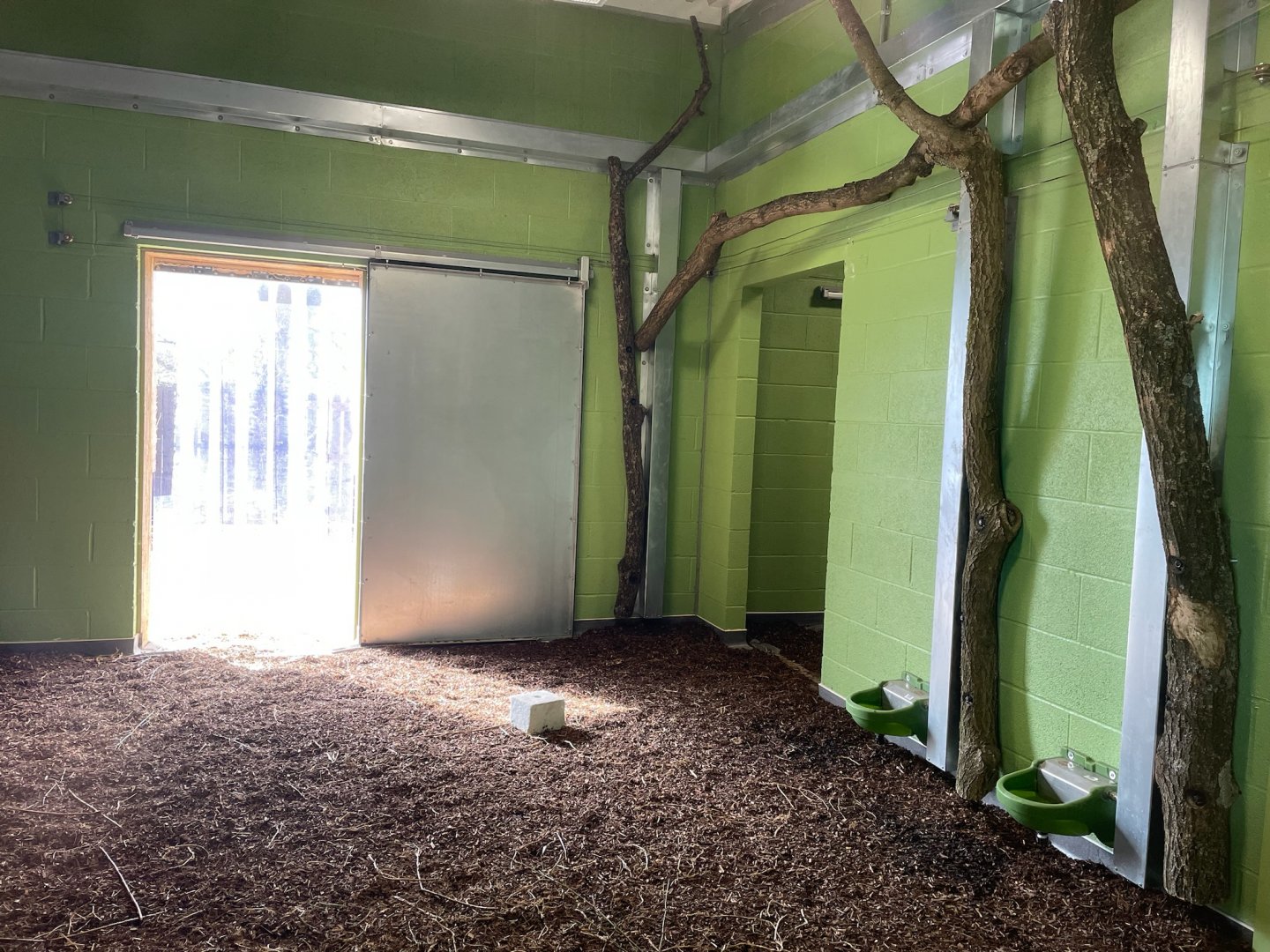
This other enclosure will also generally be used for the other individual whilst there are no plans to breed.There are two separate enclosures available for the Anoa in the new space - the macaques can access both of the areas via doors in their enclosure and using branches that have been placed to bridge the fencing at the bottom end of the enclosure - I would imagine the female will move into the second space to begin with before they do any introductions.
I suspect the failures of some major leaf-eating monkeys, like the Proboscis monkey, douc langurs, and perhaps the declining dusky langurs and red-crowned mangebey, has scared off investment in a family that may perhaps seem troublesome to manage, but it's a shame.
I can see and appreciate the difference. I was only speculating that the fact there were multiple high profile failures of attractive species within the group may have been a factor in the overall lessened investment in the overall group. Yes, dusky langurs were easier to keep for a very long time -- but they are, like other langurs, disappearing regardless. Would definitely love to find out more about the mangabeys.I think you can draw a difference between e.g. Proboscis and Douc Langurs which are genuinely 'difficult' and scarcely able to maintain their numbers longterm when brought into European Zoos, and a species like the Dusky Langur. For example Twycross have kept and bred this species successfully for around 60 years though they have only two left now and its another species likely to disappear there. Mangabeys are much tougher, easier to keep species than Langurs and its something of a mystery why the Red-capped in the UK are not doing as well as e.g. the White-collared, I think its the poor composition of the groups rather than any difficulty in keeping them.
Beauval's (France) recent record with Douc Langurs is seemingly mirroring previous attempts at keeping groups longterm in Europe- they breed but do not really flourish with stillbirths and other deaths meaning the group doesn't expand.
Would definitely love to find out more about the mangabeys.
 .
.
 .
.
 ..
..

I hope they don't have a Painted Wolf walkthrough!Lastly I went through the Painted Wolf walkthrough