Bioparc Valencia Bioparc Valencia News

Well, it's job of the EEP to change bulls, not of the parc. However, I don't think it's a good choice to start breeding with Martin in case that this is really wanted. He might genetically be the least interesting bull in Europe after having produced enough offspring in Hodenhagen plus being the son of two mass breeders. There are many more valuable bulls around who have already bred.
With all due respect and no need to be so dismissive and condescending: Just re-read my full essay which underlines that Spain's white rhino breeding program has not exactly taken off in earnest and not for want of stock nor new potential breeders. I think the net result over the last 2 decades has been a Mere 2 calves (2009, Madrid Zoo, M Cronos - passed away 2012 at Estepona - and 2013, Cabarceno, M Cosme). TBH: Births have been more accidental than a regular occurence. Within the Iberian Peninsula the exception being is actually Zoologico de Lisboa in Portugal who maintain a breeding group that produced regular offspring).

First and final, I have known full well this particular bull may be from an over-represented line. He was only recently substituted at Serengeti Hodenhagen by new bull Ekozu. His value is being a certified proven breeding bull and right now what the Iberian Peninsula and Spanish zoo collections exhibiting white rhinos really needs as part of the EAZA/EEP is calves on the ground.

FYI: The EAZA has actually been recommending and transferring in various females to 3-4 Spanish zoos as potential new breeding partners and no transfers will happen without prior consultation with nor recommendation from the studbook keeper.

Fact of the matter remains: ideally the bull/cow situation at Cabarceno, Tabernas (a Hodenhagen non-breeder, but it could also be the cow), Zoo Madrid (the current pair have been maintained since their younger years ...) and Terra Natura (old individuals and need for a bull to breed F Mayaji) all require close attention.
 
With all due respect and no need to be so dismissive and condescending: Just re-read my full essay which underlines that Spain's white rhino breeding program has not exactly taken off in earnest and not for want of stock nor new potential breeders. I think the net result over the last 2 decades has been a Mere 2 calves (2009, Madrid Zoo, M Cronos - passed away 2012 at Estepona - and 2013, Cabarceno, M Cosme). TBH: Births have been more accidental than a regular occurence. Within the Iberian Peninsula the exception being is actually Zoologico de Lisboa in Portugal who maintain a breeding group that produced regular offspring).

First and final, I have known full well this particular bull may be from an over-represented line. He was only recently substituted at Serengeti Hodenhagen by new bull Ekozu. His value is being a certified proven breeding bull and right now what the Iberian Peninsula and Spanish zoo collections exhibiting white rhinos really needs as part of the EAZA/EEP is calves on the ground.

FYI: The EAZA has actually been recommending and transferring in various females to 3-4 Spanish zoos as potential new breeding partners and no transfers will happen without prior consultation with nor recommendation from the studbook keeper.

Fact of the matter remains: ideally the bull/cow situation at Cabarceno, Tabernas (a Hodenhagen non-breeder, but it could also be the cow), Zoo Madrid (the current pair have been maintained since their younger years ...) and Terra Natura (old individuals and need for a bull to breed F Mayaji) all require close attention.


I did not mean to be dismissive/condescending. The only part of your statement I did not agree with was you writing that you don't understand why the zoo (instead of the EEP) did not take action. The rest was about the move and not your statement.

In general I think white rhinos are breeding pretty well within the EEP. The best breeder by far is Hodenhagen, which consequently causes the problem of them being very over-represented. I know that they changed bulls and the last offspring already was by Martin's successor Ekozu, but the mother was Martin's full sister Claudia. The second but last female offspring was by Martin x Claudia, two full siblings by the way... Both are offspring of Charly and Doris, probably the most read names in the studbook.

It is interesting and somewhat tragic that there is not more success on the Iberian peninsula. You could jokingly say that many studbook keepers would be happy if they had a region they could give animals to knowing that they don't manage to breed, but of course it would be good to have more breeders. The reason for it is to gain a better genetic pool - and this is why I am not happy about Martin being the bull in Valencia. In the best case he manages to get three females pregnant and brings breeding success to the Iberian peninsula - it would kind of be the worst case at the same time as you'd have another three rhinos with limited genetic value to take care of.

Personally I doubt that simply changing the bull is the solution though. In Osnabrück they never bred with the old bull who was in the zoo for 36 years. In the course of the time he had four females but none of them got pregnant. When he died they did exactly what they are doing with Valencia now: looking for a proven breeder and got him with Miguelin (born in Carbaceno by the way ;) - parents were born in Hodenhagen of course...), but also he did not have success. They had to send one cow away and they were of good hopes that they picked the one causing the unrest - no success, while the one they sent away immediately got pregnant in Erfurt. The person in charge flew to San Diego to get hints and changed things like nutrition afterwards - and then it worked with the offspring. Needless to say that Osnabrück's cows are from Hodenhagen as well...
Similar case is Gelsenkirchen, tragically with much more valuable imported cows. They did not get a proven breeder but also they think the reason in the lacking success is among the cows and not the bull.
 
@Pongo, thanks for your long reply, I think you misread what I meant ... but the region has been very conservative when it comes to adopting new husbandry regimes for rhinos. I agree some of their combinations of rhino pre participating in the EEP/EAZA were not good and mostly based upon what supply was available only. Yet, the current flurry of activity and over the last decade or so was initiated by the EEP/EAZA with trying to remediate the situation.

As to the Osnabrueck and Gelsenkirchen white rhino there is more to it than your essay indicaties. I would want to comment on but timing failed me till date and I think that should belong in a thread pertaining to German zoos and not here per se. Hopefully, in the New Year I can do so.
 
The northern wathogs cubs are already in the outdoor enclousure!
Bioparc have announced it on instagram, they have said that they don't have a specific timetable, it deppens on the temperature.
 
The park was going to celebrate its 16th anniversary this weekend, but the celebration has been cancelled. A residential building located near the park was completeley ravaged by a fire last night causing some deaths and injuries, which is really a tragedy. Being so close to the park and with strong winds blowing, I think the smoke might have arrived to the zoo. I hope the animals are fine
 
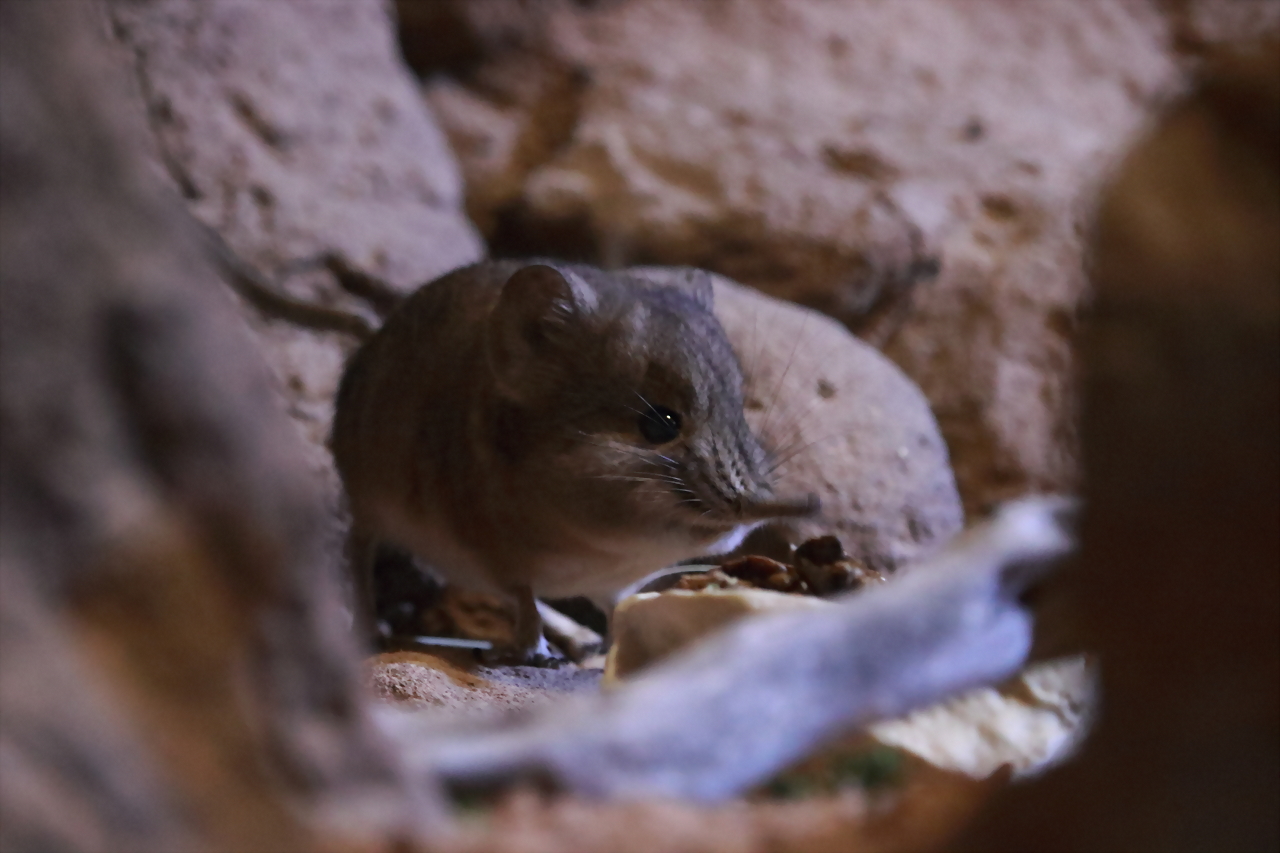
At last! The park has among its inhabitants a short-eared shrew.
29668E9B7D3265E8B16E3565E8B156.webp
 

Attachments

  • upload_2024-3-7_14-54-21.png
    upload_2024-3-7_14-54-21.png
    312 bytes · Views: 5
New individual:
- The park welcomed a female Common hippopotamus (Hippopotamus amphibius) called Serena from Zoo Basel to be paired up with the park's male, Gori. After the long trip, Serena, who turned 3 last week, is settling into her new home. The hippopotamus's evolution is being excellent and for the moment it remains in the indoor enclosures, getting used to and recognizing the different spaces that include an outdoor patio and an aquatic facility. Apart from Gori, the new hippopotamus will also share an enclosure with Rigas, Gori's mother, and one of the animals at Valencia that came from the old Viveros zoo.

BIOPARC Valencia recibe una joven hipopótama
 
New individual:
- The park welcomed a female Common hippopotamus (Hippopotamus amphibius) called Serena from Zoo Basel to be paired up with the park's male, Gori. After the long trip, Serena, who turned 3 last week, is settling into her new home. The hippopotamus's evolution is being excellent and for the moment it remains in the indoor enclosures, getting used to and recognizing the different spaces that include an outdoor patio and an aquatic facility. Apart from Gori, the new hippopotamus will also share an enclosure with Rigas, Gori's mother, and one of the animals at Valencia that came from the old Viveros zoo.

BIOPARC Valencia recibe una joven hipopótama
Nice to learn that Bioparco is investing in getting a new unrelated female for breeding with their Valencia born male.

Are there plans for his mother Rigas (or is she unrelated or too old for reproduction?)?
 
Back
Top