Planet Zoo MGolka's Zoological Gardens (Planet Zoo)

Asian Altitude

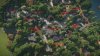
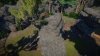
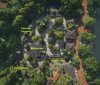
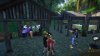
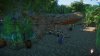
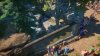
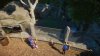
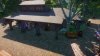
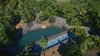
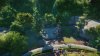
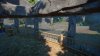
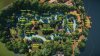
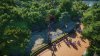
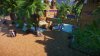
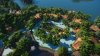
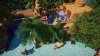
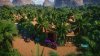
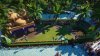
Back with the fourth section of the zoo, one that got a decent expansion with the Eurasian Pack, Asian Altitude. This section features animals found in the colder climates of Asia, from the Japanese highlands to the Himalayas, and up to the Amur region of Russia.

The species list for this area: Japanese Macaque, Siberian Tiger, Himalayan Brown Bear, Amur Leopard, Snow Leopard, and Takin.

90 Asian Altitude Text.jpg

As noted, this area expanded with the last DLC that has been released up to this point, but you may notice that the only species that was added in from that pack was the Takin. In reality, both the snow leopard and takin got completely new habitats that were added. Before, the path surrounding the Amur Leopard exhibit was the loop that directed you back to the entrance of the land, but just near that pagoda structure, the path that leads back to those two aforementioned exhibits was renovated. Previously, the snow leopard exhibit was nestled in between the pagoda and the Himalayan Brown Bear exhibit in a way that maximized the area (will post that in a bonus post after this section is complete).

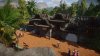
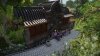
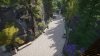
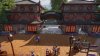
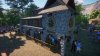
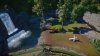
But first, to enter this realm, you pass through the imposing gate to the tune of "Mulan's Decision" from the Mulan Original Soundtrack (the animated one). I used the stone pieces with some of the Far East roof pieces to make something that looks like a fortress or what you might find in the mountain regions.

91 Asian Altitude Entrance.jpg

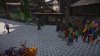
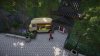
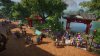
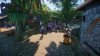
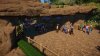
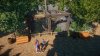
Located just next to the entrance is this area's gift shop, Serka Zong Traders. Here you can find items from the Himalayan cultures to Japanese ware.

92 Serka Zong Traders.jpg

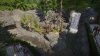
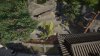
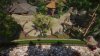
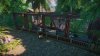
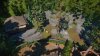
Rounding out the guest facilities at the entrance pavilion area, you will find the Everest Expedition Center, an information kiosk that sells mountain trail guides from Asia and other mountain themed gear.

93 Everest Expedition Center.jpg

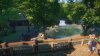
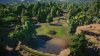
The first exhibit you will encounter upon entering this area is the Japanese Macaque exhibit that is across the path from the entrance. This exhibit is nestled into the cliff face of the upper section of this themed area. It features many climbing structures, including some natural trees, as well as many rocky plateaus and framed by a waterfall from the upper mountain streams. You will notice on the right side of the photo below that this exhibit also features elevated viewing as well, giving guests a different perspective from the lower viewing. The upper viewing is just off the main path as you ascend in elevation to the rest of this area.

94 Japanese Macaque Exhibit.jpg

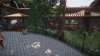
As you ascend up the mountain in this area. Just across the path from the elevated macaque viewing, you come across the Chitwan Grille. This sit down restaurant was the first one of its kind in the park, it was added in the free update just before this section started construction.

95 Chitwan Grille.jpg

This restaurant features overlooks of the guest areas near the entrance of Asian Altitude, but also has some upper viewing of the Red Panda exhibit found within the adjacent zone, Secrets of Tibet.

96 Chitwan Grille.jpg

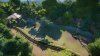
After you pass the Chitwan Grille, you come to a crossroads that starts the upper mountain loop. While you are free to go your own way, the preferred way that is directed by scheduled educators is to the left. First you will pass a restroom for this area, and then on the backside of the Amur Leopard mountain, you will find the Siberian Tiger exhibit.

97 Siberian Tiger Exhibit.jpg

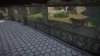
This exhibit features varied terrain for its sole occupant, from rocky mesas to sloping hills and forested areas. The viewing shelter is embedded into the adjacent cliff face that is on the backside of the Amur Leopard habitat. The glass viewing windows lets guests get face to face with these massive cats.

98 Siberian Tiger Exhibit.jpg

As you round the corner around the Amur mountain, guests come across the Himalayan Brown Bear exhibit. Featuring a breeding pair of bears, this habitat continues with varied terrain with rocky areas and lots of natural enrichment. Like the Siberian Tiger viewing shelter, this viewing shelter is also protruding from the Amur Mountain.

99 Himalayan Brown Bear Exhibit.jpg

This will be continued in Part 2!
 

Attachments

  • 90 Asian Altitude Text.jpg
    90 Asian Altitude Text.jpg
    144.6 KB · Views: 111
  • 91 Asian Altitude Entrance.jpg
    91 Asian Altitude Entrance.jpg
    141 KB · Views: 115
  • 92 Serka Zong Traders.jpg
    92 Serka Zong Traders.jpg
    123.9 KB · Views: 115
  • 93 Everest Expedition Center.jpg
    93 Everest Expedition Center.jpg
    129.9 KB · Views: 114
  • 94 Japanese Macaque Exhibit.jpg
    94 Japanese Macaque Exhibit.jpg
    138.7 KB · Views: 112
  • 95 Chitwan Grille.jpg
    95 Chitwan Grille.jpg
    153.6 KB · Views: 112
  • 96 Chitwan Grille.jpg
    96 Chitwan Grille.jpg
    147.2 KB · Views: 112
  • 97 Siberian Tiger Exhibit.jpg
    97 Siberian Tiger Exhibit.jpg
    164.2 KB · Views: 117
  • 98 Siberian Tiger Exhibit.jpg
    98 Siberian Tiger Exhibit.jpg
    110.9 KB · Views: 115
  • 99 Himalayan Brown Bear Exhibit.jpg
    99 Himalayan Brown Bear Exhibit.jpg
    149.7 KB · Views: 112
Asian Altitude, Part 2

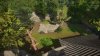
Just after the Himalayan Brown Bear exhibit, you once again come to a crossroads, one that was created after the Eurasian DLC. Before, you would see the Snow Leopard exhibit on your left that was adjacent to the pagoda, but now this has been opened up, letting visitors take in the sight of what I dubbed, Shrine of the Silver Monkey (any Americans who grew up watching Legends of the Hidden Temple get this reference).

100 Shrine of the Silver Monkey.jpg

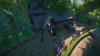
Inside the temple, you will find a small shrine with the macaque statues included in the game, but also multiple educational displays with conservation messages.

101 Shrine of the Silver Monkey.jpg

Just across the path from here is the viewing into the Amur Leopard habitat found on Amur Mountain. This exhibit was the original snow leopard habitat (they get to move a couple more times) until the Amur Leopard was included in a later DLC. Since these cats were larger than the snow leopards in the game, I built the snow leopards a completely new habitat.

102 Amur Leopard Exhibit.jpg

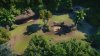
This exhibit features a ton of relief from front to back of the exhibit and has a rock climbing structure in the middle of the exhibit. It took a bit of shifting the rocks to get it to be completely useable, but yes the leopards do use it!

103 Amur Leopard.jpg

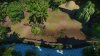
Now to the expansion part! Just like a lot of my early zones I built, I didn't exactly plan very well for future expansions. After the Amur Leopard showed up, I was put in a bind on where to put the snow leopards. While I made something work, as you will see in the next bonus post, it was always viewed as temporary as I really felt a takin or other Asian highland species would show up at some point. After the Eurasian DLC, I finally had to remove the "temporary" snow leopard exhibit and punch through to more land.

104 Path to Expansion.jpg

As you continue down this path, you will first come across a small food and beverage area with a small building and a food truck called Sherpa Sweets. This gives guests an alternative for a quick snack or drink rather than the sit down Chitwan Grille.

105 Sherpa Sweets.jpg

Just past the food truck is where the relocated snow leopard habitat was built, featuring a covered viewing shelter and a lot larger exhibit for its breeding pair.

106 Snow Leopard Exhibit.jpg

This exhibit features the most elevation change in an exhibit in the zoo, and as you can see in the photo below, there is multiple levels of the rocky cliffs for the snow leopards to traverse where they can get to the top in a small alcove to rest.

107 Snow Leopard Exhibit.jpg

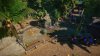
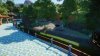
As you pass through the viewing area for the snow leopards, you come to a small loop that features a mountain stream emanating from the waterfall from the takin exhibit. This rocky creek bed provides a calming area where guests can take a few minutes and relax as you have reached the back part of this realm.

108 Expansion Landscaping.jpg

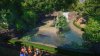
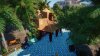
At the very back end of Asian Altitude, you will find the Takin exhibit. This exhibit is very similar to the snow leopard exhibit in that you will see it has rocky cliff sides for the mountain ungulates to climb, but also a wading pool at the bottom of the waterfalls and multiple areas for grazing. This is the newest exhibit in the zoo, and as you can see, the exhibit design is quite a bit more advanced than a lot of the exhibits found throughout the zoo.

109 Takin Exhibit.jpg

After this, guests would then pass back by the snow leopard exhibit, by the Shrine of the Silver Monkey and the Amur leopard exhibit, and back down to the entrance of this part of the zoo.

That does it for Asian Altitude, will give a bonus posting next!
 

Attachments

  • 100 Shrine of the Silver Monkey.jpg
    100 Shrine of the Silver Monkey.jpg
    163.1 KB · Views: 115
  • 101 Shrine of the Silver Monkey.jpg
    101 Shrine of the Silver Monkey.jpg
    105 KB · Views: 117
  • 102 Amur Leopard Exhibit.jpg
    102 Amur Leopard Exhibit.jpg
    160.3 KB · Views: 116
  • 103 Amur Leopard.jpg
    103 Amur Leopard.jpg
    130.1 KB · Views: 117
  • 104 Path to Expansion.jpg
    104 Path to Expansion.jpg
    143.6 KB · Views: 112
  • 105 Sherpa Sweets.jpg
    105 Sherpa Sweets.jpg
    136.2 KB · Views: 114
  • 106 Snow Leopard Exhibit.jpg
    106 Snow Leopard Exhibit.jpg
    152.7 KB · Views: 115
  • 107 Snow Leopard Exhibit.jpg
    107 Snow Leopard Exhibit.jpg
    97.6 KB · Views: 117
  • 108 Expansion Landscaping.jpg
    108 Expansion Landscaping.jpg
    159 KB · Views: 116
  • 109 Takin Exhibit.jpg
    109 Takin Exhibit.jpg
    149.5 KB · Views: 119
Asian Altitude, Bonus Post

As mentioned in the two above posts, the snow leopards got moved around a couple times from the start of the zoo. First, they were in the now current Amur Leopard habitat, then they moved to a newly constructed exhibit that was between the Himalayan Brown Bear exhibit and the Shrine of the Silver Monkey.

At the time, I was pretty proud of how the exhibit turned out. I was able to fit it in a tight spot yet felt that with the verticality of the exhibit itself, it gave enough room for its inhabitants to move around. The first image is an overview of how it was sandwiched in between two things I knew I wanted to keep.

110 Original Snow Leopard Exhibit.jpg

The exhibit was back fed for access into a cave area, and the space of the exhibit was essentially doubled as the space above the cave was accessible to the cats within. I did utilize the interior of the Shrine of the Silver Monkey as a viewing shelter as well. Due to the snow leopards propensity to like to jump everywhere, I had to safeguard the roof of the pagoda as my cats would routinely jump from the rocks to the roof. I had to build a fence very reminiscent of the old Cat Complex at the Omaha Zoo to keep them off of the roof.

111 - Original Snow Leopard Exhibit 2.jpg

In this last image, you can see that the snow leopards indeed could make their way up here. I would watch them for a bit to see their preferred method of accessing this space, they pretty much used the climbable trees to get up there, jumping from the tree to the rocks. And yes, while they were up here, they were still visible to the guests from the shrine viewing area. The way the rocks are sloped up here make it so people could see them. I had to mess with the rock elevations after going into guest view mode to check sightlines.

113 - Original Snow Leopard Exhibit 4.jpg

I included this as a bonus post because I wanted to keep screenshots of this habitat due to how I made something different to fit it in a tight spot and used different tiers to make it a larger habitat than normal conventions would dictate. While it no longer exists and was really only temporary, pending a DLC that would ultimately come, I was quite proud of it for the time it did exist.

Next up, Secrets of Tibet!
 

Attachments

  • 110 Original Snow Leopard Exhibit.jpg
    110 Original Snow Leopard Exhibit.jpg
    153.2 KB · Views: 115
  • 111 - Original Snow Leopard Exhibit 2.jpg
    111 - Original Snow Leopard Exhibit 2.jpg
    146.4 KB · Views: 115
  • 113 - Original Snow Leopard Exhibit 4.jpg
    113 - Original Snow Leopard Exhibit 4.jpg
    119 KB · Views: 113
Secrets of Tibet

Ok we are back after a long break as the month of May was quite the busy month for me! This post will focus on the Secrets of Tibet area of the park and features the following species: Giant Panda, Red Panda, and Chinese Pangolin.

This smaller area is nice and quaint and has some awesome architecture and features the music from Rollercoaster Tycoon, "Pagoda Style".

121 Secrets of Tibet Text.jpg

The entrance to this pavilion features towering pagodas flanked by a nice pond.

122 Secrets of Tibet Entrance.jpg

On the lakeside portion of the main circulating path, you will find an overlook to a paifang amongst other small garden buildings and shrines.

123 Secrets of Tibet Lakeside Features.jpg

As mentioned above, there is a small pond just inside the entrance to this area creating a nice zen-like area. If this were real, I would probably include Chinese Mandarin Ducks or other waterfowl from the foothills of the Himalayas here.

124 Zen Pond.jpg

Nestled in between the main entrance and the Chitwan Grille restaurant in Asian Altitude is the Red Panda habitat. There is a viewing area into this habitat from the main circulator path, as well as patrons of the restaurant above can look down into this exhibit.

126 Red Panda Exhibit.jpg

For the hungry guests in this area, be sure to stop by the Happy Panda Restaurant to get some Chinese cuisine! This spacious restaurant features seating to take in the center pond or even gaze into the nearby Giant Panda exhibit.

127 Happy Panda Restaurant.jpg

Located just on the other side of the path from the rear of the Happy Panda restaurant is the Giant Panda habitat. A very well forested and undulating terrain is home to a pair of Giant Pandas. This exhibit also has a wading pond with a waterfall making the view picturesque.

128 Giant Panda Exhibit.jpg

This path continues along to a heavily forested area and rockwork that provides ample shade for a trio of Chinese Pangolins in a long exhibit with some varied terrain. In the photo below, you will see half of this exhibit, as the other half extends into another grassy area surrounded by dense foliage and a natural tree bark rub panel.

129 Chinese Pangolin Exhibit.jpg

After one views the pangolin exhibit, you will come back to the main pond area of this pavilion and don't forget to stop by the Far East Marketplace to get any items themed to China or Tibet.

125 Far East Marketplace.jpg

Nice short and sweet area of the zoo, next up will be a large one and will need to be broken up into multiple posts, the American Adventure!

Note: I did get the Barnyard DLC, but I won't be using any of the animals in this zoo as I don't really want farm animals in this zoo. I understand there are some domestics in the previous DLCs, but to me they weren't straight up farm animals.
 

Attachments

  • 121 Secrets of Tibet Text.jpg
    121 Secrets of Tibet Text.jpg
    186.3 KB · Views: 91
  • 122 Secrets of Tibet Entrance.jpg
    122 Secrets of Tibet Entrance.jpg
    142 KB · Views: 90
  • 123 Secrets of Tibet Lakeside Features.jpg
    123 Secrets of Tibet Lakeside Features.jpg
    162.1 KB · Views: 91
  • 124 Zen Pond.jpg
    124 Zen Pond.jpg
    178.3 KB · Views: 92
  • 126 Red Panda Exhibit.jpg
    126 Red Panda Exhibit.jpg
    158.6 KB · Views: 92
  • 127 Happy Panda Restaurant.jpg
    127 Happy Panda Restaurant.jpg
    151.5 KB · Views: 90
  • 128 Giant Panda Exhibit.jpg
    128 Giant Panda Exhibit.jpg
    149.8 KB · Views: 92
  • 129 Chinese Pangolin Exhibit.jpg
    129 Chinese Pangolin Exhibit.jpg
    84.5 KB · Views: 90
  • 125 Far East Marketplace.jpg
    125 Far East Marketplace.jpg
    156.9 KB · Views: 92
Secrets of Tibet

Ok we are back after a long break as the month of May was quite the busy month for me! This post will focus on the Secrets of Tibet area of the park and features the following species: Giant Panda, Red Panda, and Chinese Pangolin.

This smaller area is nice and quaint and has some awesome architecture and features the music from Rollercoaster Tycoon, "Pagoda Style".

View attachment 706962

The entrance to this pavilion features towering pagodas flanked by a nice pond.

View attachment 706963

On the lakeside portion of the main circulating path, you will find an overlook to a paifang amongst other small garden buildings and shrines.

View attachment 706964

As mentioned above, there is a small pond just inside the entrance to this area creating a nice zen-like area. If this were real, I would probably include Chinese Mandarin Ducks or other waterfowl from the foothills of the Himalayas here.

View attachment 706965

Nestled in between the main entrance and the Chitwan Grille restaurant in Asian Altitude is the Red Panda habitat. There is a viewing area into this habitat from the main circulator path, as well as patrons of the restaurant above can look down into this exhibit.

View attachment 706966

For the hungry guests in this area, be sure to stop by the Happy Panda Restaurant to get some Chinese cuisine! This spacious restaurant features seating to take in the center pond or even gaze into the nearby Giant Panda exhibit.

View attachment 706967

Located just on the other side of the path from the rear of the Happy Panda restaurant is the Giant Panda habitat. A very well forested and undulating terrain is home to a pair of Giant Pandas. This exhibit also has a wading pond with a waterfall making the view picturesque.

View attachment 706968

This path continues along to a heavily forested area and rockwork that provides ample shade for a trio of Chinese Pangolins in a long exhibit with some varied terrain. In the photo below, you will see half of this exhibit, as the other half extends into another grassy area surrounded by dense foliage and a natural tree bark rub panel.

View attachment 706969

After one views the pangolin exhibit, you will come back to the main pond area of this pavilion and don't forget to stop by the Far East Marketplace to get any items themed to China or Tibet.

View attachment 706970

Nice short and sweet area of the zoo, next up will be a large one and will need to be broken up into multiple posts, the American Adventure!

Note: I did get the Barnyard DLC, but I won't be using any of the animals in this zoo as I don't really want farm animals in this zoo. I understand there are some domestics in the previous DLCs, but to me they weren't straight up farm animals.

Wow, this is beautiful. I always wanted to design a Chinese village-esque style zoo area complete with a restaurant, shop, bridge and Chinese garden, red pandas, etc., and you made something much better than I ever could have! Thanks, its nice to see my idea illustrated out for me! My only changes would have been that for my idea the red panda exhibit would have essentially been a Chinese garden as well complete with a rocky stream, cherry blossom trees for the red pandas to climb, and made it a mixed species exhibit with muntjac deer and saurus cranes (though I know your avoiding mixed exhibits).
 
American Adventure, Part 1

Back from a little hiatus due to real life obligations, this showcase will feature the North American fauna in the American Adventure!

This was the zoo's biggest expansion at the time and then had some smaller additions over time with later DLC. The roster for this part of the zoo is quite extensive: American Beaver, American Alligator, Western Diamondback Terrapin, American Bullfrog, Black Tailed Prairie Dog, Giant Hairy Desert Scorpion, Gila Monster, Western Diamondback Rattlesnake, Striped Skunk, American Bison, Pronghorn, Raccoon, California Sea Lion, Timberwolf, Grizzly Bear, Dall Sheep, Cougar, and Moose. This area also includes three implied species as well: Roseate Spoonbill, Scarlet Ibis, and Bald Eagle.

American Adventure also includes four food and beverage locations to span the massive land as well as two restrooms and of course its own gift shop. As shown in an earlier post, there is a dock for the River Charting Company transport ride here as well being one of the major destinations of the zoo.

130 American Adventure Map.jpg

The entrance here is modeled after the forts of the American Frontier and the outpost here is Fort Robinson, named after one of my home state of Nebraska's premier historic landmarks. The music that plays in this area is "Doubleback" by ZZ Top, but in the old west style made famous by them in the movie, Back to the Future Part III, which was composed by both ZZ Top and Alan Silvestri.

131 American Adventure Entrance.jpg

The coastline for this area features not only the River Charting dock, there are other fort elements with watchtowers and an information post, as well as the Devil's Eye Lounge that allows guests to relax with a beverage along the shores of the central lagoon.

132 Devil's Eye Lounge.jpg

As part of Fort Robinson itself, there is a small quick serve restaurant called Fort Robinson Canteen with nearby restrooms that is just inside the fort's gates.

133 Fort Robinson Canteen.jpg

Across the path from the canteen is this region's gift shop called the Devil's Eye Treasures featuring frontier themed trinkets.

134 Devil's Eye Treasures Shop.jpg

From inside this central fort area, guests can choose two different directions. If one proceeds between the gift shop and the canteen, you will begin your journey of the American West into the prairies, while if you pass in front of the gift shop and continue to your left, you will begin in the low-lying Devil's Eye Swamp of America's southeast.

135 Devil's Eye Swamp Entrance.jpg

The first exhibit you comes across entering the swamp is the American Beaver habitat with a large pond and small waterfall.

136 Beaver Exhibit.jpg

Across the path from the beaver exhibit is a small aviary for Roseate Spoonbill and Scarlet Ibis. This exhibit can be viewed from within the Devil's Eye Swamp or from the main circulator path that surrounds the central lagoon.

137 Scarlet Ibis, Roseate Spoonbill Entrance.jpg

As you travel deeper into the swamp, you come across two exhibits for Western Diamondback Terrapin and American Bullfrog styled in little swamp huts.

138 American Bullfrog, Western Diamondback Terrapin Exhibits.jpg

The final exhibit of the Devil's Eye swamp is the American Alligator exhibit, and it is also one that can be viewed from the main path near the Devil's Eye Lounge.

139 American Alligator Exhibit.jpg

We will move up to the prairie section in Part 2!
 

Attachments

  • 130 American Adventure Map.jpg
    130 American Adventure Map.jpg
    133 KB · Views: 62
  • 131 American Adventure Entrance.jpg
    131 American Adventure Entrance.jpg
    182.5 KB · Views: 66
  • 132 Devil's Eye Lounge.jpg
    132 Devil's Eye Lounge.jpg
    114.6 KB · Views: 67
  • 133 Fort Robinson Canteen.jpg
    133 Fort Robinson Canteen.jpg
    149.4 KB · Views: 65
  • 134 Devil's Eye Treasures Shop.jpg
    134 Devil's Eye Treasures Shop.jpg
    149.8 KB · Views: 64
  • 135 Devil's Eye Swamp Entrance.jpg
    135 Devil's Eye Swamp Entrance.jpg
    140.4 KB · Views: 68
  • 136 Beaver Exhibit.jpg
    136 Beaver Exhibit.jpg
    143.5 KB · Views: 70
  • 137 Scarlet Ibis, Roseate Spoonbill Entrance.jpg
    137 Scarlet Ibis, Roseate Spoonbill Entrance.jpg
    152.2 KB · Views: 68
  • 138 American Bullfrog, Western Diamondback Terrapin Exhibits.jpg
    138 American Bullfrog, Western Diamondback Terrapin Exhibits.jpg
    129.8 KB · Views: 67
  • 139 American Alligator Exhibit.jpg
    139 American Alligator Exhibit.jpg
    150.9 KB · Views: 67
American Adventure, Part 2

In part 2, we will explore the middle portion of this section of the zoo, the prairie and deserts of the American Adventure.

As guests wander up a small incline to this level of the land, if you left Fort Robinson between the two guest amenities, you would come to the Black Tailed Prairie Dog exhibit that has claimed the fort's outhouse as part of their habitat (seen to the right in the photo below).

140 Black Tailed Prairie Dog Exhibit.jpg

Also along this edge of the Fort is a small outpost with maps and information for the area next to the Bison amphitheater for educator talks.

141 American Adventure Info.jpg

Across the path that comes from the Devil's Eye Swamp is an exhibit embedded into desert rocks that features Giant Hairy Desert Scorpion.

142 Giant Hairy Desert Scorpion Exhibit.jpg

To finish out the small animal exhibits in this portion of the zoo, near the Black Tailed Prairie Dog exhibit is another desert cave pass that has Gila Monster and Western Diamondback Rattlesnake terrariums. The rock overhangs double as shade providers to reduce the glare on the glass fronted exhibits.

143 Western Diamondback Rattlesnake, Gila Monster Exhibits.jpg

The main exhibit and largest of this section is located in the middle of this area is for a herd of American Bison. It features gradually sloping terrain with a large pond at one end and a mud wallows. Being in the center of this land, it provides guests with many different vantage points of this icon of North America.

144 American Bison Exhibit.jpg

Adjacent to the American Bison exhibit is another good sized exhibit for another of America's grazers, Pronghorn. This exhibit features some desert elements while also some rockier areas that simulates the varied terrain this antelope inhabitants across the western United States and Mexico.

145 Pronghorn Exhibit.jpg

A couple of small mammals that were later added to this section of the zoo as part of the Twilight pack were the Striped Skunk and the Raccoon. Located near the pronghorn exhibit and as you ascend the path to higher altitudes of the mountains, is a raccoon exhibit nestled into the rocks with a waterfall and small pond.

146 Raccoon Exhibit.jpg

On the other side of the land, near the Gila Monster and Rattlesnake exhibits, is a small alcove for the Striped Skunk exhibit.

147 Striped Skunk Exhibit.jpg

While this part of American Adventure focuses on prairies and deserts, the West Coast is not to be forgotten and has its own quick service restaurant, West Coast Wharf, and an exhibit that houses California Sea Lion.

The West Coast Wharf offers some seating that does have views to the California Sea Lion exhibit across the path.

148 West Coast Wharf Restaurant.jpg

The sea lion exhibit does feaure underwater viewing that is lower than the main path so that there can also be unobstructed views above water level and from the restaurant. The exhibit features some rocky areas for the sea lions to sun bathe on, but also a large deep pool nestled into the cliff faces surrounding the exhibit.

149 California Sea Lion Exhibit.jpg

Next in Part 3 we will explore the upper mountain region of American Adventure!
 

Attachments

  • 140 Black Tailed Prairie Dog Exhibit.jpg
    140 Black Tailed Prairie Dog Exhibit.jpg
    154.8 KB · Views: 64
  • 141 American Adventure Info.jpg
    141 American Adventure Info.jpg
    146.6 KB · Views: 67
  • 142 Giant Hairy Desert Scorpion Exhibit.jpg
    142 Giant Hairy Desert Scorpion Exhibit.jpg
    130.8 KB · Views: 64
  • 143 Western Diamondback Rattlesnake, Gila Monster Exhibits.jpg
    143 Western Diamondback Rattlesnake, Gila Monster Exhibits.jpg
    139.8 KB · Views: 64
  • 144 American Bison Exhibit.jpg
    144 American Bison Exhibit.jpg
    150.7 KB · Views: 65
  • 145 Pronghorn Exhibit.jpg
    145 Pronghorn Exhibit.jpg
    143.5 KB · Views: 66
  • 146 Raccoon Exhibit.jpg
    146 Raccoon Exhibit.jpg
    146.6 KB · Views: 67
  • 147 Striped Skunk Exhibit.jpg
    147 Striped Skunk Exhibit.jpg
    126.3 KB · Views: 63
  • 148 West Coast Wharf Restaurant.jpg
    148 West Coast Wharf Restaurant.jpg
    143.1 KB · Views: 66
  • 149 California Sea Lion Exhibit.jpg
    149 California Sea Lion Exhibit.jpg
    163.6 KB · Views: 64
American Adventure, Part 3

This last part of American Adventure features the upper mountain regions of North America and features many of the most iconic animals the continent has to offer. This also makes guests want to venture to the farthest regions of this land to see these heavy hitters.

Regardless of which side of this region you follow, the first thing you will encounter is the Great Northwest Lodge which is a full service restaurant that sits on the cliff above the American Bison exhibit and features lovely views across the prairie, but also has views into the wooded moose exhibit that is also adjacent to the restaurant and is in the middle of this upper mountain region. While most of the buildings in this area play the aforementioned Doubleback song, this restaurant features the music "Ragtime Style" from Rollercoaster Tycoon.

150 Great Northwest Lodge Restaurant.jpg

If you ascended up into the mountains by the raccoon side, the first exhibit you will come across is the Timberwolf exhibit that features rocky terrain and some heavy foliage.

151 Timberwolf Exhibit.jpg

As you continue around the mountain loop, amongst more rocky ground and a massive waterfall to a mountain pond is the Grizzly Bear exhibit. This exhibit also features covered seating for educational talks, but also a nice area for tired legs to sit and watch the bears explore their habitat.

152 Grizzly Bear Exhibit.jpg

This part of American Adventure also has an implied exhibit, this time for Bald Eagle, the symbol of the United States, in its own little aviary.

153 Bald Eagle Exhibit.jpg

In the rear of this section, resembling the highest altitudes is a very mountainous habitat for Dall Sheep. Great care was taken to make sure these animals were able to traverse the rock formations within, but yet couldn't escape the exhibit.

154 Dall Sheep Exhibit.jpg

Rounding out the outside exhibits of this mountainous region is one for Cougar, or Mountain Lion as they are commonly called here in the States. The pair of cougar in this exhibit live amongst rocky and sloping terrain, with various trees that offer some natural climbing.

155 Cougar Exhibit.jpg

As mentioned earlier, the central exhibit for this upper mountain region features a wooded habitat with its own pool for a pair of Moose. Guests are able to get multiple vantage points into this habitat, while the foliage in the middle areas cut down on cross-views of other guests.

156 Moose Exhibit.jpg

That does it for this rather large section of the zoo, and up next is the Kingdom of Amanpur!
 

Attachments

  • 150 Great Northwest Lodge Restaurant.jpg
    150 Great Northwest Lodge Restaurant.jpg
    139.8 KB · Views: 65
  • 151 Timberwolf Exhibit.jpg
    151 Timberwolf Exhibit.jpg
    153.3 KB · Views: 67
  • 152 Grizzly Bear Exhibit.jpg
    152 Grizzly Bear Exhibit.jpg
    136.8 KB · Views: 64
  • 153 Bald Eagle Exhibit.jpg
    153 Bald Eagle Exhibit.jpg
    174.4 KB · Views: 64
  • 154 Dall Sheep Exhibit.jpg
    154 Dall Sheep Exhibit.jpg
    164 KB · Views: 65
  • 155 Cougar Exhibit.jpg
    155 Cougar Exhibit.jpg
    113.3 KB · Views: 63
  • 156 Moose Exhibit.jpg
    156 Moose Exhibit.jpg
    177.9 KB · Views: 65
Kingdom of Amanpur, Part 1

Back across the central lagoon is another massive land that also has its own boat dock at about the quarter point along the shoreline similar to the American Adventure. This land however continues with the Asian theme of this side of the zoo to this point and takes you to a small Indian province named Amanpur near the edge of the jungle.

Here is the overview of the land featuring the following species: Indian Peafowl, Dhole, Indian Elephant, Asian Wild Water Buffalo, Sloth Bear, Indian Rhino, Giant Forest Scorpion, Great Indian Hornbill, Asian Water Monitor, Bengal Tiger, Gharial, and Asian Small Clawed Otter.

Just outside this area along the main circulating path around the lagoon is the Red Crowned Crane exhibit that sits between Kingdom of Amanpur and Asian Altitude. This was the first of a couple exhibits that are situated along the main path outside of a themed region to keep up guest engagement rather than walking long distances without seeing animals.

160 Kingdom of Amanpur Text.jpg

Before we get into the Indian province, here is the Red Crowned Crane exhibit nestled in between two zones of the zoo and along the lagoon main path. This exhibit features a large group of cranes, a wetland area, and a feeding pond.

161 Red Crowned Crane Exhibit.jpg

As you come to the entrance of the Kingdom of Amanpur, you pass by the outskirts of the village giving you a taste of the architecture you will find within. As you begin to hear the tune of the "Jungle Book Theme" from the old Disney Animated film from 1967, you start to feel the adventure looming.

162 Kingdom of Amanpur Entrance.jpg

As you pass below the port of call, you enter into the village of Amanpur that features a market style gift shop, a sprawling restaurant, tons of detail of a village that has been around for centuries, as well as the central garden filled with Indian Peafowl. Near the edge of this village is the jungle that seems to be starting to encroach on the ancient village.

163 Amanpur Township.jpg

In the photo above, on the right side of the entrance path is the Maharajah Market, a gift shop that feels like a street market with various vendors featuring Indian art and trinkets. This gift shop has an open-air courtyard as well as various covered stall within its pathways.

164 Maharajah Market.jpg

Across the path is the Royal Maharajah Restaurant that features tons of seating amongst statues and plants and intricate detail fit for royalty. This restaurant is probably the finest dining in the zoo.

165 Royal Maharajah Restaurant.jpg

Centered in the village is the royal gardens that houses the Maharajah's trio of Indian Peafowl. This "garden" features a tile mosaic fountain and a foraging area for the peafowl.

166 Indian Peafowl Garden.jpg

As one would head to the left of the peafowl exhibit, you come to the edge of civilization, where the village becomes the jungle. As you pass under the rock archway, you will enter the wilds of Amanpur where you begin to encounter some of the most well-known members of the animal kingdom.

167 Portal to the Wild.jpg
The adventure continues in part 2!
 

Attachments

  • 160 Kingdom of Amanpur Text.jpg
    160 Kingdom of Amanpur Text.jpg
    154.3 KB · Views: 45
  • 161 Red Crowned Crane Exhibit.jpg
    161 Red Crowned Crane Exhibit.jpg
    171.7 KB · Views: 44
  • 162 Kingdom of Amanpur Entrance.jpg
    162 Kingdom of Amanpur Entrance.jpg
    150.9 KB · Views: 46
  • 163 Amanpur Township.jpg
    163 Amanpur Township.jpg
    160.2 KB · Views: 44
  • 164 Maharajah Market.jpg
    164 Maharajah Market.jpg
    176.1 KB · Views: 44
  • 165 Royal Maharajah Restaurant.jpg
    165 Royal Maharajah Restaurant.jpg
    165.2 KB · Views: 43
  • 166 Indian Peafowl Garden.jpg
    166 Indian Peafowl Garden.jpg
    170.6 KB · Views: 45
  • 167 Portal to the Wild.jpg
    167 Portal to the Wild.jpg
    160 KB · Views: 44
Kingdom of Amanpur, Part 2

Continuing on from above, as you enter the cave to the wild, you will first pass by a glass viewing area that allows guests to peer into the cave that the zoo's pack of Dhole calls home. Just outside the cave you will find their sprawling hillside habitat.

168 Dhole Exhibit.jpg

The central exhibit in this land, one that offers many different vantage points similar to the American Bison exhibit in American Adventure, is where the zoo's Indian Elephant herd lives. This exhibit is situated right near the edge of the village of Amanpur as well, as the elephants have started to venture to the Maharajah's pond. This pond allows the elephants to wade in a nice water feature and has two cascading waterfalls into the exhibit, one of which comes from the adjacent Asian Small Clawed Otter exhibit (more on that later). There is a guest viewing area on the edge of the pond to let guests get great views of any elephants relaxing in the spacious pool.

169 Indian Elephant Pool.jpg

The rest of the elephant exhibit features narrow jungle trails along the sides of the exhibit around a clump of trees that cuts down on guest cross-views before opening back up to a grassland that has downed tree branches and the temple night-quarters building.

170 Indian Elephant Exhibit.jpg

Nestled into the side of the clump of trees is a mud wallow for the elephants.

171 Indian Elephant Exhibit.jpg

As you pass by the Dhole exhibit and part of the elephant viewing. Before heading deeper into the jungle, there is a small beverage stand called Gir Refreshments for anyone looking to wet their whistle.

172 Gir Refreshments.jpg

Just past the Gir Refreshments stand is a spacious marshland exhibit for a herd of Asiatic Wild Water Buffalo. Aside from the open grassland, there is plenty of low-lying areas with swampy marshes for the buffalo to cool off or to chow down on wetland plants.

173 Asian Water Buffalo Exhibit.jpg

Tucked into the side of the elephant temple night quarters is the Sloth Bear exhibit. This exhibit features some sloping terrain with a tree forager and in addition to the barrier free viewing area, there is an area of glass viewing amongst the rocks that allows guests to get face to face with these furry bears.

174 Sloth Bear Exhibit.jpg

The last exhibit of the grasslands portion of this area features a trio of Indian Rhino. Their large exhibit has plateaued terrain for varied viewing, with a mud wallow nestled into the ridge, as well as a small pool for the rhinos to submerge themselves. There are also various ledges along the exhibit that at various points of the day will provide shady resting spots for the inhabitants.

175 Indian Rhino Exhibit.jpg

The journey into the deeper jungle continues in part 3!
 

Attachments

  • 168 Dhole Exhibit.jpg
    168 Dhole Exhibit.jpg
    185.2 KB · Views: 42
  • 169 Indian Elephant Pool.jpg
    169 Indian Elephant Pool.jpg
    153.5 KB · Views: 43
  • 170 Indian Elephant Exhibit.jpg
    170 Indian Elephant Exhibit.jpg
    155 KB · Views: 43
  • 171 Indian Elephant Exhibit.jpg
    171 Indian Elephant Exhibit.jpg
    161.1 KB · Views: 43
  • 172 Gir Refreshments.jpg
    172 Gir Refreshments.jpg
    166.5 KB · Views: 44
  • 173 Asian Water Buffalo Exhibit.jpg
    173 Asian Water Buffalo Exhibit.jpg
    149.1 KB · Views: 42
  • 174 Sloth Bear Exhibit.jpg
    174 Sloth Bear Exhibit.jpg
    137.7 KB · Views: 43
  • 175 Indian Rhino Exhibit.jpg
    175 Indian Rhino Exhibit.jpg
    149 KB · Views: 43
Kingdom of Amanpur, Part 3

As you reach the Sloth Bear and Indian Rhino habitats, the forest begins to get thicker and rocky crevices start to make you feel deep into the jungle. Nestled into the rocky caves in this area is the Giant Forest Scorpion exhibit, marking this the point where deep jungle starts to set in.

176 Giant Forest Scorpion Exhibit.jpg

On the backside of the scorpion exhibit is the Asian Water Monitor exhibit that features some sandy digging areas, as well as a small pond. This exhibit features two guest vantage points that offer different terrain for their views.

178 Asian Water Monitor Exhibit.jpg

On the backside of the elephant temple holding building is an implied exhibit that houses a couple of Great Indian Hornbill in a tall aviary.

177 Great Indian Hornbill Exhibit.jpg

The showstopper exhibit at the back of this area is the Bengal Tiger habitat that features a towering waterfall into a pond for the tigers to cool off in, various rocky ledges and plateaus, and a grassy area where the feeding tray sits below a temple that extends into the exhibit.

179 Bengal Tiger Exhibit.jpg

This exhibit also features barrier free views as well as glass viewing near the temple area to allow guests to not only get unobstructed views for photography, but also allow for those that want to get super close to these large cats.

180 Bengal Tiger Exhibit.jpg

Near this corner of the wilds of Amanpur is the Elephant's Trunk Restaurant that features a spot for guests to cool down and grab a drink or snacks. This restaurant also sits on the edge of the Indian Elephant habitat allowing guests to view the large animals while they relax.

181 Elephant Trunk Restaurant.jpg

Continuing back towards the village, guests will come across a multi-tiered viewing area that allows guests to get water-level viewing of a group of Gharial, but also allows those who want unobstructed views to a higher vantage point to see over the glass barrier. The exhibit also features a waterfall into the pond, as well as sandy areas for the crocodilians to sun themselves on the beach.

182 Gharial Exhibit.jpg

Rounding out the last exhibit of this part of the zoo is a smaller exhibit right at the edge of the village that is home to a group of Asian Small Clawed Otter. This exhibit has a small creek that runs along the land area and has a short waterfall that flows into the Indian Elephant pond.

183 Asian Small Clawed Otter Exhibit.jpg

That brings guests back to civilization to the village of Amanpur where they then can continue their journey to other parts of the zoo.

The next part of this showcase will jump back across the central lagoon and we will visit Polar Pointe!
 

Attachments

  • 176 Giant Forest Scorpion Exhibit.jpg
    176 Giant Forest Scorpion Exhibit.jpg
    105.3 KB · Views: 42
  • 178 Asian Water Monitor Exhibit.jpg
    178 Asian Water Monitor Exhibit.jpg
    147.9 KB · Views: 43
  • 177 Great Indian Hornbill Exhibit.jpg
    177 Great Indian Hornbill Exhibit.jpg
    145.1 KB · Views: 41
  • 179 Bengal Tiger Exhibit.jpg
    179 Bengal Tiger Exhibit.jpg
    131.3 KB · Views: 41
  • 180 Bengal Tiger Exhibit.jpg
    180 Bengal Tiger Exhibit.jpg
    134.3 KB · Views: 40
  • 181 Elephant Trunk Restaurant.jpg
    181 Elephant Trunk Restaurant.jpg
    156.1 KB · Views: 40
  • 182 Gharial Exhibit.jpg
    182 Gharial Exhibit.jpg
    164.2 KB · Views: 42
  • 183 Asian Small Clawed Otter Exhibit.jpg
    183 Asian Small Clawed Otter Exhibit.jpg
    149.2 KB · Views: 41
Back
Top