A short excursion to Sweden

Dormitator

Well-Known Member
5+ year member
I’ve just come back from a short trundle around southern Sweden so in an effort to try and write up more of my adventures I thought I’d make some notes on my trip in the hopes they prove useful to other folk. I didn’t aim to have an exhaustive trip around Sweden, but a mini break packing in as much as possible within a reasonable budget was my goal here, with four zoos making the list - Nordens Ark, Boras Djurpark, Kolmarden Tropicarium and Kolmarden Zoo. The three main zoos seemed to be pretty much the best Sweden has to offer and with Kolmarden Tropicarium being right next to the main zoo it was rude not to hop in, especially as Swedish zoos are extremely mammal heavy so some fish and herps were sorely needed.

Squeezing the most out of a weekend necessitated car hire, and as I was due on Monday morning in Stockholm for a conference, I lumped for paying the expensive one way fee for the hire. However, a little searching around revealed that (correct at the time of booking!) my hire car costs could be halved if I dropped the car off at Stockholm Skavsta Airport to the south of Stockholm near the small city of Nyköping, instead of dropping it in Stockholm centre or at the main airport. The train from Nyköping to Stockholm was actually pretty cheap though I did have to fork out for a taxi between the airport and Nyköping itself or face an hour and a half wait for a bus. Still, I saved over £100 doing this which helped offset Sweden’s somewhat expensive nature.

I am indebted to advice from @twilighter , and @snowleopard ’s trip report from last year which really helped with planning. Thanks to you both.


Day 1

My flight into Gothenburg was uneventful and I managed to get through the fairly small airport in good time, picking up my Volvo (obviously) and setting off for Nordens Ark. I had made careful note, or as we’ll see, I thought I’d made careful notes, of the opening and closing times of the various zoos on route and knew I needed to get to Nordens Ark before 1600 which was supposed to be last entry as the zoo closed at 1700. Though an hour didn’t seem like much time to spend at this large zoo, I had a secret weapon.

Like a couple of other places on this trip, Nordens Ark has a hotel at the entrance, but even better (and cheaper) than that, it also has a couple of gorgeous chalets in the EcoPark the zoo owns (basically a large, unmanaged area of forest on a hill above the park). These promised peace and quiet, as well as no electricity or running water, and with it being pretty much the longest day of the year, I thought this would be a great place to stay. Entrance to the zoo is free both on the day of arrival and departure so at £90 for the night for the smallest chalet, this actually represents excellent value if you are planning on two days there (or two short, split visits), especially if there are a couple of people sharing the chalet.

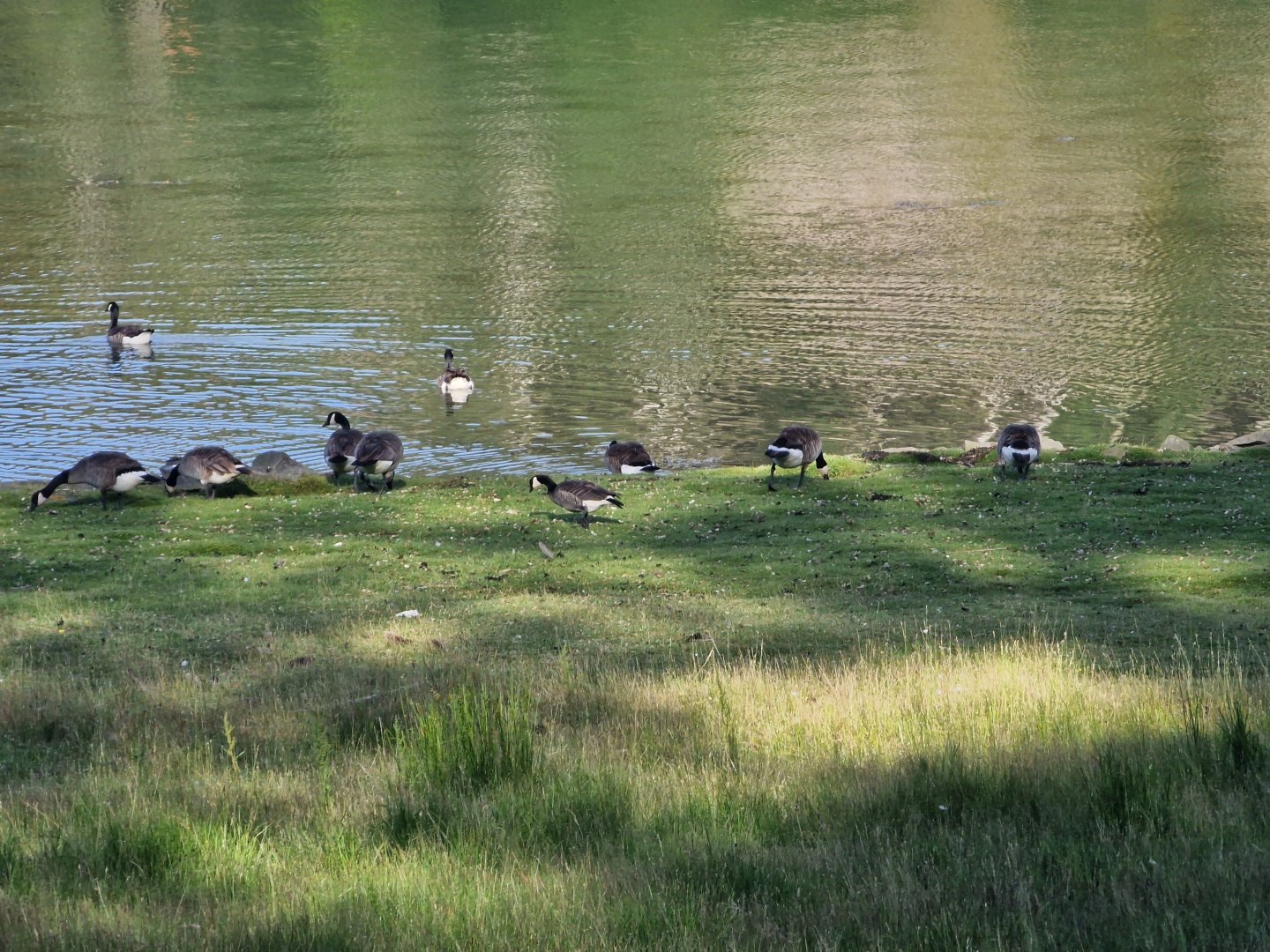
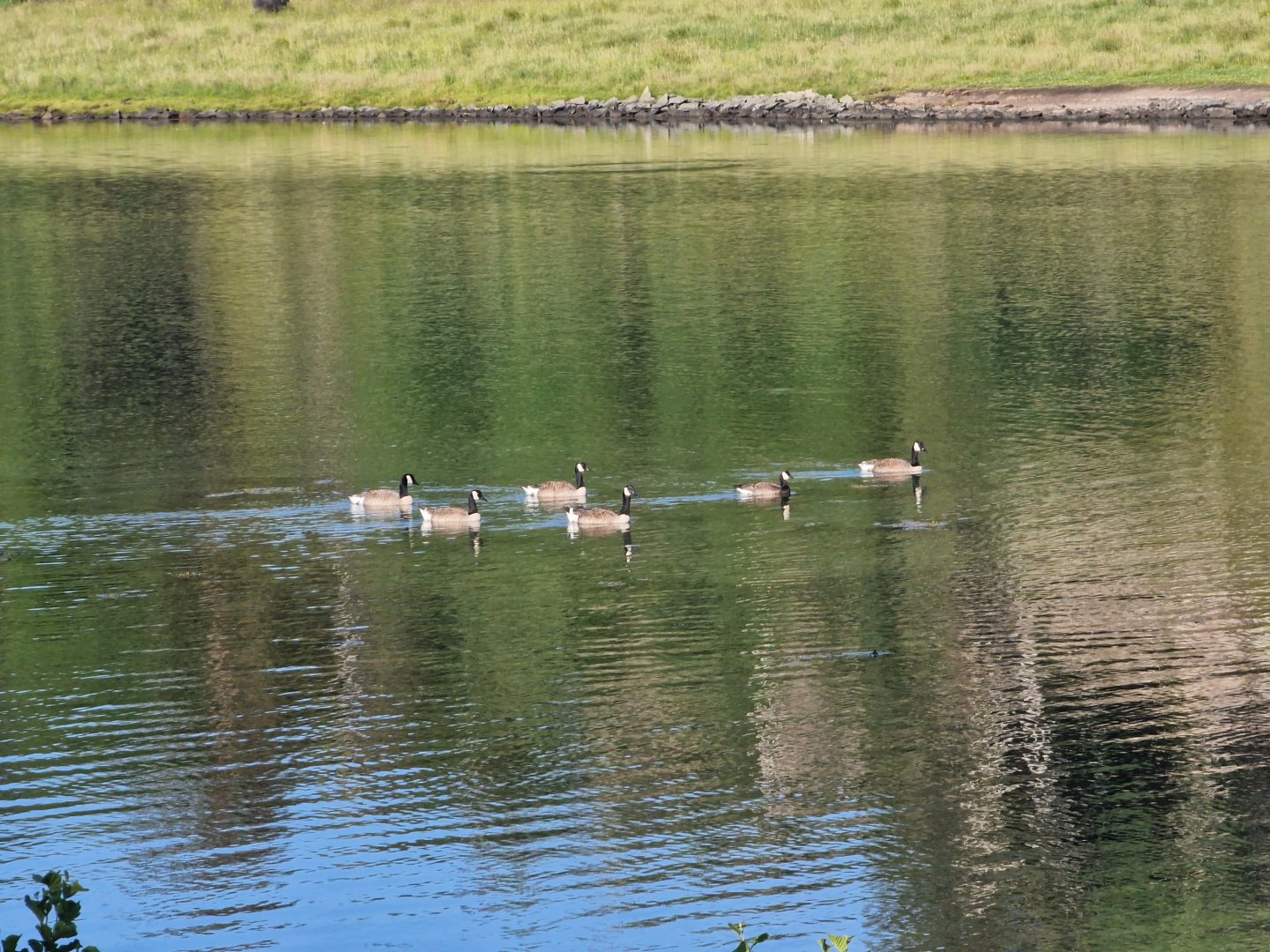
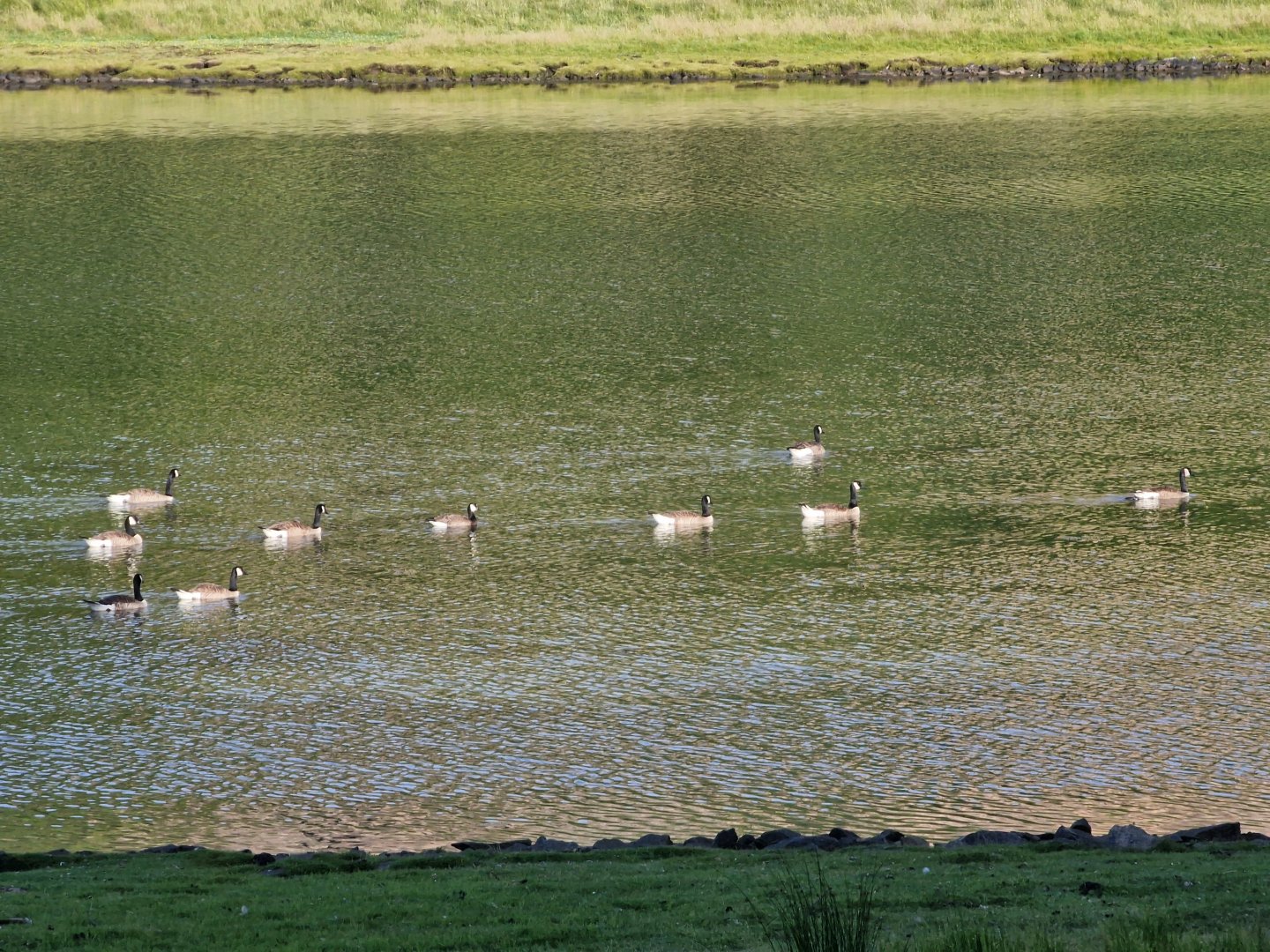
On the way north I visited a supermarket to fill up on snacks for the next day or two (cheaper and faster than eating out) and managed to get to the zoo entrance for about 1545, perfect timing. However, it turned out that as the zoo was still on off-peak hours (despite this being the 21st of June) the whole park closed at 1600, and entrance wasn’t possible. There were no issues getting to the chalet itself, as this was a 15 minute hike up the hill from the car park, but I couldn’t visit the zoo this afternoon. No matter, I usually save a bunch of places in Google Maps as potential sites to visit if I have time, so I went birding on the coast instead. Though the lighting was very much against me I still had a great time at the coast, picking up a decent number of birds including the absolute highlight of the trip, as well as a potential life highlight, a Cackling goose amongst a bunch of Canadian geese. I couldn’t quite believe my eyes when I saw it grazing next to a fjord, but there it was clear as day, with a few birder friends agreeing with the ID. What it was doing there I have no idea, I couldn’t see a band on the legs whilst it was out of the water, but wow, easily the bird of the trip.
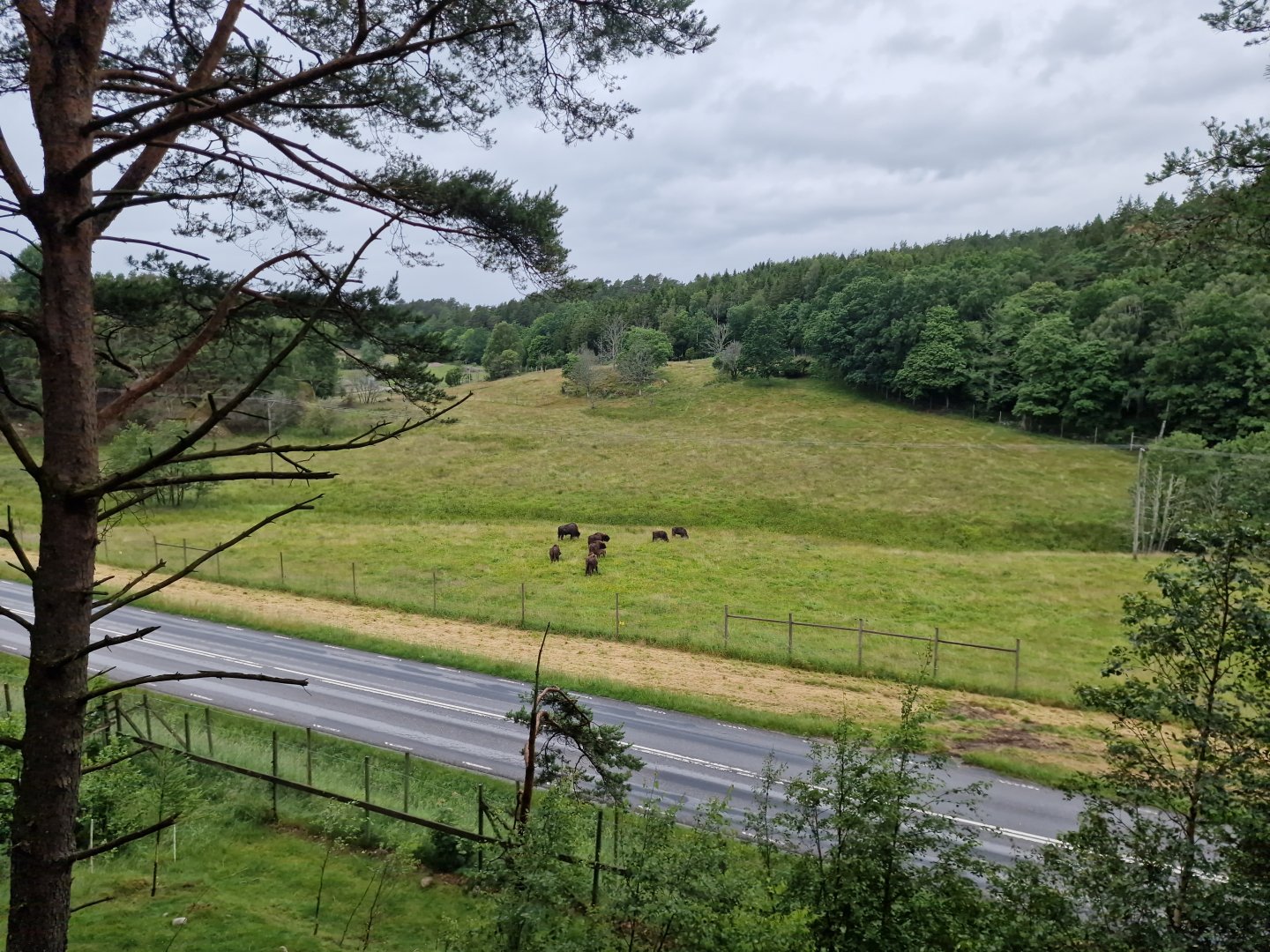
After unsuccessfully failing to find a restaurant open anywhere nearby (midsummer is taken quite seriously in Sweden and things being closed because of the holiday would prove to be a mild irritation throughout the trip) I went back to my chalet, said hello to the herd of European bison who inhabit the colossal (5ha) enclosure on route, and settled in for a great evening’s birding on the veranda in the middle of the forest with a sandwich, big bag of crisps and bottle of duty free whisky. Awesome.
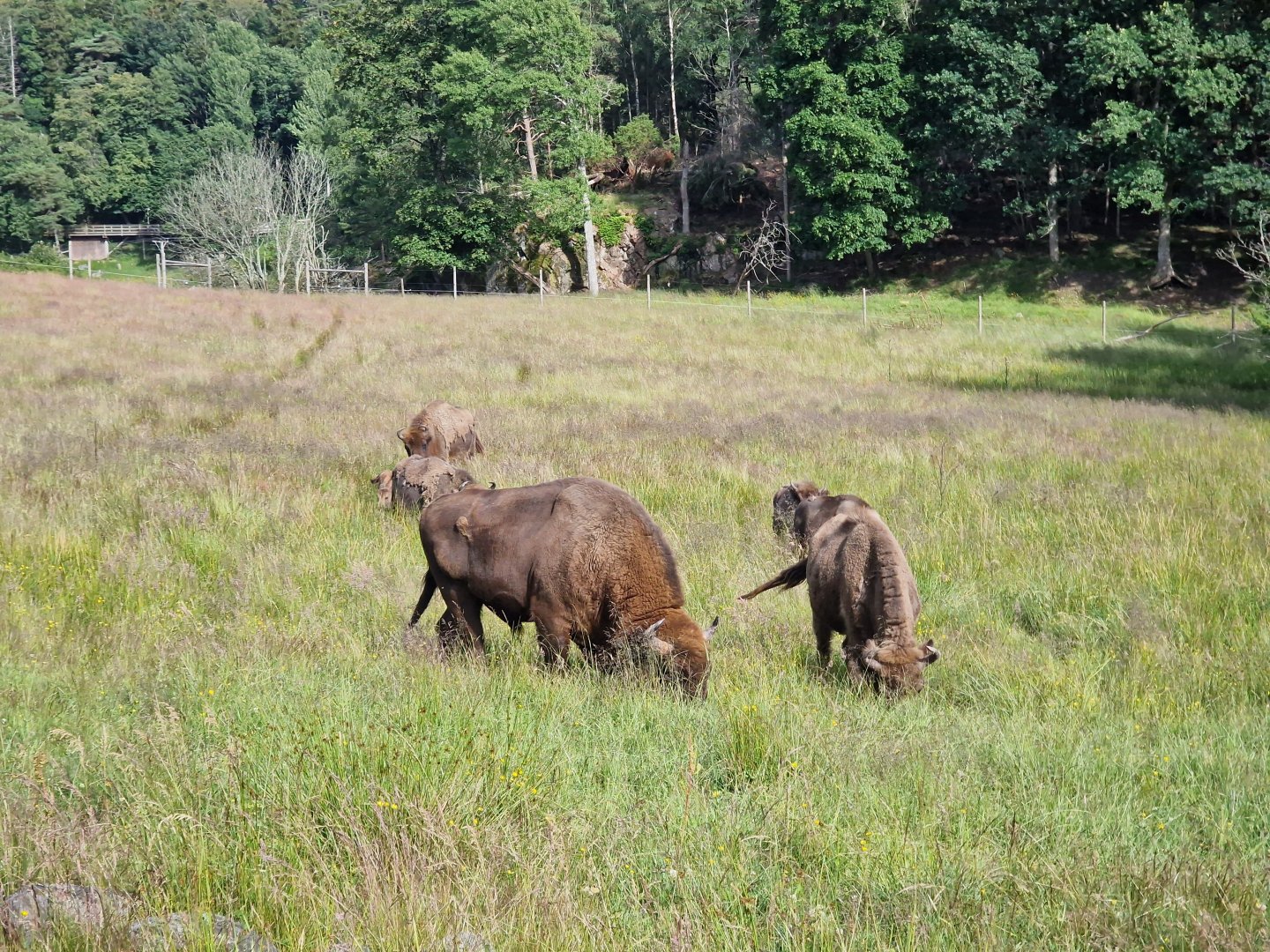
 
I'm looking forward to these reviews, especially (as you noted ) I was just at the 4 zoos you visited. Your initial day involving Wisent, a sandwich, crisps and some whiskey sounds brilliant, although here in Canada hardly anyone knows what the heck 'crisps' are.

upload_2024-7-3_16-43-46.jpeg

Bring on the zoo reviews!
 

Attachments

  • upload_2024-7-3_16-43-46.jpeg
    upload_2024-7-3_16-43-46.jpeg
    11.6 KB · Views: 148
I'm looking forward to these reviews, especially (as you noted ) I was just at the 4 zoos you visited. Your initial day involving Wisent, a sandwich, crisps and some whiskey sounds brilliant, although here in Canada hardly anyone knows what the heck 'crisps' are.

View attachment 713456

Bring on the zoo reviews!

Thanks, I toyed with making a crisp butty but I thought that might be a bit too much. However I will note that we do make a clear distinction between French Fries and Chips here!


Day 2

Fortunately with the zoo opening at 1000, and no early entrance for hotel guests, I could have a bit of a lie in which proved to be a good way to avoid the rain which fell throughout most of the early morning. I packed up and tidied the chalet, then got ready to tackle Nordens Ark properly. With only the morning to go around the zoo (I was due at Boras in the afternoon) I had to get my skates on and make the most of my time there.


Nordens Ark

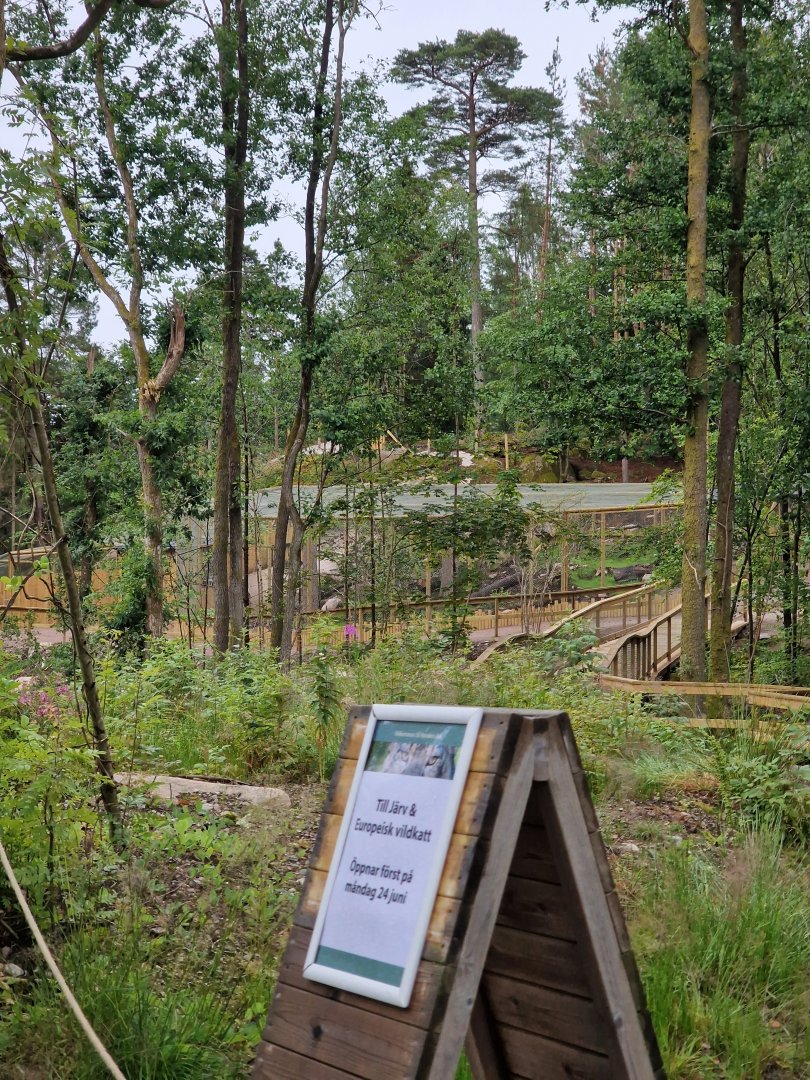
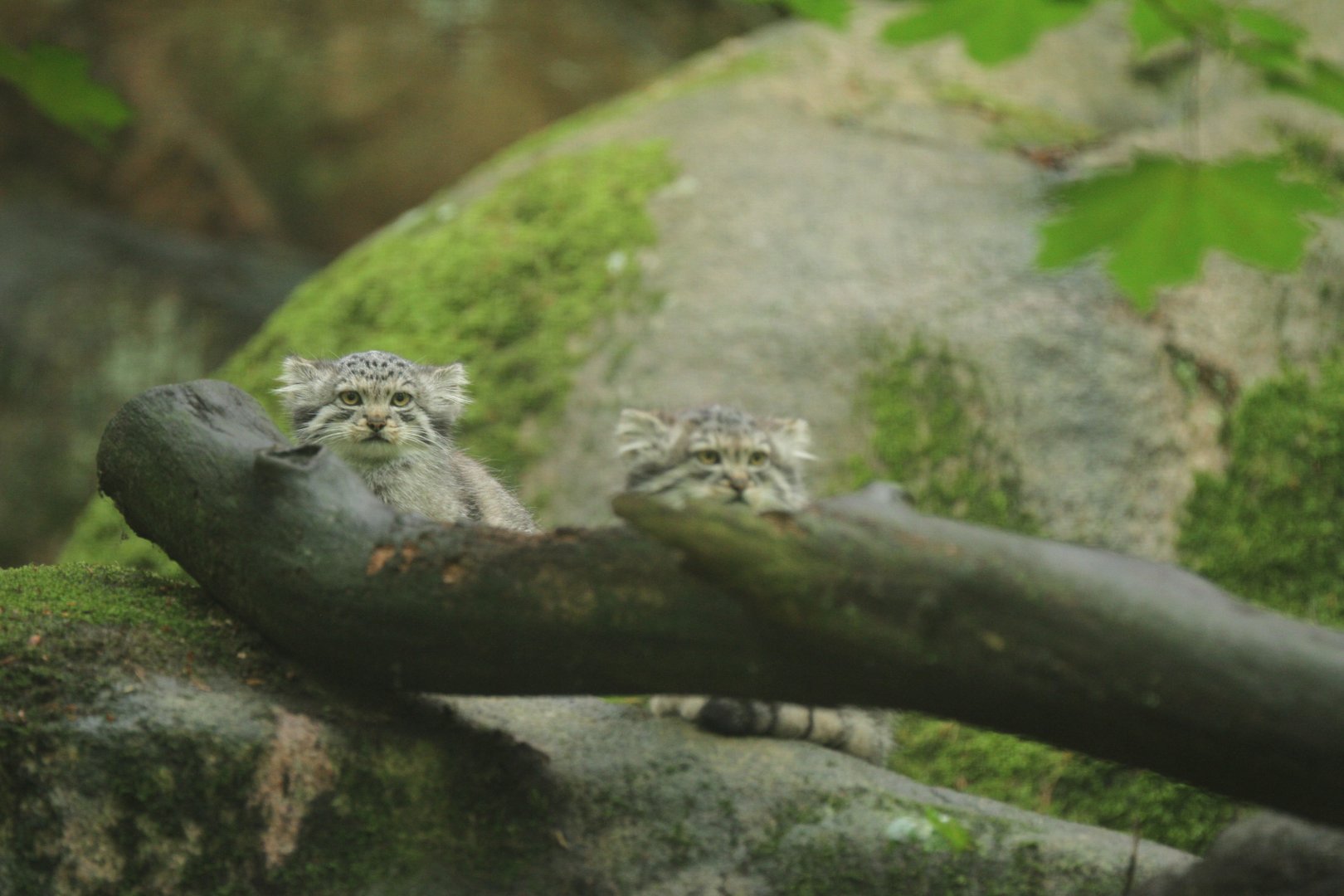
Due to the rain nothing had bothered to show it’s face in the entrance enclosures, so unfortunately I missed souslik and a couple of domestics, but I put pedal to the metal and tried to get to the main part of the park itself as fast as my little legs would carry me. Fortunately there is a nice double loop you can do around the zoo so I started on the outer loop, making my way down to the turtle ark, looping around past the new building area (with new enclosures for wolverine and wild cat, though sadly closed off), down past the tigers, then back up again via leopards. Unfortunately by the time of my second loop the rain had returned with a vengeance, and I eventually gave up on my original intent to revisit the leopards which were largely invisible and returned like a drowned rat back to the car. Because of the weather, many species were no-shows sadly, but that didn’t really matter too much because the exhibits themselves are utterly stunning.


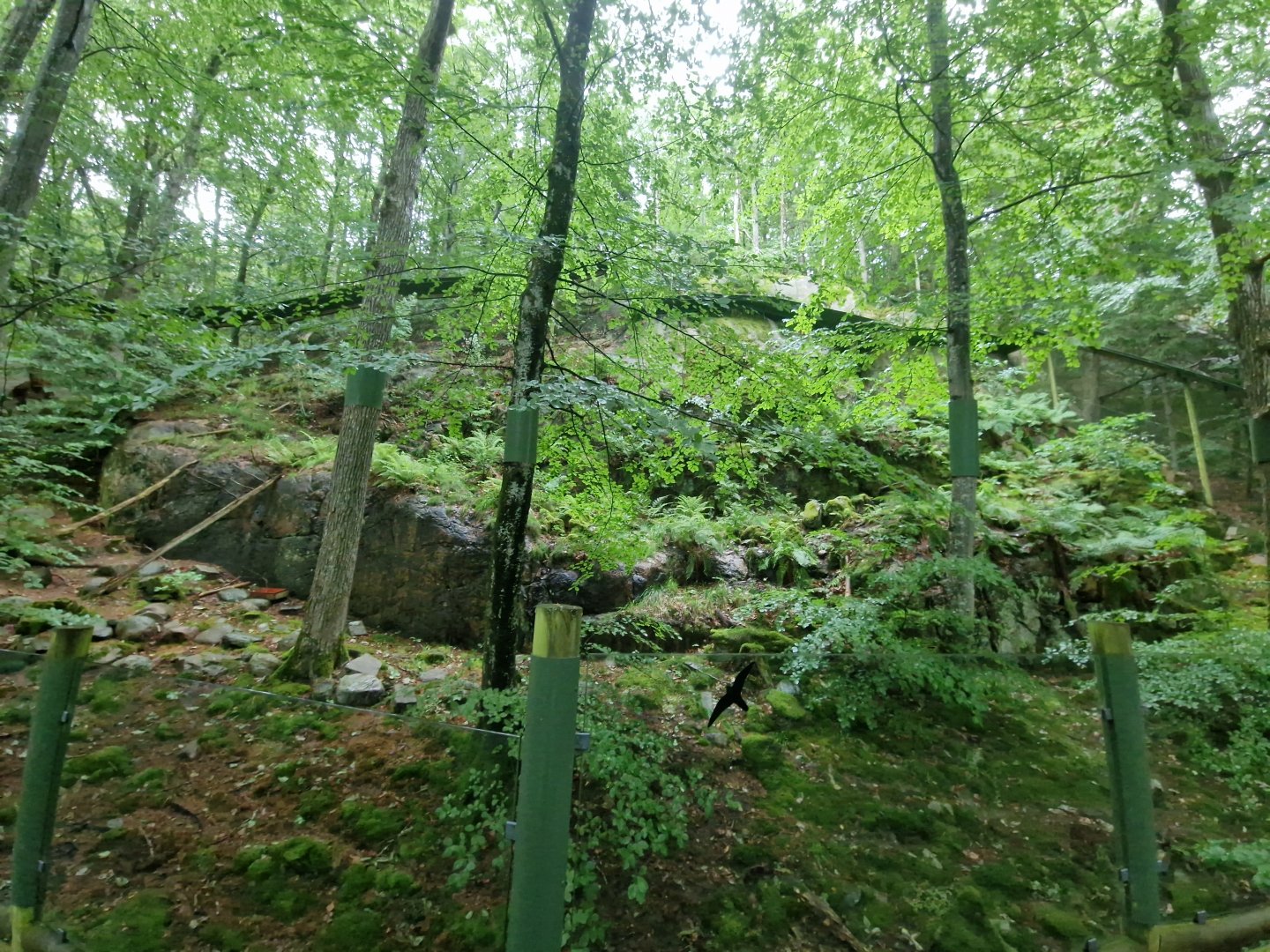
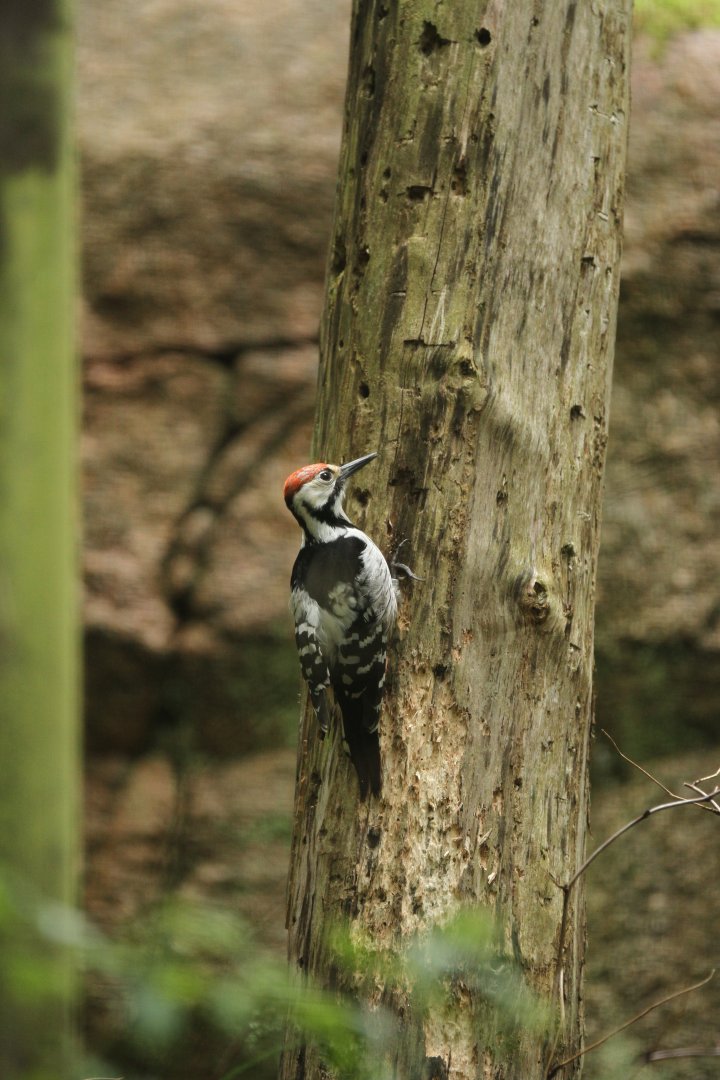
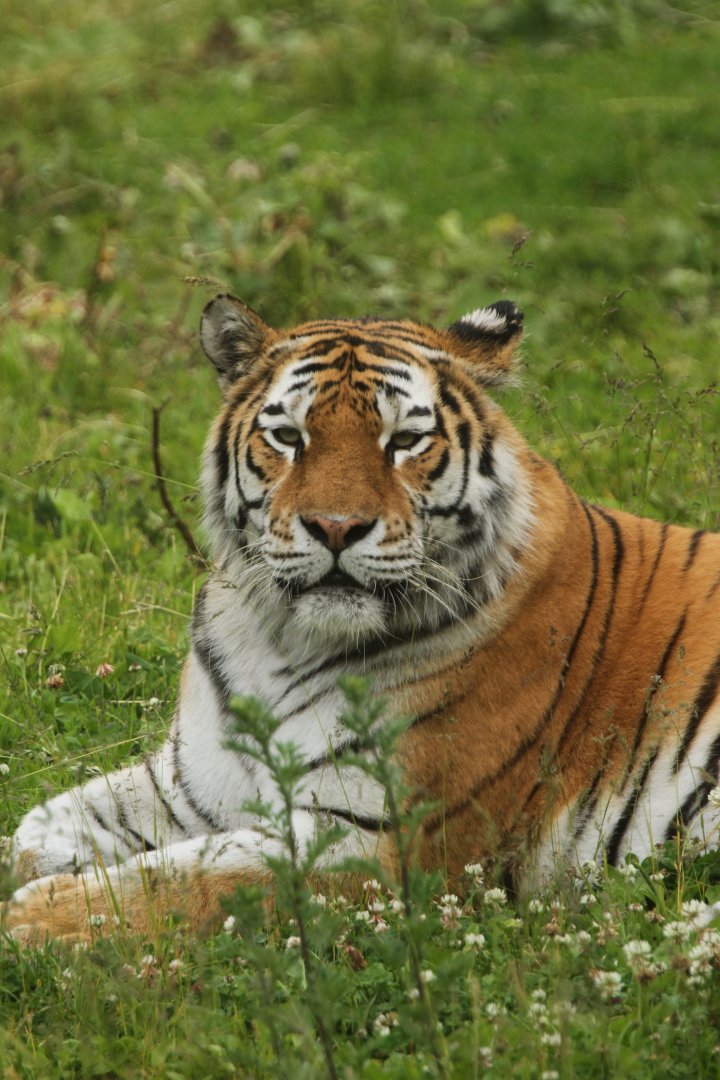
Every exhibit was excellent, with many being simply world class. Though simple (i.e. stick a big fence around part of a rugged hill) by concentrating on (generally) northern/montane species well adapted to the weather, Nordens nails it and the feeling of actually finding something in one of the enclosures, cats in particular, was nothing short of awesome. The best species for me was the white-backed woodpecker, a species which has eluded me in the wild, but which showed pretty well despite the rain here in a nice large exhibit with plenty of trees to drill into.

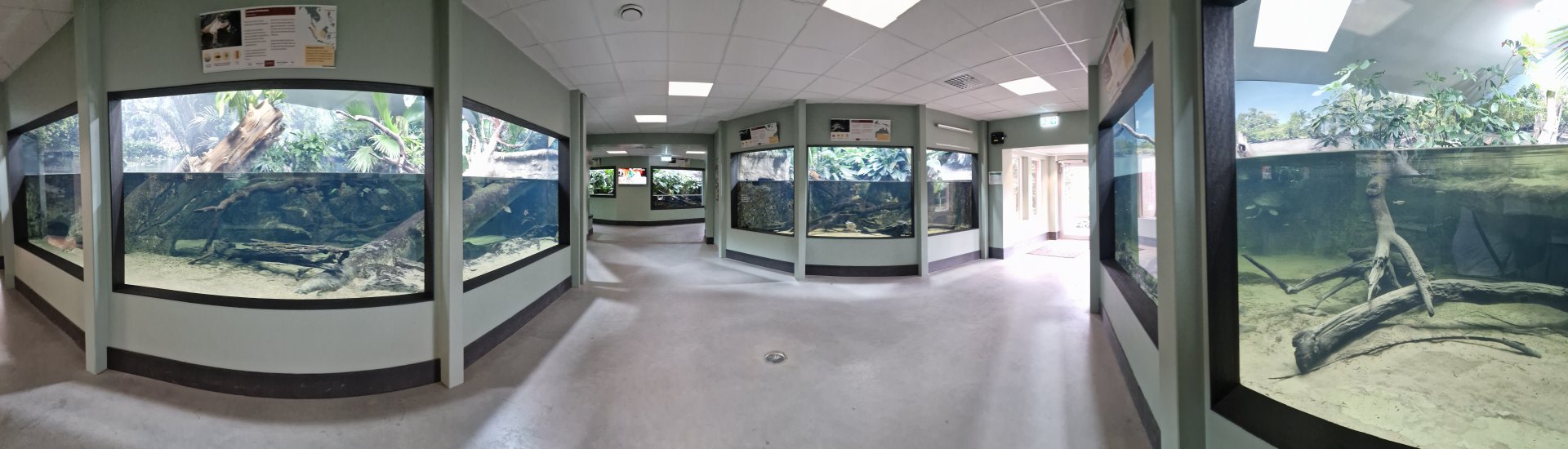
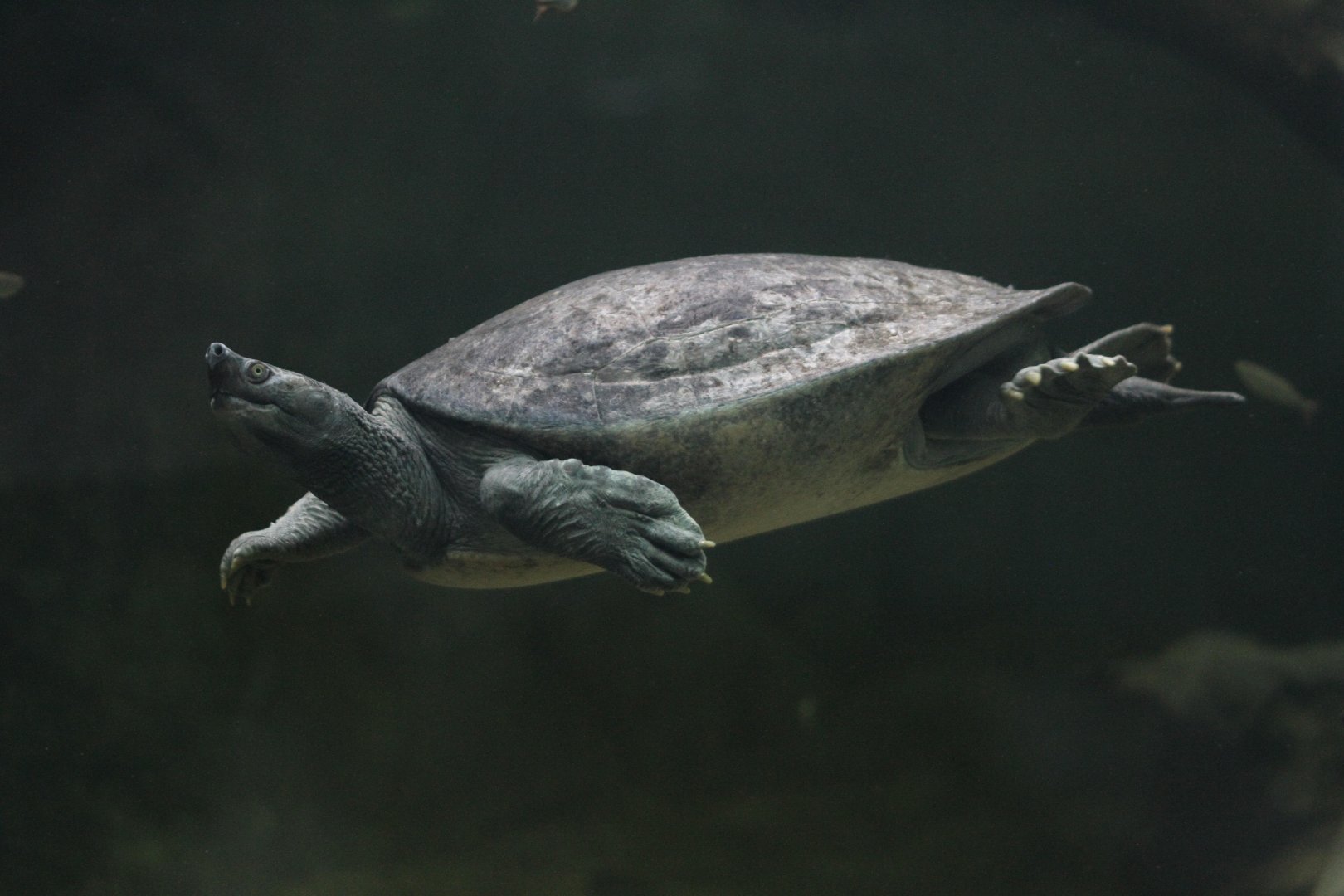
The new turtle ark was also excellent, reminding me of the box turtle breeding room at Bristol zoo, just on a bigger scale. Here the zoo breaks from the focus on northern/montane species and concentrates on breeding freshwater turtles. The species list is pretty big with a range of turtles most of which (possibly all) are endangered or worse, and all of which are in very nicely designed enclosures trying to replicate their natural habitat. The interp throughout the zoo is excellent, but especially so here. The exhibit continues outdoors with nice little paludariums for European herps, a grand total of none of which I saw.


I thoroughly enjoyed my two hours in Nordens Ark, though the rain and the single visit stopped me spending as much time there as I would have liked I still managed to see most of the zoo, only missing the domestics section over the road. I left thoroughly impressed with the zoo; everything is of exceptional quality and there’s something really satisfying about seeing a smaller species making full use of an exhibit that may at first glance appear to be oversized. But I couldn’t linger, the two hour drive to Boras was beckoning.

Driving through Sweden was pretty straightforward, the only excitement being a quick stop to stare at a nonchalant moose and to peer through the fence at a couple of large deer paddocks for fallow and red just off the road. I arrived at Boras with about an hour and a half before closure which wasn’t ideal, but needs must.
 
Boras Djurpark

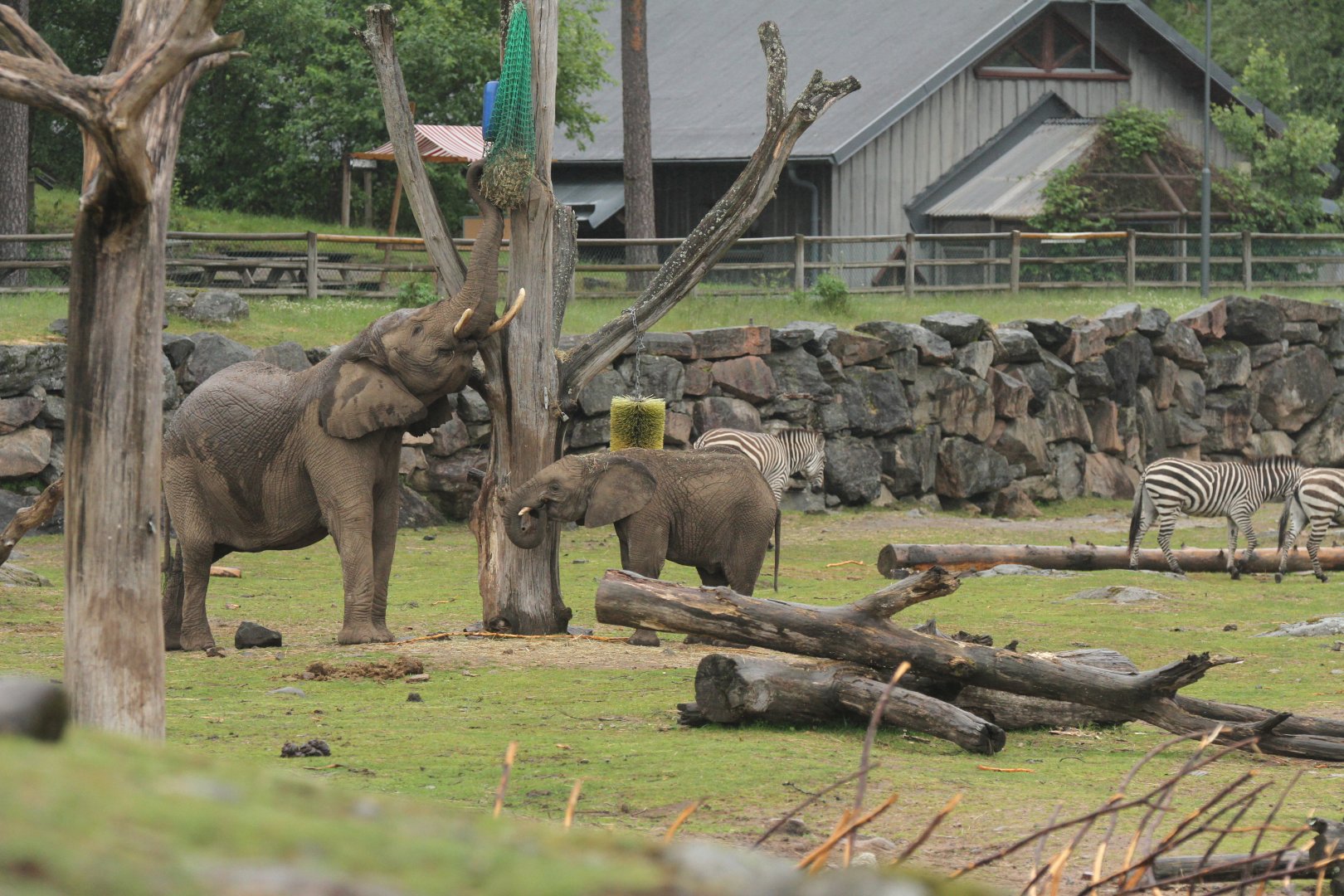
Despite driving through some pretty nasty rain, it wasn’t much dryer by the time I got to Boras itself but fortunately I had a nice long covered walkway to stroll along to keep off the worst of the weather. This really is quite an impressive entrance to a zoo, offering nice views of the forest below and the exceptional wild dog exhibit to the side. Coming out of this, and straight into the main African savannah exhibit with its astonishing mixed exhibit is one of the most impressive zoo entrances I’ve ever seen. I wasn’t sure how wowed I’d be by this, not really being a real mammal person, but no, it’s jaw dropping. The species list in the enclosure is pretty good, with a nice diversity of shapes and sizes, and buffalo is a very nice addition (I think the only place I’ve seen them in a mixed exhibit previously was in Pairi Daiza), but it’s obviously the breeding herd of African elephants that makes it so special.

The 4 acre exhibit itself is roughly circular with hills, rocks and dead trees inside. Cleverly it’s been dug out from the landscape itself such that you look into the exhibit which gently slopes down to the walls, which become a very effective barrier for elephants, but you don’t feel like you are looming over everything due to the topography. It’s very clever and goes into the list of excellent exhibits which haven’t needed much improvement since inception. The various species have different stables for overnight accommodation, and even the elephants off show area to the south of the newish indoor housing looked a decent size. The bull was indoors in his section near the giraffes but barely visible and as such I can’t comment on his enclosures though I’m guessing he gets access to the paddocks to the south.


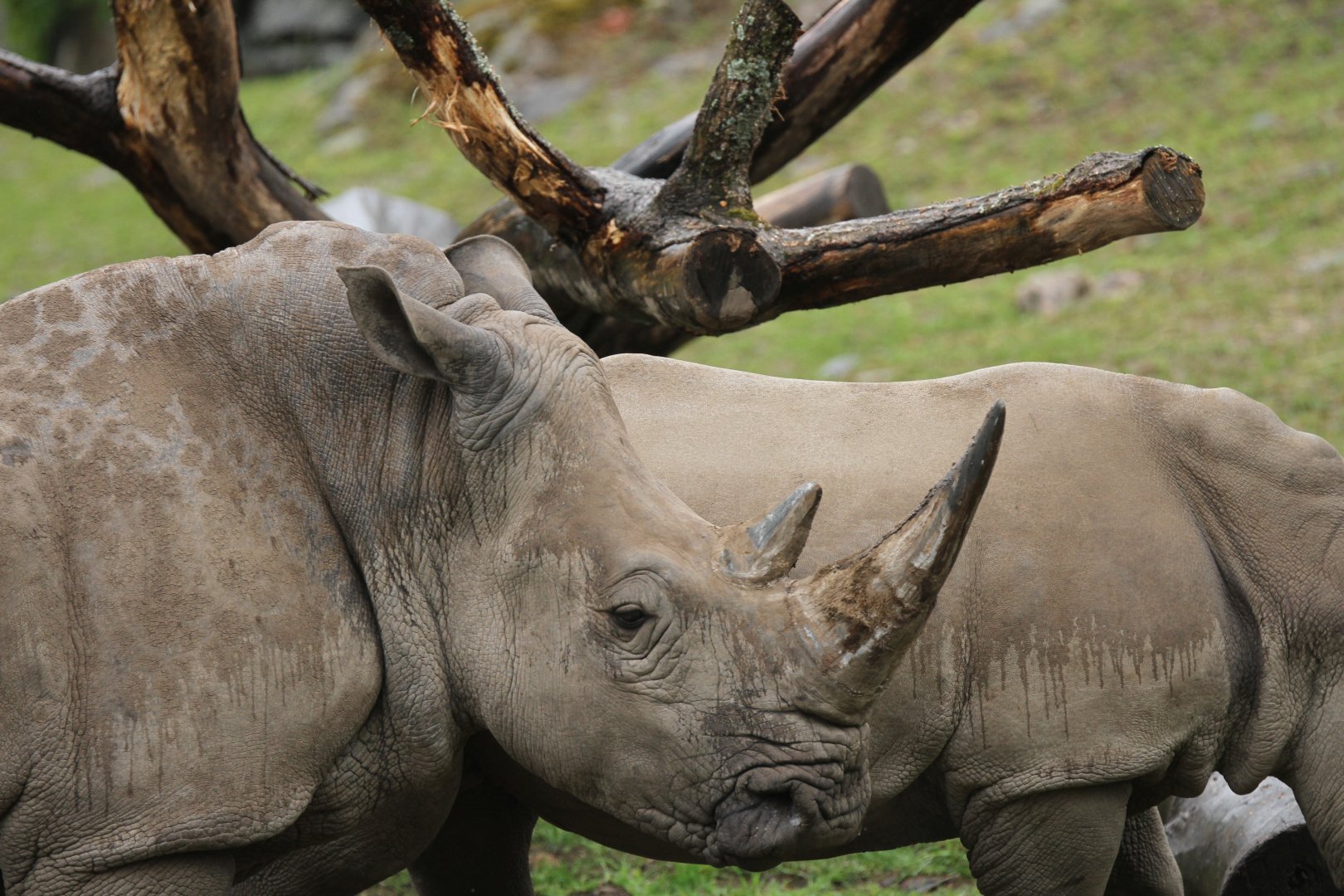
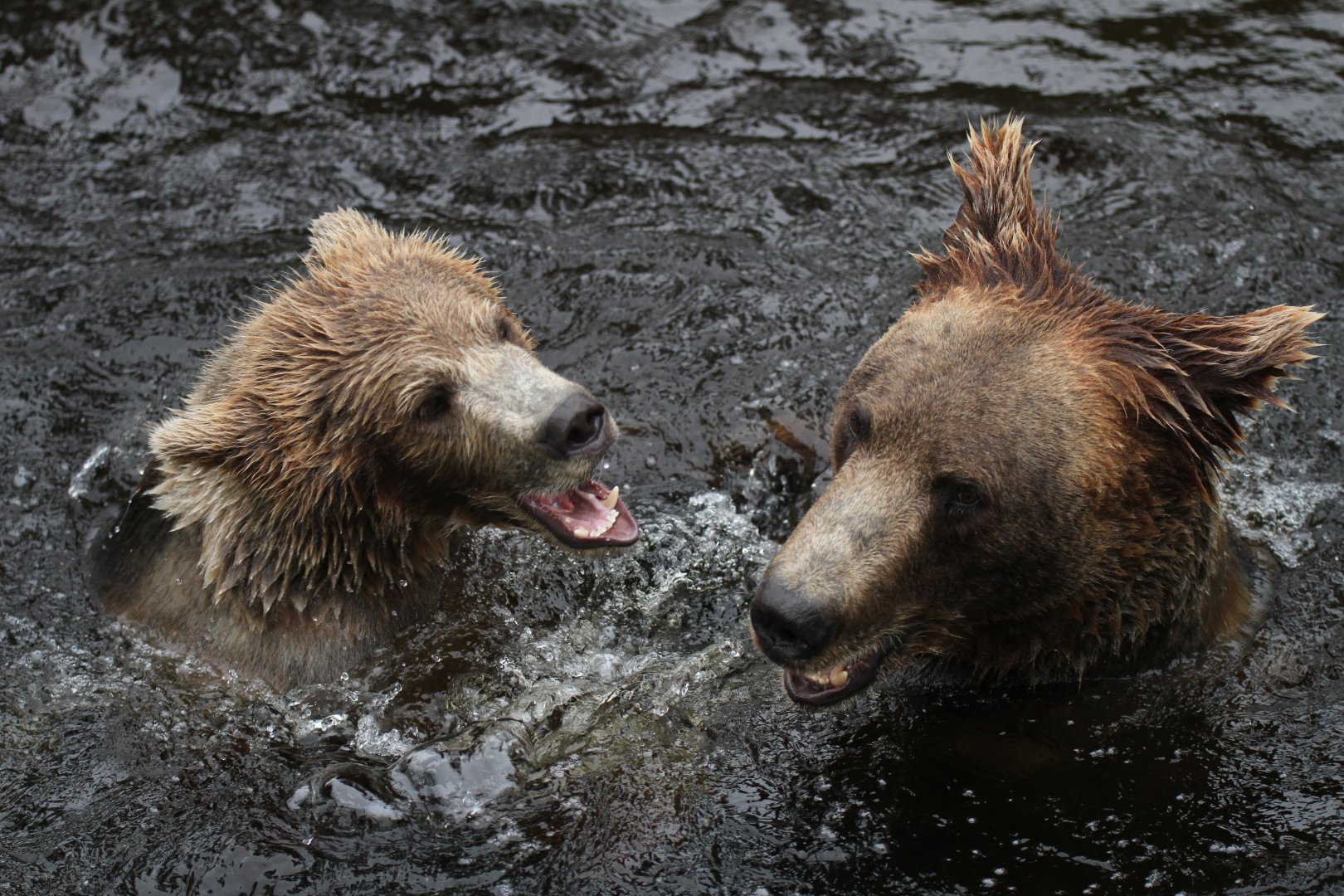
On from that is the well known, through still rare, cheetah - white rhino combination which is always neat to see. The ape house was fine, possibly erring on the smaller side these days for the inhabitants though this could be fixed by a phase out, likewise the lion rock and bison enclosures were also fine though not exceptional. Unfortunately it was at this point that my camera decided it had had enough of being constantly rained on, despite my best efforts to shield it under my coat, and it started taking pictures wildly, refusing to focus properly on what I wanted it to, and generally causing mischief. After a frank exchange of expletives, I wrapped it up in a dry cloth and put it in my rucksack hoping a bit of time out would fix whatever was wrong with it, and carried on through the zoo, encountering the excellent, gigantic brown bear exhibit with its wonderful mountain and lake. I’m not sure how old this is, but it was at this point that I got rather lost in the zoo. You see, rather than being sensible and taking a photo of the map at the entrance, I’d downloaded a map online which turned out to be rather old and which showed the bears to the opposite side of the seal lake in a somewhat smaller exhibit. The actual map on the webpage was pretty useless, so I’d naively downloaded one which looked more detailed, but turned out to be something like 15 years out of date. I wasn’t to know however, and tried to find my way to the rest of the enclosures getting rather lost on the way and ending up somehow back at the bison from a different direction.


This confusion did give me a chance to see the seals in their lake doing a bit of training with a keeper which was great. It’s not the only time I’ve seen pinnipeds with a literal lake, but compared to the single male southern sea lion in Zoo Safari Fasiolandia in Italy which was so bored stiff it was still stereotyping by swimming in a fixed pattern across an even larger lake than this one, the three seals made for much more entertaining watching. I eventually worked out what was wrong with my map reading whilst going past a rather dull penguin enclosure and failing to find hyaena in their large enclosure, but I still couldn’t quite work out what I’d missed and couldn’t face a trudge back in the pouring rain to see enclosures which would inevitably prove to house invisible animals far more sensible than I was. I still can’t quite work out which bits I missed, I think there must have been wolves somewhere, however due to the size of the exhibits and the way Swedish zoos love to let the environment do the work, it’s quite possible that I just walked past some exhibits and thought they were portions of forest.

I went back to the security of the African savannah, admiring the excellent bongo enclosure on route, and the rain finally relented, giving me 15 minutes of dry weather before the zoo closed to watch the ungulates and birds being put to bed and a last look at the elephants indoors before leaving. Unfortunately my camera hadn’t recovered from whatever was ailing it, and just refused to play ball - this and the weather didn’t really help my mood and I left Boras a bit disappointed. Some of the exhibits are exceptional, the savannah, cheetah-rhino, seal and brown bear enclosures are up there with the best (in fact the savannah is easily the best of its type I’ve ever seen) in the world and others were excellent, but the penguin and ape exhibits were a bit off the mark and other exhibits were ‘merely’ good, not great. But, at the same time I acknowledge that my standards here were higher, I expected greatness across the board and got a mixture of exceptional, good and OK. That would normally be fine, and given that most other zoos across Europe usually have one or two poor exhibits, this is still an excellent zoo, but I still left a little disappointed.

I hopped back in the car, set my jacket up to dry in front of the air vents, and drove to my hotel in Jönköping, hopping out to a bog which was supposed to be a good spot for golden eagle. Alas, unsurprisingly they weren’t out in the drizzle, but winchat, golden plover and a distant cuckoo were which made up for it.
 
Thanks for your great reviews of Nordens Ark and Boras Zoo. It's a real pity that the rainy weather during both visits compromised your enjoyment a little, plus your camera not working at the second stop would have been a major disappointment.

I agree with a lot of your assessment of Boras and as you know I was just there in 2022. It's remarkable that this is a zoo with around 30 mammal species and very little else! And yet, the amazing entrance walkway, African Savanna, Cheetah/White Rhino, Brown Bear and 'Seal Lake' are all absolutely spectacular, world-class exhibits.

The new-ish Elephant House (2018), Grey Wolves, Eurasian Lynx, Wisent (3 exhibits), Wolverines (3 exhibits), Spotted Hyenas, Bongos and African Wild Dogs are all excellent. Amur Tigers and African Lions are pretty solid exhibits as well.

That leaves the primates and in my review I stated that the zoo's "Primate House is good, but not great". The one and only black mark on Boras Zoo, in my opinion, would be the awful penguin enclosure.
 
Birding and Kolmarden


After a pleasant night in one of the larger hotels in Jönköping, and enjoying the stunning views the corner room had over both the city and Lake Vättern (again, thank you Twilighter!) I left early to try and get some birding in at a couple of spots on my way north east toward my two zoos for the day (Kolmarden Zoo and Tropicarium) before the heat started causing issues. My first spot was Naturum Tåkern, an important lake and reedbed habitat with some good walking trails and hides - I wasn’t hunting for anything in particular here, so I took my time wandering around the reedbeds on the walkways, encountering a variety of typical species I was well acquainted with from my time growing up near the Somerset Levels, including reed bunting, bittern, sedge warbler and marsh harrier, plus birds I was less familiar with like great reed warbler, white-tailed eagle and a distant osprey. The diversity of habitats around the trails (riparian woodland and low-intensity farmland amongst others) also added a few species to the trip list, including pied flycatcher, skylark and icterine warbler. I spent more time here than expected but thoroughly enjoyed myself, a well recommended and travel-efficient spot seeing as the car park is right next to the visitor centre on the lake.


I then drove on for another hour to Svartåmynningen, another reserve on a lake through this turned out to be a much smaller tower hide requiring a bit of a walk from the car park. It was worth the walk however, and through I could have stayed for longer than the 20 minutes I ended up lingering for, by that time I’d picked up the main species I was hoping for (black tern), had enjoyed good views of osprey and a variety of waterfowl, and swapped some gen with the local birders, so I headed back and tried to steel myself for Kolmarden.


I didn’t really have a pre-set tier list in my head for these three impressive Swedish zoos. I knew Nordens Ark was right up my street, and enjoyed Boras despite my grumpy mood at times, but Kolmarden I really thought I wasn’t going to enjoy much. There wouldn’t be the conservation bias of Nordens, nor the ridiculous African savannah of Boras, but instead I expected high prices, crowds of families, queues, and a lot of tatty set dressing. If Boras was included in Lintworm’s 50 must see zoos of Europe, and Kolmarden wasn’t, then surely it had to be quite a bit worse given that it was going to be far more family-focussed and had nothing to match those elephants?


Kolmarden was easily the most expensive zoo on the trip - tip for those more prepared than me, buy your ticket well in advance, you’ll save quite a bit - at over £35 for just me. Given I only spent a couple of hours there, per hour this was probably the most expensive zoo I’ve been to given other expensive zoos have usually been whole day events. Still, this is a fraction of the costs of my flights and hotels for the trip, and whilst I wouldn’t normally mention the price of a zoo, this one was rather exceptional. So what does that money get you, the visitor?


Well for one it pays for a rather handy escalator at the start of the zoo to help you up the rather steep slope which greets you past the entrance gates. This leads directly to the enormous lynx enclosure, beyond which you are greeted by a nicely presented but ultimately rather dull farmyard for domestics. This mix of species, including some Swedish breeds, was as is typical for Swedish zoos let down a bit by the inclusion of some smaller domestics and birds - however the zoo culture here really isn’t the same as it is elsewhere in Europe, and I did eventually stop grumbling to myself about the lack of smaller species. Opposite this is the entrance to Bamses world, a kids playground which doesn’t hold any animals - Plzen this isn’t.


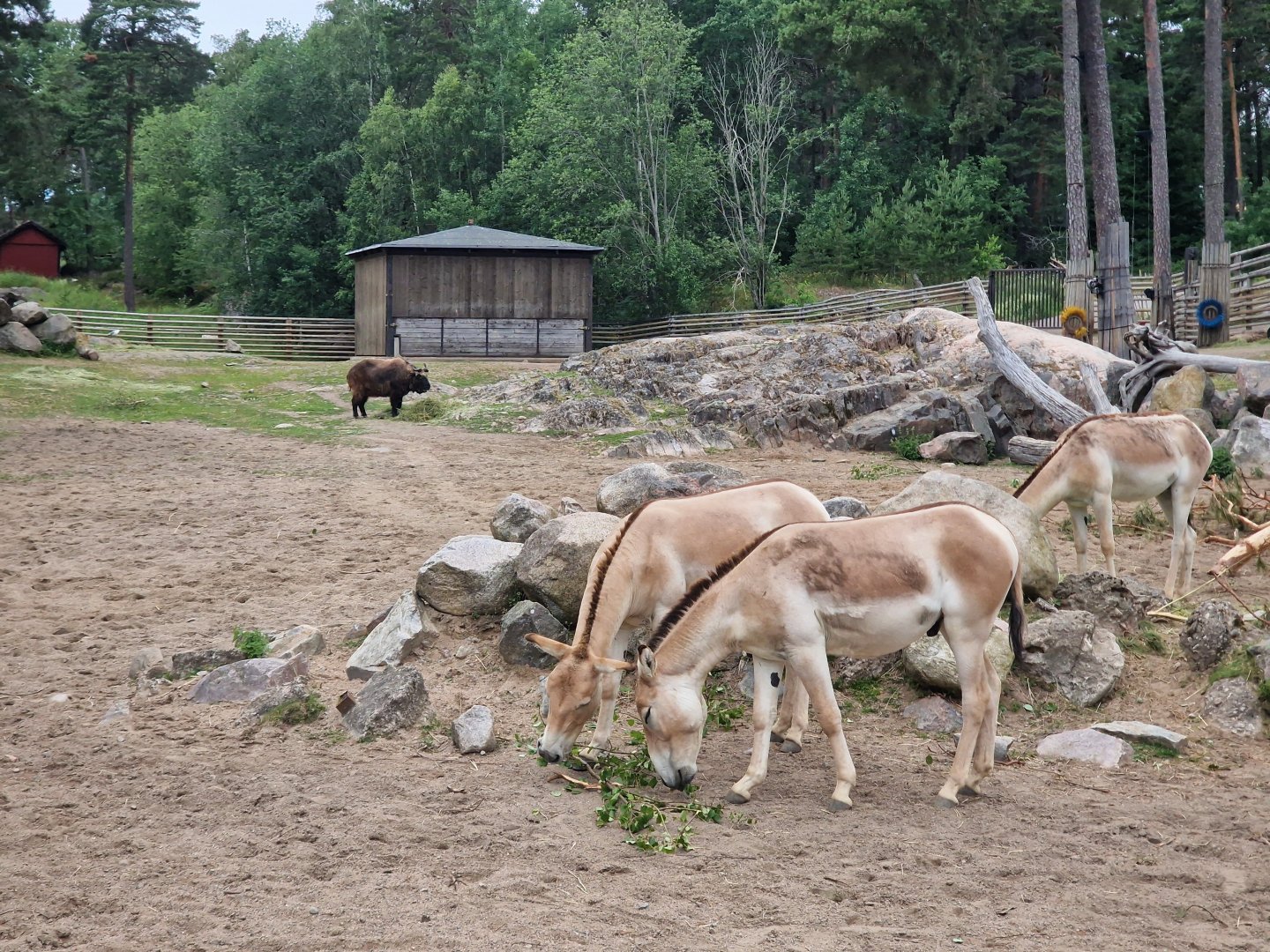
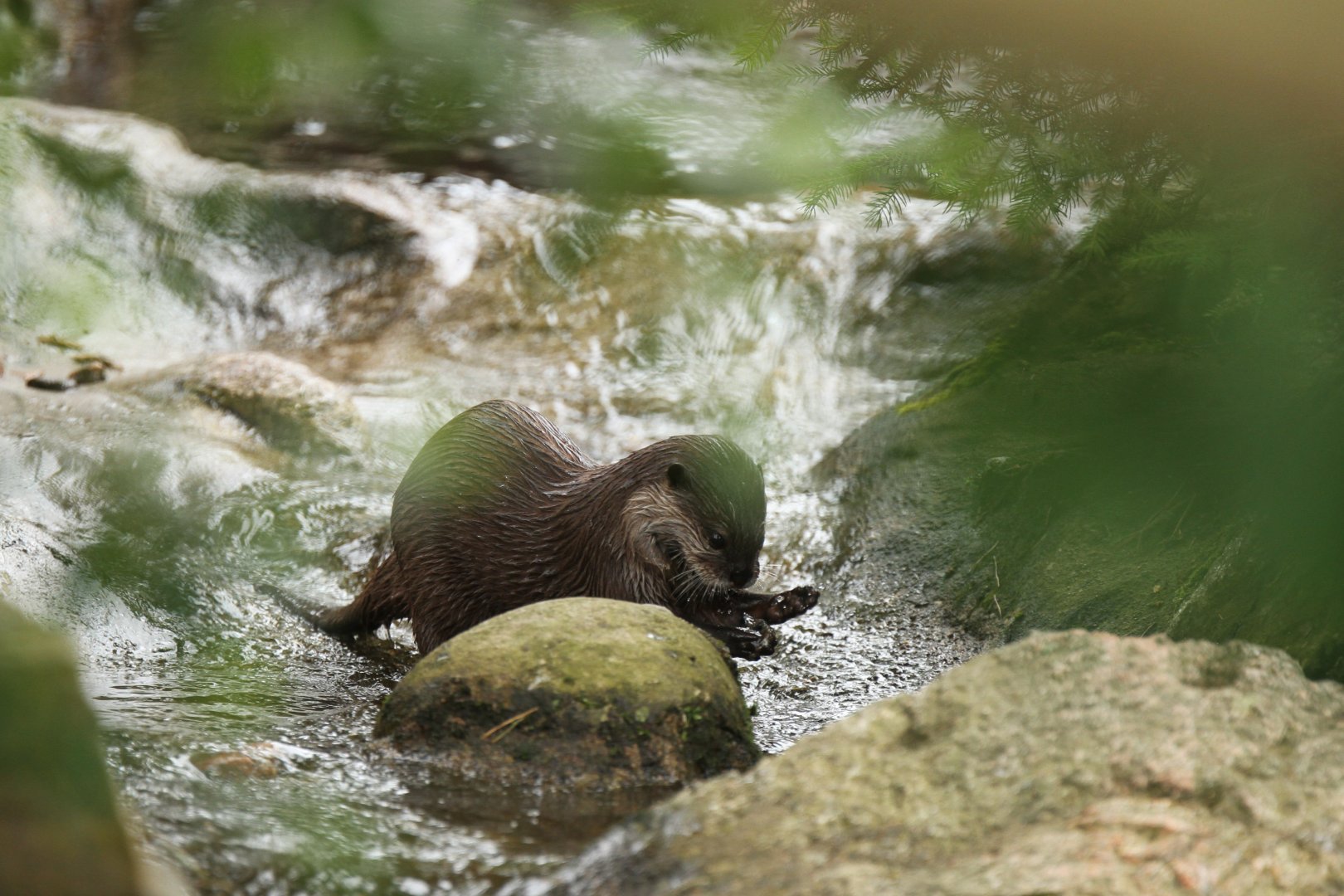
Finally I managed to find some good animal exhibits - a massive enclosure with a small seating area for brown bears was first, followed by a large though rather flat complex of enclosures for takin and kulan, then a nice enclosure for Asian short-clawed otters with a small river running through it. Suddenly we were back on point and from here on in Kolmarden just got better and better. After a bit of a walk I came across the famous snow leopard amphitheatre which really is remarkable, with all of the natural rocks and features of the leopard enclosures in Nordens, but with more flair and drama. The leopards themselves were fairly showy, but it must have been a heck of an exhibit with polar bears, the original inhabitants. Given that this enclosure was still better for polar bears than many I have seen in modern zoos, it speaks volumes to the exceptional standards that Swedish zoos are held/hold themselves to that it was no-longer considered suitable for bears, and the cats moved in. I’d love to know if that interpretation is correct, please say if not.


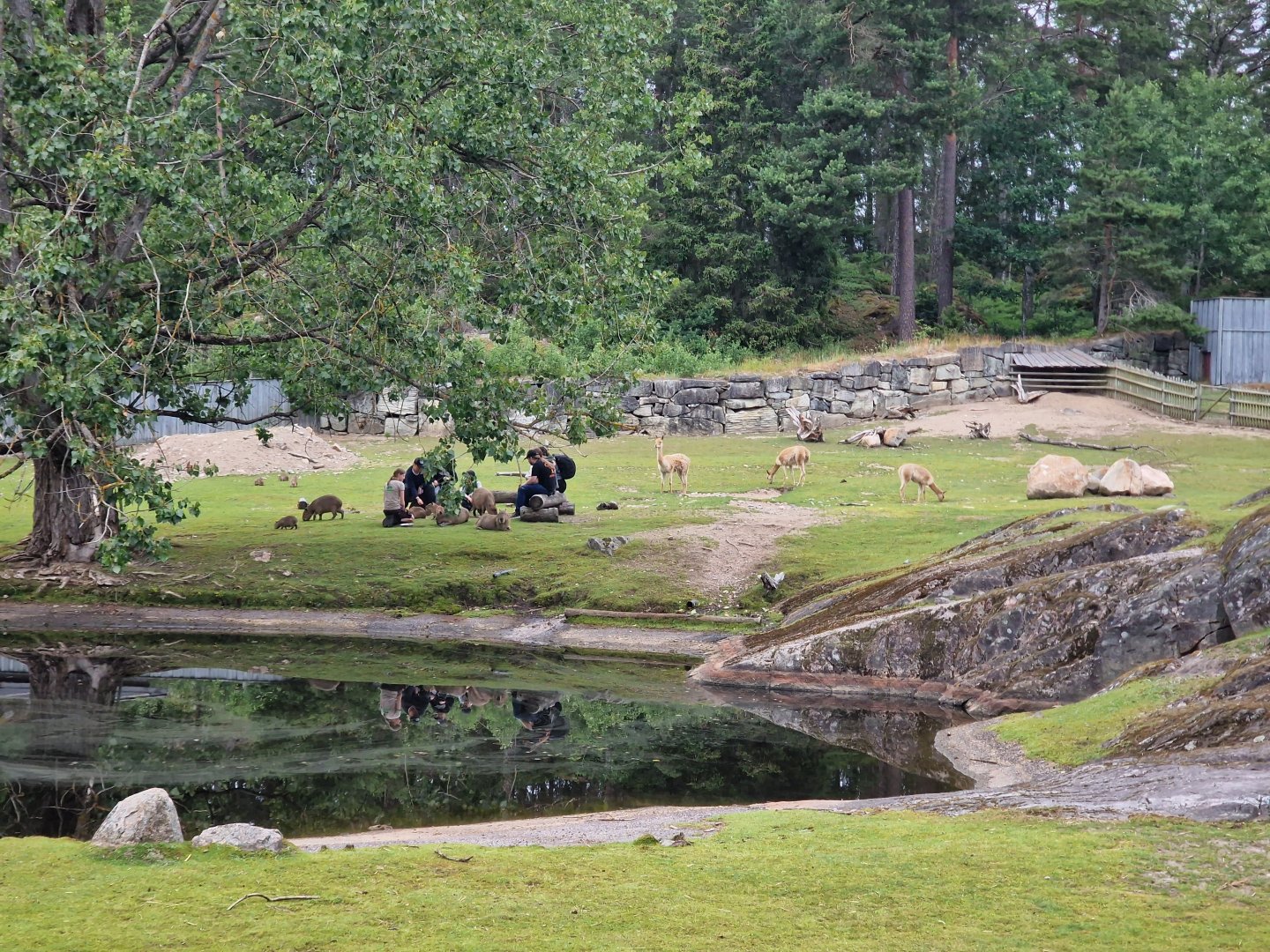
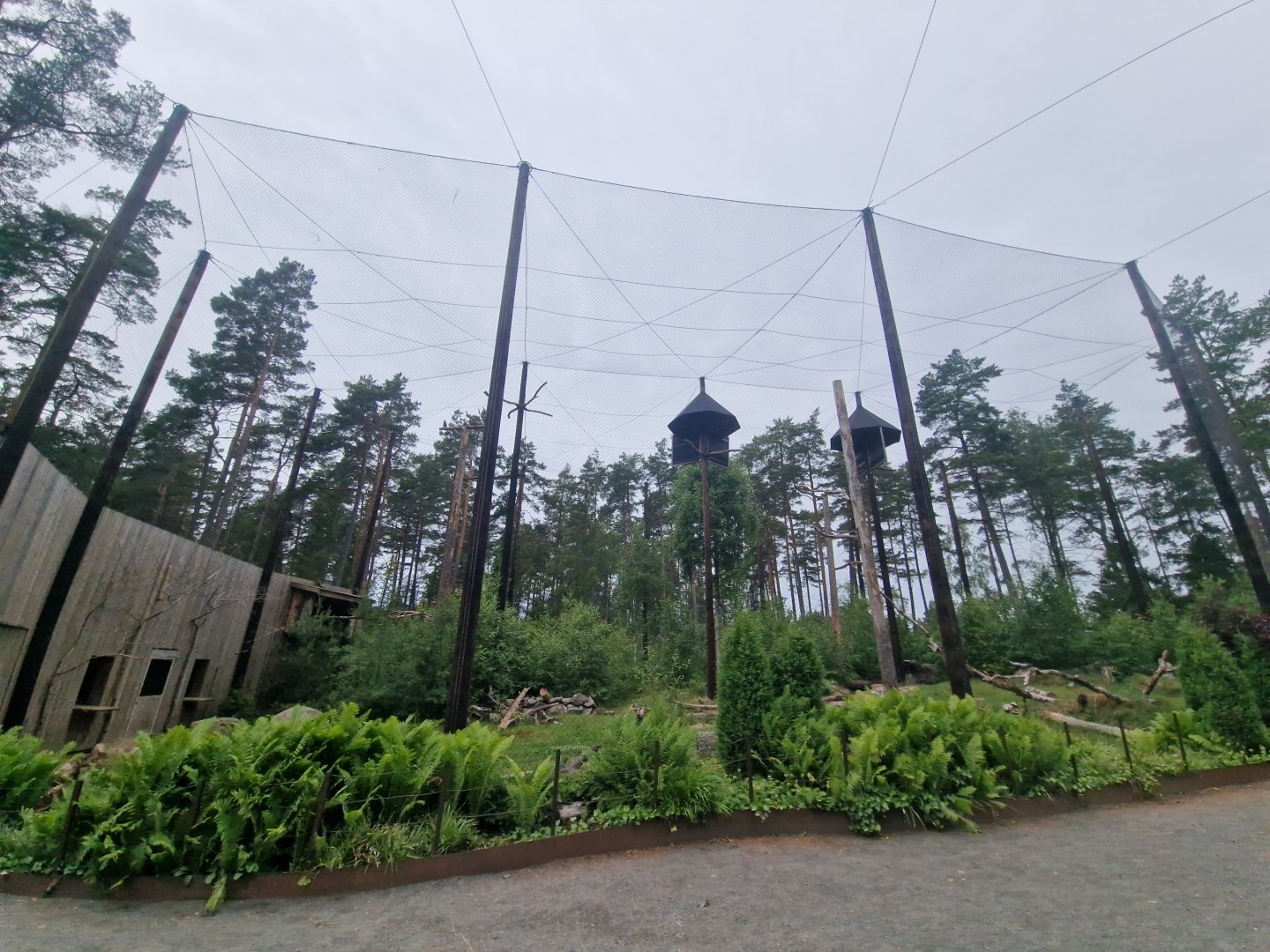
Following this rock is a wide plain for the usual mix of south American mammals, though with a large lake, trees, rocks and sand pits it was a cut above other pampas-type exhibits I’ve seen. It looks like there are falconry displays conducted here as well, though clearly the enormous exhibit next door for eagles (which was far bigger than most eagle aviaries I’ve seen) wasn’t cutting the mustard for the Swedes - the eagles are out, and the kea are in. Though there were only four kea here, watching them fly laps of their enclosure was great and I was thoroughly impressed, even if everyone else just walked straight past. Opposite this on a small hill is an enclosure for bush dog, following which it was a walk back down past the kea and pampas, and onto the tigers.


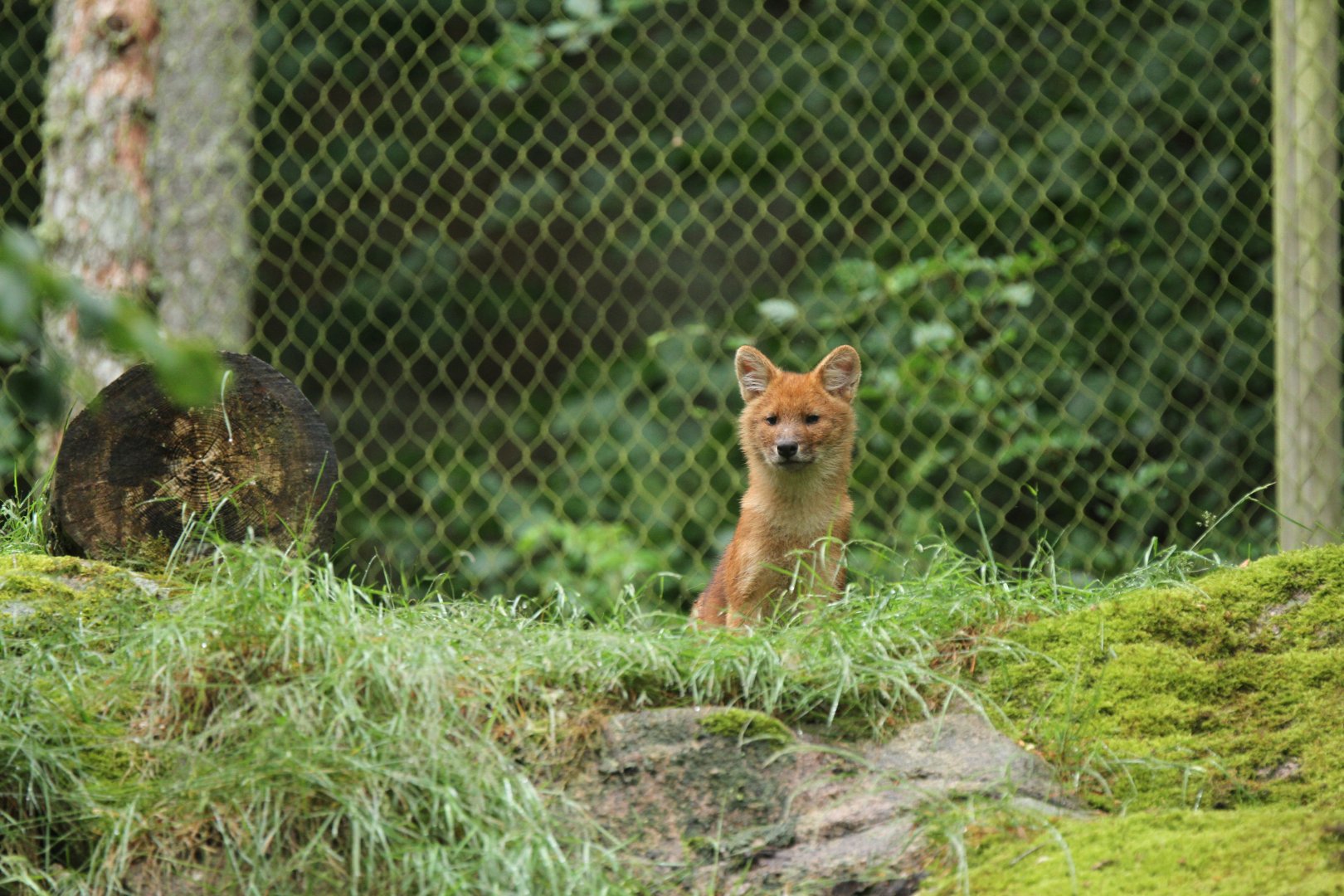
This, again, was another colossal enclosure, but doing away with much of the naturalism in favour of a temple theme; were it a fifth of the size it would have fitted nicely into Pairi Daiza. The more appealing dhole exhibit opposite didn’t attract much attention sadly. This then concludes the first major half of the walking trail, with visitors nicely dropped off at the heart of the park which is the confluence of the two main trails, the gigantic rollercoaster, marine park, and the safari gondola. The crowds here were pretty intense with people swarming all over the place, competing to be the next to attempt to win a giant tube of pringles for the family from one of the tombolas. By now it was early afternoon and everyone had had plenty of time to walk up here to grab some lunch and stroll around, unfortunately I didn’t have the time to do my usual two runs around the zoo so I was stuck here. The dolphin exhibit was surprisingly quiet and calm, and though it was nice to watch the two dolphins on show doing some training, and the pool is quite deep, it just doesn’t have the volume or heterogenous interest for the dolphins. I’m certainly not averse in principle to cetaceans in captivity, but it’s a shame that given the incredible standards elsewhere this pool isn’t larger (though I believe the dolphins are being phased out).


With the pinniped pool we’re back to those exceptional standards again, with a great, deep pool with a nice land area as well for the mix of cape fur seal and harbour seal. There was a show going on that I’d arrived half way through and unfortunately I couldn’t get a good view of the enclosure close up, but fortunately the viewing windows into the water from the walkway showed just how deep the pool really is. From here I grabbed a much needed full fat coke from the stall, and wandered off to join the queue for the safari gondola…
 
Thanks for your great reviews of Nordens Ark and Boras Zoo. It's a real pity that the rainy weather during both visits compromised your enjoyment a little, plus your camera not working at the second stop would have been a major disappointment.

I agree with a lot of your assessment of Boras and as you know I was just there in 2022. It's remarkable that this is a zoo with around 30 mammal species and very little else! And yet, the amazing entrance walkway, African Savanna, Cheetah/White Rhino, Brown Bear and 'Seal Lake' are all absolutely spectacular, world-class exhibits.

The new-ish Elephant House (2018), Grey Wolves, Eurasian Lynx, Wisent (3 exhibits), Wolverines (3 exhibits), Spotted Hyenas, Bongos and African Wild Dogs are all excellent. Amur Tigers and African Lions are pretty solid exhibits as well.

That leaves the primates and in my review I stated that the zoo's "Primate House is good, but not great". The one and only black mark on Boras Zoo, in my opinion, would be the awful penguin enclosure.

Thanks Snowleopard for your comments, I'm used to visiting zoos in all weathers and try not to let it colour my opinion of them, but here sadly I fear it was unavoidable.

Boras was really quite remarkable despite my grumping and it was rather difficult to tell what was an exhibit and what wasn't, at one point I assumed I'd found the perimeter fence only to find a wisent sign nearby!

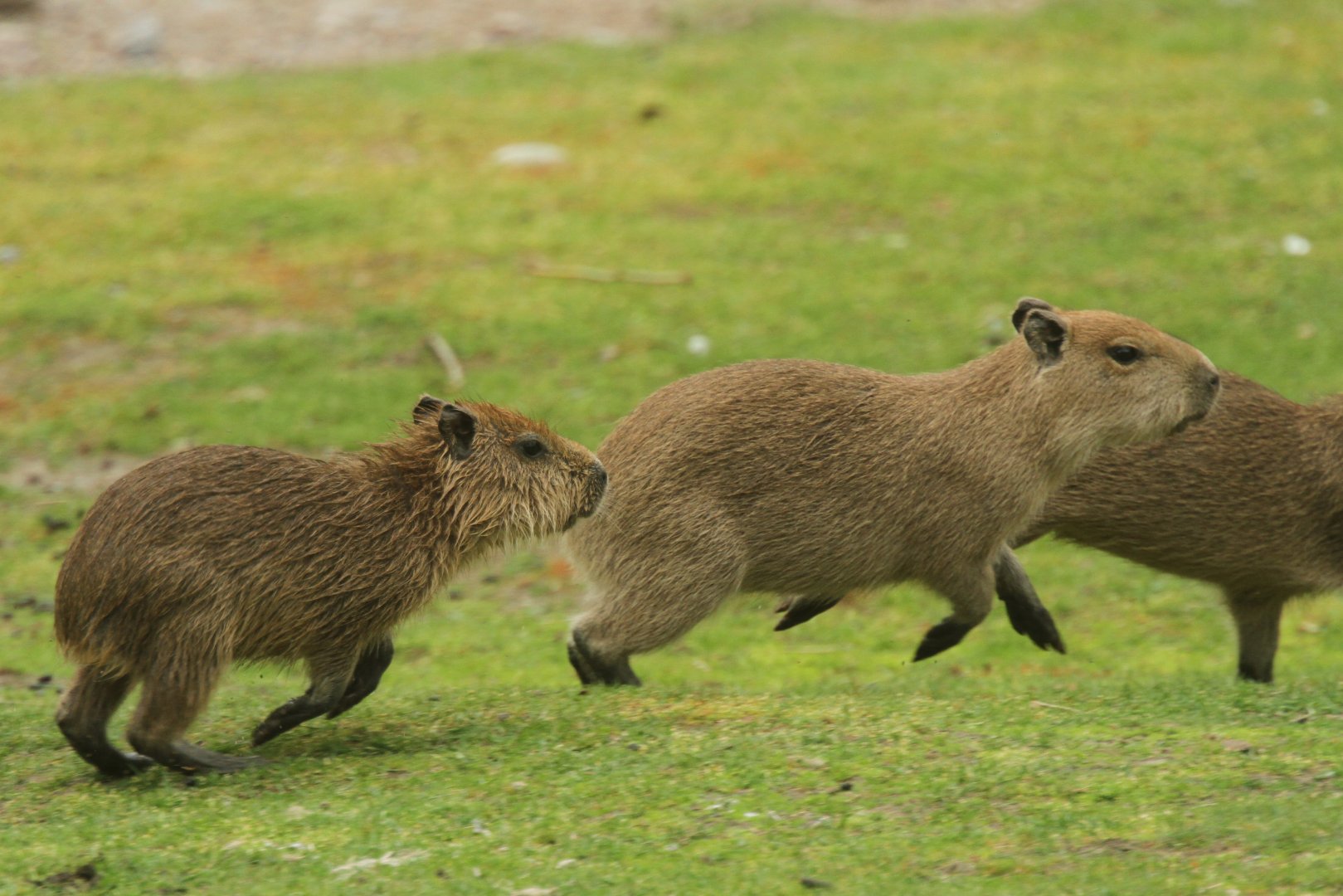
What was really interesting on reflection was the mental switch I made to really appreciate those 30 mammals. I've always been very much a species-photograph hunter, trying my hardest to get as professional a photograph as I can do of as many species as possible, the smaller and browner the better. However having been to some of the world's species richest zoos, I've slowly come to appreciate that just ticking the species isn't really satisfying, it needs to be in a good enclosure as well, exhibited professionally. Going to some great zoos which do the complete opposite of what I thought made a good zoo has squared that circle so to speak - a few years ago I wouldn't have dreamed of bothering to photograph an Asian short-clawed otter or capybara, now look at me!
 
Is that the end of the review ? Its not quite clear. I was at Kolmarden for the first time a few weeks ago (in hot weather) and simply didnt have the time (or inclination) to join the one hour queue for the Safari Gondola. So i would be interested to know what it is like (large mammals in big fields I suppose). No mention of the Tropicarium either. BTW...I was told that the Steller`s Sea Eagles were not very" happy" in that big aviary so were removed.
 
Is that the end of the review ? Its not quite clear. I was at Kolmarden for the first time a few weeks ago (in hot weather) and simply didnt have the time (or inclination) to join the one hour queue for the Safari Gondola. So i would be interested to know what it is like (large mammals in big fields I suppose). No mention of the Tropicarium either. BTW...I was told that the Steller`s Sea Eagles were not very" happy" in that big aviary so were removed.

No not quite Tim, had to cut it off to try and post it last night rather than wait for my next writing window.

Gondola is, interesting... I quite enjoy that sort of thing and due to the size of the enclosures it takes ages to complete it's route. It's pretty poor for photography as you'd expect but I thought it was great. Hard to compare it to others but it's a lot better than the one at Lisbon. Staff manning it had no issues with me taking a gondola to myself as well despite it being busy which improved it.

Useful to know about the eagles as well, thanks.
 
Kolmarden 2


In retrospect joining the queue for the gondola mid-afternoon was a bit of a mistake given how quiet it was later in the day, but I was on a schedule and wasn’t totally sure how long the Tropiquarium would take me as I tend to linger significantly longer in aquariums than most. I didn’t track how long I queued for but it was easily 30 minutes, pacing slowly along a snaking queueing system surrounded by some serious tat. Say what you like about Pairi Daiza, but if there was an elephant skeleton there on display you can be fairly sure it would have a label (as well as being both real and reassuringly expensive). The approach to the gondola queue was essentially to cover it in some rubbish from Amazon or Etsy using the “African” or “Tropical” keywords. Nothing wrong with a bit of theming, but if it isn’t going to attempt to be authentic then don’t bother.


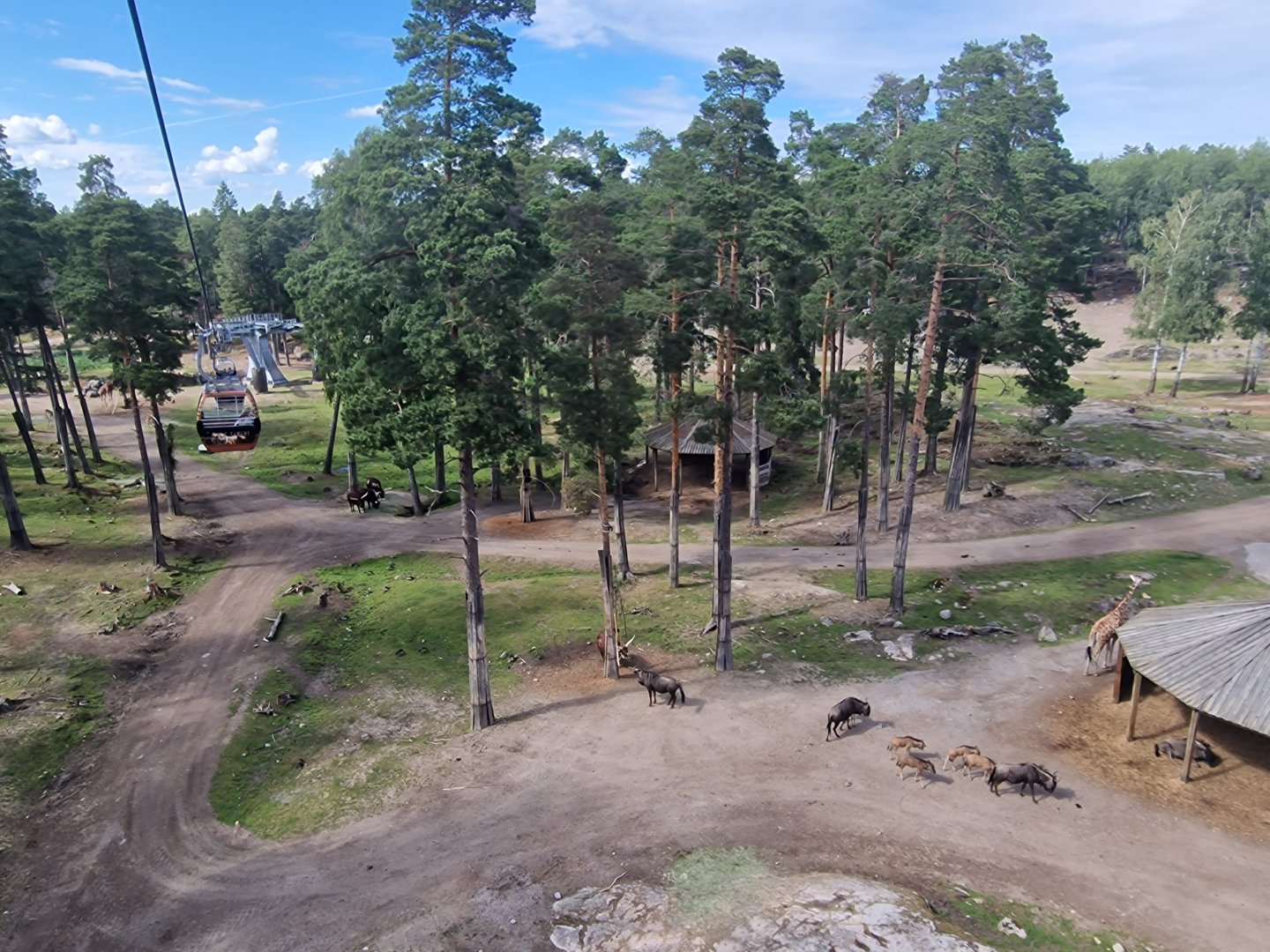
Finally I got to the front and strapped myself in for a 30 minute tour which simultaneously seemed too short and too long, short because I wanted more time with the animals in their colossal enclosures, and long because the actual views themselves were pretty hit or miss and I’d ultimately rather have been on foot. I’ve forgotten the exact order of things now, but suffice to say the enclosures are vast and though not up to the visual standard of the rest of the enclosures in Kolmarden, they were significantly above the giant fields I’d expected, with hills, water features and trees aplenty. Even the poorest enclosure you go over (European bison) is still significantly larger than many others I’ve seen, with trees and some elevation change to make it moderately interesting for the inhabitants, though it doesn’t deserve to be mentioned in the same paragraph as the enclosure in Nordens.


The ostrich - ibex enclosure is as weird as that mix sounds but seems to work, with small hills and rocky faces for the ibex to hang around on. The main African (well, other than the Blackbuck from Asia and the Ankole-Watusi cattle which are African via the states) enclosure is very good as well, offering more hills and trees than the norm and housing species which can be temperamental in mixed settings (Grevy's zebra). The deer enclosure seemed to be the largest of these and felt like a bit of a waste for the fallow and axis held within, until I glimpsed a moose resting under a tree and just spotted a Pere David’s as my gondola went over the crest of the hill and the enclosure wall. After initially scooting around the gondola trying to get into a decent position to take photographs I gave up and just sat back to enjoy the ride. As the gondola finally got back to the entrance I toyed with the idea of seeing if I could just stay on and ride it again, but I still had a lot of zoo to cover so I decided against it and hopped off, continuing my route clockwise.


I remember little of the Aparium for the chimps, gorillas and gibbons, I didn’t go inside because there were a ton of families crowding around someone dressed up as a children's character, related to Bamses World presumably, but I did take a look at the outdoor enclosures. These were fine, a bit better than those at Boras, but as there unless an expansion is on the cards Kolmarden would do well to consider phasing one of the larger species out to give the other two species a bit more room.


The path then winds around the half of the perimeter of the huge African plains exhibit which must be the largest single enclosure in Kolmarden at around 1.38ha (a little bit smaller than the one in Boras which is around 1.68ha not including off show). Again the mix here is quite impressive, with white rhino as the big stars, Addra gazelle and addax as unusual mix components, and Sable as a real wild card given their reputation for aggression (are they mixed in other zoos?). As you might by now expect the enclosure is excellent, though the enclosure opposite this one for a trio of Asian elephants is nothing exceptional, even if it certainly isn’t poor.


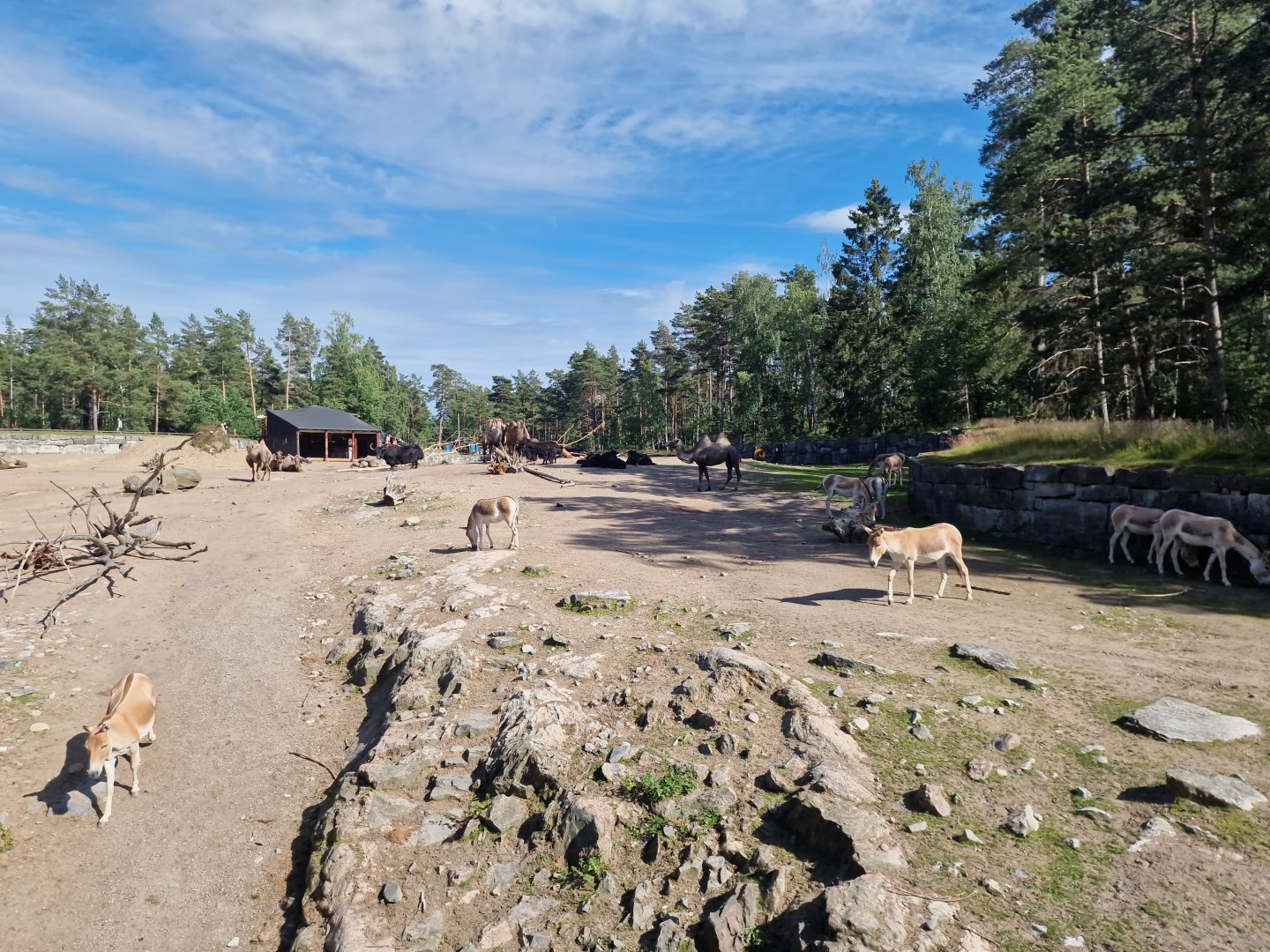
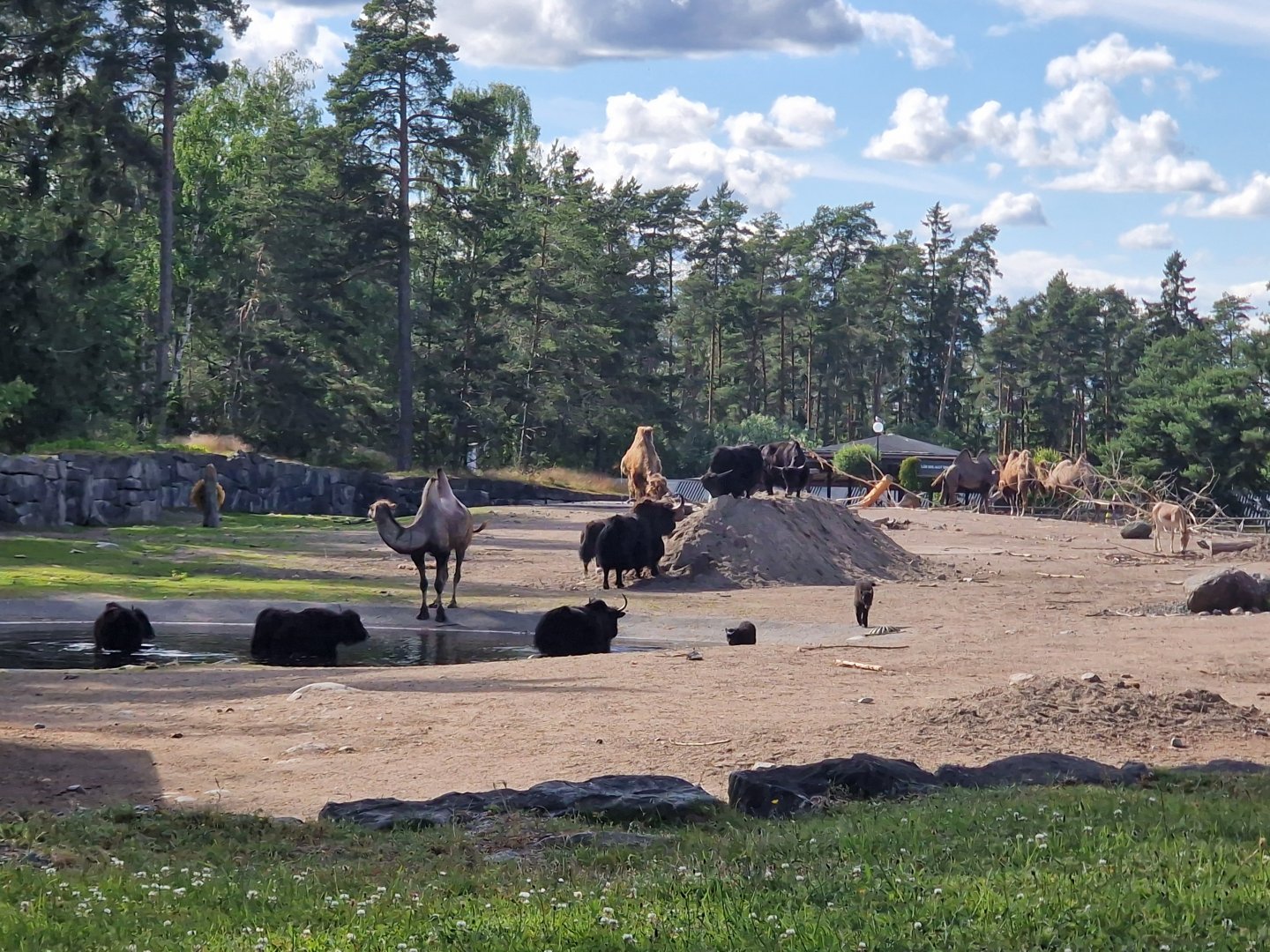
Finally we come to what was probably my favourite enclosure in Kolmarden, the Asian steppe. This was smaller and slimmer than the African plains version and housed somewhat fewer animals with only kulan, (domestic) yak and (domestic) bactrian camels, but it made up for the smaller size with large ponds and huge mounds of sand piled up. At first I thought this was to break up the sight lines a bit to give the smaller yak and kulan space from the camels, until I watched two yak bound straight up the sandcastles, squabble about who was going where, then settle down to chew the cud whilst the bull dug himself out a bed using his horns. I spent a thoroughly enjoyable 20 minutes just watching the three ungulate species going about their days and it really goes to show that complex environments encourage complex behaviours.


And thus my trip to Kolmarden was largely concluded. I decided to have another fast walk around the loop which went rather faster than the first run given I didn’t have to go down into any of the dead ends, checked for wolverine again in their fenced off forest, and left.


Kolmarden Tropicarium


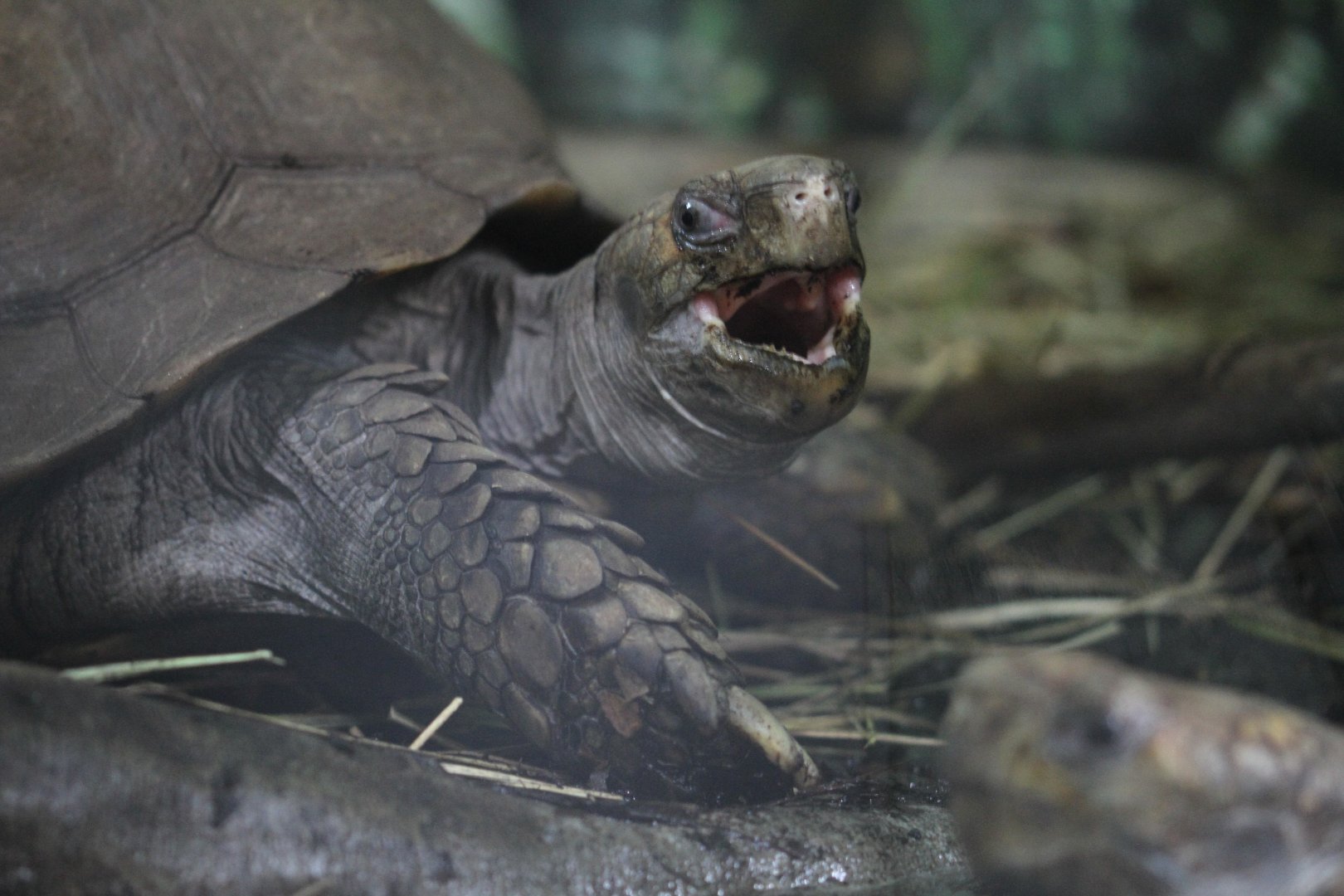
One hotdog later and I was ready for the Tropicarium. Conveniently the entrance to this is directly opposite the main zoo’s so in about two minutes from leaving I was queuing to get into the next zoo with two hours to go before it closed. I started off in the tropical/reptile side and immediately felt like I could have been in any standalone aquarium/tropical house in Europe. Gone were the vast enclosures, replaced with ‘themed’ exhibits for tortoises and marmosets (somewhat too small for the primates in my opinion) and a rubbish walkthrough enclosure with a pair of macaws and, inexplicably, a rare bird lifer (hooded siskin Spinus magellanicus) without any natural light. I declined the invitation to walk outside to the unconnected ring tailed lemur enclosure.


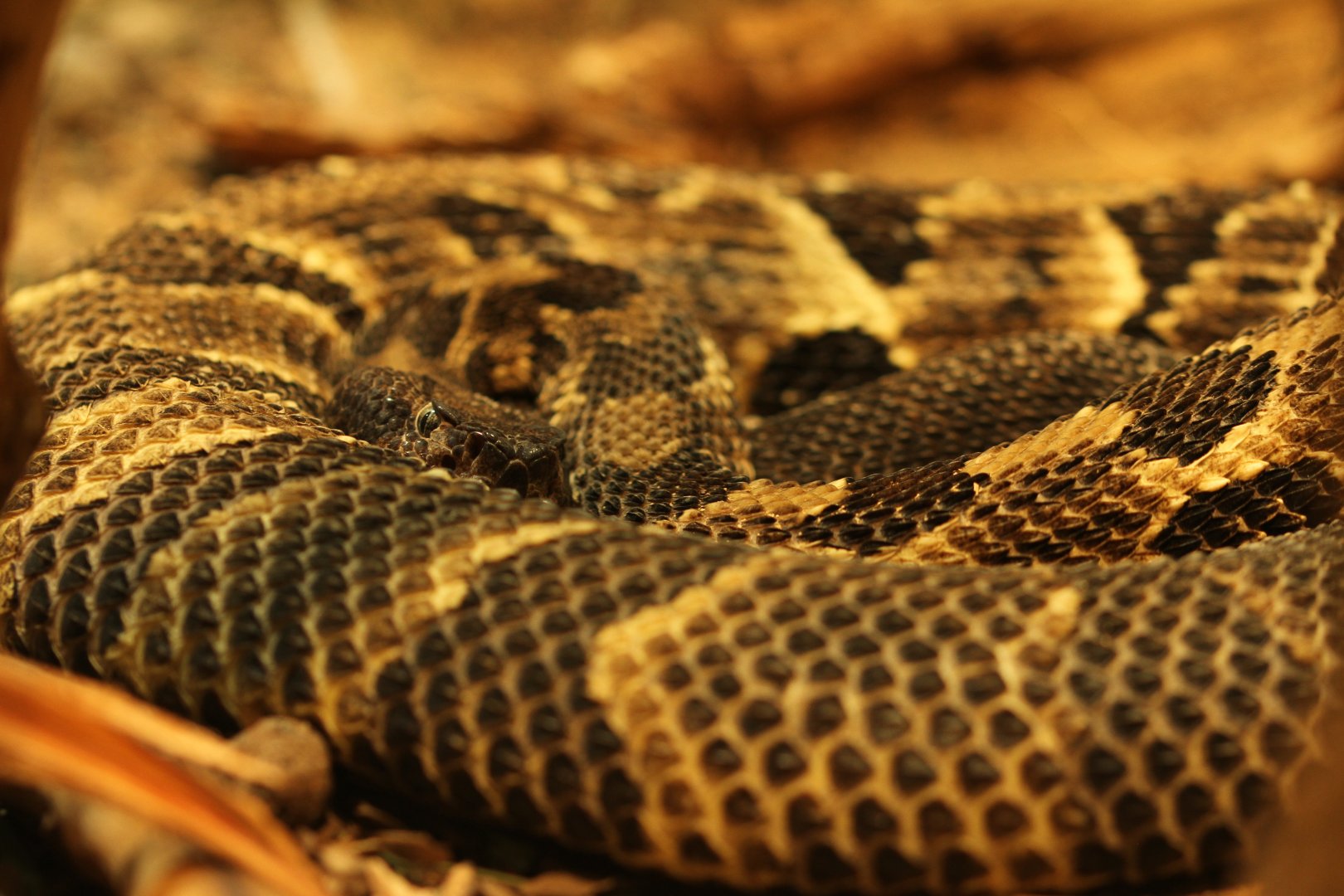
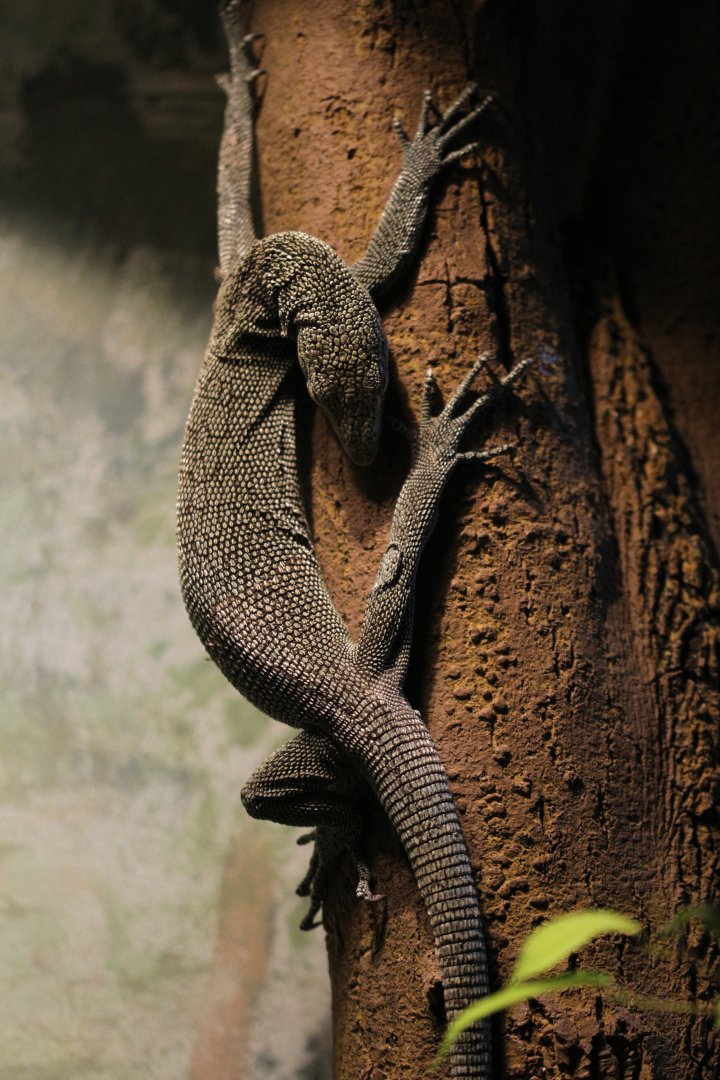
Fortunately however the Tropicarium improved significantly after this, with a themed enclosure for American alligator which did look fairly convincingly like a Floridian swamp (though the viewing area being a cave was very odd) and a nice enclosure for dwarf mongoose and sulcata tortoise with plenty of deep sand. Then comes a long run of excellent exhibits for rarities including Biak tree monitor (Varanus kordensis) and a ton of hot snakes in really nicely planted and themed exhibits.


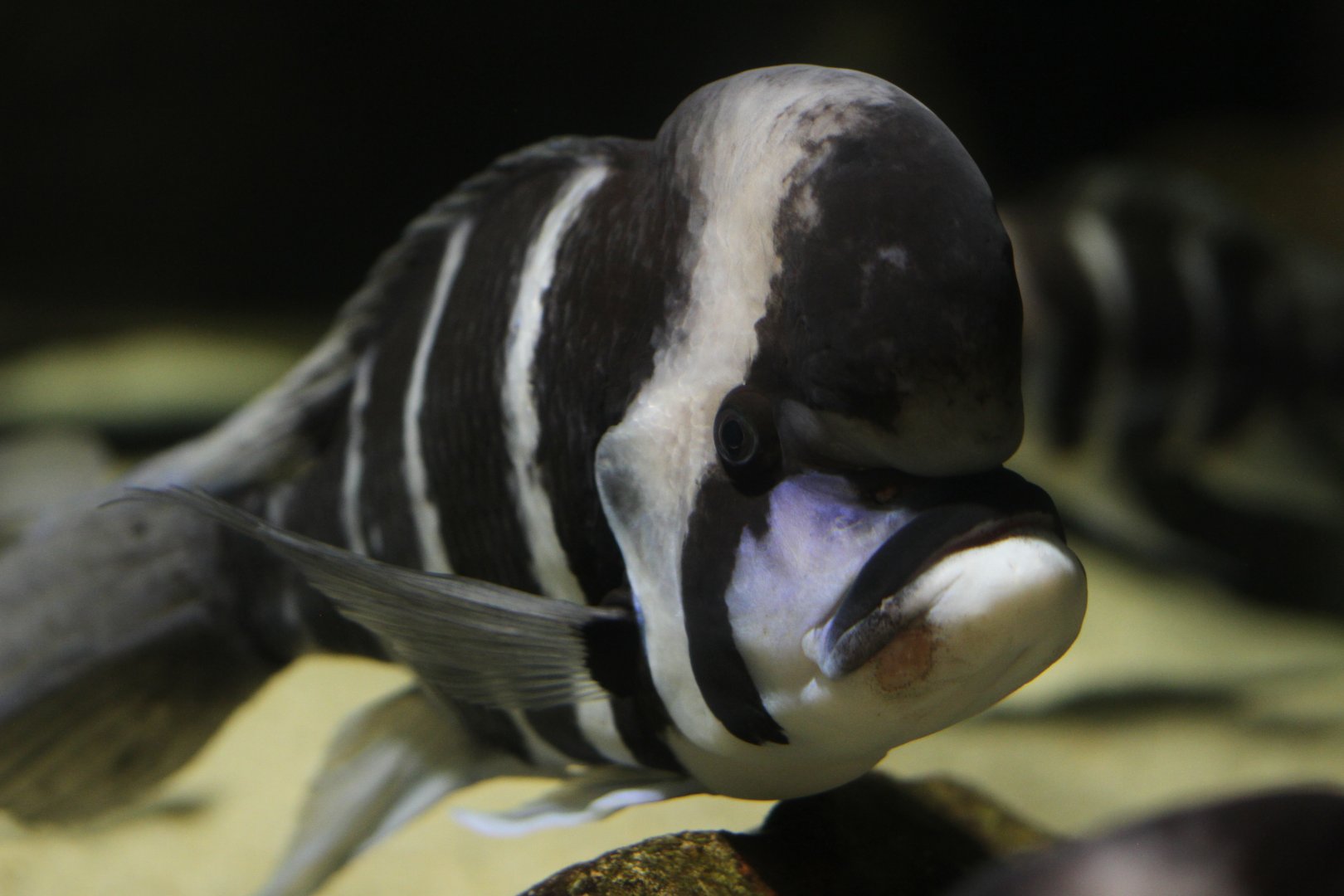
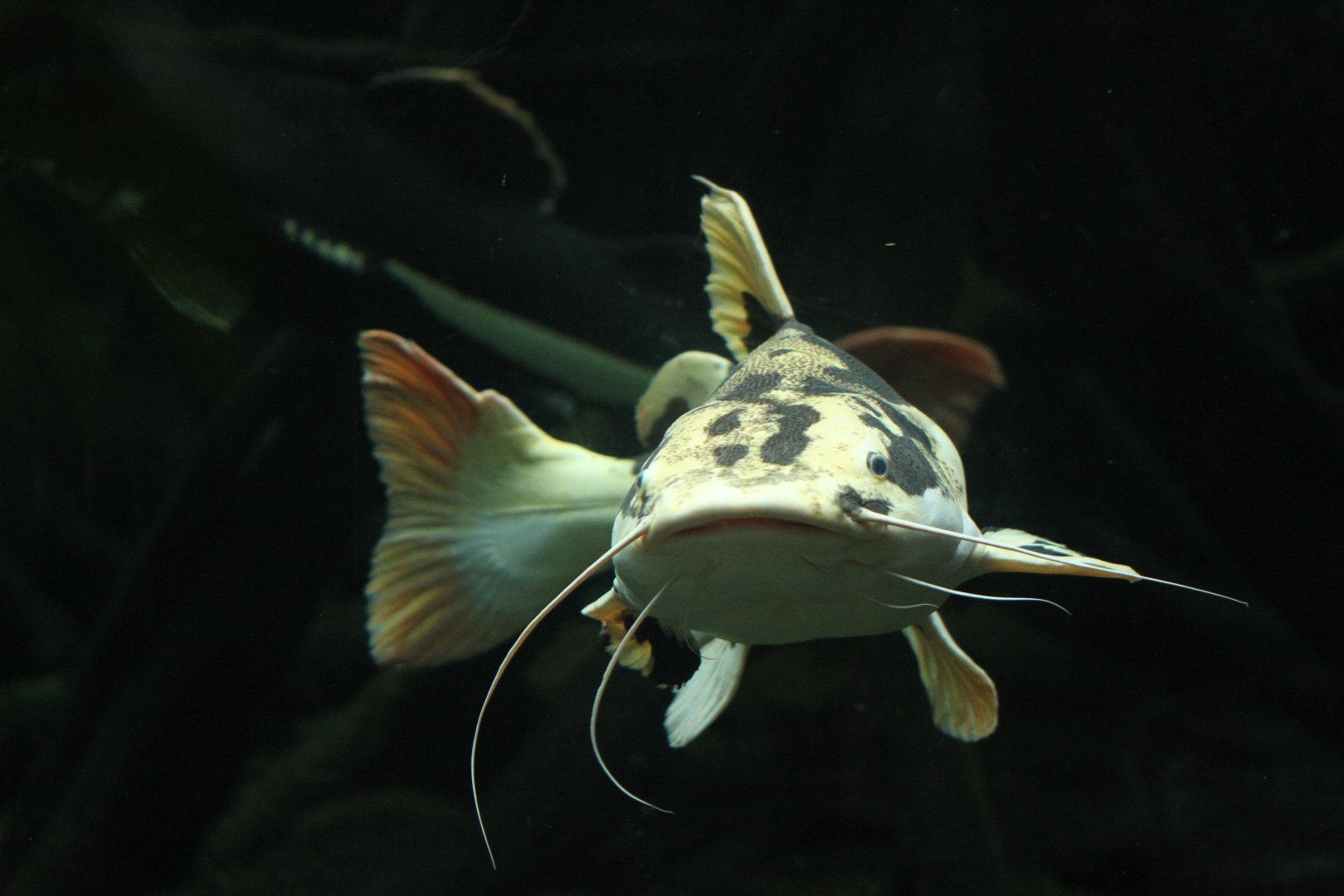
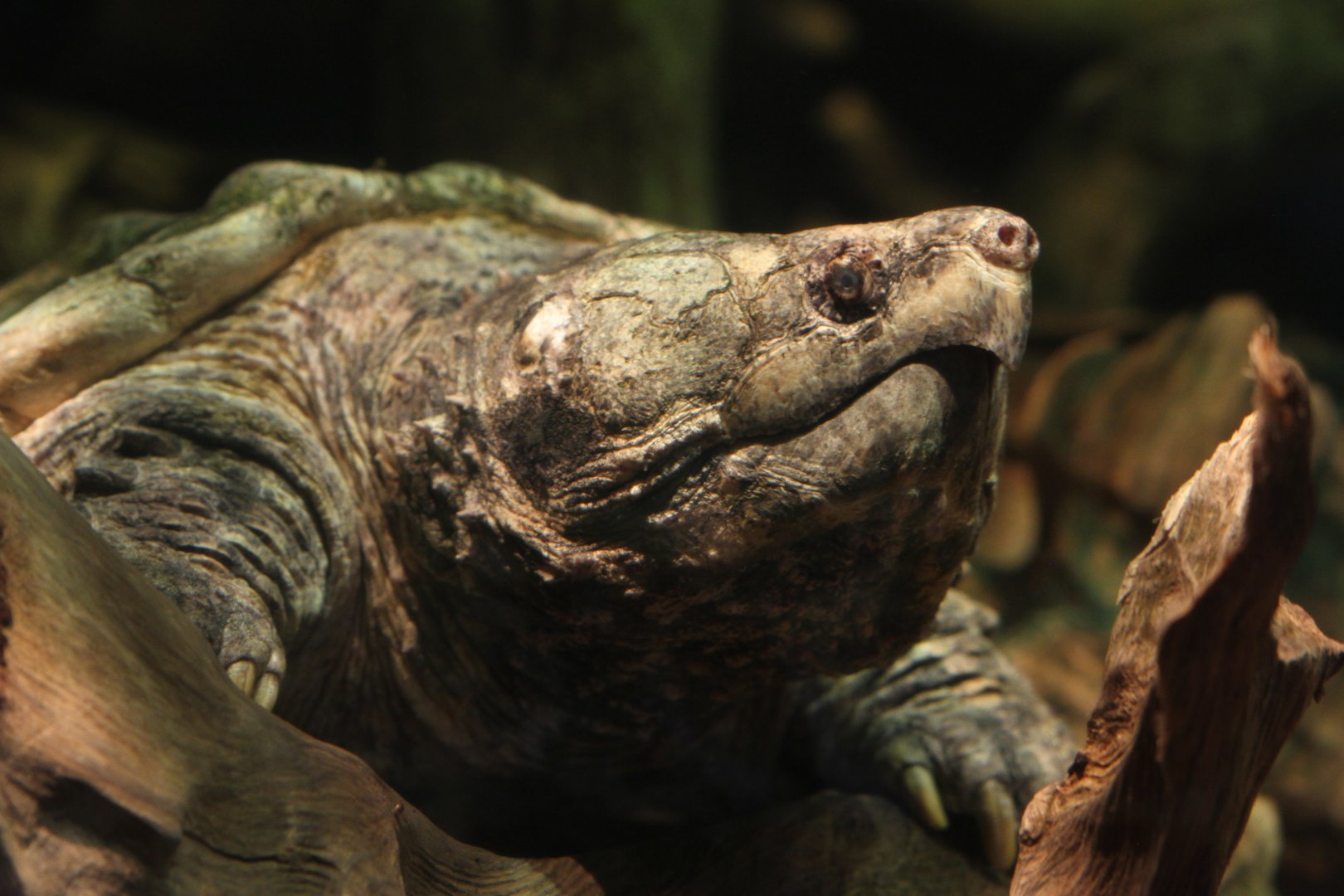
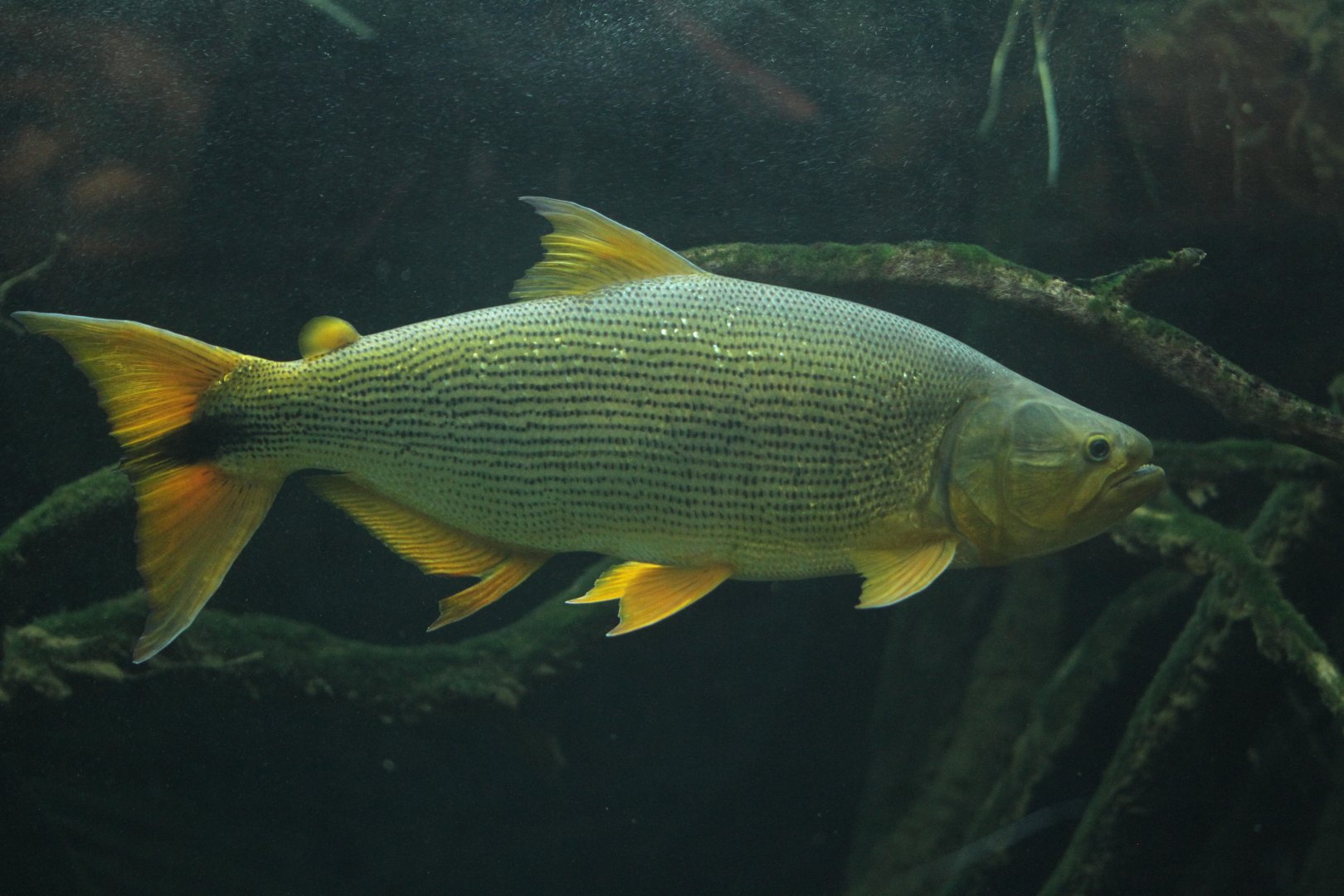
The reptiles and amphibians soon give way to the fully aquatic portion of the Tropicarium, with a nice tank for an electric eel opposite an excellent ‘flooded Amazon’-style tank. Unlike many however the designer has clearly got that the main Amazon river isn’t just a static lake and had rigged up a couple of powerful pumps at one end to create a good flow around the tank which the red-tailed catfish (including a very strange piebald individual) and dorado were making good use of. There were various other tanks in here, one with the odd mix of alligator snapping turtle and red-bellied piranha and another popular one filled with garra in which you could dip your hands if you fancied a manicure. Another had a hodgepodge of African rift lake cichlids including one of the largest and most impressive frontosa I’ve ever seen. The cuban crocodile enclosure was empty and seeing as this used to hold juveniles my guess is that they’d outgrown this and had been moved on.


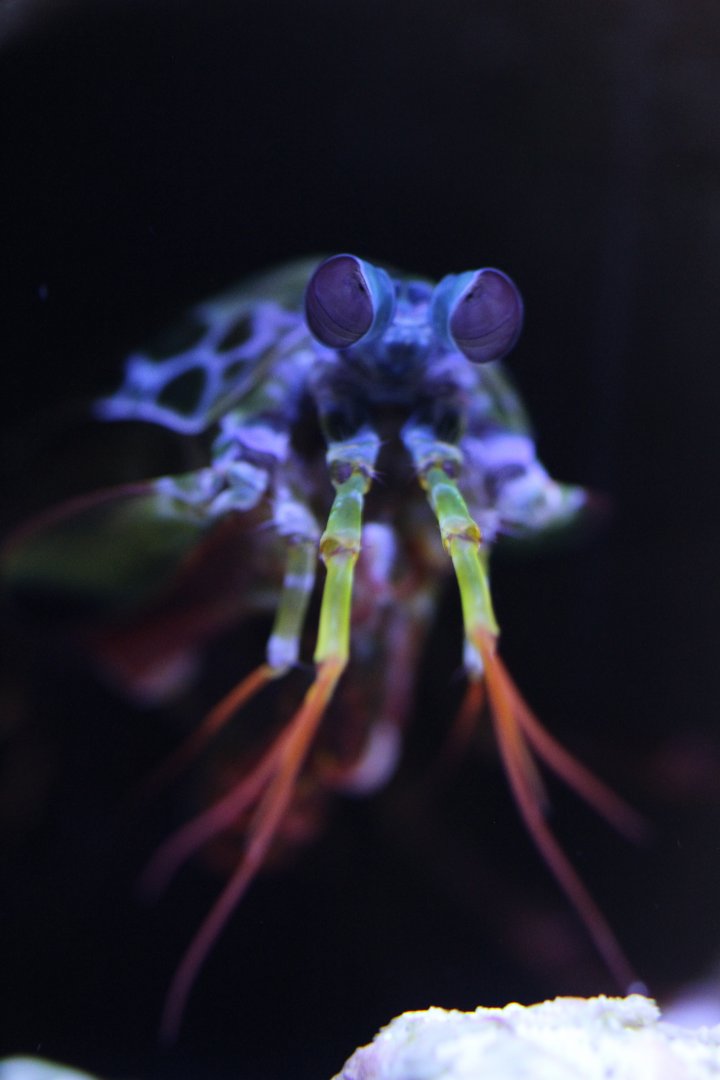
Finally freshwater gives way to salt and we get our first decent view of the big showstopper tank for all the usual big fish including sand tiger and nurse sharks, guitarfish and various smaller species none of which were worth writing home about. The rest of the salt water tanks house smaller species and are relatively unexciting other than a great enclosure for a massive peacock mantis shrimp who made for a near impossible, though ultimately rewarding, portrait subject, and an exceptionally cute baby bamboo shark.


Another view of the big saltwater tank and our journey ends at the gift shop and touch tank which I think, though I couldn’t find a sign, held a mix of common and bluespotted stingray. Though I never feel great about stingrays being in touch tanks they are undeniably beautiful and were popular with the visitors on my trip, though no-one attempted to stroke them which was positive.


Another quick trip round to take photos of the frontosa and shrimp and I was done with my rather intense couple of days in Sweden. Though the main thing that stuck out to me was simply the size and quality of most of the enclosures throughout my journey, as one would expect, what was also a refreshing change of pace was the mixes of species in these enclosures in particular:


  • African elephants, cape buffalo, hoofstock and two birds in Boras

  • White rhino and cheetah in Boras

  • White rhino, sable, addax and other species in Kolmarden

  • Yak, bactrian camel and kulan in Kolmarden

  • Ostrich and ibex in Kolmarden

In addition the signage was generally excellent and I was thoroughly impressed by the overall attention to the detail across all four zoos I visited. Sweden made for a superb short zoo trip and I’d thoroughly recommend all four zoos I ended up visiting. With more time I would probably have extended the trip to explore Gothenburg (including the small but excellent looking Universeum) and Parken zoo, and going at mid-summer definitely caused me logistical issues, but everything still went smoothly.


More so than any other zoo trip however this one has made me think more about what I enjoy from zoos than any other. As I stated in the last post to find myself genuinely enjoying taking photographs of capybara and short-clawed otter was an unexpected situation and I genuinely still don’t quite know if this was largely due to the pleasure of seeing them in such great exhibits, or because there were so few species to actually photograph! Maybe I don’t need to tick off every species after all?
 
Just seen this,so apologies for the delay in replying. We loved Sweden in general and I had some business to attend to,so we returned in August to do some of the stuff around Gothenburg (you missed out on the Universium which has some real rarities ie Saffron-crowned Tanager,the only one on ZTL anywhere in the world]. Parken is hit and miss, with a number of tired exhibits but one or two very good ones..its the only time Ive seen a Komodo Dragon in a large area clearly designed for a carnivore at one time ! In Stockholm we stayed in the guest flat at Skansen overlooking the baboon enclosure - interesting to say the least. As a result the director`s daughter Ana drove us to Jarvso Zoo ..which is basically a long boardwalk through a pine forest with big enclosures for Nordic species plus an aviary for White-backed Woodpeckers,a "first" for me (given that behind the scenes at Norden`s Ark the breeding programme has been discontinued). My conclusion is that Sweden is truly excellent at exhibits for large mammals but seems rather uninterested in smaller species of vertebrate unless you go to Skansen Aquarium/Terrarium,the Universium,Kolmarden Tropicarium (where I thought the reptiles were very good) or Helsingborg Tropicarium. A great country for sure,where cash is almost no good at all these days..amazingly Boras was the only place of ANY kind that would accept it...some of the staff wouldnt believe me when i said it stated that they accept cash on their website!
 
Back
Top