You are using an out of date browser. It may not display this or other websites correctly.
You should upgrade or use an alternative browser.
You should upgrade or use an alternative browser.
Monterey Bay Aquarium Major deep sea animal exhibit coming to MBA
- Thread starter DavidBrown
- Start date

splendens
Well-Known Member
Adapted this list from the one in 2022 by @Zoo Birding, this should be accurate for this time unless a few species were switched around in the midwater section.Apologies if its a lot to ask for, but does anyone have a species list of what is currently onshow in Into the Deep?
Midwater {8 Seperate tanks of varying shapes and sizes, one is generally reserved for undescribed species but currently has the snow globes)
- Abyssal comb jelly (Beroe abyssicola)
- Bloody-belly comb jelly (Lampocteis cruentiventer)
- Purple-lipped jelly (Earleria purpurea)
- Red spot comb jelly (Eurhamphaea vexilligera)
- Coronate jelly (Nausithoe sp.)
- Warty comb jelly (Bolinopsis sp.) ? Not registered as on exhibit on the website though it should be?
- Mauve stinger (Pelagia flaveola)
- Snow globe jelly (Moodeira rotunda)
Sea floor {Tank #1} "Muddy bottom" many species unsigned
- Armored sea cucumber (Psolus squamatus) Duplicate
- Deep-sea carnation coral (Gersemia juliepackardae)
- Glowing sea cucumber (Pannychia moseleyi) Duplicate
- Predatory tunicate {Ghostfish} (Megalodicopia hians)
- Mushroom soft coral (Heteropolypus ritteri) Duplicate
- Unidentified droopy sea pen (Umbellula spp.)
- Corallimorphid (Order Corallimorpharia)
- Neptunea snail (Neptunea sp.) White shells with orange anemone on top
- Isocicyonis anemone (Isosicyonis sp.) Growing on top of the snails
- Brachiopod (Phylum Brachiopoda) Duplicate?
- Deep sea predatory chiton (Class Polyplacophora)? May not be present anymore?
- Fly trap anemone (Actinoscyphia sp.?)
- Unknown polyp species?
- Unidentified orange anemone
- Deep sea brittle star (Class Ophiuroidea)? Not sure if still present?
- Halipteris sea pens (Halipteris sp.)
- Funiculina sea pens (Funiculina sp.)
- Apple anemone (Stomphia didemon)
- Squat lobster (Munida sp.) Duplicate?
- Snake head eelpout (Lycenchelys crotalinus) three to four individuals with a huge specimen
- Deep sea mussel (unknown species)? Most likely gone?
- Deep sea skeleton shrimp (Family Caprellidae)
- Branched Tree Coral (Parastenella ramosa) Duplicate
- Red sea fan (Swiftia kofoidi) Duplicate
- Undescribed fire star (No species name yet, Should be in genus Hymenodiscus? Definitely in order Brisingida)
- Japanese giant isopod (Bathynomus doederleinii) smaller pink relative of the giant isopod seen later
- Deep sea sole (Embassichthys bathybius)
- Thornyhead sp. (Sebastolobus sp.) Juvenile
- Spider crab sp. might be in bone eating worm tank as well
- Red rope coral (Callistephanus simplex)
- Red sea fan (Swiftia kofoidi) Duplicate
- Mushroom soft coral (Heteropolypus ritteri) Duplicate
- Sea star sp. small species
- Brachiopod (Phylum Brachiopoda) Duplicate?
- Armored sea cucumber (Psolus squamatus) Duplicate
Sea floor {Tank #5}
- Pacific hagfish (Eptatretus stoutii)
Sea floor {Tank #6}
- Pom pom anemone (Liponema brevicorne)
Of note: The pom pom anemones are often mixed with a species of sea spider that feeds on its tentacles but currently it is not
Sea floor {Tank #7}
- Basket star (Gorgonocephalus eucnemis)
- Feather star (Florometra serratissima) Duplicate
- Orange anemone, either fly trap or apple
Sea floor {Tank #8}
- Lumpfish/lumpsucker (Cyclopterus lumpus)
- Branched tree coral (Parastenella ramosa)
- Bubblegum coral (Paragorgia arborea)
- Deep-sea cauliflower coral (Sibogagorgia cauliflora)
- Feather star (Florometra serratissima) Duplicate
- Mushroom soft coral (Heteropolypus ritteri) Duplicate
- Red sea fan (Swiftia kofoidi) Duplicate
- Glowing Sea Cucumber (Pannychia moseleyi) Duplicate
- Club tipped anemone (Should be Corallimorphus pilatus or Corallimorphus sp.) Not strawberry, unsigned and on the bottom of the tank
- Black coral (Alternatipathes sp.) Medium sized coral on the sand, feather like and impressive
- Very large sea star sp.
- Worm like invert sp?
- Deep sea brittle stars? Probably still present but may be gone?
- Shaggy bamboo coral? (Isidella tentaculum)? Pretty sure this one is on display and signed but not clear?
- Arbiter snailfish (Careproctus kamikawai)? Has not been seen for a long time, there were at least 2 individuals during opening, they were the only ones in captivity?
Sea floor {Large Tank #10 - "The Whale Fall" Largest tanke in the exhibit with a cast of a juvenile sperm whale skeleton. The teeth of the whale spell out "deep sea" in morse code}
- Australian ghost shark (Callorhinchus milii) 2 individuals
- Big roughy (Gephyroberyx japonicus) One reclusive individual in the dark areas of the tank
- Fragile pink sea urchin (Strongylocentrotus fragilis) Reclusive
- Japanese armorhead (Pentaceros japonicus) Usually in a dark corner
- Japanese spider crab (Macrocheira kaempferi) Several individuals including a very large one that can reach over 7 feet tall in height when stretched out
- Longspine thornyhead (Sebastolobus altivelis) Hides in the whale skull
- Red sea star (Hippasteria spp.) Reclusive
- Sablefish (Anoplopoma fimbria) 2 individuals
- Shortspine thornyhead (Sebastolobus alascanus) Hides in the whale skull
Sea floor {Tank #11 - Isopod touch tanks, this consists of two tanks, one which is a small touch tank with a staff member watching over behind the pool and the other is a tank which juts out of the wall where the isopods rest after being cycled out}
- Giant isopod (Bathynomus giganteus)
- Bone eating worms (several at times) (Osedax spp.) The main star of this tank, these experience die offs at times because of their life cycle, sometimes until no worms remain in the tank. They are extremely small and are collected by sending animal bones down with an ROV, letting them colonize and retrieving them. Several species have been on display some likely undescribed, one was described as a dark black, others have different tentacle/feeler counts and some are pink or orange.
- Small Plumose anemone sp. (Metridium sp.)
- Spider crab sp. May be the same species in seamount tank

Kalaw
Well-Known Member
Thank you so much for sharing this, that is really helpful!Adapted this list from the one in 2022 by @Zoo Birding, this should be accurate for this time unless a few species were switched around in the midwater section.
Midwater {8 Seperate tanks of varying shapes and sizes, one is generally reserved for undescribed species but currently has the snow globes)
- Abyssal comb jelly (Beroe abyssicola)
- Bloody-belly comb jelly (Lampocteis cruentiventer)
- Purple-lipped jelly (Earleria purpurea)
- Red spot comb jelly (Eurhamphaea vexilligera)
- Coronate jelly (Nausithoe sp.)
- Warty comb jelly (Bolinopsis sp.) ? Not registered as on exhibit on the website though it should be?
- Mauve stinger (Pelagia flaveola)
- Snow globe jelly (Moodeira rotunda)
Sea floor {Tank #1} "Muddy bottom" many species unsigned
Sea floor {Tank #2}
- Armored sea cucumber (Psolus squamatus) Duplicate
- Deep-sea carnation coral (Gersemia juliepackardae)
- Glowing sea cucumber (Pannychia moseleyi) Duplicate
- Predatory tunicate {Ghostfish} (Megalodicopia hians)
- Mushroom soft coral (Heteropolypus ritteri) Duplicate
- Unidentified droopy sea pen (Umbellula spp.)
- Corallimorphid (Order Corallimorpharia)
- Neptunea snail (Neptunea sp.) White shells with orange anemone on top
- Isocicyonis anemone (Isosicyonis sp.) Growing on top of the snails
- Brachiopod (Phylum Brachiopoda) Duplicate?
- Deep sea predatory chiton (Class Polyplacophora)? May not be present anymore?
- Fly trap anemone (Actinoscyphia sp.?)
- Unknown polyp species?
- Unidentified orange anemone
- Deep sea brittle star (Class Ophiuroidea)? Not sure if still present?
- Halipteris sea pens (Halipteris sp.)
- Funiculina sea pens (Funiculina sp.)
- Apple anemone (Stomphia didemon)
- Squat lobster (Munida sp.) Duplicate?
- Snake head eelpout (Lycenchelys crotalinus) three to four individuals with a huge specimen
- Deep sea mussel (unknown species)? Most likely gone?
- Deep sea skeleton shrimp (Family Caprellidae)
- Branched Tree Coral (Parastenella ramosa) Duplicate
- Red sea fan (Swiftia kofoidi) Duplicate
Sea floor {Tank #3}
- Undescribed fire star (No species name yet, Should be in genus Hymenodiscus? Definitely in order Brisingida)
Sea floor {Tank #4 "Sea mount" based off of a local one}
- Japanese giant isopod (Bathynomus doederleinii) smaller pink relative of the giant isopod seen later
- Deep sea sole (Embassichthys bathybius)
- Thornyhead sp. (Sebastolobus sp.) Juvenile
- Spider crab sp. might be in bone eating worm tank as well
- Red rope coral (Callistephanus simplex)
- Red sea fan (Swiftia kofoidi) Duplicate
- Mushroom soft coral (Heteropolypus ritteri) Duplicate
- Sea star sp. small species
- Brachiopod (Phylum Brachiopoda) Duplicate?
- Armored sea cucumber (Psolus squamatus) Duplicate
Sea floor {Tank #5}
- Pacific hagfish (Eptatretus stoutii)
Sea floor {Tank #6}
- Pom pom anemone (Liponema brevicorne)
Of note: The pom pom anemones are often mixed with a species of sea spider that feeds on its tentacles but currently it is not
Sea floor {Tank #7}
- Basket star (Gorgonocephalus eucnemis)
- Feather star (Florometra serratissima) Duplicate
- Orange anemone, either fly trap or apple
Sea floor {Tank #8}
Sea floor {Tank #9 - "The Coral Tank" large tank also based off of a seamount}
- Lumpfish/lumpsucker (Cyclopterus lumpus)
- Branched tree coral (Parastenella ramosa)
- Bubblegum coral (Paragorgia arborea)
- Deep-sea cauliflower coral (Sibogagorgia cauliflora)
- Feather star (Florometra serratissima) Duplicate
- Mushroom soft coral (Heteropolypus ritteri) Duplicate
- Red sea fan (Swiftia kofoidi) Duplicate
- Glowing Sea Cucumber (Pannychia moseleyi) Duplicate
- Club tipped anemone (Should be Corallimorphus pilatus or Corallimorphus sp.) Not strawberry, unsigned and on the bottom of the tank
- Black coral (Alternatipathes sp.) Medium sized coral on the sand, feather like and impressive
- Very large sea star sp.
- Worm like invert sp?
- Deep sea brittle stars? Probably still present but may be gone?
- Shaggy bamboo coral? (Isidella tentaculum)? Pretty sure this one is on display and signed but not clear?
- Arbiter snailfish (Careproctus kamikawai)? Has not been seen for a long time, there were at least 2 individuals during opening, they were the only ones in captivity?
Sea floor {Large Tank #10 - "The Whale Fall" Largest tanke in the exhibit with a cast of a juvenile sperm whale skeleton. The teeth of the whale spell out "deep sea" in morse code}
- Australian ghost shark (Callorhinchus milii) 2 individuals
- Big roughy (Gephyroberyx japonicus) One reclusive individual in the dark areas of the tank
- Fragile pink sea urchin (Strongylocentrotus fragilis) Reclusive
- Japanese armorhead (Pentaceros japonicus) Usually in a dark corner
- Japanese spider crab (Macrocheira kaempferi) Several individuals including a very large one that can reach over 7 feet tall in height when stretched out
- Longspine thornyhead (Sebastolobus altivelis) Hides in the whale skull
- Red sea star (Hippasteria spp.) Reclusive
- Sablefish (Anoplopoma fimbria) 2 individuals
- Shortspine thornyhead (Sebastolobus alascanus) Hides in the whale skull
Sea floor {Tank #11 - Isopod touch tanks, this consists of two tanks, one which is a small touch tank with a staff member watching over behind the pool and the other is a tank which juts out of the wall where the isopods rest after being cycled out}
Sea floor {Tank #12 juts out like the isopod and hagfish tanks with a video display above with footage of the worms}
- Giant isopod (Bathynomus giganteus)
All in all it is 20 tanks with about 64 species, give or take.
- Bone eating worms (several at times) (Osedax spp.) The main star of this tank, these experience die offs at times because of their life cycle, sometimes until no worms remain in the tank. They are extremely small and are collected by sending animal bones down with an ROV, letting them colonize and retrieving them. Several species have been on display some likely undescribed, one was described as a dark black, others have different tentacle/feeler counts and some are pink or orange.
- Small Plumose anemone sp. (Metridium sp.)
- Spider crab sp. May be the same species in seamount tank
splendens
Well-Known Member
This tank is actually based off of the Monterey Canyon, Northwest mentioned that the inhabitants may be stocked from a different location than the main coral tank which is likely to be based off of the Davidson Seamount.Sea floor {Tank #4 "Sea mount" based off of a local one}
splendens
Well-Known Member
Forgot to say this earlier but as of April 21 some new species have been added (or readded) to the exhibit.
Rhizophysa siphonophores from Hawaii have replaced the common siphonophores, this is the only other siphonophore to be displayed at Monterey besides the commons. Two pretty nice-sized colonies were on display.
Phyllosoma lobster larvae have been added to the tank with the mauve stingers.
Some specie of tube-dwelling amphipods are in the muddy bottom tank.
Rhizophysa siphonophores from Hawaii have replaced the common siphonophores, this is the only other siphonophore to be displayed at Monterey besides the commons. Two pretty nice-sized colonies were on display.
Phyllosoma lobster larvae have been added to the tank with the mauve stingers.
Some specie of tube-dwelling amphipods are in the muddy bottom tank.

Northwest_FIsh_Keeping
Well-Known Member
I may have missed some rotations since the aquarium doesn't really announce them unfortunately but thanks to George Matsumoto (and the aquarium for posting them today), the Bumpy Jellies (Stellamedusa ventana) are back on display! This is only the second ever time they've been on display in the a public aquarium (the first was when they were displayed back in December). It looks like 2 or 3 individuals this time again.
As far as the other jellies go, it looks like mostly everything from the list Splendens provided is still there thanks to a user from the MBA discord server from a few days ago besides the Bolinopsis which the Bumpy Jelllies should've replaced, and the undescribed 'Red X' Comb Jellies are back on display, most likely replacing the Snow Globe Jellies that were previously in that tank.
There was also this story the aquarium put out a while ago that goes more in depth on the care of the 2 Australian Ghost Sharks in the Whale Fall Tank.
As far as the other jellies go, it looks like mostly everything from the list Splendens provided is still there thanks to a user from the MBA discord server from a few days ago besides the Bolinopsis which the Bumpy Jelllies should've replaced, and the undescribed 'Red X' Comb Jellies are back on display, most likely replacing the Snow Globe Jellies that were previously in that tank.
There was also this story the aquarium put out a while ago that goes more in depth on the care of the 2 Australian Ghost Sharks in the Whale Fall Tank.
Northwest_FIsh_Keeping
Well-Known Member
In this video they just put out, it looks like there are officially a new batch of Bone Worms (Osedax spp.) on exhibit! This trip just happened 2ish weeks ago so they're pretty new. I'd try and view them ASAP since they seem to only live for a couple of weeks / months before they die-off when all of the nutrients from the bone are depleted.I may have missed some rotations since the aquarium doesn't really announce them unfortunately but thanks to George Matsumoto (and the aquarium for posting them today), the Bumpy Jellies (Stellamedusa ventana) are back on display! This is only the second ever time they've been on display in the a public aquarium (the first was when they were displayed back in December). It looks like 2 or 3 individuals this time again.
As far as the other jellies go, it looks like mostly everything from the list Splendens provided is still there thanks to a user from the MBA discord server from a few days ago besides the Bolinopsis which the Bumpy Jelllies should've replaced, and the undescribed 'Red X' Comb Jellies are back on display, most likely replacing the Snow Globe Jellies that were previously in that tank.
There was also this story the aquarium put out a while ago that goes more in depth on the care of the 2 Australian Ghost Sharks in the Whale Fall Tank.

SeaOtterHQ
Well-Known Member
Does MBA plan to bring back the sea angels to the deep sea exhibit? IIRC this species is popular in Japanese aquaria, but is still relatively unknown in North America. They sort of resemble underwater faeries.
https://www.montereybayaquarium.org/animals/animals-a-to-z/sea-angel
https://www.montereybayaquarium.org/animals/animals-a-to-z/sea-angel
Northwest_FIsh_Keeping
Well-Known Member
They do but they're more of a seasonal display since they only show up in the Bay during Spring, usually they go on display around April and are on exhibit for a few months after that. I'm actually unsure if they were on display this year at all but that's what I was told by some of the husbandry staffDoes MBA plan to bring back the sea angels to the deep sea exhibit? IIRC this species is popular in Japanese aquaria, but is still relatively unknown in North America. They sort of resemble underwater faeries.
https://www.montereybayaquarium.org/animals/animals-a-to-z/sea-angel
SeaOtterHQ
Well-Known Member
The Monterey Bay Aquarium recently posted a list of the staff's top 10 animals that the aquarium has displayed. Glad to see nudibranchs at #4! I never thought gastropods would rank among my favorite animals until I discovered these critters. And from their Into the Deep exhibit, the giant isopod is #8.
Last edited:
Northwest_FIsh_Keeping
Well-Known Member
I'm a little surprised no other Deep Sea species were on the list but to be fair, those other species are ones the aquarium has consistently had on display for decades as opposed to a few years (like most of the Deep Sea species). Excited to see how that list looks like in another 5 to 10 years.The Monterey Bay Aquarium recently posted a list of the staff's top 10 animals that the aquarium has displayed. Glad to see nudibranchs at #4! I never thought gastropods would rank among my favorite animals until I discovered these critters. And from their Into the Deep exhibit, the giant isopod is #8.
Also on the Nudibranchs, I know the aquarium was working with at least one (unspecified) species a few years ago (mentioned in the NYTimes Article), but I'm guessing they haven't been on exhibit yet because dedicating one of the benthic tanks to just Nudis wouldn't be the most interesting move to the average guest. I wonder if there's any hitchhikers in any of the Coral tanks, I'll have to look out next time. But the California Sea Owl (Pleurobranchaea californica) wouldn't be that unexpected to see since they're not strictly deep sea (90ft at the shallowest, which is still deep but more than obtainable)
The giant isopod is a Deep Sea speciesI'm a little surprised no other Deep Sea species were on the list but to be fair, those other species are ones the aquarium has consistently had on display for decades as opposed to a few years (like most of the Deep Sea species). Excited to see how that list looks like in another 5 to 10 years.
Northwest_FIsh_Keeping
Well-Known Member
From what I can find recently, it looks like the Bumpy Jellies were taken off a little while ago and were rotated with the Red Spot Comb Jellies so those should be on exhibit. There were some place holder Sea Gooseberries on display in the Siphonophore Tank from one video I saw, but it looks like the Siphonophores are back on exhibit.
Which leads me to my next piece of news that's really interesting since it's only a couple days old. This story from MBARI was just released yesterday talking about their partnership with the aquarium, and it highlights some unique pieces of info:
Which leads me to my next piece of news that's really interesting since it's only a couple days old. This story from MBARI was just released yesterday talking about their partnership with the aquarium, and it highlights some unique pieces of info:
- The species of Bolinopsis Comb Jelly that are on exhibit quite frequently are now confirmed as the Short Lobed Comb Jelly (Bolinopsis microptera)
- It looks like just as of a few days ago from my findings, the Nanomia Siphonphores were split up and a few new species came out of it. Now, instead of being "Nanomia bijuga", the Common Siphonophores on exhibit are confirmed to be Nanomia septata, which were previously confused with N. bijuga. I'm guessing the Aquarium's specimens helped with the separation of the species.
- THREE more collection trips are planned for this Fall, which means we will most likely see an influx of new species potentially on exhibit which is always exciting.
- "An extended expedition trip" is planned for next year, which is vague but intriguing. Maybe we'll get a hint at a new exhibit since it's been a while from when Tentacles closed.

I love retroactively being able to tick a species. Glad I took note of everything!The species of Bolinopsis Comb Jelly that are on exhibit quite frequently are now confirmed as the Short Lobed Comb Jelly (Bolinopsis microptera)
Really cool species and it's great to see that further work is being done to determine exactly what they have.
Northwest_FIsh_Keeping
Well-Known Member
I'm guessing since they already had the signage made, they couldn't edit it since the exhibit signage still has them as Bolinopsis infundibulum, but it looks like they figured out they were actually B. microptera in October '22 according to this tweet. I wonder if they'll update that.I love retroactively being able to tick a species. Glad I took note of everything!
Really cool species and it's great to see that further work is being done to determine exactly what they have.
Besides new species, I hope we see another appearance of the Dinner Plate Jelly since those were on the team's radar to collect more now they're able to take care of them, and also the Red Paper Lantern Jellies since those haven't made an appearance since '22 I think and have only been exhibited two times. I would love to see that species again. With the colder weather coming in, more species might be migrating up at night due to the lower temperatures so I'm really excited to see what'll be on exhibit these next few months
Northwest_FIsh_Keeping
Well-Known Member
The midwater rotation at least seems to be the same for now (Bloody Bellies, Purple Lipped Jellies, Crown Jellies, Abyssal Comb Jellies, Common Siphonophores, Short Lobed Comb Jellies, "Red X" undescribed comb jellies. There's been no footage of the small circular tank next to the Bloody Belly tank but I'd have to guess its probably Mauve Stingers).With the colder weather coming in, more species might be migrating up at night due to the lower temperatures so I'm really excited to see what'll be on exhibit these next few months
One cool thing I caught though was the Crown Jellies currently on display (Nausithoe sp.) are most likely an undescribed species according to the signage someone on facebook posted. MBARI is currently doing research on them to describe the species.
Also wondering whenever we'll see the Giant Red Mysids on display since in theory, they'd fit into that circular tank where the edges are visible.
Really hoping I can make it back down next Spring. Perhaps the Balloon Worms will be back with the Sea Angels. Waiting for the next ground breaking species to make an appearance in the exhibit soon...
Last edited:
Northwest_FIsh_Keeping
Well-Known Member
Via someone in the MBA discord who visited a few days ago:
- Tower Jellies (Neoturris spp.) are back on exhibit, this species was absent for a while so nice to see it make an appearance
- The Abyssal Comb Jellies were moved from the larger cylinder tank to the smaller, round circular tank. No mention of what took up space in the cylinder tank but if i had to guess it's probably the Lobed Comb Jellies or Red Spot Comb Jellies (based on track record)
Northwest_FIsh_Keeping
Well-Known Member
Via the Aquarium's Instagram, the Sea Angels are back on exhibit (a little earlier this year than I was expecting since usually they go on exhibit around March).
I believe the Crown Jellies used to be in that tank (not 100% sure since I haven't been back in 2 years) but I would guess those are off exhibit now.

I believe the Crown Jellies used to be in that tank (not 100% sure since I haven't been back in 2 years) but I would guess those are off exhibit now.
Attachments
Northwest_FIsh_Keeping
Well-Known Member
Take this with a grain of salt since this is the only mention I've seen of it
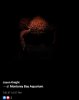
It looks like as of this past Tuesday, a Japanese Porcupine Crab (Paralomis histrix) is on exhibit in the Benthic gallery. The poster says the photos were taken the same day so I'll take his word for it and say it' should be accurate.
This would be the first time since the grand opening that the species has been on exhibit.
Edit: thanks to @ Rye on the MBA discord, it's confirmed there are 3 Japanese Porcupine Crabs on exhibit. Not sure which species they've replaced however, but that's cool to see a grouo since during the grand opening there was only 1

It looks like as of this past Tuesday, a Japanese Porcupine Crab (Paralomis histrix) is on exhibit in the Benthic gallery. The poster says the photos were taken the same day so I'll take his word for it and say it' should be accurate.
This would be the first time since the grand opening that the species has been on exhibit.
Edit: thanks to @ Rye on the MBA discord, it's confirmed there are 3 Japanese Porcupine Crabs on exhibit. Not sure which species they've replaced however, but that's cool to see a grouo since during the grand opening there was only 1
Attachments
Last edited:

Take this with a grain of salt since this is the only mention I've seen of it
It looks like as of this past Tuesday, a Japanese Porcupine Crab (Paralomis histrix) is on exhibit in the Benthic gallery. The poster says the photos were taken the same day so I'll take his word for it and say it' should be accurate.
What are the chances that they are going to get another vampire squid to put on exhibit?