Gold Coast Bird Park is my new speculative zoo design. Besides my own ideas, I have taken inspiration from avian exhibits at other zoos in Australia and around the world, particularly those I have visited and been impressed by.
Gold Coast Bird Park is situated in the northern Gold Coast on roughly 500 acres (202 hectares) of former farmland beside the Coomera River. The public access the park through a large building with twelve different sections mostly based off of different habitats found across Australia mainly. The park boasts a diverse collection of birdlife, each displayed in exhibits designed to closely recreate their natural habitats. This focus ensures the wellbeing of the animals and creates visually appealing environments for guests. Almost every section of the building is a large indoor walkthrough exhibit purposefully designed, and climate controlled to recreate the intended environment. Aside from the main building, the rest of the park is used to breed rare and threatened Australian bird species to be sent to other facilities or released into the wild to boost wild populations.
Upon leaving the carpark, guests make their way up a set of stairs or elevator and find themselves at the ticket booth just inside the building. After purchasing tickets guests will enter the main atrium, a long, tall room with entrances to the other sections of the park branching off from it. There is a small cafe, bathrooms, and souvenir shop in here, as well as the guest services office.
Penguin Cove
The park begins with a wide viewing window into Penguin Cove, an exhibit that is partially exposed to the elements with indoor and outdoor portions. The enclosure aims to recreate a southern Australian coastline with a rather deep pool viewed from inside. Guests can walk through a set of doors into the aviary which has an aviary net over the roof above. On the land portion of the exhibit there are little huts to recreate penguin burrows, a sandy beach, rocks, a small grassy hill, and multitude of native coastal plants. This is home to Crested Tern (3.3), Little Penguin (10.10), and Pacific Gull (3.3). Eastern Shovel-Nosed Ray (2.2) and Port Jackson Shark (1.1) occupy the aquatic section of the exhibit.

Penguin Cove | Picture by @Chlidonias
Rainforest
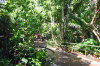
Visits then enter the Rainforest aviary, the largest in the building. Like the other “aviaries” It is more of a hall than an actual aviary with a covered roof rather than netting. This exhibit is themed after the lowland rainforests and monsoon forests of tropical northern and subtropical eastern Australia. This aviary has many large trees and rainforest plants with a high diversity of flora. The forest floor is covered in leaf litter, littered with rocks and dead logs. There is a pond that runs the length of the exhibit with mangroves, pandanus trees and other riverine plants growing on the verges of this. A creek runs down from the pond overflow into a rocky moss and fern filled gully. Guests view the inhabitants from a higher elevated boardwalk as well as a lower path down beside the pond below. On one side of the elevated boardwalk is a separate exhibit for a breeding pair of Southern Cassowary (1.1). Free-range in the aviary there is Australasian Figbird (5.5), Australian King-Parrot (3.3), Black Bittern (1.1), Blue-Faced Honeyeater (3.3), Blue-Faced Parrot-Finch (15.15), Brown Cuckoo-Dove (3.3), Chestnut Rail (1.1), Crimson Finch (10.10), Crimson Rosella (3.3), Double-Eyed Fig-Parrot (6.6), Eastern Whipbird (1.1), Eastern Yellow-Robin (1.1), Eclectus Parrot (3.3), Golden Whistler (1.1), Green Catbird (1.1), Green Pygmy-Goose (3.3), Metallic Starling (8.8), Noisy Pitta (1.1), Pacific Emerald-Dove (4.4), Palm Cockatoo (1.1), Papuan Frogmouth (1.1), Regent Bowerbird (2.4), Rose-Crowned Fruit-Dove (3.3), Satin Bowerbird (2.4), Silvereye (5.5), Spangled Drongo (1.1), Superb Fairywren (1.4), Superb Fruit-Dove (3.3), Topknot Pigeon (4.4), Torresian Imperial-Pigeon (5.5), Varied Triller (1.1), White-Browed Scrubwren (3.3), White-Headed Pigeon (4.4), Wompoo Fruit-Dove (3.3), Wonga Pigeon (3.3), and Yellow Oriole (1.1). Aside from the birds there are also a few Rufous Bettong (2.6), a group of Short-Beaked Echidna (1.2), a colony of Land Mullet (10.10) and then Red-Bellied Turtle (4.4) in the pond.
 Rainforest Aviary | Picture by @washaw
Conservation Centre
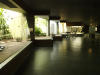
As guests wander through the Rainforest aviary a side path leads off towards the entrance of the Conservation Centre. This is an indoor path with exhibits on the inside wall of the loop. Meanwhile, the outside wall is covered in information on the importance of birds and their habitats and the issues that are causing a decline in bird populations such as pollution, invasive species, climate change, and habitat loss. Along with the ways we can help. Each of the exhibits are glass-fronted, though, there are some mesh areas on each exhibit so the birds’ calls can be heard by guests. The first exhibit recreates the open savanna woodland habitat that is found across tropical northern Australia. There are a number of trees, mock-rock termite mounds, and a small pond in the center to promote natural drinking behaviors. The forest floor is covered in short grass, dead leaves and a few fallen logs. This aviary is home to Black-Chinned Honeyeater (3.3), Black-Throated Finch (4.4), Dollarbird (1.1), Golden-Shouldered Parrot (3.3), Gouldian Finch (10.10), Great Bowerbird (1.1), Northern Rosella (1.1), Pictorella Mannikin (4.4), Squatter Pigeon (2.2), Star Finch (4.4), and Varied Lorikeet (5.5) alongside a mix of Frilled Lizard (1.1) and Gilbert’s Dragon (2.3). Following this there is a smaller more generalised exhibit which is not based on any specific habitats, there are logs, branches, tree hollows, and a few grass clumps on the ground. This is for a pair each of Australian Magpie (1.1), Blue-Winged Kookaburra (1.1), and Pied Currawong (1.1). Next, there is themed after an open farmland or temperate grassland habitat that is common in much of rural southern Australia. There are lots of grasses, a fence post, and a few dead trees and bushes. The ground is covered in dirt and different species of dry grass. It is home to Australasian Pipit (1.1), Banded Lapwing (3.3), Crested Pigeon (2.2), King Quail (3.3), Red-Browed Finch (5.5), Red-Rumped Parrot (3.3), White-Fronted Chat (1.3), White-Naped Honeyeater (3.3), and Yellow-Rumped Thornbill (4.4). Then there is an exhibit based on a coastal forest and heath habitat that would be found along Australia’s subtropical and temperate coastline. There are casuarina trees, small bushes, a small pond, and many flowering plants such as Banksia and Grevillea. This is for Brown Honeyeater (3.3), Brown Quail (3.3), Brush Bronzewing (1.1), Grey Shrike-Thrush (1.1), Masked Lapwing (1.1), Rainbow Lorikeet (3.3), Variegated Fairywren (1.3), and White-Cheeked Honeyeater (3.3). This is followed by a larger exhibit which is themed after the riverine forest habitat found along temperate waterways of southern Australian. There is a partially dried up riverbed at the front which has a few shallow pools of water remaining amongst the jumbles of rocks and sand. There are some dead logs and driftwood hanging down from the riverbank and in the riverbed as well. Up on the bank there is a reedbed and thick undergrowth with eucalyptus trees to create a small forest area. In here there are Australian Reed-Warbler (1.1), Black-Fronted Dotterel (1.1), Chestnut-Breasted Mannikin (5.5), Double-Barred Finch (5.5), Forest Kingfisher (1.1), Little Lorikeet (4.4), Red-Backed Button-Quail (2.2), Red-Backed Fairywren (1.3), Rufous Whistler (1.1), Striated Pardalote (1.1), Striped Honeyeater (2.2), and White-Plumed Honeyeater (3.3). Next to this is an exhibit that is a little bit smaller than the first, it is based on the billabongs and watercourses of tropical northern Australia which combined with the previous exhibit makes for a good comparison between the waterways of tropical and temperate Australia. There is a larger pond which is rather deep and covered with waterlillies, beside the water is a multitude of reeds and a small monsoon forest area with a dead leaf covered forest floor and dense treecover. This is home to Australasian Grebe (1.1), Comb-Crested Jacana (1.1), Long-Tailed Finch (5.5), Purple-Backed Fairywren (1.3), Rainbow Pitta (1.1), Shining Flycatcher (1.1), Yellow-Rumped Mannikin (5.5), and Pig-Nosed Turtle (1.1). After this is a row of smaller exhibits. The first is not based on a particular region but rather just a general woodland habitat for the on-display pairs of particular threatened species. It has a forest floor, fallen logs, eucalyptus trees, and native flora. In here there are Black-Breasted Button-Quail (2.2), Eastern Bristlebird (1.1), Orange-Bellied Parrot (3.3), Regent Honeyeater (5.5), and Swift Parrot (3.3). The next is based on a rocky Andean valley, there is a mock-rock face with many burrows as well as clumps of grass and branches growing out from the rocks. This is for a mix of Burrowing Parakeet (3.3) and Domestic Guinea-Pig (5.5). Following this guests have to enter through a door into a darkened room for the next exhibit which is nocturnal and themed after the forest floor of New Zealand fern forest, there are tall ferns, mossy fallen logs, branches, and mock tree trunks going up to the roof to represent the tall trees that would naturally tower into the canopy. In here there is a unique mix of Australian Owlet-Nightjar (1.1) and North Island Brown-Kiwi (1.1). Once guests leave this room and are back in the main hall they come to the last exhibit which is themed after a marshy lowland habitat in New Zealand. There is a pond as well as a multitude of native flora that would usually occurr in this habitat such as reeds, trees, and bushes. This is home to Lesser Redpoll (3.3), New Zealand Scaup (2.2), and Red-Crowned Parakeet (3.3).

General View of Conservation Centre | Picture by @Goura
Gold Coast Bird Park is situated in the northern Gold Coast on roughly 500 acres (202 hectares) of former farmland beside the Coomera River. The public access the park through a large building with twelve different sections mostly based off of different habitats found across Australia mainly. The park boasts a diverse collection of birdlife, each displayed in exhibits designed to closely recreate their natural habitats. This focus ensures the wellbeing of the animals and creates visually appealing environments for guests. Almost every section of the building is a large indoor walkthrough exhibit purposefully designed, and climate controlled to recreate the intended environment. Aside from the main building, the rest of the park is used to breed rare and threatened Australian bird species to be sent to other facilities or released into the wild to boost wild populations.
Upon leaving the carpark, guests make their way up a set of stairs or elevator and find themselves at the ticket booth just inside the building. After purchasing tickets guests will enter the main atrium, a long, tall room with entrances to the other sections of the park branching off from it. There is a small cafe, bathrooms, and souvenir shop in here, as well as the guest services office.
Penguin Cove
The park begins with a wide viewing window into Penguin Cove, an exhibit that is partially exposed to the elements with indoor and outdoor portions. The enclosure aims to recreate a southern Australian coastline with a rather deep pool viewed from inside. Guests can walk through a set of doors into the aviary which has an aviary net over the roof above. On the land portion of the exhibit there are little huts to recreate penguin burrows, a sandy beach, rocks, a small grassy hill, and multitude of native coastal plants. This is home to Crested Tern (3.3), Little Penguin (10.10), and Pacific Gull (3.3). Eastern Shovel-Nosed Ray (2.2) and Port Jackson Shark (1.1) occupy the aquatic section of the exhibit.
Penguin Cove | Picture by @Chlidonias
Rainforest
Visits then enter the Rainforest aviary, the largest in the building. Like the other “aviaries” It is more of a hall than an actual aviary with a covered roof rather than netting. This exhibit is themed after the lowland rainforests and monsoon forests of tropical northern and subtropical eastern Australia. This aviary has many large trees and rainforest plants with a high diversity of flora. The forest floor is covered in leaf litter, littered with rocks and dead logs. There is a pond that runs the length of the exhibit with mangroves, pandanus trees and other riverine plants growing on the verges of this. A creek runs down from the pond overflow into a rocky moss and fern filled gully. Guests view the inhabitants from a higher elevated boardwalk as well as a lower path down beside the pond below. On one side of the elevated boardwalk is a separate exhibit for a breeding pair of Southern Cassowary (1.1). Free-range in the aviary there is Australasian Figbird (5.5), Australian King-Parrot (3.3), Black Bittern (1.1), Blue-Faced Honeyeater (3.3), Blue-Faced Parrot-Finch (15.15), Brown Cuckoo-Dove (3.3), Chestnut Rail (1.1), Crimson Finch (10.10), Crimson Rosella (3.3), Double-Eyed Fig-Parrot (6.6), Eastern Whipbird (1.1), Eastern Yellow-Robin (1.1), Eclectus Parrot (3.3), Golden Whistler (1.1), Green Catbird (1.1), Green Pygmy-Goose (3.3), Metallic Starling (8.8), Noisy Pitta (1.1), Pacific Emerald-Dove (4.4), Palm Cockatoo (1.1), Papuan Frogmouth (1.1), Regent Bowerbird (2.4), Rose-Crowned Fruit-Dove (3.3), Satin Bowerbird (2.4), Silvereye (5.5), Spangled Drongo (1.1), Superb Fairywren (1.4), Superb Fruit-Dove (3.3), Topknot Pigeon (4.4), Torresian Imperial-Pigeon (5.5), Varied Triller (1.1), White-Browed Scrubwren (3.3), White-Headed Pigeon (4.4), Wompoo Fruit-Dove (3.3), Wonga Pigeon (3.3), and Yellow Oriole (1.1). Aside from the birds there are also a few Rufous Bettong (2.6), a group of Short-Beaked Echidna (1.2), a colony of Land Mullet (10.10) and then Red-Bellied Turtle (4.4) in the pond.
Rainforest Aviary | Picture by @washawConservation Centre
As guests wander through the Rainforest aviary a side path leads off towards the entrance of the Conservation Centre. This is an indoor path with exhibits on the inside wall of the loop. Meanwhile, the outside wall is covered in information on the importance of birds and their habitats and the issues that are causing a decline in bird populations such as pollution, invasive species, climate change, and habitat loss. Along with the ways we can help. Each of the exhibits are glass-fronted, though, there are some mesh areas on each exhibit so the birds’ calls can be heard by guests. The first exhibit recreates the open savanna woodland habitat that is found across tropical northern Australia. There are a number of trees, mock-rock termite mounds, and a small pond in the center to promote natural drinking behaviors. The forest floor is covered in short grass, dead leaves and a few fallen logs. This aviary is home to Black-Chinned Honeyeater (3.3), Black-Throated Finch (4.4), Dollarbird (1.1), Golden-Shouldered Parrot (3.3), Gouldian Finch (10.10), Great Bowerbird (1.1), Northern Rosella (1.1), Pictorella Mannikin (4.4), Squatter Pigeon (2.2), Star Finch (4.4), and Varied Lorikeet (5.5) alongside a mix of Frilled Lizard (1.1) and Gilbert’s Dragon (2.3). Following this there is a smaller more generalised exhibit which is not based on any specific habitats, there are logs, branches, tree hollows, and a few grass clumps on the ground. This is for a pair each of Australian Magpie (1.1), Blue-Winged Kookaburra (1.1), and Pied Currawong (1.1). Next, there is themed after an open farmland or temperate grassland habitat that is common in much of rural southern Australia. There are lots of grasses, a fence post, and a few dead trees and bushes. The ground is covered in dirt and different species of dry grass. It is home to Australasian Pipit (1.1), Banded Lapwing (3.3), Crested Pigeon (2.2), King Quail (3.3), Red-Browed Finch (5.5), Red-Rumped Parrot (3.3), White-Fronted Chat (1.3), White-Naped Honeyeater (3.3), and Yellow-Rumped Thornbill (4.4). Then there is an exhibit based on a coastal forest and heath habitat that would be found along Australia’s subtropical and temperate coastline. There are casuarina trees, small bushes, a small pond, and many flowering plants such as Banksia and Grevillea. This is for Brown Honeyeater (3.3), Brown Quail (3.3), Brush Bronzewing (1.1), Grey Shrike-Thrush (1.1), Masked Lapwing (1.1), Rainbow Lorikeet (3.3), Variegated Fairywren (1.3), and White-Cheeked Honeyeater (3.3). This is followed by a larger exhibit which is themed after the riverine forest habitat found along temperate waterways of southern Australian. There is a partially dried up riverbed at the front which has a few shallow pools of water remaining amongst the jumbles of rocks and sand. There are some dead logs and driftwood hanging down from the riverbank and in the riverbed as well. Up on the bank there is a reedbed and thick undergrowth with eucalyptus trees to create a small forest area. In here there are Australian Reed-Warbler (1.1), Black-Fronted Dotterel (1.1), Chestnut-Breasted Mannikin (5.5), Double-Barred Finch (5.5), Forest Kingfisher (1.1), Little Lorikeet (4.4), Red-Backed Button-Quail (2.2), Red-Backed Fairywren (1.3), Rufous Whistler (1.1), Striated Pardalote (1.1), Striped Honeyeater (2.2), and White-Plumed Honeyeater (3.3). Next to this is an exhibit that is a little bit smaller than the first, it is based on the billabongs and watercourses of tropical northern Australia which combined with the previous exhibit makes for a good comparison between the waterways of tropical and temperate Australia. There is a larger pond which is rather deep and covered with waterlillies, beside the water is a multitude of reeds and a small monsoon forest area with a dead leaf covered forest floor and dense treecover. This is home to Australasian Grebe (1.1), Comb-Crested Jacana (1.1), Long-Tailed Finch (5.5), Purple-Backed Fairywren (1.3), Rainbow Pitta (1.1), Shining Flycatcher (1.1), Yellow-Rumped Mannikin (5.5), and Pig-Nosed Turtle (1.1). After this is a row of smaller exhibits. The first is not based on a particular region but rather just a general woodland habitat for the on-display pairs of particular threatened species. It has a forest floor, fallen logs, eucalyptus trees, and native flora. In here there are Black-Breasted Button-Quail (2.2), Eastern Bristlebird (1.1), Orange-Bellied Parrot (3.3), Regent Honeyeater (5.5), and Swift Parrot (3.3). The next is based on a rocky Andean valley, there is a mock-rock face with many burrows as well as clumps of grass and branches growing out from the rocks. This is for a mix of Burrowing Parakeet (3.3) and Domestic Guinea-Pig (5.5). Following this guests have to enter through a door into a darkened room for the next exhibit which is nocturnal and themed after the forest floor of New Zealand fern forest, there are tall ferns, mossy fallen logs, branches, and mock tree trunks going up to the roof to represent the tall trees that would naturally tower into the canopy. In here there is a unique mix of Australian Owlet-Nightjar (1.1) and North Island Brown-Kiwi (1.1). Once guests leave this room and are back in the main hall they come to the last exhibit which is themed after a marshy lowland habitat in New Zealand. There is a pond as well as a multitude of native flora that would usually occurr in this habitat such as reeds, trees, and bushes. This is home to Lesser Redpoll (3.3), New Zealand Scaup (2.2), and Red-Crowned Parakeet (3.3).
General View of Conservation Centre | Picture by @Goura