"Shooting" Japanese Birds

Dr. Wolverine

Well-Known Member
I shall kick this off with a birding trip from Tokyo!

Looking at the eBird Rare Bird Alerts from the last couple of days, I knew of the accidental migrants that had arrived at Kasai Rinkai Park, two Chinese (or Swinhoe's) Egrets. I couldn't miss this once-in-a-lifetime opportunity, so my birding friends and I headed to the coast to find them. However, all the egrets I saw were either Great, Medium, or Little and there was no sign of the Chinese Egret.
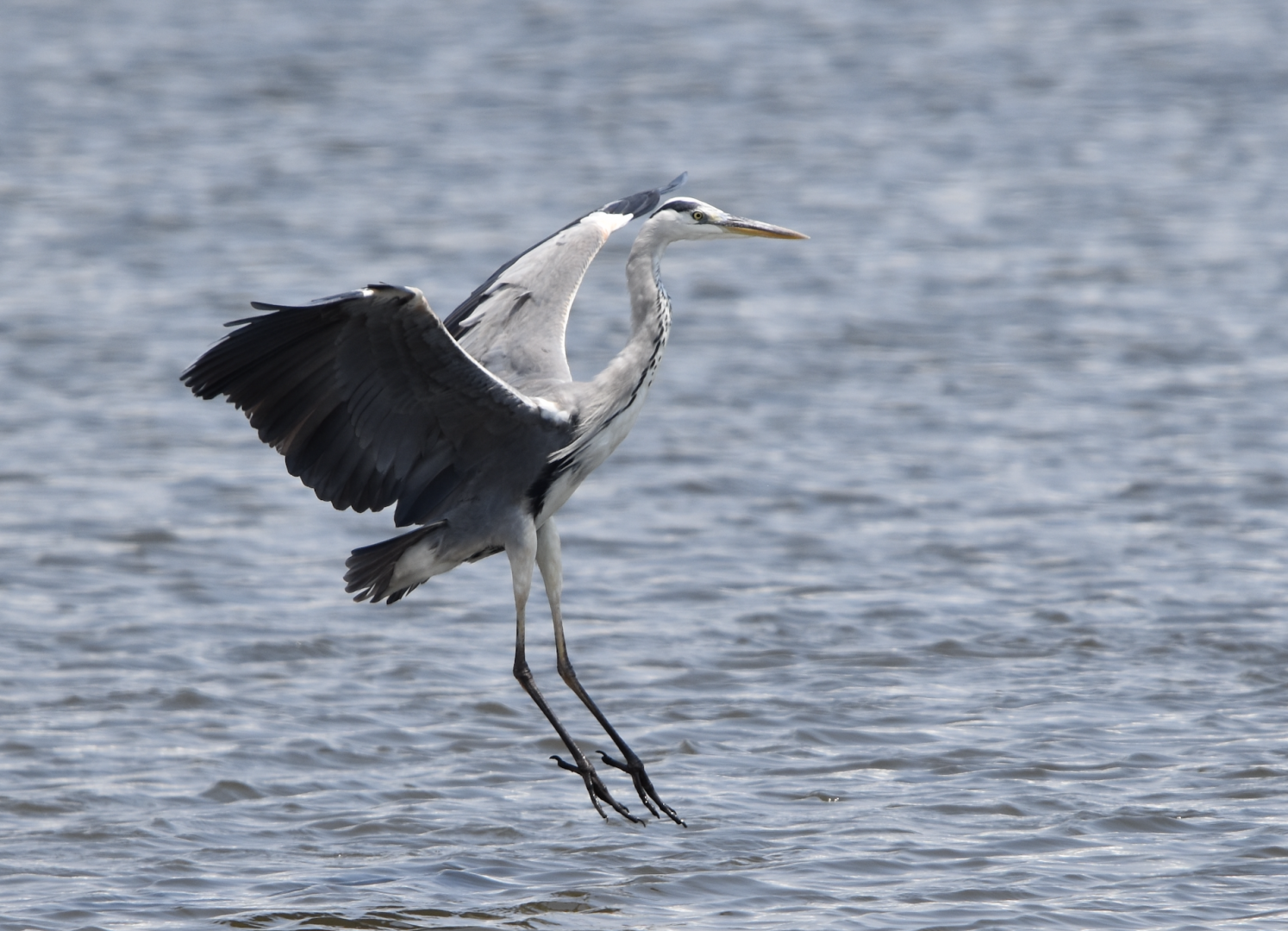
Grey Heron

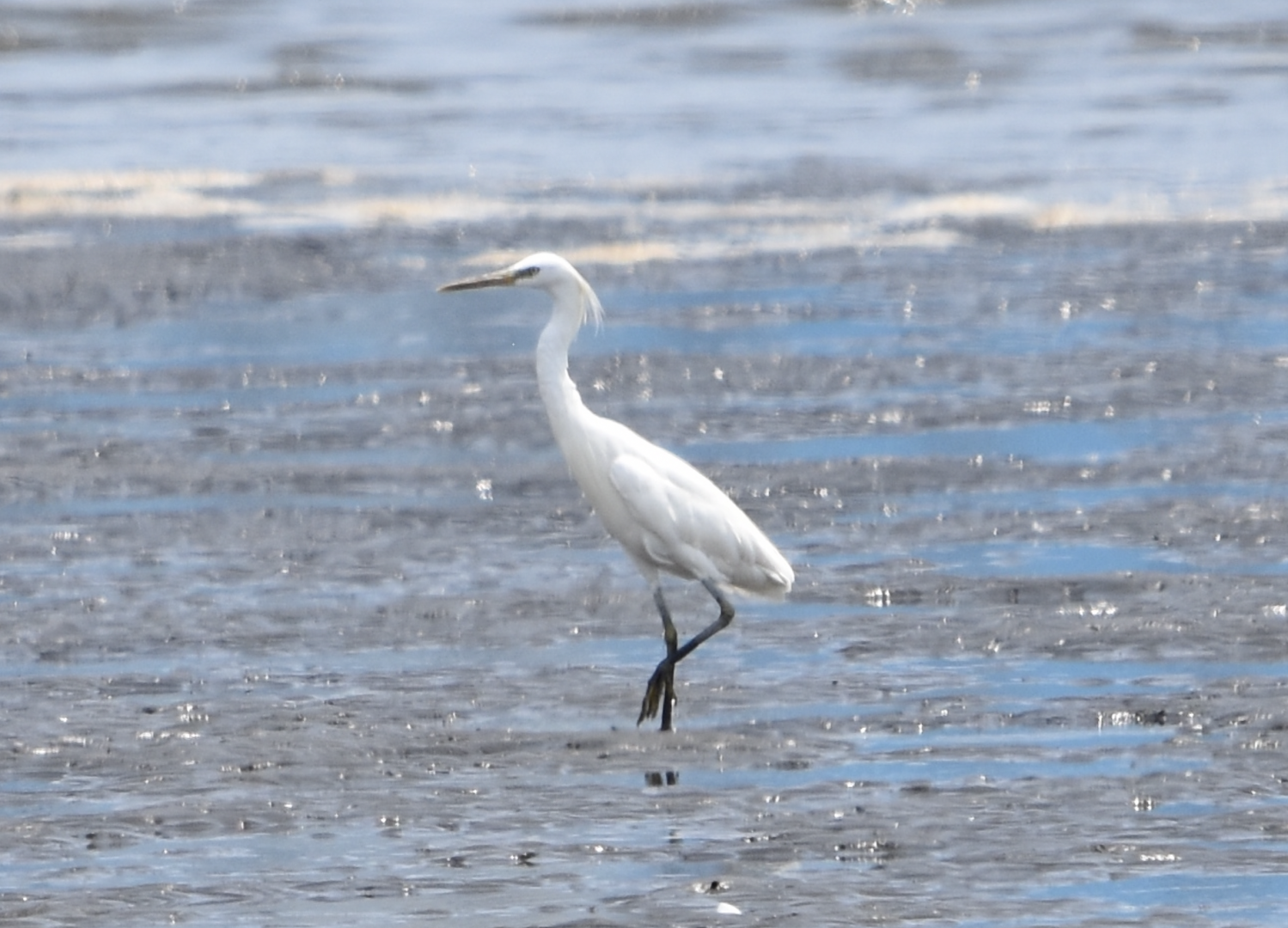
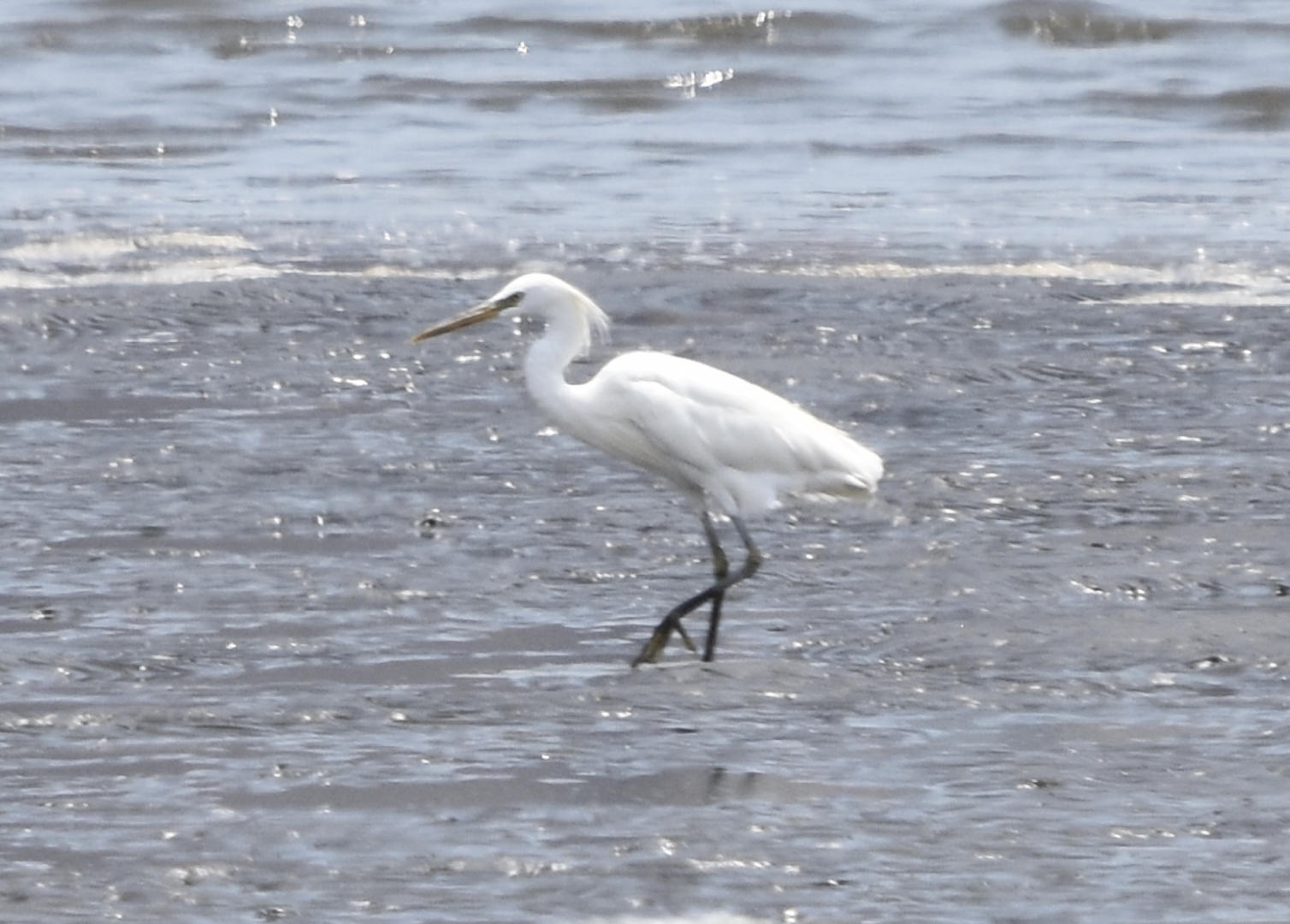
However, we continued to walk along the coastline, until we came across some photographers. They informed us that the Egret was sighted this morning, but there was no further info on it's whereabouts. I was starting to lose hope, and I scanned the tidal flats with my camera in desperation only to see a medium-sized white egret dashing around and lunging at its prey. The signature foraging behavior of the Chinese Egret. I jumped up, and started taking as many photos as possible. As I zoomed in, I could see it's beautiful white crest, blue lores, and the sharp, yellow, dagger-like bill as it stabbed the crustaceans hidden beneath the sand.
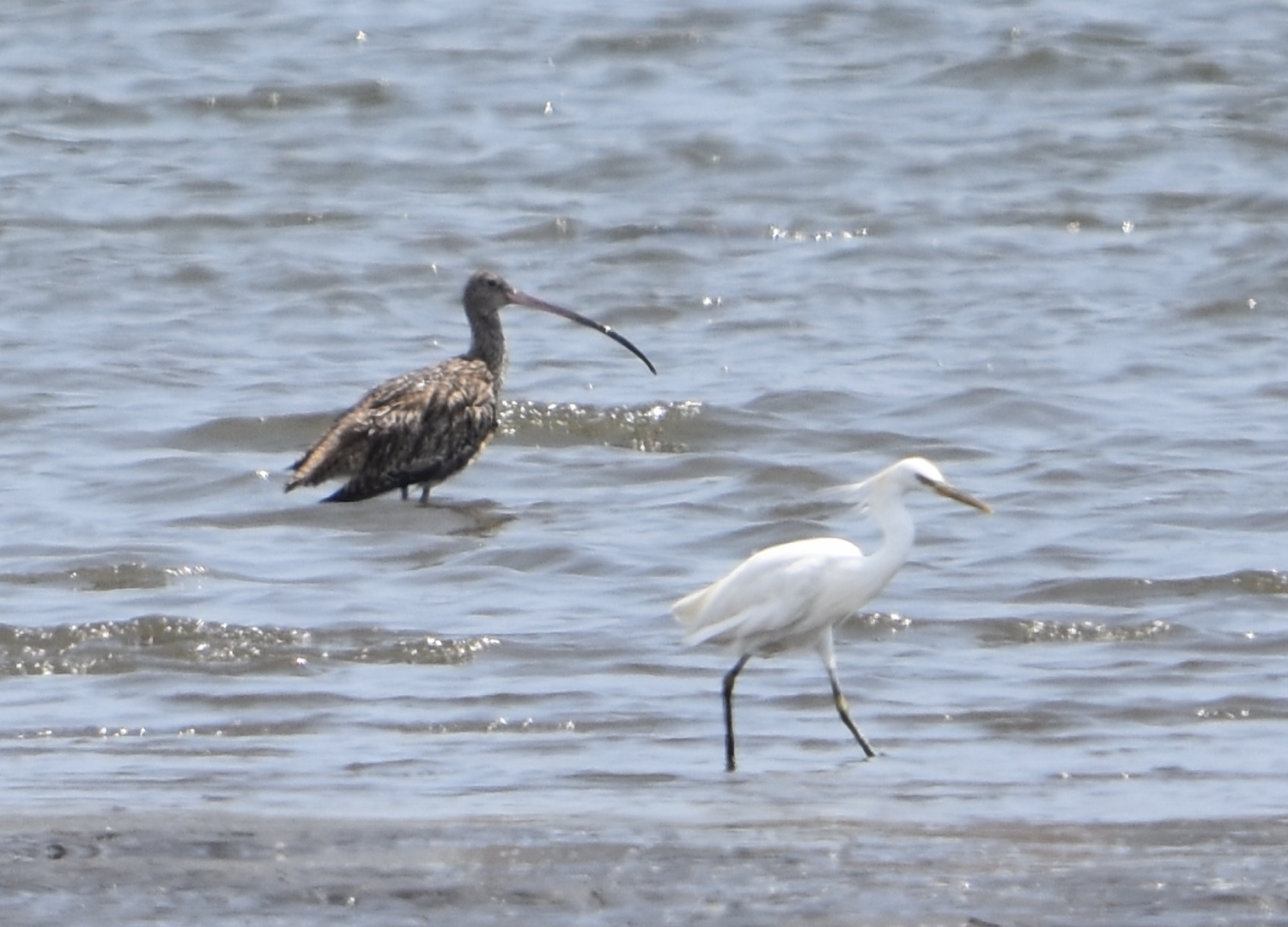
Sometimes, it would go right up to the Far Eastern Curlew foraging in the Tidal Flats.

As the day grew increasingly hotter, we decided to go back and check on the Kingfisher pond.

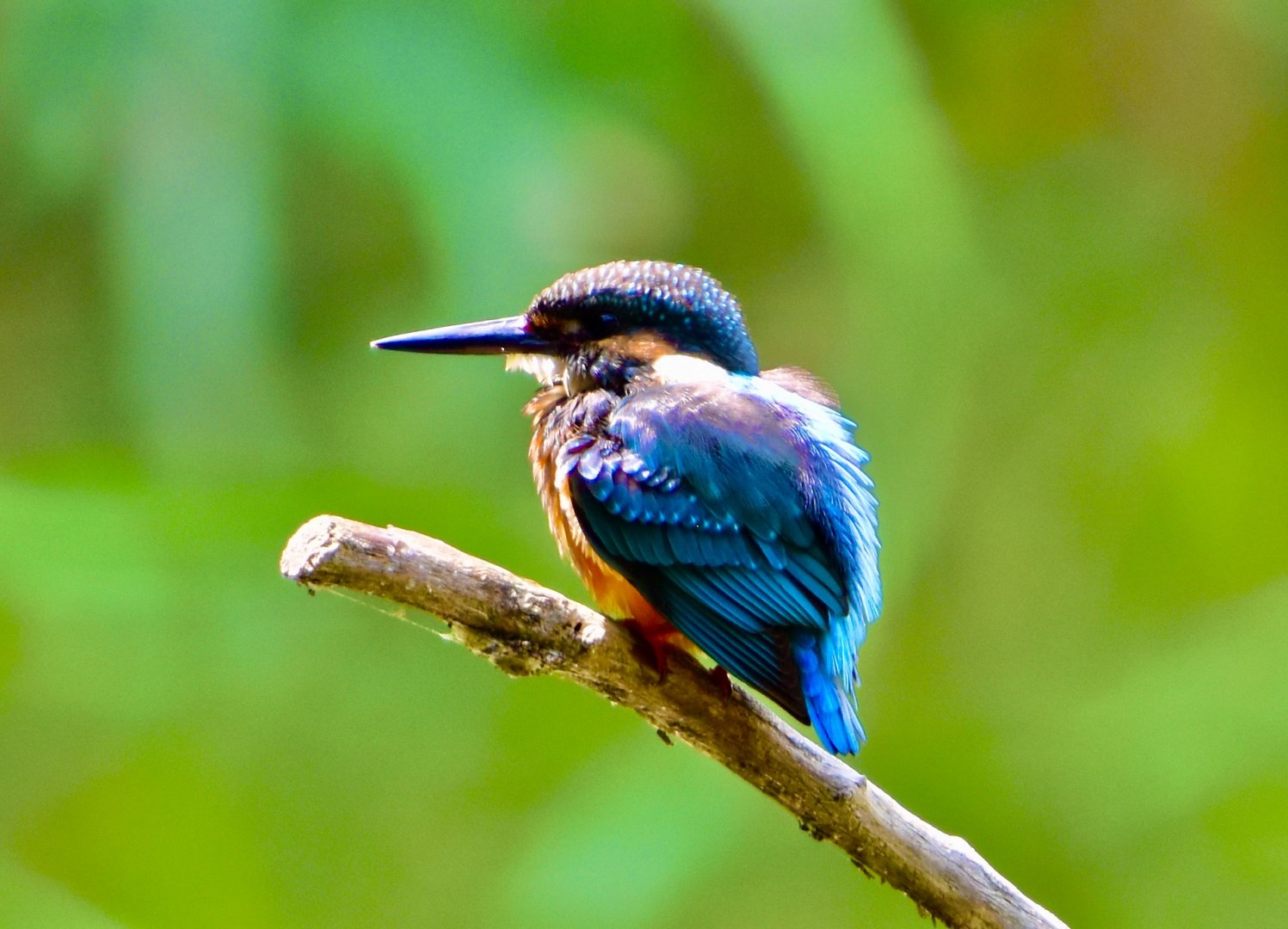
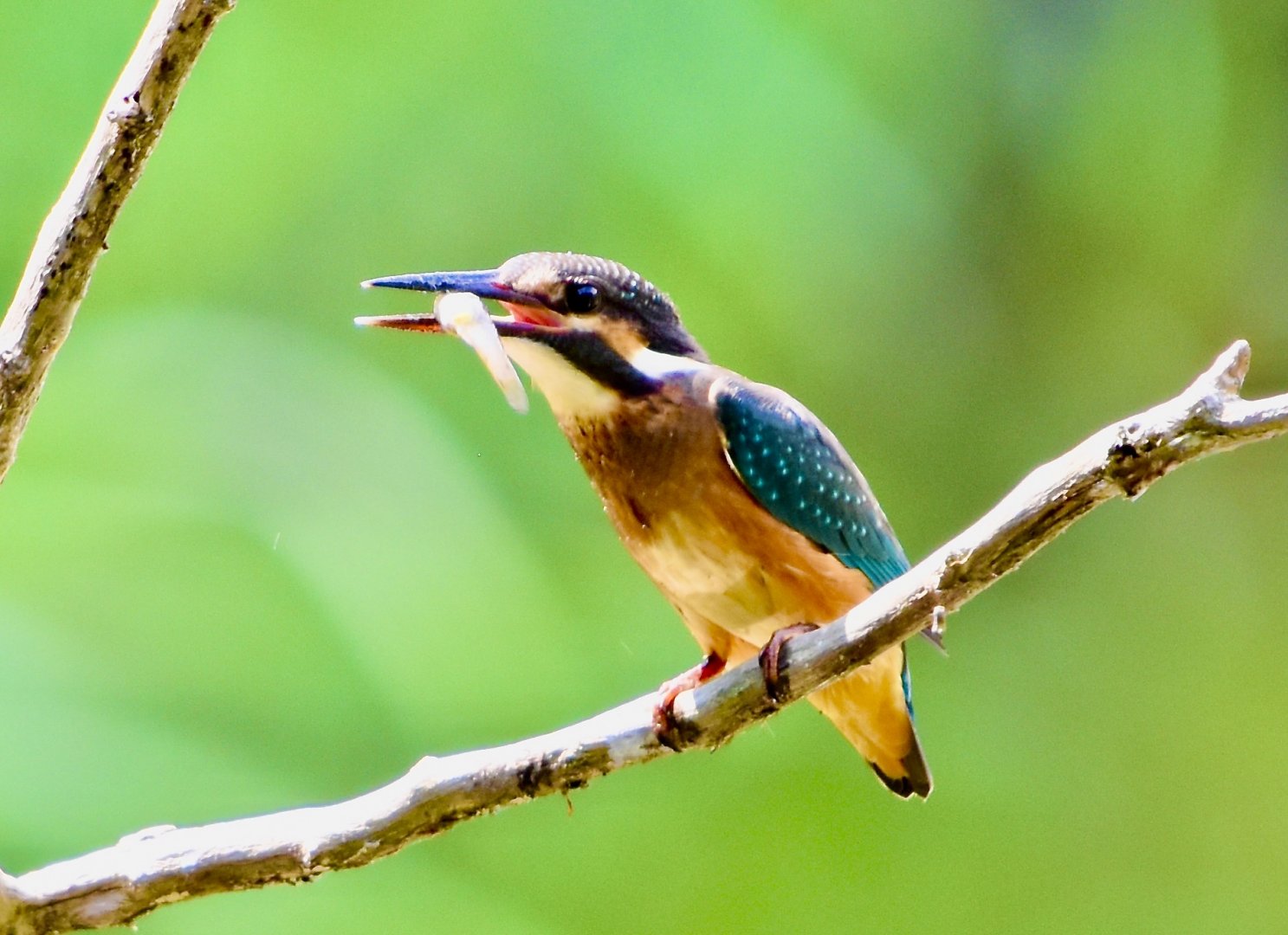
The two juveniles were perched on a branch in the middle of the pond and occasionally fished.

The temperature rose to 38°C (100.4°F) and so we decided to call it a day and head home. A short birding day, but with a mega rarity, I was ready to go home.
 
Last edited by a moderator:
I shall kick this off with a birding trip from Tokyo!

Looking at the eBird Rare Bird Alerts from the last couple of days, I knew of the accidental migrants that had arrived at Kasai Rinkai Park, two Chinese (or Swinhoe's) Egrets. I couldn't miss this once-in-a-lifetime opportunity, so my birding friends and I headed to the coast to find them. However, all the egrets I saw were either Great, Medium, or Little and there was no sign of the Chinese Egret.

Grey Heron

However, we continued to walk along the coastline, until we came across some photographers. They informed us that the Egret was sighted this morning, but there was no further info on it's whereabouts. I was starting to lose hope, and I scanned the tidal flats with my camera in desperation only to see a medium-sized white egret dashing around and lunging at its prey. The signature foraging behavior of the Chinese Egret. I jumped up, and started taking as many photos as possible. As I zoomed in, I could see it's beautiful white crest, blue lores, and the sharp, yellow, dagger-like bill as it stabbed the crustaceans hidden beneath the sand.


Sometimes, it would go right up to the Far Eastern Curlew foraging in the Tidal Flats.


As the day grew increasingly hotter, we decided to go back and check on the Kingfisher pond.

The two juveniles were perched on a branch in the middle of the pond and occasionally fished.

The temperature rose to 38°C (100.4°F) and so we decided to call it a day and head home. A short birding day, but with a mega rarity, I was ready to go home.

Sounds like a great day @Dr. Wolverine as I too love the thrill of searching for something rare that has been reported!
 
Last edited by a moderator:
I shall kick this off with a birding trip from Tokyo!

Looking at the eBird Rare Bird Alerts from the last couple of days, I knew of the accidental migrants that had arrived at Kasai Rinkai Park, two Chinese (or Swinhoe's) Egrets. I couldn't miss this once-in-a-lifetime opportunity, so my birding friends and I headed to the coast to find them. However, all the egrets I saw were either Great, Medium, or Little and there was no sign of the Chinese Egret.

Grey Heron

However, we continued to walk along the coastline, until we came across some photographers. They informed us that the Egret was sighted this morning, but there was no further info on it's whereabouts. I was starting to lose hope, and I scanned the tidal flats with my camera in desperation only to see a medium-sized white egret dashing around and lunging at its prey. The signature foraging behavior of the Chinese Egret. I jumped up, and started taking as many photos as possible. As I zoomed in, I could see it's beautiful white crest, blue lores, and the sharp, yellow, dagger-like bill as it stabbed the crustaceans hidden beneath the sand.


Sometimes, it would go right up to the Far Eastern Curlew foraging in the Tidal Flats.


As the day grew increasingly hotter, we decided to go back and check on the Kingfisher pond.

The two juveniles were perched on a branch in the middle of the pond and occasionally fished.


The temperature rose to 38°C (100.4°F) and so we decided to call it a day and head home. A short birding day, but with a mega rarity, I was ready to go home.

Lovely! That Chinese egret is super. It’s fascinating to see the different egret types.
 
Last edited by a moderator:
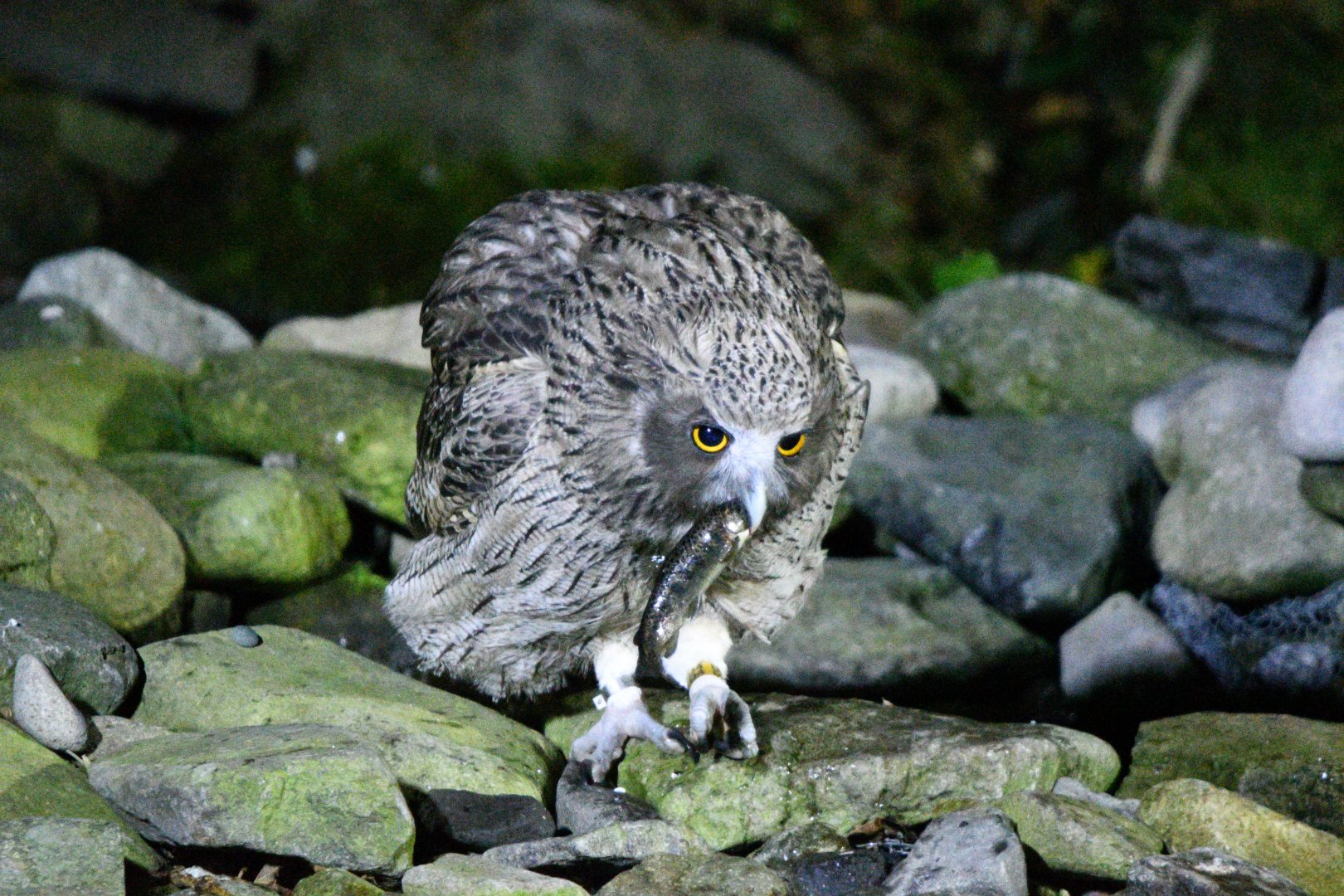
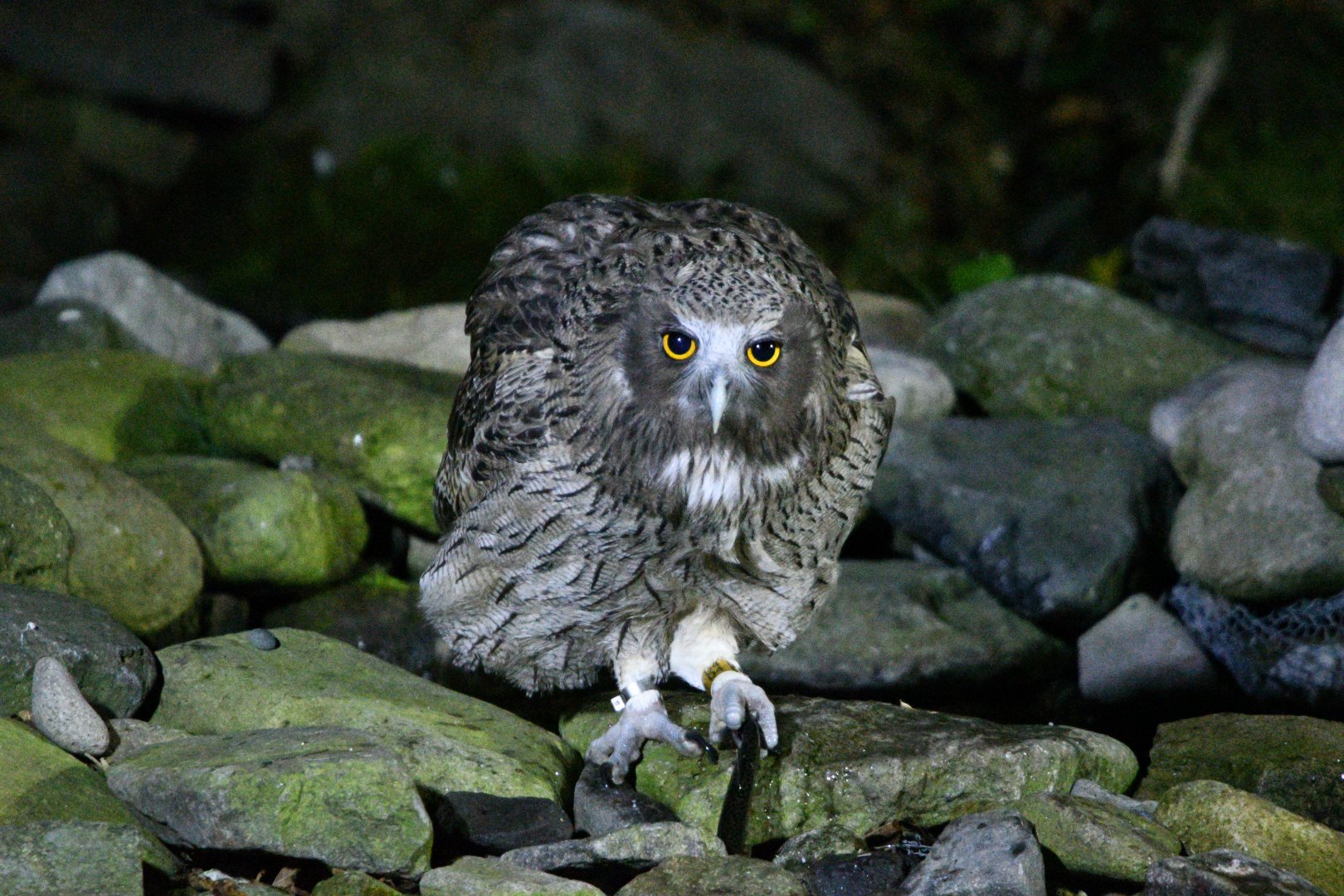
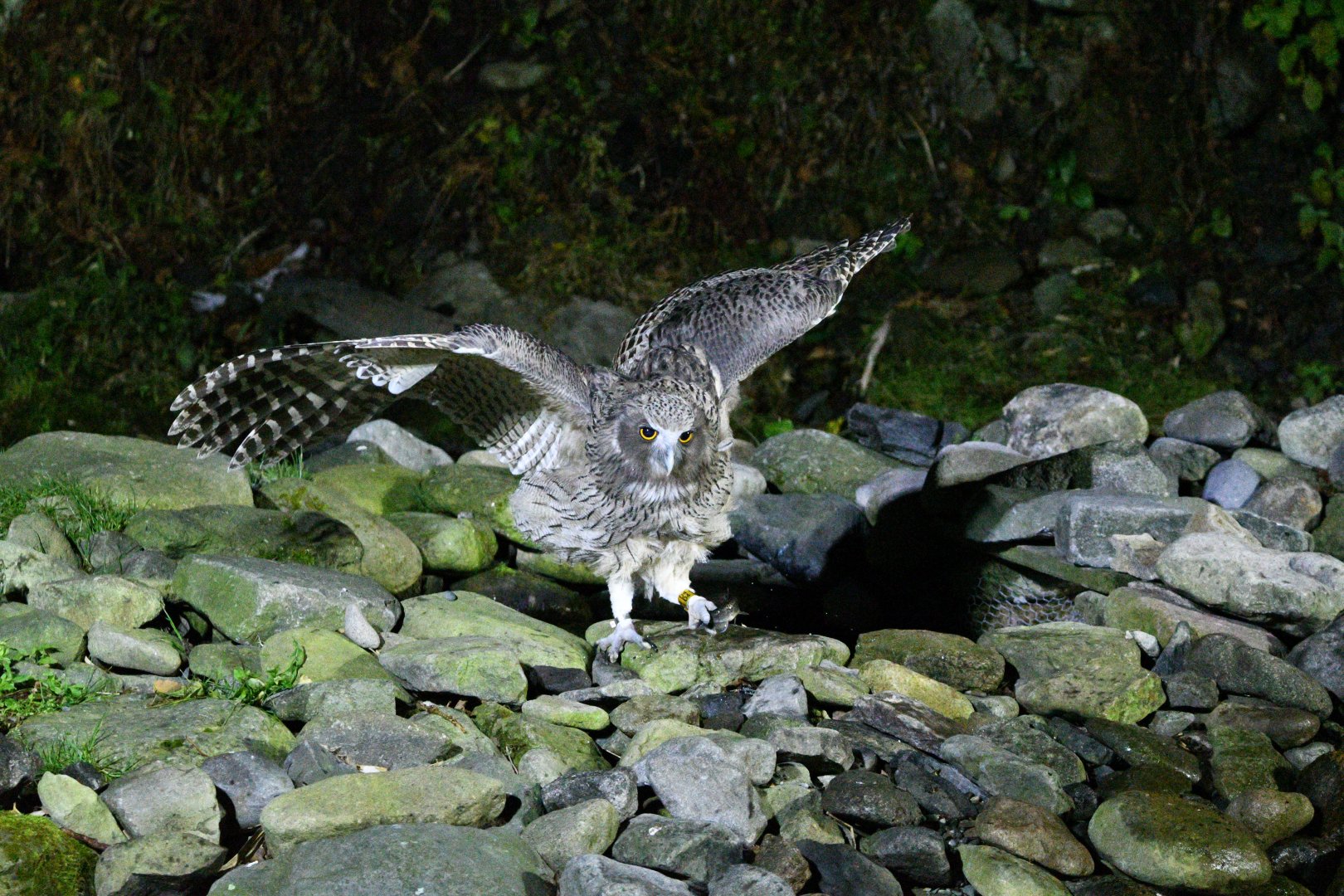
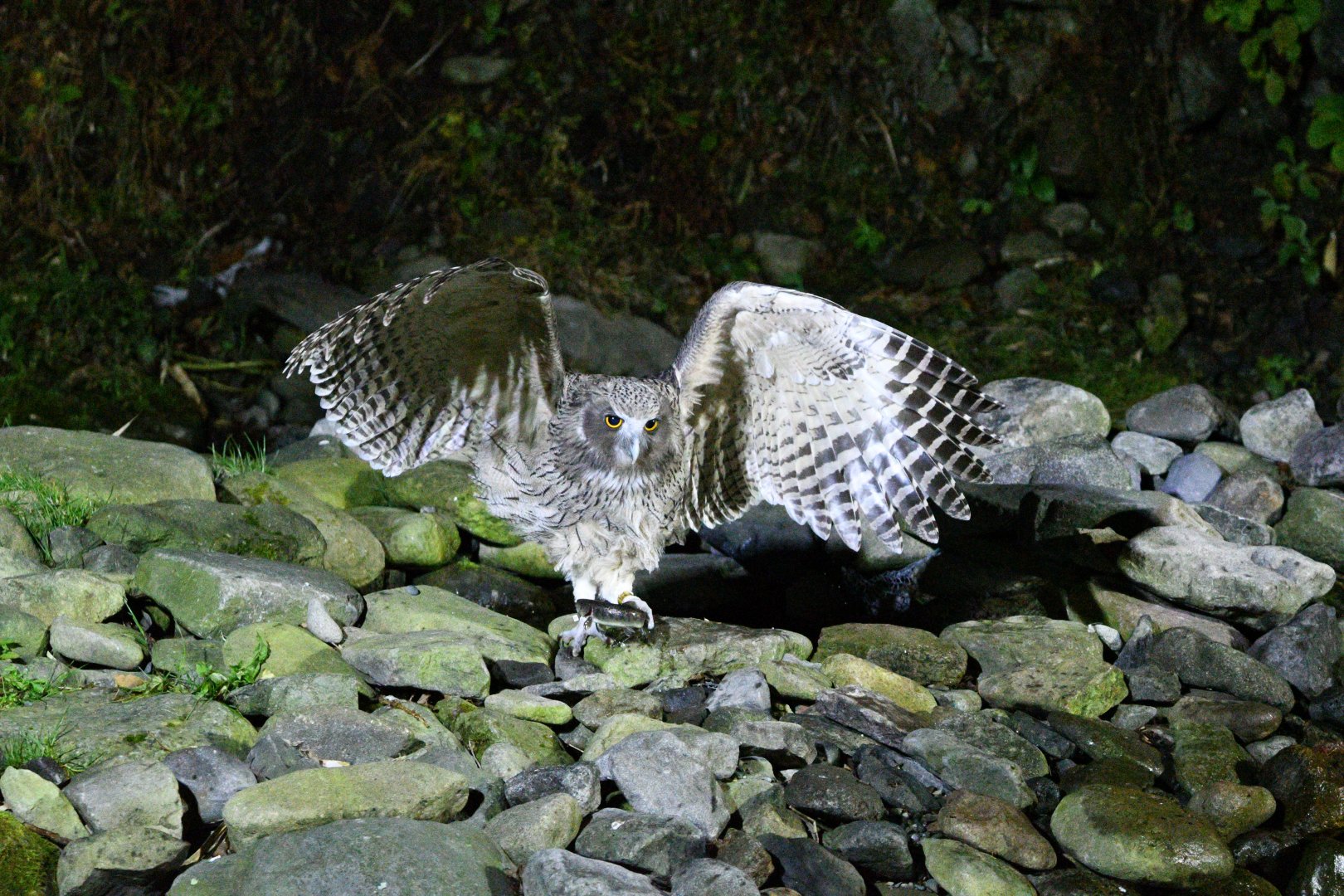
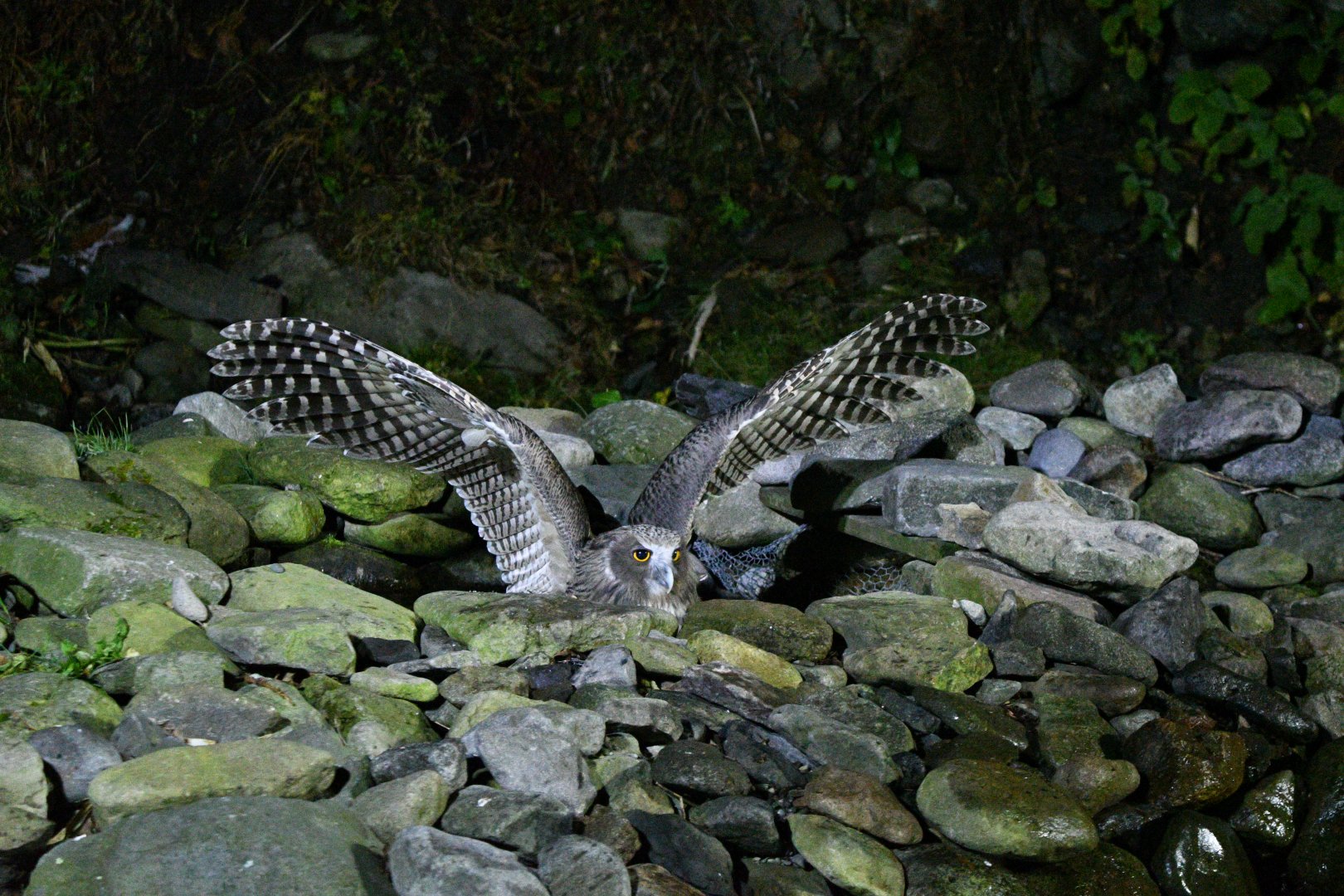
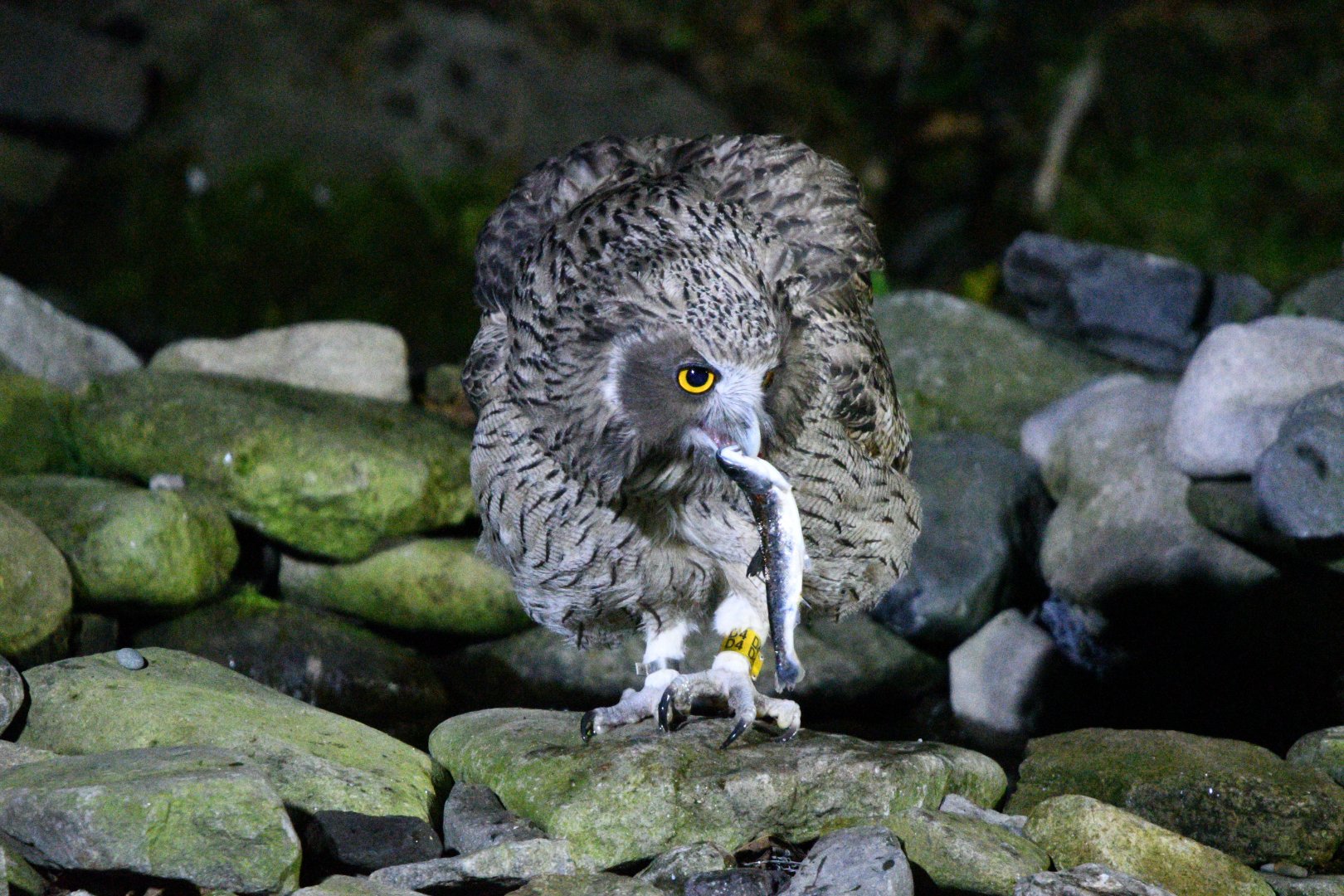
On my first day during this trip to East Hokkaido, I am staying at an inn known as "Washi no Yado." Here, you can photograph a breeding pair of wild Blakiston's Fish Owls as they fish right in front of the inn. There are also observing cabins located right next to the inn, where you can photograph the birds. If you are lucky enough to be given a room facing the river in front of the Inn, you can observe them from your room, which I did. The facility has a special lighting system that mimics that of dusk in Shiretoko so that the light does not harm the owl's eyes. During this season, there I staked out from 5pm, and one Owl appeared at 6:47pm. It fished around 4 times before flying into the forest at 8:23pm. It is 10:07pm right now and it has not yet returned. Only one individual was present tonight, though according to the people at Washi no Yado, there should be three. The parents and a chick.

 
On my first day during this trip to East Hokkaido, I am staying at an inn known as "Washi no Yado." Here, you can photograph a breeding pair of wild Blakiston's Fish Owls as they fish right in front of the inn. There are also observing cabins located right next to the inn, where you can photograph the birds. If you are lucky enough to be given a room facing the river in front of the Inn, you can observe them from your room, which I did. The facility has a special lighting system that mimics that of dusk in Shiretoko so that the light does not harm the owl's eyes. During this season, there I staked out from 5pm, and one Owl appeared at 6:47pm. It fished around 4 times before flying into the forest at 8:23pm. It is 10:07pm right now and it has not yet returned. Only one individual was present tonight, though according to the people at Washi no Yado, there should be three. The parents and a chick.


What a beautiful looking bird, great shots and must have been a fantastic experience.
 
It feels like it's finally winter season again in Tokyo! It's freezing cold, and many birds are showing up again in the woods in Shinjuku Gyoen! Daurian Redstart, Masked Bunting, and Thrush, for example. Unfortunately due to a lack of rainfall some of the best ponds for birdwatching have been drying up. Tamamo Pond has now been under construction for weeks, leading to the birds becoming quite active there (I've been taking peeks through the gaps in trees, and some birds are very very vocal). The annual arrival of Mandarin Ducks to Shinjuku Gyoen is both quite exciting and anticlimactic. They are very beautiful and colorful birds, but they seem very very shy and keep to themselves in the far side of the pond, where it's dark and inaccessible. It is my belief that no birders have been able to get any good photos of them (a fellow birder has an impressive focal length of 900mm, and even still has failed to get any good shots). It's tantalizing, but it's best for the birds that we only watch from a distance - they need their privacy, after all :D.

I've also been keeping track of a large group consisting of Asian Tits (Japanese), Long-tailed Tits, and Japanese Pygmy Woodpeckers for days. They are always in a group, near each other, and very vocal. It's very interesting to see these species together.

I've got some shots of various species, but unfortunately, I can't quite figure out how to include images, so until then... :(
 
I forgot to mention, that there is a large group of crows that are very territorial. They repeatedly attacked other species like Grey Heron, Eastern Spot-billed Ducks, and Mandarin Ducks.
 
I've got some shots of various species, but unfortunately, I can't quite figure out how to include images, so until then... :(

Not 100% sure, but I believe you are still able to drag in photos from your desktop onto the post even if you are still unable to upload media to the gallery.
 
Today, I visited Kasai Rinkai Park early in the morning to look for some arriving winterers.

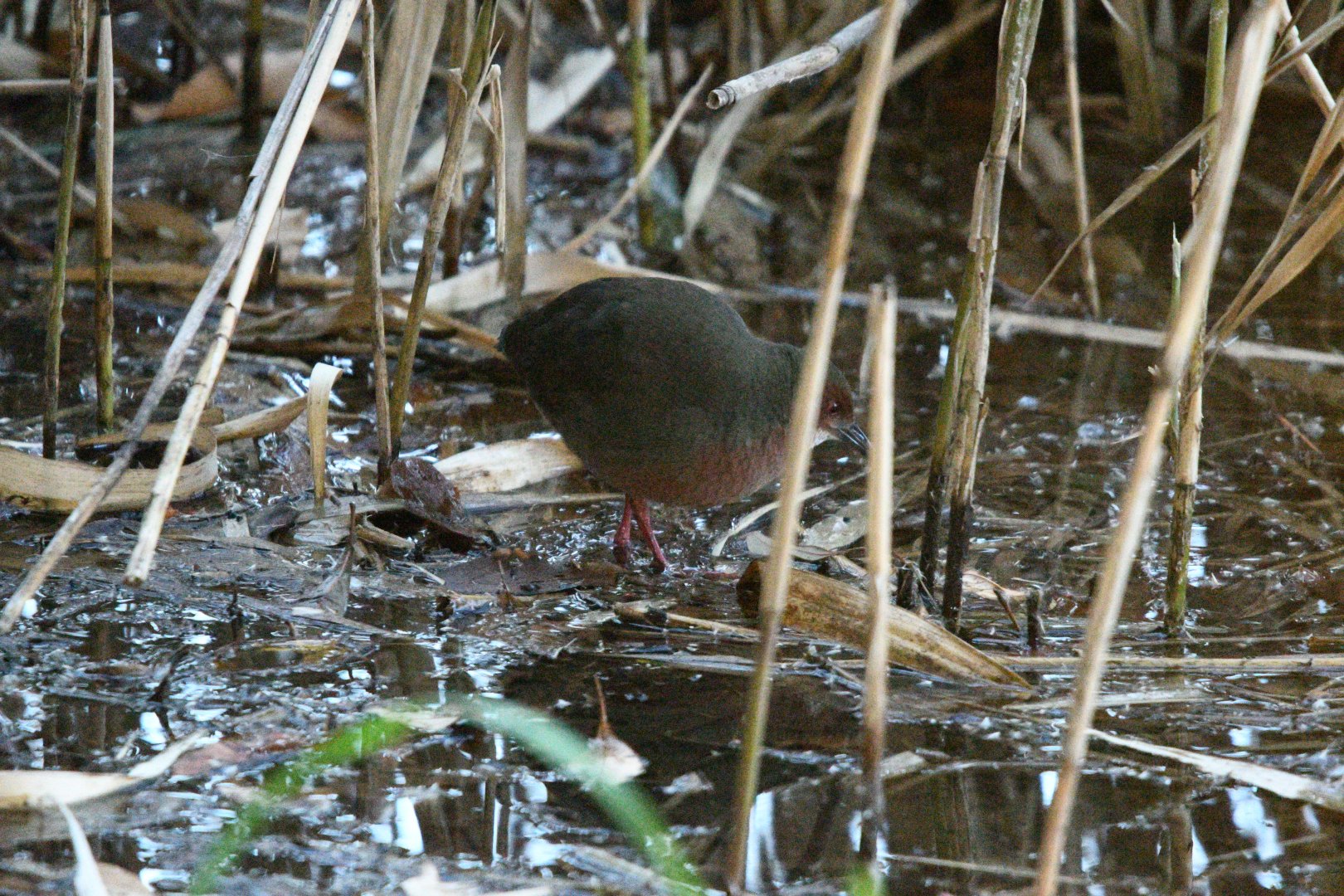
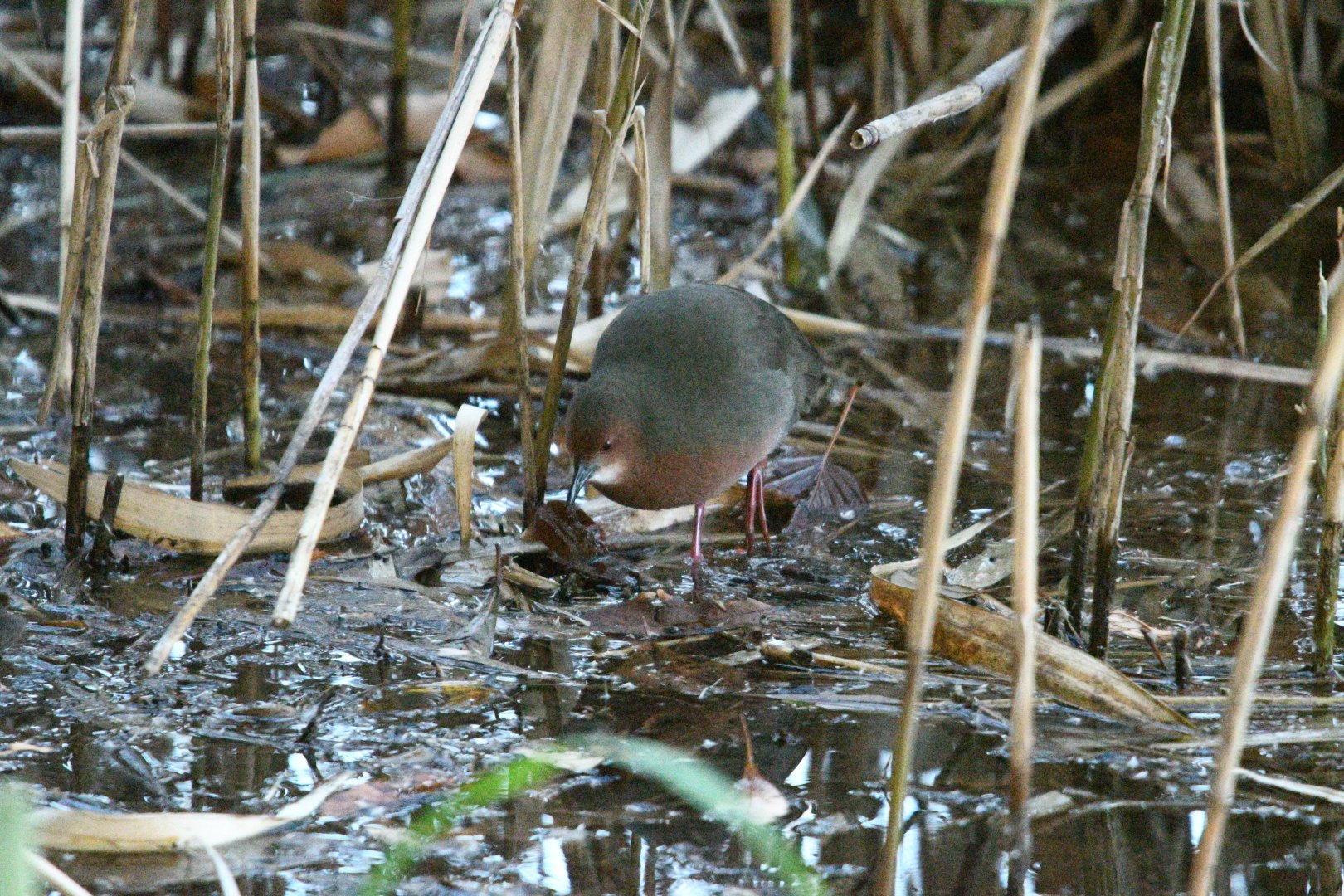
As I was scanning the reeds around the visitor center, I spotted two Ruddy Breasted Crakes, lifers. These birds are extremely shy and often hide in reedbeds before most birders arrive. Luckily, I managed to find these two very early in the morning and managed to photograph them.


Some passerines in the woodlands around the pond include Japanese White Eye, Japanese Tit, Brown Eared Bulbul, Japanese Bush Warbler, Japanese Pygmy Woodpecker, Oriental Greenfinch, Daurian Redstart, Masked Bunting, and Grey Bunting.

Afterwards, I walked over to the East Beach, where a Common Tern had been staying for a couple months. These birds are usually found here during migration, and seeing one during December is very unusual.


As usual, massive flocks of Greater Scaup, Common Pochards, Great Crested Grebes, and Eared Grebe filled the bay on the West Beach, and I could see even larger flocks of Great Cormorant on the East Beach, along with Black Headed, Vega, Black Tailed, and Slaty Backed Gulls.

I managed to find a couple shorebirds, including Dunlin, Sanderling, Kentish Plovers, Eurasian Curlew, and surprisingly a Far Eastern Curlew. Far Eastern Curlews are supposed to be passage migrants in Japan, and are usually seen from March to May and August to October. However, I have seen these shorebirds stay at Kasai over the entire summer. This individual was reported to be remaining on the East Beach, even though it is far from it's usual season. Unfortunately, I was unable to take any satisfactory photos, as it was extremely far even for my telephoto lens.

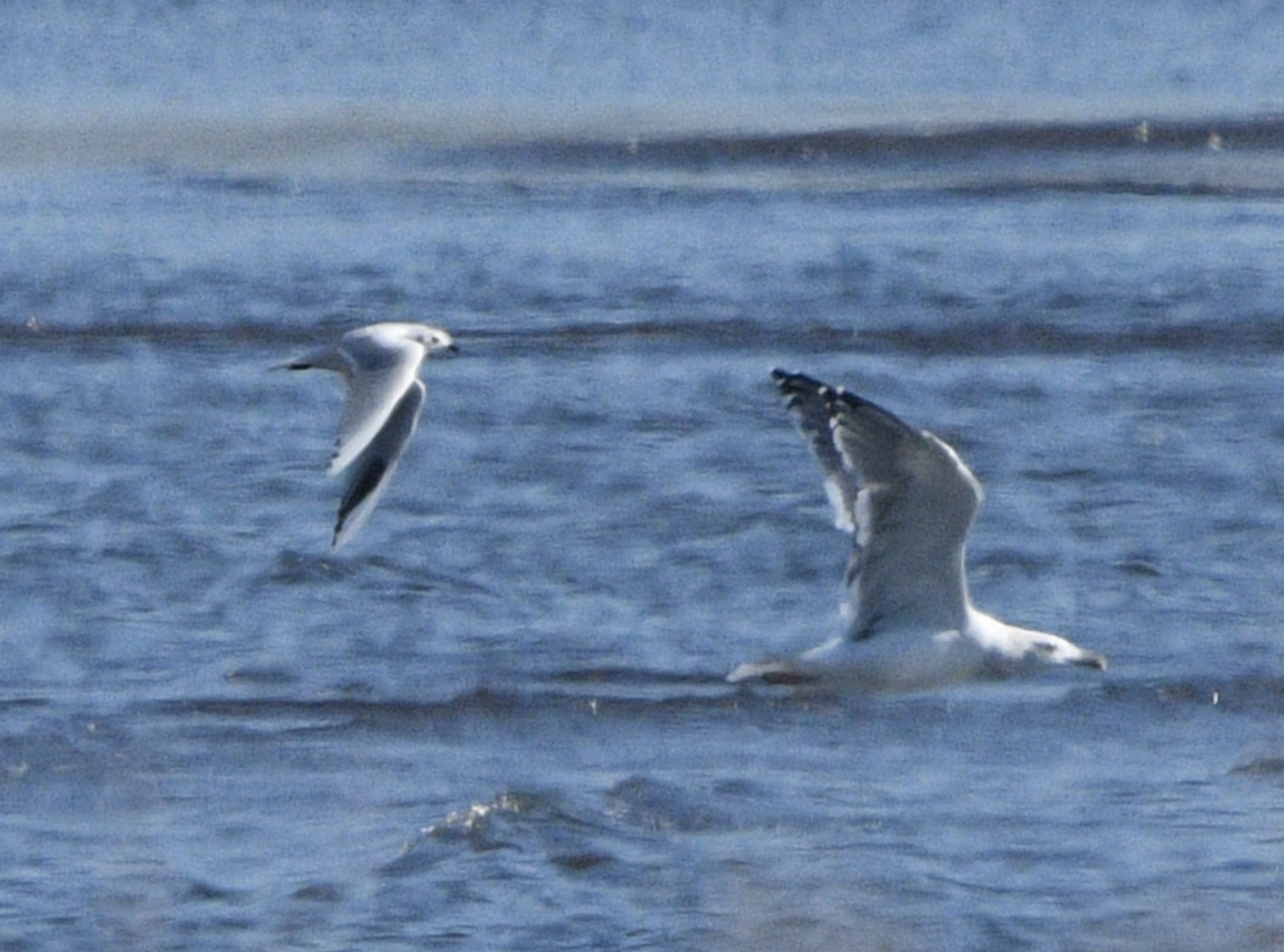
At last, just as I was about to head back home, I spotted a Saunder's Gull, lifer, standing very far on the East Beach. As it was standing right next to a Vega Gull, I could clearly see the size difference. It had a black bill, and white wingtips, distinguishing it from a Black Headed Gull. These Gulls are pretty scarce on Japanese coasts, and I was looking forward to seeing them this winter.
I was very pleased with today's birding trip with two lifers, and I am looking forward to an abundant winter for birds
 
Today, I visited Kasai Rinkai Park early in the morning to look for some arriving winterers.

As I was scanning the reeds around the visitor center, I spotted two Ruddy Breasted Crakes, lifers. These birds are extremely shy and often hide in reedbeds before most birders arrive. Luckily, I managed to find these two very early in the morning and managed to photograph them.


Some passerines in the woodlands around the pond include Japanese White Eye, Japanese Tit, Brown Eared Bulbul, Japanese Bush Warbler, Japanese Pygmy Woodpecker, Oriental Greenfinch, Daurian Redstart, Masked Bunting, and Grey Bunting.

Afterwards, I walked over to the East Beach, where a Common Tern had been staying for a couple months. These birds are usually found here during migration, and seeing one during December is very unusual.


As usual, massive flocks of Greater Scaup, Common Pochards, Great Crested Grebes, and Eared Grebe filled the bay on the West Beach, and I could see even larger flocks of Great Cormorant on the East Beach, along with Black Headed, Vega, Black Tailed, and Slaty Backed Gulls.

I managed to find a couple shorebirds, including Dunlin, Sanderling, Kentish Plovers, Eurasian Curlew, and surprisingly a Far Eastern Curlew. Far Eastern Curlews are supposed to be passage migrants in Japan, and are usually seen from March to May and August to October. However, I have seen these shorebirds stay at Kasai over the entire summer. This individual was reported to be remaining on the East Beach, even though it is far from it's usual season. Unfortunately, I was unable to take any satisfactory photos, as it was extremely far even for my telephoto lens.

At last, just as I was about to head back home, I spotted a Saunder's Gull, lifer, standing very far on the East Beach. As it was standing right next to a Vega Gull, I could clearly see the size difference. It had a black bill, and white wingtips, distinguishing it from a Black Headed Gull. These Gulls are pretty scarce on Japanese coasts, and I was looking forward to seeing them this winter.
I was very pleased with today's birding trip with two lifers, and I am looking forward to an abundant winter for birds

That sounds like a very productive birding experience! The Ruddy Breasted Crake was a very cool sighting. We should try to see if she can be spotted consistently at dawn. Apart from being an interesting idea, it could lead to the discovery of more species. The idea that these birds hide and show up only in the early morning is also very interesting. Most birders, understandably, show up midday. I'd love to see if showing up earlier, during dawn, preferably, could change things.

There was also a large mostly deserted area on the West Beach. I spotted a few Kentish Plovers and Dunlins, but I couldn't help but be distracted by the large number of Black Kites seemingly resting on the rocks/grass. After about an hour of observation, I could see that Black Kites were leaving in small numbers, circling high above (in search of food), and then coming back. An Osprey also came closer than ever before, although that was still too far away for a usable picture (750mm, 24MP).

Edit: I forgot to mention, but I also spotted two Japanese Raccoon Dogs (Tanuki) _DSC2434.jpg
 

Attachments

  • _DSC2434.jpg
    _DSC2434.jpg
    165.8 KB · Views: 52
Last edited:
Great stuff in this thread, grats on the lifers @Dr. Wolverine !! Even with how hot and exhausting shorebirding can be I also find it really fun haha
Most birders, understandably, show up midday. I'd love to see if showing up earlier, during dawn, preferably, could change things.
Is this really true? Basically every birder I know always try gets up at dawn and it's generally understood to in most situations be the period of time with the most bird activity.
 
Last month, I visited Karuizawa with my family on a two-night trip, to catch some of the arriving spring migrants.

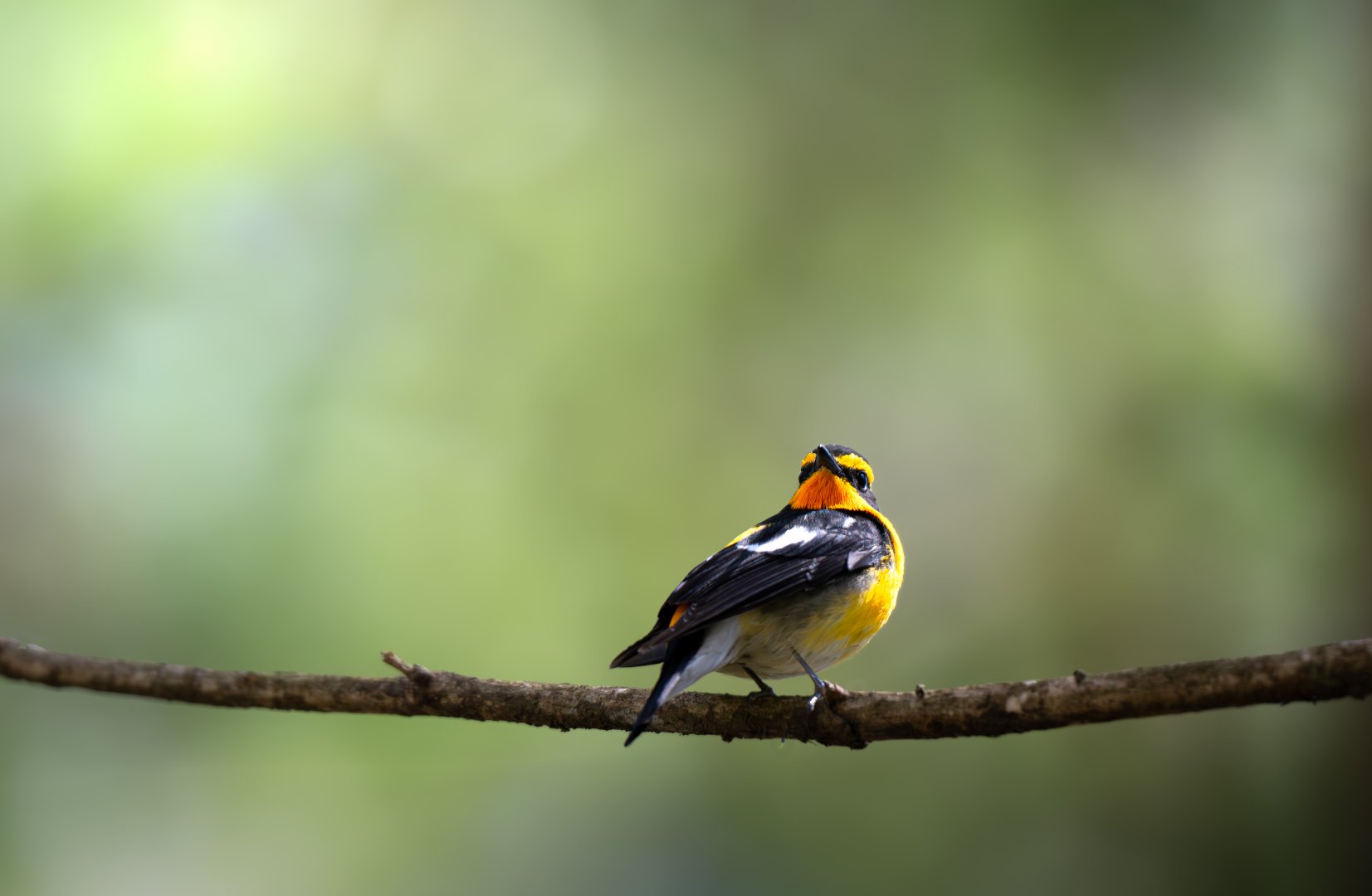
On the first day, we arrived in the afternoon, and got to our friend's house where we stayed. I went out onto the yard to see if anything would appear, and sure enough, a male Narcissus Flycatcher soon perched on a tree right in front of me.
During the next 20 minutes, Ashy Minivets and Coal tits appeared.

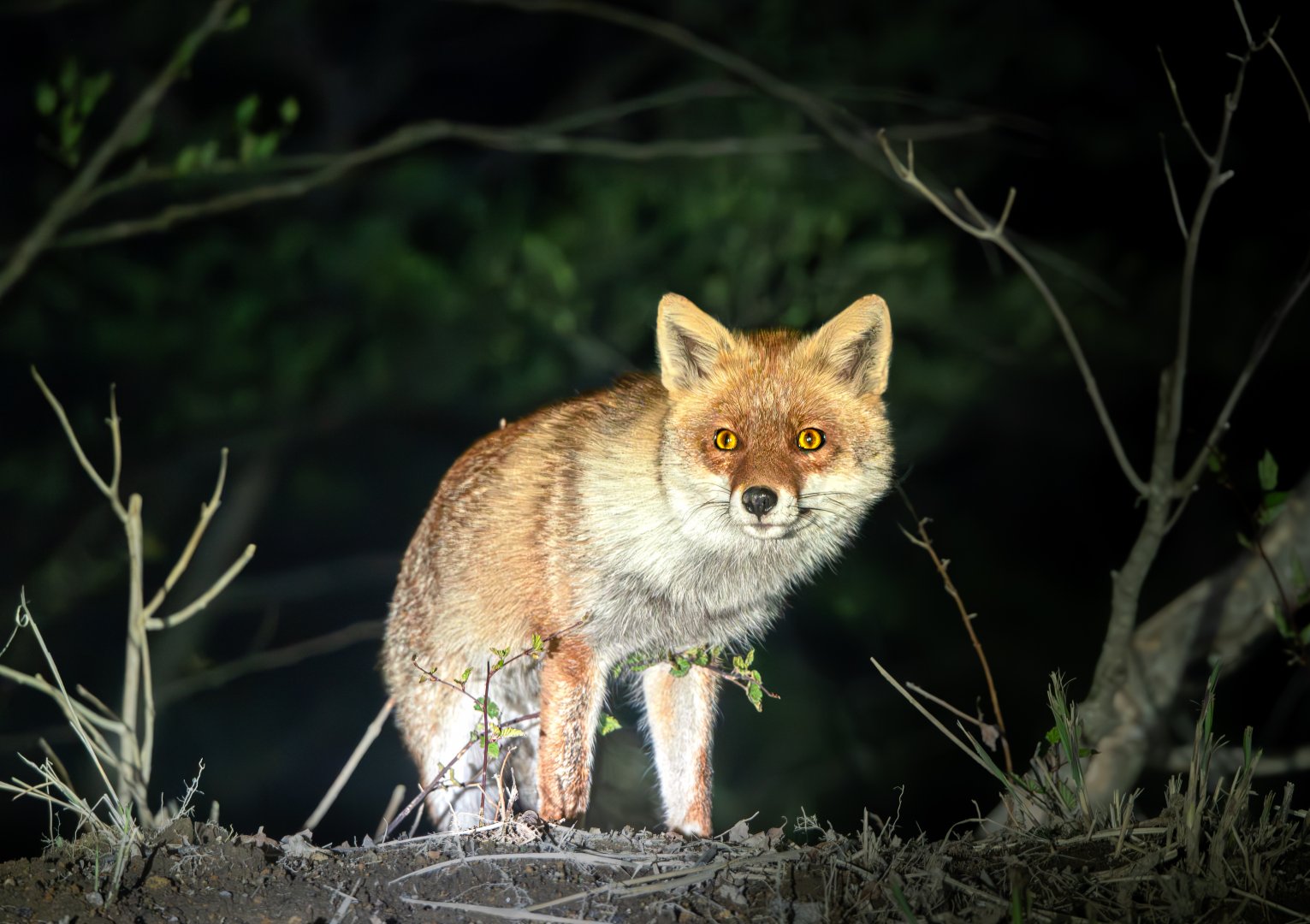
From 8pm, we booked a Night Safari Tour run by Picchio Karuizawa, a wildlife conservation and nature tour group focused on the conservation of Black Bears in the area. As we drove along, I spotted a beautiful Honshu Red Fox staring at our van. We managed to observe this individual for quite a while, before we headed up into the mountains to look for Japanese Deer.
The next day, we went on a walk at the Wild Bird Forest early in the morning, where we saw a number of birds including Narcissus/Asian Brown/Blue and white flycatchers, Asian Stubtail, Eastern Crowned Warbler, Ashy Minivet, Siberian Blue Robin, and a sudden flyby of a Ural Owl, which caught me off guard. Copper pheasants are extremely secretive during the summer, so I wasn't surprised we weren't able to see any. In the afternoon, when I returned back, I got my first ever Japanese Robin, which I saw for a brief second being chased by a Siberian Blue Robin.

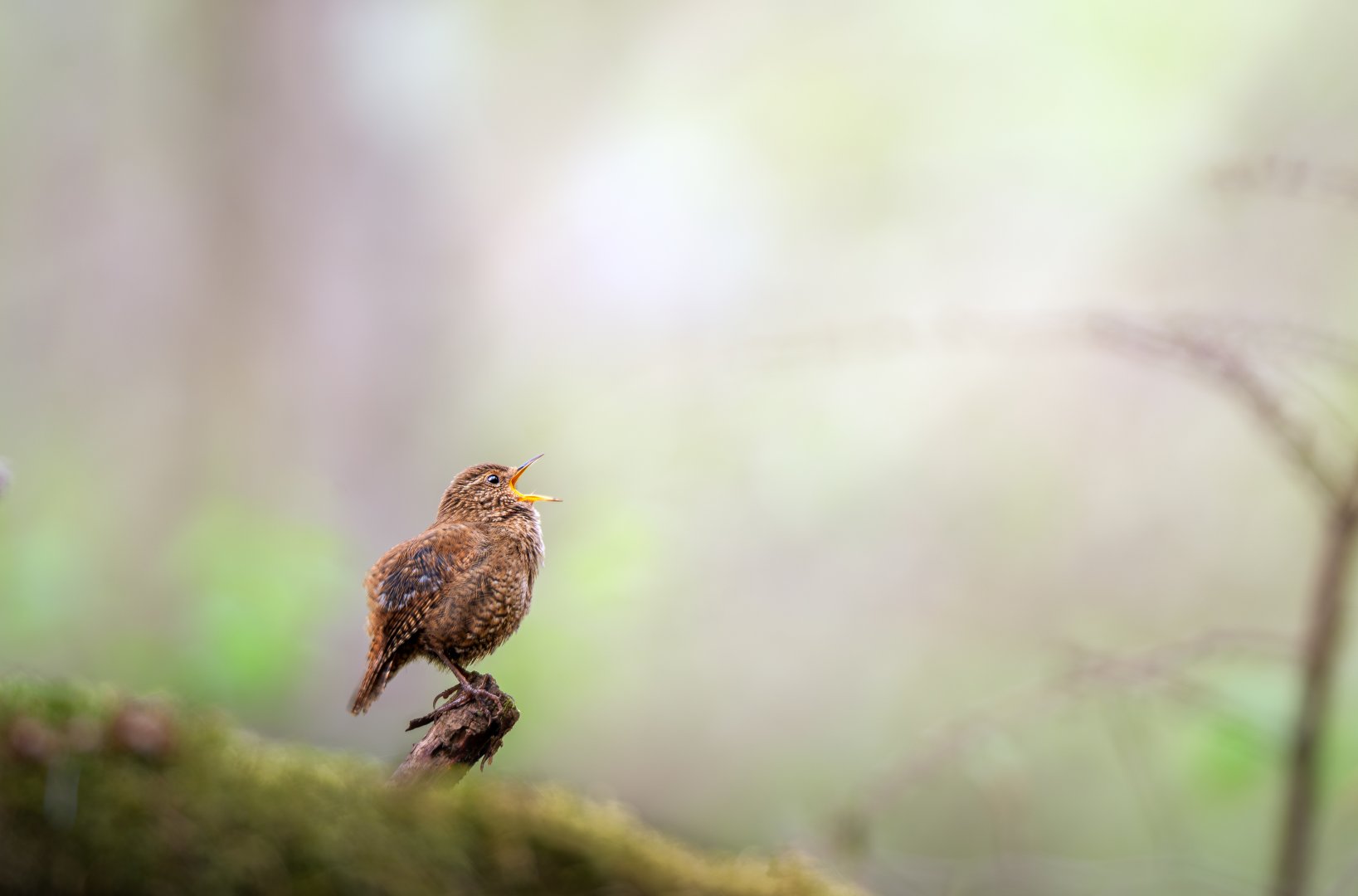
The next morning on the last day of my trip, I went to the Wild Bird Forest again, hoping to get some nice shots of the birds. As I was walking through the trails, I heard a beautiful song near the stream, and traced it to a Eurasian Wren that was singing on the perfect perch.
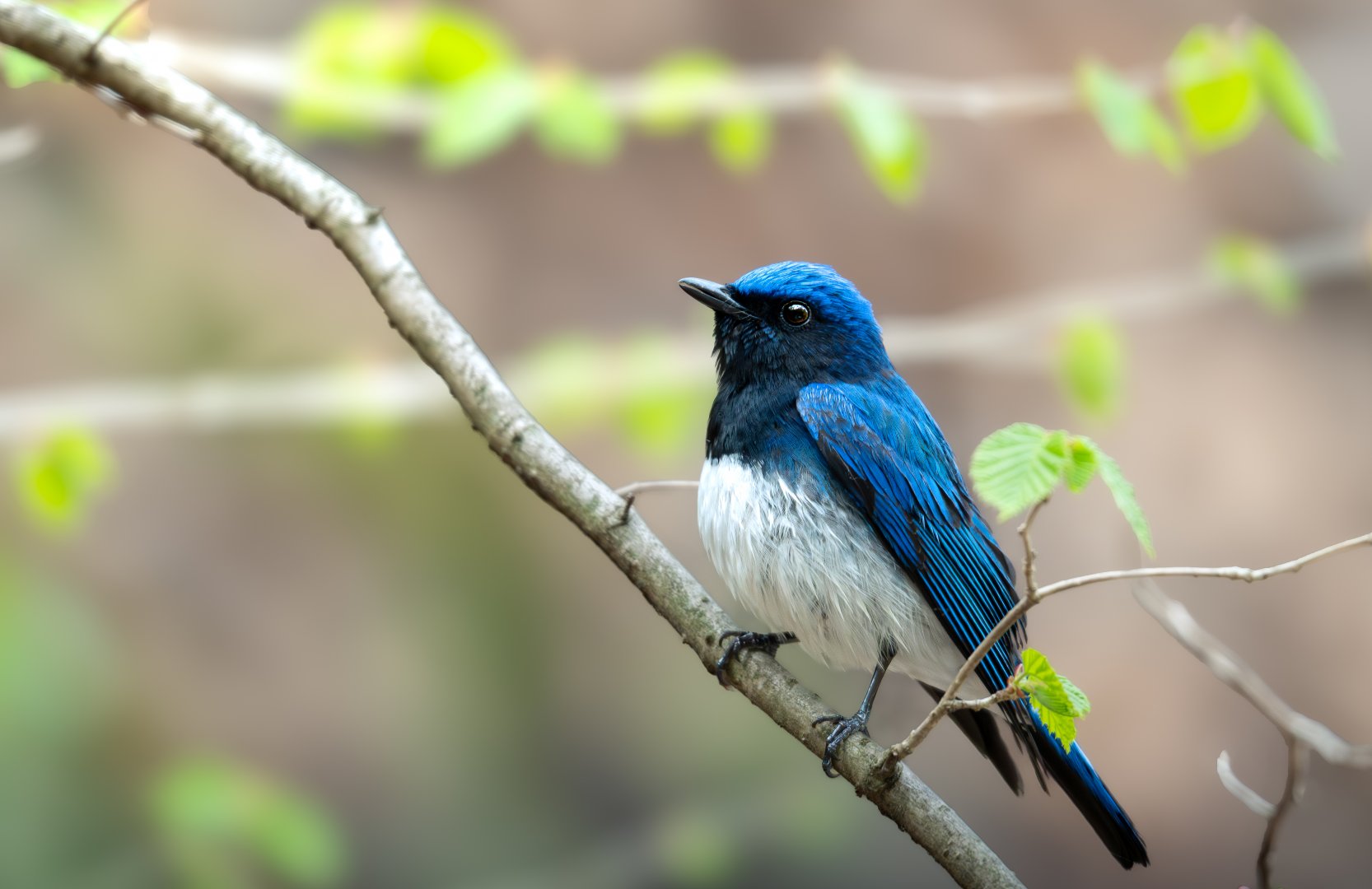
The photographers were already staking out for the Siberian Blue Robin, and so I walked further where there was no one at the entrance of the Forest, next to Kera Ike. Suddenly, a flash of blue flew by me as a Blue and White Flycatcher perched right in front of me. It seemed unafraid of me, and stayed on the perch for a good minute or two allowing me to get some shots of this spring beauty.
Karuizawa is a great destination for birding, especially during winter and spring months. I always enjoy finding and photographing the wild birds coming back to breed from southeast asia in spring, and Karuizawa is one of the best places to do it!
 
Last month, I visited Karuizawa with my family on a two-night trip, to catch some of the arriving spring migrants.

On the first day, we arrived in the afternoon, and got to our friend's house where we stayed. I went out onto the yard to see if anything would appear, and sure enough, a male Narcissus Flycatcher soon perched on a tree right in front of me.
During the next 20 minutes, Ashy Minivets and Coal tits appeared.

From 8pm, we booked a Night Safari Tour run by Picchio Karuizawa, a wildlife conservation and nature tour group focused on the conservation of Black Bears in the area. As we drove along, I spotted a beautiful Honshu Red Fox staring at our van. We managed to observe this individual for quite a while, before we headed up into the mountains to look for Japanese Deer.
The next day, we went on a walk at the Wild Bird Forest early in the morning, where we saw a number of birds including Narcissus/Asian Brown/Blue and white flycatchers, Asian Stubtail, Eastern Crowned Warbler, Ashy Minivet, Siberian Blue Robin, and a sudden flyby of a Ural Owl, which caught me off guard. Copper pheasants are extremely secretive during the summer, so I wasn't surprised we weren't able to see any. In the afternoon, when I returned back, I got my first ever Japanese Robin, which I saw for a brief second being chased by a Siberian Blue Robin.

The next morning on the last day of my trip, I went to the Wild Bird Forest again, hoping to get some nice shots of the birds. As I was walking through the trails, I heard a beautiful song near the stream, and traced it to a Eurasian Wren that was singing on the perfect perch.
The photographers were already staking out for the Siberian Blue Robin, and so I walked further where there was no one at the entrance of the Forest, next to Kera Ike. Suddenly, a flash of blue flew by me as a Blue and White Flycatcher perched right in front of me. It seemed unafraid of me, and stayed on the perch for a good minute or two allowing me to get some shots of this spring beauty.
Karuizawa is a great destination for birding, especially during winter and spring months. I always enjoy finding and photographing the wild birds coming back to breed from southeast asia in spring, and Karuizawa is one of the best places to do it!

Great view of the fox. Super colours on those other birds and the wren shot is a treat - all the effort going into that song!

It's interesting to see familiar and 'exotic' birds together in other places, really brings home the huge range of some of the species you think might otherwise think of as 'local'.
 
Back
Top