Liuku and the Pianma Pass
It was really cold in Tengchong this morning! The coldest morning of the trip yet. But you can stay a long time, said the driver, because the fare is per kilometre - although he also was very positive there would be no birds on the pass because it was too cold, and assured me I would be wasting my time by going up there... this was a whole day in which I could potentially see some cool birds
You are using an out of date browser. It may not display this or other websites correctly.
You should upgrade or use an alternative browser.
You should upgrade or use an alternative browser.
Chlidonias Goes To Asia, part seven: 2024-2025
- Thread starter Chlidonias
- Start date

You may recall this cliff-edge path (the first photo) at Cang Shan from an earlier post. I took the second photo the other day when I was back up there, from the other side of the valley. From the top of the path the cliff goes down vertically, but in the photo from the other side it looks sloping, so I don't know which perspective is true.


Attachments


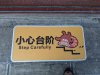
A few recent signs.
I guess the sewers in China are full of giant mutant bunny rabbits flushed down the toilet by kids who have grown tired of their pets.
I think the second one is a play on "one small step for man, one giant leap for mankind".


I guess the sewers in China are full of giant mutant bunny rabbits flushed down the toilet by kids who have grown tired of their pets.
I think the second one is a play on "one small step for man, one giant leap for mankind".
Attachments


Yunnan to Sichuan: back in Chengdu
I am now back in the city of Chengdu, which I last visited ten years ago. I didn’t go to either Lijiang or ShangriLa on this trip as initially planned, due to spending longer in the border areas of Yunnan and then losing some extra days through being ill. Instead I looked at the travel options for getting to Chengdu, which were flights (quickest), or train (middlest), or bus (slowest).
The flight to Chengdu would take under 1.5 hours from either the Dali airport or the Kunming airport. The latter had flights for half the price of the former but Kunming is two hours by train from Dali, so the end result was that the costs ended up roughly the same - not totally the same but for the extra inconvenience not worth the $30-ish difference.
For the train and bus I also had to go to Kunming initially. There is a bullet train direct to Chengdu from Dali which takes about 8.5hrs but it is only twice a day (early morning around 7am and then another at about 4.30pm) and it cost more (about NZ$158) than getting one train to Kunming and then choosing a cheaper run to Chengdu from there (which could be done for about NZ$100 total). It was actually about the same price, a bit more expensive even, than simply flying. Kunming to Chengdu by train would be about 7.5hrs.
I didn’t know bus schedules or prices for sure, but the internet told me that a bus would take about thirteen hours and that there were only one or two a day. It would be about NZ$73 (assuming that wasn’t an outdated price), but I’d still have to get the train to Kunming first which would put the price up to around NZ$110.
Considering the options, in the end I just chose to fly from Dali airport. The two cheapest flights the following morning were each 610 Yuan which is about NZ$150. One was Air China and the other China Eastern Airlines. The first one only had a 5kg carry-on which wasn’t enough for my breakables, and the other had an 8kg carry-on, so I went with the latter. Using my “Trip coins” (gained every time you book, complete a hotel stay, leave a review, etc) I got 40 Yuan off the fare and paid NZ$146.
I left the hotel this morning at 7am to walk down to the bus stop. It’s an hour from Old Dali to New Dali, and then there is still some distance from there to the airport, but the flight wasn’t until 10.20am I figured I’d save some money by bussing the first part and only getting a taxi for the final bit. I almost shot myself in the foot by penny-saving. The bus ended at the train station in New Dali and then I couldn’t find a taxi. I walked down to where I had originally arrived (coming by train from Kunming to Dali weeks ago) but that was solely for exiting the station and there were no taxis. So I walked all the way to the other end of the station (it’s a long station!) and managed to grab a taxi as it deposited some passengers who were arriving to catch the train.
I got to the airport at 9am - still over an hour before departure. Except that inside the airport the check-in desks were being swarmed by mad scrums of people. There were lines but everyone was just continually trying to shove to the front and no-one was getting anywhere. Basically, typical Asia. I looked at my watch, and I looked at the queues. There was no way I’d make the flight if I waited. I pushed my way up to the front of one of the lines, which at least gave me some time advantage, and then tried to get the person at the counter to take my passport over all the Chinese ID cards being thrust at him. Eventually I got my boarding pass, zipped through security (remarkably, this was swift once the queue for that reached the check-point), and made it to the gate five minutes before boarding time. It’s a wonder anyone makes their flights at that airport. Normally I am early for flights, and from now on I’ll try to keep it that way. I don’t want to go through that again!
Surprisingly, the plane left exactly on time, and landed on time. The flight was nice. Thumbs up for China Eastern Airlines. I would fly with them again.
With the madness at the Dali airport I definitely expected my check-in bag to not have made it onto the plane. In Chengdu, everyone else had collected their luggage and left while I was waiting. There were two lone suitcases still doing circuits of the carousel - maybe that person didn’t make it onto the flight after all. And then finally my pack turned up. Literally the last piece of luggage off the plane.
Chengdu Tianfu International Airport, where I landed, is huge. It’s one of those airports where the plane parks several kilometres from the terminal and buses take the passengers over. The bus took five minutes to travel between the plane and the building. It wasn’t going fast, obviously, but that’s still some distance. It was almost noon now, and it was only 7 degrees Celsius. Nice.
[Side-query: on the Trip app temperatures are given in Fahrenheit and I assumed this was because it is the English-language version and probably using Americanisms. But on the plane they were using Fahrenheit for the temperatures as well. Does China use Fahrenheit instead of Celsius when the used language is Chinese?]
When I was in Chengdu ten years ago I had to bus around the city. Now there is an extensive metro/subway system. They go everywhere, to the airports and bus stations and train stations and the zoo. From TFU Airport I got the Line 18 express metro to the South Railway Station which took 30 minutes to cover the 70km - I just looked it up and it travels at 160kph - and then transferred twice more on other metro lines to get to where my hostel was. The total ride was only 11 Yuan.
I had a lot of trouble finding somewhere I wanted to book in Chengdu to stay at. There was a big selection of dorm rooms for cheap prices, but dorms in China are not going to be nice; then a small selection of single rooms for my “normal” China price (70-80 Yuan) which mostly had awful reviews; and then rooms that were hundreds of Yuan per night. Looking through the rooms which were around 80-ish Yuan there were ones with no windows (which I try to avoid as a safety issue in case of fire), ones with shared bathrooms (anyone who has been to China knows what their public bathrooms are like, so I really wanted to avoid shared ones here), ones that were too far out of the city centre, etc.
Finally I settled on one called Nova Travellers Lodge which didn’t look great but was 85 Yuan per night with the Trip discount. It’s a dump. I’m glad I only booked two nights. The room is basically the size of the bathroom of any of the rooms I had in Yunnan (which were all cheaper!).
I’m going to try to avoid coming back to Chengdu for any length of time. When I was walking from the metro station to the hotel I thought it was a bit foggy and maybe going to rain, but then realised it was pollution. I kinda wish I was back in Yunnan!
After checking in I went to Du Fu’s Cottage to see if I could see any birds in the gardens. I left my camera at the hotel because the pollution haze really is very thick. You can literally feel it on your eyes. The metro stop for Du Fu’s Cottage is only a couple along from where I was, and then there’s a fifteen minute walk, so it was a quick trip. I had been here last time I was in Chengdu and not seen many birds so I wasn’t actually planning on returning, but it was around 3pm so, as a close spot to reach, I thought it would be worth a try. Probably shouldn’t have bothered. There was a 50 Yuan entry fee, which I hadn’t remembered, and then I also didn’t remember any of the gardens. At all. It was so confusing being somewhere I had been before and not recognising anything. Later I read my old post about it and realised that last time I had visited the southern part of the gardens, which are around a big lake and I think don’t have an entry fee.
Just after arrival I saw a small flock of Chinese Bulbuls feeding on berries on a tree overhanging one of the pools, which were a new species for the year; and they were then joined by Red-whiskered Bulbuls which look noticeably different to the tropical version of southeast Asia. Then I didn’t see anything for the next half an hour. I was over the day by now - the gardens were nice but the pollution was not, and the whole day had made me edgy. I browsed through some of the archaeological displays, and saw a few extra birds here and there (White-browed Laughing Thrushes were particularly showy and probably would have made good photos; and there were also Spotted Doves, Black-throated Tits and White Wagtails). Right before leaving I swung by the first pool where I had seen the bulbuls. They were still there. Then what I thought was a Spotted Dove flew across into a tree, but unexpectedly landed vertically on the trunk - it was a Rufous-bellied Woodpecker. You might want to Google a photo of that one. If you imagine a Great Spotted Woodpecker, but replace all the white with orange and red, it’s sort of like that.
Tomorrow (Sunday) I’m aiming to visit the zoo and botanic gardens which are both on the same metro line a couple of stops apart.
I am now back in the city of Chengdu, which I last visited ten years ago. I didn’t go to either Lijiang or ShangriLa on this trip as initially planned, due to spending longer in the border areas of Yunnan and then losing some extra days through being ill. Instead I looked at the travel options for getting to Chengdu, which were flights (quickest), or train (middlest), or bus (slowest).
The flight to Chengdu would take under 1.5 hours from either the Dali airport or the Kunming airport. The latter had flights for half the price of the former but Kunming is two hours by train from Dali, so the end result was that the costs ended up roughly the same - not totally the same but for the extra inconvenience not worth the $30-ish difference.
For the train and bus I also had to go to Kunming initially. There is a bullet train direct to Chengdu from Dali which takes about 8.5hrs but it is only twice a day (early morning around 7am and then another at about 4.30pm) and it cost more (about NZ$158) than getting one train to Kunming and then choosing a cheaper run to Chengdu from there (which could be done for about NZ$100 total). It was actually about the same price, a bit more expensive even, than simply flying. Kunming to Chengdu by train would be about 7.5hrs.
I didn’t know bus schedules or prices for sure, but the internet told me that a bus would take about thirteen hours and that there were only one or two a day. It would be about NZ$73 (assuming that wasn’t an outdated price), but I’d still have to get the train to Kunming first which would put the price up to around NZ$110.
Considering the options, in the end I just chose to fly from Dali airport. The two cheapest flights the following morning were each 610 Yuan which is about NZ$150. One was Air China and the other China Eastern Airlines. The first one only had a 5kg carry-on which wasn’t enough for my breakables, and the other had an 8kg carry-on, so I went with the latter. Using my “Trip coins” (gained every time you book, complete a hotel stay, leave a review, etc) I got 40 Yuan off the fare and paid NZ$146.
I left the hotel this morning at 7am to walk down to the bus stop. It’s an hour from Old Dali to New Dali, and then there is still some distance from there to the airport, but the flight wasn’t until 10.20am I figured I’d save some money by bussing the first part and only getting a taxi for the final bit. I almost shot myself in the foot by penny-saving. The bus ended at the train station in New Dali and then I couldn’t find a taxi. I walked down to where I had originally arrived (coming by train from Kunming to Dali weeks ago) but that was solely for exiting the station and there were no taxis. So I walked all the way to the other end of the station (it’s a long station!) and managed to grab a taxi as it deposited some passengers who were arriving to catch the train.
I got to the airport at 9am - still over an hour before departure. Except that inside the airport the check-in desks were being swarmed by mad scrums of people. There were lines but everyone was just continually trying to shove to the front and no-one was getting anywhere. Basically, typical Asia. I looked at my watch, and I looked at the queues. There was no way I’d make the flight if I waited. I pushed my way up to the front of one of the lines, which at least gave me some time advantage, and then tried to get the person at the counter to take my passport over all the Chinese ID cards being thrust at him. Eventually I got my boarding pass, zipped through security (remarkably, this was swift once the queue for that reached the check-point), and made it to the gate five minutes before boarding time. It’s a wonder anyone makes their flights at that airport. Normally I am early for flights, and from now on I’ll try to keep it that way. I don’t want to go through that again!
Surprisingly, the plane left exactly on time, and landed on time. The flight was nice. Thumbs up for China Eastern Airlines. I would fly with them again.
With the madness at the Dali airport I definitely expected my check-in bag to not have made it onto the plane. In Chengdu, everyone else had collected their luggage and left while I was waiting. There were two lone suitcases still doing circuits of the carousel - maybe that person didn’t make it onto the flight after all. And then finally my pack turned up. Literally the last piece of luggage off the plane.
Chengdu Tianfu International Airport, where I landed, is huge. It’s one of those airports where the plane parks several kilometres from the terminal and buses take the passengers over. The bus took five minutes to travel between the plane and the building. It wasn’t going fast, obviously, but that’s still some distance. It was almost noon now, and it was only 7 degrees Celsius. Nice.
[Side-query: on the Trip app temperatures are given in Fahrenheit and I assumed this was because it is the English-language version and probably using Americanisms. But on the plane they were using Fahrenheit for the temperatures as well. Does China use Fahrenheit instead of Celsius when the used language is Chinese?]
When I was in Chengdu ten years ago I had to bus around the city. Now there is an extensive metro/subway system. They go everywhere, to the airports and bus stations and train stations and the zoo. From TFU Airport I got the Line 18 express metro to the South Railway Station which took 30 minutes to cover the 70km - I just looked it up and it travels at 160kph - and then transferred twice more on other metro lines to get to where my hostel was. The total ride was only 11 Yuan.
I had a lot of trouble finding somewhere I wanted to book in Chengdu to stay at. There was a big selection of dorm rooms for cheap prices, but dorms in China are not going to be nice; then a small selection of single rooms for my “normal” China price (70-80 Yuan) which mostly had awful reviews; and then rooms that were hundreds of Yuan per night. Looking through the rooms which were around 80-ish Yuan there were ones with no windows (which I try to avoid as a safety issue in case of fire), ones with shared bathrooms (anyone who has been to China knows what their public bathrooms are like, so I really wanted to avoid shared ones here), ones that were too far out of the city centre, etc.
Finally I settled on one called Nova Travellers Lodge which didn’t look great but was 85 Yuan per night with the Trip discount. It’s a dump. I’m glad I only booked two nights. The room is basically the size of the bathroom of any of the rooms I had in Yunnan (which were all cheaper!).
I’m going to try to avoid coming back to Chengdu for any length of time. When I was walking from the metro station to the hotel I thought it was a bit foggy and maybe going to rain, but then realised it was pollution. I kinda wish I was back in Yunnan!
After checking in I went to Du Fu’s Cottage to see if I could see any birds in the gardens. I left my camera at the hotel because the pollution haze really is very thick. You can literally feel it on your eyes. The metro stop for Du Fu’s Cottage is only a couple along from where I was, and then there’s a fifteen minute walk, so it was a quick trip. I had been here last time I was in Chengdu and not seen many birds so I wasn’t actually planning on returning, but it was around 3pm so, as a close spot to reach, I thought it would be worth a try. Probably shouldn’t have bothered. There was a 50 Yuan entry fee, which I hadn’t remembered, and then I also didn’t remember any of the gardens. At all. It was so confusing being somewhere I had been before and not recognising anything. Later I read my old post about it and realised that last time I had visited the southern part of the gardens, which are around a big lake and I think don’t have an entry fee.
Just after arrival I saw a small flock of Chinese Bulbuls feeding on berries on a tree overhanging one of the pools, which were a new species for the year; and they were then joined by Red-whiskered Bulbuls which look noticeably different to the tropical version of southeast Asia. Then I didn’t see anything for the next half an hour. I was over the day by now - the gardens were nice but the pollution was not, and the whole day had made me edgy. I browsed through some of the archaeological displays, and saw a few extra birds here and there (White-browed Laughing Thrushes were particularly showy and probably would have made good photos; and there were also Spotted Doves, Black-throated Tits and White Wagtails). Right before leaving I swung by the first pool where I had seen the bulbuls. They were still there. Then what I thought was a Spotted Dove flew across into a tree, but unexpectedly landed vertically on the trunk - it was a Rufous-bellied Woodpecker. You might want to Google a photo of that one. If you imagine a Great Spotted Woodpecker, but replace all the white with orange and red, it’s sort of like that.
Tomorrow (Sunday) I’m aiming to visit the zoo and botanic gardens which are both on the same metro line a couple of stops apart.
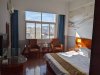
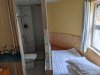
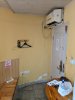
So, the first photo is an 80 Yuan room in Yunnan (showing the major part of the room, the bathroom is behind me). The next two photos are of the more expensive room in Chengdu I am in now. You can use the desk on the side to see how this is the whole room. I'm standing in the bathroom to take the second of those photos. Not impressed.


Attachments



They use celsius 100%, i think you may just be mistaken (or maybe they somehow use both and you just didnt notice??? i have no idea i havent flown any china airline), as im typing rn the HSR show celsius and celsius only so i dont know why it would be in fahreinheitYunnan to Sichuan: back in Chengdu
I am now back in the city of Chengdu, which I last visited ten years ago. I didn’t go to either Lijiang or ShangriLa on this trip as initially planned, due to spending longer in the border areas of Yunnan and then losing some extra days through being ill. Instead I looked at the travel options for getting to Chengdu, which were flights (quickest), or train (middlest), or bus (slowest).
The flight to Chengdu would take under 1.5 hours from either the Dali airport or the Kunming airport. The latter had flights for half the price of the former but Kunming is two hours by train from Dali, so the end result was that the costs ended up roughly the same - not totally the same but for the extra inconvenience not worth the $30-ish difference.
For the train and bus I also had to go to Kunming initially. There is a bullet train direct to Chengdu from Dali which takes about 8.5hrs but it is only twice a day (early morning around 7am and then another at about 4.30pm) and it cost more (about NZ$158) than getting one train to Kunming and then choosing a cheaper run to Chengdu from there (which could be done for about NZ$100 total). It was actually about the same price, a bit more expensive even, than simply flying. Kunming to Chengdu by train would be about 7.5hrs.
I didn’t know bus schedules or prices for sure, but the internet told me that a bus would take about thirteen hours and that there were only one or two a day. It would be about NZ$73 (assuming that wasn’t an outdated price), but I’d still have to get the train to Kunming first which would put the price up to around NZ$110.
Considering the options, in the end I just chose to fly from Dali airport. The two cheapest flights the following morning were each 610 Yuan which is about NZ$150. One was Air China and the other China Eastern Airlines. The first one only had a 5kg carry-on which wasn’t enough for my breakables, and the other had an 8kg carry-on, so I went with the latter. Using my “Trip coins” (gained every time you book, complete a hotel stay, leave a review, etc) I got 40 Yuan off the fare and paid NZ$146.
I left the hotel this morning at 7am to walk down to the bus stop. It’s an hour from Old Dali to New Dali, and then there is still some distance from there to the airport, but the flight wasn’t until 10.20am I figured I’d save some money by bussing the first part and only getting a taxi for the final bit. I almost shot myself in the foot by penny-saving. The bus ended at the train station in New Dali and then I couldn’t find a taxi. I walked down to where I had originally arrived (coming by train from Kunming to Dali weeks ago) but that was solely for exiting the station and there were no taxis. So I walked all the way to the other end of the station (it’s a long station!) and managed to grab a taxi as it deposited some passengers who were arriving to catch the train.
I got to the airport at 9am - still over an hour before departure. Except that inside the airport the check-in desks were being swarmed by mad scrums of people. There were lines but everyone was just continually trying to shove to the front and no-one was getting anywhere. Basically, typical Asia. I looked at my watch, and I looked at the queues. There was no way I’d make the flight if I waited. I pushed my way up to the front of one of the lines, which at least gave me some time advantage, and then tried to get the person at the counter to take my passport over all the Chinese ID cards being thrust at him. Eventually I got my boarding pass, zipped through security (remarkably, this was swift once the queue for that reached the check-point), and made it to the gate five minutes before boarding time. It’s a wonder anyone makes their flights at that airport. Normally I am early for flights, and from now on I’ll try to keep it that way. I don’t want to go through that again!
Surprisingly, the plane left exactly on time, and landed on time. The flight was nice. Thumbs up for China Eastern Airlines. I would fly with them again.
With the madness at the Dali airport I definitely expected my check-in bag to not have made it onto the plane. In Chengdu, everyone else had collected their luggage and left while I was waiting. There were two lone suitcases still doing circuits of the carousel - maybe that person didn’t make it onto the flight after all. And then finally my pack turned up. Literally the last piece of luggage off the plane.
Chengdu Tianfu International Airport, where I landed, is huge. It’s one of those airports where the plane parks several kilometres from the terminal and buses take the passengers over. The bus took five minutes to travel between the plane and the building. It wasn’t going fast, obviously, but that’s still some distance. It was almost noon now, and it was only 7 degrees Celsius. Nice.
[Side-query: on the Trip app temperatures are given in Fahrenheit and I assumed this was because it is the English-language version and probably using Americanisms. But on the plane they were using Fahrenheit for the temperatures as well. Does China use Fahrenheit instead of Celsius when the used language is Chinese?]
When I was in Chengdu ten years ago I had to bus around the city. Now there is an extensive metro/subway system. They go everywhere, to the airports and bus stations and train stations and the zoo. From TFU Airport I got the Line 18 express metro to the South Railway Station which took 30 minutes to cover the 70km - I just looked it up and it travels at 160kph - and then transferred twice more on other metro lines to get to where my hostel was. The total ride was only 11 Yuan.
I had a lot of trouble finding somewhere I wanted to book in Chengdu to stay at. There was a big selection of dorm rooms for cheap prices, but dorms in China are not going to be nice; then a small selection of single rooms for my “normal” China price (70-80 Yuan) which mostly had awful reviews; and then rooms that were hundreds of Yuan per night. Looking through the rooms which were around 80-ish Yuan there were ones with no windows (which I try to avoid as a safety issue in case of fire), ones with shared bathrooms (anyone who has been to China knows what their public bathrooms are like, so I really wanted to avoid shared ones here), ones that were too far out of the city centre, etc.
Finally I settled on one called Nova Travellers Lodge which didn’t look great but was 85 Yuan per night with the Trip discount. It’s a dump. I’m glad I only booked two nights. The room is basically the size of the bathroom of any of the rooms I had in Yunnan (which were all cheaper!).
I’m going to try to avoid coming back to Chengdu for any length of time. When I was walking from the metro station to the hotel I thought it was a bit foggy and maybe going to rain, but then realised it was pollution. I kinda wish I was back in Yunnan!
After checking in I went to Du Fu’s Cottage to see if I could see any birds in the gardens. I left my camera at the hotel because the pollution haze really is very thick. You can literally feel it on your eyes. The metro stop for Du Fu’s Cottage is only a couple along from where I was, and then there’s a fifteen minute walk, so it was a quick trip. I had been here last time I was in Chengdu and not seen many birds so I wasn’t actually planning on returning, but it was around 3pm so, as a close spot to reach, I thought it would be worth a try. Probably shouldn’t have bothered. There was a 50 Yuan entry fee, which I hadn’t remembered, and then I also didn’t remember any of the gardens. At all. It was so confusing being somewhere I had been before and not recognising anything. Later I read my old post about it and realised that last time I had visited the southern part of the gardens, which are around a big lake and I think don’t have an entry fee.
Just after arrival I saw a small flock of Chinese Bulbuls feeding on berries on a tree overhanging one of the pools, which were a new species for the year; and they were then joined by Red-whiskered Bulbuls which look noticeably different to the tropical version of southeast Asia. Then I didn’t see anything for the next half an hour. I was over the day by now - the gardens were nice but the pollution was not, and the whole day had made me edgy. I browsed through some of the archaeological displays, and saw a few extra birds here and there (White-browed Laughing Thrushes were particularly showy and probably would have made good photos; and there were also Spotted Doves, Black-throated Tits and White Wagtails). Right before leaving I swung by the first pool where I had seen the bulbuls. They were still there. Then what I thought was a Spotted Dove flew across into a tree, but unexpectedly landed vertically on the trunk - it was a Rufous-bellied Woodpecker. You might want to Google a photo of that one. If you imagine a Great Spotted Woodpecker, but replace all the white with orange and red, it’s sort of like that.
Tomorrow (Sunday) I’m aiming to visit the zoo and botanic gardens which are both on the same metro line a couple of stops apart.
No, definitely not mistaken. The temperatures were given in Fahrenheit.They use celsius 100%, i think you may just be mistaken (or maybe they somehow use both and you just didnt notice??? i have no idea i havent flown any china airline), as im typing rn the HSR show celsius and celsius only so i dont know why it would be in fahreinheit

Lafone
Well-Known Member
Yunnan to Sichuan: back in Chengdu
I am now back in the city of Chengdu, which I last visited ten years ago. I didn’t go to either Lijiang or ShangriLa on this trip as initially planned, due to spending longer in the border areas of Yunnan and then losing some extra days through being ill. Instead I looked at the travel options for getting to Chengdu, which were flights (quickest), or train (middlest), or bus (slowest).
The flight to Chengdu would take under 1.5 hours from either the Dali airport or the Kunming airport. The latter had flights for half the price of the former but Kunming is two hours by train from Dali, so the end result was that the costs ended up roughly the same - not totally the same but for the extra inconvenience not worth the $30-ish difference.
For the train and bus I also had to go to Kunming initially. There is a bullet train direct to Chengdu from Dali which takes about 8.5hrs but it is only twice a day (early morning around 7am and then another at about 4.30pm) and it cost more (about NZ$158) than getting one train to Kunming and then choosing a cheaper run to Chengdu from there (which could be done for about NZ$100 total). It was actually about the same price, a bit more expensive even, than simply flying. Kunming to Chengdu by train would be about 7.5hrs.
I didn’t know bus schedules or prices for sure, but the internet told me that a bus would take about thirteen hours and that there were only one or two a day. It would be about NZ$73 (assuming that wasn’t an outdated price), but I’d still have to get the train to Kunming first which would put the price up to around NZ$110.
Considering the options, in the end I just chose to fly from Dali airport. The two cheapest flights the following morning were each 610 Yuan which is about NZ$150. One was Air China and the other China Eastern Airlines. The first one only had a 5kg carry-on which wasn’t enough for my breakables, and the other had an 8kg carry-on, so I went with the latter. Using my “Trip coins” (gained every time you book, complete a hotel stay, leave a review, etc) I got 40 Yuan off the fare and paid NZ$146.
I left the hotel this morning at 7am to walk down to the bus stop. It’s an hour from Old Dali to New Dali, and then there is still some distance from there to the airport, but the flight wasn’t until 10.20am I figured I’d save some money by bussing the first part and only getting a taxi for the final bit. I almost shot myself in the foot by penny-saving. The bus ended at the train station in New Dali and then I couldn’t find a taxi. I walked down to where I had originally arrived (coming by train from Kunming to Dali weeks ago) but that was solely for exiting the station and there were no taxis. So I walked all the way to the other end of the station (it’s a long station!) and managed to grab a taxi as it deposited some passengers who were arriving to catch the train.
I got to the airport at 9am - still over an hour before departure. Except that inside the airport the check-in desks were being swarmed by mad scrums of people. There were lines but everyone was just continually trying to shove to the front and no-one was getting anywhere. Basically, typical Asia. I looked at my watch, and I looked at the queues. There was no way I’d make the flight if I waited. I pushed my way up to the front of one of the lines, which at least gave me some time advantage, and then tried to get the person at the counter to take my passport over all the Chinese ID cards being thrust at him. Eventually I got my boarding pass, zipped through security (remarkably, this was swift once the queue for that reached the check-point), and made it to the gate five minutes before boarding time. It’s a wonder anyone makes their flights at that airport. Normally I am early for flights, and from now on I’ll try to keep it that way. I don’t want to go through that again!
Surprisingly, the plane left exactly on time, and landed on time. The flight was nice. Thumbs up for China Eastern Airlines. I would fly with them again.
With the madness at the Dali airport I definitely expected my check-in bag to not have made it onto the plane. In Chengdu, everyone else had collected their luggage and left while I was waiting. There were two lone suitcases still doing circuits of the carousel - maybe that person didn’t make it onto the flight after all. And then finally my pack turned up. Literally the last piece of luggage off the plane.
Chengdu Tianfu International Airport, where I landed, is huge. It’s one of those airports where the plane parks several kilometres from the terminal and buses take the passengers over. The bus took five minutes to travel between the plane and the building. It wasn’t going fast, obviously, but that’s still some distance. It was almost noon now, and it was only 7 degrees Celsius. Nice.
[Side-query: on the Trip app temperatures are given in Fahrenheit and I assumed this was because it is the English-language version and probably using Americanisms. But on the plane they were using Fahrenheit for the temperatures as well. Does China use Fahrenheit instead of Celsius when the used language is Chinese?]
When I was in Chengdu ten years ago I had to bus around the city. Now there is an extensive metro/subway system. They go everywhere, to the airports and bus stations and train stations and the zoo. From TFU Airport I got the Line 18 express metro to the South Railway Station which took 30 minutes to cover the 70km - I just looked it up and it travels at 160kph - and then transferred twice more on other metro lines to get to where my hostel was. The total ride was only 11 Yuan.
I had a lot of trouble finding somewhere I wanted to book in Chengdu to stay at. There was a big selection of dorm rooms for cheap prices, but dorms in China are not going to be nice; then a small selection of single rooms for my “normal” China price (70-80 Yuan) which mostly had awful reviews; and then rooms that were hundreds of Yuan per night. Looking through the rooms which were around 80-ish Yuan there were ones with no windows (which I try to avoid as a safety issue in case of fire), ones with shared bathrooms (anyone who has been to China knows what their public bathrooms are like, so I really wanted to avoid shared ones here), ones that were too far out of the city centre, etc.
Finally I settled on one called Nova Travellers Lodge which didn’t look great but was 85 Yuan per night with the Trip discount. It’s a dump. I’m glad I only booked two nights. The room is basically the size of the bathroom of any of the rooms I had in Yunnan (which were all cheaper!).
I’m going to try to avoid coming back to Chengdu for any length of time. When I was walking from the metro station to the hotel I thought it was a bit foggy and maybe going to rain, but then realised it was pollution. I kinda wish I was back in Yunnan!
After checking in I went to Du Fu’s Cottage to see if I could see any birds in the gardens. I left my camera at the hotel because the pollution haze really is very thick. You can literally feel it on your eyes. The metro stop for Du Fu’s Cottage is only a couple along from where I was, and then there’s a fifteen minute walk, so it was a quick trip. I had been here last time I was in Chengdu and not seen many birds so I wasn’t actually planning on returning, but it was around 3pm so, as a close spot to reach, I thought it would be worth a try. Probably shouldn’t have bothered. There was a 50 Yuan entry fee, which I hadn’t remembered, and then I also didn’t remember any of the gardens. At all. It was so confusing being somewhere I had been before and not recognising anything. Later I read my old post about it and realised that last time I had visited the southern part of the gardens, which are around a big lake and I think don’t have an entry fee.
Just after arrival I saw a small flock of Chinese Bulbuls feeding on berries on a tree overhanging one of the pools, which were a new species for the year; and they were then joined by Red-whiskered Bulbuls which look noticeably different to the tropical version of southeast Asia. Then I didn’t see anything for the next half an hour. I was over the day by now - the gardens were nice but the pollution was not, and the whole day had made me edgy. I browsed through some of the archaeological displays, and saw a few extra birds here and there (White-browed Laughing Thrushes were particularly showy and probably would have made good photos; and there were also Spotted Doves, Black-throated Tits and White Wagtails). Right before leaving I swung by the first pool where I had seen the bulbuls. They were still there. Then what I thought was a Spotted Dove flew across into a tree, but unexpectedly landed vertically on the trunk - it was a Rufous-bellied Woodpecker. You might want to Google a photo of that one. If you imagine a Great Spotted Woodpecker, but replace all the white with orange and red, it’s sort of like that.
Tomorrow (Sunday) I’m aiming to visit the zoo and botanic gardens which are both on the same metro line a couple of stops apart.
Some lovely birds there. What a wonderful looking Woodpecker...that orange!
I haven't been to Chengdu, only Beijing which I used to visit regularly for a few years and Shanghai a few times, but the pollution can be quite extraordinary. Your post just reminded me of the rain falling in the thick hazy air where you can literally taste it and feel it stinging your eyes.
This is a great read and a really interesting travelogue.

I like the smaller room more but it being pricier and the room being decrepit than the one above really is a big drawback.So, the first photo is an 80 Yuan room in Yunnan (showing the major part of the room, the bathroom is behind me). The next two photos are of the more expensive room in Chengdu I am in now. You can use the desk on the side to see how this is the whole room. I'm standing in the bathroom to take the second of those photos. Not impressed.
View attachment 757690 View attachment 757691 View attachment 757692

Maybe they just realized that Fahrenheit is the objectively better temperature scale. 

Maybe they just realized that Fahrenheit is the objectively better temperature scale.
The world disagrees:

Countries using a proper temperature scale in orange (not blue).
Attachments

The world disagrees:
View attachment 757731
Countries using a proper temperature scale in orange (not blue).
I fully acknowledge that most metric scales are better, but I stand by Fahrenheit (at least for standard everyday use, Celsius does make sense for scenarios such as in labs). Fahenheit is most useful for taking about everyday temperatures because it's a perfect scale for talking about air temperatures where most humans live - 100 is an usually hot temperature for most people and 0 is an usually cold one. The 40-60 range is the "normal" temperature range for most people. It has its shortcomings, but so do all measurement scales, and as someone who uses both scales regularly I'll take Fahrenheit any day.No no, having water freeze at 32 degrees and boil at 212 makes much more sense than something crazy like 0 and 100.
(Also freezing and boiling are not constants so where you put them on a scale is already pretty arbitrary).

They are certainly a lot closer to constants than “what feels comfortable”. For a significant portion of the world 50° F is not an “average” temperature.Also freezing and boiling are not constants

The 40-60 range is the "normal" temperature range for most people.
A lot of extrapolation there I think. It's currently at the high end of that range here right now despite it being midnight in late December and it's been pouring rain all day. Some of the the most populous regions in the USA are the ones where it doesn't get cold that often. And quite a lot of the most populous countries are situated at tropical latitudes.
Also I'm not sure how 40-60 is "normal" - who would set their house thermostat to those temperatures. Even my cold tolerant Canadian relatives don't set it that low, 65-70 is normal. I assume you are of course referring to outside temperature, but even so there's a distinct human preference for balmy, pleasant temperatures, just look at where a lot of the big cities and tourist spots are.
Chengdu
Before heading to the zoo this morning I caught the metro to the Chadianzi Bus Station. I am intending to make return visits to Wanglang Nature Reserve and to Balangshan while in Sichuan, and I needed to try and find out which buses I could catch.
Last time I was in China I caught a bus from Chengdu to Pingwu, and then got a taxi to Wanglang from there. Now there is no bus. I can’t see how that is possible, because how do people get to the town otherwise? But I was assured, both at the information counter and when I double-checked at the actual ticket counter, that there is no bus to Pingwu. So at the info counter I asked if there was a bus to Jiuzhaigou which is north of Wanglang, thinking I could get a taxi from there. They said there are two buses a day, 8.30am and 10.30am, which cost 238 Yuan and would take over five hours. I figured that would be my option then, so I went to the ticket counter. I explained to the lady there that I was trying to get to Wanglang, and she said the best option was to get a bus to Jiangyou which was two hours from Chengdu and cost 65 Yuan, and then taxi from there. Jiangyou is south of Wanglang (and of Pingwu), and is much further than Jiuzhaigou to Wanglang, but because the bus to Jiuzhaigou is much more expensive I think it should average out. Also Jiuzhaigou is a real tourist area so I reckon a taxi from there would be inflated. I’m hoping, also, that when I get there I will find out that there are shared-taxis or something similar going up that way. Fingers crossed! However I suspect tomorrow is going to either be very expensive, or a failed attempt at a trip. I also have no idea how expensive the accommodation at Wanglang will be now.
In contrast to that bus situation - last time I was in China there was only one bus a day from Chengdu to Rilong, the town I stayed at to visit Balangshan. That bus was at 6.30am. Now they go every hour between 8am and 3pm. Also Rilong is now called Siguniangshan Town.
My current plan is to catch the bus tomorrow morning to Jiangyou and try to get to Wanglang from there. After Wanglang (assuming I get there) I come back to Chengdu to catch the bus to Rilong, and because they run through most of the day I shouldn’t have to stay overnight in Chengdu to do so.
Once the bus and ticketing questions were all resolved, which took quite some time because everything was being done via translations on my phone to Chinese and their phone to English, I went to the zoo. This took about an hour I think due to having to make several station transfers on the metro, and I didn’t get there at 11am.
The Chengdu Zoo is a pretty good zoo. I was there for 4.5 hours. Today was a Sunday so it was very busy. The reptile house in particular was packed making it difficult to get photos. I will write a review (or at least a species list) when I have time, but it is still broadly similar to when I last visited (see here visit to Chengdu Zoo, 15 November 2013 [Chengdu Zoo]). Some enclosures are better now but unfortunately some of the worst ones are still there, the ones most in mind being the small barren cages for monkeys. The walk-through aviary was now almost empty of birds, probably because the various entry points just have chain curtains as barriers where the chains don’t hang closely together and in one entrance were half-tied back. The hybrid ibis x spoonbills were no longer at the zoo, their aviary now being home to Chinese Crested Ibis.
The Botanic Gardens are only three stops away on the same metro line as the zoo. After getting something to eat I made my way in that direction. I didn’t know exactly where they were from the metro station, but found them easily enough by just walking up the nearest road. It was 4.30pm now so it would be a short visit. The pollution haze wasn’t as bad at the zoo and gardens as it is in the city centre, but it still feels like dusk is falling well before it actually is dusk.
I had seen various wild birds around the zoo, including White-browed Laughing Thrushes, Chinese Blackbirds, and a large flock of White-cheeked Starlings in the trees on the pelican’s island. At the Botanic Gardens I saw the same species as at the zoo (minus the starlings) plus two extra ones, both of which were lifers.
The first of these was a flock of Bramblings which were switching back and forth from the ground to the trees on a lawn area. On eBird it says that the “complex wing patterns and white rump patches create a wondrous show when a flock rises up in flight”, which is absolutely accurate. The white backs flashing when they flew up from the ground was striking.
The second lifer was what I at first thought was one of the Chinese Blackbirds, which were everywhere in the gardens. This one was scratching around in the leaves in the undergrowth, and there was something not right about it. The light was low, the bird was under bushes, and also half-buried in leaves as it dug under them. But it definitely looked like only the front of it was black, and the back and wings were more grey. And the belly when it came out of the leaves was mottled. I almost got a photo as it moved into the open, but it suddenly disappeared upon the approach of a screaming trio of children! I just looked it up now, and it was a Japanese Thrush (it looked like the fifth photo on eBird here: https://ebird.org/species/japthr1/L2315292 – not as boldly-patterned as the other two males on there).
Before heading to the zoo this morning I caught the metro to the Chadianzi Bus Station. I am intending to make return visits to Wanglang Nature Reserve and to Balangshan while in Sichuan, and I needed to try and find out which buses I could catch.
Last time I was in China I caught a bus from Chengdu to Pingwu, and then got a taxi to Wanglang from there. Now there is no bus. I can’t see how that is possible, because how do people get to the town otherwise? But I was assured, both at the information counter and when I double-checked at the actual ticket counter, that there is no bus to Pingwu. So at the info counter I asked if there was a bus to Jiuzhaigou which is north of Wanglang, thinking I could get a taxi from there. They said there are two buses a day, 8.30am and 10.30am, which cost 238 Yuan and would take over five hours. I figured that would be my option then, so I went to the ticket counter. I explained to the lady there that I was trying to get to Wanglang, and she said the best option was to get a bus to Jiangyou which was two hours from Chengdu and cost 65 Yuan, and then taxi from there. Jiangyou is south of Wanglang (and of Pingwu), and is much further than Jiuzhaigou to Wanglang, but because the bus to Jiuzhaigou is much more expensive I think it should average out. Also Jiuzhaigou is a real tourist area so I reckon a taxi from there would be inflated. I’m hoping, also, that when I get there I will find out that there are shared-taxis or something similar going up that way. Fingers crossed! However I suspect tomorrow is going to either be very expensive, or a failed attempt at a trip. I also have no idea how expensive the accommodation at Wanglang will be now.
In contrast to that bus situation - last time I was in China there was only one bus a day from Chengdu to Rilong, the town I stayed at to visit Balangshan. That bus was at 6.30am. Now they go every hour between 8am and 3pm. Also Rilong is now called Siguniangshan Town.
My current plan is to catch the bus tomorrow morning to Jiangyou and try to get to Wanglang from there. After Wanglang (assuming I get there) I come back to Chengdu to catch the bus to Rilong, and because they run through most of the day I shouldn’t have to stay overnight in Chengdu to do so.
Once the bus and ticketing questions were all resolved, which took quite some time because everything was being done via translations on my phone to Chinese and their phone to English, I went to the zoo. This took about an hour I think due to having to make several station transfers on the metro, and I didn’t get there at 11am.
The Chengdu Zoo is a pretty good zoo. I was there for 4.5 hours. Today was a Sunday so it was very busy. The reptile house in particular was packed making it difficult to get photos. I will write a review (or at least a species list) when I have time, but it is still broadly similar to when I last visited (see here visit to Chengdu Zoo, 15 November 2013 [Chengdu Zoo]). Some enclosures are better now but unfortunately some of the worst ones are still there, the ones most in mind being the small barren cages for monkeys. The walk-through aviary was now almost empty of birds, probably because the various entry points just have chain curtains as barriers where the chains don’t hang closely together and in one entrance were half-tied back. The hybrid ibis x spoonbills were no longer at the zoo, their aviary now being home to Chinese Crested Ibis.
The Botanic Gardens are only three stops away on the same metro line as the zoo. After getting something to eat I made my way in that direction. I didn’t know exactly where they were from the metro station, but found them easily enough by just walking up the nearest road. It was 4.30pm now so it would be a short visit. The pollution haze wasn’t as bad at the zoo and gardens as it is in the city centre, but it still feels like dusk is falling well before it actually is dusk.
I had seen various wild birds around the zoo, including White-browed Laughing Thrushes, Chinese Blackbirds, and a large flock of White-cheeked Starlings in the trees on the pelican’s island. At the Botanic Gardens I saw the same species as at the zoo (minus the starlings) plus two extra ones, both of which were lifers.
The first of these was a flock of Bramblings which were switching back and forth from the ground to the trees on a lawn area. On eBird it says that the “complex wing patterns and white rump patches create a wondrous show when a flock rises up in flight”, which is absolutely accurate. The white backs flashing when they flew up from the ground was striking.
The second lifer was what I at first thought was one of the Chinese Blackbirds, which were everywhere in the gardens. This one was scratching around in the leaves in the undergrowth, and there was something not right about it. The light was low, the bird was under bushes, and also half-buried in leaves as it dug under them. But it definitely looked like only the front of it was black, and the back and wings were more grey. And the belly when it came out of the leaves was mottled. I almost got a photo as it moved into the open, but it suddenly disappeared upon the approach of a screaming trio of children! I just looked it up now, and it was a Japanese Thrush (it looked like the fifth photo on eBird here: https://ebird.org/species/japthr1/L2315292 – not as boldly-patterned as the other two males on there).

Randomly I was at the zoo this weekend looking at the range map of Chinese alligator, and it showed their original range extending down into where you are. Is there any place that you have ever read about where Chinese alligators can still be seen in the wild anywhere near where you have been or are going?
I don't know. Last time I was in China I did look into that but I can't remember the outcome. I recall something about the wild population mostly now being restricted to artificial ponds because the actual habitat is all gone. But I might be remembering that wrong.Randomly I was at the zoo this weekend looking at the range map of Chinese alligator, and it showed their original range extending down into where you are. Is there any place that you have ever read about where Chinese alligators can still be seen in the wild anywhere near where you have been or are going?

There's a spot in Shanghai where they've been reintroduced since 2007, see this link for more info: Chinese Alligator on Shanghai's Chongming Island - Shanghai Birding 上海观鸟 .I don't know. Last time I was in China I did look into that but I can't remember the outcome. I recall something about the wild population mostly now being restricted to artificial ponds because the actual habitat is all gone. But I might be remembering that wrong.