Luke899
Well-Known Member
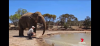
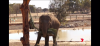
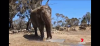
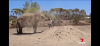
Couple of pics as of recent. Enjoying the water facilities. Very much looking forward to seeing Permai’s physical and emotional reaction when she sees and bonds with Burma next month.


Properly loving the warmer climate!Couple of pics as of recent. Enjoying the water facilities. Very much looking forward to seeing Permai’s physical and emotional reaction when she sees and bonds with Burma next month.
View attachment 756897 View attachment 756898 View attachment 756899 View attachment 756900 View attachment 756901


Couple of pics as of recent. Enjoying the water facilities. Very much looking forward to seeing Permai’s physical and emotional reaction when she sees and bonds with Burma next month.
View attachment 756897 View attachment 756898 View attachment 756899 View attachment 756900 View attachment 756901
Let's look back to 1970 when both the Whisnade zoo UK and the San Diego Wild animal park USA imported (by ship) 20 White rhino each from South Africa. The SD put them out into one of its 100 exhibits while Whipsnade put theres in the newly opened 30 acre rhino paddock, Both zoos also had one current adult pair when the new animals were introduced. Both herds bred well over the years!
San Diego still managed their bulls separately from the larger integrated herd of cows and calves - which is the set up Monarto will be following. There will be numerous off display yards to accomodate the bulls.
The territory size of a bull white rhinoceros is around 3km2, so theoretically multiple bulls could be coexist in Monarto’s exhibit; but I find it unlikely they’d attempt this and in any case, it’s important for record keeping to have certainty around parentage. At most I would expect to see offspring retained for longer than then usual 2-3 years (dispersal age).
Taking blood samples would enable deciphering of who is the father, the same way we do with chimps. When the rhinos first import it doesn't actually matter who breeds with who, the white rhino program is failing. They just need to breed some.
Managing multiple bulls and letting them form their own territories would enable monarto and even western plains to an extant to increase their carrying capacity. In the current set up we continually see oestrus suppression hampering breeding efforts. If we actually start keeping rhinos in a more natural way in our large open range zoos we may actually see a reversal of oestrus suppression. After all if it happened like we see it here in our zoos, wild populations would fail miserably. Just like we have done with elephants, we need to look at how we can better breed, manage and keep white rhino.
Yes very impressive design and it has been lovely to watch Burmas bond and trust with her keepers (they are awesome) and she is very evidently enjoying her new habitat while given the choice and control to move around and even move to the Elephant pavilion. She is still exploring and getting aquatinted with the sights and sounds lol the first sight of a kangaroo she was not totally comfortable with. The design and work going into the whole elephant habitats is very species appropriate can’t wait the rest of the herd to arrive from thier respective current locationsBurma update:
Really impressed with the innovations that have gone into this exhibit - you can tell it was designed with input from some of the region’s elephant experts (such as Andrew Coers).
From socials:
"Burma is enjoying a fun approach to keeping cool, with trunk-fulls of water and plenty of splashing around.
A highlight of her new home for Burma (and her visitors!) is the drinker she has access to. This is an in-ground, self-filling water enrichment device that allows Burma to draw cool water out of the ground using her trunk - which often ends up being thrown over her back, or sometimes if she's feeling cheeky, in the direction of her keepers!
Burma can hold up to eight litres of water in her trunk, and visitors will often see her throw water over herself followed by a dusting of sand on her back, to reflect the sun and keep her nice and cool.
Yes very impressive design and it has been lovely to watch Burmas bond and trust with her keepers (they are awesome) and she is very evidently enjoying her new habitat while given the choice and control to move around and even move to the Elephant pavilion. The design and work going into the whole elephant habitats is very species appropriate.
Correct that has been stated often as to why with current Australian Biosecurity rules for ungulates (dependant on country of origin ) that a n intermediary country was required with import out of Africa. See zoochat thread The Australian Rhino Project - South African Import (Discussion)Australia can't import zoo perissodatyls from South Africa, and New Zealand can.