You are using an out of date browser. It may not display this or other websites correctly.
You should upgrade or use an alternative browser.
You should upgrade or use an alternative browser.
Atagawa Tropical & Alligator Garden Atagawa Tropical & Alligator Garden Amazonian Manatee
- Thread starter Batto
- Start date


ooh, that's interesting. I didn't know there were any Amazonian manatees outside South America! I've seen West Indian and African manatees, dugong, and Steller's sea cow (okay, maybe only a model of that last one). If I do get to Japan I might be able to make a full basket!!


devilfish
Well-Known Member
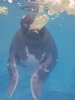
Yep, I've posted a photo in the gallery taken after the Facebook post, and it's still listed on the JAZA website.hello guys just wanted to say that the manatee has been alive since the last post on this thread. The website still features the manatee and the park's fb page featured the manatee last year fall.
熱川バナナワニ園
@devilfish whoops sorry for the repetition


The pity is that the manatee lives in a tiny, unnaturalized pool, completely alone. It is really a very poor exhibit. In fact, most of the animal facilities here are very poor (lots of cement and concrete, not very natural). On the other hand, the spaces dedicated to plants are magnificent, with wonderful gardens, beautiful greenhouses... I don't understand this difference when it comes to keeping animals or plants.

I think it's simply a matter of when the exhibits were made. The manatee and crocodile areas were designed more than 50 years ago, and theThe pity is that the manatee lives in a tiny, unnaturalized pool, completely alone. It is really a very poor exhibit. In fact, most of the animal facilities here are very poor (lots of cement and concrete, not very natural). On the other hand, the spaces dedicated to plants are magnificent, with wonderful gardens, beautiful greenhouses... I don't understand this difference when it comes to keeping animals or plants.
area with greenhouses, red pandas, flamingos etc were added on later. They have done minor upgrading, but not major ones.
Agreed wholeheartedly on history. Zoo culture wise, I must admit a good deal of Japanese zoos are still somewhat "stuck" in the iron bar/mega concrete/small animal exhibitry. I do hold out hope that more modern zoo animal exhibit practice will progressively enter the Japan zoo and husbandry management. There are slowly new more naturalised zoo exhibits progressively being built, so the future here remains open ...I think it's simply a matter of when the exhibits were made. The manatee and crocodile areas were designed more than 50 years ago, and the
area with greenhouses, red pandas, flamingos etc were added on later. They have done minor upgrading, but not major ones.

Zhao yun
Well-Known Member
For what it's worth, with regards to Atagawa, the place is terrible and getting more and more run down. Compounding this would be the fact that the town is a ghost town, and thus I doubt that any improvements will be made. Otherwise your analysis is correct, but societal attitudes in Japan are slow to shift in favour of animal welfare, and there is still a heavy emphasis on entertainment. One other example would be the pet cafes and Yokohama Hakkeijima Sea Paradise, which prioritise interactions and shows over conservation or animal welfare. Maybe some Japanese members can confirm what I said about societal beliefs as a whole, and clarify the matter.Agreed wholeheartedly on history. Zoo culture wise, I must admit a good deal of Japanese zoos are still somewhat "stuck" in the iron bar/mega concrete/small animal exhibitry. I do hold out hope that more modern zoo animal exhibit practice will progressively enter the Japan zoo and husbandry management. There are slowly new more naturalised zoo exhibits progressively being built, so the future here remains open ...
P.s. Ueno is taking good steps to improve husbandry, so if you find yourself in Tokyo you know where to go


captain alligator
Well-Known Member
Not only Amazonian Manatees, but Manatees in general have very few individuals kept in captivity in Japan. (Even so, Japan is the only country in the world that keeps all extant species of the order Sirenia.)
This would almost make the case for a separate marine mammal thread on Sirenia!Not only Amazonian Manatees, but Manatees in general have very few individuals kept in captivity in Japan. (Even so, Japan is the only country in the world that keeps all extant species of the order Sirenia.)
It would be valuable to have full inzicht in which marine mammals and in particular the Sirenia and their numbers in Japanese zoos and aquaria and other facilities.