AquaZoo Leeuwarden Aqua zoo news

Yesterday, Zoovaria and AquaZoo organised a special morning for members of the Facebook group ‘Friends of AquaZoo Leeuwarden’ (Zoovaria is the owner of this group) to see all six tigers together one last time before the cubs move out. Since I am moderator of that group and was involved in organising the day, I was also present. With the tigers, a presentation was given. The general manager also talked a bit about some of this year's and next year's developments for the zoo.

That and some other updates from my visit yesterday:

- At the presentation in the morning, it was also told where the tigers will move to. For instance, female Zeya will move to Switzerland next week. Female Sungari will move to Austria. And one of the males will move to a zoo in Germany. For the other male, a place is currently still being sought.

- There are plans to expand the Wadden area even further. Possibly on the site of the old seal enclosure and underwater tunnel.

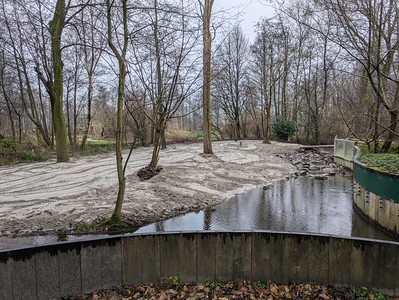
- A new project started on the site of the old raccoon enclosure this week. This will be a kind of water playground.
54205620394_9ea8026022_w.jpg


- There are high hopes for young giant otters next year from the new pair!

- The group of African penguins is currently stable. But from all the research done, a cause for large number of deaths has still not been found.

- The breeding of small-spotted catsharks is going very well it seems. In the separate tank for the eggs, the last two eggs had now also hatched. Earlier young are already swimming in the big tank, in which I also saw two new eggs.

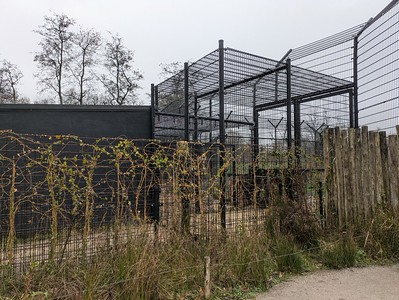
- At the tiger enclosure, locks have been built in front of the large doors.
54205616178_91c06347d4_w.jpg
 
A few months ago, two more of the escaped raccoons were caught. On 28th September and 3rd October, they were found a few hundred metres from the zoo.

In March last year, 11 of the 12 newly arrived raccoons escaped. Despite measures, two raccoons were able to escape again in May. A total of eight raccoons have now been captured and four raccoons still roam the wild.

Source: Leeuwarder Courant
 
Some updates from my first visit of the year yesterday:

- Like previous years, there was a Christmas tree collection event this year. People could bring in their rooted Christmas trees for a free ticket to the zoo. Eighty Christmas trees were brought in this year. Most will be planted in the zoo, but they will also be used as enrichment for the animals.

- The first young of 2025 has also already been born: a white-faced saki.

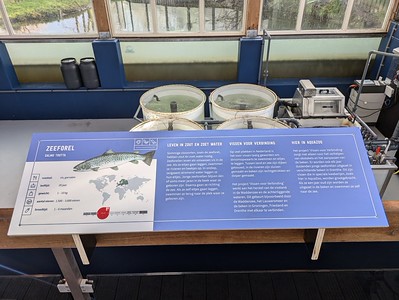
- An educational sign has been put up at the new sea trout in the Wadden area. It is not only a animal sign but also explains the project AquaZoo is participating in.
54256358816_bb06b28d50_w.jpg


- There are still six Amur tigers, as the move of female Zeya has been postponed. I don't know precisely when the first move will happen now.
 
maybe a good idea to take measurements in dutch zoos in order to prevent a still unknown outcome of the foot and mouth disease outbreak on the continent. cleaning shoes of visitors, limiting number of visitors, etc.?
 
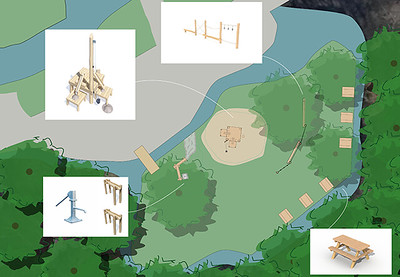
AquaZoo's recent newsletter mentions two things we can expect at the zoo in the coming period. As I mentioned earlier, the old raccoon enclosure is currently being transformed. A water playground with adjoining terrace will be built here and will open in spring. Children will be able to play with, in and around the water. During the high season, a food trailer will also be located here.

54272932003_4925114780_w.jpg

The new water playground

In addition, the African penguins will leave AquaZoo next week. Due to illness, the group has shrunk considerably. It was therefore decided to move them to the large colony in Beekse Bergen. In contrast, the zoo's other penguin species, the Humboldt penguins, will be joined by a number of animals from Dierenpark ZiE-ZOO. The area of the African penguins will be filled with something temporarily at first, but a new Wadden sea aviary will be built here later!
 
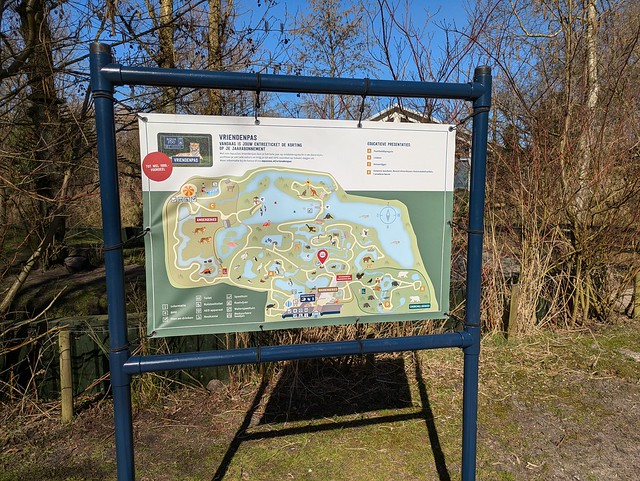
The zoo has a new map. Besides removing species that have gone out of the collection and adding the new species, the style has also been changed. On the back of the map, a new event is also unveiled. From April 18, there will be Sand and Zoo, an event featuring sand sculptures.

plattegrond-en-20250120-aquazoo-leeuwarden.jpg


A press release about the relocation of the African penguins has also provided some more information. The move of the penguins to Beekse Bergen was already planned due to the future construction of a Wadden aviary at the current location of the enclosure, but the deaths within the colony last year accelerated the process. Those deaths left the group too small. The current enclosure for the African penguins will be temporarily filled with something else until the end of August. The construction of a large Wadden aviary will start later in the year.

With the addition of the animals from Dierenpark Zie-Zoo, the group of Humboldt penguins will grow to 39 animals.
 
Some updates from my visit last friday:

- Now that the African penguins have moved to Beekse Bergen and the enclosure is empty, the swing gates of this walk-through enclosure have also been removed. Nothing is yet known about the temporary use of this enclosure.

- In the enclosure of the North American beavers, a research project has started on behalf of STOWA (Foundation for Applied Water Research). Using a device called “The Egg”, all underwater sounds are recorded. This makes it possible to study what the beavers do throughout the day and night. This same research will later be done in different places in the wild to get a good picture of a beaver's life.

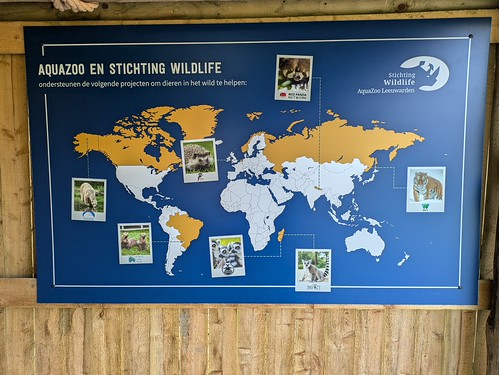
- On the lemur island, new education signs have been put up in the Stichting Wildlife (A foundation with volunteers active in the four Libéma zoos. These volunteers provide guided tours and keep supervision in the lemur walk-through enclosure.) volunteers' hut. One sign shows the conservation projects supported by this foundation and the zoo. The other two are specifically about the two conservation projects for the ring-tailed lemurs (Lemur Rescue Center & IMPACT Madagascar).

The conservation projects supported by Stichting Wildlife and AquaZoo

- The new water playground seems to be almost finished. It looks like only the water pump remains to be installed.

- There are still six tigers. Two cubs were supposed to be moved already but the transports were delayed. As things stand, the two females are now moving relatively soon. And one of the males will be moving around the summer.

- Last year's Père David's deer calve will also move this year. According to a keeper, it looks like there will be one or two calves this year as well.
 
Next Tuesday marks 10 years since Libéma took over the bankrupt AquaZoo. In an article published by a local newspaper, the zoo's general manager looks back on those 10 years. In addition, it also takes a look at plans, ambitions and wishes for the future.

A few highlights from the article:

- Libéma took over AquaZoo in 2015 from the bankrupt Zodiac Zoos. At the time, the zoo had low visitor numbers (85.000) and there was overdue maintenance all over the zoo. In the first few years, Libéma already invested millions in the zoo. This resulted in a rapid increase in visitor numbers.

- In recent years, a long-term vision/ masterplan has been worked out. This even involved discussing the water theme and whether it would be better to let it go. In the end, it was decided to stick to the water theme. The most important point of improvement in the masterplan is a new layout of the park, placing the animals in a more logical place and making the route through the park clearer.

- Once the ambition was expressed to receive 200,000 visitors a year. In 2024, the zoo received 180,000 visitors and is therefore well on its way to that number. According to the manager, the zoo could even receive 350,000 visitors a year, but those would have to come spread throughout the year and not nearly all in the summer season. The facilities in the zoo are not designed for that. Currently, for example, more visitors come on a nice summer day than in the whole month of January.

- Plans for 2025/2026 include expanding the Wadden area with a Wadden aviary, moving the red pandas to the Asia (Amur) area, opening a new playground on the site of the former raccoon enclosure and giving the restaurant a complete makeover in 2026.

- Future ambitions include creating a new enclosure for the red-crowned cranes in the Asia (Amur) area, creating two new areas with South America and Africa themes and making the entrance plaza at the entrance a greener place.

- Two wishes for the future are both dependent on the relevant EEPs for those species. One is the wish to be allowed to have another litter of Amur tigers in the future. In addition, AquaZoo would like to keep a pair of polar bears instead of keeping bachelors (the current two males will remain at AquaZoo for the rest of their lives).

Source: De enerverende jaren van AquaZoo Leeuwarden: van een faillissement naar elk jaar een bezoekersrecord
 
The first of the four 2023 Amur tiger cubs has now moved to another zoo. Female Sungari has moved to Tiergarten Schönbrunn in Vienna, Austria. The other three cubs are also expected to move to other zoos this year.

Source: AquaZoo Leeuwarden
According to another regular visitor, a second Amur tiger cub has been moved this morning. Female Zeya is on her way to Zoo Zürich.
 
Some updates from my visit yesterday:

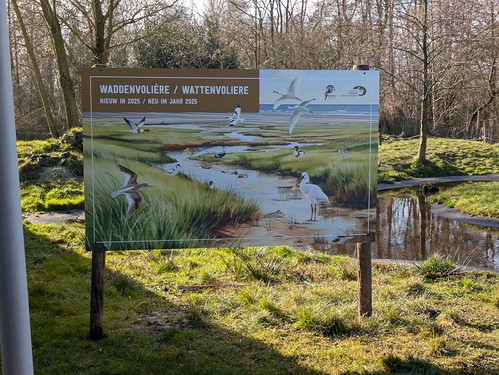
- An announcement sign has been put up in the former African penguin enclosure for the Wadden aviary that will be built here later this year. I don't know if they will be the species for this aviary but the species pictured are: Eurasian spoonbill (Platalea leucorodia), pied avocet (Recurvirostra avosetta), common redshank (Tringa totanus), common shelduck (Tadorna tadorna), northern shoveler (Spatula clypeata) and common eider (Somateria mollissima).
54342102690_d15c577a76.jpg

- The new (water) playground ‘Playing by the Stream’ has been open since this week.

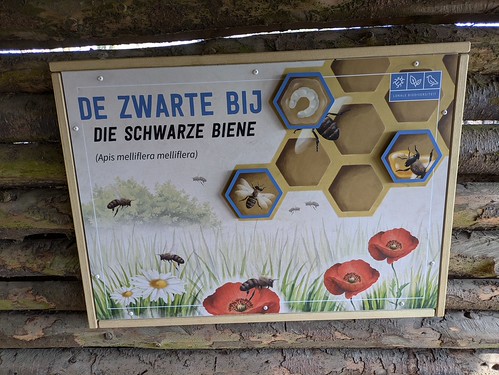
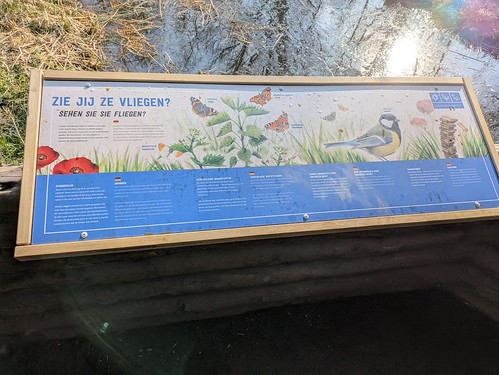
- At the insect garden (former beaver enclosure), several new educational signs have been installed about biodiversity and the European dark bee (Apis mellifera mellifera).
54342102705_0bcc8edce1.jpg


54341913538_5f34701ae8.jpg


54341897324_8acbbcb35e.jpg
 
I love the Wadden aviary. I have been secretly hoping for something like that somewhere in the Netherlands. The drive up to Leeuwarden is starting to sound very tempting :)
Yes, to do a weekend trip to the Wadden, the Friese World, Aelde Feanen and AquaZoo combined....
 
A Linnaeus's two-toed sloth (Choloepus didactylus) was born for the first time at AquaZoo last Saturday. The birth came as a surprise to the keepers as the pair did not seem that interested in each other before. The parents are 7-year-old male Silio and 13-year-old female Fabula. The sex of the young is not yet known.

Source: AquaZoo Leeuwarden
 
Some updates from my visit last Tuesday:

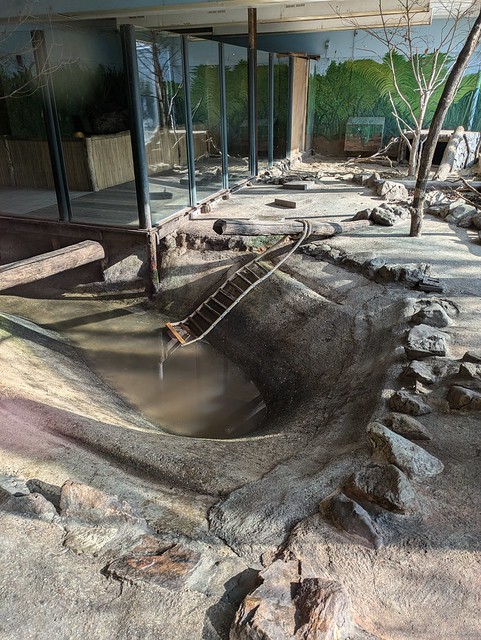
- In preparation for possible young giant otters later this year, steps/ladders have already been installed in the water basin of the indoor enclosure so they can easily get out of the water. Matings have been observed but at the moment there are no signs of pregnancy.
54365617590_8d9b9992d1_z.jpg


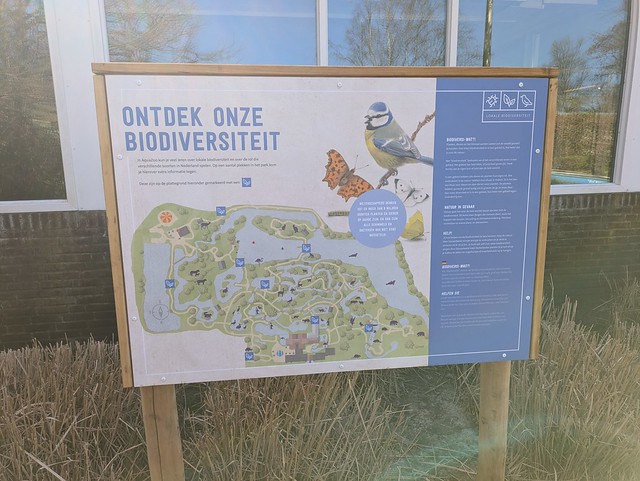
- A new sign has been placed at the beginning of the walking route, opposite the lesser flamingos, showing all locations where there is something to see/learn about local biodiversity.
54365450233_9a2a64c271_z.jpg


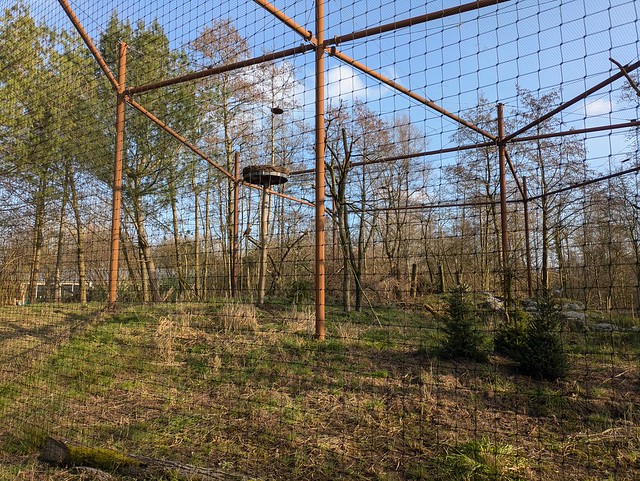
- In the bald eagle aviary, a nesting post has been installed.
54365617210_7da3262ced_z.jpg


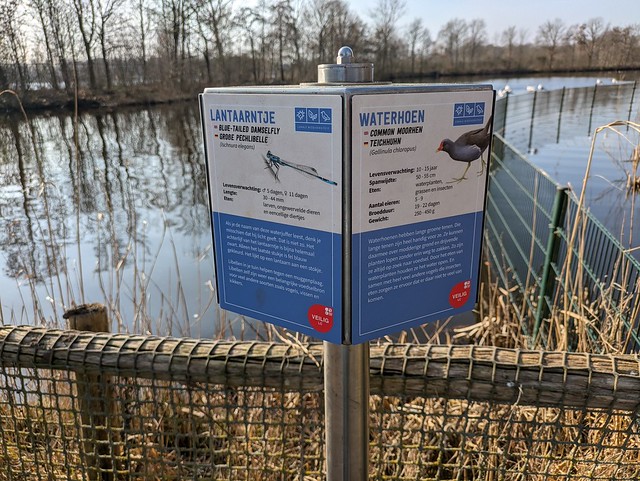
- One of the new education spots on local biodiversity is between the gibbons and kangaroo island. This is a rotatable six-sided block with information on each side about an animal or plant species you can spot in the park's waters. The species are grey heron (Ardea cinerea), gadwall (Mareca strepera), common moorhen (Gallinula chloropus), blue-tailed damselfly (Ischnura elegans), great cormorant (Phalacrocorax carbo) and water soldier (Stratiotes aloides).
54365617365_a77c13ac3f_z.jpg


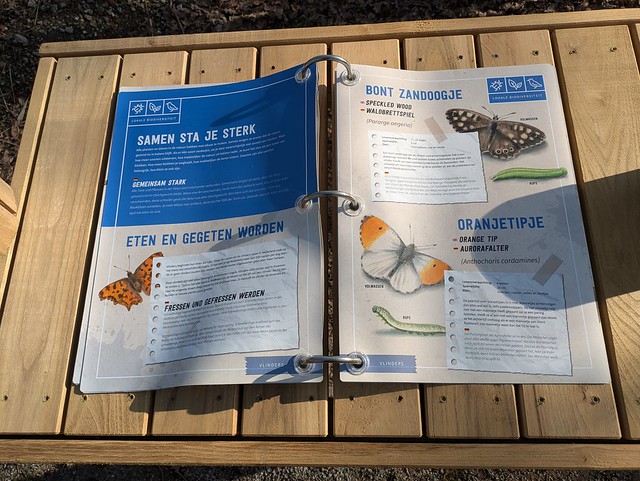
- Another new education spot on local biodiversity is near the Père David's deer. This is a book that is about the biodiversity within AquaZoo. It describes several species of birds, butterflies and mammals that can be found at the zoo.
54364347167_bbc9a4067b_z.jpg


- Work has finally resumed on the new red panda enclosure in the Amur area. A sloped edge has been put on the fence that had already been placed. Work has also continued on the indoor enclosure. The pandas are scheduled to move into the new enclosure this spring.
54364347497_f4a19b1ec3_z.jpg
 
Some updates from my visit last Tuesday:

- The old aquarium of the Red Madagascar Panchax has been emptied out. So maybe we will be seeing new inhabitants here soon.

- In the Wadden area, sea trout are being bred.

- Large maps have been placed at two spots in the park. One at the food truck and one at the Beach Club.
54394436922_811a196da0_z.jpg

One of the new maps

- The path between the insect garden (former beaver enclosure) to the walk-through kangaroo island was closed. On this section, the paths were being renewed. The path in the kangaroo enclosure also received a slight change in the route. The paths between the Asian aviary and the restaurant had also been replaced. So I expect that all paths in the park will be replaced in the near future.

- The Humboldt penguins' walk-through enclosure was also undergoing work. Besides the renewed path, some pruning was done and the pond was being cleaned.

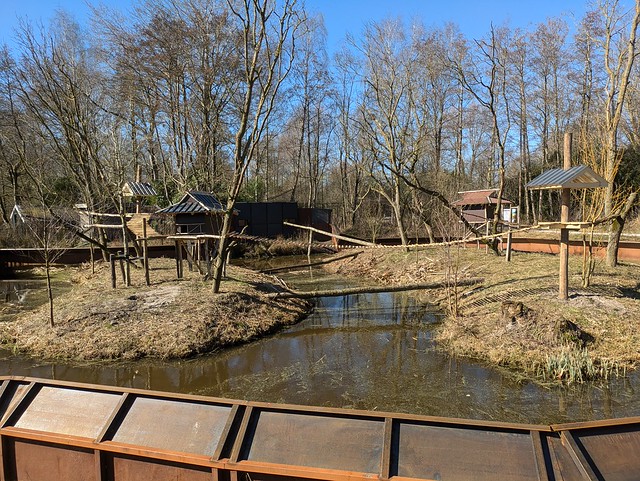
- Some new bridges have been installed between a number of trees in the future red panda enclosure.
54395688105_ea2c8c10bc_z.jpg

New bridges in the future red panda enclosure
 
Some updates from my visit yesterday:

- The Red Madagascar Panchax (Pachypanchax sakaramyi) have young.

- There was work on new education near the sea trout. It looked to be a large panel with several video screens in it.

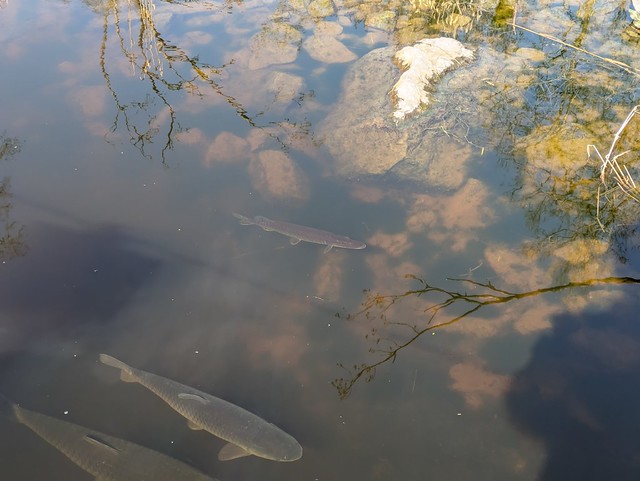
- In the water of the raccoon enclosure, I saw some fish for the first time. They were grass carp (Ctenopharyngodon idella), common rudd (Scardinius erythrophthalmus) and a northern pike (Esox lucius).
54414112039_92c6e3a493_z.jpg

The grass carp an northern pike

- The renovated path was ready and open again.
54413056737_cf70759779_z.jpg

The slight change in the route in the kangaroo enclosure

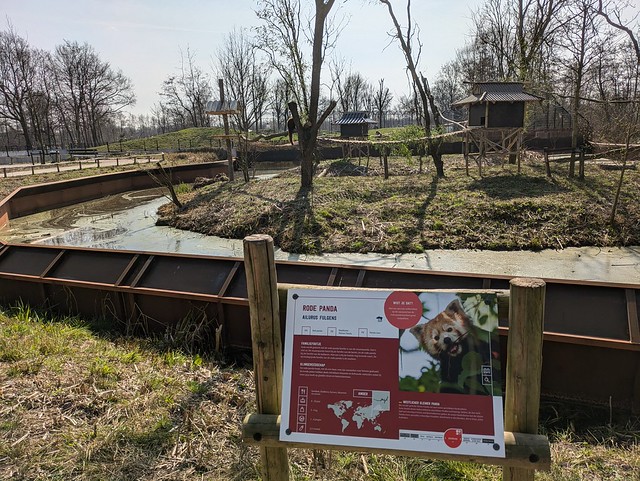
- One of the red pandas moved to the new enclosure in the Amur area. In this area, all the animal signs have also been replaced so they are all in the same style.
54414308840_855a630d02_z.jpg

The red panda in its new enclosure
 
Back
Top