Snowleopard's 2024 Road Trip: Thailand, Malaysia, Singapore & Indonesia

DAY 6: Wednesday, August 7th

Here's part two...

Zoo/Aquarium #19: Safari World Bangkok (Bangkok, Thailand) - Part 2 of 2

After being impressed with the hour-long Safari Park bus tour, the excellent crocodilian pools, the African Manatee complex, and the 40+ Cape Giraffes, what else does the zoo have to offer?

One really interesting building is Eggs World and I uploaded around a dozen photos of it into the gallery. This is a fascinating complex that has all sorts of odds and ends, ranging from taxidermy dioramas to an incubator room to cages filled with young birds to stylish displays of a variety of eggs from around the world. I'm not sure I've ever seen anything quite like it before and certainly not on this scale.

full


full


In this general area of the zoo is an enormous Leopard exhibit that has an overhead tunnel that allows the Leopards to go from one side to the other.

full


There's also a Walrus pool with several Walruses, including one with huge tusks. Notice the large ship in the background, which is a separate attraction.

full


I uploaded 7 photos in the gallery of the Elephant Show area and the place was absolutely jammed to the rafters with people. Thousands of visitors were shoulder to shoulder in the large stadium and we hung out by the Walruses for quite a while until the tidal wave of humans abated a little. The crowds really were enormous at times in this zoo, especially for the elephant and dolphin performances. Strangely, for such a huge zoo with a massive amount of acreage, there is not a single Asian Elephant exhibit anywhere to be found, either in the Safari Park or the Marine Park. Elephants are brought out for the numerous shows, where afterwards anyone can go up and pet one and even pay to ride one, and then the elephants are all herded behind the scenes and I'm really curious as to what their accommodation looks like. Maybe they are chained up, or placed in barns, or perhaps there's some big paddocks behind the trees and rockwork. Does anyone know?

full


Speaking of shows, as I mentioned in Part 1 of this review, we watched 5 minutes of the Dolphin Show and it was just like one I saw at Indianapolis Zoo years ago. That means there was a lot of pounding music, lights and tricks, but one difference is that in Thailand the dolphins were wearing cowboy hats at the start. The Elephant Show at Safari World Bangkok presumably involves soccer balls, hoops and other tricks, but we deliberately avoided it. There's also an Orangutan Show, with boxing gloves on the apes, and we made a conscious decision to skip that one as well.

I cannot forget about the Bird Show, which looks okay from advertisements, the Sea Lion Show, the Western Cowboy Stunt Show (with no exotic animals) and we did sit through most of the Spy War Show. It's like a mixture of the Waterworld Show at Universal Studios in California and a James Bond movie, with no animals and loads of crazy water-based action sequences. If one wanted to watch all SEVEN of the shows at this zoo, then you'd need to buy the two-day ticket. Konstantin and I spent 6 hours at Safari World Bangkok and you could feasibly spend a whole second day going from show to show, which reminded me strongly of the trio of SeaWorld parks in the United States.

The Spy War/James Bond show was packed and these shows are incredibly popular.

full


Getting back to animal zones, the zoo has two False Gharial exhibits that are spacious and filled with schools of fish. Along with the Saltwater Crocodile and Siamese Crocodile pools near the entrance, that gives the zoo FOUR above average outdoor crocodilian exhibits.

full


Camp Kangaroo opened in 2022 and contains Western Grey Kangaroos, Eastern Grey Kangaroos, Red Kangaroos and Red-necked Wallabies all hopping around in the red-tinged dirt. The enclosure is fairly large and contains an Outback-themed area with a small gift shop that's also new.

full


The Orangutans are a real black mark on Safari World Bangkok. Not only are there shows with Orangutans boxing each other, or playing musical instruments, but the only on-show exhibit for these magnificent great apes is an awful old cage without even any ropes inside of it.

full


Later on, during a crazy afternoon downpour, Konstantin and I stopped for lunch and twice we saw a staff member walk by in the rain while holding the hand of a pants-wearing Orangutan. Nothing to see here, just casually walking through possibly the busiest zoo in Southeast Asia with an Orangutan! :eek:

full


Birds generally do quite well at this zoo, with a large aviary with 60+ Scarlet Ibis, a series of smaller aviaries scattered throughout the grounds that are all of a decent quality, a whole lane of parrot aviaries, a big Hornbill Rainforest complex (under construction during our visit) and even a walk-in "Cuban Flamingo" aviary with an impressive looking entrance.

full


There's also a large 'Tree House Aviary', which is mainly home to many screeching lorikeets.

full


There's a number of other animal exhibits, including a pool for South American Fur Seals. Note the dominant rockwork that looks very 'icy' as this used to be home to Polar Bears. There's a second pinniped pool for the Sea Lion Show that's set in a SeaWorld type stadium. Along with the Walruses, this zoo has 3 pinniped exhibits in different areas.

full


And of course there was our daily dose of Malayan Tapirs and two can be seen at the back of their exhibit in my photo.

full


One of the genuine highlights of the entire zoo for Konstantin and I was the jungle trail called Lemuria. A huge fake tree branch sets the tone and the natural rainforest creates an immersive feel as visitors stroll down the path and find themselves surrounded by primates. In this area can be found Red-shanked Douc Langurs, Colobus Monkeys, Green Monkeys, Mandrills, Ring-tailed Lemurs and Black-and-white Ruffed Lemurs.

As you can see from my photo, there's a maze-like overhead trail system with a dizzying array of wire tunnels with primates clambering in all directions. It's possible to get within touching distance of a troop of Red-shanked Douc Langurs and how great is that?

full


full


Safari World Bangkok has style when it comes to certain elements, such as the eating establishments. The Savanna Grand Buffet Restaurant is truly massive and quite an attraction on its own!

full


Also, the signage here is amongst the best we saw on the entire trip. Each exhibit, even each individual aviary, has a trio of connected signs with a great deal of information. It's aesthetically pleasing and very nicely designed. Here's an example on the Raccoon exhibit:

full


Here's a large Binturong cage with the zoo's classic, 3-sign style:

full


There's tons of animal statues and even a 'Floating Market' display built into the beautiful waterfowl lagoon. In person, those people look real!

full


Summary:

Safari World Bangkok was a great day out for Konstantin and I. It was massively busy and is by all accounts one of this part of the world's most popular zoos, and much of it we truly enjoyed. The hour-long Safari Park tour had no narration from the driver whatsoever and I discovered that I really enjoyed that idea, as I leaned back and savoured the silence and the plentiful wildlife in spacious exhibits. Many of the aquatic creatures in the Marine Park have exhibits that are great to see, such as the West African Manatees, Walruses, South American Fur Seals, all those crocodilian pools, plus several waterfowl ponds.

I think that our visit might have been different if we had taken two days and sat through every show, but neither of us spend much time at shows at even the best zoos in the world and so here we had no desire to see all the entertainment. The dolphins are typical of other places but with more glitz and glamour, the elephant situation is obviously a cultural thing in Southeast Asia as anyone could literally walk up and pet one (!!), and the Orangutan accommodation and 'boxing shows' are abysmal by any standards and so we avoided seeing that and yet still ended up watching a couple of Orangutans being walked through the zoo. Please zoo owners, cancel the damn Orangutan shows already!

The Leopard complex is very impressive in terms of height, the Eggs World building is a real novelty for bird fans, and all the signs, pathways, restaurants and entryways are of a high standard. You know how sometimes you visit a zoo and it seems like it's a dying institution? An example on this trip would be the ghastly Lopburi Zoo, which I feel as if probably hasn't had a new exhibit of any kind for decades. Ugh.

Safari World Bangkok gives me hope and this is a zoo showing clear signs of progress. Gone are the Polar Bears and Beluga Whales, plus most of the Giraffes, and there's construction everywhere. Camp Kangaroo opened in 2022, there's a brand-new exhibit for Alpacas that opened in 2024, Parrots Lane is also new, plus there's ongoing construction on the Hornbill Rainforest, Pygmy Hippo, Nyala and Tiger exhibits (all with workers on-site and actively hammering away). That adds up to SEVEN new or refurbished exhibits since 2022 and those are only the ones I know about.

Mammal species list (43 species): Asian Elephant, White Rhino, Common Hippo, Malayan Tapir, Giraffe, Plains Zebra, Asian Water Buffalo, Cape Buffalo, Watusi, Dromedary, Impala, Gemsbok, Blackbuck, Sambar Deer, Hog Deer, Javan Rusa Deer, Axis Deer, Common Bottlenose Dolphin, African Manatee, Walrus, Tiger, African Lion, Leopard, American Black Bear, Asiatic Black Bear, Orangutan, Chimpanzee, Mandrill, Red-shanked Douc Langur, Green Monkey, Colobus Monkey, Ring-tailed Lemur, Black-and-white Ruffed Lemur, Binturong, Meerkat, Raccoon, Capybara, African Crested Porcupine, Red Kangaroo, Western Grey Kangaroo, Eastern Grey Kangaroo, Red-necked Wallaby and South American Fur Seal.
 
There's also a Walrus pool with several Walruses, including one with huge tusks. Notice the large ship in the background, which is a separate attraction.

full

This is the update I've been waiting for!! Safari World is probably the most surprising success story of all the current walrus exhibitors, with one calf successfully born and another due this year.

They hold 4 walruses currently; 1.0 Boria, 0.1 Tata (both of whom have impressive tusks), 0.1 Yaris, and 0.1 New (full name New Normal, born to Tata and Boria in 2020). The park held another female with large tusks who presumably passed around 2019-2020.

I've been enjoying these walkthroughs so much. Thank you for sharing your experiences with us!
 
Well, you convinced me. If I ever get back to Thailand (not unlikely since I am still to visit the northern part of the country) I will take a day to visit Safari World.

Really looking forward to your reports on the Malaysian zoos. I might go there myself this year and I'd love to see if there are any zoos worth visiting.
 
Thanks @zoologicus for the kind words and there's lots of people lurking who read my reviews and it's great to occasionally hear from them. For whatever reason, Safari World Bangkok has done well with Walruses even though the exhibit is in a super loud part of the zoo. It's adjacent to the big Elephant Stadium and the noise levels are intense, but the Walruses are at least breeding and very few zoos worldwide manage that trick.

That's great @ralph that you will head back to Thailand to see some impressive zoos. Obviously, northern Thailand is home to Chiang Mai Zoo and Chiang Mai Night Safari and flights are fairly inexpensive and you could see both in one day. As you know, Konstantin and I even added on 3 much smaller zoos in the afternoon. At least you now know exactly what to expect at each one. :)

In regards to Safari World Bangkok, it costs $33 U.S. and it's not a cheap zoo to visit. However, with the hour-long safari tour, 7 shows and the rest of the animal collection it can be a full day out and so it's good value for money. It appears that the Hornbill Rainforest complex that was under construction back in August is apparently called Hornbill Jungle and there's 5 species in total: Great, Wreathed, Oriental Pied, Rhinoceros and White-crowned, as well as Nicobar and Pied Imperial Pigeons.

I also found out that the Savanna Grand Buffet Restaurant has seating capacity for a whopping 1,800 people, plus the zoo has THREE other restaurants with seating capacity at each ranging from 400 to 600 visitors. One downside is that it appears the zoo has paid photo opportunities where visitors can sit and eat a meal with an Orangutan, or hold a Tiger cub, etc. These type of attractions are quite common in Thailand, just like the seemingly nonchalant way of managing Asian Elephants in public areas.

Up next: An overview of the 19 zoos in Thailand that @twilighter and I visited, before I tackle Malaysian zoos.
 
I'm going to write a lengthy overview post on Thailand before I move onwards to the next nation. With 19 zoos reviewed, I'm approximately a third of the way through this thread and now is an apt time for a summary.

Traveling with @twilighter was a breeze and we knew each other from our brief meeting (1 night and 2 zoos in Sweden in 2022) and years of texting. Konstantin and I share remarkably similar traits when it comes to touring zoos and our thoughts about each facility we spend time at. By the end of the trip, his list of top 10 zoos was identical to mine, and we both acknowledge that for us mammals are our favourite type of animal to view, followed by reptiles and amphibians as we each appreciate a solid herp collection. We are kindred spirits and all day long our time was consumed by debating which zoo was better than another, or ranking zoos out loud. It was always friendly 100% of the time, with never an argument, as neither of us are 'homers'.

A 'homer' is perhaps a North American term that is given to someone who consistently sticks up for their local sports team, city or zoo. For example, when I reviewed Toronto Zoo in 2008 I was rather harsh and I honestly wasn't that impressed. I had all sorts of 'homers' come out of the woodwork, telling me how great Toronto Zoo was. With that zoo's new strategic plan detailing how Toronto will have only 175 species in the future, down 35% from what they once had, the zoo continues to drift into obscurity and when I was there in 2008 they had Orangutans and African Elephants in absolutely atrocious exhibits. I have been proven correct all along in that Toronto is miles away from being a world-class zoological destination and it never will be. Some folks live near big, famous zoos and they insist their local zoos are better than others of a similar nature (regardless of whether they have actually visited those other zoos!) and yet one day they'll realize that they were completely wrong all along and so a 'homer' can eventually be cured. :p

Konstantin and I are not 'homers' and we see the faults and issues with all zoos, just like we see the highlights. We have a similar pace and ideas and so if I say that a zoo is either glorious or ghastly, then you can be sure that Konstantin feels the same. This way, my reviews and comments in this thread are not just from my experience of visiting 600 different zoos and aquariums from across the globe, but you also have Konstantin's 200 zoos and aquariums from even more nations than I've been to. We each bring heaps of experience to the table and even though reviewing zoos has a lot of subjectivity, everyone on this site has at least a basic knowledge of what makes for a poor exhibit in comparison to a great one.

I am in contact with one of the zoos I visited on this trip as they are interested in possibly building a Red Panda exhibit. I have told them in two different messages that I've never once worked in a zoo, but they honestly don't care because I have (*checks notes) literally seen 112 Red Panda exhibits in my life. I was at 107 and was surprised to come across 5 more on my Asian trip. It's too bad I cannot get paid to be a zoo consultant, but in truth I'm more than happy to give some advice to a zoo as the number of Red Panda exhibits I've seen in person is actually insane when I stop to think about it. I suppose that Konstantin and I have become zoo 'experts'. I like to think that we are both fair and balanced, both enjoying the biggest and best zoos of the world and also loving the small gems that crop up along the way.

We believe that the handful of least pleasurable zoos on the trip were all in Thailand, but there's also 5 zoos of substantial enough size to warrant more than one section to a review. There's some zoo nerds who wish to book trips to this beautiful country and so my thread will hopefully be able to guide people towards making positive choices.

Here's a brief rundown of my 19 reviews:

Itinerary:

DAY 1: Friday, August 2nd

1- Bangkok Snake Farm (Bangkok, Thailand) - 1.5 hours is easily enough time to tour this facility. 50 snake species and several rarities. Worth seeing.

2- Peuan Deratchan Mini Zoo (Bangkok, Thailand) - tiny, home-made zoo. Skippable, but able to be seen in 45 minutes if you want to add another collection to your all-time count.

3- Bangkok Butterfly Garden (Bangkok, Thailand) - just butterflies. The surrounding gardens are packed with birdlife and I saw 8 wild tree shrews.

4- Pata Zoo (Bangkok, Thailand) - naff little rooftop zoo that is crumbling into disrepair.

5- Sea Life Bangkok Ocean World (Bangkok, Thailand) - better than average Sea Life as it began as a different aquarium. Worth seeing if in the city and it has late hours.

DAY 2: Saturday, August 3rd

6- Wildlife Rescue Center No. 1 (Nakhon Nayok, Thailand) - a Marbled Cat! 1,200 Crab-eating Macaques! Tiny carnivore cages surrounded by lush jungle.

7- Sriayuthaya Lion Park (Nong Khanak, Thailand) - vast primate collection. Basically a brand-new zoo with loads of potential, but the chained big cats sour a visit.

8- Lopburi Zoo (Lopburi, Thailand) - god-awful old zoo with nothing redeemable about it.

DAY 3: Sunday, August 4th

9- Khao Kheow Open Zoo (Chon Buri, Thailand) 3-part review - the best that Thailand has to offer in terms of zoos. Golf carts are required. One of the great zoos of the world and also one of the largest zoos of the world.

10- Pattaya Crocodile Farm (Pattaya, Thailand) - ghastly little place. A dozen chained elephants and drugged big cats. Avoid.

11- Underwater World Pattaya (Pattaya, Thailand) - 30-minute visit. Small, unmemorable aquarium but the long underwater tunnel is pretty neat.

12- Monsters Aquarium (Pattaya, Thailand) - jammed with all sorts of animal delights, with long hallways for mammals, birds, reptiles and fish. Sought out by zoo nerds as they must have 250 species here.

DAY 4: Monday, August 5th

13- Chiang Mai Zoo (Chiang Mai, Thailand) 2-part review - solid, respectable zoo. Giant Pandas (soon) and Koalas are the big draws, but also a zoo that needs some work.

14- Tiger Kingdom (Chiang Mai, Thailand) - 29 Tigers that people pet, but way better than anticipated.

15- Siam Insect Zoo (Chiang Mai, Thailand) - very nice facility. A bit old school but with insects in every nook and canny and with a focus on education. Check it out if you are in the area.

16- Lanna Mini Zoo (Chiang Mai, Thailand) - small and home-made place. Laotian Langurs and Red-shanked Douc Langurs that interact with visitors. Hit-and-miss exhibits.

17- Chiang Mai Night Safari (Chiang Mai, Thailand) 2-part review - two tram tours and then a walking loop around a lake. Definitely worth seeing. 75 mammal species.

DAY 5: Tuesday, August 6th

18- Songkhla Zoo (Songkhla, Thailand) 2-part review - Flat-headed Cats and Large Indian Civets behind the scenes. A zoo that was stagnant but now has many new exhibits.

DAY 6: Wednesday, August 7th

19- Safari World Bangkok (Bangkok, Thailand) 2-part review - a full day out with the Safari Park tour and then the Marine Park walking area. Lots of progress but also some outdated cultural elements.

Summary:

Thailand is a nation that is visited by millions of people searching for nightlife and beaches and Konstantin and I pretty much had wall-to-wall zoos during our time there. The first few days were hectic, as Bangkok itself is packed with people and bursting at the seams and everywhere feels busy and rushed. I was a bit worried after seeing Pata Zoo (which I was documenting in order to help close it down), the Wildlife Rescue Centre, parts of Sriayuthaya, Lopburi and the Pattaya croc place. I began to worry that I'd agreed to visit a part of the world where I'd be seeing outdated cages, chained elephants and drugged big cats all the time. What's really fascinating is that local Thais don't appear to have any problem with such displays in their zoos, with zero protests and if anything there's lineups of people eager to touch an elephant or walk a Tiger. It's totally normal for many visitors and if I mention anything to anyone (such as an email I sent to one of the zoos) they reply wondering what on earth I'm complaining about. That's the mindset.

Thankfully, light emerged from the darkness and Khao Kheow Open Zoo would be a top 10 zoo if it was in North America, both the Chiang Mai zoos (separate facilities) have many strong points, Songkhla Zoo is an ABC zoo with some choice behind the scenes rarities, and Safari World Bangkok is a combination of several zoo types into one large establishment. Along the way, we saw a range of new species, were met with fantastic hospitality everywhere, felt safe all the time, saw an abundance of wildlife in the jungle zoos and we luxuriated in the warm climate and occasional tropical downpour.

I do think that we missed out on a couple of notable places (Nakhon Ratchasima/Korat Zoo and Khon Kaen Zoo), plus the brand-new Dusit Zoo will open in the future. Konstantin and I saw a lot of zoos in the Bangkok area or within a couple of hours from Bangkok, plus we had flights to Chiang Mai and Songkhla to see zoos, but Korat and Khon Kaen were awkward for us to fit into our already tight schedule. They are both many driving hours from Bangkok and in truth it's virtually impossible to see every zoo in any country. Even when I spent a lot of time in the Netherlands in 2019 and visited 43 zoos, I left at least a dozen more out there for next time. ;)

Neither Konstantin or I are big 'foodies', so we didn't spend time sampling the spicy cuisine of Thailand like others tend to do. When we returned very late in the evening to Bangkok on several days, it was obvious that the nightlife there is probably worth checking out if you are into that sort of thing. We'd rather shower, pass out in our beds and get ready for another day of zoos than hit a bar or club.

As a zoo nation, Thailand has some big highs and some deep lows. Overall, I'd say it was the weakest country of the 4 we spent time in on the trip simply because as I've gotten older and more experienced at touring zoos I really appreciate a country that has a high overall level. Sure, the Netherlands has the infamous Dierenpark De Paay, but overall the quality of zoos for the Dutch is fantastic. Germany has a few duds scattered here and there, but again the general standard of the 900+ zoos in that nation is remarkably high. This has been my biggest complaint about the United States, a rich country where I've visited around 400 zoos but there's terrible ones there that are of a Lopburi/Pata/Pattaya standard, with big cats in puny metal cages and all sorts of low standards in terms of basic animal welfare.

You can still buy a Chimpanzee or Tiger in many U.S. states, and the same goes for having breakfast or putting jeans on an Orangutan in Thailand, but that kind of nonsense has been weeded out from zoos in Canada, Australia and most European countries. Some crappy zoos can bring down the overall quality in a single country in my opinion. Although, on the flip side, Thailand clearly has some fantastic highlights in many zoos, from the Banteng hillside magnificence at KK Zoo to the massive Hornbill Breeding Center at Songkhla Zoo, to the Lemuria jungle walkway full of primates at Safari World Bangkok, to the plethora of huge aviaries in multiple zoos. There's wild macaques everywhere and the brilliance of the guest hospitality is immense. Thailand is an amazing place to visit and we had a total blast, but for sure some of the zoos need work and I fear that it's going to be many years before a few of the dodgy cultural activities will be eradicated.

Thoughts??

Up next: A Malaysian 'Toki Day' that was a real delight!
 
Last edited:
DAY 7: Thursday, August 8th

After 19 zoos in Thailand and SIX different flights since leaving Vancouver, it was time to tackle Malaysia!

Zoo/Aquarium #20: Penang Bird Park (Penang, Malaysia)

When @twilighter and I were planning this trip, a zoo nerd named @Toki reached out to us and he was keen to meet up for a day as he lives in the Penang region. Konstantin and I were more than happy to oblige, and of course we had to introduce Toki into our way of travelling. ;) That meant he picked us up in his car from our hotel at 7:30 a.m. and we did a full day of 3 zoos and then Toki dropped us off at a bus station approximately 12 hours later. We paid for his gas, as it was a good 1.5 hours of driving to our first zoo, then 1.5 hours to the next zoo, then 1.5 hours to the third zoo of the day, and then he had to retrace his steps after depositing us at a local bus station. After our epic and exciting day of zoos, Konstantin and I took a 4-hour bus ride to Kuala Lumpur and by the time we disembarked from the bus and took an Uber/Grab to our motel, it was around 1:00 a.m. in the morning and we had yet another busy day of zoos on August 9th lined up. Relentless.

Toki is a Japanese zoo nerd who spent 14 years living in Penang, Malaysia, when he was much younger, and now has been back in Penang for going on almost two years. He's a very friendly, kind man of 36 years of age (but he looks much younger!) and Toki is more than willing to meet up with any zoo nerd who travels to Malaysia. He's very knowledgeable about zoos in that nation, as well as his native Japan, and he's been to approximately 130 zoos throughout Asia.

After taking us to an open-air cafe for breakfast (with traditional Malaysian food which was delicious), we arrived at Penang Bird Park and we were the first visitors of the day. Toki compiled a species list last year and it's on the link below:

Penang Bird Park Species List (August 10, 2024) [Penang Bird Park]

The zoo's entrance building and plaza:

full


full


Penang Bird Park has seen better days. There's no doubt whatsoever, from talking to Toki who has visited on a regular basis, that this facility is perhaps on its last legs unless there's a rich buyer out there in the world. The number of bird species (still circa 100+ as of the time of writing) has steadily decreased over the years and this is an example of a zoo that might not be around in the distant future. I hope that is not the case though!

Near the entrance is the Bird Show stage, with a White-bellied Sea Eagle tied to a perch during our visit. Later, the individual was moved into a small aviary off to the side.

full


Many of the pathways are made of bricks, as well as the base of a lot of the aviaries. There are long rows of aviaries similar to the ones in my photo.

full


Painted Storks and Milky Storks are everywhere in Southeast Asia, both in the wild and captivity, and Penang Bird Park has an open-topped exhibit with both species.

full


The Greater Flamingo exhibit is unusual in that it's a long strip of land with a thin water moat and visitors can get quite close to the birds.

full


There's a LOT of aviaries down this long visitor path.

full


To give an idea of the size of many of the aviaries, here's an example with Red-billed Hornbills and Malay Peacock Pheasants. It seems tight on space.

full


A highlight would be the first walk-through aviary, which is of a substantial size. If you look closely, you can actually see Konstantin and Toki (and some flamingos) on the bottom level, with stairs on the left that take visitors up to the second floor of the aviary. There's a small mock-rock waterfall and this structure is quite nice.

full


Here's the view from the upper level and I have two photos in the ZooChat gallery showing all the signs for the species that are found in this large walk-through aviary.

full


There are some half-hearted attempts to have mammals on show, like this Meerkat exhibit and a nearby Common Marmoset enclosure. Lesser Mouse-deer are also found at the zoo.

full


A single Ostrich can be found here (and you can see a Cassowary in the adjacent enclosure) in a rather small area.

full


There's even a Saltwater Crocodile exhibit.

full


But birds are the main focus and a second walk-through aviary is another highlight. Here can be found Victoria Crowned Pigeons, Fantailed Pigeons, Red-whiskered Bulbuls and Ruddy Shelducks, amongst perhaps a couple of other species. There is ample vegetation here.

full


There's a memorable section with a whole row of owl aviaries. Here we saw species such as Malay Eagle Owl, Buffy Fish Owl, Spotted Wood Owl, Collared Scops Owl, Reddish Scops Owl, Bay Owl and Barn Owl. Some of those would be choice rarities for any zoo nerd not based in Asia and all are easily located in their aviaries.

full


More owl aviaries, with an apartment building right next door.

full


The setting here is pleasant, with many shady jungle trees with unbelievable root systems. Toki told us that it's common to see wild monitor lizards in the canal area next to the bird park.

full


There's a brightly-coloured red fence alongside the boardwalk waterfowl zone.

full


The 3rd and final big walk-through aviary is another highlight and it's probably the tallest structure in the park. Here can be found species such as Indian Peafowl, Pied Imperial Pigeon, Pink-necked Green Pigeon, Emerald Dove, Cattle Egret, Egyptian Goose, African Spoonbill and Chinese Ring-necked Pheasant.

full


full


Summary:

I had a great time at Penang Bird Park as I was in the presence of two zoo nerd friends, it was a typically warm day and to be in Malaysia for the first time was a wonderful thrill. Strolling around looking at a lot of birds can be an enjoyable thing to do and this zoo can be seen in 1.5 hours or less as it's not very large. I do feel that my review and numerous photos in the gallery give off the impression that this bird park is better than what it is. In truth, parts of the facility look a little shabby, including the ghastly toilets near the exit. Many of the aviaries are a bit old fashioned and tight on space, with the haphazard addition of Meerkats, some marmosets, crocodiles and pythons almost like a desperate gamble for visitors. Toki has seen a steady deterioration of the establishment and that's a shame as the three big walk-through aviaries are all impressive. Those walk-throughs are clearly the best part of Penang Bird Park.

Up next: We drove 1.5 hours to our next destination, the excellent Taiping Zoo. We had a fully guided tour of that zoo by one of the curators and I saw my first ever tarsier and my first ever Smooth-coated Otters.
 
DAY 7: Thursday, August 8th

After finishing up at Penang Bird Park, @twilighter and myself were driven by @Toki for 1.5 hours to our next stop.

Zoo/Aquarium #21: Zoo Taiping & Night Safari (Taiping, Malaysia) - Part 1 of 2

Zoo Taiping has early morning opening hours (8:30-6) and then it closes for two hours and reopens every evening (8-11). It's different from the Singapore and Chiang Mai 'Night Safaris', which are entirely individual zoos, but in the case of Taiping it's basically the exact same zoo but seen in darkness and that began in 2003. We were there during the day, but if I lived locally I would love the opportunity to go back at night and some of these Southeast Asian zoos have tremendously long hours where the animals are on-exhibit for lengthy stretches. Again, I question why some North American and European zoos don't do this in the summer months as I'm convinced it would be a hit with visitors.

It really is something to think about, as in the case of zoos in colder climates, like Buffalo and Bronx, where a type of animal such as a Giraffe is on-show for 7 hours a day and locked in a barn for 17 hours, or even locked in a barn for weeks on end in the winter (!!), some zoos I saw on this Asia trip perhaps never lock their Giraffes in barns. I can see circumstances where the Giraffes have the option to go outside 24/7 for their entire lives and perhaps spend very little time indoors. In many ways, an exhibit that at first appears slightly weaker at a Southeast Asian zoo is arguably superior to many other zoo exhibits worldwide because the captive animals have access to far more space far more often. Makes sense to me. :)

Zoo Taiping opened in 1961 and consists of 36 acres/14 hectares and so is the same size as London Zoo. Zoo Taiping's map is an excellent one, even though it first appears a bit crowded with animal icons. The zoo advertises the fact that there's a West Loop and an East Loop, and we went up the whole right side and the top of the zoo as it's a straight, easy-to-follow trail that cuts back towards the central area. This 'Sentral' zone has a flower-looking structure and a plaza, before visitors take the next loop in the bottom, left-hand corner of the map.

Notice the abundant waterways in this beautiful zoo.

full


The zoo's gift shop (there's actually two of them) has several animal statues nearby, including a Gaur - which happens to be the zoo's logo.

full


For the entire duration of our 3.5 hour visit, Konstantin, Toki and I were accompanied by one of the zoo's curators and she was a splendid host. She toured us absolutely everywhere. Her knowledge of the zoo was unparalleled and Zoo Taiping ended up being one of the highlights of the whole trip. It's a real jungle zoo and we saw a wild monitor lizard, some wild deer, had a couple of wild hornbills swoop down near our heads in a rush of wings, and there's multiple troops of wild Southern Pig-tailed Macaques that we came across. The big males are quite large and awe-inspiring up close and show little to no fear of visitors. The female and young macaques scatter, but the males are "tougher than the rest" (to quote Bruce Springsteen).

full


There's even free-roaming Grey Crowned Cranes and several exhibits (such as this empty one below) are built around trees.

full


The first few exhibits are not that noteworthy and they contain species such as Common Marmoset, Golden-headed Lion Tamarin and Buffy Fish Owl, before we came across a spectacular, 1-acre (0.4 hectare) Dhole habitat. There's multiple vantage points for viewing and the exhibit is so large that it took us a few minutes before we spotted the pack of Dholes lounging around their enclosure. It's a slice of forest and one could call it world-class as a zoo exhibit.

full


After Toki mentioned that he had visited Zoo Taiping on dozens of occasions and not had much luck locating a Gursky's Spectral Tarsier, one jumped out of its box and I quickly snapped a photo. Konstantin and I had a ton of luck on our epic trip and this was yet another example of being in the right place at the right time. The little tarsier bounced around its outdoor exhibit for a minute and then disappeared.

full


There are aviaries for waterfowl and bats that are near a home for a troop of Chimpanzees.

full


With a similar exhibit for Bornean Orangutans close to the chimps.

full


Not far away from the tarsiers, orangs and chimps, are a couple of White-handed Gibbon islands with no structures and instead a gibbon was creating a ruckus up in the jungle treetops. There's essentially no barriers and the gibbons are remarkably close to visitors up in their canopy home.

full


Agile Gibbons are also found at Zoo Taiping but in a more traditional enclosure.

full


A nice group of Stump-tailed Macaques are also here, in an exhibit that is double the size of what is shown in my photo.

full


There's at least two Saltwater Crocodile exhibits and two False Gharial exhibits, all outdoors and all brilliant compared to Western zoos with their all-indoor croc pools. I particularly like this shot I took of one of the False Gharial exhibits and the jungle setting in Taiping is magnificent.

full


This mammal-heavy zoo has exhibits for smaller mammals such as Fennec Foxes, Striped Skunks (empty during our visit), Malayan Porcupines (two exhibits), Asian Brush-tailed Porcupines, Leopard Cats and Binturongs.

The Mainland Serow exhibit is special, with a big lawn, a mountainous backdrop and then a jungle full of macaques, lizards and hornbills.

full


Having a jungle setting aids enormously in creating an immersive feeling, such as with this Sambar Deer paddock with tall trees everywhere.

full


Here's the exhibit for Wild Boars and it makes me smile to realize that a wild Southern Pig-tailed Macaque can be seen walking on the fence (left-hand side).

full


African Lion exhibit with a big, green moat.

full


I saw my very first Smooth-coated Otters, although the underwater viewing isn't really exceptional if the water is as brown as the animals! Still, the active otters were fantastic to see and the exhibit is surprisingly large.

full


The Clouded Leopard exhibit is huge and much more spacious in person than it appears in photos. It's right next to the otters and the enclosure is overrun with jungle vines and the cat appeared very tiny at the top of its tree. The roots all over the floor of the exhibit make it look like a wild jungle.

full


It's difficult to find a half-decent Sun Bear exhibit in Southeast Asian zoos and here it's basically a small field. A rare error by Zoo Taiping!

full


The spacious paddock for Bawean Deer, of which the zoo had 23 at the time, is quite nice. Here is a species that is incredibly rare outside of Southeast Asia and to see such a vast group at Zoo Taiping was a thrill. The curator told us lots of information about the herd and this species is a real success story for the facility.

full


Up next: Zoo Taiping & Night Safari review - Part 2 of 2
 
Last edited:
I like how they also appears to label their empty (?) patch of lands (No. 6, 11, and 27) on the map. I wonder if this were former exhibits or other infrastructures that they didn't bother to remove their map label?
Unfortunately, the map isn't really accurate, and these spots all have exhibits.

No.6
Mandarin Ducks
Finlayson's Squirrel

No.11
Sunda Slow Loris

No. 27
Few species of turtles
 
Unfortunately, the map isn't really accurate, and these spots all have exhibits.

No.6
Mandarin Ducks
Finlayson's Squirrel

No.11
Sunda Slow Loris

No. 27
Few species of turtles
Yikes, I wouldn't want to accidently pass the squirrel and slow loris! Why are they signed as nothing though, are these exhibits new?
 
Yikes, I wouldn't want to accidently pass the squirrel and slow loris! Why are they signed as nothing though, are these exhibits new?
None of these exhibits are new, but the slow loris exhibit is sometimes closed for a few months, then reopens for another few months. Don't know why though.

This map is the newest version, but still has a lot of gone species on it and lacks accuracy.
 
DAY 7: Thursday, August 8th

Here's the the second and final part of my review:

Zoo/Aquarium #21: Zoo Taiping & Night Safari (Taiping, Malaysia) - Part 2 of 2

Zoo Taiping is Malaysia's oldest zoo (1961) and yet it doesn't feel that way when walking around the lush jungle grounds. There's literally nothing that seems outdated and in need of a bulldozer. As shown in my selection of 20 photos in the first half of this comprehensive review, there can be found many excellent exhibits and the jungle scenery is an added bonus. I mentioned the troops of Southern Pig-tailed Macaques and the swooping hornbills (which gave us a little jump scare) and @Toki has previously compiled a list of wild animals seen on the grounds. Here are his words:

"This is a list of notable wild animals that are seen at the zoo.

The Rhinoceros Hornbill and Milky Storks are individuals that are released from the zoo as part of the government plan.

Southern Pig-tailed Macaque / Macaca nemestrina
Crab-eating Macaque / Macaca fascicularis
Dusky Leaf Monkey / Trachypithecus obscurus
Rhinoceros Hornbill / Buceros rhinoceros (released from zoo)
Oriental Pied Hornbill / Anthracoceros albirostris
Milky Stork / Mycteria cinerea (released from zoo)
Painted Stork / Mycteria leucocephala
Black-crowned Night Heron / Nycticorax nycticorax
Purple Heron / Ardea purpurea
Cattle Egret / Bubulcus ibis
Asian Openbill / Anastomus oscitans
White-breasted Waterhen / Amaurornis phoenicurus
White-throated Kingfisher / Halcyon smyrnensis
Stork-billed Kingfisher / Pelargopsis capensis
Asian Water Monitor / Varanus salvator

As one can see from Toki's list, visiting Zoo Taiping is a wildlife adventure regardless of the captive animals. A casual visitor can tour a lot of zoos in Southeast Asia and not really need to explore elsewhere in order to see loads of wild animals.

One complaint in the past has been a lack of notable reptiles and amphibians, aside from the brilliant outdoor crocodilian pools, but that was rectified in 2024 with a major project that added a lot of herps to the collection. There's a whole row of outdoor exhibits for cold-blooded critters that is of a very unusual design as it looks like a lane of homes.

2024 Reptile/Amphibian complex:

full


These brand-new terrariums are of a substantial size and receive a lot of direct sunlight, which does create issues with glare on the windows. Some of the signs are absolutely enormous and the amount of text on each sign is immense. One could read a new paragraph on each zoo visit! ;)

full


Near to the new development is the Malaysian Riverine Forest Aviary, complete with large birds and copious amounts of poop on the pathway. Storks galore!

full


And this massive structure is part of the zoo's Central Plaza, where I imagine many events can be held.

full


A super impressive African Savanna, which seems to be a hallmark of many Southeast Asian zoos, has species such as Giraffe, Plains Zebra, Common Eland, Nyala, Greater Flamingo, Sacred Ibis, African Spoonbill, and likely a few others as well. Gorgeous.

full


Nearby is a massive lake containing at least 3 Common Hippos.

full


And even a yard for Axis Deer, Nilgai and Demoiselle Cranes is here.

full


There's a series of older yet functional aviaries that also include exhibits for Lesser Mouse-deer in with the birds.

full


The curator took Toki, Konstantin and myself into an area that I believe is now technically behind the scenes. This row of aviaries used to be a hornbill breeding centre, but I'm not sure what the zoo has planned for the exhibits in the future. It would be a real shame if this zone is still sitting empty now, as there wasn't much in the way of birdlife when we were there in August.

full


A gargantuan cage, which is obviously a bit stark and functional, is actually a superb exhibit for Leopards. The height of the trees inside, the sophisticated design of the various ramps and ledges, and the sheer size makes this a superb enclosure for climbing cats.

full


full


A spacious Malayan Tiger exhibit is next door, complete with a large moat. I'm sure all the wild primates at the zoo steer clear of this habitat. :p

full


As you can see, the zoo is strong with its feline exhibits, as shown with this nicely done Asiatic Golden Cat enclosure. We saw one cat in the corner.

full


And there's the typical Southeast Asian nonchalance of getting into the same space as potentially dangerous animals. Elephants, crocs, cassowaries...bring 'em on! I watched this keeper for a few minutes as he hammered away (with a rock) on a part of the cement separating the zoo's two Cassowary exhibits. Meanwhile, one of the birds was within arm's reach at all times! :eek:

full


A huge moat separates visitors from Agile Wallabies, Emus and a series of waterfowl in this pseudo-Australian zone.

full


Work was being done on the newly renovated Colours of the Amazon Aviary and so we had to be content with walking alongside the perimeter instead of going directly inside. Add this one to the very long list of impressive Southeast Asian zoo aviaries. Capybaras are in with the birds and Toki will know if this aviary also includes primates these days.

full


A series of grassy paddocks for large mammals rounds out the zoo, such as this one for White Rhinos.

full


The zoo's Gaur exhibit:

full


One of Toki's favourite exhibits is the stunning Malayan Tapir/Barking Deer exhibit, which apparently often has wild primates lounging in the canopy. This is a well-shaded enclosure, which is important as the blazing heat is dominant in Malaysia.

full


I think that the Asian Elephant exhibit is not the greatest, as it's just a slab of level ground and with an enormous pool taking up half the space, but it's also not terrible and the zoo has had success with the species.

full


Here is a list of species, as provided by @Toki near the time of our visit:

Zoo Taiping Species List (August 17, 2024) [Taiping Zoo]

Summary:

Zoo Taiping
has approximately 50 mammal species, 35 bird species, 17 reptile and amphibian species, and 7 fish species for a grand total of 109 species. One major flaw with the zoo is the signage, with a Hartebeest (!!) still on the zoo's map even though it died probably 20 years ago. The signs around the grounds are quite outdated and if I was the director my first order of business would be to overhaul the entire signage everywhere.

The number of species doesn't tell the whole story of this splendid zoological facility. Looking through the photos in the gallery and the 40 images I have provided in my two-part review, it is obvious that Zoo Taiping has an above average level of quality with its animal exhibits. There are some enclosures that could be bigger and better (elephants, great apes, Sun Bears), but those exhibits are far superior to many others of their kind that I've seen in Asia. The majority of the animal accommodation is superb, with the captive population allowed out into their main exhibits for most of their lives due to the evening Night Safari. One could make the argument that Zoo Taiping is one of Asia's best zoos.

We were shown wonderful hospitality and having a 3.5-hour guided tour was truly memorable. But, honestly, even without the attention given to us, this is a fine zoo that is a must-see facility for anyone wishing to tour Southeast Asian zoos. There's rarities, a well-rounded collection (especially with the new reptile/amphibian complex), numerous excellent exhibits, and the wildlife around the grounds adds to every visit. Coming across a dozen Southern Pig-tailed Macaques foraging in the wild, and then seeing a different troop later on, created a sense that we were strolling down a jungle path. Free-roaming Grey Crowned Cranes added a surreal touch, as did a story the curator told about a deer species (either Axis or Sambar - I cannot remember) that saw several wild specimens actually enter one of the deer exhibits and after a couple of weeks of jumping in and out of the enclosure, the deer settled down and are now classified as captive specimens! That's an amazing true tale.

Up next: We visited our 3rd and final zoo of the day, called the Lost World of Tambun. The setting for this zoo is insanely stunning, as it is set against a jungle backdrop with colossal limestone caves in several areas. Plus, I'd never seen a Pangolin before and Lost World of Tambun has 3 exhibits for the species and one of the females was pregnant at the time and she gave birth in late 2024.
 
Former Director Dr Kevin Lazarus is the actual creator of nowadays Zoo and many of the exhibits are designed by him. Taiping zoo overall layout is very smartly done and many good European zoos can learn few things from Taiping landscape. Their collection used to be Malay legend with two species of Linsangs, Otter Civets (that they tried to breed) , Marbled Cat, Flat-headed Cat, few species of rare Viverrids and Mongooses, Red Hartebeest etc. It is worth mentioning that their Wild Pig is the Indonesian Banded subspecies (Sus scrofa vittatus) , that we couldn't manage to see at any other zoo even in the home country.
 
It is worth mentioning that their Wild Pig is the Indonesian Banded subspecies (Sus scrofa vittatus) , that we couldn't manage to see at any other zoo even in the home country.
Aren't this subspecies also found in Malaysia and Singapore? So you guys technicaly see them in one of their home territory :D

I think for future references, as of March 2025, Ragunan Zoo in Jakarta is the only holder in Indonesia that publicly display banded pig (Sus scrofa vittatus). To be fair for you guys, the pigs are held in an rather neglected enclosure located at the far south of the zoo (near the quarantine area and off-display tapir facility), making it very passable for clueless guests. The single signage of the exhibit was already deteriorated in term of condition and itself located in some patch of grass, not the main viewing area.

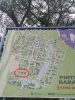
Their exhibit somehow listed on their map, despite their conditions (Circled red area, the one in the middle).

IMG_20250308_024232.jpg

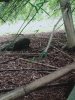
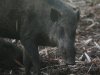
The enclosure itself is huge for a small group of pigs (Atleast 4-5 adults). From my experience twice seeing them, they always took shelter in the corner of the enclosure, making them quite difficult to sight. Here's some photos, including a really good image that I managed to took.

IMG20240718114248.jpg

IMG_0102.JPG
 

Attachments

  • IMG_20250308_024232.jpg
    IMG_20250308_024232.jpg
    127.5 KB · Views: 189
  • IMG20240718114248.jpg
    IMG20240718114248.jpg
    147.5 KB · Views: 190
  • IMG_0102.JPG
    IMG_0102.JPG
    68.5 KB · Views: 190
Aren't this subspecies also found in Malaysia and Singapore? So you guys technicaly see them in one of their home territory :D

I think for future references, as of March 2025, Ragunan Zoo in Jakarta is the only holder in Indonesia that publicly display banded pig (Sus scrofa vittatus). To be fair for you guys, the pigs are held in an rather neglected enclosure located at the far south of the zoo (near the quarantine area and off-display tapir facility), making it very passable for clueless guests. The single signage of the exhibit was already deteriorated in term of condition and itself located in some patch of grass, not the main viewing area.

Their exhibit somehow listed on their map, despite their conditions (Circled red area, the one in the middle).

View attachment 775117

The enclosure itself is huge for a small group of pigs (Atleast 4-5 adults). From my experience twice seeing them, they always took shelter in the corner of the enclosure, making them quite difficult to sight. Here's some photos, including a really good image that I managed to took.

View attachment 775118

View attachment 775119

We actually walked all the way down to their exhibit at Ragunan, but haven't seen any :)
 
DAY 7: Thursday, August 8th

After touring Penang Bird Park and the excellent Taiping Zoo, it was a 1.5 hour drive to our 3rd and final zoo of the day.

Zoo/Aquarium #22: Lost World of Tambun (Ipoh, Malaysia)

Lost World of Tambun opened in 2004 and when @twilighter, @Toki and myself rolled in last August we were there just shy of the zoo's 20th anniversary. This 40 acre/16 hectare facility is part zoo, part theme park and part waterpark, all set amidst gorgeous jungle and limestone caves. If you wish to see all the photos from our visit, go to the gallery called Malaysia - Other and if you search for Lost World of Tambun you can see that I uploaded approximately 90 photos. (We don't have a specific gallery for this facility yet on ZooChat)

We had called ahead to let the staff know of our arrival and the hospitality shown to us was astonishing. After we paid for our entrance tickets, 3 staff members met us and right away the manager was insistent that we walk back to the entrance and get reimbursed for our expenses. Even by relatively cheap Southeast Asian zoo prices, the cost to visit this place is much more expensive than most zoos and it is $32 U.S. per person and so for the three of us it was basically $100 U.S. and we ended up getting in for free! Then, the 3 workers spent the next few hours with us, walking around and showing us the park, allowing us to feed budgies for free, feed and even pet Barking Deer (normally these activities are an extra charge) and we were taken across the park via the classic Southeast Asian mode of transportation: the golf cart! We kept thanking them for their insanely generous use of their time, but they would insist on thanking us for visiting the zoo as if it was us doing them a favour. It was surreal and heart-warming.

This park has a few rides, several swimming pools, waterslides, a pathway down to a hot springs zone, a hotel and a zoo. We were there for 2-3 hours, as we focused on the animal attractions, but this is very much a family resort with people spending 2-3 nights at the hotel. You could have a whole day swimming and lounging in the hot sunshine with the kids, before exploring the rest of the attractions on subsequent days. I suppose that Lost World of Tambun is like a smaller version of a SeaWorld park, but without all the glitz and noise and with a genuinely great little zoo attached at the back of the grounds.

full


There's a temple theme to many of the buildings, which are all modern and look almost brand-new.

full


The entrance area is full of stores selling gifts and food, as well as changing areas for the swimming pools. Both via large signs at the park, and on the zoo's website, there are very strict rules and regulations in regards to swimming attire. Muslim men must wear full bathing suits that cover the majority of their bodies, while Muslim women are the same and also must wear headgear as well. Burkini swimwear is the law. For non-Muslims, men can get away with just a pair of shorts, but bikinis are banned for non-Muslim women and their heads must be covered. You can see a female swimmer in the pool and she is in head-to-toe black swimwear, which is an example of what must be worn at all times for a Muslim woman.

Regardless of what people wear, the location is gorgeous and it's impossible to convey just how stunning this zoo is in person.

full


A truly memorable exhibit is the King Cobra fish tank, as shown in the photo below. With thick jungle in the background, this covered walkway has a series of fish tanks on the right-hand side. These include species such as Red-tailed Catfish, Silver Arowana and Alligator Gar. On the left, is another fish tank with a King Cobra area attached, with the staff telling us that they frequently see the snake swimming in the tank and it mingles with the fish on a regular basis. There's actually a big fish tank overhead as well, so when a visitor goes through this tunnel they are surrounded by fish on all sides. It's fantastic.

full


The zoo's King Cobra can be seen resting on the left-hand side, but the snake often swims with the fish. Apparently whenever it gets too hot from the glare of the sun on the glass, then it goes and takes a dip in its deep, fish-infested pool. That would be a sight to behold.

full


The zoo has a single Malayan Tapir, with a lot of information and even a video playing about how the animal was rescued from a perilous situation. The exhibit is built at the bottom of a massive mountain, which is so steep that you cannot see the top. It's spectacular.

full


Here's the walk-through Capybara/Mara exhibit, with stairs on the left leading up to a water tank in a Colchester-style mock-rock setup.

full


There's a substantial structure called Bird Paradise Aviary, with limestone cliffs on one side and with a few parrots and budgies fluttering around. This aviary also has Ruddy Shelducks, Wood Ducks, Mandarin Ducks and Junglefowl.

full


This walk-through aviary also has an outdoor, open-topped tank for Pig-nosed Turtles and assorted fish. Every Southeast Asian zoo seems to have at least one huge aviary.

full


There's a stunning pair of exhibits for Spectacled Caiman and Small-clawed Otters that offer up a lot of waterways for the animals.

full


An aviary for a White-bellied Sea Eagle, a very common species in captivity in Southeast Asian zoos, can be seen set against the cliff wall. Other large bird species at the zoo include the following: Emu, Southern Cassowary and Grey Crowned Crane.

full


This Wied's Black-tufted Ear Marmoset exhibit was in the foreground, while a troop of wild Dusky Langurs crashed through the canopy in the jungle background. Incredible! The marmoset enclosure is actually a 'floating island' that is made from recycled materials, natural soil and plants. We stopped here for a long time to watch the langurs and it's a peaceful area in the zoo, far away from the waterpark zone. In fact, the zoo is pretty much a separate entity at the rear of the grounds and that works beautifully to make it a quiet place to explore.

full


This general area includes not only captive and wild primates, but also an Arapaima Lagoon with many large fish. Located at the very back of the zoo, amidst chilly caverns and thick tropical vines, this whole area is world-class.

full


The next photo is slightly blurry, due to the darkness from the surrounding mountains, but at least one can ascertain the vast height of the jungle on all sides. After going down a narrow boardwalk, visitors emerge into Tarantula Alley, with massive limestone cliffs and this is a quiet, secluded part of the zoo.

Species list: Chaco Golden-knee Tarantula, Mexican Red-leg Tarantula, Mexican Red-rump Tarantula, Curly-hair Tarantula, Antilles Pink-toe Tarantula, Skeleton Leg Tarantula, Togo Starburst Tarantula, Brazilian Salmon-pink Bird-eater and Burgundy Goliath Bird-eater. I have the Latin names for those 9 species if people are interested and this cave zone is fantastic. Curiously, the spider terrariums are lit up with lights, such as blue, green and pink. Overhead netting is to stop leaves, rocks and debris from the mountainside crashing down on visitors.

full


I saw my first Pangolins (3 of them!) in a trio of exhibits that included a pregnant female. She gave birth in the fall and as I type this the zoo is expecting another baby Pangolin and so Lost World of Tambun has had considerable recent success with the species. I'd end up seeing Pangolins on 7 occasions in Asia, but these ones were my first. :)

full


Asian Water Monitors are commonly seen in the wild and Konstantin and I saw many wild ones in the zoos we visited in Southeast Asia. At times, it was odd to come across an actual zoo exhibit for these type of lizards. Lost World of Tambun has TWO monitor lizard exhibits, in separate parts of the grounds.

full


There's a whole row of reptile terrariums as well. Reptile species at the zoo include the following: Spectacled Caiman, Reticulated Python, Burmese Python, King Cobra, Monocled Cobra, Malayan Pit Viper, Wagler's Pit Viper, Ridley's Cave Racer, Mangrove Snake, Asian Water Monitor, Asian/Chinese Water Dragon, African Spurred Tortoise, Red-footed Tortoise, Malayan Box Turtle, Alligator Snapping Turtle, Malayan Giant Terrapin and Northern River Terrapin.

full


There is even a Serpentarium, which is a long hallway with large pythons in all directions. I have some photos of big snakes above our heads and resting on the glass. An innovative design.

full


It's not the largest Tiger exhibit in the world, but the setting is magnificent and there's a lot of water in that moat.

full


One of this park's restaurants is set inside a limestone cave, with massive rocks arching over visitors as they sit and eat their food. Elsewhere, we were taken behind the scenes into a huge cave zone that acts as an event center, with the zoo hosting weddings and special gatherings inside the cool interior. It was a scorching hot day, as every day was in this part of the world, but the limestone caves were chilly and I can see people needing to bring a light jacket if they were to attend an event here. In Disneyland, the Star Wars Galaxy's Edge zone has similar cave formations, but there it's human-made and here in Malaysia it's the real thing. ;)

full


Summary:

Lost World of Tambun
is well worth visiting for several reasons. The trio of Pangolin exhibits is a real highlight, as is the neat Tarantula Alley cave complex, the troop of wild Dusky Langurs along the nature boardwalk, and most of the animal exhibits are top-notch. The setting of the park is astonishing, with huge mountains rearing up at the back, the noise of wild birds screeching in the trees, the limestone caves and caverns that are wonderful to explore, and yet one can find African species such as Giraffes and Fennec Foxes while the Malaysian jungle encroaches on all sides. There's 27 mammal species, although we missed the hippos and hyenas as we ran out of time at the end as the 3 staff members allowed us to stay just past the closing of the park, and close to 20 reptile species in very nice accommodation. The zoo is light on birds, but there are several modern, large fish tanks. I would estimate that there's a grand total of maybe 80 animal species. One surprise, especially considering all the primate-heavy zoos in the region, is that Tambun lacks any orangutans or gibbons and has only one primate species.

This is a park that is proud of the excellence it showcases, listing 20 awards on its website for a variety of achievements. The 400 million-year-old caves are treated with dignity and respect, with signs providing details about the limestone caverns. Even the zoo's garbage cans have large posters above them with information about sustainable development goals, which is echoed on the website. I liked the quirky stuff as well, such as a photo I have in the gallery of a Reticulated Python display that has 6 jars, showing the snake's intestine, liver, fat, gall bladder, heart and eggs. It's similar to the video playing at the Malayan Tapir exhibit, illustrating how the animal was rescued, as this zoo has a direct focus on educating its visitors as well as providing them with a fun day out with all the water-based play areas.

Mammal species list (27 species): Giraffe, Common Hippo (didn’t see), Plains Zebra, Malayan Tapir, Southern Red Muntjac, Javan Rusa Deer, Javan Mouse-deer, Tiger, Serval, Fennec Fox, Spotted Hyena (didn’t see), Wied’s Black-tufted-ear Marmoset, Small-clawed Otter, Binturong, Common Palm Civet, Pangolin, Raccoon, Meerkat, Capybara, Mara, Malayan Porcupine, African Pygmy Hedgehog, Prairie Dog, Sugar Glider, Domestic Ferret, Guinea Pig and Chinchilla.

It was truly amazing to experience a 'Toki Day' and Toki is a terrific zoo nerd who I would highly recommend seeking out if one wanted to plan a zoo trip to Malaysia. He was happy to spend 12 hours with Konstantin and I, and at both Taiping and Tambun we had curators tour us around for the entire duration of our visits. After Toki dropped us off at a bus station, Konstantin and I then had a 4-hour bus ride to Kuala Lumpur. We didn't get to our motel until at least 1:00 a.m. in the morning, shattered but thrilled with our relentless trip.

Nevertheless, we were up bright and early only a few hours later on August 10th for the famous Zoo Negara, which is the National Zoo of Malaysia and definitely worth seeing. It's arguably even better than Zoo Taiping and is certainly larger and takes longer to see. Once again, we would have a guided tour for the duration of our visit from a senior curator, and then after Zoo Negara it was 3 more really small zoos added on in the afternoon. Stay tuned!
 
Last edited:
DAY 8: Friday, August 9th

After a wonderful yet very long day of touring Penang Bird Park, Taiping Zoo and Lost World of Tambun, for our Friday @twilighter and I lined up FOUR more zoos. No rest for the wicked, bruh! The first is arguably the best zoo in Malaysia and one of the best zoos of the whole trip, and then we had 3 very small places in Kuala Lumpur afterwards.

Zoo/Aquarium #23: Zoo Negara (Ampang, Malaysia) - Part 1 of 2

Located only 5 km/3 miles from the capital city of Kuala Lumpur, Zoo Negara is a zoo that opened in 1963 and is known as the 'National Zoo of Malaysia'. Originally only 42 acres/17 hectares, it has grown to its current size of 110 acres/44 hectares. I uploaded 240 photos into the gallery and this is a major zoo. It has Asian Elephants, Giraffes, White Rhinos, Common Hippos, 6 feline species, 4 bear species (as of August 2024), 10 primate species, an Aquarium with 56 tanks, a Reptile House, and a 'Rimba Biodiversiti' building with amphibians, various crabs and insects. Some sections are a little rough around the edges and outdated, but there's also a lot of modern, nice-looking exhibits and circa 55 mammal species and a very complete collection.

Konstantin arranged for us to meet one of the senior curators and he was so excited to tour us around his lovely zoo that we spent 5 hours here and learned a lot about the history of the establishment. The zoo has two entrances and we went in via the main one at the very bottom of the map, and then traveled in a clockwise direction to see everything. One thing about Zoo Negara is that there's plenty of mammals, birds, reptiles, amphibians, insects and fish and it wouldn't surprise me if this zoo had one of the most complete animal collections in the entire continent.

full


Main entrance gate with gorgeous jungle trees in the background:

full


The curator was eager to show off a building that only recently opened (or perhaps re-opened?) to the public. It's near the main entrance and called Rimba Biodiversiti and it's not a huge building but there is a choice collection.

The species list includes the following: Green Paddy Frog, Asian Grass Frog, Perak Horned Frog, Banded Bullfrog, American Bullfrog, Dumpy Tree Frog, Asian Common Toad, Axolotl, Banana Crab, Bengal Fiddler Crab, Purple Tree Climbing Crab, Vampire Crab, Chrome Cockroach, Question Mark Cockroach and Thick-tailed Scorpion. However, that's not a complete list and there was literally double that total. Parts were under renovation when we were there, with many unsigned terrariums, and there's another wing that we were taken into that will be open now as of the time of writing. My guess is that there's currently 45 species in this delightful house.

full


At the back of Rimba Biodiversiti is an attached garden that is very beautiful, with some Green Iguanas and turtles but the birds were waiting to be added at the time of our visit. Konstantin and I were essentially behind the scenes at the time, but I'm estimating that by now this large netted garden is hopefully an excellent walk-through aviary. It's easily quadruple the size shown in my photo.

full


Besides the amazing first building, there's an abundance of wildlife on the grounds of Zoo Negara. We walked on the road that goes through the zoo, because the sidewalk in the background was literally packed with Painted Storks! As you can tell from the map I added to this post, there is an enormous lake in the zoo that is home to tons of birds. Hundreds of Painted Storks, dozens of pelicans, a 'Milky Stork Breeding Centre' and other birdlife galore.

full


Wild Dusky Langurs can be seen in the treetops, of course the ubiquitous macaques, and we saw a dozen wild White-thighed Surilis. I snapped a close-up photo when a monkey jumped into one of the porcupine exhibits (see below). These jungle zoos have to be seen to be believed, as it was literally a daily occurrence for Konstantin and I to see wild primates crashing in the canopy and at times casually strolling around on the ground.

The curator told us lots of cool stories, and I vividly remember talking to him about snakes and he said that the staff were used to all the various primate species, but snakes were a major pain as they would sometimes cause chaos. For example, he said that occasionally a big python would squeeze itself, undetected, into an aviary and then one by one birds would slowly disappear, but over a significant length of time. Eventually someone would spot the python and the snake would be removed, but not before a number of birds were eaten. Also, at least once or twice a year a big King Cobra would be seen on the pathways and the curator said that he would shoo it away with a broom before any visitors could complain. Monkeys, birds and snakes are absolutely everywhere in these jungle zoos, which honestly adds to the whole tropical zoo nerd experience. We also saw two massive Asian Monitor Lizards cruising through the undergrowth, which was also a regular occurrence for us in Southeast Asia. You don't get wild King Cobras or Dusky Langurs in San Diego or Berlin!

A wild White-thighed Surili inside a porcupine exhibit (the zoo has 5 porcupine species):

full


A long, narrow Giraffe exhibit is found here and one flaw with some Southeast Asian zoos is that unless you are Safari World Bangkok (40+ Giraffes all together), the tendency is to have only one or two Giraffes in an enclosure. Apparently, the cost and difficulty with transportation is a huge deterrent for zoos in obtaining more Giraffes.

full


The zoo has no less than THREE Malayan Tapir exhibits and the one in this photo is the old Asian Elephant enclosure. It's actually a splendid, large grassy yard and this cement area is where the main pool is located. Look at those tall trees!

full


The bottom, left-hand loop of the zoo is dominated by birds. There's all those wild ones that are everywhere, but even a typically boring Emu exhibit is nicely done at Zoo Negara. This was surely the nicest Emu enclosure we saw on the trip.

full


There are TWO spacious walk-through aviaries, not gigantic ones but still of a decent size. Bird species in this general area include the following: Emu, Southern Cassowary, Painted Stork, Milky Stork, White-crowned Hornbill, Wrinkled Hornbill, Rhinoceros Hornbill, Great Hornbill, Black Kite, Brahminy Kite, Great Argus, Great Curassow, White-crested Laughingthrush, Emerald Dove, Pink-necked Green Pigeon, Hill Myna, Common Myna, Crestless Fireback, Silver Pheasant, Malayan Peacock Pheasant, plus multiple Lesser Mouse-deer exhibits.

full


Walking past a massive deer paddock for 3 species (Axis, Sambar, Hog), one arrives at a row of big cat enclosures. Here can be found THREE Tiger exhibits (for White 'Bengal' Tigers and two for Malayan Tigers), as well as White Lions, African Lions and I saw my first ever King Cheetah.

Malayan Tiger exhibit:

full


full


King Cheetah:

full


Farther along, there's a trio of enclosures for Watusi Cattle, Asian Water Buffalo and a herd of around 40 Banteng. In truth, these exhibits are all a bit tight on space and Banteng are as common as domestic sheep and goats in Southeast Asia. However, we didn't tire of seeing them, especially the ultra-impressive males.

full


The zoo's Asian Elephant exhibit is very nice, easily one of the best elephant exhibits we saw on the trip. The mock-rock structure on the right is a waterfall that cascades into a deep pond.

full


Check out yet another wild monitor lizard on this elephant statue:

full


There's a series of older exhibits that are labeled as Mammal Kingdom on the map. Here can be found African Crested Porcupine, Cape Porcupine, Asiatic Brush-tailed Porcupine, Binturong, Agile Wallaby, Striped Hyena (two exhibits), Serval and Cougar. Across the road is a very nice Javan Rusa Deer paddock. The zoo also has Indian Crested Porcupine and Malayan Porcupine elsewhere, giving Zoo Negara FIVE porcupine species in total.

Striped Hyena exhibit:

full


At almost the northernmost tip of the zoo is the crown jewel for many visitors, the Giant Panda Conservation Centre (Pusat Konservasi), which does have a small outdoor area but I suspect the pandas lounge around inside for most of their lives as the air-conditioning gives the interior a chilly feeling. There's loads of imitation bamboo poles and what appears to be Sauron's eye overhead (LOTR joke ;)). The two indoor exhibits for the Giant Pandas are quite good without being spectacular, but the entire centre is really eye-catching and of course super popular with visitors.

full


full


full


Up next: The second and final part of my Zoo Negara review.
 
Last edited:
Back
Top