Snowleopard's 2024 Road Trip: Thailand, Malaysia, Singapore & Indonesia

Thanks for the shout out! I thought that I almost came out as condescending replying to every of your Indonesian reviews, glad to know that you guys enjoy reading it :)

I've given a lot of praise to Taman Safari II Prigen, but the Indo-Pacific Bottlenose Dolphin & California Sea Lion exhibit is a dud. There are daily shows and a large, tiered arena, but the pool is incredibly tiny by modern standards.
I suppose that the small pool on the back is not really the main holding for the dolphins, but just a transit pool from the main off-display pool to the show. The California sea lions (Imported from the Berlin Zoological Garden in 2014) most likely have their own off-display pens, which as far as I'm aware is just a small room with a small pool.

From the many problematic things done by Taman Safari Indonesia, keeping dolphins are definitely one of them. There's really no need to have them aside from having a show to attract more guests, with the park in Bogor/Cisarua having their own "swimming with dolphin" experience. Worth noting that both the Parks in Prigen and Cisarua are located quite inland, so the price for the care and logistics must've been insane. It's both a surreal and sad experience to see dolphins in the middle of rainforest.

We then strolled through the Baby Zoo, which is the name given to this area. You can see the Tiger Cave Restaurant off in the distance.
In both Cisarua and Prigen, "Baby Zoo" is the name given to the walking route of the animal exhibits due to the many photo booths in the area, which formerly offering guests photoshot with baby tigers, lions, and orangutans, even adult leopard and liger at some point. This was of course and rightfuly controversial, and then were slowly phased out.

The name Baby Zoo still sticks. In Cisarua, it used to refer to the exhibits located after the Bird Aviary and before the Australian Outback exhibit. In Prigen, it seems to be used for the overall walking route exhibits.

Pets & Wild Interaction is mainly an area devoted to a daily animal show. I happened to stroll by while it was going on and I saw some Grey Crowned Cranes interacting with visitors. There's also an Agile Wallaby exhibit nearby and some Aldabra Giant Tortoises.
This is a new exhibit, I think opened in around 2022. It have your usual petting zoos with farm animals and pets, with Javan rusas and even southern cassowary early on.

Past the walk-through snake area and the pets zone, there is a Reptile Park section. Each walking area at Taman Safari II Prigen has a big entrance sign announcing what it is and I like that idea. Here can be found Reticulated Pythons, Burmese Pythons, Amboina Sailfin Dragons, Green Iguanas (red colour variation), Asian Vine Snakes, Trimeresurus puniceus (a type of Pit Viper) and Sumatran Short-tailed Pythons.
I really the outdoor reptiles displays, though of course have the same issues of having the same species taking over multiple exhibits, making it less diverse despite of the multiple exhibits. The way they kept their larger reticulated pythons are definitely not great, being in a cramped exhibits.

Next up is Aquatic Land, with SIX water-themed zoo exhibits. Here can be seen TWO Pygmy Hippo enclosures, both very much on the small side. Look at how low the glass is! It was very easy to reach over and I could have definitely petted the hippo if the creature didn't have such fearsome teeth. When this animal went on its back feet then it could touch the top of the glass. :eek:
Both Taman Safari Bogor and Prigen to keep their pygmy hippos in very small enclosures, atleast in the walking part. The exhibits in Cisarua is horrendously small and as you said, guest are more than able to reach to the hippos.

The park in Cisarua even used to have one of their pygmy hippos together with Sumatran orangutan, though the orangutan island is a bit more elevated so they don't really interacted much. I think they still do have the mix last year.

Aquatic Land has a large, fearsome looking 'Safari Explorer' boat and visitors can go on two levels to get an overview of a trio of exhibits (Harbour Seals, Humboldt Penguins, Small-clawed Otters) and then go below deck and see all those exhibits again with underwater viewing. This whole area is actually rather enjoyable and popular with visitors
The penguins are definitely the visitor-magnets here, I don't think guests are interested too much with the seal, otter, and false gharial.

There were some American beavers there that was acquired from Brno Zoo in 2014, in the exhibit now housing the otters. The harbor seals there I heard came from France.
 
It was an absolute pleasure meeting you and Konstantin, even for a short while. Hoping we can meet again whenever you're in the area to visit some more zoos :)
The invitation is also open for any ZooChatters visiting Indonesia ;)

When I started the trip with @Sicarius, I also wasn't expecting a visit to the PCBA, though I'm very grateful for the opportunity and Jochen Menner especially. It was a chance to see species I've convinced myself I could never see in-person (like the Sumatran Striped Rabbit) and made me hopeful for Indonesian conservation efforts.

Many of the species that PCBA holds are under threat from habitat destruction and illegal collection for private trade. One of these is the Maratua Shama, which is believed to be extinct in the wild.

PCBA also holds a lot of fish species, including various species of Papuan Rainbowfish, local Bettas and Parosphromenus, which me and @Sicarius opted not to see this time, to focus in the bird and mammal collection.

Any chance you or anyone else would have noted a list of songbirds you have seen at the PCBA?

I do not immediately expect new species to come towards Europe, most zoos here focus on the rainforests in South America or Africa.

But it would interest me which songbird species there are breeding programmes for in Indonesia, so that I can compare with the information found in 'Threatened Birds of the World, a masterpiece published by Birdlife International from 2000, but still great (probably the most expensive book I have ever bought).
 
Any chance you or anyone else would have noted a list of songbirds you have seen at the PCBA?

I unfortunately didn't note too many specific species, as I'm not as familiar with them as @Sicarius is, as well we did not get to see all of the species kept there due to them being very shy and disturbing them for too long or at all could have made it difficult for them to breed.

Most of their collection is noted in this website, including all the birds I've seen, though there may be new additions as the website has not been updated in some time.

TSI Prigen Conservation Breeding Ark – TSI Prigen Conservation Breeding Ark
 
I unfortunately didn't note too many specific species, as I'm not as familiar with them as @Sicarius is, as well we did not get to see all of the species kept there due to them being very shy and disturbing them for too long or at all could have made it difficult for them to breed.

Most of their collection is noted in this website, including all the birds I've seen, though there may be new additions as the website has not been updated in some time.

TSI Prigen Conservation Breeding Ark – TSI Prigen Conservation Breeding Ark

Thx @Mossman Joe, that's a great website.
 
DAY 14: Thursday, August 15th

The next chunk of my review will be the last for this zoo. Whew!

Zoo/Aquarium #40: Taman Safari II Prigen (Prigen, Indonesia) - Part 4 of 4

After leaving the Aquatic Land section and perusing the Nature Center, Konstantin and I saw Striped Hyenas, Servals and then a couple of 'free-roaming' Tigers in the Tiger Show. A run and a leap and one of the big cats would be in the crowd!

full


Up next is Temple of Terror, which is some kind of ride that was temporarily closed at the time.

full


Taman Safari II Prigen has a substantial Bird Forest, which is a series of aviaries and enclosures in a winding, at times almost disorienting path through a forested zone. This leads into another area with a long row of aviaries that creates a mini bird zoo in the middle of the main zoo. Was this a stand-alone, separate Bird Park at one point?

Species list (a minimum of 21 species and perhaps a few more unsigned): Northern Cassowary, Southern Cassowary, White-bellied Sea Eagle (2 aviaries), Javan Hawk Eagle (2 aviaries), Changeable Hawk Eagle, Barred Eagle Owl, Brahminy Kite, Wreathed Hornbill (2 aviaries), Rhinoceros Hornbill (2 aviaries), Pesquet's Parrot, Blue-and-yellow Macaw (2 aviaries), Bali Myna, White-necked Myna, Tenggara Hyll Myna, Greater Green Leafbird, Victoria Crowned Pigeon, Violet-necked Lory, Black-capped Lory, Rose-ringed Parakeet, Sumatran Laughingthrush and Grey-cheeked Bulbul.

Javan Hawk Eagle aviary (a bird is on the left):

full


Walk-through aviary (Victoria Crowned Pigeon, Black-capped Lory, Sumatran Laughingthrush):

full


Northern Cassowary exhibit (you could pet one through the fence!):

full


I was allowed to enter the stunning Tiger Cave Restaurant, even though it hadn't opened for dinner yet, just to take some photos of the facility and the zoo's second Tiger exhibit as well.

full


There's an easy-to-miss area with 3 exhibits for small mammals. Here can be seen 3 species: Small-toothed Palm Civet, Sunda Slow Loris and Spectral Tarsier. Binturongs are nearby as well.

full


The White Lion exhibit is substantial, at least double the size of what is shown in my photo. There's even a suspension bridge that goes over the enclosure at one point, enabling visitors to look down at Lions in much the say way that the zoo has a bridge over a couple of Saltwater Crocodile exhibits.

full


We saw at least a half-dozen Proboscis Monkeys in what appears to be a grotto-style carnivore exhibit. Maybe it held a different species at one point? You can actually see some monkeys on top of their weird-looking mushroom roofs.

full


There's an exhibit for a dozen or so Javan Porcupines next to a wonderful Barking Deer habitat. We saw perhaps 6 deer in this gorgeous, sloping enclosure that almost looks nice enough to hold Tigers.

full


Massive mock-rock walls surround the Mandrill exhibit.

full


This next exhibit contains elephant and rhino statues and a small herd of Bawean Deer. As you can see, Prigen has a train ride on top of everything else there.

full


This enormous zoo even has a full Water Park! Maybe Konstantin and I should have stayed a second day and brought out our European style speedos...LOL.

full


The last section of Taman Safari II Prigen is Australiana, which is a top-notch area with a lot of macropods. Huge boomerangs, well above the heads of visitors, guides one up a steep road to this part of the zoo.

full


There's some stunning statues and sculptures and beautiful signage in all directions.

full


A huge macropod walk-through is up first and it's a delight. Roos in all directions.

full


There's even a gigantic Common Wombat exhibit as well.

full


Here's me petting a Dusky Pademelon:

full


Prigen has possibly the only Bandicoots (we saw two of them) outside of their native range.

full


The whole Australiana zone is amazing and it's not like when Santa Barbara Zoo (USA) opened its walk-through macropod habitat with only 3 kangaroos and 4 wallabies, or many other zoos that have a handful of wallabies huddled in a corner. What's the point of that? Prigen has LOTS of animals to see and they have a ton of space in TWO enormous walk-through zones. There are Eastern Grey Kangaroos, Red-necked Wallabies and Dusky Pademelons everywhere, plus Agile Wallabies at this zoo. Seeing Common Wombats in the largest exhibit I've ever come across for that species, plus Bandicoots and a darkened Mine Shaft zone with a few reptile terrariums (Carpet Pythons) and Sugar Gliders, was really special.

There's also exhibits for Emus, Black Swans and domestic rabbits in an Oz-themed area that's amongst the best I've ever toured. I uploaded at least 40 photos of this area in the gallery. If I'm not mistaken, the Australiana area is fairly new and everything certainly appears to be modern and honestly quite fantastic. The zoo even has a big viewing deck that's geared towards a Koala habitat, but years have gone by now and the zoo is still waiting on Koalas. I have been told that Prigen hasn't given up yet, but if there is a future addition of Koalas then this whole area would then be even better than it is and incredibly popular with tourists.

Here's a portion of the second walk-through macropod area:

full


Mammal species list (61 species): Asian Elephant, White Rhino, Common Hippo, Pygmy Hippo, Giraffe, Plains Zebra, American Bison, Wisent, Malayan Tapir, Banteng, Aoudad, North American Elk, Javan Rusa Deer, Axis Deer, Hog Deer, Bawean Deer, Southern Red Muntjac, Nilgai, Blue Wildebeest, Common Eland, Impala, Sable Antelope, Scimitar-horned Oryx, Waterbuck, Kafue Lechwe, Blackbuck, Markhor, Watusi, Bactrian Camel, Dromedary, Llama, Babirusa, Tiger (Bengal, Sumatran, ‘white’), African Lion, Leopard, Serval, Brown Bear, Sun Bear, Asiatic Black Bear, Striped Hyena, Bornean Orangutan, Chimpanzee, Siamang, Mandrill, Proboscis Monkey, Sunda Slow Loris, Spectral Tarsier, Small-clawed Otter, Binturong, Small-toothed Palm Civet, Sunda Porcupine, Eastern Grey Kangaroo, Agile Wallaby, Red-necked Wallaby, Dusky Pademelon, Bandicoot, Sugar Glider, Common Wombat, Indo-Pacific Bottlenose Dolphin, California Sea Lion and Harbour Seal.

PCBA off-show mammal species list (8 species): Moor Macaque, Bawean Warty Pig, Javan Warty Pig, Indonesian Mountain Weasel, Pangolin, Spectral Tarsier, East Javan Red Giant Flying Squirrel and Sumatran Striped Rabbit.

PCBA off-show bird species list (36 species): This is according to their website and therefore won't be 100% accurate but it will give readers a very good idea of what to expect. Crested Jayshrike, Javan Green Magpie, Ruby-throated Bulbul, Straw-headed Bulbul, Orange-spotted Bulbul, Javan White-eye, Wangi-wangi White-eye, Sumatran Mesia, Rufous-fronted Laughingthrush, Mount Slamet Laughingthrush, Sumatran Laughingthrush, Sunda Laughingthrush, Javan Pied Starling, Enggano Hill Myna, Tenggara Hill Myna, Nias Hill Myna, Orange-headed Thrush, White-rumped Shama, Barusan Shama, Larwo Shama, Kangean Shama, White-crowned Shama, Maratua Shama, Javan Blue Flycatcher, Javan Fairy Bluebird, Greater Green Leafbird, Javan Leafbird, White Cockatoo, Red-and-blue Lory, Sunset Lorikeet, Sula Hanging Parrot, White-faced Hill Partridge, Javan Green Peafowl, Great Argus Pheasant, Malay Crestless Fireback and Bornean Crested Fireback.

Summary:

Taman Safari II Prigen
is a zoo I would highly recommend. The off-site Prigen Conservation Breeding Ark has more than 30 bird species and 215 aviaries, plus at least 8 mammal species, and even a whole bunch of reptiles and fish. The numbers are changing monthly, as the PCBA takes in animals that cannot be released back into the wild. This is a world-class conservation establishment with a total staff of around 20 individuals. Conservation is one of the tenets of modern zoos and the PCBA delivers.

As for the main zoo, the Safari Adventure is an enjoyable experience that is at least 50 minutes in length and easily one of the best of its kind anywhere in the world. The Baobab Safari Resort is fantastic and it's wonderful to eat a meal and gaze out at one of the multiple African Savannas. Even the walking section at the zoo is mostly terrific, with above-average exhibits for Lions, Tigers, all those Saltwater Crocodile pools, ape exhibits (decent but not fantastic), small carnivores, a walk-through python complex (!!), Aquatic Land with its 6 water-themed exhibits, the Bird Forest complex, Proboscis Monkeys, Barking Deer and many more animals. Australiana is fantastic and puts to shame many other walk-through wallaby encounters that are superficial in comparison.

This place could easily be a multi-day trip for families, with a Water Park and a few rides, and a lot of the old-fashioned photo opportunity areas (Tigers, Orangutans, etc.) have been closed down. There's still a Tiger show and an area where juvenile Orangutans are brought out to 'free-roam', which is exactly what Taman Safari III Bali had, but those are cultural facets of the region and the animals appear to be well cared for. By far the biggest black mark would be the outdated notion of keeping Indo-Pacific Bottlenose Dolphins in a tiny tank in the middle of a jungle, but other than that I would argue that Taman Safari II Prigen can hold its own in terms of the quality of its zoo exhibits, conservation and education focus, and all-around appeal, with the very best zoos of North America and Europe.

Up next: Just when we thought that our days couldn't get much longer, August 15th will remain in our memories forever. Getting up at the crack of dawn, per usual, and then arriving at Surabaya Zoo very early was a thrill. I forgot to mention that the kind-hearted staff members at the entrance actually let us in almost half an hour early and that greatly helped us with our day. A few hours at Surabaya then turned into an hour-long Uber/Grab drive to Taman Safari II Prigen, where we were guided around the PCBA, did the Safari Adventure tour, then did the walking part of the zoo, did a second tour of PCBA in darkness, had dinner with @Mossman Joe and @Sicarius, then collapsed in bed at probably midnight.

The next day it was time to get up bright and early again for a trip to Batu Secret Zoo. That place is a zoo I knew nothing about, but we saw 30 primate species and we were told by a curator (we had a guided tour) that there's a total of 40-45 primate species if one includes the behind-the-scenes areas (which we did not see). There's almost 100 mammal species in total at Batu Secret Zoo, a Nocturnal House, an Aquarium, a new-ish herp section with 45 reptile exhibits, etc. This zoo isn't going to be that 'secret' when I finish another monumental review. ;)
 
Last edited:
Up next is Temple of Terror, which is some kind of ride that was temporarily closed at the time.
It's an extreme stunt show, performers cosplay as cowboys/girls or explorers and Native Americans, where they do a lot of stunt works.

It was quite popular back in the day, but they don't allow photography or video-taking for some reason.

Was this a stand-alone, separate Bird Park at one point?
Probably not as far I'm concern, this has always been a part of the zoo.

Javan Hawk Eagle aviary (a bird is on the left):
As @That Aussie Guy might be suspecting, that bird is an dark-phased changeable hawk-eagle, I would guess that it's a old signage that wasn't taken off for some reason.

Here's the photo from the Prigen gallery of the same bird.
upload_2025-5-10_21-41-26.jpeg

Walk-through aviary (Victoria Crowned Pigeon, Black-capped Lory, Sumatran Laughingthrush):
I suppose that there's more than just those inside the aviary, most of the time zoos don't have a complete signage or label for their walkthrough aviary.

I do recall that this walkthrough aviary have atleast a pair of maleos, up until 2021 I think.

There's an easy-to-miss area with 3 exhibits for small mammals. Here can be seen 3 species: Small-toothed Palm Civet, Sunda Slow Loris and Spectral Tarsier. Binturongs are nearby as well.
It's Taman Safari's trademark to house their tarsiers and slow loris in a barely-seen spot, lol.

This exhibit, if I recall, was once specifically housing tarsiers and slow loris species. The animals that I'm aware are:
  • Spectral tarsier
  • Horsfield tarsier
  • Javan slow loris
  • Sunda slow loris
  • Bornean slow loris
Multiple other species has also been mentioned, but I can't confirm if they're true or not. Though, if you listed it based on the signage present, I don't think that is accurate. From informations given to me by @Mossman Joe, the animals there are:
  • Asian palm civet
  • Javan small-toothed palm civet
  • Sumatran slow loris
  • Philippines slow loris
  • Hybrid slow loris
We saw at least a half-dozen Proboscis Monkeys in what appears to be a grotto-style carnivore exhibit. Maybe it held a different species at one point? You can actually see some monkeys on top of their weird-looking mushroom roofs.
Ehh, I'd say that it most likely houses those proboscis monkeys (And an muntjac!) from the start. Seeing earlier maps, proboscis monkeys has already being given label. Previously, there were cheetah and Malayan tapir in the Baby Zoo, though I assume they occupy different former exhibit (I think the white lion exhibit is where the cheetah once was).

That "mushroom roof" is definitely a popular design for climbing and shelter platform by Taman Safari Indonesia for their primates. We'll see that a lot for their apes (Orangutans & chimpanzees) and some other primates.

There's an exhibit for a dozen or so Javan Porcupines next to a wonderful Barking Deer habitat. We saw perhaps 6 deer in this gorgeous, sloping enclosure that almost looks nice enough to hold Tigers.
It's a interesting mix, which still works. I think there's some pathway that makes it possible for the muntjacs and porcupines to encounter each other. There are also several turtles in the moat.

The last section of Taman Safari II Prigen is Australiana, which is a top-notch area with a lot of macropods. Huge boomerangs, well above the heads of visitors, guides one up a steep road to this part of the zoo.

There's also exhibits for Emus, Black Swans and domestic rabbits in an Oz-themed area that's amongst the best I've ever toured. I uploaded at least 40 photos of this area in the gallery. If I'm not mistaken, the Australiana area is fairly new and everything certainly appears to be modern and honestly quite fantastic. The zoo even has a big viewing deck that's geared towards a Koala habitat, but years have gone by now and the zoo is still waiting on Koalas. I have been told that Prigen hasn't given up yet, but if there is a future addition of Koalas then this whole area would then be even better than it is and incredibly popular with tourists.
Australiana is a great addition to Prigen. When Taman Safari Bogor have giant pandas and other Chinese species in their own specific complex, Prigen have one, but for Australian species.

The area was opened in 2018, technicaly an upgrade of the former Australian Outback, an old exhibit. It see deliveries of red-necked wallabies and common wombats from the Australia Zoo, the latter is the first and only wombats in Indonesia to this day. Even before the opening of the Australiana, there have been news and talks about koalas coming in as well. For context, this was the time where the giant pandas, Cai Tao and Hu Chun, are going to be sent to Indonesia for the first time, so news about the first arrival of another well-known cudly mammals are also present.

Sadly, after the wildfire that ravaged Australia in 2020, I heard any export of animals become more stricter, so we wouldn't see any koalas anytime soon. Though again, like you said, Prigen does still have high hopes that they will get the koalas. They had even confirmed that they have made a large eucalyptus plantation to support the feeding works (They do the same thing in Cisarua for the giant pandas). So, we might be seeing koalas in Prigen, though probably in the far future.


Asiatic Lion,
Are you sure that it's that subspecies? Or it's a typo for the white lions?

There are no Asiatic lions in Indonesia as of now. If there is, I'd imagine they're will be on the news.
 

Attachments

  • upload_2025-5-10_21-41-26.jpeg
    upload_2025-5-10_21-41-26.jpeg
    139 KB · Views: 145
From informations given to me by @Mossman Joe, the animals there are:
  • Asian palm civet
  • Javan small-toothed palm civet
  • Sumatran slow loris
  • Philippines slow loris
  • Hybrid slow loris

Correct, this was what we saw during our visit.

The last Spectral Tarsier from the so-called Tarsier House was relocated to PCBA according to a staff we spoke to, it was the one we saw during the night tour.

From the staff it was also noted that the hybrid loris had just passed away, unfortunately.

Here can be found Reticulated Pythons, Burmese Pythons, Amboina Sailfin Dragons, Green Iguanas (red colour variation), Asian Vine Snakes, Trimeresurus puniceus (a type of Pit Viper) and Sumatran Short-tailed Pythons.

I believe there were also a few other reptiles, including Leopard Geckos, a Radiated Ratsnake (Coleognathus radiata), Oriental Ratsnake (Ptyas mucosa), and an Emerald Tree Monitor. Certainly an interesting collection with a lot of local species

But we saw a Burmese Python and a Reticulated Python inside this walk-through, which seems both dangerous and exciting at the same time.

We even found a python up on one of the taller trees, about 3-4m above us! A very rare opportunity to see this behaviour
 
DAY 15: Friday, August 16th

After an epic day split between Surabaya Zoo (an interesting but mostly outdated zoo) and Taman Safari II Prigen (one of Southeast Asia's best zoos), it was time to head 1.5 hours south to our next stop. Friday, August 16th saw us visit two more zoos, as Batu Secret Zoo and Eco Active Park are directly next to one another. Between the two, the animal kingdom is well represented.

Zoo/Aquarium #41: Batu Secret Zoo (Kota Batu, Indonesia) - Part 1

This 42-acre/17 hectare zoo has a LOT of animals. There's more than 90 mammal species, including 30 on-show primate species, around 70 reptile/amphibian species, an Aquarium, a Nocturnal House, a Reptile Garden (in a cave-like setting), but surprisingly hardly a bird in sight. That's where Eco Active Park compliments Batu Secret Zoo, as that next-door facility has at least 150 bird species and quite a diverse collection of our feathered friends. By visiting both establishments, there's not much a zoo nerd won't see.

Batu Secret Zoo has one main path that winds back and forth through the zoo, which does make it quite tricky if anyone would like to track back and revisit exhibits. This place packs a lot in, as there are loads of mammals in all directions in the main zoo, a Fantasy Land section with a mini waterpark and amusement ride area for young families, a 20-minute Safari Ride and even a big Museum that we spent at least 45 minutes in. It's difficult to tell from the zoo's online map, but this is honestly a full-day zoo and it was far larger than anything we were expecting.

For a couple of hours of our visit, we had a guided tour via Mariusz Lech, the curator of Batu Secret Zoo. He's a big, tough-looking Polish zoo nerd and he portrays a gruff exterior even though he was dressed in shorts and flip flop sandals. Mariusz told us a ton of information and he is a rich resource for anyone wishing to find out stuff about Indonesian zoos, but he didn't take us behind the scenes even though we were hoping he would. For instance, he said that Batu Secret Zoo has 30 on-show primate species but his best guess was that the zoo has 45 primate species if one were to include the off-show collection. Not many zoos worldwide would have that many primate species. I think the fact that Konstantin and I were each taking hundreds of photos put him off us going backstage, even though we would not have taken any photos unless allowed (which is our policy). Nevertheless, we didn't see any of the off-show zones but we had a great time with Mariusz and he bought us both excellent traditional Indonesian lunches in the zoo's fancy restaurant.

I uploaded 350 photos of Batu Secret Zoo, including 80 images just of the Museum, into the ZooChat gallery.

Things begin with a series of White Tiger statues and a hotel with a crumbling, mock-rock facade which makes it look like an old building. It's quite the design! As far as I know, the zoo and most of this area was constructed only 15 years ago so it's all quite new and shiny, but somewhere along the line it was decided to make the hotel look ancient and weathered.

Pohon Inn:

full


There's Batu Secret Zoo, Eco Green Park (now called Eco Active Park and this is the bird zoo) and Rimba Pet Hall, all one after the other, with the Rimba Pet Hall being a bit of a waste of time with some domestic animals and pet supplies.

full


Yet again, a Southeast Asian zoo fails to disappoint with its grandiose entrance. It's spectacular and amazing to see in person.

full


I'll follow the one-way, winding route through Batu Secret Zoo. The first thing visitors see is an enclosure for Nutrias, one of FIVE Nutria exhibits currently at the zoo. Up next are some Coatis and then it's time for Monkey World and its long line of primate habitats. None of them are terrible, but several are tight on space and that's surprising for such a new zoo.

Species here include: Greater Spot-nosed Monkey, Wolf's Mona Monkey (2 exhibits), Red-tailed Monkey, De Brazza's Monkey, Common Marmoset, Geoffroy's Marmoset (2 exhibits), Pygmy Marmoset, Golden-headed Lion Tamarin, White-lipped Tamarin, Red-handed Tamarin and Cotton-top Tamarin. To see 11 primate species all in a row, including some rarities, is a great start to a zoo visit! For those marmosets and tamarins, the enclosures are a fair size, and there's even a Grizzled Tree Kangaroo exhibit (all behind glass) at the end of the row. I have plenty of photos in the ZooChat gallery for those wishing to see more images of this entry area.

full


A crashing waterfall and a sign for the New Reptile Garden greets visitors at this point. More on that zone in another section of my epic review.

full


A fantastic exhibit for Proboscis Monkeys and Glossy Ibises, with plenty of both species, is up next. There's a lot of educational signs about the primates and birds and even some hornbill statues.

full


full


full


Javan Porcupines and Agile Wallabies, both so common in Indonesian zoos and yet almost unheard of elsewhere, are well-represented at Batu Secret Zoo. There's an exhibit for Lesser Mouse-deer and one of the very few bird exhibits in the form of an aviary for Rhinoceros Hornbills.

full


A spacious exhibit for Giant Otters has Tufted Capuchins running around up above, although I think that the subtle use of hotwire prevents the two species from mixing.

full


There's even underwater viewing of the Giant Otters, in a temple themed area. The otter habitat is very large and I'd deem it to be superb.

full


Konstantin and I spent a long time admiring our first ever Sumatran Hog Badger. This animal appeared to be elderly, as it sort of shuffled around slowly in its exhibit.

full


There are Meerkats, Black Swans, the Javan subspecies of the Yellow-throated Marten and no less than FOUR Binturong exhibits. Binturongs are more common than mice and rats in Southeast Asian zoos and they are everywhere. This particular Binturong is a colour morph specimen that the zoo obtained from a private breeder: a 'Giant Panda' Binturong. ;)

full


Of course, there's hippos galore in Southeast Asian zoos. The Pygmy Hippo exhibit here isn't that large and it has a lot of mock-rock textured sections.

full


Up next is a South American exhibit, called Amazon Jungle, seen via two levels, for the following 7 species: South American Tapir, Squirrel Monkey, Kinkajou, Capybara, Two-toed Sloth, White-faced Whistling Duck and Red-eared Slider.

full


The lower level of the Amazon Jungle exhibit.

full


There's a row of 4 subpar primate exhibits that have high walls on 3 sides, which doesn't allow the monkeys to have nice views out from their accommodation. Here can be found two exhibits for Colobus Monkeys (see one of them below), De Brazza's Monkeys and Mandrills, with Black-and-white Lemurs nearby in a slightly different enclosure.

full


Much more successful is the two-level Large Flying Fox exhibit.

full


There's also Alpacas, Raccoons, Dwarf Mongooses, Fennec Foxes and Giant Anteaters in this general area, plus yet more Nutrias and Binturongs.

full


Cuvier's Dwarf Caiman exhibit:

full


Up next: Part two of my Batu Secret Zoo review.
 
I'll follow the one-way, winding route through Batu Secret Zoo. The first thing visitors see is an enclosure for Nutrias, one of FIVE Nutria exhibits currently at the zoo. Up next are some Coatis and then it's time for Monkey World and its long line of primate habitats. None of them are terrible, but several are tight on space and that's surprising for such a new zoo.
It's a remnant of the zoo's early years. Despite opening fairly recent in 2010 with a very weird, colorful aesthetic akin to a LSD trip, Batu Secret Zoo have undergone tons of upgrades and revitalization starting in around 2017 if I'm correct. Before 2017-18, the area was a bit different and as weird, with small glass box exhibits for the marmosets/tamarins and some bear cuscus, in the exhibit where the grizzled tree-kangaroo now housed in.

The large Wolf's mona monkey, the one next to the pygmy marmoset, was once a bizarre classroom-themed exhibit for ring-tailed lemurs. This is to me, the best representation of the bizarre, almost surrealist theme of Batu Secret Zoo (Which are still one of the trademark design for the Jawa Timur Park group)

upload_2025-5-13_3-10-45.jpeg

upload_2025-5-13_3-11-35.jpeg

upload_2025-5-13_3-12-6.jpeg

There were plans for a mixed South American exhibit here with emperor tamarin, white-faced saki, red-footed tortoise, and armadillo, though, after the sakis have passed or are off-display, the plan seems to be on-halt for now.

There's an exhibit for Lesser Mouse-deer and one of the very few bird exhibits in the form of an aviary for Rhinoceros Hornbills.
The mouse-deer that are at Batu Secret Zoo is the Javan mouse-deer, acquired from Gembira Loka Zoo in 2022.

The rhinoceros hornbill aviary is no more, now revitalized into a bigger aviary for the tufted capuchin which you had mentioned, which consist of a large family. It connect to wired upperhead pathway of the capuchins.

The hornbills most likely are off-display for now. Despite not having many birds on-display, they have a large off-display collection, with birds like Javan green magpie, wompoo fruit dove, black-winged myna (Subspecies of tricolor and tertius), lesser Papuan hornbill, and knobbed hornbill via Zootierliste.


Up next is a South American exhibit, called Amazon Jungle, seen via two levels, for the following 7 species: South American Tapir, Squirrel Monkey, Kinkajou, Capybara, Two-toed Sloth, White-faced Whistling Duck and Red-eared Slider.
The exhibit that is now the Amazon Jungle were two exhibits; one for American beavers as well as some ducks and turtles and one for mouflon. All the species there are already kept by the zoo in different, separate exhibits, except for the single Linnaeus's two-toed sloth that was from Warsaw Zoo in 2024.

As of now, I don't recall the exhibit actually having capybaras and kinkajous, despite signages for them being present.

45 primate species
The definitely have a dozens of species of primates, I think they did reveal some of them.
  • Bornean orangutan
  • Siamang
  • Bornean gibbon (Hylobates sp.)
  • Silvery gibbon
  • Mandrill
  • Lion-tailed macaque
  • Proboscis monkey
  • Mantled guereza
  • Patas monkey
  • De Brazza's monkey
  • Greater spot-nosed monkey
  • Schmidt’s red-tailed monkey
  • Mona monkey
  • Wolf's mona monkey
  • Black-and-white ruffed lemur
  • Red ruffed lemur
  • Ring-tailed lemur
  • Red-collared brown lemur
  • Common brown lemur
  • Black lemur
  • Tufted capuchin
  • Guianan squirrel monkey
  • Golden-headed lion tamarin
  • Cotton-top tamarin
  • Red-handed tamarin
  • White-lipped tamarin
  • Emperor tamarin
  • White-headed marmoset
  • Black-tufted marmoset
  • Common marmoset
  • Western pygmy marmoset
  • Horsfield's tarsier
This makes it 32 species that they have revealed, leaving 13 less. Other primate species that they previously have on-display are white-faced saki, mitered langur, hamadryas baboon, black-crested magabey, Javan slow loris, tarsier (tarsius sp.), and Senegal bushbaby. I assume the remaining others are native Indonesian primates, considering that the zoo have their own conservation breeding programs.
 

Attachments

  • upload_2025-5-13_3-10-45.jpeg
    upload_2025-5-13_3-10-45.jpeg
    126.6 KB · Views: 133
  • upload_2025-5-13_3-11-35.jpeg
    upload_2025-5-13_3-11-35.jpeg
    112.8 KB · Views: 136
  • upload_2025-5-13_3-12-6.jpeg
    upload_2025-5-13_3-12-6.jpeg
    71.4 KB · Views: 137
  • upload_2025-5-13_3-21-1.jpeg
    upload_2025-5-13_3-21-1.jpeg
    233.1 KB · Views: 4
DAY 15: Friday, August 16th

Time for part two...

Zoo/Aquarium #41: Batu Secret Zoo (Kota Batu, Indonesia) - Part 2

Up next is the Aquarium and Nocturnal House, with its Little Mermaid entrance.

full


Visitors go down a long, dark, greenish glowing hallway and step onto a boardwalk that traverses the Nocturnal House (which seems as if it's underground).

The species list includes the following: Javan Ferret Badger, Javan Slow Loris, Sunda Pangolin, Common Spotted Cuscus, Horsfeld's Tarsier, Sugar Glider and Chinchilla. There might even be a couple of other species and we saw everything except for the hiding pangolin (which is in an open-topped exhibit!).

full


Javan Ferret Badger:

full


Common Spotted Cuscus:

full


@Giant Eland

I don't have any kind of species list for the Aquarium as there's a TON of signage, but I did count the tanks and there's 34 exhibits in total. There is an Electric Eel exhibit, a Speckled Longfin Eel exhibit, Blacktip Reef Sharks and loads of small fish species.

full


The signage here is kind of crazy, but it's way better than stupid rotating electric signs found at other aquariums. The downside is that the signs at this Aquarium really dominate the room.

full


Visitors emerge into the New Reptile Garden area, passing albino Nutrias (remember, the zoo has FIVE Nutria exhibits) and Small-clawed Otters on the way.

full


From the Nocturnal House to the Aquarium to the Reptile House is like one long, underground building and it's a very different section of the zoo combined to the earlier, outdoor primate and mammal exhibits. Here can be found a row of amphibian terrariums:

full


Turtle exhibits:

full


The Reptile House hallway is stylishly themed and this area (one of TWO herp zones at the zoo) contains the following 22 species: Cuvier’s Dwarf Caiman, Monocled Cobra, Madagascar Tree Boa, Madagascar Ground Boa, Green Tree Python, Ball Python, Crocodile Monitor, Kei Islands Monitor, Earless Monitor, Turquoise Monitor, Alligator Snapping Turtle, Common Snapping Turtle, Eastern Long-necked Turtle, Mata Mata, Red-eared Slider, Rio Azuela Glass Frog, Harlequin Tree Frog, Indonesian Bubble-nest Frog, Asian Horned Frog, Pearly Tree Frog, Leptophryne javanica and Cross Toad.

full


There is a big tank that is 10,000 liters/2,642 gallons and contains these 7 species: Arapaima, Alligator Gar, Black Pacu, Silver Arowana, Mekong Giant Catfish, Redtail Catfish and Iridescent Shark.

full


Konstantin and I emerged from the darkness and we encountered Lemur Kingdom, with 4 species (Ring-tailed, Black-and-white Ruffed, Red Ruffed, Common Brown) in a spacious netted enclosure. The zoo also has Black Lemurs and Collared Brown Lemurs in nearby exhibits and possibly additional lemur species off-show.

full


And of course, where there's lemurs one can also find Fossas!

full


There's also a zone with carnivores, including Sunda Clouded Leopard.

full


Here can be found Spotted Hyenas and a heavy duty Jaguar enclosure.

full


Then comes the most extraordinary African Savanna that I've ever seen in my 600+ different zoo visits. Konstantin and I walked along a very lengthy hallway, and on either side, behind massive panes of glass, were African ungulates! Species such as Plains Zebra, Sable Antelope, Scimitar-horned Oryx, Gemsbok and Impala, amongst others, are all behind glass. During the rainy season, visitors can stay dry and still gaze out at the African Savanna.

full


full


Don't forget that Batu Secret Zoo is for the most part a one-way trail that winds through each new area. Just past the African Savanna hallway is another African zone that has exhibits for Banded Mongooses, Meerkats, African Crested Porcupines, Rock Hyraxes and African Spurred Tortoises.

full


Mona Monkey and Red River Hog mixed-species exhibit:

full


Caracal exhibit:

full


Up next: Part 3 of my Batu Secret Zoo review.
 
The signage here is kind of crazy, but it's way better than stupid rotating electric signs found at other aquariums. The downside is that the signs at this Aquarium really dominate the room.
And also often outdated and innacurate. Putting actual physical signages might be a lot of works and printing for these facilities, especially with fishes and aquatic invertebrates that usually rotates a lot due to several factors.

Here can be found a row of amphibian terrariums:
The frog row was quite recent, I think they were opened only last year. It was previously just another portion of generic reptiles enclosures.

The exhibit is in collaboration with Brawijaya University, located in the neighbouring city of Malang. As a way to promote the research and conservation of endangered local frogs.

There is a big tank that is 10,000 liters/2,642 gallons and contains these 7 species: Arapaima, Alligator Gar, Black Pacu, Silver Arowana, Mekong Giant Catfish, Redtail Catfish and Iridescent Shark.
I'm pretty sure that there are a bit more fishes there, of course there's plenty tilapias just from that photo. I think they also have giant snakehead in there as well. Unfortunately, the don't actually have a "giant Mekong catfish", they are in actuality giant pangasius and several albino iridescent sharks. I don't recall them having arowanas there. Unfortunately, the fish and aquarium departement of Batu Secret Zoo seems to lack behind with most part of the zoo.

If you hadn't notice yet, this large tank is also the moat of the proboscis monkey exhibit, so they're technicaly still a part of the monkey exhibit. The proboscis monkey exhibit at Batu were once two separate exhibit; an aviary for siamang in the back and an large pool for false gharial. Seeing the gharial underwater was definitely a highlight in this part of the zoo.

The false gharial is in the exhibit before the large Komodo dragon exhibit and after the outdoor reticulated pythons, which previously was a land exhibit for agile wallabies.

Konstantin and I emerged from the darkness and we encountered Lemur Kingdom, with 4 species (Ring-tailed, Black-and-white Ruffed, Red Ruffed, Common Brown) in a spacious netted enclosure. The zoo also has Black Lemurs and Collared Brown Lemurs in nearby exhibits and possibly additional lemur species off-show.
I'm pretty sure that they only have 6 species of lemurs. I would love to see more lemurs or other Malagasy mammals though, since all six lemurs have multiple exhibits as well.

The two fossas (an male from Moscow and an female from Leipzig) definitely bring a bit more of the Madagascar-theme to the area around the "Lemur Kingdom".
 
Is there a reason for the word "Secret" in the name of the zoo?
I have been wondering this for years as well, turns out this 2020 post from @Salt Merchant has the answer to it right here.
"Why is it called the Secret Zoo? Because our zoo collections are animals that are rarely seen in ordinary zoos. Having unique shapes, and many are rare and endangered species".
- Yokka Rhismadora, the Marketing Executive of the Jatim Park group.
 
That over-the-top entrance and their current status as one of Indonesia's well-known zoo definitely don't support that "Secret" aspect anymore, haha.

There are some zoos that I can consider to be a 'secret zoo'; very interesting collection and also being so obscure that it can be considered a "secret". Taman Konservasi Sato Loka (Sato Loka Conservation Park, "Sato Loka" means animal place or zoo in Javanese). Located in Kaliurang, an area that lead around Mt. Merapi in Yogyakarta, the place looks somewhat unassuming at first, not helping that this place also works as a restaurant. Taman Konservasi Sato Loka is both a mini zoo and a research center, focusing on reptiles and fishes. Their most interesting collection is their vipers, which include among other things trimeresurus barati, trimeresurus hageni, trimeresurus toba, and the recently-described trimeresurus calamitas.
 
DAY 15: Friday, August 16th

Time for part three...

Zoo/Aquarium #41: Batu Secret Zoo (Kota Batu, Indonesia) - Part 3 of 4

Of note, is that this 'Secret' facility does have a number of rare mammals that aren't found anywhere else in the region. For instance, touring almost 60 Southeast Asian zoos on this trip, nowhere else did we see the following 8 species except for at Batu Secret Zoo: Black-backed Jackal, Black Lemur, Blesbok, Common Brown Lemur, Greater Spot-nosed Monkey, Javan Ferret Badger, Snow Leopard and Sumatran Hog Badger. Even Common Spotted Cuscus (1 other zoo), Gemsbok (only 2 other zoos besides Batu), Mona Monkey (2 other zoos), Ocelot (2 other zoos), Red-handed Tamarin (2 other zoos), Red-tailed Monkey (2 other zoos), South American Tapir (3 other zoos), Sunda Clouded Leopard (1 other zoo) and White-lipped Tamarin (1 other zoo) are extreme rarities as well. It makes Batu a very special experience.

In summary, Batu Secret Zoo has TONS of rarities for zoo nerds to see. Konstantin and I were hoping to come across either a Hairy-nosed Otter or an Otter Civet, as there are lots of photos of both in the ZooChat gallery from recent years, but we had no luck. And who even knows what Batu has behind the scenes? This place easily has 120 mammal species including the off-show collection.

They've been trying for years to figure out the permits, legislation and building options in order to obtain Gorillas, but as of right now that project is in limbo. Batu Secret Zoo is already a place sought out by some zoo nerds, but if they ever did pick up Gorillas then that would be amazing as in the whole region there is one old Gorilla at the god-awful Pata Zoo (Thailand) and a superb, world-class exhibit for Gorillas at Ragunan Zoo (Indonesia) and that's it for Southeast Asia. Batu Secret Zoo opening a Gorilla exhibit is unlikely, but it's still possible and in the works but at the back of the construction queue.

Moving on...Mariusz Lech, the curator who guided us around for half the day, said that the Asian Elephant exhibit is half natural substrate and half cement because during the Indonesian rainy season the water comes pelting down and the dirt turns into deep mud. Therefore, it's vital that the cement area allows the elephants to stand on something and the water runs right off into the moat. There's also a deep pool that can hold a lot of excess water if needed, but Mariusz admitted that the elephant exhibit isn't that great and he'd love to see it expanded in the future if the zoo had the money for such an endeavour.

full


full


At this point on our travels, we encountered Fantasy Land. There's a mini waterpark and several rides but no animal attractions in this zone. It's kind of interesting to think how much space the zoo would have if it took out this amusement area and made it all animals, but a number of Indonesian zoos (like the Taman Safaris) have some kind of amusement/rides/waterpark zone for families. Zoos definitely need to cater to all ages and I suppose that these areas are likely quite popular on hot, dry days.

full


full


The next animal zone has paddocks for species such as Watusi Cattle, Texas Longhorn Cattle, Blesbok, Giraffe and Babirusa, carnivores in the form of Striped Hyenas and Black-backed Jackals, plus islands for Bornean Orangutans, Siamangs and Silvery Gibbons. Of course, the zoo's 5th Nutria exhibit and 4th Binturong exhibit are also in the area. ;)

Silvery Gibbon island with hippo statues in the water:

full


There are giant mock-rock heads (!!) on the Bornean Orangutan island.

full


Visitors peer down at Black-backed Jackals:

full


Giraffe exhibit:

full


I was surprised to see a Brown Bear exhibit with underwater viewing. I'd be curious as to how this species does in the sweltering humidity of Indonesia.

full


The zoo is proud of it's Red Panda exhibit, which was unveiled only months before our August visit. There's an air-conditioned indoor area that's on-show to the public, as well as a nice outdoor exhibit. Was this previously something else or is it a brand-new (2024) build?

full


Even though we'd seen a number of carnivores already, Tiger Land took things to a whole new level with a series of additional exhibits. There are FIVE Tiger enclosures all in a row in this area.

full


Some of the Tiger exhibits, such as this one for Sumatran Tigers, are really impressive.

full


The pool in the Amur Tiger exhibit:

full


Old cars and graffiti inside the Bengal Tiger exhibit:

full


I counted FIVE Tiger exhibits in total, for a mixture of Sumatran, Amur and Bengal, with a couple of really big habitats and then others that are too small. Does anyone know if the big cats are rotated? This one below has a store facade at the back and yet another old vehicle in it. The Tigers can even go in and out of the vehicles if they so choose.

full


It's not just Tigers in Tiger Land, as there's also Sun Bears, Clouded Leopards and an Ocelot exhibit:

full


Even Snow Leopards are found here. This was the ONLY zoo on the entire trip with the species and the cat(s) were off-exhibit at the time of our visit and so we didn't actually see any Snow Leopards in Southeast Asia.

full


full


There's even a big African Lion enclosure, with a walkway which allows visitors to gaze at lions through the glass. It's actually a cool idea and I saw a couple of people who were scared to walk over the glass floor as the lions are literally right beneath you.

full


full


Tiger Land and its surrounding area is home to the following species: Tiger (Amur, Sumatran, 'Bengal'), African Lion, Snow Leopard, Javan Leopard, Clouded Leopard and Ocelot. There's Sun Bears and Brown Bears just outside this area and so visitors see a LOT of carnivores in a short period of time.

Up next: The 4th and final part of my Batu Secret Zoo review will look at the taxidermy museum, which is substantial, the New Reptile Garden (45 exhibits) and a few odds n' ends.
 
Last edited:
Of note, is that this 'Secret' facility does have a number of rare mammals that aren't found anywhere else. For instance, touring almost 60 Southeast Asian zoos on this trip, nowhere else did we see the following 8 species except for at Batu Secret Zoo: Black-backed Jackal, Black Lemur, Blesbok, Common Brown Lemur, Greater Spot-nosed Monkey, Javan Ferret Badger, Snow Leopard and Sumatran Hog Badger. Even Common Spotted Cuscus (1 other zoo), Gemsbok (only 2 other zoos besides Batu), Mona Monkey (2 other zoos), Ocelot (2 other zoos), Red-handed Tamarin (2 other zoos), Red-tailed Monkey (2 other zoos), South American Tapir (3 other zoos), Sunda Clouded Leopard (1 other zoo) and White-lipped Tamarin (1 other zoo) are extreme rarities as well. It makes Batu a very special experience.

In summary, Batu Secret Zoo has TONS of rarities for zoo nerds to see. In the region, there's a lot of mammals that are seen here and in very few other locations. Konstantin and I were hoping to see either a Hairy-nosed Otter or an Otter Civet, as there are lots of photos of both in the ZooChat gallery from recent years, but we had no luck. And who even knows what Batu has behind the scenes? This place easily has 120 mammal species including the off-show collection.
That's obviously their biggest strength as a zoo, especially in Indonesia. So many (sub)species that had never been in Indonesia before; multiple lemur species, giant otter, giant anteater, and currently the only zoo in the world to have all two species of clouded leopards/neofelis. Though there is a weakness in this part, which is the care and also the "worth" of it all.

A lot of these rare animals, especially native Indonesian one, are kept mostly alone with no pair. Most often than not these animals are elderly, like the Sumatran hog badger who had been in that exhibit for what have to be almost a decade now. While the new, though under-reported focus to do breeding projects for native faunas are very much applausable, some of the animals on-display deserve the same treatment as the one that are off-display. Some of their exotic collection, like the giant anteater and mainland clouded leopard, currently have no mate as well and are the only individual of their species at the zoo (Or even in Indonesia!). Which is where my second point come, the "worth" of it all.

Batu Secret Zoo appears to be quite popular with foreign zoo goers and species photographers, which is a reputation that are not to scoff at. But, it's worth remembering that the largest portion of their daily visitors are local Indonesians. Local visitors largely doesn't care too much about what makes those (sub)species interesting or even learn something about it, which is just another "animal" to them. A lot of these guests will straight up skip the hog badger or the Sumatran clouded leopard just to go feed the alpacas and giraffes. I guess that's one of the issue with zoos like Batu spending so many capital and material to acquire a lot of very interesting animals that Western collection would do anything to get; they haven't figure it out how to make these animals "interesting" to these ordinary guests. Like I said previously, it's incredibly common for guests to skip these rare (sub)species just to go for a roller coaster ride (In a zoo!).

This definitely makes it safe to say that a lot of Batu's more "valuable" animals are located off-display (I.e hairy-nosed otter, golden takin, etc.), especially the emphasis on restricting "local guests" from entering that part of the collection as some of my friends has told me.

They've been trying for years to figure out the permits, legislation and building options in order to obtain Gorillas, but as of right now that project is in limbo. Batu Secret Zoo is already a place sought out by some zoo nerds, but if they ever did pick up Gorillas then that would be amazing as in the whole region there is one old Gorilla at the god-awful Pata Zoo (Thailand) and a superb, world-class exhibit for Gorillas at Ragunan Zoo (Indonesia) and that's it for Southeast Asia. Batu Secret Zoo opening a Gorilla exhibit is unlikely, but it's still possible and in the works but at the back of the construction queue.
I wonder where they'll put the gorilla exhibit in, especially with the rather cramped space they have. There were rumors of a "Congo Jungle" exhibit that are to accompany the African Savannah "African Village" (The exhibit with the red river hog, caracal, etc.). The zoo's mandrill and pygmy hippos are stated to be planned to have better enclosures in this planned exhibit, as well as plans for monkeys and even birds (In which the zoo lack off, compared to the neighbouring Eco Active Park).

There were also rumor of chimpanzees being housed in an exhibit that are planned to be in the currently elephant exhibit (No mentions one where the elephants be going). With current Batu Secret Zoo, it won't be a suprise that the gorillas will most likely have a very large space, though where it will be located at is questionable. Again, like you said, the gorillas is likely canned for now, until the legal works has been done though that looks like it would take another years.

Moving on...Mariusz Lech, the curator who guided us around for half the day, said that the Asian Elephant exhibit is half natural substrate and half cement because during the Indonesian rainy season the water comes pelting down and the dirt turns into deep mud. Therefore, it's vital that the cement area allows the elephants to stand on something and the water runs right off into the moat. There's also a deep pool that can hold a lot of excess water if needed, but Mariusz admitted that the elephant exhibit isn't that great and he'd love to see it expanded in the future if the zoo had the money for such an endeavour.
Interesting, Batu's elephants exhibit definitely looks out of place with all the other things at the zoo, which is more akin to the things we'll see in Surabaya Zoo. There were several donations for the elephants, but they're not anything groundbreaking. An Indonesian bank donated a new food platform, aside from that I haven't heard much.

At this point on our travels, we encountered Fantasy Land. There's a mini waterpark and several rides but no animal attractions in this zone. It's kind of interesting to think how much space the zoo would have if it took out this amusement area and made it all animals, but a number of Indonesian zoos (like the Taman Safaris) have some kind of amusement/rides/waterpark zone for families. Zoos definitely need to cater to all ages and I suppose that these areas are likely quite popular on hot, dry days.
This part of the zoo, as I noticed, is actually the most promoted aspect of the zoo by both Batu Secret Zoo's and Jawa Timur Park's (The company that manage Batu Secret Zoo and their adjacent parks) social media. There have been a lot of push by Jawa Timur Park and the local government of Batu recently to promote a "family-friendly theme park full of entertainment". Jawa Timur Park even often do a lot of "charity games", where local guests and also citizens living around the parks have the opportunity to play games to win some prize, which range from electronic devices to even a motorcycle. This push for the family-oriented entertainment attractions have been done quite extensively, where even the former crocodile park and mini zoo, Predator Fun Park, have been rebranded to Batu Ekonomis Park, explicitly stated to be marketed towards Batu citizens.

I was surprised to see a Brown Bear exhibit with underwater viewing. I'd be curious as to how this species does in the sweltering humidity of Indonesia.
Batu gets quite hot in some months, but are generally considered to be a chilly city throughout most of the year as they're located quite elevated. All three holders of brown bears in Indonesia, the other being the Taman Safari Indonesia parks of Cisarua and Prigen, have the strength of having their parks/zoos in montane area. Taman Safari Bogor in Cisarua especially are located in an area called Puncak ("Peak" in Indonesian), well known for the chilly weather and the largely still natural forests and rivers (And intense traffics).

The particular brown bear exhibit is rather new, opened in Christmas of 2020. Their previous exhibit was a small, vintage-style bear exhibit.

Was this previously something else or is it a brand-new (2024) build?
The Chinese red panda exhibit was once two different exhibits. The outdoor part of the red panda exhibit was previously an mouflon exhibit, with the indoor part of the red panda's previously an exhibit for Hamadryas baboon.

upload_2025-5-15_2-8-5.jpeg


They no longer have both species on-display. Batu has sent their mouflon to Surabaya Zoo and reportedly to Lembang Park & Zoo as well. No idea about the status of the small family of baboon, though I assume that they're more than likely in off-display holding.

Does anyone know if the big cats are rotated? This one below has a store facade at the back and yet another old vehicle in it. The Tigers can even go in and out of the vehicles if they so choose.
No as far as I'm aware, most of the enclosure contain the same tiger subspecies and morphs for years. The weird, almost over dramatic theme of the latter enclosures, exclusively for the tiger morphs, is a interesting observation. One of the graffiti in one of the enclosure, "Masih ada hari esok" (there is still a tomorrow), definitely makes it personally a bit corny for me, especially when I heard that these display are to show how tigers often venture into urban territory.

So, Batu Secret Zoo wants people to think that tigers are more than capable to do unspeakable full-scale destruction and atrocity to a unsuspecting town?

Even Snow Leopards are found here. This was the ONLY zoo on the entire trip with the species and the cat(s) were off-exhibit at the time of our visit and so we didn't actually see any Snow Leopards in Southeast Asia.
I think some zoos in Myanmar have snow leopards, but I haven't heard much of that again especially considering the current situation there.

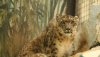
The pair of snow leopards in Batu Secret Zoo has been mentioned to be the only two in Southeast Asia currently, but they're not the first and second in Indonesia, not even the first for Batu Secret Zoo.

The first two snow leopards in Indonesia is a old pair named Omar and Sayan in 2012, acquired by Taman Safari Bogor. They're a exchange with Tierpark Berlin, for a couple of Javan leopards. They were a popular attraction for a while, living in the zoo from 2013 until 2019, reportedly both died of old age in 2020. The park even still have a picture of one of the snow leopards (Photo below) online to promote their "Baby Zoo" area, where the Big Cat Centre (Where the snow leopards were) is adjacent to said exhibit.

upload_2025-5-15_2-24-14.jpeg

They definitely leave a small legacy, mostly in merchandise and the current exhibit too, which are currently occupied by South American cougars (Implied to be that subspecies by the Park's signages, though not explicitly). The current cougar exhibit still have the obvious-looking Chinese-themed decorations and paintings.

Take by @snowleopard!
upload_2025-5-15_2-31-1.jpeg

As I've stated, the current pair of snow leopards at Batu is not the zoo's first. Previously, they had a sickly male leopard from Tierpark Berlin in around 2016. This particular leopard was sent to Batu in order for the staffs there to learn how to take care of this species that one might think are incompatible with Indonesia's general climate, just to be ready when they get healthy and active leopards. The poor leopard died due to kidney problems if I'm correct in around 2018-19.

The male leopard (For some reason called "Sam Leo" by the media) lived in the currently-Sumatran clouded leopard exhibit.

upload_2025-5-15_2-46-24.jpeg

upload_2025-5-15_2-46-43.jpeg
 

Attachments

  • upload_2025-5-15_2-8-5.jpeg
    upload_2025-5-15_2-8-5.jpeg
    26.7 KB · Views: 121
  • upload_2025-5-15_2-24-14.jpeg
    upload_2025-5-15_2-24-14.jpeg
    28.4 KB · Views: 118
  • upload_2025-5-15_2-31-1.jpeg
    upload_2025-5-15_2-31-1.jpeg
    234.3 KB · Views: 122
  • upload_2025-5-15_2-46-24.jpeg
    upload_2025-5-15_2-46-24.jpeg
    45.4 KB · Views: 119
  • upload_2025-5-15_2-46-43.jpeg
    upload_2025-5-15_2-46-43.jpeg
    36.8 KB · Views: 117
Last edited:
DAY 15: Friday, August 16th

Time to wrap up my latest review...

Zoo/Aquarium #41: Batu Secret Zoo (Kota Batu, Indonesia) - Part 4 of 4

Once one leaves the carnivore zone called Tiger Land, there's a series of smaller enclosures for species such as Masked Palm Civets, Black Giant Squirrels and Prevost's Squirrels.

The zoo's restaurant is dimly lit and as one eats it's possible to gaze out at an exhibit combining Sun Bears with Small-clawed Otters, a Javan Leopard enclosure and a big fish tank with Arowanas.

Sun Bear/Small-clawed Otter mixed-species exhibit:

full


Javan Leopard exhibit:

full


The taxidermy museum here is fairly significant and we spent at least 45 minutes inside. The entrance foyer has plenty of bird dioramas including a gigantic aviary.

full


The central hall is stunning:

full


The two images I've included thus far are #1 and #2 on the museum map, but it's important to note that some of these hallways are very long and extensive. I really enjoy looking at this map, with it's animal icons.

full


I've already uploaded 80 photos of Batu Secret Zoo's museum into the ZooChat gallery and here's a taxidermy diorama of a couple of Cougars fighting over a Collared Peccary.

full


Giant Armadillo:

full


There's an Insectarium room packed with insects of all shapes and sizes. There are no live animal displays.

full


This is an extensive museum, with tons of dioramas in all directions.

full


full


This 'underwater world' display is fantastic:

full


Some of the dioramas are enormous, such as this one with Caribou and Coyotes. The attention to detail with the background murals, the rocks and natural substrate, and the quality of the taxidermy work, is world-class.

full


Loads of birds!

full


full


full


Moving on from the museum and a delightful lunch with a leopard looking at us, the New Reptile Garden is a cave-like area with 45 exhibits inside. I'm not sure how 'new' it is, but this whole section is terrific and it was a joy to wander around from terrarium to terrarium. I love a great Reptile House and this place delivers. There's 10 monitor species and Indonesian zoos certainly love their big lizards.

full


full


False Gharial exhibit:

full


Komodo Dragon exhibit (one of two):

full


Yellow-headed Water Monitor:

full


Summary:

Konstantin and I spent many joyful hours at Batu Secret Zoo and we admired the extensive collection. With 94 mammal species, including 30 primate species, it was right up our alley and there is also an extensive off-show collection with probably an additional 30 mammal species that we unfortunately failed to see. The exhibit quality is for the most part quite good, but for sure there are some mammal exhibits on the weaker side such as the elephants and several of the smaller creatures. Birds are practically non-existent at this zoo, with maybe a half-dozen species on display, but it's important to remember that there's a bird park right next door and Batu Secret Zoo also has many birds off-show. For some reason, this zoo almost prides itself on keeping a lot of rarities behind the scenes.

I really enjoyed the reptile and amphibian collection here as well, with approximately 70 species and almost every single one in modern accommodation. Then there's a huge taxidermy museum that could arguably be a secondary attraction on its own, plus a 20-minute Safari Ride that we didn't even have time for! We spent so long seeing the zoo, chatting with the curator Mariusz Lech, going through the museum, having lunch, then touring the whole bird park next door, then back into the main zoo to do a second round of a few exhibits...then a 5-hour bus ride to our hotel in Surakarta. It was yet another lengthy day.

No species list is ever 100% accurate, but I've done the best I can to compile this information and it should be pretty close to exactly what the zoo had last August.

Mammal species list (64 species): Asian Elephant, Pygmy Hippo, Giraffe, Grant’s + Plains (Chapman’s) Zebra, Scimitar-horned Oryx, Sable Antelope, Blesbok, Gemsbok, Impala, Malayan Tapir, South American Tapir, Lesser Mouse-deer, Alpaca, Texas Longhorn Cattle, Red River Hog, Babirusa, Tiger (Amur, Sumatran, ‘Bengal’), African Lion, Jaguar, Javan Leopard, Snow Leopard (off-exhibit), Clouded Leopard + Sunda Clouded Leopard, Caracal, Ocelot, Brown Bear, Sun Bear, Black-backed Jackal, Spotted Hyena, Striped Hyena, Giant Otter, Small-clawed Otter, Red Panda, Fossa, Yellow-throated Marten (Javan subspecies), Coati, Raccoon, Giant Anteater, Dwarf Mongoose, Banded Mongoose, Meerkat, Binturong, Masked Palm Civet, Sumatran Hog Badger, Javan Ferret Badger, Sunda Porcupine, Two-toed Sloth, Large Flying Fox, Grizzled Tree Kangaroo, Agile Wallaby, Kinkajou, Sugar Glider, Black Giant Squirrel, Prevost’s Squirrel, Chinchilla, Common Brushtail Possum, Striped Possum, Sunda Pangolin (didn’t see), Spotted Cuscus, African Crested Porcupine, Rock Hyrax, Nutria, Capybara and Mara.

Primate species list (30 species): Bornean Orangutan, Siamang, Silvery Gibbon, Mandrill, Proboscis Monkey, De Brazza’s Monkey, Colobus Monkey, Greater Spot-nosed Monkey, Red-tailed Monkey, Wolf’s Monkey, Mona Monkey, Tufted Capuchin, Squirrel Monkey, White-lipped Tamarin, Red-handed Tamarin, Golden-headed Lion Tamarin, Cotton-top Tamarin, Emperor Tamarin, Common Marmoset, Black-tufted Marmoset, White-headed Marmoset, Pygmy Marmoset, Ring-tailed Lemur, Black-and-white Ruffed Lemur, Red Ruffed Lemur, Collared Brown Lemur, Common Brown Lemur, Black Lemur, Javan Slow Loris and Horsfeld’s Tarsier.

Reptile species list across the zoo (24 species): African Dwarf Crocodile, Cuvier’s Dwarf Caiman, Monocled Cobra, Madagascar Tree Boa, Madagascar Ground Boa, Green Tree Python, Ball Python, Crocodile Monitor, Kei Islands Monitor, Earless Monitor, Turquoise Monitor, African Spurred Tortoise, Alligator Snapping Turtle, Common Snapping Turtle, Eastern Long-necked Turtle, Mata Mata, Red-eared Slider, Rio Azuela Glass Frog, Harlequin Tree Frog, Indonesian Bubble-nest Frog, Asian Horned Frog, Pearly Tree Frog, Leptophryne javanica and Cross Toad.

New Reptile Garden species list (44 species): False Gharial, Reticulated Python, Burmese Python, Amethystine Python, Brongersma’s Short-tailed Python, D’Albertis’ Python, Green Tree Python, Madagascar Tree Boa, Madagascar Ground Boa, Cuban Boa, Asian Vine Snake, Cave Racer, Mangrove Snake, Sunda White-lipped Pit Viper, Puff-faced Water Snake, Komodo Dragon, Peach-throated Monitor, Kei Islands Monitor, Earless Monitor, Quince Monitor, Biak Tree Monitor, Emerald Tree Monitor, Golden-spotted Tree Monitor, Blue-spotted Tree Monitor, Yellow-headed Water Monitor, Cuban Rock Iguana, Northern Caiman Lizard, Golden Tegu, Sulawesi Black Sailfin Lizard, Frilled Lizard, Blue-tongue Skink, Crocodile Skink, Mexican Beaded Lizard, Bearded Dragon, Green Basilisk, Madagascar Day Gecko, Yellow Gecko, Veiled Chameleon, Forsten’s Tortoise, Yellow-spotted River Turtle, Sulawesi Forest Turtle, Green Tree Frog, Amazon Milk Frog and Budgett’s Frog.

Up next: Eco Active Park literally right next door. It's a zoo packed with birds and was called Eco Green Park when we visited but they changed the name in January.
 
Back
Top