Absolutely they do, Werribee would be ideal for them, an added Asian theme next to the Asian elephants!Am glad they have Indian rhinos, but the region needs more holders
You are using an out of date browser. It may not display this or other websites correctly.
You should upgrade or use an alternative browser.
You should upgrade or use an alternative browser.
Taronga Western Plains Zoo Taronga Western Plains Zoo history
- Thread starter Riley
- Start date

Very true about missed opportunities with other species like dholes only ever being at Taronga over the '82-'02 & '06-'15 time periods, really charismatic animals (but Australian zoos were trying to establish maned wolf population which nearly lost but Altina saved, and guess prioritising African hunting dogs of all exotic canid species, the canids that WPZ has committed to the longest now think for almost 40 years (at least 32+ years). Was good WPZ worked with maned wolves for 27 years; really wish they never phased them out.
Re: New Guinean wild dogs, yeah Tarongas (Hallstrom in the '50s) was sole importer of them and they were extremely inbred all descendants from (ones alive in America currently), but Australian Reptile Park and Natureland Zoo on NSW/Qld border also held them in the '60s and '70s too (given to them by Taronga no doubt)..but very long time ago, and your point Mark about other big city zoos in Aus' never keeping them too, agree with you (didnt realise until recently that Taronga apparently still had a couple of them until as late as 1991! possibly to 1992 or 1993 - but was 1991 article about fennec foxes arriving at Taronga that mentioned New Guinean wild dogs were still in exhibit next to them in the 'Dog Row' exhibit row).
Re: New Guinean wild dogs, yeah Tarongas (Hallstrom in the '50s) was sole importer of them and they were extremely inbred all descendants from (ones alive in America currently), but Australian Reptile Park and Natureland Zoo on NSW/Qld border also held them in the '60s and '70s too (given to them by Taronga no doubt)..but very long time ago, and your point Mark about other big city zoos in Aus' never keeping them too, agree with you (didnt realise until recently that Taronga apparently still had a couple of them until as late as 1991! possibly to 1992 or 1993 - but was 1991 article about fennec foxes arriving at Taronga that mentioned New Guinean wild dogs were still in exhibit next to them in the 'Dog Row' exhibit row).
Last edited:

Wow that's incredibly surprising. That essentially means they bred them well over the decades prior to the 90's - the population, as you say, would have been extremely inbred as a result as I believe they were only descended from a single trio? It would be nice to know what happened to the last individuals - we know the USA received some, so perhaps it was these last ones.didnt realise until recently that Taronga apparently still had a couple of them until as late as 1991! possibly to 1992 or 1993 - but was 1991 article about fennec foxes arriving at Taronga that mentioned New Guinean wild dogs were still in exhibit next to them in the 'Dog Row' exhibit row).
Am glad they have Indian rhinos, but the region needs more holders.
Steve ! I look forward to visiting your zoo someday !
Wow that's incredibly surprising. That essentially means they bred them well over the decades prior to the 90's - the population, as you say, would have been extremely inbred as a result as I believe they were only descended from a single trio? It would be nice to know what happened to the last individuals - we know the USA received some, so perhaps it was these last ones.
Indeed ! I looked up the New Guinea Singing dog Thread and it appears that 5 dogs were captured and set up in captivity .
An American replied by saying he and his wife owned them for 20+ years and had about 20ish at one point and that someone else in the states had about 30+ in one setting .
He continues to say that there’s probably about 200 in captivity n that because their natural habitat is near impenetrable; no case study has been conducted and it’s possible that they can go extinct without our knowledge .
I can imagine that with just 5 founders ; the captive population would be severely inbred and that some
Individuals would have outcrossed them with other canines .
Sigh
Different Steve, @Steve Robinson is who you want
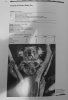
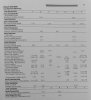
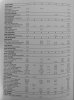
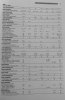
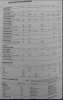
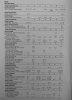
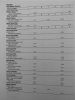
Inventory from the 1986-1987 annual report (didnt realise one of the zoo's two male tapirs at the time, was on loan from Melbourne), apologies for the poor quality 


Attachments
Last edited:
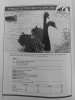
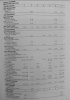
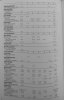
& 1987-1988


Attachments
-
 IMG_E8233.JPG72.6 KB · Views: 14
 -
 IMG_E8234.JPG64.3 KB · Views: 14
 -
 IMG_E8235.JPG59.4 KB · Views: 14
 -
 IMG_E8236.JPG54.2 KB · Views: 13
 -
 IMG_E8237.JPG79.4 KB · Views: 14
 -
 IMG_E8238.JPG72.3 KB · Views: 13
 -
 IMG_E8239.JPG56.6 KB · Views: 13
 -
 IMG_E8240.JPG70.7 KB · Views: 14
 -
1987-1988 WPZ.pdf830.9 KB · Views: 0

Thanks for sharing all this @steveroberts. It amazes me how large some of the herds were - in excess of 60 Barbary sheep (+ free ranging!); and a herd of Persian onager in the double figures.
It’s interesting they acquired a second male Brazilian tapir. Either they were accomodating a surplus male or building up their own numbers ahead of breeding. It appears a female arrived the following year in 1989, as a male calf (Branco) was born 1990.
Three male Cheetah cubs listed in the 1986-1987 report were born 11/06/1987 to Augus and Marah and were named Tsavo, Kibo and Mikumi.
The Common hippopotamus between June 1986 and June 1988 were:
1.0 Toby (1970)
0.1 Suzie (1970)
0.1 Daisy (1982)
1.0 Happy (1985)
The 1.1 Common hippopotamus that came and went within the timeframe of June 1987 and June 1988 would have been Fonzie and Solucky, who left Auckland Zoo in March 1988 (destined for Tipperary, but came via Dubbo).
The Southern white rhinoceros herd remained static at 2.3 rhinoceros between June 1986 and June 1988:
1.0 Thomas (1968)
1.0 Stumpy (1983)
0.1 Tessie (1966)
0.1 Nicole (1968)
0.1 Likiwezi (1985)
It’s interesting they acquired a second male Brazilian tapir. Either they were accomodating a surplus male or building up their own numbers ahead of breeding. It appears a female arrived the following year in 1989, as a male calf (Branco) was born 1990.
Three male Cheetah cubs listed in the 1986-1987 report were born 11/06/1987 to Augus and Marah and were named Tsavo, Kibo and Mikumi.
Augus and Marah had the following offspring:
01/10/1986: 0.0.2 (died at 10 days)
24/01/1987: 1.0 (died at 11 days)
11/06/1987: 3.0 (Tsavo, Kibo and Mikumi)
22/10/1988: 2.0 (Nakuru and Ovambo)
Marah bred with Claudius to produce 3.1 cubs born 30/11/1989 (Asante, Etosha, Kariba and Malindi).
Augus then bred with a female named Ali. Their offspring was:
10/01/1995: 0.0.1 (died at 0 days)
Augus then bred with a female named Dani. Their offspring were:
31/08/1995: 0.0.1 (died at 0 days)
24/12/1995: 0.0.2 (died at 0 days)
01/10/1986: 0.0.2 (died at 10 days)
24/01/1987: 1.0 (died at 11 days)
11/06/1987: 3.0 (Tsavo, Kibo and Mikumi)
22/10/1988: 2.0 (Nakuru and Ovambo)
Marah bred with Claudius to produce 3.1 cubs born 30/11/1989 (Asante, Etosha, Kariba and Malindi).
Augus then bred with a female named Ali. Their offspring was:
10/01/1995: 0.0.1 (died at 0 days)
Augus then bred with a female named Dani. Their offspring were:
31/08/1995: 0.0.1 (died at 0 days)
24/12/1995: 0.0.2 (died at 0 days)
The Common hippopotamus between June 1986 and June 1988 were:
1.0 Toby (1970)
0.1 Suzie (1970)
0.1 Daisy (1982)
1.0 Happy (1985)
The 1.1 Common hippopotamus that came and went within the timeframe of June 1987 and June 1988 would have been Fonzie and Solucky, who left Auckland Zoo in March 1988 (destined for Tipperary, but came via Dubbo).
The Southern white rhinoceros herd remained static at 2.3 rhinoceros between June 1986 and June 1988:
1.0 Thomas (1968)
1.0 Stumpy (1983)
0.1 Tessie (1966)
0.1 Nicole (1968)
0.1 Likiwezi (1985)
Last edited:
Thanks for sharing all this @steveroberts. It amazes me how large some of the herds were - in excess of 60 Barbary sheep (+ free ranging!); and a herd of Persian onager in the double figures.
It’s interesting they acquired a second male Brazilian tapir. Either they were accomodating a surplus male or building up their own numbers ahead of breeding. It appears a female arrived the following year in 1989, as a male calf (Branco) was born 1990.
The Common hippopotamus were:
1.0 Toby (1970)
0.1 Suzie (1970)
0.1 Daisy (1982)
1.0 Happy (1985)
The 1.1 Common hippopotamus came and went within the timeframe of June 1987 and June 1988 would have been Fonzie and Solucky, who left Auckland Zoo in March 1988 (destined for Tipperary).
Oh no worries man, thanks for the details about them btw, appreciate heaps. It looks too like WPZ really increased their reptile collection in latter 1987 to early 1988 hey.
Will make and upload full reports link as soon as can scan properly.
Am really grateful to Taronga institute for the level of detail they wrote down in their annual reports at the time.
Last edited:

Osedax
Well-Known Member
Wow Steve, these are amazing! It’s so interesting to see what they held back then. One thing that I found particularly interesting is the number of “free-ranging” birds. It seems like they used to just release a whole lot of birds on site and I’m thinking that may be a contributing factor to the large number of wild birds that can be seen in the grounds today.