The Aotearoa Adventure: Pachyderm Pro Goes to New Zealand

Auckland Zoo – Part I

Woke up bright and early on Thursday eager to visit New Zealand’s premiere zoo – arguably the premiere zoo of Oceania as whole or at least a contender. Opened in 1922, Auckland Zoo has a storied history and recently celebrated its centennial. While it’s only 40 acres in size, it's absolutely a major zoo that has made massive investments in recent years. It holds one of the most varied collections in New Zealand with many species that can’t be found anywhere else in the country. The zoo is divided up into five geographically themed “tracks” which is the fancy term kiwis use to describe exhibits: The African Safari, Southeast Asian Jungle, Australian Bush, South American Rainforest, and Te Wao Nui (a native species zone of epic proportions).

We arrived shortly before opening and were the first visitors through the gates as the rising sun illuminated the entrance, promptly followed by a small army of school children. However, this was not just a usual zoo visit. Like I mentioned in the opening post of this thread, I’m participating in a specialized program through a partnership between my university and New Zealand’s Massey University. This grants me and my group guided tours and exclusive access at select facilities, the zoo being the first among them. The first half of our visit was spent attending presentations and touring back-of-house areas with zoo staff, led by head veterinarian Dr. James Chatterton. James has been at the zoo for 12 years ever since completing his residency at Chester and was an excellent host; remarkably gracious, charismatic and generous with his time.

After a quick breakdown of the work done by the vet team, we first received a tour through the zoo’s sizable veterinary center including procedure rooms, staff offices, and the necropsy lab. It should be noted that the public facing area of the hospital has an exhibit for a particularly notable animal – a yellow-banded sea krait, well known for being the only snake in the entire country. Unfortunately it was off-exhibit during my visit and while it was a bummer to miss an anticipated lifetick, it was quickly forgotten about by the day's end (more on that in a moment). We then went around the corner to check out the adjacent quarantine facility which currently only holds a single kākāriki that chose not to show itself. As an aspiring zoo man, this was cool beyond belief.

full

Center for Conservation Medicine

While on route to our next back-of-house destination, James first took us through the Southeast Asian Jungle Track. This is the zoo’s newest major development that opened in phases over the last few years costing approximately $60 million. Things went off to a strong start with a trio of smallish, but excellently landscaped Sumatran tiger enclosures. Both tigers were up and active looking absolutely beautiful, visibly interested in one another from across the path. Small-clawed otters can be found in a wonderful exhibit nearby, visually appearing as two separate enclosures connected by a narrow stream. Where things really pick up however is the Swamp Forest, a humid tropical walkthrough contained within an incredibly sleek piece of architecture. The exhibit is home to the country’s only sunda gharials, alongside arowanas, gouramis, and a number of other Asian fish species. All it's missing are a few larger turtles to really tie everything together. Didn't get much action from the gharials, but the exhibit is designed so well that it didn't even matter. More zoos really should be building exhibits like this that don’t take up a substantial footprint while being engaging in the extreme.

full

Sunda gharial and fish exhibit in the Swamp Forest

The absolute magnum opus of the track however is the orangutan/siamang complex. It doesn't need to be said that orangutans are notoriously tricky to design for in captivity due to their arboreal nature and desire to destroy every living plant in reach, but Auckland has achieved something truly remarkable with some creativity and a little patience. James explained how the zoo landscaped the enclosures two years prior to the ape’s arrival, giving the large trees ample time to take root. In addition, artificial climbing structures have been intertwined around the trees and the exhibit floor has been thoroughly planted with large shrubs to encourage the apes to stay off the ground. The end result? Perhaps the most incredible orangutan exhibit ever made. It blows the competition out of the water in every single facet; it's almost an insult to suggest they're in the same league. That doesn't even mention the cable towers that stretch all across the complex including past the zoo’s excellent restaurant patio – I didn't see the orangutans use them but I did see the siamang pair swinging across the ropes in the distance while near the quarantine area. Innovative, bold, world-changing, so on and so forth, there are not enough superlatives in the English lexicon to describe how I feel about this exhibit. So I’ll just close by emphasizing what an overwhelming sense of joy I felt watching an entire family of apes climb on real trees. From an infant jumping from the top of a tree into its hammock or the big male brachiating across the whole exhibit, I genuinely could’ve watched them all day.

full

The smaller of two orangutan/siamang exhibits.

full

Baby orang on the move.

full

Ape cable towers

From there we once again were given access past the keeper gates and received a tour of the giraffe barn. One of the hoofstock keepers met us to break down the process of designing and utilizing the “crush” used to restrain the giraffes during medical procedures. We physically entered the stables and also peaked into the keeper quarters, packed to the gills with enrichment devices and feeders. The staff proudly boasted about how their giraffes are fed native browse on a daily basis, something that’s a luxury at other zoos but commonplace here.

What followed however couldn't be further from commonplace. Te Wao Nei was up next, perhaps the most thrilling and ambitious native species complex in any zoo – although it certainly helps that for foreigners like me these are anything but native. The complex centers around a half-dozen walkthrough aviaries, several of which are massive in scale and awe-inspiring, supplemented by smaller buildings for herps and a nocturnal house for the national bird (there's also the coastal section, but I'll touch on that in part II). A member of the avian team joined us to provide commentary and entice the inhabitants to come close. I don’t even know where to begin: keas screaming their heads off just at our presence, a determined kaka tearing off branches, tuis and kākārikis darting through the canopy, and best of all was the takahe. What an absolutely awesome bird this is. When we first arrived they were positioned at the back of the exhibit before the accompanying keeper tossed in some grasshoppers for lunch. Slowly but surely they both emerged front and center and I was geeking out of my mind. I only wish everyone could see these guys for themselves and understand how amazing they are; how they move like little dinosaurs and have feathers that shimmered in the sunlight. Totally worth the 17 hours of flying.

We perfectly timed our tour to coincide with the afternoon kiwi feeding, though if I'm being honest the kiwi was probably the least exciting of the larger birds. I was lucky enough to see one out and about right by the glass, but it was difficult to get a decent view and just appeared like a round shadow. I'll have better opportunities to view kiwi later on so I didn't make it a priority here. The two exhibits themselves are very good and apparently there are ruru in there well which is neat. Also want to mention all of the excellent open-air herp exhibits including another wonderful tuatara enclosure. Can't say I had very good luck hunting down most of the geckos and skinks tucked away here which is a little unfortunate considering the zoo has a number of species rare even by New Zealand standards. Just an overwhelming number of incredible species all in first class exhibits. I doubt I’ll ever see this many lifeticks in rapid succession at one time ever again. A tour de force of an exhibit; dare I say, must-see.

full

Kea giving me a mouthful

full

An inquisitive North Island Kaka

full

South Island Takahe -- like a colorful dodo bird brought back to life

full

The massive forest aviary with kaka, tui, kākāriki, etc.

full

Another spacious tuatara exhibit.


In case that wasn't enough we had one more surprise in store. We were brought into another back-of-house area behind the kiwi building, passing a number of off-show herp terrariums along the way. I’m sure there are dozens of ultra rare lizards and frogs back there that I was casually overlooking, but we were moving along rather quickly and weren't able to linger for long. The keeper briefly disappeared for a moment, our attention turning to the pair of squirrel monkeys in off-show housing clearly excited by our presence, and the keeper returned with one more bucket list species; a giant weta. Such a weird little species that's remarkably cool, I don't actually believe they are on-exhibit anywhere in the zoo properly.

full

The only clear photo I could get of the weta.

Afterwards James and the rest of the keeper staff had to depart. It should be obvious that I’m beyond grateful to have gotten so much special treatment and the chance to talk with several professionals in the field. However, there was one downside. The hotel wouldn’t hold our bags longer than 3:00 PM which meant that, it already being after noon, we only had a little under two hours to check out the rest of the zoo at our own leisure. Luckily I was able to see everything just in time, although that meant moving at a quicker pace than I would’ve liked. I'll discuss the remaining three tracks as well as a few other anecdotes in the next part of this review.
 
Last edited:
Auckland Zoo – Part I

Woke up bright and early on Thursday eager to visit New Zealand’s premiere zoo – arguably the premiere zoo of Oceania as whole or at least a contender. Opened in 1922, Auckland Zoo has a storied history and recently celebrated its centennial. While it’s only 40 acres in size, it's absolutely a major zoo that has made massive investments in recent years. It holds one of the most varied collections in New Zealand with many species that can’t be found anywhere else in the country. The zoo is divided up into five geographically themed “tracks” which is the fancy term kiwis use to describe exhibits: The African Safari, Southeast Asian Jungle, Australian Bush, South American Rainforest, and Te Wao Nui (a native species zone of epic proportions).

We arrived shortly before opening and were the first visitors through the gates as the rising sun illuminated the entrance, promptly followed by a small army of school children. However, this was not just a usual zoo visit. Like I mentioned in the opening post of this thread, I’m participating in a specialized program through a partnership between my university and New Zealand’s Massey University. This grants me and my group guided tours and exclusive access at select facilities, the zoo being the first among them. The first half of our visit was spent attending presentations and touring back-of-house areas with zoo staff, led by head veterinarian Dr. James Chatterton. James has been at the zoo for 12 years ever since completing his residency at Chester and was an excellent host; remarkably gracious, charismatic and generous with his time.

After a quick breakdown of the work done by the vet team, we first received a tour through the zoo’s sizable veterinary center including procedure rooms, staff offices, and the necropsy lab. It should be noted that the public facing area of the hospital has an exhibit for a particularly notable animal – a yellow-banded sea krait, well known for being the only snake in the entire country. Unfortunately it was off-exhibit during my visit and while it was a bummer to miss an anticipated lifetick, it was quickly forgotten about by the day's end (more on that in a moment). We then went around the corner to check out the adjacent quarantine facility which currently only holds a single kākāriki that chose not to show itself. As an aspiring zoo man, this was cool beyond belief.

full

Center for Conservation Medicine

While on route to our next back-of-house destination, James first took us through the Southeast Asian Jungle Track. This is the zoo’s newest major development that opened in phases over the last few years costing approximately $60 million. Things went off to a strong start with a trio of smallish, but excellently landscaped Sumatran tiger enclosures. Both tigers were up and active looking absolutely beautiful, visibly interested in one another from across the path. Small-clawed otters can be found in a wonderful exhibit nearby, visually appearing as two separate enclosures connected by a narrow stream. Where things really pick up however is the Swamp Forest, a humid tropical walkthrough contained within an incredibly sleek piece of architecture. The exhibit is home to the country’s only sunda gharials, alongside arowanas, gouramis, and a number of other Asian fish species. All it's missing are a few larger turtles to really tie everything together. Didn't get much action from the gharials, but the exhibit is designed so well that it didn't even matter. More zoos really should be building exhibits like this that don’t take up a substantial footprint while being engaging in the extreme.

full

Sunda gharial and fish exhibit in the Swamp Forest

The absolute magnum opus of the track however is the orangutan/siamang complex. It doesn't need to be said that orangutans are notoriously tricky to design for in captivity due to their arboreal nature and desire to destroy every living plant in reach, but Auckland has achieved something truly remarkable with some creativity and a little patience. James explained how the zoo landscaped the enclosures two years prior to the ape’s arrival, giving the large trees ample time to take root. In addition, artificial climbing structures have been intertwined around the trees and the exhibit floor has been thoroughly planted with large shrubs to encourage the apes to stay off the ground. The end result? Perhaps the most incredible orangutan exhibit ever made. It blows the competition out of the water in every single facet; it's almost an insult to suggest they're in the same league. That doesn't even mention the cable towers that stretch all across the complex including past the zoo’s excellent restaurant patio – I didn't see the orangutans use them but I did see the siamang pair swinging across the ropes in the distance while near the quarantine area. Innovative, bold, world-changing, so on and so forth, there are not enough superlatives in the English lexicon to describe how I feel about this exhibit. So I’ll just close by emphasizing what an overwhelming sense of joy I felt watching an entire family of apes climb on real trees. From an infant jumping from the top of a tree into its hammock or the big male brachiating across the whole exhibit, I genuinely could’ve watched them all day.

full

The smaller of two orangutan/siamang exhibits.

full

Baby orang on the move.

full

Ape cable towers

From there we once again were given access past the keeper gates and received a tour of the giraffe barn. One of the hoofstock keepers met us to break down the process of designing and utilizing the “crush” used to restrain the giraffes during medical procedures. We physically entered the stables and also peaked into the keeper quarters, packed to the gills with enrichment devices and feeders. The staff proudly boasted about how their giraffes are fed native browse on a daily basis, something that’s a luxury at other zoos but commonplace here.

What followed however couldn't be further from commonplace. Te Wao Nei was up next, perhaps the most thrilling and ambitious native species complex in any zoo – although it certainly helps that for foreigners like me these are anything but native. The complex centers around a half-dozen walkthrough aviaries, several of which are massive in scale and awe-inspiring, supplemented by smaller buildings for herps and a nocturnal house for the national bird (there's also the coastal section, but I'll touch on that in part II). A member of the avian team joined us to provide commentary and entice the inhabitants to come close. I don’t even know where to begin: keas screaming their heads off just at our presence, a determined kaka tearing off branches, tuis and kākārikis darting through the canopy, and best of all was the takahe. What an absolutely awesome bird this is. When we first arrived they were positioned at the back of the exhibit before the accompanying keeper tossed in some grasshoppers for lunch. Slowly but surely they both emerged front and center and I was geeking out of my mind. I only wish everyone could see these guys for themselves and understand how amazing they are; how they move like little dinosaurs and have feathers that shimmered in the sunlight. Totally worth the 17 hours of flying.

We perfectly timed our tour to coincide with the afternoon kiwi feeding, though if I'm being honest the kiwi was probably the least exciting of the larger birds. I was lucky enough to see one out and about right by the glass, but it was difficult to get a decent view and just appeared like a round shadow. I'll have better opportunities to view kiwi later on so I didn't make it a priority here. The two exhibits themselves are very good and apparently there are ruru in there well which is neat. Also want to mention all of the excellent open-air herp exhibits including another wonderful tuatara enclosure. Can't say I had very good luck hunting down most of the geckos and skinks tucked away here which is a little unfortunate considering the zoo has a number of species rare even by New Zealand standards. Just an overwhelming number of incredible species all in first class exhibits. I doubt I’ll ever see this many lifeticks in rapid succession at one time ever again. A tour de force of an exhibit; dare I say, must-see.

full

Kea giving me a mouthful

full

An inquisitive North Island Kaka

full

South Island Takahe -- like a colorful dodo bird brought back to life

full

The massive forest aviary with kaka, tui, kākāriki, etc.

full

Another spacious tuatara exhibit.


In case that wasn't enough we had one more surprise in store. We were brought into another back-of-house area behind the kiwi building, passing a number of off-show herp terrariums along the way. I’m sure there are dozens of ultra rare lizards and frogs back there that I casually overlooking, but we were moving along rather quickly and weren't able to linger too long. The keeper briefly disappeared for a moment, our attention turning to the pair of squirrel monkeys in off-show housing clearly excited by our presence, and the keeper returned with one more bucket list species; a giant weta. Like other New Zealand wildlife, weird, unique, and remarkably cool

full

The only clear photo I could get of the weta.

Afterwards James and the rest of the keeper staff had to depart. It should be obvious that I’m beyond grateful to have gotten so much special treatment and the chance to talk with several professionals in the field. However, there was one downside. The hotel wouldn’t hold our bags longer than 3:00 PM which meant that, it already being after noon, we only had a little under two hours to check out the rest of the zoo at our own leisure. Luckily I was able to see everything just in time, although that meant moving at a quicker pace than I would’ve liked. I'll discuss the remaining three tracks as well as a few other anecdotes in the next part of this review.

A very enjoyable review of one of my favourite zoos.

The Bornean orangutan/Siamang exhibit continues to captivate visitors five years after it opened to the public. Members of staff visited world class orangutan exhibits around the world (such as Singapore) to gain inspiration for the design of this exhibit, which put the welfare of the apes at the forefront of the design process.

The trio of Sumatran tiger exhibits are designed for a breeding pair and their offspring and as such cater perfectly to the life stages of the cubs. The smallest exhibit offers maximum privacy and has less hazards than the larger two. Cahya remained in here with her mother Zayana from birth to several months of age; before graduating to the medium exhibit. As Cahya approached 12 months old, it became more common to see the mother/daughter dyad in the largest exhibit which makes the most efficient use of space (the largest grouping of tigers in the biggest exhibit). One of my favourite features in the design of this exhibit is that Ramah (male) and Zayana (female) can be housed in opposite exhibits (large and medium); but see each other through the crowd of people standing in the viewing shelter if they’re both at their windows.

The size of the tiger exhibits are as follows:

Small Exhibit = 200m2
Medium Exhibit = 370m2
Large Exhibit = 790m2
 
Woke up bright and early on Thursday eager to visit New Zealand’s premiere zoo – arguably the premiere zoo of Oceania as whole or at least a contender.
Such a well-written impression. I am not big on ranking zoos subjectively but I must say out of the Australasian zoos so far I have visited, Auckland is the one than really stands out for me. While other facilities are arguably waning, Auckland has steadily chipped away with creative and inspired developments.
 
The Europeans tend to consider Taronga Zoo the premier zoo in Oceania. Do you really think Auckland is better? I find it quite surprising, and I hope to see for myself soon.
 
The Europeans tend to consider Taronga Zoo the premier zoo in Oceania. Do you really think Auckland is better? I find it quite surprising, and I hope to see for myself soon.

It’s subjective of course, but even bearing in mind I’m biased towards Auckland Zoo, I would rank them:

1. Taronga Zoo
2. Melbourne Zoo
3. Auckland Zoo

Most New Zealand/Australian members would say similar due to Taronga and Melbourne’s larger and more diverse collections (which I acknowledge is one of many metrics).

Either way, most would agree these three are the region’s most prestigious zoos - both within a historical and contemporary context.
 
Auckland Zoo - Part II

After being left to our own devices we exited the off-show area at the back of Te Wao Nui which placed us at the center of the South American Rainforest track. Going into the zoo, I fully anticipated this being the weakest of the zoo's five main tracks, but I was gravely mistaken. It was actually quite wonderful. Besides a pair of alligators and green iguanas, the exhibit focuses primarily on primates with five species kept: black-handed spider monkey, squirrel monkey, cotton-top tamarin, golden lion tamarin, and emperor tamarin. All are treated to spacious, densely planted islands packed with mature trees. For the callitrichids in particular, these are probably the only exhibits I’ve seen where they have access to live trees and are kept in open air outdoor environments. Lovely to see and all of the monkeys were quite active. Alongside the orangutans and siamangs, Auckland does a fine job with primates across the board. There's also a nice little greenhouse for Galapagos tortoises nearby, complete with an outdoor yard landscaped to actually resemble the islands instead of just a flat lawn like many other zoos.

full

Squirrel Monkey Exhibit

full

Cotton-top Tamarin Exhibit


Perhaps the most unique part of this area however is not the inhabitants, but the history. Never would’ve guessed there would be such prominent historic architecture at a zoo that feels so new, but once again Auckland Zoo is over a century old and they’ve done a wonderful job both maintaining and celebrating their history. Look no further than the former elephant house, which is now a lovely looking cafe. A far more sui generis transformation can be seen in the former giraffe house, which is now an open-air tarantula house of all things. Talk about extreme home makeovers! I’m not even much of an arachnid person, but I will always appreciate creative zoo designs and this is genuinely cool.

full

Old Elephant House turned cafe

full

Tarantula house Interior

The Australian Bush Track was up next and was one I had been eagerly anticipating, although it is somewhat surprising to me that the zoo doesn't have a slightly more extensive Australian collection given the proximity and relationship between the two countries. What they do have is great, but I feel like koalas, wombats or echidnas would fit well here and their absence feels a bit strange. Regardless, a real highlight of my visit was seeing a small group of Tasmanian devils romping through their enclosures. They were highly energetic and scarcely sat still, even so I still managed to get this money shot below. Always a personal favorite.

full

Tired Tassie

Nextdoor are a pair of walkthrough aviaries flanking a small building for herps and insects. Both aviaries were very nice and had some really species of note, but besides a red-tailed black cockatoo, I honestly don't remember seeing much else here considering how rushed I was. Lace monitor and Australian water dragon are both treated to generously sized outdoor enclosures which is always great to see for larger herps. Even the Foresters kangaroo/emu enclosure looked impressive with a rocky hillside that one of the emu managed to climb. Also across the path is a lovely little pen for a brolga, another personal favorite that came right up to the fence and was just itching to peck my zoom lens.

full

One of two walkthrough aviaries for avian Aussies

full

Brolga Exhibit

The coastal area of Te Wao Nui is small but well put together, including my first subantarctic fur seal and a small colony of little blue penguins. The lone seal is ancient and I feel lucky to have caught him before he passed considering there are only three other facilities worldwide that keep the species, at least I think. Apparently the zoo isn't even sure if he’s an actual subantarctic fur seal or a New Zealand fur seal, but either way it was terrific to get such a good look at him lounging in the sun (although I can’t say it looked like the most comfortable position, see below). Word on the street is that this area is being demolished in the not too distant future to make way for a children's playground, which is terribly unfortunate as its quite nice. Hopefully plans will change and these enclosures can be salvaged either for additional pinnipeds and seabirds or at least another animal exhibit in some capacity.

full

Sun bathing Fur Seal

The last of the zoo's main tracks is the African Safari Track which is easily the least inspired of the five. It’s good and has a lot to offer, but it’s definitely the most generic. I sort of went through this area backwards, starting with a series of individual enclosures that were all perfectly good. Servals are treated to a generously sized open-topped enclosure larger than some leopard exhibits I’ve seen. Lions and cheetahs have solid enclosures, the flamingo exhibit is pleasant, and the hamadryas baboon exhibit has this amazing backdrop that can only be fully appreciated in person. It’s all just missing that extra something and certain elements of these enclosures are slightly dated visually.

full

Cheetah Exhibit

full

You got something right there.

The main savanna at the center of the area is divided in two: giraffes, zebras and ostrich in one yard, white rhinos, nyala and waterbuck in the other. Once again very good, just predictable and not unique compared to other zoos, although it was cool to see a larger than usual herd of nyala all out together. To end on a high note however, one of the more creative features is a walkthrough lovebird aviary with meerkat and leopard tortoise enclosures on the ground floor. Really neat set-up I’d like to see replicated elsewhere, preferably with a more diverse lineup of birds – although I recognize the risk of predation from the meerkats for certain species. I’m always a sucker for aviaries that include individual exhibit areas and this was very fun.

full

The giraffe/zebra/ostrich side of the savanna.

full

Masked lovebird aviary w/ meerkat and tortoise exhibits.

I had one question on my mind as I was leaving Auckland Zoo; how does it rank against America's greatest zoological parks? If I could pick it up and move it to the U.S. as is, with the logical caveat that all New Zealand native species would be replaced with North American ones, it would probably hover around top 15 in the country. Obviously New Zealand’s strict regulations on importing non-native wildlife hold back the collection, but they still pull off a fairly comprehensive lineup in spite of those roadblocks. Most ABCs are covered (giraffe, zebra, rhino, antelope, lion, tiger, cheetah, a great ape, gibbon, several monkeys, kangaroo, flamingo) as well as a number of recognizable second tier species (Tasmaian devil, otter, lemur, red panda, meerkat, serval, crocodilians, large tortoise) and perhaps the most holistic collection of native species anywhere. There wasn’t a single enclosure ill-suited to its inhabitants and several that were first in class: particularly the orangutan/siamang complex, gharial dome, and the entirety of Te Wao Nei. I hardly even touched on the creative adaptations of historic buildings, well organized routes, and the high quality visitor amenities such as the stylish cafe located at the zoo’s central spine.

Auckland is a remarkably satisfying zoo experience from top to bottom. I’d love the chance to return one day, as there are several areas that deserved more of my attention. I was a few months too late to see Burma, New Zealand’s last elephant, and her exhibit has been temporarily converted into an animatronic dinosaur attraction. Several ideas for the long-term plan for the space have been tossed around including everything from a dedicated white rhino complex to giant pandas. Ideally they’ll land on something somewhere in between those two, preferably a plan that would introduce a new species or two. No matter what ends up coming to pass, I’m confident that it will be a showstopper just like the rest of the zoo’s recent endeavors.
 
Auckland Zoo - Part II

After being left to our own devices we exited the off-show area at the back of Te Wao Nui which placed us at the center of the South American Rainforest track. Going into the zoo, I fully anticipated this being the weakest of the zoo's five main tracks, but I was gravely mistaken. It was actually quite wonderful. Besides a pair of alligators and green iguanas, the exhibit focuses primarily on primates with five species kept: black-handed spider monkey, squirrel monkey, cotton-top tamarin, golden lion tamarin, and emperor tamarin. All are treated to spacious, densely planted islands packed with mature trees. For the callitrichids in particular, these are probably the only exhibits I’ve seen where they have access to live trees and are kept in open air outdoor environments. Lovely to see and all of the monkeys were quite active. Alongside the orangutans and siamangs, Auckland does a fine job with primates across the board. There's also a nice little greenhouse for Galapagos tortoises nearby, complete with an outdoor yard landscaped to actually resemble the islands instead of just a flat lawn like many other zoos.

full

Squirrel Monkey Exhibit

full

Cotton-top Tamarin Exhibit


Perhaps the most unique part of this area however is not the inhabitants, but the history. Never would’ve guessed there would be such prominent historic architecture at a zoo that feels so new, but once again Auckland Zoo is over a century old and they’ve done a wonderful job both maintaining and celebrating their history. Look no further than the former elephant house, which is now a lovely looking cafe. A far more sui generis transformation can be seen in the former giraffe house, which is now an open-air tarantula house of all things. Talk about extreme home makeovers! I’m not even much of an arachnid person, but I will always appreciate creative zoo designs and this is genuinely cool.

full

Old Elephant House turned cafe

full

Tarantula house Interior

The Australian Bush Track was up next and was one I had been eagerly anticipating, although it is somewhat surprising to me that the zoo doesn't have a slightly more extensive Australian collection given the proximity and relationship between the two countries. What they do have is great, but I feel like koalas, wombats or echidnas would fit well here and their absence feels a bit strange. Regardless, a real highlight of my visit was seeing a small group of Tasmanian devils romping through their enclosures. They were highly energetic and scarcely sat still, even so I still managed to get this money shot below. Always a personal favorite.

full

Tired Tassie

Nextdoor are a pair of walkthrough aviaries flanking a small building for herps and insects. Both aviaries were very nice and had some really species of note, but besides a red-tailed black cockatoo, I honestly don't remember seeing much else here considering how rushed I was. Lace monitor and Australian water dragon are both treated to generously sized outdoor enclosures which is always great to see for larger herps. Even the Foresters kangaroo/emu enclosure looked impressive with a rocky hillside that one of the emu managed to climb. Also across the path is a lovely little pen for a brolga, another personal favorite that came right up to the fence and was just itching to peck my zoom lens.

full

One of two walkthrough aviaries for avian Aussies

full

Brolga Exhibit

The coastal area of Te Wao Nui is small but well put together, including my first subantarctic fur seal and a small colony of little blue penguins. The lone seal is ancient and I feel lucky to have caught him before he passed considering there are only three other facilities worldwide that keep the species, at least I think. Apparently the zoo isn't even sure if he’s an actual subantarctic fur seal or a New Zealand fur seal, but either way it was terrific to get such a good look at him lounging in the sun (although I can’t say it looked like the most comfortable position, see below). Word on the street is that this area is being demolished in the not too distant future to make way for a children's playground, which is terribly unfortunate as its quite nice. Hopefully plans will change and these enclosures can be salvaged either for additional pinnipeds and seabirds or at least another animal exhibit in some capacity.

full

Sun bathing Fur Seal

The last of the zoo's main tracks is the African Safari Track which is easily the least inspired of the five. It’s good and has a lot to offer, but it’s definitely the most generic. I sort of went through this area backwards, starting with a series of individual enclosures that were all perfectly good. Servals are treated to a generously sized open-topped enclosure larger than some leopard exhibits I’ve seen. Lions and cheetahs have solid enclosures, the flamingo exhibit is pleasant, and the hamadryas baboon exhibit has this amazing backdrop that can only be fully appreciated in person. It’s all just missing that extra something and certain elements of these enclosures are slightly dated visually.

full

Cheetah Exhibit

full

You got something right there.

The main savanna at the center of the area is divided in two: giraffes, zebras and ostrich in one yard, white rhinos, nyala and waterbuck in the other. Once again very good, just predictable and not unique compared to other zoos, although it was cool to see a larger than usual herd of nyala all out together. To end on a high note however, one of the more creative features is a walkthrough lovebird aviary with meerkat and leopard tortoise enclosures on the ground floor. Really neat set-up I’d like to see replicated elsewhere, preferably with a more diverse lineup of birds – although I recognize the risk of predation from the meerkats for certain species. I’m always a sucker for aviaries that include individual exhibit areas and this was very fun.

full

The giraffe/zebra/ostrich side of the savanna.

full

Masked lovebird aviary w/ meerkat and tortoise exhibits.

I had one question on my mind as I was leaving Auckland Zoo; how does it rank against America's greatest zoological parks? If I could pick it up and move it to the U.S. as is, with the logical caveat that all New Zealand native species would be replaced with North American ones, it would probably hover around top 15 in the country. Obviously New Zealand’s strict regulations on importing non-native wildlife hold back the collection, but they still pull off a fairly comprehensive lineup in spite of those roadblocks. Most ABCs are covered (giraffe, zebra, rhino, antelope, lion, tiger, cheetah, a great ape, gibbon, several monkeys, kangaroo, flamingo) as well as a number of recognizable second tier species (Tasmaian devil, otter, lemur, red panda, meerkat, serval, crocodilians, large tortoise) and perhaps the most holistic collection of native species anywhere. There wasn’t a single enclosure ill-suited to its inhabitants and several that were first in class: particularly the orangutan/siamang complex, gharial dome, and the entirety of Te Wao Nei. I hardly even touched on the creative adaptations of historic buildings, well organized routes, and the high quality visitor amenities such as the stylish cafe located at the zoo’s central spine.

Auckland is a remarkably satisfying zoo experience from top to bottom. I’d love the chance to return one day, as there are several areas that deserved more of my attention. I was a few months too late to see Burma, New Zealand’s last elephant, and her exhibit has been temporarily converted into an animatronic dinosaur attraction. Several ideas for the long-term plan for the space have been tossed around including everything from a dedicated white rhino complex to giant pandas. Ideally they’ll land on something somewhere in between those two, preferably a plan that would introduce a new species or two. No matter what ends up coming to pass, I’m confident that it will be a showstopper just like the rest of the zoo’s recent endeavors.

I’m glad you got to see the elderly Subantarctic fur seal. Many Australian/New Zealand ZooChatters regard him as the highlight of the precinct, along with the Takahe; while the general public would probably say the fur seal and the kiwi house. Either way, the pinniped exhibit will be much missed by all. Penguins were one of the original replacements lined up for this exhibit, but I was told this has since been discounted.

I’m pleased you enjoyed the historical buildings. The zoo have done a fantastic job at interweaving historical features with modern exhibits. Part of the wall in the Bornean orangutan/Siamang complex is from the old Orangtuan Park (1987-2017). You may have noticed signage opposite the orangutan exhibit inviting you to look up into the trees to spot a red panda. This exhibit was built in 1922 and was formerly a bear pit.

One thing many of us like about Auckland Zoo is it’s division into geographically themed precincts, which has been an ongoing development since the 1990’s:

The first phase of the African precinct (formerly known as Pridelands) opened in 1998 (Giraffe, Southern white rhinoceros and African lion exhibits); with the Common hippopotamus and Chacma baboon (now Hamadryas baboon) exhibits opening the following year. Over the next six years, Greater flamingo, Serval and Cheetah were added. The walkthrough aviary (Slender-tailed meerkats, Leopard tortoises and African lovebirds) came a decade later; with the adjacent Cape porcupine exhibit originally a second meerkat exhibit. Aspects of the precinct are beginning to age - most notably the exhibit sizes, which for the Cheetah and Greater flamingo are beginning to look restrictive); and the lion exhibit, which was built to house a breeding pride, now deemed suitable for small non-breeding prides (currently three lionesses).

Pre-dating Pridelands is the Rainforest complex within the South American precinct that opened in 1995. It originally housed Siamang (as it was rainforest themed rather than South American themed); and while I agree with you the open air callitrichid exhibits are outstanding, many of us feel the Rainforest complex lacks impact since the departure of the siamang (replaced with nothing); and the demise of the zoo’s Capybara herd. This is combined with the reduction of the formerly large breeding troops of spider monkeys and squirrel monkeys to small same-sex troops of females.
 
When is the renovation of the marine animal area supposed to have begun?

Auckland Zoo’s new playground (which is believed to be on the site of the pinniped pool, though this is unconfirmed) is currently scheduled to begin construction in 2026.

Pinnipeds, Cheetah, Hamadryas baboon and Serval have all previously been mentioned as species the zoo intend to phase out. Little blue penguin are unclear, but if you look at the map, they form a link between the seal pool and the other three exhibits mentioned above. Considering the colony has never thrived at Auckland Zoo, it would come as no surprise to see them disappear from the collection.

It should be noted that Auckland Zoo’s senior management just had a meeting to discuss the masterplan and so it’s possible revisions to the above will be made.
 
I don't actually believe they are on-exhibit anywhere in the zoo properly.
Technically there's a little terraria for them in the Nocturnal House tucked right at the exit haha but not sure if anyones had luck with them (personally I haven't), they do have one on out when they do their talks in the building adjacent to the Forest Aviary (along with a tuatara and pale Eastern Barn Owl)
first subantarctic fur sea
I don't believe he is one (looks awfully similar to an NZ as has been said on the forum beforehand).

Glad you liked Auckland so much! I won't say I've experienced the most zoos but think I would also rank Auckland pretty high up on my 'personal' tier list, bit sad to hear Auckland's orangutan exhibit is so unique though and hopefully similar exhibits become more common globally, as a great ape in a 'forest' is truely just amazing. Sad to hear you had to rush through the Aussie aviaries so much as they're definitely one of my favourite exhibits at Auckland (the Red-Tailed Black aviary especially)

The Europeans tend to consider Taronga Zoo the premier zoo in Oceania. Do you really think Auckland is better? I find it quite surprising, and I hope to see for myself soon.
May possibly be due to Pachyderm not having visited Taronga? Having visited both collections fairly recently (although nowadays when visiting zoos I just pick and choose the bits that interest me), I think Taronga simply beats Auckland on a sense of scale (although my sense of rarities may be biased towards Taronga considering I lived in NZ, but the world's only captive Eastern Long-Beak does some heavy lifting!!), not sure how much I can comment on exhibitry but the aviaries were really well done (if less grand, more diverse v Auckland which makes sense as the latter has so fewer birds to choose from) as well as all the marsupials on display and the stunning reptile house. Yet Auckland definitely has quite a few things going for it, such as the orangutan complex is probably a must see aswell as the diversity of NZ avi&herptofauna you won't get anywhere outside the country.
 
Last edited:
Bit sad to hear Auckland's orangutan exhibit is so unique though and hopefully similar exhibits become more common globally, as a great ape in a 'forest' is truely just amazing.

Aerial lines for aboreal apes have taken off in the region in a big way since Auckland Zoo opened their Bornean orangutan/Siamang complex in 2020.

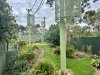
Adelaide Zoo (for Sumatran orangutans):

upload_2025-5-26_12-22-1.jpeg

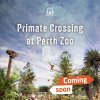
Perth Zoo (aerial line for gibbons coming soon):

upload_2025-5-26_12-21-9.jpeg

Sydney Zoo also has aerial lines for their Sumatran orangutans.
 

Attachments

  • upload_2025-5-26_12-21-9.jpeg
    upload_2025-5-26_12-21-9.jpeg
    51.7 KB · Views: 77
  • upload_2025-5-26_12-22-1.jpeg
    upload_2025-5-26_12-22-1.jpeg
    265.8 KB · Views: 70
Pre-dating Pridelands is the Rainforest complex within the South American precinct that opened in 1995. It originally housed Siamang (as it was rainforest themed rather than South American themed); and while I agree with you the open air callitrichid exhibits are outstanding, many of us feel the Rainforest complex lacks impact since the departure of the siamang (replaced with nothing); and the demise of the zoo’s Capybara herd. This is combined with the reduction of the formerly large breeding troops of spider monkeys and squirrel monkeys to small same-sex troops of females.
Was the old siamang enclosure near the green iguanas? Felt like there was some empty underutilized space near that area. I emphasize with your comments about the exhibit lacking a real headlining species compared to other parts of the zoo. Reintroducing capybara, bringing in jaguar or anteater, and maybe adding an aviary for macaws or another neotropical bird would go such a long way in fleshing things out. The current exhibits remain excellent for what they are however.
Pinnipeds, Cheetah, Hamadryas baboon and Serval have all previously been mentioned as species the zoo intend to phase out. Little blue penguin are unclear, but if you look at the map, they form a link between the seal pool and the other three exhibits mentioned above. Considering the colony has never thrived at Auckland Zoo, it would come as no surprise to see them disappear from the collection.
Sincerely hope the zoo reconsiders things. Losing that many key species for a playground would be tough blow considering options for expanding the collection are already limited. Even though some of these enclosures are slightly dated, it wouldn't take much to get them up to snuff.
I won't say I've experienced the most zoos but think I would also rank Auckland pretty high up on my 'personal' tier list, bit sad to hear Auckland's orangutan exhibit is so unique though and hopefully similar exhibits become more common globally, as a great ape in a 'forest' is truely just amazing.
Unfortunately you can count the number of better than average orangutan enclosures in North America on one hand. Saint Louis was the best I’ve seen before now and it's still very good, but once again it’s nowhere near what Auckland has pulled off. Other than Singapore, I doubt it will ever be topped in my eyes.
 
Last edited:
Was the old siamang enclosure near the green iguanas? Felt like there was some empty underutilized space near that area. I emphasize with your comments about the exhibit lacking a real headlining species compared to other parts of the zoo. Reintroducing capybara, bringing in jaguar or anteater, and maybe adding an aviary macaws or another neotropical bird would go such a long way in fleshing things out. The current exhibits remain excellent for what they are however.

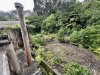
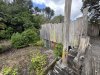
The old Siamang exhibit is opposite the spider monkey and Golden lion tamarin exhibits. As these photos shows, it’s a reasonably sized area of unused space:

Old Siamang exhibit:

upload_2025-5-26_17-37-0.jpeg

Old Siamang dens (still intact):

upload_2025-5-26_17-37-40.jpeg

Just about every ZooChatter I know would be in favour of your suggestion of Auckland Zoo acquiring Jaguar (the ultimate headliner for this precinct). As a CITES I species, there’d need to be regional support to import them and unfortunately it appears this is lacking. Auckland Zoo historically held Jaguar (as did most of the region’s main zoos) and they would no doubt prove popular were they to make a comeback.
Sincerely hope the zoo reconsiders things. Losing that many key species for a playground would be tough blow considering options for expanding the collection are already limited. Even though some of these enclosures are slightly dated, it wouldn't take much to get them up to snuff.

We all do. A few of us refer to it as ‘the playground no one asked for’ given the zoo already has numerous playgrounds dotted thoroughout the zoo (and Western Springs opposite).

The baboon exhibit is perfectly suitable in the current state for a troop of 10-15 Hamadryas baboons; and the cost of upgrading the filtration equipment for the pinniped pool (cited as the main reason for the phase out) would be a worthy investment considering the popularity of pinnipeds.

The only exhibit that’s inadequate in my opinion is the Cheetah exhibit. It’s cramped by today’s standards and would be better off being renovated into a pair of Serval or Caracal exhibits.
 

Attachments

  • upload_2025-5-26_17-37-0.jpeg
    upload_2025-5-26_17-37-0.jpeg
    350.6 KB · Views: 69
  • upload_2025-5-26_17-37-40.jpeg
    upload_2025-5-26_17-37-40.jpeg
    309.7 KB · Views: 68
Was the old siamang enclosure near the green iguanas? Felt like there was some empty underutilized space near that area. I emphasize with your comments about the exhibit lacking a real headlining species compared to other parts of the zoo. Reintroducing capybara, bringing in jaguar or anteater, and maybe adding an aviary macaws or another neotropical bird would go such a long way in fleshing things out. The current exhibits remain excellent for what they are however.

Sincerely hope the zoo reconsiders things. Losing that many key species for a playground would be tough blow considering options for expanding the collection are already limited. Even though some of these enclosures are slightly dated, it wouldn't take much to get them up to snuff.

Unfortunately you can count the number of better than average orangutan enclosures in North America on one hand. Saint Louis was the best I’ve seen before now and it's still very good, but once again it’s nowhere near what Auckland has pulled off. Other than Singapore, I doubt it will ever be topped in my eyes.

AS Zoofan15 said below, jaguars are unfortunately a no-go, but capybara are doable. I'm surprised they haven't tried a macaw aviary already, given that a few species are easily available in this country. Tapirs would be a great addition, but although it's legal for zoos to keep them in NZ there's no legislation currently in place allowing them to be imported, and it would take several years for the necessary legislation, called an Import Health Standard (IHS), to be drafted. Anteaters have a similar problem, but Australia has recently begun the process to draft IHSs for xenarthrans, so maybe NZ will follow in their steps. Other than these species, a good complement for the precinct that we've discussed on here before would be Maned Wolf, which are legal to both keep and import into this country, and are easily available from Australian zoos.
 
We promptly left Auckland after visiting the zoo, catching a 45 minute flight to Palmerston North. It's affectionately known as "Palmy" by the locals and was described to me as a small town with a big city feel. After these last few days of checking the place out I'd say that's an apt description, although even then most of these guys are in bed by 9:00 PM so there isn't too much hustle and bustle. I've been staying at Massey University which is notable for being home to New Zealand's only veterinary school which will become more relevant to this thread in the coming days. Several trips to nearby areas are on the docket, starting with...

Tongariro National Park


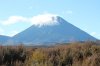
Established in 1894, Tongariro is New Zealand’s oldest national park and among the top five oldest anywhere in the world being the first outside of North America. It’s also a dual heritage site with both natural and cultural significance to the Maori people. Some of you may be familiar with the park as a filming location for the Lord of the Rings trilogy – personally all memory of these movies has escaped me so I couldn't pick out the exact locations of very many notable scenes myself. The centerpiece of the park is Mount Ruapehu, which as you can see from google maps is quite literally at the heart of the North Island. The boldest of experienced hikers can tackle the Tongariro Alpine Crossing which takes a full day.

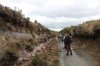
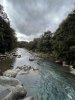
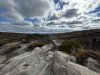
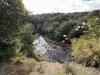
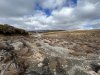
We ultimately settled on a more leisurely walk past Taranaki Falls which only took about 2.5 hours in total, maybe longer. Along the way were towering volcanoes, rolling hills, temperate forests, and meandering streams of all sizes. The trip to the falls was one of elevation changes and lots of stairs, but the way back down was a pleasant smooth incline. At times it felt like I was in Mongolia or some other rugged area in the far Northeast and words fail to describe the natural beauty of the park. Photos don’t convey the scale of everything, especially the falls which allowed for a moment of gratitude and reflection on everything that's led to this deeply humbling trip. We also took a short walk out to Tawhai Fallas AKA Gollum's pool from the LoR movies which was similarly awe-inspiring (and made for some great instagram photos ;)).

Tongariro didn't have much in the way of wildlife; and when I say didn't have much, I mean none at all. Didn't see a single endemic or introduced bird. Not sure if it’s just the time of year or a result of the higher elevation, but it was a bit surprising to see the whole area void of animals entirely as apparently there should’ve been many species present. Of course the views were spectacular and the experience was brilliant regardless. Makes me realize I really need to get to more national parks, which I haven't done considering (with San Diego as the exception) I haven't been further west than Omaha. It’s America’s best idea after all and another reason why Teddy Roosevelt is my personal favorite U.S. president. Here’s a highlight reel:

IMG_1500.JPG

IMG_1557.JPG

IMG_0595.jpeg

IMG_0583.jpeg

IMG_0599.jpeg

IMG_0612.jpeg

LGWaterfall.jpg
^Might have to throw this bad boy up on the LinkedIn also.
 

Attachments

  • IMG_1500.JPG
    IMG_1500.JPG
    94.1 KB · Views: 69
  • IMG_1557.JPG
    IMG_1557.JPG
    160.3 KB · Views: 68
  • LGWaterfall.jpg
    LGWaterfall.jpg
    246.3 KB · Views: 70
  • IMG_0612.jpeg
    IMG_0612.jpeg
    119.2 KB · Views: 71
  • IMG_0595.jpeg
    IMG_0595.jpeg
    194.6 KB · Views: 65
  • IMG_0583.jpeg
    IMG_0583.jpeg
    319.2 KB · Views: 69
  • IMG_0599.jpeg
    IMG_0599.jpeg
    228.7 KB · Views: 69
Wildbase Recovery Center & The Victoria Esplanade

Located near Massey University’s Palmerston North campus, Wildbase opened in 2018 as a public showcase of the rehabilitation work the school’s veterinary program does with local bird species. Co-managed by the university and local city council, the center is free to visit, which should be expected considering it is small, very small. The entire facility is only 31,000 square feet and consists of just (technically) eight publicly viewable aviaries, four off-show aviaires, and an education building. There’s also just seven species permanently on show here so it isn't somewhere that’s going to take up much of your time. However, what it lacks in size it more than makes up for in professionalism and general charm. I actually made two visits to Wildbase over these last few days; first just a quick solo trip and then as a group where were joined by Dr. Kerri Morgan, director of the Wildbase Research Center and Associate Professor at Massey. She gave us a private tour of the facility before opening hours, which included a look at back-of-house areas, while providing an excellent breakdown of the design of each aviary.

And indeed each aviary is superbly crafted with top-notch landscaping. The highlight was easily the walkthrough aviary by the entrance home to five species: kaka, wood pigeon, bellbird, red-crowned kakariki and tuatara. Enclosures for tuatara are on the aviary floor and I spotted two females basking in the sun. Across the path are two semi-hexagonal waterfowl aviaries holding brown teal and blue duck respectively. A new pair of brown teal just arrived a few days ago after the long-time breeding pair was retired and since they were still settling in they did not make an appearance. The blue ducks however were quite showy. These two species are not here as rescues like most of the other residents, but are regularly bred as part of the facility’s reintroduction efforts. Besides a small outdoor terrarium for juvenile tuatara, that summarizes the entirety of the permanent collection.

full

Walkthrough Aviary

full

Blue Duck (Whio) Aviary

Five remaining aviaires all have highly limited viewing that allows you to see in and prevents the animals from seeing out, which is inconvenient for visitors but apparently required under New Zealand law. Each one is designed to accommodate specific types of birds; one that’s used for raptors, another for ground-dwellers, several for shorebirds, etc. Currently there’s only one resident living among these aviaires, a recently rescued morepork (which I only managed to see clearly from an off-show area, still neat to see during the day). The occupancy of the rehab aviaries varies depending on the season and at any given time there could be kiwis, hawks, little penguins, albatrosses, and many others. All that leaves is the education building which is similarly high quality. Inside there are a variety of small interactive displays for guests, a couple preserved specimens, and a window looking into keeper/vet areas.

full

Example of privacy barriers for rehabilitation aviaries -- these ones for shorebirds.

full

Education Building

Most wildlife rehab places I’ve visited are fairly basic when it comes to enclosure design, always prioritizing function over aesthetics considering many of their residents aren't staying for too long. These aviaires however wouldn't look out of place in a major zoo. In fact, I’m starting to see a lot of untapped potential in facilities like this being used as models for exhibit complexes in larger zoos. Even if this were located in the U.S. and specialized in rescued raptors and songbirds it would still be great. It’s the kind of place you’d love to have nearby so you can just pop in whenever you please and the work they do is invaluable.

full

Cheeky kaka on a rainy day.

Wildbase Recovery is located within the Victoria Esplanade, which is basically a large park with a railway, botanical gardens, cafes, soccer fields, and other recreational attractions. It's a lovely place to walk around and it would be remiss to not briefly highlight two other attractions quite literally abutting Wildbase. The Peter Black Conservatory is a lovely little greenhouse that dates back to 1941. Signage indicates there are five frog species free-roaming within the building, but I did not see any. Most notable however are the esplanade aviaries right around the bend. These are a series of old-school bird cages that complement the local species held at Wildbase. Here you can find a variety of Australian species: sulfur-crested cockatoo, peach-faced lovebird, rainbow lorikeet, cockatiel, budgies, Java finch, zebra finch and a few others who were unsigned. Functionally these aviaires are all perfectly good, but are quite dated aesthetically and overdue for replacement. Signs were up advertising that upgrades are being planned, but Kerri mentioned that they’ve had difficulty securing funding and the project has been put on the backburner. Hopefully progress is made eventually as they definitely look worse for wear compared to the modern aviary complex at the recovery center nextdoor.

full

Esplanade Aviaries

full

Peter Black Conservatory
 
Back
Top