Australasian Sumatran Tiger Population

Due to Kirana's age too, I think we can see why Delilah and Kembali may be bred from again. Since Hamilton's cubs can preferably remain compatible in the long term, there will perhaps be more preference towards pairing one of Adelaide's young females for breeding in the future.

I can see why those two siblings ended up being paired with one another; looking at the population list there really weren't many other choices without pairing one of the girls with a much older, non proven male.

At the moment, we will only have the following breeding age individuals come next year;

1.0 Aceh (09/02/2010) Ramalon x Binjai
1.0 Mati (21/08/2010) Lari x Soraya
1.0 Indra (21/08/2010) Lari x Soraya
1.0 Kembali (20/08/2011) Satu x Jumilah
1.0 Sakti (20/08/2011) Satu x Jumilah
1.0 Clarence (22/08/2013) Ramalon x Kaitlyn
1.0 Kembali (16/11/2014) Oz x Sali
1.0 Scout (08/02/2016) Juma x Kaitlyn
1.0 Reggie (31/03/2016) Satu x Maneki
1.0 Ramah (08/07/2017) USA
1.0 Nelson (03/06/2019) Ranu x Kaitlyn
1.0 Malcolm (18/02/2020) Ranu x Kaitlyn

0.1 Delilah (08/02/2016) Juma x Kaitlyn
0.1 Zayana (15/10/2018) USA
0.1 Mawar (17/01/2019) Clarence x Kartika
0.1 Sallie (18/02/2020) Ranu x Kaitlyn
0.1 Sage (18/02/2020) Ranu x Kaitlyn
0.1 Marni (21/12/2022) Kembali x Delilah
0.1 Susu (21/12/2022) Kembali x Delilah
0.1 Cahya (02/01/2024) Ramah x Zayana
0.1 Mayang (03/01/2024) Scout x Kirana
0.1 Andalas (03/01/2024) Scout x Kirana

12.10 in total.

The only viable females as of right now are Delilah (2016), Zayana (2018), Mawar (2019) and sisters Sallie (2020) and Sage (2020). The former three will likely all breed soon; two of which are already paired. I wonder whether Taronga may be planning to import a male to pair with Mawar when you consider she has limited options regionally.

Due to males being able to breed until death, a lot more are listed above however realistically, we probably won't see the first six of the males breeding again. The next four will be/are in breeding situations and the same can likely be said about one or both of the brothers at Australia Zoo.

Likelihood of Future Breeding

————

Males

From the above list of males, we can discount the following from breeding in the future:

1.0 Kembali (20/08/2011) Satu x Jumilah
1.0 Sakti (20/08/2011) Satu x Jumilah
1.0 Clarence (22/08/2013) Ramalon x Kaitlyn

Sakti is an aggressive male; and it would be a safe bet to say the future of Taronga’s breeding programme will continue via Tengah (with the older three tigers perhaps retiring to Dubbo).

The following are as good as confirmed to breed in the future (albeit pending a recommendation):

1.0 Reggie (31/03/2016) Satu x Maneki
1.0 Ramah (08/07/2017) Imported (USA)

The following is likely to breed based on the information we have to have to hand:

1.0 Kembali (16/11/2014) Oz x Sali

This leaves:

1.0 Aceh (09/02/2010) Ramalon x Binjai
1.0 Mati (21/08/2010) Lari x Soraya
1.0 Indra (21/08/2010) Lari x Soraya
1.0 Scout (08/02/2016) Juma x Kaitlyn
1.0 Nelson (03/06/2019) Ranu x Kaitlyn
1.0 Malcolm (18/02/2020) Ranu x Kaitlyn

I’m inclined to believe the National Zoo and Aquarium will wait for their pair to pass and then source a new pair, however the (unsuccessful attempt) to breed from both Aceh and his sister at Darling Downs Zoo with their respective mates suggest value was seen in this line (namely being descendants of the founder Binjai, who will otherwise be unrepresented going forward).

The same argument could be made for Indra and Mati (the sons of Raja and Soraya). It would come as no surprise to see one of them paired with the female transferring out of Adelaide Zoo. Either way, we can assume a maximum of one of these males will breed.

Scout is difficult to call. A pairing with Zayana wouldn’t be surprising once Sali has passed on; and his daughters with Kirana have transferred out (possibly to Wellington).

I consider it a strong likelihood that Nelson or Malcolm will breed at Australia Zoo (but not both). Males can breed late into life, given them at least a decade to work with (during which time Kaitlyn and Hunter will likely pass).

————

Females

The following are as good as confirmed to breed in the future (albeit pending a recommendation):

0.1 Zayana (15/10/2018) Imported (USA)
0.1 Cahya (02/01/2024) Ramah x Zayana

Cahya to Orana; and Zayana to Hamilton (in 4-5 years) would be my guess.

The following is likely to breed based on the information we have to have to hand:

0.1 Delilah (08/02/2016) Juma x Kaitlyn
0.1 Mawar (17/01/2019) Clarence x Kartika

I would assume 1-2 of the following will breed:

0.1 Marni (21/12/2022) Kembali x Delilah
0.1 Susu (21/12/2022) Kembali x Delilah
0.1 Mayang (03/01/2024) Scout x Kirana
0.1 Andalas (03/01/2024) Scout x Kirana

The offspring of two sets to twins, no more than two will be required for matches. Preference would likely go to the Australian sisters given the greater range of available mates; with the New Zealand sisters perhaps going to Wellington (non-breeding).

These two are difficult to call:

0.1 Sallie (18/02/2020) Ranu x Kaitlyn
0.1 Sage (18/02/2020) Ranu x Kaitlyn

Three of Kaitlyn’s offspring have bred to date; and continuing Australia Zoo’s population via one of two younger sons seems more probable.

————
 
Likelihood of Future Breeding

————

Males

From the above list of males, we can discount the following from breeding in the future:

1.0 Kembali (20/08/2011) Satu x Jumilah
1.0 Sakti (20/08/2011) Satu x Jumilah
1.0 Clarence (22/08/2013) Ramalon x Kaitlyn

Sakti is an aggressive male; and it would be a safe bet to say the future of Taronga’s breeding programme will continue via Tengah (with the older three tigers perhaps retiring to Dubbo).

The following are as good as confirmed to breed in the future (albeit pending a recommendation):

1.0 Reggie (31/03/2016) Satu x Maneki
1.0 Ramah (08/07/2017) Imported (USA)

The following is likely to breed based on the information we have to have to hand:

1.0 Kembali (16/11/2014) Oz x Sali

This leaves:

1.0 Aceh (09/02/2010) Ramalon x Binjai
1.0 Mati (21/08/2010) Lari x Soraya
1.0 Indra (21/08/2010) Lari x Soraya
1.0 Scout (08/02/2016) Juma x Kaitlyn
1.0 Nelson (03/06/2019) Ranu x Kaitlyn
1.0 Malcolm (18/02/2020) Ranu x Kaitlyn

I’m inclined to believe the National Zoo and Aquarium will wait for their pair to pass and then source a new pair, however the (unsuccessful attempt) to breed from both Aceh and his sister at Darling Downs Zoo with their respective mates suggest value was seen in this line (namely being descendants of the founder Binjai, who will otherwise be unrepresented going forward).

The same argument could be made for Indra and Mati (the sons of Raja and Soraya). It would come as no surprise to see one of them paired with the female transferring out of Adelaide Zoo. Either way, we can assume a maximum of one of these males will breed.

Scout is difficult to call. A pairing with Zayana wouldn’t be surprising once Sali has passed on; and his daughters with Kirana have transferred out (possibly to Wellington).

I consider it a strong likelihood that Nelson or Malcolm will breed at Australia Zoo (but not both). Males can breed late into life, given them at least a decade to work with (during which time Kaitlyn and Hunter will likely pass).

————

Females

The following are as good as confirmed to breed in the future (albeit pending a recommendation):

0.1 Zayana (15/10/2018) Imported (USA)
0.1 Cahya (02/01/2024) Ramah x Zayana

Cahya to Orana; and Zayana to Hamilton (in 4-5 years) would be my guess.

The following is likely to breed based on the information we have to have to hand:

0.1 Delilah (08/02/2016) Juma x Kaitlyn
0.1 Mawar (17/01/2019) Clarence x Kartika

I would assume 1-2 of the following will breed:

0.1 Marni (21/12/2022) Kembali x Delilah
0.1 Susu (21/12/2022) Kembali x Delilah
0.1 Mayang (03/01/2024) Scout x Kirana
0.1 Andalas (03/01/2024) Scout x Kirana

The offspring of two sets to twins, no more than two will be required for matches. Preference would likely go to the Australian sisters given the greater range of available mates; with the New Zealand sisters perhaps going to Wellington (non-breeding).

These two are difficult to call:

0.1 Sallie (18/02/2020) Ranu x Kaitlyn
0.1 Sage (18/02/2020) Ranu x Kaitlyn

Three of Kaitlyn’s offspring have bred to date; and continuing Australia Zoo’s population via one of two younger sons seems more probable.

————
Effectively, we only have two pairs that will likely be paired once again - Ramah and Zayana at Auckland and Kembali and Delilah at Adelaide.

That means we can likely expect a lot of new transfers in the coming years to form new breeding pairs elsewhere.

On the females, Mawar will likely be paired with a male from overseas. Realistically, the only options are that or acquiring one of the older Mogo males.

Many of us are anticipating Cahya will be sent down to Orana to breed, but one of Adelaide's young females will also apparently be transferring out soon and we can't rule her out for being paired with Reggie. Cahya is a valuable female, and completely unrelated to the rest of the region so she may be able to paired with some of the other males (ie. from the well represented lines), which either of the Adelaide sister's can't.

The other Adelaide sister will remain at Adelaide (likely non breeding) and the Hamilton sisters may remain in a non breeding pair/trio (with their mother) for the foreseeable with the potential for one of them to be transferred into a breeding situation down the line if desired.

Considering the amount of males that could be breeding outweighs the females, I do think we could see one of the Australia Zoo sisters (Sallie or Sage) breeding. Whether that's at Mogo or the National Zoo.

Australia may look to then acquire a female to pair with either of their two remaining viable males (Nelson and Malcolm). Likely from overseas as well.
 
Last edited:
Effectively, we only have two pairs that will likely be paired once again - Ramah and Zayana at Auckland and Kembali and Delilah at Adelaide.

That means we can likely expect a lot of new transfers in the coming years to form new breeding pairs elsewhere.

On the females, Mawar will likely be paired with a male from overseas. Realistically, the only options are that or acquiring one of the older Mogo males.

Many of us are anticipating Cahya will be sent down to Orana to breed, but one of Adelaide's young females will also apparently be transferring out soon and we can't rule her out for being paired with Reggie. Cahya is a valuable female, and completely unrelated to the rest of the region so she may be able to paired with some of the other males (ie. from the well represented lines), which either of the Adelaide sister's can't.

The other Adelaide sister will remain at Adelaide (likely non breeding) and the Hamilton sisters may remain in a non breeding pair/trio (with their mother) for the foreseeable with the potential for one of them to be transferred into a breeding situation down the line if desired.

Considering the amount of males that could be breeding outweighs the females, I do think we could see one of the Australia Zoo sisters (Sallie or Sage) breeding. Whether that's at Mogo or the National Zoo.

Australia may look to then acquire a female to pair with either of their two remaining viable males (Nelson and Malcolm). Likely from overseas as well.

The region would greatly benefit from some fresh imports. 12 founders were imported between 2000-2008, of which nine bred; however only four of these were bred with another founder (Raja and Soraya; Satu and Maneki) and two of these were also bred to Nico-Meta descendants (in addition to the five that bred exclusively with Nico-Meta descendants). As a result, we’re now at the stage where the majority of the population is closely related.

Due to her age, the import of a male to Taronga appears the greatest priority. We can hopefully expect an additional 2-3 cubs from the next pairing of Ramah and Zayana, which like Cahya will have a range of applications throughout the region.

From what I’ve seen, males that from cohesive pairs as juveniles or adolescents rarely remain cohesive long term. This has been the case from Juma and Ranu; Sendiri and Dumai; Indra and Mati; and Scout and Reggie. With this in mind, it’s possible either Nelson or Malcolm will naturally seperate from his brother/siblings in the coming years. Groupings of male-female or female-female appear more stable; and unrelated male-female pairs can even be formed amongst unrelated adults later in life (as was the case for Oz and Mencari). This will give a few options for making efficient use of space across the region.

Perth Zoo are expected to continue with Sumatran tigers long term, though the current plan is to take a break from tigers after Jaya’s death to redevelop the exhibit. Assuming this is complete in 3-5 years, there will surely be a range of non-breeding sibling pairs to transfer in.

In addition to Taronga, my highest expectations would be for Melbourne Zoo to import a pair of Sumatran tigers. They have the resources to do so and particularly with their tigers ageing, will have the space to manage a pairing and retention of cubs into young adulthood.
 
Regional Sumatran Tiger Breeding Plans (1992)

Article:

In the case of the Sumatran tigers, Taronga has had a lone male for some years. In January it acquired a young female named Seletan, bred at Melbourne Zoo, and is hoping to get another female from Indonesia within the year.


If Sydney succeeds with its breeding plan, it knows that plenty of other zoos will take excess animals and start breeding programs of their own: each animal's pedigree will be known and breeding will be done to maintain as much genetic diversity in the species as possible.

Mr Meikle said: "Some species in the zoo system have unknown pedigrees. In the past, for example, a tiger was a tiger was a tiger. This way, we can stop hybrids from breeding and as they die out they make space for Sumatran tigers."

Source: Sydney Morning Herald (Tuesday, June 02, 1992).

Discussion:

It’s fascinating to hear of Taronga Zoo’s intention to import a female Sumatran tiger from Indonesia in 1992/1993 that sadly never came to fruition. I can only imagine what a valuable addition this tigress would have been to the global captive population.

The comment regarding Taronga holding a lone male is interesting as they actually had two male tigers at this time - Shiva (1985) and Jambi (1988). Jambi was sent to Wellington Zoo in December 1992. The comment presumably relates to them being housed separately (i.e. alone).

I’m wondering had the tigress from Indonesia been imported, whether she and Shiva (1985) would have become Taronga’s breeding pair; and Jambi (1988) and Selatan (1990) been sent to Wellington Zoo in December 1992 to become their breeding pair. Aside from being a genetic match, I consider it unlikely Taronga would have wanted to have two breeding females. Selatan was transferred out of Melbourne Zoo at the age of 14 months (which without contracepting females is about the age they drive their cubs out). Melbourne’s new tiger exhibit opened later that year; but until then, they would have been at capacity (with Selatan’s twin Calang retained until 1994 and also requiring separate housing). Perhaps Taronga (who had the capacity following the deaths of Nico and Meta) took Selatan as a favour to Melbourne Zoo, without a concrete plan of her breeding destination at that point in time).

Irregardless, the plan outlined for other zoos in the region to acquire the purebred Sumatran tiger was a success, with ten holders a decade later in 2002:

1. Melbourne Zoo (1976)
2. Taronga Zoo (1979)
3. Wellington Zoo (1992)
4. Perth Zoo (1994)
5. Adelaide Zoo (1995)
6. Taronga Western Plains Zoo (1996)
7. Auckland Zoo (1998)
8. Mogo Zoo (2001)
9. Hamilton Zoo (2001)
10. National Zoo and Aquarium (2002)

I do however find the comment about Sumatran tigers replacing hybrid tigers as they die out ironic considering the reverse trend has been observed in two facilities in recent years, with Ballarat and Sydney Zoo both acquiring hybrid tigers after their purebred Sumatran tigers died.
 
Regional Sumatran Tiger Breeding Plans (1992)

Article:

In the case of the Sumatran tigers, Taronga has had a lone male for some years. In January it acquired a young female named Seletan, bred at Melbourne Zoo, and is hoping to get another female from Indonesia within the year.


If Sydney succeeds with its breeding plan, it knows that plenty of other zoos will take excess animals and start breeding programs of their own: each animal's pedigree will be known and breeding will be done to maintain as much genetic diversity in the species as possible.

Mr Meikle said: "Some species in the zoo system have unknown pedigrees. In the past, for example, a tiger was a tiger was a tiger. This way, we can stop hybrids from breeding and as they die out they make space for Sumatran tigers."

Source: Sydney Morning Herald (Tuesday, June 02, 1992).

Discussion:

It’s fascinating to hear of Taronga Zoo’s intention to import a female Sumatran tiger from Indonesia in 1992/1993 that sadly never came to fruition. I can only imagine what a valuable addition this tigress would have been to the global captive population.

The comment regarding Taronga holding a lone male is interesting as they actually had two male tigers at this time - Shiva (1985) and Jambi (1988). Jambi was sent to Wellington Zoo in December 1992. The comment presumably relates to them being housed separately (i.e. alone).

I’m wondering had the tigress from Indonesia been imported, whether she and Shiva (1985) would have become Taronga’s breeding pair; and Jambi (1988) and Selatan (1990) been sent to Wellington Zoo in December 1992 to become their breeding pair. Aside from being a genetic match, I consider it unlikely Taronga would have wanted to have two breeding females. Selatan was transferred out of Melbourne Zoo at the age of 14 months (which without contracepting females is about the age they drive their cubs out). Melbourne’s new tiger exhibit opened later that year; but until then, they would have been at capacity (with Selatan’s twin Calang retained until 1994 and also requiring separate housing). Perhaps Taronga (who had the capacity following the deaths of Nico and Meta) took Selatan as a favour to Melbourne Zoo, without a concrete plan of her breeding destination at that point in time).

Irregardless, the plan outlined for other zoos in the region to acquire the purebred Sumatran tiger was a success, with ten holders a decade later in 2002:

1. Melbourne Zoo (1976)
2. Taronga Zoo (1979)
3. Wellington Zoo (1992)
4. Perth Zoo (1994)
5. Adelaide Zoo (1995)
6. Taronga Western Plains Zoo (1996)
7. Auckland Zoo (1998)
8. Mogo Zoo (2001)
9. Hamilton Zoo (2001)
10. National Zoo and Aquarium (2002)

I do however find the comment about Sumatran tigers replacing hybrid tigers as they die out ironic considering the reverse trend has been observed in two facilities in recent years, with Ballarat and Sydney Zoo both acquiring hybrid tigers after their purebred Sumatran tigers died.
I wonder whether Taronga did in fact have plans to hold two breeding pairs (at least initially) - the article implies this, with the hope of other zoos taking on 'excess' offspring.

It's interesting as perhaps Taronga was planning to hold both pairs at the opposite ends of the zoo in the two Tiger enclosures.

Following the passings of Nico and Meta, Taronga would've been keen on acquiring another female to get breeding back on track and Seletan was essentially the only female available.

The article specifically mentions only 'one' male at Taronga - indicating there was potentially already plans to transfer Jambi to Wellington at that point, and the breeding male in discussion was Shiva.
 
I wonder whether Taronga did in fact have plans to hold two breeding pairs (at least initially) - the article implies this, with the hope of other zoos taking on 'excess' offspring.

It's interesting as perhaps Taronga was planning to hold both pairs at the opposite ends of the zoo in the two Tiger enclosures.

Following the passings of Nico and Meta, Taronga would've been keen on acquiring another female to get breeding back on track and Seletan was essentially the only female available.

The article specifically mentions only 'one' male at Taronga - indicating there was potentially already plans to transfer Jambi to Wellington at that point, and the breeding male in discussion was Shiva.

Looking back at Wellington’s records, I see the arrival date of their first tigress (Toba) was 03/05/1992 (a month before this article), which means we can rule out Selatan being sent to Wellington Zoo.

The ‘lone male for some years’ would indeed refer to Shiva, who likely lived alone from when his littermate Kali was exported to the US.

The plan could have been for Shiva and Jambi to have been paired with Selatan and the imported tigress (with a male cub then going to Wellington); or perhaps the export of Jambi was planned at that point (for six months later) with the intention being to breed Shiva with both Selatan and the imported female. Both scenarios would have been Taronga maintain their status as the breeding hub of the region - which they effectively did, with Wellington being the only other zoo in the 1990’s to breed.
 
Looking back at Wellington’s records, I see the arrival date of their first tigress (Toba) was 03/05/1992 (a month before this article), which means we can rule out Selatan being sent to Wellington Zoo.

The ‘lone male for some years’ would indeed refer to Shiva, who likely lived alone from when his littermate Kali was exported to the US.

The plan could have been for Shiva and Jambi to have been paired with Selatan and the imported tigress (with a male cub then going to Wellington); or perhaps the export of Jambi was planned at that point (for six months later) with the intention being to breed Shiva with both Selatan and the imported female. Both scenarios would have been Taronga maintain their status as the breeding hub of the region - which they effectively did, with Wellington being the only other zoo in the 1990’s to breed.
So indeed in that case it seems Jambi was effectively already planned to be sent to Wellington to be paired with Toba.

It seems the intention was to pair Shiva with both females; perhaps rotated with the females, each having a litter every three or four years or so. This would've built up the sufficient offspring the article implied was desired to create a surplus for other zoos to subsequently take on.

@steveroberts do you know when the tiger exhibit on the eastern side of the zoo was demolished?
 
So indeed in that case it seems Jambi was effectively already planned to be sent to Wellington to be paired with Toba.

It seems the intention was to pair Shiva with both females; perhaps rotated with the females, each having a litter every three or four years or so. This would've built up the sufficient offspring the article implied was desired to create a surplus for other zoos to subsequently take on.

@steveroberts do you know when the tiger exhibit on the eastern side of the zoo was demolished?

Within a global captive context, the imported tigress would have been exceptionally valuable, so depending on her age at import (I’d assume under four years), she could well have had two litters with Shiva; and then a third or fourth with an imported male (perhaps from the US).

Selatan’s second litter (11 months after her first) was clearly a repeat breeding recommendation in response to her first litter yielding a single surviving cub. Attempts were made to breed with Kemiri nonetheless; but it was the males from the second litter which continued the bloodline. Selatan’s third and final litter was in 2001, presumably with the plan of placing those cubs somewhere for breeding had they survived.

The import of the bulk of the US population (as was first discussed in 1997) would have been a game changer. The waves of imports from Europe presumably filled the gap throughout the 2000’s:

1.0 Hari (04/01/1996) Imported 2003; Died Unknown
1.0 Tuan (12/03/1998) Imported 2006; Died 2017
0.1 Assiqua (18/05/1999) Imported 2001; Died 2020
0.1 Binjai (30/08/2002) Imported 2004; Died 2021
0.1 Soraya (09/06/2002) Imported 2003; Died 2019
1.0 Dumai (04/04/2003) Imported 2004; Died 2020
1.0 Raja (25/12/2003) Imported 2005; Died 2022
1.0 Oz (22/11/2004) Imported 2006; Died 2020
1.0 Satu (15/05/2005) Imported 2006; Died 2022
 
So indeed in that case it seems Jambi was effectively already planned to be sent to Wellington to be paired with Toba.

It seems the intention was to pair Shiva with both females; perhaps rotated with the females, each having a litter every three or four years or so. This would've built up the sufficient offspring the article implied was desired to create a surplus for other zoos to subsequently take on.

@steveroberts do you know when the tiger exhibit on the eastern side of the zoo was demolished?

Unfortunately Channel 9 and the former cinematographer email replied to say no longer have a copy of the 1994 doco 'Orangutans on Stage' about Taronga's Orangs' relocation to the 'Rainforest exhibit'. They suggested trying the national library in Canberra which would like to go down there and try do but also looks like might be a treasure trove of some interesting old archived stuff about long term Aus' zoos.

There was also that '97 doco about the arrival of the WL Gorilla family from the Netherlands. Can see why Melbourne Zoo thought Taronga reneging on the 'MZ focus on Gorillas, Taronga focus on Chimps' understanding was about the upcoming 2000s Olympics as have seen the Melbourne Gorilla habitat while built earlier than Taronga's is still over twice as big for its resident Gorillas (albeit poor Rigo having to live a life of isolation).

In the Taronga Godden Mackay Logan Conservation Strategy report from 2002 (https://majorprojects.planningportal.nsw.gov.au/prweb/PRRestService/mp/01/getContent?AttachRef=SSD-8008!20190228T003421.263 GMT) saw there was a mention of Ronal Stahan's vision while director in the late '70s was upon completing 'Chimpanzee Park' to construct two further moated exhibits of similar size for the Gorillas and Orangutans but this never eventuated.

Was also interesting too to see in the paragraphs focusing on construction projects in the early '90s there was mention of new exhibits for Fishing Cat, Komodo Dragon and Reticulated Python amongst the examples. What really jumped out that was news to me (also didnt know about the Reticulated Python exhibit) was it stated the Fishing Cat exhibit was in place of a former Jaguar exhibit which is actually where the Asiatic Lion exhibit was constructed and completed by August 1993; so was wondering if perhaps from 1991-April 1993 (date of opening 'Jungle Cats') the Fishing Cats at Taronga were kept in an exhibit in this area perhaps. The reference of the Komodo Dragon exhibit also implied an exhibit even before the one at the front of Serpentaria/Reptile World was completed in early 1995, which makes sense in that the exhibit close to the top entrance of the zoo (that first saw Tuka in 1994, and from 1995-1998 Dina) looked different to the brick fronted exhibit that Terry Boylan described Keith and the short-lived female Komodo were living in from his book Keeper and the Kept.

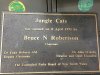
This post from Steve mentions the Jungle Cats complex was opened April 1993, so I would presume by then, but @steveroberts himself might have more information.
 
This post from Steve mentions the Jungle Cats complex was opened April 1993, so I would presume by then, but @steveroberts himself might have more information.

Hey yeah in 2020 a friendly staff member at Taronga emailed replied and said that the Jungle Cats complex opened April 8, 1993 (gave the date too, sent a photo of the plaque they removed during the renovations for Tassie' devils exhibits, will try dig up on gmail account).

From what have come to understand if understood what @Hix told me few years ago: initially the Tiger Pit was renovated and think first occupant of was Selatan having arrived from Melbourne (that pit renovated with ground level viewing glass opened 1 Feb '92 apparently) so belive Selatan was the Sumatran tiger who first had a home in this exhibit (think maybe she was still too young to meet Shiva or Jambi yet).

Then in August '92 Chester the white Bengal-x-Siberian tiger arrived from the US (initially intended to be a loan) and I believe Selatan maybe revolved that exhibit with him for a while?

Then by December that year on the other side of the zoo the Big Cat house/building enclosures had been survey assessed for renovating a bit over half of it into being the Jungle Cats complex (reconstruction may even have begun in Dec '92 -
- I believe with the two eastermost exhibits that have been off public display since at least 1992 now, had Shiva living in one and Jambi the other (Jambi likely lived in one his parents did, that he was born in the back den of, well Shiva was too), -

- then when Jambi went to Wellington in December 1992 I believe Selatan may have lived briefly in the other enclosure that wasnt part of the Jungle Cats exhibits, then when the Lion Pit had been fully renovated by think August 1993 - Selatan and Shiva moved into that (dont know when they were first introduced).

Thats the most that know about and likely could be mistaken about some of.

*Chester did go to WPZ for a while in early 1993 think it was so while he was gone would imagine Selatan & Shiva had use of the westermost of the pit exhibits while the one next door was being renovated for them.

**unless Selatan & Shiva were house elsewhere bts during renovations on the Big Cats building into Jungle Cats exhibits as all that loud renovation work noise right just metres away would surely of stressed them (Jambi not mentioned as assume they didnt start until he'd gone to Wellington Zoo).
 

Attachments

Last edited:
This post from Steve mentions the Jungle Cats complex was opened April 1993, so I would presume by then, but @steveroberts himself might have more information.

Hey yeah in 2020 a friendly staff member at Taronga emailed replied and said that the Jungle Cats complex opened in April 1993 (gave the date too, sent a photo of the plaque they removed during the renovations for Tassie' devils exhibits, will try dig up on gmail account).

From what have come to understand if understood what @Hix told me few years ago: initially the Tiger Pit was renovated and think first occupant of was Selatan having arrived from Melbourne (that pit renovated with ground level viewing glass opened 1 Feb '92 apparently) so belive Selatan was the Sumatran tiger who first had a home in this exhibit (think maybe she was still too young to meet Shiva or Jambi yet).

Then in August '92 Chester the white tiger arrived from the US (initially intended to be a loan) and I believe Selatan maybe revolved that exhibit with him for a while?

Then by December that year on the other side of the zoo the Big Cat house/building enclosures had been survey assessed for renovating a bit over half of it into being the Jungle Cats complex (reconstruction may even have begun in Dec '92 -

- I believe with the two eastermost exhibits that have been off public display since at least 1992 now, had Shiva living in one and Jambi the other (Jambi likely lived in one his parents did, that he was born in the back den of, well Shiva was too), -

- then when Jambi went to Wellington in December 1992 I believe Selatan may have lived briefly in the other enclosure that wasnt part of the Jungle Cats exhibits, then when the Lion Pit had been fully renovated by think August 1993 - Selatan and Shiva moved into that (dont know when they were first introduced).

Thats the most that know about and likely could be mistaken about some of.

Sexual maturity in Sumatran tigers is attained at around three years of age, so the earliest I’d expect Selatan (born November 1990) to have been introduced to Shiva is late 1993 - which would tie in with the move to the renovated exhibit in August 1993.

Shiva and Selatan’s first litter was born November 1994, but it’d been a long road to get there due to Selatan’s fertility issues. Earlier that year, Shiva had undergone fertility testing to rule out he was the problem.

The 11 month birth interval between Selatan’s first litter and second litter suggests a similar delay in conceiving. Females who lose a litter can conceive again within the month, resulting in a new litter four months later. Meta and Zayana are both regional examples of Sumatran tigresses who had these short birth intervals.
 
Auckland/Hamilton Sumatran Tiger Update

I visited Hamilton Zoo on 02/05/2025 and Auckland Zoo on 03/05/2025 and have some updates.

For context, these are the populations of both zoos:

Auckland Zoo:

1.0 Ramah (08/07/2017) Imported 2022

0.1 Zayana (15/10/2018) Imported 2022
0.1 Cahya (02/01/2024) Ramah x Zayana

Hamilton Zoo:

0.1 Sali (10/04/2008) Hari x Setia

1.0 Scout (08/02/2016) Juma x Kaitlyn

0.1 Kirana (16/11/2014) Oz x Sali
0.1 Mayang (03/01/2024) Scout x Kirana
0.1 Andalas (03/01/2024) Scout x Kirana

The best thing about Zayana and Kirana delivering their cubs within a day of each other is it’s made comparing and contrasting the development of the cubs (all 16 months old) more interesting. All are currently living with their respective mothers without issue and is the plan to house them together for as long as that continues. Within the region, 12-18 months has been a common age across several zoos for the tigress to become intolerant of her offspring as they return to season, so I’ll be watching these housing arrangements with interest.

There’s a striking difference between Hamilton’s two cubs. Mayang is darker in colour, has a fiery personality and has the makings of being a large female - all traits shared with her mother. Andalas appears to take after her father Scout - she’s lighter in colour, smaller than her sister and has a more placid temperament.

Ramah and Zayana haven’t received a new breeding recommendation yet and aren’t expected to until Cahya transfers out. The keeper I spoke to thinks it’s likely Ramah and Zayana will receive a new breeding recommendation (as opposed to being re-paired). I was previously advised last year that in the event they were re-paired, it would be Ramah that remained at Auckland Zoo. Zayana is one of the most relaxed Sumatran tigers I’ve seen at any zoo, completely unphased by the crowds and regularly approaching the viewing window. While I don’t doubt she’d adapt the best to moving to a new zoo, she’d be a great loss to Auckland Zoo. She and Cahya remain two of the zoo’s biggest stars.

The long term plan for Zayana’s male cub (that sadly died at one month of age) was apparently to go to Hamilton Zoo to be paired with one of their young females. Hamilton Zoo are currently at capacity with five tigers in three groups across two exhibits, but have long term plans to build a third exhibit. Since their young females are only 16 months old, it wouldn’t surprise me if the plan was still for them to acquire a male offspring from the pairing of Ramah and Zayana. Within that timeframe, Sali would likely pass and there could even be an opportunity to retire Scout and Kirana to Wellington upon the passing of their elderly pair (my speculation).

Cahya:

upload_2025-5-6_13-33-11.jpeg

Kirana (left) and Andalas:

upload_2025-5-6_13-32-10.jpeg

Mayang (front) and Andalas:

upload_2025-5-6_13-37-11.jpeg
 

Attachments

  • upload_2025-5-6_13-32-10.jpeg
    upload_2025-5-6_13-32-10.jpeg
    265.1 KB · Views: 62
  • upload_2025-5-6_13-33-11.jpeg
    upload_2025-5-6_13-33-11.jpeg
    154.1 KB · Views: 63
  • upload_2025-5-6_13-37-11.jpeg
    upload_2025-5-6_13-37-11.jpeg
    288 KB · Views: 63
Ramah and Zayana haven’t received a new breeding recommendation yet and aren’t expected to until Cahya transfers out. The keeper I spoke to thinks it’s likely Ramah and Zayana will receive a new breeding recommendation (as opposed to being re-paired). I was previously advised last year that in the event they were re-paired, it would be Ramah that remained at Auckland Zoo. Zayana is one of the most relaxed Sumatran tigers I’ve seen at any zoo, completely unphased by the crowds and regularly approaching the viewing window. While I don’t doubt she’d adapt the best to moving to a new zoo, she’d be a great loss to Auckland Zoo. She and Cahya remain two of the zoo’s biggest stars.

The long term plan for Zayana’s male cub (that sadly died at one month of age) was apparently to go to Hamilton Zoo to be paired with one of their young females. Hamilton Zoo are currently at capacity with five tigers in three groups across two exhibits, but have long term plans to build a third exhibit. Since their young females are only 16 months old, it wouldn’t surprise me if the plan was still for them to acquire a male offspring from the pairing of Ramah and Zayana. Within that timeframe, Sali would likely pass and there could even be an opportunity to retire Scout and Kirana to Wellington upon the passing of their elderly pair (my speculation).
Re. Future Plans:

I would be very surprised if Ramah and Zayana didn't get a recommendation to get re-paired. They're quite genetically valuable regionally, and considering they only have one surviving daughter together, at least one more litter together would be preferable. There shouldn't be much to worry about re. Cahya having to leave first. If she is going to be paired with Reggie at Orana, she could be transferred now if they needed to, although it's likely they'll wait for her to naturally disperse from her mother.

That's also quite interesting to hear there were already plans to pair Auckland's male cub with one of Hamilton's female cubs. Surprising to see that breeding plans were made that early on, but considering Ramah and Zayana's value and the lack of breeding regionally in the last decade, it's probably a big priority.
 
Re. Future Plans:

I would be very surprised if Ramah and Zayana didn't get a recommendation to get re-paired. They're quite genetically valuable regionally, and considering they only have one surviving daughter together, at least one more litter together would be preferable. There shouldn't be much to worry about re. Cahya having to leave first. If she is going to be paired with Reggie at Orana, she could be transferred now if they needed to, although it's likely they'll wait for her to naturally disperse from her mother.

That's also quite interesting to hear there were already plans to pair Auckland's male cub with one of Hamilton's female cubs. Surprising to see that breeding plans were made that early on, but considering Ramah and Zayana's value and the lack of breeding regionally in the last decade, it's probably a big priority.

Cahya is in an interesting predicament as she’s been raised as a single cub. Previously, litters have been departed their natal institution at 12-18 months, but with siblings, which have served to socialise them before they reach sexual maturity at 3-4 years of age. Nisha and Malu from Wellington Zoo’s first litter were transferred out at 18 months of age (their littermate Rokan was meant to go with them), with Malu then sent to Perth for breeding at three years of age. Jaka, Molek and Mencari from Wellington Zoo’s second litter then transferred out together at 12 months of age.

There’s been a growing emphasis on leaving cubs with their mothers for longer for socialisation purposes and this would be even more important for Cahya, who has no siblings. I’d anticipate she’ll remain at Auckland Zoo for as long as Zayana will tolerate her, until she reaches three years of age and Orana can begin a slow introduction to Reggie in time for her breeding circa 2028.
Re. Future Plans:

I would be very surprised if Ramah and Zayana didn't get a recommendation to get re-paired. They're quite genetically valuable regionally, and considering they only have one surviving daughter together, at least one more litter together would be preferable. There shouldn't be much to worry about re. Cahya having to leave first. If she is going to be paired with Reggie at Orana, she could be transferred now if they needed to, although it's likely they'll wait for her to naturally disperse from her mother.

That's also quite interesting to hear there were already plans to pair Auckland's male cub with one of Hamilton's female cubs. Surprising to see that breeding plans were made that early on, but considering Ramah and Zayana's value and the lack of breeding regionally in the last decade, it's probably a big priority.

During an interview with the then studbook coordinator for Sumatran tigers (David Pepper-Edwards), it was mentioned that there’s often a plan for any cubs bred before they’re even born. I take this with a pinch of short as plans have to be adaptable to changes within the regional population (and there’s no guarantee around litter size/gender), but plans are certainly in place far in advance. My guess would have actually have been for that male cub to have been paired with Tengah at Taronga, so I’ll be interested to see what male Taronga acquire to pair with her (hopefully an import).
 
Photos of Nico and Meta

I thought people would be interested to see these photos of Nico and Meta, considering 35 of the 42 living Sumatran tigers in Australasia descend from them.

1.0 Nico
Born at Rotterdam Zoo 12/04/1976
Arrived at Taronga Zoo 15/01/1979
Died at Taronga Zoo 02/05/1990

0.1 Meta
Born at Rotterdam Zoo 25/04/1975
Arrived at Taronga Zoo 15/01/1979
Died at Taronga Zoo 08/08/1991

Photos of Nico:

Nico" - This is Nico, the 5-years-old sumatran tiger who nipped off a... News Photo - Getty Images

Tiger Nico - At Heart Nico is a playful big cat. But when it comes to... News Photo - Getty Images

These photos (both taken on the same day) show Nico in his prime. He’s an impressive male, with a reasonably sized ruff (the first photo shows it better).

Photo of Meta:

Two Sumatran Tiger Cubs, born last October at Taronga Zoo and now on... News Photo - Getty Images

To my knowledge, this is the only known photo of Meta online. She’s pictured three months before her sixth birthday with one of the cubs from her first litter. She has a very streamlined face, which is a stark contrast to many of her female descendants which have ruffs of varying sizes (see Kirana and her cubs in the photos three posts above). Selatan (who was paired with Meta’s son Shiva) was known for her impressive ruff.
 
Auckland Zoo - Update on Cahya

0.1 Cahya (02/01/2024) Ramah x Zayana

From socials:


Can you believe it - Cahya is now 17 months old!

It’s getting difficult to tell Cahya apart from her mother based on size alone, as seen in this #keepercam of them play-fighting.

Cahya weighs approximately 73kg, while Zayana is around 93kg, and they’re similar in length — making it tricky to distinguish between them at a glance.


One way to tell them apart is by looking at their faces and tails. Cahya has a fluffier tail, and a fuller ruff around her face. In contrast, Zayana has a leaner, longer face and a less fluffy ruff. At this age, Cahya has also developed her full set of adult canines.

Zayana and Cahya are often seen play-fighting (an important part of development!), chasing each other, sleeping, or curled up together in their caves and shelters.


Photo from my May visit (16 months old):

upload_2025-6-3_16-13-24.jpeg
 

Attachments

  • upload_2025-6-3_16-13-24.jpeg
    upload_2025-6-3_16-13-24.jpeg
    304.4 KB · Views: 38
Hamilton Zoo Update - Part 1/2

Update from my visit (31/05/2025):

1.0 Scout (08/02/2016) Juma x Kaitlyn

0.1 Sali (10/04/2008) Hari x Setia

0.1 Kirana (16/11/2014) Oz x Sali
0.1 Mayang (03/01/2024) Scout x Kirana
0.1 Andalas (03/01/2024) Scout x Kirana

I visited Hamilton Zoo on May 31 and saw Kirana and her cubs in the large exhibit for the first time. On all my previous visits since Kirana was pregnant, I’ve seen her in the small exhibit. With the cubs turning 17 months old this week, it makes sense to house them in the largest exhibit, with the cubs able to navigate what would be considered hazards for younger cubs (including the pool and climbing tree).

Sali was in the small exhibit; while Scout was housed in one of the off display den/yards that service the large exhibit. In the past, Hamilton Zoo was successful in integrating the elderly tigress Mencari with the breeding male Oz; but unfortunately, Scout and Sali don’t get on, so they’re kept seperate (one on exhibit; the other off display).

Keepers have commented that Kirana is a large tigress and seeing Sali highlights that. She’s comparable in size to her granddaughters, who are smaller than their mother.

Kirana and Andalas (in large exhibit):

upload_2025-6-3_21-28-6.jpeg

Sali (in small exhibit):

upload_2025-6-3_21-28-26.jpeg
 

Attachments

  • upload_2025-6-3_21-28-6.jpeg
    upload_2025-6-3_21-28-6.jpeg
    240.5 KB · Views: 36
  • upload_2025-6-3_21-28-26.jpeg
    upload_2025-6-3_21-28-26.jpeg
    300.5 KB · Views: 38
Hamilton Zoo Update - Part 2/2

Future developments:


Hamilton Zoo no longer plan to build a third Sumatran tiger exhibit. I will detail the zoo’s future developments in the New Zealand forum (so as not to digress from the topic of this thread); but ultimately, the zoo will continue with the tiger facilities they have long term.

Hamilton Zoo has two Sumatran tiger exhibits:

The large exhibit opened in 2001 and has two off display dens/yards. The exhibit can hold two groups of tigers - with one housed in one of the dens/off display yards; and the other on exhibit (with access to the second den/off display yard).

Large exhibit:

upload_2025-6-3_21-51-44.jpeg

upload_2025-6-3_21-51-26.jpeg

The small exhibit opened in 2012 and has one off display den/yard. It’s therefore suitable for housing only a single tiger/group of tigers, with the tiger/group having access to the off display den/yard while on exhibit.

Small exhibit:

upload_2025-6-3_21-50-47.jpeg

Hamilton Zoo can therefore manage three groupings of Sumatran tigers. ZooChatters will recall that Hamilton Zoo waited for Mencari to pass before bringing in Scout for breeding (since Sali and Kirana were held seperate at that point); and going further back, Sali and her offspring (Kembali and Kirana) were held separately from Oz and Mencari, who shared the larger exhibit (but were kept seperate overnight).

Hamilton Zoo’s future breeding plans are unclear, but for now, the intention is to house Kirana with her daughters for as long as possible. I can’t foresee Scout and Kirana receiving a repeat breeding recommendation, so presumably Kirana will be put on contraception soon to increase the likelihood of her tolerating her offspring beyond the dispersal age (as has been effective at Taronga, Auckland etc).

Long term, it wouldn’t be surprising to see Scout and Kirana retired to Wellington Zoo to replace their elderly pair upon their passing. Combined with the inevitable passing of 17 year old Sali, this will enable Hamilton Zoo to bring in a new male to breed with Mayang or Andalas. The original intention was to pair one of them with Cahya’s male twin, who died as a neonate; so perhaps a son of Ramah and Zayana, should one be produced in the future.
 

Attachments

  • upload_2025-6-3_21-50-47.jpeg
    upload_2025-6-3_21-50-47.jpeg
    306.1 KB · Views: 36
  • upload_2025-6-3_21-51-26.jpeg
    upload_2025-6-3_21-51-26.jpeg
    181.1 KB · Views: 37
  • upload_2025-6-3_21-51-44.jpeg
    upload_2025-6-3_21-51-44.jpeg
    270.2 KB · Views: 37
Taronga Zoo - Sumatran Tiger Export

Mawar has been exported to the Point Defiance Zoo and Aquarium in the United States:

0.1 Mawar (17/01/2019) Clarence x Kartika

Her departure leaves Taronga Zoo with 3.2 Sumatran tigers:

1.0 Kembali (20/08/2011) Satu x Jumilah
0.1 Kartika (20/08/2011) Satu x Jumilah
1.0 Clarence (22/08/2013) Ramalon x Kaitlyn
1.0 Pemanah (17/01/2019) Clarence x Kartika
0.1 Tengah Malam (17/01/2019) Clarence x Kartika

It was previously reported that Pemanah would be exported to the US along with Mawar. Since that information became available in February 2024, there’s been reports that Adelaide Zoo are exporting their male (Ketambe), so it appears he’s being sent in Pemanah’s place. Aside from offering the US two tigers with greater genetic diversity (rather than two siblings), I imagine with limited options within the region of sourcing an unrelated mate for Tengah, Taronga are keen to retain Pemanah, who has more reproductive years ahead of him than his sister (i.e. more time to source an unrelated mate).
 
Taronga Zoo - Sumatran Tiger Export

Mawar has been exported to the Point Defiance Zoo and Aquarium in the United States:

0.1 Mawar (17/01/2019) Clarence x Kartika

Her departure leaves Taronga Zoo with 3.2 Sumatran tigers:

1.0 Kembali (20/08/2011) Satu x Jumilah
0.1 Kartika (20/08/2011) Satu x Jumilah
1.0 Clarence (22/08/2013) Ramalon x Kaitlyn
1.0 Pemanah (17/01/2019) Clarence x Kartika
0.1 Tengah Malam (17/01/2019) Clarence x Kartika

It was previously reported that Pemanah would be exported to the US along with Mawar. Since that information became available in February 2024, there’s been reports that Adelaide Zoo are exporting their male (Ketambe), so it appears he’s being sent in Pemanah’s place. Aside from offering the US two tigers with greater genetic diversity (rather than two siblings), I imagine with limited options within the region of sourcing an unrelated mate for Tengah, Taronga are keen to retain Pemanah, who has more reproductive years ahead of him than his sister (i.e. more time to source an unrelated mate).

Since the birth of Nico and Meta’s first litter 45 years ago, Mawar is the ninth Sumatran tiger exported by an Australasian zoo. Mawar is the first export in 13 years; and the first to be exported to North America in 38 years!

Australasian exports:

1.0 Mandau (1980) Exported 1982 - Asia
0.1 Musara (1980) Exported 1982 - Asia
0.1 Sinta (1983) Exported 1986 - North America
0.1 Usha (1985) Exported 1987 - North America
0.1 Kali (1985) Exported 1987 - North America
1.0 Tenang (2000) Exported 2002 - Europe
0.1 Isha (2006) Exported 2012 - Europe
0.1 Melati (2008) Exported 2012 - Europe
0.1 Mawar (2019) Exported 2025 - North America
 
Back
Top