Cotswold Wildlife Park and Gardens Cotswold Wildlife Park and Gardens News 2025

Had a fun day at CWP today. It was pretty busy and there were a few school trips about the place but the afternoon was sunny and quieter which was a bonus.

Really enjoyed seeing the Reedlings in their new space as mentioned by @Cotswoldgent above. The light in this location makes it so much easier to see them well. Such pretty small birds and they looked great in the sun. They were basking on the rocks around the new small pool which has been added at the front, which was fun to see.

cwp6thjune2025.jpg

Having moved from this enclosure to the larger one outside the Tropical House, the Weavers have certainly settled in, with lots of new nests constructed since my last visit.

The Wrinkled Hornbills were busy in the barrel nest with the female inside and the male outside, making lots of noise and passing things into the entrance / widening the board entrance that had been constructed across it. Haven't seen that behaviour before and wonder if it means we might see some breeding.

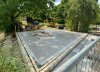
The new Tortoise house is coming on with the groundworks in and the footprint looks larger than previously.

cwp6thjunetortoise.jpg

Enjoyed seeing the young Yellow Mongoose also mentioned above. Great to see a second litter for Chip and Nutmeg. The two young mongoose from the July 2024 litter (a male and female, Cinnamon and Clove) are now off show waiting to move to Woburn and Chester.

The two new Masked Lapwing chicks were also a bit of a treat, the park has great results breeding those.

There were lots of youngsters for the White Storks with all of the visible nest platforms busy with growing chicks, so there should be a good number heading off to the White Stork project this year.
 

Attachments

  • cwp6thjune2025.jpg
    cwp6thjune2025.jpg
    352.3 KB · Views: 44
  • cwp6thjunetortoise.jpg
    cwp6thjunetortoise.jpg
    268.6 KB · Views: 40
Very chuffed about the good omens for the White Stork project!

Totally curious what is happening with the Tortoise House and groundworks? Any design plans and what species will it be used for? Panther/leopard tortoise Stigmochelys pardalis or other species?
 
Very chuffed about the good omens for the White Stork
I'm a little concerned about this White Stork rewilding project in the UK. Apart from the longstanding debate about the evidence of their historical presence here, a lot of their diet is insects and amphibians etc. We already have seriously diminished populations of all of these so what will all these rewilded storks find to eat and will they damage our already seriously reduced populations of these species?
 
I'm a little concerned about this White Stork rewilding project in the UK. Apart from the longstanding debate about the evidence of their historical presence here, a lot of their diet is insects and amphibians etc. We already have seriously diminished populations of all of these so what will all these rewilded storks find to eat and will they damage our already seriously reduced populations of these species?

It's a well established and properly authorised initiative where they have looked at the population reintroduction and impact carefully. The initial target is 50 established breeding pairs by 2030. There's considerably less threat to insects and amphibians than there would be in areas without targeted conservation work. Worth reading around it.

White Stork Project | Reconnecting with a wilder Britain

I'd argue that there are a lot of harmful things to focus on and this probably isn't one. The upcoming planned Government changes to planning rules which will throw out the requirements for conservation initiatives for so called small housing projects are far more threatening to wildlife and habitats than these birds being released in a focused and controlled way.
 
Very chuffed about the good omens for the White Stork project!

Totally curious what is happening with the Tortoise House and groundworks? Any design plans and what species will it be used for? Panther/leopard tortoise Stigmochelys pardalis or other species?

Yes it's a real positive for the zoo to support this sort of initiative, really helps with the conservation emphasis for UK collections imho.

They are Aldabra Giant tortoises (George, Sheldon and Darwin) in that particular space, they have others in different locations around the park. There's an article on all the different ones and the new house here (no published plans I am aware of but someone might know).

Brand new Tortoise House for our Giant Tortoises : Cotswold Wildlife Park and Gardens
 
I'm a little concerned about this White Stork rewilding project in the UK. Apart from the longstanding debate about the evidence of their historical presence here, a lot of their diet is insects and amphibians etc. We already have seriously diminished populations of all of these so what will all these rewilded storks find to eat and will they damage our already seriously reduced populations of these species?
Share your concerns for their dietary requirements, and maybe more should be done for uk zoo's to collaborate in buying up brown field sites and creating nature reserves . This would then create nature hubs which would be suitable for release sites and visitor centres to show uk zoo's working together?? Just a thought.
 
@Lafone Great to hear you had a nice day, did you happen to visit the siamang house?

I am afraid I didn't, the Siamangs were outside enjoying the sun so I watched them there for a while and then I got caught up at the Colobus and didn't go back to check out what was in the new enclosure! I had meant to. Hopefully someone will pop in.
 
Last edited:
Went to CWP yesterday and missed the masked lapwing chicks noted by @Lafone above. Were they in their normal enclosure?

Otherwise, yesterday was wet, but busy at times with eight coaches of young schoolchildren.
Noticed Pekin Robin in Tropical House, which we haven’t seen before, although our views were very brief, since as elusive for us as the new signage states.
IMG_20250605_105412481_Original.jpeg
Also had long view of the female sloth, who was “actively” wandering and eating for over half an hour.

@Springbok The old bat enclosure in the Siamang house now houses Gundi. I don’t know whether these were from the enclosure in the cafe, or Little Africa.
 

Attachments

  • IMG_20250605_105412481_Original.jpeg
    IMG_20250605_105412481_Original.jpeg
    108.8 KB · Views: 48
Last edited:
Went to CWP yesterday and missed the masked lapwing chicks noted by @Lafone above. Were they in their normal enclosure?

Otherwise, yesterday was wet, but busy at times with eight coaches of young schoolchildren.
Noticed Pekin Robin in Tropical House, which we haven’t seen before, although our views were very brief, since as elusive for us as the new signage states.
Also had long view of the female sloth, who was “actively” wandering and eating for over half an hour.

The old bat enclosure in the Siamang house now houses Gundi. I don’t know whether these were from enclosure in the cafe, or Little Africa.View attachment 798493 View attachment 798493 View attachment 798493

Perfect Gundi spotting! Thanks.

I saw the Pekin pair, how great to have new birds. I've only seen them at Chester before. They seemed to be more on the feeders than elsewhere, hopefully they will settle in and venture a bit further out.

The two Lapwing chicks are in the shared aviary with the Bali Starlings etc on the right after the Tropical House (they've had Lapwings in a couple of places too I guess they might be last years youngsters). In the wet I would think they might have been under a parent.

@Cotswoldgent did you see the Hornbills in the Barrel? I can't recall seeing behaviours like that before and the entrance on the barrel looked newly constructed so I wondered if anyone remembered better than me. They definitely looked like they were sealing a hole with the female inside, or progressing doing it anyway.
 
Last edited:
@Lafone Apologies, but we didn’t see the Hornbills in the Barrel.
Thanks for advising masked lapwing chicks are in the same enclosure as last year. I will admit we didn’t give much hope for them this year, as we had seen the eggs unattended last month.
 
It's a well established and properly authorised initiative where they have looked at the population reintroduction and impact carefully. The initial target is 50 established breeding pairs by 2030. There's considerably less threat to insects and amphibians than there would be in areas without targeted conservation work. Worth reading around it.

White Stork Project | Reconnecting with a wilder Britain

I'd argue that there are a lot of harmful things to focus on and this probably isn't one. The upcoming planned Government changes to planning rules which will throw out the requirements for conservation initiatives for so called small housing projects are far more threatening to wildlife and habitats than these birds being released in a focused and controlled way.

I’m sure there’s a more appropriate place to discuss this, but I’ll point out I’m in favour of the planning reforms. I think it’s far more appropriate to select sites to put genuine focus on rewilding and conservation than it is to force a developer to jump through significant, and often ecologically useless, hoops everytime they want to convert an old brownfield site into housing.
 
I'm a little concerned about this White Stork rewilding project in the UK. Apart from the longstanding debate about the evidence of their historical presence here, a lot of their diet is insects and amphibians etc. We already have seriously diminished populations of all of these so what will all these rewilded storks find to eat and will they damage our already seriously reduced populations of these species?
Don’t get me started on the Dalmatian Pelican project in the works…
 
Don’t get me started on the Dalmatian Pelican project in the works…

Its not that I don't like the idea of storks being naturalised/ reintroduced etc. But with all the dire warnings about our diminshed insect populations (you can see the proof of this everywhere) plus a very small suite of native amphibians in the British Isles anyway, I do wonder...particularly away from any rewilded hubs which hopefully would be able to encourage/ provide a more reliable food source. I've seen White Storks on the continent too but things there are rather different for them from the UK food source-wise.
 
I’m sure there’s a more appropriate place to discuss this, but I’ll point out I’m in favour of the planning reforms. I think it’s far more appropriate to select sites to put genuine focus on rewilding and conservation than it is to force a developer to jump through significant, and often ecologically useless, hoops everytime they want to convert an old brownfield site into housing.

The changes do not simply impact brownfield sites as you allege, indeed the point about them being removed on small sites is specifically about habitat loss in smaller previously established areas. There is no matching focus, emphasis or compensatory direction towards what you term 'genuine' conservation in the bill or anything related to it. But I am sure it's a good idea to build houses all over the place, remove all requirements to recreate habitats and then restrict wildlife to little enclaves for 'genuine' conservation. It'll all be fine in the end.

Edited to add a useful link to some of the features of the proposed bill

Planning Bill breaks Labour’s nature promises, say The Wildlife Trusts and RSPB | The Wildlife Trusts
 
Last edited:
Its not that I don't like the idea of storks being naturalised/ reintroduced etc. But with all the dire warnings about our diminshed insect populations (you can see the proof of this everywhere) plus a very small suite of native amphibians in the British Isles anyway, I do wonder...particularly away from any rewilded hubs which hopefully would be able to encourage/ provide a more reliable food source. I've seen White Storks on the continent too but things there are rather different for them from the UK food source-wise.

I think one of the interesting things about the project is the work on supporting insect and amphibian life and how this might spread outside the immediate release areas. It's an interesting way (if it takes off of course) of engaging people about animals which might be a bit less considered such as frogs etc (well unless people stick a housing estate on top of them anyway).
 
The changes do not simply impact brownfield sites as you allege, indeed the point about them being removed on small sites is specifically about habitat loss in smaller previously established areas. There is no matching focus, emphasis or compensatory direction towards what you term 'genuine' conservation in the bill or anything related to it. But I am sure it's a good idea to build houses all over the place, remove all requirements to recreate habitats and then restrict wildlife to little enclaves for 'genuine' conservation. It'll all be fine in the end.

Edited to add a useful link to some of the features of the proposed bill

Planning Bill breaks Labour’s nature promises, say The Wildlife Trusts and RSPB | The Wildlife Trusts

I think it’s important that the planning system is fair; it’s not right that we treat every greenfield site as sacrosanct regardless of its ecological use when we have such a severe housing shortage. Regardless, I think it’s better this is discussed in a specialist thread.
 
Back
Top