You are using an out of date browser. It may not display this or other websites correctly.
You should upgrade or use an alternative browser.
You should upgrade or use an alternative browser.
Omaha's Henry Doorly Zoo Omaha's Henry Doorly Zoo & Aquarium News 2025
- Thread starter MGolka
- Start date

Kara the sloth bear has entered end-of-life care after being diagnosed with terminal cancer. 
Henry Doorly Zoo announces sloth bear enters end of life care
Henry Doorly Zoo announces sloth bear enters end of life care

Couple updates I've seen recently:
Meet the precious new ocelot kitten at Omaha's Henry Doorly Zoo
Ocelot kitten born at the zoo in May.
Per the Zoo's Facebook page a male black howler monkey was born last month as well.
Meet the precious new ocelot kitten at Omaha's Henry Doorly Zoo
Ocelot kitten born at the zoo in May.
Per the Zoo's Facebook page a male black howler monkey was born last month as well.

Jonathan
Well-Known Member
Here are some updates from my visit today (May 22, 2025).
Desert Dome
Kingdoms of the Night
- A red-billed hornbill now occupies the exhibit that previously housed spotted thick-knee and, for a short time, a blue-bellied roller. This is the hornbill that was in the rock hyrax exhibit in African Grasslands. Pretty tiny exhibit for this hornbill in my opinion.
- East African serrated mud turtle (Pelusios sinuatus) is now signed in the klipspringer moat. I did not see it.
- The netting for the roadrunner, bobcat, and coati exhibits has been removed, so all of those animals are off exhibit.
- The Yucatán spiny-tailed iguana (Cachryx defensor) that was previously in the Lizard Sun Room is now on exhibit with the Baja blue rock lizards. It is not currently signed.
Lied Jungle
- The second fossa exhibit next to the ringtail now houses additional springhares.
- The potto sign is back up, and at least one potto is still present and was actively climbing around. That exhibit has signs up for potto, springhare, and three-banded armadillo.
- A large portion of Kingdoms of the Night is currently closed for construction. They reroute you from the aardvark exhibit straight to the dry cave bat room and then from there into the swamp room like normal. Everything between the aardvark exhibit and dry cave room is not accessible right now. That should include the wet cave room, South America room, and Australia room.
Scott Aquarium
- Orb-weaver spider exhibit is open again on the canopy level.
Orangutan Forest
- Purple-striped sea nettle (Chrysaora colorata) has replaced the West African sea nettle.
Simmons Aviary
- White-handed gibbons are now signed for the exhibit that originally had siamang. I saw one siamang in one of the outdoor exhibits on the top level.
Asian Highlands
- I saw a few ducks in here that I haven’t seen in the aviary before : green-winged teal, Barrow’s goldeneye, bufflehead
African Grasslands
- The goral sign on the first viewing area for the takin exhibit has been removed. I don’t know if the goral are just permanent behind-the-scenes residents or if they have left the zoo, as I just saw two of them last November.
- Plains zebra now occupy the sable antelope exhibit. The signage for the antelope is still up, but no zebra signage is present yet. It is possible that the antelope are now gone from the zoo.
- Red-and-yellow barbet and violet-backed starling have been added to the rock hyrax exhibit.
I think why they at least moved some of the sable and did not put the zebras in the giraffes white rhino impala and kudu is because captive plains zebras can attack smaller antelope species and babies.
Nice updates and finally some confirmation of a couple internal moves across the zoo. Goral has also been removed from the map online and I wonder if they just relocated them to the Safari Park BTS as they were breeding them out there.
Great to know Potto is still in the collection.
If the last two Sables have passed, I am also curious if they bring in a new herd as @Kudu21 mentioned in years past how stubborn that species can be for integrating new members. If the zoo doesn’t get more in the future it will be the end of an era as Omaha has long held Sable Antelope for as long as I can remember and used to have a huge herd in the 90s and 2000s.
Only one of the two remaining sables passed but the remaining one is at the safari park with their sable herd BTS
Jonathan
Well-Known Member
Actually the rhinos aren't exactly with the giraffes, impala, ostrich and kudu. They have their own spaceI think why they at least moved some of the sable and did not put the zebras in the giraffes white rhino impala and kudu is because captive plains zebras can attack smaller antelope species and babies.
Really validates my decision to visit last year as Sable Antelope were one of my major target species and it would've broken my heart a little to miss them. Shame one of the individuals I saw has passed.Only one of the two remaining sables passed but the remaining one is at the safari park with their sable herd BTS
To my memory, their space was originally part of the larger mixed exhibit but they were separated off because they scared the giraffes? Is that accurate?Actually the rhinos aren't exactly with the giraffes, impala, ostrich and kudu. They have their own space

To my memory, their space was originally part of the larger mixed exhibit but they were separated off because they scared the giraffes? Is that accurate?
Correct. Former Director Pate talked about this at an event I was at in near the opening of African Grasslands. There are small enough gaps in the fence that splits this habitat that does let the Lesser Kudu and Impala wander over to the rhino side as I have seen both species sometimes over there at some time or other. Giraffe can’t fit through those gaps though.

Potential new projects identified through a foundation donor survey. I have no additional details, but thought it may be of interest to see where the zoo may go next while awaiting an official master plan update:
PRELIMINARY CASE SUMMARY
Omaha Zoo is exploring the potential for a number of campus updates. These updates may include multiple exhibit renovations and new experiences. Potential priority funding initiatives include:
PRELIMINARY CASE SUMMARY
Omaha Zoo is exploring the potential for a number of campus updates. These updates may include multiple exhibit renovations and new experiences. Potential priority funding initiatives include:
- Elephant Lagoon: This exciting expansion advances Omaha’s global leadership in elephant care and conservation. A new housing facility will allow the Zoo to sustain its multigenerational herd structure—essential to the social health and well-being of elephants—while also creating the flexibility to accommodate adolescent bulls in either bachelor or mixed-family groups. An enhanced habitat, including a revitalized lagoon, offers elephants dynamic access to water and supports natural behaviors. Guests will enjoy exciting, new views from the bridge across the lagoon, reinforcing the immersive nature of the Zoo experience.
- Zoo Entry Experience: A bold reimagining of the Zoo’s arrival zone welcomes every guest into a vibrant village that blends natural beauty with intuitive design. Enhanced wayfinding, shaded gathering spaces, improved loading zones, and pedestrian safety upgrades make arrival seamless and inspiring. A dramatic architectural focal point signals that visitors are entering a Zoo unlike any other by creating an unforgettable first impression.
- The Jungle: A Rainforest Story: This one-of-a-kind immersive experience unlike anything else in North America, nearly doubles in size to redefine what’s possible in zoo-based rainforest storytelling. The nearly 30-year-old Lied Jungle expansion provides opportunities to elevate animal care through habitat development and improving housing spaces. Guests will explore adventurous trails through layers of forest ecosystems, enjoy sweeping views from canopy-level paths, and embark on a river journey through the forest. Expanded habitats elevate care and create space for the complexity of tropical life—united by one powerful narrative: water is life.
- Sea Otter Cove: One of the Zoo’s most requested species comes to life in a vibrant, new Pacific Northwest coastal setting. This immersive exhibit will introduce the iconic sea otter, featuring individuals from active recovery and restoration efforts. The story of this keystone species will be told through underwater viewing, dynamic rockwork, and lush habitats creating an unforgettable experience where guests can witness these charismatic animals thriving and displaying their naturally energetic behaviors.
- Grizzly Ridge: Guests will come face-to-face with grizzly bears in a breathtaking Alaskan-inspired meadow habitat. Towering rock outcrops, snowmelt streams, and wildflower-filled terrain provide a naturalistic space for bears to roam, climb, and wade. This new exhibit would celebrate the community’s desire to see more bears at the Zoo while reinforcing our deep commitment to conservation of North American species and large carnivore care.
- Orangutan Canopy Trails: The Zoo’s orangutans will gain more choices to move, explore, and interact with their environment in ways that reflect their full arboreal nature. Redesigned outdoor habitats with elevated cables supported by towering artificial trees allow orangutans to traverse above visitor pathways in open air, providing more stimulation for the animals—and an extraordinary, eye-level viewing experience for guests. The result is a deeply enriching environment that brings people and primates closer than ever before.

Any concept art of these developments? All of these sound INCREDIBLE!Potential new projects identified through a foundation donor survey. I have no additional details, but thought it may be of interest to see where the zoo may go next while awaiting an official master plan update:
PRELIMINARY CASE SUMMARY
Omaha Zoo is exploring the potential for a number of campus updates. These updates may include multiple exhibit renovations and new experiences. Potential priority funding initiatives include:
- Elephant Lagoon: This exciting expansion advances Omaha’s global leadership in elephant care and conservation. A new housing facility will allow the Zoo to sustain its multigenerational herd structure—essential to the social health and well-being of elephants—while also creating the flexibility to accommodate adolescent bulls in either bachelor or mixed-family groups. An enhanced habitat, including a revitalized lagoon, offers elephants dynamic access to water and supports natural behaviors. Guests will enjoy exciting, new views from the bridge across the lagoon, reinforcing the immersive nature of the Zoo experience.
- Zoo Entry Experience: A bold reimagining of the Zoo’s arrival zone welcomes every guest into a vibrant village that blends natural beauty with intuitive design. Enhanced wayfinding, shaded gathering spaces, improved loading zones, and pedestrian safety upgrades make arrival seamless and inspiring. A dramatic architectural focal point signals that visitors are entering a Zoo unlike any other by creating an unforgettable first impression.
- The Jungle: A Rainforest Story: This one-of-a-kind immersive experience unlike anything else in North America, nearly doubles in size to redefine what’s possible in zoo-based rainforest storytelling. The nearly 30-year-old Lied Jungle expansion provides opportunities to elevate animal care through habitat development and improving housing spaces. Guests will explore adventurous trails through layers of forest ecosystems, enjoy sweeping views from canopy-level paths, and embark on a river journey through the forest. Expanded habitats elevate care and create space for the complexity of tropical life—united by one powerful narrative: water is life.
- Sea Otter Cove: One of the Zoo’s most requested species comes to life in a vibrant, new Pacific Northwest coastal setting. This immersive exhibit will introduce the iconic sea otter, featuring individuals from active recovery and restoration efforts. The story of this keystone species will be told through underwater viewing, dynamic rockwork, and lush habitats creating an unforgettable experience where guests can witness these charismatic animals thriving and displaying their naturally energetic behaviors.
- Grizzly Ridge: Guests will come face-to-face with grizzly bears in a breathtaking Alaskan-inspired meadow habitat. Towering rock outcrops, snowmelt streams, and wildflower-filled terrain provide a naturalistic space for bears to roam, climb, and wade. This new exhibit would celebrate the community’s desire to see more bears at the Zoo while reinforcing our deep commitment to conservation of North American species and large carnivore care.
- Orangutan Canopy Trails: The Zoo’s orangutans will gain more choices to move, explore, and interact with their environment in ways that reflect their full arboreal nature. Redesigned outdoor habitats with elevated cables supported by towering artificial trees allow orangutans to traverse above visitor pathways in open air, providing more stimulation for the animals—and an extraordinary, eye-level viewing experience for guests. The result is a deeply enriching environment that brings people and primates closer than ever before.

One thing I do admire about Henry Doorly is their refusal to sit back and be content with what they have. This constant drive to further the zoo and continue to innovate is unreal to say the least.Potential new projects identified through a foundation donor survey. I have no additional details, but thought it may be of interest to see where the zoo may go next while awaiting an official master plan update:
PRELIMINARY CASE SUMMARY
Omaha Zoo is exploring the potential for a number of campus updates. These updates may include multiple exhibit renovations and new experiences. Potential priority funding initiatives include:
- Elephant Lagoon: This exciting expansion advances Omaha’s global leadership in elephant care and conservation. A new housing facility will allow the Zoo to sustain its multigenerational herd structure—essential to the social health and well-being of elephants—while also creating the flexibility to accommodate adolescent bulls in either bachelor or mixed-family groups. An enhanced habitat, including a revitalized lagoon, offers elephants dynamic access to water and supports natural behaviors. Guests will enjoy exciting, new views from the bridge across the lagoon, reinforcing the immersive nature of the Zoo experience.
- Zoo Entry Experience: A bold reimagining of the Zoo’s arrival zone welcomes every guest into a vibrant village that blends natural beauty with intuitive design. Enhanced wayfinding, shaded gathering spaces, improved loading zones, and pedestrian safety upgrades make arrival seamless and inspiring. A dramatic architectural focal point signals that visitors are entering a Zoo unlike any other by creating an unforgettable first impression.
- The Jungle: A Rainforest Story: This one-of-a-kind immersive experience unlike anything else in North America, nearly doubles in size to redefine what’s possible in zoo-based rainforest storytelling. The nearly 30-year-old Lied Jungle expansion provides opportunities to elevate animal care through habitat development and improving housing spaces. Guests will explore adventurous trails through layers of forest ecosystems, enjoy sweeping views from canopy-level paths, and embark on a river journey through the forest. Expanded habitats elevate care and create space for the complexity of tropical life—united by one powerful narrative: water is life.
- Sea Otter Cove: One of the Zoo’s most requested species comes to life in a vibrant, new Pacific Northwest coastal setting. This immersive exhibit will introduce the iconic sea otter, featuring individuals from active recovery and restoration efforts. The story of this keystone species will be told through underwater viewing, dynamic rockwork, and lush habitats creating an unforgettable experience where guests can witness these charismatic animals thriving and displaying their naturally energetic behaviors.
- Grizzly Ridge: Guests will come face-to-face with grizzly bears in a breathtaking Alaskan-inspired meadow habitat. Towering rock outcrops, snowmelt streams, and wildflower-filled terrain provide a naturalistic space for bears to roam, climb, and wade. This new exhibit would celebrate the community’s desire to see more bears at the Zoo while reinforcing our deep commitment to conservation of North American species and large carnivore care.
- Orangutan Canopy Trails: The Zoo’s orangutans will gain more choices to move, explore, and interact with their environment in ways that reflect their full arboreal nature. Redesigned outdoor habitats with elevated cables supported by towering artificial trees allow orangutans to traverse above visitor pathways in open air, providing more stimulation for the animals—and an extraordinary, eye-level viewing experience for guests. The result is a deeply enriching environment that brings people and primates closer than ever before.
The current elephant complex is less than a decade old and they're already looking at improving it - and they just opened a renovated Orangutan complex last year and already positing ideas for an expansion!
Truly inspiring to see a zoo constantly motivated to top itself and be better.
Thank you for sharing this, they all look really cool.Potential new projects identified through a foundation donor survey. I have no additional details, but thought it may be of interest to see where the zoo may go next while awaiting an official master plan update:
Elephant Lagoon: This exciting expansion advances Omaha’s global leadership in elephant care and conservation. A new housing facility will allow the Zoo to sustain its multigenerational herd structure—essential to the social health and well-being of elephants—while also creating the flexibility to accommodate adolescent bulls in either bachelor or mixed-family groups. An enhanced habitat, including a revitalized lagoon, offers elephants dynamic access to water and supports natural behaviors. Guests will enjoy exciting, new views from the bridge across the lagoon, reinforcing the immersive nature of the Zoo experience.
It's great to the see the zoo is already looking how to improve some of their best exhibits and push the standards of care further. The orangutan improvement feels like something that might have been considered during the recent renovation but maybe couldn't be committed, but Indianapolis and National did great work with getting orangutans off-ground and visible to guests, and it's always an exciting experience for guests, and I can only imagine Omaha pushing that concept much, much further, combined with the existing naturalistic facility.Orangutan Canopy Trails: The Zoo’s orangutans will gain more choices to move, explore, and interact with their environment in ways that reflect their full arboreal nature. Redesigned outdoor habitats with elevated cables supported by towering artificial trees allow orangutans to traverse above visitor pathways in open air, providing more stimulation for the animals—and an extraordinary, eye-level viewing experience for guests. The result is a deeply enriching environment that brings people and primates closer than ever before.
Having space for bachelor elephants would be great for the population and the zoo but elephant viewing on the lagoon though is also extremely ambitious! I'd be very curious to see how this one works out!
This is by far the least interesting, but to be fair, it'd probably look really cool once executed, the description is just way too vague to allow a real visualization of the final product. It's hard to imagine a "dramatic architectural focal point" without having to do your own creative lifting. The zoo's existing entrance is also pretty decent. No need to make this a priority.Zoo Entry Experience: A bold reimagining of the Zoo’s arrival zone welcomes every guest into a vibrant village that blends natural beauty with intuitive design. Enhanced wayfinding, shaded gathering spaces, improved loading zones, and pedestrian safety upgrades make arrival seamless and inspiring. A dramatic architectural focal point signals that visitors are entering a Zoo unlike any other by creating an unforgettable first impression.
Lied Jungle is already a highlight of the zoo and one of the biggest reasons I'd like to go back, but I don't see how you could really-- hold on.The Jungle: A Rainforest Story: This one-of-a-kind immersive experience unlike anything else in North America, nearly doubles in size to redefine what’s possible in zoo-based rainforest storytelling. The nearly 30-year-old Lied Jungle expansion provides opportunities to elevate animal care through habitat development and improving housing spaces. Guests will explore adventurous trails through layers of forest ecosystems, enjoy sweeping views from canopy-level paths, and embark on a river journey through the forest. Expanded habitats elevate care and create space for the complexity of tropical life—united by one powerful narrative: water is life.
My goodness. Doubling the size of Lied Jungle would be a potential game changer in so many ways and is, again, incredibly ambitious, and I'm really rooting for this to somehow happen.This one-of-a-kind immersive experience unlike anything else in North America, nearly doubles in size to redefine what’s possible in zoo-based rainforest storytelling. The nearly 30-year-old Lied Jungle expansion
I did giggle at "water is life" though. Philadelphia. But no, it's a great thorough line for a rainforest exhibit.
These are two really smart projects involving popular, cold-hardy species not represented at the zoo currently, and they could tie in well to existing areas and theming. I would definitely put these two projects to priority and build then near the current sea lion habitat and the nearby Alaska Adventure, adding a lot of activity to the current southwestern (map-wise) portion of the zoo, and will add to the zoo's strength as a winter visit collection. I expect one of these to be the zoo's next project, especially knowing there's a strong desire for more bears.
- Sea Otter Cove: One of the Zoo’s most requested species comes to life in a vibrant, new Pacific Northwest coastal setting. This immersive exhibit will introduce the iconic sea otter, featuring individuals from active recovery and restoration efforts. The story of this keystone species will be told through underwater viewing, dynamic rockwork, and lush habitats creating an unforgettable experience where guests can witness these charismatic animals thriving and displaying their naturally energetic behaviors.
- Grizzly Ridge: Guests will come face-to-face with grizzly bears in a breathtaking Alaskan-inspired meadow habitat. Towering rock outcrops, snowmelt streams, and wildflower-filled terrain provide a naturalistic space for bears to roam, climb, and wade. This new exhibit would celebrate the community’s desire to see more bears at the Zoo while reinforcing our deep commitment to conservation of North American species and large carnivore care.
Something like Himalayan Highlands but for North America would be ideal, maybe using the bears to headline phase one and sea otters to headline phase two... but I'm getting speculative now.

Haliaeetus
Well-Known Member
A couple updates from today's afternoon visit:
Lied Jungle:

Desert Dome:

Kingdoms of the Night:
Lied Jungle:
- A Solomon Island Spiny Monitor is now in the last exhibit of the last cave formerly occupied by Smoky Jungle Frogs.
- The former yellow anaconda exhibit is now home to the Smoky Jungle Frogs.
- The South American Lungfish and Mbu Pufferfish are now signed in the jungle floor lagoon where a freshwater stingray is also at. I did not see the pufferfish.
- I finally saw the Javan Pond Heron after quite a few years of trying.
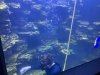
- The first of the original aquariums (after the moray/lionfish tank) that was under construction earlier in the year has had the boards removed but still says "Under Construction" with no species signed. Here is what it looks like.
Desert Dome:
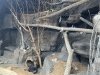
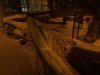
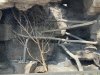
- The netting is back up for the bobcat, roadrunner/burrowing owl, and coati exhibits. All have signs that say animals are off exhibit. Below are some images of the bobcat and coati exhibits.
- Bobcat exhibit currently:
- Coati exhibit currently: The biggest change for me is that the screening foliage has been cut back/removed which will help photography on this exhibit immensely.

Kingdoms of the Night:
- The former fossa exhibit next to the ringtail is now signed for Bat-Eared Fox. It appears the zoo is splitting the parents from their offspring and letting them have a much larger exhibit. There is still a bat-eared fox pair in their exhibit in the Desert Dome.
- The Greater Galago are no longer signed in the African exhibits. I did not see any on exhibit today either. A little odd since just a couple months ago there were at least 3 in there.
- In the dry bat cave, the former Ruwenzori Long-Haired Fruit Bat exhibit now is another Vampire Bat exhibit. The Ruwenzori Long-Haired Fruit Bats are now across the path in the big exhibit with the Indian Flying Foxes and the other species of bats that were in there.
Attachments


Stingray Beach has closed indefinitely following the death of all of the inhabitants.
Henry Doorly Zoo Stingray Beach closed until further notice
Henry Doorly Zoo Stingray Beach closed until further notice
No definitive reason has been found for the stingrays' deaths, after an initial investigation.Can’t view due to region, was a reason cited?

Local_Shark
Well-Known Member
God, that's so awful. Incidents like this are really hard for everyone, because it's basically every aquarist's worst nightmare. It could be either a pathogenic cause, but it's most often some form of chemical or equipment malfunction. ZooTampa's ray die-off was almost exactly like this in 2021 and it was ultimately determined that gas bubble disease was the culprit (which is caused by gas supersaturation). Aquarium of the Pacific had an emergent ozone leak in Shark Lagoon about three years ago that could very easily have killed everything in there if it wasn't contained, and two of their gray reef sharks were lost. My guess is it'll be revealed to be similar.
Haliaeetus
Well-Known Member
A couple updates from today's quick afternoon visit:
Lied Jungle

Desert Dome

Kingdoms of the Night

Lied Jungle
- The South American "Island" exhibit has all the Black-Handed Spider Monkeys off display at the moment and the big waterfall (Belsky's Waterfall) is currently shut off and water level lowered. I would imagine routine maintenance on the exhibit.
- The Chacoan Horned Frog is now the only signed species in their exhibit, no more sign for Spiny Headed Lizard.
- There are now File Eared Frogs in the amphibian exhibit on the jungle floor near the end.
- The tank under construction has signage back up and it has the original species all listed again, among them is Harlequin Tusk for reference. However it appears that this may become a live coral exhibit with the added UV lighting and signage on the display. There was a diver in this exhibit today placing coral-like pieces on the rock walls with some sort of adhesive. I'm not entirely sure if these are small living coral that will grow to fill the space or not. Also, see the picture below for how much of the diver is below the viewing window showing how deep some of these wall tanks actually go. It appears there could easily be 4' to 5' below the bottom edge of the viewing glass.
Desert Dome
- I wanted to speculate about what the construction on the Bobcat exhibit was after last visit, but decided to wait until its new inhabitant was on display, but I can now confirm that the former Bobcat exhibit is now a second exhibit for White-Nosed Coati. Judging from the amount of climbing limbs that were added, I wondered if there was a possible swap of the bobcats and coati, but alas it is a second coati exhibit as they still are in the original one. I do wonder if this sets them up now to try and have multiple groups for a more robust breeding program. See the photo below for the now coati exhibit, with the coati in frame for reference. I took this from the side of the exhibit due to crowds of people, but also remember there is some height to this exhibit up into the rocks.
Kingdoms of the Night
- The biggest news is the KOTN is now fully opened with access to the wet batcave, South America, and Australia.
- The only change in the wet batcave is that the vampire bat in there is now empty, as these bats were moved into the larger exhibit that had Ruwenzori Long-Haired Bats in my last update. The RLH Bats are still in the collection but in the Indian Flying Fox habitat across the path.
- In South America, Douroucouli are no longer signed and I did not see them.
- The reason for the partial closure and detour of KOTN was for some construction in Australia. What was changed was that there was a wall added around the Tammar Wallaby and Short Beaked Echidna exhibit. The exhibit was slightly reconfigured for this, but I would imagine that the reason it was changed is it now appears a lot easier to add a thicker layer of substrate and not have it spill out through the netting onto the visitor pathways. Before, the net went to the ground and there was a simple log barrier through here, but now there are mud-styled concrete walls around the space. This will also make changing out the substrate and cleaning the floor below as it would be in a confined area. See the photo below.