Australasian Binturong Population

Id argue there a great display species, not only visually but also through the odor. Taronga have an amazing enclosure for them. Ive seen them out eating, up in the tree or in the sleeping boxes. There isnt a cage and you can get decently close to them. Everytime im there people are stopping and looking at them or for them, and or talking about there smell. There probably one of the most engaging smaller animals when displayed well. Simply putting them in a wire cave with a box at the back wont lead to an engaging exhibit and an animal rarely seen.

I was impressed by Taronga’s exhibit and was in the right place at the right time to see their Binturong, which was asleep; briefly woke up; and then went back to bed. On my other visit, it was asleep the whole time.

upload_2025-6-17_0-7-26.jpeg

I made four visits to Melbourne Zoo in 2023 and didn’t see them once.
 

Attachments

  • upload_2025-6-17_0-7-26.jpeg
    upload_2025-6-17_0-7-26.jpeg
    253 KB · Views: 27
I was impressed by Taronga’s exhibit and was in the right place at the right time to see their Binturong, which was asleep; briefly woke up; and then went back to bed. On my other visit, it was asleep the whole time.

View attachment 801419

I made four visits to Melbourne Zoo in 2023 and didn’t see them once.

I have found even when there asleep they are still mostly visible at taronga.

There like an asian koala, even if there sleeping people still stop and look. But i think the key is exhibit design to really showcase them.
 
I have found even when there asleep they are still mostly visible at taronga.

There like an asian koala, even if there sleeping people still stop and look. But i think the key is exhibit design to really showcase them.
I think you would find they're visible even when asleep because Taronga have strategically placed their nesting box right in the center of the exhibit and close to the visitor boardwalk, where it's easily viewable.

I was lucky enough to see both of Taronga's boys climbing to the top of the tree they have in the center of their enclosure during one of my latest visits.
 
I think you would find they're visible even when asleep because Taronga have strategically placed their nesting box right in the center of the exhibit and close to the visitor boardwalk, where it's easily viewable.

I was lucky enough to see both of Taronga's boys climbing to the top of the tree they have in the center of their enclosure during one of my latest visits.

Yes I have seen that, its quite a sight!.
And yes, it's a great example of a well designed exhibit. Which compared to what zoofan ( I personally havent seen there exhibit at MZ) said about not seeing them when they are asleep at MZ.
They are a wonderful display species but one that has to be displayed well, even when sleeping they still attract visitors if they are in line of sight.
 
Yes I have seen that, its quite a sight!.
And yes, it's a great example of a well designed exhibit. Which compared to what zoofan ( I personally havent seen there exhibit at MZ) said about not seeing them when they are asleep at MZ.
They are a wonderful display species but one that has to be displayed well, even when sleeping they still attract visitors if they are in line of sight.
Melbourne's issue is their nest box isn't placed right in front of the boardwalk, instead all the way at the back of the enclosure which makes viewing rather difficult. I don't know who came up with that idea, but the enclosure was initially designed for the rather active Coati, so I think we can cut them some slack.

Melbourne's previous Binturong enclosure however (which now holds Squirrel monkeys), was perfect for viewing. The nesting box was placed right in front of the mesh - the only issue of mine was the relative darkness created by the shelter above, but the closeness certainly made up for it.

Here's a photo for reference;

 
Melbourne's issue is their nest box isn't placed right in front of the boardwalk, instead all the way at the back of the enclosure which makes viewing rather difficult. I don't know who came up with that idea, but the enclosure was initially designed for the rather active Coati, so I think we can cut them some slack.

Melbourne's previous Binturong enclosure however (which now holds Squirrel monkeys), was perfect for viewing. The nesting box was placed right in front of the mesh - the only issue of mine was the relative darkness created by the shelter above, but the closeness certainly made up for it.

Here's a photo for reference;


Melbourne Zoo’s Binturong exhibit is at least twice as big as it needs to be. It was ideal for what was formerly a large colony of coati, but it’s wasted on two elderly Binturong, who seldom leave their nest box during visitor hours.

I think we can assume given their age that they were imported as a short term replacement for coati (circa 5 years) during which time Melbourne will address more pressing gaps in their collection. With coati returning to Australia, they may even be reconsidered for this exhibit, which I think most of us would agree is the best course of action.

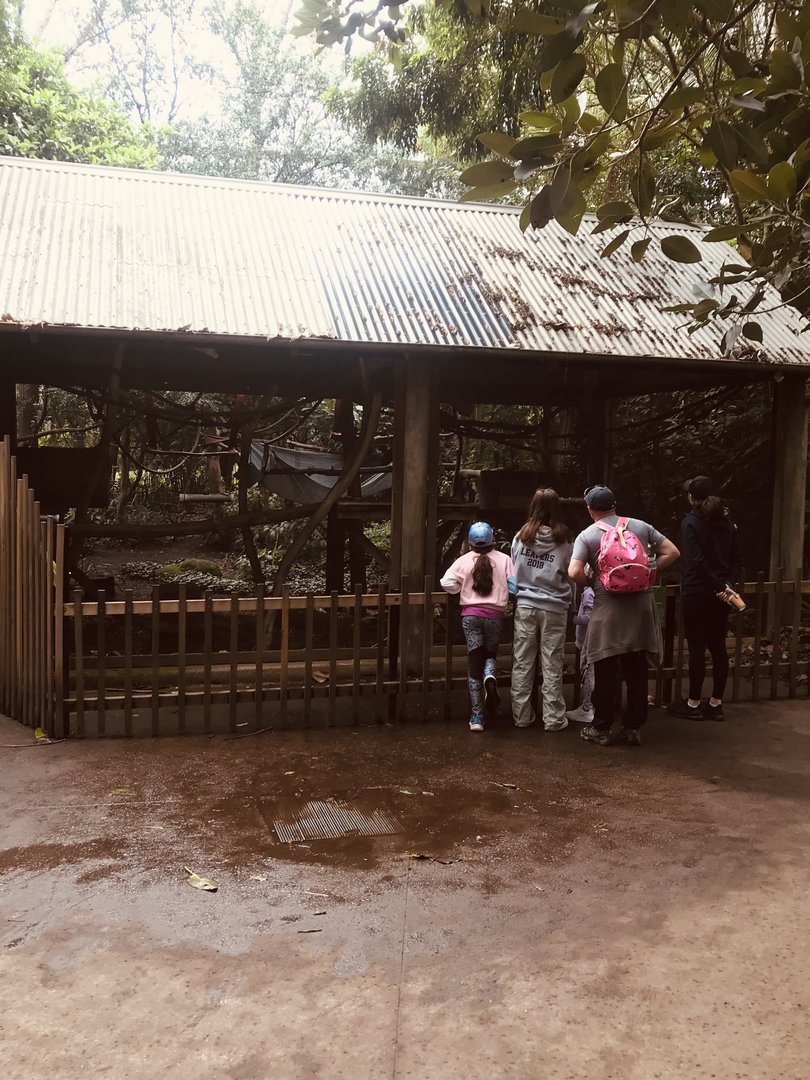
Melbourne’s Bintruong nest box:

upload_2025-6-19_11-25-54.jpeg
 

Attachments

  • upload_2025-6-19_11-25-54.jpeg
    upload_2025-6-19_11-25-54.jpeg
    324.5 KB · Views: 22
With coati returning to Australia, they may even be reconsidered for this exhibit, which I think most of us would agree is the best course of action.
Melbourne stated the former pair were to be the last. But with anything, times change, plans change and management changes, so hopefully there might be consideration re-acquire them in the long term should breeding success sky rocket in the regional zoos.
 
Melbourne stated the former pair were to be the last. But with anything, times change, plans change and management changes, so hopefully there might be consideration re-acquire them in the long term should breeding success sky rocket in the regional zoos.

They make poor (daytime) display animals, so it wouldn’t surprise me if these turned out to be Melbourne’s last Binturong. It appears the region is gearing up to support the breeding of the purebred Javan’s, so depending how successful those pairs are, it could given Melbourne the opportunity to receive a new pair down the line.

Otherwise, I’d anticipate they’re a stop gap filler for this exhibit, which I suppose I shouldn’t complain about given Melbourne’s had enough empty exhibits in recent years.
 
They make poor (daytime) display animals, so it wouldn’t surprise me if these turned out to be Melbourne’s last Binturong. It appears the region is gearing up to support the breeding of the purebred Javan’s, so depending how successful those pairs are, it could given Melbourne the opportunity to receive a new pair down the line.

Otherwise, I’d anticipate they’re a stop gap filler for this exhibit, which I suppose I shouldn’t complain about given Melbourne’s had enough empty exhibits in recent years.
I was referring to the Coati there!

Binturong's are an interesting discussion too though, as it appears breeding has somewhat stagnated in the last decade. If breeding success does develop with the Javans, I could absolutely see the city zoos at the very least become non breeding holders, supporting the regional facilities by holding surplus animals.
 
I was referring to the Coati there!

Binturong's are an interesting discussion too though, as it appears breeding has somewhat stagnated in the last decade. If breeding success does develop with the Javans, I could absolutely see the city zoos at the very least become non breeding holders, supporting the regional facilities by holding surplus animals.

I was gonna question how they could make such a statement about a phase out with such confidence, five years plus into the future. The recent import of the Coati would have been known within ZAA circles when that was decided, so perhaps they don’t plan to reacquiring them, but the option is certainly there should they chose to do so.

Im hopeful the cessation of Binturong breeding (no surviving offspring since 2019) is merely indicative of plans to switch to purebred Javan.

The import of Binturong from Hammerton (prior to the import of Javan’s from the same location) was presumably them having a clean out of old stock before switching to Javan themselves.
 
I was gonna question how they could make such a statement about a phase out with such confidence, five years plus into the future. The recent import of the Coati would have been known within ZAA circles when that was decided, so perhaps they don’t plan to reacquiring them, but the option is certainly there should they chose to do so.

Im hopeful the cessation of Binturong breeding (no surviving offspring since 2019) is merely indicative of plans to switch to purebred Javan.

The import of Binturong from Hammerton (prior to the import of Javan’s from the same location) was presumably them having a clean out of old stock before switching to Javan themselves.
It struck me as surprising as it was mentioned in the Zoo Members Newsletter a few months back when a question was being answered re. what happened to the Coati.

At the very least, the region is primed to make a switch over to Javans if they wanted too; with a relatively ageing, non breeding generic population.

And yes, Hammerton did indeed state themselves that the generic pair (that has now been split up), came across as part of the deal, to free up space for them to breed as they acquired multiple pairs from Indonesia.
 
And yes, Hammerton did indeed state themselves that the generic pair (that has now been split up), came across as part of the deal, to free up space for them to breed as they acquired multiple pairs from Indonesia.

There’s been quite a few examples of this over the years, namely Australasia giving up on Temminck’s golden cats and sending the last remnants of our population to Europe where they can breed; Taronga, Perth and Melbourne sending hybrid great apes to Indian zoos to streamline purebred populations etc.

Fingers crossed the Javan biturong pairs flourish and can rejuvenate the stagnating regional population.
 
Melbourne stated the former pair were to be the last. But with anything, times change, plans change and management changes, so hopefully there might be consideration re-acquire them in the long term should breeding success sky rocket in the regional zoos.

With the planned acquisition of SA species, id say we have a pretty good bet that in the future they will require coati again. Especially if they acquire Tapir, sloth etc.

The most ironic thing of this situation, with all the stuff MZ could import, all the species they could work towards importing but haven't. They imported two elderly binturong.
 
It struck me as surprising as it was mentioned in the Zoo Members Newsletter a few months back when a question was being answered re. what happened to the Coati.

At the very least, the region is primed to make a switch over to Javans if they wanted too; with a relatively ageing, non breeding generic population.

And yes, Hammerton did indeed state themselves that the generic pair (that has now been split up), came across as part of the deal, to free up space for them to breed as they acquired multiple pairs from Indonesia.

It would be ideal if another pair or two could be acquired from there source as well. It would open the population up to some decent genetics to get the population going gain. A pure population would be preferable to a generic one.
 
It would be ideal if another pair or two could be acquired from there source as well. It would open the population up to some decent genetics to get the population going gain. A pure population would be preferable to a generic one.

I agree. Even assuming the two Javan pairs are unrelated and matches can be made between first generation offspring, an additional founder pair would enable matches to be made at the second generation level.

I also note it’s been three years since the import and no births have been reported. Hopefully they’re both viable pairs and (assuming they’re off contraception/have breeding recommendation) there’s no reason they’ve thus far failed to produce young.
 
I've been working on putting together a history of Binturong in Australia. This is what I have, but there are still gaps. I've put a list of questions at the bottom, it would be much appreciated if anyone can supply, or point me in the right direction, of that info. Thanks :)

History of Binturong in Australia

Melbourne Zoo

The first record of a Binturong in Australia, was an individual that came from Singapore to Melbourne Zoo in 1882.

In 2003 Melbourne Zoo imported a pair from Singapore Zoo:

1.0 Gangsa (unk x unk) 00/00/0000 - 00/07/2019
0.1 Intan (unk x unk) 00/00/0000 - at least 2015

They bred twice:

0.1 Pip (Gangsa x Intan) 04/12/2004

1.0 Chinta/Jaya (Gangsa x Intan) 20/10/2005

On 30/10/2007 Chinta escaped and was captured the next day.

In 2009 Pip and Chinta (renamed Jaya) were transferred to Australia Zoo.

In 2023, Melbourne imported two males from Singapore:

1.0 Bahlu (Chucky x Putih) 20/10/2013
1.0 Tugu (unk x unk) 07/07/2014

Taronga Zoo

Taronga have exhibited Binturong since 1958. They first bred in 1962.

One individual 'Binty' went to the Ponderosa Zoo and Fauna Park in Melbourne. He died there in 1987.

In 2005 Taronga imported a pair from Singapore Zoo:

1.0 Emas (unk x unk) 00/00/~1999-00/12/2020
0.1 Pepper (unk x unk) 00/00/0000 (19 when she had her final bintlet)

This pair produced 5 litters:

0.1 Indah (Emas x Pepper) 01/04/2007 (Died young)

1.1
Jazz?

1.0 Baru (Emas x Pepper) 26/12/2007
1.0 (Emas x Pepper) 26/12/2007 (died before June 2008)
0.1 Impi (Emas x Pepper) 26/12/2007

1.0 Sari (Emas x Pepper) 00/09/2008 - 00/05/2025 (Still at Taronga in Aug 2012, went to Cairns Tropical Zoo, then Wildlife HQ)

In 2021, Taronga received two males from Perth:

1.0 Rimbo (Rabu x Selasa) 09/12/2019
1.0 Kemiri (Rabu x Selasa) 09/12/2019

Adelaide Zoo

Adelaide Zoo imported a male from Singapore in 2005:

1.0 Perak (unk x unk) 05/07/1998 - 00/01/2017

A male was transferred from Perth Zoo in 2018:

1.0 Jakarta (Rabu x Selasa) 06/09/2017

Australia Zoo

In 2009 Australia Zoo acquired a sibling pair from Melbourne Zoo:

1.0 Chinta/Jaya (Gangsa x Intan) 20/10/2005 - 2024
0.1 Pip (Gangsa x Intan) 04/12/2004 - 2024

On 31/01/2012 they escaped. Pip was found first, she was injured and recovered. Jaya was captured on 16/02/2012.

Perth Zoo

In 2016 Perth imported a pair from Singapore Zoo:

1.0 Rabu (April x Vinta) 27/05/2014
0.1 Selasa (Chucky x Putih) 20/10/2013

They produced two successful litters:

1.0 Jakarta (Rabu x Selasa) 06/09/2017 Transferred to Adelaide 2018
0.1 Enam (Rabu x Selasa) 06/09/2017 Transferred to Currumbin

1.0 Rimbo (Rabu x Selasa) 09/12/2019 Transferred to Taronga 2021
1.0 Kemiri (Rabu x Selasa) 09/12/2019 Transferred to Taronga 2021

Selasa produced three more babies that were miscarried or stillborn. She was transferred to Wildlife HQ in 2025.

Mogo Zoo

In 2014 Mogo Zoo acquired a male from Taronga:

1.0 Baru (Emas x Pepper) 26/12/2007

In 2019 they acquired a female from Hamerton Zoo, UK, via Hunter Valley Zoo:

0.1 Daisy (unk x unk) 00/00/0000

Wildlife HQ

A male Binturong came from Alma Park Zoo in 2013:

1.0 Jazz (unk x unk) 00/00/0000 - 2021

A male was transferred from Cairns Tropical Zoo when it closed in 2016:

1.0 Sari (Emas x Pepper) 00/09/2008 - 00/05/2025 (Born at Taronga)

In 2025 a female was transferred from Perth:

0.1 Selasa (Chucky x Putih) 20/10/2013 (Imported from Singapore 2016)

Hunter Valley Zoo

Hunter Valley Zoo imported a generic pair from Hamerton Zoo, UK when that zoo was making room for animals of the Javan subspecies. They kept the male and the female went to Mogo.

1.0 Boogle (unk x unk) 00/00/0000
0.1 Daisy (unk x unk) 00/00/0000

Darling Downs Zoo

In 2022, Darling Downs Zoo imported two pairs of the Javan subspecies from Hamerton Zoo, UK. They retained a pair, and a pair was sent to Tasmania Zoo.

1.0 Barney (unk x unk) 21/04/2020
0.1 Molly (unk x unk) 18/10/2017

Tasmania Zoo

1.0 Asher (unk x unk) 00/00/0000
0.1 Ana (unk x unk) 00/00/0000

Questions:

Binturong at Melbourne pre-2003?
Binturong at Taronga pre-2005?
Details of Pepper's 5 litters at Taronga.
Are those the only binturong to be at Adelaide?
Where did Jazz come from? (Was he one of Pepper's babies from Taronga?)
Have any other Aussie facilities held binturong?
 
Last edited:
I've been working on putting together a history of Binturong in Australia. This is what I have, but there are still gaps. I've put a list of questions at the bottom, it would be much appreciated if anyone can supply, or point me in the right direction, of that info. Thanks :)

History of Binturong in Australia

Melbourne Zoo

The first record of a Binturong in Australia, was an individual that came from Singapore to Melbourne Zoo in 1882.

In 2003 Melbourne Zoo imported a pair from Singapore Zoo:

1.0 Gangsa (unk x unk) 00/00/0000 - 00/07/2019
0.1 Intan (unk x unk) 00/00/0000 - at least 2015

They bred twice:

0.1 Pip (Gangsa x Intan) 04/12/2004

1.0 Chinta/Jaya (Gangsa x Intan) 20/10/2005

On 30/10/2007 Chinta escaped and was captured the next day.

In 2009 Pip and Chinta (renamed Jaya) were transferred to Australia Zoo.

In 2023, Melbourne imported two males from Singapore:

1.0 Bahlu (Chucky x Putih) 20/10/2013
1.0 Tugu (unk x unk) 07/07/2014

Taronga Zoo

Taronga have exhibited Binturong since 1958. They first bred in 1962.

One individual 'Binty' went to the Ponderosa Zoo and Fauna Park in Melbourne. He died there in 1987.

In 2005 Taronga imported a pair from Singapore Zoo:

1.0 Emas (unk x unk) 00/00/~1999-00/12/2020
0.1 Pepper (unk x unk) 00/00/0000 (19 when she had her final bintlet)

This pair produced 5 litters:

0.1 Indah (Emas x Pepper) 01/04/2007 (Died young)

1.1
Jazz?

1.0 Baru (Emas x Pepper) 26/12/2007
1.0 (Emas x Pepper) 26/12/2007
0.1 (Emas x Pepper) 26/12/2007

1.0 Sari (Emas x Pepper) 00/09/2008 - 00/05/2025 (Still at Taronga in Aug 2012, went to Cairns Tropical Zoo, then Wildlife HQ)

In 2021, Taronga received two males from Perth:

1.0 Rimbo (Rabu x Selasa) 09/12/2019
1.0 Kemiri (Rabu x Selasa) 09/12/2019

Adelaide Zoo

Adelaide Zoo imported a male from Singapore in 2005:

1.0 (unk x unk) 00/00/0000

A male was transferred from Perth Zoo in 2018:

1.0 Jakarta (Rabu x Selasa) 06/09/2017

Australia Zoo

In 2009 Australia Zoo acquired a sibling pair from Melbourne Zoo:

1.0 Chinta/Jaya (Gangsa x Intan) 20/10/2005
0.1 Pip (Gangsa x Intan) 04/12/2004

On 31/01/2012 they escaped. Pip was found first, she was injured and recovered. Jaya was captured on 16/02/2012.

Perth Zoo

In 2016 Perth imported a pair from Singapore Zoo:

1.0 Rabu (April x Vinta) 27/05/2014
0.1 Selasa (Chucky x Putih) 20/10/2013

They produced two successful litters:

1.0 Jakarta (Rabu x Selasa) 06/09/2017 Transferred to Adelaide 2018
0.1 Enam (Rabu x Selasa) 06/09/2017 Transferred to Currumbin

1.0 Rimbo (Rabu x Selasa) 09/12/2019 Transferred to Taronga 2021
1.0 Kemiri (Rabu x Selasa) 09/12/2019 Transferred to Taronga 2021

Selasa produced three more babies that were miscarried or stillborn. She was transferred to Wildlife HQ in 2025.

Mogo Zoo

In 2014 Mogo Zoo acquired a male from Taronga:

1.0 Baru (Emas x Pepper) 26/12/2007

In 2019 they acquired a female from Hamerton Zoo, UK, via Hunter Valley Zoo:

0.1 Daisy (unk x unk) 00/00/0000

Wildlife HQ

A male Binturong came from Alma Park Zoo in 2013:

1.0 Jazz (unk x unk) 00/00/0000 - 2021

A male was transferred from Cairns Tropical Zoo when it closed in 2016:

1.0 Sari (Emas x Pepper) 00/09/2008 - 00/05/2025 (Born at Taronga)

In 2025 a female was transferred from Perth:

0.1 Selasa (Chucky x Putih) 20/10/2013 (Imported from Singapore 2016)

Hunter Valley Zoo

Hunter Valley Zoo imported a generic pair from Hamerton Zoo, UK when that zoo was making room for animals of the Javan subspecies. They kept the male and the female went to Mogo.

1.0 Boogle (unk x unk) 00/00/0000
0.1 Daisy (unk x unk) 00/00/0000

Darling Downs Zoo

In 2022, Darling Downs Zoo imported two pairs of the Javan subspecies from Hamerton Zoo, UK. They retained a pair, and a pair was sent to Tasmania Zoo.

1.0 Barney (unk x unk) 21/04/2020
0.1 Molly (unk x unk) 18/10/2017

Tasmania Zoo

1.0 Asher (unk x unk) 00/00/0000
0.1 Ana (unk x unk) 00/00/0000

Questions:

Binturong at Melbourne pre-2003?
Binturong at Taronga pre-2005?
Details of Pepper's 5 litters at Taronga.
Details of Adelaide's 2005 import.
Are those the only binturong to be at Adelaide?
Where did Jazz come from? (Was he one of Pepper's babies from Taronga?)
Have any other Aussie facilities held binturong?

Adelaide Zoo's previous male binturong was named Perak and was born on 5th July 1998 at Singapore Zoo; imported by Adelaide Zoo in 2005.
 
I've been working on putting together a history of Binturong in Australia. This is what I have, but there are still gaps. I've put a list of questions at the bottom, it would be much appreciated if anyone can supply, or point me in the right direction, of that info. Thanks :)

History of Binturong in Australia

Melbourne Zoo

The first record of a Binturong in Australia, was an individual that came from Singapore to Melbourne Zoo in 1882.

In 2003 Melbourne Zoo imported a pair from Singapore Zoo:

1.0 Gangsa (unk x unk) 00/00/0000 - 00/07/2019
0.1 Intan (unk x unk) 00/00/0000 - at least 2015

They bred twice:

0.1 Pip (Gangsa x Intan) 04/12/2004

1.0 Chinta/Jaya (Gangsa x Intan) 20/10/2005

On 30/10/2007 Chinta escaped and was captured the next day.

In 2009 Pip and Chinta (renamed Jaya) were transferred to Australia Zoo.

In 2023, Melbourne imported two males from Singapore:

1.0 Bahlu (Chucky x Putih) 20/10/2013
1.0 Tugu (unk x unk) 07/07/2014

Taronga Zoo

Taronga have exhibited Binturong since 1958. They first bred in 1962.

One individual 'Binty' went to the Ponderosa Zoo and Fauna Park in Melbourne. He died there in 1987.

In 2005 Taronga imported a pair from Singapore Zoo:

1.0 Emas (unk x unk) 00/00/~1999-00/12/2020
0.1 Pepper (unk x unk) 00/00/0000 (19 when she had her final bintlet)

This pair produced 5 litters:

0.1 Indah (Emas x Pepper) 01/04/2007 (Died young)

1.1
Jazz?

1.0 Baru (Emas x Pepper) 26/12/2007
1.0 (Emas x Pepper) 26/12/2007
0.1 (Emas x Pepper) 26/12/2007

1.0 Sari (Emas x Pepper) 00/09/2008 - 00/05/2025 (Still at Taronga in Aug 2012, went to Cairns Tropical Zoo, then Wildlife HQ)

In 2021, Taronga received two males from Perth:

1.0 Rimbo (Rabu x Selasa) 09/12/2019
1.0 Kemiri (Rabu x Selasa) 09/12/2019

Adelaide Zoo

Adelaide Zoo imported a male from Singapore in 2005:

1.0 (unk x unk) 00/00/0000

A male was transferred from Perth Zoo in 2018:

1.0 Jakarta (Rabu x Selasa) 06/09/2017

Australia Zoo

In 2009 Australia Zoo acquired a sibling pair from Melbourne Zoo:

1.0 Chinta/Jaya (Gangsa x Intan) 20/10/2005
0.1 Pip (Gangsa x Intan) 04/12/2004

On 31/01/2012 they escaped. Pip was found first, she was injured and recovered. Jaya was captured on 16/02/2012.

Perth Zoo

In 2016 Perth imported a pair from Singapore Zoo:

1.0 Rabu (April x Vinta) 27/05/2014
0.1 Selasa (Chucky x Putih) 20/10/2013

They produced two successful litters:

1.0 Jakarta (Rabu x Selasa) 06/09/2017 Transferred to Adelaide 2018
0.1 Enam (Rabu x Selasa) 06/09/2017 Transferred to Currumbin

1.0 Rimbo (Rabu x Selasa) 09/12/2019 Transferred to Taronga 2021
1.0 Kemiri (Rabu x Selasa) 09/12/2019 Transferred to Taronga 2021

Selasa produced three more babies that were miscarried or stillborn. She was transferred to Wildlife HQ in 2025.

Mogo Zoo

In 2014 Mogo Zoo acquired a male from Taronga:

1.0 Baru (Emas x Pepper) 26/12/2007

In 2019 they acquired a female from Hamerton Zoo, UK, via Hunter Valley Zoo:

0.1 Daisy (unk x unk) 00/00/0000

Wildlife HQ

A male Binturong came from Alma Park Zoo in 2013:

1.0 Jazz (unk x unk) 00/00/0000 - 2021

A male was transferred from Cairns Tropical Zoo when it closed in 2016:

1.0 Sari (Emas x Pepper) 00/09/2008 - 00/05/2025 (Born at Taronga)

In 2025 a female was transferred from Perth:

0.1 Selasa (Chucky x Putih) 20/10/2013 (Imported from Singapore 2016)

Hunter Valley Zoo

Hunter Valley Zoo imported a generic pair from Hamerton Zoo, UK when that zoo was making room for animals of the Javan subspecies. They kept the male and the female went to Mogo.

1.0 Boogle (unk x unk) 00/00/0000
0.1 Daisy (unk x unk) 00/00/0000

Darling Downs Zoo

In 2022, Darling Downs Zoo imported two pairs of the Javan subspecies from Hamerton Zoo, UK. They retained a pair, and a pair was sent to Tasmania Zoo.

1.0 Barney (unk x unk) 21/04/2020
0.1 Molly (unk x unk) 18/10/2017

Tasmania Zoo

1.0 Asher (unk x unk) 00/00/0000
0.1 Ana (unk x unk) 00/00/0000

Questions:

Binturong at Melbourne pre-2003?
Binturong at Taronga pre-2005?
Details of Pepper's 5 litters at Taronga.
Details of Adelaide's 2005 import.
Are those the only binturong to be at Adelaide?
Where did Jazz come from? (Was he one of Pepper's babies from Taronga?)
Have any other Aussie facilities held binturong?
Australia Zoo:

Jaya and Pip both died in 2024, leaving the zoo without the species.
 
I've been working on putting together a history of Binturong in Australia. This is what I have, but there are still gaps. I've put a list of questions at the bottom, it would be much appreciated if anyone can supply, or point me in the right direction, of that info. Thanks :)

History of Binturong in Australia

Melbourne Zoo

The first record of a Binturong in Australia, was an individual that came from Singapore to Melbourne Zoo in 1882.

In 2003 Melbourne Zoo imported a pair from Singapore Zoo:

1.0 Gangsa (unk x unk) 00/00/0000 - 00/07/2019
0.1 Intan (unk x unk) 00/00/0000 - at least 2015

They bred twice:

0.1 Pip (Gangsa x Intan) 04/12/2004

1.0 Chinta/Jaya (Gangsa x Intan) 20/10/2005

On 30/10/2007 Chinta escaped and was captured the next day.

In 2009 Pip and Chinta (renamed Jaya) were transferred to Australia Zoo.

In 2023, Melbourne imported two males from Singapore:

1.0 Bahlu (Chucky x Putih) 20/10/2013
1.0 Tugu (unk x unk) 07/07/2014

Taronga Zoo

Taronga have exhibited Binturong since 1958. They first bred in 1962.

One individual 'Binty' went to the Ponderosa Zoo and Fauna Park in Melbourne. He died there in 1987.

In 2005 Taronga imported a pair from Singapore Zoo:

1.0 Emas (unk x unk) 00/00/~1999-00/12/2020
0.1 Pepper (unk x unk) 00/00/0000 (19 when she had her final bintlet)

This pair produced 5 litters:

0.1 Indah (Emas x Pepper) 01/04/2007 (Died young)

1.1
Jazz?

1.0 Baru (Emas x Pepper) 26/12/2007
1.0 (Emas x Pepper) 26/12/2007
0.1 (Emas x Pepper) 26/12/2007

1.0 Sari (Emas x Pepper) 00/09/2008 - 00/05/2025 (Still at Taronga in Aug 2012, went to Cairns Tropical Zoo, then Wildlife HQ)

In 2021, Taronga received two males from Perth:

1.0 Rimbo (Rabu x Selasa) 09/12/2019
1.0 Kemiri (Rabu x Selasa) 09/12/2019

Adelaide Zoo

Adelaide Zoo imported a male from Singapore in 2005:

1.0 (unk x unk) 00/00/0000

A male was transferred from Perth Zoo in 2018:

1.0 Jakarta (Rabu x Selasa) 06/09/2017

Australia Zoo

In 2009 Australia Zoo acquired a sibling pair from Melbourne Zoo:

1.0 Chinta/Jaya (Gangsa x Intan) 20/10/2005
0.1 Pip (Gangsa x Intan) 04/12/2004

On 31/01/2012 they escaped. Pip was found first, she was injured and recovered. Jaya was captured on 16/02/2012.

Perth Zoo

In 2016 Perth imported a pair from Singapore Zoo:

1.0 Rabu (April x Vinta) 27/05/2014
0.1 Selasa (Chucky x Putih) 20/10/2013

They produced two successful litters:

1.0 Jakarta (Rabu x Selasa) 06/09/2017 Transferred to Adelaide 2018
0.1 Enam (Rabu x Selasa) 06/09/2017 Transferred to Currumbin

1.0 Rimbo (Rabu x Selasa) 09/12/2019 Transferred to Taronga 2021
1.0 Kemiri (Rabu x Selasa) 09/12/2019 Transferred to Taronga 2021

Selasa produced three more babies that were miscarried or stillborn. She was transferred to Wildlife HQ in 2025.

Mogo Zoo

In 2014 Mogo Zoo acquired a male from Taronga:

1.0 Baru (Emas x Pepper) 26/12/2007

In 2019 they acquired a female from Hamerton Zoo, UK, via Hunter Valley Zoo:

0.1 Daisy (unk x unk) 00/00/0000

Wildlife HQ

A male Binturong came from Alma Park Zoo in 2013:

1.0 Jazz (unk x unk) 00/00/0000 - 2021

A male was transferred from Cairns Tropical Zoo when it closed in 2016:

1.0 Sari (Emas x Pepper) 00/09/2008 - 00/05/2025 (Born at Taronga)

In 2025 a female was transferred from Perth:

0.1 Selasa (Chucky x Putih) 20/10/2013 (Imported from Singapore 2016)

Hunter Valley Zoo

Hunter Valley Zoo imported a generic pair from Hamerton Zoo, UK when that zoo was making room for animals of the Javan subspecies. They kept the male and the female went to Mogo.

1.0 Boogle (unk x unk) 00/00/0000
0.1 Daisy (unk x unk) 00/00/0000

Darling Downs Zoo

In 2022, Darling Downs Zoo imported two pairs of the Javan subspecies from Hamerton Zoo, UK. They retained a pair, and a pair was sent to Tasmania Zoo.

1.0 Barney (unk x unk) 21/04/2020
0.1 Molly (unk x unk) 18/10/2017

Tasmania Zoo

1.0 Asher (unk x unk) 00/00/0000
0.1 Ana (unk x unk) 00/00/0000

Questions:

Binturong at Melbourne pre-2003?
Binturong at Taronga pre-2005?
Details of Pepper's 5 litters at Taronga.
Details of Adelaide's 2005 import.
Are those the only binturong to be at Adelaide?
Where did Jazz come from? (Was he one of Pepper's babies from Taronga?)
Have any other Aussie facilities held binturong?

Great research, thank you for sharing!

Prior to the import of Emas and Pepper, Taronga housed a pair called Mr and Mrs B. @steveroberts would have more specific dates to share, but I don't believe they ever bred and had both passed away by 2005.

I have old Taronga Zoo Friends magazines which would have some of the details about Pepper's litters - I will have a look through my collection and see what I can report back.
 
Back
Top